• Home
  • About Us
  • Toolkit
  • Getting Finances Done
    • Hiring Advisors
    • Debt Management
    • Spending Plan
  • Insurance
    • Life Insurance
    • Health Insurance
    • Disability Insurance
    • Homeowners/Renters Insurance
  • Contact Us
  • Privacy Policy
  • Risk Tolerance Quiz

The Free Financial Advisor

You are here: Home / Archives for Medicare

The Retirement Budget Trap: Why Expenses Spike Between Ages 62 and 70

January 26, 2026 by Brandon Marcus Leave a Comment

The Retirement Budget Trap: Why Expenses Spike Between Ages 62 and 70

Image source: shutterstock.com

Retirement is supposed to be the victory lap. The alarm clock is silenced, the calendar opens up, and the long-awaited freedom finally arrives. Then something strange happens: the budget starts puffing up its chest and asking for more money. Not a little more—often a lot more. Between ages 62 and 70, many retirees are caught off guard by a surge in expenses that feels completely backward from everything they were promised.

This is the retirement budget trap, and it has nothing to do with bad math or poor discipline. It’s about timing, behavior, and a life stage that is far more active—and expensive—than most people expect.

The Early Retirement Lifestyle Surge

The early retirement years are not quiet years. They are loud, curious, and packed with plans that were postponed for decades. Travel tends to explode during this window, especially while health and energy are still high. Flights, longer stays, cruises, national park road trips, and visits to friends all stack up quickly. Even retirees who swear they will “travel cheaply” often find that convenience starts winning arguments over frugality.

Daily spending also creeps higher because retirees are home more. More meals at home mean higher grocery bills, and more meals out become part of the new social rhythm. Hobbies that once lived on weekends now get full-time attention, and hobbies almost always come with price tags. Add in entertainment, events, classes, and spontaneous outings, and the lifestyle line item begins to swell.

Healthcare Costs Before And After Medicare

Healthcare is one of the biggest reasons expenses spike between 62 and 70, and the timing could not be trickier. Before age 65, retirees must bridge the insurance gap on their own. Private insurance, COBRA coverage, or marketplace plans can be shockingly expensive, especially without employer subsidies. Premiums rise, deductibles are high, and out-of-pocket costs can feel relentless.

Turning 65 brings Medicare, but it doesn’t bring free healthcare. Medicare premiums, supplemental plans, prescription coverage, dental, vision, and hearing expenses all add up. Higher-income retirees may also face income-related premium surcharges, which arrive quietly and linger for years.

Helping Adult Children And Aging Parents

The sandwich generation doesn’t magically disappear at retirement—it often intensifies. Many retirees in their 60s find themselves supporting adult children who are dealing with housing costs, student loans, or career instability. Financial help may start as a one-time gesture and turn into a recurring line item. It’s given generously and rarely tracked carefully.

At the same time, aging parents may need assistance. Travel for caregiving, home modifications, medical support, or professional care services can quickly strain a retirement budget. These expenses are emotionally driven and deeply personal, which makes them harder to limit.

Big Projects, Big Moves, And Hidden Costs

The early retirement years are prime time for major life adjustments. Downsizing sounds simple, but moving is expensive. Realtor fees, repairs, staging, moving services, and temporary housing can eat into savings faster than expected. Renovations are another common culprit, whether it’s finally remodeling the kitchen or making a home more age-friendly.

New cars, second homes, or recreational vehicles often enter the picture during this phase. These purchases feel justified as “now or never” decisions, and they often are. What gets overlooked are the ongoing costs: insurance, maintenance, taxes, storage, and upgrades.

The Tax And Income Timing Surprise

Between 62 and 70, income sources are often in flux, and taxes become less predictable. Some retirees claim Social Security early, others delay, and many combine part-time work with withdrawals from retirement accounts. These overlapping income streams can push retirees into higher tax brackets than expected. Taxes on Social Security benefits catch many people off guard, especially when combined with investment income.

Required minimum distributions don’t begin until later, but strategic withdrawals often happen earlier, sometimes triggering larger tax bills. Medicare premium surcharges are also based on income from prior years, creating a delayed financial echo. The result is a period where income decisions made with good intentions quietly inflate expenses through taxes and healthcare premiums.

The Retirement Budget Trap: Why Expenses Spike Between Ages 62 and 70

Image source: shutterstock.com

Why The Spike Often Fades After 70

The expense surge between 62 and 70 doesn’t usually last forever. Travel often slows naturally, major projects taper off, and lifestyle spending becomes more predictable. Healthcare costs may stabilize, especially once insurance choices are set. Social circles shrink slightly, routines settle in, and spending becomes less impulsive.

This is why the trap is so dangerous. Retirees may assume these higher expenses are permanent and panic unnecessarily, or they may underestimate them entirely and strain their savings early. Understanding that this phase is often temporary helps retirees plan with realism instead of fear. The key is recognizing that retirement has seasons, and the early years are the most expensive ones.

Seeing The Trap Before It Springs

The retirement budget trap isn’t caused by recklessness or poor planning—it’s driven by a vibrant, transitional stage of life that deserves honesty and foresight. Expenses rise because life is full, generous, and active during these years. Recognizing this pattern helps future retirees prepare without dampening the joy that makes retirement worth waiting for.

If you’ve lived through this phase or are preparing for it now, your experiences can help others navigate it with clearer expectations and fewer surprises. Drop your thoughts or personal stories in the comments below and keep the conversation going.

You May Also Like…

8 Budget Areas That Expand After Retirement

The Sunshine State Squeeze: Why Florida Retirees are Seeing Smaller Social Security Checks This Week

The “Retirement Town” Myth: Why These 5 Dream Locations Are Currently Seeing a Mass Exodus

10 Costs That Make Retirement Budgets Feel Unstable

Savings Leap: 9 Mid-Life Moves That Boost Long-Term Retirement Odds

Brandon Marcus
Brandon Marcus

Brandon Marcus is a writer who has been sharing the written word since a very young age. His interests include sports, history, pop culture, and so much more. When he isn’t writing, he spends his time jogging, drinking coffee, or attempting to read a long book he may never complete.

Filed Under: Retirement Tagged With: adult children, early retirement, expenses, Family, family issues, healthcare, healthcare costs, Income, Life, Lifestyle, Lifestyle creep, Medicare, retire, retiree, retirees, Retirement, retirement account, retirement budget, retirement income, retirement savings, senior citizens, seniors, taxes

The COLA Theft: Why Half of Your Social Security Raise Just Vanished into Medicare This Morning

January 14, 2026 by Brandon Marcus 2 Comments

The COLA Theft: Why Half of Your Social Security Raise Just Vanished into Medicare This Morning

Image Source: Shutterstock.com

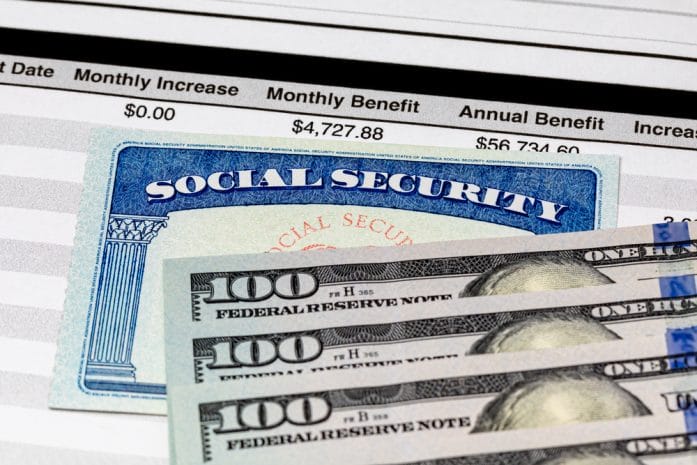
Your morning coffee hits differently when you check your Social Security statement and realize half of your cost-of-living adjustment (COLA) has evaporated into thin air. That number you were dreaming about for extra groceries, a mini-vacation, or that shiny new gadget? Gone. Vanished. Not because of a bank error or mysterious financial conspiracy, but because Medicare decided to gatecrash your raise.

This is a financial reality served with a twist, and it’s time we unpack why half of your new money just disappeared into the healthcare black hole you didn’t ask for.

How Social Security COLA Actually Works

Social Security COLA is supposed to be a beacon of relief for retirees. It’s calculated every year based on inflation, specifically the Consumer Price Index for Urban Wage Earners and Clerical Workers (CPI-W). When prices rise, Social Security steps in to adjust your benefits so you don’t feel like your wallet is shrinking while your bills balloon. Sounds great, right? Well, the twist comes with Medicare premiums.

The COLA is calculated first, but before you even get to dream about splurging, the Centers for Medicare & Medicaid Services (CMS) takes its cut. That means a chunk of your raise is immediately swallowed by Medicare Part B premiums, leaving you with significantly less than you expected. Many retirees are blindsided because the headline COLA number feels like money you can actually spend, but the reality is more like a “gross income” versus “net income” scenario.

Why Medicare Premiums Keep Rising

Medicare Part B premiums aren’t static. They rise every year, often in step with healthcare costs, which historically climb faster than inflation. Think of it like a rent increase, but for your health insurance. For 2026, premiums rose enough that nearly half of the average Social Security COLA was absorbed before recipients even saw their checks. That’s right—those months of careful budgeting and mental math to account for your COLA bump? The spreadsheet just got a rude awakening. Why do premiums go up? It’s a combination of increasing costs of medical services, more expensive drugs, and an aging population that requires more care. And unfortunately, Social Security beneficiaries foot the bill through deductions that feel automatic, invisible, and sometimes unfair. It’s one of those realities of modern retirement that feels like an adult version of trick-or-treating—except you’re left holding the empty bag.

The Psychological Sting Of The COLA Theft

There’s a real psychological effect when you see your raise disappear instantly. It’s a mix of betrayal and disbelief, like finding a surprise pop quiz in your mailbox. Retirees count on COLA to help keep up with the rising cost of groceries, utilities, and other essentials. When half of it vanishes, it’s not just numbers on paper—it’s the snack you wanted to buy at the store, the coffee you hoped to enjoy, or the little indulgence you were planning. Experts call this “benefit erosion,” and it’s real, measurable, and emotionally impactful. It feels personal, even though it’s purely systemic. That sting of disappointment can make financial planning seem more like a guessing game, leading many retirees to rethink budgets and lifestyle choices mid-year.

How To Calculate What You Actually Receive

Understanding exactly what hits your bank account requires a little math, but it’s not complicated. Start with your announced COLA percentage and multiply it by your current benefit. That gives you your expected increase. Then, subtract your new Medicare Part B premium increase. The result is your “real” raise—the amount you can actually spend or save. For example, if your COLA is 3% on a $2,000 monthly benefit, that’s $60. But if Medicare premiums rise $30 for the month, suddenly your effective gain is only $30. That’s not small potatoes for retirees living on fixed incomes. Being proactive about this calculation helps avoid surprise disappointment and makes budgeting a little less painful. Awareness is power, even if the system sometimes feels like it’s rigged against you.

Strategies To Make The Most Of Your COLA

While you can’t stop Medicare from taking its slice, you can still be strategic about how you use your COLA. Some retirees focus on paying down debt first—credit cards, car loans, or other high-interest obligations—before spending any extra. Others treat the real COLA as a “bonus” and redirect it to small indulgences or emergency funds. Timing purchases and being intentional about monthly budgets can prevent that half-gain from feeling like a loss.

Some retirees even explore income-driven strategies, like adjusting tax withholding or reviewing supplemental insurance options, to ensure they’re maximizing the dollars that remain. In short, while you can’t avoid the COLA theft entirely, you can make your remaining money work smarter.

The COLA Theft: Why Half of Your Social Security Raise Just Vanished into Medicare This Morning

Image Source: Shutterstock.com

Why Understanding This Matters

Being aware of the interaction between COLA and Medicare premiums is crucial for realistic retirement planning. It prevents nasty surprises and gives retirees the tools to adapt their financial strategies. More importantly, understanding these mechanics fosters financial literacy and empowers individuals to make choices about healthcare, savings, and lifestyle. Social Security is not a perfect system, and Medicare premiums can feel like a stealthy deduction, but awareness allows retirees to plan ahead instead of reacting. Knowledge doesn’t just save money—it saves stress, and for many, that’s priceless.

Let’s Talk About Your Experience

The COLA theft is more than a numbers game—it’s a shared experience for millions of retirees. If you’ve felt that sting of watching your hard-earned raise disappear, you’re not alone. We want to hear about your reactions, adjustments, and strategies.

How did you handle the surprise? Did it change your monthly planning? Post your thoughts and stories in the comments section below, and let’s get a conversation started.

Retirement planning is complex enough, but discussing real experiences can make it feel a little less lonely—and a lot more empowering.

You May Also Like…

Pension Shock: 9 Myths About Social Security That Could Derail Your Retirement

Could Your Social Security Plans Collapse If The Economy Shifts Again This Winter?

11 Social Security Surprises That Hit You After Losing a Spouse

Is There Any Way to Get More Social Security Than You Qualify For?

Why Do People Underestimate the True Cost of Living Longer


Brandon Marcus
Brandon Marcus

Brandon Marcus is a writer who has been sharing the written word since a very young age. His interests include sports, history, pop culture, and so much more. When he isn’t writing, he spends his time jogging, drinking coffee, or attempting to read a long book he may never complete.

Filed Under: social security Tagged With: America, COLA, Cost of living, government policy, Medicare, Medicare premiums, senior citizens, seniors, Social Security, Social Security benefits, social security changes, Social Security COLA, social security plans, social security reform, United States

Income Threshold: 4 Hidden Taxes That Hit Once You Cross Certain Limits

December 26, 2025 by Brandon Marcus Leave a Comment

Income Threshold: 4 Hidden Taxes That Hit Once You Cross Certain Limits

Image Source: Shutterstock.com

Earning more money is usually exciting—raises, promotions, side hustles finally paying off. But what if your bank account gains triggered sneaky traps that weren’t in the paycheck memo? These hidden taxes can strike the moment your income passes certain thresholds, quietly shrinking your take-home pay.

From disappearing deductions to stealthy surtaxes, they hit in ways that make your wallet flinch. Let’s dive into four surprising taxes that you might not know are lurking just above your financial comfort zone.

1. Social Security Tax Cap And Its Sneaky Effect

Social Security taxes feel straightforward at first glance. But once you cross a specific income cap, you stop paying Social Security taxes on additional earnings. Sounds like a break, right? Not entirely, because the sudden cessation affects long-term benefits, since your retirement check is calculated based on your lifetime earnings. High earners may find themselves paradoxically paying less in the short term but potentially receiving lower proportional benefits later.

2. Medicare Surtax That Hits The Top Bracket

Medicare usually takes 1.45% of your paycheck, and your employer contributes the same. Yet for individuals earning more than a certain amount, an additional Medicare surtax applies. This tax doesn’t end at a cap—it keeps taking from every extra dollar earned above that threshold. It’s an often-overlooked bite for high-income earners, especially those juggling bonuses or side income streams. Ignoring it can result in a shock when you file your taxes, turning extra earnings into unexpected deductions.

3. The Phaseout Of Itemized Deductions

Deductions are your best friends, trimming taxable income and lightening your tax bill. But once your income surpasses a certain limit, many itemized deductions begin to phase out. For example, higher-income taxpayers may lose deductions for state and local taxes, mortgage interest, or charitable contributions. This stealthy withdrawal increases taxable income without any overt notice in your paycheck. Essentially, the more you earn past a threshold, the fewer deductions you can claim, quietly inflating your effective tax rate.

4. Net Investment Income Tax: The Silent Siphon

The net investment income tax (NIIT) is like a secret toll booth on passive income. Individuals with modified adjusted gross income over a certain amount pay an additional tax on investment earnings. That includes interest, dividends, capital gains, rental income, and certain passive business income. For investors, this can drastically change the net return on a well-planned portfolio, especially if multiple income streams push you above the threshold. Many people don’t realize that this tax operates independently of ordinary income tax, so it’s easy to underestimate its bite.

Income Threshold: 4 Hidden Taxes That Hit Once You Cross Certain Limits

Image Source: Shutterstock.com

Why Timing And Planning Matter More Than Ever

Crossing these thresholds isn’t just a numbers game; it’s a timing and strategy issue. Earning a bonus or selling an investment at the wrong moment can push you over a critical line. Smart tax planning—like deferring income, bunching deductions, or leveraging tax-advantaged accounts—can mitigate these hidden hits. Professionals and self-employed earners especially benefit from proactive planning, as small moves can save thousands. Understanding when and how these thresholds apply keeps your hard-earned money from evaporating unnoticed.

Keep An Eye On Changes Every Year

Tax laws are rarely static—they shift, sometimes subtly, each year. The IRS annually updates income limits, caps, and thresholds, affecting Social Security, Medicare, deductions, and investment taxes. What applied last year may not hold true this year, so relying on outdated information can be costly. Staying informed ensures you’re prepared for each threshold, rather than surprised at filing time. Vigilance transforms these hidden taxes from stealthy penalties into manageable considerations in your financial plan.

What Do You Think About Hidden Taxes?

Hidden taxes often hit without warning, but knowledge is your best defense. Understanding income thresholds, surtaxes, phaseouts, and investment taxes can help you strategize and protect your earnings.

Have you ever encountered a surprise tax when you crossed an income line? Tell us your thoughts or stories in the comments section below. The more you know, the better you can plan—and maybe even keep more of what you earn.

You May Also Like…

Income Pivot: 8 Income Streams Retirees Are Adding Before Rates Change Again

13 Intriguing Ideas for Generating Passive Rental Income Streams

7 Income Streams You’d Laugh At—Until They Out-earned Your Salary

5 Income Goals That Professionals Wish They Hit by 35

12 Different Ways to Structure Your Portfolio for Income Generation

Brandon Marcus
Brandon Marcus

Brandon Marcus is a writer who has been sharing the written word since a very young age. His interests include sports, history, pop culture, and so much more. When he isn’t writing, he spends his time jogging, drinking coffee, or attempting to read a long book he may never complete.

Filed Under: tax tips Tagged With: deductions, extra income, fees, fixed income, Hidden Fees, hidden taxes, high income, income threshold, Medicare, net investment income tax, Social Security, Tax, tax limit, tax tips, taxes

6 Tax Traps Baby Boomers Wish Someone Warned Them About Earlier

October 23, 2025 by Travis Campbell Leave a Comment

tax

Image source: pexels.com

Taxes can take a bigger bite out of retirement savings than many baby boomers expect. Decades of hard work and careful saving can be undermined by overlooked tax traps that quietly erode wealth. The rules around retirement accounts, Social Security, and Medicare are complex, and the implications for taxes can be surprising. If you’re a baby boomer approaching or in retirement, it’s crucial to understand how your decisions now can impact your tax bill later. Knowing the most common tax traps for baby boomers can help you keep more of your hard-earned money and reduce financial stress in your golden years.

1. Underestimating Required Minimum Distributions (RMDs)

One of the biggest tax traps baby boomers face is not planning for required minimum distributions (RMDs) from traditional IRAs and 401(k)s. Once you reach age 73, you must start withdrawing a minimum amount each year, whether you need the money or not. These withdrawals are taxed as regular income, which can push you into a higher tax bracket or even trigger additional taxes on Social Security benefits.

If you forget to take your RMD, the IRS imposes a hefty penalty—up to 25% of the amount you should have withdrawn. It’s important to factor RMDs into your retirement income strategy well before you reach the age threshold. Consider consulting a financial advisor to develop a withdrawal plan that minimizes your tax burden over time.

2. Ignoring the Taxation of Social Security Benefits

Many baby boomers are surprised to learn that Social Security benefits can be taxable. If your combined income—including half your Social Security benefits, plus all other income—exceeds certain thresholds, up to 85% of your benefits may be subject to federal income tax. For individuals, this threshold starts at $25,000; for married couples filing jointly, it’s $32,000. These limits haven’t changed in decades, so more retirees get hit with this tax trap every year.

Strategic withdrawals from retirement accounts can help you manage your taxable income and possibly reduce how much of your Social Security is taxed. It’s wise to run the numbers before taking large withdrawals or starting benefits to avoid unnecessary surprises at tax time.

3. Overlooking Capital Gains in Retirement

Many baby boomers focus on income taxes but forget about capital gains taxes when selling investments. If you’ve invested in stocks, mutual funds, or real estate outside of retirement accounts, you could owe taxes on the profits when you sell. Long-term capital gains are generally taxed at lower rates, but selling large amounts in a single year can increase your overall tax bracket and cause other tax ripple effects.

Timing matters. Selling investments gradually or during years when your income is lower can help you pay less in capital gains tax. Don’t forget to factor in state taxes, which can be significant depending on where you live.

4. Not Planning for the Medicare IRMAA Surcharge

The Income-Related Monthly Adjustment Amount (IRMAA) is a hidden tax trap baby boomers often overlook. If your modified adjusted gross income (MAGI) exceeds certain thresholds, you’ll pay higher premiums for Medicare Part B and Part D. For 2024, the IRMAA surcharge kicks in for individuals with MAGI above $103,000 and couples above $206,000.

This surcharge can add thousands of dollars to your healthcare costs each year. Large IRA withdrawals, capital gains, or even the sale of a home can push you over the limit. To avoid this tax trap, coordinate withdrawals and income planning with Medicare premium thresholds in mind.

5. Forgetting State Taxes on Retirement Income

Not all states tax retirement income the same way. Some states fully tax pensions, Social Security, and IRA withdrawals, while others exempt them or offer partial relief. Moving to a new state for retirement without researching the tax implications can lead to an unpleasant surprise.

Before you relocate, review each state’s rules on retirement income taxation. States like Florida and Texas have no state income tax, while others, like California and New York, are less forgiving.

6. Missing Roth Conversion Opportunities

Roth conversions let you move money from a traditional IRA or 401(k) to a Roth IRA, paying taxes on the converted amount now in exchange for tax-free withdrawals later. Many baby boomers miss out on this strategy, either because they don’t know about it or fear the immediate tax hit. But for those in a lower tax bracket—especially before RMDs begin or Social Security starts—a Roth conversion can be a powerful way to avoid future tax traps.

Careful planning is key. Converting too much in one year can bump you into a higher bracket or cause other taxes to increase. Spreading conversions over several years and coordinating with your overall tax plan can help minimize the pain.

Smart Moves to Avoid Common Tax Traps for Baby Boomers

Tax traps for baby boomers can be costly, but they’re not unavoidable. Proactive planning—starting years before retirement—can help you avoid penalties, reduce taxes on Social Security, and keep more of your savings. Work with a knowledgeable financial advisor or tax professional who understands the unique challenges baby boomers face. Stay informed about changes in tax laws and adjust your strategy as needed.

Are you a baby boomer who’s faced a tax trap in retirement? What’s one thing you wish you’d known earlier? Share your experience or questions in the comments below!

What to Read Next…

  • 7 Tax Breaks That Sound Generous But Cost You Later
  • 6 Tax Moves That Backfire After You Sell A Property
  • What Tax Preparers Aren’t Warning Pre Retirees About In 2025
  • 6 Financial Traps Retirees Walk Into Without Questioning
  • 6 Tax Breaks That Vanished Before Anyone Noticed
Travis Campbell
Travis Campbell

Travis Campbell is a digital marketer/developer with over 10 years of experience and a writer for over 6 years. He holds a degree in E-commerce and likes to share life advice he’s learned over the years. Travis loves spending time on the golf course or at the gym when he’s not working.

Filed Under: Tax Planning Tagged With: baby boomers, Medicare, Retirement, RMDs, Roth IRA, Social Security, tax planning

8 Health-Care Policy Changes That Will Hit Your Wallet After 50

October 22, 2025 by Travis Campbell Leave a Comment

health insurance

Image source: pexels.com

Turning 50 is a milestone, but it also marks a turning point in how health-care policy changes can affect your wallet. As you get older, your health needs may increase, and so does your exposure to shifting rules and costs. The landscape of health insurance, Medicare, prescription drug pricing, and even preventive care is always evolving. If you’re not paying attention, you could end up paying more—or missing out on benefits that could save you money. Understanding the latest healthcare policy changes is critical for anyone over 50 who wants to keep their financial future secure.

1. Medicare Eligibility Age Adjustments

One of the most talked-about health-care policy changes is the proposed adjustment to the Medicare eligibility age. Some lawmakers have suggested raising the age from 65 to 67 or beyond. If this happens, people in their early 60s may need to rely on private insurance or marketplace plans for longer. That usually means higher premiums, larger out-of-pocket maximums, and potentially less comprehensive coverage. For anyone budgeting for retirement, these changes could shift your entire health-care cost strategy.

2. Expanded Preventive Care Coverage

Good news: Recent health-care policy changes have expanded the list of preventive services that insurance must cover without charging you a copay. This includes more cancer screenings and vaccinations—especially for adults over 50. By taking advantage of these benefits, you could catch health problems early and avoid expensive treatments down the line. However, what’s covered can vary by plan, so it pays to review your benefits annually.

3. Prescription Drug Price Reforms

Prescription drug prices are a hot topic, especially for those managing chronic conditions. New health-care policy changes aim to cap out-of-pocket costs under Medicare Part D, and some reforms target price negotiation for high-cost medications. These updates can mean lower monthly costs for your medications, but they also come with new rules and enrollment periods. Staying informed about these changes is key to avoiding surprises at the pharmacy counter.

4. Changes to Medicare Advantage Plans

Medicare Advantage plans are popular for their extra benefits, but policy shifts could affect what’s included—and how much you pay. Some changes expand coverage for things like vision, dental, and hearing, but others tighten provider networks or raise premiums. If you’re considering a Medicare Advantage plan, compare your options every year. Your preferred doctors or prescription drugs might not be covered the same way as before.

5. Mental Health and Substance Use Coverage Expansion

Mental health is finally getting the attention it deserves in health-care policy changes. New rules require broader coverage for mental health and substance use services, especially for older adults. This means more counseling sessions, telehealth options, and support for addiction treatments. While this can increase the value of your plan, it could also raise premiums slightly. Balancing the benefits with the costs is essential when choosing your coverage.

6. Long-Term Care Insurance Incentives

Long-term care is a growing concern after 50, and recent policy changes encourage more people to buy insurance for it. Some states now offer tax credits or deductions for purchasing long-term care insurance. Others are experimenting with public long-term care programs funded through payroll taxes. These shifts could lower your out-of-pocket expenses if you need extended care, but they also require planning ahead. Don’t wait until health issues arise to explore your options.

7. Telehealth Policy Updates

The pandemic made telehealth a standard option, and many recent healthcare policy changes are making it a permanent part of coverage. Expanded telehealth means you can visit doctors from home, often at a lower cost. However, not every service is covered, and some insurers are rolling back pandemic-era waivers. If you rely on telehealth for convenience or mobility reasons, double-check which services remain covered under your plan.

8. Higher Out-of-Pocket Limits on Marketplace Plans

If you’re not yet eligible for Medicare and depend on ACA marketplace plans, be aware that some policy changes are increasing the annual out-of-pocket maximums. This means you could pay more before your insurance starts covering 100% of costs. For older adults who need more frequent care, these limits can have a big impact. Reviewing your plan each year and shopping around is more important than ever.

How to Stay Ahead of Health-Care Policy Changes

Health-care policy changes are happening all the time, and the effects on your wallet after 50 can be significant. The best way to protect yourself is to stay informed and proactive. Review your plan options every year, ask questions about new benefits, and adjust your retirement planning as needed. Understanding what’s changing can help you avoid unexpected bills and get the most value from your coverage.

What policy changes are you most concerned about as you approach or move past age 50? Share your thoughts in the comments below!

What to Read Next…

  • Why Are So Many Seniors Being Sued Over Student Loans They Didn’t Take Out?
  • Why Your Long Term Care Policy Might Be Useless After Age 75
  • 7 Retirement Perks That Come With Shocking Hidden Costs
  • Can An Unpaid Medical Bill Really Lead To Property Seizure?
  • 7 Financial Assumptions That Collapse After One Health Emergency
Travis Campbell
Travis Campbell

Travis Campbell is a digital marketer/developer with over 10 years of experience and a writer for over 6 years. He holds a degree in E-commerce and likes to share life advice he’s learned over the years. Travis loves spending time on the golf course or at the gym when he’s not working.

Filed Under: Health & Wellness Tagged With: health care, Insurance, Medicare, policy changes, prescription drugs, retirement planning, telehealth

Could Your Retirement Fund Collapse Just From Medical Debt

August 27, 2025 by Travis Campbell Leave a Comment

medical debt

Image source: pexels.com

Medical expenses can hit hard, even if you think you’re prepared. Many Americans worry about whether their retirement fund is safe from unexpected costs, and with good reason. One major hospital bill or a series of ongoing treatments can quickly drain years of savings. The truth is, medical debt has the power to disrupt even the most carefully planned retirement. If you haven’t thought about how medical bills could impact your future, now’s the time. Understanding the risks to your retirement fund and taking steps to mitigate them is essential for achieving financial peace of mind.

1. The Real Threat of Medical Debt in Retirement

Medical debt is no small concern for retirees. Even those with Medicare aren’t completely protected from high out-of-pocket costs. Procedures, medications, or rehabilitation can all come with hefty price tags. If you’re relying on your retirement fund to cover these expenses, it might not stretch as far as you hope. In many cases, retirees end up dipping into savings meant for daily living just to pay medical bills.

It’s not just the big emergencies, either. Chronic conditions often result in recurring costs, which can quietly erode your retirement fund over time. Without a solid plan, you could find yourself making hard choices between paying for healthcare and maintaining your lifestyle.

2. Why Health Insurance Isn’t a Complete Solution

Many people assume that having health insurance, especially Medicare, is enough to shield their retirement fund from medical debt. But insurance often comes with gaps. Deductibles, copays, and coverage limits can add up. Some treatments or medications may not be covered at all.

For example, long-term care, dental work, vision, and hearing aids are often excluded from basic Medicare plans. Without a supplemental policy, you could be liable for thousands of dollars. It’s easy to underestimate these costs until you face them firsthand—and by then, your retirement fund might already be at risk.

3. The Ripple Effect on Your Retirement Fund

Once medical debt starts piling up, it doesn’t just threaten your immediate cash flow. You may need to withdraw more from your retirement fund than planned, triggering taxes or early withdrawal penalties if you’re not yet 59½. Larger withdrawals can also push you into a higher tax bracket, resulting in less than you expected.

Repeated withdrawals to pay medical bills can shrink your nest egg quickly. This might force you to adjust your lifestyle, delay other goals, or even return to work. The emotional stress of seeing your retirement fund dwindle can be just as damaging as the financial impact.

4. Strategies to Protect Your Retirement Fund

So, how do you keep your retirement fund safe from medical debt? Begin by reviewing your health insurance and considering supplemental coverage options. Consider policies that fill in the gaps, such as Medigap or long-term care insurance. While these come with premiums, they can save you from much larger bills later.

Building an emergency fund specifically for medical expenses is another smart move. Even a modest amount set aside can help you avoid dipping into your retirement fund for every unexpected bill. If you’re still working, take advantage of Health Savings Accounts (HSAs), which offer tax advantages and can be used for qualified medical costs in retirement.

It’s also wise to stay proactive about your health. Preventive care and managing chronic conditions can help reduce the need for expensive treatments in the future. Ultimately, consult a financial advisor who understands the risks associated with medical debt in retirement. They can help you build a plan that balances your healthcare needs with your long-term financial goals.

5. What to Do If Medical Debt Is Already a Problem

If you’re already facing medical debt that threatens your retirement fund, don’t panic. Start by reviewing your bills for errors—medical billing mistakes are more common than you might think. Negotiate with providers or ask about payment plans. Hospitals often have financial assistance programs for those who qualify.

Consider seeking help from a nonprofit credit counselor or a medical billing advocate. These professionals can help you understand your options and may be able to reduce what you owe. Avoid using high-interest credit cards or taking out loans that could make the problem worse. Protecting your retirement fund means finding solutions that don’t put your future at further risk.

Planning Ahead for a Secure Retirement

Your retirement fund is meant to support you through your later years, not to be wiped out by unexpected medical debt. By understanding the risks, reviewing your insurance, and building financial buffers, you can reduce the chances of a crisis. Stay informed about your healthcare options and keep your financial plan up to date.

Taking these steps now can make a world of difference. Don’t let medical debt sneak up on you or derail your retirement dreams.

Have you or someone you know faced medical debt in retirement? How did it affect your plans? Share your experience in the comments below.

What to Read Next…

Can an Unpaid Medical Bill Really Lead to Property Seizure?

7 Financial Assumptions That Collapse After One Health Emergency

What Happens When a Medical Emergency Outpaces Your Emergency Fund?

Travis Campbell
Travis Campbell

Travis Campbell is a digital marketer/developer with over 10 years of experience and a writer for over 6 years. He holds a degree in E-commerce and likes to share life advice he’s learned over the years. Travis loves spending time on the golf course or at the gym when he’s not working.

Filed Under: Retirement Tagged With: emergency fund, healthcare costs, Insurance, medical debt, Medicare, Planning, Retirement fund

Most Retirees Lose Their Employer OPEBs Without Even Knowing It—Check Yours Now

August 20, 2025 by Catherine Reed Leave a Comment

Most Retirees Lose Their Employer OPEBs Without Even Knowing It—Check Yours Now

Image source: 123rf.com

Many retirees assume the benefits they had while working will follow them into retirement, but that’s not always the case. Employer-provided Other Post-Employment Benefits (OPEBs), such as health coverage and life insurance, are disappearing quietly across the country. The truth is, most retirees lose their employer OPEBs without realizing it until they need them most. By understanding how these benefits work and whether they’re still available, you can avoid financial surprises in retirement. Checking now could save you thousands of dollars and ensure you’re prepared for the future.

1. What Exactly Are OPEBs?

OPEBs, or Other Post-Employment Benefits, typically cover retiree health insurance, dental, vision, and sometimes life insurance. They’re separate from pensions or retirement accounts, though many employees mistakenly assume they’re guaranteed. In reality, these benefits are often offered at the discretion of employers. Most retirees lose their employer OPEBs because they don’t realize the coverage isn’t always permanent. Understanding the difference between pensions and OPEBs is the first step in protecting your retirement security.

2. Why Most Retirees Lose Their Employer OPEBs

Over the last few decades, companies have been scaling back on retiree benefits due to rising healthcare costs. Many organizations quietly reduce or eliminate OPEBs as part of cost-saving measures. Most retirees lose their employer OPEBs because the terms are buried in retirement paperwork, making it easy to overlook. By the time retirees notice, coverage may have already ended or been severely reduced. This trend makes it critical for workers nearing retirement to review their benefits in detail.

3. The Hidden Cost of Losing Coverage

Losing OPEBs can create massive financial strain on retirees. Without employer-provided healthcare, many turn to Medicare alone, which may not cover all medical needs. Prescription drugs, long-term care, and supplemental insurance can quickly add up. Most retirees lose their employer OPEBs and then face higher premiums or unexpected out-of-pocket expenses. Knowing this risk ahead of time helps you prepare alternative coverage before retirement begins.

4. Industries Where OPEBs Are Disappearing Fast

While some government and union jobs still provide OPEBs, private-sector employers are phasing them out quickly. Industries like manufacturing, retail, and finance have cut back significantly in recent years. Even large corporations that once offered generous benefits are scaling down due to long-term costs. Most retirees lose their employer OPEBs without realizing that their industry has been trending in this direction for decades. Checking industry trends can give you a clearer picture of what to expect.

5. How to Check If You Still Have OPEBs

It’s essential to review your retirement package carefully before leaving the workforce. Start by requesting a benefits summary from your HR department or employer. Pay close attention to sections that mention post-employment healthcare or insurance. Most retirees lose their employer OPEBs because they never confirmed the details in writing. By reviewing the paperwork and asking questions early, you’ll avoid unpleasant surprises later.

6. Alternatives to Employer OPEBs

If your employer no longer offers OPEBs, there are still options available. Supplemental health insurance, Health Savings Accounts (HSAs), and private plans can help fill the gap. Some retirees also explore coverage through a spouse’s employer if they are still working. Most retirees lose their employer OPEBs without realizing these alternatives exist. Proactively exploring options ensures you won’t be left without coverage.

7. The Role of Medicare in Filling the Gaps

Medicare provides essential healthcare coverage for retirees but doesn’t cover everything. Out-of-pocket costs like co-pays, deductibles, and prescriptions can add up quickly. Most retirees lose their employer OPEBs and then find Medicare alone isn’t enough. This is why supplemental insurance, like Medigap or Medicare Advantage, becomes so important. Understanding Medicare’s limits helps you plan a more realistic retirement healthcare budget.

8. Legal Protections and Limitations

Employees often assume OPEBs are guaranteed like pensions, but that’s not the case. Legally, most employers can change or eliminate OPEBs at any time. This lack of protection is one of the main reasons most retirees lose their employer OPEBs unexpectedly. While some union contracts may provide stronger protections, most private-sector employees have little recourse. Knowing the law can help you advocate for yourself while still employed.

9. Planning Ahead for Healthcare Costs

Since OPEBs are increasingly unreliable, planning for healthcare expenses is more important than ever. Building savings specifically for medical costs can prevent financial hardship. Consider setting up an HSA if you qualify, as these accounts offer tax advantages. Most retirees lose their employer OPEBs, but those who planned ahead are better equipped to handle the loss. Treat healthcare costs as a critical part of your retirement plan, not an afterthought.

Protecting Yourself Before It’s Too Late

The unfortunate truth is that most retirees lose their employer OPEBs, often without any warning. Taking the time now to review your benefits, ask questions, and plan for alternatives can make a world of difference. By being proactive, you’ll avoid unexpected medical costs and keep your retirement more secure. Don’t wait until coverage disappears—check yours now and prepare accordingly. A little effort today can safeguard your peace of mind tomorrow.

Have you reviewed your retirement benefits to see if your OPEBs are secure? Share your experience in the comments below!

Read More:

Could Delaying Social Security by 1 Year Mean a 76% Benefit Uplift at 70? More Do It Than You Think

Social Security Could Run Out by 2032, Not 2033—What That Means for Your Future Benefits

Catherine Reed
Catherine Reed

Catherine is a tech-savvy writer who has focused on the personal finance space for more than eight years. She has a Bachelor’s in Information Technology and enjoys showcasing how tech can simplify everyday personal finance tasks like budgeting, spending tracking, and planning for the future. Additionally, she’s explored the ins and outs of the world of side hustles and loves to share what she’s learned along the way. When she’s not working, you can find her relaxing at home in the Pacific Northwest with her two cats or enjoying a cup of coffee at her neighborhood cafe.

Filed Under: Retirement Tagged With: employer coverage, healthcare costs, Medicare, OPEBs, Planning, retiree benefits, retirement planning

Retirees Face $172,500 in Healthcare Costs—And Many Haven’t Saved for It

August 15, 2025 by Catherine Reed Leave a Comment

Retirees Face $172,500 in Healthcare Costs—And Many Haven’t Saved for It

Image source: 123rf.com

For many people, retirement planning focuses on housing, leisure, and day-to-day living expenses. But there’s one major cost that catches many off guard — healthcare. Recent estimates show that retirees face $172,500 in healthcare costs—and many haven’t saved for it. That figure covers expenses like Medicare premiums, prescription drugs, and out-of-pocket treatments over the course of retirement, and it doesn’t even include long-term care. Without preparation, these expenses can quickly drain savings, leaving retirees with difficult financial decisions in their later years.

1. Where the $172,500 Figure Comes From

The $172,500 estimate is based on average lifetime healthcare costs for a 65-year-old couple retiring today. It includes Medicare Part B and D premiums, supplemental insurance, and typical out-of-pocket costs for doctor visits and prescriptions. However, this is just an average — actual costs can be much higher depending on health, location, and lifestyle. For single retirees, the number is lower but still significant, averaging over $150,000 for women and slightly less for men due to life expectancy differences. Knowing that retirees face$172,500 in healthcare costs—and many haven’t saved for it is the first step toward realistic planning.

2. Medicare Isn’t Completely Free

Many assume that Medicare will cover all medical expenses after age 65, but that’s far from the truth. While it helps cover major costs, retirees still pay monthly premiums, copays, and deductibles. Vision, dental, and hearing care are often excluded, requiring separate insurance or out-of-pocket payments. Without supplemental coverage, these gaps can be financially draining. This misunderstanding is one reason retirees face $172,500 in healthcare costs—and many haven’t saved for it.

3. Prescription Drug Prices Continue to Rise

Even with Medicare Part D, prescription drug costs can be a major burden. Many retirees take multiple medications, and brand-name drugs can cost hundreds of dollars a month. Inflation and limited generic options in certain categories mean these costs are likely to keep rising. Failing to plan for them can put retirees in a position where they must choose between necessary treatments and other expenses. This is another factor in why retirees face $172,500 in healthcare costs—and many haven’t saved for it.

4. Chronic Conditions Increase Lifetime Expenses

Conditions like diabetes, heart disease, and arthritis require ongoing treatment, specialist visits, and medications. Over time, these costs add up far beyond what many retirees expect. Preventive care can help, but some health issues are unavoidable and grow more common with age. Managing these conditions without proper savings can lead to financial strain and reduced quality of life. This reality is a major reason why retirees face $172,500 in healthcare costs—and many haven’t saved for it.

5. Long-Term Care Isn’t Included

The $172,500 estimate does not account for long-term care, such as assisted living, in-home nursing, or memory care facilities. These services can cost thousands per month and may be needed for years. Medicare covers very limited long-term care, leaving most of the expense to individuals and their families. Without long-term care insurance or dedicated savings, these costs can quickly overwhelm even a well-prepared retirement plan. This gap is why retirees face $172,500 in healthcare costs—and many haven’t saved for it.

6. Inflation Will Make the Problem Worse

Healthcare inflation often outpaces general inflation, meaning costs will likely rise faster than retirees’ income. A 65-year-old today could see expenses increase significantly over a 20- to 30-year retirement. Without investments or income sources that grow over time, savings can be eroded quickly. Planning for rising costs is essential to avoid future shortfalls. This is another reason retirees face $172,500 in healthcare costs—and many haven’t saved for it.

7. How to Start Preparing Now

Even if retirement is still years away, it’s never too early to factor healthcare into your savings plan. Opening a Health Savings Account (HSA), if eligible, allows you to save tax-free for medical expenses. Reviewing Medicare supplemental plans annually can help control costs once you retire. Maintaining a healthy lifestyle can also reduce long-term medical expenses, though it’s not a guarantee. Taking proactive steps now can help address why retirees face $172,500 in healthcare costs—and many haven’t saved for it.

Building a Retirement Plan That Covers Healthcare

Healthcare is one of the most predictable yet underestimated expenses in retirement. By acknowledging that retirees face $172,500 in healthcare costs—and many haven’t saved for it, you can take meaningful steps to protect your financial security. This includes saving specifically for medical needs, staying informed on Medicare changes, and considering supplemental and long-term care insurance. The more you prepare, the less likely healthcare expenses will derail your retirement dreams. Addressing this cost head-on ensures you can focus on enjoying life, not worrying about how to pay for it.

Have you included healthcare costs in your retirement plan? Share your approach in the comments below!

Read More:

Why Some Seniors Are Being Dropped From Their Medicare Plans Silently

What Happens If You Forget to Update a Power of Attorney Before Moving States

Catherine Reed
Catherine Reed

Catherine is a tech-savvy writer who has focused on the personal finance space for more than eight years. She has a Bachelor’s in Information Technology and enjoys showcasing how tech can simplify everyday personal finance tasks like budgeting, spending tracking, and planning for the future. Additionally, she’s explored the ins and outs of the world of side hustles and loves to share what she’s learned along the way. When she’s not working, you can find her relaxing at home in the Pacific Northwest with her two cats or enjoying a cup of coffee at her neighborhood cafe.

Filed Under: Insurance Tagged With: 500 in healthcare costs—and many haven’t saved for it, healthcare costs, Long-term care, medical expenses, Medicare, retirees face $172, retirement planning

Could IRMAA Be the Reason Your Part B Bill Crosses $600 a Month?

August 12, 2025 by Travis Campbell Leave a Comment

medicare

Image source: pexels.com

Medicare is supposed to make healthcare more affordable in retirement. But for some, the monthly bill for Part B can be a shock—especially when it jumps past $600. If you’re staring at a higher-than-expected premium, IRMAA might be the reason. IRMAA stands for Income-Related Monthly Adjustment Amount. It’s a surcharge added to your Medicare Part B (and Part D) premiums if your income is above certain limits. Many people don’t see it coming until it’s too late. Here’s what you need to know about IRMAA, why it matters, and how you can keep your Medicare costs in check.

1. What Is IRMAA and Why Does It Exist?

IRMAA is a monthly charge added to your standard Medicare Part B premium if your income is above a set threshold. The government uses your tax return from two years ago to decide if you owe IRMAA. For example, your 2025 Medicare premiums are based on your 2023 tax return. The idea is simple: people with higher incomes pay more for Medicare. This extra charge can push your Part B bill well over $600 a month if your income is high enough. The standard Part B premium in 2025 is about $180, but with IRMAA, it can climb much higher.

2. How Does IRMAA Push Your Part B Bill Over $600?

The standard Part B premium is only the starting point. IRMAA adds a surcharge based on your modified adjusted gross income (MAGI). If your MAGI is above $103,000 (single) or $206,000 (married filing jointly) in 2023, you’ll pay more in 2025. The higher your income, the higher your IRMAA charge. At the top tier, your Part B premium can reach over $600 a month. This isn’t a rare situation for people who sell a business, cash out retirement accounts, or have a big one-time income event. Even a single year of high income can trigger IRMAA for two years. That’s why it’s important to know where you stand.

3. What Counts as Income for IRMAA?

Not all income is treated the same. IRMAA is based on your modified adjusted gross income, which includes wages, Social Security, pensions, withdrawals from traditional IRAs and 401(k)s, capital gains, rental income, and even tax-exempt interest. Roth IRA withdrawals don’t count, but most other sources do. If you sell a house, take a large distribution, or have a big investment gain, it can push you into IRMAA territory. Many retirees are surprised to learn that even one-time events can affect their Medicare costs for two years.

4. Can You Avoid or Reduce IRMAA?

You can’t always avoid IRMAA, but you can plan for it. Spreading out large withdrawals over several years, converting traditional IRAs to Roth IRAs before you turn 65, or managing capital gains can help. If you have a one-time event like selling a home or business, consider the timing. Sometimes, you can delay or split the income across tax years. If your income drops due to retirement, divorce, death of a spouse, or other life-changing events, you can ask Social Security to lower your IRMAA. This is called a “life-changing event” appeal. You’ll need to provide proof, but it can make a big difference in your premiums.

5. What If You Think Your IRMAA Is Wrong?

Mistakes happen. If you think Social Security used the wrong tax year or made an error, you can appeal. You’ll need to fill out a form and provide documentation. If your income has dropped due to a life-changing event, you can also request a new determination. Don’t ignore the notice—act quickly. The process isn’t complicated, but it does require paperwork. If you win your appeal, your premiums can be adjusted, and you may get a refund for overpayments.

6. How to Plan Ahead for IRMAA

The best way to avoid IRMAA surprises is to plan ahead. Know your income sources and how they affect your MAGI. Work with a tax advisor or financial planner who understands IRMAA. Review your income each year, especially before you start Medicare. If you’re close to the IRMAA threshold, small changes can make a big difference. For example, taking a little less from your IRA or managing capital gains can keep you below the line. Planning ahead can save you hundreds—or even thousands—of dollars a year.

7. Why IRMAA Matters for Your Retirement Budget

IRMAA isn’t just a line item. It can have a real impact on your retirement budget. If you’re not expecting it, a $600+ monthly bill can throw off your plans. That’s money you could use for travel, hobbies, or other expenses. And because IRMAA is based on your income from two years ago, it can catch you off guard. Understanding how it works helps you make better decisions about withdrawals, investments, and even when to claim Social Security. It’s not just about paying more—it’s about keeping more of your money for what matters to you.

IRMAA: The Hidden Cost You Can’t Ignore

IRMAA can sneak up on anyone with a higher income or a big one-time event. It’s not just for the wealthy. Even middle-income retirees can get hit if they’re not careful. The key is to know how IRMAA works, watch your income, and plan ahead. If you’re already paying IRMAA, look for ways to reduce it in the future. If you’re not, take steps now to avoid it. A little planning can go a long way in keeping your Medicare costs under control.

Have you ever been surprised by an IRMAA charge? Share your story or tips in the comments below.

Read More

6 Overlooked Retirement Age Triggers That Can Spike Your Tax Bill

7 Financial Medicare Mistakes to Avoid

Travis Campbell
Travis Campbell

Travis Campbell is a digital marketer/developer with over 10 years of experience and a writer for over 6 years. He holds a degree in E-commerce and likes to share life advice he’s learned over the years. Travis loves spending time on the golf course or at the gym when he’s not working.

Filed Under: Retirement Tagged With: healthcare costs, income planning, IRMAA, Medicare, Medicare premiums, Part B, Retirement, Social Security

6 Overlooked Retirement Age Triggers That Can Spike Your Tax Bill

August 9, 2025 by Catherine Reed Leave a Comment

6 Overlooked Retirement Age Triggers That Can Spike Your Tax Bill

Image source: 123rf.com

You’ve worked hard, saved diligently, and planned for a relaxing retirement—but all of that effort can be undercut by a surprisingly high tax bill if you’re not prepared. Certain age-related milestones can unintentionally push you into higher tax brackets, reduce deductions, or trigger penalties. These moments often fly under the radar until it’s too late to make adjustments. By learning the retirement age triggers that can spike your tax bill, you’ll be better positioned to keep more of what you’ve earned. Here are six sneaky moments to plan for before they cost you.

1. Turning 59½ and Taking Early Distributions

Age 59½ is a critical turning point in retirement planning because it marks the first time you can withdraw from retirement accounts like IRAs and 401(k)s without a 10% early withdrawal penalty. But just because you can doesn’t mean you should. Many retirees begin tapping into these funds right away, forgetting that those withdrawals count as taxable income. This can unexpectedly bump you into a higher tax bracket, especially if you’re still earning other income or collecting Social Security. One of the lesser-known retirement age triggers that can spike your tax bill is taking distributions too aggressively without a tax plan.

2. Starting Social Security at 62

You’re eligible to start claiming Social Security benefits at age 62, but doing so early comes with both lower monthly payments and a tax trap. If you’re still working or earning other income, your Social Security benefits may be partially taxed—up to 85%—depending on your total income. Many people underestimate how quickly Social Security income adds to their taxable base when combined with pensions or investment withdrawals. That early claim might give you immediate cash flow, but it could also lead to bigger tax bills year after year. Consider delaying benefits to avoid this trigger and allow your benefit to grow.

3. Hitting Medicare Eligibility at 65

Turning 65 makes you eligible for Medicare, which is great news. However, your income at this stage also determines your premiums for Medicare Part B and D. If your modified adjusted gross income is too high, you’ll face income-related monthly adjustment amounts (IRMAAs), which can significantly increase your healthcare costs. Because these premiums are deducted from Social Security, many retirees don’t even realize they’re paying more due to higher income. Managing this retirement age trigger that can spike your tax bill means keeping an eye on income levels in the years leading up to and after age 65.

4. Age 70½ and Qualified Charitable Distributions (QCDs)

Once you reach age 70½, you become eligible to make qualified charitable distributions directly from your IRA to a nonprofit. This strategy helps reduce your taxable income if done properly—but if you’re not aware of it, you could miss a chance to lower your tax bill. QCDs can satisfy part or all of your required minimum distribution (RMD) and keep that income off your tax return. Many retirees overlook this option and end up taking full RMDs that increase their taxes. Taking advantage of QCDs is one of the smartest ways to respond to retirement age triggers that can spike your tax bill.

5. Required Minimum Distributions (RMDs) at Age 73

Once you turn 73 (or 72, depending on your birth year), you must begin taking required minimum distributions from your traditional IRAs and 401(k)s—even if you don’t need the money. These distributions are taxed as ordinary income and can quickly inflate your tax liability if your retirement accounts are large. Worse, failing to take the full RMD can result in a steep penalty—up to 25% of the amount you were supposed to withdraw. Many retirees are surprised by how much they’re forced to take out, and how much of it goes to taxes. Planning ahead with Roth conversions or strategic drawdowns can ease the blow.

6. Passing Away Without a Tax-Efficient Plan

It might sound grim, but how you plan for the end of your retirement years matters just as much as how you start. If you leave large retirement accounts to heirs without a tax-efficient structure, they could face higher taxes under the 10-year withdrawal rule for inherited IRAs. Additionally, if your estate is sizable, your heirs could also be hit with estate taxes depending on current thresholds. Some retirees don’t realize that failing to plan for this can leave their loved ones with an unexpected tax burden. Don’t overlook the long-term impact of final account values on your family’s tax future.

Awareness Is Your Best Tax-Saving Tool

Retirement is supposed to be a reward, not a financial landmine. But these retirement age triggers that can spike your tax bill have a way of creeping in when you’re least expecting them. By paying attention to milestone ages and coordinating withdrawals, Social Security, and Medicare decisions carefully, you can hold onto more of your savings and avoid unnecessary surprises. You don’t need to become a tax expert—you just need to stay informed, ask the right questions, and work with professionals who understand how retirement planning affects your bottom line.

Which retirement milestone caught you by surprise—or are you preparing for one now? Share your experience or tips in the comments!

Read More:

6 Financial Traps Retirees Walk Into Without Questioning

What Retirees Regret About Rolling Over Old 401(k)s Too Quickly

Catherine Reed
Catherine Reed

Catherine is a tech-savvy writer who has focused on the personal finance space for more than eight years. She has a Bachelor’s in Information Technology and enjoys showcasing how tech can simplify everyday personal finance tasks like budgeting, spending tracking, and planning for the future. Additionally, she’s explored the ins and outs of the world of side hustles and loves to share what she’s learned along the way. When she’s not working, you can find her relaxing at home in the Pacific Northwest with her two cats or enjoying a cup of coffee at her neighborhood cafe.

Filed Under: Retirement Tagged With: Medicare, Planning, retirement age triggers, retirement milestones, retirement planning, retirement tax tips, RMDs, Social Security, tax planning for retirees

  • « Previous Page
  • 1
  • 2
  • 3
  • 4
  • Next Page »

FOLLOW US

Search this site:

Recent Posts

  • Can My Savings Account Affect My Financial Aid? by Tamila McDonald
  • 12 Ways Gen X’s Views Clash with Millennials… by Tamila McDonald
  • What Advantages and Disadvantages Are There To… by Jacob Sensiba
  • 10 Tactics for Building an Emergency Fund from Scratch by Vanessa Bermudez
  • Call 911: Go To the Emergency Room Immediately If… by Stephen Kanaval
  • 7 Weird Things You Can Sell Online by Tamila McDonald
  • 10 Scary Facts About DriveTime by Tamila McDonald

Copyright © 2026 · News Pro Theme on Genesis Framework