• Home
  • About Us
  • Toolkit
  • Getting Finances Done
    • Hiring Advisors
    • Debt Management
    • Spending Plan
  • Insurance
    • Life Insurance
    • Health Insurance
    • Disability Insurance
    • Homeowners/Renters Insurance
  • Contact Us
  • Privacy Policy
  • Risk Tolerance Quiz

The Free Financial Advisor

You are here: Home / Archives for financial apps

5 Financial Apps That Baby Boomers Refuse To Use But Need

October 2, 2025 by Travis Campbell Leave a Comment

finance

Image source: pexels.com

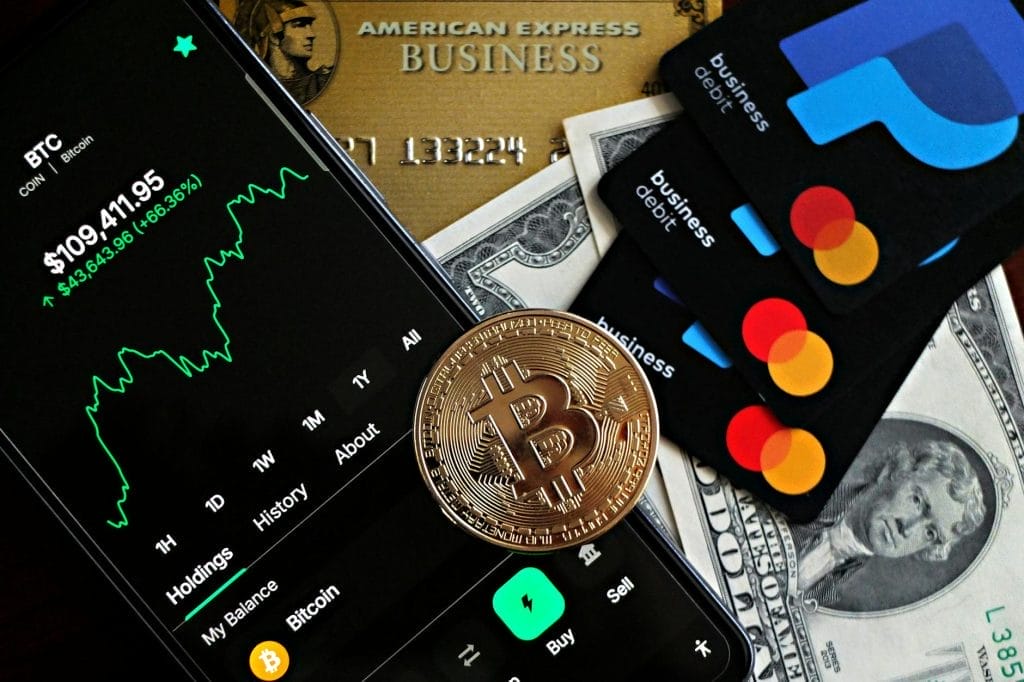
Technology has changed the way we manage our money. For baby boomers, adapting to new financial apps may feel overwhelming, but the benefits are hard to ignore. Financial apps offer tools that make budgeting, investing, and protecting your assets easier than ever. Yet, many baby boomers still hesitate to use these digital resources. Ignoring them can mean missing out on convenience, savings, and better financial security. The primary financial apps available today are designed to simplify your life, not complicate it. It’s time to look at which ones are worth a second look.

1. Mint: The Budgeting Powerhouse

Mint is a free budgeting app that pulls all your financial accounts into one dashboard. It tracks spending, creates budgets, and sends alerts when bills are due. Many baby boomers prefer spreadsheets or pen and paper, but using Mint can save time and reduce errors. With automatic categorization of transactions, you get a clear picture of where your money goes each month. The app also gives tips to help you save more and spend less. By embracing financial apps like Mint, you can avoid late fees and get a better handle on your cash flow.

2. Acorns: Investing Made Simple

Investing doesn’t have to be intimidating. Acorns is an app that rounds up your purchases and invests the spare change. If you buy a coffee for $2.75, Acorns rounds it to $3.00 and invests the extra $0.25. This approach makes investing automatic and painless, especially for those new to the stock market. Many baby boomers hesitate to try investment apps, fearing the complexity or risk involved. However, Acorns is designed for beginners and also offers educational content. With financial apps like Acorns, even small amounts can grow over time, helping you prepare for retirement or unexpected expenses.

3. Credit Karma: Monitor Your Credit for Free

Credit scores matter, especially when it comes to loans, mortgages, or even renting an apartment. Credit Karma lets you check your credit score and report for free, without impacting your score. The app also provides tips to improve your credit and alerts you to potential identity theft. Many baby boomers still rely on paper statements or annual credit checks, missing out on real-time monitoring. Using Credit Karma’s free credit monitoring can help you spot errors or fraud early, saving you money and stress down the road. It’s a simple tool that offers peace of mind and better control over your financial future.

4. You Need A Budget (YNAB): Take Control of Every Dollar

YNAB stands for “You Need A Budget,” and it’s more than just a catchy name. This app helps you assign every dollar a job, whether that’s paying bills, saving, or spending. Unlike other budgeting tools, YNAB focuses on proactive planning. Many baby boomers find the transition from traditional budgeting methods to an app challenging. However, YNAB’s approach can help you break the paycheck-to-paycheck cycle and build a buffer for emergencies. The app also offers online workshops and resources to help users get started. If you want to feel more in control of your money, financial apps like YNAB are worth considering.

5. LastPass: Secure Your Financial Information

Security is often a top concern for baby boomers when it comes to digital tools. LastPass isn’t a financial app in the traditional sense, but it’s vital for protecting your online accounts. It stores and encrypts your passwords, making it easier to use strong, unique passwords for every financial site. Many people use the same password everywhere or write it down, putting their accounts at risk. With LastPass password manager, you only need to remember one master password. The app can autofill logins and alert you if your information is compromised. Using financial apps is safer when you have a tool like LastPass guarding your credentials.

Taking the Leap with Financial Apps

Adopting new technology takes effort, but the payoff is well worth it. Baby boomers who adopt financial apps often find they save time, reduce stress, and make smarter money decisions. These apps can help you stay organized, protect your assets, and even grow your wealth—all from your smartphone or computer. The key is to start small, pick one app, and see how it fits into your daily routine. Over time, you’ll gain confidence and wonder how you ever managed without these digital helpers.

Are there financial apps you’ve tried and liked, or do you have concerns about using them? Let us know your thoughts in the comments below!

What to Read Next…

  • Whos Watching Your Financial Apps Without You Knowing It
  • Are Financial Apps Sharing Your Spending Data More Than You Realize
  • 6 Phone App Permissions That Spy On Your Financial Life
  • 7 Free Financial Tools With Privacy Concerns
  • Are Budgeting Apps Designed To Push You Into Debt
Travis Campbell
Travis Campbell

Travis Campbell is a digital marketer/developer with over 10 years of experience and a writer for over 6 years. He holds a degree in E-commerce and likes to share life advice he’s learned over the years. Travis loves spending time on the golf course or at the gym when he’s not working.

Filed Under: Finance Tagged With: baby boomers, budgeting, financial apps, investing, Personal Finance, security

8 Times Financial Tracking Apps Sold Your Purchase History

August 19, 2025 by Travis Campbell Leave a Comment

purchase history

Image source: pexels.com

Financial tracking apps make it easy to manage money, spot spending trends, and set budgets. But there’s a hidden cost many users overlook: their purchase history. When you sync your bank or credit card with an app, it collects itemized data about what you buy, when, and where. Some apps promise security, but behind the scenes, your purchase history can be a goldmine for marketers and data brokers. If you use these apps, it’s important to know that your information may be sold—sometimes without your clear consent. Understanding how and when this happens is the first step to protecting your financial privacy.

1. The “Anonymized” Data Sale Loophole

Many financial tracking apps claim they only share “anonymized” data. But anonymized doesn’t always mean safe. In several cases, companies sold user purchase history stripped of names but left enough details to re-identify individuals. For example, if your app logs a unique purchase at a local store, it’s not hard for third parties to link that data back to you. This loophole has allowed companies to profit from your spending habits while skirting privacy promises.

2. Partnerships with Data Brokers

Some apps partner directly with data brokers, whose entire business is buying and selling consumer information. When you authorize a financial tracking app, you may also be agreeing to let it share your purchase history with these brokers. This information can then be resold to advertisers, insurance companies, or even employers. The result? Your grocery trips or coffee runs could end up in massive databases, fueling targeted ads or affecting your insurance rates. Financial tracking apps have been caught in the act multiple times, quietly passing along purchase histories for profit.

3. Selling to Advertisers for Targeted Marketing

Advertisers pay big money for detailed purchase histories. Some financial tracking apps have taken advantage by selling aggregated or even individual purchase data to marketing firms. These firms use the data to target you with ads that match your spending habits. For instance, if your purchase history shows you frequent a certain restaurant, you might see more ads for similar places. While this may seem harmless, it’s a clear example of how your financial data becomes a commodity.

4. Mergers and Acquisitions: Changing the Rules

When a larger company acquires a financial tracking app, your purchase history can change hands too. Sometimes, the new owner has fewer scruples about privacy. There have been cases where, after a merger or acquisition, the new company sold off stored purchase histories to monetize the user base. This shift often happens with little warning or transparency, leaving users unaware that their data is now on the market.

5. Third-Party Integrations and Leaky APIs

Many apps offer integrations with other services to enhance functionality. However, these integrations can open the door to your purchase history being shared or sold. Some third-party partners are given access to more data than needed, and weak API security can lead to leaks. In at least one instance, a popular budgeting app’s third-party integration transmitted purchase history to an analytics firm, which then sold the data to outside parties. This highlights how financial tracking apps can inadvertently (or intentionally) compromise your privacy.

6. Subscription “Perks” That Aren’t Free

Some financial tracking apps offer free or discounted subscriptions in exchange for sharing more of your data. These perks often come with fine print: by accepting, you grant permission to sell your purchase history to unspecified partners. The trade-off is rarely clear upfront. Users have learned too late that their detailed spending records were sold as part of these deals, turning a simple subscription perk into a privacy risk.

7. Surprising Data-Sharing Clauses in the Fine Print

Buried in the terms and conditions of many financial tracking apps are clauses that allow for the sale of your purchase history. Although legal, these clauses can be written in confusing language that most users skip over. When privacy advocates dug into these contracts, they found several apps had explicit permission to sell user data to third parties. Even if you thought your information was safe, the fine print may say otherwise.

8. Data Breaches Leading to Unintentional Sales

Not all sales are intentional. Sometimes, financial tracking apps suffer data breaches that expose purchase histories to hackers, who then sell the data on the dark web. In such cases, your purchase history becomes a commodity for criminals rather than marketers. One breach involving a popular app led to thousands of users’ spending records being auctioned off online. Even the most cautious companies can fall victim, showing that using these apps always carries some risk.

What You Can Do to Protect Your Financial Privacy

Financial tracking apps make life easier, but they can put your purchase history at risk. If you want to keep your financial data private, start by reading the privacy policy before signing up. Look for any mention of selling or sharing purchase history. Consider using apps with strong privacy records or open-source alternatives. You can also limit what accounts you link and regularly review app permissions.

Remember, your purchase history is valuable. Treat it with the same care you give your money.

Have you ever been surprised by how much your financial tracking app knows about you? Share your thoughts or experiences in the comments below!

Read More

Whos Watching Your Financial Apps Without You Knowing It

Are Financial Apps Sharing Your Spending Data More Than You Realize

Travis Campbell
Travis Campbell

Travis Campbell is a digital marketer/developer with over 10 years of experience and a writer for over 6 years. He holds a degree in E-commerce and likes to share life advice he’s learned over the years. Travis loves spending time on the golf course or at the gym when he’s not working.

Filed Under: Finance Tagged With: data breaches, data security, financial apps, financial privacy, Personal Finance, purchase history

10 Online Wealth Tools with Hidden Data Harvesting Clauses

August 14, 2025 by Travis Campbell Leave a Comment

Online Wealth Tools

Image source: 123rf.com

Managing money online is easier than ever. But there’s a catch. Many online wealth tools collect more of your personal data than you realize. These platforms promise to help you budget, invest, or track your net worth. But hidden in their terms are clauses that let them gather, store, and sometimes sell your information. This matters because your financial data is sensitive. If you’re not careful, you could be giving away more than you bargained for. Here are ten online wealth tools with hidden data harvesting clauses you should know about.

1. Mint

Mint is one of the most popular online wealth tools for budgeting and tracking spending. But when you sign up, you agree to let Mint collect a lot of your financial data. This includes your bank transactions, spending habits, and even your location. Mint’s privacy policy allows it to share this data with third parties for marketing and analytics. If you use Mint, check your privacy settings and consider what information you’re comfortable sharing.

2. Personal Capital

Personal Capital helps you track your investments and net worth. But it also collects detailed information about your accounts, transactions, and financial goals. The company can use this data to target you with ads or share it with partners. Some users don’t realize how much information they’re giving up. Always read the privacy policy before linking your accounts to any online wealth tool.

3. Robinhood

Robinhood makes investing simple, but it comes with a trade-off. The app collects data on your trades, account balances, and even how you use the app. Robinhood’s terms allow them to use this data for research, marketing, and partnerships. In 2021, Robinhood faced scrutiny for how it handled user data and outages. If you value privacy, review what you’re agreeing to before you start trading.

4. Acorns

Acorns rounds up your purchases and invests the spare change. It’s a handy tool, but it also collects a lot of personal and financial data. Acorns can share this data with affiliates and service providers. The company’s privacy policy is long and detailed, making it easy to miss these clauses. If you use Acorns, take time to understand what data is collected and how it’s used.

5. Credit Karma

Credit Karma offers free credit scores and reports. But in exchange, you give them access to your credit history, spending patterns, and personal details. Credit Karma uses this data to recommend financial products and may share it with partners. This is how they keep the service free. If you’re concerned about privacy, consider whether the benefits outweigh the risks.

6. YNAB (You Need a Budget)

YNAB is a popular budgeting tool. While it claims to value privacy, its terms allow for the collection of user data, including financial transactions and device information. YNAB may use this data for analytics and to improve the service. While they don’t sell your data, they do share it with service providers. Always check what you’re agreeing to, even with trusted brands.

7. Stash

Stash helps beginners invest with small amounts of money. But when you sign up, you agree to let Stash collect and use your financial and personal data. This includes your investment choices, spending, and even your device information. Stash can share this data with affiliates and third parties for marketing. If you want to limit data sharing, look for opt-out options in your account settings.

8. Wealthfront

Wealthfront is an automated investment platform. It collects detailed information about your finances, goals, and risk tolerance. Wealth front’s privacy policy allows it to use this data for research and marketing. They may also share it with service providers. If you use Wealthfront, review the privacy policy and adjust your settings to limit data sharing where possible.

9. SoFi

SoFi offers loans, investing, and banking services. When you use SoFi, you provide a lot of personal and financial information. SoFi’s terms let them use this data for marketing and to improve their services. They may also share it with affiliates and partners. If you’re using SoFi, be aware of what you’re agreeing to and how your data might be used.

10. Plaid

Plaid connects your bank accounts to other online wealth tools. Many apps use it on this list. Plaid collects your account numbers, balances, and transaction history. The company’s privacy policy allows them to use and share this data with the apps you connect to and sometimes with third parties. If you use any app that connects through Plaid, your data could be shared more widely than you think.

Protecting Your Financial Data in a Connected World

Online wealth tools can make managing money easier, but they often come with hidden data harvesting clauses. Your financial data is valuable—not just to you, but to companies and marketers. Before you sign up for any online wealth tool, read the privacy policy. Look for sections about data collection, sharing, and selling. Adjust your privacy settings where possible. Use strong passwords and enable two-factor authentication. If you’re not comfortable with how a tool handles your data, consider alternatives that put privacy first. Staying informed is the best way to protect your financial information in a digital world.

Have you ever been surprised by how much data a financial app collected? Share your experience or tips in the comments.

Read More

10 Oversights That Make Financial Trusts Invalid

8 Email Formats That Signal a Financial Scam in Disguise

Travis Campbell
Travis Campbell

Travis Campbell is a digital marketer/developer with over 10 years of experience and a writer for over 6 years. He holds a degree in E-commerce and likes to share life advice he’s learned over the years. Travis loves spending time on the golf course or at the gym when he’s not working.

Filed Under: Finance Tagged With: data harvesting, data privacy, Digital Security, financial apps, fintech, online wealth tools, Personal Finance, privacy tips

Are Financial Apps Sharing Your Spending Data More Than You Realize?

August 10, 2025 by Travis Campbell Leave a Comment

financial apps

Image source: pexels.com

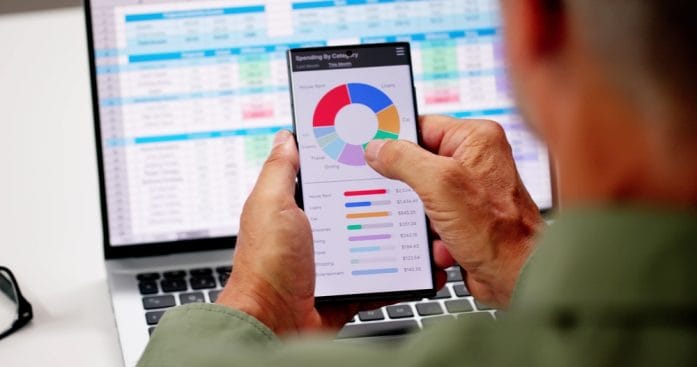
Managing money is easier than ever with financial apps. You can track spending, set budgets, and even invest—all from your phone. But have you ever wondered what happens to your spending data after you enter it? Many financial apps collect more information than you might expect. Some share it with third parties, sometimes in ways that aren’t obvious. This matters because your spending data can reveal a lot about your habits, lifestyle, and even your location. If you use financial apps, it’s important to know how your data is handled and what you can do to protect yourself.

1. Financial Apps Collect More Than Just Your Transactions

When you sign up for a financial app, you probably expect it to track your spending. But these apps often collect much more. They may gather details about your location, device, contacts, and even how you use the app. Some apps request access to your email or calendar. This extra data helps them build a detailed profile of you. It’s not just about what you buy, but when, where, and how often. This information can be valuable to advertisers, data brokers, and even insurance companies. If you’re not careful, you might be sharing more than you realize every time you open your favorite budgeting tool.

2. Data Sharing Is Often Hidden in the Fine Print

Most people don’t read privacy policies. Financial apps know this. They often bury important details about data sharing deep in their terms and conditions. You might agree to let the app share your spending data with “trusted partners” or “service providers” without realizing it. Sometimes, these partners are advertisers or analytics firms. They use your data to target you with ads or sell insights to other companies. Even if the app says your data is “anonymized,” it’s often possible to link it back to you. Reading the fine print is tedious, but it’s the only way to know what you’re agreeing to.

3. Third-Party Integrations Can Expose Your Spending Data

Many financial apps offer integrations with other services. For example, you might connect your budgeting app to your bank, investment account, or even a shopping platform. Each connection is a potential risk. When you link accounts, you often give the app permission to access and share your spending data. Some integrations use secure methods, but others may not. If a third-party service has weak security, your data could be exposed. Always check what permissions you’re granting and review the privacy practices of any service you connect to your financial apps.

4. Your Spending Data Can Be Used for Targeted Advertising

Advertisers love spending data. It tells them what you buy, when you buy it, and how much you spend. Financial apps sometimes share this information with advertising networks. This allows companies to target you with ads for products you’re likely to buy. For example, if your app sees you spend a lot at coffee shops, you might start seeing ads for coffee brands or nearby cafes. This kind of targeting can feel invasive. It’s a reminder that your spending data is valuable—and that financial apps may be sharing it more than you think.

5. Data Brokers May Get Access to Your Financial Habits

Data brokers collect and sell information about people. Some financial apps share spending data with these brokers, either directly or through partners. Your purchases, subscriptions, and even your bill payments can end up in massive databases. Companies use this data to build profiles for marketing, credit scoring, or even employment screening. You might never know who has your information or how it’s being used. This is one of the biggest risks of using financial apps without understanding their data practices.

6. Security Breaches Can Expose Sensitive Spending Data

Even if a financial app promises not to share your data, breaches happen. Hackers target financial apps because they hold valuable information. If an app’s security is weak, your spending data could be stolen and sold on the dark web. This can lead to identity theft, fraud, or unwanted solicitations. Always choose financial apps with strong security features, like two-factor authentication and encryption. And keep your app updated to reduce the risk of breaches.

7. You Can Limit What Financial Apps Share

You’re not powerless. There are steps you can take to protect your spending data. Start by reviewing the permissions you’ve granted to each app. Turn off anything you don’t need. Check the app’s privacy settings and opt out of data sharing where possible. Use apps that are transparent about their data practices and have strong privacy policies. If you’re not comfortable with how an app handles your data, consider switching to one that puts privacy first. Remember, you control what information you share.

8. Regulators Are Watching, But Gaps Remain

Governments are starting to pay attention to how financial apps handle data. New laws, like the California Consumer Privacy Act (CCPA) and the General Data Protection Regulation (GDPR) in Europe, give users more control. But not all apps follow these rules, especially if they’re based in other countries. Enforcement can be slow, and loopholes exist. It’s important to stay informed and advocate for stronger privacy protections. Don’t assume that just because an app is popular, it’s safe.

9. Transparency Is Key to Trusting Financial Apps

The best financial apps are upfront about how they use your data. They explain what they collect, why they collect it, and who they share it with. Look for apps that make this information easy to find and understand. If an app is vague or evasive, that’s a red flag. Trust is earned, not given. Your spending data is personal. Don’t settle for apps that treat it like a commodity.

Protecting Your Spending Data Starts With Awareness

Financial apps make life easier, but they also come with risks. Your spending data is valuable, and many apps share it more than you might expect. By understanding how your data is used and taking steps to protect it, you can enjoy the benefits of financial apps without giving up your privacy.

Have you ever been surprised by how much a financial app knows about you? Share your thoughts or experiences in the comments below.

Read More

7 “Free” Financial Tools With Privacy Concerns

What Happens When a Financial Account Freezes Right After a Loved One Passes

Travis Campbell
Travis Campbell

Travis Campbell is a digital marketer/developer with over 10 years of experience and a writer for over 6 years. He holds a degree in E-commerce and likes to share life advice he’s learned over the years. Travis loves spending time on the golf course or at the gym when he’s not working.

Filed Under: Finance Tagged With: budgeting apps, data privacy, financial apps, fintech, Personal Finance, privacy protection, spending data

Who’s Watching Your Financial Apps Without You Knowing It?

August 5, 2025 by Travis Campbell Leave a Comment

apps

Image source: unsplash.com

You probably use financial apps every day. They help you check your bank balance, pay bills, invest, and even split dinner with friends. But have you ever stopped to think about who else might be watching your financial apps? It’s not just you and your bank. There are companies, hackers, and even advertisers who want a peek at your money habits. This matters because your financial data is valuable. If the wrong people get it, you could lose money, face identity theft, or just feel like your privacy is gone. Here’s what you need to know about who’s watching your financial apps—and what you can do about it.

App Developers and Third-Party Partners

When you download a financial app, you trust the company behind it. But it’s not always just them. Many financial apps work with third-party partners. These partners might help with things like analytics, advertising, or even customer support. Sometimes, your data gets shared with these companies. They might see your spending habits, account balances, or even your location. You might not realize how much you’re sharing. Always read the privacy policy. It’s not fun, but it tells you who gets your data. If you see a long list of partners, that’s a red flag. Stick to financial apps that limit data sharing and are clear about who gets your information.

Data Brokers and Advertisers

Financial apps often make money by sharing your data with data brokers and advertisers. These companies build profiles about you. They track what you buy, where you shop, and how much you spend. Then, they sell this information to advertisers. You might start seeing ads for loans, credit cards, or investment products based on your app activity. This isn’t just annoying—it’s a privacy risk. Your financial life should be private. To limit this, check your app’s settings. Turn off ad tracking if you can. Use financial apps that don’t rely on advertising for revenue.

Hackers and Cybercriminals

Hackers love financial apps. They know these apps hold sensitive information. If your app isn’t secure, hackers can steal your login details, drain your accounts, or even open new credit cards in your name. Sometimes, they get in through weak passwords or outdated software. Other times, they use fake apps that look real but are designed to steal your data. Always use strong, unique passwords for your financial apps. Turn on two-factor authentication if it’s available. And only download apps from official app stores. If something feels off, trust your gut and don’t use the app.

Public Wi-Fi Snoops

Using financial apps on public Wi-Fi is risky. Anyone on the same network can try to intercept your data. This is called “sniffing.” Hackers use simple tools to watch what you’re doing. They can grab your login details or see your transactions. If you need to use a financial app, wait until you’re on a secure, private network. Or use a virtual private network (VPN) to encrypt your connection. Never enter sensitive information when you’re on public Wi-Fi. It’s just not worth the risk.

Your Own Device’s Permissions

Sometimes, your phone or tablet is the problem. Many financial apps ask for permissions they don’t really need. For example, a budgeting app might ask for access to your contacts or location. If you say yes, the app can collect more data than you expect. This data might get shared or sold. Always check what permissions your financial apps are asking for. If something doesn’t make sense, deny the permission. You can always change it later if you need to.

Cloud Storage and Backups

Financial apps often store your data in the cloud. This makes it easy to access your info from any device. But it also means your data is stored on someone else’s servers. If those servers get hacked, your information could be exposed. Some apps also back up your data automatically. If you don’t control these backups, you might not know where your data is going. Look for financial apps that use strong encryption and have a good track record of security.

Government and Law Enforcement Requests

Sometimes, government agencies ask financial apps for user data. This can happen if there’s a legal investigation. Most companies will hand over your data if they get a court order. You might never know this happened. While this is rare, it’s something to keep in mind. If privacy is important to you, look for financial apps that are transparent about government requests. Some companies publish “transparency reports” that show how often they get these requests.

Outdated or Abandoned Apps

Old financial apps can be a big risk. If an app isn’t updated, it might have security holes. Hackers look for these weaknesses. If you’re still using an app that hasn’t been updated in a year or more, it’s time to move on. Delete old apps you don’t use. Stick with financial apps that get regular updates and have active support.

Family and Friends with Device Access

It’s easy to forget that anyone who uses your phone or tablet can open your financial apps. Maybe you share a device with family or friends. If your apps aren’t locked, someone could see your account details or even move money. Use app-specific passwords or biometric locks if your app offers them. Always log out when you’re done. It’s a simple step that keeps your financial life private.

Protecting Your Financial Apps: What You Can Do Now

Your financial apps are powerful tools, but they come with risks. The best way to protect yourself is to stay alert. Check your app permissions, use strong passwords, and keep your apps updated. Don’t use public Wi-Fi for sensitive transactions. Read privacy policies, even if it’s boring. And if something feels off, trust your instincts. Your financial data is yours—don’t let anyone watch it without your say.

Have you ever discovered that someone was monitoring your financial accounts? How did you handle it? Share your story in the comments.

Read More

5 Times Financial Power Was Abused—Without Breaking a Single Law

What Financial Planners Know About Divorce That Most Couples Don’t

Travis Campbell
Travis Campbell

Travis Campbell is a digital marketer/developer with over 10 years of experience and a writer for over 6 years. He holds a degree in E-commerce and likes to share life advice he’s learned over the years. Travis loves spending time on the golf course or at the gym when he’s not working.

Filed Under: Finance Tagged With: app security, cybersecurity, data protection, financial apps, fintech, Online Safety, Personal Finance, privacy

FOLLOW US

Search this site:

Recent Posts

  • Can My Savings Account Affect My Financial Aid? by Tamila McDonald
  • 12 Ways Gen X’s Views Clash with Millennials… by Tamila McDonald
  • What Advantages and Disadvantages Are There To… by Jacob Sensiba
  • Call 911: Go To the Emergency Room Immediately If… by Stephen Kanaval
  • 10 Tactics for Building an Emergency Fund from Scratch by Vanessa Bermudez
  • 7 Weird Things You Can Sell Online by Tamila McDonald
  • 10 Scary Facts About DriveTime by Tamila McDonald

Copyright © 2026 · News Pro Theme on Genesis Framework