• Home
  • About Us
  • Toolkit
  • Getting Finances Done
    • Hiring Advisors
    • Debt Management
    • Spending Plan
  • Insurance
    • Life Insurance
    • Health Insurance
    • Disability Insurance
    • Homeowners/Renters Insurance
  • Contact Us
  • Privacy Policy
  • Risk Tolerance Quiz

The Free Financial Advisor

You are here: Home / Archives for biometric banking

Biometric Banking and the Rise of Fraud Concerns in 2026

March 18, 2026 by Brandon Marcus Leave a Comment

Biometric Banking and the Rise of Fraud Concerns in 2026

Image Source: Shutterstock.com

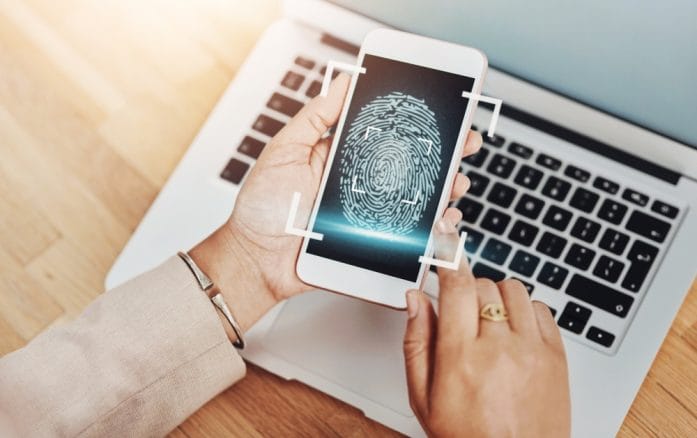
A password can be forgotten. A PIN can be changed. A face or fingerprint? That sticks for life, and that reality changes the stakes in a big way. Banks and tech companies have raced toward biometric authentication with confidence, promising faster logins, tighter security, and a future that feels almost frictionless.

Yet, 2026 brings a growing unease that refuses to stay quiet, as fraud tactics evolve just as quickly as the technology meant to stop them. That tension sits at the center of modern banking, where convenience and risk now share the same screen.

Your Face Is the Password Now—and That Changes Everything

Biometric banking sounds like a dream on the surface, and the appeal lands instantly. A quick face scan unlocks an account, a fingerprint confirms a payment, and the entire process feels smooth and futuristic without the mental load of remembering dozens of passwords. Financial institutions have leaned heavily into this shift because biometric identifiers tie directly to individuals, which makes them harder to replicate than traditional credentials. That promise of uniqueness has driven widespread adoption across mobile banking apps and payment platforms.

That same uniqueness creates a serious problem when something goes wrong. A compromised password can be reset in minutes, but a compromised fingerprint or facial scan does not come with an easy reset button. Fraudsters have started targeting the systems behind biometric authentication rather than the physical traits themselves, which changes the battlefield entirely. Data breaches that expose biometric templates raise long-term risks because those identifiers stay permanent. Banks often store encrypted versions of biometric data, yet attackers constantly search for ways to exploit storage systems or intercept authentication processes.

Fraudsters Aren’t Guessing Passwords Anymore

The modern fraud playbook looks very different from the old days of weak passwords and obvious scams. Cybercriminals now use advanced tools like deepfake technology to trick facial recognition systems, and that shift has forced banks to rethink how they verify identity. High-quality synthetic videos and images can mimic real people with unsettling accuracy, which creates new vulnerabilities in systems that rely heavily on visual confirmation. This tactic doesn’t just exist in theory, as security researchers and industry reports have documented real attempts to bypass biometric safeguards using manipulated media.

Attackers also combine biometric fraud with social engineering, which adds another layer of risk. They might gather personal data from multiple sources, then use that information to build convincing profiles that slip past security checks. In some cases, fraudsters exploit weaknesses in multi-factor authentication systems by targeting the human element rather than the technology itself. That approach often works because people trust biometric systems and may lower their guard when a device appears to recognize them instantly. The result creates a dangerous mix of confidence and vulnerability that fraudsters know how to exploit.

Convenience vs. Control: The Trade-Off Nobody Talks About Enough

Biometric banking offers speed and simplicity, but it also asks for a level of trust that deserves closer attention. Users hand over highly sensitive data in exchange for convenience, and that trade-off deserves careful thought before hitting “enable” on every feature. Financial institutions often emphasize security benefits, yet the broader conversation about data ownership and control still feels incomplete. Once biometric data enters a system, individuals lose a degree of control over how that data gets stored, used, and protected.

That lack of control becomes more concerning when third-party vendors enter the picture. Many banks rely on external technology providers to power biometric systems, which creates additional points of vulnerability. Each connection in that chain introduces potential risks, especially if security standards vary across providers. Transparency becomes critical in this environment, yet many users don’t fully understand where their data goes or how companies safeguard it. A thoughtful approach involves asking questions, reviewing privacy policies, and staying informed about how institutions handle biometric information. That awareness helps balance convenience with a stronger sense of control.

The Tech Is Smart, But It’s Not Perfect

Biometric systems have improved significantly, yet no technology delivers flawless performance. False positives and false negatives still occur, and those errors can create both security risks and frustrating user experiences. A system might mistakenly grant access to the wrong person or lock out the rightful account holder, and neither outcome inspires confidence. Developers continue refining algorithms to reduce these errors, but real-world conditions like lighting, camera quality, and environmental factors can still impact accuracy.

Fraudsters take advantage of those imperfections by testing system limits and identifying weak points. They experiment with different methods until something works, which mirrors how hackers approach any security system. That constant pressure forces banks to update and strengthen their defenses, but it also highlights the ongoing nature of the challenge. Security doesn’t stand still, and neither do the people trying to break it. A layered approach that combines biometrics with additional verification steps can reduce risk, especially for high-value transactions. Relying on a single method, no matter how advanced, rarely provides complete protection.

Biometric Banking and the Rise of Fraud Concerns in 2026

Image Source: Shutterstock.com

How to Stay Sharp in a Biometric World

Smart habits still matter, even in a world that promises effortless security. Enabling multi-factor authentication adds an extra layer of protection, especially when it includes something beyond biometrics, such as a secure device or one-time code. Keeping devices updated also plays a critical role, since software updates often include important security fixes that address newly discovered vulnerabilities. Skipping those updates can leave systems exposed in ways that feel invisible until something goes wrong.

Monitoring financial accounts regularly helps catch unusual activity early, which can make a significant difference in limiting damage. Many banks offer real-time alerts for transactions, and turning those notifications on provides immediate awareness of account activity. Choosing strong device security settings, such as passcodes or encryption, adds another layer of defense that supports biometric systems rather than replacing them. Taking time to understand how a bank handles biometric data can also guide smarter decisions about which features to use. Staying informed and proactive creates a stronger defense than relying on any single piece of technology.

Regulation, Responsibility, and the Road Ahead

Governments and regulatory bodies have started paying closer attention to biometric data, and that focus reflects the growing importance of privacy and security in financial systems. Laws and guidelines aim to set standards for how companies collect, store, and use biometric information, which helps create a more consistent level of protection. However, regulations often struggle to keep pace with rapid technological change, which leaves gaps that both companies and consumers must navigate carefully.

Financial institutions carry significant responsibility in this space, and their choices shape how safe biometric banking feels in everyday use. Strong encryption, transparent policies, and continuous security testing all play a role in building trust. At the same time, individuals hold power through their own decisions about which features to use and how much data to share. A balanced approach that combines institutional accountability with personal awareness offers the best path forward. The future of biometric banking will depend on how well both sides adapt to evolving risks.

The Security Question That Won’t Go Away

Biometric banking delivers undeniable convenience, yet it also introduces risks that demand attention and awareness. The technology continues to evolve, and so do the tactics designed to exploit it, which creates a constant push-and-pull between innovation and security. A thoughtful approach doesn’t reject biometrics outright, but it also doesn’t accept them blindly without considering the bigger picture. Smart decisions, layered protections, and ongoing awareness can turn a powerful tool into a safer one.

So where does the balance land between convenience and control when it comes to financial security? Drop your thoughts, strategies, or even close calls in the comments and get the conversation going.

You May Also Like…

5 Budgeting Apps That Integrate With Biometric Banking

5 Outrageous Fees Hidden in Everyday Banking Services

How Can Small Banking Errors Snowball Into Huge Losses

The Hidden Dangers of Biometric Login Features on Your Phone

4 Bold Predictions About The Future of Personal Finance Technology

Brandon Marcus
Brandon Marcus

Brandon Marcus is a writer who has been sharing the written word since a very young age. His interests include sports, history, pop culture, and so much more. When he isn’t writing, he spends his time jogging, drinking coffee, or attempting to read a long book he may never complete.

Filed Under: Banking Tagged With: biometric banking, cybersecurity, data privacy, digital banking, face recognition, financial safety, fingerprint security, fintech, fraud prevention, identity theft, online security, technology trends

5 Budgeting Apps That Integrate With Biometric Banking

March 12, 2026 by Brandon Marcus Leave a Comment

5 Budgeting Apps That Integrate With Biometric Banking

Image Source: Pexels.com

Money management used to involve spreadsheets, notebooks, and a calculator that lived somewhere near the kitchen junk drawer. Those days disappeared fast. Modern banking now unlocks with a fingerprint or a quick glance at a phone screen, and budgeting tools have evolved right alongside that technology. Financial apps now combine powerful tracking systems with biometric security features that make logging in faster and safer than ever before. That combination delivers a rare win for personal finance: convenience without sacrificing protection.

A growing group of budgeting apps now integrates smoothly with fingerprint sensors and facial recognition systems built into smartphones. Anyone searching for better financial awareness without endless password typing will find plenty to like in this new generation of money-management tools.

When Your Face Unlocks Your Finances

Biometric banking sounds futuristic, yet most smartphones already carry the technology in their hardware. Fingerprint scanners and facial recognition systems allow apps to confirm identity using physical characteristics instead of traditional passwords. Financial apps quickly embraced this technology because it balances speed and security in a way passwords never quite managed.

Budgeting apps that support biometric authentication allow users to unlock financial dashboards with a single touch or glance. That quick access encourages frequent check-ins with spending habits, which plays a huge role in successful budgeting. People tend to ignore tools that require long login processes, yet biometric access removes that friction almost entirely.

Security also improves when biometric verification replaces weak passwords. A fingerprint or face scan cannot be guessed or easily stolen in the same way as a simple login code. Most smartphones store biometric data locally on the device rather than inside the app itself, which adds another protective layer.

1. YNAB: The App That Turns Budgeting Into a Strategy

YNAB, short for You Need A Budget, approaches personal finance with a philosophy rather than just a spreadsheet. The platform encourages users to assign every dollar a job, which pushes budgeting beyond simple expense tracking. Biometric login support allows quick access to this system through fingerprint or facial recognition on supported devices.

This app shines when someone wants detailed control over spending decisions. YNAB emphasizes intentional planning by encouraging users to allocate money before spending it rather than reviewing transactions afterward. That proactive method helps many people break cycles of paycheck-to-paycheck living.

The biometric login option removes the usual friction associated with opening financial tools throughout the day. Quick access encourages users to check budgets before making purchases, which supports the philosophy behind the platform. YNAB also offers educational resources and workshops that help users sharpen their budgeting skills over time.

2. PocketGuard: The App That Answers One Big Question

Some budgeting apps bombard users with charts, graphs, and financial jargon. PocketGuard takes a different approach by focusing on a single question: how much money remains available to spend after covering bills and savings goals? The app integrates biometric login features on compatible smartphones, allowing secure access without long passwords.

PocketGuard connects to bank accounts and automatically tracks recurring bills, subscriptions, and everyday purchases. Once the system calculates those obligations, the app displays a clear “safe to spend” number that helps users avoid overspending. This simple approach removes much of the guesswork that makes budgeting frustrating.

The biometric login feature plays an important role because it encourages quick daily check-ins. A glance at the “safe to spend” number can prevent impulse purchases before they happen. PocketGuard also identifies recurring subscriptions that quietly drain money each month, which can lead to surprising discoveries about forgotten streaming services or unused memberships.

3. Goodbudget: Envelope Budgeting for the Digital Age

Long before smartphones existed, many households used envelope budgeting to control spending. People placed cash into labeled envelopes for groceries, transportation, and entertainment, and each envelope set a clear spending limit. Goodbudget brings that classic system into the digital world with modern features and biometric login support.

The app allows users to create virtual envelopes for different spending categories while tracking bank transactions through linked accounts. Biometric authentication protects access to these digital envelopes, making it easy to check balances quickly without entering passwords every time.

Goodbudget works particularly well for people who enjoy visual budgeting systems. Watching envelope balances shrink throughout the month can encourage more thoughtful spending decisions. The app also supports shared budgets, which allows couples or families to coordinate financial plans across multiple devices. The combination of a proven budgeting method and modern biometric security creates a tool that feels both nostalgic and surprisingly powerful.

4. EveryDollar: Budgeting With a Clear, Focused Layout

EveryDollar offers a streamlined budgeting experience designed for clarity and speed. The app supports biometric login features on smartphones that include fingerprint scanners or facial recognition systems, allowing quick and secure access to financial data.

The platform organizes monthly budgets into clean categories that make spending patterns easy to understand at a glance. Users can connect bank accounts for automatic transaction imports or enter purchases manually for more deliberate tracking.

Many people appreciate the simplicity of the interface because it removes clutter while still delivering useful insights about spending habits. Biometric login encourages regular use by eliminating the hassle of repeated password entry. That quick access makes it easier to adjust budgets throughout the month as financial priorities shift. Anyone searching for a budgeting tool that balances structure with simplicity may find EveryDollar particularly appealing.

5 Budgeting Apps That Integrate With Biometric Banking

Image Source: Pexels.com

5. Honeydue: Budgeting Designed for Two

Money conversations can create tension in relationships, yet Honeydue attempts to make shared budgeting less stressful and more collaborative. The app allows couples to track spending, coordinate bills, and monitor joint financial goals in one shared platform. Biometric authentication helps protect access to that shared financial dashboard.

Each partner can connect personal bank accounts while choosing how much information to share with the other person. This flexibility helps couples maintain transparency without sacrificing privacy. Fingerprint or facial recognition login keeps financial data secure while still allowing quick daily access.

Honeydue also includes bill reminders and spending notifications that help couples stay aligned on financial decisions. Shared budgeting tools like this can transform financial management from a solitary task into a cooperative effort. For couples looking to strengthen financial communication while maintaining security, Honeydue offers a thoughtful solution.

Your Phone Might Already Hold the Best Budget Assistant

Budgeting tools no longer belong exclusively to accountants and spreadsheet enthusiasts. Modern financial apps combine smart design with biometric technology that turns a smartphone into a powerful money-management hub. Quick fingerprint or face-scan access removes the barriers that once kept people from checking their finances regularly.

Each app highlighted above offers a slightly different approach to budgeting, yet all of them benefit from biometric security that protects sensitive financial data while keeping access fast and convenient. A well-chosen budgeting app can reveal spending patterns, highlight wasteful subscriptions, and encourage smarter financial habits over time.

Which budgeting app would you trust with your financial life, and does biometric login make a difference when choosing a financial tool? Share your thoughts, ideas, or experiences in the comments section.

You May Also Like…

6 Reasons Middle-Class Budgets Are Breaking Under “Slow Inflation”

7 Budget Foods Americans Rely On That Doctors Say Create Bigger Problems Later

Why Investing Apps Will Remain Popular in 2026

7 Dangers Lurking in Rideshare Apps You’ve Probably Ignored

Tech-Threat: 5 Ways AI Is Changing What Your Financial Advisor Should Be Doing for You

Brandon Marcus
Brandon Marcus

Brandon Marcus is a writer who has been sharing the written word since a very young age. His interests include sports, history, pop culture, and so much more. When he isn’t writing, he spends his time jogging, drinking coffee, or attempting to read a long book he may never complete.

Filed Under: Budgeting Tagged With: app security, biometric banking, budgeting apps, digital budgeting, face ID finance, financial planning apps, financial technology, fingerprint login apps, fintech apps, mobile banking security, money management tools, personal finance apps

FOLLOW US

Search this site:

Recent Posts

  • Can My Savings Account Affect My Financial Aid? by Tamila McDonald
  • 12 Ways Gen X’s Views Clash with Millennials… by Tamila McDonald
  • What Advantages and Disadvantages Are There To… by Jacob Sensiba
  • 10 Tactics for Building an Emergency Fund from Scratch by Vanessa Bermudez
  • Call 911: Go To the Emergency Room Immediately If… by Stephen Kanaval
  • 7 Weird Things You Can Sell Online by Tamila McDonald
  • 10 Scary Facts About DriveTime by Tamila McDonald

Copyright © 2026 · News Pro Theme on Genesis Framework