• Home
  • About Us
  • Toolkit
  • Getting Finances Done
    • Hiring Advisors
    • Debt Management
    • Spending Plan
  • Insurance
    • Life Insurance
    • Health Insurance
    • Disability Insurance
    • Homeowners/Renters Insurance
  • Contact Us
  • Privacy Policy
  • Risk Tolerance Quiz

The Free Financial Advisor

You are here: Home / Archives for pawn shops

The Pawn Shop Trap: Why It’s One of the Worst Ways to Get Cash

October 29, 2025 by Travis Campbell Leave a Comment

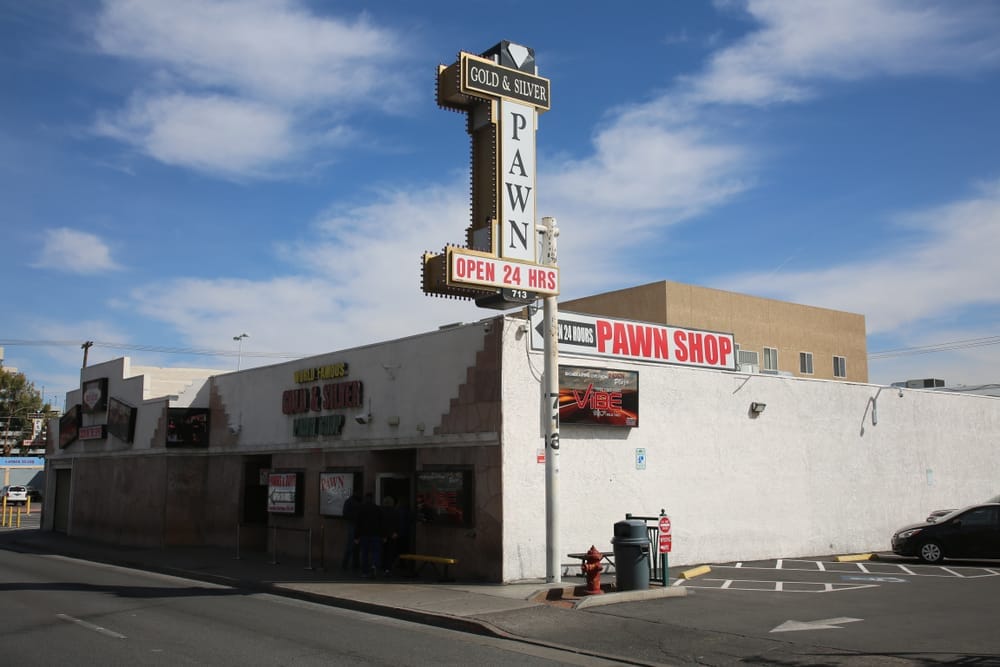
pawn shop

Image source: mikeledray / Shutterstock.com

People visit pawn shops because they require instant financial assistance to obtain cash right away. The service delivers cash instantly and does not perform credit checks. But is it really a good idea? Using a pawn shop for immediate financial needs will end up costing you more than what you initially borrow. Most people remain unaware of the actual process of pawn shop loans and their complete set of expenses. Before handing over your valuables, it’s important to know why the pawn shop trap is one of the worst ways to get cash and what you might be sacrificing in the process.

1. Extremely High Interest Rates and Fees

The primary reason the pawn shop trap is so dangerous is the steep cost of borrowing. Pawn shops typically charge interest rates far higher than banks or even payday lenders. It’s not unusual to see monthly interest rates between 10% and 25%, plus additional fees. Over a few months, these charges add up fast. If you borrow $100 and pay 20% interest per month, you’ll owe $140 after just two months—often more with fees. That’s a huge price to pay for a short-term loan.

Many borrowers don’t realize how quickly these costs can spiral. If you can’t repay on time, you could end up losing your item and still not have solved your cash problem. That’s why the pawn shop trap is such an expensive option for getting cash.

2. Risk of Losing Your Valuables

When you pawn something, you’re putting up a valuable item—like jewelry, electronics, or tools—as collateral. If you can’t repay the loan (plus interest and fees) by the deadline, the pawn shop keeps your property. For many people, these items have sentimental value or are hard to replace. The risk is very real: about 15% of pawned items are never reclaimed.

Even if you intend to get your item back, unexpected expenses or delays can make it impossible. You could end up losing a family heirloom or something essential just for a small amount of cash.

3. You Get Far Less Than Your Item Is Worth

Pawn shops make money by paying you as little as possible for your valuables. They typically offer only 25% to 60% of an item’s resale value. If you bring in a $500 watch, you might get just $125 to $300. The shop needs to cover its risks and make a profit, so you’ll never get full value.

Even if you’re confident you’ll repay the loan, you still walk out with a fraction of your item’s worth. If you end up defaulting, the shop resells your property at a hefty markup. This is yet another reason why the pawn shop trap is a poor way to access cash.

4. Short Repayment Windows

Pawn loans are meant to be short-term—often just 30 to 60 days. That doesn’t leave much time to get your finances back on track and repay what you owe. If you miss the deadline, your item is gone. Some shops offer extensions, but they’ll charge you even more in interest and fees. This adds pressure at a time when you’re already stressed and strapped for cash.

Many borrowers end up paying to extend their loans multiple times, paying far more than they ever borrowed in the first place. The short term of pawn shop loans is a key reason they can quickly become a financial trap.

5. No Credit Building or Financial Progress

Pawn shops don’t report your loan or repayment to credit bureaus. That means even if you repay on time, you’re not building credit or improving your financial situation long-term. If you need cash again in the future, you’ll be back where you started—without better options.

Other types of loans, like credit cards or personal loans, can at least help you build a positive credit history if managed well. With the pawn shop trap, you’re stuck in a cycle that doesn’t help you move forward financially.

Better Alternatives to Pawn Shops

Before you fall into the pawn shop trap, consider other ways to get cash. Selling items outright through online marketplaces like eBay or local listing sites can net you more money than pawning. You keep the full sale amount and avoid high fees. If you have a steady income, you may qualify for a small personal loan from a credit union or online lender—often at much lower rates than pawn shops charge.

Some communities offer nonprofit programs or payday alternative loans to help people in a pinch. Even asking friends or family for a small loan can be less costly and risky than a pawn shop. If you’re struggling with debt or ongoing financial problems, talking to a nonprofit credit counselor can help you find a sustainable solution. The key is to avoid the pawn shop trap so you don’t lose your valuables or end up paying far more than you borrowed.

Think Twice Before You Pawn

Pawn shops serve as a fundamental financial solution, providing immediate cash access to people who need it. The pawn shop trap is one of the most dangerous ways to obtain money because it involves significant costs, potential risks, and lasting consequences. You should explore alternatives rather than choosing the first option that comes to mind. You should handle pawning carefully because it protects your valuable possessions and your financial security.

Have you ever visited a pawn shop to get quick access to cash? What was your experience? Share your thoughts or questions below.

What to Read Next…

  • The Benefits Of Taking Personal Loans And Their Impact On Credit Scores
  • 5 Things That Instantly Decrease Your Credit Score By 50 Points
  • Are These 8 Money Saving Tricks Actually Keeping You Broke?
  • 7 Hidden Fees That Aren’t Labeled As Fees At All
  • 5 Invisible Service Charges Eating Into Your Bank Balance
Travis Campbell
Travis Campbell

Travis Campbell is a digital marketer/developer with over 10 years of experience and a writer for over 6 years. He holds a degree in E-commerce and likes to share life advice he’s learned over the years. Travis loves spending time on the golf course or at the gym when he’s not working.
Filed Under: Debt Management Tagged With: alternatives, Debt, interest rates, loans, pawn shops, Personal Finance, quick cash

8 Shocking Truths About Pawn Shops

September 27, 2025 by Catherine Reed Leave a Comment

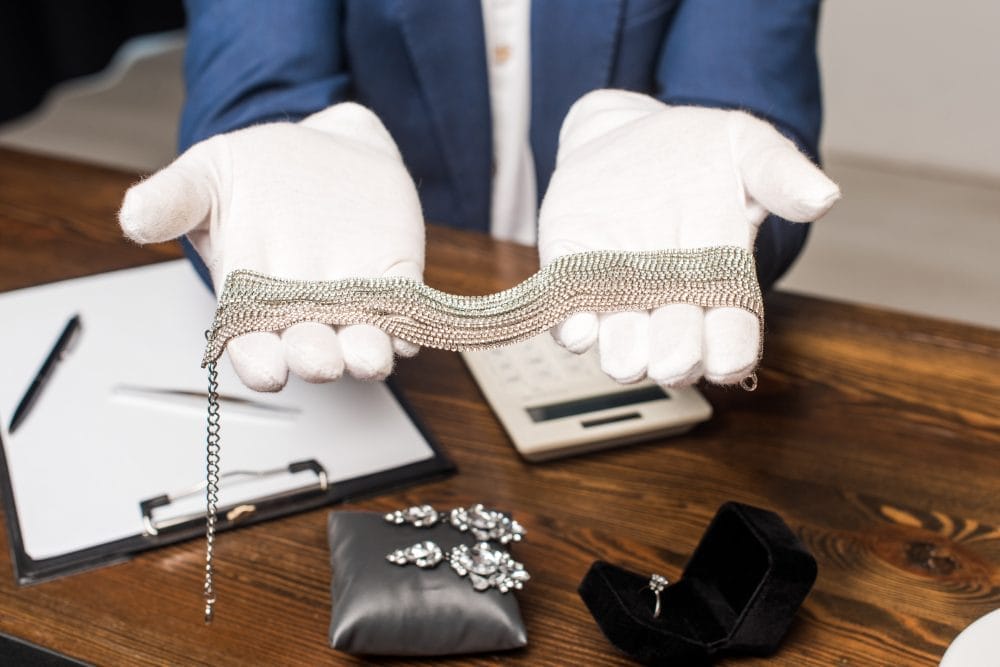
8 Shocking Truths About Pawn Shops

Image source: 123rf.com

Pawn shops have long been portrayed as mysterious places where people trade valuables for quick cash. While many see them as last-resort lenders, the reality is far more complex than the reputation suggests. For some, pawn shops offer a lifeline during financial struggles, while for others, they represent hidden costs and surprising risks. Understanding how they operate can protect you from costly mistakes and help you make smarter financial decisions. Here are eight shocking truths about pawn shops that everyone should know before walking through the door.

1. Interest Rates Can Be Sky-High

One of the most shocking truths about pawn shops is the cost of borrowing money. Pawn loans typically carry interest rates much higher than traditional lenders, sometimes exceeding 200 percent annually when fees are included. While the amounts may seem small at first, the charges add up quickly if the loan isn’t repaid on time. This makes pawning a risky financial move for anyone already struggling to stay afloat. It’s crucial to weigh whether the short-term relief is worth the long-term expense.

2. Items Are Valued Far Below Market Price

Another hidden truth about pawn shops is how little you’ll actually receive for your items. Pawnbrokers often value goods at a fraction of their retail worth, sometimes only 25 to 50 percent. This practice protects the shop in case the item must be resold. While the cash may help in an emergency, the trade-off can feel disappointing for those expecting more. Knowing the true resale value of your belongings helps set realistic expectations before pawning.

3. Not All Pawn Shops Are Equal

People often assume all pawn shops work the same way, but policies vary widely. Some shops are regulated more strictly depending on state laws, while others have more flexibility in setting fees. This means two shops in the same city could offer drastically different deals. Shopping around can make a big difference in how much you walk away with. Comparing terms is one of the smartest ways to avoid overpaying in fees or underselling your valuables.

4. Many Customers Never Reclaim Their Items

One surprising truth about pawn shops is how many items never return to their original owners. A large percentage of pawn loans go unpaid, leading shops to sell the items to recover costs. For sentimental or valuable possessions, this can be heartbreaking. It’s easy to underestimate how difficult repayment can become once fees and interest pile up. Carefully considering your ability to repay before pawning is essential to avoid permanent loss.

5. Pawn Shops Can Be a Bargain Hunter’s Paradise

While some shocking truths about pawn shops are negative, others can benefit savvy shoppers. Items forfeited by borrowers often end up for sale at a fraction of their retail price. Electronics, jewelry, and tools are common finds that can be purchased well below store cost. Bargain hunters who do their homework can walk away with valuable deals. Still, it pays to verify authenticity and condition before making a purchase.

6. Pawning Doesn’t Affect Your Credit Score

Unlike credit cards or loans from banks, pawn shop transactions don’t show up on your credit report. This is one of the more surprising truths about pawn shops, as it means both missed payments and successful repayments won’t impact your score. While this shields you from credit damage, it also prevents you from building credit. Essentially, the transaction remains entirely between you and the pawnbroker. This unique feature makes pawn loans appealing to some but limiting to others.

7. Jewelry Is the Most Commonly Pawned Item

Of all the goods exchanged at pawn shops, jewelry tops the list. Gold, silver, and precious stones are easily valued and resold by shops, making them popular forms of collateral. Families often pawn heirlooms or wedding rings during financial hardship, which adds an emotional weight to the process. Because jewelry tends to hold consistent value, shops often prefer it over electronics or other goods. This trend reveals how deeply personal pawning can become for many customers.

8. They’re More Regulated Than You Think

Despite their shady portrayal in movies, pawn shops are heavily regulated in most states. Many are required to keep detailed records, verify customer identity, and even work with law enforcement to prevent the sale of stolen goods. While not perfect, these safeguards make transactions more secure than people often realize. The shocking truth is that pawn shops are more transparent than their reputation suggests. Still, it’s important to research local laws to know what protections exist in your area.

The Hidden World Behind Pawn Shop Counters

Pawn shops might seem like simple money-for-goods exchanges, but the reality is full of surprises. From high interest rates and undervalued items to bargain shopping opportunities and strict regulations, the truth is far more complex. By understanding how pawn shops really work, you can avoid costly mistakes and even spot hidden benefits. The key is to approach with caution, clear expectations, and a focus on long-term financial health.

Have you ever had an eye-opening experience with pawn shops? Share your story and insights in the comments below!

What to Read Next…

  • 5 Surprising Risks of Keeping Large Savings at Home
  • 7 Outrageous Truths About Medical Debt
  • 9 Hidden Costs of Switching Banks Nobody Warns You About
  • 6 Weird Costs of Collecting Antiques
  • 9 Strange Assets That Rarely Pay Off (Unless You’re Extremely Lucky)
Catherine Reed
Catherine Reed

Catherine is a tech-savvy writer who has focused on the personal finance space for more than eight years. She has a Bachelor’s in Information Technology and enjoys showcasing how tech can simplify everyday personal finance tasks like budgeting, spending tracking, and planning for the future. Additionally, she’s explored the ins and outs of the world of side hustles and loves to share what she’s learned along the way. When she’s not working, you can find her relaxing at home in the Pacific Northwest with her two cats or enjoying a cup of coffee at her neighborhood cafe.

Filed Under: Personal Finance Tagged With: borrowing money, debt traps, hidden costs, money management, pawn shops, Personal Finance, quick cash

FOLLOW US

Search this site:

Recent Posts

  • Can My Savings Account Affect My Financial Aid? by Tamila McDonald
  • 12 Ways Gen X’s Views Clash with Millennials… by Tamila McDonald
  • What Advantages and Disadvantages Are There To… by Jacob Sensiba
  • Call 911: Go To the Emergency Room Immediately If… by Stephen Kanaval
  • 10 Tactics for Building an Emergency Fund from Scratch by Vanessa Bermudez
  • 7 Weird Things You Can Sell Online by Tamila McDonald
  • 10 Scary Facts About DriveTime by Tamila McDonald

Copyright © 2026 · News Pro Theme on Genesis Framework