• Home
  • About Us
  • Toolkit
  • Getting Finances Done
    • Hiring Advisors
    • Debt Management
    • Spending Plan
  • Insurance
    • Life Insurance
    • Health Insurance
    • Disability Insurance
    • Homeowners/Renters Insurance
  • Contact Us
  • Privacy Policy
  • Risk Tolerance Quiz

The Free Financial Advisor

You are here: Home / Archives for Banking

7 ATM Withdrawal Behaviors That Raise Government Surveillance Flags

August 13, 2025 by Catherine Reed Leave a Comment

7 ATM Withdrawal Behaviors That Raise Government Surveillance Flags

Image source: 123rf.com

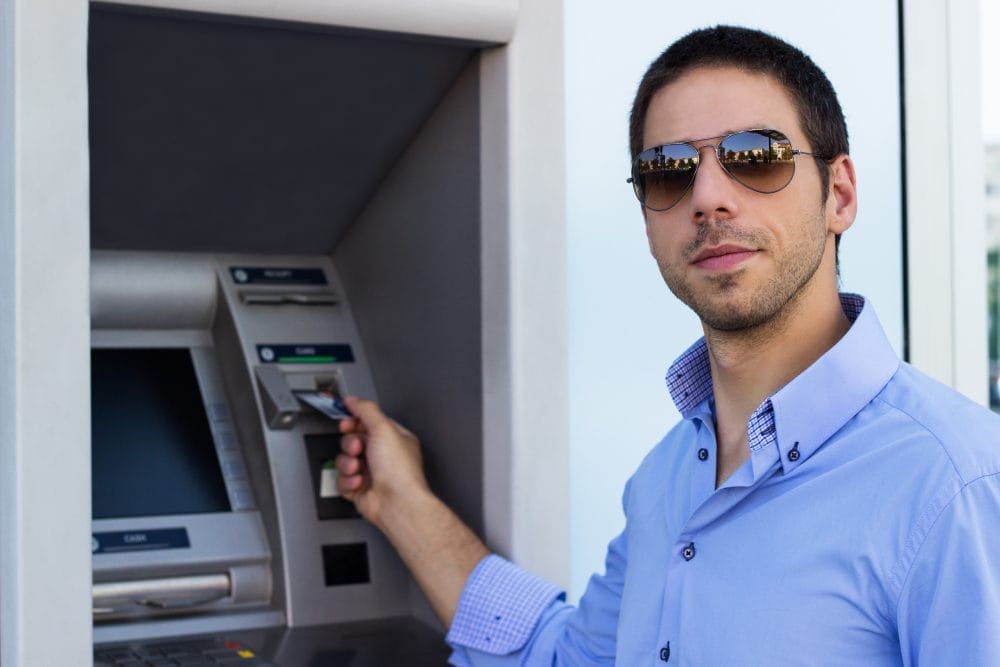
While most people use ATMs without giving it a second thought, certain withdrawal patterns can draw unwanted attention from regulators and law enforcement agencies. Banks are required to monitor transactions for signs of suspicious activity, and in some cases, these patterns get flagged for further review by government agencies. Even if your money is completely legitimate, unusual habits at the ATM can lead to delays, account freezes, or questions you’d rather avoid. Understanding the ATM withdrawal behaviors that raise government surveillance flags can help you keep your banking routine low-risk and hassle-free. Here are seven behaviors worth knowing about.

1. Large Cash Withdrawals Over Reporting Thresholds

Withdrawing cash above certain limits — typically $10,000 in a single day — automatically triggers a Currency Transaction Report (CTR) to the government. Even if you are withdrawing for a perfectly legal reason, the transaction is flagged for recordkeeping under anti-money laundering laws. Banks are required to report these large withdrawals, and frequent high-value cash movements may invite further scrutiny. The government sees large sums of cash as a potential sign of illicit activity, such as tax evasion or money laundering. If you truly need to withdraw this much, be prepared for questions or documentation requests.

2. Multiple Withdrawals Just Under the Limit

Some people try to avoid triggering a report by making several withdrawals just under the $10,000 threshold. This tactic, known as “structuring,” is itself illegal and often more suspicious than a single large withdrawal. Regulators view this pattern as an intentional attempt to avoid reporting requirements. Even if the intention is innocent, such as withdrawing in stages for budgeting, banks may still flag the account. This is one of the most common ATM withdrawal behaviors that raise government surveillance flags.

3. Frequent Withdrawals in Unusual Locations

Withdrawing cash in multiple states, cities, or foreign countries in a short period can trigger monitoring alerts. These patterns suggest potential fraud or money movement designed to avoid detection. Banks may freeze your card until they verify your travel plans or intentions. If the withdrawals occur in areas known for high crime or financial fraud, the risk of scrutiny is even greater. Letting your bank know before traveling can help avoid unnecessary flags.

4. Consistent Withdrawals at Odd Hours

Late-night or very early morning withdrawals, especially if they happen regularly, can look suspicious to automated monitoring systems. While many people have legitimate reasons for nighttime transactions, unusual timing paired with high frequency can raise questions. The concern is that such behavior might be tied to illicit activities that operate during those hours. Even modest cash amounts withdrawn in the middle of the night can be flagged if they create a recognizable pattern. Being mindful of timing can reduce unwanted attention.

5. Using Multiple ATMs for Back-to-Back Withdrawals

Some account holders hop between different ATMs to take out cash in quick succession, either to avoid machine limits or to withdraw large sums without going into a branch. This can be interpreted as an attempt to conceal the total amount withdrawn. Banks are trained to spot this “ATM hopping” and may flag it as suspicious, even if you’re simply trying to access your own money. In certain cases, the bank might impose temporary withdrawal restrictions. Planning a single withdrawal through the bank can avoid this problem.

6. Repeated Maximum Daily Limit Withdrawals

Consistently taking out the maximum allowed amount each day — even if it’s below reporting thresholds — can catch the attention of monitoring systems. This is especially true if the withdrawals are in cash and not followed by a corresponding purchase or deposit pattern. Regulators may suspect the cash is being stockpiled or used in untraceable transactions. Over time, this can trigger further investigation or inquiries from your financial institution. Adjusting your withdrawal habits can help reduce the risk.

7. Frequent International ATM Transactions Without Travel History

Regularly withdrawing cash from ATMs in foreign countries while your main residence is in the U.S. can be a red flag. This behavior might be associated with offshore accounts, unreported income, or cross-border money movement. If you’re not physically traveling but using international ATMs through proxies or services, banks may consider this suspicious. Currency conversion patterns can also draw attention if the amounts are large or occur in high-risk regions. Among ATM withdrawal behaviors that raise government surveillance flags, this one often leads to deeper reviews by both banks and government agencies.

Staying Below the Radar with Smart Banking Habits

You don’t have to be doing anything illegal to trigger financial monitoring — sometimes, all it takes is a pattern that looks unusual to a computer algorithm. The best way to avoid ATM withdrawal behaviors that raise government surveillance flags is to keep transactions consistent, transparent, and in line with your known spending habits. If you anticipate a transaction that might raise questions, informing your bank ahead of time can prevent unnecessary freezes or reports. Your money should work for you without creating avoidable headaches.

Have you ever had a bank flag or question one of your withdrawals? Share your story in the comments — your experience could help others avoid the same situation.

Read More:

7 ATM Removal Features That Could Reduce Your Financial Privacy

Everyday Mistakes That Make You Vulnerable to Criminals

Catherine Reed
Catherine Reed

Catherine is a tech-savvy writer who has focused on the personal finance space for more than eight years. She has a Bachelor’s in Information Technology and enjoys showcasing how tech can simplify everyday personal finance tasks like budgeting, spending tracking, and planning for the future. Additionally, she’s explored the ins and outs of the world of side hustles and loves to share what she’s learned along the way. When she’s not working, you can find her relaxing at home in the Pacific Northwest with her two cats or enjoying a cup of coffee at her neighborhood cafe.

Filed Under: Banking Tagged With: ATM safety, banking tips, financial monitoring, government surveillance, personal finance habits, suspicious transactions

7 Bank Terms That Let Institutions Freeze Funds Without Warning

August 13, 2025 by Travis Campbell Leave a Comment

freeze funds

Image source: pexels.com

Money in the bank feels safe. You work hard, save, and expect your cash to be there when you need it. But banks have rules that can put your funds on hold—sometimes without telling you first. These rules aren’t always clear, and the fine print can be easy to miss. If you don’t know what to watch for, you could wake up one day and find your account frozen. That can mean missed bills, bounced checks, and a lot of stress. Here’s what you need to know about the bank terms that let institutions freeze your funds without warning.

1. Account Garnishment

Account garnishment happens when a court orders your bank to freeze money in your account. This usually comes from unpaid debts, like credit cards, medical bills, or taxes. The bank doesn’t have to warn you before freezing your funds. Once they get the order, they must act fast. You might not know until you try to use your card and it’s declined. If this happens, contact your bank and the creditor right away. You may be able to challenge the garnishment or claim exemptions, but you need to act quickly.

2. Suspicious Activity Reports (SARs)

Banks are required by law to watch for suspicious activity. If they see something odd—like large cash deposits, frequent transfers, or transactions that don’t match your usual pattern—they can file a Suspicious Activity Report (SAR). This can trigger a freeze on your account while they investigate. The bank doesn’t have to tell you they filed a SAR or that your account is under review. If your funds are frozen for this reason, it’s usually because the bank is following anti-money laundering laws. If you think your account was frozen by mistake, ask your bank for details, but know they might not share much.

3. Overdraft and Negative Balance Terms

If your account goes negative, banks can freeze your funds to cover the shortfall. Some banks have terms that let them hold incoming deposits to pay off what you owe. This can happen even if you have direct deposit set up. You might expect your paycheck to clear, but the bank could use it to cover overdrafts or fees first. Always read your account agreement to see how your bank handles negative balances. If you’re struggling with overdrafts, consider switching to an account with no overdraft fees or set up alerts to avoid going negative.

4. Legal Holds and Subpoenas

Banks must comply with legal requests, like subpoenas or court orders. If law enforcement is investigating you, your bank can freeze your funds without warning. This isn’t just for criminal cases—civil lawsuits can trigger holds too. The bank doesn’t have to notify you before freezing your account. If you find your funds frozen due to a legal hold, contact the bank and seek legal advice. You may need to go to court to get access to your money.

5. Account Verification and Fraud Prevention

Banks use account verification to protect against fraud. If they suspect someone is trying to access your account without permission, they can freeze your funds while they investigate. This can happen if you log in from a new device, change your contact info, or if there’s a data breach. The freeze is meant to keep your money safe, but it can be frustrating if you need access right away. If your account is frozen for verification, contact your bank and be ready to provide ID or answer security questions.

6. Breach of Account Terms

Every bank account comes with a set of rules. If you break those rules—like using your account for business when it’s personal, or violating transaction limits—the bank can freeze your funds. Sometimes, the rules are buried in the fine print. You might not realize you’ve done anything wrong until your account is locked. Always read your account agreement and ask questions if you’re unsure. If your account is frozen for a breach, ask the bank what happened and how to fix it.

7. Unpaid Bank Fees

Unpaid fees can add up fast. If you owe the bank money for things like monthly maintenance, overdrafts, or returned checks, they can freeze your account to collect. Some banks will freeze your funds after just one missed fee. Others wait until the amount is higher. Either way, you might not get a warning. Set up alerts for low balances and review your statements often. If you see fees you don’t understand, call your bank and ask for an explanation.

Protecting Your Money: What You Can Do

Bank freezes can happen to anyone. The best way to protect yourself is to know your account terms and keep an eye on your balance. Set up alerts for large transactions, low balances, or changes to your account. If you get a notice from your bank—no matter how small—read it carefully. If your account is frozen, act fast. Call your bank, ask for details, and get help if you need it. Sometimes, you can resolve the issue quickly. Other times, you may need legal advice. The key is to stay informed and proactive.

Have you ever had your bank account frozen without warning? Share your story or tips in the comments below.

Read More

7 Legal Loopholes That Let Authorities Freeze Assets Without Warning

What Happens When a Financial Account Freezes Right After a Loved One Passes

Travis Campbell
Travis Campbell

Travis Campbell is a digital marketer/developer with over 10 years of experience and a writer for over 6 years. He holds a degree in E-commerce and likes to share life advice he’s learned over the years. Travis loves spending time on the golf course or at the gym when he’s not working.

Filed Under: Banking Tagged With: account security, bank account freeze, banking terms, fraud prevention, legal holds, overdraft, Personal Finance

5 Invisible Service Charges Eating Into Your Bank Balance

August 12, 2025 by Travis Campbell Leave a Comment

bank balance

Image source: pexels.com

Keeping track of your money is hard enough without sneaky fees making it even harder. You check your bank balance, and it’s lower than you expected. Where did the money go? Sometimes, it’s not the big purchases that drain your account. It’s the invisible service charges that chip away at your savings, little by little. These fees often hide in the fine print, and most people don’t even realize they’re paying them. If you want to keep more of your money, you need to know what these charges are and how to stop them. Here are five invisible service charges that could be eating into your bank balance right now.

1. Monthly Maintenance Fees

Monthly maintenance fees are one of the most common invisible service charges. Banks often charge these fees just for keeping your account open. You might not notice them at first because they’re small—maybe $5 or $10 a month. But over a year, that adds up to $60 or $120, and that’s money you could use elsewhere. Some banks will waive these fees if you keep a minimum balance or set up direct deposit. But if you don’t meet those requirements, the fee hits your account every month. The worst part? Many people don’t even realize they’re paying it until they look closely at their statements. If you want to avoid this invisible service charge, look for banks that offer free checking or savings accounts. Or, ask your current bank what you need to do to get the fee waived. Don’t let a simple oversight cost you money every month.

2. Out-of-Network ATM Fees

Using an ATM that doesn’t belong to your bank can cost you more than you think. Out-of-network ATM fees are a classic invisible service charge. When you use another bank’s ATM, you might get hit with two fees: one from your bank and one from the ATM owner. These fees can range from $2 to $5 each time. If you use out-of-network ATMs a few times a month, you could lose $100 or more a year. That’s money you’re paying just to access your own cash. Some banks refund these fees, but many don’t. To avoid this invisible service charge, plan ahead. Use your bank’s ATM locator app or website to find free ATMs near you. Or, get cash back at the grocery store when you make a purchase. Small changes in your habits can save you a lot over time.

3. Overdraft Protection Fees

Overdraft protection sounds helpful, but it can be another invisible service charge draining your bank balance. When you spend more than you have in your account, overdraft protection covers the difference—usually by moving money from another account or giving you a short-term loan. But this service isn’t free. Banks often charge $10 to $35 each time it kicks in. Some people think overdraft protection means they won’t pay any fees, but that’s not true. The fee might be less than a regular overdraft charge, but it still adds up. If you use overdraft protection a few times a year, you could lose hundreds of dollars. The best way to avoid this invisible service charge is to keep a close eye on your balance. Set up alerts for low balances or use budgeting apps to track your spending. If you don’t need overdraft protection, consider opting out. That way, your card will be declined if you don’t have enough money, and you won’t get hit with a fee.

4. Paper Statement Fees

Getting a paper statement in the mail might seem harmless, but it can cost you. Many banks now charge a fee for mailing paper statements—sometimes $2 or $3 per month. This is another invisible service charge that’s easy to miss. You might not even realize you’re paying it unless you read your statement carefully. Over a year, this fee can add up to $24 or $36. That’s money you could save just by switching to electronic statements. Most banks offer free online statements, and you can access them anytime. If you still want a paper copy, you can usually print one at home. To avoid this invisible service charge, log in to your online banking and switch to e-statements. It’s a quick change that saves you money and helps the environment.

5. Foreign Transaction Fees

Traveling or shopping online from international retailers can trigger foreign transaction fees. These invisible service charges usually show up as a percentage of your purchase—often 1% to 3%. If you travel abroad or buy from overseas websites, these fees can add up fast. You might not notice them right away because they’re small, but over time, they can take a big bite out of your bank balance. Some banks and credit cards don’t charge foreign transaction fees, but many still do. Before you travel or shop online, check your bank’s policy. If you see these fees on your statement, consider switching to a card that doesn’t charge them. You can also use digital wallets or payment services that offer better exchange rates and lower fees. Being aware of this invisible service charge can help you keep more of your money when you spend internationally.

Protect Your Bank Balance by Staying Alert

Invisible service charges can quietly drain your bank balance if you’re not paying attention. The good news is, you can fight back. Review your statements every month. Ask your bank about any fees you don’t understand. Switch to accounts with fewer fees, and use technology to help you track your spending. Small steps can make a big difference. The more you know about invisible service charges, the easier it is to keep your money where it belongs—in your account.

Have you noticed any invisible service charges on your bank statements? Share your experiences or tips in the comments below.

Read More

Top Ways to Save Your Finances

How to Ensure Your Budget is Working for You

Travis Campbell
Travis Campbell

Travis Campbell is a digital marketer/developer with over 10 years of experience and a writer for over 6 years. He holds a degree in E-commerce and likes to share life advice he’s learned over the years. Travis loves spending time on the golf course or at the gym when he’s not working.

Filed Under: Banking Tagged With: bank fees, banking tips, financial literacy, hidden charges, invisible service charges, Personal Finance, saving money

7 ATM Removal Features That Could Reduce Your Financial Privacy

August 11, 2025 by Travis Campbell Leave a Comment

ATM

Image source: pexels.com

When you use an ATM, you expect a quick, private transaction. But as banks and ATM operators update their machines, some features that once protected your financial privacy are disappearing. These changes might seem small, but they can add up to a big loss of control over your personal information. If you care about keeping your financial life private, it’s important to know what’s changing and how it could affect you. Here’s what you need to watch for the next time you use an ATM.

1. Disappearing Paper Receipts

Many ATMs now offer digital receipts or no receipt at all. This might sound convenient, but it can actually reduce your financial privacy. Paper receipts let you track your withdrawals without leaving a digital trail. When you only get digital receipts, your transaction details are stored by the bank or ATM operator. This data can be accessed, shared, or even hacked. If you want to keep your withdrawals private, always choose a paper receipt when possible. If your ATM doesn’t offer one, consider how your information is being stored and who might see it.

2. Removal of Privacy Shields

Older ATMs often had physical shields around the keypad to block prying eyes. Many new machines have removed these shields for a sleeker look. Without them, it’s easier for someone nearby to see your PIN or watch your transaction. This puts your account at risk and makes your financial activity less private. If you use an ATM without a privacy shield, cover the keypad with your hand when entering your PIN. Stand close to the machine and be aware of anyone standing too close.

3. Fewer Cash Withdrawal Options

Some ATMs now limit the denominations or amounts you can withdraw. This might seem like a minor inconvenience, but it can force you to take out more cash than you need or make multiple transactions. Each transaction creates a record, making it easier for banks or third parties to track your spending habits. If you value privacy, look for ATMs that still let you choose your withdrawal amount and denominations. This gives you more control over your cash and your transaction history.

4. Increased Use of Cameras

ATMs have always had security cameras, but newer machines often have more cameras and better resolution. Some even use facial recognition or record audio. While these features are meant to prevent fraud, they also collect a lot of personal data. Your face, your voice, and your actions at the ATM can all be recorded and stored. This information could be shared with law enforcement or other organizations, sometimes without your knowledge. If you’re concerned about privacy, use ATMs in locations with minimal surveillance or ask your bank about their camera policies.

5. Elimination of Anonymous Withdrawals

In the past, some ATMs allowed you to withdraw cash without entering your account number, using prepaid cards or vouchers. Many banks have removed this feature, requiring full account authentication for every transaction. This means every withdrawal is tied directly to your identity. It’s harder to keep your spending private, and your bank has a complete record of your cash use. If you want more privacy, consider using cash-back options at stores or prepaid cards that don’t require registration.

6. Removal of Transaction Anonymity

Some ATMs used to allow you to make certain transactions, like checking your balance, without logging in fully. Now, most machines require full authentication for every action. This means every time you check your balance or view recent transactions, it’s logged and linked to your account. Over time, this creates a detailed profile of your banking habits. If you want to keep your financial activity private, limit unnecessary ATM transactions and use secure, private methods to check your balance.

7. Fewer Standalone ATMs

Standalone ATMs, not connected to a specific bank, used to offer more privacy. They often required less personal information and didn’t always link transactions to your main bank account. Many of these machines are being removed or replaced by bank-branded ATMs. This shift means your transactions are more likely to be tracked, analyzed, and stored by your bank. If you value privacy, seek out independent ATMs or use cash for purchases when possible.

Protecting Your Financial Privacy in a Changing World

ATM removal features are changing the way we manage our money. Each new feature might seem harmless, but together they can make it much harder to keep your financial life private. The best way to protect yourself is to stay informed and make conscious choices about how you use ATMs. Choose machines that offer paper receipts, privacy shields, and flexible withdrawal options. Be aware of cameras and avoid unnecessary transactions. And remember, you have the right to ask your bank about their privacy policies and how they handle your data.

How have ATM changes affected your sense of financial privacy? Share your thoughts or experiences in the comments below.

Read More

7 Crypto ATM Tactics That Leave Seniors Vulnerable

What to Do When You Need Medical Treatment but Can’t Afford It

Travis Campbell
Travis Campbell

Travis Campbell is a digital marketer/developer with over 10 years of experience and a writer for over 6 years. He holds a degree in E-commerce and likes to share life advice he’s learned over the years. Travis loves spending time on the golf course or at the gym when he’s not working.

Filed Under: Banking Tagged With: ATM features, ATM privacy, banking security, cash withdrawals, financial privacy, Personal Finance, privacy tips

What Happens When Your Loved Ones Open an Account in Your Name?

August 10, 2025 by Travis Campbell Leave a Comment

bank account

Image source: pexels.com

Opening a bank account is a big deal. It’s your money, your name, and your credit on the line. But what if someone you trust—maybe a family member or close friend—opens an account in your name without telling you? This happens more often than you might think. Sometimes it’s a mistake. Other times, it’s fraud. Either way, it can cause real problems. If you’re wondering what happens when your loved ones open an account in your name, here’s what you need to know.

1. Your Credit Score Can Take a Hit

When someone opens an account in your name, it usually means a credit check. That check shows up on your credit report. If the account isn’t managed well—late payments, overdrafts, or unpaid fees—your credit score can drop. Even if you had nothing to do with it, the damage is real. A lower credit score can make it harder to get loans, rent an apartment, or even land some jobs. You might not notice the problem until you apply for credit and get denied. That’s why it’s important to check your credit report regularly.

2. You Could Be on the Hook for Debt

If your name is on the account, you’re legally responsible for what happens with it. That means if your loved one racks up debt or fees, the bank will come after you. You might get calls from debt collectors. You could even get sued. It doesn’t matter if you never saw a dime of the money. The law sees your name and holds you accountable. This can lead to stress, lost money, and a lot of time spent trying to fix the mess. If you find out about an account you didn’t open, act fast. Contact the bank and explain the situation. You may need to file a police report or get legal help.

3. Your Relationship Could Suffer

Money and trust go hand in hand. When someone opens an account in your name without asking, it’s a breach of trust. Even if they meant well, it can feel like a betrayal. You might feel angry, hurt, or confused. Conversations about money are hard, but this one is necessary. Talk to your loved one about what happened. Set clear boundaries. If you need help, consider talking to a counselor or mediator. Protecting your finances is important, but so is protecting your peace of mind.

4. You Might Face Tax Problems

If the account earns interest or is used for business, you could get a tax bill. The IRS sees your name and expects you to report the income. If your loved one doesn’t tell you about the account, you might miss important tax forms. That can lead to penalties or an audit. Fixing tax problems takes time and money. If you get a tax form for an account you don’t recognize, don’t ignore it. Contact the IRS and explain the situation. You can find more information about identity theft and taxes at the IRS website.

5. You Could Be a Victim of Identity Theft

Opening an account in someone else’s name is a form of identity theft. Even if it’s a family member, it’s still illegal. Identity theft can lead to more than just money problems. It can affect your credit, your reputation, and your sense of security. If you suspect identity theft, place a fraud alert on your credit report. Consider freezing your credit to stop new accounts from being opened. Report the theft to the Federal Trade Commission (FTC) and your local police. The sooner you act, the better your chances of limiting the damage.

6. Fixing the Problem Takes Time and Effort

Clearing your name isn’t easy. You’ll need to contact banks, credit bureaus, and sometimes law enforcement. You might have to fill out forms, provide proof, and follow up for months. It’s a hassle, but it’s necessary. Keep records of every call, letter, and email. Stay organized. If you need help, reach out to a consumer protection agency or a lawyer. Don’t give up. It’s your name and your future at stake.

7. Prevention Is Your Best Defense

The best way to avoid this problem is to protect your personal information. Don’t share your Social Security number, bank details, or passwords—even with people you trust. Shred sensitive documents. Use strong passwords and change them often. Monitor your accounts and credit report for any signs of trouble. If someone asks to open an account in your name, say no. If you want to help a loved one, consider safer options, such as co-signing or joint accounts, but be aware of the associated risks.

8. Legal Action May Be Necessary

If your loved one refuses to close the account or pay the debt, you might need to take legal action. This isn’t easy, especially when family is involved. But sometimes it’s the only way to protect yourself. Talk to a lawyer about your options. You may need to file a police report or take the case to court. The law is on your side, but you have to act.

Protecting Your Name Is Protecting Your Future

When your loved ones open an account in your name, it’s more than just a paperwork issue. It can affect your credit, your finances, your taxes, and your relationships. The best thing you can do is stay alert, protect your information, and act quickly if something goes wrong. Your name is your most valuable asset. Guard it carefully.

Have you ever dealt with a situation like this? Share your story or advice in the comments below.

Read More

12 Ways to Protect Your Legacy From Taxes

Are There Taxes That Have to Be Paid On Yearly Bonuses?

Travis Campbell
Travis Campbell

Travis Campbell is a digital marketer/developer with over 10 years of experience and a writer for over 6 years. He holds a degree in E-commerce and likes to share life advice he’s learned over the years. Travis loves spending time on the golf course or at the gym when he’s not working.

Filed Under: Banking Tagged With: credit score, family finances, financial safety, fraud prevention, identity theft, legal advice, Personal Finance

6 Statements Widows Hear That Can Void Joint Checking Accounts

August 9, 2025 by Catherine Reed Leave a Comment

6 Statements Widows Hear That Can Void Joint Checking Accounts

Image source: 123rf.com

Losing a spouse is emotionally devastating—but the legal and financial surprises that follow can make it even harder. Many widows assume a joint checking account gives them automatic access to funds, but certain comments or assumptions made by others (or even themselves) can disrupt that expectation. Banks, probate courts, and even extended family members can question the validity of shared ownership based on hearsay or misinterpretation. Suddenly, the account gets frozen, disputed, or pulled into estate proceedings. To protect financial stability, it’s important to understand the statements widows hear that can void joint checking accounts—and how to avoid letting those words undo your access.

1. “That Account Was Only in His Name, Right?”

This question, often asked by a family member or even a bank employee, can trigger doubt about the account’s ownership. If you say yes—even casually—it could signal that the account wasn’t truly joint, even if your name appears on the paperwork. Inheritance disputes can escalate quickly when language seems to contradict documents. When someone asks this, clarify your role as a co-owner and reaffirm your rights to the funds. Avoid off-the-cuff answers that might be misinterpreted during the legal process.

2. “She Never Really Used That Account Anyway”

It may seem like a harmless comment, but this statement can cast doubt on whether the surviving spouse had equal ownership. Courts may consider usage history when determining true intent of account holders. If a widow didn’t regularly contribute to or withdraw from the account, someone could argue that she was added for convenience—not as a legal co-owner. That can pull the funds into probate or make them subject to creditor claims. It’s crucial to document regular use of joint accounts to show true joint intent.

3. “He Handled All the Finances”

Many couples have traditional roles in managing household finances, but stating this after a spouse’s death can unintentionally undermine your legal standing. Saying that your spouse handled everything may suggest you had no knowledge or control of the joint checking account. This can lead to banks or estate representatives freezing access until ownership is clarified. Instead of emphasizing financial dependency, stress your shared decision-making or awareness of the account’s purpose. You don’t have to have written the checks to be a legitimate co-owner.

4. “We Only Added Her Name Because of His Health”

This is one of the most dangerous statements widows hear that can void joint checking accounts. If you were added to the account during your spouse’s illness, others might suggest it was solely for caretaking or convenience purposes. That opens the door for the account to be viewed as part of the deceased’s estate—not as your shared property. Courts often scrutinize last-minute account changes, especially when health is declining. Always clarify that the intention was joint ownership with survivorship rights, not just temporary access.

5. “It Was Really His Money, Though”

Even if one spouse earned most of the income, calling the money “his” can undo the equal ownership that joint accounts are supposed to represent. Statements like this—even if meant respectfully—can suggest the funds should be distributed through the estate. That can attract attention from creditors, estranged relatives, or legal challenges. Ownership of funds in a joint account depends more on intent and structure than who made the deposits. Be mindful of how you frame financial contributions when discussing the account after a spouse’s passing.

6. “I Think It’s Better to Wait for the Executor”

While this may seem like a cautious approach, it can accidentally signal that you believe the account should go through probate. In reality, joint checking accounts with survivorship rights should transfer immediately to the surviving spouse. If a bank hears you say you’re deferring to the executor, they may freeze the account pending estate settlement. Don’t surrender your rights by hesitating to assert ownership. If you’re unsure about your authority, consult a financial advisor or estate attorney before making statements that could complicate your access.

Know What to Say (and What Not to Say) After a Loss

Grief makes everything harder, especially when you’re forced to talk about money during such a vulnerable time. But what you say—especially to banks, family, or lawyers—can have long-lasting effects on whether you maintain access to your joint checking account. Widows often hear and repeat well-meaning but problematic statements that can invalidate their ownership. By being clear, consistent, and confident in your status as a co-owner, you can reduce the risk of having your account frozen or pulled into probate. Understanding the statements widows hear that can void joint checking accounts is one more way to protect your financial future.

Have you or someone you know experienced account complications after a spouse passed away? What advice would you share with others? Join the conversation in the comments below.

Read More:

What Insurance Fine Print Could Void Your Entire Claim?

How One Missed Tax Deadline Cost a Widow Her Retirement Home

Catherine Reed
Catherine Reed

Catherine is a tech-savvy writer who has focused on the personal finance space for more than eight years. She has a Bachelor’s in Information Technology and enjoys showcasing how tech can simplify everyday personal finance tasks like budgeting, spending tracking, and planning for the future. Additionally, she’s explored the ins and outs of the world of side hustles and loves to share what she’s learned along the way. When she’s not working, you can find her relaxing at home in the Pacific Northwest with her two cats or enjoying a cup of coffee at her neighborhood cafe.

Filed Under: Banking Tagged With: banking, Estate planning, family law, financial advice, grief and money, Inheritance, joint checking accounts, probate issues, surviving spouse rights, widows and finances

6 Bank Services That Start Charging After Just 60 Days

August 9, 2025 by Travis Campbell Leave a Comment

banking

Image source: unsplash.com

Banking isn’t always as simple as it looks. You open an account, set up direct deposit, and think you’re set. But banks have rules that can cost you money if you’re not careful. Some services are free at first, but after 60 days, the fees start. These charges can sneak up on you, especially if you’re not reading the fine print. Knowing which bank services start charging after just 60 days can help you avoid surprise fees and keep more money in your pocket. Here’s what you need to watch out for.

1. Inactive Account Fees

If you open a bank account and don’t use it for a while, you might get hit with an inactive account fee. Many banks give you a grace period—often 60 days—before they start charging. After that, if you haven’t made a deposit, withdrawal, or transfer, the bank may consider your account inactive. The fee can be a flat monthly charge or a percentage of your balance. It’s easy to forget about an account you opened for a bonus or as a backup. But if you leave it alone for too long, you’ll start losing money. To avoid this, set a reminder to make a small transaction every month or two. Even a $1 transfer can keep your account active and fee-free.

2. Paper Statement Fees

Banks want you to go paperless. That’s why many offer free paper statements for the first 60 days. After that, they start charging a monthly fee if you still get statements by mail. The fee might seem small—usually $2 to $5 per month—but it adds up over time. If you’re not careful, you could pay $60 a year just for paper. Switching to electronic statements is usually free and easy. You’ll get your statements by email or through your bank’s app. If you prefer paper, check if your bank offers any exceptions, like for seniors or students. Otherwise, go digital to avoid this unnecessary charge.

3. Overdraft Protection Transfers

Overdraft protection sounds helpful. It lets you link your checking account to a savings account or credit card. If you spend more than you have, the bank covers the difference by moving money from your linked account. Some banks offer this service for free at first, but after 60 days, they start charging a fee for each transfer. The fee can be $10 or more per transfer. If you’re not watching your balance, these charges can pile up fast. To avoid them, keep an eye on your account and set up low-balance alerts. If you rarely overdraw, you might want to turn off overdraft protection altogether. That way, your card will just be declined if you don’t have enough money, and you won’t get hit with a fee.

4. Safe Deposit Box Rental

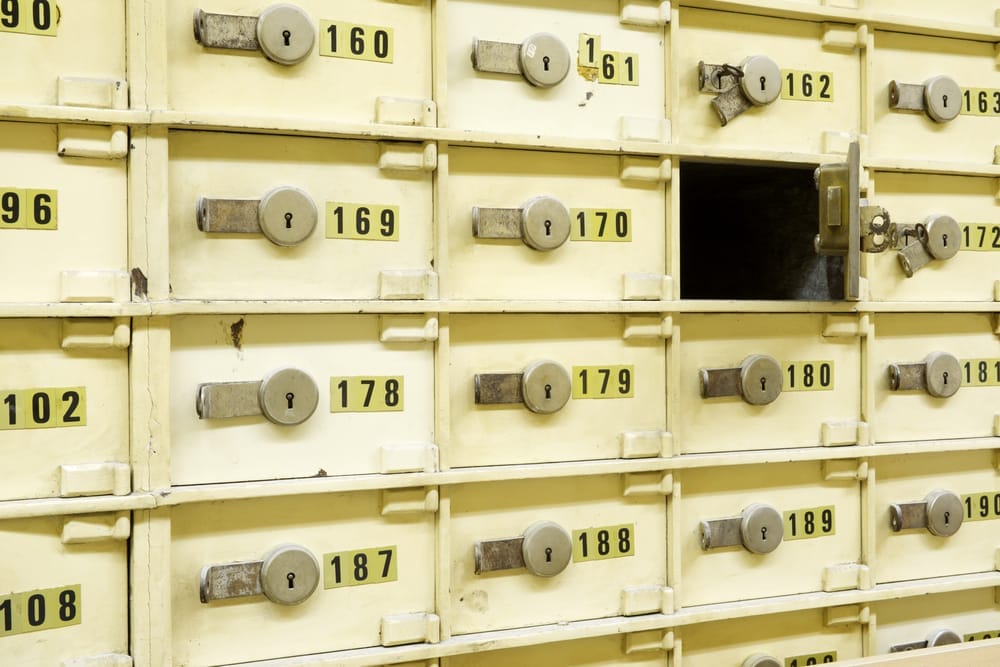
Safe deposit boxes are a secure way to store valuables, but they’re not always free. Some banks offer a free or discounted rental for the first 60 days when you open a new account. After that, the regular rental fee kicks in. The cost depends on the size of the box and the bank, but it’s usually billed annually. If you don’t need the box long-term, make sure to empty it and cancel before the 60 days are up. Otherwise, you’ll be on the hook for the full year’s fee. If you’re just looking for a place to store documents or jewelry for a short time, ask about the exact terms before signing up.

5. Account Maintenance Fees

Some banks waive monthly maintenance fees for the first 60 days as a welcome perk. After that, you need to meet certain requirements to keep the account free. These might include keeping a minimum balance, setting up direct deposit, or making a certain number of transactions each month. If you don’t meet the requirements, the bank starts charging a maintenance fee—often $10 to $15 per month. These fees can eat into your savings if you’re not careful. Review your account terms and set up alerts to make sure you’re meeting the requirements. If you can’t, consider switching to a no-fee account or a credit union.

6. ATM Fee Reimbursements

Many banks offer free ATM fee reimbursements for the first 60 days after you open an account. This means they’ll refund fees charged by other banks’ ATMs. After the initial period, the reimbursements may stop or be limited. You could end up paying $3 to $5 every time you use an out-of-network ATM. If you travel or live in an area with few of your bank’s ATMs, these fees can add up quickly. To avoid them, use your bank’s ATM locator app or get cash back at stores when you make a purchase. Some online banks and credit unions offer ongoing ATM fee reimbursements, so shop around if this is important to you.

Stay Ahead of Sneaky Bank Fees

Bank fees can feel like a moving target. What’s free today might cost you tomorrow. The key is to read the fine print and set reminders for when introductory offers end. Don’t assume a service will stay free forever. Check your statements regularly and ask your bank about any fees that might start after 60 days. A little attention now can save you a lot of money later. Staying informed about which bank services start charging after just 60 days helps you keep more of your hard-earned cash.

What’s your experience with surprise bank fees? Share your story or tips in the comments below.

Read More

6 Banking Terms That Invalidate Joint Ownership Intentions

Some U.S. Banks Are Now Charging a “Cash Handling” Fee—Even at ATMs

Travis Campbell
Travis Campbell

Travis Campbell is a digital marketer/developer with over 10 years of experience and a writer for over 6 years. He holds a degree in E-commerce and likes to share life advice he’s learned over the years. Travis loves spending time on the golf course or at the gym when he’s not working.

Filed Under: Banking Tagged With: account maintenance, ATM Fees, avoid fees, bank fees, banking tips, checking accounts, Personal Finance, savings accounts

Could a Bank Freeze Your Account Without Telling You?

August 9, 2025 by Travis Campbell Leave a Comment

money freeze

Image source: unsplash.com

Finding your card declined at the checkout feels shocking. A frozen account can stop paychecks and block bills. Why would a bank freeze your account and not warn you? This matters because access to cash is basic for daily life. Read clear steps and rights so you can act fast.

1. What does a bank freeze mean

A bank freeze can be a temporary hold or a full block on withdrawals. The bank may still allow deposits but stop outgoing payments. Different freezes carry different fixes and timelines. Ask what type of freeze it is and how long it will last. If the bank is wrong, quick proof usually speeds release.

2. When banks can freeze your account without notice

Banks freeze your account without prior notice in several cases. If the bank receives a sealed court order, it might have to act quietly. Law enforcement can also request secrecy during an investigation. A bank’s terms of service often give it broad authority to act against fraud. That power means you may not get a warning before access stops.

3. How fraud detection triggers a freeze

Automated systems scan transactions for odd patterns. Large or rapid deposits, strange payees, or foreign activity can trip alarms. False positives are common; many customers spend weeks restoring access. A Consumer Financial Protection Bureau review found that banks sometimes froze accounts for long periods and provided inadequate guidance. A 2024 review found customers sometimes waited weeks and received little guidance. This can ruin plans; keep contact info and document everything.

4. Court orders, levies, and creditor actions

Courts can order a freeze if a creditor wins a judgment. The IRS can also levy bank accounts for unpaid taxes. Those legal freezes often come with formal notices and case numbers. When a creditor acts, you will usually get legal papers showing the claim. If you receive a levy, talk to the creditor or the court clerk about exemptions.

5. What notifications and rights to expect

You should get notice when a creditor freezes your account, but not always when law enforcement is involved. Banks must follow rules and state laws about protected funds like Social Security in many cases. Keep records of communications and ask for the reason in writing. Ask which funds are protected in your state and how to file a claim. Protected funds often include recent federal benefits and some state payments.

6. If a bank freezes your account, do this

Call the bank immediately and ask why access is blocked. Request written notice, a case number, and the name of the department handling the freeze. If the freeze follows suspicious activity, provide proof of a legitimate source for deposits. If a court order caused it, get the case details and consult an attorney or free legal aid. Freeze cards, change passwords, and monitor for new charges. Ask for a supervisor if the customer service representative cannot give clear next steps.

7. Steps to reduce the risk of a surprise freeze

Tell your bank about large deposits or travel plans in advance. Keep clear records of big payments and receipts you can show quickly. Use separate accounts for business and personal funds to avoid confusing transaction patterns. Consider a second bank for payroll or an emergency buffer to avoid a single point of failure. Review your bank’s account agreement so you know their procedures. Set alerts for large transactions and unusual logins. Keep a short folder of tax forms, sale agreements, or payroll records to show where money came from.

Protect access: the one thing that matters

If you want to avoid a surprise freeze of your account, keep fast, clear proof of where big deposits came from. Call your bank, show documents, and ask for written timelines. If access does not return, press for the order number and get legal help quickly. Keep an emergency plan: a second bank, cash reserves, or a trusted friend who can help with bills. Banks must balance stopping crime with your right to use your money; being prepared shortens the pain. If the bank froze your account wrongly, keep calm and collect proof. Tell the bank you will escalate the issue unless they set a timeline to unfreeze your account. You can mention a Consumer Financial Protection Bureau complaint if you get no help. Filing a complaint can speed a response when a bank freezes your account without a clear reason. Document dates, names, and what the bank said. Then file a complaint at the CFPB or seek local legal aid. See background on common freezes at Investopedia and read reporting about banks’ poor notice practices. Act early. A few documents and calls often get accounts working again. Keep a basic cash buffer for emergencies. Do it today. Now.

Have you ever had a bank lock or freeze your account? Share what happened below.

Read More

What Happens When Your Bank Changes the Terms Without Warning?

What Are Banks Really Doing With Your Personal Spending Data?

Travis Campbell
Travis Campbell

Travis Campbell is a digital marketer/developer with over 10 years of experience and a writer for over 6 years. He holds a degree in E-commerce and likes to share life advice he’s learned over the years. Travis loves spending time on the golf course or at the gym when he’s not working.

Filed Under: Banking Tagged With: account freeze, banking, CFPB, consumer rights, financial advice, fraud, frozen account, IRS, legal help, money access

9 Surprising Penalties for Paying Off Loans Too Early

August 8, 2025 by Travis Campbell 1 Comment

loan

Image source: unsplash.com

Paying off loans early seems like a smart move. You save on interest, free up your budget, and get rid of debt faster. But there’s a catch. Many lenders don’t want you to pay off your loan ahead of schedule. They make money from interest, so when you pay early, they lose out. That’s why some loans come with hidden costs or penalties for early repayment. If you’re thinking about wiping out your debt, you need to know about early loan payoff penalties. These fees can sneak up on you and eat into your savings. Here are nine surprising penalties you might face when paying off loans too early.

1. Prepayment Penalties

This is the most common early loan payoff penalty. Some lenders charge a fee if you pay off your loan before the agreed term. The fee can be a flat amount or a percentage of your remaining balance. For example, if you pay off a $10,000 loan early and the penalty is 2%, you’ll owe $200 just for closing out your debt. Not all loans have this penalty, but it’s common with mortgages, personal loans, and auto loans. Always check your loan agreement for any mention of prepayment penalties before making extra payments.

2. Lost Interest Savings

You might think paying off a loan early always saves you money. But some loans, especially mortgages, use a method called “precomputed interest.” This means the lender calculates all the interest you would pay over the life of the loan and adds it to your balance upfront. If you pay off the loan early, you might not get a refund for the interest you haven’t “used.” In this case, your early loan payoff penalty is the lost savings you expected. It’s a sneaky way lenders protect their profits.

3. Reinvestment Fees

Some lenders, especially for business or commercial loans, charge a reinvestment fee. This fee covers the lender’s cost of finding a new place to put their money after you pay off your loan. It’s not common for personal loans, but it can show up in business lending. The fee can be a set amount or a percentage of your loan. If you’re a business owner, ask about reinvestment fees before signing any loan agreement.

4. Closing Costs

When you pay off a mortgage early, you might have to pay closing costs again. These can include document fees, attorney fees, and other administrative charges. Some lenders require you to pay these costs if you close your loan before a certain period, like three or five years. It’s another way they make up for lost interest. Always ask your lender if early payoff triggers any extra closing costs.

5. Loss of Tax Deductions

If you have a mortgage or a student loan, you might be able to deduct the interest you pay from your taxes. When you pay off your loan early, you lose this deduction. This isn’t a fee from your lender, but it can still cost you money. For example, if you pay off your mortgage early, you’ll no longer be able to deduct mortgage interest from your taxable income. This could mean a higher tax bill.

6. Credit Score Impact

Paying off a loan early can sometimes lower your credit score. This sounds backward, but it’s true. Your credit mix and length of credit history both affect your score. If you pay off a loan and close the account, you might lose some of your credit history. This can cause a small dip in your score, especially if it was your only installment loan. While this isn’t a direct early loan payoff penalty, it’s a side effect you should know about.

7. Refinance Restrictions

Some loans have clauses that prevent you from refinancing or paying off the loan with another lender within a certain period. If you try to refinance too soon, you might face a penalty or fee. This is common with mortgages and auto loans. Lenders use these restrictions to protect their profits and maintain control over your business. Always read the fine print before refinancing or paying off a loan early.

8. Loss of Benefits or Rewards

Some loans come with perks, like interest rate reductions for on-time payments or cash-back rewards. If you pay off your loan early, you might lose these benefits. For example, some student loans offer interest rate discounts after a certain number of on-time payments. If you pay off the loan before reaching that milestone, you miss out. Check your loan agreement to see if early payoff affects any rewards or benefits.

9. Administrative Fees

Some lenders charge administrative fees for processing an early loan payoff. These can include paperwork fees, wire transfer fees, or other charges. The amounts are usually small, but they add up. Always ask your lender if there are any administrative fees for paying off your loan early. It’s better to know upfront than to be surprised later.

Weighing the Real Cost of Early Loan Payoff

Paying off loans early can feel like a win, but early loan payoff penalties can turn that win into a loss. Before you make extra payments or pay off a loan in full, read your loan agreement carefully. Ask your lender about any fees or penalties. Do the math to see if early payoff really saves you money. Sometimes, it’s better to stick to your payment schedule and avoid hidden costs. Early loan payoff penalties aren’t always obvious, but knowing about them can help you make smarter financial decisions.

Have you ever faced a penalty for paying off a loan early? Share your story or tips in the comments below.

Read More

Why Are So Many Seniors Being Sued Over Student Loans They Didn’t Take Out?

7 Benefits of SBA Loans for Small Businesses

Travis Campbell
Travis Campbell

Travis Campbell is a digital marketer/developer with over 10 years of experience and a writer for over 6 years. He holds a degree in E-commerce and likes to share life advice he’s learned over the years. Travis loves spending time on the golf course or at the gym when he’s not working.

Filed Under: Banking Tagged With: Debt Management, early repayment, loan payoff, loans, money tips, penalties, Personal Finance, Planning

8 Financial Red Flags You Might Be Missing in Joint Accounts

August 8, 2025 by Travis Campbell Leave a Comment

spending

Image source: unsplash.com

Joint accounts can make life easier. They help couples, families, and even business partners manage money together. But sharing an account also means sharing risks. Many people open joint accounts without considering the potential risks. It’s easy to miss warning signs until it’s too late. If you’re not careful, you could lose money, damage trust, or even face legal trouble. Here are eight financial red flags you might be missing in joint accounts—and what you can do about them.

1. Unexplained Withdrawals

If you notice money leaving your joint account and you don’t know why, that’s a problem. Unexplained withdrawals are one of the biggest financial red flags. Maybe your partner forgot to mention a purchase. Or maybe someone is taking money without your knowledge. Either way, you need to know where your money is going. Check your account statements often. If you see something odd, ask about it right away. Don’t wait. Small amounts can add up fast. If you ignore this red flag, you could lose more than you think.

2. One Person Controls All Transactions

A joint account should be a team effort. If one person handles all the deposits, withdrawals, and bill payments, that’s risky. This is one of those financial red flags that can lead to bigger problems. You might not notice mistakes or fraud until it’s too late. Both account holders should have access and stay involved. Set up alerts for large transactions. Review the account together every month. This keeps everyone honest and informed.

3. Sudden Changes in Spending Habits

People’s spending habits can change for many reasons. But if your joint account partner starts spending more—or less—without talking to you, pay attention. This could mean financial stress, hidden debts, or even addiction. Sudden changes are financial red flags that shouldn’t be ignored. Talk openly about money. Ask if something has changed. It’s better to have an awkward conversation now than a crisis later.

4. Missing or Altered Statements

If you stop getting account statements, or if they look different, that’s a red flag. Sometimes, people hide statements to cover up spending or debt. Other times, banks switch to paperless statements, and you miss important updates. Either way, you need to see your account activity. Make sure both account holders get copies of all statements. If something is missing, contact your bank. Don’t assume everything is fine just because you haven’t seen a problem.

5. Overdrafts and Bounced Payments

Joint accounts should make it easier to pay bills and avoid fees. But if you see overdrafts or bounced payments, something’s wrong. These are clear financial red flags. Maybe someone is spending more than they should. Maybe you’re not communicating about upcoming bills. Overdrafts can hurt your credit and cost you money in fees. Set up low-balance alerts. Agree on a minimum balance. And talk about big expenses before they happen.

6. Unfamiliar Linked Accounts or Payees

Banks let you link accounts and set up payees for easy transfers. But if you see accounts or payees you don’t recognize, be careful. This could mean someone is moving money without your knowledge. It’s one of those financial red flags that can signal fraud or theft. Review your list of linked accounts and payees often. Remove anything you don’t use or don’t recognize. If you see something suspicious, call your bank right away.

7. Lack of Communication About Money

Money is a common source of conflict in relationships. If you and your joint account partner aren’t talking about money, that’s a red flag. Silence can hide problems like debt, overspending, or even financial abuse. Make time to talk about your joint account. Set goals together. Review your budget and spending. Open communication helps you spot financial red flags before they become bigger issues.

8. Unclear Ownership or Account Terms

Do you know what happens to your joint account if one person dies or leaves? Many people don’t. Unclear ownership is a hidden financial red flag. Some accounts transfer to the surviving owner. Others become part of an estate. If you’re not sure, ask your bank. Get everything in writing. Make sure both account holders understand the rules. This can prevent legal headaches and family fights down the road.

Protecting Your Money Means Watching for Red Flags

Joint accounts can be helpful, but they come with risks. Watching for financial red flags is the best way to protect your money and your relationships. Stay involved. Ask questions. Don’t ignore warning signs, even if they seem small. The sooner you spot a problem, the easier it is to fix. Joint accounts work best when everyone is honest and informed.

Have you ever spotted a red flag in a joint account? What happened? Share your story or advice in the comments below.

Read More

6 Retirement Accounts That Are No Longer Considered “Safe”

10 Digital Subscriptions That Drain Retirement Accounts Over Time

Travis Campbell
Travis Campbell

Travis Campbell is a digital marketer/developer with over 10 years of experience and a writer for over 6 years. He holds a degree in E-commerce and likes to share life advice he’s learned over the years. Travis loves spending time on the golf course or at the gym when he’s not working.

Filed Under: Banking Tagged With: account security, banking, Financial Red Flags, financial safety, joint accounts, money management, Personal Finance, relationships

  • « Previous Page
  • 1
  • …
  • 5
  • 6
  • 7
  • 8
  • 9
  • …
  • 11
  • Next Page »

FOLLOW US

Search this site:

Recent Posts

  • Can My Savings Account Affect My Financial Aid? by Tamila McDonald
  • 12 Ways Gen X’s Views Clash with Millennials… by Tamila McDonald
  • What Advantages and Disadvantages Are There To… by Jacob Sensiba
  • Call 911: Go To the Emergency Room Immediately If… by Stephen Kanaval
  • 10 Tactics for Building an Emergency Fund from Scratch by Vanessa Bermudez
  • 7 Weird Things You Can Sell Online by Tamila McDonald
  • 10 Scary Facts About DriveTime by Tamila McDonald

Copyright © 2026 · News Pro Theme on Genesis Framework