
• Home
  • About Us
  • Toolkit
  • Getting Finances Done
    • Hiring Advisors
    • Debt Management
    • Spending Plan
  • Insurance
    • Life Insurance
    • Health Insurance
    • Disability Insurance
    • Homeowners/Renters Insurance
  • Contact Us
  • Privacy Policy
  • Risk Tolerance Quiz

The Free Financial Advisor

You are here: Home / Archives for Catherine Reed

Catherine is a tech-savvy writer who has focused on the personal finance space for more than eight years. She has a Bachelor's in Information Technology and enjoys showcasing how tech can simplify everyday personal finance tasks like budgeting, spending tracking, and planning for the future. Additionally, she's explored the ins and outs of the world of side hustles and loves to share what she's learned along the way. When she's not working, you can find her relaxing at home in the Pacific Northwest with her two cats or enjoying a cup of coffee at her neighborhood cafe.

7 Weird Investments People Regret Buying

September 10, 2025 by Catherine Reed Leave a Comment

7 Weird Investments People Regret Buying

Image source: 123rf.com

When it comes to investing, most people aim for stable growth, smart diversification, and long-term returns. Yet, not every choice made in the name of “opportunity” pans out. History is full of strange financial decisions that left investors scratching their heads and emptying their wallets. From collectibles that lost their shine to schemes that promised the world, these are the weird investments people regret buying. Understanding these mistakes can help you avoid falling for similar traps.

1. Beanie Babies Mania

In the 1990s, Beanie Babies were more than toys—they were treated like financial assets. Many people poured thousands of dollars into them, expecting the value to skyrocket. Instead, supply eventually overwhelmed demand, and the resale market collapsed. Today, only a handful of rare Beanie Babies sell for significant money, leaving most investors with bins of stuffed animals worth little more than sentimental value. This serves as a classic example of how hype can cloud financial judgment.

2. Pet Rocks

Few weird investments people regret buying are as iconic as the Pet Rock craze of the 1970s. What started as a novelty gag became a booming business, with people paying good money for literal rocks in cardboard boxes. While the creator made millions, investors who stockpiled them for resale quickly learned the fad had no staying power. Once the joke wore off, demand disappeared almost overnight. It highlights the risk of betting on short-lived trends.

3. Timeshares with Hidden Costs

On the surface, timeshares seem like a way to secure vacation fun while saving money. Unfortunately, many investors regret buying them due to high maintenance fees and difficulty reselling. Once purchased, owners often discover the value plummets the moment the contract is signed. Many end up stuck paying for something they rarely use. This makes timeshares one of the more common weird investments people regret buying, even if they seemed practical at first.

4. Ostrich Farming

In the 1980s and 1990s, ostrich farming was pitched as a goldmine. Promoters claimed ostrich meat, feathers, and hides would dominate luxury markets. Investors bought into the idea, spending heavily on breeding pairs. However, the market never matured, leaving most farmers with expensive birds they couldn’t sell for a profit. It’s a reminder that not every “next big thing” in agriculture actually takes off.

5. Collectible Plates and Figurines

Limited-edition collectible plates and figurines were heavily marketed as “surefire investments” for decades. Buyers were promised that these items would increase in value as they became rarer. In reality, the resale market never developed, and most pieces are worth less than their original purchase price. Many basements and attics still hold boxes of these dust-covered items. They remain a textbook example of how marketing can turn everyday products into bad investments.

6. Penny Stocks and Pump-and-Dump Schemes

Another set of weird investments people regret buying comes from penny stocks. These ultra-cheap shares are often promoted with promises of explosive growth. Unfortunately, they’re highly vulnerable to pump-and-dump schemes, where promoters inflate the price before dumping their shares, leaving others with worthless stock. Many investors who chased quick profits ended up losing everything. It’s a high-risk game that rarely ends well for average buyers.

7. Virtual Land in Failed Online Worlds

Long before today’s discussions about the metaverse, investors were buying virtual land in online worlds like Second Life. While some early adopters made money, most people who invested in virtual properties ended up with worthless pixels when interest faded. The markets for these spaces never lived up to their hype. Unlike real land, virtual property has no tangible value outside its platform. It remains one of the strangest financial experiments of the digital age.

Learning From Other People’s Regrets

The history of weird investments people regrets buying offers valuable lessons for today’s investors. Whether it’s toys, birds, or digital real estate, the common thread is hype and unrealistic expectations. Successful investing usually comes from patience, research, and sticking with proven strategies instead of chasing fads. By recognizing the red flags in past mistakes, you can protect your money and focus on building real wealth. Remember, not every “hot opportunity” is worth the risk.

Have you ever fallen for a financial fad that didn’t pay off? Share your story in the comments—we’d love to hear your experience!

What to Read Next…

10 Strange Investments That Wealthy People Keep Secret

8 Smart Investing Rules the Wealthy Actually Follow

10 Shocking Ways Wealth Disappears During a Market Crash

Why Do High Earners End Up With Less Cash on Hand Than Expected

7 Strange Things That End Up in High-Net-Worth Portfolios

Catherine Reed
Catherine Reed

Catherine is a tech-savvy writer who has focused on the personal finance space for more than eight years. She has a Bachelor’s in Information Technology and enjoys showcasing how tech can simplify everyday personal finance tasks like budgeting, spending tracking, and planning for the future. Additionally, she’s explored the ins and outs of the world of side hustles and loves to share what she’s learned along the way. When she’s not working, you can find her relaxing at home in the Pacific Northwest with her two cats or enjoying a cup of coffee at her neighborhood cafe.

Filed Under: Investing Tagged With: bad investments, collectibles, financial mistakes, investing, money management, regrets, weird investments

5 Unsettling Truths About Payday Loan Companies

September 10, 2025 by Catherine Reed Leave a Comment

5 Unsettling Truths About Payday Loan Companies

Image source: 123rf.com

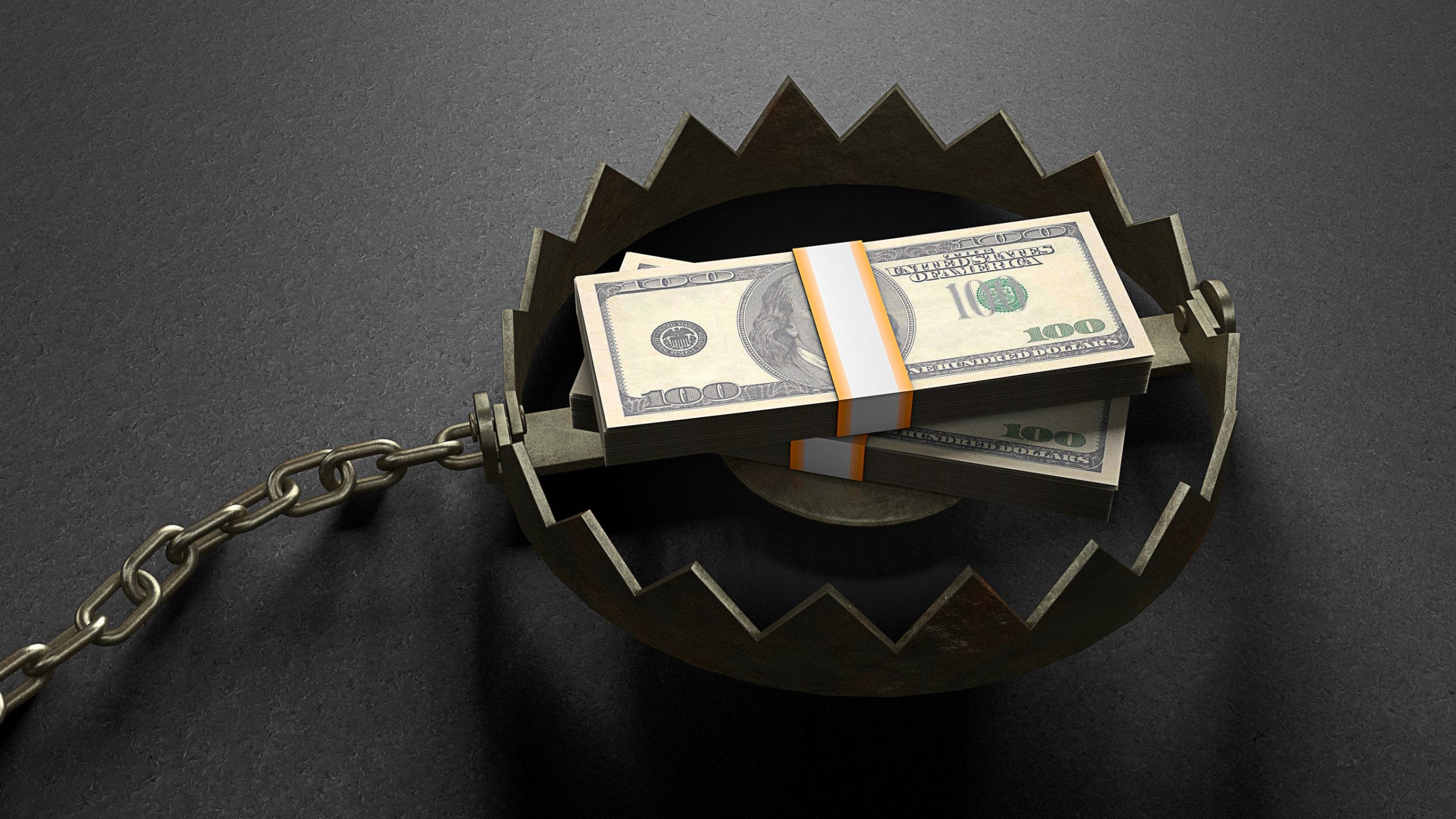
When money gets tight, it can feel tempting to grab quick cash from payday loan companies. Their advertisements promise fast approval and no credit checks, making them look like a safety net in emergencies. But behind the flashy signs and friendly pitches lies a business model designed to trap borrowers in long-term cycles of debt. Understanding the unsettling truths about payday loan companies can help you avoid falling into their costly financial traps and seek safer alternatives.

1. Interest Rates Are Shockingly High

One of the most unsettling truths about payday loan companies is how they structure interest rates. While the fee may look small upfront, annual percentage rates often soar past 300 percent. That means borrowing just a few hundred dollars can quickly balloon into thousands if repayment gets delayed. Many borrowers who thought they would only owe a little more than they borrowed end up trapped in a snowball of growing debt. This staggering cost is what makes payday loans among the most expensive forms of credit.

2. Borrowers Often Get Trapped in a Cycle of Debt

Payday loan companies rely heavily on repeat customers to make profits. Many borrowers take out a new loan to pay off the old one, creating a revolving cycle that is nearly impossible to escape. Each renewal adds more fees and interest, digging the borrower deeper into financial trouble. Instead of solving short-term problems, these loans often create long-term struggles. This cycle is intentionally built into the payday lending business model, keeping customers dependent on their services.

3. They Target the Most Vulnerable Populations

Another unsettling truth about payday loan companies is how they target communities already under financial stress. Low-income neighborhoods, military families, and people with limited access to traditional banks are frequent targets of payday loan storefronts. Their marketing focuses on desperation, offering “quick fixes” for urgent needs like rent, utilities, or medical bills. Unfortunately, these same customers are often least able to absorb the crushing interest and fees. This predatory targeting makes payday lending especially harmful to those already struggling.

4. Transparency Is Often Misleading

While payday loan companies are legally required to disclose terms, the way they present information can be confusing. Many borrowers do not realize how much the loan will truly cost because the focus is on small fees instead of the astronomical annual percentage rates. Contracts are often filled with complicated language that buries the real costs. This lack of clarity prevents borrowers from making informed financial decisions. In practice, payday lenders thrive on confusion and misrepresentation.

5. Better Alternatives Are Usually Overlooked

The unsettling truth is that payday loan companies make borrowers believe they have no other options. In reality, alternatives such as credit unions or nonprofit lenders often provide safer relief. Many people also overlook community programs that can help with emergency expenses. Payday lenders succeed when customers feel trapped and unaware of these resources. Knowing your options can save you from entering a cycle of expensive debt.

Choosing Smarter Paths When Cash Gets Tight

The reality about payday loan companies is clear: they profit from high interest rates, repeat borrowing, and targeting vulnerable people. While they promise fast money, the long-term damage far outweighs the short-term relief. By recognizing these unsettling truths, you can protect yourself and explore better solutions when money runs short. A thoughtful plan and awareness of safer alternatives can keep you from paying far more than you borrowed. Financial health starts with avoiding traps designed to keep you struggling.

Have you or someone you know ever dealt with payday loan companies? How did it affect your finances? Share your story in the comments below!

What to Read Next…

How Can Student Loans Quietly Shape Life Decisions for Decades

5 Times Debt Was Used as a Tool Instead of a Burden

10 Financial Risks That Come From Ignoring Small Debts

5 Financial Moves That Sound Smart but Hurt Over Time

How Much Home Can You Really Afford? Hint: Don’t Believe The Mortgage Company

Catherine Reed
Catherine Reed

Catherine is a tech-savvy writer who has focused on the personal finance space for more than eight years. She has a Bachelor’s in Information Technology and enjoys showcasing how tech can simplify everyday personal finance tasks like budgeting, spending tracking, and planning for the future. Additionally, she’s explored the ins and outs of the world of side hustles and loves to share what she’s learned along the way. When she’s not working, you can find her relaxing at home in the Pacific Northwest with her two cats or enjoying a cup of coffee at her neighborhood cafe.

Filed Under: Debt Management Tagged With: borrowing, credit alternatives, debt traps, financial mistakes, money management, payday loans, Personal Finance

How Can Car Ownership Quietly Drain More Than Rent

September 10, 2025 by Catherine Reed Leave a Comment

How Can Car Ownership Quietly Drain More Than Rent

Image source: 123rf.com

For many households, rent is considered the biggest monthly expense, but a closer look often tells a different story. Between payments, insurance, and upkeep, cars quietly eat up thousands of dollars every year. In fact, in some cases, the total cost of maintaining a vehicle can rival or even surpass what you pay for housing. Understanding how car ownership quietly drain more than rent can help you make smarter financial decisions and avoid letting your car control your budget.

1. Monthly Payments Add Up Quickly

The most obvious cost of owning a car is the monthly loan payment. Many people stretch these loans across five to seven years, leaving them tied to a payment for much longer than expected. With average new car prices soaring, the monthly bill alone can sometimes equal a small apartment’s rent. Add interest charges on top of that, and the real cost is even higher. This is often the first way car ownership quietly drain more than rent.

2. Insurance Premiums Eat Away at Income

Car insurance is unavoidable, and rates continue to climb. Depending on your age, location, and driving record, insurance can easily cost hundreds of dollars per month. Unlike rent, which is usually fixed for a lease period, premiums can fluctuate yearly, making budgeting harder. For households with multiple drivers, these costs multiply quickly. Insurance is one of the hidden factors that make car ownership quietly drain more than rent.

3. Gasoline Expenses Never Stop

Fuel is a constant expense that adds up quietly week after week. Even with lower gas prices, regular fill-ups easily cost hundreds of dollars per month for commuters. For those living in suburban or rural areas with longer drives, the burden is even greater. Unlike rent, which is a single monthly bill, gas is a repeating charge that’s easy to overlook in the bigger picture. Over a year, these costs make a major dent in your budget.

4. Maintenance and Repairs Surprise Owners

Oil changes, new tires, and routine maintenance often sneak up on car owners. When combined with occasional breakdowns or unexpected repairs, these costs can be overwhelming. A single major repair, like a transmission replacement, can equal several months of rent. Because these expenses are irregular, they often throw budgets into disarray. Over time, this unpredictability shows how car ownership quietly drain more than rent.

5. Depreciation Is a Silent Loss

Unlike housing, which often gains value, cars lose value the second they leave the dealership. This depreciation is a hidden cost most people forget to factor in. Even if you pay off your loan, the resale value of the car is often far less than what you originally paid. This means you’re constantly losing money without realizing it. In the long run, depreciation is one of the biggest ways car ownership quietly drain more than rent.

6. Parking and Registration Pile On

Depending on where you live, parking can be a major expense. City dwellers often pay hundreds per month for a garage spot, while suburban homeowners may still face costs for permits or street parking. Registration fees, inspections, and other government charges add to the annual burden. While each of these might seem small, together they represent another layer of hidden costs. These “extras” are often overlooked but push total car expenses higher than expected.

7. Opportunity Cost of Car Spending

Every dollar spent on your car is a dollar not invested elsewhere. When large portions of your income go toward vehicles, less money is available for savings, retirement accounts, or paying down debt. Unlike rent, which provides shelter, car spending rarely offers long-term financial value. This missed opportunity can significantly impact your financial health over time. Considering opportunity costs helps explain how car ownership quietly drain more than rent.

Rethinking Transportation for Financial Freedom

The reality that car ownership quietly drain more than rent highlights the importance of rethinking your transportation strategy. Exploring alternatives such as public transit, biking, ridesharing, or even reducing the number of cars per household can save thousands every year. Downsizing to a more affordable vehicle or buying used instead of new are also practical ways to ease the burden. Taking control of car expenses opens the door to redirecting money toward savings and financial security. By being intentional, you can prevent your vehicle from steering your budget off course.

Have you ever added up your annual car expenses and compared them to your rent? Share your thoughts and experiences in the comments below!

What to Read Next…

9 Lifestyle Changes That Quietly Save Thousands a Year

Why Does Carvana Offer Better Deals Than Car Dealerships?

9 Luxuries That Quietly Drain Wealth Faster Than Bad Investments

7 Things That End Up Costing More in Poor Neighborhoods

9 Inherited Assets That Cause More Family Fights Than Joy

Catherine Reed
Catherine Reed

Catherine is a tech-savvy writer who has focused on the personal finance space for more than eight years. She has a Bachelor’s in Information Technology and enjoys showcasing how tech can simplify everyday personal finance tasks like budgeting, spending tracking, and planning for the future. Additionally, she’s explored the ins and outs of the world of side hustles and loves to share what she’s learned along the way. When she’s not working, you can find her relaxing at home in the Pacific Northwest with her two cats or enjoying a cup of coffee at her neighborhood cafe.

Filed Under: Personal Finance Tagged With: budgeting, car ownership, hidden costs, money management, Personal Finance, rent comparison, transportation

10 Financial Mistakes People Make in Their Final Years

September 10, 2025 by Catherine Reed Leave a Comment

10 Financial Mistakes People Make in Their Final Years

Image source: 123rf.com

As retirement approaches, the financial decisions you make carry more weight than ever. Small missteps can have long-lasting consequences, affecting your lifestyle, healthcare, and even the legacy you leave behind. Many people don’t realize that the financial mistakes people make in their final years often stem from avoidable oversights rather than lack of resources. By understanding these common errors, you can take proactive steps to secure peace of mind and financial stability in your later years.

1. Not Having a Comprehensive Estate Plan

One of the most common financial mistakes people make in their final years is failing to prepare an estate plan. Without clear instructions, assets may end up tied in probate, creating stress and unnecessary costs for loved ones. Proper planning ensures your wishes are honored and your family avoids disputes. Estate documents should include a will, power of attorney, and healthcare directives. Keeping these updated helps prevent confusion and unexpected expenses.

2. Ignoring Long-Term Care Planning

Healthcare needs often increase with age, and many underestimate the potential costs. Long-term care expenses can quickly deplete savings, leaving little for other needs or family support. Relying solely on Medicare is risky because it does not cover extended care in nursing homes or assisted living facilities. Exploring options like long-term care insurance or setting aside dedicated funds helps protect your resources. Planning ahead ensures you’re not forced into difficult financial decisions later.

3. Withdrawing Too Much from Retirement Accounts

Spending freely after retirement is tempting, but excessive withdrawals can leave you short of funds. Many retirees underestimate how long their money needs to last, leading to early depletion. Establishing a safe withdrawal rate is critical to maintaining financial health. Consulting with a financial advisor can help balance spending and sustainability. Proper planning ensures you enjoy retirement without the fear of running out of money.

4. Failing to Adjust for Inflation

Another financial mistake people make in their final years is ignoring the impact of inflation. While prices rise, fixed incomes often stay the same, reducing purchasing power over time. Without investments that grow with inflation, retirees may struggle to keep up with everyday expenses. Even modest inflation can make a big difference over a decade. Protecting your finances requires adjusting your strategy to account for rising costs.

5. Overlooking Tax Planning Strategies

Taxes don’t disappear in retirement, and poor planning can result in unnecessary losses. Withdrawals from certain accounts, Social Security benefits, and even pension income can be taxable. Many retirees fail to structure their withdrawals in a tax-efficient way, leading to higher bills. Strategies like Roth conversions or coordinating withdrawals across accounts can reduce your burden. Ignoring tax planning is one of the preventable financial mistakes people make in their final years.

6. Keeping All Assets in Risky Investments

Some people continue investing aggressively, chasing high returns late in life. While growth is important, heavy exposure to volatile markets can backfire during downturns. Losing significant savings late in retirement leaves little time to recover. Diversification and risk adjustment become more important than maximizing returns. Protecting capital is often wiser than chasing speculative gains.

7. Not Communicating Financial Plans with Family

Silence about money matters often leads to confusion and conflict. When loved ones don’t know your financial intentions, they may struggle to make decisions on your behalf. This can delay important choices regarding healthcare, housing, or inheritance. Open communication prevents misunderstandings and prepares family members to support your wishes. Sharing plans is a vital step in avoiding unnecessary stress.

8. Carrying High Levels of Debt

Carrying debt into retirement is another major error. Mortgages, credit cards, and personal loans can weigh heavily on a fixed income. Interest payments reduce the money available for daily living or healthcare needs. Tackling debt before retirement helps free up resources for more important expenses. Reducing financial burdens is key to maintaining independence.

9. Forgetting to Update Beneficiaries

Life changes such as marriage, divorce, or the birth of grandchildren may alter who you want to inherit your assets. Forgetting to update beneficiary designations on retirement accounts or insurance policies is a simple but costly mistake. Outdated information can lead to assets going to the wrong person. Regularly reviewing accounts ensures your intentions are honored. Staying proactive avoids painful surprises for your family.

10. Underestimating Healthcare Costs in Later Years

Medical expenses often rise sharply in the final years of life. Many people fail to plan adequately, believing Medicare will cover most of their needs. Out-of-pocket expenses for specialists, medications, and hospital stays can be overwhelming. Without sufficient savings, these costs can drain financial resources quickly. Accounting for healthcare ensures stability when you need it most.

Protecting Your Legacy Through Smart Choices

Avoiding the financial mistakes people make in their final years requires foresight, honesty, and discipline. By planning for long-term care, updating legal documents, reducing debt, and keeping loved ones informed, you safeguard both your well-being and your legacy. The choices made in your later years don’t just affect you—they shape the future for those you leave behind. Taking control now ensures that your final chapter is one of security and peace.

What financial lessons have you learned from watching older relatives or planning your own future? Share your insights in the comments below!

What to Read Next…

6 Retirement Planning Shifts to Expect by 2035

Why Do Some Retirees Keep Working Even When They Don’t Need To

7 Little-Known Costs of Living Longer Than Expected

Are Retirement Calculators Exaggerating Safe Withdrawal Rates?

Could Retirement Savings Be Safer in Cash Than in Stocks

Catherine Reed
Catherine Reed

Catherine is a tech-savvy writer who has focused on the personal finance space for more than eight years. She has a Bachelor’s in Information Technology and enjoys showcasing how tech can simplify everyday personal finance tasks like budgeting, spending tracking, and planning for the future. Additionally, she’s explored the ins and outs of the world of side hustles and loves to share what she’s learned along the way. When she’s not working, you can find her relaxing at home in the Pacific Northwest with her two cats or enjoying a cup of coffee at her neighborhood cafe.

Filed Under: Retirement Tagged With: Debt Management, Estate planning, financial mistakes, Legacy Planning, Long-term care, retirement planning, tax planning

9 Expenses That Quietly Double After Divorce

September 10, 2025 by Catherine Reed Leave a Comment

9 Expenses That Quietly Double After Divorce

Image source: 123rf.com

Divorce is not just an emotional transition—it is a financial turning point that often catches people off guard. While many expect legal fees or alimony, they rarely anticipate how everyday costs can quietly increase. The truth is, there are many expenses that quietly double after divorce, leaving one or both partners struggling to maintain the lifestyle they once shared. Understanding these hidden financial challenges can help you prepare and create a more sustainable post-divorce budget.

1. Housing Costs

One of the most noticeable expenses that quietly double after divorce is housing. Instead of sharing rent or a mortgage, each person must cover their own. That means paying for separate utility bills, property taxes, and maintenance. For many, downsizing becomes necessary to avoid being house-poor. The shift from one household to two creates a dramatic spike in living costs.

2. Utilities and Household Bills

Utilities are often overlooked, but they represent another set of expenses that quietly double after divorce. Electricity, water, heating, internet, and trash service now fall on one person instead of being split. Even small monthly bills add up when duplicated across two households. The financial strain is especially hard when one partner moves into a new place without energy-efficient systems. This change can quickly eat into disposable income.

3. Groceries and Food Expenses

Cooking for one or for a smaller household is often less cost-effective than buying in bulk for a family. Groceries are another category of expenses that quietly double after divorce because each parent must now stock a separate kitchen. Eating out becomes more tempting when cooking solo, which adds to the cost. Parents with shared custody also find themselves buying duplicate snacks, meals, and drinks for when the children visit. Over time, these expenses make a big dent in the budget.

4. Insurance Premiums

Insurance is one of the most underestimated expenses that quietly double after divorce. Health, auto, and even life insurance often cost more without the benefits of family plans. Many employers provide cheaper group coverage for couples, so switching to individual coverage raises premiums. Auto insurance may increase as well, especially if teenage drivers are covered under two separate policies. These changes can lead to hundreds of extra dollars per month.

5. Childcare and Parenting Costs

Childcare costs often rise sharply after divorce, especially if both parents now work full-time. Even with shared custody, expenses for babysitters, after-school care, and extracurricular activities may duplicate across households. Clothing, school supplies, and medical bills can also end up being purchased twice to avoid constant transfers between homes. Parenting time often comes with financial overlap. This makes childcare one of the most financially draining expenses that quietly double after divorce.

6. Transportation Costs

Transportation becomes more complicated post-divorce. Each parent may need a reliable car, adding another monthly payment, insurance premium, and maintenance schedule. Gasoline costs often rise as children are shuttled between homes, schools, and activities. Public transportation passes may also be duplicated if both parents live in separate areas. With two households to manage, transportation costs are no longer streamlined.

7. Holidays and Special Occasions

Holidays, birthdays, and other milestones can also trigger expenses that quietly double after divorce. Each parent often wants to provide a complete experience for their children, which means duplicate gifts, decorations, and celebrations. While well-intentioned, these efforts can create unnecessary financial pressure. Many parents spend more than they should to make up for lost time or to compete with their ex-spouse. Over time, these repeated splurges add up significantly.

8. Furniture and Household Items

When one partner moves out, they usually need to furnish a new home from scratch. Buying new furniture, cookware, linens, and electronics can cost thousands. Even small items like cleaning supplies and tools add up quickly. These expenses that quietly double after divorce are often overlooked during planning but can cause major financial stress. Starting over often requires a budget reset to account for these one-time but essential costs.

9. Legal and Administrative Fees

Even after the divorce papers are signed, legal and administrative costs may continue. Updating wills, refinancing loans, changing names, or revising custody agreements all carry fees. Ongoing disputes over child support or alimony may also result in additional court costs. These expenses that quietly double after divorce are not only financial but emotional, creating ongoing stress. Planning for them in advance helps avoid surprises later.

Preparing for Financial Reality After Divorce

The reality is clear: there are many expenses that quietly double after divorce, and they can create lasting financial strain if not managed wisely. From housing and utilities to childcare and insurance, the shift to two separate households almost always costs more than maintaining one. Being proactive by creating a detailed post-divorce budget, exploring cost-sharing solutions, and seeking financial guidance can ease the transition. Divorce may be costly, but careful planning ensures it does not derail your financial future.

Have you experienced expenses that quietly double after divorce firsthand? What strategies helped you manage them? Share your thoughts in the comments!

What to Read Next…

8 Money Secrets That Divorce Lawyers Know but Couples Don’t

7 Expensive Mistakes Made During Divorce Settlements

8 Financial Risks That Appear When Couples Separate

7 Times When You Have No Option Better Than a Financial Advisor

Why Some Beneficiaries Can’t Access IRA Funds Without Lawyers

Catherine Reed
Catherine Reed

Catherine is a tech-savvy writer who has focused on the personal finance space for more than eight years. She has a Bachelor’s in Information Technology and enjoys showcasing how tech can simplify everyday personal finance tasks like budgeting, spending tracking, and planning for the future. Additionally, she’s explored the ins and outs of the world of side hustles and loves to share what she’s learned along the way. When she’s not working, you can find her relaxing at home in the Pacific Northwest with her two cats or enjoying a cup of coffee at her neighborhood cafe.

Filed Under: Marriage & Money Tagged With: budgeting after divorce, divorce finances, family expenses, financial mistakes, hidden costs, money management, Personal Finance

Could Your Job’s Perks Be Costing You More Than They Save

September 10, 2025 by Catherine Reed Leave a Comment

Could Your Job’s Perks Be Costing You More Than They Save

Image source: 123rf.com

On the surface, workplace perks can feel like a bonus that makes a job more attractive. Free lunches, gym memberships, company cars, and flexible benefits are often marketed as ways to save employees money. But in reality, many of these perks aren’t as “free” as they seem. In fact, when you do the math, you may discover your job’s perks are costing you more than they save. Understanding the hidden costs can help you evaluate whether these extras are really worth it.

1. Company Cars and Travel Allowances

A company car or travel stipend often looks like a valuable perk. However, when you factor in the taxes you may owe on the value of the benefit, the financial gain shrinks. Many employees also find themselves spending more on gas, tolls, or maintenance than they would with their own car. Travel perks can encourage more frequent commuting or driving, which adds wear and tear to your vehicle. This is a classic case where your job’s perks are costing you more than they save.

2. Free Lunches and Office Snacks

It’s hard to complain about free food at work, but the cost can show up in unexpected ways. Free lunches might encourage you to spend more time in the office instead of bringing your own affordable meals. Office snacks often lead to unhealthy eating habits, which can impact long-term health costs. Additionally, employees may subconsciously accept lower wages because they believe perks like free meals add enough value. When looked at critically, these “savings” may not truly benefit your wallet or health.

3. Discounts on Company Products

Employee discounts are another perk that sounds great on paper but can backfire in practice. The temptation to spend money on products you wouldn’t otherwise buy often outweighs the actual discount. For example, a 20 percent discount means little if you’re buying items, you don’t really need. Over time, employees may justify overspending because it feels like they’re saving. This is one way a job’s perks could be costing you more than they save by encouraging extra consumption.

4. Wellness Programs and Gym Memberships

Wellness programs and free gym memberships can be positive perks, but they aren’t always as valuable as they appear. If the gym is far from your home, you may spend extra time and money commuting just to use it. Some programs also come with hidden costs, such as required health screenings or higher insurance premiums if you opt out. While the intention is good, the actual savings may be minimal compared to a gym closer to home. It’s important to weigh convenience against the financial reality.

5. Flexible Work Perks That Keep You at Work Longer

Flexible benefits like on-site childcare or dry-cleaning services can make workdays easier. However, they can also encourage longer hours in the office, which comes with hidden costs. More time at work often means higher transportation expenses, less time for home-cooked meals, and even increased childcare beyond what is covered. These perks can blur the line between personal and professional time, leading to more spending elsewhere. In the long run, these benefits may not offset the sacrifices.

6. Education and Training Programs

Many employers offer tuition reimbursement or training perks to help employees grow their careers. While valuable, they often require employees to commit to the company for years in return. Leaving early may mean repaying the costs, which can become a financial trap. Some programs also cover only specific courses or institutions, limiting your choices and forcing you to pay extra out of pocket. When restrictions pile up, your job’s perks are costing you more than they save by reducing your flexibility.

7. Stock Options and Retirement Matches

Stock options and 401(k) matches can be powerful benefits, but they’re not without risks. Stock options tie your wealth to the company’s performance, which can leave you vulnerable if the company struggles. Similarly, 401(k) matches may lock you into specific investment plans with limited choices or high fees. Employees often underestimate the tax implications when selling shares or withdrawing early. Without careful planning, these perks may cost more in the long term than they return.

Looking Beyond Perks to True Compensation

The reality is that your job’s perks are costing you more than they save when they encourage overspending, tie you to restrictions, or replace higher pay. While perks can offer value, they should never distract from evaluating total compensation, including salary, benefits, and flexibility. By analyzing the real cost of workplace perks, you can make smarter career decisions and avoid financial traps disguised as bonuses. In the end, the best perk of all is financial security that aligns with your long-term goals.

Have you ever had a perk at work that ended up costing you more than it was worth? Share your experience in the comments below!

What to Read Next…

Why Do So Many Workers Fail to Max Out Employer Benefits

What Happens When You Leave Old 401(k)s Behind at Former Jobs

Why Do Some Retirees Keep Working Even When They Don’t Need To

6 Skills That AI Will Never Be Able to Replace? Look Into These As A Profession

10 Financial Risks of Starting a Side Hustle Too Quickly

Catherine Reed
Catherine Reed

Catherine is a tech-savvy writer who has focused on the personal finance space for more than eight years. She has a Bachelor’s in Information Technology and enjoys showcasing how tech can simplify everyday personal finance tasks like budgeting, spending tracking, and planning for the future. Additionally, she’s explored the ins and outs of the world of side hustles and loves to share what she’s learned along the way. When she’s not working, you can find her relaxing at home in the Pacific Northwest with her two cats or enjoying a cup of coffee at her neighborhood cafe.

Filed Under: Career Tagged With: career decisions, employee benefits, financial traps, hidden costs, job compensation, Personal Finance, workplace perks

Why Do So Many People Waste Money Chasing Lottery Jackpots

September 9, 2025 by Catherine Reed Leave a Comment

Why Do So Many People Waste Money Chasing Lottery Jackpots

Image source: 123rf.com

Every time the lottery jackpot hits hundreds of millions, ticket sales skyrocket as people rush to buy a chance at instant wealth. Despite the overwhelming odds against winning, millions of dollars are spent on tickets every week. The fascination with chasing lottery jackpots stems from hope, excitement, and the dream of a better life, but for most people, it ends up being a waste of money. Instead of creating financial security, it often becomes a habit that chips away at household budgets. Understanding why people keep playing can help break the cycle and encourage smarter financial choices.

1. The Allure of Life-Changing Wealth

The biggest reason people keep chasing lottery jackpots is the dream of overnight transformation. A single winning ticket promises freedom from bills, debt, and financial stress. For many, it represents a way to escape a life of financial struggle without years of saving or investing. The idea of solving every problem instantly is powerful, even if the odds are nearly impossible. This emotional pull makes the lottery feel like a ticket to hope rather than a gamble.

2. Clever Marketing Keeps Players Hooked

Lottery organizations know exactly how to promote the thrill of big wins. Billboards with giant jackpot numbers, commercials showing happy winners, and stories about “the lucky one” all fuel excitement. This marketing makes chasing lottery jackpots seem more realistic than it is by focusing only on the rare success stories. The actual odds of winning, which are astronomically low, are conveniently downplayed. Constant exposure to this type of advertising keeps people buying tickets week after week.

3. Peer Pressure and Community Influence

When jackpots soar, conversations in workplaces, neighborhoods, and online communities often revolve around buying tickets. People don’t want to feel left out when friends or coworkers are joining in on the excitement. Even if someone doesn’t normally play, the thought of being the only one not chasing lottery jackpots can push them to spend money. This social influence creates a sense of obligation rather than genuine desire. The more people talk about it, the more others feel compelled to participate.

4. Small Wins Create False Confidence

One of the most deceptive aspects of lottery play is the occasional small win. Winning \$5 or \$20 makes people feel like they’re getting closer to the big prize. These small payouts encourage players to reinvest their winnings into more tickets instead of pocketing the money. Psychologists call this a “variable reward system,” where unpredictable rewards keep people hooked. In reality, the lottery is carefully designed to give just enough wins to keep players chasing.

5. Escapism During Tough Times

For many people, chasing lottery jackpots is less about money and more about distraction. When life feels stressful or finances are tight, daydreaming about winning provides a temporary escape. Buying a ticket feels like buying a little piece of hope, even if it’s fleeting. Unfortunately, this escape often comes at the cost of money that could have been saved or used for necessities. In this way, the lottery preys on vulnerability rather than offering real solutions.

6. Misunderstanding the Odds

A major factor in wasted money is that people simply don’t grasp how unlikely it is to win. Odds like one in 300 million are hard to comprehend, and many players convince themselves that someone has to win, so why not them? This flawed reasoning fuels continuous spending despite the math clearly showing otherwise. The misunderstanding is often worsened by stories of winners who beat the odds, making it seem more possible than it is. Without truly understanding probability, many people play far more than they should.

7. The Cycle of “Just One More Ticket”

Perhaps the most damaging part of chasing lottery jackpots is how easily it becomes a cycle. People convince themselves that the next ticket could finally be the one, which leads to repeated purchases over months or even years. Each ticket feels small in cost, but the total spent over time can be shocking. Some households spend hundreds or thousands annually without even realizing it. The habit is hard to break because hope is always around the corner.

The Takeaway: Turning Hope into Smarter Habits

Chasing lottery jackpots is appealing because it offers the fantasy of instant wealth, but in reality, it drains money that could be put to better use. Marketing, social pressure, and small wins make the habit hard to resist, yet the odds are stacked against every player. By recognizing the psychological tricks at play, you can choose to channel that same desire for a better future into real financial strategies. Saving, investing, and budgeting may not deliver overnight wealth, but they provide lasting security and freedom. Hope is powerful—but it’s even stronger when directed toward achievable goals.

Have you ever found yourself chasing lottery jackpots only to regret the money spent later? Share your thoughts and experiences in the comments!

What to Read Next…

Why Do People Fall for Get-Rich-Quick Schemes Again and Again

10 Shocking Truths About How Wealth Is Really Built

I Asked ChatGPT How to Get Rich In The Next 5 Years—Here’s What It Said

7 Times Living Paycheck to Paycheck Comes With Hidden Costs

Why Do Some Families Waste Inheritances Within Months

Catherine Reed
Catherine Reed

Catherine is a tech-savvy writer who has focused on the personal finance space for more than eight years. She has a Bachelor’s in Information Technology and enjoys showcasing how tech can simplify everyday personal finance tasks like budgeting, spending tracking, and planning for the future. Additionally, she’s explored the ins and outs of the world of side hustles and loves to share what she’s learned along the way. When she’s not working, you can find her relaxing at home in the Pacific Northwest with her two cats or enjoying a cup of coffee at her neighborhood cafe.

Filed Under: Personal Finance Tagged With: Budgeting Tips, chasing lottery jackpots, financial psychology, gambling habits, lottery spending, money mistakes, Personal Finance, Wealth Building

How Can Spending for Status Ruin Long-Term Wealth

September 9, 2025 by Catherine Reed Leave a Comment

How Can Spending for Status Ruin Long-Term Wealth

Image source: 123rf.com

It’s tempting to buy the newest car, luxury watch, or designer clothes to show success, but these choices often have hidden financial consequences. Many people fall into the trap of spending for status because they want to project confidence, but the short-term satisfaction rarely outweighs the long-term costs. Chasing image instead of value drains savings, increases debt, and prevents wealth from growing. By understanding the dangers of this mindset, you can avoid the pitfalls and focus on building true financial security. Here are several ways status-driven spending can ruin long-term wealth.

1. Depreciating Assets Drain Your Finances

One of the clearest dangers of spending for status is buying assets that lose value quickly. Cars, luxury handbags, and jewelry often drop in worth the moment they’re purchased. While they may boost your image temporarily, they don’t contribute to financial stability or future growth. Money tied up in depreciating items is money that could have been invested in assets that appreciate over time. Choosing image over value creates long-term financial drag instead of financial freedom.

2. Debt Builds Faster Than Savings

Many people fund their desire for status through credit cards, loans, or financing plans. This type of spending for status creates high-interest debt that can take years to pay off. The cycle of making minimum payments while interest accumulates leaves less room for building savings. Instead of growing wealth, money is funneled toward servicing debt. Over time, this can derail even the best financial plans.

3. Lifestyle Inflation Keeps You Trapped

Another hidden consequence of spending for status is lifestyle inflation. Once you get used to luxury brands or premium experiences, it’s difficult to scale back. This means every raise or bonus gets eaten up by maintaining appearances rather than increasing savings. What looks like success from the outside often hides paycheck-to-paycheck living behind the scenes. Without restraint, lifestyle inflation prevents real wealth accumulation.

4. Missed Investment Opportunities

Every dollar spent on image is a dollar that could have been invested. When people prioritize spending for status, they often delay or neglect investing altogether. The loss isn’t just the money spent but the compounded growth it could have created over decades. Even modest investments early on can become substantial sums later in life. Sacrificing investment opportunities for status purchases robs your future self of financial freedom.

5. Emotional Satisfaction Fades Quickly

Spending for status often provides only temporary happiness. A new car or gadget might feel exciting at first, but the thrill usually fades within weeks or months. Unfortunately, the payments and financial consequences linger long after the excitement is gone. This creates a cycle of constantly needing the next purchase to feel successful. The result is ongoing financial strain with little lasting satisfaction.

6. Strained Relationships and Pressure to Impress

Trying to keep up appearances can also create tension within families and friendships. Partners may argue over financial priorities when one person spends for status at the expense of long-term goals. Friends may feel pressured to spend beyond their means to keep up. The social pressure to impress often undermines honest financial conversations and responsible planning. Relationships built on appearances rarely lead to lasting peace of mind.

7. False Sense of Security Masks Real Problems

Another issue with spending for status is that it creates the illusion of financial success without the reality. Driving a luxury car doesn’t mean you’re wealthy if you’re struggling with credit card debt. The appearance of success can mask deeper financial problems that continue to grow. This false sense of security makes it harder to recognize when changes are needed. True wealth comes from stability and freedom, not from appearances.

The Takeaway: Choose Value Over Vanity

Spending for status might feel rewarding in the moment, but it chips away at the foundation of long-term wealth. Depreciating assets, mounting debt, lifestyle inflation, and missed opportunities all combine to create regret later. By choosing value over vanity, you can redirect money toward investments, savings, and experiences that provide lasting security and fulfillment. Real financial success doesn’t come from impressing others, but from creating freedom for yourself. Protecting your wealth starts with smarter choices today.

Do you think spending for status is ever worth it, or should every purchase focus on long-term value? Share your perspective in the comments!

What to Read Next…

10 Shocking Ways Wealth Disappears During a Market Crash

9 Luxuries That Quietly Drain Wealth Faster Than Bad Investments

8 Silent Wealth Killers That Hide in Everyday Expenses

Could Everyday Technology Be Quietly Stealing Wealth

I Asked ChatGPT How to Get Rich In The Next 5 Years—Here’s What It Said

Catherine Reed
Catherine Reed

Catherine is a tech-savvy writer who has focused on the personal finance space for more than eight years. She has a Bachelor’s in Information Technology and enjoys showcasing how tech can simplify everyday personal finance tasks like budgeting, spending tracking, and planning for the future. Additionally, she’s explored the ins and outs of the world of side hustles and loves to share what she’s learned along the way. When she’s not working, you can find her relaxing at home in the Pacific Northwest with her two cats or enjoying a cup of coffee at her neighborhood cafe.

Filed Under: Wealth Building Tagged With: Debt Management, Financial Discipline, Lifestyle Inflation, Personal Finance, smart spending choices, spending for status, Wealth Building

7 Costs of Retirement Communities That Families Rarely Expect

September 9, 2025 by Catherine Reed Leave a Comment

7 Costs of Retirement Communities That Families Rarely Expect

Image source: 123rf.com

Retirement communities often promise a worry-free lifestyle with built-in amenities, medical support, and social opportunities. While these benefits can be valuable, families are frequently surprised by hidden or unexpected expenses once the bills start rolling in. The true costs of retirement communities go far beyond the advertised monthly fee, and overlooking them can strain both savings and peace of mind. By understanding these often-overlooked financial details, families can plan smarter and avoid unpleasant surprises. Here are seven costs you’ll want to keep in mind.

1. Entrance Fees That Shock First-Timers

One of the biggest costs of retirement communities is the upfront entrance fee, which can range from tens of thousands to hundreds of thousands of dollars. These payments are often required just to secure a spot, and while some are partially refundable, many are not. Families are often unprepared for such a large initial outlay, especially if they assumed monthly fees were the only obligation. Even when the fee covers access to future care services, it still represents a major financial commitment. Carefully reviewing contracts before signing is essential to avoid sticker shock.

2. Rising Monthly Maintenance Charges

Beyond the entrance fee, residents must pay ongoing maintenance or service fees. These cover things like meals, utilities, transportation, and facility upkeep. However, these monthly costs of retirement communities rarely remain stable. Fees often rise annually to account for inflation or expanded services, which can add up to thousands of dollars more each year. Families budgeting only for the starting fee may find themselves quickly stretched thin as costs creep upward.

3. Health Care and Assisted Living Add-Ons

Most retirement communities advertise health care availability, but the level of care included in the base price is often minimal. If a resident requires additional services such as memory care, rehabilitation, or full-time assistance, those expenses are billed separately. These costs of retirement communities can escalate rapidly, sometimes rivaling the price of standalone nursing facilities. Families who don’t anticipate future medical needs may face financial strain when loved ones require more help. Planning for long-term health scenarios is crucial.

4. Extra Charges for Amenities and Activities

While communities often highlight gyms, classes, excursions, and social events, not everything is included in the base fee. Some fitness programs, dining options, or offsite activities carry additional charges. These smaller expenses can add up quickly, especially for residents who want to take advantage of everything offered. Families are often surprised to see line items on monthly bills for things they assumed were part of the package. Reading the fine print about what’s included versus what costs extra can help prevent misunderstandings.

5. Renovation and Customization Costs

When moving into a retirement community, many residents want to personalize their living space. Renovations, upgrades, or even simple modifications like new flooring or kitchen updates can come with hefty price tags. Unlike traditional homeownership, where families can shop around for contractors, residents are often required to use community-approved vendors. This lack of flexibility can make customization more expensive than expected. Factoring in these costs of retirement communities upfront helps families avoid overspending.

6. Fees for Leaving or Transitioning Out

Another unexpected expense comes when residents decide—or need—to leave the community. Some contracts include steep exit fees or penalties for breaking agreements early. If families planned on recouping entrance fees through refunds, they may discover those refunds are reduced by administrative costs. Additionally, transitioning a loved one to a higher level of care within the community often triggers a new set of fees. Knowing these terms before committing prevents nasty surprises later.

7. Inflation’s Impact on Long-Term Affordability

Even with careful planning, inflation can erode the affordability of retirement communities over time. Costs of retirement communities that seemed manageable at move-in may become overwhelming after a decade of annual increases. Families often underestimate how quickly these incremental rises add up. This long-term pressure can force difficult decisions, including downsizing or relocating at an age when stability matters most. Building a cushion into financial planning helps account for these inevitable increases.

The Takeaway: Planning Ahead Prevents Costly Surprises

The true costs of retirement communities extend well beyond the glossy brochures and attractive amenities. From entrance fees to healthcare add-ons and rising monthly charges, families need to look deeper before making a commitment. By asking the right questions and planning for both expected and hidden expenses, you can ensure financial stability while still providing comfort for your loved ones. A retirement community can be a great fit, but only when chosen with full financial awareness.

Have you or your family experienced unexpected costs of retirement communities? Share your experiences and insights in the comments!

What to Read Next…

6 Retirement Planning Shifts to Expect by 2035

Why Do Some Retirees Keep Working Even When They Don’t Need To

What Happens When You Leave Old 401(k)s Behind at Former Jobs

7 Little-Known Costs of Living Longer Than Expected

Are Retirement Calculators Exaggerating Safe Withdrawal Rates?

Catherine Reed
Catherine Reed

Catherine is a tech-savvy writer who has focused on the personal finance space for more than eight years. She has a Bachelor’s in Information Technology and enjoys showcasing how tech can simplify everyday personal finance tasks like budgeting, spending tracking, and planning for the future. Additionally, she’s explored the ins and outs of the world of side hustles and loves to share what she’s learned along the way. When she’s not working, you can find her relaxing at home in the Pacific Northwest with her two cats or enjoying a cup of coffee at her neighborhood cafe.

Filed Under: Retirement Tagged With: costs of retirement communities, family budgeting, hidden costs, Long-term care, Planning, retirement planning, senior living expenses

Could Waiting Too Long to Save Be Worse Than Not Saving at All

September 9, 2025 by Catherine Reed Leave a Comment

Could Waiting Too Long to Save Be Worse Than Not Saving at All

Image source: 123rf.com

Most people assume that saving “later” is better than not saving at all, but the reality is more complicated. Delaying financial preparation can sometimes put you in a worse position than never saving in the first place, particularly when debt, emergencies, or high living costs collide with limited time to build wealth. The danger of waiting too long to save is that it shortens your financial runway, limiting compounding growth and increasing pressure to take bigger risks. By understanding why timing matters so much, you can make choices today that protect your tomorrow.

1. The Power of Compound Interest Gets Cut Short

One of the biggest dangers of waiting too long to save is missing out on compound interest. The earlier you start, the more time your money has to grow without additional effort. Even small contributions in your twenties can snowball into significant wealth by retirement. Starting late means you have to contribute much larger amounts just to catch up, which isn’t always possible. Compound interest is one of the strongest financial tools available, but only if you give it enough time to work.

2. Late Savers Often Take on Too Much Risk

When people realize they are behind financially, they sometimes panic and swing for the fences. Waiting too long to save can push individuals into risky investments in an attempt to accelerate growth. This can backfire, leaving them in a worse position than before if markets decline. While calculated risk is part of investing, desperation often leads to poor decisions. Having a longer timeline allows for a steadier, less stressful approach to building wealth.

3. Inflation Becomes an Even Bigger Enemy

Another challenge of waiting too long to save is how inflation eats away at your purchasing power. Someone who started saving earlier benefits from investments that outpace inflation over decades. A late saver, however, doesn’t have the same buffer of time to offset rising costs. This means every dollar they earn and invest has less real value. The longer you delay, the harder it becomes to keep up with everyday expenses, let alone retirement needs.

4. Retirement Contributions May Be Limited

There are caps on how much you can contribute annually to retirement accounts like IRAs and 401(k)s. If you’ve been waiting too long to save, you can’t magically make up for years of missed contributions in one go. Even if you have the income later in life, contribution limits prevent you from fully catching up. While catch-up contributions for those over 50 do help, they rarely bridge the entire gap. This structural limitation makes early and consistent saving critical.

5. Emergencies Hit Harder Without a Cushion

Life is full of unexpected twists, from medical bills to sudden job loss. Waiting too long to save means you’re more vulnerable to these emergencies because you don’t have a financial cushion. Without savings, people often rely on credit cards or loans, which leads to cycles of debt. Over time, this makes it even harder to save since more income goes toward interest payments. Building an emergency fund early is one of the smartest ways to protect yourself.

6. Stress and Pressure Undermine Financial Decisions

Another overlooked consequence of waiting too long to save is the emotional toll it creates. Financial stress increases when you realize time is running out, and this pressure often leads to rushed or short-sighted decisions. Instead of enjoying your peak earning years, you may be burdened by anxiety over catching up. That stress can strain relationships, impact health, and reduce overall quality of life. Saving consistently from the start allows you to approach money with confidence rather than fear.

7. You May End Up Saving Less Overall

Ironically, waiting too long to save can mean you actually save less over your lifetime. If you start early, small amounts accumulated over decades can add up to more than large amounts saved later. Late savers often face competing priorities like supporting kids, paying off mortgages, or covering medical bills. This makes it harder to dedicate large chunks of income toward savings. By the time retirement arrives, they may have far less than they need.

The Takeaway: Your Future Self Will Thank You for Starting Now

The danger of waiting too long to save isn’t just about missing opportunities, it’s about compounding challenges that make financial stability harder to achieve. Every year you delay, you give up growth, flexibility, and peace of mind. Starting small today, even if it feels insignificant, is more powerful than waiting for the “perfect time.” Financial security is built one choice at a time, and those choices matter most when made early. Your future self will thank you for taking action right now.

Do you think it’s harder to save early with less money or later with more responsibilities? Share your thoughts in the comments!

What to Read Next…

9 Lifestyle Changes That Quietly Save Thousands a Year

10 Tactics for Building an Emergency Fund from Scratch

7 Financial Goals People Never Think to Update With Their Advisor

How Can Oversaving Be Just as Dangerous as Overspending

10 Shocking Truths About How Wealth Is Really Built

Catherine Reed
Catherine Reed

Catherine is a tech-savvy writer who has focused on the personal finance space for more than eight years. She has a Bachelor’s in Information Technology and enjoys showcasing how tech can simplify everyday personal finance tasks like budgeting, spending tracking, and planning for the future. Additionally, she’s explored the ins and outs of the world of side hustles and loves to share what she’s learned along the way. When she’s not working, you can find her relaxing at home in the Pacific Northwest with her two cats or enjoying a cup of coffee at her neighborhood cafe.

Filed Under: saving money Tagged With: compound interest, Financial Discipline, money management, Personal Finance, retirement planning, saving strategies, waiting too long to save

  • « Previous Page
  • 1
  • …
  • 23
  • 24
  • 25
  • 26
  • 27
  • …
  • 57
  • Next Page »

FOLLOW US

Search this site:

Recent Posts

  • Can My Savings Account Affect My Financial Aid? by Tamila McDonald
  • 12 Ways Gen X’s Views Clash with Millennials… by Tamila McDonald
  • What Advantages and Disadvantages Are There To… by Jacob Sensiba
  • 10 Tactics for Building an Emergency Fund from Scratch by Vanessa Bermudez
  • Call 911: Go To the Emergency Room Immediately If… by Stephen Kanaval
  • 7 Weird Things You Can Sell Online by Tamila McDonald
  • 10 Scary Facts About DriveTime by Tamila McDonald

Copyright © 2026 · News Pro Theme on Genesis Framework