• Home
  • About Us
  • Toolkit
  • Getting Finances Done
    • Hiring Advisors
    • Debt Management
    • Spending Plan
  • Insurance
    • Life Insurance
    • Health Insurance
    • Disability Insurance
    • Homeowners/Renters Insurance
  • Contact Us
  • Privacy Policy
  • Risk Tolerance Quiz

The Free Financial Advisor

You are here: Home / Archives for utilities

6 Expenses That Quietly Multiply After Buying a Home

September 26, 2025 by Travis Campbell Leave a Comment

buying home

Image source: pexels.com

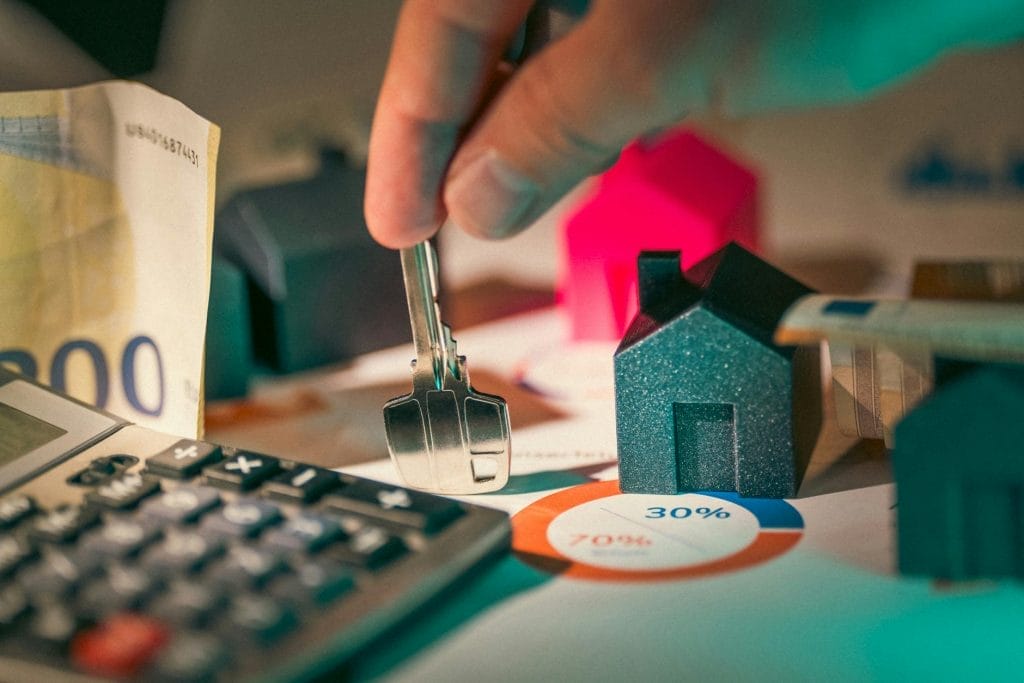
Buying a home is a major milestone and a huge financial commitment. While you probably budgeted for your mortgage, down payment, and maybe even property taxes, other expenses quietly multiply after buying a home. These costs can surprise even the most prepared buyers, making it harder to stick to your budget or save for the future. Knowing what to expect helps you avoid financial stress and keeps your homeownership journey on track. Let’s examine six expenses that often increase after you move into your new place.

1. Property Taxes

Property taxes are a recurring expense that tends to increase over time. When you first buy your home, you might estimate taxes based on the seller’s previous bills. However, after a sale, local governments often reassess the value of your property. This reassessment can result in a higher tax bill than you expected. Even if rates stay the same, rising property values in your area will likely push your taxes up year after year.

It’s important to check how your locality handles reassessments and budget for increases. Many homeowners discover that their property taxes increase gradually after purchasing a home, especially in rapidly growing neighborhoods or cities with regular rate hikes. If your mortgage payment includes an escrow for taxes, you might see your monthly bill increase, too.

2. Home Maintenance and Repairs

When you own a home, you can’t call the landlord when something breaks. Routine maintenance like HVAC servicing, gutter cleaning, and pest control all add up. Unexpected repairs—such as leaky roofs, broken appliances, or plumbing issues—often occur at the worst possible times.

Maintenance costs quietly accumulate after buying a home, as the older your house becomes, the more work it requires. Experts often recommend budgeting at least 1% of your home’s value each year for repairs and upkeep. If you bought a fixer-upper or an older property, that number could be much higher. Don’t forget about landscaping, which can become a significant annual cost, especially if you hire help.

3. Homeowners Insurance

Most lenders require you to carry homeowners insurance, but the initial quote you get isn’t always the final word. Premiums can rise every year, especially if you file a claim or if your area is prone to storms, fires, or other risks. Insurance companies may also increase rates due to inflation or changes in coverage requirements.

Optional coverages, such as flood or earthquake insurance, can further add to your costs. These extras may seem unnecessary at first, but as you settle in, you might realize you need more protection than you thought. Comparing rates each year and inquiring about discounts can be helpful, but it’s also smart to plan for potential premium increases over time.

4. Utility Bills

Utility bills are often higher for homeowners than renters. You might be heating and cooling a larger space, running more appliances, or watering a lawn. Older homes in particular may have poor insulation or outdated systems that guzzle energy and water. If you add features like a pool, hot tub, or extra refrigerator, expect your bills to jump even more.

Utility costs quietly multiply after buying a home because your usage patterns change, and utility rates can rise without warning. Investing in energy-efficient upgrades can help, but those improvements come with their own upfront costs. Tracking your usage and shopping for better rates where possible can keep your bills in check.

5. HOA Fees and Special Assessments

If your new home is in a community with a homeowner’s association (HOA), you’re on the hook for monthly or annual fees. These fees can increase with little notice as the HOA covers rising maintenance costs or upgrades to shared amenities. Sometimes, special assessments are levied for large projects, such as roof replacements or major landscaping.

HOA fees are one of those expenses that quietly multiply after buying a home. Even if the fees seem reasonable at first, make sure you understand the community’s financial health and history of special assessments. Read meeting notes and budgets to gain insight into what might be coming down the road.

6. Furnishings and Decor

Moving into a bigger space often means you need more furniture and decor. That empty guest room or extra living area won’t stay empty for long. Curtains, rugs, light fixtures, and wall art all add up quickly. Even if you plan to furnish slowly, sales and seasonal trends can tempt you to spend more than you anticipated.

These purchases often multiply after buying a home, as your tastes and needs evolve. Hosting holidays, having guests, or just wanting to make your space feel like home can drive ongoing spending. Setting a separate budget for furnishings can help you avoid overspending in the first year.

Staying Ahead of Multiplying Homeownership Expenses

It’s easy to focus on your mortgage payment and forget about the other expenses that quietly multiply after buying a home. But being aware of these hidden costs makes a big difference. Building a realistic budget that includes property taxes, maintenance, insurance, utilities, HOA fees, and furnishings will help you avoid surprises.

What home expenses have surprised you most after buying a home? Share your experience in the comments below!

What to Read Next…

  • How Homeowners Associations Are Targeting Retirees With Fines
  • 10 Items That Could Void Your Homeowners Insurance Instantly
  • 5 Emergency Repairs That Could Force You Into Debt Overnight
  • Are These 7 Little Expenses Quietly Costing You Thousands A Year?
  • 7 Hidden Fees That Aren’t Labeled As Fees At All
Travis Campbell
Travis Campbell

Travis Campbell is a digital marketer/developer with over 10 years of experience and a writer for over 6 years. He holds a degree in E-commerce and likes to share life advice he’s learned over the years. Travis loves spending time on the golf course or at the gym when he’s not working.

Filed Under: Home Hacks Tagged With: budgeting, hidden costs, HOA fees, homeownership, Insurance, property taxes, utilities

What Happens When Roommates Don’t Pay Their Share

September 17, 2025 by Catherine Reed Leave a Comment

What Happens When Roommates Don’t Pay Their Share

Image source: 123rf.com

Living with roommates can make housing more affordable, but it also comes with risks. The biggest challenge arises when roommates don’t pay their share of the rent or bills, leaving you stuck covering the shortfall. This situation can strain friendships, damage credit, and even put your housing at risk. Understanding what can happen when roommates fall behind financially helps you prepare for the potential fallout and protect yourself before it’s too late.

1. Landlords Hold Everyone Accountable

When roommates don’t pay, landlords don’t care who was responsible for the missed payment. If all names are on the lease, each tenant is jointly responsible for the full rent amount. That means even if you paid your portion, the landlord can still pursue you for the remaining balance. Failure to cover the missing share could result in eviction notices or collection actions against all tenants. This legal structure makes it critical to know exactly what you’re signing when you agree to share a lease.

2. Your Credit Score Can Take a Hit

One of the hidden dangers when roommates don’t pay is the impact on your credit. If unpaid rent is reported to collections, it doesn’t just affect the roommate at fault—it affects everyone on the lease. A damaged credit score can make it harder to rent again, qualify for loans, or even secure certain jobs. Many people assume paying their share protects them, but joint responsibility means your credit is still at risk. Protecting your financial future requires more than just good intentions.

3. You May Be Forced to Cover the Difference

In many cases, when roommates don’t pay, the only way to avoid eviction is to cover their portion yourself. This can quickly turn into a financial strain, especially if the rent is high. Even one missed month can drain savings or force you to take on debt. Over time, resentment builds as you carry the weight of someone else’s responsibility. Being prepared with a backup plan can help prevent a short-term crisis from turning into long-term hardship.

4. Utilities Can Be Shut Off

When roommates don’t pay their share of utilities, it’s not just about money—it’s about losing essential services. Electricity, water, or internet bills that go unpaid can result in service interruptions. If the account is in your name, the utility company will hold you responsible regardless of who failed to pitch in. Restarting services often requires additional deposits, adding to the financial burden. Keeping clear agreements about who pays which bill can reduce the risk of losing access to essentials.

5. Friendships Can Collapse Under Financial Stress

Money and relationships rarely mix well, and when roommates don’t pay, friendships often suffer. What starts as a minor delay in payment can snowball into resentment, arguments, and mistrust. Roommates may avoid each other or create a hostile living environment, making daily life stressful. Even strong friendships have ended over financial disputes. While it’s important to address money issues calmly, sometimes the damage to the relationship is permanent.

6. Legal Action May Be Required

When roommates don’t pay and refuse to reimburse you, legal action might be the only option. Small claims court allows you to sue for unpaid rent or utility bills, but the process can be time-consuming and stressful. Winning a case doesn’t guarantee repayment, as collecting the money can still be difficult. Legal action also puts an official strain on the relationship, making it unlikely you’ll continue living together. While not ideal, knowing your legal options can give you leverage in negotiations.

7. Future Housing Applications Can Be Affected

When roommates don’t pay, the consequences can follow you into future housing searches. Landlords often ask for rental histories, and an eviction notice, or unpaid balance tied to your name can make it harder to secure new housing. Even if you were the responsible tenant, the record may still reflect poorly on you. This adds unnecessary stress when trying to move on to a better living situation. Being proactive about protecting your record can save you from future rejections.

Protecting Yourself from Non-Paying Roommates

When roommates don’t pay their share, the financial and emotional consequences can be overwhelming. From damaged credit scores to broken friendships, the fallout affects more than just money. The best defense is being proactive—choose reliable roommates, put agreements in writing, and keep a safety net in case something goes wrong. Living with roommates can still be rewarding and affordable, but only if everyone pulls their weight.

Have you ever dealt with a roommate who didn’t pay their share, and how did you handle it? Share your experiences in the comments below.

What to Read Next…

10 Money Moves That Look Smart but Lead to Regret

7 Money Mistakes That Quietly Break Middle-Class Budgets

10 Shocking Truths About How Wealth Is Really Built

Why Do Some People Lose Money by Keeping Too Much in Cash

10 Tactics for Building an Emergency Fund from Scratch

Catherine Reed
Catherine Reed

Catherine is a tech-savvy writer who has focused on the personal finance space for more than eight years. She has a Bachelor’s in Information Technology and enjoys showcasing how tech can simplify everyday personal finance tasks like budgeting, spending tracking, and planning for the future. Additionally, she’s explored the ins and outs of the world of side hustles and loves to share what she’s learned along the way. When she’s not working, you can find her relaxing at home in the Pacific Northwest with her two cats or enjoying a cup of coffee at her neighborhood cafe.

Filed Under: Personal Finance Tagged With: credit score, eviction risks, living with roommates, Personal Finance, rental agreements, roommates don’t pay, shared housing, utilities

Why Do Renters Pay More Than Homeowners for the Same Utilities

September 9, 2025 by Travis Campbell Leave a Comment

renting

Image source: pexels.com

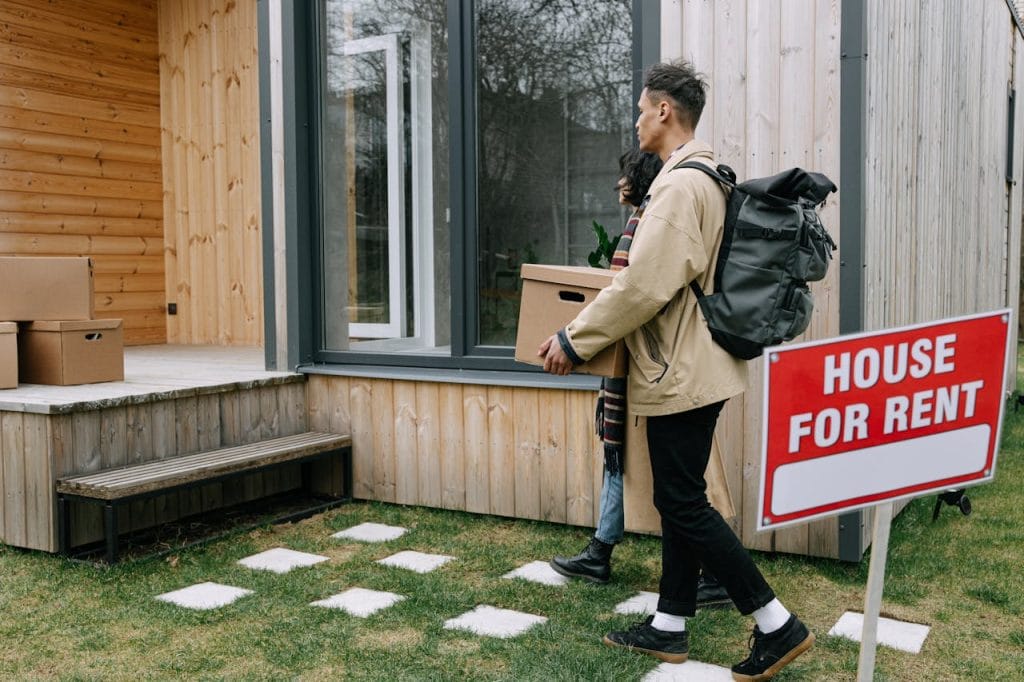
It’s a common frustration: renters routinely pay higher bills for things like electricity, water, and gas than homeowners do—even when they live in similar spaces. This issue matters because utility costs can significantly impact a renter’s monthly budget. For those trying to save money or get ahead financially, understanding why this happens is key. The gap between what renters and homeowners pay for the same utilities isn’t just about luck or coincidence. It’s rooted in how properties are managed, billed, and maintained. Let’s break down the main reasons why renters pay more for the same utilities and what you can do about it.

1. Lack of Control Over Efficiency Upgrades

One major reason renters pay more for the same utilities is that they usually can’t make energy-saving improvements. Homeowners can install smart thermostats, upgrade to energy-efficient appliances, or add insulation—changes that lower monthly utility bills. Renters, on the other hand, are often stuck with whatever the landlord has provided. If the apartment has old windows, outdated heating systems, or inefficient lighting, the renter pays the price every month. Even small upgrades, like LED bulbs or low-flow showerheads, might not be allowed in a rental, making it harder for tenants to cut their utility costs.

2. Less Incentive for Landlords to Invest

Landlords typically aren’t the ones paying the utility bills, so they have little motivation to invest in energy-saving features. When property owners don’t see a direct benefit, upgrades like double-pane windows or high-efficiency furnaces rarely make the to-do list. This “split incentive” problem means renters are left with higher bills because the property remains inefficient. If the landlord pays for utilities and rolls the cost into the rent, they may not care about upgrades either—costs are averaged out, and savings don’t go directly to the renter.

3. Utility Billing Methods

The way utilities are billed can make a big difference. Many renters pay for utilities through “ratio utility billing systems” (RUBS) or flat fees set by the landlord, which may not reflect actual usage. With RUBS, landlords divide the total building’s utility bill among tenants, often based on unit size or number of occupants—not how much water or electricity each unit actually uses. This means careful renters can end up subsidizing neighbors who use more. Homeowners, by contrast, are billed only for what they use, giving them more control over costs. This billing issue is a core reason why renters pay more for the same utilities even if their personal usage is low.

4. Fewer Options for Utility Providers

Homeowners can often choose their utility providers, especially for electricity or internet in deregulated markets. This choice lets them shop around for better rates or switch to a lower-cost provider. Renters, however, are usually locked into whatever service the building uses. Some landlords even have exclusive deals with certain companies, which can drive up prices. Without competition, rates stay high, and renters pay more for the same utilities than homeowners do.

5. Old or Poorly Maintained Infrastructure

Rental properties are more likely to have outdated plumbing, wiring, or appliances. Old water heaters, leaky pipes, and drafty windows all waste energy and water. Renters can’t always ask for upgrades, and maintenance requests may go unanswered or take a long time. Meanwhile, homeowners are more likely to address these issues quickly, knowing that improvements will pay off in the form of lower bills and higher property value. These maintenance gaps leave renters shouldering higher costs.

6. Apartment Living vs. Single-Family Homes

While apartments can sometimes be more efficient due to shared walls, that’s not always the case. In older buildings, insulation can be poor, and heating or cooling systems may be centralized and inefficient. Renters may not have control over the thermostat or the ability to close off unused rooms. In contrast, homeowners can tailor their energy use to their needs. This difference in control and building quality often leads to a situation where renters pay more for the same utilities than homeowners, even if their living space is smaller.

7. Lack of Awareness and Education

Many renters aren’t fully aware of how their utility bills are calculated or what they can do to lower them. Landlords and property managers may not provide details or tips for saving energy. Homeowners, motivated by the direct impact on their finances, are more likely to seek out information and take action. Resources like Energy Saver from the U.S. Department of Energy offer practical advice, but renters may not know these options exist or be able to use them fully.

Making Utility Costs Fairer for Renters

The reality that renters pay more for the same utilities than homeowners isn’t going away overnight, but there are steps renters and landlords can take. Renters can start by carefully reviewing their lease and asking questions about how utilities are billed. Simple actions like reporting maintenance issues quickly, using draft stoppers, and opting for plug-in energy monitors can help cut costs. Advocating for better building standards and efficiency upgrades can also make a difference in the long run. Some cities and states offer programs or incentives for landlords to improve efficiency—check out these resources for energy incentives to see what might be available in your area.

Utility costs are a big part of the renting experience. Being proactive and informed can help level the playing field, but systemic changes are needed to ensure renters don’t keep paying more for the same utilities. What strategies have you used to keep your utility bills in check as a renter? Share your experiences and tips in the comments below!

What to Read Next…

  • 9 Times It’s Smarter To Rent Than Buy Even Long Term
  • How Homeowners Associations Are Targeting Retirees With Fines
  • 6 Monthly Bills You Should Cancel Immediately Even If You Can Afford Them
  • 7 Tactics Grocery Stores Use To Keep You From Thinking About Price
  • Is Your Internet Provider Charging You For Services You Don’t Use?
Travis Campbell
Travis Campbell

Travis Campbell is a digital marketer/developer with over 10 years of experience and a writer for over 6 years. He holds a degree in E-commerce and likes to share life advice he’s learned over the years. Travis loves spending time on the golf course or at the gym when he’s not working.

Filed Under: Real Estate Tagged With: bills, Energy Efficiency, housing, landlords, Personal Finance, renters, utilities

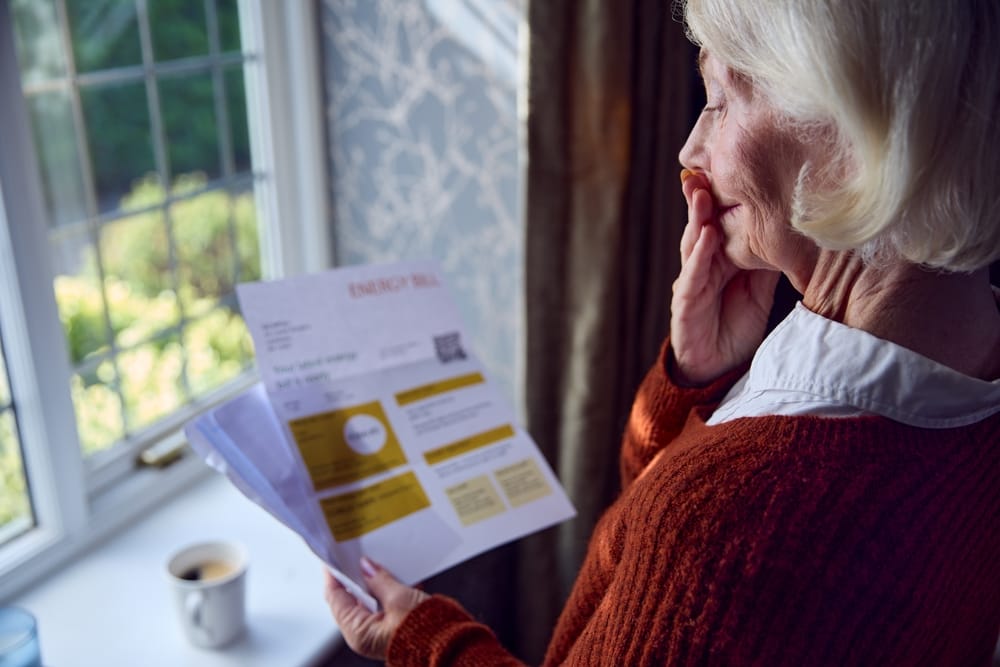
Why Your Energy Bill Spikes During Certain Hours

July 14, 2025 by Travis Campbell Leave a Comment

electric bill

Image Source: pexels.com

You open your energy bill and see a number that makes you pause. It’s higher than last month, even though you don’t think you used more power. This happens to a lot of people. The reason? Your energy bill can spike during certain hours, even if your habits stay the same. Understanding why this happens can help you take control of your costs. If you want to stop feeling surprised by your bill, it helps to know what’s really going on behind the scenes.

1. Peak Hours Mean Higher Rates

Most energy companies use something called “time-of-use” pricing. This means the price you pay for electricity changes depending on the time of day. During peak hours—usually in the late afternoon and early evening—more people use electricity at the same time. Think about it: people get home from work, turn on the lights, start cooking, and maybe run the dishwasher or laundry. Because demand is high, the cost per kilowatt-hour goes up. If you use a lot of power during these hours, your energy bill will spike. You can check your utility’s website to see their peak hours and rates. Shifting some activities to off-peak times can help lower your bill.

2. Appliances That Draw Power All at Once

Some appliances use a lot of energy in a short burst. Air conditioners, electric ovens, and clothes dryers are big culprits. If you run several of these at the same time during peak hours, your energy bill can jump. Even if you only use them for a short period, the timing matters. Try to stagger their use. For example, run the dryer in the morning or late evening instead of right after work. Small changes in how you use these appliances can make a big difference in your energy bill.

3. Smart Meters Track Every Minute

Many homes now have smart meters. These devices record your energy use in real time, sometimes down to the minute. This means your utility knows exactly when you use the most power. If you use a lot of electricity during peak hours, your bill will reflect that. Smart meters make it easier for companies to charge you more during high-demand times. But they also give you a chance to track your own usage. Many utilities offer online dashboards where you can see your hourly or daily energy use. Use this information to spot patterns and adjust your habits.

4. Heating and Cooling Demand

Heating and cooling systems are some of the biggest energy users in any home. When the weather is extreme—hot summers or cold winters—everyone turns on their air conditioning or heat at the same time. This drives up demand during certain hours, especially in the late afternoon and early evening. If your system runs hardest during these times, your energy bill will spike. Try setting your thermostat a few degrees higher in summer or lower in winter during peak hours. Using fans or wearing an extra layer can help you stay comfortable without using as much energy.

5. Standby Power Adds Up

Many devices draw power even when you’re not using them. This is called standby power or “phantom load.” TVs, computers, chargers, and kitchen gadgets can all use electricity just by being plugged in. If you leave a lot of devices plugged in during peak hours, you’re paying more for energy you’re not even using. Unplug devices when you’re not using them, or use a smart power strip to cut off power automatically. It’s a small step, but over time it can help lower your energy bill.

6. Seasonal Changes in Demand

Your energy bill can also spike during certain times of the year. In summer, air conditioners run more often. In winter, heaters work overtime. Utilities often raise rates during these seasons because demand is higher. If you notice your bill going up in July or January, this could be why. Try to use less energy during these high-demand months, especially during peak hours. Simple steps like closing curtains to block the sun or sealing drafts around windows can help.

7. Utility Company Surcharges

Some utilities add extra charges during peak demand periods. These surcharges can show up as “demand charges” or “critical peak pricing” on your bill. They’re meant to encourage people to use less energy when the grid is under stress. If you see these charges, it’s a sign you’re using a lot of power during the most expensive times. Check your bill for these line items and ask your utility how to avoid them.

8. Neighborhood Demand Can Affect You

Sometimes, your energy bill spikes because of what’s happening in your neighborhood. If everyone on your block uses a lot of power at the same time, the local grid can get overloaded. Utilities may raise rates in response. You can’t control your neighbors, but you can control your own usage. Try to avoid running big appliances during the busiest hours. If enough people do this, it can help keep rates lower for everyone.

Take Control of Your Energy Bill

You don’t have to feel powerless when your energy bill spikes during certain hours. By understanding how time-of-use pricing, appliance use, and seasonal demand work, you can make smarter choices. Track your usage, shift activities to off-peak times, and look for ways to cut back during high-demand periods. Small changes can add up to real savings over time.

Have you noticed your energy bill spiking during certain hours? What changes have helped you save money? Share your experience in the comments.

Read More

Ripped From The Headlines: Bad Holiday Economic Mood

Federal Reserve Report: Hang On For Rough Ride…

Travis Campbell
Travis Campbell

Travis Campbell is a digital marketer/developer with over 10 years of experience and a writer for over 6 years. He holds a degree in E-commerce and likes to share life advice he’s learned over the years. Travis loves spending time on the golf course or at the gym when he’s not working.

Filed Under: Smart Spending Tagged With: demand charges, electricity, energy bill, home energy, peak hours, saving money, smart meters, time-of-use, utilities

The Real Cost of Living in South Carolina—And What’s Changing in 2025

March 31, 2025 by Latrice Perez Leave a Comment

Waterfront park in downtown Charleston, South Carolina.

Image Source: 123rf.com

South Carolina has long been recognized for its affordability, but recent changes in 2025 are reshaping the cost of living landscape. This article examines key factors such as housing, utilities, and healthcare costs that contribute to the overall expense of living in the state. Residents and potential newcomers must consider these elements when planning their budgets. By understanding these costs, you can make informed decisions about relocation and lifestyle adjustments in South Carolina.

Housing Costs

Housing remains a significant expense in South Carolina, with the median home price now around $377,900. Although this represents a modest increase of 1.7% from the previous year, it still offers affordability compared to many other states. Rental prices have also adjusted, providing a range of options for different budgets. The steady rise in housing costs reflects both demand and limited supply in key areas.

Utilities

White cable plugged into power outlet and LED light bulb on purple background. Top view

Image Source: 123rf.com

Utility expenses in South Carolina are about 8% higher than the national average, largely due to increased energy consumption during hot summers. Residents face higher bills for electricity, water, and gas, impacting monthly budgets. Upgrades to infrastructure and energy efficiency improvements are underway, which may help stabilize these costs over time. Understanding utility expenses is crucial for accurate budgeting in the state.

Healthcare

Healthcare costs in South Carolina average around $6,677 per capita annually. This figure is influenced by the availability of medical services and insurance coverage options. Efforts to improve healthcare access and quality are ongoing, which could affect future expenses. For many residents, affordable healthcare is a key component of the overall cost of living.

Living In South Carolina

The cost of living in South Carolina in 2025 is shaped by rising housing prices, increased utility expenses, and evolving healthcare costs. While the state remains affordable relative to many regions, these factors are important for budgeting and financial planning. Understanding these trends helps residents and newcomers adapt to the changing economic landscape.

What do you like most about South Carolina? Is it a state you’d want to live in? Share your thoughts and experiences about living in South Carolina in the comments below.

Read More:

13 States Where You Can Legally Live Off the Grid

Why Digital Real Estate is the Goldmine No One Talks About

Latrice Perez

Latrice is a dedicated professional with a rich background in social work, complemented by an Associate Degree in the field. Her journey has been uniquely shaped by the rewarding experience of being a stay-at-home mom to her two children, aged 13 and 5. This role has not only been a testament to her commitment to family but has also provided her with invaluable life lessons and insights.

As a mother, Latrice has embraced the opportunity to educate her children on essential life skills, with a special focus on financial literacy, the nuances of life, and the importance of inner peace.

Filed Under: Lifestyle Tagged With: budgeting, healthcare, Housing Costs, South Carolina cost of living, utilities

Retirement Costs to Consider

January 5, 2022 by Jacob Sensiba Leave a Comment


Retirement Costs to Consider

You save for years and years…decades and decades. When you’re saving for retirement, an important consideration to keep in mind when you set your nest egg goal is your retirement costs.

When determining and estimating retirement costs, you need to consider what the average expenses are in general and for the retired folks in your area/state. Once you figure out the generalities, you must adapt them to your situation.

Some items to consider:

  • Travel – Will you stay in your current home? Will you move to a warmer state or a state without an income tax? Do you have family spread around the country? Will you take vacations on an annual basis? If you’re planning on traveling every year, possibly multiple times a year, it’s important to factor those costs into your monthly/annual budget – so you can save for it.
  • Healthcare costs – When you get older, your body doesn’t typically work as it has in the past. You are also more susceptible to illness (as we’ve seen over the past two years). As a result, your healthcare costs go up.
  • Housing – There are a few things to consider when determining your housing costs. Will you stay put or will you move? If you move, will you downsize? If you move, will you move to a different state? Does that state have income taxes? What do you anticipate energy costs will be?

Typical retirement costs

People 65 and older have spent an average of $4,847. On average, utilities, public services, and fuel cost an additional $3,743.

On average, Americans spend $10,160 per year on transportation. Retirees spend a little less. Anywhere between $4,963 and $6,618.

The general American population spends $5,204 on healthcare. Retirees spend between $6,792 and $6,619.

American retirees spend $6,303 on food. They also spend, on average, $2,282 on entertainment.

Expect to spend between 55%-80% of current expenses in retirement.

There are 9 states without a state income tax – Alaska, Florida, South Dakota, Tennessee, Texas, Washington, and Wyoming.

These are the states with the cheapest monthly utilities – Idaho ($343.71), Utah ($350.17), Montana ($359.03), Washington ($369.18), and Nevada ($3376.93).

Conversely, here are the top 5 most expensive ones – Hawaii ($730.86), Alaska ($527.96), Rhode Island ($521.98), Connecticut ($496.07), and New York ($477.31).

Related reading:

Managing High Inflation in Retirement

5 Solutions for Managing Money After Retirement

Retiring Out of State

Disclaimer:

**Securities offered through Securities America, Inc., Member FINRA/SIPC. Advisory services offered through Securities America Advisors, Inc. Securities America and its representatives do not provide tax or legal advice; therefore, it is important to coordinate with your tax or legal advisor regarding your specific situation. Please see the website for full disclosures: www.crgfinancialservices.com

Jacob Sensiba
Jacob Sensiba

Jacob Sensible is a financial advisor with decades of experience in the financial planning industry.  His journey into finance began out of necessity, stepping up to support his grandfather during a health crisis. This period not only grounded him in the essentials of stock analysis, investment strategies, and the critical roles of insurance and trusts in asset preservation but also instilled a comprehensive understanding of financial markets and wealth management.  Jacob can be reached at: jake.sensiba@mygfpartner.com.

mygfpartner.com/jacob-sensiba-wisconsin-financial-advisor/

Filed Under: budget tips, money management, Personal Finance, Retirement, risk management Tagged With: downsizing, expenses, food, housing, Income tax, Retirement, retirement plan, retirement planning, transportation, utilities

  • « Previous Page
  • 1
  • 2

FOLLOW US

Search this site:

Recent Posts

  • Can My Savings Account Affect My Financial Aid? by Tamila McDonald
  • 12 Ways Gen X’s Views Clash with Millennials… by Tamila McDonald
  • What Advantages and Disadvantages Are There To… by Jacob Sensiba
  • 10 Tactics for Building an Emergency Fund from Scratch by Vanessa Bermudez
  • Call 911: Go To the Emergency Room Immediately If… by Stephen Kanaval
  • 7 Weird Things You Can Sell Online by Tamila McDonald
  • 10 Scary Facts About DriveTime by Tamila McDonald

Copyright © 2026 · News Pro Theme on Genesis Framework