• Home
  • About Us
  • Toolkit
  • Getting Finances Done
    • Hiring Advisors
    • Debt Management
    • Spending Plan
  • Insurance
    • Life Insurance
    • Health Insurance
    • Disability Insurance
    • Homeowners/Renters Insurance
  • Contact Us
  • Privacy Policy
  • Risk Tolerance Quiz

The Free Financial Advisor

You are here: Home / Archives for loans

7 Loan Offers That Look Good But Unsheathe Hidden Conditions

August 19, 2025 by Travis Campbell Leave a Comment

loan agreement

Image source: pexels.com

Loan offers are everywhere—online, in your mailbox, even popping up on your phone. Many look attractive at first glance, offering low rates, instant approval, or no credit checks. But beneath the surface, some of these loan offers hide terms that can cost you more than you expect. Navigating these hidden conditions is key to making smart decisions about borrowing money. When you understand what to watch for, you can avoid financial headaches, unexpected fees, and long-term debt traps. This article breaks down seven types of loan offers that seem great but often come with hidden conditions. Knowing what’s really in the fine print will help you protect your wallet and your peace of mind. Our focus: spotting and understanding hidden loan conditions before you sign anything.

1. 0% Interest Introductory Loans

That 0% interest rate on a personal loan or credit card might sound like a dream. But these offers often include hidden loan conditions. The 0% rate usually lasts for a limited time, often six to eighteen months. After that, the interest rate can skyrocket, sometimes to 20% or more. If you haven’t paid off the balance by the end of the intro period, you’ll suddenly owe a lot more in interest. Some lenders even apply deferred interest, meaning if you miss the payoff deadline, you’ll be charged interest retroactively from day one. Always read the full terms and plan how you’ll pay off the balance before the rate jumps.

2. No Credit Check Loans

No credit check loans are tempting if your credit score isn’t great. The catch? They almost always come with high interest rates and fees. Lenders use the lack of a credit check to justify charging much more. In some cases, annual percentage rates (APRs) can exceed 100%. These loans also tend to have short repayment terms, making it easy to fall behind and rack up penalties. If you’re considering one, look for hidden loan conditions like origination fees, prepayment penalties, or requirements to buy add-on products you don’t need.

3. Payday Loans With “Flexible” Terms

Payday loans often market themselves as flexible or easy. But the reality is that these loans are packed with hidden loan conditions. The fees are usually disguised as “service charges” that, when annualized, translate to sky-high APRs—sometimes over 400%. Rollovers or extensions may seem like a lifeline if you can’t pay on time, but they pile on even more fees. The result: you could end up owing far more in fees than you originally borrowed. If you’re considering a payday loan, look for all the repayment details and think twice.

4. Auto Title Loans with Small Print Surprises

Auto title loans let you borrow against your car’s value, but the risks are big. Hidden loan conditions often include high interest rates and short repayment periods—sometimes just 30 days. If you miss a payment, you risk losing your car to repossession. Some lenders add extra fees for processing, late payments, or even for making payments in person. It’s easy to borrow more than you can afford to repay, putting your vehicle—and your finances—on the line. Before signing, ask about every fee and what happens if you’re late on a payment.

5. Personal Loans with Prepayment Penalties

Many borrowers assume they can pay off a loan early to save on interest. But some personal loans include prepayment penalties—fees for paying off your balance ahead of schedule. These hidden loan conditions are buried in the contract and can eat up any savings you hoped to gain by paying early. Some lenders also use “rule of 78s” interest calculations, which front-load interest payments, making early repayment even less advantageous. Always ask if there’s a prepayment penalty and how your interest is calculated before you commit.

6. “No Fee” Balance Transfer Offers

Some credit cards offer “no fee” balance transfers to lure you in. But sometimes, the lender shifts costs in other ways. For example, they might offer no fee on transfers made within a short window, then charge steep fees after that. The promotional interest rate may only apply to the transferred balance, while new purchases rack up interest immediately. There may also be hidden loan conditions about minimum payments or limits on how much you can transfer. If you’re considering a balance transfer, read every term and watch for traps.

7. Home Equity Loans with Adjustable Rates

Home equity loans can be a smart way to borrow at lower rates. But some come with adjustable rates that seem fixed at first. After a few years, the rate can change—sometimes dramatically. Lenders may not highlight these hidden loan conditions, leaving you exposed to payment shocks down the road. Some home equity lines of credit (HELOCs) also have “draw periods” after which you must start repaying the principal, causing your monthly payment to jump. To avoid surprises, look for details about how and when your rate can change.

How to Outsmart Hidden Loan Conditions

Spotting hidden loan conditions isn’t always easy, but it’s essential for protecting your finances. Always read every word of the loan agreement, including the fine print. Ask questions about interest rates, fees, penalties, and what happens if you miss a payment. If any terms seem unclear or too good to be true, don’t be afraid to walk away. Comparing offers from multiple lenders can help you spot red flags and find the best deal for your situation.

Have you ever run into hidden loan conditions? What did you do? Share your experience or questions in the comments below!

Read More

The Benefits of Taking Personal Loans and Their Impact on Credit Scores

7 Hidden Fees That Aren’t Labeled as Fees at All

Travis Campbell
Travis Campbell

Travis Campbell is a digital marketer/developer with over 10 years of experience and a writer for over 6 years. He holds a degree in E-commerce and likes to share life advice he’s learned over the years. Travis loves spending time on the golf course or at the gym when he’s not working.

Filed Under: Finance Tagged With: borrowing, credit, Debt, Hidden Fees, interest rates, loans, Personal Finance

7 Debt Consolidation Plans That Hurt, Not Help

August 17, 2025 by Travis Campbell Leave a Comment

money

Image source: pexels.com

Debt consolidation can sound like a lifeline when you’re juggling multiple bills. The idea is simple: roll your debts into one payment, simplify your life, and maybe even pay less interest. But not all debt consolidation plans are created equal. Some options can actually increase your total debt, hurt your credit, or lock you into years of payments you can’t afford. If you’re considering a debt consolidation plan, it’s important to know which ones might do more harm than good. Let’s look at seven debt consolidation plans that often hurt, not help, and how to spot the red flags before you sign up.

1. High-Fee Debt Consolidation Loans

Many lenders advertise debt consolidation loans with attractive rates, but the devil is in the details. Some loans come with steep origination fees, prepayment penalties, or hidden charges. These high fees can eat away at any savings you might get from a lower interest rate. In some cases, you could end up paying more over the life of the loan than you would have by sticking with your original debts. Always check the total cost, not just the monthly payment, before agreeing to any debt consolidation plan.

2. Home Equity Loans That Put Your House at Risk

Using a home equity loan for debt consolidation can be tempting. The interest rates are often lower than those on credit cards, and you might get a big enough loan to pay off everything at once. But you’re turning unsecured debt into secured debt, with your home as collateral. If you can’t keep up with payments, foreclosure becomes a real risk. Many people who use home equity loans for debt consolidation end up deeper in debt if they don’t change their spending habits. This debt consolidation plan can easily backfire and cost you your home.

3. Credit Card Balance Transfers with Sneaky Terms

Balance transfer credit cards offer low or 0% introductory rates, making them a popular debt consolidation plan. But once the promo period ends, the interest rate can skyrocket. If you haven’t paid off the balance by then, you could face even higher rates than before. Some cards also charge transfer fees of 3% to 5% of the balance, adding to your debt. If you make a late payment, you might lose the promo rate immediately. It’s easy to fall into a trap where you’re just moving debt around, not actually paying it down.

4. Debt Settlement Programs That Damage Your Credit

Some companies promise to negotiate with your creditors to reduce what you owe, but debt settlement is a risky debt consolidation plan. You usually have to stop paying your bills while the company negotiates, which can wreck your credit score. There’s no guarantee creditors will settle, and you could be sued for unpaid debts. Plus, forgiven debt may be taxed as income. While it sounds like a shortcut, debt settlement can leave you worse off than when you started.

5. Payday Loan Consolidation Scams

Payday loan consolidation services often target people in desperate situations. These companies promise to combine your payday loans into a single payment, but many are scams or charge outrageous fees. Some may not actually pay off your original loans, leaving you with more debt and less money. If a debt consolidation plan asks for large upfront payments or guarantees results, it’s a red flag. Legitimate help doesn’t come with empty promises or high-pressure sales tactics.

6. Rolling Old Debt into New Long-Term Loans

Stretching out your payments over a longer term can lower your monthly bill, but it usually means paying more interest in the end. Some debt consolidation loans are structured to last five years or more. While that can make payments more manageable, you could end up paying thousands extra in interest. This debt consolidation plan can lull you into a false sense of progress, while your overall debt load grows. Always calculate the total cost before agreeing to stretch your debt over a longer period.

7. Working with Unaccredited Credit Counseling Agencies

Not all credit counseling agencies are created equal. Some charge high fees, push unnecessary services, or aren’t accredited by reputable organizations. A bad agency might enroll you in a debt consolidation plan that doesn’t fit your financial situation, or fail to negotiate better terms with your creditors. Before working with a credit counselor, check for accreditation from groups like the National Foundation for Credit Counseling. Read reviews and make sure they have your best interests in mind.

How to Choose a Debt Consolidation Plan That Actually Helps

Choosing the right debt consolidation plan requires careful research and a clear look at your finances. Start by listing your debts, interest rates, and monthly payments. Compare offers from reputable lenders and watch out for high fees, long terms, or risky collateral. A good debt consolidation plan should lower your total interest, simplify payments, and help you become debt-free faster—not keep you stuck in a cycle of payments.

Have you tried a debt consolidation plan that didn’t go as planned? What advice would you share with others? Let us know in the comments below!

Read More

Are Budgeting Apps Designed to Push You into Debt?

5 Emergency Repairs That Could Force You into Debt Overnight

Travis Campbell
Travis Campbell

Travis Campbell is a digital marketer/developer with over 10 years of experience and a writer for over 6 years. He holds a degree in E-commerce and likes to share life advice he’s learned over the years. Travis loves spending time on the golf course or at the gym when he’s not working.

Filed Under: Debt Management Tagged With: credit counseling, credit score, debt consolidation, debt relief, loans, money management, Personal Finance

What Happens When You Co-Sign a Friend’s Loan by Accident?

August 13, 2025 by Travis Campbell Leave a Comment

loan agreement

Image source: pexels.com

It’s easy to think, “That would never happen to me.” But accidental co-signing is more common than you might expect. Maybe you signed a form without reading the fine print. Maybe you trusted a friend who said, “It’s just a reference.” Suddenly, you’re on the hook for someone else’s debt. This can turn your finances upside down. If you’ve ever wondered what happens when you co-sign a friend’s loan by accident, you’re not alone. Here’s what you need to know, and what you can do next.

1. You Become Legally Responsible for the Loan

When you co-sign a loan, even by accident, you’re not just a reference. You’re legally agreeing to pay back the loan if your friend doesn’t. This means the lender can come after you for the full amount. It doesn’t matter if you didn’t mean to co-sign. The signature is what counts. If your friend misses payments, the lender will expect you to pay. This can include the principal, interest, and even late fees. You might think you can explain the mistake, but lenders rarely care about intent. The law is clear: if your name is on the loan, you’re responsible.

2. Your Credit Score Can Take a Hit

Your credit score is at risk the moment you co-sign. The loan appears on your credit report, just like it does for your friend. If payments are late or missed, your score drops. Even if your friend pays on time, the extra debt can affect your credit utilization ratio. This can make it harder to get approved for your own loans or credit cards. If the loan goes into default, your credit can be damaged for years. You might not even know there’s a problem until you check your credit report or get a call from a debt collector.

3. You Could Face Collection Calls and Legal Action

If your friend stops paying, the lender will contact you. Expect phone calls, letters, and maybe even visits from debt collectors. If you ignore them, things can get worse. The lender can sue you for the unpaid balance. If they win, they might garnish your wages or put a lien on your property. This isn’t just a threat—it happens every day. Even if you try to explain that you co-signed by accident, the court will look at the contract, not your story. Legal fees and court costs can add up fast. It’s a stressful situation that can drag on for years.

4. Your Relationship With Your Friend Can Suffer

Money and friendship don’t always mix well. When you co-sign a loan by accident, it can strain your relationship. You might feel betrayed or taken advantage of. Your friend might feel guilty or defensive. If you have to pay the loan, resentment can build. Some friendships don’t survive this kind of stress. Even if you stay friends, things might never feel the same. It’s hard to trust someone who puts your finances at risk, even if it was unintentional.

5. Getting Out of the Loan Is Hard

Once you’ve co-signed, getting your name off the loan isn’t easy. Most lenders won’t remove a co-signer unless the primary borrower refinances or pays off the loan. You can ask, but don’t expect a quick fix. Some loans have a co-signer release option, but these are rare and usually require a long history of on-time payments. If your friend can’t qualify for refinancing, you’re stuck. You can try negotiating with your friend, but you have no legal means to compel them to act.

6. Your Own Borrowing Power Drops

When you co-sign, lenders see that loan as your responsibility. This can limit your ability to borrow for yourself. If you’re applying for a mortgage, car loan, or new credit card, lenders will consider the co-signed loan. They might offer you less money or higher interest rates. In some cases, you could be denied credit altogether. This can be frustrating, especially if you didn’t mean to co-sign in the first place. It’s a hidden cost that can affect your financial plans for years.

7. You Might Owe Taxes on Forgiven Debt

If the loan goes into default and the lender forgives some or all of the debt, you could owe taxes on the forgiven amount. The IRS often treats forgiven debt as taxable income. This means you might get a tax bill for money you never received. It’s a surprise that catches many people off guard. Always check with a tax professional if you find yourself in this situation. The financial impact can be significant, especially if the forgiven amount is large.

8. You Can Take Steps to Protect Yourself

If you realize you’ve co-signed by accident, act fast. Contact the lender and explain the situation. Sometimes, if the loan hasn’t been processed, you can withdraw your consent. If the loan is active, monitor the account closely. Set up alerts for missed payments. Talk to your friend and make a plan for repayment. Check your credit report regularly. If things go wrong, consult a lawyer. The sooner you act, the better your chances of limiting the damage.

Protect Yourself Before It’s Too Late

Accidental co-signing can turn your financial life upside down. The best defense is to read every document before you sign. Ask questions if you’re unsure. Never sign anything for a friend without understanding the risks. If you find yourself in this situation, don’t panic. Take action, get help, and protect your finances. Your future self will thank you.

Have you ever co-signed a loan for someone—on purpose or by accident? Share your story in the comments.

Read More

Should You Ever Co-Sign on A Home With One Of Your Children

What Happens If Your Spouse Has Secret Debt You Didn’t Know About?

Travis Campbell
Travis Campbell

Travis Campbell is a digital marketer/developer with over 10 years of experience and a writer for over 6 years. He holds a degree in E-commerce and likes to share life advice he’s learned over the years. Travis loves spending time on the golf course or at the gym when he’s not working.

Filed Under: Finance Tagged With: co-signing, credit score, Debt, financial mistakes, legal advice, loans, Personal Finance, relationships

9 Surprising Penalties for Paying Off Loans Too Early

August 8, 2025 by Travis Campbell 1 Comment

loan

Image source: unsplash.com

Paying off loans early seems like a smart move. You save on interest, free up your budget, and get rid of debt faster. But there’s a catch. Many lenders don’t want you to pay off your loan ahead of schedule. They make money from interest, so when you pay early, they lose out. That’s why some loans come with hidden costs or penalties for early repayment. If you’re thinking about wiping out your debt, you need to know about early loan payoff penalties. These fees can sneak up on you and eat into your savings. Here are nine surprising penalties you might face when paying off loans too early.

1. Prepayment Penalties

This is the most common early loan payoff penalty. Some lenders charge a fee if you pay off your loan before the agreed term. The fee can be a flat amount or a percentage of your remaining balance. For example, if you pay off a $10,000 loan early and the penalty is 2%, you’ll owe $200 just for closing out your debt. Not all loans have this penalty, but it’s common with mortgages, personal loans, and auto loans. Always check your loan agreement for any mention of prepayment penalties before making extra payments.

2. Lost Interest Savings

You might think paying off a loan early always saves you money. But some loans, especially mortgages, use a method called “precomputed interest.” This means the lender calculates all the interest you would pay over the life of the loan and adds it to your balance upfront. If you pay off the loan early, you might not get a refund for the interest you haven’t “used.” In this case, your early loan payoff penalty is the lost savings you expected. It’s a sneaky way lenders protect their profits.

3. Reinvestment Fees

Some lenders, especially for business or commercial loans, charge a reinvestment fee. This fee covers the lender’s cost of finding a new place to put their money after you pay off your loan. It’s not common for personal loans, but it can show up in business lending. The fee can be a set amount or a percentage of your loan. If you’re a business owner, ask about reinvestment fees before signing any loan agreement.

4. Closing Costs

When you pay off a mortgage early, you might have to pay closing costs again. These can include document fees, attorney fees, and other administrative charges. Some lenders require you to pay these costs if you close your loan before a certain period, like three or five years. It’s another way they make up for lost interest. Always ask your lender if early payoff triggers any extra closing costs.

5. Loss of Tax Deductions

If you have a mortgage or a student loan, you might be able to deduct the interest you pay from your taxes. When you pay off your loan early, you lose this deduction. This isn’t a fee from your lender, but it can still cost you money. For example, if you pay off your mortgage early, you’ll no longer be able to deduct mortgage interest from your taxable income. This could mean a higher tax bill.

6. Credit Score Impact

Paying off a loan early can sometimes lower your credit score. This sounds backward, but it’s true. Your credit mix and length of credit history both affect your score. If you pay off a loan and close the account, you might lose some of your credit history. This can cause a small dip in your score, especially if it was your only installment loan. While this isn’t a direct early loan payoff penalty, it’s a side effect you should know about.

7. Refinance Restrictions

Some loans have clauses that prevent you from refinancing or paying off the loan with another lender within a certain period. If you try to refinance too soon, you might face a penalty or fee. This is common with mortgages and auto loans. Lenders use these restrictions to protect their profits and maintain control over your business. Always read the fine print before refinancing or paying off a loan early.

8. Loss of Benefits or Rewards

Some loans come with perks, like interest rate reductions for on-time payments or cash-back rewards. If you pay off your loan early, you might lose these benefits. For example, some student loans offer interest rate discounts after a certain number of on-time payments. If you pay off the loan before reaching that milestone, you miss out. Check your loan agreement to see if early payoff affects any rewards or benefits.

9. Administrative Fees

Some lenders charge administrative fees for processing an early loan payoff. These can include paperwork fees, wire transfer fees, or other charges. The amounts are usually small, but they add up. Always ask your lender if there are any administrative fees for paying off your loan early. It’s better to know upfront than to be surprised later.

Weighing the Real Cost of Early Loan Payoff

Paying off loans early can feel like a win, but early loan payoff penalties can turn that win into a loss. Before you make extra payments or pay off a loan in full, read your loan agreement carefully. Ask your lender about any fees or penalties. Do the math to see if early payoff really saves you money. Sometimes, it’s better to stick to your payment schedule and avoid hidden costs. Early loan payoff penalties aren’t always obvious, but knowing about them can help you make smarter financial decisions.

Have you ever faced a penalty for paying off a loan early? Share your story or tips in the comments below.

Read More

Why Are So Many Seniors Being Sued Over Student Loans They Didn’t Take Out?

7 Benefits of SBA Loans for Small Businesses

Travis Campbell
Travis Campbell

Travis Campbell is a digital marketer/developer with over 10 years of experience and a writer for over 6 years. He holds a degree in E-commerce and likes to share life advice he’s learned over the years. Travis loves spending time on the golf course or at the gym when he’s not working.
Filed Under: Banking Tagged With: Debt Management, early repayment, loan payoff, loans, money tips, penalties, Personal Finance, Planning

7 Financial Loopholes That Lenders Exploit Behind the Scenes

August 5, 2025 by Travis Campbell Leave a Comment

lender

Image source: unsplash.com

When you borrow money, you expect the rules to be clear. But lenders often use financial loopholes that most people never see. These hidden tactics can cost you more than you think. If you want to keep more of your money, you need to know how lenders work behind the scenes. Understanding these loopholes can help you make smarter choices and avoid expensive mistakes. Here’s what you need to watch out for when dealing with lenders.

1. Prepayment Penalties

Many people think paying off a loan early is a good thing. But some lenders add prepayment penalties to stop you from doing just that. If you pay off your mortgage or car loan ahead of schedule, you might get hit with a fee. Lenders do this because they lose out on interest payments when you pay early. Always check your loan agreement for prepayment clauses. If you see one, ask if it can be removed or look for a different lender. Paying off debt early should save you money, not cost you more.

2. Adjustable Interest Rates

Fixed rates sound safe, but adjustable rates can sneak up on you. Lenders often start you with a low “teaser” rate. After a set period, the rate jumps, and your payments go up. This is common with credit cards and some mortgages. The change can be sudden and expensive. Before you sign, ask how often the rate can change and by how much. If you already have an adjustable rate, keep an eye on your statements. If your rate goes up, call your lender and ask about options to switch to a fixed rate.

3. Loan Origination Fees

Loan origination fees are charges for processing your loan. Lenders often hide these fees in the fine print. They might call them “processing fees” or “application fees.” These costs can add up fast, especially with mortgages or personal loans. Some lenders even charge a percentage of the total loan amount. Always ask for a full list of fees before you agree to a loan. Compare offers from different lenders. Sometimes, a loan with a lower interest rate has higher fees, making it more expensive in the long run.

4. Forced Arbitration Clauses

Many loan agreements include forced arbitration clauses. This means if you have a dispute, you can’t take the lender to court. Instead, you have to go through arbitration, which often favors the lender. You lose your right to join class-action lawsuits or have your case heard by a judge. These clauses are buried in the fine print, and most people don’t notice them. If you see an arbitration clause, ask if it can be removed. If not, consider if you’re comfortable giving up your legal rights.

5. Payment Allocation Tricks

When you make a payment on a loan or credit card, you might think it goes to your highest-interest balance first. But lenders often apply your payment to the lowest-interest portion. This keeps your high-interest balance growing, so you pay more over time. For example, if you have a credit card with a balance transfer at 0% and new purchases at 20%, your payments may go to the 0% balance first. Always ask your lender how payments are applied. If possible, pay extra and specify that it should go toward your highest-interest balance.

6. Add-On Products and Insurance

Lenders often push add-on products like credit insurance, extended warranties, or identity theft protection. These extras sound helpful, but they usually come with high costs and limited value. Sometimes, lenders add them to your loan without making it clear. You end up paying interest on these products, too. Before you agree to any add-ons, ask if they’re required. Most of the time, they’re optional. Do your own research to see if you really need them.

7. Loan “Recasting” and Modification Fees

Some lenders offer to “recast” or modify your loan if you make a large payment. This can lower your monthly payment, but it often comes with a fee. Lenders may not tell you about this option unless you ask. And the fees can be high, sometimes hundreds of dollars. If you want to change your loan terms, ask about all possible costs. Sometimes, refinancing is a better option. Always compare the total costs before making a decision.

Protecting Yourself from Lender Loopholes

Lenders design these financial loopholes to boost their profits, not to help you. The best way to protect yourself is to read every document, ask direct questions, and compare offers. Don’t be afraid to walk away if something doesn’t feel right. Knowledge is your best defense. When you know what to look for, you can avoid costly surprises and keep more of your money where it belongs.

Have you ever run into a hidden fee or tricky loan term? Share your story or tips in the comments below.

Read More

Why Some Mortgage Lenders Are Avoiding Retirees Altogether

Why Financial Institutions Freeze Accounts After a Death—Even With a Will

Travis Campbell
Travis Campbell

Travis Campbell is a digital marketer/developer with over 10 years of experience and a writer for over 6 years. He holds a degree in E-commerce and likes to share life advice he’s learned over the years. Travis loves spending time on the golf course or at the gym when he’s not working.

Filed Under: Finance Tagged With: Consumer Protection, credit, financial advice, Hidden Fees, lending, loans, Personal Finance

5 Times Financial Power Was Abused—Without Breaking a Single Law

August 4, 2025 by Travis Campbell Leave a Comment

money abuse

Image source: unsplash.com

Money shapes lives. It can open doors, close them, or keep them locked for good. But what happens when someone uses financial power in ways that hurt others, yet stays within the law? This isn’t just about big scandals or headlines. It’s about the quiet ways people, companies, and even governments use money to control, manipulate, or limit others—without ever facing legal trouble. If you’ve ever felt stuck because of someone else’s financial choices, you’re not alone. Understanding these situations can help you spot them, protect yourself, and make smarter decisions with your own money.

1. Withholding Wages Through “Legal” Loopholes

Some employers use contract details or technicalities to delay or reduce pay. They might label workers as “independent contractors” instead of employees. This means no overtime, no benefits, and sometimes, no guaranteed minimum wage. It’s legal in many places, but it leaves workers with less money and fewer protections. For example, gig economy companies often rely on this model. Workers may not realize how much they’re missing until tax season or an emergency hits. If you’re in this situation, read every contract carefully. Ask questions. If something feels off, talk to a labor rights group or a trusted advisor.

2. Using Credit Scores to Deny Housing

Landlords and lenders often use credit scores to decide who gets an apartment or a loan. This practice is legal, but it can keep people out of safe housing or affordable loans for reasons that have nothing to do with their ability to pay. A single medical bill or a short period of unemployment can tank a credit score. Suddenly, you’re locked out of options, even if you have a steady job now. This isn’t just a personal problem—it affects whole communities. If you’re worried about your credit, get a free copy of your report each year. Dispute any errors right away. And if a landlord denies you, ask if they’ll consider other proof of income or references.

3. Setting Predatory Loan Terms

Some lenders offer loans with sky-high interest rates, hidden fees, or confusing terms. Payday loans and certain online lenders are known for this. The law might allow these practices, but the result is the same: borrowers get trapped in cycles of debt. The lender profits, while the borrower struggles to keep up. These loans often target people who have few other options. If you need money fast, look for community credit unions or nonprofit lenders first. Always read the fine print. If the terms seem too good to be true, they probably are. And if you’re already stuck, talk to a credit counselor about your options.

4. Influencing Policy for Private Gain

Big companies and wealthy individuals often use their financial power to shape laws and regulations. They hire lobbyists, fund campaigns, or make large donations. None of this is illegal. But it can lead to policies that favor the rich and powerful, while leaving everyone else behind. For example, tax loopholes or subsidies might benefit a few at the expense of many. This kind of financial power abuse is hard to spot, but it affects everything from healthcare costs to student loans. Stay informed about who is funding your elected officials. Support transparency in government. And vote for candidates who put people over profits.

5. Family Members Controlling Money

Financial power abuse doesn’t just happen in boardrooms or government offices. It can happen at home. Sometimes, a spouse, parent, or adult child controls all the money in a household. They might give an allowance, monitor spending, or refuse to share account information. This can leave others feeling powerless, even if nothing illegal is happening. It’s a common form of financial abuse, especially among older adults or in relationships with uneven power dynamics. If you’re in this situation, start by tracking your own expenses. Open a separate bank account if you can. Reach out to a trusted friend, counselor, or support group for help. Remember, you have a right to financial independence.

Why Spotting Financial Power Abuse Matters

Financial power abuse isn’t always obvious. It doesn’t always make headlines. But it can shape your life in ways you might not notice until it’s too late. By learning to spot these patterns—whether it’s a tricky contract, a denied loan, or a family member who won’t share information—you can take steps to protect yourself. You don’t have to accept things just because they’re legal. Ask questions. Seek advice. And remember, your financial well-being matters as much as anyone else’s.

Have you ever seen financial power abused in a way that was technically legal? Share your story or thoughts in the comments below.

Read More

10 Financial Questions That Could Reveal You’re Being Advised Poorly

What Financial Advisors Are Quietly Warning About in 2025

Travis Campbell
Travis Campbell

Travis Campbell is a digital marketer/developer with over 10 years of experience and a writer for over 6 years. He holds a degree in E-commerce and likes to share life advice he’s learned over the years. Travis loves spending time on the golf course or at the gym when he’s not working.

Filed Under: relationships Tagged With: credit, financial independence, financial power, housing, legal loopholes, loans, money abuse, Personal Finance, workplace rights

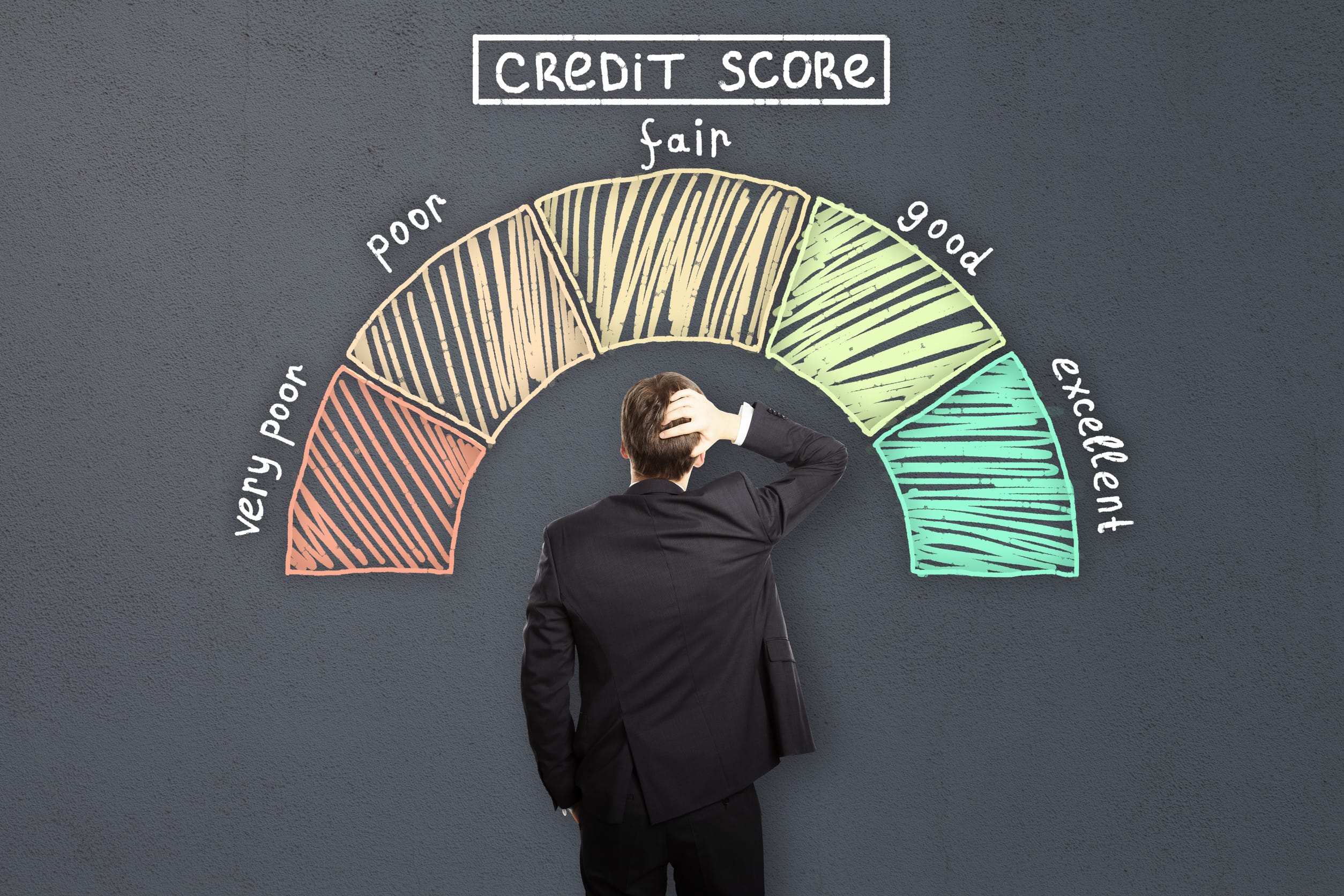
5 Things That Instantly Decrease Your Credit Score by 50 Points

July 25, 2025 by Travis Campbell Leave a Comment

credit score

Image Source: pexels.com

Your credit score is more than just a number. It’s a key that opens or closes doors to loans, apartments, and even some jobs. A sudden drop of 50 points can mean higher interest rates or a denied application. Many people don’t realize how quickly their credit score can fall. One mistake, and you’re left wondering what happened. If you want to keep your credit score healthy, you need to know what can hurt it fast. Here are five things that can instantly decrease your credit score by 50 points.

1. Missing a Payment

Missing a payment is one of the fastest ways to see your credit score drop. Even if you’re just a few days late, your lender might report it to the credit bureaus. Once a payment is 30 days late, it shows up on your credit report. This can cause your credit score to fall by 50 points or more, especially if you had a good score before. Payment history makes up the biggest part of your credit score. One late payment can stay on your report for up to seven years. If you know you’re going to be late, call your lender. Sometimes they can help you avoid a negative mark. Set up reminders or automatic payments to make sure you never miss a due date.

2. Maxing Out Your Credit Cards

Using all or most of your available credit is another quick way to hurt your credit score. This is called your credit utilization ratio. If you have a $5,000 limit and you charge $4,900, your ratio is very high. Lenders see this as risky behavior. Even if you pay your bill in full each month, a high balance at the time your statement closes can lower your score. Try to keep your credit utilization below 30%. If you can, aim for under 10%. Paying down your balances before the statement date can help. If you need more room, ask for a credit limit increase, but don’t use it as an excuse to spend more. High credit utilization can drop your credit score by 50 points or more in a single month.

3. Applying for Too Many New Accounts

Every time you apply for a new credit card or loan, the lender checks your credit. This is called a hard inquiry. One or two hard inquiries won’t hurt much, but several in a short time can signal to lenders that you’re desperate for credit. This can cause your credit score to fall quickly. Each hard inquiry can lower your score by a few points, but if you apply for several cards or loans at once, the impact adds up. Space out your applications. Only apply for credit when you really need it. If you’re shopping for a mortgage or auto loan, try to do all your applications within a short window—usually 14 to 45 days—so they count as one inquiry.

4. Closing Old Credit Accounts

It might seem smart to close a credit card you don’t use, but this can backfire. Closing an account lowers your total available credit, which can raise your credit utilization ratio. It also shortens your average account age, which is another factor in your credit score. Both of these changes can cause your credit score to drop by 50 points or more, especially if the account was one of your oldest. If you want to simplify your finances, consider keeping old accounts open with a zero balance. Use them for a small purchase every few months to keep them active. Only close accounts if there’s a good reason, like high fees or fraud.

5. Having a Debt Sent to Collections

If you ignore a bill long enough, it can be sent to a collection agency. This is one of the most damaging things that can happen to your credit score. A collection account tells lenders you didn’t pay what you owed. Your credit score can drop by 50 points or even more, and the collection stays on your report for up to seven years. This can make it hard to get approved for new credit, rent an apartment, or even get certain jobs. If you get a notice about a past-due bill, act fast. Contact the creditor and try to work out a payment plan before it goes to collections. If a debt does go to collections, paying it off won’t remove it from your report, but it can look better to future lenders.

Protecting Your Credit Score: Small Steps, Big Impact

A 50-point drop in your credit score can happen fast, but it’s not always easy to fix. The best way to protect your credit score is to stay alert. Pay your bills on time, keep your balances low, and only apply for credit when you need it. Don’t close old accounts without thinking it through. And if you’re struggling with debt, reach out for help before things get worse. Your credit score is a tool, not a trophy. Use it wisely, and it will open doors for you.

Have you ever seen your credit score drop suddenly? What caused it, and how did you handle it? Share your story in the comments.

Read More

What Happens to Your Credit Score If Your Cell Provider Changes Ownership

Your Home Address May Be the Reason You’re Being Denied Credit

Travis Campbell
Travis Campbell

Travis Campbell is a digital marketer/developer with over 10 years of experience and a writer for over 6 years. He holds a degree in E-commerce and likes to share life advice he’s learned over the years. Travis loves spending time on the golf course or at the gym when he’s not working.
Filed Under: credit score Tagged With: credit cards, credit report, credit score, Debt, Financial Health, loans, Personal Finance

Sounds Good To Help Someone Like You: Understanding the Risks of Peer-to-Peer Lending

June 8, 2025 by Travis Campbell Leave a Comment

lending p to p

Image Source: pexels.com

Ever thought about lending money to someone online and earning a tidy return? Peer-to-peer lending (P2P lending) makes it sound easy—and even a little heartwarming. You get to help real people reach their goals, and in return, you might earn more than you would from a traditional savings account. But before you jump in, it’s important to know that peer-to-peer lending isn’t all sunshine and rainbows. Real risks could impact your wallet and your peace of mind. If you’re considering this alternative investment, understanding the potential pitfalls is just as important as dreaming about the rewards.

Peer-to-peer lending has become popular, with platforms promising attractive returns and a chance to cut out the middleman. But as with any investment, there’s no such thing as a free lunch. You’re in the right place if you’re curious about how peer-to-peer lending works and what you should watch out for. Let’s break down the key risks you need to know—so you can make smart, informed decisions with your money.

1. Borrower Default: When Good Intentions Go Bad

One of the biggest risks in peer-to-peer lending is that the person you lend money to might not pay you back. Unlike banks, P2P platforms don’t always have strict lending standards or the same resources to chase down late payments. If a borrower defaults, you could lose some or all of your investment. While some platforms offer a “provision fund” to cover losses, these aren’t foolproof and can run out during tough times. It’s crucial to remember that you’re not just helping someone—you’re taking on the risk that they might not be able to repay you.

2. Platform Risk: What Happens If the Website Shuts Down?

When you invest through a peer-to-peer lending platform, you’re trusting that company to handle your money, process payments, and keep everything running smoothly. But what if the platform itself goes out of business? Your investment could be tied up in legal limbo, and you might have a hard time getting your money back. Some platforms have safeguards in place, but not all do. Before you invest, check if the platform is regulated and what protections are in place if things go south.

3. Lack of Liquidity: Your Money Could Be Stuck

Unlike stocks or mutual funds, peer-to-peer lending isn’t something you can easily cash out of whenever you want. Once you lend money, you’re usually locked in until the borrower repays the loan, which could take years. Some platforms offer a secondary market where you can sell your loans, but there’s no guarantee you’ll find a buyer or get your full investment back. If you need quick access to your cash, peer-to-peer lending might not be the best fit.

4. Economic Downturns: Risk Rises When Times Get Tough

Peer-to-peer lending can seem stable when the economy is humming along, but things can change quickly during a downturn. If unemployment rises or people face financial hardship, default rates on P2P loans can spike. This means you could lose more money than you expected, especially if you’re heavily invested in riskier loans. Diversifying your investments and not putting all your eggs in the peer-to-peer lending basket is a smart move.

5. Limited Regulation: The Wild West of Lending

Peer-to-peer lending is still a relatively new industry, and regulations can be patchy depending on where you live. Some platforms operate with minimal oversight, which can increase the risk of fraud or mismanagement. Without strong consumer protections, you could be left holding the bag if something goes wrong. Always research the platform’s regulatory status and look for transparency in how they operate. Don’t be afraid to ask questions or walk away if something doesn’t feel right.

6. Returns Aren’t Guaranteed: The Fine Print Matters

It’s easy to get excited about the high returns advertised by peer-to-peer lending platforms. But remember, those numbers are averages, and they don’t account for defaults, fees, or other costs. Your actual return could be much lower, especially if you invest in riskier loans. Always read the fine print and understand how returns are calculated. Don’t invest more than you can afford to lose, and consider peer-to-peer lending as just one part of a balanced investment strategy.

7. Emotional Investing: Don’t Let Your Heart Rule Your Wallet

Peer-to-peer lending platforms often share borrowers’ stories, making it feel personal and rewarding to help someone in need. While it’s great to feel good about your investments, don’t let emotions cloud your judgment. Treat peer-to-peer lending like any other investment—do your homework, assess the risks, and make decisions based on facts, not feelings. Remember, you’re not just helping someone; you’re also responsible for protecting your own financial future.

Smart Lending Starts With Smart Questions

Peer-to-peer lending can be a rewarding way to diversify your portfolio and help others, but it’s not without its risks. You can make more informed choices and avoid costly mistakes by understanding the potential pitfalls, like borrower default, platform risk, and lack of liquidity. Always do your research, ask tough questions, and never invest more than you’re willing to lose. With the right approach, peer-to-peer lending can be a valuable tool in your financial toolkit—but only if you go in with your eyes wide open.

What’s your experience with peer-to-peer lending? Have you faced any surprises—good or bad? Share your story in the comments below!

Read More

Exploring Different Options for Borrowing Money

4 Tips to Help Increase Approval Odds for a Personal Loan When Bad Credit Haunts You

Travis Campbell
Travis Campbell

Travis Campbell is a digital marketer/developer with over 10 years of experience and a writer for over 6 years. He holds a degree in E-commerce and likes to share life advice he’s learned over the years. Travis loves spending time on the golf course or at the gym when he’s not working.

Filed Under: Finance Tagged With: alternative investments, financial advice, investing, loans, peer-to-peer lending, Personal Finance, Risk management

From Likes to Loans: The Financial Impact of Going Viral

June 7, 2025 by Travis Campbell Leave a Comment

going viral

Image Source: pexels.com

Going viral isn’t just about racking up likes and shares anymore—it can have a real, lasting impact on your wallet. Whether you’re a content creator, small business owner, or just someone who posted a funny video at the right time, the financial impact of going viral is bigger than ever. But with all the buzz, it’s easy to overlook the money moves you need to make when your online moment explodes. If you’ve ever wondered how a viral post could change your financial future—or even help you qualify for a loan—this article is for you. Let’s break down the real-world ways that internet fame can affect your finances and how you can turn those fleeting likes into lasting financial wins.

1. Viral Fame Can Boost Your Creditworthiness

It might sound wild, but your online presence can actually influence your ability to get a loan. Lenders are starting to look beyond traditional credit scores and consider alternative data, including your social media activity. If your viral moment leads to a surge in followers, engagement, or even a new business, it could make you look more attractive to lenders. Some fintech companies now use social signals as part of their risk assessment, especially for small business loans. So, if you’re thinking about applying for a loan after going viral, don’t underestimate the power of your digital footprint. Just remember, consistency and authenticity matter—lenders want to see that your popularity isn’t just a one-hit wonder.

2. Monetizing Your Moment: Turning Likes Into Income

Going viral can open the door to a whole new world of income streams. From brand partnerships and sponsored posts to selling your own products or services, there are plenty of ways to cash in on your newfound fame. Platforms like TikTok, Instagram, and YouTube offer creator funds and ad revenue sharing, which can add up quickly if your content keeps trending. But don’t stop there—think about launching a side hustle, starting a Patreon, or even writing an eBook. The key is to act fast while your audience is engaged, but also to plan for the long term.

3. The Tax Side of Going Viral

Sudden income from viral success can be exciting, but it also comes with tax responsibilities. Whether you’re earning from ad revenue, sponsorships, or merchandise sales, the IRS considers this taxable income. It’s important to keep track of every dollar you make and set aside a portion for taxes—otherwise, you could face a nasty surprise come tax season. Consider consulting a tax professional who understands the unique challenges of digital income. They can help you navigate deductions, estimated payments, and even business formation if your viral fame turns into a full-time gig.

4. Protecting Your Brand (and Your Bank Account)

When you go viral, you’re not just a person anymore—you’re a brand. That means you need to think about protecting your intellectual property, managing your reputation, and keeping your finances secure. Registering trademarks, securing your social media handles, and setting up a business bank account are all smart moves. You should also be on the lookout for scams and impersonators who might try to cash in on your success. Taking these steps early can save you a lot of headaches (and money) down the road. Remember, the financial impact of going viral isn’t just about making money—it’s about keeping it, too.

5. Viral Success Isn’t Always Sustainable

It’s easy to get caught up in the excitement of going viral, but remember: internet fame can be fleeting. The financial impact of going viral is often strongest in the first few weeks or months, so it’s important to make smart decisions while the spotlight is on you. Don’t quit your day job or take out a big loan based solely on a viral moment. Instead, use your newfound platform to build lasting relationships, diversify your income, and invest in your future. Think of viral fame as a launchpad, not a finish line.

Turning Clicks Into Long-Term Financial Wins

Going viral can feel like winning the lottery, but the real magic happens when you turn that moment into lasting financial impact. Whether you’re leveraging your online presence to boost your creditworthiness, monetizing your content, or protecting your brand, every step you take can help you build a more secure financial future. The key is to stay grounded, make smart choices, and remember that the financial impact of going viral is what you make of it. So, if your fifteen minutes of fame come knocking, be ready to answer with a plan.

Have you ever experienced a viral moment? How did it affect your finances or your outlook on money? Share your story in the comments below!

Read More

Exploring Different Options for Borrowing Money

10 Things You Should Know Before Taking Out a Loan

Travis Campbell
Travis Campbell

Travis Campbell is a digital marketer/developer with over 10 years of experience and a writer for over 6 years. He holds a degree in E-commerce and likes to share life advice he’s learned over the years. Travis loves spending time on the golf course or at the gym when he’s not working.

Filed Under: Personal Finance Tagged With: brand protection, credit, digital economy, influencer income, loans, Personal Finance, Social media, taxes, viral fame

7 Big Companies That Profit When You Stay in Debt

May 12, 2025 by Travis Campbell Leave a Comment

past due bill

Image Source: unsplash.com

Staying in debt isn’t just a personal struggle—it’s big business. Every year, billions of dollars flow into the pockets of companies that profit from debt, making it harder for everyday people to get ahead. If you’ve ever wondered why it feels like escaping debt is so tough, you’re not alone. The truth is, entire industries are built around keeping you in the red. Understanding who these companies are and how they operate is the first step toward taking back control of your finances. Let’s pull back the curtain and see exactly who benefits when you’re stuck in debt—and what you can do about it.

1. Credit Card Companies

Credit card companies are some of the most well-known companies that profit from debt. They make money primarily through interest charges, late fees, and annual fees. According to the Federal Reserve, the average credit card interest rate in the U.S. hovers around 20%, even higher for those with less-than-stellar credit. If you only make minimum payments, you could pay double or triple the original amount you borrowed. To avoid falling into this trap, always aim to pay more than the minimum and consider transferring your balance to a card with a lower interest rate if possible.

2. Payday Lenders

Payday lenders are notorious for targeting people in financial distress. These companies offer short-term loans with sky-high interest rates, sometimes exceeding 400% APR. While they market themselves as a quick fix for emergencies, payday lenders are among the most aggressive companies that profit from debt. Many borrowers end up rolling over their loans, sinking deeper into a cycle of debt. If a payday loan tempts you, look for alternatives like local credit unions, payment plans with creditors, or even borrowing from friends or family.

3. Student Loan Servicers

Student loan servicers are the middlemen who manage your student loan payments. While they don’t set the interest rates, they profit from servicing your debt for as long as possible. The longer you stay in repayment, the more money they make in servicing fees. Some servicers have even been accused of steering borrowers into costly forbearance or deferment options instead of more affordable repayment plans. If you have student loans, educate yourself about all your repayment options and don’t hesitate to ask questions or seek help from a nonprofit credit counselor.

4. Auto Finance Companies

Auto finance companies make it easy to drive off the lot with a new car, but also profit from interest on auto loans. Many buyers focus on the monthly payment rather than the total cost, leading to longer loan terms and more interest paid over time. Some auto lenders even specialize in subprime loans, charging higher rates to those with poor credit. To avoid overpaying, shop around for the best rates, consider buying used, and don’t be afraid to negotiate both the car’s price and the loan terms.

5. Debt Collection Agencies

Debt collection agencies buy unpaid debts for pennies on the dollar and then aggressively pursue payment. These companies that profit from debt are vested in keeping you on the hook for as long as possible. They may use intimidating tactics, frequent calls, and even legal threats to collect. If a debt collector contacts you, know your rights under the Fair Debt Collection Practices Act (FDCPA) and don’t be afraid to request written verification of the debt. Sometimes, negotiating a settlement or working with a credit counselor can help you resolve the debt for less than the full amount owed.

6. Big Banks

Big banks are deeply invested in the debt game. Banks collect billions in interest and fees every year from mortgages to personal loans. They also profit from overdraft fees, which can add up quickly if you live paycheck to paycheck. According to the Consumer Financial Protection Bureau, banks collected over $15 billion in overdraft and non-sufficient funds fees in a year. To minimize your exposure, set up account alerts, keep a buffer in your checking account, and explore banks or credit unions that offer low- or no-fee accounts.

7. Credit Reporting Agencies

Credit reporting agencies like Equifax, Experian, and TransUnion don’t lend money, but they play a crucial role in the debt ecosystem. These companies that profit from debt sell your credit information to lenders, insurers, and even employers. They also make money from credit monitoring services and identity theft protection products. Errors on your credit report can keep you in debt longer by raising your interest rates or denying you access to better financial products. Check your credit report regularly (you’re entitled to a free report from each agency annually at AnnualCreditReport.com) and dispute any inaccuracies you find.

Breaking the Cycle: Take Back Your Financial Power

Now that you know which companies profit when you stay in debt, you’re better equipped to break free from their cycle. The key is awareness and action. Start by tracking your spending, planning to pay down high-interest debt, and seeking trustworthy financial advice. Remember, every dollar you pay off is a dollar that doesn’t go into the pockets of companies that profit from debt. You have more power than you think—use it to build a future where your money works for you, not against you.

What about you? Have you ever felt trapped by one of these companies? Share your story or tips in the comments below!

Read More

7 Common Mistakes People Make Regarding Debt Management

Debt is Sold to a Collection Agency

Travis Campbell
Travis Campbell

Travis Campbell is a digital marketer/developer with over 10 years of experience and a writer for over 6 years. He holds a degree in E-commerce and likes to share life advice he’s learned over the years. Travis loves spending time on the golf course or at the gym when he’s not working.

Filed Under: Debt Management Tagged With: credit cards, Debt, financial freedom, financial literacy, loans, money management, Personal Finance

  • « Previous Page
  • 1
  • 2
  • 3
  • 4
  • Next Page »

FOLLOW US

Search this site:

Recent Posts

  • Can My Savings Account Affect My Financial Aid? by Tamila McDonald
  • 12 Ways Gen X’s Views Clash with Millennials… by Tamila McDonald
  • What Advantages and Disadvantages Are There To… by Jacob Sensiba
  • 10 Tactics for Building an Emergency Fund from Scratch by Vanessa Bermudez
  • Call 911: Go To the Emergency Room Immediately If… by Stephen Kanaval
  • 7 Weird Things You Can Sell Online by Tamila McDonald
  • 10 Scary Facts About DriveTime by Tamila McDonald

Copyright © 2026 · News Pro Theme on Genesis Framework