• Home
  • About Us
  • Toolkit
  • Getting Finances Done
    • Hiring Advisors
    • Debt Management
    • Spending Plan
  • Insurance
    • Life Insurance
    • Health Insurance
    • Disability Insurance
    • Homeowners/Renters Insurance
  • Contact Us
  • Privacy Policy
  • Risk Tolerance Quiz

The Free Financial Advisor

You are here: Home / Archives for safety

7 Risky Outdoor Activities Every Man Should Think Twice About

April 20, 2025 by Travis Campbell Leave a Comment

mountain climbing

Image Source: unsplash.com

Adventure seekers often chase the adrenaline rush that comes with outdoor activities, but some pursuits carry risks that deserve serious consideration. While pushing boundaries can be rewarding, understanding the potential dangers of high-risk outdoor activities is essential for making informed decisions about your safety. Before you sign up for your next adventure, consider these seven outdoor activities that might require more preparation, training, or reconsideration than you initially thought. These activities may offer thrilling experiences but demand respect for their inherent dangers.

1. Free Solo Rock Climbing

Free soloing—climbing without ropes or protective equipment—represents the ultimate risk in climbing sports. Even experienced climbers with years of training face potentially fatal consequences from a single mistake. According to the American Alpine Club, climbing accidents result in dozens of fatalities annually, with free soloing being particularly dangerous.

The mental pressure is as challenging as the physical demands. Climbers must maintain perfect focus for hours, as any lapse in concentration could be fatal. Even elite climbers like Alex Honnold, famous for free soloing El Capitan, spend years preparing for major climbs with extensive practice on the same routes with protection before attempting them without ropes.

If you’re drawn to climbing, consider starting with traditional roped climbing at established areas with qualified instructors before even contemplating free soloing.

2. Backcountry Skiing and Snowboarding

Venturing beyond resort boundaries puts you in avalanche territory without the safety infrastructure of patrolled slopes. Avalanches kill an average of 28 people annually in North America alone, according to the Colorado Avalanche Information Center.

Backcountry snow sports require specialized equipment (beacon, probe, shovel), avalanche safety training, and weather assessment skills. Even experienced skiers can be caught off guard by rapidly changing mountain conditions.

If backcountry skiing appeals to you, invest in proper avalanche safety courses and always check local avalanche forecasts before heading out. Never venture into the backcountry alone; ensure everyone in your group has adequate training and equipment.

3. Bull Riding

This rodeo staple involves mounting a 2,000-pound animal specifically bred for bucking. The average bull-riding career lasts just 3-5 years due to injuries. Nearly every professional bull rider has experienced significant injuries, including concussions, broken bones, and internal injuries.

The sport’s danger comes from the fall and being stomped or gored after being thrown. Even with protective vests and helmets, riders face extreme risks each time they enter the chute.

If you’re interested in Western sports, consider starting with less dangerous options like team roping or barrel racing. These activities still provide Western cultural experiences without the extreme danger.

4. Cave Diving

Underwater cave exploration combines the risks of scuba diving with additional hazards of overhead environments, limited visibility, and complex navigation. According to diving safety organizations, cave diving has one of the highest fatalities among recreational activities when attempted without proper training.

The confined spaces, potential for silt-outs (zero visibility), and limited gas supply create a situation where minor problems can quickly become life-threatening. Even experienced open-water divers need specialized training for cave environments.

If you are interested in underwater exploration, consider starting with open-water diving and gradually building experience before pursuing technical specialties like cave diving.

5. Big Wave Surfing

Faced with waves over 20 feet tall, surfers risk being held underwater for extended periods, suffering impact injuries from powerful waves, and dealing with dangerous currents. The force of a breaking wave can push surfers deep underwater, creating disorientation and risking drowning.

Professional big wave surfers train extensively for breath-holding and underwater recovery, often practicing holding their breath for 4+ minutes. They also use specialized equipment and safety teams with jet skis for rescue.

Consider progressively developing your surfing skills on smaller waves before attempting larger ones, and never surf big ones alone.

6. Wingsuit Flying

This extreme form of skydiving involves flying through the air in a specialized suit that adds surface area to the human body. According to skydiving safety statistics, fatality rates are estimated at one death per 500-1,000 jumps, making it considered among the most dangerous recreational activities in the world.

The margin for error is incredibly small, with jumpers reaching speeds over 100 mph while navigating close to terrain. Most wingsuit fatalities occur when jumpers misjudge distances or encounter unexpected conditions.

If you’re drawn to the skies, consider starting with traditional skydiving and accumulating hundreds or thousands of jumps before considering wingsuit progression.

7. Free Diving

Descending to extreme depths on a single breath without scuba equipment puts tremendous physiological stress on the body. Blackouts near the surface (shallow water blackout) are particularly dangerous and can occur without warning.

Competitive free divers train extensively to hold their breath for 4+ minutes and dive to depths exceeding 100 meters, but even with safety divers present, the sport has seen numerous fatalities.

If you’re interested in underwater exploration, consider starting with snorkeling in safe environments before pursuing free diving training with qualified instructors.

Balancing Adventure and Safety: The Wiser Approach

The appeal of these high-risk activities is understandable—they offer unparalleled thrills and profound experiences. However, the wisest adventurers understand that proper training, equipment, and risk assessment aren’t signs of weakness but of intelligence. Many of these activities can be enjoyed with significantly reduced risk through proper progression, training, and safety protocols.

Remember that adventure doesn’t always require extreme risk. Often, the most rewarding outdoor experiences come from challenging yourself within reasonable safety margins while progressively developing skills.

Have you ever tried any high-risk outdoor activities, or do you have safety tips from your adventure experiences? Share your stories in the comments below.

Read More

7 Risky Behaviors That Could Be Sabotaging Your Job Prospects

6 Dangerous Home Appliances That You’re Using Every Day

Travis Campbell
Travis Campbell

Travis Campbell is a digital marketer/developer with over 10 years of experience and a writer for over 6 years. He holds a degree in E-commerce and likes to share life advice he’s learned over the years. Travis loves spending time on the golf course or at the gym when he’s not working.

Filed Under: safety Tagged With: adventure risks, extreme sports, men's activities, outdoor adventures, outdoor safety, risk assessment

Old Fashion Door Locks Don’t Work Anymore: Try These Five Burglar Resistant Alternatives

April 12, 2025 by Travis Campbell Leave a Comment

digital door lock

Image Source: unsplash.com

Traditional door locks have served us well for decades, but in today’s world, they’re increasingly vulnerable to break-ins. Modern burglars have become more sophisticated, using techniques like lock bumping, picking, and even key duplication to bypass conventional locks. If you’re serious about protecting your home, it’s time to upgrade to more secure alternatives. Here are five burglar-resistant options that provide superior protection for your home.

1. Biometric Fingerprint Smart Locks: Security at Your Fingertips

Biometric fingerprint locks represent a significant leap forward in home security technology. Unlike traditional locks that rely on keys that can be lost or duplicated, these systems use your unique fingerprint as the key.

Modern fingerprint locks feature advanced sensors that create detailed digital maps of authorized fingerprints, making them nearly impossible to fool. Many models include anti-tamper alarms that activate if someone attempts to force the lock. With no keyholes to pick and the ability to store multiple fingerprints, these locks offer convenience without compromising security.

The technology has improved dramatically in recent years, with sensors that can read fingerprints even when they’re slightly dirty or wet. Most systems also include backup methods like PIN codes or physical keys for emergencies, ensuring you’re never locked out of your home.

2. Palm Vein Recognition Locks: The Next Generation of Biometrics

Palm vein recognition locks take biometric security to the next level. They use infrared light to map the unique vein patterns beneath your skin. This technology, featured in locks like the eufy FamiLock S3 Max, offers several advantages over traditional fingerprint scanning.

Palm vein patterns are internal to your body, making them virtually impossible to replicate or forge. Unlike fingerprints, which can potentially be lifted from surfaces, vein patterns remain hidden and secure. The technology works reliably regardless of skin surface conditions like cuts, dirt, or oils.

These systems typically feature fast recognition speeds of less than a second and can be integrated with smartphone apps for remote management. While relatively new to the residential market, palm vein technology has been used in high-security commercial applications for years, proving its effectiveness against unauthorized access attempts.

3. Smart Locks with Ultra-Wideband Technology: Hands-Free Security

Ultra-wideband (UWB) smart locks represent the cutting edge of convenient security. These innovative locks, like the Schlage Sense Pro Smart Deadbolt showcased at CES 2025, can detect when an authorized smartphone or smartwatch is approaching your door with centimeter-level accuracy.

The lock automatically unlocks as you approach and relocks after you enter, eliminating the need to fumble with keys or even touch the lock. UWB technology is more precise than Bluetooth or Wi-Fi, preventing accidental unlocking from inside your home or from someone passing by outside.

These systems typically include multiple authentication methods, including PIN codes and NFC cards as backups. Many also feature tamper alerts that notify you immediately if someone attempts to force entry, giving you time to contact authorities before a break-in occurs.

4. Multi-Function Video Smart Locks: Security You Can See

Video smart locks combine several security technologies into one powerful package. Models like the TCL Smart Lock D1 Ultra integrate a smart lock, security camera, video doorbell, and display screen into a single unit.

These comprehensive systems allow you to see who’s at your door before unlocking it, record footage of visitors or potential intruders, and even communicate with delivery personnel without opening the door. The built-in cameras typically feature high-resolution video (often 2K) with wide-angle lenses and night vision capabilities.

Most video smart locks offer multiple unlocking methods, including fingerprint scanning, PIN codes, smartphone apps, and physical keys. The integration with home security systems provides an additional layer of protection, as attempted break-ins trigger both local alarms and notifications to your smartphone.

5. High-Security Mechanical Deadbolts: Traditional Security Reimagined

Modern high-security deadbolts offer significantly more protection than standard locks for those who prefer mechanical solutions. These advanced mechanical locks, like those from Kwikset’s Juno series, feature drill-resistant cylinders, reinforced strike plates, and pick-resistant designs.

The best models use patented key systems that prevent unauthorized duplication, a common security vulnerability with traditional locks. Many incorporate hardened steel components that resist sawing, drilling, and prying attempts.

Installation is crucial for these locks—using 3-inch screws to secure the strike plate to the door frame dramatically increases kick-in resistance. Some models also feature anti-bump technology that prevents a common technique burglars use to defeat standard pin tumbler locks.

Securing Your Home Beyond the Lock

While upgrading your door locks is essential, remember that comprehensive home security requires a layered approach. Consider reinforcing door frames, installing security cameras, and using smart lighting systems that simulate occupancy when you’re away.

The best security solution combines physical barriers with modern technology to create a system that deters burglars before they attempt entry. By replacing your outdated locks with one of these burglar-resistant alternatives, you’re taking a significant step toward creating a safer home for you and your family.

Have you upgraded your home’s door locks recently? What security features do you consider most important for protecting your property? Share your thoughts in the comments below!

Read More

Security Features in Printing Platforms: Keeping Your Data Safe

Why Criminals Are Placing USB Drives in Public Spaces and the Risks You Face

Travis Campbell
Travis Campbell

Travis Campbell is a digital marketer/developer with over 10 years of experience and a writer for over 6 years. He holds a degree in E-commerce and likes to share life advice he’s learned over the years. Travis loves spending time on the golf course or at the gym when he’s not working.

Filed Under: safety Tagged With: biometric locks, burglar-resistant locks, door security, home protection, home security, palm vein recognition, smart locks

7 Hidden Dangers Of Using An Electric Blanket

April 10, 2025 by Travis Campbell 5 Comments

woman in blanket

Image Source: unsplash.com

Electric blankets provide cozy warmth during cold nights but beneath their comforting exterior lurk several potential hazards that many users overlook. While modern electric blankets incorporate safety features, understanding these hidden risks can help you make informed decisions about their use.

1. Risk of Overheating Your Body

Electric blankets can inadvertently raise your core body temperature to dangerous levels. This is particularly concerning during sleep when you may not notice the excessive heat. Your body naturally lowers its temperature during sleep cycles, and electric blankets can disrupt this process. Continuous exposure to elevated temperatures may lead to heat stroke in extreme cases, though such incidents are rare. The interference with your body’s natural temperature regulation can also negatively impact sleep quality, leaving you feeling unrested despite a full night’s sleep.

2. Burn Hazards for Those with Reduced Sensitivity

People with certain medical conditions face heightened risks when using electric blankets. Conditions like diabetes often cause neuropathy, which damages peripheral nerves and reduces sensitivity to heat. This decreased sensation means users might not feel when an electric blanket becomes dangerously hot. Burns can occur in areas with direct contact with overheated elements, especially during prolonged use. The risk increases significantly with older models that lack automatic shut-off features or temperature regulation systems. Modern blankets mitigate this risk, but caution remains essential for vulnerable individuals.

3. Fire Hazards from Aging or Damaged Blankets

According to research from Columbia University, 99 percent of all electric blanket fires are caused by blankets that are 10 years old or older. Worn insulation, frayed wires, and damaged controllers create serious fire hazards. Folding or bunching electric blankets can damage internal wiring, creating hot spots that may ignite surrounding materials. Improper storage during off-seasons often contributes to wire damage. Regular inspection for discoloration, scorch marks, or exposed wiring is crucial for preventing potential fires. Replacing blankets every 5-10 years significantly reduces these risks.

4. Potential Electromagnetic Field (EMF) Exposure

Electric blankets generate electromagnetic fields (EMFs) during operation, raising concerns about potential health impacts from prolonged exposure. While the National Cancer Institute states that “no mechanism by which ELF-EMFs or radiofrequency radiation could cause cancer has been identified,” the debate continues. Some researchers suggest minimizing unnecessary EMF exposure as a precautionary measure. Using the blanket to pre-warm your bed before sleeping, rather than keeping it on all night, offers a practical compromise that reduces exposure while maintaining comfort.

5. Pregnancy Complications Concerns

Pregnant women should exercise particular caution with electric blankets. The World Health Organization recommends that pregnant women discontinue electric blankets to avoid any potential risk to developing fetuses. Elevated body temperatures during pregnancy may potentially affect fetal development. Similar to recommendations against hot tubs and saunas during pregnancy, avoiding electric blankets eliminates unnecessary risks. Alternative warming methods like extra blankets or pre-warming the bed before turning off the electric blanket provide safer options for expectant mothers.

6. Incompatibility with Certain Medical Devices

Electric blankets can potentially interfere with medical devices like pacemakers or insulin pumps. The electromagnetic fields generated by electric blankets might disrupt the functioning of these critical devices. Individuals using medical implants should consult healthcare providers before using electric blankets. Manufacturers often include warnings about potential interactions in product documentation. Alternative warming methods may be safer for those dependent on electronic medical devices, eliminating unnecessary risks to health-critical technology.

7. Moisture-Related Electrical Hazards

Using electric blankets in damp environments creates serious electrical hazards. Moisture can penetrate the blanket’s protective layers and reach internal wiring. Never use an electric blanket that has become wet, and avoid using one in conjunction with a hot water bottle. The combination of electricity and water poses significant shock risks. Proper storage in dry locations prevents moisture accumulation during non-use periods. Following manufacturer guidelines for cleaning is essential, as improper washing methods can damage waterproofing elements.

Staying Warm Without the Worry

Electric blankets can be used safely with proper precautions despite these potential dangers. Always purchase new blankets with safety certifications from recognized testing agencies. Use timers to prevent overnight operation, and inspect blankets regularly for signs of wear. Consider alternatives like heated mattress pads, which may pose fewer risks as they remain flat and undisturbed beneath sheets.

By understanding these hidden dangers and implementing appropriate safety measures, you can enjoy the warmth of electric blankets while minimizing potential risks to your health and home.

Have you ever experienced any issues with your electric blanket? Share your experiences in the comments below!

Read More

15 Kitchen Gadgets That Are More Trouble Than They’re Worth

11 Home Improvement Trends You’ll Probably Regret

Travis Campbell
Travis Campbell

Travis Campbell is a digital marketer/developer with over 10 years of experience and a writer for over 6 years. He holds a degree in E-commerce and likes to share life advice he’s learned over the years. Travis loves spending time on the golf course or at the gym when he’s not working.

Filed Under: safety Tagged With: electric blanket safety, EMF exposure, heating hazards, home fire prevention, pregnancy safety, sleep health, winter safety

These Items Could Save You in an Emergency—Do You Have Them?

April 7, 2025 by Travis Campbell Leave a Comment

first aid kit

Image Source: unsplash.com

In today’s uncertain world, being prepared for emergencies isn’t just smart—it’s essential. From natural disasters to unexpected power outages, having the right supplies can make the difference between comfort and crisis. Let’s explore the critical items that could save you when disaster strikes.

1. Water Storage and Filtration Systems

Access to clean water becomes your top priority during any emergency. The CDC recommends storing at least one gallon per person per day for a minimum of three days. Water containers should be food-grade and stored in cool, dark places to prevent algae growth. Beyond storage, investing in portable water filters like LifeStraw or Sawyer Mini allows you to purify water from natural sources when supplies run low. Water purification tablets serve as excellent backups when boiling isn’t possible, making them essential additions to any emergency kit.

2. Extended Food Supply

Your emergency food stockpile should include items that require minimal preparation and have long shelf lives. Focus on nutritionally dense options like canned proteins, dried beans, and ready-to-eat meals. Energy bars and trail mix provide quick calories when cooking isn’t possible. Remember to consider dietary restrictions and include comfort foods that boost morale during stressful situations. Most importantly, rotate your stock regularly to ensure freshness—emergencies are challenging enough without having to consume expired food.

3. Comprehensive First Aid Kit

A well-stocked first aid kit can handle everything from minor cuts to more serious injuries. Beyond basic bandages and antiseptics, include items like tourniquets, emergency blankets, and trauma shears. If family members require prescription medications, keep at least a week’s supply in your emergency kit. Consider adding specialized items like an emergency dental kit and epinephrine injectors if allergies are a concern. Knowledge is equally important—include a detailed first aid manual and consider taking a basic first aid course to ensure you can effectively use these supplies when needed.

4. Reliable Power Sources

When the grid goes down, alternative power becomes essential. A quality home generator keeps critical appliances running during outages. For portability, solar generators provide clean, quiet power without fuel concerns. Power banks ensure your communication devices stay charged when you need them most. Battery-operated or hand-crank radios provide critical emergency information when internet and cell networks fail. Consider layering your power options—having multiple sources ensures you’re never completely without electricity during extended emergencies.

5. Emergency Lighting Options

Darkness compounds emergencies, making reliable lighting essential. LED flashlights offer bright illumination with minimal battery drain, while headlamps keep your hands free for tasks. Solar lanterns recharge during daylight hours, providing sustainable lighting night after night. Don’t overlook the humble candle—properly stored emergency candles burn for hours and generate heat as well as light. Position emergency lights strategically throughout your home, ensuring every family member knows where to find them when power fails unexpectedly.

6. Communication Tools

Staying informed and connected during emergencies requires reliable communication tools. Two-way radios allow family members to communicate when cell networks fail. Emergency weather radios with NOAA alerts provide critical updates about developing situations. Consider a satellite phone for extreme emergencies when all other communication methods are unavailable. Create a communication plan with your family, including designated meeting points and out-of-area contacts who can relay messages between separated family members during local emergencies.

7. Essential Tools and Equipment

The right tools transform challenges into manageable situations. A quality multi-tool combines numerous functions in one compact package—cutting, opening, tightening, and more. Fire starters, including waterproof matches and magnesium strikers, provide warmth and cooking capabilities. Manual can openers become surprisingly critical when accessing canned food supplies. Heavy-duty duct tape and plastic sheeting can create emergency shelters, seal broken windows, or even fashion impromptu rain gear. These versatile tools require no power and provide solutions to countless emergency scenarios.

8. Personal Hygiene and Sanitation Supplies

Maintaining hygiene prevents illness during extended emergencies. Stock hand sanitizer, biodegradable soap, and disinfectant wipes for times when water is limited. Include toilet paper, feminine hygiene products, and heavy-duty trash bags for waste management. Portable toilet solutions become essential during plumbing disruptions. These items not only prevent disease but also maintain dignity and comfort during challenging circumstances—factors that significantly impact psychological resilience during emergencies.

9. Important Documents and Emergency Cash

When evacuation becomes necessary, having critical documents readily accessible saves precious time. Store copies of identification, insurance policies, and medical records in waterproof, fireproof containers. Include emergency contact information and meeting location details for family members. Keep emergency cash in small denominations—during power outages, electronic payment systems often fail. Consider creating digital backups of important documents stored on encrypted drives or secure cloud services that can be accessed from anywhere with internet connectivity.

10. Emergency Shelter and Warmth

When staying in your home becomes unsafe, portable shelter options become critical. Emergency blankets reflect up to 90% of body heat, preventing hypothermia in cold conditions. Waterproof tarps and compact tents protect from the elements. Thermal clothing layers trap body heat efficiently, while hand and foot warmers deliver targeted warmth to extremities most vulnerable to cold. These items are lightweight, compact, and potentially lifesaving when you must leave the comfort of your home during emergencies.

Preparation Brings Peace of Mind

Emergency preparedness isn’t about fear—it’s about empowerment. Having these essential items ready before disaster strikes allows you to face uncertainty with confidence rather than panic. Start building your emergency supplies today, focusing first on the most critical items like water, food, and first aid. Gradually expand your preparations, regularly reviewing and updating supplies to ensure everything remains in working order.

Remember that the most valuable emergency resource is knowledge. Familiarize yourself with your supplies before you need them, practice emergency procedures with your family, and stay informed about potential risks in your area. With proper preparation, you can transform potential disasters into manageable situations, protecting yourself and your loved ones when it matters most.

What emergency supplies have you found most valuable during past emergencies? Share your experiences in the comments below to help others prepare effectively!

Read More

Call 911: Go To the Emergency Room Immediately If You Have Any of These 12 Symptoms

5 Safety Measures You’re Probably Ignoring That Could Save Your Life

Travis Campbell
Travis Campbell

Travis Campbell is a digital marketer/developer with over 10 years of experience and a writer for over 6 years. He holds a degree in E-commerce and likes to share life advice he’s learned over the years. Travis loves spending time on the golf course or at the gym when he’s not working.
Filed Under: safety Tagged With: disaster readiness, emergency food storage, emergency kit, emergency preparedness, first aid kit, power outage supplies, survival supplies, water filtration

6 Apps That Secretly Share Your Location (and How to Disable Them)

April 2, 2025 by Latrice Perez Leave a Comment

Woman hand using smartphone with gps navigator map icon on blur street background. Technology and business travel concept. Generative ai.

Image Source: 123rf.com

In today’s hyper-connected world, our smartphones have become indispensable tools, guiding us through daily life and keeping us connected. They guide us, connect us, and track our fitness goals, making our lives more convenient. However, this convenience comes with a trade-off: our location data, a valuable commodity that many apps seek to collect.

Many apps, often without our explicit knowledge, monitor our whereabouts, raising serious privacy concerns and prompting us to question the extent of our digital footprint. It’s crucial to understand which apps have access to your location and how to regain control of this sensitive information, safeguarding our privacy in an increasingly digital age.

1. Understanding Location Tracking

Location tracking isn’t inherently malicious, as many apps use it for legitimate purposes like navigation or ride-sharing, providing essential services. The concern arises when this data falls into the wrong hands, potentially leading to identity theft or harm, compromising our personal security. It’s vital to know that most smartphones allow you to see what apps use your location and change those settings, empowering us to make informed choices about our privacy. Understanding the nuances of location tracking empowers you to make informed decisions about your privacy. This knowledge helps you navigate the digital world with greater awareness, protecting yourself from potential privacy breaches.

2. Reviewing App Permissions

The first step to safeguarding your location privacy is to review your app permissions, taking control of the information you share. Both Android and iOS provide settings to control which apps access your location, giving you granular control over your data. You can choose from options like “Always,” “While Using the App,” “Ask Next Time,” or “Never,” customizing your settings to fit your needs. Regularly auditing these permissions helps identify and disable unnecessary location tracking, minimizing the risk of unauthorized access. You can also research app permissions to understand the best settings for each app.

3. Identifying Suspicious Apps

Some apps request location permissions even when it’s not essential for their functionality, raising red flags about their intentions. For example, a simple flashlight app shouldn’t require constant location access, suggesting a potential privacy violation. Be wary of apps that ask for excessive permissions and research their privacy policies, scrutinizing their data collection practices.

If you suspect an app is tracking you without a valid reason, consider uninstalling it or disabling its permissions, removing the threat from your device. Recognizing suspicious apps is key to maintaining your digital safety, and helps you protect yourself from potential privacy breaches.

4. Disabling Background Location Tracking

Many apps track your location even when not actively in use, draining your battery and raising privacy concerns, compromising your device’s performance. To disable this, navigate to your phone’s settings and adjust location permissions for individual apps, limiting their access to your location data.

You can also disable location services altogether when not needed, preventing any apps from tracking your whereabouts. Understanding how background tracking works is vital for privacy, enabling you to manage your device’s settings effectively and protect your personal information.

5. Utilizing Privacy-Focused Apps

Privacy Access Identification Password Passcode and Privacy

Image Source: 123rf.com

Several privacy-focused apps help control and monitor your location data, providing detailed reports and blocking unwanted tracking, enhancing your privacy. Consider using a VPN to encrypt traffic and mask your IP, making tracking harder, and adding an extra layer of security. These tools offer enhanced privacy and security features, giving you greater control over your digital footprint. They provide an extra layer of protection against digital surveillance, and help you maintain your anonymity.

6. Staying Informed to New Challenges to Privacy

The landscape of location tracking evolves, with new apps and technologies emerging regularly, posing new challenges to privacy. Stay informed about privacy threats and best practices, keeping up with the latest developments. Regularly update your OS and apps for the latest security patches, ensuring your devices are protected against vulnerabilities. Be cautious about granting permissions and read the fine print, understanding the implications of your choices. Maintaining vigilance is crucial in the digital age, and helps to safeguard your personal information.

Taking Control of Your Location Privacy

Protecting your location privacy is an ongoing process requiring vigilance, awareness, and proactive measures. By understanding how apps track you and controlling permissions, you safeguard your personal information, reclaiming your digital autonomy. This proactive approach helps you maintain control over your digital footprint, and allows you to use your devices safely. Take the time to understand your phone’s settings, and to make informed choices.

Have you encountered apps that secretly track you? What steps do you take to protect your privacy? Share your experiences and tips below, and help others to protect their digital privacy!

Read More:

8 Privacy Settings Everyone Should Change Immediately

Delete These 8 Apps Right Now—They’re Secretly Spying on You

Latrice Perez

Latrice is a dedicated professional with a rich background in social work, complemented by an Associate Degree in the field. Her journey has been uniquely shaped by the rewarding experience of being a stay-at-home mom to her two children, aged 13 and 5. This role has not only been a testament to her commitment to family but has also provided her with invaluable life lessons and insights.

As a mother, Latrice has embraced the opportunity to educate her children on essential life skills, with a special focus on financial literacy, the nuances of life, and the importance of inner peace.

Filed Under: safety Tagged With: apps, digital privacy, location tracking, privacy, security, smartphone, technology

How Scammers Are Using Stolen License Plates to Frame Innocent People

March 29, 2025 by Latrice Perez Leave a Comment

Scammers

Image Source: 123rf

Imagine receiving a fine or, worse, being implicated in a crime you didn’t commit, all because someone else is using your license plate. This unsettling scenario is becoming increasingly common as scammers exploit stolen or cloned license plates to disguise their illegal activities. Understanding how these schemes operate and how to protect yourself is crucial in today’s world.

 What Is License Plate Cloning?

License plate cloning, also known as “car cloning,” involves duplicating a vehicle’s registration number and affixing it to another vehicle, often of the same make and model. This tactic allows criminals to commit offenses such as theft, fraud, or traffic violations without being traced back to their actual vehicle. The unsuspecting victim, whose plate has been cloned, may then receive fines or legal notices for incidents they had no part in.

How Scammers Obtain and Use Stolen Plates

Scammers acquire license plate numbers through various means, including physically stealing plates from parked vehicles or copying plate information from online photos. Once they have the necessary details, they create counterfeit plates and attach them to their vehicles. This deception enables them to evade tolls, avoid paying for fuel, or engage in more serious crimes like smuggling, all under the guise of an innocent person’s vehicle identity.

Real-World Consequences for Innocent Drivers

The impact on victims of license plate cloning can be severe. For instance, a San Antonio woman received multiple toll charges for roads she never traveled, only to discover her license plate had been cloned and used in another city. Similarly, in the UK, a driver was falsely accused of involvement in a crash 280 miles away due to plate cloning. These cases highlight the distress and legal complications that can arise from such scams.

Signs Your License Plate May Have Been Cloned

Be vigilant for indicators that your license plate might have been cloned:

1. Unfamiliar Fines or Notices: Receiving tickets or fines for locations you haven’t visited.
2. Strange Vehicle Registrations: Notices regarding vehicles you don’t own or recognize.
3. Discrepancies in Toll Records: Charges for tolls in areas you’ve never traveled.

If you encounter any of these situations, it’s crucial to act promptly to mitigate potential issues.

Steps to Protect Yourself from License Plate Cloning

To safeguard against license plate cloning:

1. Use Anti-Theft Screws: Install tamper-resistant screws to make it more difficult for thieves to remove your plates.
2. Be Cautious Online: Avoid posting clear images of your vehicle’s license plate on social media or other public platforms.
3. Regularly Inspect Your Vehicle: Check that both plates are intact and securely attached.
4. Park in Secure Areas: Whenever possible, park in well-lit, secure locations to deter potential thieves.
5. Personalize Your Plates: Adding unique identifiers, such as a flag or custom design, can make your plates less appealing to cloners.

What to Do If You Become a Victim

If you suspect your license plate has been cloned:

1. Report to the Authorities: Contact your local police department to file a report.
2. Notify the DMV: Inform your state’s Department of Motor Vehicles about the situation; they may issue new plates.
3. Dispute False Charges: If you’ve received fines or notices, provide evidence to dispute them, such as proof of your vehicle’s location during the alleged incidents.
4. Monitor Your Records: Keep an eye on your driving record and credit report for any unusual activity.

License Plate Cloning Is A Deceptive Practice

License plate cloning is a deceptive practice that can have serious repercussions for innocent vehicle owners. By staying informed and taking proactive measures, you can reduce the risk of falling victim to this scam. Regular vigilance and prompt action are key to protecting yourself and your vehicle from being misused by criminals.

Have you or someone you know experienced issues related to license plate cloning? Share your stories and insights in the comments below to help raise awareness and support others in the community.

Read More:

5 Safety Measures You’re Probably Ignoring That Could Save Your Life

10 Car Safety Features You Didn’t Know You Needed Until Now

Latrice Perez

Latrice is a dedicated professional with a rich background in social work, complemented by an Associate Degree in the field. Her journey has been uniquely shaped by the rewarding experience of being a stay-at-home mom to her two children, aged 13 and 5. This role has not only been a testament to her commitment to family but has also provided her with invaluable life lessons and insights.

As a mother, Latrice has embraced the opportunity to educate her children on essential life skills, with a special focus on financial literacy, the nuances of life, and the importance of inner peace.

Filed Under: Personal Finance, safety Tagged With: car scams, identity theft, license plate cloning, protect your vehicle, vehicle fraud

The Silent Car Theft Trick That’s Fooling Even Smart Drivers

March 26, 2025 by Latrice Perez Leave a Comment

Smart Driver

Image Source: 123rf.com

Car theft continues to evolve, and a particularly unsettling tactic known as relay theft is currently on the rise. Many drivers who pride themselves on smart precautions are falling victim to this increasingly common theft strategy. What makes relay theft so concerning is how quietly and quickly it happens—often without leaving any noticeable evidence behind.

Even drivers who keep their cars locked and secure are becoming vulnerable due to the high-tech nature of relay attacks. To keep your vehicle safe, it’s crucial to understand exactly how relay theft works, why it’s so effective, and what steps you can take to protect yourself.

Understanding Relay Theft and How It Works

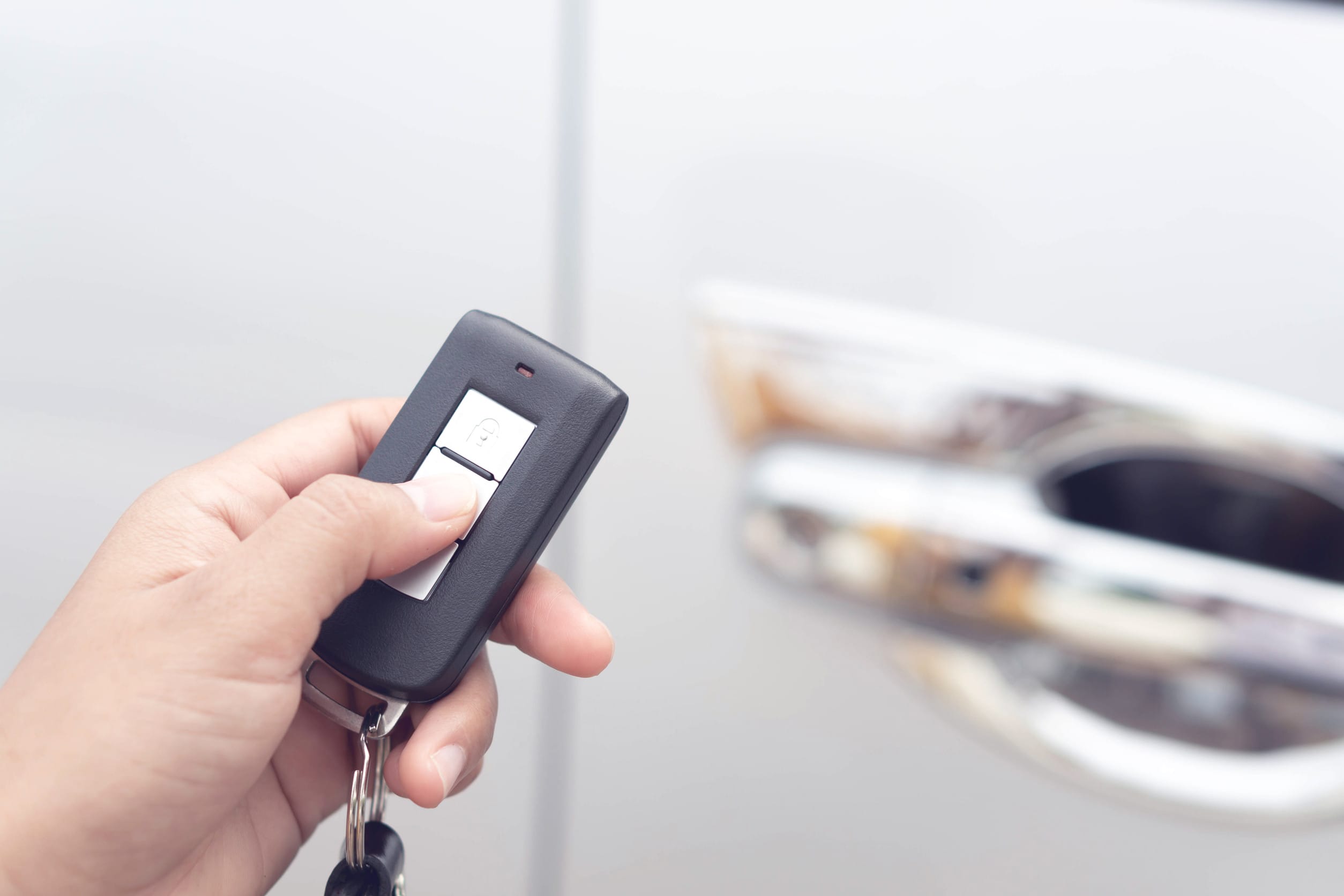
Keyless Remote

Image Source: 123rf.com

Relay theft targets vehicles equipped with keyless entry systems, a popular modern convenience allowing drivers to unlock and start their cars without physically using a key. Unfortunately, this convenient technology has unintentionally provided thieves with a new avenue of attack. During a relay theft, two criminals typically collaborate: one positions themselves near your vehicle, while the other stands close to your home’s front door or window.

Using specialized electronic devices, the thief near your home picks up and amplifies the signal from your car’s key fob, transmitting it instantly to their partner standing beside your vehicle. The car, detecting the amplified signal, mistakenly assumes the legitimate key is nearby, unlocking the doors and allowing the engine to start.

Why Relay Theft Is So Difficult to Detect

One of the main reasons relay theft has become so prevalent is the lack of physical clues. Unlike traditional break-ins, there is no smashed window or forced entry, which often delays discovery until it’s too late. The rapid execution of the theft means victims may only realize their car is missing hours later. Additionally, the absence of visible damage complicates investigations by law enforcement. This stealthy method makes it exceptionally challenging for even the smartest drivers to protect their vehicles without extra precautions.

The Technology That Makes Relay Theft Possible

Relay attacks use inexpensive electronic devices, known as relay amplifiers, that capture and extend the signal from your key fob. Even if your key is stored safely inside your home, these devices can pick up its signal from a distance. The amplified signal fools the car’s security system into believing the key is nearby. The simplicity and affordability of these devices make relay theft an increasingly popular method among car thieves. Manufacturers continue to work on countermeasures, but until then, awareness and proactive measures remain essential.

Effective Measures to Prevent Relay Theft

Fortunately, there are several practical steps you can take to reduce the risk of relay theft. Storing your key fob in a Faraday pouch or metal container blocks its signal from being intercepted by thieves. Keeping your key far from windows or entry points also minimizes the chance of detection. Installing physical deterrents like steering wheel locks and employing GPS tracking devices can further safeguard your vehicle. Regularly updating your car’s software may also help, as manufacturers release patches to counter known vulnerabilities.

Awareness and Vigilance: Your Best Defense

Ultimately, staying informed about relay theft is your most powerful defense. Understanding how the technology works enables you to adopt effective protective measures. Engaging with community resources and discussing these threats with neighbors can foster collective vigilance. Although no single method guarantees complete security, combining multiple strategies significantly lowers your risk. Proactive efforts today ensure your vehicle remains secure tomorrow.

Protecting Yourself Against Modern Car Theft

Relay theft represents the evolving nature of vehicle crime in our modern world. While the convenience of keyless entry systems is undeniable, it comes with new vulnerabilities that require our attention. By understanding the mechanics of relay theft and taking practical steps to mitigate the risk, you can better protect your vehicle. Staying alert, using preventive tools, and keeping informed are key to thwarting these silent criminals.

Have you taken measures to safeguard your car from relay theft? Share your strategies and experiences in the comments below!

Read More:

The Silent Theft: How to Spot a Relative Stealing from Your Elderly Parents

6 Scary Things Now Running Rampant on Facebook

Latrice Perez

Latrice is a dedicated professional with a rich background in social work, complemented by an Associate Degree in the field. Her journey has been uniquely shaped by the rewarding experience of being a stay-at-home mom to her two children, aged 13 and 5. This role has not only been a testament to her commitment to family but has also provided her with invaluable life lessons and insights.

As a mother, Latrice has embraced the opportunity to educate her children on essential life skills, with a special focus on financial literacy, the nuances of life, and the importance of inner peace.

Filed Under: safety Tagged With: automotive, car safety tips, car theft, keyless entry, relay attacks, vehicle security

5 Safety Measures You’re Probably Ignoring That Could Save Your Life

March 25, 2025 by Latrice Perez Leave a Comment

Sign with phrase SAFETY FIRST on sandy beach, space for text

Image Source: 123rf.com

Every day, we move through our routines without giving much thought to the simple safety measures that can have a profound impact on our well-being. Many of us take for granted the small precautions that, if ignored, could lead to dangerous situations.

Whether it’s a habit we’ve developed or a safety tool we overlook, these measures often go unnoticed until it’s too late. Understanding and implementing these strategies can significantly reduce risks and help protect us from unexpected harm. Here, we explore five critical safety measures that you might be ignoring but that could ultimately save your life.

Being Aware Of Your Surroundings

In our busy lives, it’s easy to get lost in thought or distracted by technology, leaving us unaware of our surroundings. This lack of attention can make you vulnerable to accidents or even criminal activities. By making a conscious effort to be aware of the people, environment, and potential hazards around you, you can react more effectively in emergencies. Whether walking in a parking lot or navigating a crowded street, being observant is your first line of defense. Cultivating this habit requires mindfulness and consistent practice in daily routines.

Regularly Updating Emergency Contact Information

Many of us assume our emergency contact details are set and forget them, but outdated information can be dangerous in a crisis. In emergencies, every second counts, and incorrect or outdated contacts can delay crucial assistance. Ensuring that your phone, workplace, and medical records have up-to-date emergency contacts is a simple yet vital task. This small step can make all the difference in ensuring help arrives promptly when needed. Taking a few minutes each month to verify and update your emergency contacts can safeguard you in critical moments.

Utilizing Vehicle Safety Tools

Modern vehicles are equipped with advanced safety features, yet many drivers remain unaware of the additional tools available for emergencies. Items such as seatbelt cutters, glass breakers, and portable GPS trackers can be lifesavers if you find yourself in a dangerous situation. Keeping these tools in an accessible location in your car can provide an extra layer of security. Familiarizing yourself with how and when to use these devices ensures that you’re prepared for unforeseen circumstances. Investing in your vehicle’s safety isn’t just about technology—it’s about proactive preparedness.

Regular Fire and Carbon Monoxide Safety Checks

Fire against smoke detector

Image Source: 123rf.com

Smoke detectors, carbon monoxide alarms, and fire extinguishers are critical components of home safety, yet they often go unchecked. Failing to test these devices regularly can result in malfunction when you need them most. Incorporating routine checks into your monthly schedule can ensure these devices are fully operational. Regular maintenance, such as battery replacements and system tests, can prevent catastrophic failures during emergencies. Protecting your home and loved ones starts with these simple, preventative measures.

Taking Personal Health Precautions Seriously

Often, we neglect our own health in the rush of daily responsibilities, ignoring regular check-ups or important screenings. Overlooking these crucial health measures can lead to undiagnosed conditions that might have been treated early. Scheduling routine appointments and listening to your body’s warning signs are fundamental steps in safeguarding your long-term health. Proactive health management includes maintaining a balanced diet, exercising regularly, and managing stress effectively. Taking personal health precautions seriously is an investment in your future well-being.

Overlooked Safety Measures Can Impact Your Life

Small, often overlooked safety measures can have a profound impact on your quality of life and even save your life. By integrating situational awareness, updating emergency contacts, utilizing vehicle safety tools, maintaining home safety devices, and prioritizing your health, you build a comprehensive safety net for yourself. These proactive steps are crucial in preventing accidents and minimizing risks in everyday life. Your safety is not something to take lightly—invest in these habits and protect yourself today.

What safety measures have you found most effective in your daily routine? Share your experiences and tips in the comments below!

Read More:

Road Trip Safety: No One Should Travel Without These 12 Essentials In Their Car

The Scary Reason You Should Never Ignore a Stranger Asking for Directions

Latrice Perez

Latrice is a dedicated professional with a rich background in social work, complemented by an Associate Degree in the field. Her journey has been uniquely shaped by the rewarding experience of being a stay-at-home mom to her two children, aged 13 and 5. This role has not only been a testament to her commitment to family but has also provided her with invaluable life lessons and insights.

As a mother, Latrice has embraced the opportunity to educate her children on essential life skills, with a special focus on financial literacy, the nuances of life, and the importance of inner peace.

Filed Under: safety Tagged With: emergency preparedness, health precautions, home safety, Lifestyle, personal safety, preventive measures, situational awareness, vehicle safety

The Scary Reason You Should Never Ignore a Stranger Asking for Directions

March 24, 2025 by Latrice Perez Leave a Comment

Asking For Directions

Image Source: 123rf.com

Engaging with strangers seeking directions often reflects our innate desire to assist others. However, beneath some of these seemingly innocent requests lies a potential for deceit and exploitation. Scammers frequently employ such tactics to distract and victimize unsuspecting individuals. Recognizing and understanding these deceptive methods is crucial for personal safety and the protection of your belongings.​

The Distraction Technique

One prevalent method employed by scammers is the distraction technique. In this scenario, an individual approaches you under the pretense of needing directions, engaging you in conversation. While your attention is diverted, an accomplice may take advantage of the situation to pickpocket you or steal unattended belongings. This tactic relies on your focus being shifted away from your personal items, making it easier for thieves to operate unnoticed. Such distraction scams are common and can occur in various settings, from busy tourist spots to quiet neighborhoods. ​

The Technology Trap

With the widespread use of smartphones, another scam involves individuals asking to borrow your device under the guise of contacting someone or finding directions. Once in possession of your phone, they might access personal information, transfer funds using payment apps, or even run off with the device. In some cases, scammers have been known to exploit mobile payment applications, quickly transferring money to their accounts before you realize what’s happening. This approach not only results in the loss of your device but also compromises your financial security. ​

The Fake Emergency

Fake Emergency

Image Source: 123rf.com

Scammers may also fabricate emergencies to elicit sympathy and lower your guard. For example, someone might claim their car has broken down and they need assistance or money for a tow truck. While you are preoccupied with their predicament, they or an accomplice could be assessing your belongings for easy theft. These fabricated situations are designed to evoke an emotional response, making you more susceptible to manipulation. It’s important to approach such scenarios with caution, as they can be orchestrated to exploit your empathy. ​

In some cases, scammers may even pose as officials or service providers to gain your trust. For instance, individuals might impersonate utility workers to gain access to your home, distracting you while an accomplice steals valuables. Such tactics highlight the need for vigilance, even when approached by seemingly authoritative figures. ​

Protecting Yourself

To safeguard against these scams, maintain awareness of your surroundings and exercise caution when approached by strangers. If someone asks for directions, it’s advisable to keep a safe distance and avoid displaying valuable items like smartphones or wallets. Trust your instincts; if something feels off, it’s better to be cautious. Additionally, consider familiarizing yourself with common scam tactics prevalent in your area or places you plan to visit.

Here are some additional tips to protect yourself:

  • Secure Your Belongings: Keep personal items close and secure. Avoid leaving bags or valuables unattended, even for a moment.

  • Use Technology Wisely: Utilize anti-theft devices or security apps to monitor your belongings. For example, phone lanyards and zipper lock clips for bags can help prevent theft.

  • Limit Distractions: When walking alone, avoid using headphones or taking phone calls, as robbers often target people who appear distracted or unaware of their surroundings.

  • Verify Identities: If someone claims to be an official or service provider, ask for identification and verify their credentials before engaging. This can prevent falling victim to impersonation scams. ​

  • Stay Informed: Regularly update yourself on common scam tactics in your area or travel destinations. Knowledge of prevalent scams can enhance your ability to recognize and avoid them.

Balance Kindness With Personal Safety

While helping others is a commendable trait, it’s essential to balance kindness with personal safety. Recognizing that not all requests for assistance are genuine can help you avoid falling prey to scams. By staying alert and informed, you can protect yourself from those who seek to exploit your goodwill. Remember, your safety should always take precedence, and exercising caution is a vital aspect of personal security.​

Have you ever had a stranger ask you for directions? How did you handle it? Let us know in the comments below.

Read More:

Why Some Criminals Leave a Water Bottle on Your Car Tire—And What It Means

How Criminals Pick Their Targets—8 Everyday Mistakes That Make You Vulnerable

Latrice Perez

Latrice is a dedicated professional with a rich background in social work, complemented by an Associate Degree in the field. Her journey has been uniquely shaped by the rewarding experience of being a stay-at-home mom to her two children, aged 13 and 5. This role has not only been a testament to her commitment to family but has also provided her with invaluable life lessons and insights.

As a mother, Latrice has embraced the opportunity to educate her children on essential life skills, with a special focus on financial literacy, the nuances of life, and the importance of inner peace.

Filed Under: safety Tagged With: distraction scams, personal safety, pickpocketing tactics, scam awareness, smartphone theft

False Sense of Security: Why Relying Solely on a Fence Could Leave You Vulnerable

March 24, 2025 by Latrice Perez Leave a Comment

Fence Around a House

Image Source: 123rf.com

Relying solely on a fence for home security can provide a deceptive sense of safety, potentially leaving homeowners vulnerable to various threats. While fences serve as physical barriers, their effectiveness is limited without the integration of additional security measures. Understanding these limitations is crucial for developing a comprehensive security strategy.​

Limitations of Fences as Sole Security Measures

Fences, depending on their design and materials, can be susceptible to breaches. For instance, chain-link fences, while economical, are easy to climb and vandalize, offering limited protection against determined intruders. Wooden fences, although aesthetically pleasing, require regular maintenance to prevent deterioration, which can compromise their integrity over time. Moreover, standard fences can obstruct visibility, making it challenging to monitor activities occurring beyond the perimeter, thereby delaying response times during security breaches. These factors highlight that fences alone may not provide a comprehensive security solutions.

The Importance of Layered Security

A robust security posture extends beyond the installation of a fence, embracing a layered approach that incorporates multiple protective elements. This strategy involves combining physical barriers with technological advancements and environmental design to deter, detect, and delay potential intrusions. By integrating various security measures, homeowners can significantly enhance the protection of their properties. For instance, incorporating surveillance systems, access controls, and environmental design principles can collectively create a more formidable security environment. ​

Enhancing Security Beyond the Fence

Home Security

Image Source: 123rf.com

Surveillance Systems

Deploying security cameras adds an extra layer of protection by monitoring activities around the property. Modern systems can alert homeowners to movements in real-time, allowing for prompt responses to suspicious activities. Visible cameras serve as deterrents to potential intruders, while hidden ones can capture evidence without alerting trespassers. However, it’s essential to ensure that these cameras are integrated with compatible lighting systems to capture clear images, especially during nighttime. ​

Access Control

Automated gates and access control systems regulate who enters the property, ensuring that only authorized individuals gain access. These systems can be integrated with intercoms and keypads for enhanced security. They also offer convenience by reducing the need for manual operation, thereby minimizing human error. Electric gates are challenging for criminals to force open, enhancing the overall security of the premises. ​

Perimeter Intrusion Detection Systems (PIDS)

Advanced technologies, such as radar-based perimeter security systems, detect movements along the fence line, alerting homeowners to potential intrusion attempts. These systems offer enhanced detection capabilities and improved situational awareness, extending security reach beyond property lines. By harnessing the power of radio waves, radar systems provide a powerful tool in enhancing security measures, making them invaluable assets in protecting residential homes.

Environmental Design

Implementing Crime Prevention Through Environmental Design (CPTED) principles, such as maintaining clear visibility around the property and eliminating hiding spots, can deter criminal activity. Proper lighting and landscaping play pivotal roles in this strategy. For example, designing streets to increase pedestrian and bicycle traffic, placing windows overlooking sidewalks and parking lots, and using transparent weather vestibules at building entrances can enhance natural surveillance. Additionally, using the shortest, least sight-limiting fence appropriate for the situation can further deter potential offenders.

Motion-Sensor Lighting

Installing motion-activated lights around entry points and pathways can deter intruders by exposing their presence, thereby reducing the likelihood of unauthorized access. These lights are designed to illuminate suddenly upon detecting movement, startling intruders who prefer to operate under the cover of darkness. Compared to leaving outdoor lights on continuously, motion-activated lights are more energy-efficient and cost-effective, activating only when they detect movement. This sudden exposure can make intruders feel vulnerable, deterring them from pursuing their plans. ​

Natural Barriers

Planting thorny shrubs or dense vegetation near vulnerable areas, such as windows, can serve as natural deterrents against intruders, adding an extra layer of security. These natural barriers make it more challenging for potential intruders to access entry points, thereby enhancing the overall security of the property. Additionally, well-maintained landscaping can improve visibility, reducing hiding spots for intruders and increasing the perceived risk of detection. ​

Fences Alone Can Lead to Vulnerabilities

While fences contribute to the overall security of a property, relying on them exclusively can lead to vulnerabilities. A comprehensive security plan that integrates physical barriers with technological solutions and strategic environmental design is essential for effective protection. By adopting a multifaceted approach, homeowners can mitigate risks and enhance the safety of their residences. Investing in layered security measures not only protects property but also provides peace of mind.​

Read More:
They Quit Without a Safety Net—Here’s Are 12 Things Millennials Wish They Knew First
Road Trip Safety: No One Should Travel Without These 12 Essentials In Their Car
Latrice Perez

Latrice is a dedicated professional with a rich background in social work, complemented by an Associate Degree in the field. Her journey has been uniquely shaped by the rewarding experience of being a stay-at-home mom to her two children, aged 13 and 5. This role has not only been a testament to her commitment to family but has also provided her with invaluable life lessons and insights.

As a mother, Latrice has embraced the opportunity to educate her children on essential life skills, with a special focus on financial literacy, the nuances of life, and the importance of inner peace.

Filed Under: safety Tagged With: fence limitations, home security, layered security, perimeter intrusion detection​, surveillance systems

  • « Previous Page
  • 1
  • …
  • 3
  • 4
  • 5
  • 6
  • 7
  • Next Page »

FOLLOW US

Search this site:

Recent Posts

  • Can My Savings Account Affect My Financial Aid? by Tamila McDonald
  • 12 Ways Gen X’s Views Clash with Millennials… by Tamila McDonald
  • What Advantages and Disadvantages Are There To… by Jacob Sensiba
  • 10 Tactics for Building an Emergency Fund from Scratch by Vanessa Bermudez
  • Call 911: Go To the Emergency Room Immediately If… by Stephen Kanaval
  • 7 Weird Things You Can Sell Online by Tamila McDonald
  • 10 Scary Facts About DriveTime by Tamila McDonald

Copyright © 2026 · News Pro Theme on Genesis Framework