• Home
  • About Us
  • Toolkit
  • Getting Finances Done
    • Hiring Advisors
    • Debt Management
    • Spending Plan
  • Insurance
    • Life Insurance
    • Health Insurance
    • Disability Insurance
    • Homeowners/Renters Insurance
  • Contact Us
  • Privacy Policy
  • Risk Tolerance Quiz

The Free Financial Advisor

You are here: Home / Archives for situational awareness

5 Safety Measures You’re Probably Ignoring That Could Save Your Life

March 25, 2025 by Latrice Perez Leave a Comment

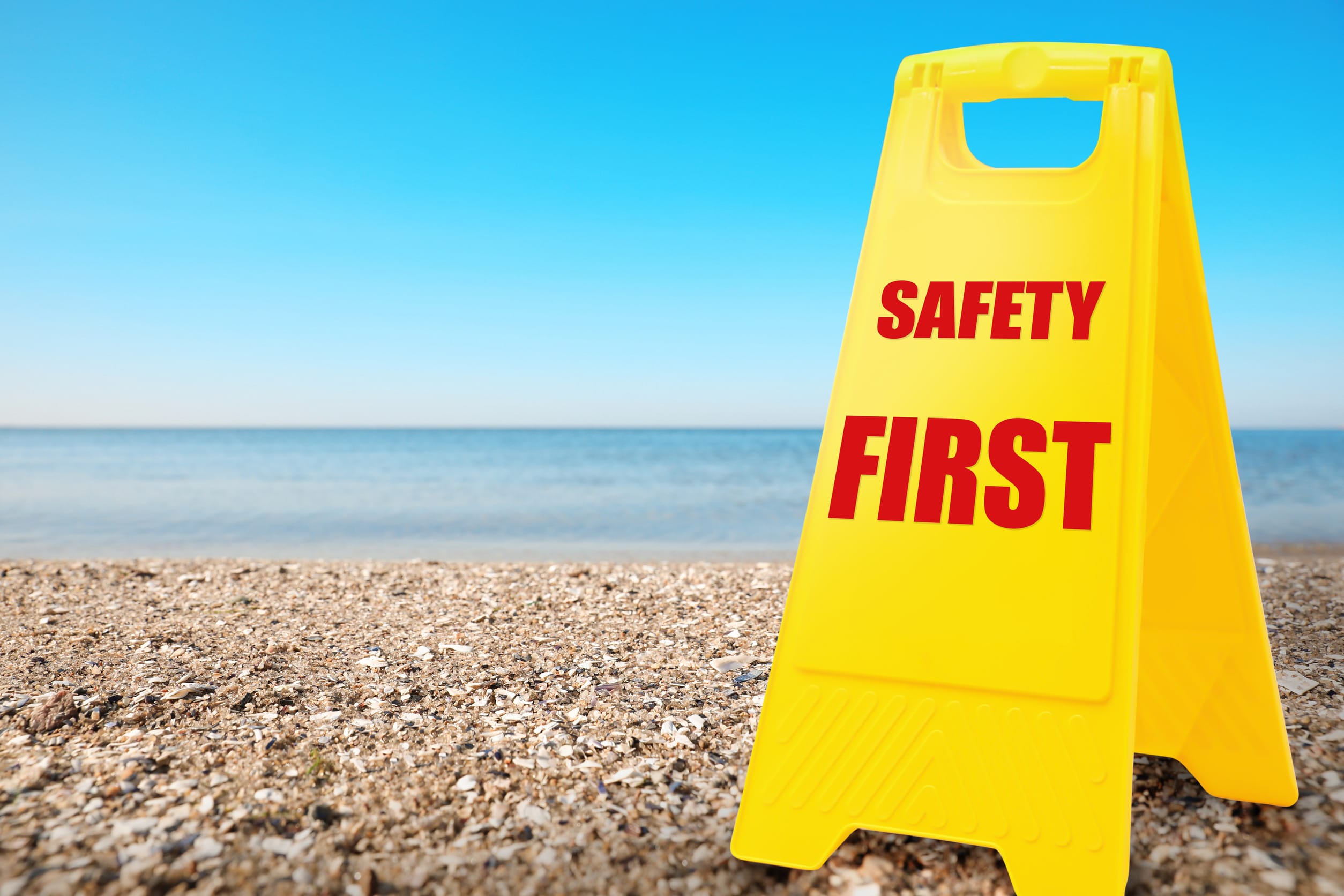
Sign with phrase SAFETY FIRST on sandy beach, space for text

Image Source: 123rf.com

Every day, we move through our routines without giving much thought to the simple safety measures that can have a profound impact on our well-being. Many of us take for granted the small precautions that, if ignored, could lead to dangerous situations.

Whether it’s a habit we’ve developed or a safety tool we overlook, these measures often go unnoticed until it’s too late. Understanding and implementing these strategies can significantly reduce risks and help protect us from unexpected harm. Here, we explore five critical safety measures that you might be ignoring but that could ultimately save your life.

Being Aware Of Your Surroundings

In our busy lives, it’s easy to get lost in thought or distracted by technology, leaving us unaware of our surroundings. This lack of attention can make you vulnerable to accidents or even criminal activities. By making a conscious effort to be aware of the people, environment, and potential hazards around you, you can react more effectively in emergencies. Whether walking in a parking lot or navigating a crowded street, being observant is your first line of defense. Cultivating this habit requires mindfulness and consistent practice in daily routines.

Regularly Updating Emergency Contact Information

Many of us assume our emergency contact details are set and forget them, but outdated information can be dangerous in a crisis. In emergencies, every second counts, and incorrect or outdated contacts can delay crucial assistance. Ensuring that your phone, workplace, and medical records have up-to-date emergency contacts is a simple yet vital task. This small step can make all the difference in ensuring help arrives promptly when needed. Taking a few minutes each month to verify and update your emergency contacts can safeguard you in critical moments.

Utilizing Vehicle Safety Tools

Modern vehicles are equipped with advanced safety features, yet many drivers remain unaware of the additional tools available for emergencies. Items such as seatbelt cutters, glass breakers, and portable GPS trackers can be lifesavers if you find yourself in a dangerous situation. Keeping these tools in an accessible location in your car can provide an extra layer of security. Familiarizing yourself with how and when to use these devices ensures that you’re prepared for unforeseen circumstances. Investing in your vehicle’s safety isn’t just about technology—it’s about proactive preparedness.

Regular Fire and Carbon Monoxide Safety Checks

Fire against smoke detector

Image Source: 123rf.com

Smoke detectors, carbon monoxide alarms, and fire extinguishers are critical components of home safety, yet they often go unchecked. Failing to test these devices regularly can result in malfunction when you need them most. Incorporating routine checks into your monthly schedule can ensure these devices are fully operational. Regular maintenance, such as battery replacements and system tests, can prevent catastrophic failures during emergencies. Protecting your home and loved ones starts with these simple, preventative measures.

Taking Personal Health Precautions Seriously

Often, we neglect our own health in the rush of daily responsibilities, ignoring regular check-ups or important screenings. Overlooking these crucial health measures can lead to undiagnosed conditions that might have been treated early. Scheduling routine appointments and listening to your body’s warning signs are fundamental steps in safeguarding your long-term health. Proactive health management includes maintaining a balanced diet, exercising regularly, and managing stress effectively. Taking personal health precautions seriously is an investment in your future well-being.

Overlooked Safety Measures Can Impact Your Life

Small, often overlooked safety measures can have a profound impact on your quality of life and even save your life. By integrating situational awareness, updating emergency contacts, utilizing vehicle safety tools, maintaining home safety devices, and prioritizing your health, you build a comprehensive safety net for yourself. These proactive steps are crucial in preventing accidents and minimizing risks in everyday life. Your safety is not something to take lightly—invest in these habits and protect yourself today.

What safety measures have you found most effective in your daily routine? Share your experiences and tips in the comments below!

Read More:

Road Trip Safety: No One Should Travel Without These 12 Essentials In Their Car

The Scary Reason You Should Never Ignore a Stranger Asking for Directions

Latrice Perez

Latrice is a dedicated professional with a rich background in social work, complemented by an Associate Degree in the field. Her journey has been uniquely shaped by the rewarding experience of being a stay-at-home mom to her two children, aged 13 and 5. This role has not only been a testament to her commitment to family but has also provided her with invaluable life lessons and insights.

As a mother, Latrice has embraced the opportunity to educate her children on essential life skills, with a special focus on financial literacy, the nuances of life, and the importance of inner peace.

Filed Under: safety Tagged With: emergency preparedness, health precautions, home safety, Lifestyle, personal safety, preventive measures, situational awareness, vehicle safety

Danger in Crowded Spaces: 10 Things To Look Out For In Large Crowds

March 23, 2025 by Latrice Perez Leave a Comment

Shot of a crowd of young people at an outdoor music festival.

Image Source: 123rf.com

Attending events with large crowds can be exhilarating, offering shared experiences that bring people together. However, these gatherings also come with inherent risks that can escalate rapidly if not properly managed. From crowd surges leading to crushing injuries to the threat of trampling during sudden movements, the dangers are real and often underestimated. Understanding these risks is crucial for anyone planning to participate in large events, as it empowers individuals to take proactive steps in ensuring their safety amidst the masses. ​

1. Overcrowding

Overcrowding can lead to dangerous situations like stampedes or crushing. Always be mindful of the crowd density around you. If you feel confined or notice that movement is becoming restricted, it may be wise to move to a less crowded area. Being aware of your surroundings can help you avoid potential hazards associated with overcrowding.

2. Inadequate Emergency Exits

Inadequate or poorly marked emergency exits can pose significant risks in crowded venues. In emergencies, insufficient exits can lead to bottlenecks, increasing the potential for crowd crushes. Upon entering any venue, identify all available exits, not just the main ones. Knowing alternative routes can be crucial during an emergency evacuation. Always ensure you’re aware of the nearest exits to your location.

3. Uncontrolled Crowd Surges

Sudden movements within a crowd, known as crowd surges, can be dangerous. These surges often occur when large groups push toward a focal point, such as a stage or exit. The resulting pressure can lead to individuals being knocked over and trampled. To minimize risk, remain aware of the crowd’s dynamics and avoid areas where surges are likely. If caught in a surge, move diagonally to the periphery to escape the pressure.

4. Presence of Aggressive Individuals

Large gatherings can sometimes attract individuals with aggressive intentions. Altercations in crowded spaces can escalate quickly, posing risks to bystanders. Maintain situational awareness and distance yourself from any signs of conflict. If an incident occurs nearby, move away calmly to avoid becoming inadvertently involved. Prioritizing personal safety over curiosity is essential in such scenarios.

5. Pickpocketing and Theft

Pickpocket

Image Source: 123rf.com

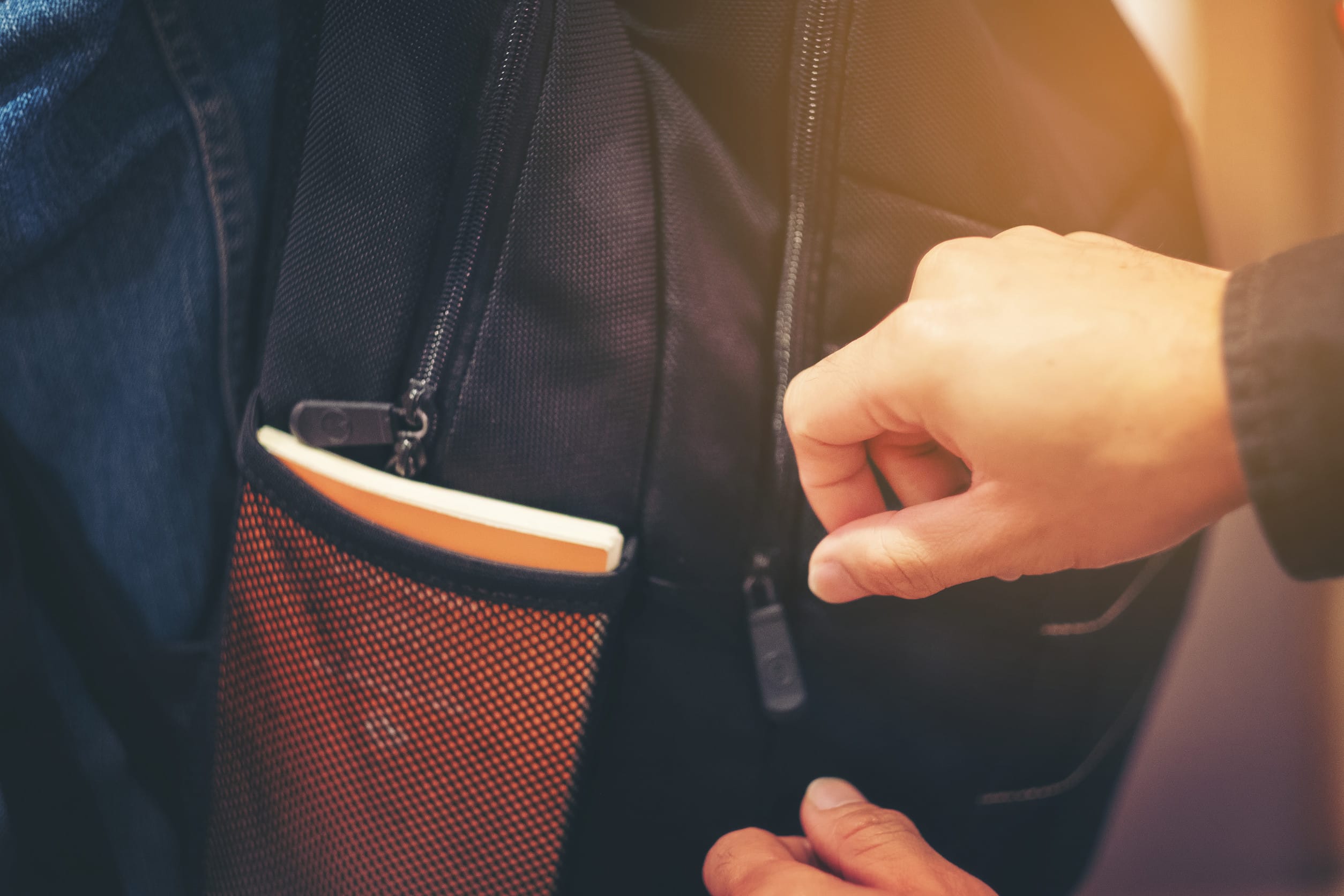
Crowded environments are prime areas for pickpockets and thieves. The close proximity of individuals provides cover for illicit activities. Keep valuables secured and out of easy reach. Utilize bags that close securely and consider wearing them in front. Stay vigilant, especially in tightly packed areas, to deter potential thieves.

6. Limited Access to Medical Assistance

In dense crowds, accessing medical assistance can be challenging. Delays in emergency response times are common due to congestion. Familiarize yourself with the event’s medical stations upon arrival. In case of a medical emergency, alert nearby staff or security personnel immediately. Prompt action can be critical in ensuring timely medical intervention.

7. Fire Hazards

Fire outbreaks in crowded spaces can lead to catastrophic outcomes. Obstructed exits and flammable materials increase the risk. Upon entering a venue, note the locations of fire extinguishers and emergency exits. Avoid overcrowded areas where escape routes may be compromised. In the event of a fire, remain calm and follow established evacuation procedures.

8. Structural Failures

Overcrowding can lead to structural failures in venues not designed to accommodate large numbers. This includes collapsing floors, stages, or bleachers. Be cautious of signs indicating structural stress, such as unusual noises or visible cracks. If you suspect a structural issue, distance yourself from the area and notify authorities. Prioritizing safety over convenience is crucial in such situations.

9. Poor Crowd Management

Ineffective crowd management can exacerbate dangers in large gatherings. Lack of clear signage, insufficient staff, and inadequate communication contribute to confusion. Attend events organized by reputable entities known for proper crowd control measures. If you notice disorganization upon arrival, remain extra vigilant and plan your movements accordingly. Being proactive can mitigate potential risks associated with poor management.

10. Health Risks

Close contact in crowded spaces increases the transmission risk of infectious diseases. Practicing good hygiene, such as regular hand sanitization, is essential. Wearing masks in indoor or densely packed outdoor settings can provide additional protection. Stay informed about any health advisories related to the event or location. Prioritizing health precautions helps safeguard both personal and public well-being.

Staying Safe in Crowded Environments

Attending large events can be enjoyable, but it’s vital to remain aware of potential hazards. By staying vigilant and prepared, you can navigate crowded spaces safely. Always prioritize personal safety and be proactive in recognizing and avoiding potential dangers. Your awareness and actions play a crucial role in ensuring a secure experience in any large gathering.

Have you ever found yourself in a dangerous position in a crowded space? What did you do to protect yourself? Let us know in the comments.

Read More:

9 Phrases That Could Save You If Someone Tries to Kidnap You

8 Privacy Settings Everyone Should Change Immediately

Latrice Perez

Latrice is a dedicated professional with a rich background in social work, complemented by an Associate Degree in the field. Her journey has been uniquely shaped by the rewarding experience of being a stay-at-home mom to her two children, aged 13 and 5. This role has not only been a testament to her commitment to family but has also provided her with invaluable life lessons and insights.

As a mother, Latrice has embraced the opportunity to educate her children on essential life skills, with a special focus on financial literacy, the nuances of life, and the importance of inner peace.

Filed Under: Public Safety Tagged With: crowd safety, emergency preparedness, personal safety, public awareness, situational awareness

How Criminals Pick Their Targets—8 Everyday Mistakes That Make You Vulnerable

March 20, 2025 by Latrice Perez Leave a Comment

Choosing a Target

Image Source: 123rf.com

Most people think criminals only go after careless victims, but the truth is, even the most cautious individuals can unknowingly make themselves vulnerable. Criminals don’t pick their targets at random—they look for signs of opportunity, weakness, or distraction. Small, everyday habits could be putting you on their radar without you even realizing it. Whether it’s a burglar eyeing your home, a scammer tracking your digital footprint, or a pickpocket spotting an easy grab, your daily routine might be working against you. Here are eight common mistakes that could make you a target—and how to protect yourself.

1. Oversharing on Social Media

It’s tempting to post about vacations, big purchases, or even your daily routine, but criminals are watching. Announcing that you’re out of town signals that your home is empty and ripe for a break-in. Sharing personal details, like where you work or frequent hangouts, can also make it easier for stalkers or scammers to track you. Even posting about valuable items—like a new car or expensive jewelry—can put you on a criminal’s list. If you must share, wait until you’re back home and keep location tags and personal details to a minimum.

2. Leaving Your Car Unlocked—Even for a Minute

You might think it’s harmless to leave your car running while you run into a store or quickly step away, but criminals see this as an open invitation. Even in seemingly safe neighborhoods, car thieves look for easy opportunities. Unlocked doors, visible valuables, or even an open window can turn your car into a prime target. Some thieves even watch gas stations or driveways for distracted owners. Always lock your car, even if you’re only stepping away for a second—it only takes a moment for a criminal to make their move.

3. Walking While Distracted

Scrolling on your phone or wearing noise-canceling headphones while walking can make you an easy mark for pickpockets or attackers. Criminals prefer distracted victims because they’re less likely to notice suspicious activity or react quickly. Whether you’re in a parking lot, on public transportation, or walking alone at night, staying aware of your surroundings is crucial. Hold your head up, keep your phone in your pocket, and always be aware of who is around you. A little attentiveness can make all the difference in avoiding trouble.

4. Ignoring Strange Behavior in Public

Most people brush off odd behavior, assuming they’re being paranoid, but criminals often test potential victims before striking. A pickpocket might bump into you to see how you react, while a scam artist may linger near an ATM, looking for distracted individuals. If someone is watching you too closely, following you, or behaving suspiciously, trust your instincts. Move to a safer location, alert security if necessary, and never hesitate to call for help. Awareness is one of your best defenses.

5. Using Weak or Reused Passwords

In today’s digital world, cybercriminals are constantly looking for ways to break into your accounts. Using the same weak password across multiple platforms makes it easy for hackers to gain access to your personal and financial information. Once they crack one account, they can often use that information to access others, leading to identity theft or financial loss. Always use strong, unique passwords and enable two-factor authentication whenever possible. A password manager can help keep your credentials secure without the hassle of remembering them all.

6. Keeping Your Home in “Vacation Mode”

An overflowing mailbox in the lobby of an apartment building. Mailboxes full of letters with apartment numbers

Image Source: 123rf.com

An overflowing mailbox, dark windows, and no car in the driveway are dead giveaways that no one is home. Burglars look for these signs to identify houses that are easy to break into. If you’re going on vacation, ask a neighbor to collect your mail, use timers for lights, and consider leaving a car in the driveway. Installing a security system or video doorbell can also deter criminals by showing them they’re being watched. Making your home look lived-in—even when you’re away—can keep it off a burglar’s list.

7. Getting Too Comfortable with Strangers

Not every friendly stranger has bad intentions, but criminals often use charm and deception to lower their victims’ guard. Scammers, thieves, and even predators rely on people’s natural trust to gain access to information, homes, or valuables. They may pose as salespeople, lost tourists, or even law enforcement to manipulate you. Be polite but cautious, and never share personal details or allow someone into your home unless you’re absolutely sure of their intentions. Trust your instincts—if something feels off, it probably is.

8. Relying on Routine Too Much

Having a predictable routine can make you an easy target, especially for criminals who watch and wait. If you always leave for work at the same time, park in the same spot, or take the same jogging route, someone with bad intentions can easily anticipate your movements. Changing up your routine, using different entrances, and varying your schedule can make it harder for criminals to track you. Staying unpredictable keeps you one step ahead of anyone looking for an opportunity.

They Look for Easy Targets

Criminals look for easy targets, and often, small habits can make all the difference in whether you’re chosen or ignored. By staying aware of your surroundings, securing your digital and physical spaces, and trusting your instincts, you can reduce the chances of becoming a victim. Crime can happen anywhere, but being proactive and making smart choices can keep you and your loved ones safe.

Have you ever made one of these mistakes without realizing it? What other everyday habits could put someone at risk? Share your thoughts in the comments!

Read More:

Think You’re Helping? The Risky Truth About Giving Money to the Homeless at Stoplights

Why Some Criminals Leave a Water Bottle on Your Car Tire—And What It Means

Latrice Perez

Latrice is a dedicated professional with a rich background in social work, complemented by an Associate Degree in the field. Her journey has been uniquely shaped by the rewarding experience of being a stay-at-home mom to her two children, aged 13 and 5. This role has not only been a testament to her commitment to family but has also provided her with invaluable life lessons and insights.

As a mother, Latrice has embraced the opportunity to educate her children on essential life skills, with a special focus on financial literacy, the nuances of life, and the importance of inner peace.

Filed Under: safety Tagged With: burglary prevention, crime prevention, cybercrime, identity theft, personal safety, security tips, self-defense, situational awareness

FOLLOW US

Search this site:

Recent Posts

  • Can My Savings Account Affect My Financial Aid? by Tamila McDonald
  • 12 Ways Gen X’s Views Clash with Millennials… by Tamila McDonald
  • What Advantages and Disadvantages Are There To… by Jacob Sensiba
  • 10 Tactics for Building an Emergency Fund from Scratch by Vanessa Bermudez
  • Call 911: Go To the Emergency Room Immediately If… by Stephen Kanaval
  • 7 Weird Things You Can Sell Online by Tamila McDonald
  • 10 Scary Facts About DriveTime by Tamila McDonald

Copyright © 2026 · News Pro Theme on Genesis Framework