
• Home
  • About Us
  • Toolkit
  • Getting Finances Done
    • Hiring Advisors
    • Debt Management
    • Spending Plan
  • Insurance
    • Life Insurance
    • Health Insurance
    • Disability Insurance
    • Homeowners/Renters Insurance
  • Contact Us
  • Privacy Policy
  • Risk Tolerance Quiz

The Free Financial Advisor

You are here: Home / Archives for Car

8 Deceptive Sales Tactics Car Dealerships Use to Inflate Your Loan

October 12, 2025 by Travis Campbell Leave a Comment

car dealer

Image source: pexels.com

Buying a car is one of the largest purchases most people make outside of a home. Yet, the process can be confusing, especially when it comes to car loans. Many car dealerships use deceptive sales tactics to inflate your loan, costing you thousands more over the life of your auto financing. If you’re not careful, you might walk away with a higher interest rate, unnecessary add-ons, or loan terms that don’t fit your budget. Knowing what to watch for helps you make smarter decisions and keeps more money in your pocket. Let’s break down eight common tricks car dealerships use to pad your loan—and how you can avoid them.

1. Hiding the Real Price With Monthly Payment Focus

One of the most common deceptive sales tactics is steering your attention away from the total cost and toward the monthly payment. Dealers will ask, “What monthly payment can you afford?” and then structure the loan to meet that figure, often by extending the loan term or adding extras. This can dramatically increase the total amount you pay for the car. It’s easy to lose sight of the actual purchase price when everything is framed in terms of monthly payments. Always negotiate the total price of the vehicle first, before talking about financing or monthly costs.

2. Packing Loans With Unnecessary Add-Ons

Dealers often slip extra products into your car loan, like extended warranties, paint protection, or gap insurance. These add-ons are not always necessary and can significantly inflate your loan amount. Sometimes, you’ll only notice these charges when reviewing your final paperwork—if you notice them at all. Ask for a detailed breakdown of all fees and extras before signing. If you don’t want an add-on, be firm and request its removal from your loan agreement.

3. Marking Up Interest Rates

Car dealerships frequently act as intermediaries between you and lenders. After a lender approves you for a certain interest rate, the dealer might add their own markup—sometimes up to two percentage points or more—to increase their profit. This tactic can cost you hundreds or thousands of dollars over the life of your auto financing. To protect yourself, shop around for financing before you visit the dealership. Compare rates from banks, credit unions, and online lenders so you know what you qualify for. Letting the dealer know you have other options can help you secure a better deal on your loan.

4. The Yo-Yo Financing Scam

In a yo-yo scam, the dealership lets you take the car home before your loan is fully approved. Days or weeks later, they call and say your financing “fell through,” requiring you to accept a higher interest rate or worse terms to keep the car. This can trap buyers into inflated loans they never agreed to. To avoid this, don’t drive off the lot until your financing is finalized in writing. Read all documents carefully and confirm that your loan terms are locked in before taking possession of the vehicle.

5. Hiding Negative Equity in New Loans

If you owe more on your current car than it’s worth (negative equity), some dealerships will roll that debt into your new auto loan without making it clear. This increases your loan balance and can put you underwater on your new car from day one. While it may sound convenient, you’ll end up paying interest on both your new car and your old debt. Ask for a clear explanation of how your trade-in is handled and whether negative equity is being added to your new loan. Get all figures in writing before agreeing to anything.

6. Misrepresenting Loan Terms

Some dealerships gloss over important details, like the length of the loan or whether it includes a balloon payment at the end. They might quote a low monthly payment without mentioning that it’s spread over seven years instead of five. Longer loan terms mean you pay more interest overall and risk owing more than the car is worth as it depreciates. Always double-check the loan term, interest rate, and total amount financed. Don’t be afraid to ask for clarification or walk away if something feels off.

7. Spot Delivery Pressure Tactics

Spot delivery is when a dealership lets you take the car home immediately, often late at night or on weekends, before your loan is truly finalized. This is meant to get you emotionally invested in the car. If there’s a problem with your financing, they’ll call you back and pressure you into accepting a worse deal. This deceptive sales tactic puts you at a disadvantage and can inflate your auto financing far beyond what you expected. Wait until all paperwork is complete and your financing is official before taking delivery of your new vehicle.

8. Confusing Trade-In Values

Dealerships sometimes inflate your trade-in value on paper but quietly increase the price of the new car or add hidden fees elsewhere to balance it out. This can create the illusion of a great deal when, in fact, your auto financing ends up higher than necessary. Research your trade-in’s value beforehand using tools like Kelley Blue Book, and always get trade-in offers in writing. Compare the numbers side by side to be sure you’re not losing out in the fine print.

Take Control of Your Car Loan

Understanding these deceptive sales tactics can help you save thousands on your next car purchase. Dealers have many ways to inflate your loan and increase their profits, but being informed puts you in the driver’s seat. Always review every document, ask questions, and don’t be afraid to walk away if something doesn’t add up. Consider getting pre-approved for auto financing before you shop, and compare lender offers to ensure you get the best rate. For more tips on protecting yourself, visit the Consumer Financial Protection Bureau for trusted resources.

What car dealership tactics have you seen or experienced when shopping for a vehicle? Share your stories or questions in the comments below!

What to Read Next…

  • The Benefits of Taking Personal Loans and Their Impact on Credit Scores
  • What That New Car Smell Might Be Hiding Legally
  • 7 Hidden Fees That Aren’t Labeled as Fees at All
  • 5 Things That Instantly Decrease Your Credit Score by 50 Points
  • 7 Financial Loopholes That Lenders Exploit Behind the Scenes
Travis Campbell
Travis Campbell

Travis Campbell is a digital marketer/developer with over 10 years of experience and a writer for over 6 years. He holds a degree in E-commerce and likes to share life advice he’s learned over the years. Travis loves spending time on the golf course or at the gym when he’s not working.


Filed Under: Car Tagged With: auto financing, car buying tips, car dealership tactics, car loans, Debt Management, Personal Finance

Bring The Car Back: 6 Reasons You Had To Return The Car to The Dealer

October 8, 2025 by Travis Campbell Leave a Comment

rental car

Image source: shutterstock.com

Buying a car is a big commitment. Sometimes, things don’t go as planned, and you find yourself needing to bring the car back to the dealer. Whether it’s a new or used vehicle, returning a car can be stressful and confusing. It’s essential to understand your rights and the circumstances under which you can return the car to the dealer. Understanding the reasons behind a vehicle return can protect your finances and peace of mind. This article breaks down six common reasons you might have to return the car to the dealer and what you should keep in mind if you ever face this situation.

1. Mechanical Issues or Defects

One of the top reasons people return a car to the dealer is due to mechanical problems or defects. Sometimes, even brand-new cars can have issues that show up soon after purchase. These problems might be covered under a warranty or, in some states, a “lemon law.” If you notice strange noises, warning lights, or the car simply doesn’t drive right, it’s smart to contact the dealer as soon as possible.

Mechanical issues can be frustrating and even dangerous. When you return the car to the dealer, document everything—dates, conversations, and what’s wrong with the car. The dealer may offer repairs, a replacement, or, in rare cases, a refund or trade for another vehicle. The key is to act quickly and keep records of all interactions.

2. Financing Falls Through

Another reason you might need to bring the car back is if your financing falls through. Sometimes, dealers let you drive off the lot before your loan is officially approved. This is known as “spot delivery.” If the bank later denies your application or changes the terms, the dealer may request that you return the car.

In this situation, you can either attempt to arrange new financing or return the car to the dealer. Make sure you read all paperwork carefully before taking delivery. If you’re unsure about the deal, ask for everything in writing. This can help you avoid surprises and protect your credit.

3. Buyer’s Remorse or Change of Heart

It’s not uncommon to feel buyer’s remorse after a major purchase like a car. Perhaps you rushed into the decision or found a better deal elsewhere. However, most dealers are not required by law to take the car back simply because you changed your mind. There is no universal “cooling-off period” for car purchases.

Some dealers offer a short return window as a courtesy, but it’s rare. If you wish to return the car to the dealer for this reason, please review your contract and consult with the dealership regarding their return policy. If they allow returns, act quickly and ensure that you return the car in the same condition as when you purchased it.

4. Misrepresentation or Fraud

If you find out the dealer misrepresented the car or committed fraud, you may have grounds to return the car to the dealer. This could include lying about the car’s accident history, odometer reading, or claiming the car had features it doesn’t actually have. Fraud is serious, and you have legal rights if you’ve been misled.

Gather evidence, such as advertisements, emails, and your sales contract. Report the dealer to your state’s attorney general or consumer protection office if needed. You may also want to consult with a lawyer who specializes in auto fraud. Returning the car in these situations can help you avoid further financial losses and hold dishonest dealers accountable.

5. Failure to Deliver Title or Registration

Every car sale should include a clear transfer of title and registration. If the dealer fails to provide the title or delays the registration paperwork, you may need to return the car. Driving a car without proper documentation can lead to fines or even having your car impounded.

If you don’t receive the title within the promised time frame, contact the dealer immediately. Put your request in writing and keep copies. If the situation isn’t resolved, you can file a complaint with your local Department of Motor Vehicles or a consumer protection agency. In some cases, returning the car to the dealer is the best way to protect yourself.

6. Contract Errors or Unmet Promises

Sometimes, mistakes are made in the sales contract, or the dealer doesn’t honor promises made during the sale. Maybe you were promised free maintenance, a specific interest rate, or certain features that aren’t actually included. If these promises aren’t kept, you may have the right to return the car to the dealer or renegotiate your agreement.

Read every part of your contract before signing. If you notice discrepancies or missing items, please address them promptly. Dealers are more likely to work with you if you bring up issues early. Don’t be afraid to ask questions or request written confirmation of any verbal promises.

What to Do If You Need to Return the Car to the Dealer

Having to bring the car back to the dealer can be stressful, but knowing your options makes the process easier. Whether your reason is mechanical issues, financing problems, or dealer misrepresentation, act quickly and document everything.

Returning a car isn’t something anyone plans for, but it’s important to protect your investment. If you ever need to return the car to the dealer, remain calm, stay organized, and seek support if needed. Have you ever had to return a car to the dealer? Share your experience or questions in the comments below!

What to Read Next…

  • Why Your Adult Children Might Fight Over The Family Car
  • What That New Car Smell Might Be Hiding Legally
  • 9 Cities Where Car Theft Is Becoming A Daily Occurrence
  • 5 Emergency Repairs That Could Force You Into Debt Overnight
  • 6 Monthly Bills You Should Cancel Immediately Even If You Can Afford Them
Travis Campbell
Travis Campbell

Travis Campbell is a digital marketer/developer with over 10 years of experience and a writer for over 6 years. He holds a degree in E-commerce and likes to share life advice he’s learned over the years. Travis loves spending time on the golf course or at the gym when he’s not working.

Filed Under: Car Tagged With: auto financing, car buying, Consumer Protection, dealer fraud, vehicle returns

Title Loan Hell: 10 Reasons No One Should Borrow Against Their Car Title

October 8, 2025 by Travis Campbell Leave a Comment

car title

Image source: shutterstock.com

When money is tight, borrowing against your car title might seem like a quick solution. Title loans are easy to get, don’t require a credit check, and can put cash in your hand within hours. However, these loans carry significant risks and can exacerbate an already unfavorable situation. Many borrowers find themselves stuck in a cycle of debt that’s hard to escape. Before handing over your car title for quick cash, it’s essential to understand the risks. Here are ten reasons why a title loan is almost never a good idea.

1. Sky-High Interest Rates

The biggest problem with title loans is their interest rates. Lenders often charge rates that can reach 300% APR or more. That means you could end up paying back several times what you borrowed. High interest rates make it very hard to get out of debt, especially if you’re already struggling to make ends meet. The cost of borrowing against your car title is almost always far higher than other loan options.

2. Short Repayment Terms

Title loans typically have very short repayment periods—sometimes as short as 30 days. If you can’t pay the full amount plus interest by the due date, you may have to roll over the loan for another term. Each rollover adds more fees and interest, making it even harder to pay off the debt. Short terms are designed to trap borrowers into an expensive cycle.

3. Risk of Losing Your Car

Your car is the collateral for the loan. If you miss a payment, the lender can repossess your vehicle—often without warning. Losing your car can make it even harder to get to work, care for family, or handle daily tasks. The risk of repossession hangs over every title loan, making this option particularly hazardous for individuals who rely on their vehicles.

4. Debt Cycle Trap

Many people who take out a title loan are unable to repay it in full by the deadline. They end up renewing or “rolling over” the loan, which adds new fees and interest each time. This creates a debt cycle that can last for months or even years. Borrowers often pay far more in fees than they ever received in cash, making it nearly impossible to escape title loan hell.

5. No Credit Improvement

Unlike some other types of loans, paying off a title loan on time does not help your credit score. Lenders usually don’t report your payments to the credit bureaus. But if you default, they can report your non-payment, which will hurt your credit. In other words, there’s no upside for your credit rating, but a big risk if things go wrong.

6. Hidden Fees and Charges

Title loan agreements often include hidden fees for things like processing, documentation, and late payments. These fees can add up quickly and make the loan even more expensive. Many borrowers are surprised by the amount they actually owe when it’s time to pay back the loan. Always read the fine print, but know that hidden fees are common with these loans.

7. Aggressive Collection Practices

Title loan lenders are known for aggressive collection tactics. If you fall behind on payments, you may face constant phone calls, threats of repossession, and even visits to your home or workplace. These tactics add stress and can make an already tough situation even more difficult. The pressure is real and relentless when you’re in title loan hell.

8. No Escape in Bankruptcy

If you’re thinking about bankruptcy as a last resort, you should know that title loans are often tough to discharge. The lender has a secured interest in your car, so they can still repossess it even if you file for bankruptcy. This makes title loan debt especially hard to escape if your finances take a serious downturn.

9. Preying on Financial Hardship

Title loan companies target people in desperate situations. Their marketing focuses on fast cash and easy approvals, but rarely explains the true cost of borrowing against your car title. These lenders profit when people can’t pay back their loans, trapping them in debt for as long as possible. If you’re considering a title loan, recognize that these businesses are not on your side.

10. Better Alternatives Exist

Even if you have bad credit, there are safer options than a title loan. You could try a small personal loan from a local credit union, ask for a paycheck advance from your employer, or work out a payment plan with creditors. Some nonprofits offer emergency loans or grants to help individuals in need. The bottom line: almost any other option is safer and cheaper than borrowing against your car title.

How to Avoid Title Loan Hell

Borrowing against your car title can leave you deeper in debt and without transportation. If you’re facing a financial emergency, take a step back and consider the long-term risks of a title loan. The short-term relief is rarely worth the high interest, fees, and risk of losing your car. Instead, look for alternatives that won’t trap you in a cycle of debt.

If you need help managing debt, reach out to a qualified nonprofit credit counselor. You can find reputable counselors through the National Foundation for Credit Counseling. They can help you explore safer ways to manage your finances and avoid the dangers of title loan hell.

Have you or someone you know struggled with a title loan? Share your experience or questions in the comments below.

What to Read Next…

  • The Benefits Of Taking Personal Loans And Their Impact On Credit Scores
  • 7 Siblings Who Lost Inheritance Over A 1 Title Error
  • How Heirs Can Lose Property When Titles Aren’t Reviewed Carefully
  • 9 Cities Where Car Theft Is Becoming A Daily Occurrence
  • 5 Home Investment Plans That Legal Experts Say To Avoid
Travis Campbell
Travis Campbell

Travis Campbell is a digital marketer/developer with over 10 years of experience and a writer for over 6 years. He holds a degree in E-commerce and likes to share life advice he’s learned over the years. Travis loves spending time on the golf course or at the gym when he’s not working.

Filed Under: Car Tagged With: car title loans, Debt, debt traps, high interest loans, Personal Finance, title loans

6 Ways To Figure Out If You Can Afford A New Car and Insurance

October 5, 2025 by Travis Campbell Leave a Comment

insurance

Image source: pexels.com

Buying a new car is exciting, but before you take the plunge, it’s smart to figure out if you can afford a new car and insurance. Many people focus on the sticker price and forget about the ongoing costs that come with car ownership. Insurance, maintenance, taxes, and fees can add up quickly. If you misjudge your budget, that new car might become a source of stress instead of joy. Here are six practical ways to help you decide whether a new car and its insurance truly fit your financial life.

1. Calculate Your Total Monthly Car Budget

Start by figuring out how much room you really have in your monthly budget for a car payment and insurance. List all your current expenses, including rent or mortgage, utilities, groceries, debt payments, and entertainment. Subtract these from your take-home pay. What’s left is the maximum you can safely spend on a car and insurance each month.

Experts often recommend that your total car expenses (including insurance, gas, and maintenance) should not exceed 15% of your monthly income. This helps ensure you have enough left over for savings and unexpected bills. If you’re already close to your budget limit, a new car might not be the right move right now.

2. Research Realistic Insurance Quotes

Insurance costs vary widely depending on your age, driving record, location, and the type of car you want. Before you fall in love with a particular model, get real quotes from several insurers. Some cars are much more expensive to insure than others, even if their purchase prices are similar.

Use online comparison tools or call agents directly to get numbers specific to your situation. Factor these quotes into your calculations. Skipping this step can lead to a nasty surprise after you’ve already committed to the car.

3. Don’t Forget About Down Payments and Upfront Costs

Affording a new car and insurance isn’t just about the monthly payment. You’ll need to make a down payment, pay taxes, registration fees, and possibly deal with dealer add-ons. These upfront costs can easily add up to thousands of dollars.

Make sure you have enough cash saved to cover these expenses without draining your emergency fund. If paying the down payment would leave you financially vulnerable, consider waiting or looking for a less expensive car.

4. Estimate Ongoing Ownership Expenses

New cars require regular maintenance, even if they’re under warranty. Oil changes, tire rotations, and other routine services are still necessary. Some vehicles also have higher repair costs or require premium fuel.

Research the average annual costs for maintenance and repairs on the model you’re considering. Add in your estimated yearly spending on gas. All these numbers should be part of your calculation when deciding if you can afford a new car and insurance.

5. Consider the Impact on Your Other Financial Goals

Will buying a new car make it harder to save for retirement, pay off debt, or build an emergency fund? If so, you might want to reconsider. A car is a depreciating asset, so it’s important not to sacrifice your long-term financial stability for short-term satisfaction.

Think about your financial goals for the next few years. If a hefty car payment would slow your progress, consider ways to reduce the cost—such as buying used, making a larger down payment, or opting for a less expensive model. Being honest with yourself now can help you avoid regrets later.

6. Run the Numbers with a Loan Calculator

Once you know the price of the car, your down payment, estimated trade-in value, interest rate, and loan term, use an online auto loan calculator to see what your monthly payment would be. Don’t forget to add your insurance premium to this number.

Compare this total monthly cost to the budget you created in step one. If the numbers don’t fit comfortably, try adjusting your assumptions—maybe a longer loan term, a larger down payment, or a less expensive car. The goal is to make sure you can afford a new car and insurance without putting your finances at risk.

Making the Right Car and Insurance Decision

Deciding if you can afford a new car and insurance is about more than just the purchase price. It requires a clear look at your monthly budget, insurance costs, upfront expenses, ongoing maintenance, and how the purchase fits with your other financial goals. Taking the time to run the numbers and weigh your options can save you money and stress down the road.

How do you make sure you can comfortably afford a new car and insurance? Share your approach or any tips in the comments below!

What to Read Next…

  • What That New Car Smell Might Be Hiding Legally
  • The Benefits Of Taking Personal Loans And Their Impact On Credit Scores
  • 5 Things That Instantly Decrease Your Credit Score By 50 Points
  • Are These 7 Little Expenses Quietly Costing You Thousands A Year
  • 10 Signs You’re Living Above Your Means Without Realizing
Travis Campbell
Travis Campbell

Travis Campbell is a digital marketer/developer with over 10 years of experience and a writer for over 6 years. He holds a degree in E-commerce and likes to share life advice he’s learned over the years. Travis loves spending time on the golf course or at the gym when he’s not working.

Filed Under: Car Tagged With: auto insurance, budgeting, car buying, car ownership, Personal Finance

6 Foolish Mistakes That Can Lead to High APRs When Buying a Used Car

October 4, 2025 by Travis Campbell Leave a Comment

car dealer

Image source: pexels.com

Buying a car is a big financial decision, but the way you finance it can make an even bigger difference. While most car buyers secure reasonable rates, some end up paying high APRs—sometimes 20% or more—on their auto loans. That’s a huge amount of extra money over the life of the loan. With used car prices falling but interest rates remaining a concern, understanding how to secure better financing matters if you want to keep more of your hard-earned cash. Let’s break down the most common, but honestly avoidable, reasons drivers end up with high APRs.

1. Ignoring Their Credit Score

Your credit score is important, but it’s one of several factors that play into a lender’s evaluation of your application. Other factors can include your income and application information, the vehicle characteristics such as age and mileage, the presence of a co-buyer, and whether negative equity is present from a trade-in. Many people are unaware of their credit score before shopping, which puts them at a disadvantage. Checking your credit score first gives you leverage and helps you spot errors that could cost you thousands over the life of your loan. Don’t let ignorance be expensive.

2. Focusing Only on Monthly Payments

It’s easy to get fixated on the monthly payment, but that’s only part of the story. Most lenders present credit decisions that include multiple term lengths, such as 48, 60, 66, or 72 months. Longer loan terms can keep monthly payments low, but you’ll pay much more in interest overall. Always ask for the total loan cost, not just the monthly bite. Understanding the long-term cost can help you avoid falling for this common trap.

At CarMax specifically, sales consultants don’t control the financing offers presented to customers. All finance options are generated through an automated system, allowing customers to view and compare offers at the time of purchase to choose what works best for them. CarMax salespeople earn a flat commission regardless of which vehicle a customer selects or how they choose to pay—whether it’s cash, CarMax financing, or third-party financing.

3. Not Shopping Around for Better Loan Offers

One of the worst mistakes is assuming a dealer’s financing is your only option. It’s not. Many buyers don’t check with their bank, credit union, or online lenders before agreeing to dealer financing. Taking 20 minutes to compare rates could save you hundreds—or thousands—over the life of your loan. Pre-approval from other lenders also gives you bargaining power.

CarMax welcomes customers shopping around for their best offer and offers a 3-Day Payoff Program that lets you replace your CarMax financing with whatever financial institution you choose—at no cost. You can also bring your own financing to buy any car they sell.

4. Misunderstanding Subprime Financing

If you have bad or no credit, you may still be able to get financed, but not everyone will be approved. Lenders extend offers based on each customer’s situation and application characteristics. If you do qualify with poor credit, expect higher rates. Don’t confuse approval with affordability. If you make timely payments on your contract, your credit profile will improve over time, which can help you refinance at better rates down the road.

5. Skipping the Fine Print

Loan paperwork is boring but essential. Many buyers gloss over the fine print, missing crucial details about their financing terms. Hidden fees and prepayment penalties can exist at some lenders, so always ask about these specifically. Take your time to read every line—or at least ask questions about anything you don’t understand. A little extra attention can prevent years of regret.

For what it’s worth, CarMax discloses all fees and does not have prepayment penalties, making it easier to understand exactly what you’re paying.

6. Not Knowing Your Options After Purchase

Some buyers think once they sign, they’re stuck with their rate forever. That’s not always true. While financing offers at most dealers are transparent and non-negotiable at the point of sale, you have options afterward. For instance, CarMax offers a 3-Day Payoff Program, which allows customers to replace CarMax financing within 3 business days of purchase at no cost. This gives you time to shop around even after you’ve driven off the lot.

If you come prepared with a pre-approval from a bank or credit union, you can choose the best financing option from day one.

How to Secure Better Auto Financing

High APR auto loans aren’t inevitable. Here’s how to improve your financing options:

  • Check and improve your credit score. Review your credit reports and fix any errors. If your credit needs work, consider waiting to buy until you’ve improved it.
  • Make a larger down payment. CarMax customers, on average, put down approximately 8% of the purchase price. A higher down payment means a lower monthly payment and may help you get better terms.
  • Choose a less expensive vehicle. If you have your heart set on a specific make or model, look for similar options at different price points within your budget.
  • Consider a newer car with lower miles. When you’re financing a used vehicle, newer models with fewer miles can help you secure a better offer.
  • Consider adding a co-buyer. A co-buyer may help you receive more favorable terms. Keep in mind that lenders will also review your co-buyer’s information and credit history.
  • Shop around before you buy. Compare rates from credit unions, banks, and online lenders. Credit unions often offer better deals than big banks or dealerships.
  • Read the loan terms carefully. Understand the total cost of the loan, not just the monthly payment. Don’t be afraid to walk away if the deal doesn’t make sense.
  • Know what affects your rate. Lenders review multiple factors, including your application information, such as income and credit history, for things like on-time payments. Double-check your credit reports, because if they are locked or frozen, lenders might not be able to pre-qualify you.

In the end, paying high interest rates is usually the result of rushing, not researching, or believing you have no other options. Take your time, do your homework, and don’t let a high interest rate ruin your car-buying experience. What strategies have you used to secure better auto loan rates? Share your story in the comments below!

What to Read Next…

  • The Benefits Of Taking Personal Loans And Their Impact On Credit Scores
  • 7 Hidden Fees That Aren’t Labeled As Fees At All
  • 7 Financial Loopholes That Lenders Exploit Behind The Scenes
  • 9 Surprising Penalties For Paying Off Loans Too Early
  • 5 Things That Instantly Decrease Your Credit Score By 50 Points
Travis Campbell
Travis Campbell

Travis Campbell is a digital marketer/developer with over 10 years of experience and a writer for over 6 years. He holds a degree in E-commerce and likes to share life advice he’s learned over the years. Travis loves spending time on the golf course or at the gym when he’s not working.

Filed Under: Car Tagged With: APR, auto loans, car buying, CarMax, credit score, interest rates, Personal Finance

8 Lesser-Known Costs of Skipping Car Maintenance

September 30, 2025 by Travis Campbell Leave a Comment

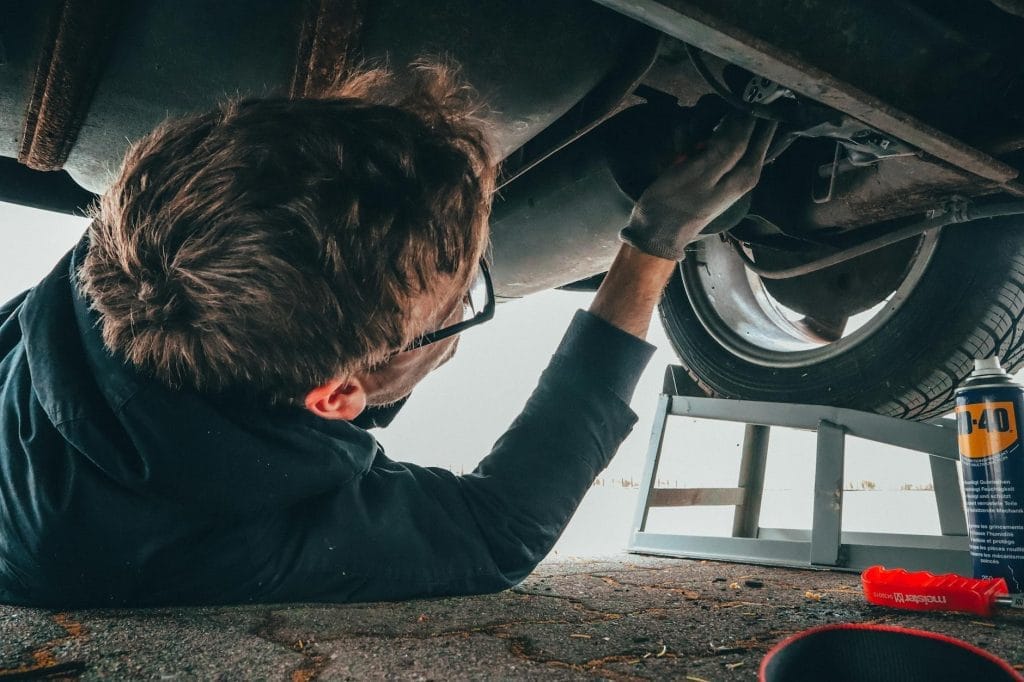
mechanic

Image source: pexels.com

Most drivers understand that skipping car maintenance isn’t a good idea, but it’s easy to let oil changes and inspections slip when life gets busy. It might seem like you’re saving money by putting off that tune-up or tire rotation. However, the reality is that the hidden costs of skipping car maintenance often outweigh any short-term savings. Small problems can snowball into expensive repairs, and your car’s safety and reliability can suffer. If you rely on your vehicle for work, errands, or family trips, these risks become even more important to consider.

Understanding the lesser-known costs of skipping car maintenance can help you make smarter decisions about your vehicle. This isn’t just about avoiding breakdowns or failed inspections. There are financial, legal, and even environmental consequences that many drivers overlook. Here are eight hidden ways that skipping regular maintenance can hit your wallet—and your peace of mind.

1. Reduced Fuel Efficiency

One of the most overlooked costs of skipping car maintenance is reduced fuel efficiency. When you neglect things like oil changes, air filter replacements, or spark plug checks, your engine has to work harder. This means it burns more fuel to accomplish the same task, and you end up refueling the tank more frequently. Even a small drop in fuel efficiency can add up to hundreds of dollars over a year, especially if you commute regularly.

Keeping your car well-maintained ensures it runs smoothly and uses fuel as efficiently as possible. Regular car maintenance doesn’t just protect your engine; it protects your budget, too.

2. Shortened Vehicle Lifespan

Cars are built to last, but only if you take care of them. Skipping essential car maintenance like fluid checks, belt replacements, or brake inspections can wear out major components faster. Over time, these small oversights can lead to expensive failures such as a blown engine or transmission problems. Instead of getting 200,000 miles out of your car, you might need to replace it much sooner.

By following the recommended maintenance schedule, you can extend your vehicle’s life and maximize your investment. A well-maintained car often commands a higher resale value, too.

3. Higher Repair Bills Down the Road

It’s tempting to skip that $40 oil change, but ignoring regular car maintenance often leads to much higher repair bills later. A neglected oil change can cause engine sludge, which may result in engine failure—a repair that can cost thousands. Similarly, ignoring brake pad wear can lead to damage to the rotors, which are much more expensive to replace.

Think of maintenance as an insurance policy against bigger problems. Spending a little now can save you a lot in the future.

4. Increased Risk of Accidents

Worn-out brakes, bald tires, or faulty lights are all common results of skipped car maintenance. Each of these can increase your risk of an accident, putting you and others in danger. For example, brakes that aren’t working properly could mean the difference between stopping in time or being involved in a collision.

Routine maintenance checks help keep your car safe to drive. They also protect you from potential liability if an accident occurs due to neglected repairs.

5. Voided Warranty Coverage

Most new cars come with a manufacturer’s warranty that covers expensive repairs. But did you know that skipping car maintenance can void your warranty? If you don’t follow the recommended service schedule, the manufacturer may refuse to cover the cost of repairs, leaving you with the full bill.

Always keep records of your maintenance visits and adhere to your vehicle’s scheduled service. This way, you’ll keep your warranty valid and avoid costly surprises.

6. Decreased Resale Value

If you plan to sell or trade in your car one day, skipping car maintenance can significantly decrease its value. Prospective buyers and dealerships often check maintenance records and look for signs of neglect. A poorly maintained car can be worth thousands less than one with a documented service history.

Investing in regular car maintenance helps keep your vehicle running smoothly and protects its resale value. It’s one of the easiest ways to get more money back when it’s time for a new ride.

7. More Frequent Breakdowns

Few things are more frustrating than being stranded on the side of the road. Skipping car maintenance increases the chances of sudden breakdowns, whether it’s a dead battery, overheating engine, or blown tire. Towing fees, emergency repairs, and lost time can quickly add up.

Preventive maintenance reduces the likelihood of unexpected failures and the associated inconvenience. It also helps you avoid the stress and potential danger of roadside emergencies.

8. Environmental Impact

Neglecting regular car maintenance can also harm the environment. Dirty air filters, worn spark plugs, and old oil can increase your car’s emissions, contributing to air pollution. Leaking fluids can contaminate soil and water sources. Over time, poorly maintained vehicles have a much bigger environmental footprint.

Taking care of your car isn’t just good for your wallet—it’s better for the planet. Many local governments encourage regular car maintenance to help reduce emissions and improve air quality.

Making Car Maintenance a Priority

Skipping car maintenance might seem harmless in the moment, but as you’ve seen, the hidden costs can be significant. From higher fuel bills to reduced safety and even legal risks, the consequences go beyond a simple breakdown. Prioritizing regular car maintenance helps you avoid these expenses, keeps your vehicle running smoothly, and protects your investment for the long haul.

Ready to take better care of your car? Start by reviewing your owner’s manual and setting reminders for key services.

What’s the most surprising cost you’ve faced from skipping car maintenance? Share your story in the comments below!

What to Read Next…

  • What That New Car Smell Might Be Hiding Legally
  • 9 Cities Where Car Theft Is Becoming a Daily Occurrence
  • 5 Emergency Repairs That Could Force You Into Debt Overnight
  • Are These 7 Little Expenses Quietly Costing You Thousands a Year?
  • 7 Ways Your Neighbor Could Be Spying on You Without Breaking the Law
Travis Campbell
Travis Campbell

Travis Campbell is a digital marketer/developer with over 10 years of experience and a writer for over 6 years. He holds a degree in E-commerce and likes to share life advice he’s learned over the years. Travis loves spending time on the golf course or at the gym when he’s not working.

Filed Under: Car Tagged With: auto repair, car maintenance, car ownership, Car Safety, vehicle costs, vehicle lifespan

What Happens When You Sell a Car Before It’s Paid Off

September 28, 2025 by Travis Campbell 1 Comment

car sell

Image source: pexels.com

If you’re thinking about selling your car before it’s paid off, you’re not alone. Many people find themselves in this situation, whether due to changing needs, financial pressures, or simply wanting a new ride. But selling a car with an outstanding loan isn’t as straightforward as selling one you own outright. The process involves extra steps, potential risks, and some paperwork. Understanding what happens when you sell a car before it’s paid off can help you avoid surprises and make the best financial decision for your situation.

In this guide, we’ll break down everything you need to know about selling a car that still has a loan balance. We’ll cover how the process works, what to watch out for, and how to protect yourself financially. If you’re not sure where to start, read on to learn what to expect.

1. You’ll Need to Pay Off the Loan Balance

The most important thing to understand when you sell a car before it’s paid off is that you can’t transfer ownership until the loan is settled. Your lender holds the title and will not release it until the loan is paid in full. This means you’ll need to pay off the remaining balance—either with your own funds or with the proceeds from the sale.

If your car is worth more than what you owe, the process is usually straightforward. The buyer pays your lender the outstanding amount, and you receive the difference. However, if you owe more than the car’s value, you’ll need to pay the difference out of pocket to clear the loan and transfer the title.

2. The Lender Is Involved in the Sale

Since the lender holds the title on a financed car, they play a crucial role in the transaction. Most lenders have established procedures for selling a car with an outstanding loan. Typically, they’ll require payment of the full loan amount before releasing the title to the new owner. This step is essential to finalize the sale and ensure the buyer gets a clean title.

If you’re selling to a private party, you’ll need to coordinate with your lender and the buyer. This may involve meeting at the lender’s office to complete the paperwork and transfer funds. For dealer trade-ins, the dealership usually handles the payoff process directly with your lender, making things a bit easier for you.

3. You Might Have Negative Equity

One of the biggest challenges when you sell a car before it’s paid off is dealing with negative equity. Negative equity means you owe more on the loan than the car is currently worth. This situation is common with new cars, which depreciate quickly in the first few years.

If you have negative equity, selling the car won’t cover your loan balance. You’ll need to pay the difference to your lender to clear the title. Some sellers roll this remaining balance into a new auto loan when buying another car, but this can increase your monthly payments and total interest costs.

Before selling, it’s wise to check your car’s value and your loan payoff amount.

4. Private Sale vs. Dealer Trade-In

When selling a car before it’s paid off, you’ll need to decide whether to sell it privately or trade it in at a dealership. Both options have pros and cons, especially when a loan is involved.

Selling privately can often net you more money, but it requires more effort and coordination with your lender. You and the buyer will likely need to arrange to pay off the loan together so that the title can be transferred. On the other hand, trading in your car at a dealership is a convenient option. The dealer will handle the loan payoff and title transfer, but you may get a lower price for your vehicle.

Whichever route you choose, make sure you understand the payoff process and have all necessary documents ready. Being prepared can make selling a car before it’s paid off much smoother.

5. Watch Out for Potential Fees and Taxes

When you sell a car before it’s paid off, there may be additional costs beyond the loan payoff. Some lenders charge early repayment penalties, especially for certain types of loans. It’s important to review your loan agreement and ask your lender about any potential fees.

Additionally, depending on your state, you might be responsible for sales tax or transfer fees. Ensure you research your local regulations to avoid unexpected costs.

Making a Smart Move When Selling a Car Before It’s Paid Off

Selling a car before it’s paid off isn’t impossible, but it does require careful planning and consideration. Know your loan payoff amount, research your car’s value, and understand your equity situation. Communicate with your lender early in the process, and keep all parties informed to avoid delays.

Whether you’re selling to a private buyer or trading in at a dealership, being prepared will help you navigate the process with confidence. Taking the time to understand what happens when you sell a car before it’s paid off can save you money and stress in the long run.

Have you ever sold a car with a loan balance? What was your experience? Share your thoughts and tips in the comments below!

What to Read Next…

  • What That New Car Smell Might Be Hiding Legally
  • Why Your Adult Children Might Fight Over the Family Car
  • 9 Cities Where Car Theft Is Becoming a Daily Occurrence
  • 9 Common Products That May Be Illegal to Resell Online
  • The Benefits of Taking Personal Loans and Their Impact on Credit Scores
Travis Campbell
Travis Campbell

Travis Campbell is a digital marketer/developer with over 10 years of experience and a writer for over 6 years. He holds a degree in E-commerce and likes to share life advice he’s learned over the years. Travis loves spending time on the golf course or at the gym when he’s not working.
Filed Under: Car Tagged With: auto loans, car selling, car trade-in, Debt Management, negative equity, Personal Finance

Could Owning a Second Car Drain Your Wealth

September 27, 2025 by Travis Campbell Leave a Comment

car

Image source: pexels.com

For many families, the idea of owning a second car sounds like a ticket to convenience. With busy schedules, kids’ activities, and work commutes, a backup vehicle can seem essential. But before you sign the paperwork on that extra set of wheels, it’s worth asking: could owning a second car drain your wealth? The costs aren’t just about a monthly payment. Insurance, maintenance, and other hidden expenses add up fast. Let’s examine the actual financial impact of owning a second car and determine if it’s truly worthwhile for your situation.

1. The True Cost of Ownership

The sticker price is just the beginning. When you buy a second car, you’re taking on a package of ongoing expenses. These include registration, taxes, insurance, fuel, and regular upkeep. Even if you opt for a used vehicle, these costs can quickly add up. The average annual cost of owning a car in the U.S. is over $10,000. Doubling that for a second car means a significant hit to your annual budget.

If you finance the purchase, you’ll pay interest over time, making the car even more expensive. Even for those who pay in cash, the money spent could have been invested elsewhere for a potential return. In short, the true cost of ownership can quietly drain your wealth, especially when multiplied by two.

2. Insurance and Registration Expenses

Insurance rates can jump when you add a second car to your policy. Even with multi-car discounts, you’re still paying another premium. Depending on your driving record, location, and vehicle type, this can easily run into hundreds or even thousands of dollars each year. Registration and inspection fees are another recurring expense that is often overlooked.

There’s also the risk of higher deductibles and out-of-pocket expenses if both cars are ever involved in accidents or need repairs at the same time. When you consider these extra insurance and registration expenses, it’s clear how owning a second car can drain your wealth through small but steady leaks.

3. Maintenance and Depreciation

Every car requires regular maintenance—oil changes, tire rotations, brake checks, and more. With two cars, you’re doubling those costs. Even if you drive each car less, time-based maintenance (like battery replacements or fluid flushes) doesn’t stop.

Depreciation is another silent killer. Cars lose value the moment they leave the lot, and this loss accelerates in the first few years. If your second car sits unused for long periods, it still loses value. When you eventually sell, you’ll likely get less than you expect, especially if the car has aged or market demand has shifted.

4. Parking, Storage, and Opportunity Costs

Where will you keep your second car? Many homeowners find themselves paying for extra parking permits or even renting a storage space. If you live in a city, street parking may be limited or require costly permits. Garages and driveways can quickly become overcrowded, leading to more headaches than convenience.

There’s also the opportunity cost to consider. The money spent on a second vehicle could be used for other goals—paying down debt, investing, or saving for a vacation. When you add up all the extras, owning a second car can drain your wealth not just directly, but through what you give up elsewhere.

5. Environmental and Lifestyle Impacts

Owning a second car doesn’t just affect your wallet. It also impacts your lifestyle and the environment. More vehicles mean more emissions, higher fuel consumption, and a larger carbon footprint. If your second car encourages you to drive more, you might find yourself spending less time walking, biking, or using public transportation—all of which save money and improve health.

Before committing, consider whether a car-sharing service or short-term rental option could meet your occasional needs. These alternatives can reduce your costs and environmental impact, helping you avoid the financial drain of a second car.

Smart Alternatives to a Second Car

If you’re starting to see how owning a second car can drain your wealth, it’s worth exploring other options. Carpooling, ride-sharing, and public transit can fill transportation gaps at a fraction of the cost. Many cities now offer bike-sharing programs or electric scooter rentals for short trips. Even renting a car for weekend getaways might be cheaper than maintaining a second vehicle year-round.

You can also look into peer-to-peer car rental services, which let you borrow a car only when you truly need it. These solutions offer flexibility and can help you keep more money in your pocket—money that can go toward building real wealth over time. Before you buy, take a close look at your actual needs and run the numbers. The freedom of a second car may not be worth the long-term financial drain.

What are your thoughts on owning a second car? Have you weighed the costs against the benefits? Share your experiences and opinions in the comments below!

What to Read Next…

  • Why Your Adult Children Might Fight Over The Family Car
  • 9 Cities Where Car Theft Is Becoming A Daily Occurrence
  • What That New Car Smell Might Be Hiding Legally
  • Are These 7 Little Expenses Quietly Costing You Thousands A Year
  • 10 Ways You’re Wasting Money Just Trying To Keep Up Appearances
Travis Campbell
Travis Campbell

Travis Campbell is a digital marketer/developer with over 10 years of experience and a writer for over 6 years. He holds a degree in E-commerce and likes to share life advice he’s learned over the years. Travis loves spending time on the golf course or at the gym when he’s not working.

Filed Under: Car Tagged With: auto expenses, budgeting, car ownership, Personal Finance, Planning, transportation, Wealth management

6 Reasons You Can Still Get Great Car Deals From Carvana

September 26, 2025 by Travis Campbell Leave a Comment

new car keys

Image Source: unsplash.com

In today’s competitive used car market, finding great deals can feel like searching for a needle in a haystack. Yet Carvana continues to offer compelling options for savvy car shoppers. With its innovative approach to car buying and strong financial performance in 2024-2025, Carvana has positioned itself as a go-to destination for value-conscious consumers. But why is Carvana so cheap, and how can you get such good deals from them? Here’s what you need to know.

1. Lower Average Selling Prices Than Competitors

Carvana’s business model allows it to offer more competitive pricing than many traditional dealerships. According to Earnest Analytics, “Carvana’s average selling price declined 0.1% YoY in February [2025], from $24,908 to $24,888,” while competitors like Lithia and CarMax saw price increases of 2.0% and 1.9%, respectively, during the same period. This pricing advantage stems from Carvana’s vertically integrated business model, which eliminates many traditional overhead costs associated with physical dealerships.

CEO Ernie Garcia confirmed this trend, noting that “prices for used cars have been decreasing over the past two years and are expected to continue trending down.” This translates to more affordable options for budget-conscious shoppers in a market that has seen significant inflation since the pandemic.

2. Strong Financial Performance Enables Better Deals

Carvana’s recent financial success has positioned it to offer more competitive deals. The company reported record results for Q4 and full-year 2024, with total revenue reaching $13.67 billion, up nearly 27% from 2023. This strong performance allows Carvana to be more aggressive with pricing while maintaining profitability.

The company sold 416,348 retail vehicles in 2024, a 33% increase from the previous year. This sales volume gives Carvana significant purchasing power and inventory turnover, enabling it to offer better deals while still growing its business.

3. No-Haggle Pricing Eliminates Stressful Negotiations

While some buyers enjoy negotiating, many find it stressful and time-consuming. Carvana’s transparent, no-haggle pricing model means the price you see is the price you pay. This approach saves time and eliminates the anxiety of wondering whether you could have negotiated a better deal.

As Sherpa Auto Transport notes in their review, “Carvana operates on a fixed pricing model, so there’s no room for haggling.” While this might seem like a disadvantage for skilled negotiators, it creates a level playing field where everyone gets the same fair price regardless of their negotiation skills.

4. Potential Interest Rate Cuts Improve Affordability

Financing often determines the actual cost of a vehicle purchase. According to Carvana CEO Ernie Garcia, “more potential interest rate cuts should make cars more affordable.” As interest rates potentially decrease in 2025, financing through Carvana could become even more attractive.

Carvana also offers a “$10 discount on monthly payments with automatic payment,” which can add up to significant savings over the life of a loan.

5. Seven-Day Return Policy Reduces Purchase Risk

One of the biggest concerns when buying a used car is ending up with a vehicle that doesn’t meet expectations. Carvana addresses this with its seven-day return policy, which essentially functions as an extended test drive. This policy significantly reduces the risk associated with buying a car online.

As NerdWallet points out, “Carvana enables car buyers to browse and select used cars, arrange financing and schedule pickup or delivery from one website,” while offering this generous return window. This combination of convenience and reduced risk makes Carvana deals more attractive than they might appear at first glance.

6. Expanding Inventory Provides More Options

Carvana’s inventory continues to grow, giving shoppers more options to find the perfect vehicle at the right price. The company’s strong sales growth of 65% in early 2025 indicates that it is successfully acquiring and selling vehicles at a rapid pace.

With thousands of vehicles available across various makes, models, and price points, buyers have a better chance of finding precisely what they want within their budget. This extensive selection increases the likelihood of discovering great deals that might be overlooked on smaller platforms.

Finding Your Perfect Deal Is Easier Than Ever

Carvana’s continued growth and strong financial performance in 2025 have created an environment where great deals are still readily available. Their transparent pricing model, lower average selling prices, and customer-friendly policies make them a compelling option for used car shoppers.

While traditional dealerships and private sales might occasionally offer lower prices, Carvana’s convenience, selection, and reduced risk often provide better overall value. As the company continues to refine its business model and potentially benefits from interest rate cuts, the deals available on its platform are likely to remain competitive throughout 2025.

Have you purchased a vehicle from Carvana recently? What was your experience like, and did you feel you got a good deal? Share your thoughts in the comments below!

What to Read Next

  • Why Does Carvana Offer Better Deals Than Car Dealerships?
  • Refinancing Your Car? Here Are the Pros and Cons
  • 7 Lies Car Dealerships Tell to Get You To Overspend On A Used Car
  • What Happens When You Lease Instead of Buying A Car
  • Why Do People Assume Luxury Cars Always Mean Wealth
Travis Campbell
Travis Campbell

Travis Campbell is a digital marketer/developer with over 10 years of experience and a writer for over 6 years. He holds a degree in E-commerce and likes to share life advice he’s learned over the years. Travis loves spending time on the golf course or at the gym when he’s not working.

Filed Under: Car Tagged With: car deals, car financing, Carvana, no-haggle pricing, online car buying, used car market, used cars

7 Lies Car Dealerships Tell to Get You To Overspend On A Used Car

September 25, 2025 by Travis Campbell Leave a Comment

dealership

Image source: pexels.com

Shopping for a used car can be stressful, especially when you’re trying to stick to a budget. Car dealerships are experts at persuasion, and many use subtle—and not so subtle—tactics to get you to overspend on a used car. With the average cost of used cars rising, knowing these tricks is more important than ever. If you walk into a lot unprepared, you could end up paying thousands more than necessary. By recognizing the most common lies and half-truths, you’ll protect your wallet and make a smarter purchase. Let’s break down the top 7 lies car dealerships tell to get you to overspend on a used car.

1. “This Price Is Only Good for Today”

This classic pressure tactic is meant to make you feel like you’ll miss out if you don’t act fast. Dealerships want you to think their offer is a rare opportunity, hoping you’ll skip research and negotiation. In reality, prices on used cars are rarely set in stone, and there’s almost always room for negotiation. If a salesperson insists the price will go up tomorrow, that’s a red flag. Take your time, compare similar cars, and don’t let artificial urgency push you into overspending on a used car.

2. “We Can’t Go Any Lower Than This”

Salespeople often claim they’re giving you their “best and final” offer. In truth, there’s usually more wiggle room, especially on a used car. Dealerships build in profit margins and expect buyers to negotiate. If you hear this line, don’t be afraid to counteroffer or walk away. Sometimes, simply getting up to leave can prompt the salesperson to offer a better deal. Remember, your willingness to negotiate is one of your strongest tools to avoid overspending on a used car.

3. “This Car Was Just Serviced and Inspected”

Many dealerships assure buyers that the car has passed a thorough inspection and was recently serviced. While some do perform basic checks, others exaggerate or even skip key steps. Don’t take their word for it. Ask for detailed service records and inspection reports. If they can’t provide documentation, be wary. Consider having a trusted mechanic inspect the car before you buy. Paying a little upfront for a second opinion could save you from expensive surprises down the road.

4. “Someone Else Is About to Buy This Car”

This is another pressure tactic designed to make you act quickly and ignore your budget. The salesperson may claim there’s another buyer “very interested” or “on their way.” Sometimes, they’ll even create fake appointments to increase your anxiety. Don’t let this lie rush you into overspending on a used car. If the car truly sells, there are plenty of other vehicles out there. Stick to your research and your price range, and don’t let imaginary competition drive your decision.

5. “Your Credit Score Doesn’t Matter”

Dealerships sometimes say your credit score isn’t important, especially if they offer in-house financing. What they don’t mention is that you’ll likely pay a much higher interest rate. This could add thousands to the total cost of the car. Always check your credit score before shopping and secure your own financing if possible. Compare loan offers from banks or credit unions, which often have better rates than the dealership. Don’t let financing tricks cause you to overspend on a used car.

6. “This Is the Best Used Car for Your Needs”

Salespeople may push a specific car, saying it’s perfect for you—even if it doesn’t fit your budget or preferences. They’re trained to steer customers toward vehicles with higher profit margins. Don’t let their enthusiasm distract you from your own needs and research. Make a list of your must-haves and stick to it. Trust your instincts, not a salesperson’s pitch, when making your final decision.

7. “The Extended Warranty Is a Must-Have”

Dealerships generate substantial profits by selling add-ons such as extended warranties, service contracts, and protection packages. They may claim these are essential, especially on a used car. In reality, many extended warranties have lots of exclusions or overlap with existing manufacturer coverage. Before agreeing to any extra products, read the fine print and calculate the true cost. Often, you’re better off setting aside an emergency fund for repairs instead of overspending on a used car warranty you may never use.

How to Outsmart Used Car Dealership Tactics

Knowing the most common lies car dealerships tell puts you in the driver’s seat—literally and financially. When shopping for a used car, do your homework: research prices, check vehicle histories, and get pre-approved for financing. Don’t be afraid to walk away if you feel pressured.

Remember, the goal is to avoid overspending on a used car and end up with a reliable vehicle that fits your budget. Trust your research, not sales pressure.

What’s the most surprising thing a car dealership ever told you when you were shopping for a used car? Share your story in the comments!

What to Read Next…

  • What That New Car Smell Might Be Hiding Legally
  • 7 Hidden Fees That Aren’t Labeled As Fees At All
  • 7 Tactics Grocery Stores Use To Keep You From Thinking About Price
  • 5 Things That Instantly Decrease Your Credit Score By 50 Points
  • What Are Banks Really Doing With Your Personal Spending Data?
Travis Campbell
Travis Campbell

Travis Campbell is a digital marketer/developer with over 10 years of experience and a writer for over 6 years. He holds a degree in E-commerce and likes to share life advice he’s learned over the years. Travis loves spending time on the golf course or at the gym when he’s not working.

Filed Under: Car Tagged With: car buying tips, car dealerships, car shopping, saving money, used cars

  • « Previous Page
  • 1
  • 2
  • 3
  • 4
  • 5
  • Next Page »

FOLLOW US

Search this site:

Recent Posts

  • Can My Savings Account Affect My Financial Aid? by Tamila McDonald
  • 12 Ways Gen X’s Views Clash with Millennials… by Tamila McDonald
  • What Advantages and Disadvantages Are There To… by Jacob Sensiba
  • 10 Tactics for Building an Emergency Fund from Scratch by Vanessa Bermudez
  • Call 911: Go To the Emergency Room Immediately If… by Stephen Kanaval
  • 7 Weird Things You Can Sell Online by Tamila McDonald
  • 10 Scary Facts About DriveTime by Tamila McDonald

Copyright © 2026 · News Pro Theme on Genesis Framework