• Home
  • About Us
  • Toolkit
  • Getting Finances Done
    • Hiring Advisors
    • Debt Management
    • Spending Plan
  • Insurance
    • Life Insurance
    • Health Insurance
    • Disability Insurance
    • Homeowners/Renters Insurance
  • Contact Us
  • Privacy Policy
  • Risk Tolerance Quiz

The Free Financial Advisor

You are here: Home / Archives for Car

12 Fun Facts About Electric Vehicles That Will Have You Running to the Dealership

May 31, 2024 by Stephen Kanaval Leave a Comment

Tesla horizon

unsplash

Electric vehicles (EVs) are no longer a futuristic dream; they are very much a part of our present reality. With advancements in technology and increasing environmental awareness, EVs are becoming more popular than ever. Here are 12 fun facts about electric vehicles that will make you want to head to the dealership right away.

1. Lightning-Fast Acceleration

Torque

pixabay

One of the most thrilling aspects of driving an EV is the instant torque. Unlike traditional combustion engines, electric motors deliver power immediately, allowing for rapid acceleration. This means EVs can often outperform their gas-guzzling counterparts in terms of speed. Imagine the thrill of going from 0 to 60 mph in just a few seconds. It’s no wonder many sports car enthusiasts are turning to electric models for that adrenaline rush.

2. Lower Maintenance Costs

Car at night

unsplash

Electric vehicles have significantly fewer moving parts compared to traditional internal combustion engine vehicles. This results in lower maintenance costs since there’s no need for oil changes, spark plugs, or complex engine repairs. With fewer components to wear out, EVs tend to have a longer lifespan. This translates to fewer trips to the mechanic and more savings in your pocket over time.

3. Environmentally Friendly

EV charging, small white

pixabay

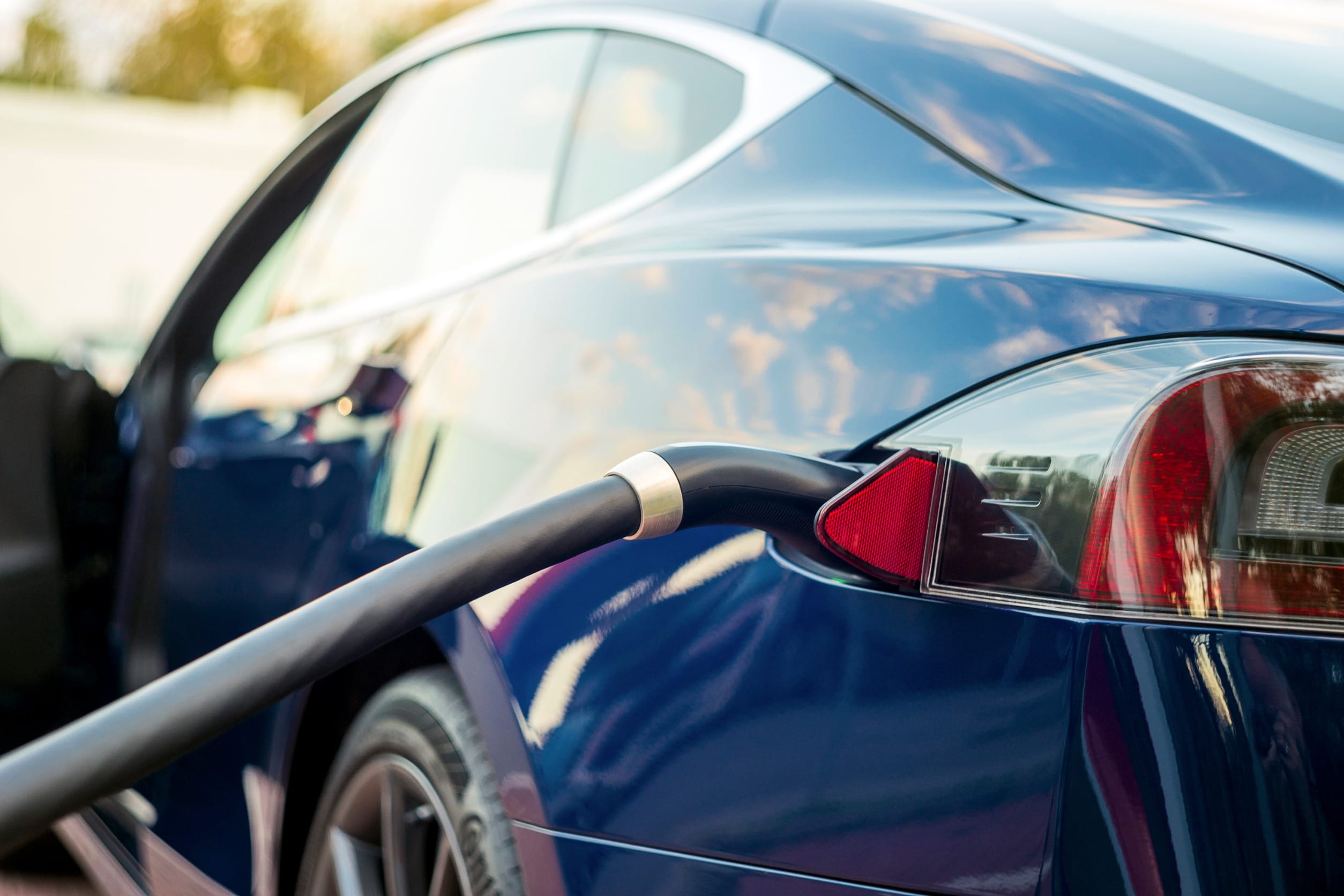
Driving an EV significantly reduces your carbon footprint, contributing to a cleaner and healthier environment. Electric vehicles produce zero tailpipe emissions, which means no harmful pollutants are released into the air. This makes them a much greener choice compared to traditional gasoline or diesel cars.

Additionally, the production and recycling processes for EV batteries are becoming more eco-friendly, further minimizing their environmental impact. Many EV owners also choose to power their vehicles with renewable energy sources such as solar or wind power, which enhances their green credentials. By making the switch to an EV, you are not only supporting cleaner air but also promoting a sustainable future for generations to come.

4. Expanding Charging Infrastructure

Charging EV

123rf

One of the main concerns for potential EV buyers is the availability of charging stations. However, the EV charging infrastructure is rapidly expanding to meet the growing demand. Many cities now boast an extensive network of public charging stations, making it easier than ever to charge your vehicle on the go.

Advancements in home charging solutions also provide convenient options for overnight charging. Furthermore, the number of fast chargers, which can significantly reduce charging time, is on the rise. This growing infrastructure is making long road trips in an EV more practical and less stressful. With each passing year, the convenience of owning an electric vehicle is only increasing.

5. Variety of Models and Prices

EV models

unsplash

The electric vehicle market has evolved tremendously, offering a wide range of models to suit different preferences and budgets. Whether you’re in the market for a compact city car, a spacious family-friendly SUV, or a high-performance sports car, there’s an EV that fits your needs. Automakers are continuously introducing new models with advanced features and improved ranges.

As technology advances and production scales up, the cost of EVs is becoming more affordable. There are now many budget-friendly options available, making it easier for everyone to make the switch to electric. This variety ensures that there is an electric vehicle for every lifestyle and budget.

6. Innovative Technology Features

Inside of Tesla

unsplash

Electric vehicles are often equipped with the latest technology and safety features, setting them apart from traditional cars. From advanced driver-assistance systems that enhance safety to cutting-edge infotainment setups that keep you connected, EVs are at the forefront of automotive innovation.

Many electric cars also come with unique features like regenerative braking, which helps recharge the battery while driving, improving overall efficiency. Mobile apps allow you to monitor and control your vehicle remotely, adding an extra layer of convenience. These technological advancements make driving an EV not only safer but also more enjoyable and efficient.

7. Government Incentives

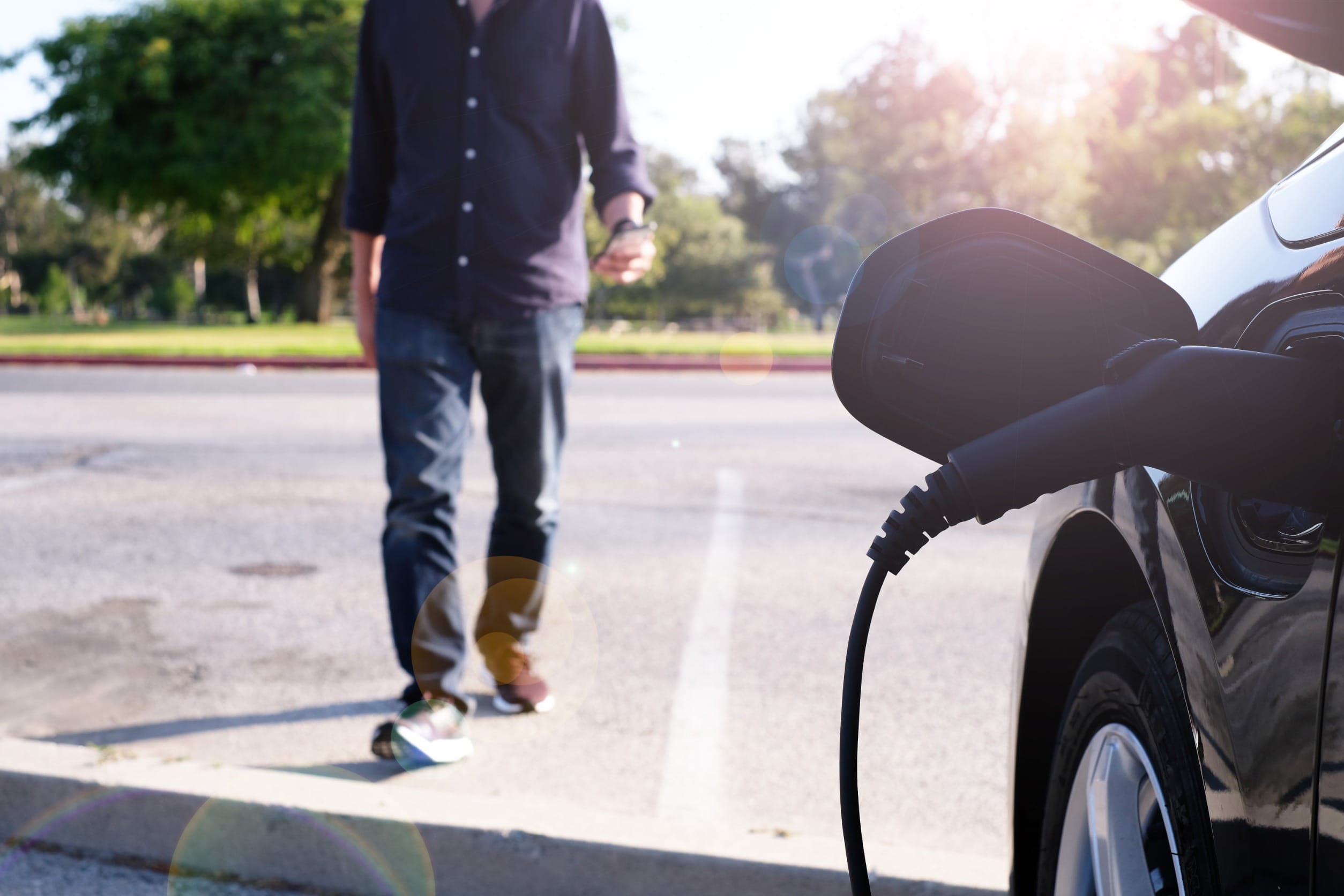
Man walking to EV

123rf

To encourage the adoption of electric vehicles, many governments offer a range of incentives that make purchasing an EV more attractive. These can include tax credits, rebates, and reduced registration fees, significantly lowering the initial cost of an EV.

In some regions, EV owners also enjoy perks like access to carpool lanes, free or discounted parking, and exemption from certain tolls. These incentives can make a substantial difference in the overall cost of ownership, making EVs a more appealing option. By taking advantage of these benefits, you can enjoy both financial savings and the satisfaction of supporting a cleaner environment.

8. Quiet Driving Experience

Car driving, Tesla

unsplash

One of the most noticeable differences when driving an electric vehicle is the noise or lack thereof. Without the noise of a combustion engine, EVs offer a serene driving experience. The absence of engine vibration also contributes to a smoother ride, making your journeys more comfortable.

This quiet operation is not only pleasant for the driver and passengers but also reduces noise pollution in urban areas. The smooth and silent drive of an EV can make your daily commute a more enjoyable and relaxing experience, enhancing your overall quality of life.

9. Lower Energy Costs

EV charging

pixabay

Charging an electric vehicle is generally cheaper than fueling a gasoline-powered car, leading to significant savings over time. Electricity prices are more stable and predictable compared to the often volatile fuel prices. Many EV owners benefit from lower electricity rates when charging during off-peak hours, further reducing energy costs.

Some regions offer special EV charging rates or incentives to encourage the use of electric vehicles. Over the long term, the savings on fuel can add up, making EVs a cost-effective choice for budget-conscious drivers. By switching to an electric vehicle, you can enjoy lower operating costs and a more predictable energy budget.

10. Performance in All Weather Conditions

Chevy in snow

unsplash

Contrary to some misconceptions, electric vehicles perform well in various weather conditions. Modern EVs are designed to handle both cold and hot climates efficiently, thanks to advances in battery technology and thermal management systems. These systems ensure that EVs can deliver reliable performance regardless of the weather.

Many electric models also offer all-wheel drive options, enhancing their capability in challenging conditions such as snow or rain. This adaptability makes EVs a practical choice for drivers in diverse climates, providing confidence and peace of mind no matter the season.

11. Contribution to Energy Independence

Car charging image on street

pixabay

By driving an electric vehicle, you’re supporting a shift towards energy independence. EVs can be powered by domestically produced electricity, reducing reliance on imported oil and contributing to national energy security. This shift has significant economic benefits, as it helps keep energy spending within the country and supports local energy production.

Using renewable energy sources to power EVs further amplifies this positive impact, promoting a sustainable and self-sufficient energy future. Supporting the growth of the EV market and renewable energy industries helps create a more resilient and independent energy landscape.

12. The Cool Factor

EV doors up

unsplash

Let’s face it, driving an electric vehicle is just plain cool. With their sleek designs, futuristic features, and eco-friendly appeal, EVs turn heads everywhere. Being an early adopter of this transformative technology also places you at the forefront of a significant automotive revolution. Embrace the cool factor and enjoy the admiration that comes with driving an electric vehicle.

The Future of Transportation

car time lapse

unsplash

With all these compelling reasons, it’s clear that electric vehicles are more than just a passing trend, they’re the future of transportation. If these fun facts have piqued your interest, why not take the next step? Visit your local dealership, take a test drive, and experience the electric revolution for yourself. Your next car might just be an EV that offers excitement, savings, and a positive impact on the planet.

Stephen Kanaval
Stephen Kanaval

Stephen began his career as a Research Assistant at a reputable middle-market private equity firm, where he honed his skills in market research, financial analysis, and identifying investment opportunities. He then transitioned to full-time financial writing focusing on small-cap biotech innovation and digital payment solutions. Today, Stephen is a value-based retail investor and novice baseball statistician.

Filed Under: Car Tagged With: Driving, Electric Vehicles, EVs, technology

10 Scary Facts About DriveTime

October 16, 2023 by Tamila McDonald Leave a Comment

DriveTime

DriveTime is a chain of car dealerships that use the buy here, pay here model. Essentially, the dealership finances the cars it sells directly. The approach is most commonly considered by individuals with poor credit who struggle to secure financing through traditional means, such as via a bank or credit union. While these types of services can make car ownership possible for those with bad credit, there are usually some significant catches to consider. With that in mind, here are ten scary facts about DriveTime.

1. Incredibly High Interest Rates

While DriveTime advertises interest rates as low as 7.9 percent, that isn’t what the typical DriveTime buyer receives. Instead, the “average deal” listed on the DriveTime website has an interest rate of 22.6 percent (based on data between January 2023 and April 2023). Since that’s an average deal, while some customers do get a better rate, a significant number of DriveTime buyers end up with a higher one.

One of the reasons for the high-interest rate is that DriveTime mainly targets subprime borrowers. However, subprime is classified as having a credit score between 580 and 619, with deep subprime being anyone with a score below 580. Based on data from Experian, the average deal offered by DriveTime has a higher interest rate than the overall average for subprime and deep subprime auto loan customers, which come in at 18.55 percent and 21.32 percent, respectively. Ultimately, that means DriveTime interest rates are likely higher than the average rate for people with bad credit.

It’s also critical to note that DriveTime can charge an interest rate as high as the maximum rate allowed by your state. For some states, the cap is around 36 percent, but a few states have no upper limit. As a result, you’ll need to check your local usury laws to determine the highest allowed rate in your area just to make sure you’re aware, particularly if you have bad credit.

Additionally, DriveTime will allow you to secure your own auto loan if you want to purchase from one of its dealerships. In many cases, that’s worth considering, as you may get more favorable terms.

2. Very Short Limited Warranty

When you buy a car from DriveTime, you may find it enticing that the dealer offers a limited warranty on its vehicles. However, the limited warranty only lasts up to 30 days or 1,500 miles, whichever comes first. Additionally, a limited warranty doesn’t cover every component of a vehicle, so some problems will be your responsibility to fix regardless of when they occur.

Now, local laws may offer you protection against major defects, issues of safety, or other problems. However, getting a dealership to provide services related to the implied warranty typically covered in those rules can require effort, regardless of where you buy a car. Still, since the warranty supplied by DriveTime is so brief, if you experience a problem beyond that period, you’ll have to fight for the implied warranty.

3. DriveTime May Track Your Vehicle

When you buy a car from DriveTime, it comes equipped with a GPS device. In some limited circumstances, DriveTime may use the GPS tracker to determine the location of your vehicle. One such situation could occur if you fail to make your payments, as the GPS data helps the company recover the car.

Before buying a car from DriveTime, it’s critical to understand when the company may use the device. Additionally, ensuring it’s removed after the purchase is complete is potentially wise.

4. No-Haggle Pricing Limits Negotiating

While no-haggle pricing may sound like a positive – and it certainly can be in some situations – it does mean that your ability to negotiate is potentially limited. Whether that’s problematic depends on whether the car you’re considering is being sold at a reasonable price. Fortunately, online tools can help you estimate the value of a vehicle based on its make, model, condition, mileage, and other factors, allowing you to see if the price listed by DriveTime is fair.

5. You’ll Likely Need a Down Payment

Putting a down payment on a car is typically wise, as it lets you limit how much you borrow to reduce the amount you’ll pay in interest and avoid being underwater on your loan. Still, if you’re short on cash, the idea of a $0 down payment is attractive. The issue is that only 10 percent of DriveTime customers who use the company’s financing options are eligible for a $0 down payment, meaning 90 percent will have to make a down payment.

How much the down payment is largely depends on your credit score, and anything but an excellent score typically means having to put money down. Additionally, the price of the vehicle plays a role.

6. Extended Warranty Cover Is Costly

While DriveTime offers a brief limited warranty on any vehicle, if you want to extend the coverage, that may cost a pretty penny. Precisely how much does vary depending on the car involved and the terms selected. However, some customers have been charged nearly half the cost of buying the vehicle.

Some customers also experience issues when attempting to use the extended warranty they purchase, even when the issues seem like they should be covered. Considering the price, that isn’t what most people would expect.

7. No Loaner Vehicles for Covered Repairs

If your car needs a repair that’s covered by the warranty, DriveTime doesn’t have loaner vehicles available to keep you on the road. Additionally, the rental reimbursement amount provided – up to $25.99 per eight hours of labor required to complete the repair – isn’t usually enough to cover the cost of a rental. While the exact price varies based on the vehicle selected and the person’s location, rental cars can run between $50 and $100 a day or more, so the reimbursement may cover as little as half of the cost.

8. Available Cars Can Have High Mileage

While DriveTime does sell a variety of vehicles, many are near or over the high mileage point. Typically, a car is high mileage once it hits about 100,000 miles, and that’s usually a time when higher-cost repairs and maintenance are necessary to keep the vehicle in good shape.

Now, many modern cars have plenty of life, even if they’re classified as high mileage. However, that’s potentially dependent on how well the vehicle was cared for previously. Since maintenance records may not be available through DriveTime – mainly depending on whether they were provided when DriveTime acquired the car – there’s no guarantee it was well maintained previously. As a result, if the mileage is high, issues may begin developing quickly, which can make the cost of ownership go up dramatically in relatively short order.

9. Hundreds of Complaints

While any company can experience its fair share of complaints, there are hundreds of them recorded on the Better Business Bureau website alone. Many of them discuss similar issues, such as a car experiencing a mechanical issue within a relatively short period after the vehicle was purchased. Complaints about challenges when getting repairs are also common, including when trying to use the warranty.

Now, DriveTime also has positive reviews, including many listed on Trustpilot. Still, it’s critical to understand that both good and bad experiences have happened, ensuring you make the best possible choice if you’re considering a vehicle purchase from DriveTime.

10. No Extended Test Drive

Some people prefer to take extended test drives to get a better feel for a vehicle or to take a car they’re considering to a trusted mechanic. If you’re buying from DriveTime, that’s not an option. While a traditional test drive is part of the equation, if you want your own mechanic to examine the vehicle, they’ll need to come to the dealership with you.

Additionally, most DriveTime dealerships don’t have their own service centers on-site. That means they can’t put the vehicle on a lift to make the underside of the car visible for an inspection. As a result, what you or your mechanic can inspect is limited, so even an experienced mechanic may not be able to spot every potential issue if you bring them along.

Do you know of any other scary facts about DriveTime? Have you tried DriveTime and want to tell others about your experience? Share your thoughts in the comments below.

Read More:

  • The Top 5 Most Common Myths and Misconceptions About Certified Pre-Owned Vehicles
  • How to Retrieve Your Vehicle After Repossession
  • How to Recover Finances After Getting into a Motor Vehicle Accident
Tamila McDonald
Tamila McDonald

Tamila McDonald is a U.S. Army veteran with 20 years of service, including five years as a military financial advisor. After retiring from the Army, she spent eight years as an AFCPE-certified personal financial advisor for wounded warriors and their families. Now she writes about personal finance and benefits programs for numerous financial websites.

Filed Under: Car Tagged With: 10 Scary Facts About DriveTime, DriveTime May Track Your Vehicle, Incredibly High Interest Rates, No-Haggle Pricing Limits Negotiating

7 Ways to Reduce Your Car Insurance Premiums This Fall

September 5, 2023 by Erin H. Leave a Comment

If you own a car, you must have insurance to drive it. Insurance costs can get pretty hefty, especially when you finance your vehicle. However, you can take some steps to reduce your premiums each month. Here are some tips to reduce your insurance rates this fall.

1. Work On Your Credit Score

One way you can reduce your insurance cost is by working toward raising your credit score. Credit scores directly affect insurance rates these days, and you can relieve yourself of some of the burdens by paying your bills on time, disputing inaccurately reported accounts, and reducing the number of inquiries you make. That should make your credit score rise, which will, in turn, decrease your insurance rates. You should notice a premium decrease when it comes time for you to renew your insurance if you have a better credit score.

2. Add Safety Features

Many insurance companies give their policyholders discounts for having safety features on their cars. Examples of qualifying safety features include anti-lock brakes, airbags, electronic stability control, etc. You may qualify for a discount if you install a seat belt pre-tensioner, too. If an accident occurs, a pre-tensioner will keep you firmly planted in your seatbelt.

Research to see what you can add to your car to give yourself a more reasonable insurance rate. Just make sure you choose aluminum instead of heavy steel for parts. The U.S. Department of Energy says that using aluminum instead of heavy steel components can reduce the weight of your vehicle by between 10 and 60%. Putting in an aluminum driveshaft instead of steel can eliminate up to 20 pounds. Reducing the car’s weight can take some of the burdens off the engine and ultimately lead to a longer motor life.

3. Raise Your Deductible

Another thing you can do to decrease your monthly automobile insurance expense is raise your deductible. The deductible is the amount of money you must submit before the insurance policy kicks in and pays some of the expenses to repair your vehicle. They can range from as little as $250 to several thousand dollars. Your deductible amount directly affects the premium, so you can play with it a little to make your monthly payment more comfortable. However, don’t make it so high that you can’t afford it.

4. Keep Your Vehicle Covered

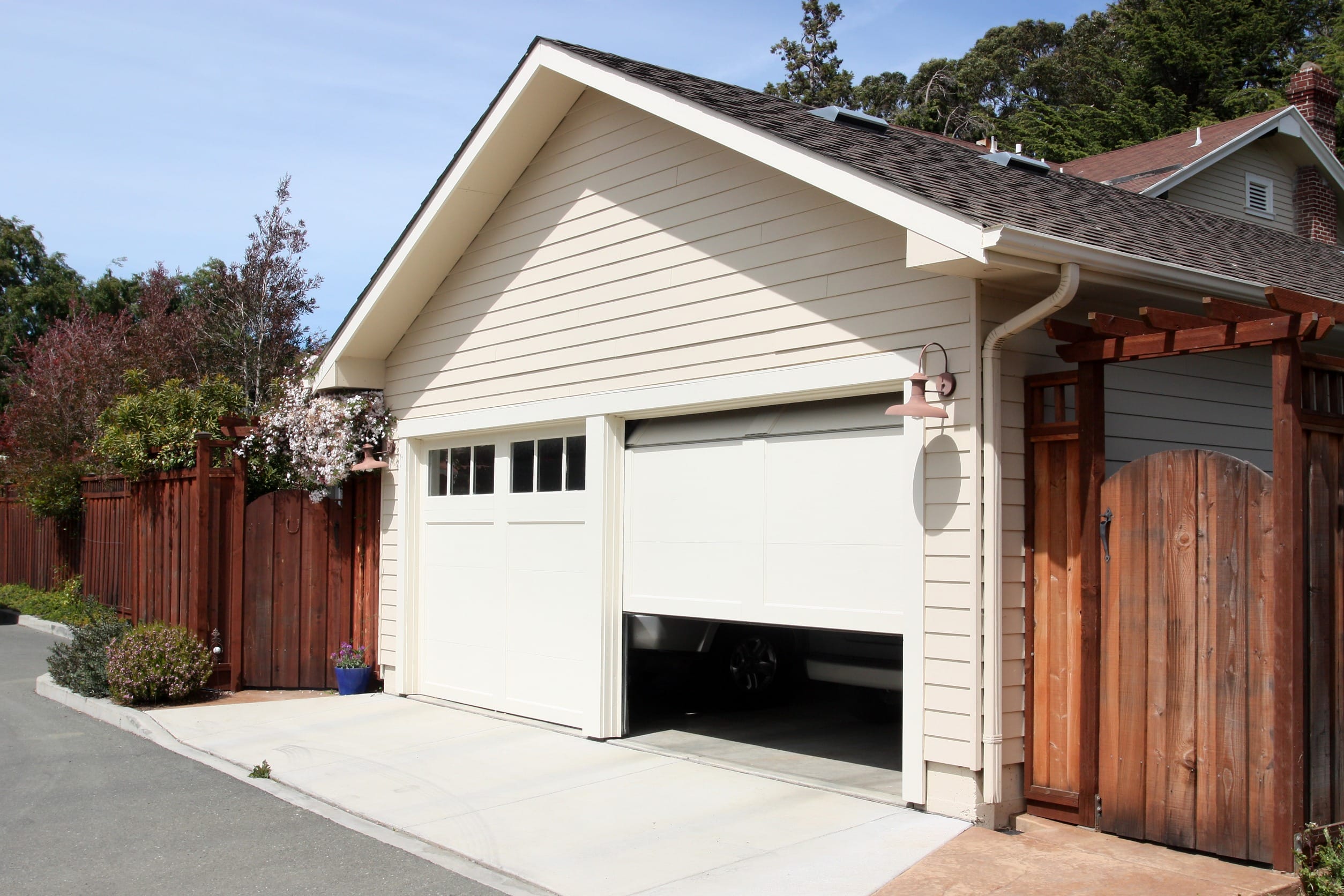
Another way to reduce your insurance premiums is to keep your vehicle protected. In 2020 alone, there were over $40 billion in insured losses due to storm damage. If your vehicle suffers damage because it wasn’t covered by your garage or other safety features and you file damage claims regularly, chances are your premiums will go up.

5. Change Providers

Checking other providers and comparing is a good idea if you’d like to reduce your monthly insurance costs. You can save hundreds of dollars by switching companies or getting a promotion from being a new customer. It’s wise to keep your eyes open for excellent deals. You never know when you might catch a break.

6. Use Your Memberships

You can also use personal memberships to get a nice discount on your car insurance premium. For example, you can get a percentage off your bill by being a member of certain credit union. Sometimes, being affiliated with a specific employer can also get you a discount. You might have to investigate to figure out which one of your memberships can work out for you in that way.

7. Change Vehicles

Finally, if your vehicle isn’t in the best condition or the model is no longer working for you and your family, it may be a good idea to change vehicles entirely. According to Zippia, in 2021, 9.2 million U.S. vehicles were produced, and many of them are safe choices for a new car. Certain types of vehicles may result in higher insurance premiums, such as Dodge, Tesla, and BMWs. Switching the type of car you drive can bring your premiums down.

You’re now armed with some practical tactics to reduce your monthly auto insurance premium. Try some of these methods to see what discounts you can get on your automotive coverage. You might be pleasantly surprised by your future bills.

Filed Under: Car

Negative Equity: The Trade-In Dilemma for Car Owners

August 14, 2023 by Tamila McDonald Leave a Comment

trading in a car with negative equity

Trading in a car with negative equity is challenging for any vehicle owner. Negative equity essentially means that you owe more on your car loan than the vehicle is worth, which makes the financial side of trading it in difficult. However, that doesn’t mean you don’t have options. Here’s what you need to know about dealing with negative equity when trading in a car.

How Does Negative Equity on Cars Happen

Negative equity happens when a vehicle’s value drops below the amount remaining on the car loan. This is most common when a person buys a new vehicle without a down payment. While depreciation rates can vary, during the first year of ownership, many new cars lose around 20 percent of their value. Making the scheduled payments on a car loan don’t reduce the remaining balance by that same amount. As a result, negative equity occurs.

However, new vehicles bought with a loan and down payment, as well as used cars purchased with a loan, can also end up with negative equity. Shifts in the vehicle market can accelerate depreciation. Additionally, declines in a car’s condition can cause it to lose value faster than if it’s well-maintained.

Why Trade-In a Car with Negative Equity

Generally speaking, trading in a car with negative equity isn’t the wisest financial decision, as it comes with a variety of challenges that aren’t always the easiest to navigate. However, it could become a necessity for several reasons.

If your vehicle payments aren’t manageable, trading in the car could allow you to get something more affordable. Then, you may have an easier time balancing your budget moving forward, making it potentially worth any financial downsides related to the trade-in.

You might consider trading in a vehicle with negative equity if the car itself no longer serves your needs, too. For example, if you have a two-door car and then you have a baby, transitioning to a four-door vehicle could be a must for practicality.

At times, trading in a vehicle with negative equity may also make sense if the costs of maintaining it are becoming unmanageable. If you’re likely to spend far more in repairs and maintenance than you would if you could transition to another car, even the financial drawbacks of trading in a car that’s underwater could cause it to be a smart move when you consider the bigger picture.

How to Trade in a Car with Negative Equity

Check Several Dealerships

If your goal is to trade in your vehicle and there are several dealerships in your area that sell cars you’re considering buying, make sure to speak with them all. Dealerships may make different offers on your trade-in, so you may find that choosing one over another works in your favor.

For example, if you have a car with a loan balance of $11,000, one dealer may state it has a trade-in value of $9,000, while another would give you $10,000. By choosing the dealership with the higher offer, you’re essentially reducing the amount of negative equity you need to address.

Just make sure that any savings from the reduction of negative equity aren’t outweighed by a higher purchase price on the new car. Often, this is simple if both dealerships have vehicles that are the same make and model, have identical features, and the cars are in similar condition. If not, then you may need to do some research to see if you’re getting the right price on the vehicle you’re planning to purchase or if what you’d pay would eliminate any benefit from the reduction in negative equity.

Roll the Negative Equity into Your New Loan

In some cases, a car dealer will allow you to roll the negative equity from your existing car loan into your new vehicle loan. With this option, you don’t have to worry about addressing the negative equity before completing the trade-in, making it more convenient than some alternatives.

However, if you go down this path, you’re at a much greater risk of having negative equity on your new vehicle. Depending on the terms of the new loan, you also may pay more in interest and fees.

If this is a route you’re considering, make sure you focus on finding a low-cost vehicle that will meet your long-term needs. You may be better off choosing a used car over a brand-new one, as those usually experience less depreciation during the first year. In turn, you can return to positive equity faster.

Choosing a shorter contract term may also help. Interest rates are usually lower when the loan term is shorter. Plus, a higher percentage of your monthly payment goes toward the principal. Again, this helps you achieve positive equity in less time.

Finally, make sure to shop around for financing options that will allow you to roll the negative equity into your new loan. You may be able to get a better interest rate by exploring lenders outside of what the dealer offers, so it’s worth checking.

Pay Off the Negative Equity

For vehicle owners with some cash savings available, you may have the option of paying off the negative equity during the trade-in process. Working with a dealer allows you to find out what the dealership is willing to pay for the car. Then, you’ll know exactly how much you need to pay to your lender to break even.

With this option, it’s helpful if you can send the required payment to eliminate the negative equity to your current lender. By doing so, you eliminate some of the hoops you may otherwise have to jump through to complete the trade-in process. Just make sure any offer made by the dealer is good long enough for the payment to fully process. That way, you don’t risk the vehicle getting reassessed by the dealership and ending up with a lower offer.

Delay Trading the Car In

If the financial drawbacks of trading in a car with negative equity are too much to bear, then waiting until you achieve positive equity could be your best choice. At that point, the trade-in could pay off the loan, allowing you to eradicate the connected debt. Then, you can move forward with a clean financial slate.

How you approach this can vary. Continuing to make regular payments can allow you to cross the tipping point, but this is the slower of the two options. Alternatively, you can make extra principal payments to reduce the loan balance faster. Just make sure that your loan doesn’t come with a prepayment penalty if you go that route, as that may offset any of the financial gains related to tackling the balance faster.

An Alternative to Trading In: Try a Private Sale

Usually, the trade-in value of a vehicle is less than its fair market value through a private sale. As a result, instead of trading in a car with negative equity, you could see if you can get a suitable price from a private buyer.

This approach is a bit tricky, as you’ll need to involve your lender in the process. Otherwise, you won’t have a way to satisfy the loan and transfer the title to the new owner, functionally making it impossible to complete the sale correctly. However, it’s potentially worth considering if the current loan balance aligns with what a private buyer may pay.

Do you have any tips that can help people who are trading in a car with negative equity? Have you ever faced a negative equity problem with a trade-in and want to tell others what it was like? Share your thoughts in the comments below.

Read More:

  • Selling Your Vehicle Via a Private Sale-Follow These Steps
  • Refinancing Your Car-Here Are the Pros and Cons
  • How to Retrieve Your Vehicle After
  • How To Use $6 Black Gorilla Tape to Fix Minor Bumper Damage
Tamila McDonald
Tamila McDonald

Tamila McDonald is a U.S. Army veteran with 20 years of service, including five years as a military financial advisor. After retiring from the Army, she spent eight years as an AFCPE-certified personal financial advisor for wounded warriors and their families. Now she writes about personal finance and benefits programs for numerous financial websites.

Filed Under: Car Tagged With: Check Several Dealerships, Delay Trading the Car In, How Does Negative Equity on Cars Happen, Negative Equity: The Trade-In Dilemma for Car Owners, Pay Off the Negative Equity, Roll the Negative Equity into Your New Loan, Why Trade-In a Car with Negative Equity

Navigating the Aftermath: Dealing with a Rental Car Accident

August 7, 2023 by Tamila McDonald Leave a Comment

rental car accident

When you rent a car during a vacation or business trip, getting in an accident isn’t usually something you’re worried about. But if it happens, knowing how to navigate the aftermath is a must. All accidents are potentially complex to work through, but the situation is trickier when you’re dealing with a rental vehicle. Fortunately, by knowing the steps you need to take, it’s far simpler. Here’s what you need to know to deal with a rental car accident.

Assess Everyone for Injuries

Immediately after an accident, the first step you need to take is to make sure that everyone is okay. Check yourself for any potential injuries, then find out if any passengers in your vehicle or people in the other involved cars or around the scene are hurt. If anyone has serious injuries that require medical treatment, call 911.

If everyone is in suitable condition and the involved vehicles are still drivable, move the cars to the side of the road. For cars that aren’t drivable, contact law enforcement. Additionally, if there is a fire or risk of an explosion, clear the area and call 911.

It’s critical to note that you always have the option of calling law enforcement after an accident, even if all of the involved vehicles are safe enough to operate. Often, doing so is wise even if the accident is relatively minor, as having a formal police report can simplify the insurance claims process and other steps you may need to take later.

Gather Contact and Insurance Information

Once everyone is safe, you need to exchange contact information with all involved parties, as well as any witnesses. Share your name, address, phone number, and email address, and request the same information from other vehicle operators or people involved in the accident. Also, you’ll need to provide your driver’s license number, license plate, insurance company name, and insurance policy number, gathering those details from other involved drivers and vehicles, too.

If law enforcement arrives at the accident, be ready to share your contact, insurance, and vehicle information with them, as well. They may also request a statement about what occurred.

Avoid Admitting Fault

When you engage with other parties at the scene, avoid admitting fault. Don’t apologize for what occurred, as saying, “I’m sorry,” could be viewed as an admission of guilt, regardless of why you said it. Similarly, don’t discuss any driving errors you may or may not have made.

It’s usually also best to avoid stating that you’re driving a rental car. While that may seem irrelevant to you, others may try to leverage that fact, so it’s better to keep it out of the conversation, aside from during discussions with law enforcement.

Additionally, don’t sign any statement that outlines fault or includes a promise to pay for any damages. Similarly, avoid signing anything even if the other person is offering to pay for damage to your rental car, cover your deductible, or anything else.

Take Photos and Notes

During the aftermath of a rental car accident, things can get hectic. Take the time to collect as much detailed information as you need. Write down the make, model, year, and color of all involved vehicles, and note which person was driving which car. Mention any notable features of the vehicles, as well as what you remember about how the accident happened. If other people discuss the accident, try to write down what they state or claim, as well.

You also want to record the exact location of the accident, including the street names, driving directions, and used lanes. If it’s helpful, draw a sketch.

In some cases, making video recordings of the scene and discussions with other involved people is wise. Generally, video is allowed if all parties are in a public space. Whether you can later use audio may depend on consent laws in your area, so it’s wise to record a person giving consent if they’re willing to do so.

Call Your Insurance Company

Even if you opted for additional coverage through the rental car company, it’s wise to immediately inform your insurance company of the accident. They may be able to assist with certain filings, coordinate with law enforcement and the rental car company, and offer guidance about how to navigate the situation. Plus, it gives you a chance to get additional details about your deductible or coverage in case you need a refresher.

Contact the Rental Car Company

After speaking with your insurance company, call the rental car agency. Usually, you’ll find an accident reporting or emergency line in your rental agreement, though it may also be in other documentation found in the car, and it’s usually available online.

Let the rental car company know that you’ve spoken to law enforcement and provide any other details they request. Just make sure you avoid admitting fault during these conversations, as it’s better to leave the determination of responsibility to those investigating the accident.

Call Your Credit Card Company

If you used a credit card to pay for the rental car, you may have some coverage through that company as well. Contact the lender, let them know about the accident, and ask about rental car coverage. Find out if there is anything you need to file to use that benefit and follow their process to get the ball rolling.

Wait for the Investigations to Complete

Generally, once you’ve taken the steps above, various investigations into the accident begin. The goal of these actions is to determine liability, as that will ultimately decide which person is responsible for the accident and which policies or coverage apply to the situation.

Once the investigations wrap up, you can coordinate with your car insurance company, the rental car company, and your credit card company to move forward. Precisely how that unfolds may vary depending on whether you were deemed at fault and the exact coverage or policies that apply to the situation.

Do you have any tips that can help others deal with a rental car accident? Have you ever experienced an accident while driving a rental car and want to tell others about your experience? Share your thoughts in the comments below.

Read More

  • How to Recover Finances After Getting into a Motor Vehicle Accident
  • How to Ask for Reimbursement of Travel Expenses
  • How to Choose the Right Automotive Insurance Company
Tamila McDonald
Tamila McDonald

Tamila McDonald is a U.S. Army veteran with 20 years of service, including five years as a military financial advisor. After retiring from the Army, she spent eight years as an AFCPE-certified personal financial advisor for wounded warriors and their families. Now she writes about personal finance and benefits programs for numerous financial websites.

Filed Under: Car Tagged With: Assess Everyone for Injuries, Avoid Admitting Fault, Call Your Credit Card Company, Call Your Insurance Company, Contact the Rental Car Company, Gather Contact and Insurance Information, Navigating the Aftermath: Dealing with a Rental Car Accident, Take Photos and Notes

The Importance Of Repaying Your Car Title Loan On Time

May 3, 2023 by Susan Paige Leave a Comment

pay your car title loan ontime

When it comes to financial emergencies, car title loans can be a lifesaver. They provide fast cash in a pinch, allowing borrowers to use their vehicles as collateral. However, it’s crucial to understand the importance of repaying your car title loan on time. Failure to do so can result in serious consequences, ranging from financial strain to the loss of your vehicle. 

In this blog post, we’ll delve into five compelling reasons why timely repayment is essential.

Protect Your Credit Score

Car title loans let you use your car as collateral and get fast cash, which can be a boon in times of need. However, failing to repay the loan on time can hurt your credit score. 

Most lenders report your payment history to credit bureaus, and late or missed payments will negatively impact your credit score. A lower credit score can make it harder to secure loans, rent an apartment, or even find employment in the future.

Maintain Ownership Of Your Vehicle

One of the most significant risks associated with car title loans is the potential loss of your vehicle. When you use your car as collateral, the lender holds the title until the loan is repaid in full. 

If you default on the loan, the lender has the legal right to repossess your vehicle and sell it to recover their losses. By making timely payments, you can avoid this undesirable outcome and maintain ownership of your car.

Avoid Additional Fees And Penalties

Late or missed payments can result in additional fees and penalties. Many car title loan agreements include late fees, which can be substantial and add to your financial burden. 

Furthermore, some lenders charge higher interest rates for borrowers who miss payments, making it even more difficult to repay the loan in full. By repaying your car title loan on time, you can avoid these additional costs and keep your overall debt manageable.

Reduce Financial Stress

Dealing with financial stress can take a toll on your mental and physical well-being. By repaying your car title loan on time, you can alleviate some of this stress and avoid the negative consequences of prolonged financial strain. 

Timely repayment means you’ll have one less thing to worry about, freeing up mental energy to focus on other important aspects of your life.

Increase Your Chances Of Future Loan Approval

When you demonstrate a history of responsible borrowing, you increase your chances of being approved for loans in the future. Lenders are more likely to grant loans to borrowers with a track record of on-time payments, as it indicates a lower risk of default. By repaying your car title loan on time, you can improve your financial reputation and make it easier to secure funding when you need it in the future.

In Conclusion

Repaying your car title loan on time is crucial for several reasons. It helps protect your credit score, maintain ownership of your vehicle, avoid additional fees and penalties, reduce financial stress, and increase your chances of future loan approval. By understanding the importance of timely repayment and making a plan to meet your obligations, you can enjoy the benefits of car title loans without the risk of adverse consequences. 

Remember that borrowing responsibly and repaying your loans on time is key to maintaining your financial well-being.

Read More

How Many Quarters Are In $10 Dollars

What Credit Score Is Needed For Care Credit?

Are Manufactured Homes A Bad Investment?

Image source: Pexels.com.

Filed Under: Car Tagged With: automotive, title loans

Here’s The Real Reason Used Car Prices Are Dropping

April 3, 2023 by Tamila McDonald Leave a Comment

Dropping Used Car Prices

Dropping used car prices are increasingly common, which is good news for anyone looking to get a different vehicle in the near future. In January, the average price for a used vehicle was $26,510, a $633 decline from the month prior. While that drop may seem modest, a few of the proceeding months also saw price reductions. Here’s a look at some of the real reasons why used car prices are dropping and whether additional price declines are likely.

Why Used Car Prices Are Dropping

New Car Supply Chain Issues Are Resolving

One of the main reasons that used cars became so expensive during the pandemic was the supply chain issues in the new car market. Fewer new cars were making their way to dealerships. As a result, people with an immediate need for a vehicle often had little choice but to consider used cars.

When more people began shopping for used vehicles, used car inventories also fell. Combine that will rising interest in previously owned vehicles, and prices rose incredibly quickly.

However, the new car supply chain issues are now resolving. While inventory levels may be lower in some areas than they were pre-pandemic, the situation is nowhere near as severe. Since that’s the case, people interested in new vehicles can focus on that part of the market, which may increase used car inventory availability to those who prefer previously owned vehicles in specific areas of the country.

Additionally, new car buyers may have a trade-in as part of the deal. When that occurs, the new car purchase creates an additional vehicle to add to the used market, which also benefits inventory levels.

Shifting Attitudes About Vehicles

The pandemic altered the car-buying landscape. Shelter-in-place orders and rapidly rising amounts of remote positions made vehicles less critical when compared to periods where work commutes were the norm and recreational trips were common. As a result, fewer people were interested in offloading the cars they currently owned and replacing them with newer models, as they weren’t as dependent on their vehicles and weren’t spending as much time in them.

Additionally, some people with paid-off vehicles weren’t necessarily inclined to get a different car during the pandemic. Often, getting a new or used car comes with an auto loan payment, something that isn’t always wise to add to a person’s plate during periods of economic uncertainty. Since these individuals weren’t selling or trading in as regularly, that also hindered used car inventories.

Now that the pandemic isn’t as much of a concern, people’s attitudes about car buying are shifting. Anyone who delayed a purchase with a trade-in due to the pandemic may reevaluate that decision, leading to more used inventory.

Rising Interest Rates

While rising interest rates can cause auto loans to become more expensive, they can also trigger price declines in the used car market. Dealerships understand that higher interest rates make financing a vehicle purchase less appealing. As a result, they have to reevaluate their pricing strategy to make used cars seem reasonably affordable.

Often, this results in dealerships dropping the price of their used cars. When the price is lower, the impact of higher interest rates typically seems less severe to auto loan borrowers. As a result, a smart price drop can stir up more demand, leading to more used car sales.

Are More Used Car Price Reductions Likely?

At this time, used car prices may or may not continue to fall in the coming months. Higher interest rates may incentivize dealerships to keep prices lower, using the reduction to draw in buyers who may otherwise be put off due to the higher financing costs. However, used car wholesale prices are actually on the rise, increasing by 4 percent during a two-week period in February.

Since wholesale prices went up, that can often lead to price increases at the dealership, as dealerships will want to offset as much of the additional spending as possible. But that’s not the only factor.

While used car inventories are increasing in some parts of the country, that rise in inventory levels isn’t necessarily universal. One factor that’s hindering the availability of previously owned cars is that many lessees during the pandemic opted to buy out their contract instead of bringing the leased vehicle back. Often, returned lease vehicles become part of a dealership’s used car inventory, so without those cars coming back, inventories are stymied.

Additionally, new fleet vehicle purchases declined during the pandemic. Again, fleet vehicles were previously traded in at dealerships with a reasonable amount of regularity, leading to used cars on lots. Since fleet vehicle activities changed, that also hinders the used car market.

How much of an impact those issues have on local used car availability varies, as the use of leases or the prevalence of fleet vehicle purchases differ across the country. Still, they could keep inventory levels broadly low enough that additional price declines become unlikely.

Is Now a Good Time to Buy a Used Car?

Ultimately, whether now is a good time to purchase a previously owned vehicle is a personal decision. Prices are falling, which is excellent news for those who need to replace an existing vehicle or acquire an additional car for their household either immediately or in the new future.

However, the current prices of used vehicles are by no means low. The pandemic and the situations it caused led to massive price hikes, and recent declines haven’t overcome those increases entirely. As a result, used cars still aren’t as affordable as they once were, so it’s critical to keep that in mind.

Additionally, rising interest rates are a factor. Ultimately, financing costs more today than it did before inflation made interest rate increases a necessity. Since that’s the case, interest rates could offset any value created by price reductions for those who need to finance.

Since that’s the case, aspiring used vehicle buyers need to look at all of the factors. That way, they can determine whether getting a previously owned car now makes sense in the context of their situation.

Do you know of any other reasons why there are dropping used car prices? Are you considering getting a car but want to see if prices will fall further? Share your thoughts in the comments below.

Read More:

  • 5 Steps for Getting the Most Money for Your Used Car
  • Why Does Carvana Offer Better Deals Than Car Dealerships?
  • How to Choose the Right Automotive Insurance Company


Tamila McDonald
Tamila McDonald

Tamila McDonald is a U.S. Army veteran with 20 years of service, including five years as a military financial advisor. After retiring from the Army, she spent eight years as an AFCPE-certified personal financial advisor for wounded warriors and their families. Now she writes about personal finance and benefits programs for numerous financial websites.

Filed Under: Car Tagged With: buy a used car, buying a car, car prices dropping, rising interest rates

How To Retrieve Your Vehicle After Repossession

December 5, 2022 by Tamila McDonald Leave a Comment

Retreive Your Vehicle After Repossession

Having a vehicle repossessed puts you in a difficult spot, particularly if you need the car to get to work, school, stores, or anywhere else. Fortunately, it’s possible to get your vehicle back after a car repossession. If you’re vehicle’s been repossessed and you’d like to get it back, or you’re at risk of a car repossession and want to prepare, here’s what you need to know.

Why a Car Repossession Happens

Generally speaking, a car repossession only occurs if you violate the terms of your auto loan. In most cases, that means failing to make your required payments, as that causes you to default on the loan. However, in some states, not having sufficient vehicle insurance may also trigger repossessions, even if you’ve made all of your payments on time.

How to Prevent a Car Repossession

If you’re at risk of a vehicle repossession, but one hasn’t occurred yet, preventing it from happening is potentially an option. Contact your lender immediately to discuss the issue. If missed payments are the reason for the car repossession, you might be able to negotiate better terms or qualify for a program that gives you more time to make up any missed payments.

For vehicle repossessions relating to insufficient insurance, you’ll need to find a car insurance provider and get a policy that meets the terms of the loan. Speak with your lender to determine precisely what coverage is required. Then, shop around for insurance that offers a compatible policy. Finally, once you have the policy, contact the lender again to provide them with your new coverage details.

How to Retrieve Your Vehicle After Repossession

Contact Your Lender

If your car has already been repossessed, the first step you’ll need to take is to contact your lender. Find out why the vehicle repossession occurred, as well as whether retrieval is an option.

After a repossession, lenders may prepare to auction the car. However, some states have mandated reinstatement or redemption periods, limiting how quickly a lender can move forward with an auction. As a result, you may have time to get your vehicle back without having to deal with the auction process, depending on how long you wait before reaching out and whether you can pursue alternative solutions.

In other cases, a lender may resell the car instead of auctioning it. Again, there is commonly a minimum waiting period before the lender can move forward with reselling, so ask about the timeline during the call.

Do Some Research

What options are available for getting your car back may vary by state. As a result, after speaking with your lender, it’s wise to research local laws regarding repossessed vehicles. That way, you’ll know whether what the lender stated aligns with any relevant legislation in your area.

In most cases, you can perform a simple online search to get an overview of applicable state laws. Simply search for “vehicle repossession [your state]” as a starting point. Alternatively, you may be able to reach out to your state’s attorney general’s office or a local consumer advocacy group for information.

Reinstate the Auto Loan

In specific states, reinstating the loan is a potential option. With this approach, you’d need to pay the entire past due amount along with any repossession-related fees, such as storage and towing costs, within a specific time period.

If reinstatement is available in your state, the lender will outline a timeline for providing them with the required funds and the dollar amount needed. In most cases, the timeframe is relatively short, usually coming with a deadline that’s 10 to 20 days after the date of repossession.

Whether a reinstatement is worth pursuing depends on your financial situation. Acquiring the needed cash is potentially challenging, particularly if you were already struggling to make the monthly payments. However, it’s worth considering if gathering up the money is an option.

Redeem the Auto Loan

Redeeming the auto loan involves paying off any missed payments and the remaining balance in full, as well as covering any repossession-related fees. In many cases, this requires significantly more funds than a reinstatement, as you’ll need to cover the entire balance due. However, if you pay in cash, it also means the vehicle is formally yours in the end, which is beneficial.

If you want to pursue this option after a car repossession, ask the lender for the pay-off amount, including any repossession-related fees. Additionally, find out the timeline for the redemption, letting you know when you’d need to provide the lender with the funds to get your car back this way.

Buy Your Car at Auction

If the lender decides to auction off your vehicle, you can attempt to buy it back then. Buying a car at an auction is relatively simple, but there are some costs involved.

First, you’ll need to register for the auction, and that usually comes with a fee. When you register, you also need to show that you have enough money to potentially participate. That could include providing a credit card number and a letter of guarantee from your bank or bringing cash to the event, depending on what the auction accepts.

Once you register and arrive on-site, you’ll get a numbered paddle. The auctioneer will present a vehicle – discussing its features and the starting price – and open it up to bidding. The auctioneer will then state new prices, and those who are willing to pay the indicated amount raise their paddle to make their bid. That process continues until no further bids come in, making the last bid the purchase price for the associated bidder.

Raise Your Paddle

When your car comes up, you’ll raise your paddle to correspond with the amounts you’re willing to pay. Just keep in mind that you’ll need to cover the entire cost at the end of the auction, as well as a buyer’s premium – which is typically about 10 percent of the bid price – so don’t place a bid that you can’t support financially.

The process is similar for online auctions; you just don’t have to deal with a paddle. Instead, when the auction goes live on the designated, it will show an initial price. Bidders can then submit offers over a specific time period.

Some online auctions show the updated price based on the submitted bids, giving others a chance to outbid the current leader. Others use a sealed-bid process, where the bid amounts aren’t displayed, essentially encouraging all participants to submit their best offer from the beginning.

Regardless, immediate payment is typically required for online auctions, too. As a result, you need to ensure you can cover the purchase price and any buyer fees.

Will You Owe Money After an Auction If You Don’t Buy the Car Back?

It’s important to note that having the vehicle go to auction doesn’t mean you’re immediately clear of the original loan. Whether the loan is complete after the sale primarily depends on the auction price.

If the amount the car sold for at auction meets or exceeds what’s left on your loan, then you won’t typically owe any money to the lender. However, if the auction sale price is less than the remaining balance of your loan, you are typically responsible for the difference.

For example, let’s say that the remaining loan balance and any required fees is $5,000 in total. If the vehicle sells for $5,000 or more at auction, the amount is covered, so you won’t owe any more money. However, if the car sells for $4,000 at auction, you’d still owe $1,000.

If you owe money, you’ll need to pay it like any other debt. Failing to do so can cause the account to go to collections or may make it possible for the lender to sue you for the amount due.

Owe Money After an Auction If You Don’t Buy the Car Back

Should You Retrieve a Vehicle After Repossession?

Even if you can retrieve your vehicle after repossession, that doesn’t always mean that you should. Look at your broader financial situation. Determine whether you’d be able to cover the costs of car ownership after a reinstatement, redemption, or auction purchase.

If so, then getting your vehicle back after a car repossession isn’t necessarily a bad idea if you need it for transportation. If not, then you may want to let it go and explore alternative forms of transportation, such as public transit or a cheaper vehicle you can buy with cash.

Additionally, regardless of whether you retrieve the vehicle after repossession, the action may still show on your credit report. As a result, you’ll want to focus on rebuilding your credit. Make on-time payments on any other debts, pay off your debts as soon as possible, and avoid opening new accounts as much as possible. That way, you can regain your footing.

Have you ever had to retrieve a vehicle after repossession and want to tell others about the experience? Did you go through a car repossession, decided not to get the vehicle back, and want to let others know what that was like? Share your thoughts in the comments below.

Read More:

  • Should You Ever Use a Car Dealer’s In-House Financing?
  • Selling Your Vehicle Via a Private Sale-Follow These Steps
  • Why Does Carvana Offer Better Deals Than Car Dealerships?
Tamila McDonald
Tamila McDonald

Tamila McDonald is a U.S. Army veteran with 20 years of service, including five years as a military financial advisor. After retiring from the Army, she spent eight years as an AFCPE-certified personal financial advisor for wounded warriors and their families. Now she writes about personal finance and benefits programs for numerous financial websites.

Filed Under: Car Tagged With: Car Repossession Happens, Owe Money After an Auction If You Don’t Buy the Car Back, Prevent a Car Repossession, Reinstate the Auto Loan, Retrieve Your Vehicle After Repossession

Why Does Carvana Offer Better Deals Than Car Dealerships?

October 3, 2022 by Tamila McDonald Leave a Comment

carvana cars

When you’re shopping for a new car, finding the best possible deal is a common priority. As a result, most buyers turn to a variety of resources. Along with heading to local dealerships, many check out Carvana cars to see if the pricing is better, often being pleasantly surprised by what they find. However, it’s easy to assume that an excellent price isn’t what it appears. Fortunately, it can be the real deal. Here’s a look at why Carvana offers better deals than car dealerships.

What Is Carvana?

Carvana is a non-traditional car dealership that focuses on used cars. It was founded in 2012 and captured ample attention after installing car vending machines in several major cities.

The company focuses on online sales over a traditional dealership model. Along with the car vending machines for picking up a car after buying it, Carvana will deliver your recently purchased vehicle to your home if you prefer.

In many ways, Carvana is a leader when it comes to convenience. Fewer operating models make a used vehicle purchase quite as streamlined, which is why it’s become such an attractive option.

How Carvana Works

Primarily, Carvana operates in the used car space. They focus on high-quality but affordable vehicles, mainly targeting Millennials by introducing unique technologies and ample convenience.

Car purchases through Carvana are predominately handled online. Since that means buyers can’t see a vehicle in person before making a buying decision, the listings are highly detailed. Along with a slew of photos, you’ll see information about the specs and the results of Carvana’s in-house inspection. Additionally, you’ll be able to review photos that show any flaws the company discovered along the way, leading to reasonable transparency.

Another feature of Carvana that is designed to offset the risk of not being able to check out the vehicle in person is the return policy. Buyers have seven days to make sure the car is right for them. If not, they have the option to return the vehicle and get their money back.

If you find a car you’re interested in, you can begin the purchase paperwork with a few clicks. However, if another buyer has already started the paperwork for that vehicle, you’ll get a notification that the car is temporarily on hold, along with a timer that shows how long the other buyer has before the vehicle is released for sale again.

The purchase dashboard is pretty straightforward. You provide personal details, information about trade-ins, and delivery and pickup preferences. You also tell the company if you’re using a loan or cash to complete the purchase or even arrange financing through the application. Overall, the entire process takes between 10 and 20 minutes in most cases.

Why Carvana Has Better Deals Than Dealerships

First, it’s important to note that not every vehicle at Carvana is automatically the lowest price you can find. The pricing is based on several factors, and there are instances where you may be able to score something a little better by looking elsewhere.

However, Carvana generally comes out ahead. One main reason is that you don’t end up paying certain dealer fees along the way. Instead, Carvana doesn’t pass certain paperwork filing costs onto the buyer.

Second, this approach to selling vehicles eliminates certain employee-related expenses. They aren’t paying salespeople to be on the lot, and they don’t owe them commissions. The latter part impacts pricing in two ways. Along with lowering Carvana’s operating costs, it means buyers aren’t haggling with someone whose pay is dependent on convincing you to pay a bit more.

Third, Carvana doesn’t operate as many locations as some competitors with similar purchase models. That reduces its overall overhead, making it easier to undercut competitors by several hundred dollars on most cars.

Finally, Carvana does give you an easy way to trade in your current vehicle, but it isn’t necessarily offering you the best price. This may come as a surprise, considering some people using the site have seen unexpectedly high offers recently. However, that isn’t reflective of Carvana. Instead, that’s simply the state of the used car market.

By purchasing cars for as little as possible, Carvana can then sell them below their fair market value and still snag a tidy profit. The trick is that it’s the lower sales prices that draw people in, not the trade-in or cash offer prices. As a result, they hope that buyers with a vehicle to unload will simply accept the lower price because doing so is incredibly convenient.

Should You Use Carvana to Buy a Car?

Generally, there’s no reason not to consider Carvana when you’re purchasing a vehicle. Most customers say that you can expect great customer service if you need help. Plus, the pricing is based on avoiding negotiations, so even if you have to call the company, they aren’t going to pressure you into higher-priced options. The price on the website is what it is, and that’s that.

The purchasing process itself is reasonably simple and quick, too. If you look at financing options through Carvana, the rates are typically competitive as well (though it’s still a good idea to comparison shop). It’s also hard to beat the option to have your car delivered to your front door, and if you aren’t satisfied, you can arrange a return during the initial seven days for any reason and get your money back.

However, if you have a trade-in or a vehicle you’d otherwise like to sell, Carvana isn’t going to give you the best price. Since that’s the case, you may need to explore other options. Fortunately, there are plenty available, including many you can handle online to get quick cash offers. While it may take more effort than having Carvana pick it up, the significant price difference could make it worth the extra time.

Carvana Cars May Not Have Comprehensive Inspections

Additionally, while Carvana does an inspection before it sells a vehicle, understand that it isn’t always as comprehensive as what you’d get directly from a mechanic. Since that’s the case, get your own inspection right away. Then, if they spot a problem that you don’t want to mess with, return the vehicle to Carvana during that seven-day window and get your money back.

Finally, Carvana may not work for you if you aren’t sure what you want. Remember, there are no test drive options when you shop and buy online like this. The only way to get in and check out the vehicle is to buy it, and while you can return it within seven days, that’s a big step for a test drive. As a result, you may be better off going another route or, at least, doing some research before you head to the Carvana site, allowing you to figure out what you’re after first.

Have you purchased from Carvana and want to tell others about your experience buying Carvana cars? Did you consider using Carvana but decided to go in another direction and want to discuss why? Share your thoughts in the comments below.

Read More:

  • How to Buy Your New Car the Smart Way
  • What Are the Most Expensive Cars to Maintain?
  • Saving Money on Car Repairs After an Accident


Tamila McDonald
Tamila McDonald

Tamila McDonald is a U.S. Army veteran with 20 years of service, including five years as a military financial advisor. After retiring from the Army, she spent eight years as an AFCPE-certified personal financial advisor for wounded warriors and their families. Now she writes about personal finance and benefits programs for numerous financial websites.

Filed Under: Car Tagged With: About Carvana, Buying a car with carvana, Carvana vs dealership deals, How Carvana works

  • « Previous Page
  • 1
  • …
  • 3
  • 4
  • 5

FOLLOW US

Search this site:

Recent Posts

  • Can My Savings Account Affect My Financial Aid? by Tamila McDonald
  • 12 Ways Gen X’s Views Clash with Millennials… by Tamila McDonald
  • What Advantages and Disadvantages Are There To… by Jacob Sensiba
  • 10 Tactics for Building an Emergency Fund from Scratch by Vanessa Bermudez
  • Call 911: Go To the Emergency Room Immediately If… by Stephen Kanaval
  • 7 Weird Things You Can Sell Online by Tamila McDonald
  • 10 Scary Facts About DriveTime by Tamila McDonald

Copyright © 2026 · News Pro Theme on Genesis Framework