• Home
  • About Us
  • Toolkit
  • Getting Finances Done
    • Hiring Advisors
    • Debt Management
    • Spending Plan
  • Insurance
    • Life Insurance
    • Health Insurance
    • Disability Insurance
    • Homeowners/Renters Insurance
  • Contact Us
  • Risk Tolerance Quiz
  • Our Editorial Commitment

The Free Financial Advisor

You are here: Home / Archives for Car Safety

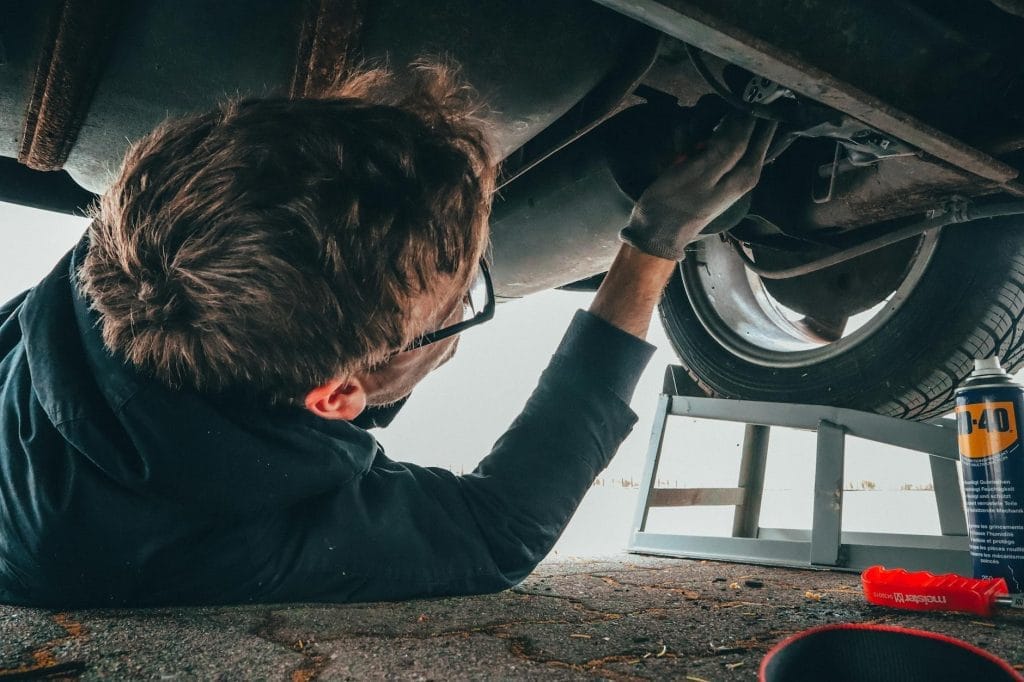
8 Lesser-Known Costs of Skipping Car Maintenance

September 30, 2025 by Travis Campbell Leave a Comment

mechanic
Image source: pexels.com

Most drivers understand that skipping car maintenance isn’t a good idea, but it’s easy to let oil changes and inspections slip when life gets busy. It might seem like you’re saving money by putting off that tune-up or tire rotation. However, the reality is that the hidden costs of skipping car maintenance often outweigh any short-term savings. Small problems can snowball into expensive repairs, and your car’s safety and reliability can suffer. If you rely on your vehicle for work, errands, or family trips, these risks become even more important to consider.

Understanding the lesser-known costs of skipping car maintenance can help you make smarter decisions about your vehicle. This isn’t just about avoiding breakdowns or failed inspections. There are financial, legal, and even environmental consequences that many drivers overlook. Here are eight hidden ways that skipping regular maintenance can hit your wallet—and your peace of mind.

1. Reduced Fuel Efficiency

One of the most overlooked costs of skipping car maintenance is reduced fuel efficiency. When you neglect things like oil changes, air filter replacements, or spark plug checks, your engine has to work harder. This means it burns more fuel to accomplish the same task, and you end up refueling the tank more frequently. Even a small drop in fuel efficiency can add up to hundreds of dollars over a year, especially if you commute regularly.

Keeping your car well-maintained ensures it runs smoothly and uses fuel as efficiently as possible. Regular car maintenance doesn’t just protect your engine; it protects your budget, too.

2. Shortened Vehicle Lifespan

Cars are built to last, but only if you take care of them. Skipping essential car maintenance like fluid checks, belt replacements, or brake inspections can wear out major components faster. Over time, these small oversights can lead to expensive failures such as a blown engine or transmission problems. Instead of getting 200,000 miles out of your car, you might need to replace it much sooner.

By following the recommended maintenance schedule, you can extend your vehicle’s life and maximize your investment. A well-maintained car often commands a higher resale value, too.

3. Higher Repair Bills Down the Road

It’s tempting to skip that $40 oil change, but ignoring regular car maintenance often leads to much higher repair bills later. A neglected oil change can cause engine sludge, which may result in engine failure—a repair that can cost thousands. Similarly, ignoring brake pad wear can lead to damage to the rotors, which are much more expensive to replace.

Think of maintenance as an insurance policy against bigger problems. Spending a little now can save you a lot in the future.

4. Increased Risk of Accidents

Worn-out brakes, bald tires, or faulty lights are all common results of skipped car maintenance. Each of these can increase your risk of an accident, putting you and others in danger. For example, brakes that aren’t working properly could mean the difference between stopping in time or being involved in a collision.

Routine maintenance checks help keep your car safe to drive. They also protect you from potential liability if an accident occurs due to neglected repairs.

5. Voided Warranty Coverage

Most new cars come with a manufacturer’s warranty that covers expensive repairs. But did you know that skipping car maintenance can void your warranty? If you don’t follow the recommended service schedule, the manufacturer may refuse to cover the cost of repairs, leaving you with the full bill.

Always keep records of your maintenance visits and adhere to your vehicle’s scheduled service. This way, you’ll keep your warranty valid and avoid costly surprises.

6. Decreased Resale Value

If you plan to sell or trade in your car one day, skipping car maintenance can significantly decrease its value. Prospective buyers and dealerships often check maintenance records and look for signs of neglect. A poorly maintained car can be worth thousands less than one with a documented service history.

Investing in regular car maintenance helps keep your vehicle running smoothly and protects its resale value. It’s one of the easiest ways to get more money back when it’s time for a new ride.

7. More Frequent Breakdowns

Few things are more frustrating than being stranded on the side of the road. Skipping car maintenance increases the chances of sudden breakdowns, whether it’s a dead battery, overheating engine, or blown tire. Towing fees, emergency repairs, and lost time can quickly add up.

Preventive maintenance reduces the likelihood of unexpected failures and the associated inconvenience. It also helps you avoid the stress and potential danger of roadside emergencies.

8. Environmental Impact

Neglecting regular car maintenance can also harm the environment. Dirty air filters, worn spark plugs, and old oil can increase your car’s emissions, contributing to air pollution. Leaking fluids can contaminate soil and water sources. Over time, poorly maintained vehicles have a much bigger environmental footprint.

Taking care of your car isn’t just good for your wallet—it’s better for the planet. Many local governments encourage regular car maintenance to help reduce emissions and improve air quality.

Making Car Maintenance a Priority

Skipping car maintenance might seem harmless in the moment, but as you’ve seen, the hidden costs can be significant. From higher fuel bills to reduced safety and even legal risks, the consequences go beyond a simple breakdown. Prioritizing regular car maintenance helps you avoid these expenses, keeps your vehicle running smoothly, and protects your investment for the long haul.

Ready to take better care of your car? Start by reviewing your owner’s manual and setting reminders for key services.

What’s the most surprising cost you’ve faced from skipping car maintenance? Share your story in the comments below!

What to Read Next…

  • What That New Car Smell Might Be Hiding Legally
  • 9 Cities Where Car Theft Is Becoming a Daily Occurrence
  • 5 Emergency Repairs That Could Force You Into Debt Overnight
  • Are These 7 Little Expenses Quietly Costing You Thousands a Year?
  • 7 Ways Your Neighbor Could Be Spying on You Without Breaking the Law
Travis Campbell
Travis Campbell

Travis Campbell is a digital marketer/developer with over 10 years of experience and a writer for over 6 years. He holds a degree in E-commerce and likes to share life advice he’s learned over the years. Travis loves spending time on the golf course or at the gym when he’s not working.

Filed Under: Car Tagged With: auto repair, car maintenance, car ownership, Car Safety, vehicle costs, vehicle lifespan

Several Car Brands Are Quietly Cutting Safety Features for 2025 Models

July 15, 2025 by Travis Campbell 1 Comment

car brands
Image Source: pexels.com

Car buyers expect new models to be safer every year. But for 2025, some car brands are quietly removing safety features that many drivers rely on. This shift isn’t always obvious in the marketing materials or at the dealership. It matters because these changes can affect your safety, your insurance rates, and even your car’s resale value. If you’re planning to buy a new car soon, you need to know what’s missing and how it could impact you. Here’s what’s really happening with car safety features in 2025—and what you can do about it.

1. Automatic Emergency Braking Is No Longer Standard

Automatic emergency braking (AEB) has saved lives. It helps prevent crashes by stopping the car if you don’t react in time. For years, more brands have made AEB standard on most models. Now, some are making it optional or removing it from base trims. This means you might have to pay extra for a feature that used to come with the car. If you’re shopping for a 2025 model, check the spec sheet. Don’t assume AEB is included. Ask the dealer to show you which trims have it. If you skip this step, you could end up with a car that’s less safe than last year’s version.

2. Blind Spot Monitoring Is Getting Cut

Blind spot monitoring helps you change lanes safely. It alerts you if there’s a car in your blind spot. For 2025, several brands are dropping this feature from entry-level models. Some are only offering it in expensive packages. This move saves the manufacturer money, but it puts more risk on you. If you drive in heavy traffic or on highways, blind spot monitoring can make a big difference. Before you buy, look for this feature on the window sticker. If it’s not there, ask if you can add it. Sometimes, it’s only available on higher trims, so you may need to budget more.

3. Rear Cross-Traffic Alert Is Missing on Some Models

Rear cross-traffic alert warns you if a car or person is behind you when you’re backing up. It’s especially useful in parking lots. For 2025, some brands are quietly removing this feature from their cars, even on models that had it last year. This change isn’t always obvious. You might not notice until you’re in a tight spot and realize you don’t have the warning. If you have kids or often park in busy areas, this feature is important. Double-check the car’s safety list before you buy. Don’t rely on last year’s brochure or online reviews—they may be out of date.

4. Lane Keeping Assist Is Now Optional

Lane keeping assist helps you stay in your lane. It gently steers the car if you start to drift. This feature has become common, but for 2025, some brands are making it optional or only available in higher trims. If you drive long distances or get tired on the road, lane-keeping assist can help prevent accidents. Without it, you’re more likely to drift out of your lane, especially on highways. When you shop for a new car, ask if lane-keeping assist is included. If not, see if you can add it as an option. It’s worth the extra cost for many drivers.

5. Fewer Airbags in Base Models

Airbags are a basic safety feature. But some 2025 models have fewer airbags than before, especially in base trims. Brands are cutting side or knee airbags to save money. This change can increase your risk of a crash. More airbags mean better protection for you and your passengers. Before you buy, count the airbags in the car. Ask the dealer to show you where they are. If the car has fewer airbags than you expected, consider a different trim or model. Your safety is worth it.

6. Adaptive Cruise Control Is Getting Harder to Find

Adaptive cruise control keeps a safe distance from the car ahead. It’s great for highway driving and stop-and-go traffic. For 2025, some brands are removing this feature from lower trims or making it part of expensive packages. This means you might have to pay more for a feature that used to be standard. If you do a lot of highway driving, adaptive cruise control can reduce stress and help prevent accidents. Check if it’s included before you buy. If not, ask about upgrade options.

7. Fewer Standard Safety Features Mean Higher Insurance Costs

When cars have fewer safety features, insurance companies notice. They may charge higher premiums for cars that lack features like AEB, blind spot monitoring, or extra airbags. Over time, this can cost you more than the price of the missing feature. Before you buy a 2025 model, get an insurance quote. Ask how the car’s safety features affect your rate. You might find that paying extra for a safer trim saves you money in the long run.

8. Why Are Brands Cutting Safety Features?

Car makers are under pressure to keep prices down. Supply chain issues and rising costs mean they have to make tough choices. Cutting safety features is one way to save money without raising sticker prices. But this shift puts more responsibility on buyers. You can’t assume a new car is safer just because it’s newer. Always check the safety features before you buy.

What This Means for Your Next Car Purchase

Car brands are quietly cutting safety features for 2025 models. This trend affects your safety, your wallet, and your peace of mind. If you’re shopping for a new car, don’t assume it has all the features you want. Read the fine print. Ask questions. Compare trims. Make sure you’re getting the safety features that matter to you. Your safety is too important to leave to chance.

Have you noticed missing safety features on new cars? Share your experience or thoughts in the comments.

Read More

Financial Impacts of Skipping Preventative Medical Care

How Your Shopping Cart Is Being Used to Profile Your Finances

Travis Campbell
Travis Campbell

Travis Campbell is a digital marketer/developer with over 10 years of experience and a writer for over 6 years. He holds a degree in E-commerce and likes to share life advice he’s learned over the years. Travis loves spending time on the golf course or at the gym when he’s not working.

Filed Under: Car Tagged With: 2025 car models, auto insurance, car brands, car buying tips, Car Safety, safety technology, vehicle features

Stop Buying These 7 Used Cars If You Care About Your Safety

June 16, 2025 by Travis Campbell Leave a Comment

used cars
Image Source: pexels.com

When it comes to buying a used car, safety should always be at the top of your checklist. While a lower price tag can be tempting, some vehicles come with hidden risks that could put you and your loved ones in danger. Not all used cars are created equal—some have poor crash-test ratings, outdated safety features, or a troubling history of recalls. If you care about your safety, it’s crucial to know which models to avoid before you sign on the dotted line. Let’s break down the seven used cars you should steer clear of if you want peace of mind on the road.

1. Ford Fiesta

The Ford Fiesta has long been a popular choice for budget-conscious buyers, but its safety record leaves much to be desired. Older models, especially those from 2011 to 2017, have received low scores in crash tests and lack advanced safety features like automatic emergency braking and lane-keeping assist. The small size of the Fiesta also means less protection in the event of a collision. If safety is your priority, it’s wise to look for a used car with a stronger safety reputation and more robust crash protection.

2. Nissan Versa

The Nissan Versa is another compact car that often appears on used car lots due to its affordability. However, models from the early 2010s have been criticized for their poor crash-test performance and minimal standard safety equipment. The Insurance Institute for Highway Safety (IIHS) has given some Versa models low ratings for side-impact and small overlap front crashes. If you care about your safety, it’s better to invest in a vehicle with a more comprehensive suite of safety features and higher crash-test scores.

3. Chevrolet Aveo

The Chevrolet Aveo may seem like a practical choice for first-time buyers, but its safety shortcomings are hard to ignore. Many Aveo models lack stability control, side airbags, and other essential safety technologies. In government crash tests, the Aveo has consistently underperformed, especially in side-impact and rollover scenarios. If you’re shopping for a used car, prioritize models that offer better occupant protection and modern safety systems.

4. Dodge Journey

The Dodge Journey is a midsize SUV that might look sturdy, but appearances can be deceiving. Older Journeys, particularly those built before 2015, have a history of poor crash-test results and a lack of advanced driver-assistance features. The vehicle’s outdated design means it doesn’t offer the same level of protection as newer competitors. If you care about your safety, consider a used SUV with a more recent design and a proven safety track record.

5. Kia Rio

The Kia Rio is often marketed as an affordable and efficient subcompact, but its safety record is mixed at best. Early 2010s models, in particular, have received low marks in crash tests and are missing key safety features like electronic stability control and side curtain airbags. The Rio’s small size also puts occupants at greater risk in multi-vehicle collisions. For a safer ride, look for a used car that offers more comprehensive crash protection and up-to-date safety technology.

6. Jeep Patriot

The Jeep Patriot may appeal to those seeking a rugged, budget-friendly SUV, but its safety credentials are lacking. Many used Patriots, especially those from 2007 to 2017, have poor crash-test ratings and limited standard safety features. The lack of side airbags and stability control in some models is a significant concern. If you care about your safety, it’s best to avoid the Patriot and opt for a used SUV with a stronger safety profile.

7. Mitsubishi Mirage

The Mitsubishi Mirage is one of the most affordable cars on the used market, but its low price comes at the expense of safety. The Mirage has consistently received low scores in crash tests, particularly in side-impact and small overlap front crashes. It also lacks many of the advanced safety features that are now standard in newer vehicles. If you care about your safety, spending a little more on a used car with better crash protection and modern safety tech is a smart move.

Prioritize Safety Over Savings

Choosing a used car is a big decision, and while saving money is important, your safety should never take a back seat. The seven models listed above may be easy on your wallet, but they fall short when it comes to protecting you and your passengers. By avoiding these vehicles and focusing on used cars with strong safety ratings, advanced features, and a solid reputation, you can drive with greater confidence and peace of mind. Remember, the right used car is one that keeps you safe on every journey.

Have you ever owned a used car that made you question your safety? Share your story or advice in the comments below!

Read More

The Truth Behind Why Japanese Automakers Are Better

Can We Get By Without Big SUVs?

Travis Campbell
Travis Campbell

Travis Campbell is a digital marketer/developer with over 10 years of experience and a writer for over 6 years. He holds a degree in E-commerce and likes to share life advice he’s learned over the years. Travis loves spending time on the golf course or at the gym when he’s not working.

Filed Under: Car Tagged With: automotive advice, car buying tips, Car Safety, car shopping, safe cars, used cars, vehicle safety

4 Safety Features in Your Car You’re Not Using Properly

June 10, 2025 by Travis Campbell Leave a Comment

car safety
Image Source: pexels.com

Staying safe on the road is about more than just obeying speed limits and using your turn signals. Modern vehicles come packed with advanced car safety features designed to protect you and your passengers, but many drivers aren’t using these tools to their full potential. Whether you’re a seasoned driver or just got your license, understanding how to use these car safety features properly can make a real difference in your daily commute and long road trips. Misusing or ignoring them can actually put you at greater risk, even if you think you’re being cautious. Let’s break down four car safety features you might be overlooking or using incorrectly, and how to get the most out of them.

1. Anti-lock Braking System (ABS)

ABS is one of the most important car safety features, yet many drivers don’t realize how it works or how to use it correctly. ABS prevents your wheels from locking up during hard braking, allowing you to maintain steering control. However, some drivers still pump the brakes in an emergency, thinking it will help. In reality, with ABS, you should press the brake pedal firmly and hold it down. The system will automatically pulse the brakes for you, helping you steer around obstacles while stopping as quickly as possible.

If you feel a rapid pulsing in the brake pedal, that’s the ABS doing its job—don’t let up! Practicing emergency stops in a safe, empty parking lot can help you get comfortable with how ABS feels.

2. Lane Departure Warning and Lane Keeping Assist

Lane departure warning and lane keeping assist are car safety features designed to prevent unintentional lane drifting, which is a leading cause of accidents. These systems use cameras and sensors to detect lane markings and alert you if you start to drift without signaling. Some cars will even gently steer you back into your lane.

The problem? Many drivers either turn these features off because they find the alerts annoying or ignore the warnings altogether. Instead, treat these alerts as helpful reminders, not nuisances. If your car gently nudges the steering wheel, don’t fight it—let it guide you back, then check your surroundings and correct your course. Make sure your windshield and cameras are clean, as dirt or snow can block sensors and reduce effectiveness.

3. Adaptive Cruise Control

Adaptive cruise control is a game-changer for highway driving, but it’s often misunderstood. This car safety feature automatically adjusts your speed to maintain a safe following distance from the vehicle ahead. Too many drivers set it and forget it, assuming the system will handle everything. However, adaptive cruise control is not a substitute for attentive driving.

You should always keep your hands on the wheel and be ready to take over if traffic conditions change suddenly. Adjust the following distance setting based on weather and traffic—longer distances are safer in rain or heavy traffic. Remember, adaptive cruise control can be confused by stationary objects or vehicles cutting in front of you, so stay alert. Using this feature properly can reduce fatigue and help prevent rear-end collisions, but only if you remain engaged and aware.

4. Blind Spot Monitoring

Blind spot monitoring is another car safety feature that can save lives, but only if you use it as intended. This system uses sensors to detect vehicles in your blind spots and alerts you with a light or sound. The mistake many drivers make is relying solely on the system and skipping manual checks.

Blind spot monitors are a supplement, not a replacement, for turning your head and checking your mirrors. Use the alerts as an extra layer of protection, especially in heavy traffic or on multi-lane highways. If your car’s system includes rear cross-traffic alert, pay attention to those warnings when backing out of parking spaces. Always combine technology with good driving habits for the best results.

Make Every Drive Safer with Smart Habits

Car safety features are only as effective as the person using them. By understanding how these systems work and using them correctly, you can dramatically increase your safety on the road. Don’t let technology lull you into complacency—stay engaged, practice using these features, and make them part of your everyday driving routine. The right habits, combined with modern car safety features, can help you avoid accidents and protect everyone in your vehicle.

What about you? Have you ever realized you weren’t using a car safety feature correctly? Share your stories or tips in the comments below!

Read More

5 Safety Measures You’re Probably Ignoring That Could Save Your Life

How to Take Control of Your Finances and Get Out of Debt

Travis Campbell
Travis Campbell

Travis Campbell is a digital marketer/developer with over 10 years of experience and a writer for over 6 years. He holds a degree in E-commerce and likes to share life advice he’s learned over the years. Travis loves spending time on the golf course or at the gym when he’s not working.

Filed Under: Car Tagged With: automotive advice, Car Safety, driving tips, road safety, safe driving, vehicle features

Road Trip Safety: No One Should Travel Without These 12 Essentials In Their Car

February 24, 2025 by Latrice Perez Leave a Comment

Road Trip
Image Source: 123rf.com

Road trips are an exciting way to explore new places, experience adventure, and create lasting memories. However, a poorly planned trip can quickly turn into a stressful situation. Being prepared with the right essentials can make all the difference in ensuring a smooth and enjoyable journey. Whether you’re heading out for a weekend getaway or a cross-country adventure, these 12 items should always be in your car before you hit the road.

1. Navigation Tools

While smartphones with GPS are incredibly useful, it’s always wise to have a backup plan. Battery failure, signal loss, or software glitches can leave you stranded. Carrying a physical road map or a dedicated GPS device can be a lifesaver in areas with poor reception. Before setting out, download offline maps for your route in case you lose internet access. Double-check your planned route and identify potential alternative roads for unexpected detours.

2. Emergency Car Kit

Unexpected breakdowns can happen at any time, and being prepared can save you from a lot of stress. A well-stocked emergency car kit should include jumper cables, a tire repair kit, a flashlight with extra batteries, and basic tools. A portable jump starter can be a game-changer if you find yourself with a dead battery in a remote area. Don’t forget a spare tire and a jack in case you need to change a flat tire. Keeping a small bottle of motor oil and coolant can also help in emergencies.

3. First Aid Kit

Accidents and minor injuries can occur on the road, so having a well-stocked first aid kit is essential. Your kit should include bandages, antiseptic wipes, pain relievers, allergy medication, and any personal prescriptions. If you’re traveling with kids, include child-friendly medicines and supplies. Knowing basic first aid techniques can be incredibly helpful in case of an emergency.

4. Plenty of Water and Snacks

Staying hydrated and keeping your energy up during a road trip is crucial. Always pack plenty of bottled water or a refillable water container. Non-perishable snacks like granola bars, nuts, and dried fruit can help keep hunger at bay between stops. If you have dietary restrictions, make sure to bring food that meets your needs, as not all areas may have suitable options. Avoiding excessive sugary snacks can help prevent energy crashes while driving.

5. Comfortable Clothing and Blankets

Weather can change quickly during a road trip, so it’s essential to pack layers. A light jacket, extra socks, and comfortable shoes can make long drives more enjoyable. Keeping a blanket in the car is useful for impromptu picnics, naps, or emergencies in cold weather. If you’re traveling with kids or pets, extra blankets can add comfort during long stretches of driving.

6. Portable Phone Charger and Power Bank

Portable Chargers
Image Source: 123rf.com

Your phone serves multiple purposes on a road trip—navigation, communication, and entertainment—so keeping it charged is vital. A car charger or a high-capacity power bank ensures your device doesn’t run out of battery. If you’re relying on your phone for directions, a dead battery could lead to unnecessary stress or delays. Investing in a high-quality power bank can keep multiple devices charged throughout your journey.

7. Entertainment for the Road

Long drives can become monotonous, so having entertainment options can make the journey more enjoyable. Download playlists, podcasts, or audiobooks before hitting the road to avoid using data. If you’re traveling with kids, bring travel-friendly games, books, or a tablet with preloaded movies. Engaging entertainment can help keep drivers alert and passengers entertained.

Preparation Is Key

Road trips are meant to be fun and memorable, but preparation is key to avoiding stress and unexpected setbacks. Having these 12 essentials on hand can help ensure a smoother, safer, and more enjoyable adventure. When you travel whether alone or with friends make it a safe time and a great time.

When was your last road trip? What safety measures did you take prior to leaving for your trip. Let’s talk about it in the comments.

Read More:

Think You’re Safe? 8 Cult-Like Groups Hiding in Plain Sight

Turbulence, Delays, and New Risks: Is It Really Safe to Fly?

Latrice Perez

Latrice is a dedicated professional with a rich background in social work, complemented by an Associate Degree in the field. Her journey has been uniquely shaped by the rewarding experience of being a stay-at-home mom to her two children, aged 13 and 5. This role has not only been a testament to her commitment to family but has also provided her with invaluable life lessons and insights.

As a mother, Latrice has embraced the opportunity to educate her children on essential life skills, with a special focus on financial literacy, the nuances of life, and the importance of inner peace.

Filed Under: Travel Tagged With: adventure, Car Safety, Road Trip, Roadside Emergencies, Travel Essentials

FOLLOW US

Search this site:

Recent Posts

  • Can My Savings Account Affect My Financial Aid? by Tamila McDonald
  • 12 Ways Gen X’s Views Clash with Millennials… by Tamila McDonald
  • What Advantages and Disadvantages Are There To… by Jacob Sensiba
  • 10 Tactics for Building an Emergency Fund from Scratch by Vanessa Bermudez
  • Call 911: Go To the Emergency Room Immediately If… by Stephen Kanaval
  • 7 Weird Things You Can Sell Online by Tamila McDonald
  • 10 Scary Facts About DriveTime by Tamila McDonald

Copyright © 2026 · News Pro Theme on Genesis Framework