• Home
  • About Us
  • Toolkit
  • Getting Finances Done
    • Hiring Advisors
    • Debt Management
    • Spending Plan
  • Insurance
    • Life Insurance
    • Health Insurance
    • Disability Insurance
    • Homeowners/Renters Insurance
  • Contact Us
  • Privacy Policy
  • Risk Tolerance Quiz

The Free Financial Advisor

You are here: Home / Archives for gadgets

7 Tech Products Gen Z Can’t Live Without — That Are Actually Downgrades

November 27, 2025 by Travis Campbell Leave a Comment

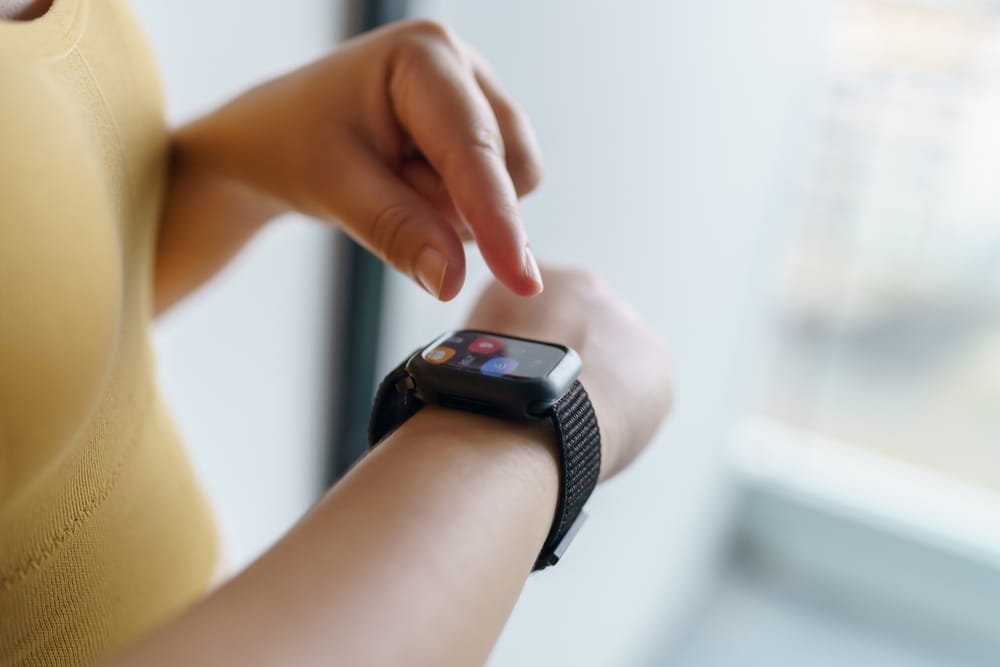
smart watch

Image source: shutterstock.com

Gen Z grew up surrounded by sleek devices that promised to make life easier, faster, and cleaner. But some of these tech products created more problems than they solved. They cost more, break faster, and lock users into routines that feel less free than the analog versions they replaced. The tension is visible every time a device glitches or a subscription renews without warning. The reality: some of the most popular tech products feel like steps backward. And that matters because these habits shape the cost of living and the quality of daily life.

1. Wireless Earbuds

Wireless earbuds sit at the center of modern convenience, but they represent one of the clearest downgrades in everyday tech products. They fall out, get lost, and require constant charging. Battery life fades, turning a once‑functional pair into e-waste in a few years. Wired headphones rarely failed this quickly, and they never needed their own power source. Yet many Gen Z users accept the trade because wireless has become the social default.

The downgrade deepens when you factor in audio compression. Wireless audio often loses depth and detail, even on expensive models. The simplicity of a plug has been replaced with troubleshooting menus and Bluetooth pairing loops. That’s not progress. It’s a compromise disguised as innovation.

2. Smart Watches

Smart watches promise health data, quick replies, and constant connectivity. What they deliver is another screen demanding attention. Many buyers feel obligated to monitor metrics they once ignored, creating a low‑grade sense of pressure. Traditional watches had one job and did it flawlessly for decades. Today’s versions require frequent charging and updates that interrupt daily routines.

These devices also feed an expectation that every moment should be tracked. But the more data people collect, the more they rely on the device instead of their own sense of well‑being. In the growing sea of tech products, this one blurs the line between helpful and intrusive.

3. Digital Note Apps

Gen Z relies heavily on digital note apps for school, work, and planning. They seem efficient. But they scatter thoughts across platforms, password walls, and cloud syncs that sometimes fail without explanation. Paper notebooks never crashed. They didn’t vanish behind subscription tiers or require file exports.

The downgrade shows up in focus. Typing invites multitasking, and multitasking kills retention. Students flip between tabs, notifications, and windows. A notebook stays still. In a world overwhelmed by tech products, the analog version wins on simplicity alone.

4. Portable Projectors

These tiny projectors show up in dorm rooms and apartments as replacements for televisions. They look stylish, save space, and feel modern. But the image quality rarely matches even a mid‑range TV, and the sound often needs separate speakers just to be audible. Bulbs dim quickly. Fan noise interrupts movies.

What was meant to be an upgrade becomes a hassle: dark rooms, endless adjustments, and a picture that washes out with the slightest ambient light. In practice, this is a downgrade that quietly drains time and money.

5. App-Based Calendars

Digital calendars dominate Gen Z scheduling. They send alerts, connect to email, and sync across devices. But they also create a dependence that’s difficult to break. Auto-scheduling features add events without a clear context. Color coding grows cluttered. Share settings complicate even simple planning.

A physical planner sits open and visible. It never hides behind an app icon or buries entries beneath default settings. As more tech products insert layers between intention and execution, calendars show how digital convenience can obscure clarity.

6. Keyboard Cover Skins

Gen Z often uses silicone keyboard skins to protect laptops from spills. They seem practical. In reality, they trap heat and degrade typing accuracy. Keys lose tactile response, slowing typing speed and increasing errors. Many users peel them off after months of frustration, only to find dust or residue stuck underneath.

The promise of protection created a downgrade in basic performance. And for a device as central as a laptop, any barrier to typing affects productivity in ways that feel subtle at first, then significant.

7. Smart Water Bottles

Smart water bottles sit at the intersection of hydration and data. Lights blink when it’s time to drink. The premise feels harmless, even helpful. But the charging, sync issues, and app notifications turn a simple habit into a chore managed by yet another gadget.

Water bottles never needed firmware updates. They didn’t stop working because a charger went missing. Among modern tech products, this one symbolizes the excess of turning every object into a device with a companion app.

The Cost of Chasing Convenience

People now value convenience above all else, which has led to the decline of products that were once durable and clear and allowed personal freedom. The requirement for weak technology products to function as convenience tools leads to a lifestyle marked by frequent interruptions, equipment failures, and minor degrees of frustration.

The world Gen Z experiences today stems from the actions of previous generations. Previous generations created the world we live in today. People can improve their technology selection through understanding product weaknesses, which helps them save money on subscriptions and build dependable technology relationships.

Which of these supposed upgrades has negatively impacted your daily life?

What to Read Next…

  • How Your Wi-Fi Router Placement Might Be Sharing Personal Info
  • Why ChatGPT May Be Generating Fake Financial Advice And Getting Away With It
  • Are Budgeting Apps Designed To Push You Into Debt
  • What Are Banks Really Doing With Your Personal Spending Data
  • 7 Free Financial Tools With Privacy Concerns
Travis Campbell
Travis Campbell

Travis Campbell is a digital marketer/developer with over 10 years of experience and a writer for over 6 years. He holds a degree in E-commerce and likes to share life advice he’s learned over the years. Travis loves spending time on the golf course or at the gym when he’s not working.

Filed Under: Lifestyle Tagged With: consumer habits, digital-life, gadgets, gen z, technology

7 Gadgets From the 2000s That Will Blow Gen Alpha’s Minds

November 21, 2025 by Travis Campbell Leave a Comment

flip phone

Image source: shutterstock.com

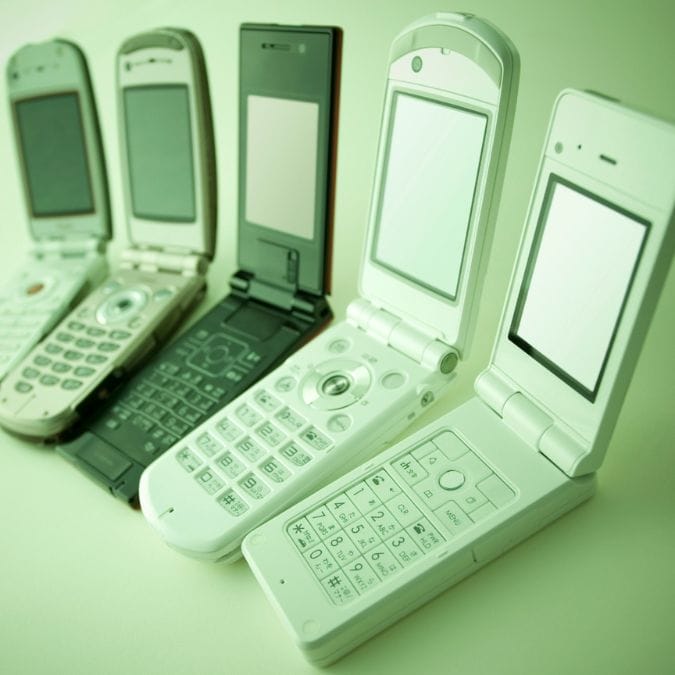
The world of Generation Alpha is defined by modern technology, including glass slabs for phones, instant music streaming, and cloud-based photo storage that can make content disappear. The physical technology that controlled daily life before 2010 appears to Generation Alpha as something from a distant past. Research on 2000s gadgets requires examination because it demonstrates how quickly technology has advanced for consumers and highlights the main differences between digital life then and current automated systems. Children experience a strong contrast between previous technology devices because these devices have unusual features and limited capabilities.

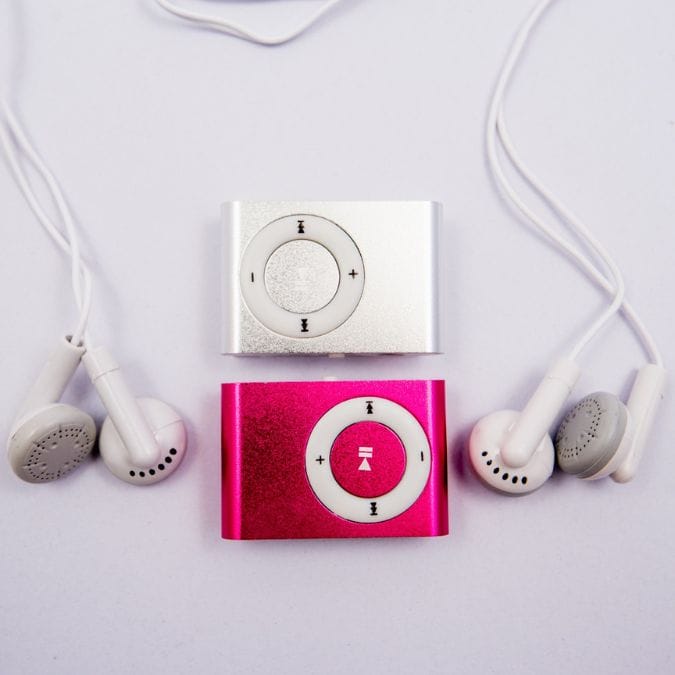
1. iPod Classic

The iPod Classic defined portable music for an entire generation. It packed thousands of songs into a hard drive the size of a deck of cards, a feat that felt enormous at the time. Gen Alpha lives in a world where playlists sync automatically and music never truly runs out. Holding an old iPod, with its click wheel and fixed storage, shows how different digital entertainment felt when gadgets from the 2000s ruled the scene. Managing a music library manually sounds almost absurd to them, but it once shaped how people listened on the go.

2. Flip Phone

The flip phone delivered a physical snap that no touchscreen can match. It shut with finality—conversation over, call complete. Simple, tough, and unapologetically limited, it offered texting, calling, and little else. For Gen Alpha, who grew up pinching, swiping, and streaming on full-color displays, these phones resemble props from early sci‑fi. Yet for many families, flip phones provided independence while shielding kids from the open internet. That balance now exists mainly in parental‑control settings rather than hardware.

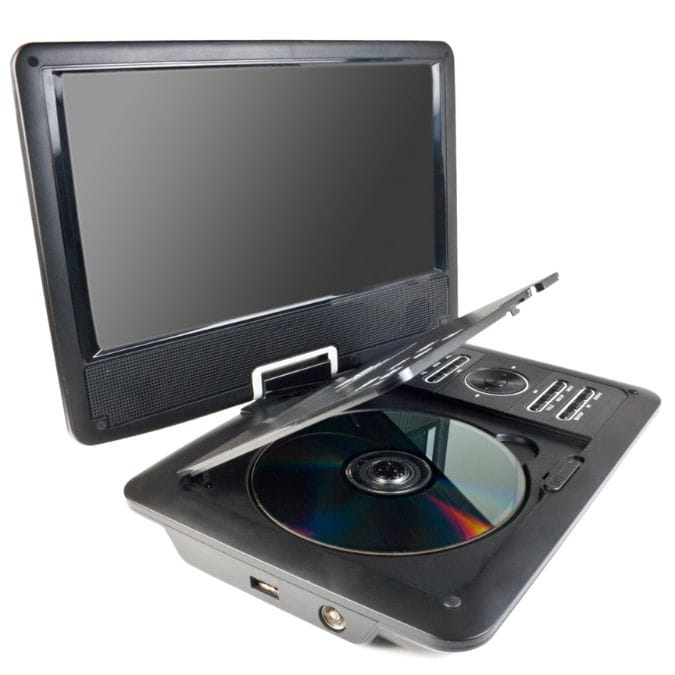
3. Portable DVD Player

Before streaming libraries followed people everywhere, portable DVD players guarded long road trips. You put a disc inside, waited for it to spin up, and hoped it wouldn’t skip during a bump. That was entertainment on demand. And it was precious. Kids today carry endless shows in their pockets, but the act of choosing one disc and sticking with it built a different kind of patience. Portable DVD players remain one of the clearest examples of how gadgets from the 2000s shaped travel before digital ecosystems took over.

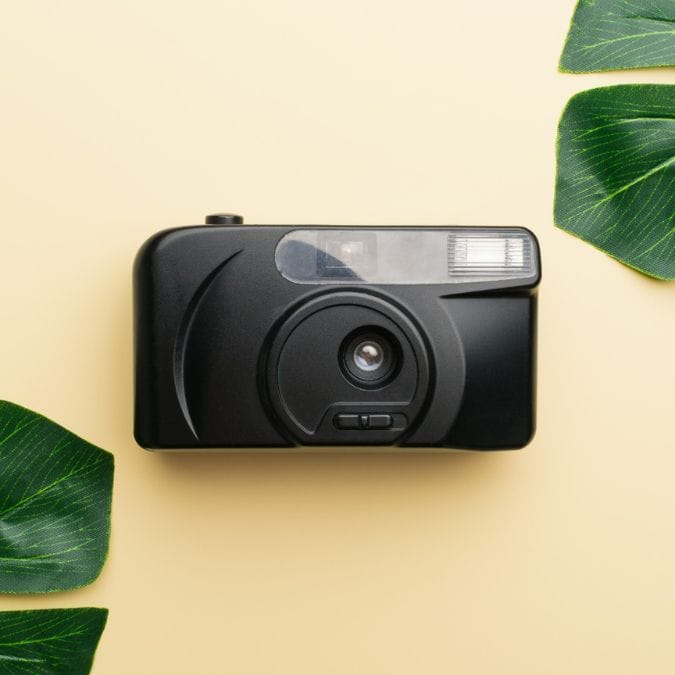
4. Digital Point-and-Shoot Camera

Digital cameras in the 2000s felt advanced even when they captured grainy images by today’s standards. They introduced the idea of shooting without film, but storage and battery limits kept users cautious. You reviewed each shot, deleted the mistakes, and guarded your memory card like a treasure. Gen Alpha takes thousands of photos without thinking; everything uploads instantly. They rarely touch a device dedicated solely to photography unless it’s a high-end camera. The point-and-shoot sits in the middle—simple, small, and now almost forgotten.

5. Nintendo DS

Two screens, a stylus, and a clamshell design turned the Nintendo DS into a breakout handheld console. Kids carried them everywhere, tapping through games on commutes and school breaks. The dual-screen setup feels strange now, given how unified modern devices look. But the DS thrived on that novelty. Gen Alpha, used to gaming on tablets or cloud platforms, often reacts with surprise at how limited the graphics were and how physical the cartridges felt. Yet the DS shows how creative game design flourished within tight technical boundaries.

6. BlackBerry Phone

The BlackBerry keyboard made mobile email feel unstoppable. Tactile keys delivered speed and precision long before predictive typing became reliable. Adults clutched them like lifelines, firing off messages with a distinct rhythm. For Gen Alpha, the idea of a phone built around email feels almost surreal. And the physical keyboard stands in contrast to the invisible tools they use now—autocorrect, voice typing, and cloud-synced drafts. The BlackBerry era illustrates the business world’s reliance on gadgets from the 2000s and the drastic change in workplace communication.

7. USB Flash Drive

The USB flash drive served as a pocket-sized vault. School assignments, photos, reports, and music files all lived on these tiny sticks that could disappear in a heartbeat. The fear of losing one created real tension. Today’s kids rely on cloud storage that updates constantly in the background. The flash drive’s limitations—capacity, fragility, and the ever-present chance of corruption—capture the unpredictable nature of early digital organization. It remains one of the most tangible examples of how people moved data in an era before constant connectivity.

The Pull of Tech From Another Era

People in the 2000s had to keep going through difficulties by finding innovative solutions to their problems. Users had to put in physical effort to operate these devices, risking data loss and battery failure with no backup solutions. People from Generation Alpha are interested in these outdated devices because they represent a different technological environment than the one they experience in their automated present. Gen Alpha uses pre-smartphone devices to understand how quickly society has evolved to its current state of modern technology.

Which 2000s gadget do you think would surprise Gen Alpha the most?

What to Read Next…

  • How Your Wi-Fi Router Placement Might Be Sharing Personal Info
  • Is It Legal for Companies to Listen to You Through Smart Speakers?
  • What Happens to Your Credit Score If Your Cell Provider Changes Ownership?
  • Why ChatGPT May Be Generating Fake Financial Advice and Getting Away with It
  • 7 Ways Your Neighbor Could Be Spying on You Without Breaking the Law
Travis Campbell
Travis Campbell

Travis Campbell is a digital marketer/developer with over 10 years of experience and a writer for over 6 years. He holds a degree in E-commerce and likes to share life advice he’s learned over the years. Travis loves spending time on the golf course or at the gym when he’s not working.

Filed Under: History Tagged With: digital-life, gadgets, nostalgia, parenting, technology

7 Brilliant Products Designed Specifically for Left-Handers

November 16, 2025 by Travis Campbell Leave a Comment

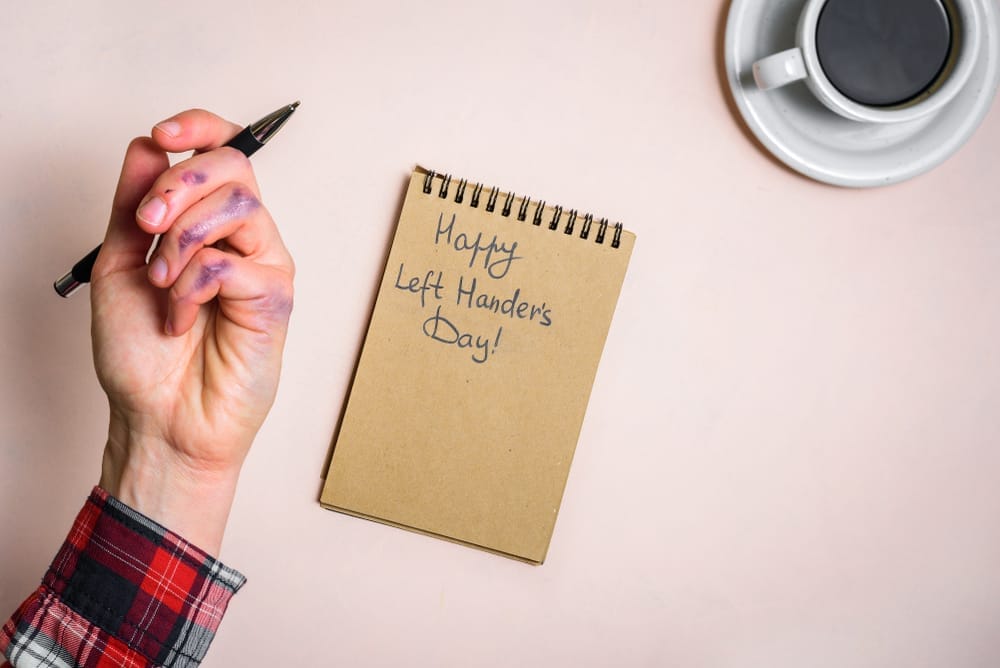
left hander

Image source: shutterstock.com

The world has around ten percent left-handed people, although most spaces are designed for right-handed individuals. The world presents right-handed people with most of its tools, which create difficulties for left-handed users when they try to use them. Products designed for left-handers serve as functional solutions, rather than being mere decorative items. The products help users complete their daily tasks by allowing them to use them comfortably with their left hand. The following seven products demonstrate how designers can create better user experiences through deliberate left-handed product design approaches.

1. Left-Handed Scissors

Standard scissors force left-handers to twist their wrists or cut blindly along a line. Left-handed scissors fix that problem by reversing the blade orientation. The top blade is positioned on the left side, allowing users to view their cutting line clearly. The handle grips are also shaped to fit naturally in a left hand, reducing strain during longer cutting sessions. It’s a small change that makes a big difference in precision and comfort.

Many craft stores now carry models labeled for left-handers, but the quality varies. Brands that specialize in left-handed tools tend to produce sharper, smoother scissors that last longer. For students, artists, or anyone who regularly cuts paper, this is a must-have upgrade.

2. Left-Handed Notebooks

Spiral notebooks are a classic annoyance for left-handers. The metal coil digs into the wrist, forcing awkward writing angles. Left-handed notebooks solve this by placing the spiral on the opposite side or at the top. Some even use perforated pages that tear cleanly, no matter which hand you use.

Writers and students who rely on longhand note-taking will notice immediate relief. Better wrist positioning means neater handwriting and fewer smudges—especially when using ink pens. It’s a simple fix that makes writing less of a chore and more of a flow.

3. Left-Handed Kitchen Knives

In kitchens, blade design matters. Most knives have a beveled edge for right-handers, which can cause slicing to drift when used in the left hand. Left-handed kitchen knives reverse that bevel, creating a balanced, straight cut. They allow for cleaner chopping, safer handling, and better control of thickness when cutting vegetables or meat.

Professional chefs who are left-handed often say the difference is immediate. The knife feels like it finally “fits.” For home cooks, even a single left-handed chef’s knife can transform meal prep into a smoother process. Quality versions are available through specialty retailers or culinary tool shops catering to left-handers.

4. Left-Handed Measuring Cups

Left-handers often have to twist their wrists to read measurements printed for right-handers. Left-handed measuring cups fix that by printing the markings so they face the user when the handle is held in the left hand. This small change makes cooking and baking less awkward and more accurate.

Some sets even include both orientations, making them useful in shared kitchens. Anyone who’s ever spilled flour while trying to turn a cup for a better view will appreciate this clever adaptation. It’s one of those products designed specifically for left-handers that quietly improves daily life.

5. Left-Handed Computer Mice

Computer workstations are another area where left-handers often adapt instead of customizing. A left-handed computer mouse flips the button layout, placing the primary click under the index finger. This design supports natural hand positioning and can prevent wrist strain from long hours of use.

Some models even feature programmable buttons for extra shortcuts. Gamers, designers, and office workers who use a mouse all day will find that switching to a left-handed model feels more intuitive after just a few hours. The right tool reduces fatigue and increases speed—both valuable benefits for anyone working digitally.

6. Left-Handed Guitar

Learning guitar can be tough for anyone, but left-handers face an extra challenge. Traditional guitars have their strings and fretboards arranged for right-handers. Left-handed guitars reverse the string order and adjust the body shape for proper balance. This allows players to strum naturally without flipping or restringing the instrument.

Musicians who start with a left-handed guitar often progress faster because they’re not fighting against awkward positioning. Big instrument makers now include left-hand models, though often in smaller quantities. Whether acoustic or electric, a guitar built for left-handers helps players focus on music, not mechanics.

7. Left-Handed Can Openers

Few kitchen tools frustrate left-handers as much as a standard can opener. Traditional versions require right-hand turning, which feels clumsy in the opposite hand. Left-handed can openers reverse the cutting wheel and handle direction, allowing smooth, natural rotation.

This design minimizes slipping and reduces the risk of jagged edges. It’s especially useful for older users or anyone with reduced grip strength. Among products designed specifically for left-handers, this one solves a daily annoyance most people never notice but left-handers always remember.

Design That Finally Fits

People can perform fundamental tasks that require little physical effort by using their body movements and everyday objects they find in their environment. Left-handed products serve purposes that extend beyond solving convenience needs, as they establish spaces where users can experience comfort and assurance. The design process demonstrates how organizations can transform minor barriers into operational systems through their detailed planning approach.

The growing number of businesses catering to left-handed consumers has led to an increased selection of products tailored to their specific needs. The design of products for left-handers leads to better user experiences, which enhances the overall experience for everyone. Which left-handed product has delivered the most valuable benefits to you?

What to Read Next…

  • 7 Tactics Grocery Stores Use to Keep You from Thinking About Price
  • 9 Common Products That May Be Illegal to Resell Online
  • 7 Popular Cleaning Products That Can Destroy Your Plumbing
  • 8 Everyday Services That Are Slowly Becoming Subscription Only
  • 10 Products That Are Being Pulled from Shelves Without Public Notice
Travis Campbell
Travis Campbell

Travis Campbell is a digital marketer/developer with over 10 years of experience and a writer for over 6 years. He holds a degree in E-commerce and likes to share life advice he’s learned over the years. Travis loves spending time on the golf course or at the gym when he’s not working.
Filed Under: Smart Shopping Tagged With: design, ergonomics, gadgets, left-handers, tools

8 Trendy Tech Products Everyone in Silicon Valley Is Obsessed With

November 10, 2025 by Travis Campbell Leave a Comment

AI chat

Image source: shutterstock.com

Silicon Valley sets the tone for what’s next in technology. The engineers, along with founders and initial users in this area, are pursuing tools that enhance operational efficiency, create connectivity, and stimulate creativity. The current wave of innovation has produced two primary developments: wearable technology for productivity enhancement and smart home systems that create networked residential environments. Modern technological devices serve as more than basic tools because they demonstrate upcoming design patterns and valuable capabilities. Here are eight products everyone in Silicon Valley seems to be talking about right now.

1. Apple Vision Pro

Apple’s entry into mixed reality feels like a natural extension of its product line. The Vision Pro blends digital content with the physical world, allowing users to work, play, or collaborate in immersive environments. In Silicon Valley, developers are already experimenting with new ways to use it—virtual meetings, 3D design sessions, and even remote training. This headset demonstrates how the trendy tech products category continues to expand beyond screens and keyboards.

2. Humane AI Pin

The Humane AI Pin has become a conversation starter at every tech meetup. It’s a wearable assistant that projects information onto any surface and responds to voice or gesture commands. Many professionals love the idea of freeing themselves from smartphones while staying connected. The AI Pin hints at a post-phone future, where computing feels invisible but always present.

3. Framework Laptop 13

While most laptops push thinner designs, the Framework Laptop 13 focuses on repairability and modularity. Its parts can be swapped or upgraded, extending the device’s lifespan and reducing waste. Engineers and sustainability advocates in Silicon Valley appreciate machines that align with both performance and environmental values. It’s one of the few trendy tech products that merges ethics with engineering elegance.

4. Nothing Phone (2)

The Nothing Phone (2) stands out with its transparent design and unique LED “Glyph” interface. Beyond aesthetics, it’s a symbol of rebellion against the sameness of mainstream smartphones. Tech workers drawn to design minimalism and open ecosystems have embraced it. Many see it as a reminder that creativity still has space in a world dominated by big-brand devices.

5. Tesla Powerwall 3

The latest Tesla Powerwall is more than a battery—it’s a home energy management system. With higher capacity and smarter integration with solar panels, it’s become essential for people aiming to reduce grid reliance. Silicon Valley homeowners appreciate how it unites sustainability and self-sufficiency. It’s also a quiet status symbol for those who value function over flash.

6. Meta Quest 3

The Meta Quest 3 pushes virtual reality into mainstream workspaces. Tech startups use it for design visualization, remote collaboration, and gaming breaks between coding sessions. Improved graphics and comfort make it a favorite among developers exploring the metaverse’s next iteration. As one of the most talked-about trendy tech products this year, it’s helping VR transition from novelty to necessity.

7. ChatGPT Plus Subscription

AI-driven productivity tools have experienced a surge in popularity, with ChatGPT Plus leading the pack. Professionals rely on it for drafting proposals, summarizing research, or brainstorming new app ideas. Having rapid access to advanced models saves hours of manual work. Many engineers view it as a natural extension of their workflow, blending human creativity with machine precision. For anyone exploring AI’s business potential, ChatGPT Plus has become a daily essential.

8. Oura Ring Gen 3

The Oura Ring Gen 3 quietly tracks health metrics without the bulk of a smartwatch. Its popularity stems from accuracy and subtle design—perfect for professionals who prefer data without distraction. It measures sleep, readiness, and recovery in real time, helping users balance long coding nights with proper rest. Among all trendy tech products, this one bridges wellness and technology most seamlessly.

Where Innovation Meets Lifestyle

The Silicon Valley tech community selects only those gadgets that deliver quantifiable improvements to daily life. The modern technology sector focuses on creating products that offer customized experiences through sustainable designs, incorporating integrated connectivity capabilities. Devices now adapt to users rather than the other way around. Each new market release of wearable AI and modular hardware systems advances human-machine collaboration through its technological development.

The ongoing advancement of technology creates a lasting connection between work duties, creative pursuits, and recreational activities. Future technological development will unite digital capabilities with essential human needs, rather than pursuing speed and power performance.

Which item would create the most significant change in your daily activities?

What to Read Next…

  • How Your Wi-Fi Router Placement Might Be Sharing Personal Info
  • How Safe Is That Password Free Login Feature Everyone’s Using
  • Is It Legal For Companies To Listen To You Through Smart Speakers
  • Why ChatGPT May Be Generating Fake Financial Advice And Getting Away With It
  • Are Financial Apps Sharing Your Spending Data More Than You Realize
Travis Campbell
Travis Campbell

Travis Campbell is a digital marketer/developer with over 10 years of experience and a writer for over 6 years. He holds a degree in E-commerce and likes to share life advice he’s learned over the years. Travis loves spending time on the golf course or at the gym when he’s not working.
Filed Under: Business Tagged With: AI, gadgets, innovation, Silicon Valley, technology, wearables

10 Gadgets From the 2000s That Gen Alpha Will Think Are From the Stone Age

May 3, 2024 by Vanessa Bermudez Leave a Comment

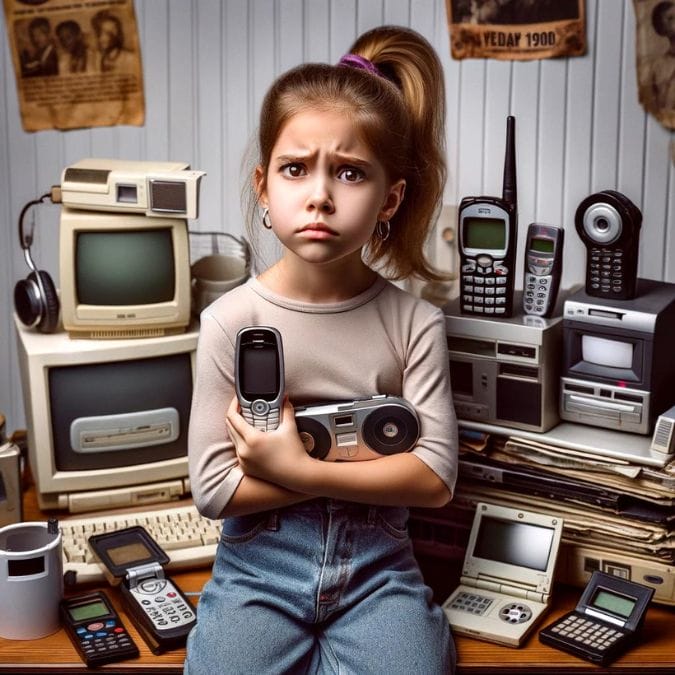
gen alpha and gadgets from the year 2000

DALL-E

Step into the time machine of technology, and let’s zoom back to the 2000s—a decade where flip phones ruled, MP3 players were the ultimate in portable music, and everyone was untangling their Ethernet cables.

Now, as the new generation grows up in a world dominated by smart devices, cloud-based everything, and AI at their fingertips, the devices that once defined the cutting edge may seem as archaic to them as tools from the Stone Age.

Here’s a fun look at 10 gadgets from the 2000s that will have Gen Alpha scratching their heads, wondering how we ever managed with such primitive tech. Get ready for a fun and eye-opening journey through the not-so-distant past, highlighting how rapidly technology evolves and shapes our lives.

1. Flip Phones

flip phones

123rf

Once the epitome of cool, flip phones are now a curious artifact to the generation that sees smartphones as extensions of their hands. 

These compact devices required manual flipping open to answer calls and lacked the touchscreens, apps, and high-speed internet that are standard today. 

Gen Alpha might chuckle at the tiny screens, limited functionality, and painstaking text messaging via T9 word prediction.

2. Portable DVD Players

portable dvd player

123rf

Long before Netflix and other streaming services became the norm for in-transit entertainment, portable DVD players were the go-to for watching movies. 

These bulky gadgets came with their own set of frustrations, from scratched discs that would skip to batteries that barely lasted through a movie. 

Kids today might find the idea of carrying around a physical library of discs as quaint as carrying stone tablets.

3. MP3 Players

mp3 player

123rf

Before music was streamed from the cloud, it was stored on MP3 players. Unlike today’s virtually unlimited music libraries accessible from any device, these players could only hold a limited number of songs depending on their memory capacity. 

Generation Alpha might find the concept of downloading and syncing music files as archaic as using a phonograph.

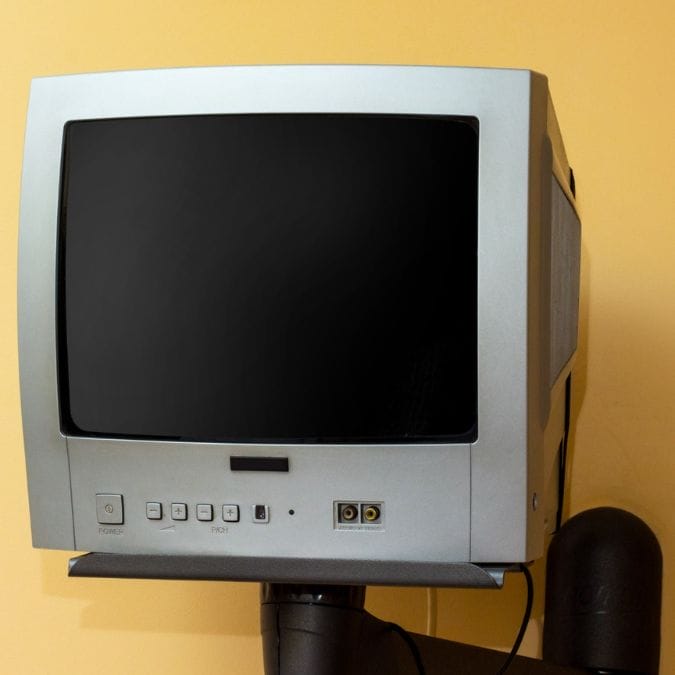
4. CRT Televisions

crt tv

123rf

The bulky, box-shaped CRT TVs were once a living room staple. Their heavy, unwieldy frames and deep backs were a far cry from today’s sleek, wall-mounted flat screens. 

Gen Alpha kids familiar with 4K and smart TV technologies might view these as dinosaur-age tech, especially considering the space they took up and the lower quality of the image displayed.

5. Disposable Cameras

disposable camera

123rf

In an age where photos are instantly reviewed and shared, the concept of a disposable camera, with its limited number of shots and no delete option, is nearly incomprehensible. 

These cameras required an actual film to be developed, a process taking days. Gen Alpha’s penchant for swift digital feedback makes the disposable camera an amusing historical footnote.

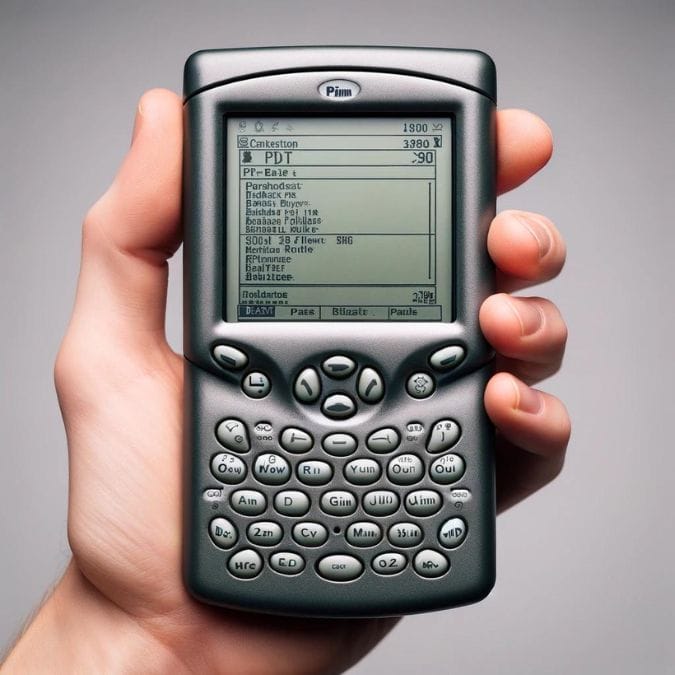
6. PDA Devices

pda

DALL-E

Personal Digital Assistants (PDAs) were once cutting-edge for offering mobile computing capabilities, such as managing contacts, appointments, and notes. 

However, compared to the multifunctionality of modern smartphones, PDAs, with their styluses and clunky interfaces, would seem needlessly complicated and single-purpose to today’s tech-savvy youth.

7. VHS Tapes and VCRs

vhs tapes and vcr

123rf


Video Home System (VHS) tapes and their players, VCRs, are likely to elicit bewilderment from children who stream everything these days. 

The idea of rewinding and fast-forwarding through tapes, dealing with tape jams, and the lower resolution might be as perplexing to them as the concept of dial-up internet.

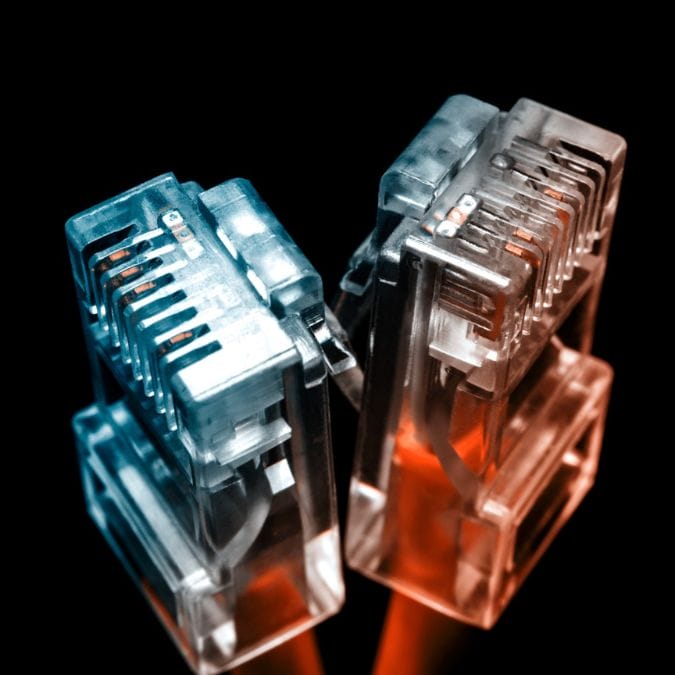
8. Wired Internet

ethernet cable

123rf

Today’s generation enjoys wireless connectivity almost universally, from homes to cafes to parks. The concept of a wired internet connection, with Ethernet cables stretching across rooms, would be an odd limitation. After all, Gen Alpha likely equates internet access with air—ever-present and invisible.

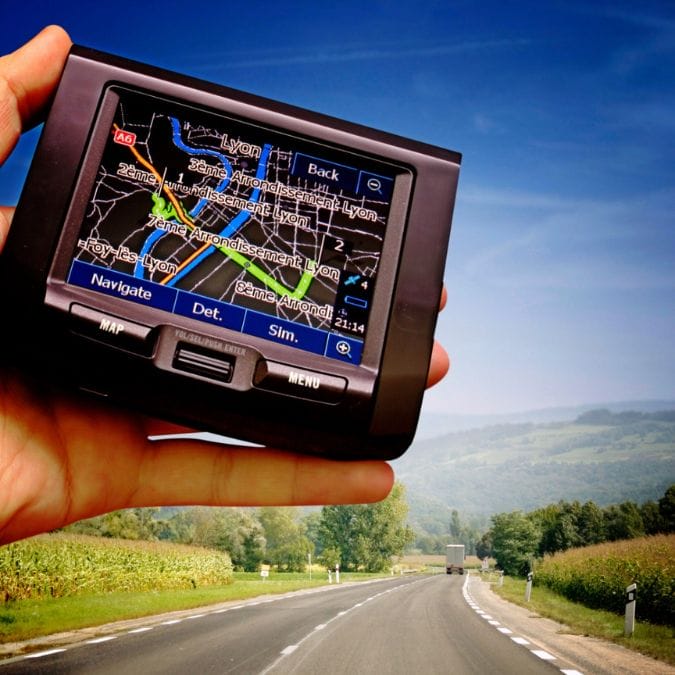
9. Early GPS Units

gps unit

123rf

While navigation is second nature today, often integrated into every smartphone or vehicle, early GPS units were standalone devices that required manual updates. Sometimes, they even led drivers astray with outdated maps. 

The inefficiency and bulk of these units might appear to Gen Alpha as navigating by the stars once did to early explorers.

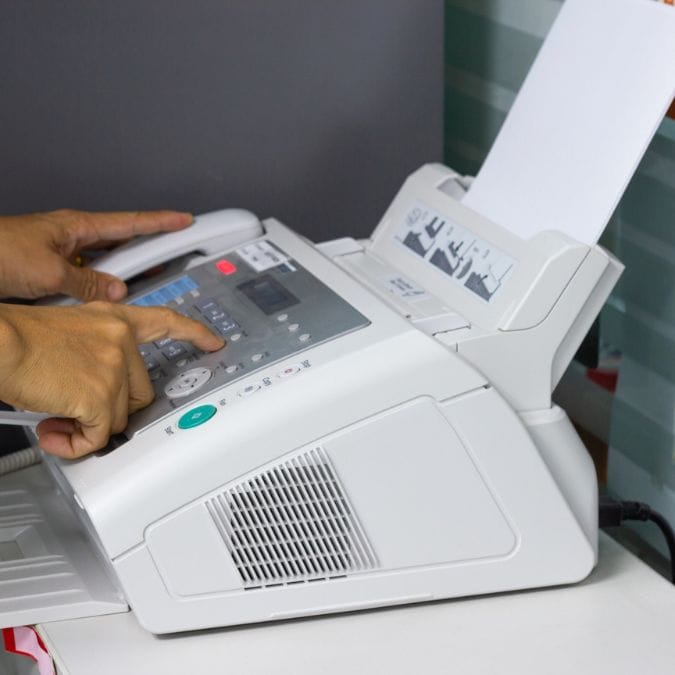
10. Fax Machines

fax machine

123rf

In an era of email, instant messaging, and cloud-based file sharing, the fax machine—a device that transmits scans of paper documents via telephone lines—sounds like a communication tool from the ancient world. 

The slow transmission speeds, noisy operation, and physical paper trail are curiosities in today’s digital-first environment.

Oldies but Goodies

old school gadgets

123rf

These gadgets from the 2000s, revolutionary in their time, now serve as a testament to the rapid evolution of technology. They remind us that today’s cutting-edge devices might one day be the artifacts future generations marvel at or giggle over as relics from a simpler, slower-tech era.

Read More

14 Millennial Phrases That Are Becoming More Annoying Than Trendy

How Surveillance Technology Is Changing The Face Of Finance

Vanessa Bermudez
Vanessa Bermudez
Vanessa Bermudez is a content writer with over eight years of experience crafting compelling content across a diverse range of niches. Throughout her career, she has tackled an array of subjects, from technology and finance to entertainment and lifestyle. In her spare time, she enjoys spending time with her husband and two kids. She’s also a proud fur mom to four gentle giant dogs.

Filed Under: Technology Tagged With: gadgets, gen alpha, millenials, technology

FOLLOW US

Search this site:

Recent Posts

  • Can My Savings Account Affect My Financial Aid? by Tamila McDonald
  • 12 Ways Gen X’s Views Clash with Millennials… by Tamila McDonald
  • What Advantages and Disadvantages Are There To… by Jacob Sensiba
  • 10 Tactics for Building an Emergency Fund from Scratch by Vanessa Bermudez
  • Call 911: Go To the Emergency Room Immediately If… by Stephen Kanaval
  • 7 Weird Things You Can Sell Online by Tamila McDonald
  • 10 Scary Facts About DriveTime by Tamila McDonald

Copyright © 2026 · News Pro Theme on Genesis Framework