
• Home
  • About Us
  • Toolkit
  • Getting Finances Done
    • Hiring Advisors
    • Debt Management
    • Spending Plan
  • Insurance
    • Life Insurance
    • Health Insurance
    • Disability Insurance
    • Homeowners/Renters Insurance
  • Contact Us
  • Risk Tolerance Quiz
  • Our Editorial Commitment

The Free Financial Advisor

You are here: Home / Archives for probate court

10 Common Documents That Could Delay Your Estate’s Inheritance

May 14, 2026 by Brandon Marcus Leave a Comment

10 Common Documents That Could Delay Your Estate’s Inheritance
Someone signing their last will and testament – Shutterstock

Inheritance should move smoothly, but paperwork often turns that expectation upside down. Families across the United States regularly face delays that stretch from weeks into months because a single missing document creates a legal bottleneck. Probate courts don’t move forward without proof, signatures, and verified instructions, which means even small oversights can stall everything.

These delays often lead to stress, conflict, and unnecessary legal expenses during an already emotional time. The good news: most of these issues stay completely preventable with a little preparation.

1. Missing or Outdated Last Will and Testament

A will sits at the center of nearly every estate plan, yet many people fail to update it after major life changes. Divorce, remarriage, new children, or asset changes can make an old will inaccurate or even contested. Courts may need extra hearings to validate unclear language or conflicting versions, which slows down distribution. Some families even discover multiple copies with different instructions, creating legal confusion that takes months to untangle. Keeping a current, clearly signed will helps avoid these unnecessary roadblocks.

In real cases, outdated wills have caused heirs to receive less than intended or triggered full estate litigation. A properly updated will should reflect current beneficiaries, executors, and assets. Legal experts recommend reviewing it every three to five years or after any major life event. Without that consistency, probate courts often pause the process until everything gets sorted. That pause can feel endless for families waiting on closure.

2. Beneficiary Designation Forms That Don’t Match the Will

Beneficiary forms on accounts like life insurance or retirement plans override what the will says. Many people forget to update them after divorce or family changes, which leads to conflicting instructions. Financial institutions freeze distributions until they confirm legal ownership. That verification process alone can take several weeks or longer if records contradict each other. These mismatches create some of the most common inheritance delays in the country.

Families often assume a will controls everything, but these forms carry legal priority. A retirement account listing an ex-spouse as beneficiary can override updated estate wishes entirely. Financial institutions must follow strict compliance rules before releasing funds. That means even simple errors can trigger extended review periods. Keeping beneficiary forms aligned with estate documents prevents this common and costly delay.

3. Death Certificate Copies and Certified Records

Probate courts and financial institutions require certified death certificates before releasing any assets. Many estates start with only a few copies, which quickly becomes a problem when multiple agencies request them at the same time. Each institution may require an original certified copy, not a photocopy, which slows down processing if the estate runs short. Ordering additional copies can take days or weeks depending on state processing times. That delay often stalls the entire inheritance timeline.

Executors sometimes underestimate how many copies they actually need. Banks, insurance companies, pension offices, and government agencies all request separate documentation. Without enough certified records, everything pauses until new copies arrive. That gap often creates frustration among heirs waiting for asset distribution. Planning ahead with extra copies keeps the process moving.

4. Property Deeds With Title Issues

Real estate often becomes one of the most complicated assets in an estate. Missing signatures, outdated ownership records, or unclear joint ownership structures can all delay transfer. Title companies must verify legal ownership before allowing a property to change hands. That verification process can uncover old liens or unresolved claims that freeze the transaction. These issues often take months to resolve.

Some families discover that a home title never updated after marriage or inheritance decades earlier. That creates a chain reaction of legal corrections before the property can transfer. Courts may need additional documentation or affidavits to clear ownership. Until that happens, heirs cannot sell or transfer the property. Proper title maintenance avoids these slowdowns entirely.

5. Trust Documents With Missing Amendments

Trusts can streamline inheritance, but only when fully updated and properly executed. Missing amendments or unclear instructions often lead to legal review before distribution. Trustees may hesitate to act without confirmation from attorneys or courts. That hesitation slows down access to assets that should transfer quickly. Even minor wording inconsistencies can trigger delays.

In some cases, outdated trust language conflicts with newer financial accounts. That mismatch forces legal clarification before any transfer occurs. Courts or attorneys may need to interpret intent, which adds time and expense. Families often expect trusts to avoid probate entirely, but incomplete documentation still creates roadblocks. Regular updates keep trusts functioning as intended.

6. Power of Attorney Documents That End Too Early

Power of attorney documents often expire upon death, but their structure still affects estate transitions. If they lack clarity or proper revocation language, institutions may question previous transactions. That uncertainty can delay access to accounts or records needed for probate. Financial institutions may pause activity until legal authority becomes clear. These delays often start small but grow quickly.

Executors sometimes struggle to locate the correct version of these documents. Multiple revisions can create confusion about which one remains valid. Without clear documentation, institutions may require court confirmation. That step adds time and legal costs to the estate process. Clear, well-maintained records prevent unnecessary complications.

7. Bank Account Ownership Records

Joint accounts, payable-on-death designations, and individual accounts all require proper documentation. Missing or outdated records can freeze funds until banks confirm rightful ownership. Financial institutions follow strict rules to avoid fraud or legal liability. That verification process can delay access to essential estate funds. Even small inconsistencies create big slowdowns.

Families often assume joint ownership automatically transfers funds, but banks still verify documentation. If records conflict, institutions may require legal affidavits or probate confirmation. That process can take weeks depending on complexity. Clear account documentation keeps funds accessible when needed. Proper setup eliminates unnecessary financial stress.

8. Tax Filings and Final Returns

Final income tax returns and estate tax filings play a major role in inheritance timing. Missing filings or incomplete records often stall asset distribution. The IRS may require additional review before approving final estate closure. That review can delay inheritance for months in complex cases. Executors must ensure all filings stay accurate and complete.

Some estates overlook smaller tax obligations tied to investments or property sales. Those missing details create legal hold-ups during probate. Tax professionals often need to reconcile records before courts approve final distribution. That reconciliation process can extend timelines significantly. Staying current with filings prevents costly delays.

9. Insurance Policy Documentation

Life insurance payouts depend heavily on accurate documentation and named beneficiaries. Missing policy details or unclear beneficiary designations can freeze claims. Insurance companies require verification before releasing funds. That process may involve legal review if documents conflict. Delays often frustrate families expecting fast payouts.

Some policies remain forgotten or unclaimed because heirs don’t know they exist. That adds additional research time during probate. Insurance providers may require certified documents and multiple forms before releasing funds. Without proper records, payouts can stall for weeks or months. Organized documentation ensures faster claims processing.

10 Common Documents That Could Delay Your Estate’s Inheritance
Someone signing an important life insurance policy document – Unsplash

10. Digital Asset Access Records

Online accounts, cryptocurrency wallets, and digital subscriptions now form a major part of modern estates. Missing passwords or access instructions can lock heirs out completely. Companies rarely release digital accounts without legal proof and verification. That process can take significant time and legal coordination. Digital assets often surprise families during estate settlement.

Executors frequently struggle to locate login credentials or recovery information. Without documentation, accounts remain inaccessible even after probate approval. Some platforms require court orders before granting access. That requirement adds another layer of delay. Proper digital planning prevents modern inheritance headaches.

Keeping Estate Documents Organized and Future-Ready

Estate delays rarely come from one big mistake; they usually come from several small missing pieces that pile up. Each document plays a role in how quickly courts, banks, and institutions release assets. When everything stays current and aligned, inheritance moves forward with far fewer interruptions. Families experience less stress, fewer disputes, and a smoother transition of assets. Strong organization today prevents long legal delays tomorrow.

What estate document surprises have created the biggest delays in real-life situations? Share your thoughts and experiences in the comments.

You May Also Like…

7 Inheritance Protection Moves: How Families Shield Assets From Creditors Under 2026 Rules

Pennsylvania’s Inheritance Tax Applies to Most Estate Transfers

Estate Portability Warning: Why One IRS Form Protects a Surviving Spouse’s $15M Exemption

Medicaid Estate Recovery Allows States to Recoup Long-Term Care Costs From Estates

Why Estate Plans Written Before 2020 Are Failing Families Today

Brandon Marcus
Brandon Marcus

Brandon Marcus is a writer who has been sharing the written word since a very young age. His interests include sports, history, pop culture, and so much more. When he isn’t writing, he spends his time jogging, drinking coffee, or attempting to read a long book he may never complete.

Filed Under: Estate Planning Tagged With: asset distribution, beneficiary forms, estate mistakes, Estate planning, family inheritance, financial documents, inheritance delay, legal paperwork, probate court, probate process, retirement accounts, wills and trusts

Probate AI Reviews: Why Some Estates May Face 6-Month Delays Across Many States

May 6, 2026 by Brandon Marcus Leave a Comment

Probate AI Reviews: Why Some Estates May Face 6-Month Delays Across Many States
A judge’s gavel and the future of AI – Shutterstock

Probate rarely moves at lightning speed, but recent reviews of AI-assisted legal tools show something surprising: delays often stretch longer than families expect. In many states, estates that should wrap up in a few months now drift closer to the six-month mark or beyond. That timeline frustrates beneficiaries who need access to funds and creates extra stress during an already emotional time. Courts still rely on traditional processes, and even the most advanced AI tools cannot bypass mandatory legal steps. When paperwork stacks up or small errors slip through, the clock keeps ticking with no mercy.

Families often assume technology will speed everything up, but probate operates under strict legal frameworks that limit shortcuts. Even when attorneys use AI tools to draft documents or flag issues, judges still require human review and approval. That means every estate must pass through multiple checkpoints before distribution begins. Delays often arise from simple issues like missing signatures, unclear asset lists, or outdated wills. Those small hiccups quickly snowball into months of waiting.

Why Probate AI Tools Aren’t a Magic Fix

Legal AI tools promise efficiency, and in many areas they deliver exactly that, but probate remains stubbornly complex. AI can analyze documents, suggest corrections, and organize case files faster than any human team. However, probate involves legal validation, creditor notifications, and court oversight that no algorithm can skip. Reviews of probate-focused AI platforms show they help reduce clerical errors but do not eliminate systemic delays. That distinction matters more than most families realize.

Some estates still require in-person hearings, especially when disputes arise or documentation lacks clarity. AI cannot resolve family disagreements or interpret ambiguous will language with final authority. Courts demand verified human decisions, which adds time no matter how streamlined the preparation becomes. In practice, AI works best as a support tool rather than a replacement for traditional probate workflows. That gap between expectation and reality often catches families off guard.

Common Bottlenecks That Stretch Probate Timelines

Probate delays rarely stem from one major issue; instead, several smaller factors combine into a perfect storm. Courts often deal with heavy caseloads, especially in larger states where filings pile up daily. Even a well-prepared estate can sit in a queue waiting for review. Missing documents or inconsistent financial records trigger additional requests that reset timelines. Each correction adds days or even weeks to the process.

Another frequent bottleneck involves creditor claims, which courts must allow before distributing assets. Creditors receive formal notice and time to respond, and that waiting period cannot be rushed. Disputes among heirs create even longer delays, especially when someone contests the will. In those cases, probate transforms from administrative task to legal battle almost overnight. That shift alone can extend timelines far beyond six months.

Scenarios That Show How Delays Happen

Consider an estate that includes multiple bank accounts, a home, and a small investment portfolio. If even one account lacks clear beneficiary designation, it must pass through probate instead of transferring automatically. That single oversight can delay access to funds for months. Add in a missing property appraisal or outdated tax documentation, and the timeline stretches even further. These situations occur more often than most people expect.

Another example involves blended families where heirs disagree on asset distribution. Even when a will exists, unclear language can spark disputes that require court intervention. AI tools may flag inconsistencies, but they cannot resolve emotional conflicts between family members. Legal hearings, mediation, and document revisions all take time. In these cases, six months can feel optimistic rather than excessive.

Probate AI Reviews: Why Some Estates May Face 6-Month Delays Across Many States
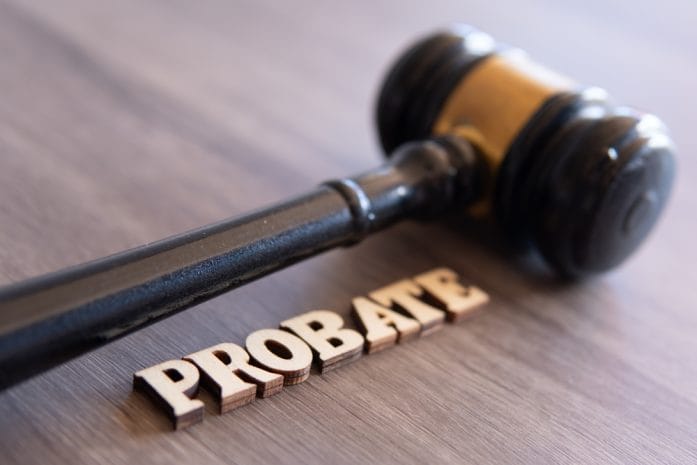
A court gavel and the word “probate” – Shutterstock

How State Laws Influence Probate Delays

Probate timelines vary widely depending on state laws, and that variation plays a major role in delays. Some states enforce mandatory waiting periods for creditor claims that last several months. Others require additional documentation or multiple court appearances before approval. These rules exist to protect all parties involved, but they also slow down the process significantly. No amount of AI efficiency can override these legal requirements.

States with higher population density often experience longer court backlogs, which adds another layer of delay. Rural areas may move faster, but limited court resources can still create bottlenecks. Filing procedures also differ, with some states requiring more detailed reporting than others. Families who move across state lines or manage out-of-state property face even more complexity. Each jurisdiction adds its own timeline challenges.

How to Reduce Probate Delays

Preparation remains the strongest defense against long probate timelines. Clear, updated estate documents prevent confusion and reduce the chance of court requests for clarification. Listing all assets with accurate values helps streamline the review process. Naming beneficiaries on accounts whenever possible allows assets to bypass probate entirely. These steps create a smoother path from start to finish.

Working with an experienced estate attorney also makes a noticeable difference. Professionals who understand local probate rules can anticipate issues before they arise. They ensure filings meet court standards the first time, which avoids costly delays. Families should also communicate openly about estate plans to prevent disputes later. That proactive approach saves time, money, and stress during probate.

Probate Delays and AI Expectations

Probate AI tools bring valuable efficiency to estate administration, but they do not eliminate the reality of legal timelines. Courts still control the pace, and required steps ensure fairness for creditors and heirs alike. Six-month delays often reflect normal processing rather than failure or mismanagement. Families who expect instant results often feel the most frustration when reality sets in. Setting realistic expectations from the start makes the process far easier to handle.

Smart estate planning reduces delays more effectively than any technology alone. Clear documentation, beneficiary designations, and professional guidance all contribute to faster outcomes. AI tools enhance these efforts but cannot replace them entirely. Probate will likely evolve as technology improves, but legal safeguards will always remain in place. The key lies in preparation, not shortcuts.

What This Means When Time and Money Are on the Line

Probate does not have to become a drawn-out nightmare, but it rarely moves as quickly as people hope. Families who take time to organize documents and plan ahead often experience smoother, faster outcomes. Delays usually reflect preventable issues rather than unavoidable ones. Technology helps, but preparation still leads the way. When expectations align with reality, the process feels far less overwhelming.

What steps have you taken to ensure an estate avoids unnecessary probate delays? It’s time to share them below in our comments section.

You May Also Like…

10 States Where Probate Laws Shift After 40 Years

The Medicaid Renewal Countdown: Why Missed Notices Are Leading to Sudden Coverage Loss

California’s Processing Lag: Why EBT Deposits Are Delayed in Certain Counties

7 Ways a Family Member Can Accidentally Trigger Probate

What Your Google Search History Could Say in a Probate Case

Brandon Marcus
Brandon Marcus

Brandon Marcus is a writer who has been sharing the written word since a very young age. His interests include sports, history, pop culture, and so much more. When he isn’t writing, he spends his time jogging, drinking coffee, or attempting to read a long book he may never complete.

Filed Under: Estate Planning Tagged With: AI in law, estate administration, Estate planning, estate settlement, inheritance issues, legal delays, legal technology, Planning, probate, probate court, probate delays, wills and trusts

7 Siblings Who Lost Inheritance Over a $1 Title Error

August 11, 2025 by Catherine Reed Leave a Comment

7 Siblings Who Lost Inheritance Over a $1 Title Error
Image source: 123rf.com

Imagine watching your family’s legacy vanish over a mistake worth just one dollar. That’s exactly what happened to seven siblings who lost their rightful inheritance due to a simple title error that went unnoticed for years. In estate planning, even the smallest details—like a mistyped value, a missing signature, or a misunderstood form—can cause massive legal problems. When a property title doesn’t match what the law requires, it can derail a will, override intentions, and ultimately leave heirs empty-handed. Here’s how a $1 title error turned into a life-changing loss, and what you can learn from it to protect your own family’s future.

1. A Clerical Mistake with Big Consequences

The entire ordeal started with a small clerical mistake: a $1 difference listed on the property title transfer form. Instead of showing the correct value as part of an estate gift, the title reflected a nominal fee—standard in some legal filings but problematic when not properly explained. This caused confusion about the nature of the transfer, raising red flags during probate. Because the wording suggested it was a sale, not a gift, it opened the door for others to contest the ownership. The siblings’ claim to the property quickly came under legal fire.

2. Probate Court Didn’t Accept the Title

When the estate went through probate, the court rejected the title because it didn’t match the will’s instructions. Judges rely heavily on clear, legal documents that align with one another, and any discrepancy—no matter how small—can stall the entire process. In this case, the $1 title error caused the court to question whether the property had already changed hands before the parent passed away. That confusion led the court to freeze the asset until further clarification. Unfortunately, delays and doubts gave others time to challenge the rightful ownership.

3. Another Party Claimed Legal Ownership

A distant relative who had no mention in the will used the title error as an opportunity to claim partial ownership. They argued that the $1 transaction showed the property had been sold informally, which made them eligible as a co-buyer or interested party. The court couldn’t immediately prove otherwise because the title paperwork had never been corrected or clarified. As a result, the family had to enter a legal battle to defend what should have been a simple inheritance. Time and money worked against them at every turn.

4. Legal Fees Drained the Inheritance Value

Defending a title error in court isn’t cheap. The siblings hired attorneys, filed motions, and gathered evidence to prove the mistake was just a clerical oversight. But the longer the case dragged on, the more the estate’s value dwindled. What could’ve been a shared family home or significant financial asset turned into mounting legal bills. By the time the dispute ended, there was hardly anything left to inherit—making the original $1 mistake one of the most expensive typos imaginable.

5. The Property Was Eventually Sold Off

After months of arguments and hearings, the court ultimately ordered the property to be sold so proceeds could be divided or distributed legally. While the siblings should have received the home free and clear, the disputed title meant a forced sale was the only clean solution. Unfortunately, the sale happened during a down market, and the family received far less than the home was worth. Combined with legal fees and taxes, the siblings walked away with just a fraction of what they’d expected. The $1 title error had cost them more than just money—it cost them memories and a connection to their parents’ legacy.

6. Lack of Professional Review Made Things Worse

The title document had been filed years earlier without a professional review, which is common in DIY estate planning. Without a qualified attorney or real estate expert looking over the paperwork, no one caught the error until it was too late. Estate plans often involve multiple documents that need to work together, and one small inconsistency can cause a chain reaction. In this case, relying on outdated templates and skipping a second opinion proved to be a costly mistake. It’s a powerful reminder that estate paperwork isn’t something to rush or guess through.

7. Lessons Learned the Hard Way

The seven siblings now tell others to double-check every estate-related document, especially anything involving titles, deeds, or property transfers. They’ve shared their story to help other families avoid falling into the same trap. When it comes to inheritance, emotions are already high—so adding a legal disaster only compounds the stress. Had they reviewed the title with a professional before their parent passed, the $1 error could’ve been fixed in minutes. Now, their story serves as a cautionary tale for anyone drafting or updating an estate plan.

Don’t Let a Small Mistake Destroy a Big Future

The story of the $1 title error shows how fragile inheritance plans can be when key details are overlooked. A single word, number, or checkbox can alter the course of a family’s financial future. The good news is that these problems are avoidable with a little planning, legal review, and communication. Whether you’re managing your own estate or helping an aging parent, take the time to make sure every document aligns perfectly. It’s not just about protecting money—it’s about protecting peace of mind.

Have you ever spotted an error in a legal or financial document? Share your story in the comments to help others avoid the same mistake.

Read More:

9 Beneficiaries Who Lost Everything Because of One Signature Error

Why More Heirs Are Suing Over “Surprise” Trusts in 2025

Catherine Reed
Catherine Reed

Catherine is a tech-savvy writer who has focused on the personal finance space for more than eight years. She has a Bachelor’s in Information Technology and enjoys showcasing how tech can simplify everyday personal finance tasks like budgeting, spending tracking, and planning for the future. Additionally, she’s explored the ins and outs of the world of side hustles and loves to share what she’s learned along the way. When she’s not working, you can find her relaxing at home in the Pacific Northwest with her two cats or enjoying a cup of coffee at her neighborhood cafe.

Filed Under: Estate Planning Tagged With: Estate planning, family finance, inheritance mistakes, legal documents, probate court, title error, will and trust issues

Why Some Charitable Bequests Are Being Rejected in Probate Court

August 6, 2025 by Travis Campbell Leave a Comment

court
Image source: unsplash.com

Charitable bequests are a way for people to leave a legacy and support causes they care about after they’re gone. But not every gift to charity makes it through probate court. Sometimes, even well-intentioned donations get blocked or thrown out. This can surprise families, frustrate charities, and leave everyone wondering what went wrong. If you’re planning to leave money to a charity in your will, or you’re an executor handling an estate, it’s important to know why some charitable bequests are being rejected in probate court. Here’s what you need to watch out for and how to avoid common pitfalls.

1. The Will Is Not Legally Valid

Probate courts can only honor charitable bequests if the will itself is valid. If the will wasn’t signed properly, lacks witnesses, or was made under suspicious circumstances, the court may reject the entire document—including any gifts to charity. For example, if someone wrote their own will at home and didn’t follow state rules, the court might toss it out. This is a common reason why charitable bequests never reach their intended recipients. To avoid this, make sure your will meets all legal requirements in your state. Working with an estate attorney can help you get it right the first time.

2. The Charity No Longer Exists

Sometimes, people leave money to a charity that has closed, merged, or changed its name. If the charity named in the will doesn’t exist when the person dies, the court may not know where to send the money. In some cases, the court can redirect the gift to a similar organization, but this isn’t guaranteed. If the will doesn’t include a backup plan, the bequest might be rejected. To prevent this, check that the charity is still active and use its full legal name. You can also add a clause in your will that lets the court choose a similar charity if your first choice is gone.

3. The Bequest Is Too Vague or Unclear

Probate courts need clear instructions. If a will says, “I leave money to cancer research,” but doesn’t name a specific charity, the court may not know what to do. Vague language can lead to confusion, disputes, or outright rejection of the bequest. The same goes for unclear amounts or conditions. For example, “I leave a large sum to my favorite animal shelter” isn’t specific enough. To make sure your wishes are followed, name the charity clearly and state the exact amount or percentage you want to give. Avoid using nicknames or general terms.

4. The Bequest Violates State Law

Some states have rules about how much you can leave to charity, especially if you have a spouse or children. If a charitable bequest cuts out required heirs or goes against state law, the court may reduce or reject it. For example, in some places, you can’t disinherit your spouse completely. If your will tries to leave everything to charity and nothing to your spouse, the court may step in. It’s important to know your state’s laws about inheritance and spousal rights. An estate attorney can help you structure your will, so your charitable bequests are honored.

5. The Charity Can’t Accept the Gift

Not all charities can accept every type of gift. Some bequests involve property, stocks, or unusual assets that a charity isn’t set up to handle. If the charity can’t accept the gift as written, the court may reject the bequest. For example, leaving a vacation home to a small local charity might not work if they can’t manage or sell real estate. Before making a complex bequest, talk to the charity to see what types of gifts they can accept. Many organizations have gift acceptance policies you can review.

6. The Bequest Is Contested by Heirs

Family members sometimes challenge charitable bequests in court. They might claim the person was pressured, didn’t understand what they were doing, or was not of sound mind. If the court finds evidence of undue influence or lack of capacity, it can reject the bequest. These disputes can drag on for months or years, draining the estate and delaying gifts to charity. To reduce the risk of a challenge, talk openly with your family about your wishes. Consider including a letter explaining your reasons for the bequest. You can also add a “no contest” clause to your will, which discourages heirs from fighting your decisions.

7. The Will Is Outdated

Life changes, and so do charities. If you wrote your will years ago, the information about the charity might be out of date. The charity’s address, name, or mission could have changed. Outdated wills can cause confusion and make it hard for the court to carry out your wishes. Review your will every few years and update it as needed. This helps ensure your charitable bequests are still relevant and can be honored by the court.

8. The Bequest Fails IRS Requirements

For a charitable bequest to be tax-deductible, the charity must be recognized by the IRS as a qualified organization. If the charity doesn’t meet IRS standards, the court may reject the bequest, or the estate may lose valuable tax benefits. Always check the charity’s tax-exempt status before including it in your will. This step can save your estate money and make sure your gift goes where you want.

Planning Ahead for a Smooth Probate

Charitable bequests can make a real difference, but only if they survive probate court. The best way to protect your wishes is to plan ahead, use clear language, and keep your will up to date. Talk to the charities you want to support and make sure they can accept your gift. Check the legal requirements in your state and get professional advice if you need it. With a little extra care, you can help your charitable bequests reach the people and causes you care about.

Have you or someone you know faced challenges with charitable bequests in probate court? Share your story or advice in the comments.

Read More

7 Ways a Family Member Can Accidentally Trigger Probate

What Happens When Digital Assets Aren’t Listed in Your Trust

Travis Campbell
Travis Campbell

Travis Campbell is a digital marketer/developer with over 10 years of experience and a writer for over 6 years. He holds a degree in E-commerce and likes to share life advice he’s learned over the years. Travis loves spending time on the golf course or at the gym when he’s not working.

Filed Under: Law Tagged With: charitable bequests, charitable giving, Estate planning, Inheritance, legal advice, probate court, wills

FOLLOW US

Search this site:

Recent Posts

  • Can My Savings Account Affect My Financial Aid? by Tamila McDonald
  • 12 Ways Gen X’s Views Clash with Millennials… by Tamila McDonald
  • What Advantages and Disadvantages Are There To… by Jacob Sensiba
  • 10 Tactics for Building an Emergency Fund from Scratch by Vanessa Bermudez
  • Call 911: Go To the Emergency Room Immediately If… by Stephen Kanaval
  • 7 Weird Things You Can Sell Online by Tamila McDonald
  • 10 Scary Facts About DriveTime by Tamila McDonald

Copyright © 2026 · News Pro Theme on Genesis Framework