• Home
  • About Us
  • Toolkit
  • Getting Finances Done
    • Hiring Advisors
    • Debt Management
    • Spending Plan
  • Insurance
    • Life Insurance
    • Health Insurance
    • Disability Insurance
    • Homeowners/Renters Insurance
  • Contact Us
  • Privacy Policy
  • Risk Tolerance Quiz

The Free Financial Advisor

You are here: Home / Archives for healthcare costs

What Happens When You Outlive Your Savings by 20 Years

September 14, 2025 by Travis Campbell Leave a Comment

retirement

Image source: pexels.com

Running out of money in retirement is a fear that keeps many people up at night. With longer lifespans and rising living costs, it’s not uncommon to worry about what happens if you outlive your savings by 20 years. This scenario isn’t just possible—it’s happening to more retirees who are living well into their 80s and 90s. When your nest egg runs dry, your day-to-day life, healthcare options, and even your sense of independence can change dramatically. Understanding the realities of outliving your retirement savings is key to planning ahead and making informed decisions. Let’s break down what you might face and what actions you can take if you find yourself in this situation.

1. A Major Shift in Lifestyle

If you outlive your savings by 20 years, you’ll likely see a significant lifestyle change. Without the cushion of retirement funds, you may have to cut back on discretionary spending. Vacations, dining out, and hobbies could become rare treats rather than regular occurrences. Downsizing your home or moving in with family members might become necessary to manage expenses. This shift can be emotionally tough, especially if you’ve enjoyed a certain standard of living for many years. Planning for these possibilities early can help soften the transition if it ever becomes a reality.

2. Increased Reliance on Social Security

For many retirees, Social Security becomes the primary or even sole source of income after savings run out. While Social Security offers a safety net, the average monthly benefit often falls short of covering all expenses. If you outlive your savings by 20 years, you may have to stretch these payments further than ever intended. This can mean prioritizing essentials like housing, food, and medical care, while forgoing other comforts. It’s important to understand how much you can expect from Social Security and whether it will be enough to meet your basic needs in your later years.

3. Healthcare Challenges and Costs

Healthcare is a major concern for those who outlive their savings by 20 years. As you age, medical needs typically increase, leading to higher out-of-pocket costs for medications, treatments, and long-term care. Medicare covers many services but doesn’t pay for everything—especially long-term care, which can drain remaining assets quickly. Without adequate savings, you may have to rely on Medicaid or other assistance programs. Qualifying for these can require spending down what little you have left, leaving few resources for unexpected expenses or personal comforts.

4. Returning to Work or Finding New Income Sources

When retirement savings are gone, some people consider reentering the workforce. Part-time jobs, gig work, or consulting can help supplement Social Security and pay for necessities. However, finding suitable work can be difficult for older adults, especially if health or mobility is an issue. Alternatively, some retirees explore passive income options, such as renting out a room or selling crafts online. If you outlive your savings by 20 years, every extra dollar can make a difference. It’s wise to look at all possible sources of income, even if it means learning new skills or trying something outside your comfort zone.

5. Dependence on Family or Community Support

Many who outlive their savings by 20 years find themselves leaning more on family or community resources. This might involve moving in with adult children, sharing expenses with relatives, or seeking help from local organizations. While these relationships can provide emotional comfort and practical support, they may also bring challenges. Balancing independence with the need for assistance isn’t always easy, and family members may not have the financial means to help indefinitely. Building a network of support before you need it can make transitions smoother and less stressful for everyone involved.

6. Navigating Government and Charitable Programs

If your resources run low, various government and nonprofit programs can help. Medicaid, Supplemental Security Income (SSI), food assistance, and subsidized housing are all options to explore if you outlive your savings by 20 years. While these programs offer a safety net, they often come with strict eligibility requirements and limited benefits. It’s wise to research what’s available in your area and prepare the necessary documentation ahead of time. Many communities also have local charities that provide meals, transportation, or companionship for seniors. Seeking help is not a sign of failure—it’s a practical step to ensure your basic needs are met.

7. Emotional and Mental Health Considerations

Outliving your savings by 20 years can take a toll on your mental and emotional well-being. The stress of making ends meet, potential loss of independence, and changes in living arrangements can all contribute to anxiety or depression. Staying connected with friends, family, and community groups is crucial. Many seniors find comfort in volunteering, joining clubs, or attending senior centers, which offer social interaction and a sense of purpose. Don’t hesitate to seek professional help if you’re struggling—mental health is just as important as physical health in later life.

Planning Ahead for a Secure Future

The possibility of outliving your savings by 20 years may seem daunting, but proactive planning can make a big difference. Start by reviewing your retirement plan, estimating your lifespan, and considering how to stretch your resources. Delaying Social Security, reducing expenses, and exploring supplemental income can help. If you’re already retired, don’t be afraid to ask for help or explore new options.

Remember, outliving your savings by 20 years isn’t inevitable. With honest assessment and flexible planning, you can adapt to whatever the future holds and maintain dignity and quality of life as you age.

Have you or someone you know faced the challenge of running out of retirement savings? Share your thoughts and experiences in the comments below.

What to Read Next…

  • Why Women Over 40 Are Twice As Likely To Outlive Their Retirement Plans
  • Is Your Retirement Plan Outdated By A Decade Without You Knowing?
  • 10 Financial Questions That Could Undo Your Entire Retirement Plan
  • 7 Retirement Perks That Come With Shocking Hidden Costs
  • 6 Money Habits That Backfire After You Turn 60
Travis Campbell
Travis Campbell

Travis Campbell is a digital marketer/developer with over 10 years of experience and a writer for over 6 years. He holds a degree in E-commerce and likes to share life advice he’s learned over the years. Travis loves spending time on the golf course or at the gym when he’s not working.

Filed Under: Retirement Tagged With: family support, healthcare costs, income sources, outliving savings, retirement planning, senior finances, Social Security

8 Brutal Ways Inflation Punishes Retirees More Than Anyone Else

September 12, 2025 by Travis Campbell Leave a Comment

retirement

Image source: pexels.com

Inflation is a feeling everyone shares, but retirees are often the ones hit the hardest. When prices go up, your money doesn’t stretch as far. For retirees, this can be especially tough because most live on fixed incomes. You’ve worked hard to save for retirement, and inflation can quietly chip away at your nest egg. Understanding how this happens is key. If you’re not careful, inflation can erode your financial security faster than you expect.

Let’s break down eight brutal ways inflation punishes retirees more than anyone else. Knowing where you’re vulnerable can help you make smarter choices and protect your retirement savings.

1. Fixed Incomes Lose Value

Many retirees depend on fixed sources of income, like pensions or Social Security. While these provide stability, they don’t always keep pace with rising costs. When inflation spikes, your monthly check buys less at the grocery store or pharmacy. Even small increases in prices can add up over the years, leaving you with less spending power.

This is a major reason why inflation and retirement are such a tricky combination. If your income doesn’t grow, but everything else does, the math just doesn’t work in your favor.

2. Healthcare Costs Skyrocket

Healthcare is already a big expense for retirees. Inflation only makes it worse. Medical costs tend to rise faster than the general rate of inflation. Prescription drugs, doctor visits, and long-term care all get more expensive year after year.

Even with Medicare, out-of-pocket expenses can shoot up. Retirees often face tough choices between quality care and affordability. For those with chronic conditions, these costs can feel overwhelming.

3. Essentials Eat Up More of Your Budget

Inflation hits the basics first: food, housing, utilities, and transportation. Retirees often spend a larger share of their budget on these essentials. When prices jump, there’s less wiggle room to adjust. You can’t just stop buying groceries or heating your home.

This squeeze forces many retirees to dip into savings sooner than planned. Over time, that can really shrink your financial cushion.

4. Investment Returns May Not Keep Up

In retirement, you want your investments to grow or at least maintain value. But if your portfolio is too conservative, your returns might lag behind inflation. That means your money loses real value every year.

Low interest rates on savings accounts and bonds make this worse. If inflation is 4% and your returns are only 2%, you’re falling behind. It’s a tough balance between risk and reward, especially when you can’t afford big losses.

5. Long-Term Care Becomes Unaffordable

As you age, the likelihood of needing long-term care rises. Inflation drives up the cost of assisted living, nursing homes, and in-home care. These services are already expensive, and price hikes can quickly drain your retirement savings.

Many retirees underestimate how much long-term care will cost. Without proper planning, you might find yourself unable to afford the support you need later in life.

6. Social Security Increases Often Fall Short

Social Security benefits do include annual cost-of-living adjustments (COLAs). But these increases rarely match the real rise in living costs for retirees. The formula used often underestimates inflation’s true impact, especially on healthcare and housing.

If you rely heavily on Social Security, you might notice your check isn’t going as far as it used to. Over a decade or more, this gap can seriously affect your standard of living.

7. Rising Taxes on Withdrawals

Inflation can push your income into higher tax brackets, especially if you’re drawing from retirement accounts. Required minimum distributions (RMDs) from traditional IRAs and 401(k)s are taxed as ordinary income. If you need to withdraw more to keep up with rising prices, you could end up paying more in taxes.

This creates a double hit: not only do you need more money to maintain your lifestyle, but you also have to give a bigger share to the IRS.

8. Emergency Funds Get Stretched Thin

Every retiree needs a cash cushion for unexpected expenses. But inflation erodes the value of your emergency fund over time. What seemed like enough five years ago might not cover today’s surprise bills.

Keeping too much in cash can also mean missing out on investment growth. But keeping too little puts you at risk when prices jump. It’s a delicate balance—and inflation makes it even trickier.

Protecting Your Retirement from Inflation’s Bite

Inflation and retirement planning are closely linked. If you’re already retired or approaching retirement, it’s wise to adjust your strategy. Consider reviewing your investment mix, tracking your spending, and planning for higher healthcare costs. Don’t assume things will stay the same—build in a buffer for unexpected price jumps.

It’s also smart to stay informed. The sooner you address inflation risks, the better your chances of maintaining your lifestyle and peace of mind.

How has inflation changed your retirement plans or daily spending? Share your thoughts and experiences in the comments below.

What to Read Next…

  • 6 Ways Inflation Is Secretly Eating At Your Annuity Payouts
  • 7 Retirement Perks That Come With Shocking Hidden Costs
  • What Happens To Your Social Security If The Government Shuts Down Again
  • Is Your Retirement Plan Outdated By A Decade Without You Knowing
  • Why Are More Seniors Ditching Their Credit Cards Completely
Travis Campbell
Travis Campbell

Travis Campbell is a digital marketer/developer with over 10 years of experience and a writer for over 6 years. He holds a degree in E-commerce and likes to share life advice he’s learned over the years. Travis loves spending time on the golf course or at the gym when he’s not working.

Filed Under: Retirement Tagged With: fixed income, healthcare costs, Inflation, investing, Long-term care, Personal Finance, Retirement, tax planning

Why Do Some Retirees Run Out of Money Within a Decade

September 10, 2025 by Catherine Reed Leave a Comment

Why Do Some Retirees Run Out of Money Within a Decade

Image source: 123rf.com

Retirement is supposed to be a time of freedom, relaxation, and enjoying the fruits of a lifetime of hard work. Yet for many, that dream turns into financial stress when savings dry up much sooner than expected. Studies show a surprising number of retirees run out of money within a decade, leaving them dependent on Social Security or family support. Understanding why this happens is the first step toward avoiding the same mistakes and protecting your financial future.

1. Underestimating How Long Retirement Lasts

One of the biggest reasons retirees run out of money within a decade is failing to plan for longevity. Many people assume retirement will last 10 to 15 years, but living into your 80s or 90s is increasingly common. This means savings need to stretch across two or even three decades. Without realistic planning, retirees often spend too much in the early years, leaving little for later. A longer life expectancy requires a strategy that balances enjoyment today with sustainability tomorrow.

2. Rising Healthcare Costs Eat Away Savings

Healthcare costs are a major financial burden that often catches retirees off guard. Premiums, prescriptions, and unexpected medical procedures can quickly drain savings. While Medicare provides some coverage, it does not cover everything, leaving retirees with significant out-of-pocket expenses. For those who require long-term care, the costs can be devastating. Without proper planning for healthcare inflation, many retirees run out of money within a decade simply by trying to stay healthy.

3. Poor Investment Choices Reduce Growth

Another reason retirees run out of money within a decade is investing too conservatively or too aggressively. Some shift entirely to low-risk savings accounts that barely keep up with inflation, while others gamble on volatile stocks hoping for quick gains. Both approaches can be damaging without balance. The key is maintaining a diversified portfolio that generates steady growth while managing risk. Ignoring professional advice often leads to mistakes that shrink retirement accounts faster than expected.

4. Overspending in the Early Retirement Years

The excitement of newfound freedom often leads retirees to overspend in their first decade. Expensive vacations, home renovations, or helping adult children financially may feel rewarding but can wipe out savings quickly. Without a clear budget, many fail to realize how fast withdrawals are depleting their nest egg. By the time reality sets in, their money may already be dangerously low. A spending plan with limits is essential to prevent this all-too-common problem.

5. Inflation Slowly Erodes Purchasing Power

Even modest inflation can make a significant difference over 10 years. Retirees often forget that the cost of groceries, gas, and utilities steadily rises, eating into fixed incomes. What feels affordable in year one of retirement may become a strain by year ten. Without investments or income sources that keep up with inflation, savings lose value every year. This gradual squeeze is another reason many retirees run out of money within a decade.

6. Failing to Plan for Taxes in Retirement

Taxes don’t disappear when you stop working, and for retirees, they can be a silent budget killer. Withdrawals from traditional IRAs and 401(k)s are taxed as ordinary income, and Social Security benefits may also be taxable depending on total income. Many retirees underestimate how much of their withdrawals will go to the IRS each year. Without tax-efficient planning, retirement funds shrink faster than expected. This overlooked factor contributes significantly to why retirees run out of money within a decade.

7. Relying Too Heavily on Social Security

Social Security was never meant to be the sole source of retirement income, but many rely on it as their main safety net. The average monthly benefit often covers only a fraction of living expenses, especially when healthcare and housing costs rise. Retirees who expect Social Security to carry them through retirement often face financial shortfalls. Without supplemental savings, they quickly find themselves in difficult positions. This overreliance explains why some retirees run out of money within a decade despite working for decades beforehand.

Planning Ahead Means Protecting Peace of Mind

The reality that retirees run out of money within a decade should serve as a wake-up call, not a sentence. With careful planning, realistic expectations, and a willingness to adjust spending, it’s possible to enjoy retirement without fear of going broke. Building a sustainable strategy involves accounting for healthcare, inflation, taxes, and long lifespans while resisting the temptation to overspend early on. Retirement is meant to be a time of security and fulfillment. Smart financial habits ensure your money lasts as long as you do.

What do you think is the biggest financial challenge retirees face today? Share your perspective in the comments below!

What to Read Next…

6 Retirement Planning Shifts to Expect by 2035

7 Little-Known Costs of Living Longer Than Expected

Are Retirement Calculators Exaggerating Safe Withdrawal Rates?

6 Dangerous Assumptions People Make About Social Security

Why Do Some Retirees End Up Paying Taxes Twice on the Same Money

Catherine Reed
Catherine Reed

Catherine is a tech-savvy writer who has focused on the personal finance space for more than eight years. She has a Bachelor’s in Information Technology and enjoys showcasing how tech can simplify everyday personal finance tasks like budgeting, spending tracking, and planning for the future. Additionally, she’s explored the ins and outs of the world of side hustles and loves to share what she’s learned along the way. When she’s not working, you can find her relaxing at home in the Pacific Northwest with her two cats or enjoying a cup of coffee at her neighborhood cafe.

Filed Under: Retirement Tagged With: financial mistakes, healthcare costs, Inflation, money management, retirees, retirement planning, retirement savings, Social Security

8 Financial Realities of Aging Alone

September 9, 2025 by Travis Campbell Leave a Comment

alone aging

Image source: pexels.com

Growing older while living alone brings unique challenges, especially when it comes to money. Many people find themselves single in their later years, whether by choice, divorce, or the loss of a partner. Planning for the financial realities of aging alone is essential to protect your independence and well-being. Without a partner to share expenses or caregiving, it’s easy to underestimate how much support you may need. Facing these realities head-on helps you make smarter choices about your future. Here’s what you need to know to stay prepared and confident as you age solo.

1. Increased Living Expenses

One of the biggest financial realities of aging alone is shouldering all your living costs. Rent or mortgage payments, utilities, groceries, and insurance premiums are all yours to cover. There’s no one to split bills with, which can make even basic expenses feel heavier. Downsizing or relocating to a more affordable area might become necessary to balance your budget. It’s important to track spending closely and adjust your lifestyle where possible.

2. Health Care Costs Add Up

Medical expenses often rise as you get older. When you’re aging alone, you can’t rely on a spouse’s insurance or support. You’ll need to budget for premiums, copays, prescriptions, and unexpected procedures. Long-term care is another concern, as standard health plans don’t always cover it. Consider exploring supplemental insurance or a long-term care policy to help manage these costs. Planning ahead can make a big difference in your peace of mind.

3. Limited Support in Emergencies

Without a partner or nearby family, emergencies can be harder to handle. Whether it’s a health crisis, home repair, or sudden expense, you may need to pay for professional help. This could mean higher costs for things like transportation, meal delivery, or emergency caregivers. Building an emergency fund is crucial so you’re not caught off guard when something unexpected happens.

4. Navigating Social Security and Pensions

When you’re single, you can’t tap into a spouse’s Social Security benefits or survivor pensions. You’ll rely solely on your own work history and retirement savings. This makes it vital to know your benefits and maximize them. Check your Social Security statement and consider the best age to claim your benefits. If you have a pension, review payout options to see what works best for your solo retirement plan.

5. Estate Planning is Essential

Estate planning becomes even more important when you’re aging alone. You need to decide who will manage your finances, health care, and property if you’re no longer able. Setting up a will, power of attorney, and health care proxy ensures your wishes are clear. Don’t leave these decisions up to chance or the courts. Consider working with a qualified attorney or financial advisor to get your documents in order.

6. Loneliness Can Affect Finances

Social isolation is a real risk for people aging alone, and it can lead to unexpected spending. You might spend more on eating out, entertainment, or travel just to stay connected. In some cases, loneliness can also make you vulnerable to scams or financial abuse. Stay active in your community and seek out trusted friends or groups for support. Protecting your emotional health is part of managing the financial realities of aging alone.

7. DIY Home Maintenance and Daily Tasks

Without a partner to help with chores, home repairs, or errands, you may need to hire help more often. This can add up quickly, especially if you own a home. Budget for services like cleaning, lawn care, or minor repairs. If possible, look for senior discounts or local programs that offer assistance. Being realistic about what you can handle yourself will help you avoid costly mistakes or injuries.

8. Planning for Long-Term Care

Many people underestimate the need for long-term care as they age. When you’re living alone, you’ll need to plan for possible assisted living, home health aides, or nursing care. These services can be expensive and aren’t always covered by Medicare. Research your options early and consider how you’ll pay for them. Look into long-term care costs in your area and think about setting aside dedicated savings or insurance.

Taking Charge of Your Solo Financial Future

The financial realities of aging alone can seem daunting but facing them early puts you in control. By understanding your expenses, benefits, and support needs, you can make informed decisions that let you thrive. It’s never too late to start planning or to ask for help from professionals or trusted friends. Remember, a solid plan is your best tool for staying independent and secure.

Are you preparing for aging alone, or have you already faced some of these financial realities? Share your thoughts or tips in the comments below!

What to Read Next…

  • 10 Money Mistakes People Make After Losing a Spouse
  • 7 Times Generosity Has Legal Consequences for Seniors
  • 10 Services Adult Children Regret Paying for Their Parents
  • Why Are So Many Seniors Being Sued Over Student Loans They Didn’t Take Out?
  • 7 Retirement Perks That Come With Shocking Hidden Costs
Travis Campbell
Travis Campbell

Travis Campbell is a digital marketer/developer with over 10 years of experience and a writer for over 6 years. He holds a degree in E-commerce and likes to share life advice he’s learned over the years. Travis loves spending time on the golf course or at the gym when he’s not working.

Filed Under: Personal Finance Tagged With: Estate planning, healthcare costs, independent living, Long-term care, Personal Finance, retirement planning, solo aging

What Happens When Retirement Plans Ignore Healthcare Costs

September 7, 2025 by Travis Campbell Leave a Comment

medical bills

Image source: pexels.com

When most people create a retirement plan, they focus on things like savings accounts, Social Security, and maybe even travel dreams. But there’s a crucial factor that often gets overlooked: healthcare costs. Ignoring this piece can have serious consequences for your financial security in retirement. Medical expenses tend to rise as we age, and the price tag can be much higher than many expect. If your retirement plan doesn’t account for these costs, you might find yourself facing tough choices down the road. Let’s talk about what can happen when retirement plans ignore healthcare costs—and what you can do to avoid these pitfalls.

1. Out-of-Pocket Expenses Can Drain Savings

Healthcare costs in retirement can be unpredictable and steep. Even with Medicare, you’re likely to face deductibles, co-pays, premiums, and services that aren’t covered. If your retirement plan ignores healthcare costs, these out-of-pocket expenses can quickly eat into your savings. Many retirees underestimate how much they’ll spend on prescriptions, dental work, vision care, and long-term care. Over time, these bills add up, shrinking the nest egg you worked so hard to build. A plan that doesn’t factor in these realities can leave you scrambling to cover basic health needs.

2. Forced Lifestyle Changes

When you haven’t planned for healthcare costs in retirement, you may be forced to make tough lifestyle adjustments. For some, this means cutting back on travel, hobbies, or even essentials like healthy food. Others might have to downsize their home or delay plans to move closer to family. Healthcare costs can be unpredictable, and when they spike, you might have to choose between paying for treatment and maintaining your standard of living. This isn’t just about comfort—it’s about dignity and independence in your later years.

3. Increased Debt and Financial Stress

Some retirees turn to credit cards, personal loans, or even home equity to pay for unexpected medical bills. If your retirement plan ignores healthcare costs, you could end up relying on debt to fill the gap. This can quickly spiral, leading to high interest payments and financial anxiety. Carrying debt in retirement is risky, especially when you’re on a fixed income. Not only does this add stress, but it can also limit your choices and freedom during what should be a relaxing phase of life.

4. Limited Access to Quality Care

If healthcare costs aren’t included in your retirement plan, you may have to settle for lower-quality care or forgo treatments altogether. This could mean skipping regular checkups, not filling prescriptions, or avoiding necessary procedures because of cost concerns. Over time, these decisions can affect your health, mobility, and quality of life. A solid retirement plan should prioritize access to the care you need, when you need it. Failing to plan for these expenses puts that access at risk.

5. Impact on Loved Ones

When retirees face unexpected healthcare costs, the financial strain often spills over to family members. Adult children may feel compelled to help with bills or provide in-home care. This can create stress and even conflict within families. No one wants to become a burden, but ignoring healthcare costs in your retirement plan increases that risk. Planning ahead helps protect not only your own well-being, but also the financial health of those you care about most.

6. Missed Opportunities for Tax Savings

There are tools designed to help manage healthcare costs in retirement, like Health Savings Accounts (HSAs) and certain insurance policies. If your retirement plan ignores healthcare costs, you might miss out on these tax-advantaged options. For example, HSAs allow you to save money tax-free for qualifying medical expenses, and some long-term care insurance policies offer tax benefits as well. Failing to use these tools can mean higher taxes and fewer resources later on. A comprehensive plan takes advantage of every available benefit.

Planning Ahead for Healthcare Costs

Including healthcare costs in your retirement plan isn’t just smart—it’s essential. Start by estimating your likely expenses, considering factors like age, health status, and family history. Tools like the Medicare official website can help you understand what’s covered and what’s not. Consider supplemental insurance, long-term care policies, and HSAs to fill in the gaps. Make sure to revisit your plan regularly, as healthcare needs and costs can change over time.

Don’t let unexpected healthcare costs derail your retirement dreams. By facing these expenses head-on, you can protect your savings, maintain your lifestyle, and support your independence.

How are you factoring healthcare costs into your retirement plan? Share your thoughts and experiences in the comments below.

What to Read Next…

  • How Many Of These 8 Retirement Mistakes Are You Already Making?
  • 7 Financial Assumptions That Collapse After One Health Emergency
  • Why Women Over 40 Are Twice As Likely To Outlive Their Retirement Plans
  • Why Your Long Term Care Policy Might Be Useless After Age 75
  • 6 Retirement Plan Provisions That Disqualify You From Aid
Travis Campbell
Travis Campbell

Travis Campbell is a digital marketer/developer with over 10 years of experience and a writer for over 6 years. He holds a degree in E-commerce and likes to share life advice he’s learned over the years. Travis loves spending time on the golf course or at the gym when he’s not working.

Filed Under: Retirement Tagged With: debt in retirement, family impact, Financial Security, healthcare costs, lifestyle changes, medical expenses, retirement planning

Why Do People Underestimate the True Cost of Living Longer

September 7, 2025 by Travis Campbell Leave a Comment

cost of living

Image source: pexels.com

Many people dream of living a long and healthy life. But when it comes to financial planning, most of us don’t realize how expensive it can be to support ourselves for more years than expected. The true cost of living longer is often underestimated, leading to serious gaps in retirement savings and financial security. This can cause stress and force tough choices later in life. Understanding why we misjudge these expenses is key to preparing for a comfortable retirement. Let’s explore the main reasons people overlook the true cost of living longer and how you can avoid these common mistakes.

1. Underestimating Healthcare Costs

One of the biggest mistakes people make is underestimating the true cost of living longer when it comes to healthcare. Medical expenses tend to rise with age, and even those who feel healthy now might face unexpected costs down the road. Medicare doesn’t cover everything—prescriptions, dental work, vision, and long-term care often require extra coverage or out-of-pocket spending.

Many retirees are surprised by how much they need for premiums, deductibles, and treatments not included in their basic plans. Chronic conditions become more common as we age, and specialized care can be expensive. Failing to plan for these costs can quickly drain savings and impact quality of life.

2. Ignoring the Effects of Inflation

Inflation quietly erodes purchasing power over time, and this effect becomes more pronounced the longer you live. It’s easy to forget that what seems like enough money today might not cover your needs 20 or 30 years from now. Everyday expenses like groceries, utilities, and transportation rise steadily, making the true cost of living much higher than expected.

Without factoring inflation into retirement planning, people risk running short on funds just when they need them most. Even a modest inflation rate can make a big difference over a long retirement. This is why it’s crucial to build inflation into your financial projections and adjust your savings goals accordingly.

3. Overlooking Longevity Risk

Longevity risk is the chance that you’ll outlive your savings. Many people base their retirement plans on average life expectancy, but half the population will live longer than that average. The true cost of living longer includes not only more years of daily expenses but also the possibility of needing extra care as you age.

It’s tempting to think you’ll only need to save for 20 years after retirement, but what if you live to 95 or beyond? Without planning for this possibility, your later years could be marked by financial anxiety or forced downsizing. Tools like annuities and delayed Social Security benefits can help manage longevity risk, but they require upfront planning and a clear understanding of your needs.

4. Misjudging Lifestyle and Housing Needs

Retirement often brings changes in lifestyle and housing. Some people hope to travel or pursue hobbies, while others downsize or relocate. But predicting these changes isn’t easy. Many underestimate how much they’ll spend on leisure, entertainment, or even home maintenance as they age.

Housing can be a particular challenge. Whether you plan to stay in your home, move to a retirement community, or eventually need assisted living, costs can vary widely. Failing to accurately estimate these expenses is a common reason why the true cost of living longer is misunderstood. It’s important to review your plans regularly and adjust as your needs evolve.

5. Relying Too Much on Social Security

Social Security plays a vital role in retirement for many Americans, but it was never designed to be the sole source of income. The average monthly benefit may not be enough to cover all your living expenses, especially as you age. Relying too heavily on Social Security can leave you vulnerable to unexpected costs or changes in benefits.

Building a diverse retirement income plan—one that includes savings, investments, and perhaps a pension—helps ensure you can meet the true cost of living longer. Consider working with a financial advisor to explore your options and make the most of all available resources.

How to Prepare for the True Cost of Living Longer

The best way to prepare for a long and fulfilling retirement is to face the true cost of living longer head-on. Start by making realistic estimates of your future expenses, including healthcare, housing, and daily living costs. Don’t forget to factor in inflation and the possibility of living longer than you expect.

Regularly review your retirement plan and adjust your savings as needed. Stay informed about changes in healthcare coverage and Social Security rules. By planning ahead, you’ll be better equipped to enjoy your later years without financial worry.

How are you preparing for the true cost of living longer? Share your thoughts or questions in the comments!

What to Read Next…

  • Whats The Real Cost Of Living In A 55 Retirement Community
  • What Robo Advisors Dont Tell Women About Longevity Risk
  • Why Women Over 40 Are Twice As Likely To Outlive Their Retirement Plans
  • 7 Retirement Perks That Come With Shocking Hidden Costs
  • Why Your Long Term Care Policy Might Be Useless After Age 75
Travis Campbell
Travis Campbell

Travis Campbell is a digital marketer/developer with over 10 years of experience and a writer for over 6 years. He holds a degree in E-commerce and likes to share life advice he’s learned over the years. Travis loves spending time on the golf course or at the gym when he’s not working.

Filed Under: Retirement Tagged With: Financial Security, healthcare costs, Inflation, longevity risk, Personal Finance, retirement planning, Social Security

6 Unexpected Fees That Sneak Into Hospital Bills

September 6, 2025 by Catherine Reed Leave a Comment

6 Unexpected Fees That Sneak Into Hospital Bills

Image source: 123rf.com

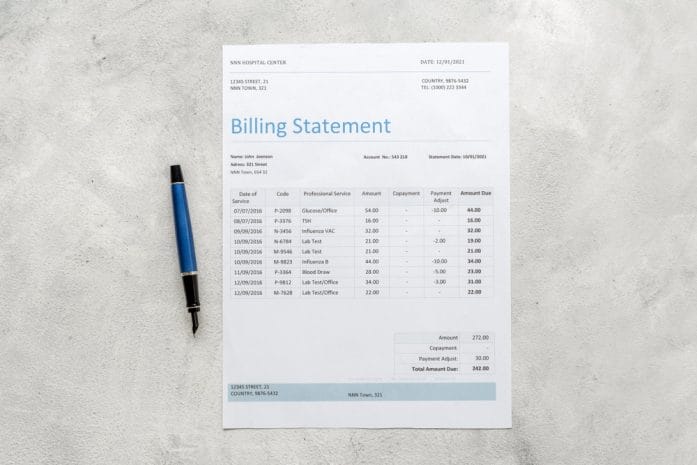
A trip to the hospital is stressful enough without the surprise of inflated charges that appear once the bill arrives. Many patients assume insurance will cover most costs, only to discover a variety of extra expenses buried in the fine print. These unexpected fees that sneak into hospital bills can turn a manageable situation into a financial nightmare. By learning what to watch for, patients can protect themselves from being overcharged and avoid unnecessary debt. Understanding the hidden costs upfront helps families ask better questions, dispute questionable charges, and plan ahead for medical expenses.

1. Room and Board Add-Ons

Most patients expect to pay for their hospital room, but additional charges for things like television, phone access, or special bedding often catch people off guard. These extras are sometimes bundled into the overall cost without a clear explanation. Unexpected fees that sneak into hospital bills in this category can add hundreds of dollars over a multi-day stay. Patients should ask for a breakdown of room charges before admission, when possible. Requesting only essential services can reduce the risk of surprise charges later.

2. Medication Markups

Hospitals frequently charge significantly more for medications administered during a stay compared to a local pharmacy. Even common drugs like ibuprofen or antibiotics can be billed at inflated rates. These unexpected fees that sneak into hospital bills are particularly frustrating because patients usually have no control over where medications are dispensed. Asking if you can use your own prescriptions, when safe and allowed, may cut costs. Reviewing medication charges after discharge is also a smart way to catch excessive markups.

3. Specialist Consultations

During a hospital stay, it’s common for multiple specialists to visit a patient, sometimes without the patient’s request. Each of these brief interactions can result in a separate bill, often with steep consultation fees. These unexpected fees that sneak into hospital bills are rarely explained in advance and may duplicate services already provided by the primary doctor. Patients can ask for clarification on which specialists are truly necessary and request detailed documentation for each visit. Questioning unnecessary consultations may help lower overall costs.

4. Facility and Equipment Usage Fees

Charges for using hospital equipment such as IV pumps, monitors, or even the operating room itself often appear as separate line items. Patients assume these tools are included in the standard care package, but hospitals often treat them as additional services. These unexpected fees that sneak into hospital bills can add thousands of dollars, especially during surgery. Asking in advance about how equipment is billed can help families prepare for potential charges. If the charges seem excessive, patients should request an itemized bill and challenge questionable fees.

5. Lab Tests and Imaging Costs

Blood tests, X-rays, and MRIs are essential diagnostic tools, but their costs can be surprisingly high when performed in-house. Hospitals often charge more than independent labs or imaging centers for the same tests. These unexpected fees that sneak into hospital bills are hard to avoid in urgent situations, but patients can ask for alternatives in non-emergency cases. Verifying insurance coverage for specific tests is another way to prevent shockingly high charges. Afterward, reviewing the necessity of each test with the doctor may provide grounds for disputing unnecessary fees.

6. Discharge and Follow-Up Services

Some patients are surprised to see charges for discharge planning, follow-up phone calls, or simple instructions given at the end of their stay. These services may seem routine, but can come with a price tag attached. Unexpected fees that sneak into hospital bills in this category highlight how even basic interactions can be monetized. Patients should ask in advance if any post-care services will be billed and confirm which are optional. Choosing to handle simple follow-up tasks independently can sometimes cut costs.

Knowledge Is the Best Defense Against Surprise Costs

Hospital stays are already challenging without the added burden of inflated or hidden charges. By understanding the most common unexpected fees that sneak into hospital bills, patients can take proactive steps to question, negotiate, and avoid unnecessary costs. Clear communication with hospital staff, requesting itemized bills, and comparing charges against insurance coverage are essential strategies. With vigilance and preparation, families can protect themselves from financial strain while still receiving the care they need. Awareness turns patients into advocates, ensuring hospitals remain accountable for every dollar charged.

Have you ever found surprising fees on a hospital bill? Share your experience and how you handled it in the comments below!

What to Read Next…

How Can Medical Bills Wipe Out Savings Faster Than a Market Crash

Retirees Face $172,500 in Healthcare Costs—And Many Haven’t Saved for It

7 Times Living Paycheck to Paycheck Comes With Hidden Costs

Could Skipping Insurance Be the Biggest Money Mistake of All

7 Little-Known Costs of Living Longer Than Expected

Catherine Reed
Catherine Reed

Catherine is a tech-savvy writer who has focused on the personal finance space for more than eight years. She has a Bachelor’s in Information Technology and enjoys showcasing how tech can simplify everyday personal finance tasks like budgeting, spending tracking, and planning for the future. Additionally, she’s explored the ins and outs of the world of side hustles and loves to share what she’s learned along the way. When she’s not working, you can find her relaxing at home in the Pacific Northwest with her two cats or enjoying a cup of coffee at her neighborhood cafe.

Filed Under: Personal Finance Tagged With: healthcare costs, Hidden Fees, hospital bills, insurance coverage, medical expenses, patient advocacy, Planning

7 Little-Known Costs of Living Longer Than Expected

September 3, 2025 by Travis Campbell Leave a Comment

healthcare costs

Image source: pexels.com

We all hope for a long, healthy life, but few people consider the true financial impact of living longer than expected. Planning for retirement often focuses on savings and investments, but longevity brings its own set of hidden costs. People who outlive their financial plans may face unexpected challenges that can quickly erode even the best-laid nest eggs. As life expectancy rises, understanding the real price of longevity is more important than ever. Let’s take a closer look at some little-known costs of living longer than expected—so you can plan smarter and avoid surprises down the road.

1. Rising Healthcare Expenses

Healthcare costs tend to increase as we age, and living longer than expected means you may face higher medical bills than you originally planned for. Even with Medicare, out-of-pocket expenses for prescriptions, treatments, and specialist visits can add up quickly. Chronic conditions become more common as you age, and the cost of managing these can surprise many retirees. Those extra years might require more frequent doctor visits, additional medications, and even occasional hospital stays. The longer you live, the more you’ll likely spend on healthcare, making it a critical component of the true costs of living longer than expected.

2. Long-Term Care Needs

Many people underestimate or overlook the possibility of needing long-term care. Whether it’s in-home assistance, assisted living, or a nursing facility, these services can be extremely expensive. The longer you live, the higher the likelihood you’ll need help with daily activities at some point. Long-term care insurance is one option, but it can be costly and isn’t always comprehensive. Without a solid plan, these expenses can quickly drain retirement savings and put extra pressure on family members.

3. Inflation’s Slow Erosion

Inflation may seem small year-to-year, but over a long retirement, it can significantly reduce your purchasing power. Living longer than expected means your money must last and stretch further. Even modest inflation rates can make groceries, utilities, and everyday essentials much more expensive in your later years. If your retirement income doesn’t keep up, you may need to adjust your lifestyle or dip into savings sooner than planned. This hidden cost often sneaks up on retirees who outlive their initial financial projections.

4. Housing Modifications and Maintenance

As you age, your housing needs can change. Living longer than expected often means making your home safer and more accessible. You might need to install ramps, stairlifts, or grab bars, or even consider moving to a smaller, more manageable space. These modifications come with a price tag. Plus, ongoing maintenance—replacing roofs, fixing appliances, or landscaping—doesn’t stop just because you’re retired. The longer you stay in your home, the more you’ll spend keeping it safe and comfortable.

5. Outliving Your Investments

One of the biggest fears for retirees is outliving their money. Even with careful planning, living longer than expected can put your investments to the test. Market downturns, unexpected expenses, and withdrawals over many years can deplete your portfolio. If you don’t adjust your investment strategy for longevity, you could run out of funds when you need them most. Consider strategies like annuities or products designed to provide income for life, and make sure to review your plan regularly with a financial advisor.

6. Taxes on Retirement Income

Many people are surprised to find that their tax situation changes in retirement. Social Security benefits, pensions, and withdrawals from traditional retirement accounts can all be taxable. The longer you live, the more you may pay in taxes. Required minimum distributions (RMDs) from retirement accounts can push you into a higher tax bracket, especially if you don’t plan withdrawals strategically. This can affect not just your income, but also your ability to qualify for certain benefits or healthcare subsidies. Factoring in taxes is a crucial part of understanding the costs of living longer than expected.

7. Supporting Family for Longer

Living longer than expected doesn’t just affect you—it can also impact your family. You might find yourself helping adult children or grandchildren, whether through financial gifts, loans, or even co-signing on loans. If your spouse or partner lives longer than you, they may need extra resources to maintain their lifestyle. These family obligations can strain your finances, especially if you hadn’t planned on supporting others well into your later years. It’s important to set clear boundaries and communicate your own needs, so your financial security isn’t compromised.

Planning for a Longer Life: The Smart Approach

The costs of living longer than expected go beyond what most retirement plans account for. From rising healthcare expenses to family support, these hidden costs can take a serious toll on your financial well-being. By acknowledging and preparing for these realities, you can build flexibility into your retirement plan and reduce the risk of running out of money. Review your plans regularly, stay informed, and seek advice when needed. Taking proactive steps now can help you enjoy those extra years with greater peace of mind.

What hidden costs have you seen or experienced from living longer than expected? Share your thoughts and tips in the comments below!

What to Read Next…

  • What Robo Advisors Don’t Tell Women About Longevity Risk
  • 7 Retirement Perks That Come With Shocking Hidden Costs
  • Are These 7 Little Expenses Quietly Costing You Thousands a Year?
  • 10 Money Mistakes People Make After Losing a Spouse
  • 5 Emergency Repairs That Could Force You Into Debt Overnight
Travis Campbell
Travis Campbell

Travis Campbell is a digital marketer/developer with over 10 years of experience and a writer for over 6 years. He holds a degree in E-commerce and likes to share life advice he’s learned over the years. Travis loves spending time on the golf course or at the gym when he’s not working.

Filed Under: Retirement Tagged With: healthcare costs, Inflation, Long-term care, Longevity, Planning, retirement income, retirement planning

9 Hidden Costs of Early Retirement Nobody Plans For

August 29, 2025 by Catherine Reed Leave a Comment

9 Hidden Costs of Early Retirement Nobody Plans For

Image source: 123rf.com

The dream of early retirement is appealing—who wouldn’t want more free time, fewer work obligations, and the chance to enjoy life sooner? But leaving the workforce earlier than expected can bring financial surprises that many people fail to anticipate. While you may have saved enough for daily expenses, the hidden costs of early retirement can erode your nest egg faster than planned. Understanding these overlooked expenses before you step away from work ensures you’re not caught off guard. Planning ahead is the difference between financial freedom and unexpected financial strain.

1. Higher Healthcare Expenses

One of the biggest hidden costs of early retirement comes from healthcare. Retiring before age 65 means you won’t yet qualify for Medicare, leaving you with expensive private insurance options. Premiums, deductibles, and out-of-pocket expenses can add up quickly. Some early retirees even underestimate the rising cost of prescriptions and treatments as they age. Planning for this gap is critical to avoid draining your retirement savings too soon.

2. Longer Retirement Timeline

Retiring early stretches your retirement timeline by several years. That means you’ll need to fund more years of living expenses without the security of a paycheck. Even small annual miscalculations can have massive effects when multiplied over decades. Many retirees underestimate how long they will live, leaving their money at risk of running out. The longer horizon is one of the most underestimated hidden costs of early retirement.

3. Reduced Social Security Benefits

Taking Social Security early can significantly reduce your lifetime benefits. If you retire before full retirement age, you lock yourself into a lower monthly payout. Over time, this smaller benefit adds up to tens of thousands of dollars in lost income. Many people fail to realize how big a role Social Security plays in long-term stability. This reduction is one of the hidden costs of early retirement that can permanently affect your financial health.

4. Loss of Employer Benefits

While salary is the most obvious thing you lose, employer benefits often carry just as much value. Retiring early means no more access to company-sponsored healthcare, life insurance, or retirement plan contributions. Some employers even match contributions to retirement accounts, which disappears once you stop working. These perks represent significant hidden income many don’t account for. Without them, expenses rise and savings may dwindle faster than planned.

5. Inflation’s Greater Impact

Inflation eats away at everyone’s savings, but early retirees are especially vulnerable. With more years to cover, even modest inflation compounds into a major expense. For example, what seems like a manageable grocery bill today could double over your extended retirement. Many people fail to include enough inflation adjustments in their financial planning. Ignoring this factor makes inflation one of the most overlooked hidden costs of early retirement.

6. Unexpected Lifestyle Spending

Many retirees picture simple living, but more free time often leads to more spending. Travel, hobbies, and home improvement projects can quickly eat into savings. Even smaller daily expenses, like dining out or entertainment, grow when you have more time on your hands. Without strict budgeting, lifestyle creep is inevitable. This tendency makes lifestyle upgrades one of the hidden costs of early retirement that quietly chips away at wealth.

7. Tax Surprises on Withdrawals

Accessing retirement savings early often comes with tax consequences. Depending on the type of account, you may face penalties for early withdrawals before age 59½. Even penalty-free withdrawals can push you into higher tax brackets, reducing the efficiency of your savings. Poor planning around withdrawals can cost far more than expected. Taxes are one of those hidden costs of early retirement that many people only discover after the fact.

8. Higher Long-Term Care Needs

The longer you live, the greater your chances of needing long-term care. Services like assisted living or nursing homes are incredibly expensive and often not fully covered by insurance. Early retirees must plan for these potential costs over an extended timeline. Ignoring long-term care planning can wipe out savings intended for heirs or surviving spouses. It’s one of the most significant hidden costs of early retirement that families fail to prepare for.

9. Loss of Purpose and Routine Costs

While not financial at first glance, the emotional side of retirement can lead to spending more money. Without work structure, retirees sometimes overspend to fill time or chase fulfillment. This could mean expensive travel, luxury purchases, or new hobbies that aren’t financially sustainable. A lack of purpose can unintentionally drive costs higher than planned. Recognizing this psychological factor is essential when calculating the hidden costs of early retirement.

Planning Ahead Prevents Unwanted Surprises

The hidden costs of early retirement don’t mean it’s impossible—they simply highlight the need for careful planning. From healthcare to inflation to lifestyle shifts, these expenses can take even the most diligent savers by surprise. Addressing them before leaving the workforce makes your retirement years more secure and enjoyable. Instead of worrying about money, you’ll be free to focus on the freedom you worked so hard to achieve. Early retirement is possible, but only with eyes wide open to the true costs.

Which of these hidden costs of early retirement do you think people overlook the most? Share your thoughts in the comments below.

What to Read Next…

Is $8,000 a Year a Sound “Peace of Mind” Investment for Retirement

6 Retirement Planning Shifts to Expect by 2035

7 Retirement Income “Buckets” That Keep Taxes Predictable in Bear and Bull Markets

Could Delaying Social Security by 1 Year Mean a 76% Benefit Uplift at 70? More Do It Than You Think

Are Retirement Income Calculators Overestimating Inflation Impact?

Catherine Reed
Catherine Reed

Catherine is a tech-savvy writer who has focused on the personal finance space for more than eight years. She has a Bachelor’s in Information Technology and enjoys showcasing how tech can simplify everyday personal finance tasks like budgeting, spending tracking, and planning for the future. Additionally, she’s explored the ins and outs of the world of side hustles and loves to share what she’s learned along the way. When she’s not working, you can find her relaxing at home in the Pacific Northwest with her two cats or enjoying a cup of coffee at her neighborhood cafe.

Filed Under: Retirement Tagged With: early retirement risks, financial freedom, healthcare costs, hidden costs of early retirement, Inflation, retirement planning, Social Security

Why Do So Many Retirees Run Out of Money Even After Saving for Decades

August 29, 2025 by Travis Campbell Leave a Comment

no money left

Image source: pexels.com

Retirement should be a time to relax and enjoy the rewards of years of hard work. Yet, many retirees run out of money despite saving diligently for decades. This issue affects people from all walks of life, not just those who have low incomes or failed to plan. The fear of outliving your savings is real, and it can create stress during what should be a peaceful chapter. Understanding why this happens is essential if you want to avoid the same fate. Let’s explore the main reasons retirees run out of money and what you can do to help protect your retirement savings.

1. Underestimating Retirement Expenses

One big reason retirees run out of money is simply underestimating how much they’ll need. Many people assume their expenses will drop significantly after they stop working. While some costs go down, others—like healthcare or hobbies—can rise. If you don’t have a realistic retirement budget, you might burn through your nest egg faster than planned. Tracking expenses and reviewing them regularly is key to making sure your retirement savings last.

2. Rising Healthcare Costs

Healthcare is often the wild card in retirement planning. As you age, medical costs typically increase, and Medicare doesn’t cover everything. Prescription drugs, dental care, long-term care, and unexpected illnesses can all eat into your retirement savings. Many retirees run out of money because they didn’t plan for these rising healthcare expenses. Looking into supplemental health insurance or health savings accounts can help manage this risk.

3. Longevity and Outliving Savings

People are living longer than ever before. While that’s good news, it also means your retirement savings need to last longer. If you retire at 65 and live to 95, that’s 30 years of expenses to cover. Many underestimate how long they’ll live and don’t adjust their withdrawal rates accordingly. This is one of the top reasons retirees run out of money, even after decades of careful saving. Consider planning for a longer retirement than you think you’ll need, just in case.

4. Poor Investment Choices

Some retirees make risky investment moves, hoping to boost returns, while others get too conservative and miss out on growth. Both approaches can hurt your retirement savings. Poor diversification, chasing trends, or making emotional decisions can lead to losses. It’s important to review your investment strategy as you move into retirement and adjust your portfolio to balance growth and safety.

5. Supporting Family Members

Many retirees run out of money because they support adult children, grandchildren, or other relatives. Whether it’s helping with college tuition, medical bills, or everyday expenses, these costs can add up quickly. It’s hard to say no to family, but giving away too much can jeopardize your own financial security. Setting clear boundaries and having honest conversations with loved ones is essential to ensure your retirement savings last.

6. Failing to Adjust Withdrawals

Some retirees stick to a fixed withdrawal rate, such as the “4% rule,” without considering market changes or personal circumstances. If the market drops or your expenses rise, sticking with the same withdrawals can drain your account faster. Flexibility is crucial. Review your withdrawal strategy each year and adjust as needed.

7. Inflation Erodes Purchasing Power

Inflation slowly eats away at your money’s value. Even a modest inflation rate can significantly reduce your purchasing power over a 20- or 30-year retirement. If your investments don’t keep pace with inflation, you may find your savings don’t go as far as you hoped. This is another common reason retirees run out of money. It’s important to include some assets in your portfolio that have the potential to outpace inflation, such as stocks or inflation-protected bonds.

How to Protect Your Retirement Savings

Running out of money in retirement is a real risk, but it’s not inevitable. Start by making a detailed retirement budget and plan for higher healthcare costs. Don’t assume your expenses will drop drastically—track and adjust as you go. Make sure your investment strategy balances growth and safety, and review it regularly. Be mindful when helping family, and don’t be afraid to set boundaries. Most importantly, plan for a longer retirement to help ensure your retirement savings last as long as you do.

With careful planning and regular check-ins, you can avoid the common pitfalls that cause retirees to run out of money. What steps are you taking to make your retirement savings last? Share your thoughts in the comments below!

What to Read Next…

  • How Many of These 8 Retirement Mistakes Are You Already Making?
  • Is Your Retirement Plan Outdated by a Decade Without You Knowing?
  • What Happens to Retirement Payouts When the Market Drops Mid Inheritance?
  • 7 Retirement Perks That Come with Shocking Hidden Costs
  • 6 Financial Traps Retirees Walk Into Without Questioning
Travis Campbell
Travis Campbell

Travis Campbell is a digital marketer/developer with over 10 years of experience and a writer for over 6 years. He holds a degree in E-commerce and likes to share life advice he’s learned over the years. Travis loves spending time on the golf course or at the gym when he’s not working.

Filed Under: Retirement Tagged With: healthcare costs, Inflation, investment strategy, outliving savings, Personal Finance, retirement planning, retirement savings

  • « Previous Page
  • 1
  • …
  • 4
  • 5
  • 6
  • 7
  • 8
  • 9
  • Next Page »

FOLLOW US

Search this site:

Recent Posts

  • Can My Savings Account Affect My Financial Aid? by Tamila McDonald
  • 12 Ways Gen X’s Views Clash with Millennials… by Tamila McDonald
  • What Advantages and Disadvantages Are There To… by Jacob Sensiba
  • 10 Tactics for Building an Emergency Fund from Scratch by Vanessa Bermudez
  • Call 911: Go To the Emergency Room Immediately If… by Stephen Kanaval
  • 7 Weird Things You Can Sell Online by Tamila McDonald
  • 10 Scary Facts About DriveTime by Tamila McDonald

Copyright © 2026 · News Pro Theme on Genesis Framework