
• Home
  • About Us
  • Toolkit
  • Getting Finances Done
    • Hiring Advisors
    • Debt Management
    • Spending Plan
  • Insurance
    • Life Insurance
    • Health Insurance
    • Disability Insurance
    • Homeowners/Renters Insurance
  • Contact Us
  • Privacy Policy
  • Risk Tolerance Quiz

The Free Financial Advisor

You are here: Home / Archives for government policy

Tax Ahead: 4 Strategic Moves If You Think Congress Will Rewrite Tax Rules

December 30, 2025 by Brandon Marcus Leave a Comment

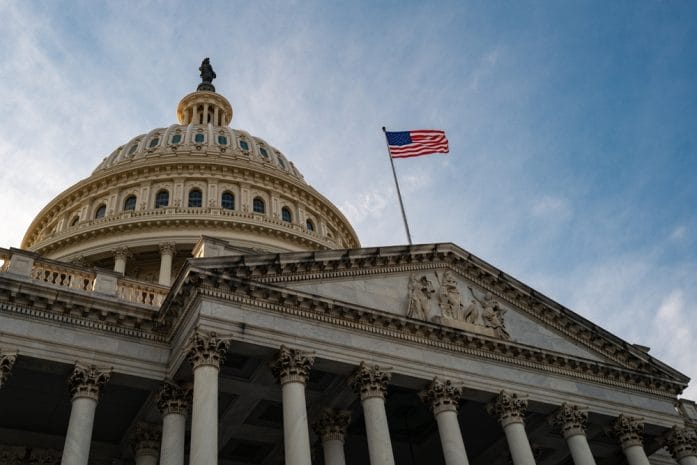
Tax Ahead: 4 Strategic Moves If You Think Congress Will Rewrite Tax Rules

Image Source: Shutterstock.com

Congress is like that unpredictable relative who shows up to dinner unannounced, changes the rules mid-meal, and somehow leaves you scrambling to adjust. When it comes to taxes, the stakes are even higher. One minute your strategy seems solid, the next a new proposal or legislative tweak could flip your financial plan upside down.

For anyone who wants to keep more of their hard-earned money and avoid last-minute panic, understanding potential changes—and acting before they happen—is crucial.

1. Reassess Your Retirement Contributions Immediately

If Congress hints at changing tax treatment for 401(k)s, IRAs, or other retirement vehicles, waiting until the last minute could cost you thousands. By reassessing contributions now, you can maximize tax-deferred growth before any new limits or rules hit. Consider whether shifting from a traditional account to a Roth account—or vice versa—aligns with potential legislative changes. Tax-free withdrawals in the future could be a game-changer if rates go up. Staying proactive now allows you to adapt smoothly without scrambling when new rules become law.

2. Reevaluate Capital Gains Strategies

Capital gains taxes are notoriously sensitive to legislative tinkering. If Congress starts talking about raising rates or changing how gains are calculated, it’s wise to examine your investments. Harvesting losses strategically can offset gains and reduce tax liability, even before any law changes take effect. Long-term planning, such as holding assets for over a year, might save you from higher future rates. Working with a financial advisor now ensures your portfolio is positioned to ride out potential changes without unnecessary losses.

3. Explore Timing Large Deductions Or Expenditures

The timing of deductions can suddenly become a high-stakes game when tax rules are in flux. If new legislation limits deductions or alters thresholds, accelerating deductible expenses now could lock in savings. Charitable donations, mortgage interest, and state taxes paid might be especially worth front-loading. Conversely, some taxpayers may benefit from deferring expenses if future rules allow higher deductions. Paying attention to timing isn’t just strategic—it can transform potential tax headaches into manageable planning wins.

Tax Ahead: 4 Strategic Moves If You Think Congress Will Rewrite Tax Rules

Image Source: Shutterstock.com

4. Reconsider Business And Investment Structures

Business owners and investors should treat potential tax reforms like a chessboard. Changing how corporations, partnerships, or LLCs are taxed can dramatically impact take-home profits. Evaluating the structure of your business or investment accounts now could avoid costly restructuring later. Shifts in pass-through taxation, qualified business income deductions, or international tax rules are not far-fetched under current congressional conversations. Taking action early helps you stay flexible and potentially minimize liabilities while Congress debates new rules.

Take Control Before Rules Change

Waiting until Congress finalizes new tax laws is like waiting for a storm to hit before closing the windows—you’ll almost always regret it. The smartest taxpayers act preemptively, reassessing contributions, investments, deductions, and business structures now. Planning ahead can turn uncertainty into opportunity, saving money and stress. By taking deliberate steps today, you position yourself to adapt without scrambling.

Let us know your thoughts, experiences, or strategies in the comments section below—we’d love to hear how you approach shifting tax landscapes.

You May Also Like…

Income Threshold: 4 Hidden Taxes That Hit Once You Cross Certain Limits

9 Georgia Counties Where Property Taxes Are Set to Rise the Fastest

10 Lesser-Known Tax Rules That Cost Households Big Money

Is Your Social Security About to Shrink Unless Congress Acts Fast?

7 ATM Withdrawal Behaviors That Raise Government Surveillance Flags


Brandon Marcus
Brandon Marcus

Brandon Marcus is a writer who has been sharing the written word since a very young age. His interests include sports, history, pop culture, and so much more. When he isn’t writing, he spends his time jogging, drinking coffee, or attempting to read a long book he may never complete.
Filed Under: Tax Planning Tagged With: capital gains, Congress, deductions, Government, government policy, retirement account, retirement contribution, retirement plan, retirement planning, Tax, tax moves, tax planning, tax rules, taxes, United States

Could Rising Interest Rates Force You To Delay Retirement Longer Than Planned?

December 26, 2025 by Brandon Marcus Leave a Comment

Could Rising Interest Rates Force You To Delay Retirement Longer Than Planned?

Image Source: Shutterstock.com

The thrill of retirement often feels like standing at the edge of a diving board, ready to leap into years of freedom, adventure, and late-morning pancakes. But what if the water below has suddenly shifted? Rising interest rates might seem like an abstract economic term, reserved for financial headlines or talking heads in suits, but they can ripple directly into your retirement plans.

Suddenly, the cozy vision of early retirement, stress-free vacations, and endless hobbies can feel like it’s slipping further away. Understanding how interest rates interact with your finances could be the difference between retiring when you want and postponing your dreams for several more years.

How Rising Interest Rates Impact Your Investments

Interest rates are the invisible force that shapes the value of everything from savings accounts to stocks and bonds. When rates climb, the price of existing bonds generally falls, because new bonds are paying more, making older ones less attractive. Stock markets can also react, as higher borrowing costs for companies can slow growth and reduce profits. Retirees who rely on investment portfolios may find their nest egg growing more slowly, or even shrinking in real terms. The effect can be especially jarring for those counting on fixed-income investments to fund living expenses in retirement.

The Connection Between Mortgages And Retirement Timing

If you have a mortgage or are considering buying a home before retirement, rising interest rates can directly affect your monthly payments. Higher rates mean higher interest costs, leaving less disposable income to funnel into retirement accounts. Those planning to downsize or relocate may face increased financing costs, making the move less feasible. Even homeowners who are mortgage-free can feel the indirect effects, as property values may stagnate or fall with rate hikes. In short, your dream retirement home might not be as affordable as you initially calculated.

Inflation And Its Sneaky Role In Retirement

Interest rates often rise in response to inflation, and inflation can quietly erode the purchasing power of your savings. A dollar saved today may not buy as much in a few years, forcing retirees to withdraw more to maintain their lifestyle. This effect is compounded if your income sources, like pensions or social security, are fixed. Rising rates alone aren’t the culprit—it’s the combination of inflation and rates that can pressure your retirement timeline. Retirees may need to rethink their budgets, adjust expectations, or work a few extra years to protect their standard of living.

How Retirement Accounts Respond To Rate Changes

Different retirement accounts respond differently to interest rate fluctuations. Traditional 401(k)s and IRAs invested heavily in bonds can lose value when rates rise, while accounts tilted toward equities might see volatility without guaranteed losses. Fixed annuities or CDs may suddenly look more attractive because new contracts pay higher returns. Understanding the composition of your retirement portfolio is critical to avoid being caught off guard. Regular portfolio reviews can reveal opportunities to rebalance investments in a way that mitigates risk while taking advantage of higher interest rates.

The Psychological Effect Of Delayed Retirement

The idea of working longer than planned can be emotionally taxing. Many people plan retirement with a set age in mind, and adjusting to a later exit can feel like losing control. Stress and anxiety can creep in, affecting health and overall quality of life. Some retirees may rush into retirement prematurely, taking bigger financial risks to make up for lost time. Recognizing the mental and emotional aspects of a delayed retirement can help you make more rational decisions during uncertain financial periods.

Could Rising Interest Rates Force You To Delay Retirement Longer Than Planned?

Image Source: Shutterstock.com

Strategies To Stay On Track Despite Rising Rates

Even if interest rates are rising, there are proactive strategies to protect your retirement goals. Diversifying your investments across stocks, bonds, and alternative assets can cushion against rate-driven losses. Delaying withdrawals from retirement accounts or scaling back discretionary spending can help your savings last longer. Refinancing high-interest debt before rates spike is another practical move. Consulting with a financial advisor who understands the current economic landscape can provide tailored advice and prevent costly mistakes.

Considering Partial Retirement Or Flexible Work

Not every delay in retirement has to be a complete setback. Partial retirement, consulting, or part-time work can help bridge the income gap while maintaining lifestyle goals. Flexible work options reduce the stress of abrupt financial changes and provide a cushion against rate volatility. Many retirees discover that phased retirement offers personal fulfillment and additional savings simultaneously. This approach can also allow your investments to recover and grow more effectively during periods of uncertainty.

The Importance Of Emergency Funds And Safety Nets

Rising interest rates can test even the most disciplined savers, making robust emergency funds more essential than ever. Liquidity ensures you aren’t forced to tap retirement accounts prematurely, which can incur taxes and penalties. Keeping a cash cushion also provides peace of mind during periods of market volatility. Adequate reserves allow you to navigate unexpected expenses without derailing long-term retirement plans. A solid safety net is one of the few financial shields entirely within your control.

Preparing For The Unexpected

Economic environments are unpredictable, and interest rates are just one piece of the puzzle. Health issues, market crashes, or family responsibilities can all impact your retirement timeline. Being flexible and having contingency plans can turn potential setbacks into manageable adjustments. Monitoring both macroeconomic trends and personal finances is crucial to staying ahead. Ultimately, preparation and adaptability are your best allies in preserving the retirement you’ve envisioned.

Your Thoughts On Retirement Timing

Rising interest rates are more than a headline—they’re a tangible factor that can affect how and when you retire. By understanding the interplay between rates, investments, inflation, and lifestyle, you can make informed decisions to protect your future. Strategies such as diversification, flexible work, and robust emergency funds can mitigate the pressure to delay retirement. The key is to stay proactive and consider how small adjustments today can preserve your dreams for tomorrow.

Let us know your thoughts or experiences with interest rates affecting retirement in the comments section below.

You May Also Like…

Pension Shock: 9 Myths About Social Security That Could Derail Your Retirement

Savings Sprint: 9 Ways to Catch Up on Retirement Savings Before December Ends

Debt Overhang: 8 Ways Carrying Debt Into Retirement Can Undermine Your Progress

6 Vital Signs Your Advisor Isn’t Putting Your Interests First

Are There Undisclosed Conflicts of Interest Lurking In My Brokerage Firm?


Brandon Marcus
Brandon Marcus

Brandon Marcus is a writer who has been sharing the written word since a very young age. His interests include sports, history, pop culture, and so much more. When he isn’t writing, he spends his time jogging, drinking coffee, or attempting to read a long book he may never complete.

Filed Under: Retirement Tagged With: delayed retirement, economic challenges, economic changes, economy, government policy, Inflation, interest rates, mortgage, mortgages, retire, retiree, retirees, Retirement, retirement accounts, retirement savings, retirement timing

  • « Previous Page
  • 1
  • 2

FOLLOW US

Search this site:

Recent Posts

  • Can My Savings Account Affect My Financial Aid? by Tamila McDonald
  • 12 Ways Gen X’s Views Clash with Millennials… by Tamila McDonald
  • What Advantages and Disadvantages Are There To… by Jacob Sensiba
  • 10 Tactics for Building an Emergency Fund from Scratch by Vanessa Bermudez
  • Call 911: Go To the Emergency Room Immediately If… by Stephen Kanaval
  • 7 Weird Things You Can Sell Online by Tamila McDonald
  • 10 Scary Facts About DriveTime by Tamila McDonald

Copyright © 2026 · News Pro Theme on Genesis Framework