• Home
  • About Us
  • Toolkit
  • Getting Finances Done
    • Hiring Advisors
    • Debt Management
    • Spending Plan
  • Insurance
    • Life Insurance
    • Health Insurance
    • Disability Insurance
    • Homeowners/Renters Insurance
  • Contact Us
  • Risk Tolerance Quiz
  • Our Editorial Commitment

The Free Financial Advisor

You are here: Home / Archives for Debt

9 Sneaky Ways Credit Card Companies Profit Off You

September 27, 2025 by Travis Campbell Leave a Comment

credit card
Image source: pexels.com

Credit cards are everywhere, and most of us use them for everything from groceries to online shopping. But have you ever wondered just how credit card companies make their money? Understanding the sneaky ways credit card companies profit from you is crucial if you want to keep more of your hard-earned cash. With fees, interest, and rewards programs, it’s easy to lose track of where your money is going. Knowing these tricks can help you avoid unnecessary costs and make smarter financial decisions. Let’s break down the most common ways these companies make money from everyday consumers like you.

1. Interest Charges on Unpaid Balances

The primary way credit card companies profit from you is through interest charges. If you don’t pay your balance in full each month, you’ll be charged interest on the remaining amount. These rates are often much higher than other types of loans, sometimes reaching 20% or more. Even a small balance can grow quickly if you only make minimum payments, leading to a cycle of debt that’s hard to escape. By carrying a balance, you’re essentially paying the company to borrow your own money.

2. Late Payment Fees

Miss your payment date by even one day, and you could face a hefty late fee. These fees can add up fast, especially if you’re juggling multiple cards. Some companies also increase your interest rate after a late payment, making it even more expensive to pay off your debt. It’s a double whammy that helps credit card companies profit off you each time you slip up.

3. Cash Advance Fees

Need quick cash? Using your credit card for a cash advance might seem convenient, but it comes with a price. Cash advances usually have higher interest rates and start accruing interest immediately—no grace period. On top of that, you’ll often pay a fee of 3% to 5% of the amount withdrawn. This sneaky method can turn a small emergency into a big expense for cardholders.

4. Balance Transfer Fees

Transferring a balance from one card to another can save you money if you get a lower interest rate. However, most credit card companies charge a balance transfer fee, often around 3% to 5% of the amount moved. While it might seem like a good deal, these fees eat into your savings and are another way companies profit from your need to manage debt.

5. Foreign Transaction Fees

Traveling abroad? Many credit cards charge foreign transaction fees, usually around 3% of each purchase made outside the U.S. This fee often goes unnoticed until you check your statement. While some cards waive these charges, many do not. It’s an easy way for credit card companies to profit off you while you’re on vacation or shopping online from international retailers.

6. Annual Fees

Some credit cards come with annual fees, especially those with rewards programs or premium perks. These fees can range from $30 to several hundred dollars a year. While rewards might seem attractive, you need to spend enough to justify the cost. Often, the annual fee offsets any potential benefits unless you’re a heavy user of the card’s features.

7. Penalty Interest Rates

If you miss payments or go over your credit limit, you might trigger a penalty interest rate. This rate is much higher than your normal rate—sometimes up to 30%. Once applied, it can take months of on-time payments to get back to your original rate. This is one of the most expensive ways credit card companies profit from you, and it can make getting out of debt much harder.

8. Reward Program Gotchas

Rewards programs sound like a great deal, but they often come with hidden catches. Points may expire, categories can change without notice, and redemption options might not offer real value. Some cards even require you to spend a certain amount before you can claim rewards. These limitations help credit card companies profit off you by encouraging spending but limiting actual payouts.

9. Minimum Payment Traps

Credit card statements highlight the minimum payment required each month. Paying only the minimum seems manageable, but it’s a trap. Doing so keeps you in debt longer and racks up more interest for the issuer. The minimum payment is often just enough to cover interest and a small portion of the principal, which maximizes profits for the company over time.

How to Outsmart Credit Card Companies

Now that you know the sneaky ways credit card companies profit from you, you can take steps to avoid falling into these traps. Always pay your balance in full when possible, avoid cash advances, and be wary of annual fees. Set up automatic payments to dodge late fees and look for cards with no foreign transaction fees if you travel often.

It also helps to read the fine print and compare card offers before applying. Staying informed is the best way to keep your money in your pocket, not lining the pockets of credit card companies.

Which of these sneaky methods surprised you the most? Share your thoughts or experiences in the comments below!

What to Read Next…

  • 7 Credit Card Features Disappearing Without Any Notice
  • 6 Credit Card Perks That Come With Under The Radar Stringent Conditions
  • 7 Hidden Fees That Aren’t Labeled As Fees At All
  • 7 Financial Loopholes That Lenders Exploit Behind The Scenes
  • What Are Banks Really Doing With Your Personal Spending Data?
Travis Campbell
Travis Campbell

Travis Campbell is a digital marketer/developer with over 10 years of experience and a writer for over 6 years. He holds a degree in E-commerce and likes to share life advice he’s learned over the years. Travis loves spending time on the golf course or at the gym when he’s not working.

Filed Under: credit cards Tagged With: credit cards, Debt, fees, interest rates, money tips, Personal Finance

10 Times People Lost Savings by Trusting Friends

September 26, 2025 by Catherine Reed Leave a Comment

10 Times People Lost Savings by Trusting Friends
Image source: 123rf.com

Trust is the foundation of many relationships, but when money gets involved, even the closest friendships can crumble. All too often, people have lost savings by trusting friends with investments, loans, or business ventures that seemed safe at first. The heartbreak isn’t only financial—it’s also emotional, as broken trust can linger long after the money is gone. By looking at real-life scenarios where friendships and finances collided, we can better understand how to protect ourselves. Here are ten common ways people have lost savings by trusting friends, and how to avoid making the same mistakes.

1. Lending Without Clear Agreements

One of the most common ways people lost savings by trusting friends is through informal loans. A friend might promise to repay quickly, but without a written agreement, repayment often drags or never happens. Many borrowers genuinely intend to pay back, but life circumstances change, leaving lenders empty-handed. Without interest or collateral, these loans rarely benefit the lender in the long run. Setting clear terms in writing can prevent confusion and protect both sides.

2. Investing in Unproven Business Ideas

Another scenario where people lost savings is when friends pitch “can’t-miss” business opportunities. Excitement and loyalty often override good judgment, leading people to pour money into untested ventures. Too often, these businesses fail due to poor planning or lack of market research. The financial hit is painful, but the emotional strain of supporting a struggling friend can be worse. Always research before investing, even when the pitch comes from someone you trust.

3. Co-Signing on Loans

Many individuals have lost savings after co-signing a loan for a friend who failed to make payments. Once the friend defaults, the co-signer is legally responsible for the balance. This not only drains savings but can also damage credit scores. What starts as a supportive gesture quickly becomes a financial trap. Co-signing should be reserved for situations where you’re prepared to take on the full responsibility yourself.

4. Falling for “Insider” Tips

Friends sometimes claim to have insider knowledge about stocks, cryptocurrency, or real estate. Acting on these unverified tips has caused countless people to lose savings quickly. Markets are unpredictable, and what seems like a sure thing often collapses overnight. Trusting without doing personal research leads to financial vulnerability. Relying on professional advice is safer than risking money on friendly speculation.

5. Covering a Friend’s Debt

Some people lost savings by helping a friend pay off existing debts, hoping to give them a fresh start. While well-intentioned, this approach often backfires when the friend doesn’t change poor spending habits. Instead of improving, the cycle of debt continues, leaving the helper with depleted funds. Emotional appeals can cloud financial judgment in these cases. Offering non-financial support, like budgeting help, is often more effective.

6. Joint Ventures Without Contracts

Starting a business with friends may sound exciting, but without contracts, it’s a recipe for disaster. Many people lost savings when profits were mismanaged or responsibilities weren’t clearly defined. Disagreements over money or direction can quickly sour friendships. A legally binding agreement outlines expectations and protects everyone’s investment. Skipping this step often leads to financial and personal losses.

7. Funding Lifestyle Choices

Sometimes, friends ask for money not to start businesses, but to maintain lifestyles. Whether it’s covering rent, vacations, or luxury purchases, these requests drain savings fast. Many people later regret financing someone else’s comfort while sacrificing their own security. The risk is higher because these funds rarely generate returns. Helping friends find sustainable financial solutions is better than being their personal bank.

8. Getting Dragged into Scams

Sadly, friends can unintentionally rope others into scams they’ve fallen for themselves. Pyramid schemes and “get-rich-quick” investments often spread through social circles. People lost savings by trusting friends who truly believed they were sharing opportunities. Once the scam collapses, both the investor and the friend feel betrayed. Researching independently before handing over money can prevent these painful outcomes.

9. Mixing Housing and Friendship

Agreeing to be a roommate or landlord to a friend has cost many people their savings. Missed rent payments or property damage can create financial strain and strain the friendship. Evicting a friend or asking for unpaid bills is both awkward and costly. Even with close friends, rental agreements and deposits should be enforced. Treating the arrangement like any other business deal ensures fairness.

10. Ignoring Red Flags Out of Loyalty

Perhaps the most heartbreaking cases of lost savings happen when people ignore warning signs. Friends struggling with addiction, gambling, or poor money habits often ask for financial help. Out of loyalty, people hand over funds they can’t afford to lose. The result is financial loss and continued enabling of destructive behaviors. Recognizing red flags and setting firm boundaries is essential for protecting both money and relationships.

Learning to Protect Both Money and Friendships

The truth is, many people have lost savings by trusting friends in ways that felt generous at the moment but devastating later. Trust doesn’t need to vanish from friendships, but it does need to be paired with healthy boundaries and sound financial practices. Protecting your money doesn’t mean you love your friends less—it means you’re safeguarding your future while still being supportive. By learning from these situations, you can avoid repeating painful mistakes. After all, true friendships should never come at the cost of your financial stability.

Have you ever lost savings by trusting friends with money? How did you handle the situation, and what lessons did you learn? Share your thoughts in the comments.

What to Read Next…

What Happens When You Trust the Wrong People With Money

6 Times Helping Family Financially Ends in Regret

The Financial Advice That Works—But Almost No One Follows

6 Financial Risks That Appear After Moving in With Someone

5 Unsettling Truths About Payday Loan Companies

Catherine Reed
Catherine Reed

Catherine is a tech-savvy writer who has focused on the personal finance space for more than eight years. She has a Bachelor’s in Information Technology and enjoys showcasing how tech can simplify everyday personal finance tasks like budgeting, spending tracking, and planning for the future. Additionally, she’s explored the ins and outs of the world of side hustles and loves to share what she’s learned along the way. When she’s not working, you can find her relaxing at home in the Pacific Northwest with her two cats or enjoying a cup of coffee at her neighborhood cafe.

Filed Under: money management Tagged With: Debt, financial boundaries, financial mistakes, investments, lost savings, money and friendships, trusting friends

What Happens When You Don’t Read Loan Fine Print

September 26, 2025 by Travis Campbell Leave a Comment

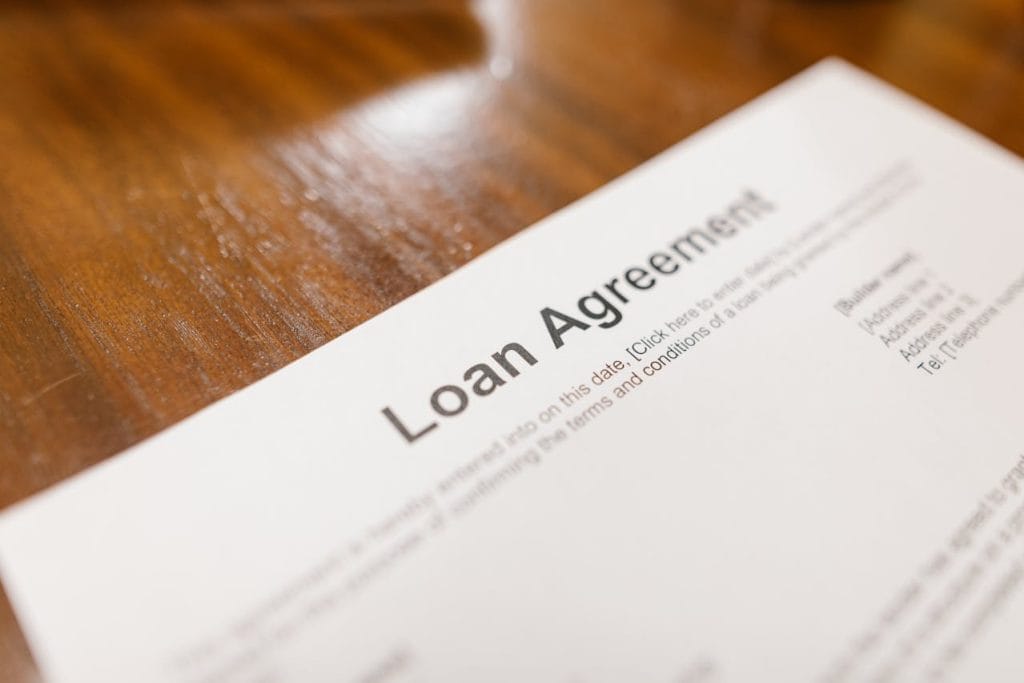
loan agreement
Image source: pexels.com

Taking out a loan can feel like a relief, whether you’re buying a car, paying for college, or covering emergency expenses. But many people skip over the loan fine print, eager to get funds quickly. That’s a risky move. The details buried in those pages can dramatically impact your finances. Ignoring the fine print might lead to unexpected fees, higher payments, or even legal trouble. Understanding what happens when you don’t read loan fine print can save you money, stress, and regret.

1. Hidden Fees and Costs

Loan agreements often include fees that aren’t obvious at first glance. If you don’t read the loan fine print, you might be surprised by origination fees, late payment penalties, or prepayment charges. These extra costs can add up quickly, making your loan more expensive than you planned. Some lenders even charge for things like paper statements or payment processing. Always check the fee schedule before you sign. It’s not just about the interest rate—you need to know the total cost of borrowing.

2. Changing Interest Rates

Many loans come with variable interest rates, but this detail is sometimes buried in the fine print. If you skip reading, you might think your rate is fixed, only to see your payments jump later. That can wreck your budget. When you don’t read the loan fine print, you might miss how and when your rate can change. Look for sections about rate adjustments, index rates, and how often your lender can revise the terms. Even a small increase in your rate can mean hundreds or thousands more over the life of the loan.

3. Unfavorable Repayment Terms

Repayment rules can be tricky. Some loans have short grace periods, while others require large balloon payments at the end. If you don’t read the loan fine print, you might not realize how soon you need to start paying or how much your payments will be. Missing these details can lead to late payments, penalties, or even default. Be clear about your repayment schedule, the amount due each month, and what happens if you pay late. Understanding these terms ahead of time gives you more control over your finances.

4. Tricky Clauses and Traps

Loan documents sometimes include clauses that protect the lender more than you. For example, there might be mandatory arbitration agreements, which limit your ability to sue if there’s a problem. Or there could be cross-default clauses, meaning if you default on one loan, you automatically default on others with the same lender. When you don’t read loan fine print, you may agree to terms you’d never accept if you understood them. Take the time to look for legal jargon, and don’t be afraid to ask for clarification before signing.

5. Credit Score Surprises

Your loan agreement may explain how your payments (or missed payments) are reported to credit bureaus. If you don’t read the loan fine print, you might not realize that even a single late payment could hurt your credit score. Some lenders report late payments after just a few days, while others give you a longer grace period. Understanding this can help you protect your credit and avoid long-term financial consequences. If you’re unsure, ask the lender how they report to credit agencies before you commit.

6. Prepayment Penalties

Paying off a loan early seems like a good thing, but not always. Some lenders charge prepayment penalties if you pay off your balance ahead of schedule. If you don’t read the loan fine print, you might end up paying extra just for being financially responsible. These penalties can eat into any interest savings you hoped to gain by paying off your loan faster. Always check if your loan has a prepayment penalty and how it’s calculated. This is especially important for mortgages and auto loans, where the amounts can be significant.

7. Loss of Collateral

Many loans are secured by collateral, such as your car or home. The fine print spells out what happens if you default. If you don’t read the loan fine print, you might not understand how quickly you could lose your property. Some contracts allow lenders to repossess assets after just one missed payment, with little warning. Protect yourself by knowing exactly what’s at risk and what your rights are if you fall behind.

8. Legal and Collection Risks

Loan agreements usually detail what happens if you break the contract. If you don’t read the loan fine print, you may not see clauses about collections, court costs, or wage garnishment. Some lenders move quickly to collect unpaid debts, hiring collection agencies or taking legal action. This can add major stress and cost to your life. Understanding these consequences before you sign helps you make informed choices and avoid future hassles.

How to Protect Yourself When Borrowing

It’s tempting to rush through paperwork, but reading the loan fine print is essential. Take your time, and don’t hesitate to ask questions if something isn’t clear. Get a copy of the agreement and review it at home, away from pressure. Consider consulting with a trusted advisor or a lawyer if the terms are complex.

Remember, lenders count on borrowers skipping the fine print. Knowing what happens when you don’t read loan fine print gives you the power to avoid surprises and protect your money.

Have you ever been caught off guard by a loan’s fine print? Share your experience or questions in the comments below!

What to Read Next…

  • The Benefits of Taking Personal Loans and Their Impact on Credit Scores
  • 9 Surprising Penalties for Paying Off Loans Too Early
  • 7 Hidden Fees That Aren’t Labeled as Fees at All
  • What Happens When You Co-Sign a Friend’s Loan by Accident
  • What Happens When Your Bank Changes the Terms Without Warning
Travis Campbell
Travis Campbell

Travis Campbell is a digital marketer/developer with over 10 years of experience and a writer for over 6 years. He holds a degree in E-commerce and likes to share life advice he’s learned over the years. Travis loves spending time on the golf course or at the gym when he’s not working.
Filed Under: Debt Management Tagged With: borrowing, credit, Debt, fine print, interest rates, loans, Personal Finance

Could Being Too Generous With Gifts Destroy Your Budget

September 26, 2025 by Travis Campbell Leave a Comment

gifts
Image source: pexels.com

Gift giving can be one of life’s greatest joys. It’s a way to show appreciation, celebrate milestones, and make memories with loved ones. But have you ever stopped to consider if your generosity is quietly undermining your financial stability? For many, the urge to give can spiral into overspending, especially around holidays or special occasions. If you find yourself stretching your wallet to make others happy, you’re not alone. Let’s explore how being too generous with gifts could destroy your budget, and what you can do to keep both your relationships and your finances healthy.

1. Emotional Spending Can Spiral Out of Control

It’s easy to get caught up in the excitement of picking out the perfect gift. Sometimes, the desire to make someone feel special overshadows your financial reality. When emotional spending takes over, you might buy gifts that are far more expensive than you can reasonably afford. This pattern can quickly put a dent in your monthly budget, especially if you’re not tracking your expenses closely.

Being too generous with gifts often means ignoring your budget boundaries. Before you know it, you’re dipping into savings or using credit cards to cover the difference. Over time, emotional spending habits can create a cycle of debt and regret, making it harder to meet your financial goals.

2. The Hidden Costs Add Up Fast

Buying gifts is rarely just about the price tag on the box. Wrapping paper, cards, shipping fees, and even the cost of attending events can sneak up on you. These hidden costs often go unnoticed, especially if you’re focused on the joy of giving. But when you add them up, you may be spending much more than you realize.

For those who are regularly generous with gifts, these extra expenses can eat away at your budget without warning. A $50 gift might actually cost $70 or more by the time you’ve wrapped and delivered it. If you’re giving gifts to several people, these costs multiply quickly, making it easy to lose track of your spending.

3. Social Pressure Can Lead to Overspending

It’s natural to want to keep up with friends and family, especially during the holidays. Sometimes, being too generous with gifts isn’t just about your own preferences—it’s about meeting expectations or avoiding disappointment. Social media can make this even harder, with people sharing extravagant presents and celebrations online.

Feeling pressured to match or exceed others’ generosity can push you to spend more than you planned. This is a common way budgets get derailed, especially if you’re not comfortable setting boundaries. Learning to say “no” or giving within your means is key to protecting your finances from social pressure.

4. Sacrificing Essentials for Generosity

When you prioritize gift giving over your essential expenses, you risk putting your financial security in jeopardy. Maybe you skip a bill payment or cut back on groceries so you can buy a nicer present. While your intentions are good, these sacrifices can create bigger problems down the road.

Being too generous with gifts shouldn’t mean neglecting your own needs. If you find yourself making trade-offs that affect your health, housing, or savings, it’s time to reassess. Generosity should never come at the expense of your own well-being.

5. The Debt Trap of Gift Giving

One of the most dangerous ways being too generous with gifts can destroy your budget is by leading you into debt. Using credit cards or loans to fund your generosity might feel manageable at first, but interest charges and minimum payments add up quickly.

Over time, this debt can become overwhelming, making it harder to recover. If you’re struggling with this, consider resources like Consumer Financial Protection Bureau tips on managing debt and budgeting. Remember, true generosity doesn’t require you to put your financial future at risk.

6. Long-Term Financial Goals Take a Backseat

Every dollar you spend on gifts is a dollar you can’t put toward your long-term goals. Whether you’re saving for a home, building an emergency fund, or planning for retirement, frequent overspending on gifts can slow your progress. In the moment, it’s easy to justify a splurge, but repeated over time, these decisions can seriously impact your financial trajectory.

Being too generous with gifts may seem harmless now, but it could mean postponing important milestones later. Balancing generosity with discipline is crucial for maintaining a budget on track and keeping your dreams within reach.

Healthy Generosity: Setting Boundaries and Sticking to Your Budget

Generosity is a beautiful quality, but like anything, it’s best in moderation. Being too generous with gifts can destroy your budget if you’re not careful. The key is to give thoughtfully and within your means. Set a realistic gift budget for the year and stick to it, even if it means scaling back or getting creative with your presents. Homemade gifts, shared experiences, or heartfelt notes can mean just as much as expensive items.

If you need help staying disciplined, there are plenty of apps and resources to help you track spending and set limits. Remember, your loved ones care more about your presence and well-being than the price of your gifts. By keeping your budget in check, you’re not just protecting your finances—you’re setting a healthy example for others.

How do you balance generosity with your budget? Share your experiences and tips in the comments below!

What to Read Next…

  • 7 Times Generosity Has Legal Consequences For Seniors
  • Are These 7 Little Expenses Quietly Costing You Thousands A Year?
  • Are These 6 Helpful Budget Tips Actually Ruining Your Finances?
  • 10 Signs You’re Living Above Your Means Without Realizing
  • 10 Ways You’re Wasting Money Just Trying To Keep Up Appearances
Travis Campbell
Travis Campbell

Travis Campbell is a digital marketer/developer with over 10 years of experience and a writer for over 6 years. He holds a degree in E-commerce and likes to share life advice he’s learned over the years. Travis loves spending time on the golf course or at the gym when he’s not working.

Filed Under: Budgeting Tagged With: budgeting, Debt, Financial Health, gift-giving, money management, overspending, Personal Finance

Unaffordable Vacations: 4 Reasons Families Spend Thousands on Vacations They Can’t Afford

September 26, 2025 by Travis Campbell Leave a Comment

vacation
Image source: pexels.com

Each year, more families are booking expensive trips, even when their budgets can’t handle it. Unaffordable vacations are becoming a common issue, leaving many households with lingering debt long after the suitcases are unpacked. The urge to create memories and keep up with others is strong, but the financial impact can be lasting. Overspending on travel doesn’t just affect your wallet—it can also lead to stress and regret. Understanding why families spend thousands on vacations they can’t afford is the first step toward making better choices and avoiding unnecessary financial strain.

1. The Pressure to Keep Up with Others

Social media is full of vacation photos. Instagram and Facebook feeds are packed with beach sunsets, theme park smiles, and luxury hotel rooms. It’s easy to feel left out when everyone else seems to be traveling to exciting places. This pressure to keep up can push families to book unaffordable vacations just to feel included or maintain appearances.

Even if you know your finances are tight, seeing friends and family post about their trips can spark a fear of missing out. This fear can override practical thinking, making it easy to justify spending thousands on a getaway you can’t afford. The desire not to appear “less than” can be powerful, especially for parents who want their children to have similar experiences to those of their peers. Unfortunately, this cycle often leads to credit card debt and financial stress once the vacation is over.

2. Underestimating the Real Cost

Many families don’t realize how quickly vacation expenses add up. It’s easy to focus on the cost of flights or hotel rooms and forget about meals, transportation, entrance fees, souvenirs, and unexpected expenses. When you’re caught up in planning, small extras can seem harmless, but they can double or triple your original budget.

This underestimation is a key reason why unaffordable vacations happen. Families may start with a reasonable plan but end up overspending as they try to make the trip special. Even “all-inclusive” deals can come with hidden costs. Without a clear, realistic budget, it’s easy to swipe a credit card for each new expense, only to be surprised by the total bill later.

3. Belief That Vacations Are a “Necessary” Investment

There’s a common idea that family vacations are essential for happiness and well-being. Many parents feel that if they don’t take their kids on a big trip every year, they’re missing out on important family bonding. This belief can make unaffordable vacations seem not only justified but required, even when the financial reality says otherwise.

Of course, travel can be valuable, and new experiences are great for families. But the pressure to treat vacations as a non-negotiable investment can lead to spending thousands you don’t have. This mindset often overlooks low-cost ways to bond, such as local day trips or simple staycations. When vacations become a “must-have” rather than a “nice-to-have,” it’s easy to ignore your budget and take on debt for experiences you can’t afford.

4. Easy Credit and Flexible Payment Options

Credit cards and “buy now, pay later” plans make it simple to book trips you can’t afford upfront. Travel companies now offer payment plans for flights, hotels, and even theme park tickets. These options lower the barrier to entry, making unaffordable vacations feel within reach—at least in the moment.

The problem is, paying later often means paying more. Interest charges and fees can add hundreds of dollars to your trip. Many families underestimate how much debt they’re taking on or how long it will take to pay off. Easy credit can turn a dream vacation into a long-term financial burden. It’s tempting to think, “We’ll pay it off after the trip,” but unexpected expenses or emergencies can make repayment difficult.

How to Avoid the Trap of Unaffordable Vacations

Unaffordable vacations don’t have to be the norm. Being honest about your financial situation is the first step. Before booking, take the time to create a detailed budget that includes every possible expense. Resist the urge to compare your plans to others—remember, social media often only shows a partial view, especially the financial side. Focusing on what your family truly values can help you avoid overspending for the sake of appearances.

It’s also important to consider affordable alternatives. Local adventures, camping trips, or even a well-planned staycation can offer quality time together without breaking the bank. If a big trip is your goal, start a dedicated savings fund and wait until you can afford it comfortably. This approach not only helps you avoid debt but also makes the experience more enjoyable and stress-free. Unaffordable vacations may seem tempting, but with a little planning and honesty, you can create lasting memories without sacrificing your financial health.

Have you ever found yourself spending more than you planned on a family vacation? What strategies have helped you avoid unaffordable vacations? Share your thoughts in the comments below!

What to Read Next…

  • 10 Signs You’re Living Above Your Means Without Realizing
  • Are These 7 Little Expenses Quietly Costing You Thousands a Year?
  • 7 Tactics Grocery Stores Use to Keep You From Thinking About Price
  • Why Some People Feel Rich But Can’t Afford a $400 Emergency
  • Are These 6 Helpful Budget Tips Actually Ruining Your Finances?
Travis Campbell
Travis Campbell

Travis Campbell is a digital marketer/developer with over 10 years of experience and a writer for over 6 years. He holds a degree in E-commerce and likes to share life advice he’s learned over the years. Travis loves spending time on the golf course or at the gym when he’s not working.

Filed Under: Spending Habits Tagged With: credit cards, Debt, family finance, Personal Finance, social pressure, travel budget, vacation spending

Could Ignoring Legal Fees Cost You Everything

September 24, 2025 by Travis Campbell Leave a Comment

legal
Image source: pexels.com

When facing legal issues, it’s tempting to put off dealing with legal fees. Maybe you hope the problem will resolve itself, or you think you can handle things without professional help. But ignoring legal fees doesn’t just mean missing a payment or two—it can snowball into much bigger problems. Legal costs are more than just another bill; they often protect your rights, assets, and even your future. Understanding why these fees matter can help you make smarter decisions and avoid risks that could threaten everything you’ve worked for.

Legal situations are stressful enough without the added worry of costs piling up. But skipping or ignoring legal fees can lead to consequences that reach far beyond your wallet. From losing key protections to facing court judgments, the risks are real. Here’s why paying attention to legal fees is essential—and how overlooking them could cost you everything.

1. Legal Fees Protect Your Rights

Paying legal fees often means you’re getting expert advice or representation. Lawyers know how to protect your interests, whether you’re buying a house, starting a business, or facing a lawsuit. Ignoring legal fees can mean going without this crucial protection. You may miss important deadlines, fail to file the right documents, or misunderstand your legal obligations.

When you choose to skip legal representation to save money, you might end up exposing yourself to unnecessary risks. The law is complex, and even a minor mistake can have significant consequences. Legal fees are not just a cost—they are an investment in your safety and peace of mind.

2. Unpaid Fees Can Lead to Lawsuits

If you ignore legal fees owed to your attorney, you could be on the receiving end of a lawsuit. Lawyers have the right to sue clients for unpaid bills, and they often do. This can damage your credit, increase your financial stress, and even lead to wage garnishment. Worse, an unpaid legal bill can escalate the problem you were trying to solve in the first place.

Some people think ignoring legal fees will make them go away, but that’s rarely the case. In fact, the longer you wait, the bigger the problem becomes. Interest and late fees can add up quickly, making it even harder to catch up later.

3. Ignoring Legal Fees May Jeopardize Your Case

When you stop paying your legal fees, your lawyer may stop working on your case or even withdraw as your representative. This can leave you without support at the worst possible moment. Judges often frown on clients who don’t pay their attorneys, and it could affect how your case is handled in court.

If your attorney withdraws at a critical stage, you may have to scramble to find new representation. This can lead to delays, missed deadlines, or even the loss of your case altogether. In legal matters, timing is everything, and ignoring legal fees can throw your entire case off track.

4. Asset Loss and Financial Penalties

Ignoring legal fees can lead to direct financial consequences. If you lose a case because you didn’t have proper legal representation, you might face fines, penalties, or even asset seizures. For example, losing a lawsuit could result in a judgment against you, which could mean wage garnishment or liens on your property.

Trying to save money by avoiding legal fees often backfires. The costs of losing a case or facing penalties are almost always higher than the original legal fees would have been. Protecting your assets requires proactive steps, not avoidance.

5. Damaged Reputation and Relationships

Legal issues are often public. If you lose a court case due to a lack of representation, it could hurt your personal or business reputation. People may see you as unreliable or untrustworthy, especially if your legal troubles are related to contracts, debts, or business practices.

Unpaid legal fees can also damage your relationship with your attorney. If you need help in the future, that attorney may refuse to work with you—or worse, share your experience with others in the legal community. This could make it harder to find quality legal help down the line.

6. Missed Opportunities for Settlement

Legal fees often cover more than just court appearances and court-related expenses. Lawyers can negotiate settlements, mediate disputes, or find alternatives to litigation that save you time and money. Ignoring legal fees means you might miss out on these opportunities. Settling out of court is often less expensive and less stressful than a drawn-out trial, but you need a lawyer’s help to make it happen.

Without expert advice, you might agree to unfavorable terms or fail to recognize a good deal. The right legal guidance can make all the difference, and it’s rarely free.

How to Handle Legal Fees Without Losing Everything

Legal fees can feel overwhelming, but there are ways to manage them. Begin by discussing costs and payment plans openly with your attorney. Many lawyers are willing to work with clients to make fees more manageable. Don’t be afraid to ask for a detailed breakdown or to shop around for a lawyer whose fees fit your budget.

Additionally, consider local resources or legal aid organizations that offer free or low-cost services.

Ultimately, ignoring legal fees is a gamble that rarely pays off. Addressing them head-on can protect your rights, your finances, and your future. Have you ever faced tough choices about paying for legal help? Share your thoughts or experiences in the comments below.

What to Read Next…

  • 7 Times Generosity Has Legal Consequences For Seniors
  • Can An Unpaid Medical Bill Really Lead To Property Seizure?
  • 9 Estate Planning Moves That End Up In Heated Probate Cases
  • What Are Estate Lawyers Warning Clients About In 2025?
  • 7 Legal Loopholes That Let Authorities Freeze Assets Without Warning
Travis Campbell
Travis Campbell

Travis Campbell is a digital marketer/developer with over 10 years of experience and a writer for over 6 years. He holds a degree in E-commerce and likes to share life advice he’s learned over the years. Travis loves spending time on the golf course or at the gym when he’s not working.

Filed Under: Legal Advice Tagged With: asset protection, Debt, lawsuits, legal advice, legal fees, Personal Finance, Planning

7 Silent Financial Risks of Online Shopping Habits

September 23, 2025 by Travis Campbell Leave a Comment

online shopping
Image source: pexels.com

Online shopping is more than just a modern convenience—it’s changed the way we spend, save, and manage our money. With just a few taps, you can order almost anything to your doorstep, often without even thinking twice. But behind the ease and speed, there are silent financial risks of online shopping habits that can quietly undermine your financial health. Many people are unaware of these subtle dangers until they start to add up. Understanding these risks is key if you want to keep your finances in check and avoid unnecessary stress down the road.

1. Impulse Purchases Add Up Fast

One of the biggest financial risks of online shopping habits is how easily you can make impulse purchases. Online stores are designed to encourage quick decisions, with features like “Buy Now” buttons and personalized recommendations. It’s easy to add an item to your cart just because it’s on sale or trending, without considering if you really need it. Over time, these small, unplanned buys can erode your budget and leave you wondering where your money went.

2. Subscription Services Go Unnoticed

With online shopping, signing up for subscription boxes, streaming services, or automatic deliveries is almost effortless. The problem? Many people forget about these recurring charges or underestimate their total cost. These silent subscriptions can drain your bank account month after month, especially if you don’t keep track. Regularly reviewing your statements and canceling unused services is essential to avoid this hidden financial risk of online shopping habits.

3. Easy Credit Means More Debt

Online retailers make it tempting to spend with easy credit options like “buy now, pay later,” store credit cards, or one-click payment systems. While these tools can be helpful, they also make it easier to lose track of your spending and rack up debt. If you’re not careful, interest charges and late fees can quickly pile up, turning convenience into a costly mistake. Managing these options with discipline is crucial if you want to avoid the financial risks of online shopping habits.

4. Overlooking Return Policies

It’s common to buy something online, only to realize it’s not what you expected. But returning items isn’t always simple or free. Some retailers have strict return windows, restocking fees, or require you to pay for return shipping. If you don’t read the fine print, you might end up stuck with unwanted items or extra costs. Always check the return policy before you buy, and factor in those potential costs when making decisions.

5. Hidden Shipping and Handling Fees

Many online shoppers are caught off guard by extra fees added at checkout. Shipping, handling, and service charges can turn a good deal into a budget-buster. In some cases, these fees aren’t clear until the final step of the purchase. Over time, paying these hidden costs can significantly impact your budget. To avoid this, look for retailers that offer transparent pricing or free shipping, and always review your order before confirming.

6. Personal Data Vulnerability

Every time you shop online, you share personal and financial information. If you’re not careful, this data can be compromised by hackers or misused by companies. Identity theft and fraud are real threats that can lead to financial loss and long-term headaches. Protect yourself by shopping on secure websites, using strong passwords, and monitoring your accounts for suspicious activity.

7. Skewed Perception of Value

Online shopping makes it easy to compare prices and hunt for deals, but it can also distort your sense of value. Flash sales, countdown timers, and limited-time offers create a sense of urgency that pushes you to buy now instead of thinking things through. This can lead you to spend money on things you don’t need, simply because they seem like a bargain. Being aware of these tactics helps you make smarter choices and keep the financial risks of online shopping habits in check.

Building Better Online Shopping Habits

Online shopping isn’t going away, and it can be a valuable tool when used wisely. To minimize the financial risks of online shopping habits, set a clear budget, track your spending, and pause before making purchases. Unsubscribe from marketing emails that tempt you, and regularly review your subscriptions and payment methods.

Have you noticed any silent financial risks from your own online shopping habits? What tips would you share with others? Let us know in the comments below!

What to Read Next…

  • Are These 6 Helpful Budget Tips Actually Ruining Your Finances?
  • 6 Online Freebies That End in Identity Theft
  • Are Financial Apps Sharing Your Spending Data More Than You Realize?
  • 7 Free Financial Tools With Privacy Concerns
  • What Are Banks Really Doing With Your Personal Spending Data?
Travis Campbell
Travis Campbell

Travis Campbell is a digital marketer/developer with over 10 years of experience and a writer for over 6 years. He holds a degree in E-commerce and likes to share life advice he’s learned over the years. Travis loves spending time on the golf course or at the gym when he’s not working.

Filed Under: Finance Tagged With: budgeting, Debt, financial risks, money management, Online shopping, Personal Finance, Spending Habits

7 Financial Dangers of Depending on One Income

September 22, 2025 by Catherine Reed Leave a Comment

7 Financial Dangers of Depending on One Income
Image source: 123rf.com

Relying on a single paycheck may feel stable, but it’s actually one of the riskiest financial positions a household can be in. Life is unpredictable, and when all your money comes from one source, even a small disruption can throw everything into chaos. Whether it’s job loss, illness, or unexpected expenses, depending on one income puts you at greater risk of falling into debt or losing financial progress. Diversifying income isn’t just about making more money—it’s about protecting yourself from setbacks. Here are seven financial dangers of depending on one income that everyone should consider.

1. Job Loss Creates Immediate Crisis

When you’re depending on one income, a layoff or termination can devastate your finances overnight. Without a second income stream to fall back on, bills, rent, and groceries still need to be paid, but no money is coming in. Even with unemployment benefits, the amount often isn’t enough to maintain your lifestyle. This forces families to dip into savings or rely on credit cards. A single job loss can set you back years if you haven’t prepared.

2. Limited Savings Potential

One of the hidden dangers of depending on one income is how it restricts your ability to save. With only one paycheck covering all expenses, there’s often little left over for retirement accounts, emergency funds, or investments. This slows long-term financial growth and leaves you vulnerable when emergencies arise. Even small savings goals, like a vacation fund, become harder to achieve. Having multiple income streams makes it easier to build wealth consistently.

3. Increased Debt Risk

Families that are depending on one income often turn to credit cards or loans to cover gaps. When emergencies hit or expenses rise unexpectedly, borrowing seems like the only option. Over time, this leads to mounting interest charges and a cycle of debt that’s hard to escape. Credit dependence also damages long-term financial stability by eating into future paychecks. A second income can act as a buffer against relying on borrowed money.

4. No Cushion for Medical or Family Emergencies

Illnesses, accidents, and family crises rarely come with financial warning. Depending on one income makes it harder to cover medical bills, caregiving needs, or sudden household repairs. These costs can quickly drain an emergency fund if it’s not adequately stocked. In worst-case scenarios, people are forced to choose between health and financial survival. Having multiple income sources provides a stronger safety net for the unexpected.

5. Retirement Planning Falls Behind

When all household expenses rely on a single paycheck, retirement contributions often take a back seat. Depending on one income limits how much you can put toward 401(k)s, IRAs, or other long-term investments. This can delay retirement or force you to work longer than expected. Missing out on years of compound growth drastically reduces your nest egg. Over time, this financial danger creates serious stress for your future self.

6. Missed Opportunities for Wealth Building

Another danger of depending on one income is missing opportunities to invest in growth. With no extra money coming in, households often avoid starting businesses, investing in stocks, or buying real estate. These opportunities are what build generational wealth, but they require capital that’s hard to free up with just one paycheck. Income diversification opens doors to financial opportunities instead of closing them. Building wealth isn’t just about working harder—it’s about giving yourself options.

7. Psychological and Emotional Stress

Depending on one income doesn’t just strain finances; it strains mental health as well. The pressure of knowing everything rides on a single paycheck can lead to anxiety and tension within a household. Every financial hiccup feels like a potential disaster, which wears on relationships and decision-making. Living in survival mode makes it harder to think long-term about goals. Reducing this stress is one of the greatest benefits of building multiple income streams.

Building Stability Beyond a Single Paycheck

Depending on one income is like balancing your entire financial life on a single leg—it works until something knocks you off balance. The dangers range from immediate crises like job loss to long-term challenges like falling behind on retirement. By diversifying your income through side hustles, investments, or spousal earnings, you can build resilience and reduce the risk of setbacks. True financial security comes from having multiple paths of support, not relying on just one paycheck.

Do you feel secure depending on one income, or are you working on diversifying? Share your experiences in the comments below.

What to Read Next…

Why Do People Get Trapped by “Buy Now Pay Later” Schemes

6 Silent Money Leaks in the Average Household

9 Lesser-Known Costs of Owning Investment Property

The Retirement Rule That Sounds Smart—But Could Leave You Broke at 75

What Happens When You Save Too Much in the Wrong Accounts

Catherine Reed
Catherine Reed

Catherine is a tech-savvy writer who has focused on the personal finance space for more than eight years. She has a Bachelor’s in Information Technology and enjoys showcasing how tech can simplify everyday personal finance tasks like budgeting, spending tracking, and planning for the future. Additionally, she’s explored the ins and outs of the world of side hustles and loves to share what she’s learned along the way. When she’s not working, you can find her relaxing at home in the Pacific Northwest with her two cats or enjoying a cup of coffee at her neighborhood cafe.

Filed Under: money management Tagged With: Debt, depending on one income, financial risks, Financial Security, job loss, retirement planning, Wealth Building

10 Ego Driven Reasons Life Style Creep Keeps You Broke

September 22, 2025 by Catherine Reed Leave a Comment

10 Ego Driven Reasons Life Style Creep Keeps You Broke
Image source: 123rf.com

Earning more money should mean financial security, but for many people, it only leads to bigger bills. That’s because life style creep sneaks in, convincing us that every raise or bonus justifies new spending. Instead of building wealth, we end up chasing status symbols and comfort upgrades that drain our accounts. What makes this even more dangerous is that our egos often fuel the decisions, pushing us to prove something to ourselves—or others—that has little to do with financial success. Here are ten ego-driven reasons life style creep keeps you broke.

1. Showing Off to Impress Others

A major reason life style creep takes hold is the urge to impress friends, family, or coworkers. People buy expensive clothes, cars, or gadgets just to be seen in a certain light. While it may stroke the ego, it usually comes with credit card bills or loans that outlast the admiration. True financial confidence doesn’t need validation from others. Living below your means is far more impressive than flashy purchases.

2. Upgrading Just Because You Can

When your income rises, it’s tempting to spend simply because you have the money. Many people let life style creep convince them that every financial win deserves an upgrade. Whether it’s a bigger apartment, fancier car, or pricier meals, the mindset is all about ego gratification. The truth is that more money doesn’t always require more spending. Keeping upgrades intentional helps protect long-term goals.

3. Equating Net Worth With Self-Worth

Another ego trap that fuels lifestyle creep is believing your possessions define your value. When people tie self-esteem to their house, car, or wardrobe, they spend endlessly trying to “keep up.” This pursuit is financially draining and emotionally exhausting. Net worth and self-worth are not the same and confusing them keeps you broke. Real wealth comes from security and freedom, not purchases.

4. Chasing Social Media Status

In the age of Instagram and TikTok, showing off has become a competitive sport. Lifestyle creep often grows because people want to post luxury vacations, designer items, or gourmet meals. These images may get likes, but they often hide debt and financial stress behind the scenes. Social media feeds the ego but empties the bank account. Ignoring the pressure to perform online is a step toward true financial independence.

5. Feeling Entitled to “The Good Life”

Ego convinces many people that because they work hard, they deserve to spend freely. This entitlement mindset is a common driver of lifestyle creep. The problem is that constantly rewarding yourself leaves little room for saving. True rewards come from building financial stability, not splurging away every paycheck. Delayed gratification creates the real freedom most people crave.

6. Using Raises to Justify Bigger Expenses

When salaries increase, most people immediately adjust their spending upward. Lifestyle creep thrives on this ego-driven belief that more income equals more obligations to spend. Instead of saving or investing, the extra money gets swallowed by rent hikes, car leases, or premium subscriptions. Raises are opportunities to grow wealth, but ego turns them into excuses. The fastest path to staying broke is letting spending rise at the same pace as income.

7. Competing With Peers and Neighbors

The “keeping up with the Joneses” effect is one of the oldest examples of lifestyle creep. People feel pressure to match or outdo their peers’ purchases, from homes to vacations. Ego frames this as competition, but the result is wasted money and debt. The neighbors’ financial situation isn’t your responsibility, nor is it your measuring stick. Breaking free requires focusing on your own goals rather than comparison.

8. Mistaking Luxury for Success

Many equate buying luxury goods with “making it” in life. This is one of the most ego-driven reasons lifestyle creep empties bank accounts. The illusion of success is expensive and rarely sustainable. Real success is financial independence, not temporary appearances. Learning to separate symbols of wealth from actual wealth is key to avoiding this trap.

9. Ignoring Budgeting Because It Feels Restrictive

Ego often tells people that budgeting is beneath them once they earn enough money. This mindset fuels lifestyle creep because spending goes unchecked. Without a plan, expenses balloon until there’s little left over, no matter how much income grows. Budgeting isn’t a punishment; it’s a tool for freedom. Wealthy people budget because they value control over their money.

10. Believing Happiness Can Be Bought

Perhaps the most damaging ego-driven reason lifestyle creep keeps you broke is the belief that money buys happiness. While purchases bring temporary joy, the effect wears off quickly. This leads to chasing the next big thing, spending endlessly in pursuit of satisfaction. True happiness comes from security, relationships, and freedom, not purchases. Recognizing this truth is the key to breaking the cycle.

Choosing Ego-Free Wealth Over Lifestyle Creep

Lifestyle creep thrives on ego, convincing us to spend more instead of saving and investing. Every flashy purchase feels good in the moment but chips away at long-term stability. By focusing on goals, resisting comparisons, and remembering that success is about freedom, not things, you can break free. The richest rewards in life don’t come from what you buy, but from the options financial independence creates.

Which of these ego-driven reasons do you think causes the most lifestyle creep? Share your thoughts in the comments below.

What to Read Next…

7 Strange Truths About Middle-Class Spending Habits

Why Do High Earners Still Struggle With Emergency Savings

10 Weird Ways Rich People Waste Money Without Thinking Twice

Why Do Couples Hide Debt From Each Other Until It’s Too Late

Could Wealth Actually Shorten Your Life Expectancy

Catherine Reed
Catherine Reed

Catherine is a tech-savvy writer who has focused on the personal finance space for more than eight years. She has a Bachelor’s in Information Technology and enjoys showcasing how tech can simplify everyday personal finance tasks like budgeting, spending tracking, and planning for the future. Additionally, she’s explored the ins and outs of the world of side hustles and loves to share what she’s learned along the way. When she’s not working, you can find her relaxing at home in the Pacific Northwest with her two cats or enjoying a cup of coffee at her neighborhood cafe.

Filed Under: Lifestyle Tagged With: budgeting, Debt, financial freedom, life style creep, money management, overspending, Wealth Building

5 Shocking Financial Dangers of Gambling “Just for Fun”

September 21, 2025 by Catherine Reed Leave a Comment

5 Shocking Financial Dangers of Gambling “Just for Fun”
Image source: 123rf.com

Many people see gambling as a harmless form of entertainment, whether it’s buying a lottery ticket, visiting a casino on vacation, or betting on sports with friends. The problem is that what begins as a lighthearted activity can quickly spiral into something more damaging. The financial dangers of gambling often hide beneath the surface, only becoming obvious once debt, stress, and relationship issues take hold. Even those who gamble “just for fun” are not immune to the risks. Here are five shocking ways casual gambling can quietly damage your finances.

1. Small Bets Add Up Faster Than You Think

One of the most underestimated financial dangers of gambling is the way small wagers accumulate. A few dollars here and there on scratch-off tickets or slot machines might not seem like much. Over time, however, consistent spending on “fun” bets can eat into savings and budgets. People often fail to track these small losses, treating them as insignificant. Before long, they realize hundreds or even thousands of dollars have slipped away without anything to show for it.

2. Chasing Losses Creates a Dangerous Cycle

Many gamblers fall into the trap of chasing losses, hoping the next win will make up for previous setbacks. This behavior is one of the most destructive financial dangers of gambling because it fuels larger and riskier bets. Instead of walking away, players double down in a desperate attempt to recover their money. Unfortunately, the odds are stacked against them, and the losses usually grow. What started as harmless entertainment can quickly snowball into significant financial trouble.

3. Gambling Often Leads to Hidden Debt

Credit cards, payday loans, and personal borrowing are frequently used to cover gambling habits. One of the biggest financial dangers of gambling is that it often hides behind debt until the situation is dire. Gamblers may not want to admit how much they’ve lost, so they use borrowed money to keep playing. The cycle of borrowing to gamble and gambling to pay debts is financially devastating. This hidden debt can strain relationships and destroy credit scores for years.

4. Gambling Impacts More Than Just Your Wallet

The financial dangers of gambling aren’t limited to lost money. Stress from financial losses often spills into other areas of life, leading to health problems and workplace issues. Missed payments and poor credit can make it harder to secure housing, loans, or even certain jobs. Families frequently shoulder the emotional burden of one person’s gambling, creating tension and mistrust. These hidden costs make gambling much more expensive than it appears at first glance.

5. “Just for Fun” Can Turn Into Addiction

The most alarming financial danger of gambling is the risk of addiction. Even casual gamblers can develop patterns that lead to compulsive behavior. Once addiction sets in, controlling time, money, and emotions around gambling becomes incredibly difficult. The financial consequences are severe, with some people losing savings, retirement funds, and even their homes. Addiction doesn’t discriminate, and those who believe they’re “immune” are often the ones most caught off guard.

Recognizing the True Cost of Gambling

The truth is, the financial dangers of gambling aren’t limited to big spenders or casino regulars. Casual players who gamble “just for fun” are still at risk of falling into cycles of debt, stress, and financial instability. Recognizing these risks early gives you a better chance of protecting both your wallet and your well-being. If gambling is part of your routine, consider tracking your spending and setting strict boundaries before it grows out of control. Awareness is the first step toward making smarter financial choices.

Have you or someone you know experienced the financial dangers of gambling firsthand? Share your thoughts and stories in the comments below.

What to Read Next…

  • 9 Financial Mistakes People Make in Their 30s That Haunt Them in Their 60s
  • 7 Strange Truths About Middle-Class Spending Habits
  • 6 Silent Money Leaks in the Average Household
  • 8 Financial Myths That People Still Pass Down to Kids
  • 7 Wealthy Families That Lost Everything Over Generational Feuds
Catherine Reed
Catherine Reed

Catherine is a tech-savvy writer who has focused on the personal finance space for more than eight years. She has a Bachelor’s in Information Technology and enjoys showcasing how tech can simplify everyday personal finance tasks like budgeting, spending tracking, and planning for the future. Additionally, she’s explored the ins and outs of the world of side hustles and loves to share what she’s learned along the way. When she’s not working, you can find her relaxing at home in the Pacific Northwest with her two cats or enjoying a cup of coffee at her neighborhood cafe.

Filed Under: money management Tagged With: addiction, Debt, entertainment spending, financial dangers of gambling, gambling risks, money management, Planning

  • « Previous Page
  • 1
  • …
  • 7
  • 8
  • 9
  • 10
  • 11
  • …
  • 19
  • Next Page »

FOLLOW US

Search this site:

Recent Posts

  • Can My Savings Account Affect My Financial Aid? by Tamila McDonald
  • 12 Ways Gen X’s Views Clash with Millennials… by Tamila McDonald
  • What Advantages and Disadvantages Are There To… by Jacob Sensiba
  • 10 Tactics for Building an Emergency Fund from Scratch by Vanessa Bermudez
  • Call 911: Go To the Emergency Room Immediately If… by Stephen Kanaval
  • 7 Weird Things You Can Sell Online by Tamila McDonald
  • 10 Scary Facts About DriveTime by Tamila McDonald

Copyright © 2026 · News Pro Theme on Genesis Framework