• Home
  • About Us
  • Toolkit
  • Getting Finances Done
    • Hiring Advisors
    • Debt Management
    • Spending Plan
  • Insurance
    • Life Insurance
    • Health Insurance
    • Disability Insurance
    • Homeowners/Renters Insurance
  • Contact Us
  • Privacy Policy
  • Risk Tolerance Quiz

The Free Financial Advisor

You are here: Home / Archives for Debt Management

Why Do Some People Treat Home Equity Like Cash

September 27, 2025 by Travis Campbell Leave a Comment

cash

Image source: pexels.com

Home equity can feel like a hidden treasure chest for homeowners. When the value of your home rises or your mortgage balance drops, that equity grows. But many people treat home equity like cash—ready to spend or tap into for almost anything. Why does this mindset persist, and is it really the best approach for your finances? Understanding the reasons behind this behavior can help you decide how to manage your own home equity. Let’s explore why some folks view their home’s value as instant money in the bank and what you should consider before doing the same.

1. Home Equity Lines of Credit Make Access Easy

One reason people treat home equity like cash is the widespread availability of home equity lines of credit (HELOCs). These loans let you borrow against your home’s equity, often with a checkbook or debit card. That convenience blurs the line between borrowing and spending your own money. When it’s so easy to tap your home equity, it can start to feel like just another bank account.

Lenders market HELOCs as flexible financial tools. You can use the funds for home improvements, debt consolidation, or even vacations. With few restrictions, it’s tempting to dip into your home equity for everyday needs. This ease of access encourages the mindset that home equity is as liquid and spendable as cash in your wallet.

2. Rising Home Values Create a Sense of Wealth

When real estate markets are hot, homeowners watch their property values climb. This “paper wealth” can feel like money in the bank, even though it’s not realized unless you sell or refinance. The psychological effect of a rising home value is powerful—it can boost confidence and make people more likely to spend.

This sense of wealth encourages some to view home equity like cash. They may take on new loans or make large purchases, thinking their growing equity will cover it. But home equity isn’t guaranteed. Market downturns or unexpected repairs can reduce it quickly. Still, the perception of a valuable asset often overrides these risks.

3. Financial Advice and Marketing Influence Behavior

From TV commercials to online articles, there’s no shortage of advice suggesting homeowners use home equity to solve financial problems. Some financial experts even encourage using home equity for investments or to pay off high-interest debt. This advice can reinforce the idea that home equity is a safe, smart source of cash.

Marketing efforts from lenders and banks also play a significant role. They highlight the low interest rates and flexibility of home equity products. This makes it easy to overlook the risks of borrowing against your house. When everyone from your favorite financial podcast to your local bank is touting the benefits, it’s no wonder many treat home equity like cash.

4. Lack of Understanding About Home Equity

Many homeowners simply don’t understand what home equity really is. It’s not a stack of cash sitting in your house—it’s the difference between your home’s value and what you owe on your mortgage. Treating home equity like cash can lead to misunderstandings about what happens when you borrow against it.

For example, using a HELOC or home equity loan increases your total debt. If home values drop, you might owe more than your home is worth. Some people don’t realize that their home is at risk if they can’t repay a loan secured by equity. Without a clear understanding, it’s easy to treat equity as if it’s just another checking account.

5. Desire for Flexibility in Financial Planning

People often see home equity as a backup plan. If an emergency strikes or an opportunity arises, it’s comforting to know you have a financial cushion. This belief encourages treating home equity like cash, ready to be used at a moment’s notice.

In some cases, people prefer to borrow against their home equity rather than deplete their savings or sell investments. The potential for low interest rates and flexible repayment plans makes this option appealing. However, this approach can create long-term risks if home values fall or personal finances change unexpectedly.

What to Consider Before Treating Home Equity Like Cash

Before you start viewing your home equity as a cash reserve, pause and think about the long-term implications. Remember, home equity is not the same as money in your bank account. Borrowing against it puts your home at risk if you can’t repay, and it may limit your options if you want to move or refinance later.

Instead of seeing home equity like cash, consider it a part of your overall financial picture. It can be a valuable resource, but it’s not always the best first choice for funding purchases or covering emergencies.

Have you ever used your home equity like a cash reserve? What made you decide to do it—or not? Share your experience in the comments below!

What to Read Next…

  • How a Reverse Mortgage Can Derail a Family’s Entire Financial Plan
  • 6 Reasons Real Estate Wealth Disappears Within One Generation
  • 8 Real Estate Mistakes That Erode Wealth Before Retirement Ever Starts
  • How Heirs Can Lose Property When Titles Aren’t Reviewed Carefully
  • What Are Banks Really Doing With Your Personal Spending Data?
Travis Campbell
Travis Campbell

Travis Campbell is a digital marketer/developer with over 10 years of experience and a writer for over 6 years. He holds a degree in E-commerce and likes to share life advice he’s learned over the years. Travis loves spending time on the golf course or at the gym when he’s not working.

Filed Under: Personal Finance Tagged With: Debt Management, HELOC, home equity, mortgage, Personal Finance, Planning, Real estate

Why Do Families Fight More Over Debt Than Assets

September 27, 2025 by Travis Campbell Leave a Comment

family fight

Image source: pexels.com

When families gather to settle an estate, it’s easy to assume that arguments will flare up over who gets the house, the jewelry, or the family business. But in reality, many families find themselves fighting more over debt than assets. This is a critical topic because these disputes can tear families apart and create long-lasting resentment. It’s not just about the money—emotions, misunderstandings, and even family history play a role. Understanding why these conflicts happen can help families avoid unnecessary pain. Let’s break down the main reasons why families clash more over debt than over assets, and what you can do about it.

1. Debt Feels Like a Burden, Not a Benefit

Assets are usually positive—something to gain, keep, or enjoy. Debt, on the other hand, is a responsibility that no one really wants. When an estate includes debt, each family member may worry about how much they’ll have to pay or whether their inheritance will be reduced. This creates stress, anxiety, and sometimes anger. The topic of family debt quickly becomes a source of tension, especially if people feel like they’re being asked to shoulder more than their fair share.

Unlike assets, which can be seen as a reward, debt is often viewed as a punishment. No one wants to be left holding the bag, and finger-pointing often follows. This negative dynamic is why fights over debt can be more intense than arguments over who gets grandma’s china.

2. Debt Distribution Is Often Unclear

When it comes to dividing assets, wills and legal documents tend to spell out the details. But with family debt, the details are often murky. Was the debt incurred for a family emergency? Did one sibling benefit more than another? Is the debt even legitimate?

Questions like these create confusion and suspicion. Without clear instructions, family members may interpret the situation in ways that benefit themselves. Some might argue that certain debts shouldn’t be paid at all, while others insist they must be honored. This uncertainty can quickly turn a calm conversation into a heated debate.

3. Emotional Baggage Complicates the Conversation

Money is rarely just about numbers, especially in families. Old grievances, jealousy, and unresolved issues often bubble up when debt enters the picture. If one person feels they’ve always done more for the family, they may resent taking on additional debt. Others might feel unfairly blamed for past financial decisions.

When a parent passes away and leaves behind debt, siblings may argue about who was closer to the parent or who “should have known” about the financial challenges. These emotional layers can make a rational discussion about debt distribution almost impossible. The result? More fighting over debt than assets.

4. Assets Can Be Sold or Divided—Debt Lingers

Assets offer options. Families can sell a house, split the proceeds, or decide who gets what. Debt, though, doesn’t go away so easily. It often requires ongoing payments or negotiations with creditors. This can prolong the estate settlement process, leading to frustration and further arguments.

In many cases, debt can even outlast the assets. If the estate is “upside down” (meaning there’s more debt than value), family members may face the prospect of paying out of pocket. That can feel unfair, especially if some siblings are in better financial shape than others. The lingering nature of family debt keeps the wounds open longer than a quick division of assets would.

5. Misinformation or Lack of Financial Literacy

Not everyone understands how debt works when someone dies. Some family members may think they’re automatically responsible, while others believe they can just walk away. Myths and half-truths exacerbate this confusion shared online or among relatives.

Without a clear understanding of probate laws and debt responsibility, families may dispute what needs to be paid and by whom. For anyone facing these issues, it’s wise to seek out reliable, up-to-date information.

6. Different Attitudes Toward Debt

Some people view debt as a normal part of life, while others strive to avoid it at all costs. When these attitudes clash within a family, arguments can get personal. One sibling might feel comfortable negotiating with creditors, while another insists that every debt must be paid in full, no matter what.

These philosophical differences often reflect bigger values and life choices. If the person who passed away was a spender, and some family members are savers, the debate over the remaining family debt can reopen old wounds. It’s not just about the money; it’s about how people see the world.

Practical Steps to Reduce Family Debt Fights

The best way to avoid conflict over family debt is to plan ahead and communicate openly. If you’re creating an estate plan, be honest with your family about any debts and how you’d like them handled. Put clear instructions in writing, and update them as needed.

If you’re settling an estate, take time to get all the facts before making decisions. Work together as a team, and don’t be afraid to consult professionals. Open communication and a willingness to listen can prevent small misunderstandings from turning into big fights.

Have you experienced family arguments over debt or assets? What advice would you share with others facing these challenges?

What to Read Next…

  • Why Even Wealthy Families Are Now Fighting Over Heirlooms
  • Why Do Adult Children Fight More Over Jewelry Than Homes
  • Why Your Adult Children Might Fight Over The Family Car
  • How A Poorly Structured Inheritance Triggers Lifetime Resentment
  • 9 Estate Planning Moves That End Up In Heated Probate Cases
Travis Campbell
Travis Campbell

Travis Campbell is a digital marketer/developer with over 10 years of experience and a writer for over 6 years. He holds a degree in E-commerce and likes to share life advice he’s learned over the years. Travis loves spending time on the golf course or at the gym when he’s not working.

Filed Under: Debt Management Tagged With: Debt Management, Estate planning, family conflict, family debt, financial literacy, inheritance disputes

5 Signs Your Spouse Is Irresponsibly Using Credit

September 26, 2025 by Catherine Reed Leave a Comment

5 Signs Your Spouse Is Irresponsibly Using Credit

Image source: 123rf.com

When you share your life with someone, you also share financial responsibilities. While trust is essential in any relationship, money management can quickly become a source of conflict if one partner starts irresponsibly using credit. Hidden spending, maxed-out cards, or unpaid bills can damage not only your financial stability but also your relationship. Recognizing the warning signs early can help you step in before things spiral out of control. Here are five clear signals that your spouse may be irresponsibly using credit and what you can do about it.

1. Secretive Spending Habits

One of the most obvious signs your spouse is irresponsibly using credit is secretive behavior around money. If you notice purchases appearing on statements that you never discussed, it’s time to pay attention. Avoiding conversations about finances or hiding receipts often signals there’s more going on than meets the eye. This lack of transparency makes it hard to plan for shared goals and can erode trust quickly. Addressing secretive spending early can prevent small problems from becoming major financial setbacks.

2. Consistently Maxed-Out Cards

Another red flag that your spouse is irresponsibly using credit is when cards are regularly maxed out. Carrying balances near the limit not only hurts credit scores but also creates significant stress when unexpected expenses arise. If every bill cycle shows little available credit, it suggests spending is outpacing income. Over time, this can lead to late payments, higher interest charges, and mounting debt. Keeping credit utilization in check is critical for financial stability and peace of mind.

3. Late Payments and Penalties

Seeing late fees or penalty interest rates on statements is another clue that your spouse is irresponsibly using credit. Missing due dates doesn’t just waste money on extra charges—it damages credit history and reduces financial flexibility. This pattern often points to either overspending or disorganization in managing bills. Left unchecked, it can make future borrowing more expensive or even impossible. Promptly addressing late payments helps preserve both your finances and your relationship.

4. Borrowing to Pay Off Other Debt

A dangerous cycle occurs when someone starts moving balances around to cover other obligations. If your spouse is irresponsibly using credit to pay off different cards or loans, it’s a sign of deeper trouble. While balance transfers or cash advances may seem like solutions, they often lead to higher interest and more stress. This approach doesn’t fix the problem—it only hides it temporarily. Breaking this cycle requires a realistic budget and a commitment to tackling debt directly.

5. Avoiding Financial Conversations

Perhaps the most telling sign your spouse is irresponsibly using credit is avoiding discussions about money altogether. If every attempt to talk about finances results in defensiveness or silence, it’s likely there are issues being concealed. Open dialogue is essential for managing household budgets, planning for the future, and resolving debt. Avoidance often indicates feelings of guilt or denial about poor financial habits. Bringing these conversations into the open is the first step toward finding solutions.

Protecting Your Finances and Your Relationship

Discovering that your spouse is irresponsibly using credit can feel overwhelming, but it doesn’t have to mean financial ruin. Recognizing these warning signs gives you the chance to act before the damage becomes unmanageable. Whether it’s through honest conversations, setting boundaries, or working with a financial counselor, there are ways to regain control. Protecting your finances requires teamwork, trust, and sometimes tough choices. By addressing the problem head-on, you can rebuild stability and strengthen your partnership at the same time.

Have you ever dealt with a partner irresponsibly using credit? What steps did you take to address it? Share your thoughts in the comments.

What to Read Next…

Could A Credit Freeze Save You From Financial Ruin

6 Dangerous Myths About Credit Card Rewards

Could Owning Too Many Credit Cards Destroy Your Score

5 Silent Costs of Ignoring Credit Monitoring

These Debts First: 5 Debts You Should Always Pay Off First

Catherine Reed
Catherine Reed

Catherine is a tech-savvy writer who has focused on the personal finance space for more than eight years. She has a Bachelor’s in Information Technology and enjoys showcasing how tech can simplify everyday personal finance tasks like budgeting, spending tracking, and planning for the future. Additionally, she’s explored the ins and outs of the world of side hustles and loves to share what she’s learned along the way. When she’s not working, you can find her relaxing at home in the Pacific Northwest with her two cats or enjoying a cup of coffee at her neighborhood cafe.

Filed Under: Marriage & Money Tagged With: Credit card debt, Debt Management, Financial Red Flags, financial trust, hidden spending, irresponsibly using credit, marriage and money

Why Do Parents Take on Debt for Children’s Hobbies

September 26, 2025 by Catherine Reed Leave a Comment

Why Do Parents Take on Debt for Children’s Hobbies

Image source: 123rf.com

From sports leagues to music lessons, children’s hobbies can enrich their lives and build lasting skills. But behind the smiling photos and proud moments, many families quietly struggle to afford the rising costs. It’s becoming increasingly common for parents to take on debt for children’s hobbies, stretching their budgets or swiping credit cards to keep opportunities within reach. While the intentions are heartfelt, the financial consequences can be long-lasting. Understanding why parents make these choices sheds light on both the emotional and economic pressures families face.

1. Wanting to Provide the Best Opportunities

Parents often want to give their kids every chance to succeed, even if it means taking on debt for children’s hobbies. Whether it’s elite soccer teams, private dance instruction, or advanced art classes, families see these investments as building blocks for the future. The idea of missing out on opportunities that could shape a child’s talent or career can be overwhelming. For many, the pressure to say yes outweighs the reality of affordability. This mindset leads parents to borrow money or use credit to cover costs.

2. Social Pressure and Comparisons

Keeping up with other families is another factor driving debt for children’s hobbies. When peers’ kids are enrolled in activities or traveling for competitions, parents may feel obligated to do the same. The fear of their child being left behind socially or academically can be powerful. Even parents who recognize the financial strain may justify the expense to avoid embarrassment or exclusion. This pressure makes it easier to rationalize debt as a necessary cost of belonging.

3. Belief in Long-Term Benefits

Many parents view extracurriculars as stepping stones to scholarships, college admissions, or even professional careers. This belief leads them to see debt for children’s hobbies as an investment rather than just a cost. They may think spending thousands on private lessons now will pay off later with reduced tuition or career opportunities. While this can sometimes be true, the gamble doesn’t always work out. The hope for future rewards often clouds judgment about present financial risks.

4. Emotional Fulfillment and Family Pride

Watching a child perform on stage, score a goal, or win a competition brings immense pride. For many families, this joy is worth the sacrifice, even if it means taking on debt for children’s hobbies. Parents may also feel their child’s success reflects positively on them, strengthening the emotional pull to spend. The pride of seeing a child excel can override practical money concerns. This emotional connection makes it harder to set boundaries on spending.

5. Lack of Clear Budgeting for Activities

Some parents don’t fully anticipate the long-term costs when signing their kids up for activities. Uniforms, travel, equipment, and competition fees quickly add up. Without a clear budget, families may resort to credit cards or loans when unexpected bills arise. This creates a cycle where debt for children’s hobbies becomes the default solution. A lack of planning turns small commitments into overwhelming financial obligations.

6. Children’s Passion and Persistence

Kids who truly love their hobbies often push hard to stay involved. Their persistence can make it difficult for parents to say no, especially if the child shows promise. Parents may feel guilty about denying opportunities that make their child happy. This emotional tug often leads families to justify debt for children’s hobbies, framing it as an act of love. Children’s enthusiasm, while positive, can sometimes blind parents to financial realities.

7. Fear of Regret Later On

Parents may worry they’ll regret not giving their child every chance to pursue a passion. This fear drives many to accept debt for children’s hobbies, even when it strains the budget. The thought of looking back and feeling they didn’t support their child enough can be powerful. Parents see debt as temporary, but the regret of missed opportunities as permanent. This mindset often tips the scales toward spending beyond their means.

8. Limited Awareness of Alternatives

Many families don’t realize there are lower-cost options that can still provide enriching experiences. Community programs, scholarships, and school-sponsored activities can reduce costs significantly. However, without knowledge of these opportunities, parents often believe expensive routes are the only way forward. This lack of awareness drives them to rack up debt for children’s hobbies unnecessarily. Exploring alternatives could ease the financial burden while still supporting children’s passions.

9. The Desire to Say Yes Instead of No

At its core, taking on debt for children’s hobbies often comes down to a parent’s desire to say yes. Parents want to encourage dreams and avoid disappointing their children. Saying no feels harsh, especially when it comes to something that brings joy and growth. Debt becomes a tool to delay difficult conversations about limits. Unfortunately, this approach can undermine financial security for the entire family.

Balancing Dreams with Financial Responsibility

Debt for children’s hobbies reflects the deep love and commitment parents have, but it also reveals the financial risks families are willing to take. Supporting passions is important, but balance is key to ensuring those opportunities don’t come at the cost of long-term financial health. With better planning, honest conversations, and exploration of affordable alternatives, parents can nurture their children’s interests without sacrificing stability. Love and opportunity should go hand in hand with responsible money management.

Have you ever taken on debt for children’s hobbies, or found creative ways to keep costs manageable? Share your story in the comments.

What to Read Next…

5 Surprising Costs Older Parents Face When Raising Kids Later in Life

Why Do Families Pretend They Can Afford the Holidays

6 Times Helping Family Financially Ends in Regret

Why Do Some Parents Overspend on Kids to Keep Up Appearances

10 Little-Known Costs That Appear With Aging Parents

Catherine Reed
Catherine Reed

Catherine is a tech-savvy writer who has focused on the personal finance space for more than eight years. She has a Bachelor’s in Information Technology and enjoys showcasing how tech can simplify everyday personal finance tasks like budgeting, spending tracking, and planning for the future. Additionally, she’s explored the ins and outs of the world of side hustles and loves to share what she’s learned along the way. When she’s not working, you can find her relaxing at home in the Pacific Northwest with her two cats or enjoying a cup of coffee at her neighborhood cafe.

Filed Under: Parenting & Family Tagged With: child development, debt for children’s hobbies, Debt Management, extracurricular expenses, family finances, parenting costs, Planning

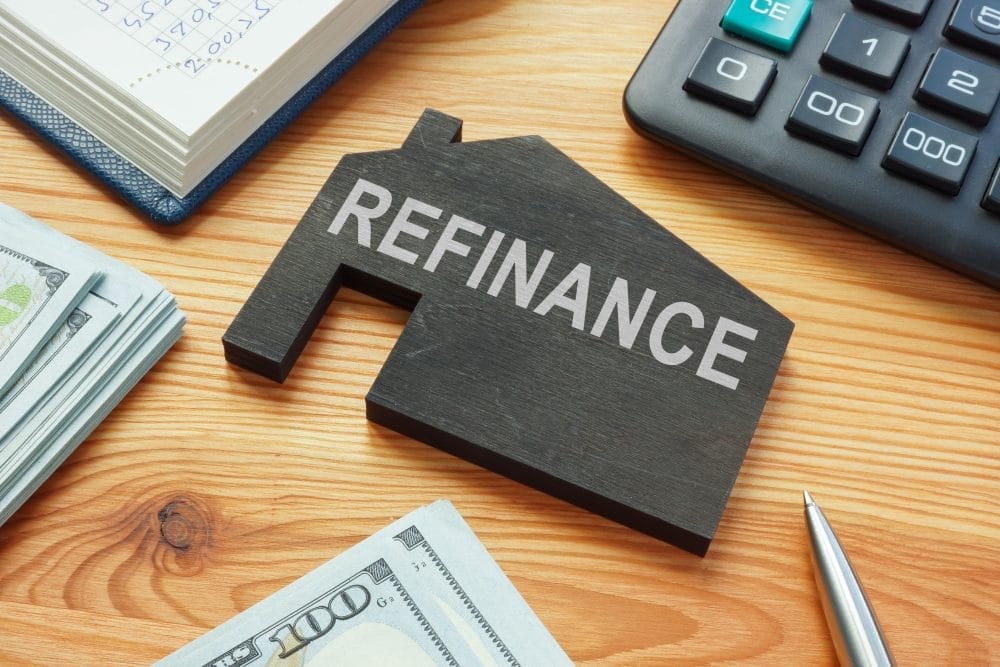
Why Do People Assume Refinancing Always Saves Money

September 25, 2025 by Catherine Reed Leave a Comment

Why Do People Assume Refinancing Always Saves Money

Image source: 123rf.com

When interest rates drop, refinancing becomes a hot topic. Many homeowners rush to swap their existing loans for new ones, convinced it will automatically lead to lower payments and big savings. But the truth is, refinancing always saves money only under certain conditions, and the assumption can sometimes lead to costly mistakes. Between hidden fees, extended loan terms, and overlooked details, the decision isn’t as simple as it sounds. Let’s break down why so many people believe refinancing is always the right choice and why that isn’t always the case.

1. The Temptation of Lower Monthly Payments

One of the main reasons people assume refinancing always saves money is the appeal of a smaller monthly payment. When a new loan stretches over a longer term, the immediate out-of-pocket cost feels lighter. However, what often gets overlooked is that a lower payment doesn’t necessarily mean overall savings. Paying less each month can still result in paying more in interest over the life of the loan. The illusion of affordability tricks many homeowners into believing they’re saving when they’re not.

2. The Influence of Advertising and Marketing

Banks and lenders heavily promote refinancing as a guaranteed way to save. Glossy ads and persuasive sales pitches make it sound like refinancing always saves money with no downsides. What these campaigns don’t highlight are the closing costs, appraisal fees, and potential penalties that eat into the benefits. Marketing plays into the desire for financial relief, leading people to believe refinancing is a universally smart move. Without digging into the fine print, many fall for this assumption.

3. Overconfidence in Interest Rate Drops

Interest rates are the headline factor in refinancing decisions. When rates dip, homeowners assume refinancing always saves money simply because the number is lower. Yet the size of the rate drop matters, as does the balance remaining on the loan. A small decrease in interest may not offset the thousands in upfront fees required to refinance. Assuming every dip in rates equals savings leads to poor decision-making.

4. Ignoring the Impact of Loan Term Extensions

Many homeowners refinance to extend their loan terms, which reduces monthly payments but stretches debt over more years. This gives the impression of savings without considering the long-term costs. Extending a 20-year loan back to 30 years, for example, can add tens of thousands in interest. Refinancing always saves money only if you look at the entire financial picture, not just the immediate relief. Overlooking this trade-off is one of the biggest pitfalls.

5. Peer Influence and Social Pressure

Hearing friends, neighbors, or coworkers talk about their “great refinance deal” fuels the belief that refinancing always saves money. Social proof is powerful, and people often assume what worked for someone else will work for them too. However, everyone’s financial situation is different, from remaining loan balance to credit score. What creates savings for one household may cause extra costs for another. Blindly following the crowd often leads to disappointment.

6. Misunderstanding Break-Even Points

Every refinance comes with a break-even point—the amount of time it takes for the savings to outweigh the costs. Many homeowners assume refinancing always saves money without calculating how long they’ll need to stay in the home to benefit. If they move or sell before reaching that point, they actually lose money. Without understanding break-even calculations, the idea of guaranteed savings is misleading. This is where assumptions become costly.

7. Confusing Short-Term Relief with Long-Term Gain

Refinancing often provides short-term relief that feels like a win. A lighter monthly payment frees up cash for other expenses, making life feel more manageable. But confusing this relief with true financial gain is why people assume refinancing always saves money. In reality, they may be trading short-term comfort for long-term debt growth. The line between relief and actual savings isn’t always clear.

8. Lack of Professional Guidance

Many families approach refinancing decisions without consulting financial professionals. Instead, they rely on lender advice or online calculators that don’t tell the full story. This lack of independent guidance contributes to the belief that refinancing always saves money. A trusted financial advisor can highlight risks, costs, and long-term impacts that homeowners might overlook. Without this input, assumptions often go unchallenged.

A Smarter Way to Think About Refinancing

The belief that refinancing always saves money is one of the most common financial myths. While it can be a powerful tool, it requires careful consideration of fees, terms, and long-term impact. The key is running the numbers honestly and asking whether the move truly supports your financial goals. Refinancing should never be automatic—it should be strategic. When used wisely, it can save thousands, but when assumed blindly, it can quietly drain your wealth.

Have you ever refinanced and later realized it didn’t save as much as you thought? Share your experiences in the comments below.

What to Read Next…

These Debts First: 5 Debts You Should Always Pay Off First

Could Being House Poor Leave You Broke in Retirement

9 Lesser-Known Costs of Owning Investment Property

5 Sneaky Financial Costs of Cosigning a Loan

5 Insurance Policies Financial Advisors Actually Buy for Their Own Families

Catherine Reed
Catherine Reed

Catherine is a tech-savvy writer who has focused on the personal finance space for more than eight years. She has a Bachelor’s in Information Technology and enjoys showcasing how tech can simplify everyday personal finance tasks like budgeting, spending tracking, and planning for the future. Additionally, she’s explored the ins and outs of the world of side hustles and loves to share what she’s learned along the way. When she’s not working, you can find her relaxing at home in the Pacific Northwest with her two cats or enjoying a cup of coffee at her neighborhood cafe.

Filed Under: Personal Finance Tagged With: Debt Management, financial myths, Home Loans, mortgage refinancing, Personal Finance, refinancing always saves money

Why Do Some People End Up Broke Even After Winning Lawsuits

September 25, 2025 by Catherine Reed Leave a Comment

Why Do Some People End Up Broke Even After Winning Lawsuits

Image source: 123rf.com

Winning a lawsuit often feels like the ultimate financial victory. After months or even years of legal battles, the settlement check should provide relief and stability. Yet, shockingly, many people end up broke even after winning lawsuits. Instead of securing their financial future, they face money problems that are just as stressful as before. Understanding why this happens can help others avoid the same mistakes.

1. Legal Fees Eat Away at Settlements

One of the biggest reasons people end up broke even after winning lawsuits is the cost of legal representation. Attorneys often work on a contingency basis, taking a percentage of the settlement—sometimes as high as 40%. On top of that, there may be court costs, expert witness fees, and other expenses that reduce the payout. By the time the money reaches the plaintiff, a large chunk is already gone. Many people underestimate how much legal fees will eat into their winnings.

2. Taxes Take a Surprising Toll

Another factor that causes people to end up broke even after winning lawsuits is taxation. Depending on the type of settlement, portions may be considered taxable income by the IRS. For example, punitive damages and interest on settlements are generally taxable, leaving winners with less than expected. Many don’t plan for this tax hit, and when April arrives, they scramble to pay what they owe. Without preparation, taxes can turn a big win into a financial burden.

3. Overspending After the Payout

Sudden wealth can lead to poor financial decisions. Many people end up broke even after winning lawsuits because they rush to spend the money on luxuries, vacations, or large purchases. Without financial guidance, it’s easy to treat a settlement as endless cash rather than a limited resource. This “lottery effect” often drains the settlement faster than anticipated. What was meant to provide security ends up being wasted.

4. Debt Repayment Wipes Out Funds

For some, lawsuit winnings immediately go toward paying off old debts. While this can feel like a relief, it can also leave little left for future needs. Creditors may even place liens on settlements, forcing repayment before the plaintiff ever sees the money. Many people end up broke even after winning lawsuits simply because their debts outweigh their settlement. Without proper financial planning, the win doesn’t create long-term security.

5. Poor Investment Choices

When people suddenly receive large sums, they often look for ways to grow the money. Unfortunately, many end up broke even after winning lawsuits by falling for bad investments or scams. High-risk ventures, unverified business opportunities, or pressure from acquaintances can quickly drain funds. Without professional financial advice, the chance of making costly mistakes increases dramatically. Instead of building wealth, the settlement becomes a financial trap.

6. Medical Expenses Continue to Mount

Many lawsuits stem from accidents or injuries, and settlements often include compensation for medical bills. However, ongoing health problems can cause expenses that far exceed the payout. People end up broke even after winning lawsuits because the money simply doesn’t cover long-term care. Hospital stays, therapies, and medications add up quickly, leaving winners in the same financial position as before. For those with chronic conditions, the settlement may not be enough to last.

7. Family and Friends Expect Help

A sudden settlement can also attract unwanted attention from family and friends. Many people end up broke even after winning lawsuits because they feel pressured to share their winnings. Whether it’s helping with bills, covering loans, or offering gifts, generosity can drain funds quickly. Without boundaries, this pressure becomes overwhelming. A financial win can create more requests than it solves.

8. Lack of Financial Planning

Ultimately, the most common reason people end up broke even after winning lawsuits is poor planning. Few winners consult financial advisors, tax professionals, or estate planners before spending their money. Without a strategy, the settlement doesn’t serve its intended purpose of creating security. Instead, it vanishes in a matter of months or years. Proper planning could prevent many of these outcomes.

Turning a Settlement into Security

The sad truth is that many people end up broke even after winning lawsuits because they treat settlements as windfalls instead of tools for stability. Between fees, taxes, debts, and poor choices, the money disappears faster than expected. To avoid this, winners need clear financial strategies, professional guidance, and long-term planning. Lawsuit victories should be steppingstones to security, not temporary relief that ends in regret.

Do you think most people are prepared to handle sudden settlements wisely, or is it too easy to end up broke even after winning lawsuits? Share your thoughts in the comments below.

What to Read Next…

9 Strange Assets That Rarely Pay Off (Unless You’re Extremely Lucky)

Could A Single Lawsuit Bankrupt a Small Business

5 Insurance Policies Financial Advisors Actually Buy for Their Own Families

Why Do High Earners Still Struggle With Emergency Savings

7 Wealthy Families That Lost Everything Over Generational Feuds

Catherine Reed
Catherine Reed

Catherine is a tech-savvy writer who has focused on the personal finance space for more than eight years. She has a Bachelor’s in Information Technology and enjoys showcasing how tech can simplify everyday personal finance tasks like budgeting, spending tracking, and planning for the future. Additionally, she’s explored the ins and outs of the world of side hustles and loves to share what she’s learned along the way. When she’s not working, you can find her relaxing at home in the Pacific Northwest with her two cats or enjoying a cup of coffee at her neighborhood cafe.

Filed Under: money management Tagged With: Debt Management, end up broke even after winning lawsuits, lawsuit settlements, legal fees, Planning, taxes on settlements

Why Do People Stay Broke Despite High Incomes

September 23, 2025 by Catherine Reed Leave a Comment

Why Do People Stay Broke Despite High Incomes

Image source: 123rf.com


It seems like earning a six-figure salary should guarantee financial security, but reality often tells a different story. Many professionals with impressive paychecks still find themselves living paycheck to paycheck. The problem isn’t always about how much money comes in but rather how it’s managed. Lifestyle creep, poor financial habits, and hidden expenses can quietly drain wealth before it even has a chance to grow. So, why do people stay broke despite high incomes? The reasons may surprise you.

1. Lifestyle Inflation Takes Over

One of the biggest reasons people stay broke despite high incomes is lifestyle inflation. As people earn more, they tend to spend more, upgrading homes, cars, and vacations. What once felt like luxuries quickly become “essentials.” This pattern makes it nearly impossible to build long-term savings. Without discipline, every raise becomes an excuse for bigger spending instead of smarter financial planning.

2. Debt Becomes a Silent Drain

High earners often qualify for larger credit limits and bigger loans, which can create a dangerous cycle. Mortgages, luxury car payments, and credit card balances pile up quickly. Even with a high salary, much of the income goes toward servicing debt. This is another key reason people stay broke despite high incomes. Debt not only eats away at cash flow but also delays wealth-building opportunities like investing.

3. Lack of Budgeting Discipline

A surprising number of people with high incomes don’t track where their money goes. Without a clear budget, expenses often expand to match or exceed income. This lack of financial awareness is one of the main reasons people stay broke despite high incomes. Without clear boundaries, impulse purchases and recurring subscriptions accumulate unchecked. A budget isn’t restrictive—it’s a tool for freedom.

4. Keeping Up with Appearances

Social pressure plays a massive role in people stay broke despite high incomes. High earners often feel the need to project success through luxury brands, fine dining, or expensive social activities. This constant effort to impress can consume entire paychecks. The reality is that appearances don’t build wealth—investments and savings do. Prioritizing image over financial security leads to long-term instability.

5. Ignoring Emergency Savings

Many high earners assume their income alone can shield them from financial crises. However, without a proper emergency fund, unexpected expenses quickly become overwhelming. Medical bills, job loss, or sudden repairs can derail even the highest salaries. This oversight is a major reason people stay broke despite high incomes. A healthy emergency fund provides stability that income alone cannot.

6. Overconfidence in Future Earnings

A common trap for high earners is believing their income will always stay the same or grow. This overconfidence fuels risky financial behavior, from overspending to under-saving. When economic downturns or job losses occur, reality hits hard. This misplaced faith in future income explains people stay broke despite high incomes. Stability comes from preparation, not assumption.

7. Neglecting Investments

Simply earning a lot isn’t enough wealth grows through smart investing. Many high earners fail to prioritize retirement accounts, stocks, or other assets that generate passive income. By focusing only on immediate spending, they miss out on compounding growth. This lack of long-term planning is a major reason people stay broke despite high incomes. Money should work for you, not just pass through your hands.

8. Underestimating Taxes

High incomes come with high tax responsibilities, and poor planning can lead to painful surprises. Without strategies like maximizing deductions or retirement contributions, tax bills eat away at earnings. This oversight is often overlooked when people wonder why people stay broke despite high incomes. Effective tax planning can make the difference between building wealth and staying stuck.

Breaking the Cycle of High-Income Struggles

Ultimately, income alone doesn’t guarantee financial freedom. The answer to why people stay broke despite high incomes lies in behavior, mindset, and planning. Smart budgeting, saving, and investing habits are what truly secure wealth over time. Without them, even the biggest paychecks can slip away. The key is not how much you earn but how much you keep and grow.

Do you think high earners face more financial pressure than others? Share your thoughts in the comments below.

What to Read Next…

Could Being House Poor Leave You Broke in Retirement

Why Do Some People Refuse to Budget Until It’s Too Late

6 Financial Risks That Appear After Moving in With Someone

7 Strange Truths About Middle-Class Spending Habits

6 Silent Money Leaks in the Average Household

Catherine Reed
Catherine Reed

Catherine is a tech-savvy writer who has focused on the personal finance space for more than eight years. She has a Bachelor’s in Information Technology and enjoys showcasing how tech can simplify everyday personal finance tasks like budgeting, spending tracking, and planning for the future. Additionally, she’s explored the ins and outs of the world of side hustles and loves to share what she’s learned along the way. When she’s not working, you can find her relaxing at home in the Pacific Northwest with her two cats or enjoying a cup of coffee at her neighborhood cafe.

Filed Under: money management Tagged With: budgeting, Debt Management, investing habits, Lifestyle Inflation, Planning, why do people stay broke despite high incomes

Could Ignoring a Budget Be the First Step to Bankruptcy

September 23, 2025 by Travis Campbell Leave a Comment

broke

Image source: pexels.com

Most people know that budgeting is important, but not everyone sticks to it. Life gets busy, bills come and go, and sometimes tracking every dollar just feels overwhelming. But have you ever wondered if ignoring a budget could actually put you on a path toward bankruptcy? The answer isn’t as far-fetched as it sounds. Without a clear handle on your finances, it’s easy to spend more than you earn, rack up debt, and lose track of what’s really happening with your money. Understanding the link between ignoring a budget and financial trouble can help you steer clear of serious pitfalls. Let’s take a closer look at how this seemingly small habit can have big consequences.

1. Losing Track of Spending

When you don’t use a budget, it’s surprisingly easy to lose track of where your money goes. Small purchases add up quickly, and before you know it, your bank balance is lower than expected. Without regular tracking, you might not notice how much you’re spending on things like dining out, subscriptions, or impulse buys. This lack of awareness can lead to overspending month after month.

Ignoring a budget means you’re flying blind. You might think you’re in control, but without a clear picture, it’s impossible to make informed decisions. This type of financial fog is a common first step to bankruptcy, as it makes it difficult to spot trouble before it becomes serious.

2. Increasing Reliance on Credit

Overspending often leads to credit card use to cover the gap between income and expenses. If you don’t have a budget, you might not realize how much debt you’re accumulating. Credit cards can feel like a safety net, but without a plan to pay them off, balances can spiral quickly.

The danger is that credit can mask underlying money problems. As you ignore your budget, debt grows quietly in the background. Over time, minimum payments eat up more of your income, and the cycle becomes harder to break. The connection between ignoring a budget and the risk of bankruptcy becomes clear when credit card bills start to pile up.

3. Missing Financial Red Flags

Budgets aren’t just about counting pennies—they’re about spotting issues before they get out of control. Without a budget, you might miss warning signs like late payments, overdraft fees, or a dwindling emergency fund. These red flags are early indicators that your finances need attention.

If you ignore these signs, small issues can turn into big problems. A missed payment can lead to penalties, higher interest rates, and a lower credit score. All of these make it harder to recover if your financial situation worsens. Ignoring a budget removes your early warning system, making bankruptcy a more likely outcome if problems are left unchecked.

4. Failing to Plan for Irregular Expenses

Life is full of unexpected costs—car repairs, medical bills, or even a friend’s wedding invitation. A good budget sets aside money for these surprises, but if you’re not budgeting, these expenses can catch you off guard. The result? More reliance on credit or dipping into savings meant for other goals.

Over time, failing to plan for irregular expenses can drain your resources. When your safety net disappears, even a small emergency can push you over the edge. This is another way that ignoring a budget can be the first step to bankruptcy.

5. No Clear Savings Strategy

Saving money rarely happens by accident. Without a budget, it’s easy to promise yourself you’ll save “what’s left over,” but in reality, there’s often nothing left. A budget helps you prioritize savings, whether it’s for retirement, emergencies, or a dream vacation.

When you ignore your budget, saving takes a back seat. Over time, this puts you in a vulnerable position. If a job loss or major expense comes along, you may not have the funds to weather the storm. The lack of savings is a major risk factor on the road to bankruptcy.

6. Emotional and Relationship Stress

Money problems can take a toll on your emotional health and personal relationships. When you don’t know where your money is going, stress builds up. Arguments over spending, debt, or missed bills can strain even the strongest partnerships.

Ignoring a budget doesn’t just impact your bank account—it affects your wellbeing. The stress of living paycheck to paycheck can spill over into every area of life, making it even harder to get back on track. In the worst cases, this stress leads to decisions that push you closer to bankruptcy, like taking out risky loans or ignoring bills altogether.

Making Budgeting a Priority

It’s easy to see how ignoring a budget can be the first step to bankruptcy. The good news is that it’s never too late to turn things around. Start by tracking your expenses for a month—no fancy tools needed, just a notebook or a simple spreadsheet. Once you see where your money is going, you can set realistic goals for spending, saving, and debt repayment.

There are many resources available to help you build a budget that works for your life. Remember, budgeting isn’t about restriction—it’s about gaining control and peace of mind. By taking this step, you can protect yourself from the risk of bankruptcy and build a stronger financial future.

Have you ever ignored a budget and faced financial problems as a result? What steps did you take to get back on track? Share your experiences in the comments below!

What to Read Next…

  • Are These 6 Helpful Budget Tips Actually Ruining Your Finances?
  • 10 Signs You’re Living Above Your Means Without Realizing
  • 5 Budgeting Tools That Trick You Into Higher Spending
  • Are Budgeting Apps Designed to Push You Into Debt?
  • Are These 8 Money Saving Tricks Actually Keeping You Broke?
Travis Campbell
Travis Campbell

Travis Campbell is a digital marketer/developer with over 10 years of experience and a writer for over 6 years. He holds a degree in E-commerce and likes to share life advice he’s learned over the years. Travis loves spending time on the golf course or at the gym when he’s not working.

Filed Under: Budgeting Tagged With: bankruptcy, budgeting, credit cards, Debt Management, Personal Finance, Planning, Saving

6 Dangerous Myths About Credit Card Rewards

September 23, 2025 by Catherine Reed Leave a Comment

6 Dangerous Myths About Credit Card Rewards

Image source: 123rf.com

Credit card companies love to advertise rewards as free money, but the truth is far more complicated. While points, miles, and cashback perks sound enticing, they often lure people into overspending or carrying balances that cancel out any benefits. The myths surrounding credit card rewards make it easy to believe you’re beating the system when, in reality, the system is designed to profit from you. If you’re not careful, chasing rewards can hurt your finances more than it helps. Here are six dangerous myths about credit card rewards you need to stop believing.

1. Credit Card Rewards Are Free Money

One of the biggest myths about credit card rewards is that they’re a way to earn free money. In reality, those perks are only valuable if you pay off your balance in full every month. Once you start carrying debt, the interest you pay far exceeds any points or cashback you earn. For example, a 2% cashback card does little good if you’re paying 20% interest on a balance. Rewards are only beneficial for disciplined users who avoid debt.

2. The More You Spend, the More You Earn

Many people fall into the trap of thinking bigger spending equals bigger rewards. This is one of the most dangerous myths about credit card rewards because it encourages overspending. If you’re buying things, you don’t need just to rack up points, you’re actually losing money. The rewards rarely outweigh the cost of unnecessary purchases. Smart credit card use means spending as you normally would, not inflating your lifestyle for perks.

3. All Rewards Programs Are the Same

Another common myth is assuming all credit card rewards are equal. Some cards offer points that are worth more when used for travel, while others have restrictive redemption options. Certain programs also come with blackout dates, limited availability, or expiration rules that reduce the value of your rewards. Believing all programs are the same can leave you disappointed when it’s time to redeem. Always research the details before committing to a card.

4. Sign-Up Bonuses Guarantee Easy Wins

Sign-up bonuses are heavily marketed, making them seem like instant wealth. This is another dangerous myth about credit card rewards because those bonuses often require thousands of dollars in spending within a short time. For many people, that spending is unrealistic without buying unnecessary items. If you stretch your budget just to hit the bonus threshold, you’re likely harming your financial health. Bonuses only make sense if they align naturally with your existing spending habits.

5. Rewards Cards Are Always Worth the Annual Fee

Some rewards cards come with hefty annual fees, justified by the promise of better perks. The myth is that these perks automatically outweigh the cost. In reality, unless you’re a frequent traveler or heavy spender, you may not get enough value to cover the fee. Many people overestimate how much they’ll actually use travel lounges, insurance perks, or concierge services. A no-fee rewards card is often the smarter choice for average users.

6. You Can Outsmart the Credit Card Companies

Perhaps the most dangerous myth about credit card rewards is thinking you can beat the banks at their own game. These companies design programs with the expectation that most people will slip into debt or pay interest and fees. While a small percentage of disciplined users benefit, the majority end up losing more than they gain. Credit card companies thrive on consumer mistakes, not generosity. The real win is staying debt-free, not chasing rewards.

The Truth About Using Credit Card Rewards Wisely

Credit card rewards can provide value, but only if you approach them with caution and discipline. Falling for the myths about credit card rewards often leads to overspending, debt, and wasted opportunities. The key is to treat rewards as a bonus, not a strategy for wealth. Pay balances in full, avoid unnecessary purchases, and choose cards that align with your actual spending habits. When used wisely, rewards can be a perk—but never at the cost of financial health.

Have you ever fallen for one of these myths about credit card rewards? Share your experience in the comments below.

What to Read Next…

Could Owning Too Many Credit Cards Destroy Your Score

5 Silent Costs of Ignoring Credit Monitoring

5 Sneaky Financial Costs of Cosigning a Loan

7 Strange Truths About Middle-Class Spending Habits

Could Being House Poor Leave You Broke in Retirement

Catherine Reed
Catherine Reed

Catherine is a tech-savvy writer who has focused on the personal finance space for more than eight years. She has a Bachelor’s in Information Technology and enjoys showcasing how tech can simplify everyday personal finance tasks like budgeting, spending tracking, and planning for the future. Additionally, she’s explored the ins and outs of the world of side hustles and loves to share what she’s learned along the way. When she’s not working, you can find her relaxing at home in the Pacific Northwest with her two cats or enjoying a cup of coffee at her neighborhood cafe.

Filed Under: credit cards Tagged With: cashback, credit card myths, credit card rewards, Debt Management, overspending, Personal Finance, travel points

5 Lesser-Known Costs of Filing for Bankruptcy

September 22, 2025 by Travis Campbell Leave a Comment

bankrupt

Image source: pexels.com

Filing for bankruptcy is often seen as a last resort for individuals overwhelmed by debt. While bankruptcy can offer a fresh start, it’s not a decision to make lightly. Many people focus on the obvious expenses—like attorney fees and court costs—but overlook other financial and personal consequences. These lesser-known costs can impact your future in ways you may not expect. If you’re considering this path, it’s crucial to understand the full picture before proceeding. Here are five lesser-known costs of filing for bankruptcy that you should keep in mind.

1. Long-Term Credit Impact

Your credit score will take a hit when you file for bankruptcy, but the effects extend far beyond the initial drop. Bankruptcy can stay on your credit report for up to ten years, making it harder to qualify for loans, rent an apartment, or even secure some jobs. This long-lasting mark means higher interest rates and less favorable terms if you do manage to borrow money. Lenders may see you as a risk, and rebuilding your credit can be a slow process. Even after the bankruptcy falls off your record, some lenders may still ask about your financial history, potentially affecting your options for years to come.

2. Loss of Non-Exempt Assets

Most people know that bankruptcy can lead to the loss of certain assets, but the specifics often come as a surprise. In a Chapter 7 bankruptcy, for example, the court may seize non-exempt assets to pay creditors. This could include valuable items like jewelry, a second vehicle, or even some equity in your home. Exemptions vary by state, so what you get to keep depends on local laws. If you have property or possessions that fall outside those exemptions, you could lose more than you anticipated. It’s important to consult with a qualified professional to understand exactly what’s at stake before filing for bankruptcy.

3. Higher Insurance Premiums

Many people are unaware that filing for bankruptcy can impact their insurance costs. Insurers often review your credit report when calculating premiums for auto, home, and even life insurance. A bankruptcy filing signals financial instability, which can lead to higher premiums or, in some cases, denial of coverage. While laws prohibit insurers from using bankruptcy alone to deny coverage in certain cases, your overall credit profile may still play a significant role. Over the years, these increased costs can add up, quietly draining your finances long after your debts have been discharged.

4. Limited Access to Credit and Services

One of the lesser-known costs of filing for bankruptcy is the difficulty you may face when trying to access credit or certain services. Many credit card companies and lenders will either deny your application or offer you products with high fees and interest rates. Even utility companies may require a larger deposit before starting service, and cell phone providers might limit your options or require a co-signer. This restricted access can make everyday life more complicated and expensive, especially if you need to replace a car or move to a new home.

5. Emotional and Relationship Strain

While not a direct financial cost, the emotional toll of bankruptcy is significant and often underestimated. The process can be stressful, with feelings of shame, anxiety, or failure affecting your mental health. Relationships with family and friends may become strained as you navigate these challenges, especially if you have to explain your situation or ask for support. This emotional burden can spill over into your work life and other areas, impacting your ability to move forward. It’s important to seek support, whether from loved ones or professional counselors, to help manage the psychological impact of filing for bankruptcy.

Planning for a Financial Fresh Start

Filing for bankruptcy is a major decision with consequences that go beyond wiping out debt. The lesser-known costs of filing for bankruptcy—like long-term credit damage, asset loss, and emotional strain—can shape your financial future in lasting ways. Before taking this step, consider all the hidden impacts and explore alternative solutions, such as debt management plans or credit counseling.

Have you or someone you know faced unexpected challenges after filing for bankruptcy? Share your experiences or questions in the comments below.

What to Read Next…

  • 5 Things That Instantly Decrease Your Credit Score By 50 Points
  • 5 Emergency Repairs That Could Force You Into Debt Overnight
  • 7 Hidden Fees That Aren’t Labeled As Fees At All
  • 7 Financial Loopholes That Lenders Exploit Behind The Scenes
  • 5 Invisible Service Charges Eating Into Your Bank Balance
Travis Campbell
Travis Campbell

Travis Campbell is a digital marketer/developer with over 10 years of experience and a writer for over 6 years. He holds a degree in E-commerce and likes to share life advice he’s learned over the years. Travis loves spending time on the golf course or at the gym when he’s not working.

Filed Under: Banking & Finance Tagged With: bankruptcy, credit score, Debt Management, emotional health, Insurance, Personal Finance, Planning

  • « Previous Page
  • 1
  • …
  • 6
  • 7
  • 8
  • 9
  • 10
  • …
  • 17
  • Next Page »

FOLLOW US

Search this site:

Recent Posts

  • Can My Savings Account Affect My Financial Aid? by Tamila McDonald
  • 12 Ways Gen X’s Views Clash with Millennials… by Tamila McDonald
  • What Advantages and Disadvantages Are There To… by Jacob Sensiba
  • 10 Tactics for Building an Emergency Fund from Scratch by Vanessa Bermudez
  • Call 911: Go To the Emergency Room Immediately If… by Stephen Kanaval
  • 7 Weird Things You Can Sell Online by Tamila McDonald
  • 10 Scary Facts About DriveTime by Tamila McDonald

Copyright © 2026 · News Pro Theme on Genesis Framework