• Home
  • About Us
  • Toolkit
  • Getting Finances Done
    • Hiring Advisors
    • Debt Management
    • Spending Plan
  • Insurance
    • Life Insurance
    • Health Insurance
    • Disability Insurance
    • Homeowners/Renters Insurance
  • Contact Us
  • Privacy Policy
  • Risk Tolerance Quiz

The Free Financial Advisor

You are here: Home / Archives for Debt Management

10 Critical Lessons Learned From Personal Bankruptcy Experiences

October 6, 2025 by Travis Campbell Leave a Comment

broke

Image source: pexels.com

Personal bankruptcy is more common than many people think. It’s a life event that can feel overwhelming, but it also offers important lessons. For those who have faced it, the process can bring clarity about money, priorities, and the long-term impact of financial decisions. Learning from real personal bankruptcy experiences helps others avoid similar pitfalls. If you’re aiming for financial stability, understanding these lessons is essential.

1. Bankruptcy Is Not the End

When you declare personal bankruptcy, it can feel like your financial life is over. In reality, it’s a legal tool designed to help you reset and rebuild. Many who have gone through bankruptcy report that it was a turning point. It forced them to confront their situation, make changes, and eventually come out stronger. Bankruptcy is not an easy fix, but it is not a permanent label either.

2. The Importance of an Emergency Fund

A major lesson from personal bankruptcy experiences is the importance of maintaining an emergency fund. Many people file for bankruptcy after experiencing a job loss, incurring medical bills, or facing unexpected expenses. Without a safety net, even small setbacks can spiral out of control. Having three to six months’ worth of expenses saved can help you weather storms without resorting to debt.

3. Credit Card Debt Adds Up Fast

Credit cards make spending easy, but debt can pile up before you realize it. Many who filed for bankruptcy regret not paying closer attention to their balances. Minimum payments barely make a dent, and high interest rates make it tough to catch up. Monitoring your credit card use and paying off balances monthly is a lesson learned the hard way by many.

4. Know What Bankruptcy Can—and Can’t—Do

Personal bankruptcy can erase many debts, but not all of them. For example, most student loans, tax debts, and child support aren’t discharged. Many people are surprised by what debts remain after the process. It’s important to understand the limitations before filing, so you have realistic expectations and can plan accordingly.

5. Budgeting Is Non-Negotiable

After bankruptcy, living without a budget is not an option. Many who have gone through it say that tracking every dollar became a necessity, not a choice. A budget helps you see where your money goes and prevents overspending. It’s a skill that not only helps you recover but also keeps you out of future trouble.

6. Emotional Toll Is Real

Personal bankruptcy experiences are not just about numbers. The process can be emotionally draining. Shame, guilt, and anxiety are common feelings. Understanding that these emotions are normal—and temporary—helps people move forward. Seeking support from friends, family, or a counselor can make a big difference.

7. Relationships May Be Tested

Financial stress often affects relationships. Bankruptcy can create tension between partners and family members. Open communication is key. Many couples who have weathered bankruptcy together say that honesty about finances, even when it’s uncomfortable, helped them rebuild trust and work as a team.

8. Rebuilding Credit Takes Time

One of the biggest worries after bankruptcy is how to rebuild your credit. It doesn’t happen overnight, but it is possible. Secured credit cards, small loans, and on-time payments are the building blocks. Many people find that, with patience and discipline, their credit score improves faster than they expected.

9. Professional Advice Matters

Most people who file for bankruptcy wish they’d sought professional advice sooner. Credit counselors, financial advisors, and bankruptcy attorneys can explain your options and help you make informed decisions. A free consultation with a certified credit counselor can be a good first step. Don’t wait until you’re desperate—get help early.

10. Change Your Money Mindset

Perhaps the most important lesson from personal bankruptcy is the need to change your approach to money. For some, it means letting go of shame and focusing on progress. For others, it’s about prioritizing needs over wants. Learning to value experiences and relationships over possessions is a common theme. A mindset shift is essential for lasting financial stability.

Moving Forward After Personal Bankruptcy

Personal bankruptcy experiences teach tough, lasting lessons. The process forces you to confront your financial habits and make meaningful changes. By focusing on budgeting, building an emergency fund, and seeking help when needed, you can use bankruptcy as a springboard to a healthier financial future.

If you’re considering bankruptcy or have already been through it, you’re not alone. There are resources and communities ready to support your recovery, such as this guide to bankruptcy recovery. Most importantly, remember that personal bankruptcy is a chapter—not your whole story. What steps have you taken to rebuild after a financial setback? Share your experiences or questions below.

What to Read Next…

  • 5 Emergency Repairs That Could Force You Into Debt Overnight
  • 5 Things That Instantly Decrease Your Credit Score By 50 Points
  • The Benefits Of Taking Personal Loans And Their Impact On Credit Scores
  • Why Are So Many Seniors Being Sued Over Student Loans They Didn’t Take Out?
  • 5 Financial Habits That Quietly Void Long Term Care Policies
Travis Campbell
Travis Campbell

Travis Campbell is a digital marketer/developer with over 10 years of experience and a writer for over 6 years. He holds a degree in E-commerce and likes to share life advice he’s learned over the years. Travis loves spending time on the golf course or at the gym when he’s not working.

Filed Under: Debt Management Tagged With: budgeting, credit rebuilding, Debt Management, financial recovery, money mindset, personal bankruptcy

7 Must-Have Conversations Before Merging Finances With Anyone

October 5, 2025 by Catherine Reed Leave a Comment

7 Must-Have Conversations Before Merging Finances With Anyone

Image source: 123rf.com

Combining money with a partner, spouse, or even a roommate can feel like a natural step forward, but it’s also one of the riskiest financial decisions you’ll ever make. Money has the power to strengthen a relationship—or strain it—depending on how openly both people approach the conversation. Before merging finances with anyone, it’s critical to have a few honest discussions that set expectations and boundaries. Skipping these talks can lead to conflict, mistrust, and financial setbacks that are hard to recover from. Laying everything on the table now is the smartest way to protect both your relationship and your wallet.

1. Income and Expense Transparency

The first conversation to have before merging finances with anyone is about income and spending. Each person should clearly outline their earnings, recurring expenses, and personal spending habits. Hiding or downplaying these details creates a foundation of dishonesty that will cause bigger problems later. Transparency ensures both parties know what’s realistic and what adjustments may be needed. Without this clarity, it’s almost impossible to build a healthy shared budget.

2. Outstanding Debts and Obligations

Debt has a way of impacting both people in a relationship, even if only one holds the balance. Before merging finances with anyone, both partners should disclose credit card balances, student loans, and other obligations. Knowing about debts upfront allows you to create a repayment strategy that doesn’t blindside the other person later. It also helps determine whether combining accounts makes sense now or if it’s better to wait until debts are under control. Honest disclosure of financial obligations prevents resentment and surprises down the road.

3. Saving and Spending Priorities

One of the biggest reasons couples argue about money is differing priorities. That’s why you must talk about savings goals and spending preferences before merging finances with anyone. If one person values travel while the other prioritizes homeownership, it’s important to find a balance. Establishing shared goals while allowing for individual interests prevents ongoing conflict. The sooner these priorities are clear, the easier it becomes to align financial decisions.

4. Emergency Fund and Risk Preparedness

Life is unpredictable, and having an emergency fund is essential for stability. Before merging finances with anyone, discuss how much you’ll contribute toward emergency savings and what situations qualify as emergencies. Some may view car repairs as urgent, while others may think of medical expenses or job loss. Agreeing on definitions prevents arguments when crises hit. Together, you can build a cushion that protects both people from unexpected stress.

5. Banking and Account Structure

Merging money doesn’t always mean putting every dollar into one joint account. Some couples prefer shared accounts for bills and savings while keeping separate accounts for personal spending. Before merging finances with anyone, decide how your accounts will be structured and who will manage what. This avoids confusion and gives both people a sense of autonomy. A clear setup ensures fairness and accountability from the start.

6. Roles and Responsibilities in Money Management

Even if you share financial accounts, someone still needs to pay the bills, track the budget, and manage investments. Discussing roles and responsibilities before merging finances with anyone prevents misunderstandings later. One person may naturally be more organized with spreadsheets, while the other might handle big-picture planning. Assigning duties creates accountability without overburdening one partner. Sharing responsibilities also keeps both people actively involved in financial decisions.

7. Future Goals and Long-Term Planning

Finally, you need to talk about where you see your financial future going. Before merging finances with anyone, lay out plans for buying a home, starting a family, or investing in retirement accounts. These conversations highlight whether you’re on the same page or if major differences need to be resolved first. Aligning long-term goals ensures your money decisions today support your shared vision for tomorrow. Without this conversation, you risk working toward conflicting futures.

Strong Conversations Build Strong Partnerships

The decision to start merging finances with anyone should never be taken lightly. Honest conversations about income, debt, goals, and responsibilities ensure that money becomes a tool for growth rather than a source of tension. By tackling these topics directly, you build trust, accountability, and a roadmap for your financial future. The strongest partnerships aren’t the ones without conflict, but the ones built on clear communication.

Which of these money conversations do you think is the hardest to bring up? Share your thoughts in the comments below.

What to Read Next…

  • What Happens When Couples Never Combine Finances
  • Should You Combine Finances After Marriage? Here’s the Case For and Against
  • Why Do Couples Keep Separate Accounts Without Talking About It
  • 10 Financial Fights Married Couples Keep Having (And How to Stop Them)
  • Why Do Couples Argue More About Money Than Anything Else
Catherine Reed
Catherine Reed

Catherine is a tech-savvy writer who has focused on the personal finance space for more than eight years. She has a Bachelor’s in Information Technology and enjoys showcasing how tech can simplify everyday personal finance tasks like budgeting, spending tracking, and planning for the future. Additionally, she’s explored the ins and outs of the world of side hustles and loves to share what she’s learned along the way. When she’s not working, you can find her relaxing at home in the Pacific Northwest with her two cats or enjoying a cup of coffee at her neighborhood cafe.

Filed Under: Personal Finance Tagged With: Budgeting Tips, couples and money, Debt Management, merging finances, Money and Relationships, Planning, saving goals

12 Things You Must Confess to Fix Your Budget Disaster Forever

October 5, 2025 by Catherine Reed Leave a Comment

12 Things You Must Confess to Fix Your Budget Disaster Forever

Image source: 123rf.com

When money feels like it’s constantly slipping through your fingers, it’s tempting to blame bad luck or unexpected expenses. The truth is, most financial struggles come down to habits and choices that need to be faced honestly. If you want to fix your budget disaster once and for all, it starts with making a few uncomfortable confessions about your money behavior. Admitting where you’ve gone wrong isn’t about guilt—it’s about freeing yourself to build a better financial future.

1. Confess That You Don’t Track Spending

You can’t fix your budget disaster if you don’t know where your money is going. Many people underestimate how much they spend on eating out, shopping, or subscriptions. Tracking every dollar for a month often reveals shocking patterns. Once you see the numbers, you can make realistic adjustments. Honesty about your spending is the foundation for financial change.

2. Confess That You Overspend on Wants

There’s nothing wrong with enjoying life, but too many “little extras” add up quickly. Whether it’s coffee runs, clothes, or gadgets, these purchases often derail otherwise solid budgets. Confessing this habit helps you understand why you never seem to get ahead. Cutting back doesn’t mean eliminating all fun—it means setting limits that align with your goals. Recognizing overspending is critical to fix your budget disaster.

3. Confess That You Ignore Debt Interest

It’s easy to focus only on the monthly minimum payment and forget the interest that keeps building. Credit card debt, in particular, can double or triple what you originally spent. Admitting that you’ve overlooked the true cost of debt is the first step to breaking free. Once you face the reality, you can prioritize paying high-interest balances first. This confession alone can help fix your budget disaster dramatically.

4. Confess That You Rely on Credit Too Much

Credit cards and personal loans may feel like safety nets, but over-reliance can create long-term problems. Each swipe pushes your budget deeper into instability. Confessing this dependency allows you to see the need for an emergency fund and healthier financial habits. Credit should be a tool, not a crutch. Facing this truth is key to fix your budget disaster.

5. Confess That You Don’t Save Consistently

Saving only when it’s convenient means you rarely make progress. Waiting until “extra” money appears leaves you vulnerable to setbacks. Admitting that you don’t prioritize saving is uncomfortable but necessary. Building a habit of automatic savings changes everything. Regular contributions, no matter how small, can fix your budget disaster by creating stability.

6. Confess That You Avoid Hard Conversations

Finances are often a taboo subject, especially with partners or family members. Avoiding these talks allows problems to grow quietly. Confessing that you’ve put off financial discussions opens the door to teamwork and accountability. Healthy communication ensures everyone is on the same page with goals and limits. Facing the silence is an essential step to fix your budget disaster.

7. Confess That You Don’t Budget for Irregular Expenses

Many people only plan for regular bills like rent and utilities. The real trouble starts when car repairs, medical bills, or holidays arrive unexpectedly. Admitting that you overlook these expenses helps you start setting aside sinking funds. This small shift prevents chaos later. Accounting for the irregularities is crucial to fixing your budget disaster forever.

8. Confess That You Give Into Impulse Purchases

Impulse spending feels harmless in the moment, but wrecks long-term plans. Online shopping and “limited-time” sales are designed to trigger emotional buying. Confessing this weakness allows you to put systems in place, like waiting 24 hours before purchasing. Even small changes here create huge results over time. Stopping impulse buys can help fix your budget disaster immediately.

9. Confess That You Haven’t Defined Clear Goals

Without financial goals, spending feels aimless, and saving feels pointless. Admitting you haven’t set concrete targets explains why motivation fizzles out. Once you set goals like paying off a loan or building a down payment fund, you’ll see progress more clearly. Clear goals give your money direction. This step alone can fix your budget disaster by giving it purpose.

10. Confess That You Avoid Budgeting Tools

Some people think budgets are restrictive, but avoiding them is what keeps you stuck. Tools like spreadsheets or apps make tracking and planning far easier. Confessing that you’ve resisted these tools means you can now embrace them as allies. Modern budgeting systems are flexible and user-friendly. Using them consistently helps fix your budget disaster in practical ways.

11. Confess That You Don’t Hold Yourself Accountable

It’s easy to make excuses for overspending or skipping savings. But without accountability, nothing changes. Admitting you’ve let yourself off the hook is uncomfortable but powerful. Once you face this, you can find accountability through a partner, apps, or personal rewards for hitting goals. Accountability is the glue that helps fix your budget disaster permanently.

12. Confess That You’ve Been Afraid to Start Over

Many people feel like past mistakes mean they can’t improve. Fear of failure keeps them stuck in bad patterns. Confessing this fear frees you to see budgeting as progress, not perfection. Every new attempt is a chance to get closer to financial control. Facing this final truth allows you to fix your budget disaster with courage.

Facing the Truth Is the First Step Toward Freedom

The only way to fix your budget disaster forever is to admit the habits and choices that have been holding you back. These confessions aren’t about shame—they’re about clarity and power. Once you face the truth, you can replace bad habits with stronger financial strategies. Honesty gives you the control you’ve been missing, and with that comes real freedom.

Which confession do you think is the hardest to admit? Share your thoughts in the comments and join the conversation.

What to Read Next…

  • 5 Genuine Reasons Why Your Current Budget is Failing You
  • Could Ignoring Rising Interest Rates Destroy Your Budget
  • 10 Expenses That Quietly Destroy Middle-Class Budgets
  • Could Ignoring a Budget Be the First Step to Bankruptcy
  • 7 Silent Wealth Killers Hiding in Everyday Budgets
Catherine Reed
Catherine Reed

Catherine is a tech-savvy writer who has focused on the personal finance space for more than eight years. She has a Bachelor’s in Information Technology and enjoys showcasing how tech can simplify everyday personal finance tasks like budgeting, spending tracking, and planning for the future. Additionally, she’s explored the ins and outs of the world of side hustles and loves to share what she’s learned along the way. When she’s not working, you can find her relaxing at home in the Pacific Northwest with her two cats or enjoying a cup of coffee at her neighborhood cafe.

Filed Under: Budgeting Tagged With: Budgeting Tips, Debt Management, financial accountability, fix budget disaster, money habits, Personal Finance, saving money

13 Uncomfortable Financial Facts Every Thirtysomething Should Face

October 5, 2025 by Catherine Reed Leave a Comment

13 Uncomfortable Financial Facts Every Thirtysomething Should Face

Image source: 123rf.com

By the time you hit your thirties, the financial choices you make start carrying heavier long-term consequences. It’s no longer just about covering monthly bills or splurging occasionally—it’s about planning for a future that could stretch decades ahead. Facing the uncomfortable financial facts every thirtysomething should face can feel intimidating, but it’s the only way to secure stability and avoid regret later. With honesty, discipline, and a little strategy, you can take control of your money instead of letting it control you.

1. Retirement Isn’t as Far Away as It Feels

Even though retirement seems distant, your thirties are prime years for growth. Compound interest works best when you start early, so delaying retirement savings costs you later. Ignoring this fact means you’ll need to contribute much more in your forties and fifties to catch up. Facing the uncomfortable financial facts every thirtysomething should face includes acknowledging that waiting makes the climb harder. Building your nest egg now sets you up for less stress down the road.

2. Debt Won’t Magically Disappear

Many thirtysomethings carry student loans, credit card balances, or car payments. Hoping that higher future earnings will erase the problem is risky. Interest piles up quickly and eats away at your income before you notice. Part of the uncomfortable financial facts every thirtysomething should face is realizing debt requires consistent repayment strategies. Tackling it early clears the path for bigger financial goals.

3. Lifestyle Inflation Is a Real Threat

As your income grows, so does the temptation to spend more. Fancy cars, upgraded apartments, and expensive vacations can quickly outpace raises. The uncomfortable financial facts every thirtysomething should face include recognizing lifestyle creep before it gets out of hand. Learning to balance enjoyment with saving helps you avoid becoming cash-rich but asset-poor. The habits you form now shape your long-term wealth.

4. An Emergency Fund Isn’t Optional

Emergencies don’t wait for a convenient time, and without savings, you risk falling into debt. Whether it’s medical expenses, job loss, or car repairs, having at least three to six months of expenses set aside is essential. Many people push this off, assuming nothing major will happen soon. Accepting the uncomfortable financial facts every thirtysomething should face means preparing for the unexpected. Peace of mind comes from knowing you’re covered when life throws curveballs.

5. Health Costs Only Rise From Here

Your twenties may have felt invincible, but your thirties bring more medical responsibilities. Insurance premiums rise, and preventive care becomes more important. Ignoring healthcare planning now can lead to financial strain later. One of the uncomfortable financial facts every thirtysomething should face is that health and finances are tightly connected. Prioritizing wellness saves money in the long run.

6. Homeownership Isn’t Always the Smarter Move

Buying a home is often seen as a milestone, but it’s not automatically the right choice. Between high interest rates, maintenance costs, and property taxes, ownership can sometimes drain more than renting. Facing the uncomfortable financial facts every thirtysomething should face means realizing homeownership should be a strategic decision, not just a societal expectation. Waiting until you’re truly ready can prevent long-term headaches.

7. Credit Scores Control More Than You Think

Your credit score affects everything from mortgage rates to car insurance premiums. In your thirties, lenders expect responsibility, and poor credit can cost thousands in added interest. The uncomfortable financial facts every thirtysomething should face include recognizing that ignoring credit health has real consequences. Regularly checking your score and managing debt wisely ensures better opportunities. Good credit is an asset worth protecting.

8. Children Come With Huge Costs

If kids are in your future or already part of your life, financial planning becomes even more urgent. Childcare, healthcare, and education expenses can overwhelm unprepared parents. It’s one of the uncomfortable financial facts every thirtysomething should face that raising children costs far more than most expect. Planning now prevents financial stress later. The earlier you budget, the smoother the transition.

9. Job Security Isn’t Guaranteed

Even in stable industries, layoffs and restructuring are common. Relying on a single paycheck without a backup plan is risky. Facing the uncomfortable financial facts every thirtysomething should face means building skills, keeping a strong network, and preparing for career shifts. Adaptability protects your income and your confidence. Waiting until trouble hits is too late.

10. Inflation Eats at Savings Over Time

What feels like plenty today may not cover tomorrow’s costs. Inflation slowly erodes the value of stagnant savings, meaning your money needs to grow to keep up. Investments, not just savings accounts, are critical in the long run. The uncomfortable financial facts every thirtysomething should face include understanding that cash sitting idle loses purchasing power. Making money work for you is non-negotiable.

11. Insurance Isn’t Just for Parents

Life insurance, disability coverage, and renters or homeowners insurance all matter in your thirties. These protect your income, assets, and loved ones from unexpected hardship. Ignoring insurance can undo years of progress if disaster strikes. The uncomfortable financial facts every thirtysomething should face mean seeing insurance as a safety net, not a luxury. Protection matters more than many realize.

12. Retirement Plans May Not Be Enough on Their Own

Even if you’re contributing to a 401k or IRA, relying only on those may leave gaps. Social Security benefits might not cover as much as previous generations enjoyed. Facing the uncomfortable financial facts every thirtysomething should face means diversifying investments beyond workplace accounts. Building multiple income streams creates stronger security. Retirement planning requires more than just the basics.

13. Time Is Both Your Best Friend and Your Worst Enemy

The longer you wait to take action, the harder everything becomes. From paying off debt to investing, time magnifies both good and bad decisions. The uncomfortable financial facts every thirtysomething should face include admitting procrastination is costly. Acting now, even in small steps, sets the stage for financial freedom. Time rewards those who use it wisely.

Owning the Hard Truths Now Pays Off Later

Facing the uncomfortable financial facts every thirtysomething should face isn’t about fear—it’s about power. By acknowledging debt, savings needs, lifestyle choices, and long-term planning, you create control over your financial future. Avoiding these truths only makes them harder to deal with later. With each honest step, you move closer to security, stability, and confidence. Embracing these facts today ensures a brighter tomorrow.

Which of these financial truths hit hardest for you? Share your thoughts and strategies in the comments below.

What to Read Next…

  • 8 Financial Realities of Aging Alone
  • 9 Financial Mistakes People Make in Their 30s That Haunt Them in Their 60s
  • 8 Important Lessons Learned From Others’ Financial Mistakes
  • 5 Genuine Reasons Why Your Current Budget is Failing You
  • 8 Simple Ways to Rebound From a Major Financial Setback
Catherine Reed
Catherine Reed

Catherine is a tech-savvy writer who has focused on the personal finance space for more than eight years. She has a Bachelor’s in Information Technology and enjoys showcasing how tech can simplify everyday personal finance tasks like budgeting, spending tracking, and planning for the future. Additionally, she’s explored the ins and outs of the world of side hustles and loves to share what she’s learned along the way. When she’s not working, you can find her relaxing at home in the Pacific Northwest with her two cats or enjoying a cup of coffee at her neighborhood cafe.

Filed Under: Personal Finance Tagged With: Debt Management, money management, Personal Finance, Planning, retirement planning, saving strategies, thirtysomething finances

12 Powerful Habits That Guarantee Long-Term Prosperity

October 2, 2025 by Catherine Reed Leave a Comment

12 Powerful Habits That Guarantee Long-Term Prosperity

Image source: 123rf.com

Everyone dreams of building wealth and security, but few people realize that the key lies not in luck but in daily routines. Success is often the result of small, consistent choices that compound over time. By developing habits that align with your financial goals, you create a foundation that supports growth even during setbacks. These practices are not complicated, but they require discipline and awareness. Here are 12 powerful habits that guarantee long-term prosperity and keep you on track for a stable future.

1. Live Below Your Means

Spending less than you earn is the cornerstone of long-term prosperity. It creates room for saving, investing, and building a safety net. Many people get caught in the cycle of lifestyle inflation, where higher income leads to higher expenses. By resisting that temptation, you free up resources for opportunities that actually build wealth. This habit ensures you always stay financially flexible.

2. Pay Yourself First

Instead of saving what’s left after expenses, prioritize savings before spending. Automating transfers to savings or investment accounts makes the process effortless. Over time, this approach builds wealth without requiring constant decision-making. Treating savings like a non-negotiable bill reinforces its importance. Consistently paying yourself first ensures steady progress toward long-term prosperity.

3. Avoid High-Interest Debt

Credit card balances and payday loans can destroy wealth faster than most people realize. The high interest rates make it nearly impossible to get ahead if balances keep rolling over. Avoiding these traps allows your money to grow instead of being siphoned away. If you already have debt, focus on paying it down aggressively. Steering clear of high-interest obligations is a direct path toward long-term prosperity.

4. Invest Consistently

Markets rise and fall, but consistent investing keeps you in the game long enough to benefit from growth. Regular contributions to retirement accounts, index funds, or other vehicles build wealth through compounding. Even small amounts grow significantly when given enough time. Skipping investments during downturns only slows your progress. Consistency in investing remains one of the most reliable ways to achieve long-term prosperity.

5. Keep an Emergency Fund Ready

Unexpected expenses are guaranteed, but financial stress doesn’t have to be. Maintaining three to six months of living expenses in a safe account provides peace of mind. This buffer prevents you from relying on credit cards or loans when emergencies strike. It also protects your long-term investments from being tapped early. A strong emergency fund keeps your path to long-term prosperity intact.

6. Continue Learning About Money

Financial literacy is not a one-time lesson but an ongoing journey. New tools, strategies, and opportunities constantly emerge. By reading books, listening to podcasts, or following trusted experts, you expand your knowledge. Better understanding leads to smarter decisions with your money. Lifelong learning helps reinforce the habits needed for long-term prosperity.

7. Track Your Spending

Awareness is key to control. Tracking your expenses shows where your money goes and highlights areas for improvement. Many people are surprised at how much they spend on small, recurring purchases. Simple tracking tools or apps can make the process painless. By monitoring spending closely, you ensure your choices align with your goal of long-term prosperity.

8. Set Clear Financial Goals

Having a clear picture of where you want to be in five, ten, or twenty years keeps you focused. Vague goals rarely lead to strong results. Instead, break down big objectives into smaller, measurable milestones. This approach provides motivation and accountability. Clear goals ensure your daily habits always push you toward long-term prosperity.

9. Diversify Your Income Streams

Relying solely on one paycheck or one business is risky. Side hustles, passive income, or investments add stability to your financial life. Diversification protects you if one source of income dries up. It also accelerates your ability to save and invest. Multiple income streams create resilience and accelerate long-term prosperity.

10. Practice Gratitude Over Comparison

Financial habits aren’t only about numbers—they’re about mindset too. Constant comparison with others can lead to overspending and dissatisfaction. Practicing gratitude helps you appreciate progress and stay focused on your path. Contentment encourages responsible financial behavior and reduces impulse buying. A grateful mindset supports the foundation of long-term prosperity.

11. Maintain Your Health

Medical costs can derail even the strongest financial plan. Staying healthy reduces the risk of unexpected bills and preserves your ability to work. Simple habits like exercise, good nutrition, and regular checkups are long-term investments in both health and wealth. Ignoring wellness often leads to expensive consequences later. Prioritizing health is a crucial but overlooked piece of long-term prosperity.

12. Surround Yourself With Positive Influences

The people around you influence how you think about money. If your circle encourages overspending, it becomes harder to stick to smart habits. Surround yourself with people who value discipline, savings, and growth. These positive influences help you stay on track when challenges arise. Choosing your environment wisely reinforces every step toward long-term prosperity.

Building Wealth Through Everyday Choices

Achieving financial success isn’t about chasing shortcuts or risky schemes. Instead, it’s about building consistent habits that work quietly in the background. From managing spending to staying healthy, these small daily actions create a powerful foundation. Over time, the habits you practice shape the future you experience. Long-term prosperity is not an accident—it’s the result of intentional, steady choices.

Which of these habits do you think is most important for long-term prosperity? Share your thoughts in the comments below.

What to Read Next…

10 Investments That Are Rarely Talked About That Could Make You Rich

Could Owning a Second Car Drain Your Wealth

7 Weird Investments People Regret Buying

Why Do Some People Lose Money by Keeping Too Much in Cash

5 Forgotten Assets That Turn Out to Be Worthless in Retirement

Catherine Reed
Catherine Reed

Catherine is a tech-savvy writer who has focused on the personal finance space for more than eight years. She has a Bachelor’s in Information Technology and enjoys showcasing how tech can simplify everyday personal finance tasks like budgeting, spending tracking, and planning for the future. Additionally, she’s explored the ins and outs of the world of side hustles and loves to share what she’s learned along the way. When she’s not working, you can find her relaxing at home in the Pacific Northwest with her two cats or enjoying a cup of coffee at her neighborhood cafe.

Filed Under: Wealth Building Tagged With: Debt Management, financial habits, financial literacy, long-term prosperity, money management, Personal Finance, Saving and investing, Wealth Building

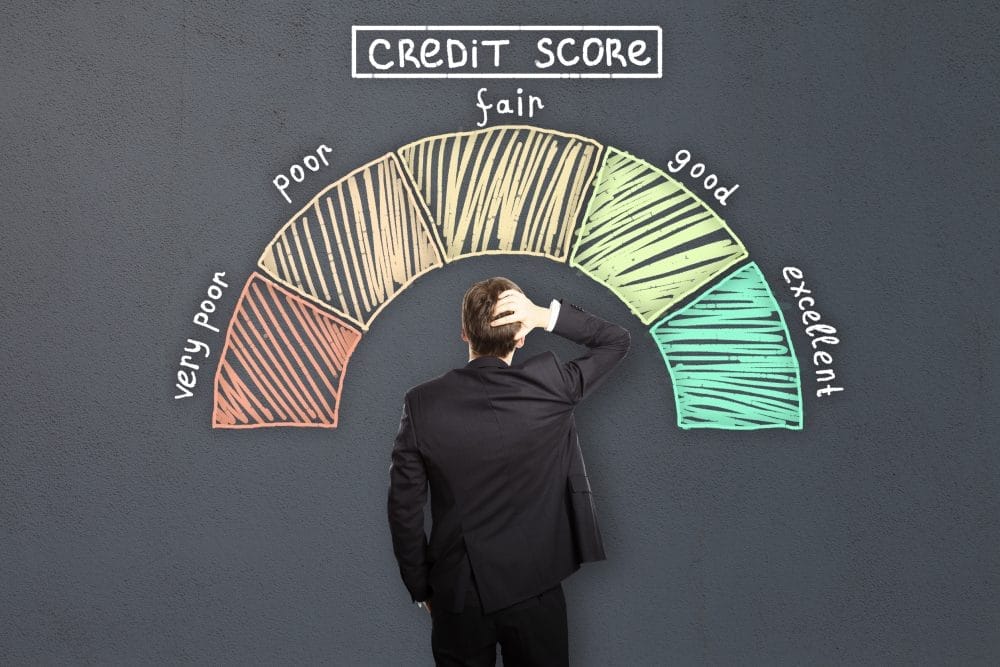
Here’s How Your 600 Credit Score Really Hurts You

October 2, 2025 by Catherine Reed Leave a Comment

Here's How Your 600 Credit Score Really Hurts You

Image source: 123rf.com

A 600 credit score sits in the “fair” range, but it can feel like a roadblock every time you need financial approval. Whether you’re applying for a loan, signing a lease, or even setting up utilities, your credit score influences the costs and opportunities available to you. While it may not seem devastating compared to lower scores, lenders often see 600 as risky. This means higher interest rates, tougher requirements, and fewer options in nearly every financial decision. Understanding exactly how a 600 credit score hurts you is the first step to taking back control.

1. Loan Approvals Become Harder to Get

Banks and credit unions prefer lending to people with scores above 670, and many draw the line much higher. With a 600 credit score, your application may be flagged as risky, meaning you’ll face denials even for smaller loans. If you are approved, you’ll likely need to provide extra documentation or offer collateral. These added hurdles slow down the process and make borrowing more stressful. What should feel like a simple step becomes a frustrating challenge.

2. Interest Rates Skyrocket

When lenders do approve you with a 600 credit score, they make sure to protect themselves by charging more. Higher interest rates on loans, credit cards, and car financing mean you’ll pay thousands of dollars extra over time. For example, the difference in auto loan interest between someone with a 600 score and a person with a 750 score can add up to several hundred dollars a month. This penalty creates a cycle where debt becomes harder to manage. Essentially, you’re paying more just because your score isn’t higher.

3. Renting an Apartment Gets Complicated

Landlords use credit checks to gauge whether a tenant will pay on time. A 600 credit score signals uncertainty, which can lead to rejections or higher deposits. Even if you find a landlord willing to rent to you, you may be asked to provide a cosigner or pay several months upfront. These extra costs make moving harder and reduce your options in competitive housing markets. For many, housing becomes a constant source of stress when credit scores hold them back.

4. Credit Card Options Shrink

Most premium rewards cards and low-interest credit cards require good or excellent credit. With a 600 credit score, you’ll be limited to secured cards or products with annual fees and higher interest. While these can help rebuild credit, they don’t offer the same perks as other cards. Missing out on cash-back rewards, travel benefits, and balance transfer deals means you’re paying more while getting less in return. Credit card companies know your options are limited and price their products accordingly.

5. Insurance Premiums Increase

Many states allow insurers to use credit scores as part of their risk assessment. A 600 credit score can mean higher premiums for auto and home insurance. Even though your driving record or claim history might be clean, your credit score alone raises your costs. Over time, the difference can add up to hundreds of extra dollars each year. It’s another way your financial profile follows you into unexpected areas of life.

6. Utility and Service Deposits Add Up

Setting up electricity, water, or even internet service often requires a credit check. With a 600 credit score, companies may require a deposit before activating your account. These deposits can range from $100 to $500, tying up money that could be better used elsewhere. While refundable, the upfront burden is frustrating for families already struggling. Even everyday necessities come with extra hurdles when your score is low.

7. Job Opportunities Can Be Impacted

Some employers review credit history as part of the hiring process, especially in fields involving money management or sensitive information. A 600 credit score might not automatically disqualify you, but it can raise concerns about responsibility or reliability. In a competitive job market, even a small blemish can tip the scales against you. Employers may see your score as a reflection of financial stress that could spill into the workplace. Career opportunities shouldn’t hinge on a number, but sometimes they do.

Turning a Weak Score Into a Stronger Future

While a 600 credit score hurts you in many ways, it’s not a life sentence. Paying bills on time, lowering credit card balances, and avoiding new debt can steadily raise your score. Secured cards or small credit-builder loans can help prove responsibility to lenders. Over time, every positive move helps improve your financial standing. With consistent effort, you can move from “fair” to “good” and finally enjoy access to better rates, more opportunities, and less stress.

Have you experienced the challenges of living with a 600 credit score? Share your story or tips in the comments below.

What to Read Next…

6 Dangerous Myths About Credit Card Rewards

Could A Credit Freeze Save You From Financial Ruin

These Debts First: 5 Debts You Should Always Pay Off First

Could Owning Too Many Credit Cards Destroy Your Score

9 Hidden Costs of Switching Banks Nobody Warns You About

Catherine Reed
Catherine Reed

Catherine is a tech-savvy writer who has focused on the personal finance space for more than eight years. She has a Bachelor’s in Information Technology and enjoys showcasing how tech can simplify everyday personal finance tasks like budgeting, spending tracking, and planning for the future. Additionally, she’s explored the ins and outs of the world of side hustles and loves to share what she’s learned along the way. When she’s not working, you can find her relaxing at home in the Pacific Northwest with her two cats or enjoying a cup of coffee at her neighborhood cafe.

Filed Under: credit score Tagged With: 600 credit score, credit cards, credit repair, Debt Management, Financial Tips, improving credit, loan approvals, Personal Finance

7 Silent Money Traps in Monthly Bills

September 30, 2025 by Catherine Reed Leave a Comment

7 Silent Money Traps in Monthly Bills

Image source: 123rf.com

Most people know where their money goes when it comes to rent, groceries, and car payments. But what really chips away at financial security are the hidden costs buried in everyday expenses. These silent money traps in monthly bills seem small individually, but they pile up over time and eat into savings. Because they often go unnoticed, families may wonder why their budgets always feel tighter than expected. Recognizing and eliminating these traps is the first step toward keeping more money in your pocket.

1. Auto-Renewing Subscriptions

Streaming services, apps, and memberships are convenient, but they’re also one of the most common silent money traps in monthly bills. Many people sign up for a free trial and forget to cancel, only to see the charge reappear every month. Others keep paying for multiple streaming platforms even though they only watch one. Over time, these small charges add up to hundreds of dollars a year. Reviewing subscriptions regularly helps avoid paying for services you no longer use.

2. Insurance Coverage You Don’t Need

Insurance is necessary, but overpaying for unnecessary add-ons quietly drains your budget. Many policies include extras you may not even realize you’re paying for, such as rental car coverage when you already have it through your credit card. Premiums may also creep up each year without you noticing. Comparing quotes annually ensures you aren’t paying for more than you need. Insurance costs are one of the overlooked silent money traps in monthly bills.

3. Utility Bill Creep

Electricity, gas, water, and internet bills often contain fees you don’t question. Seasonal fluctuations or hidden service charges increase the total, and most people pay without looking closely. Phantom energy use, like devices plugged in but not in use, also inflates power bills. Many households also forget to renegotiate internet or cable contracts after promotional rates expire. Utility bills are one of the silent money traps in monthly bills that deserve closer attention.

4. Gym Memberships That Go Unused

Joining a gym feels like a commitment to health, but unused memberships are notorious budget busters. People often overestimate how frequently they’ll go, only to skip workouts after the first few months. Yet the monthly fee continues, quietly draining money from the account. Canceling unused memberships or switching to pay-as-you-go options saves money without guilt. Fitness costs are a prime example of silent money traps in monthly bills.

5. Credit Card Interest and Fees

Carrying a balance on credit cards means you’re paying far more than the original cost of purchases. Interest rates on many cards exceed 20 percent, making it harder to pay down debt. Late fees and annual fees add to the burden, turning a manageable expense into a long-term trap. Even rewards cards can backfire if you spend more chasing points. Credit card costs are some of the most expensive silent money traps in monthly bills.

6. Cell Phone Plans with Extras

Cell phone bills often include charges for services you don’t need, like insurance, extra data, or premium add-ons. Many families also pay for more data than they use each month. Providers rely on customers not reviewing their plans or failing to shop for competitive rates. Switching to prepaid or family plans can save hundreds annually. Cell phone contracts remain one of the sneakiest silent money traps in monthly bills.

7. Convenience Fees and Automatic Payments

Automatic bill payments are convenient but can cause you to miss price hikes or fees. Many companies slip in small increases, hoping customers won’t notice because payments are set to autopay. Online payment portals also tack on convenience fees for credit card use. While each charge may be only a few dollars, they add up over time. These hidden extras are some of the most frustrating silent money traps in monthly bills.

Taking Control of Hidden Costs

Silent money traps in monthly bills quietly erode financial stability without families realizing it. The good news is that a little attention goes a long way. Reviewing statements, questioning unusual charges, and canceling unused services can free up significant cash. Building awareness helps transform wasted spending into savings for goals that truly matter. By taking control of these traps, you can create a budget that works for you instead of against you.

Which silent money traps in monthly bills have you discovered in your own finances? Share your experiences and tips in the comments below.

What to Read Next…

Why Do People Get Trapped by “Buy Now Pay Later” Schemes

What Happens When You Save Too Much in the Wrong Accounts

5 Unsettling Truths About Payday Loan Companies

9 Financial Mistakes People Make in Their 30s That Haunt Them in Their 60s

6 Dangerous Myths About Credit Card Rewards

Catherine Reed
Catherine Reed

Catherine is a tech-savvy writer who has focused on the personal finance space for more than eight years. She has a Bachelor’s in Information Technology and enjoys showcasing how tech can simplify everyday personal finance tasks like budgeting, spending tracking, and planning for the future. Additionally, she’s explored the ins and outs of the world of side hustles and loves to share what she’s learned along the way. When she’s not working, you can find her relaxing at home in the Pacific Northwest with her two cats or enjoying a cup of coffee at her neighborhood cafe.

Filed Under: Budgeting Tagged With: Budgeting Tips, Debt Management, family finances, hidden expenses, Planning, saving money, silent money traps in monthly bills

Could Ignoring Rising Interest Rates Destroy Your Budget

September 30, 2025 by Catherine Reed Leave a Comment

Could Ignoring Rising Interest Rates Destroy Your Budget

Image source: 123rf.com

Interest rates may not seem like something the average household needs to worry about, but they affect nearly every part of your financial life. From mortgages and credit cards to car loans and savings accounts, shifts in rates can reshape monthly expenses overnight. The real danger comes when families overlook these changes and keep spending as if nothing has changed. Ignoring rising interest rates can quietly drain your budget, leaving less money for savings, investments, and everyday essentials. Here are some of the most common ways higher rates wreak havoc on finances.

1. Higher Mortgage Payments

For homeowners with adjustable-rate mortgages, ignoring rising interest rates can be a costly mistake. When rates reset, monthly payments can increase by hundreds of dollars. This sudden jump may catch families off guard and put pressure on other parts of the budget. Even those looking to buy a home face higher borrowing costs that reduce affordability. Mortgage debt is one of the biggest reasons ignoring rising interest rates destroys financial stability.

2. Credit Card Debt Becomes More Expensive

Most credit cards have variable interest rates, which rise in response to national rate hikes. Families carrying balances month to month suddenly see more of their payments going toward interest instead of reducing debt. The longer the debt lingers, the more expensive it becomes. Ignoring rising interest rates on credit cards means falling deeper into financial quicksand. What once seemed like manageable debt quickly becomes overwhelming.

3. Auto Loans and Refinancing Costs

Car buyers often focus on the sticker price without considering the impact of higher interest rates. A slight increase in rates can add thousands over the life of a loan. Families refinancing existing loans or leasing new vehicles may face payments much higher than expected. This extra cost eats into budgets already stretched by rising living expenses. Ignoring rising interest rates in this area can keep families locked into bad deals.

4. Student Loan Repayments

Federal student loans may be fixed, but some private loans do carry variable rates. As interest climbs, so do monthly payments for borrowers. This change can derail financial plans, especially for young adults already juggling housing and career expenses. Even small increases make it harder to pay off balances quickly. Student debt is another area where ignoring rising interest rates leaves families unprepared.

5. Reduced Home Affordability

Rising rates don’t just affect existing mortgages—they also make it harder for buyers to enter the housing market. A higher interest rate reduces the loan amount families qualify for, forcing them to settle for smaller homes or higher payments. Ignoring rising interest rates when shopping for a house often leads to disappointment and financial stress. Buyers who plan without considering rates may find themselves priced out entirely.

6. Business and Personal Loans

Families who rely on business or personal loans also feel the squeeze. Higher rates mean borrowing costs climb, whether for starting a business, covering emergencies, or consolidating debt. What once looked like a smart financial move may now drain income faster than expected. Entrepreneurs and families alike risk overextending themselves if they don’t factor in rate hikes. Ignoring rising interest rates here can hurt both personal and professional goals.

7. Savings Growth May Not Keep Up

While higher rates can benefit savings accounts, the increase rarely offsets the rise in debt costs. Families focused on debt payments often can’t contribute more to savings anyway. Inflation also erodes the real value of savings, making the small gains less meaningful. Believing that higher savings account rates will fully balance out rising loan costs is misleading. This misconception is another reason ignoring rising interest rates is dangerous.

8. Household Budgets Become Tighter

Every increase in borrowing costs means less flexibility in daily spending. Families who ignore the impact of higher interest rates often find themselves cutting back on groceries, entertainment, or even healthcare. Budgets that once felt comfortable suddenly feel restrictive. Over time, this strain leads to frustration and poor financial choices. Tight budgets are a clear result of ignoring rising interest rates and their ripple effects.

Proactive Steps to Protect Your Budget

The best way to avoid financial stress is to prepare before rates rise further. Families can lock in fixed-rate loans, pay down high-interest debt, and build emergency savings to cushion the impact. Staying informed about rate changes helps households adjust spending and avoid costly surprises. Ignoring rising interest rates puts budgets at risk, but planning ahead puts you back in control. With proactive choices, you can protect your finances no matter what the economy does next.

How have rising interest rates affected your budget recently? Share your experiences and tips in the comments below.

What to Read Next…

The Financial Advice That Works—But Almost No One Follows

7 Strange Truths About Middle-Class Spending Habits

9 Sneaky Costs That Appear When Kids Leave for College

6 Silent Money Drains in Everyday Shopping

5 Surprising Risks of Keeping Large Savings at Home

Catherine Reed
Catherine Reed

Catherine is a tech-savvy writer who has focused on the personal finance space for more than eight years. She has a Bachelor’s in Information Technology and enjoys showcasing how tech can simplify everyday personal finance tasks like budgeting, spending tracking, and planning for the future. Additionally, she’s explored the ins and outs of the world of side hustles and loves to share what she’s learned along the way. When she’s not working, you can find her relaxing at home in the Pacific Northwest with her two cats or enjoying a cup of coffee at her neighborhood cafe.

Filed Under: Budgeting Tagged With: Budgeting Tips, Credit card debt, Debt Management, family finances, ignoring rising interest rates, mortgage costs, Planning

6 Financial Dangers of Relying on One Income

September 30, 2025 by Catherine Reed Leave a Comment

6 Financial Dangers of Relying on One Income

Image source: 123rf.com

For many households, living on a single paycheck feels manageable—until an unexpected event exposes just how risky it really is. Whether it’s by choice or circumstance, the reality is that putting all financial pressure on one stream of income leaves families vulnerable. Without a safety net, even minor disruptions can trigger major financial stress. Understanding the financial dangers of relying on one income can help families prepare better and avoid long-term setbacks. Here are six risks every household should be aware of.

1. Job Loss Creates Immediate Crisis

One of the most significant financial dangers of relying on one income is the risk of unemployment. Losing a job doesn’t just mean a temporary gap in earnings—it can completely derail a family’s budget. Expenses like rent, utilities, and groceries don’t pause just because income does. Severance packages and unemployment benefits often fall short of covering real needs. Without a second income, households face financial strain much faster than dual-income families.

2. Limited Savings and Investment Growth

When only one paycheck supports the entire household, there’s less room to set aside money for the future. Saving for retirement, emergencies, or big goals like buying a home becomes more difficult. Investments that grow wealth over time may be postponed or skipped entirely. This creates a compounding problem, as money not invested early misses out on years of growth. Reduced contributions to savings is a hidden but powerful financial danger of relying on one income.

3. Higher Risk of Debt Accumulation

Unexpected expenses can quickly push single-income families into debt. Without extra cash flow, emergencies often mean turning to credit cards or loans. Over time, interest payments make it even harder to regain stability. Medical bills, car repairs, or sudden household costs hit harder when one paycheck has to stretch. This reliance on borrowing highlights another one of the financial dangers of relying on one income.

4. Increased Stress on the Sole Earner

Relying on one person to provide financially creates emotional and physical pressure. The sole earner may feel trapped in a job they dislike, unable to take risks or pursue new opportunities. Burnout becomes more likely when all responsibility falls on one individual. Stress can affect not just finances but also health and relationships within the household. The human toll is a less visible but serious financial danger of relying on one income.

5. Limited Lifestyle Flexibility

Families often underestimate how restrictive a single income can be. Travel, education, or even small luxuries may be harder to afford without financial backup. When opportunities arise—such as moving for a better job or paying for advanced training—the lack of extra funds can hold families back. This limitation reduces long-term growth for everyone in the household. Missing out on opportunities is another financial danger of relying on one income.

6. Vulnerability to Inflation and Rising Costs

Prices for essentials like housing, food, and healthcare continue to rise, sometimes faster than wages. With only one income, households are less able to absorb these increases without making sacrifices. Even small spikes in expenses can upset a carefully balanced budget. Dual-income families often have more cushion against inflation, while single-income households struggle. Rising costs make inflation one of the sneakiest financial dangers of relying on one income.

Building Stability with Multiple Streams

The financial dangers of relying on one income are clear, but they don’t have to define your family’s future. Building stability starts with diversifying—whether through a second paycheck, side hustles, or investments that generate passive income. Creating an emergency fund, reducing debt, and budgeting strategically also provide important safeguards. Families who take steps to expand income sources give themselves more security and freedom. Ultimately, diversifying income is about protecting both money and peace of mind.

Have you experienced the financial dangers of relying on one income in your own household? Share your story and tips in the comments below.

What to Read Next…

The Financial Advice That Works—But Almost No One Follows

Why Do High Earners Still Struggle With Emergency Savings

8 Shocking Costs of Delaying Retirement

6 Silent Money Leaks in the Average Household

7 Strange Truths About Middle-Class Spending Habits

Catherine Reed
Catherine Reed

Catherine is a tech-savvy writer who has focused on the personal finance space for more than eight years. She has a Bachelor’s in Information Technology and enjoys showcasing how tech can simplify everyday personal finance tasks like budgeting, spending tracking, and planning for the future. Additionally, she’s explored the ins and outs of the world of side hustles and loves to share what she’s learned along the way. When she’s not working, you can find her relaxing at home in the Pacific Northwest with her two cats or enjoying a cup of coffee at her neighborhood cafe.

Filed Under: Personal Finance Tagged With: Debt Management, family budgeting, financial dangers of relying on one income, income security, money tips, Planning, single income risks

5 Shocking Truths About Debt Collectors

September 29, 2025 by Travis Campbell Leave a Comment

debt

Image source: pexels.com

Most people hope to avoid dealing with debt collectors, but the reality is that millions of Americans face them every year. Understanding how debt collectors operate is crucial if you want to protect your rights and financial well-being. There’s more to the debt collection industry than what you see in movies or hear from friends. Some of the truths are surprising, and knowing them can help you make better decisions when facing collection calls. If you’ve ever wondered what really goes on behind the scenes, these five facts about debt collectors may change how you handle your debts.

1. Debt Collectors Don’t Always Own Your Debt

One of the biggest misconceptions about debt collectors is that they’re always working for the original lender. In reality, many debt collectors purchase debts from banks, credit card companies, or other lenders for a fraction of the amount owed. This means they’re not collecting on behalf of the original company—they now own your debt entirely.

Why does this matter? When a collector buys your debt, their main goal is to collect more than they paid. Sometimes, they’re willing to settle for less than the original balance. If a debt collector contacts you, ask if they own the debt or are merely collecting on behalf of someone else. This can open the door to negotiations and may help you resolve your debt for less than you expected.

2. They Must Follow Strict Laws

Debt collectors are not allowed to harass, threaten, or deceive you. The Fair Debt Collection Practices Act (FDCPA) sets out clear rules about what collectors can and cannot do. For example, they can’t call you before 8 a.m. or after 9 p.m., and they can’t contact you at work if you ask them not to. They also can’t use abusive language or lie about the amount you owe.

If a collector breaks these rules, you have the right to report them to the Consumer Financial Protection Bureau or your state attorney general. It’s important to know your rights so you can stand up for yourself.

3. Old Debts Don’t Disappear, but Collectors Can’t Sue Forever

Just because a debt is old doesn’t mean it goes away. Debt collectors may still contact you years after you stopped making payments. However, they can’t sue you forever. Every state has a statute of limitations for debt collection lawsuits, usually ranging from three to six years for most debts, though it can be longer for some types.

Once the statute of limitations expires, a debt collector can’t successfully sue you for the debt. But here’s a shocking truth: if you make a payment or even acknowledge the debt in writing, you may restart the clock. Always check the age of your debt before agreeing to anything. Understanding the rules about the statute of limitations is crucial when dealing with debt collectors.

4. Debt Collectors Can Impact Your Credit for Years

One of the most serious consequences of unpaid debts is the effect on your credit report. Debt collectors report unpaid accounts to credit bureaus, and these accounts can stay on your credit report for up to seven years from the date of your first missed payment. This negative mark can make it harder to qualify for loans, rent an apartment, or even get a job.

Even if you pay off a collection account, it may still appear on your credit report as a paid collection. While this is better than an unpaid one, the presence of collections can still lower your credit score.

5. Some Debt Collectors Bend the Truth

Not all debt collectors play by the rules. Some may exaggerate, misrepresent, or even fabricate details to convince you to pay. They might claim you owe more than you do, threaten legal action they can’t take, or imply that you’ll be arrested. These tactics are illegal, but they’re still used by some collectors hoping you don’t know your rights.

If a collector says anything that seems off, ask for everything in writing. You have the right to request a written validation notice that details the debt, the amount owed, and your rights under the law. If a collector refuses to provide this, or if their claims don’t match your records, proceed with caution. Don’t let intimidation tactics pressure you into paying money you may not owe.

Take Control When Dealing with Debt Collectors

Dealing with debt collectors can feel overwhelming, but knowledge is your best defense. Understanding these shocking truths about debt collectors gives you the confidence to handle their calls and letters. Remember, you have rights, and collectors must follow the law. Don’t be afraid to ask questions, request written proof, and take your time before making any payments or agreements.

If you’re struggling with debt collectors, consider reaching out to a non-profit credit counselor or legal aid. Taking proactive steps can help you regain control of your finances and reduce stress. Have you ever had a surprising experience with a debt collector? Share your story or questions in the comments below.

What to Read Next…

  • 5 Emergency Repairs That Could Force You Into Debt Overnight
  • 5 Things That Instantly Decrease Your Credit Score By 50 Points
  • Why Are So Many Seniors Being Sued Over Student Loans They Didn’t Take Out?
  • Can An Unpaid Medical Bill Really Lead To Property Seizure?
  • What Happens If Your Spouse Has Secret Debt You Didn’t Know About?
Travis Campbell
Travis Campbell

Travis Campbell is a digital marketer/developer with over 10 years of experience and a writer for over 6 years. He holds a degree in E-commerce and likes to share life advice he’s learned over the years. Travis loves spending time on the golf course or at the gym when he’s not working.

Filed Under: Debt Management Tagged With: consumer rights, credit score, Debt Collectors, Debt Management, financial advice

  • « Previous Page
  • 1
  • …
  • 4
  • 5
  • 6
  • 7
  • 8
  • …
  • 17
  • Next Page »

FOLLOW US

Search this site:

Recent Posts

  • Can My Savings Account Affect My Financial Aid? by Tamila McDonald
  • 12 Ways Gen X’s Views Clash with Millennials… by Tamila McDonald
  • What Advantages and Disadvantages Are There To… by Jacob Sensiba
  • 10 Tactics for Building an Emergency Fund from Scratch by Vanessa Bermudez
  • Call 911: Go To the Emergency Room Immediately If… by Stephen Kanaval
  • 7 Weird Things You Can Sell Online by Tamila McDonald
  • 10 Scary Facts About DriveTime by Tamila McDonald

Copyright © 2026 · News Pro Theme on Genesis Framework