• Home
  • About Us
  • Getting Finances Done
    • Hiring Advisors
    • Debt Management
    • Spending Plan
  • Insurance
    • Life Insurance
    • Health Insurance
    • Disability Insurance
    • Homeowners/Renters Insurance
  • Contact Us
  • Our Editorial Commitment

The Free Financial Advisor

You are here: Home / Archives for Credit card debt

7 Financial Secrets People Keep From Their Families

September 16, 2025 by Catherine Reed Leave a Comment

7 Financial Secrets People Keep From Their Families
Image source: 123rf.com

Money can be one of the most sensitive topics in any household. While families often share daily expenses and long-term goals, many individuals keep financial secrets that they’re too embarrassed or afraid to reveal. These hidden truths can range from debt to secret spending habits, and they often have major consequences when eventually uncovered. By understanding the most common financial secrets, families can start important conversations that lead to healthier money management. Here are seven surprising financial secrets people often hide from those closest to them.

1. Credit Card Debt That Keeps Growing

One of the most common financial secrets is hidden credit card debt. Many people swipe their cards for everyday purchases, vacations, or impulse buys and hope their families won’t notice. Over time, balances grow, interest piles up, and minimum payments barely make a dent. The fear of judgment often keeps people from being honest about how much they owe. Unfortunately, this secrecy can lead to serious financial strain that affects the entire household.

2. Secret Savings Accounts

While saving money might sound positive, secret accounts can create distrust. Some people stash away funds without telling their spouse or family, often as a way to maintain independence or prepare for an uncertain future. These accounts might be started with good intentions, but the lack of transparency can cause tension. Families who discover these hidden funds may feel betrayed or excluded from financial planning. Keeping savings a secret often does more harm than good in the long run.

3. Hidden Loans or Borrowing from Friends

Borrowing money without telling loved ones is another financial secret that many keep. Whether it’s payday loans, personal loans, or borrowing from friends, secrecy often comes from shame or fear of conflict. These hidden debts can carry high interest rates or damage relationships if repayment falls behind. When the truth comes out, families may feel blindsided and pressured to help. Open communication about borrowing can prevent small issues from turning into big problems.

4. Gambling or Risky Investments

Some individuals hide gambling habits or risky investments, hoping they’ll strike it rich before anyone notices. Whether it’s casino trips, online betting, or pouring money into volatile markets, the secrecy can spiral into devastating losses. Families often discover these financial secrets only after large sums have disappeared. The emotional and financial fallout can be significant, creating mistrust and instability. Being upfront about risks helps families set limits and avoid financial ruin.

5. Secret Spending Habits

Impulse shopping or splurging on non-essential items is another financial secret that often stays hidden. Some people downplay how much they spend on clothes, electronics, or hobbies, especially if the family budget is tight. While the purchases may seem harmless at first, repeated overspending can drain savings and derail financial goals. This type of secrecy often comes with guilt and defensiveness when questioned. Transparency about spending habits allows families to set realistic budgets and priorities.

6. Ignoring Bills or Falling Behind on Payments

Falling behind on bills is stressful, and many people hide it from their families out of fear or shame. Ignoring overdue notices or hiding late payment letters is a common financial secret. Unfortunately, unpaid bills can quickly damage credit scores and lead to service interruptions. Families who are left in the dark often don’t realize the seriousness of the problem until it’s too late. Addressing missed payments openly allows everyone to work together on solutions.

7. Hiding Income or Side Hustles

Some people keep side jobs, freelance work, or extra income a secret from their families. The reasons vary—from wanting personal spending money to avoiding questions about how the money is earned. While having additional income sounds like a benefit, secrecy undermines trust. Families may miss opportunities to use that money toward shared goals, like paying off debt or saving for the future. Honesty about all sources of income builds stronger financial teamwork.

Honesty Is the Key to Financial Health

Financial secrets often begin with small omissions but can grow into major problems that hurt families emotionally and financially. Whether it’s debt, hidden accounts, or secret spending, the consequences are rarely worth the stress of keeping things hidden. Open communication fosters trust, creates stronger plans, and allows families to face challenges together. By breaking the silence around financial secrets, households can move toward greater stability and peace of mind.

Have you ever discovered financial secrets within your family, or kept some yourself? Share your experiences in the comments below.

What to Read Next…

Why Do Consumers Keep Falling for Subscription Traps

10 Money Moves That Look Smart but Lead to Regret

7 Weird Investments People Regret Buying

8 Secrets Behind Fee Structures—Do You Know What You Really Pay?

5 Financial Dangers That Hide in Credit Union Accounts

Catherine Reed
Catherine Reed

Catherine is a tech-savvy writer who has focused on the personal finance space for more than eight years. She has a Bachelor’s in Information Technology and enjoys showcasing how tech can simplify everyday personal finance tasks like budgeting, spending tracking, and planning for the future. Additionally, she’s explored the ins and outs of the world of side hustles and loves to share what she’s learned along the way. When she’s not working, you can find her relaxing at home in the Pacific Northwest with her two cats or enjoying a cup of coffee at her neighborhood cafe.

Filed Under: Personal Finance Tagged With: Credit card debt, family finances, financial secrets, financial trust, hidden debt, money management, Personal Finance

10 Financial Shocks That Hit After a Major Illness

September 13, 2025 by Catherine Reed Leave a Comment

10 Financial Shocks That Hit After a Major Illness
Image source: 123rf.com

A major illness can turn life upside down, and the challenges extend far beyond the physical toll. Even with good insurance, families often face unexpected bills and money struggles that few are prepared for. These financial shocks hit quickly, drain savings, and sometimes create long-lasting debt. Knowing what to expect is the first step in protecting your household against these hidden costs. Here are ten common financial shocks that strike after a major illness.

1. Out-of-Pocket Medical Costs

One of the most immediate financial shocks comes from out-of-pocket medical expenses. Even with insurance, deductibles, copayments, and uncovered treatments can add up to thousands of dollars. Families often underestimate just how high these costs can climb during extended treatment. Routine medications and follow-up visits only add to the total. This sudden financial burden can wipe out emergency funds in a matter of weeks.

2. Lost Income From Missed Work

A major illness often means extended time away from work, leading to reduced paychecks or no income at all. Not every employer offers paid sick leave or short-term disability benefits. Even when they do, the payments rarely cover a full salary. This gap creates one of the hardest-hitting financial shocks for families. Bills don’t stop just because someone is sick, making lost wages one of the biggest challenges to overcome.

3. Travel and Lodging Expenses

Serious illnesses sometimes require care at specialty hospitals that are far from home. Families must pay for travel, hotel stays, and meals during treatment. These extra costs pile up quickly, especially when multiple family members want to be present. Insurance rarely covers these types of expenses. For many, the hidden cost of travel is a financial shock that drains credit cards fast.

4. Increased Childcare or Elder Care Needs

When a parent or caregiver falls ill, someone else must step in to care for children or aging relatives. Hiring extra childcare or elder care can become one of the most surprising financial shocks. The costs are ongoing and often more expensive than families expect. Even short-term arrangements can create significant strain on budgets. This added expense complicates an already difficult financial situation.

5. Home Modifications and Medical Equipment

A major illness sometimes requires changes at home, such as installing ramps, stair lifts, or accessible bathrooms. Medical equipment like hospital beds, wheelchairs, or oxygen machines may also be needed. Insurance coverage for these items is often limited, leaving families to cover much of the cost. These modifications can run into the tens of thousands of dollars. The sudden need for major adjustments adds another layer of financial shock.

6. Rising Insurance Premiums

After a major illness, many families see their health insurance premiums rise significantly. Employers may pass more of the cost to employees, or individuals may face higher rates when purchasing private coverage. These increases arrive just as finances are already stretched thin. Over time, rising premiums become one of the long-term financial shocks families must budget for. They represent a lasting consequence of an already difficult health crisis.

7. Mental Health and Counseling Costs

The stress of dealing with a major illness often extends to mental health. Counseling, therapy, or medication may be necessary for both the patient and family members. Insurance coverage for these services can be limited, leaving families to pay out of pocket. These costs are easy to overlook but add up quickly. The emotional strain paired with the financial shocks can feel overwhelming.

8. Debt From Credit Card Use

When savings run out, many families turn to credit cards to cover expenses. High interest rates make repayment difficult, and balances grow faster than expected. This type of debt is one of the most common financial shocks after a major illness. What starts as a temporary solution can spiral into long-term financial hardship. Without careful planning, families may struggle for years to pay down the debt.

9. Impact on Retirement Savings

To cover costs, some families dip into retirement accounts or stop making contributions altogether. This creates one of the longest-lasting financial shocks, since it reduces future security. Early withdrawals often come with penalties and taxes, further shrinking the amount available. Missing years of contributions also means missing years of growth. The impact can derail retirement plans for decades.

10. Legal and Administrative Expenses

Finally, financial shocks often appear in the form of legal and paperwork-related costs. Families may need to update wills, establish powers of attorney, or handle medical billing disputes. Hiring professionals to navigate these complexities adds unexpected expenses. Even small legal fees can feel overwhelming when paired with other financial shocks. These hidden costs remind families that illness affects every corner of life.

Preparing for the Unseen Costs of Illness

A major illness doesn’t just challenge health—it creates lasting financial shocks that can threaten long-term stability. While no one can predict every expense, awareness and preparation make a difference. Building emergency savings, reviewing insurance policies, and planning for caregiving needs help reduce the impact. Families who plan ahead recover financially faster and with less stress. Protecting both health and wealth is essential to moving forward after hardship.

Have you or someone you know faced unexpected financial shocks after a major illness? What strategies helped you manage them? Share your experiences in the comments.

What to Read Next…

  • 5 Overlooked Costs of Long-Term Care That Shock Families
  • Why Do High Earners Still Struggle With Emergency Savings
  • 8 Hidden Costs of Raising Children That Are Rarely Discussed
  • Could Pet Ownership Now Be More Expensive Than Raising Kids
  • 8 Unexpected Costs That Come With Aging Parents
Catherine Reed
Catherine Reed

Catherine is a tech-savvy writer who has focused on the personal finance space for more than eight years. She has a Bachelor’s in Information Technology and enjoys showcasing how tech can simplify everyday personal finance tasks like budgeting, spending tracking, and planning for the future. Additionally, she’s explored the ins and outs of the world of side hustles and loves to share what she’s learned along the way. When she’s not working, you can find her relaxing at home in the Pacific Northwest with her two cats or enjoying a cup of coffee at her neighborhood cafe.

Filed Under: Health & Wellness Tagged With: Credit card debt, family finances, financial shocks, healthcare planning, major illness costs, medical expenses, retirement savings

How a $10 Habit Could Help Eliminate Credit Card Debt

May 3, 2025 by Travis Campbell Leave a Comment

credit card
Image Source: pixabay.com

Credit card debt can feel like quicksand—the harder you struggle, the deeper you sink. With average American credit card debt reaching record highs, finding practical solutions has never been more important. What if something as simple as setting aside $10 regularly could be your path to financial freedom? When applied consistently, this small habit creates a powerful compound effect that can transform your financial future. Let’s explore how this modest commitment can help you break free from the cycle of debt.

1. The Power of Small, Consistent Actions

The journey to eliminating credit card debt doesn’t require drastic lifestyle changes or winning the lottery. Research from behavioral economists shows that small, consistent actions create more sustainable results than ambitious but unsustainable goals. Setting aside just $10 regularly—whether daily, weekly, or with each paycheck—creates a psychological win that builds momentum.

When you commit to this habit, you’re not just saving money but developing financial discipline. According to a study from the Financial Health Network, people who establish regular saving habits, regardless of amount, report higher financial confidence and lower stress levels.

This approach works because it’s accessible to almost everyone. Even those living paycheck to paycheck can typically find $10 to set aside, making this strategy inclusive and practical across income levels.

2. The Mathematical Magic of Debt Snowballing

When applied strategically to credit card debt, your $10 habit becomes mathematically powerful. Using the debt snowball method—popularized by financial expert Dave Ramsey—you focus your extra payments on your smallest debt while making minimum payments on others.

Let’s break down the numbers: Setting aside $10 daily creates approximately $300 monthly. Applied to a $2,000 credit card balance with 18% APR and a $40 minimum payment, you’d pay off the card in about 6 months instead of 6+ years, saving over $1,600 in interest.

The psychological boost from completely eliminating one debt creates motivation to continue the process. Each victory fuels the next, creating a snowball effect that gains momentum as you progress through your debts.

3. Automating Your Way to Success

Technology makes maintaining your $10 habit nearly effortless. Most banks offer automatic transfers that can move money from checking to savings accounts on your schedule. Apps like Qapital or Digit can automatically round up purchases and save the difference or analyze your spending patterns to identify safe amounts to save.

Automation removes willpower from the equation, making your $10 habit happen regardless of motivation levels or busy schedules. Research from the Consumer Financial Protection Bureau indicates that automated savings increase persistence rates by over 65% compared to manual methods.

The key is to set up your system once and let technology handle the rest, creating a “set it and forget it” approach to debt reduction that works even when life gets hectic.

4. Creating a Psychological Buffer Against New Debt

Your $10 habit accelerates debt payoff, creating a psychological buffer against accumulating new debt. When you have a growing savings fund, even a modest one, you’re less likely to reach for credit cards during unexpected expenses.

This emergency cushion, which grows alongside your debt reduction efforts, helps break the cycle of debt dependence. According to financial psychologists, having even a small financial safety net significantly reduces the anxiety that often drives impulsive spending decisions.

The habit also reinforces a crucial mindset shift from immediate gratification to delayed satisfaction, which research shows is a key predictor of long-term financial success.

5. Scaling Your Habit as Debts Disappear

As you eliminate each debt, redirect those freed-up minimum payments to your $10 fund. If you were paying $40 monthly on a now-paid card, add that to your habit fund, creating a $40 + $300 = $340 monthly debt elimination machine.

This scaling approach creates exponential progress. Each conquered debt accelerates the payoff timeline for remaining obligations. What started as a modest $10 habit transforms into a powerful financial tool that grows stronger with each success.

Many who follow this approach report eliminating debts they once thought would take decades to clear in just a few years, demonstrating the strategy’s compounding effect.

Breaking the Chains of Financial Bondage

The $10 habit represents more than a practical financial strategy—it’s about reclaiming control over your financial future. By transforming how you think about money through consistent, intentional action, you’re not just eliminating debt; you’re building financial resilience that will serve you long after the credit cards are paid off.

The journey from debt to financial freedom isn’t about dramatic gestures but rather small, consistent steps taken faithfully over time. Your $10 habit might seem insignificant today, but it plants the seeds for significant transformation in your financial landscape.

Have you tried implementing a small, consistent saving habit to tackle debt? What challenges or successes have you experienced along the way?

Read More

How to Take Control of Your Finances and Get Out of Debt

4 Easy Steps to Help How to Get Out of Debt Quickly

Travis Campbell
Travis Campbell

Travis Campbell is a digital marketer/developer with over 10 years of experience and a writer for over 6 years. He holds a degree in E-commerce and likes to share life advice he’s learned over the years. Travis loves spending time on the golf course or at the gym when he’s not working.

Filed Under: Debt Management Tagged With: Credit card debt, debt elimination, debt snowball, financial freedom, money management, Personal Finance, saving habits

10 Lies We Tell Ourselves About Paying Off Debt

April 19, 2025 by Travis Campbell Leave a Comment

calculator and coins
Image Source: pixabay.com

Debt can feel like a heavy chain dragging behind us, affecting our financial freedom and peace of mind. Yet despite our best intentions to break free, we often sabotage our debt payoff journey with self-deception. These financial falsehoods keep millions of Americans trapped in cycles of debt that could be avoided with honest self-assessment. Understanding these common lies is the first step toward creating a debt freedom plan that actually works.

1. “I’ll Start Paying Extra Next Month”

Procrastination is perhaps the most insidious lie we tell ourselves about debt repayment. We convince ourselves that next month will somehow be different—we’ll have more money, fewer expenses, or greater motivation. But financial circumstances rarely change dramatically without deliberate action. Each month of delay means more interest accumulating and less progress toward freedom. The truth is that the best time to start tackling debt aggressively is always now, even if it’s with small additional payments.

2. “I Deserve This Purchase Despite My Debt”

The “I deserve it” mentality is a dangerous rationalization that undermines debt payoff progress. While self-care and occasional treats are important, using deservingness to justify spending beyond your means while carrying significant debt creates a self-defeating cycle. According to a Federal Reserve study, nearly 40% of Americans couldn’t cover a $400 emergency expense without borrowing. True deservingness means giving yourself the gift of financial security and peace of mind.

3. “Minimum Payments Are Good Enough”

Making only minimum payments is a mathematical trap designed to maximize profits for lenders. On a typical credit card with an 18% interest rate, making minimum payments on a $5,000 balance could take over 15 years to pay off while costing thousands in interest. This approach keeps you in debt far longer than necessary. The minimum payment lies give a false sense of responsibility while actually extending your debt sentence indefinitely.

4. “I Need to Keep This Credit Card for Emergencies”

Maintaining “emergency” credit cards while trying to get out of debt creates a psychological safety net that often becomes a trap. Research shows that having available credit makes us more likely to define “emergencies” loosely. A true emergency fund—even starting with just $1,000 in cash—provides genuine security without the temptation of revolving debt. Building this fund should be prioritized alongside debt payoff to break the dependency on credit.

5. “I Can’t Afford to Pay More Than I Currently Am”

This lie stems from failing to distinguish between needs and wants in our budgets. Most households have significant flexibility in their spending that goes unrecognized. A thorough budget review often reveals hundreds of dollars in potential debt payments hiding in subscription services, dining out, entertainment, or impulse purchases. The debt payoff journey requires honest assessment of where every dollar goes and making intentional choices about priorities.

6. “All Debt is Bad Debt”

While uncontrolled consumer debt is problematic, not all debt is created equal. Strategic debt, like mortgages at favorable rates or student loans that increase earning potential, can be tools for building wealth when appropriately managed. The lie here is in oversimplifying a complex topic. Understanding the difference between productive and destructive debt helps create a more nuanced payoff strategy that prioritizes high-interest consumer debt while making appropriate payments on potentially beneficial debt.

7. “I’ll Never Be Able to Pay It All Off”

This defeatist lie becomes a self-fulfilling prophecy. When we believe debt freedom is impossible, we stop trying meaningful strategies to achieve it. According to National Debt Relief, even people with significant debt can become debt-free within 2-4 years with the right approach. The mathematical reality is that any debt, no matter how large, can be eliminated with consistent effort and the right strategy.

8. “I Need a Perfect Plan Before Starting”

Perfectionism paralyzes progress. Many people delay debt payoff because they’re searching for the ideal strategy, the perfect budget, or complete financial knowledge. This pursuit of perfection becomes an excuse for inaction. The truth is that an imperfect plan executed consistently will outperform a perfect plan that’s never started. Begin with basic principles—spend less than you earn and direct the difference to debt—and refine your approach as you learn.

9. “My Debt Isn’t That Bad Compared to Others”

Comparative thinking provides false comfort that undermines motivation. Whether your debt is $5,000 or $50,000, its impact on your financial health and future options matters, not how it compares to national averages or your neighbor’s situation. This lie keeps us from taking our debt seriously enough to make the necessary changes to eliminate it.

10. “I’ll Start Saving Once I’m Debt-Free”

Delaying all saving until achieving debt freedom creates vulnerability that can lead right back into debt. Building even a small emergency fund while paying down debt protects against life’s inevitable surprises. The balanced approach of addressing high-interest debt while building minimal savings creates sustainable financial resilience.

Breaking Free From Financial Self-Deception

Confronting these lies is uncomfortable but necessary for genuine financial progress. Debt payoff isn’t just about numbers—it’s about changing our relationship with money and the stories we tell ourselves. Replacing these common lies with honest financial self-assessment creates the foundation for lasting debt freedom and financial health.

Have you caught yourself believing any of these debt payoff lies? Which one has been the biggest obstacle in your journey toward financial freedom?

Read More

7 Unexpected Ways Hospitals Can Help You Slash Your Medical Debt

6 Financial Landmines That Even Bankruptcy Can’t Fix

Travis Campbell
Travis Campbell

Travis Campbell is a digital marketer/developer with over 10 years of experience and a writer for over 6 years. He holds a degree in E-commerce and likes to share life advice he’s learned over the years. Travis loves spending time on the golf course or at the gym when he’s not working.

Filed Under: Debt Management Tagged With: Credit card debt, debt freedom, Debt Management, debt payoff, financial freedom, Personal Finance, Planning

Is Credit Card Debt Ever “Good” Debt? What Experts Say

April 11, 2025 by Travis Campbell Leave a Comment

credit card
Image Source: unsplash.com

Personal finance circles have long vilified credit card debt as the ultimate financial mistake. With average interest rates hovering around 20%, it’s easy to see why most experts warn against carrying balances. But is the conventional wisdom always correct? Could there be scenarios where credit card debt might actually serve a strategic purpose? Financial experts have nuanced views on this controversial topic that might surprise you.

1. Understanding the Traditional “Good Debt vs. Bad Debt” Framework

Good debt traditionally refers to borrowing that helps build wealth or increase income over time. Student loans funding education that boost earning potential typically fall into this category. Mortgages allowing homeownership and potential appreciation represent another common example of “good” debt. Business loans that fuel entrepreneurial ventures with positive returns also qualify as strategic borrowing. With their high interest rates and consumption-focused use, credit cards have historically been classified firmly in the “bad debt” category. However, financial experts increasingly recognize that context matters more than rigid categorizations when evaluating any form of debt.

2. Situations Where Credit Card Debt May Serve a Strategic Purpose

Emergencies sometimes necessitate using credit cards when no emergency fund exists to cover urgent medical bills or critical car repairs. Short-term cash flow gaps during career transitions or between paychecks might reasonably be bridged with credit cards if repayment is imminent. Strategic debt transfers to 0% APR promotional offers can actually save substantial interest costs compared to other higher-interest debt options. Credit card rewards programs occasionally make strategic spending worthwhile when the benefits outweigh the potential interest costs. Financial experts emphasize that these scenarios assume prompt repayment plans and represent exceptions rather than regular financial practice.

3. The Hidden Costs That Make Credit Card Debt Problematic

Compound interest works dramatically against consumers with revolving credit card balances, often doubling debt over relatively short timeframes. Psychological research shows that credit card spending typically increases consumption by 12-18% compared to cash purchases, creating lifestyle inflation. Credit utilization ratios above 30% can significantly damage credit scores, affecting future borrowing ability and even employment opportunities. The stress associated with high-interest debt has been linked to numerous health issues, including anxiety, depression, and even physical ailments. Financial experts point out that these hidden costs often outweigh any perceived benefits of using credit cards as financing tools.

4. What Financial Experts Recommend

Most certified financial planners recommend establishing an emergency fund for expenses of 3-6 months before relying on credit cards for unexpected costs. Debt management specialists suggest exploring personal loans with lower interest rates when larger purchases must be financed rather than using credit cards. Consumer advocates emphasize that credit cards should primarily be used as payment tools rather than borrowing instruments whenever possible. Financial coaches recommend implementing the “cooling off period” technique—waiting 24-48 hours before making non-essential credit card purchases to reduce impulse spending. Research consistently shows that consumers who pay their balance in full each month report higher financial satisfaction and progress toward long-term goals.

5. Building a Healthy Relationship With Credit Cards

Responsible credit card use actually helps establish and maintain strong credit scores when balances remain low relative to limits. Setting up automatic payments for at least the minimum due prevents costly late fees and credit score damage. Using budget-tracking apps that categorize credit card spending provides valuable insights into consumption patterns. Selecting cards with rewards that align with your actual spending habits maximizes benefits without encouraging unnecessary purchases. Financial experts suggest regularly reviewing credit card statements to identify subscription services and recurring charges that may no longer provide value.

6. The Bottom Line: Strategic Thinking Trumps Blanket Rules

The distinction between “good” and “bad” debt ultimately depends more on how the debt serves your overall financial plan than the specific financial product used. High-interest debt of any kind becomes problematic when it persists beyond short-term strategic use or emergencies. Financial literacy—understanding interest calculations, payment structures, and the true cost of borrowing—provides the foundation for making sound credit decisions. Personalized financial advice from qualified professionals often reveals nuanced approaches to debt management that generic rules miss. The most financially successful individuals typically maintain flexibility in their thinking while remaining disciplined in their borrowing behaviors.

Your Financial Journey: Making Informed Choices

The conversation around credit card debt continues to evolve as financial products and consumer behaviors change. While most credit card debt still falls firmly into the “costly mistake” category, context matters tremendously. Understanding both the potential strategic uses and the significant risks allows for more informed decision-making. Developing personal financial systems that prevent reliance on credit cards for regular expenses remains the surest path to financial freedom. Building financial resilience through emergency savings and thoughtful spending habits provides protection against the debt cycles that trap many consumers. The wisest approach combines cautious skepticism about credit card debt with practical knowledge of when exceptions might make sense.

What’s your experience with credit card debt? Have you ever found yourself in a situation where using a credit card was actually the best financial choice available? Share your thoughts in the comments below!

Read More

How to Take Control of Your Finances and Get Out of Debt

4 Easy Steps to Help: How to Get Out of Debt Quickly

Travis Campbell
Travis Campbell

Travis Campbell is a digital marketer/developer with over 10 years of experience and a writer for over 6 years. He holds a degree in E-commerce and likes to share life advice he’s learned over the years. Travis loves spending time on the golf course or at the gym when he’s not working.

Filed Under: credit cards Tagged With: Credit card debt, credit score, Debt Management, emergency fund, good debt vs bad debt, Personal Finance, Planning

10 Frivolous Expenditures That Keep You in Perpetual Credit Card Debt

March 30, 2025 by Latrice Perez Leave a Comment

Hands holding dollar bills and paper bags. Shopping concept
Image Source: 123rf.com

Managing personal finances can be challenging, especially when seemingly small expenses add up over time. This article examines ten common frivolous expenditures that contribute to relentless credit card debt. Each section provides insights into how these expenses affect your financial health. By understanding these habits, you can make smarter decisions to regain control over your money.

1. Daily Gourmet Coffees

Stopping by your favorite coffee shop each day may seem like a minor indulgence, but the costs accumulate quickly. A single specialty coffee can cost around $5, and that adds up over the course of a year. Many consumers are unaware of the total annual expense until they calculate it. Switching to home-brewed coffee can result in substantial savings. A simple change in routine can significantly reduce your overall spending.

2. Unused Gym Memberships

Many people sign up for gym memberships with good intentions but rarely use them. Studies show that a significant percentage of memberships go unused, wasting money each month. The recurring fees can add up to hundreds or even thousands of dollars a year. Evaluating your fitness habits and considering alternatives like pay-per-visit gyms or home workouts can help. Cutting out these unnecessary expenses can free up funds for more important financial goals.

3. Subscription Services

The rise of subscription services—from streaming platforms to meal kits—has made it easy to oversubscribe. Each monthly fee might seem trivial, but collectively they can strain your budget. Regularly reviewing these subscriptions can reveal services you no longer use. Canceling redundant subscriptions can lead to noticeable savings. This practice encourages you to only pay for what truly adds value to your life.

4. Impulse Online Shopping

The convenience of online shopping tempts many to make spontaneous purchases. Flash sales and one-click orders contribute to unnecessary spending. Such impulse buys often result in items that go unused or unappreciated. Implementing a waiting period before making online purchases can curb these habits. This strategy allows you to differentiate between immediate wants and long-term needs.

5. Frequent Dining Out

Regularly eating out or ordering takeout may be enjoyable, but it is considerably more expensive than cooking at home. The cumulative cost of restaurant meals can severely strain your budget over time. Planning meals and preparing food at home can reduce this recurring expense. Home cooking also offers the benefits of healthier eating habits. Simple meal planning can lead to both financial savings and improved well-being.

6. High-End Electronics Upgrades

Continuously upgrading to the latest electronics can be a costly habit. New devices often entice consumers to replace perfectly functioning gadgets. Unless an upgrade is essential, prolonging the life of your current electronics is a wiser financial decision. Avoiding unnecessary upgrades can prevent a significant drain on your finances. Thoughtful purchasing decisions here contribute to a healthier budget overall.

7. Luxury Apparel and Accessories

Designer clothing and accessories often come with premium price tags. Regularly splurging on luxury items can lead to a dangerous cycle of debt. Evaluating whether these purchases align with your long-term financial goals is crucial. Shopping during sales or considering more affordable brands can be beneficial. Making mindful decisions about apparel spending is key to avoiding financial strain.

8. Frequent Bar Hopping

bar hopping
Image Source: 123rf.com

Nights out at bars with friends can be fun, but they quickly add up in expenses. Cover charges, drinks, and transportation costs all contribute to a hefty bill over time. This habit often goes unchecked until it noticeably affects your budget. Setting a limit on entertainment expenses can help manage your finances better. A shift in social habits can lead to both savings and improved financial stability.

9. Lottery Tickets and Gambling

The allure of easy money through lottery tickets and gambling is hard to resist for many. However, the odds are extremely low, making it a risky financial habit. Regular spending on these activities rarely yields positive returns. Allocating that money toward savings or debt repayment is a much smarter choice. Recognizing the long-term impact of these expenditures is crucial for financial health.

10. Overpriced Beauty Treatments

Frequent visits to high-end salons and spas can become a significant drain on your finances. While self-care is important, these treatments often come at a premium. Seeking more affordable alternatives or spacing out treatments can reduce this expense. Balancing personal care with financial prudence is essential for long-term stability. A conscious approach to beauty spending helps keep your budget in check.

Improve Your Financial Well-Being

Identifying and addressing these frivolous expenditures can significantly improve your financial well-being. Redirecting money from unnecessary spending to savings or debt repayment is key to breaking the cycle of perpetual credit card debt. Each small change contributes to a larger financial turnaround. Adopting mindful spending habits is a crucial step toward a more secure future.

What spending habit have you managed to cut back on? Share your story in the comments below!

Read More:

“The ‘Spending Freeze’ Challenge: Could You Survive a Month Without Shopping?

10 Bad Ideas for Preventing Unnecessary Spending in Your Family

Latrice Perez

Latrice is a dedicated professional with a rich background in social work, complemented by an Associate Degree in the field. Her journey has been uniquely shaped by the rewarding experience of being a stay-at-home mom to her two children, aged 13 and 5. This role has not only been a testament to her commitment to family but has also provided her with invaluable life lessons and insights.

As a mother, Latrice has embraced the opportunity to educate her children on essential life skills, with a special focus on financial literacy, the nuances of life, and the importance of inner peace.

Filed Under: Personal Finance Tagged With: budgeting, Credit card debt, financial advice, money management, Personal Finance

6 Things Your Parents Wish They’d Taught You About Money So You’d Stay Out of Their Pockets

March 13, 2025 by Latrice Perez Leave a Comment

Talking to kids about money
Image Source: 123rf.com

Most parents want their kids to be financially independent, but not all of them succeed in teaching the skills needed to make that happen. Many young adults find themselves relying on their parents for money well into their 20s, 30s, or even beyond. While some financial help is understandable in emergencies, constantly needing assistance can strain relationships and create long-term dependence. The reality is that many parents wish they had instilled better money habits early on so their adult children wouldn’t keep coming back for financial support. Here are six key lessons they wish they had taught you before it was too late.

1. How to Live Below Your Means

One of the biggest financial mistakes people make is spending more than they earn. Many parents regret not teaching their children how to budget properly and prioritize needs over wants. When young adults develop expensive habits early on—whether it’s dining out regularly, upgrading their phone every year, or financing a car they can’t afford—it often leads to financial struggles later.

Living below your means isn’t about depriving yourself, but about making smart choices. If you spend less than you earn, you create room for savings, investments, and financial stability. Parents who see their adult children struggling to cover basic expenses often wish they had reinforced the importance of disciplined spending habits much earlier.

2. Why Credit Cards Aren’t Free Money

Many young adults get their first credit card with little understanding of how it actually works. They swipe now and worry about the balance later, only to find themselves buried in debt with high-interest rates they can’t afford to pay off. Parents who have had to step in and bail their kids out of credit card debt often wish they had explained the dangers of using credit irresponsibly.

Credit cards can be useful financial tools if managed correctly, but they can also become a major burden if misused. Knowing when and how to use credit is key to avoiding financial dependence on parents or anyone else. Parents who have watched their children rack up debt and struggle with payments often wish they had made this lesson a priority.

3. Unexpected Expenses Require Savings

Unexpected expenses happen to everyone, whether it’s a car repair, medical bill, or job loss. Many parents regret not teaching their children to build an emergency fund early in life. Without savings set aside for emergencies, young adults often turn to their parents when financial trouble hits.

An emergency fund provides a safety net so that when life throws unexpected expenses your way, you don’t have to borrow money or rely on family to bail you out. Parents who see their children constantly in financial distress often wish they had emphasized the importance of setting aside money for the unexpected.

4. Why Keeping Up with Others is a Losing Game

The Word Vacation
Image Source: 123rf.com

One of the fastest ways to go broke is trying to match the lifestyle of friends, coworkers, or influencers on social media. Parents who watch their kids overspend to keep up with trends, vacations, or luxury purchases often wish they had taught them the value of financial independence over appearances.

Comparing yourself to others financially is a trap. The reality is that many people living flashy lifestyles are drowning in debt. Learning to focus on personal financial goals rather than competing with others can prevent unnecessary financial stress. Parents who see their children making purchases they can’t afford often regret not reinforcing this lesson sooner.

5. How to Make Money Work for You

Many parents wish they had taught their children more about investing, saving, and growing wealth instead of just working for a paycheck. A job alone doesn’t create financial security—knowing how to manage and grow money does. Unfortunately, many young adults are never taught about investing, compounding interest, or passive income, leaving them to figure it out on their own later in life.

Understanding how to build wealth early can prevent the cycle of living paycheck to paycheck and needing financial help from family. Parents who have had to support their adult children financially often wish they had instilled the mindset of making money work for them rather than just working for money.

6. That Financial Independence is the Goal

Many parents regret not teaching their children that the ultimate goal is financial independence. Some young adults grow up assuming that if they ever run into financial trouble, their parents will always be there to help. While it’s natural for parents to want to provide support, constantly relying on them well into adulthood can create an unhealthy financial relationship.

True financial independence means being able to support yourself without depending on family for money. Parents who have had to repeatedly step in to cover rent, pay off debts, or fund vacations often wish they had set clearer expectations about financial self-sufficiency. Those who teach their children financial responsibility early are more likely to see them succeed on their own.

It’s Not Too Late to Change Your Habits

If you’ve had to rely on your parents financially more than you’d like, it’s not too late to change your habits. Learning how to live below your means, use credit wisely, and build financial security can help you break the cycle of dependence. While parents want to support their children, they also want to see them succeed on their own. The best way to honor their hard work is by taking control of your financial future.

What financial lessons do you wish you had learned earlier? Share your thoughts in the comments below.

Read More:

Is It Ever a Good Idea To Move Back In With Your Parents To Pay Off Debt?

9 Tough Decisions You’ll Have to Make When Your Parents Can’t Afford to Retire

Latrice Perez

Latrice is a dedicated professional with a rich background in social work, complemented by an Associate Degree in the field. Her journey has been uniquely shaped by the rewarding experience of being a stay-at-home mom to her two children, aged 13 and 5. This role has not only been a testament to her commitment to family but has also provided her with invaluable life lessons and insights.

As a mother, Latrice has embraced the opportunity to educate her children on essential life skills, with a special focus on financial literacy, the nuances of life, and the importance of inner peace.

Filed Under: Personal Finance Tagged With: avoiding debt, Budgeting Tips, building wealth, Credit card debt, emergency fund, financial education, financial independence, money management, Personal Finance, Smart Spending

6 Financial Landmines That Even Bankruptcy Can’t Fix

February 14, 2025 by Latrice Perez Leave a Comment

Bankruptcy
Image Source: 123rf.com

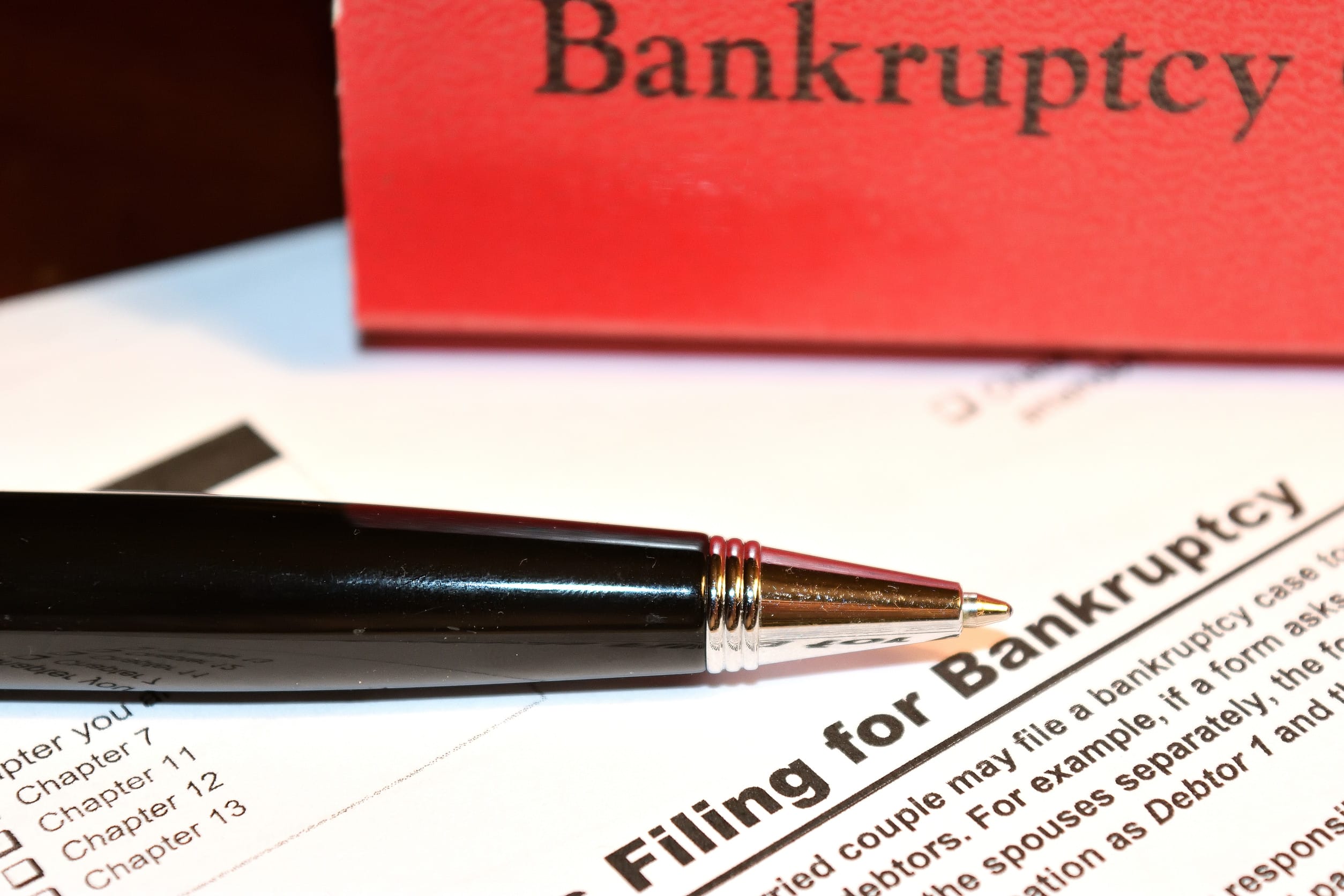
Some consumers believe that bankruptcy can fix any financial trouble that they find themselves in. Due to this myth, many people carelessly get into debt thinking that a quick trip to a bankruptcy attorney will make all of their problems go away. While it can provide relief from some financial obligations, it’s not a universal solution.

There are several financial issues that bankruptcy cannot address, leaving you stuck in a cycle of financial instability. Understanding these financial landmines will help you avoid costly mistakes and make smarter choices before you ever consider bankruptcy. Here are six financial challenges that bankruptcy can’t fix—and how to navigate them.

1. Mortgage Debt on a Property You Can’t Afford

While bankruptcy may discharge many types of debt, mortgage debt is generally not one of them. If you’re underwater on your home loan, meaning the value of your property is less than the mortgage balance, and you’re unable to make your monthly payments, bankruptcy won’t necessarily fix the problem. You could end up losing the home through foreclosure, and bankruptcy may only delay the inevitable.

To address mortgage debt, it’s essential to explore alternatives such as loan modifications, refinancing, or negotiating directly with your lender. Sometimes, bankruptcy can help prevent foreclosure temporarily, but without a viable plan to handle the mortgage in the long term, your home may still be at risk.

2. Student Loan Debt

Student loan debt is one of the most persistent financial burdens. While bankruptcy can discharge many debts, it doesn’t typically apply to student loans unless you can prove “undue hardship,” which is a difficult standard to meet. The result? Many people continue to pay off student loans for decades after graduation, long after bankruptcy might have resolved other financial issues.

To address student loan debt, explore repayment options like income-driven plans, loan consolidation, or forgiveness programs. It’s essential to stay proactive and consider refinancing to reduce the interest rates or seek other solutions that can make your debt more manageable.

3. Credit Card Debt from Impulse Spending

Credit card debt is one of the most common forms of debt in the U.S., and it’s easy to accumulate, especially when impulse spending gets out of hand. It’s simple to swipe your card for things you don’t necessarily need, and over time, the balance builds up with high-interest rates. If you’re carrying a significant amount of credit card debt, bankruptcy can offer relief, but it won’t stop the behavior that led to the debt in the first place.

If you struggle with impulse spending, it’s important to take control of your habits. Create a budget, reduce reliance on credit cards, and focus on paying down the balance each month to prevent accumulating interest.

4. Ongoing Tax Liabilities

Tax Liability
Image Source:123rf.com

Back taxes or unpaid taxes are a serious issue that bankruptcy can’t solve. In most cases, bankruptcy doesn’t discharge tax liabilities, especially if they are recent or the result of neglect. The IRS and state tax agencies will still require you to pay what you owe, and failing to do so can lead to wage garnishments, liens, or even legal action.

Addressing tax liabilities means staying current on your filings and payments. If you owe back taxes, consider working with a tax professional to create a repayment plan or explore options like an Offer in Compromise to settle for less than what you owe.

5. Child Support and Alimony Payments

When it comes to child support or alimony, bankruptcy offers no relief. These are considered priority debts, which means they are not discharged in bankruptcy proceedings. Not paying child support or alimony can result in severe legal consequences, including wage garnishments and even jail time.

It’s crucial to stay up to date on any family court obligations. If you’re having trouble making payments, consult with a legal professional to explore options for modifying your support payments based on your current financial situation.

6. Poor Financial Habits

Bankruptcy might resolve your current debts, but it won’t address the underlying financial habits that got you into trouble in the first place. If you continually overspend, fail to save, or ignore budgeting, you’ll end up right back where you started. Bankruptcy doesn’t fix poor financial habits; it just offers a reset. Without a change in behavior, you may find yourself accumulating new debt almost immediately.

To avoid falling back into financial hardship, commit to better habits. Start by creating a realistic budget, setting financial goals, and automating savings. Tracking your spending and adjusting habits is key to building lasting financial stability after bankruptcy.

Avoiding Financial Landmines

Bankruptcy can provide much-needed relief in certain situations, but it’s not a cure-all. To avoid the financial landmines that even bankruptcy can’t fix, take a proactive approach to your financial health. Avoid lifestyle inflation, address student loan debt early, manage credit card spending, stay on top of taxes and family obligations, and, most importantly, change the habits that led to your financial difficulties. By doing so, you can build a solid foundation for a secure and prosperous future.

Have you ever filed for bankruptcy? If so, what did you do differently to stay out of debt for a better financial future? Let us know in the comments below.

Read More:

Bankruptcy Blues: 14 Financial Mistakes We Can’t Believe People Still Make

Don’t File Bankruptcy Due to Medical Debt-Do This Instead!

Latrice Perez

Latrice is a dedicated professional with a rich background in social work, complemented by an Associate Degree in the field. Her journey has been uniquely shaped by the rewarding experience of being a stay-at-home mom to her two children, aged 13 and 5. This role has not only been a testament to her commitment to family but has also provided her with invaluable life lessons and insights.

As a mother, Latrice has embraced the opportunity to educate her children on essential life skills, with a special focus on financial literacy, the nuances of life, and the importance of inner peace.

Filed Under: Personal Finance Tagged With: bankruptcy, child support, Credit card debt, Debt Management, financial habits, Financial Stability, Personal Finance, Planning, student loans, tax liabilities

Bankruptcy Blues: 14 Financial Mistakes We Can’t Believe People Still Make

December 19, 2023 by Tamila McDonald Leave a Comment

financial mistakes

In today’s fast-paced financial world, managing personal finances effectively is more important than ever. With a myriad of options and pitfalls, it’s easy to fall into common traps that can lead to financial distress or even bankruptcy.

Below are 14 critical financial mistakes that are surprisingly common yet entirely avoidable. By understanding these pitfalls and learning how to steer clear of them, you can take control of your financial health and secure a more stable and prosperous future.

1. Ignoring a Budget

Surprisingly, many people still navigate their finances without a budget. A budget isn’t just a tool; it’s a crucial part of financial planning, helping you understand where your money goes. Without it, overspending becomes a silent financial killer, often leading to debt accumulation.

2. Relying on Credit Cards for Emergencies

Using credit cards as a safety net is a risky move. While they offer immediate relief, the high interest rates can quickly turn a manageable situation into a debt crisis. It’s wiser to create a dedicated emergency fund for unexpected expenses.

3. Not Saving for Retirement Early

Starting late on retirement savings is a common error with significant consequences. The power of compound interest means that starting early can significantly boost your retirement funds. Delaying this only increases the financial burden and reduces potential gains.

4. Living Beyond Your Means

Living a lifestyle that exceeds your income is a fast track to financial woes. This habit often leads to a cycle of debt and financial stress. It’s crucial to align your lifestyle with your actual income, not your aspirational one.

5. Ignoring Insurance

Many overlook the importance of insurance until it’s too late. Whether it’s health, life, or property insurance, being uninsured can lead to devastating financial losses in times of crisis. Insurance is an essential tool for risk management.

6. Paying Only the Minimum on Credit Cards

Paying just the minimum on credit cards prolongs debt and accrues massive interest. This practice can turn a short-term loan into a long-term financial burden. It’s always best to pay off as much as you can afford monthly.

7. No Emergency Fund

The lack of an emergency fund is a glaring oversight. Life is full of unexpected events, and without a financial buffer, these can lead to debt or worse. An emergency fund provides a safety net, keeping you financially secure during tough times.

8. Taking on Too Much Debt

Excessive debt is a major precursor to bankruptcy. It’s important to use debt wisely and avoid overburdening your financial future. Responsible borrowing involves understanding your repayment capacity and avoiding unnecessary loans.

9. Neglecting Credit Scores

Many underestimate the impact of a poor credit score. It can lead to higher interest rates on loans and credit cards, affecting your financial health. Regularly monitoring and improving your credit score using tools like My FICO is vital for financial flexibility.

10. Co-signing Loans Without Caution

Co-signing a loan is a generous gesture but can be fraught with risks. If the primary borrower defaults, you’re on the hook. Always consider the implications and your ability to pay if things don’t go as planned.

11. Falling for Get-Rich-Quick Schemes

The allure of quick wealth can be tempting, but these schemes often lead to financial ruin. Real wealth is built over time through consistent saving and smart investing. Avoid any plan that promises high returns with little or no risk.

12. Not Diversifying Investments

Putting all your financial eggs in one basket is a risky strategy. Diversification reduces risk by spreading investments across various asset classes. This approach can protect you from significant losses in any single investment.

13. Overlooking Small Expenses

It’s easy to dismiss small expenses, but they add up. Regular small purchases can quietly eat into your budget, leaving less for savings and investments. Tracking and managing these expenses can lead to significant long-term savings.

14. Failing to Plan for Taxes

Taxes are an unavoidable part of financial life. Not planning for them can lead to unexpected liabilities and penalties. Effective tax planning can help you understand your obligations and minimize your tax burden.

Leave The Idea Of Bankruptcy Behind

Navigating the complex world of personal finance can be challenging, but avoiding these 14 mistakes can make a significant difference. From the basics of budgeting to the nuances of investment diversification, each aspect plays a critical role in securing your financial future and helping you leave the ideal of bankruptcy behind.

Remember, financial wellness isn’t just about avoiding bankruptcy; it’s about building a stable life where your money works for you.

Tamila McDonald
Tamila McDonald

Tamila McDonald is a U.S. Army veteran with 20 years of service, including five years as a military financial advisor. After retiring from the Army, she spent eight years as an AFCPE-certified personal financial advisor for wounded warriors and their families. Now she writes about personal finance and benefits programs for numerous financial websites.

Filed Under: Personal Finance Tagged With: bankruptcy, budgeting, Credit card debt, credit scores, emergency fund, financial mistakes, investments, Planning, tax planning

What Is Indebtedness And How Do I Avoid It?

September 5, 2022 by Tamila McDonald Leave a Comment


What Is Indebtedness And How Do I Avoid It

Many people have heard that indebtedness can lead to financial troubles. But what exactly is indebtedness, and how do you avoid it? Fortunately, the concept of indebtedness is pretty easy to understand. Additionally, it’s possible to prevent indebtedness – or keep it manageable – with some planning. If you’re wondering what indebtedness is and how to avoid excessive debt, here’s everything you need to know.

What Is Indebtedness?

In the simplest sense, indebtedness is the state of owing something to someone else. Traditionally, people use indebtedness to describe financial debts, such as credit cards, loans, or mortgage balances. However, it can also apply to the sense of owing someone for doing you a favor, leading you to feel obligated to return that favor in kind at a future date.

For the purposes of this article, the focus is on traditional financial indebtedness, primarily involving owing a lender based on previously borrowing money. Often, that form of indebtedness creates the biggest challenges for households, so it’s wise to have a plan for avoiding it specifically.

How to Avoid Indebtedness

Have a Dedicated Emergency Fund

When it comes to avoiding monetary debt, your best starting point is to build an emergency fund. This allows you to have some cash set aside to deal with the unexpected, ensuring you don’t have to turn to credit cards or loans to cover a cost that catches you off guard.

If you don’t have anything set aside for emergencies, make $1,000 your first target. Usually, that’s enough to cover a vehicle, renter’s, or homeowner’s insurance deductible, ensuring you aren’t struggling should an accident, fire, or similar incident occur. Plus, it can cover a wide array of other emergencies, such as an unplanned medical bill, car repair, or appliance breakdown.

Once you have $1,000 set aside, work on increasing the balance of that savings account. Build up to one month of household expenses, then shift up to three months. That can help you weather larger emergencies or a short period of unemployment.

When you gather up three months of expenses, you can choose a new target. Some people feel most comfortable with six or 12 months of household costs, as that can cover major emergencies or an extended period of unemployment.

Whenever you tap into your emergency fund, focus on building it back up once the situation resolves. That allows you to restore this critical cushion, making it easier to avoid indebtedness long-term.

Create a Reliable Budget

In some cases, debt is generated because households don’t plan for their spending needs. As a result, they overspend during the month, having little choice but to turn to credit cards or loans to cover any remaining expenses until their next payday.

By having a reliable, formal budget, you have a spending roadmap. You know how much it takes to cover your bills and debt payments, as well as handle costs relating to food, gas, utilities, and more.

Often, the easiest way to start is to review your spending habits over the past several months. That allows you to determine how much you’re spending in various categories. Then, create a simple list – ordering debts and other costs by their due date – and outline how much of your income needs to go to that expense.

If you have money left over, commit some of it to savings. Additionally, it’s wise to include “fun money” in your budget, giving yourself a small amount that you can use as you please for entertainment, items that are wants instead of needs, and similar purchases.

Make Saving Automatic

Since having money in savings can help you deal with emergencies or plan for larger upcoming expenses – such as home repairs, vehicle down payments, future appliance replacements, and more – making your savings routine automatically works in your favor. By automating your savings, you ensure that you don’t accidentally forget to move that money into the proper account.

Designate a specific amount from each paycheck that needs to go to savings. Then, set up a recurring, automatic transfer for the day your pay arrives (or the following business day if payment delays may occur). That ensures your money is moved in accordance with your plan without you having to physically manage the transfer every single payday.

In most cases, you can set up several transfers to different accounts every month. As a result, you can move cash into several accounts, allowing you to divide up the money based on individual savings goals.

Adopt a Cash-First Mindset

In some cases, using credit cards or loans to pay for various items feels like a quick, convenient option. However, the more debts you acquire, the harder they typically are to manage. Even if the monthly payments are reasonable, you’ll have more due dates to juggle. Plus, if you experience financial hardship or underestimate what you’re currently paying, you could quickly find yourself in over your head.

Additionally, debts typically come with interest payments. As a result, you’re spending far more by financing a purchase than if you used cash. If you rely on cash instead, you’ll have more money to direct to other goals or needs, including saving for retirement, a college education, a home, and more.

Instead of relying on debt, adopt a cash-first mindset. Make it a goal to use as little borrowed money as possible. For example, instead of financing an entire vehicle purchase, at least prepare a sizeable down payment in advance. That ensures you can keep the loan as small as possible.

Similarly, resist the urge to use a credit card to cover the cost of want if you can’t pay off the balance in full right away. While it could mean delaying a purchase, it saves you a significant sum in the long run.

Use the 72-Hour Rule

With the 72-hour rule, you don’t purchase any spur-of-the-moment wants right away. Instead, you wait for 72 hours after learning about the item before deciding if you’ll ultimately buy it.

The delay allows any immediate emotional reaction that can come from initially seeing a product to dissipate, allowing you to look at the purchase more realistically. In many cases, you’ll determine that moving forward with buying the item isn’t actually a smart move, allowing you to walk away. However, if you still want it, it can make you more confident about your decision.

This strategy isn’t just helpful when it comes to items you’re thinking about financing; it can apply to cash purchases, too. By using it at all times, you avoid spending money in a way you might regret later, allowing you to focus your spending on items that are more likely to be beneficial.

Pay More Than the Minimum

If you can’t pay the debt off in full right away, it’s wise to put forth an extra effort to knock down the balance quickly. Unless there is a stiff penalty for paying off a debt early, work to pay more than the minimum payment on at least one debt. Ideally, you want to focus on the debt that has the highest interest rate. By doing so, you can reduce the amount of interest you’ll need to pay over the life of that debt dramatically, resulting in financial gain.

Once you tackle the highest interest debt, you can move on to the one that now has the highest interest rate. Continue working through your obligations in this manner, and you can tackle what you owe in less time.

Increase Your Credit Score

Having an excellent credit score can actually help you avoid certain trappings that can come with borrowing money. Generally speaking, the higher your credit score, the better the borrowing terms. You’ll have an easier time securing low-interest rates on credit cards and loans when you do need them, which can make managing – and paying them off – easier.

Usually, the foundation of an excellent credit score is sound borrowing habits. Make your monthly payments on time, keep your credit utilization ratio low, and avoid opening unnecessary accounts. Maintaining a good credit mix – featuring a small selection of loans and credit cards in your history – can work in your favor, too, as it shows that you can handle different types of debt effectively.

Ultimately, while using credit cards and loans result in debt, when used responsibly, you won’t be overwhelmed by it. As a result, indebtedness won’t necessarily become an issue, allowing you to maintain a favorable financial picture while keeping your credit score up.

Do you have any other tips that can help someone avoid indebtedness? Have you used any of the strategies above and want to tell others about your results? Have you found your way back from indebtedness and want to share your experience? Share your thoughts in the comments below.

Read More:

  • Here Is What to Do If You Have Debt in Arrears
  • Divorcing and Drowning in Debt? Take These Steps Now!
  • Is It Ever a Good Idea to Move Back in With Your Parents to Pay Off Debt?


Tamila McDonald
Tamila McDonald

Tamila McDonald is a U.S. Army veteran with 20 years of service, including five years as a military financial advisor. After retiring from the Army, she spent eight years as an AFCPE-certified personal financial advisor for wounded warriors and their families. Now she writes about personal finance and benefits programs for numerous financial websites.

Filed Under: Debt Management Tagged With: Credit card debt, credit score, indebtedness

  • « Previous Page
  • 1
  • …
  • 3
  • 4
  • 5
  • 6
  • Next Page »

Follow Us

Search this site:

Recent Posts

  • Can My Savings Account Affect My Financial Aid? by Tamila McDonald
  • 12 Ways Gen X’s Views Clash with Millennials… by Tamila McDonald
  • What Advantages and Disadvantages Are There To… by Jacob Sensiba
  • 10 Tactics for Building an Emergency Fund from Scratch by Vanessa Bermudez
  • Call 911: Go To the Emergency Room Immediately If… by Stephen Kanaval
  • 7 Weird Things You Can Sell Online by Tamila McDonald
  • 10 Scary Facts About DriveTime by Tamila McDonald

Copyright © 2026 · News Pro Theme on Genesis Framework