• Home
  • About Us
  • Toolkit
  • Getting Finances Done
    • Hiring Advisors
    • Debt Management
    • Spending Plan
  • Insurance
    • Life Insurance
    • Health Insurance
    • Disability Insurance
    • Homeowners/Renters Insurance
  • Contact Us
  • Privacy Policy
  • Risk Tolerance Quiz

The Free Financial Advisor

You are here: Home / Archives for Credit card debt

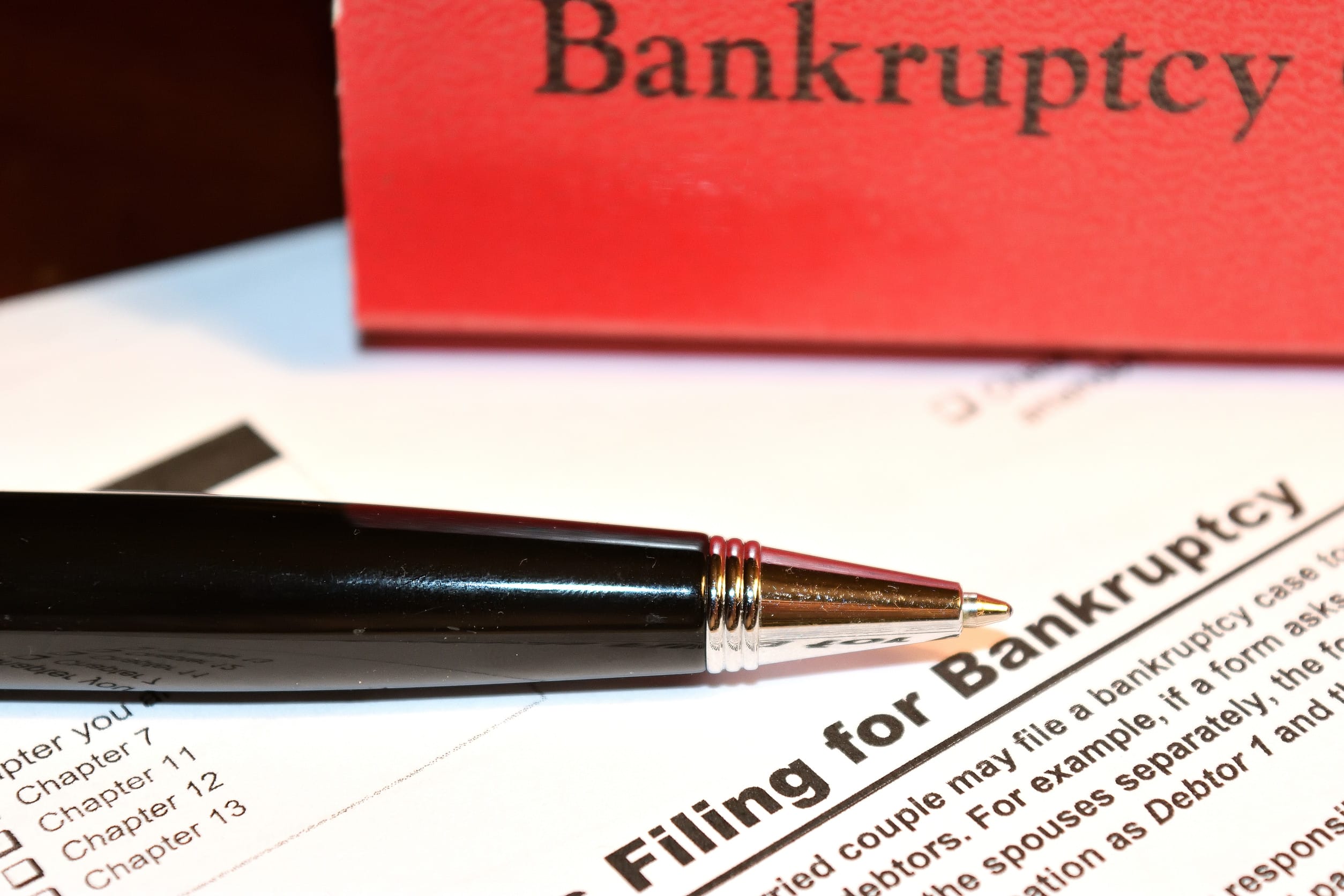
Bankruptcy Blues: 14 Financial Mistakes We Can’t Believe People Still Make

December 19, 2023 by Tamila McDonald Leave a Comment

financial mistakes

In today’s fast-paced financial world, managing personal finances effectively is more important than ever. With a myriad of options and pitfalls, it’s easy to fall into common traps that can lead to financial distress or even bankruptcy.

Below are 14 critical financial mistakes that are surprisingly common yet entirely avoidable. By understanding these pitfalls and learning how to steer clear of them, you can take control of your financial health and secure a more stable and prosperous future.

1. Ignoring a Budget

Surprisingly, many people still navigate their finances without a budget. A budget isn’t just a tool; it’s a crucial part of financial planning, helping you understand where your money goes. Without it, overspending becomes a silent financial killer, often leading to debt accumulation.

2. Relying on Credit Cards for Emergencies

Using credit cards as a safety net is a risky move. While they offer immediate relief, the high interest rates can quickly turn a manageable situation into a debt crisis. It’s wiser to create a dedicated emergency fund for unexpected expenses.

3. Not Saving for Retirement Early

Starting late on retirement savings is a common error with significant consequences. The power of compound interest means that starting early can significantly boost your retirement funds. Delaying this only increases the financial burden and reduces potential gains.

4. Living Beyond Your Means

Living a lifestyle that exceeds your income is a fast track to financial woes. This habit often leads to a cycle of debt and financial stress. It’s crucial to align your lifestyle with your actual income, not your aspirational one.

5. Ignoring Insurance

Many overlook the importance of insurance until it’s too late. Whether it’s health, life, or property insurance, being uninsured can lead to devastating financial losses in times of crisis. Insurance is an essential tool for risk management.

6. Paying Only the Minimum on Credit Cards

Paying just the minimum on credit cards prolongs debt and accrues massive interest. This practice can turn a short-term loan into a long-term financial burden. It’s always best to pay off as much as you can afford monthly.

7. No Emergency Fund

The lack of an emergency fund is a glaring oversight. Life is full of unexpected events, and without a financial buffer, these can lead to debt or worse. An emergency fund provides a safety net, keeping you financially secure during tough times.

8. Taking on Too Much Debt

Excessive debt is a major precursor to bankruptcy. It’s important to use debt wisely and avoid overburdening your financial future. Responsible borrowing involves understanding your repayment capacity and avoiding unnecessary loans.

9. Neglecting Credit Scores

Many underestimate the impact of a poor credit score. It can lead to higher interest rates on loans and credit cards, affecting your financial health. Regularly monitoring and improving your credit score using tools like My FICO is vital for financial flexibility.

10. Co-signing Loans Without Caution

Co-signing a loan is a generous gesture but can be fraught with risks. If the primary borrower defaults, you’re on the hook. Always consider the implications and your ability to pay if things don’t go as planned.

11. Falling for Get-Rich-Quick Schemes

The allure of quick wealth can be tempting, but these schemes often lead to financial ruin. Real wealth is built over time through consistent saving and smart investing. Avoid any plan that promises high returns with little or no risk.

12. Not Diversifying Investments

Putting all your financial eggs in one basket is a risky strategy. Diversification reduces risk by spreading investments across various asset classes. This approach can protect you from significant losses in any single investment.

13. Overlooking Small Expenses

It’s easy to dismiss small expenses, but they add up. Regular small purchases can quietly eat into your budget, leaving less for savings and investments. Tracking and managing these expenses can lead to significant long-term savings.

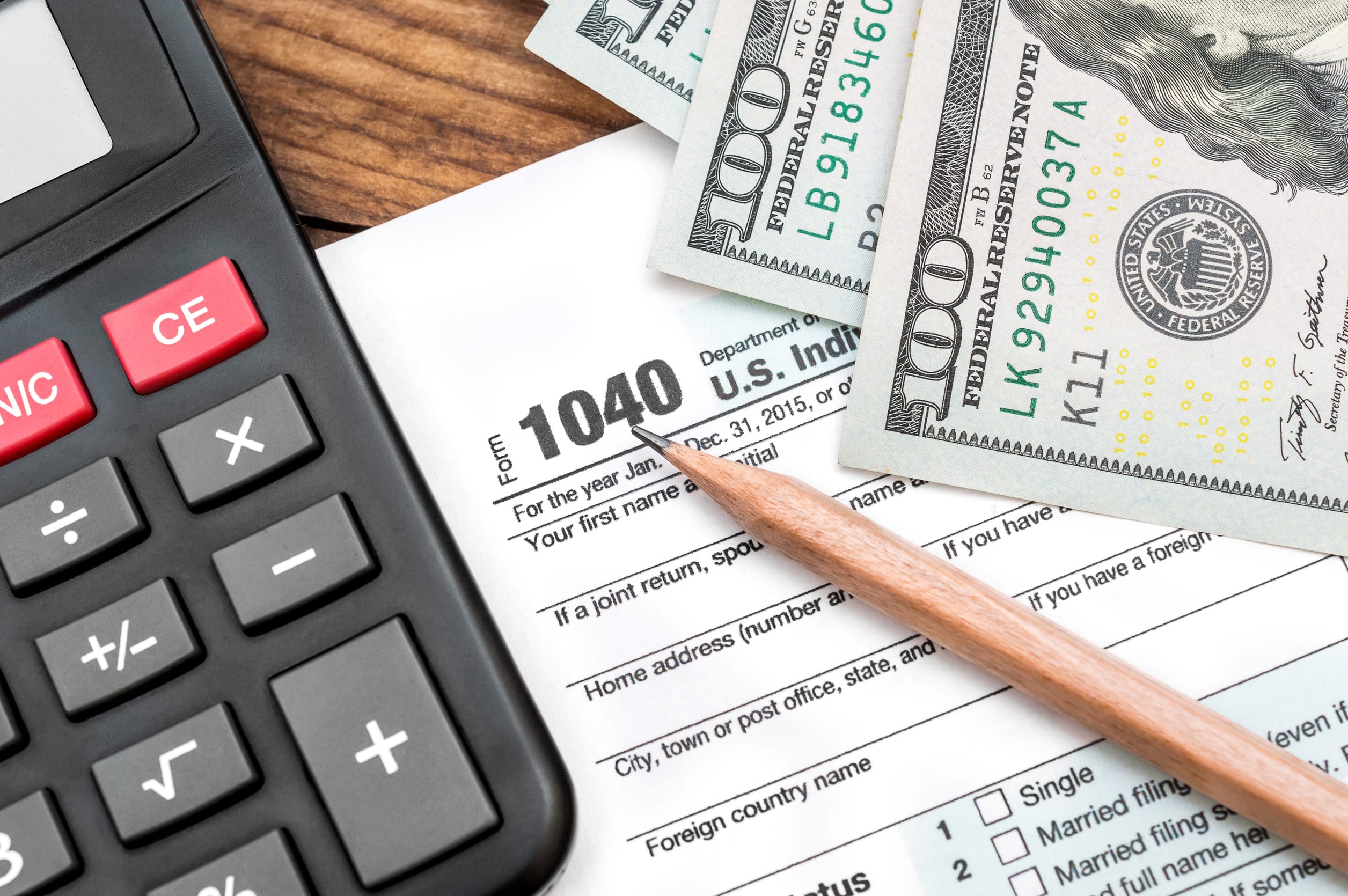
14. Failing to Plan for Taxes

Taxes are an unavoidable part of financial life. Not planning for them can lead to unexpected liabilities and penalties. Effective tax planning can help you understand your obligations and minimize your tax burden.

Leave The Idea Of Bankruptcy Behind

Navigating the complex world of personal finance can be challenging, but avoiding these 14 mistakes can make a significant difference. From the basics of budgeting to the nuances of investment diversification, each aspect plays a critical role in securing your financial future and helping you leave the ideal of bankruptcy behind.

Remember, financial wellness isn’t just about avoiding bankruptcy; it’s about building a stable life where your money works for you.

Tamila McDonald
Tamila McDonald

Tamila McDonald is a U.S. Army veteran with 20 years of service, including five years as a military financial advisor. After retiring from the Army, she spent eight years as an AFCPE-certified personal financial advisor for wounded warriors and their families. Now she writes about personal finance and benefits programs for numerous financial websites.

Filed Under: Personal Finance Tagged With: bankruptcy, budgeting, Credit card debt, credit scores, emergency fund, financial mistakes, investments, Planning, tax planning

What Is Indebtedness And How Do I Avoid It?

September 5, 2022 by Tamila McDonald Leave a Comment


What Is Indebtedness And How Do I Avoid It

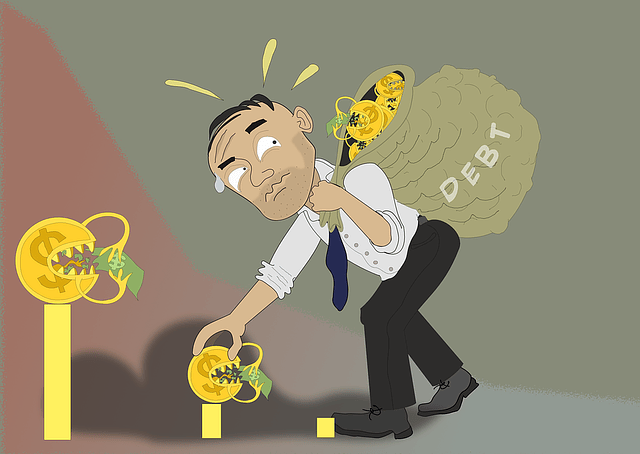
Many people have heard that indebtedness can lead to financial troubles. But what exactly is indebtedness, and how do you avoid it? Fortunately, the concept of indebtedness is pretty easy to understand. Additionally, it’s possible to prevent indebtedness – or keep it manageable – with some planning. If you’re wondering what indebtedness is and how to avoid excessive debt, here’s everything you need to know.

What Is Indebtedness?

In the simplest sense, indebtedness is the state of owing something to someone else. Traditionally, people use indebtedness to describe financial debts, such as credit cards, loans, or mortgage balances. However, it can also apply to the sense of owing someone for doing you a favor, leading you to feel obligated to return that favor in kind at a future date.

For the purposes of this article, the focus is on traditional financial indebtedness, primarily involving owing a lender based on previously borrowing money. Often, that form of indebtedness creates the biggest challenges for households, so it’s wise to have a plan for avoiding it specifically.

How to Avoid Indebtedness

Have a Dedicated Emergency Fund

When it comes to avoiding monetary debt, your best starting point is to build an emergency fund. This allows you to have some cash set aside to deal with the unexpected, ensuring you don’t have to turn to credit cards or loans to cover a cost that catches you off guard.

If you don’t have anything set aside for emergencies, make $1,000 your first target. Usually, that’s enough to cover a vehicle, renter’s, or homeowner’s insurance deductible, ensuring you aren’t struggling should an accident, fire, or similar incident occur. Plus, it can cover a wide array of other emergencies, such as an unplanned medical bill, car repair, or appliance breakdown.

Once you have $1,000 set aside, work on increasing the balance of that savings account. Build up to one month of household expenses, then shift up to three months. That can help you weather larger emergencies or a short period of unemployment.

When you gather up three months of expenses, you can choose a new target. Some people feel most comfortable with six or 12 months of household costs, as that can cover major emergencies or an extended period of unemployment.

Whenever you tap into your emergency fund, focus on building it back up once the situation resolves. That allows you to restore this critical cushion, making it easier to avoid indebtedness long-term.

Create a Reliable Budget

In some cases, debt is generated because households don’t plan for their spending needs. As a result, they overspend during the month, having little choice but to turn to credit cards or loans to cover any remaining expenses until their next payday.

By having a reliable, formal budget, you have a spending roadmap. You know how much it takes to cover your bills and debt payments, as well as handle costs relating to food, gas, utilities, and more.

Often, the easiest way to start is to review your spending habits over the past several months. That allows you to determine how much you’re spending in various categories. Then, create a simple list – ordering debts and other costs by their due date – and outline how much of your income needs to go to that expense.

If you have money left over, commit some of it to savings. Additionally, it’s wise to include “fun money” in your budget, giving yourself a small amount that you can use as you please for entertainment, items that are wants instead of needs, and similar purchases.

Make Saving Automatic

Since having money in savings can help you deal with emergencies or plan for larger upcoming expenses – such as home repairs, vehicle down payments, future appliance replacements, and more – making your savings routine automatically works in your favor. By automating your savings, you ensure that you don’t accidentally forget to move that money into the proper account.

Designate a specific amount from each paycheck that needs to go to savings. Then, set up a recurring, automatic transfer for the day your pay arrives (or the following business day if payment delays may occur). That ensures your money is moved in accordance with your plan without you having to physically manage the transfer every single payday.

In most cases, you can set up several transfers to different accounts every month. As a result, you can move cash into several accounts, allowing you to divide up the money based on individual savings goals.

Adopt a Cash-First Mindset

In some cases, using credit cards or loans to pay for various items feels like a quick, convenient option. However, the more debts you acquire, the harder they typically are to manage. Even if the monthly payments are reasonable, you’ll have more due dates to juggle. Plus, if you experience financial hardship or underestimate what you’re currently paying, you could quickly find yourself in over your head.

Additionally, debts typically come with interest payments. As a result, you’re spending far more by financing a purchase than if you used cash. If you rely on cash instead, you’ll have more money to direct to other goals or needs, including saving for retirement, a college education, a home, and more.

Instead of relying on debt, adopt a cash-first mindset. Make it a goal to use as little borrowed money as possible. For example, instead of financing an entire vehicle purchase, at least prepare a sizeable down payment in advance. That ensures you can keep the loan as small as possible.

Similarly, resist the urge to use a credit card to cover the cost of want if you can’t pay off the balance in full right away. While it could mean delaying a purchase, it saves you a significant sum in the long run.

Use the 72-Hour Rule

With the 72-hour rule, you don’t purchase any spur-of-the-moment wants right away. Instead, you wait for 72 hours after learning about the item before deciding if you’ll ultimately buy it.

The delay allows any immediate emotional reaction that can come from initially seeing a product to dissipate, allowing you to look at the purchase more realistically. In many cases, you’ll determine that moving forward with buying the item isn’t actually a smart move, allowing you to walk away. However, if you still want it, it can make you more confident about your decision.

This strategy isn’t just helpful when it comes to items you’re thinking about financing; it can apply to cash purchases, too. By using it at all times, you avoid spending money in a way you might regret later, allowing you to focus your spending on items that are more likely to be beneficial.

Pay More Than the Minimum

If you can’t pay the debt off in full right away, it’s wise to put forth an extra effort to knock down the balance quickly. Unless there is a stiff penalty for paying off a debt early, work to pay more than the minimum payment on at least one debt. Ideally, you want to focus on the debt that has the highest interest rate. By doing so, you can reduce the amount of interest you’ll need to pay over the life of that debt dramatically, resulting in financial gain.

Once you tackle the highest interest debt, you can move on to the one that now has the highest interest rate. Continue working through your obligations in this manner, and you can tackle what you owe in less time.

Increase Your Credit Score

Having an excellent credit score can actually help you avoid certain trappings that can come with borrowing money. Generally speaking, the higher your credit score, the better the borrowing terms. You’ll have an easier time securing low-interest rates on credit cards and loans when you do need them, which can make managing – and paying them off – easier.

Usually, the foundation of an excellent credit score is sound borrowing habits. Make your monthly payments on time, keep your credit utilization ratio low, and avoid opening unnecessary accounts. Maintaining a good credit mix – featuring a small selection of loans and credit cards in your history – can work in your favor, too, as it shows that you can handle different types of debt effectively.

Ultimately, while using credit cards and loans result in debt, when used responsibly, you won’t be overwhelmed by it. As a result, indebtedness won’t necessarily become an issue, allowing you to maintain a favorable financial picture while keeping your credit score up.

Do you have any other tips that can help someone avoid indebtedness? Have you used any of the strategies above and want to tell others about your results? Have you found your way back from indebtedness and want to share your experience? Share your thoughts in the comments below.

Read More:

  • Here Is What to Do If You Have Debt in Arrears
  • Divorcing and Drowning in Debt? Take These Steps Now!
  • Is It Ever a Good Idea to Move Back in With Your Parents to Pay Off Debt?


Tamila McDonald
Tamila McDonald

Tamila McDonald is a U.S. Army veteran with 20 years of service, including five years as a military financial advisor. After retiring from the Army, she spent eight years as an AFCPE-certified personal financial advisor for wounded warriors and their families. Now she writes about personal finance and benefits programs for numerous financial websites.

Filed Under: Debt Management Tagged With: Credit card debt, credit score, indebtedness

Here Is What To Do If You Have Debt In Arrears

October 25, 2021 by Jacob Sensiba Leave a Comment

debt-in-arrears

This article is a response to a reader’s question about paying off debt on an irregular income. They write:

Can you advise me how to manage to settle my absa loan & credit card because they are in arrears

At my work I earn with commission , sometimes I didn’t earn.

Here is my answer:

Being in debt is a challenge. It takes away money you could use for more productive things. It’s even more difficult when you’ve missed payments and your debt is now in collections. If that’s you, here are some tips to help you settle your debt that’s in arrears.

Pay down debt

Utilize some debt repayment strategies.

Debt snowball – pay your smallest balance first while making minimum payments to your other debts. When you pay off your smallest balance, move on to the next smallest balance. As you get rid of debts, you’ll be able to make larger payments to the following debt.

Debt avalanche – pay your highest interest rate first. Similar strategy as the “snowball”. Once your highest interest rate debt is eliminated, pay as much as you can towards the debt with the next highest interest rate.

Use retirement funds to pay off your debt. You’ll likely, depending on your age, pay a 10% tax penalty, however (if you’re under 59 1/2). Do you have any cash accumulated in a whole life insurance policy? Use that cash value to pay off your debts

Negotiate

How much, in terms of dollars, can you pay to your creditors as a settlement? Figure out what that number is before you start contacting creditors.

It may take a couple of phone calls, so don’t get discouraged. If you don’t like what you’re hearing from the representative you’re talking to, try and get a hold of a different one. Remember the dollar amount you can pay and don’t go over that amount. If you can pay 50% of what you owe, start with an offer to pay 30%. The creditor will counteroffer and hopefully, the agreed amount is 50% or lower.

Make sure you’re clearly communicating the financial hardship you’re experiencing that put you behind on your debts. Getting sympathy from a representative could help you! Get any settlement or repayment plan in writing as soon as possible.

Make sure you’re speaking to your creditors, not collections agencies. Collections agencies will take a settlement amount and sell whatever is left to another agency. Before you’ll know it, they’ll be after you again. Speak to the creditor you initially owed. Also, be prepared to pay taxes on the forgiven amount.

Bankruptcy

Nobody likes to think about it and it would be a very difficult decision, but it might be one to strongly consider if you want to settle your debt.

If you don’t have luck with negotiations, you might have to consider bankruptcy. There are generally two options – Chapter 7 and Chapter 13. Chapter 7 clears all of your debts. Chapter 13 is more of a reorganization.

Check credit reports

Clarify with the credit reporting agencies how things were settled. Clean up the report and it could help your score a little. Late payments and charge-offs stay on your credit report for 7 years. Debts in collections stay on your credit report for 180 days.

Debt settlement is about commitment. There are penalties if you miss ONE payment of your agreed-upon settlement, so don’t miss!

One more thing. Know your rights. There are several things collectors can’t do:

  • They can’t threaten you
  • They can’t shame you
  • They can’t force you to repay your debt
  • They can’t falsify their identity to trick you
  • They can’t harass you

It’s a tough road, but getting out of debt is paramount for your psyche and your financial success. Utilize strategies to pay down debt. Speak with your creditors about negotiating. If negotiation doesn’t work, consider bankruptcy. Once you settle your debt, review your credit report and dispute errors.

Related reading:

What you need to know about bankruptcy

Diving deep into debt

How to improve your finances on a low income

What to do about debt collectors

Disclaimer:

**Securities offered through Securities America, Inc., Member FINRA/SIPC. Advisory services offered through Securities America Advisors, Inc. Securities America and its representatives do not provide tax or legal advice; therefore, it is important to coordinate with your tax or legal advisor regarding your specific situation. Please see the website for full disclosures: www.crgfinancialservices.com

Jacob Sensiba
Jacob Sensiba

Jacob Sensible is a financial advisor with decades of experience in the financial planning industry.  His journey into finance began out of necessity, stepping up to support his grandfather during a health crisis. This period not only grounded him in the essentials of stock analysis, investment strategies, and the critical roles of insurance and trusts in asset preservation but also instilled a comprehensive understanding of financial markets and wealth management.  Jacob can be reached at: jake.sensiba@mygfpartner.com.

mygfpartner.com/jacob-sensiba-wisconsin-financial-advisor/

Filed Under: credit cards, credit score, Debt Management, money management, Personal Finance, Psychology Tagged With: bankruptcy, collections, credit, credit card, Credit card debt, credit report, Debt, debt consolidation, debt relief, debt strategy

4 Guidelines for Paying Down That Credit Card Debt

April 14, 2013 by Joe Saul-Sehy 10 Comments

If you’re like me, then the past month or two of your life has involved getting your financial ducks in a row in order to file your taxes. Now that tax season is essentially over, it’s a good time to take a look at your credit card situation before you take a much-deserved break from obsessing over your finances. If you’ve got any significant credit card debt, then you’re probably thinking of the best strategy to go about paying off that debt. As a former victim of credit card debt, I know that drowning in debt is not fun, and often leaves you feeling trapped. However, I’m here to tell you that you can get that debt paid off, and it’s easier than you may think as long as you are responsible with your spending. In addition to being responsible, stick to the four guidelines below to get that debt paid off most effectively.


  1. Pay down your highest APR credit card debt first. This point is the most important, and should probably go without saying, but I’m going to say it anyway. If you have several different credit cards that you’ve accrued debt on, you need to pay off the balance that is charging you the most interest first. If you fail to get those high-interest credit card balances paid down, then you will find yourself falling deeper and deeper into the debt hole.
  2. Always make the minimum payment. Sometimes it may seem as if there is no end in sight to the debt you have accrued. Since I’ve personally been through this myself, I know that there is an end in sight. However, if you fail to make your minimum payments each month, your credit score is going to take a pretty significant hit so that even when you have all your debt paid off, you will end up with a poor credit score, which isn’t going to be useful when it comes time to buy a house or car. Generally, the minimum payment each month isn’t a huge amount of money, so do everything you can in order to get that minimum payment in.
  3. Consider a balance transfer. If you have a decent credit score but have accrued sizeable debt on credit cards that charge high interest rates, it may be in your best interest to consider a balance transfer in order to consolidate your debt onto a credit card with a 0% APR introductory period on balance transfers. Not all balance transfer credit cards are created equally, however, so you will want to make sure you compare credit cards so that you can find a card that offers a long 0% introductory APR period. The longer the intro period, the more time you have to get that debt paid off without accruing any interest.
  4. Get rid of debt before trying to save. Generally, the credit card debt you accrue will charge a much higher interest rate than the interest you will earn on cash that you save. While it’s always smart to have a small stockpile of cash for extreme emergencies, most of your income should go to paying down that debt. If you try to save most of your money before paying down that credit card debt, you’ll be stuck in debt for much longer than you need to be, as well as hurting your credit score.


This article was written by Logan Abbott. Logan is the editor of MyRatePlan.com, and a personal finance and credit card expert with over a decade of experience.

Enhanced by Zemanta
Photo of Joe Saul-Sehy
Joe Saul-Sehy

Joe is a former financial advisor and media representative for American Express and Ameriprise. He was the “Money Man” at Detroit television WXYZ-TV, appearing twice weekly. He’s also appeared in Bride, Best Life, and Child magazines, the Los Angeles Times, Chicago Sun-Times, Detroit News and Baltimore Sun newspapers and numerous other media outlets.  Joe holds B.A Degrees from The Citadel and Michigan State University.

joesaulsehy.com/

Filed Under: Debt Management, money management Tagged With: Balance transfer, credit card, Credit card debt, credit score, debt consolidation

  • « Previous Page
  • 1
  • 2
  • 3
  • 4

FOLLOW US

Search this site:

Recent Posts

  • Can My Savings Account Affect My Financial Aid? by Tamila McDonald
  • 12 Ways Gen X’s Views Clash with Millennials… by Tamila McDonald
  • What Advantages and Disadvantages Are There To… by Jacob Sensiba
  • 10 Tactics for Building an Emergency Fund from Scratch by Vanessa Bermudez
  • Call 911: Go To the Emergency Room Immediately If… by Stephen Kanaval
  • 7 Weird Things You Can Sell Online by Tamila McDonald
  • 10 Scary Facts About DriveTime by Tamila McDonald

Copyright © 2026 · News Pro Theme on Genesis Framework