
• Home
  • About Us
  • Toolkit
  • Getting Finances Done
    • Hiring Advisors
    • Debt Management
    • Spending Plan
  • Insurance
    • Life Insurance
    • Health Insurance
    • Disability Insurance
    • Homeowners/Renters Insurance
  • Contact Us
  • Risk Tolerance Quiz
  • Our Editorial Commitment

The Free Financial Advisor

You are here: Home / Archives for mortgage stress

6 Outrageous Risks of Being House Poor

September 13, 2025 by Catherine Reed Leave a Comment

6 Outrageous Risks of Being House Poor
Image source: 123rf.com

Owning a home is a dream for many, but when that dream comes at the cost of financial flexibility, it can quickly turn into a nightmare. Being house poor means that too much of your income is tied up in your mortgage and related housing expenses, leaving little room for savings, emergencies, or even simple pleasures. While it may feel rewarding to own a beautiful property, the risks can quietly erode financial stability. Understanding these hidden dangers is key to making smarter housing decisions. Here are six outrageous risks that come with being house poor.

1. No Cushion for Emergencies

The first and most dangerous risk of being house poor is the lack of an emergency fund. When every paycheck is committed to the mortgage, utilities, and maintenance, savings often fall to the bottom of the list. This leaves families vulnerable when unexpected expenses like medical bills, car repairs, or job loss strike. Without a cushion, you may be forced to turn to high-interest debt just to get by. Over time, these debts compound and make it even harder to regain financial balance.

2. Delayed Retirement and Long-Term Savings

Being house poor doesn’t just affect today—it also disrupts your future. With little leftover each month, contributions to retirement accounts often shrink or disappear altogether. This delay in saving means you miss out on years of compound growth that could secure your later years. Families may also neglect college savings or other long-term goals in order to keep up with housing payments. The result is a beautiful home that overshadows an underfunded financial future.

3. Living Paycheck to Paycheck

Another outrageous risk of being house poor is the constant cycle of living paycheck to paycheck. When so much of your income is locked into your home, there’s no flexibility for life’s surprises. Even small increases in costs, like rising property taxes or utility bills, can strain your budget. The stress of waiting for the next paycheck just to stay afloat wears heavily on families over time. What should be a source of pride—homeownership—turns into a source of ongoing anxiety.

4. Limited Lifestyle and Missed Opportunities

Being house poor often means sacrificing experiences that make life enjoyable. Vacations, hobbies, dining out, or even small treats may become unaffordable luxuries. These sacrifices can leave you feeling trapped in your own home, where you’re paying heavily for a lifestyle you can’t fully enjoy. On top of that, you may miss out on opportunities like investing, pursuing new skills, or starting a side business. The high cost of your home limits your ability to build wealth and create memories outside its walls.

5. Increased Risk of Foreclosure

One of the most outrageous risks of being house poor is the heightened chance of foreclosure. When finances are stretched too thin, even a short disruption in income can lead to missed mortgage payments. Lenders may not hesitate to take action if borrowers fall far enough behind. Losing a home due to foreclosure is financially devastating and can damage your credit for years. What started as an ambitious dream can quickly spiral into a financial nightmare.

6. Strained Relationships and Mental Health

The emotional toll of being house poor should not be overlooked. Constant financial stress can cause tension in relationships, leading to arguments and resentment. Worrying about bills and the possibility of losing your home can also contribute to anxiety and depression. Instead of your home being a place of comfort, it becomes a constant reminder of financial strain. Over time, the pressure of living beyond your means can weigh heavily on both individuals and families.

Choosing a Home That Supports Financial Freedom

Owning a home should enhance your life, not restrict it. The risks of being house poor show why it’s so important to choose a property that fits comfortably within your budget. By keeping mortgage payments reasonable, setting aside funds for savings, and planning for the unexpected, you can enjoy the benefits of homeownership without sacrificing financial stability. A home should be a foundation for freedom and growth, not a financial trap.

Have you ever felt the pressure of being house poor, or do you know someone who has? How did you or they handle it? Share your story in the comments.

What to Read Next…

  • 8 Financial Myths That People Still Pass Down to Kids
  • How Much Home Can You Really Afford? Hint: Don’t Believe The Mortgage Company
  • Could Rising Property Taxes Quietly Push People Out of Their Homes
  • 7 Things That End Up Costing More in Poor Neighborhoods
  • 10 Times Inflation Changed What Families Could Afford Overnight
Catherine Reed
Catherine Reed

Catherine is a tech-savvy writer who has focused on the personal finance space for more than eight years. She has a Bachelor’s in Information Technology and enjoys showcasing how tech can simplify everyday personal finance tasks like budgeting, spending tracking, and planning for the future. Additionally, she’s explored the ins and outs of the world of side hustles and loves to share what she’s learned along the way. When she’s not working, you can find her relaxing at home in the Pacific Northwest with her two cats or enjoying a cup of coffee at her neighborhood cafe.
Filed Under: Personal Finance Tagged With: budgeting, foreclosure, homeownership risks, house poor, mortgage stress, Personal Finance, Planning

House Poor: 8 Real-Life Struggles of Overpaying For A House

February 14, 2025 by Latrice Perez Leave a Comment

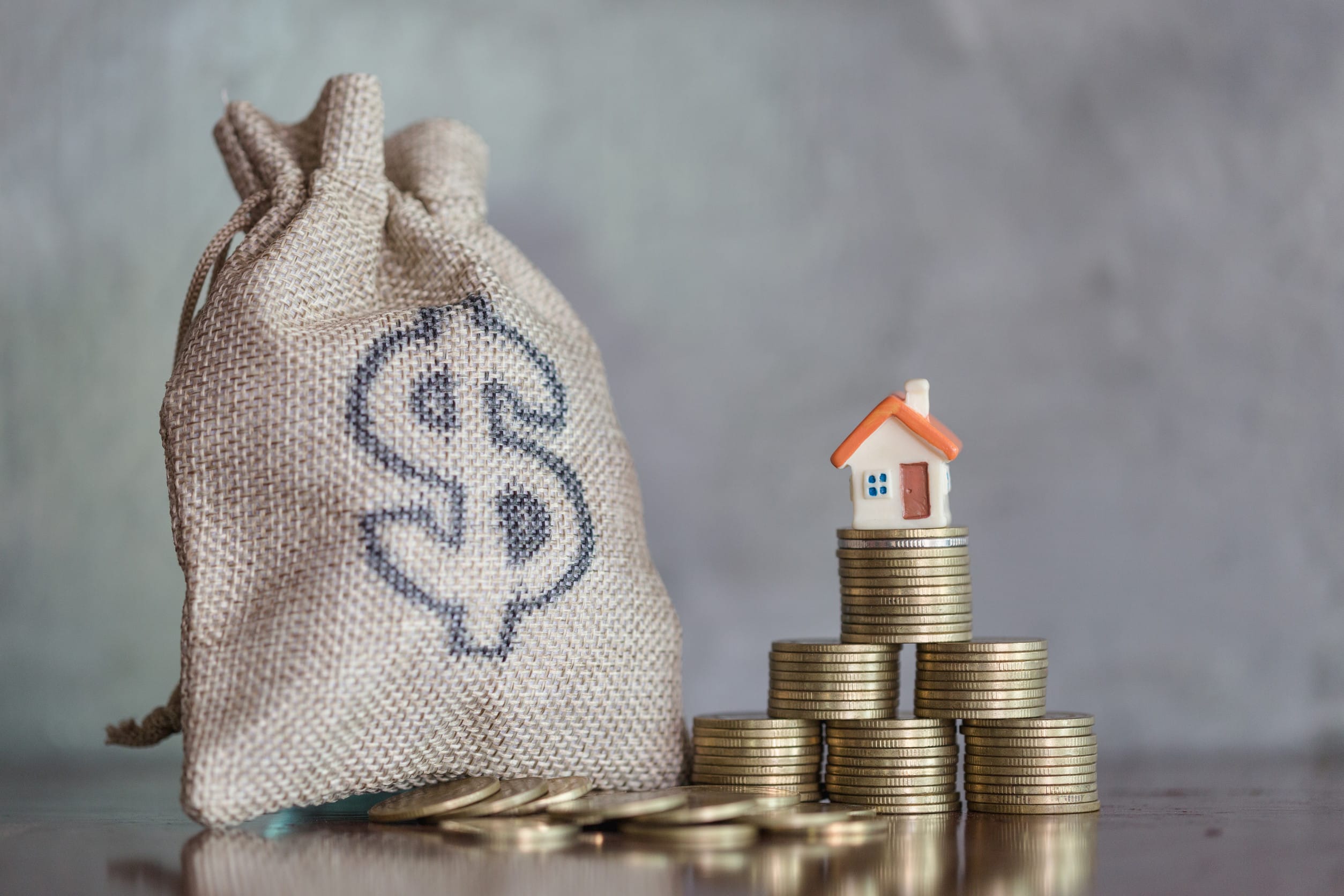
House sitting on coins
Image Source: 123rf.com

Being “house poor” is a financial term that refers to a situation where a significant portion of your income—more than 30%, or in some extreme cases, 50% or more—is spent on housing costs. This can include rent or mortgage payments, property taxes, utilities, and home maintenance. While owning a home can feel like a dream come true, being house poor means you’re left with little financial flexibility, and everyday expenses can become a burden. If you find yourself in this position, here are eight challenges you’ll likely face and why it’s crucial to take action.

1. Limited Ability to Save for the Future

When the majority of your income is tied up in housing costs, there’s little room left for saving. Without savings, you’re not building an emergency fund, contributing to retirement accounts, or setting aside money for your future goals—like buying a car, funding your children’s education, or traveling. If a financial emergency arises, you’ll have no cushion to fall back on, which can lead to a cycle of borrowing or taking on debt.

2. Increased Financial Stress

Constantly worrying about how you’ll cover your housing expenses can lead to stress and anxiety. The weight of knowing that a huge chunk of your income goes toward one category—housing—can leave you feeling financially suffocated. You may struggle with day-to-day decisions, and even small financial setbacks can feel catastrophic when you don’t have room in your budget to absorb them.

3. Limited Flexibility in Your Budget

When over 50% of your income is dedicated to housing, your budget for everything else shrinks dramatically. You’ll likely have little room for other essential expenses such as healthcare, insurance, groceries, or transportation. This lack of flexibility means you may need to sacrifice or cut back on spending in other areas, making it harder to live comfortably or enjoy life’s little luxuries.

4. Difficulty Handling Unexpected Costs

Life is unpredictable, and unexpected costs will inevitably arise—whether it’s a medical emergency, a car repair, or an unexpected home repair. With such a high percentage of your income going to housing, you may struggle to pay for these costs without resorting to credit cards or loans, which can lead to even more debt. Being house poor means you have little margin for error when it comes to financial surprises.

5. Hindered Personal Growth and Opportunities

When you’re financially stretched, it can be difficult to pursue personal growth opportunities like further education, career advancement, or a new job. Many people in house poor situations find themselves stuck in their current job or career path because they need the income to cover their housing costs. Without the ability to invest in personal development or seize new opportunities, it can feel like you’re in a financial rut with little room to move forward.

6. Inability to Invest in Other Assets

Investments
Image Source: 123rf.com

Investing in assets like stocks, bonds, or real estate can help grow your wealth over time. However, when a large portion of your income is tied up in housing, you may not have enough money to invest in other areas. Without these additional investments, it’s harder to build wealth or create passive income streams that could provide more financial freedom and security in the future.

7. Potential for Financial Strain on Relationships

Money is a leading cause of stress in relationships, and when one partner is under financial strain due to being house poor, it can cause tension in the relationship. Whether it’s disagreement about finances, missed payments, or the inability to enjoy things together, the stress of living paycheck to paycheck can lead to arguments and create an emotional burden for both partners. Without the financial freedom to spend on experiences together, you might feel isolated or disconnected.

8. Limited Room for Enjoying Life’s Pleasures

One of the greatest challenges of being house poor is the constant feeling that you can’t enjoy life to the fullest. Whether it’s eating out, taking vacations, or indulging in small luxuries, your financial obligations to housing prevent you from experiencing those joys. Over time, the stress and resentment of not being able to enjoy life can negatively affect your mental and emotional well-being, leading to dissatisfaction.

Is There a Way Out?

Living in a house that consumes a significant portion of your income can feel like a trap. While homeownership is a worthwhile goal for many, becoming house poor can significantly hinder your ability to live comfortably and build long-term wealth. If you’re struggling with an extremely high mortgage payment, it might be time to consider adjusting your financial priorities. Whether it’s downsizing, refinancing, or finding ways to boost your income, taking proactive steps can relieve the financial strain and allow you to regain control of your finances.

Did you overpay for your home? How stressful has this experience been for you and have you found a way out? Tell us more in the comments below.

Read More:

How Much Income Do I Need For a 300k Mortgage in 2025?

15 Warning Signs You Should Refinance Your Mortgage

Latrice Perez

Latrice is a dedicated professional with a rich background in social work, complemented by an Associate Degree in the field. Her journey has been uniquely shaped by the rewarding experience of being a stay-at-home mom to her two children, aged 13 and 5. This role has not only been a testament to her commitment to family but has also provided her with invaluable life lessons and insights.

As a mother, Latrice has embraced the opportunity to educate her children on essential life skills, with a special focus on financial literacy, the nuances of life, and the importance of inner peace.

Filed Under: Real Estate Tagged With: budgeting, financial freedom, Financial Security, house poor, Housing Costs, mortgage stress, Personal Finance, Planning, Wealth Building

FOLLOW US

Search this site:

Recent Posts

  • Can My Savings Account Affect My Financial Aid? by Tamila McDonald
  • 12 Ways Gen X’s Views Clash with Millennials… by Tamila McDonald
  • What Advantages and Disadvantages Are There To… by Jacob Sensiba
  • 10 Tactics for Building an Emergency Fund from Scratch by Vanessa Bermudez
  • Call 911: Go To the Emergency Room Immediately If… by Stephen Kanaval
  • 7 Weird Things You Can Sell Online by Tamila McDonald
  • 10 Scary Facts About DriveTime by Tamila McDonald

Copyright © 2026 · News Pro Theme on Genesis Framework