Credit cards have changed a lot in the past few years. Some features you might have counted on are quietly vanishing. You may not even notice until you try to use them and find out they’re gone. This matters because these features can save you money, protect your purchases, or make travel easier. If you rely on your credit card for more than just spending, it’s smart to know what’s changing. Here’s what you need to watch for so you’re not caught off guard.
1. Price Protection
Price protection used to be a favorite perk. If you bought something and the price dropped soon after, your credit card would refund the difference. This feature helped people shop with confidence, knowing they’d get the best deal. But now, many major issuers have dropped price protection. The reason? It cost them too much. Retailers change prices fast, and people have gotten good at finding lower prices. If you still have this feature, check your card’s terms. It may be gone soon, or the rules may have changed. Don’t assume you’re covered.
2. Extended Warranty Coverage
Extended warranty coverage was once standard on many credit cards. Buy a product with your card, and you’d get an extra year or two of warranty on top of the manufacturer’s. This was great for electronics and appliances. But now, more cards are dropping this benefit. Some cards still offer it, but the coverage is shrinking. You might only get a few extra months, or it may only apply to certain items. Always read the fine print before you buy. If you count on this feature, you may need to look for a card that still offers it or buy a separate warranty.
3. Return Protection
Return protection helped when stores wouldn’t take back an item. If you bought something and the store refused your return, your credit card would refund you. This was a safety net for shoppers. But it’s disappearing fast. Fewer cards offer return protection now, and those that do have stricter limits. You might only get a refund up to a certain amount, or only for a short window after purchase. If you shop at places with strict return policies, this change can hit you hard. Always check your card’s benefits before you buy.
4. Travel Accident Insurance
Travel accident insurance was once a common feature. If you booked travel with your card and something went wrong, you’d get coverage for accidents or injuries. This gave peace of mind, especially for frequent travelers. But many issuers are cutting back or removing this benefit. Some cards still offer it, but the coverage is less generous. You may need to buy separate travel insurance now. If you travel often, don’t assume your card has you covered. Check your benefits before your next trip.
5. Rental Car Insurance
Rental car insurance is another feature that’s fading. Many cards used to offer primary or secondary coverage if you rented a car with your card. This saved you from buying expensive insurance at the rental counter. But now, some cards have dropped this perk, or they’ve made the rules stricter. You might only be covered in certain countries, or only for certain types of cars. If you rent cars often, check your card’s terms. You may need to buy extra coverage or use a different card.
6. No Foreign Transaction Fees
No foreign transaction fees made travel cheaper. You could use your card abroad without paying extra. But some cards are bringing these fees back, or they’re limiting the feature to premium cards. If you travel or shop online from foreign stores, this matters. Those fees can add up fast—usually around 3% per transaction. Always check your card’s fee schedule before you travel or buy from overseas. If your card adds these fees, consider switching to one that doesn’t.
7. Concierge Services
Concierge services used to be a luxury perk. You could call your card’s concierge for help booking travel, finding event tickets, or making dinner reservations. But now, many issuers are scaling back or removing this feature. Some cards still offer it, but the service isn’t as robust. You might get slower response times or fewer services. If you relied on your card’s concierge, you may need to look elsewhere for help. Always check what’s included before you count on this perk.
Why These Changes Matter for Your Wallet
Credit card features are changing fast, and not always for the better. Companies are cutting costs, and that means fewer perks for you. If you don’t pay attention, you could lose out on benefits you’ve come to expect. This can cost you money, time, and peace of mind. The best way to protect yourself is to read your card’s terms regularly. Don’t assume you still have the same features you signed up for. If a feature is important to you, look for a card that still offers it. And always have a backup plan in case your favorite perk disappears.
Have you noticed any credit card features disappearing from your account? Share your experience or tips in the comments below.
Read More
5 Things That Instantly Decrease Your Credit Score by 50 Points
Your Home Address May Be the Reason You’re Being Denied Credit

Travis Campbell is a digital marketer/developer with over 10 years of experience and a writer for over 6 years. He holds a degree in E-commerce and likes to share life advice he’s learned over the years. Travis loves spending time on the golf course or at the gym when he’s not working.


 In the dazzling world of beauty, high prices are often equated with superior quality. However, not all products that come with a hefty price tag are necessarily worth the investment. Many are marked up due to branding, packaging, and aggressive marketing rather than their actual value. This exposé will guide you through 10 notoriously overpriced beauty products, helping you navigate your next shopping trip with more savvy and less waste.
 Some high-end moisturizers can cost hundreds of dollars for a mere ounce, boasting rare ingredients and proprietary formulas. However, dermatologists often assert that many mid-range products are just as effective. Ingredients like hyaluronic acid and ceramides, which are vital for hydration and skin barrier repair, are available in more affordable brands at similar concentrations.
 While the allure of a designer lipstick with its elegant packaging can be tempting, the truth is the formula inside often matches that of much cheaper alternatives. Many drugstore brands offer the same range of colors, finishes, and longevity for a fraction of the price.
 From LED light machines to facial toning devices, the beauty gadget market is booming. While these tools promise a myriad of benefits, the results can vary significantly and rarely justify the steep prices. Often, similar effects can be achieved with regular facials or targeted topical treatments.
 Haircare is another area where prices can soar for products that only have fleeting contact with your hair. Shampoos and conditioners from salon brands can be excessively overpriced beauty products without offering proportional benefits over supermarket brands, which contain similar cleansing and conditioning ingredients.
 Often sold in packs that make each mask seem reasonably priced, many sheet masks are steeped in serums that you can buy in larger quantities for much less. The cost per application is often inflated compared to buying a bottle of serum that lasts for many uses.
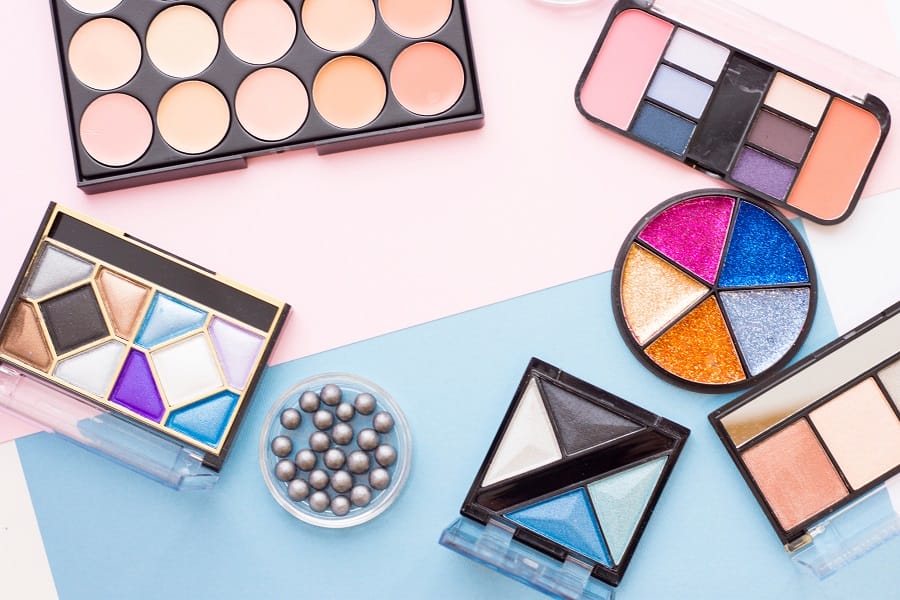 While some luxury palettes offer unique shades and impressive pigmentation, many are priced more for their brand than their performance. Frequently, only a few colors are used regularly, with others left untouched. Smaller, more affordable
  Products endorsed by celebrities often carry a premium, yet the endorsement does not guarantee superior quality. These overpriced beauty products bank more on the star’s popularity than on their effectiveness or innovation in formulation.
 While fragrance is a highly personal choice, niche boutique brands can sometimes cost exponentially more than mainstream perfumes without offering anything more than exclusivity. Exploring lesser-known brands or
 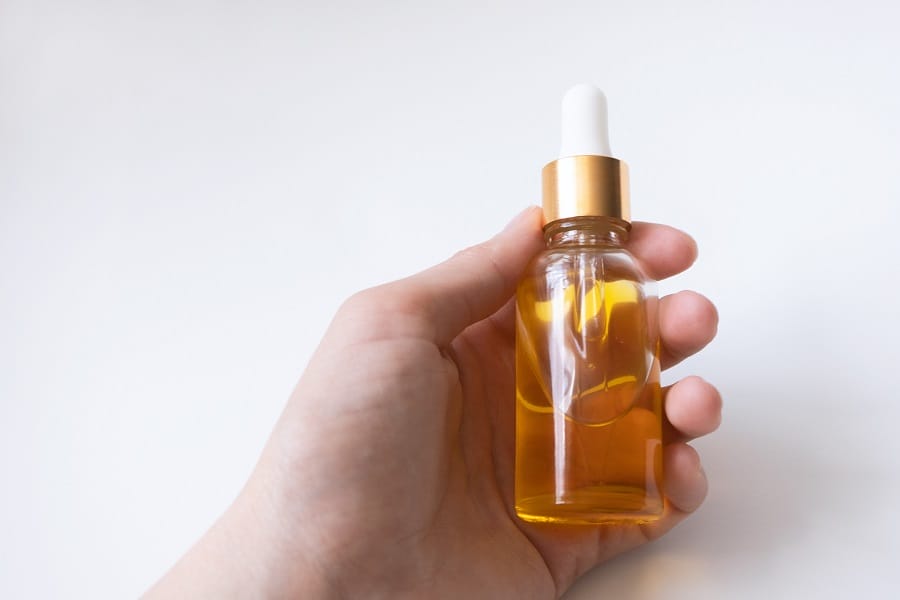 The anti-aging skincare market is saturated with overpriced beauty products promising miraculous results. Many of these products are preying on the fear of aging rather than offering effective solutions. Retinoids, peptides, and antioxidants can often be sourced from less expensive, highly reputable skincare lines.
 High-priced nail polishes often do not offer benefits proportionate to their cost, such as longer wear or better health for your nails. Many mid-priced polishes offer the same range of colors, finishes, and durability without the luxury price tag.
 Being an informed consumer means looking beyond the hype and assessing the true value of beauty products. By understanding where your money goes and choosing products that genuinely offer superior benefits without the inflated costs, you can keep both your beauty routine and your budget beautifully balanced. Remember, the most expensive option is not always the best.