• Home
  • About Us
  • Toolkit
  • Getting Finances Done
    • Hiring Advisors
    • Debt Management
    • Spending Plan
  • Insurance
    • Life Insurance
    • Health Insurance
    • Disability Insurance
    • Homeowners/Renters Insurance
  • Contact Us
  • Privacy Policy
  • Risk Tolerance Quiz

The Free Financial Advisor

You are here: Home / Archives for retail

Market Turn: 4 Signals That the Next Bull Cycle Could Look Different

December 24, 2025 by Brandon Marcus Leave a Comment

Market Turn: 4 Signals That the Next Bull Cycle Could Look Different

Image Source: Shutterstock.com

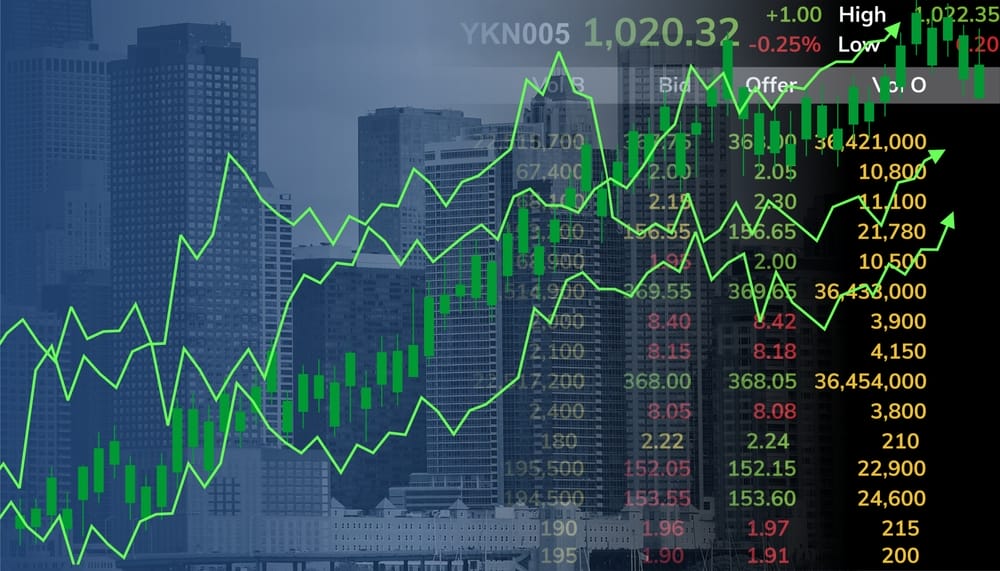
The stock market has always been a stage for drama, spectacle, and surprises, but right now, the excitement is dialed up to eleven. Investors are buzzing with curiosity, strategists are sharpening their pencils, and the financial world is bracing itself for the next big bull cycle. Unlike past rallies that followed predictable patterns, this one seems poised to rewrite the rulebook. From tech innovations reshaping industries to global economic shifts challenging old assumptions, the next surge could feel completely unfamiliar.

For anyone with skin in the game, knowing the signs early might mean the difference between riding the wave and getting caught in the undertow.

1. Tech Disruption Is Accelerating Market Dynamics

Technology has always been a market mover, but today it’s almost like the rules themselves are being rewritten in real-time. Artificial intelligence, blockchain applications, and quantum computing aren’t just buzzwords—they’re becoming integral drivers of market behavior. Companies that adapt quickly are seeing unprecedented growth, while laggards face rapid obsolescence. This acceleration makes predicting traditional market cycles trickier, as old patterns may no longer hold. Investors need to pay attention to innovation pipelines, not just quarterly earnings, to spot where real momentum is forming.

2. Global Capital Flows Are Shifting

Money doesn’t stay put for long, and the paths it takes are signaling change. Emerging markets are attracting attention in sectors that were previously dominated by developed economies. Sovereign wealth funds and institutional investors are diversifying aggressively, spreading capital in ways that challenge historical norms. Currency fluctuations, geopolitical tensions, and trade realignments all create unexpected ripples that affect stock valuations. Understanding where money is moving, and why, will be critical for anticipating which sectors will lead the next bull cycle.

3. Retail Investors Are Changing the Game

Forget the old image of Wall Street as a closed club; retail investors now wield more influence than ever. Social media platforms, trading apps, and real-time analytics have given everyday traders access to information that used to be reserved for professionals. This democratization of market participation creates volatility, but also opportunity, as coordinated moves by retail investors can send formerly overlooked stocks soaring. Analysts now have to factor in behavior patterns and sentiment indicators alongside traditional fundamentals. Ignoring the impact of retail energy could leave investors flat-footed in the next rally.

Market Turn: 4 Signals That the Next Bull Cycle Could Look Different

Image Source: Shutterstock.com

4. ESG and Sustainability Are Driving Investment Decisions

Environmental, social, and governance considerations aren’t just ethical talking points—they’re shaping real investment flows. Corporations that excel in ESG metrics are attracting long-term capital, while those lagging behind are facing higher scrutiny and risk premiums. The rise of green finance, sustainable bonds, and socially responsible ETFs is creating new winners and losers in unexpected places. Investors who factor ESG into their strategies are likely to see advantages in sectors that previously wouldn’t have been in focus. The next bull market could be as much about values-driven performance as it is about profits and earnings growth.

What This Means For Investors

The next bull cycle is likely to look different from what many are used to, blending technology, global capital movements, retail influence, and ESG factors in ways that make old playbooks less reliable. For savvy investors, that means staying agile, curious, and ready to adapt at a moment’s notice. Market signals are subtle but powerful, offering clues for those willing to read between the lines. Everyone’s experience and approach will vary, and your insights could provide valuable perspective for others navigating this evolving landscape.

Leave your thoughts, experiences, or perspectives in the comments section below—we’d love to hear how you’re preparing for the next wave.

You May Also Like…

Asset Migration: 5 Emerging Market Trends Retirees Should Know Before January

Why Young People Should Invest In The Stock Market

These 5 Stocks Only Perform Well When The Entire Stock Market Does

4 Bold Predictions Regarding the Future of the Stock Market

7 Stock Market Myths That Cost Beginner Investors Their Life Savings


Brandon Marcus
Brandon Marcus

Brandon Marcus is a writer who has been sharing the written word since a very young age. His interests include sports, history, pop culture, and so much more. When he isn’t writing, he spends his time jogging, drinking coffee, or attempting to read a long book he may never complete.

Filed Under: Investing Tagged With: bull market, capital flows, invest, investing, investing news, Investing Tips, retail, retail industry, retail investing, stock market, stock market strategy, stock market traps

8 Times Retailers Don’t Owe You A Refund

October 4, 2025 by Travis Campbell Leave a Comment

return

Image source: pexels.com

Return policies play a significant role in shopping, both in-store and online. Shoppers often assume that if something doesn’t work out, they can simply return it for a refund. But the truth is, there are plenty of times when a retailer doesn’t owe you a refund at all. Understanding these situations helps you avoid surprises at the customer service desk. It also helps you shop smarter and keep expectations realistic. In this article, we’ll go over the main times when getting your money back just isn’t guaranteed. If you’ve ever wondered about your rights when asking for a refund, read on to learn more about when retailers don’t owe you a refund.

1. When You’ve Opened or Used the Product

One of the most common reasons a retailer doesn’t owe you a refund is if you’ve opened or used the product. Many stores only accept returns on items that are unopened and in their original packaging. Once you break the seal or start using the item, it often can’t be resold as new. Electronics, beauty products, and personal care items are especially strict about this. Unless the product is defective, you typically cannot expect a cash refund if it has been opened or is obviously used. Always check the packaging for return policy details before breaking the seal.

2. If the Return Window Has Closed

Every retailer sets a specific return window, often 14, 30, or 90 days from purchase. If you try to return something after that period, the store is under no obligation to refund you. Even if you have a receipt, the return policy rules still apply. Some stores might offer store credit as a courtesy, but this isn’t required. Mark your calendar or set a reminder if you think you might want to return something—missing the deadline means you’re out of luck.

3. When You Don’t Have a Receipt or Proof of Purchase

A receipt or proof of purchase is usually required to process a refund. Without it, retailers can’t verify that you purchased the item from them or when the purchase was made. Some stores may look up your transaction if you used a loyalty card or credit card, but this isn’t always possible. If you lose your receipt, you might be offered an exchange or store credit at the item’s lowest price—but a refund is rarely guaranteed. Keeping your receipts organized can save you hassle and money down the road, especially when it comes to the primary keyword: refund policy.

4. Personalized or Custom-Made Items

Items that are personalized, engraved, or custom-made are usually not eligible for refunds. Retailers make these products specifically for you, so they can’t resell them to other customers. Whether it’s a monogrammed towel or a custom photo book, these purchases are almost always final sale. Check the refund policy before ordering anything customized, as exceptions are rare and typically only for manufacturing errors.

5. Sale, Clearance, or “Final Sale” Items

Many retailers mark certain products as “final sale,” especially during clearance events or special promotions. These items are sold at a deep discount and can’t be returned or refunded for any reason. The refund policy for final sale items is usually posted clearly in-store or online. If a great deal tempts you, make sure you’re pleased with your choice—because once you buy it, it’s yours to keep.

6. Digital Products and Downloads

Digital goods, such as e-books, music downloads, and software, are rarely eligible for refunds. Once you’ve downloaded or accessed the content, the sale is usually final. This is because digital products can’t be “returned” in the traditional sense. Some platforms have limited exceptions, but most follow a strict no-refund policy for digital content. Always double-check the terms before clicking “Buy,” especially for expensive subscriptions or media services.

7. Perishable Goods or Hygiene Products

Food, flowers, and other perishable items usually can’t be returned or refunded. The same applies to hygiene products, such as toothbrushes, razors, and underwear. These products have strict health and safety rules, so retailers won’t accept them back unless they’re defective or damaged.

8. Gift Cards and Prepaid Cards

Gift cards and prepaid cards are almost always non-refundable. Once purchased, they can’t be returned for cash or credit unless required by state law for small balances. If you buy a gift card and change your mind, your best bet is to use it or gift it to someone else. Some online marketplaces allow you to sell unwanted gift cards, but don’t expect the retailer to offer a refund.

How to Protect Yourself from Refund Surprises

Knowing when retailers don’t owe you a refund can help you shop with confidence. Always read the store’s refund policy, which can be found on receipts, websites, or posted at the register, before making a purchase. Keep your receipts, pay attention to return windows, and think twice about final sale or custom items. If you’re shopping online, consider checking out USA.gov’s guide to returning products for additional tips on protecting your purchase.

Understanding refund policy rules saves you frustration and money. With a little planning, you can avoid most return headaches and make informed choices before you buy.

Have you ever been denied a refund you thought you deserved? Share your experience and tips in the comments below!

What to Read Next…

  • 7 Tactics Grocery Stores Use To Keep You From Thinking About Price
  • 9 Common Products That May Be Illegal To Resell Online
  • 10 Products That Are Being Pulled From Shelves Without Public Notice
  • 7 Credit Card Features Disappearing Without Any Notice
  • 8 Everyday Services That Are Slowly Becoming Subscription Only
Travis Campbell
Travis Campbell

Travis Campbell is a digital marketer/developer with over 10 years of experience and a writer for over 6 years. He holds a degree in E-commerce and likes to share life advice he’s learned over the years. Travis loves spending time on the golf course or at the gym when he’s not working.

Filed Under: Smart Shopping Tagged With: consumer rights, refund policy, retail, returns, shopping tips

How Costco Receipts Are Being Used to Deny Product Returns

July 22, 2025 by Travis Campbell Leave a Comment

costco

Image Source: unsplash.com

Returning products at Costco used to be simple. You’d bring the item, show your membership card, and get your money back. But things are changing. More shoppers are finding that their Costco receipts are now being used to deny returns. This shift is catching people off guard. If you shop at Costco, you need to know how this works and what you can do about it. Here’s what’s happening and how you can protect yourself.

1. Receipts Now Hold More Power Than Ever

Costco has always required receipts for some returns, but now the process is stricter. The receipt isn’t just proof of purchase. It’s a record of when, where, and how you bought the item. If the receipt shows the item is outside the return window, your return will be denied. Even if you have the product in perfect condition, the receipt can block your refund. This represents a significant shift from the past, when Costco was renowned for its generous return policy.

2. The Return Policy Is Getting Tighter

Costco’s return policy remains one of the best, but it’s not as lenient as it used to be. Electronics, for example, have a 90-day return window. Mattresses, cell phones, and some other items have special rules. If your receipt shows you bought the item outside these windows, you’re out of luck. The receipt is the final word.

3. Digital Receipts Make Tracking Easier

Costco now tracks purchases through your membership card. Even if you lose your paper receipt, they can pull up your digital receipt. This sounds helpful, but it also means they have a complete record of your returns. If you try to return something outside the allowed period, the digital receipt will show it. There’s no way around it. This system makes it harder to argue your case if you miss a deadline.

4. Repeat Returners Are Flagged

Costco uses receipts to spot patterns. If you return items often, your account may be flagged. The receipt history shows how many times you’ve brought things back. If the system sees too many returns, you could be denied—even if your receipt is valid. This is Costco’s way of stopping abuse of their return policy. It’s not just about the item or the receipt. It’s about your overall return history.

5. Some Items Are Now “No Return”

Certain products at Costco are now marked as “no return.” The receipt will show this restriction. For example, some electronics, opened software, and perishable goods can’t be returned. If you try, the receipt will be checked, and the return will be denied. This is a big change for shoppers who are used to returning almost anything. Always check your receipt and the product label before buying.

6. Receipts Are Used to Enforce Manufacturer Warranties

For some products, Costco will direct you to the manufacturer for returns or repairs. The receipt is used to prove when you bought the item. If the warranty period is over, the return is denied at Costco. You’ll have to deal with the manufacturer instead. This can be frustrating, especially if you expected Costco to handle the return. Keep your receipts for warranty claims, but know that Costco may not help after a certain point.

7. Membership Status Can Affect Returns

Your Costco membership status is tied to your receipts. If your membership is expired or revoked, you can’t return items—even with a valid receipt. The system checks your membership before processing any return. If there’s a problem, your return will be denied. This is another way receipts are being used to control returns. Make sure your membership is active before trying to bring something back.

8. Receipts Are Used to Prevent Fraud

Costco is cracking down on return fraud. Receipts are checked to make sure the item matches the purchase. If the serial number or product code doesn’t match, the return is denied. This protects Costco from scams, but it can also catch honest mistakes. Always double-check your receipt and the item before heading to the store. If there’s a mismatch, you won’t get a refund.

9. What You Can Do to Protect Yourself

Keep all your Costco receipts, both paper and digital. Check the return policy before buying, especially for big-ticket items. Don’t wait too long to return something if you’re unsure about it. If you’re denied a return, ask for a manager. Sometimes, exceptions are made, but don’t count on it.

Why Your Costco Receipt Matters More Than Ever

Costco receipts are now the key to returns. They track your purchases, enforce return windows, and flag repeat returners. If you shop at Costco, pay close attention to your receipts. They can help you—or stop you—from getting your money back. The days of easy, no-questions-asked returns are fading. Stay organized, know the rules, and don’t assume you can return anything at any time.

Have you had a return denied at Costco because of your receipt? Share your story or tips in the comments.

Read More

Costco Was Sued—And It Could Affect Your Membership

Can You Really Be Sued for Something Your Pet Did 10 Years Ago?

Travis Campbell
Travis Campbell

Travis Campbell is a digital marketer/developer with over 10 years of experience and a writer for over 6 years. He holds a degree in E-commerce and likes to share life advice he’s learned over the years. Travis loves spending time on the golf course or at the gym when he’s not working.

Filed Under: Smart Shopping Tagged With: consumer rights, Costco, membership, receipts, retail, return policy, returns, shopping tips

The 6 Real Reasons You’re Being Offered a Store Credit Instead of a Refund

July 22, 2025 by Travis Campbell Leave a Comment

refund

Image Source: pexels.com

You bought something. It didn’t work out. You want your money back. But instead of a refund, the store offers you store credit. This happens more than you think, and it’s frustrating. You might wonder if it’s even legal or if you’re being taken advantage of. The truth is, there are real reasons behind this policy. Understanding why stores do this can help you make better choices and avoid surprises at the checkout counter. Here’s what’s really going on when you’re offered store credit instead of a refund.

1. Protecting Their Bottom Line

Stores want to keep as much money as possible. When they give you store credit, you have to spend it with them. This means the money stays in their business. If they gave you a refund, you could take your cash and shop somewhere else. Store credit keeps your dollars locked in. It’s a way for businesses to protect their sales numbers and reduce the risk of losing customers to competitors. This is especially true for small businesses or stores with tight profit margins. They need every sale to count. Store credit is a tool to make sure the money you spent doesn’t walk out the door.

2. Reducing Return Fraud

Return fraud is a real problem for retailers. Some people try to return stolen goods, used items, or things they never bought in the first place. By offering store credit instead of a refund, stores make it less attractive for scammers. Store credit can’t be turned into cash, so it’s less valuable to someone trying to game the system. This policy helps stores cut down on fake returns and protect honest customers from higher prices caused by fraud. The National Retail Federation reports that return fraud costs U.S. retailers billions each year (source). Store credit is one way they fight back.

3. Encouraging Future Purchases

When you get store credit, you have to come back and shop again. This increases the chance you’ll buy more than you planned. Maybe you’ll see something else you like and spend more than your original credit. Or maybe you’ll forget about the credit until it’s almost expired, and then rush to use it. Either way, the store wins. Store credit is a way to keep you coming back. It’s not just about the return—it’s about building customer loyalty and driving future sales. This is a common tactic in retail, and it works.

4. Handling Special Sales and Clearance Items

Many stores have strict policies for sale or clearance items. These products are often final sale, meaning no refunds. If they do allow returns, it’s usually for store credit only. Why? These items are marked down to clear out inventory. If everyone returned sale items for cash, the store could end up with a pile of unsellable goods and lost revenue. Store credit lets them manage inventory and avoid big losses. It also discourages people from buying sale items just to return them later. Always check the return policy before buying discounted goods.

5. Managing Inventory and Restocking Costs

Returns aren’t free for stores. There are costs to inspect, restock, and sometimes repackage returned items. Some products can’t be resold at full price, especially if the packaging is damaged or the item is seasonal. By offering store credit, retailers offset some of these costs. They know you’ll spend the credit, which helps cover the expense of handling the return. This is especially true for clothing, electronics, and seasonal items. Store credit helps stores manage the financial hit from returns and keep their operations running smoothly.

6. Following State and Local Laws

Not all return policies are up to the store. Some states have laws about refunds and store credit. In some places, stores can legally offer store credit instead of cash, as long as they post their policy clearly. In others, they must give a refund under certain conditions. Retailers have to follow these rules, but they often set their policies to the strictest option allowed. This protects them from legal trouble and keeps things simple for staff. If you’re not sure about your rights, check your state’s consumer protection website. Knowing the law can help you avoid surprises.

What This Means for Your Wallet

Getting store credit instead of a refund isn’t always fair, but it’s not random. Stores have real reasons for these policies, from fighting fraud to protecting profits. The best way to avoid surprises is to read the return policy before you buy. Ask questions if you’re not sure. If you’re shopping online, check if you’ll get a refund or just store credit for returns. And if you’re stuck with store credit, try to use it on something you really need, not just anything to spend it on. Being aware of these reasons helps you shop smarter and protect your money.

Have you ever been offered store credit when you wanted a refund? How did you handle it? Share your story in the comments.

Read More

Seniors Are Being Denied Credit Over This One Forgotten Factor

How Easy Is It To Get A Loan From a Credit Union v/s A Bank

Travis Campbell
Travis Campbell

Travis Campbell is a digital marketer/developer with over 10 years of experience and a writer for over 6 years. He holds a degree in E-commerce and likes to share life advice he’s learned over the years. Travis loves spending time on the golf course or at the gym when he’s not working.

Filed Under: Smart Shopping Tagged With: consumer rights, Personal Finance, refunds, retail, return policy, shopping tips, store credit

Costco Was Sued—And It Could Affect Your Membership

July 16, 2025 by Travis Campbell Leave a Comment

costco

Image Source: pexels.com

Costco is a favorite for many shoppers. People love the savings, the samples, and the bulk deals. But now, Costco is facing a lawsuit that could change how you shop there. This isn’t just a headline—it could impact your membership, your wallet, and your shopping habits. If you’re a Costco member or thinking about joining, you need to know what’s happening and what it means for you.

Here’s what you should know about the Costco lawsuit and how it could affect your membership.

1. The Lawsuit: What’s Happening at Costco

Costco was sued over its membership renewal practices. The lawsuit claims that Costco automatically renews memberships and charges customers without clear consent. Some members say they didn’t realize they were being charged again. Others say it was hard to cancel. This lawsuit is about whether Costco made its renewal process clear and fair. If the court finds Costco at fault, the company may have to change how it handles memberships.

2. Why This Lawsuit Matters for Members

If you’re a Costco member, this lawsuit could change your experience. Right now, many people set their memberships to auto-renew. It’s easy and keeps your access going. But if the lawsuit leads to new rules, Costco might have to get clearer permission before charging you. You might see more emails or pop-ups asking you to confirm your renewal. This could make the process safer, but it might also add extra steps. Either way, your membership experience could change.

3. How Your Wallet Could Be Affected

Money is a big part of this story. If Costco is forced to refund members who were charged without clear consent, it could cost the company millions. That money has to come from somewhere. Sometimes, companies raise prices or change benefits to cover legal costs. Your annual membership fee could go up. Or, Costco might cut back on perks. It’s not certain, but it’s something to watch. If you’re on a tight budget, keep an eye on your renewal notices and any changes to your membership costs.

4. What You Should Do About Auto-Renewal

If you have auto-renewal set up, check your account. Make sure you know when your membership renews and how much you’ll be charged. If you want to turn off auto-renewal, you can do it online or by calling customer service. Don’t wait until you see a charge you didn’t expect. Take control now. This is a good time to review your payment methods and make sure your information is up to date. If you have questions, reach out to Costco’s support team.

5. Your Rights as a Consumer

You have rights when it comes to subscriptions and renewals. Companies must tell you when they’re going to charge you. They also have to make it easy to cancel. If you feel you were charged unfairly, you can dispute the charge with your bank or credit card company. You can also file a complaint with the Federal Trade Commission (FTC) if you think a company is breaking the rules.

6. How Costco Might Respond

Costco hasn’t said much about the lawsuit yet. But big companies usually take these cases seriously. They might update their website, send out new emails, or change their policies. If you’re a member, watch for updates from Costco. Read any emails or letters you get about your membership. If Costco changes its terms, you’ll want to know. Staying informed helps you avoid surprises.

7. What This Means for Future Members

If you’re thinking about joining Costco, this lawsuit could affect you, too. The sign-up process might change. You might have to check more boxes or read more fine print. This could make things clearer, but it might also slow things down. If you’re not sure about auto-renewal, ask questions before you join. Make sure you understand how and when you’ll be charged. Being informed helps you make the best choice for your budget.

8. Other Retailers Are Watching

Costco isn’t the only company facing questions about auto-renewals. Other big retailers and subscription services are watching this case. If Costco has to change its policies, others might follow. This could lead to clearer rules for all kinds of memberships, from gyms to streaming services.

9. Practical Steps for Costco Members

Here’s what you can do right now. First, log in to your Costco account and check your membership status. Look at your renewal date and payment method. Decide if you want to keep auto-renewal or turn it off. Set a reminder for your renewal date so you’re not caught off guard. If you see any charges you don’t recognize, contact Costco right away. Staying on top of your account helps you avoid problems.

10. The Bigger Picture: Memberships and Trust

This lawsuit is about more than just Costco. It’s about trust between companies and customers. When you sign up for a membership, you expect clear terms and fair treatment. If companies don’t deliver, they risk losing your trust. This case could push all retailers to be more transparent. That’s good for everyone. As a shopper, you have the right to know what you’re paying for and when.

What Costco Members Should Watch for Next

Costco’s lawsuit is a reminder to pay attention to your memberships. Changes could be coming, and they might affect your wallet and your shopping habits. Stay informed, check your account, and know your rights. That way, you can keep getting the most out of your Costco membership—no surprises.

Have you ever had trouble with a membership renewal at Costco or another store? Share your story in the comments.

Read More

6 Ways Costco Tricks You Into Thinking You’re Saving Money

Why You Should Buy This One Item in Bulk for the Rest of Your Life

Travis Campbell
Travis Campbell

Travis Campbell is a digital marketer/developer with over 10 years of experience and a writer for over 6 years. He holds a degree in E-commerce and likes to share life advice he’s learned over the years. Travis loves spending time on the golf course or at the gym when he’s not working.

Filed Under: Personal Finance Tagged With: auto-renewal, consumer rights, Costco, lawsuit, legal news, membership, retail, Shopping, subscriptions

5 Mega Brands That Quietly Lost Their Cult Followings

May 26, 2025 by Travis Campbell Leave a Comment

blackberry phone

Image Source: pexels.com

Have you ever noticed how some brands that once inspired fierce loyalty seem to fade into the background, almost overnight? It’s a strange phenomenon—one day, everyone raves about a product, and the next, it collects dust on the shelves. For investors, consumers, and brand enthusiasts alike, understanding why mega brands lose their cult followings can offer valuable lessons about changing tastes, innovation, and the importance of staying relevant. Even the most iconic names aren’t immune to shifting trends and consumer expectations in today’s fast-paced world. Let’s take a closer look at five mega brands that quietly lost their cult followings, and what we can learn from their stories.

1. Abercrombie & Fitch: From Mall Icon to Afterthought

Abercrombie & Fitch was once the ultimate status symbol for teens and young adults. With its moody stores, shirtless models, and exclusive vibe, the brand cultivated a cult following that seemed unstoppable in the early 2000s. But as fashion trends shifted and consumers began to demand more inclusivity and authenticity, Abercrombie’s image started to feel outdated. The brand’s refusal to adapt quickly enough to changing social norms—such as body positivity and diversity—led to a sharp decline in its cult status. Today, while Abercrombie is making a comeback with a more inclusive approach, it’s a far cry from its heyday. The lesson here? Brands must evolve with their audience or risk becoming irrelevant.

2. BlackBerry: The Smartphone Pioneer That Missed the Boat

Remember when BlackBerry was the must-have device for professionals and celebrities alike? Its physical keyboard and secure messaging made it a cult favorite, especially among business users. However, BlackBerry’s reluctance to embrace touchscreens and app ecosystems allowed competitors like Apple and Samsung to swoop in and capture the market. As a result, BlackBerry’s cult following dwindled, and the brand became a cautionary tale about the dangers of resting on your laurels. If you’re investing in tech or simply love gadgets, BlackBerry’s story is a reminder that innovation is non-negotiable.

3. MySpace: The Social Network That Lost Its Cool

Before Facebook, Instagram, or TikTok, there was MySpace—a platform that let users customize their profiles, connect with friends, and discover new music. MySpace wasn’t just a website but a cultural movement with a devoted following. But as social media evolved, MySpace failed to keep up with user expectations for simplicity and privacy. The rise of Facebook, with its cleaner interface and real-name policy, quickly eroded MySpace’s cult status. Today, MySpace exists mostly as a nostalgic footnote, a reminder that even the most beloved platforms can lose their edge if they don’t innovate.

4. J. Crew: The Preppy Powerhouse That Lost Its Way

J. Crew was once synonymous with classic American style, attracting a loyal following of fashion-forward shoppers. Its catalog was a staple in many households, and its collaborations with designers kept the brand fresh and exciting. However, as fast fashion brands like Zara and H&M began offering similar styles at lower prices, J.Crew struggled to maintain its cult following. The brand’s attempts to move upmarket alienated its core customers, while its failure to adapt to e-commerce trends left it lagging behind competitors. J. Crew’s story is a powerful lesson in the importance of knowing your audience and staying agile in a rapidly changing retail landscape.

5. GoPro: The Action Camera That Lost Its Thrill

GoPro revolutionized the way we capture adventure, turning everyday people into action filmmakers. The brand enjoyed a cult following among athletes, travelers, and content creators for years. But as smartphone cameras improved and competitors entered the market, GoPro’s unique selling proposition began to fade. The company’s focus on hardware, rather than building a robust ecosystem or community, made it difficult to maintain its cult status. Today, while GoPro is still a respected name, it no longer commands the same level of excitement or loyalty. The takeaway? Even the most innovative products need to keep evolving to stay relevant.

Lessons from the Lost: How to Keep a Cult Following Alive

What do these stories have in common? Each mega brand lost its cult following because it failed to adapt to changing consumer expectations, technological advancements, or cultural shifts. Whether you’re a business owner, investor, or simply a fan of great brands, the key takeaway is clear: staying relevant requires constant innovation, listening to your audience, and being willing to pivot when necessary. Cult followings are powerful but fragile—nurture them with authenticity, adaptability, and a willingness to evolve.

Have you ever been a die-hard fan of a brand that lost its magic? Share your story or thoughts in the comments below!

Read More

5 Biggest Refinance Concerns

Why Juniors’ Education Might Be Less Expensive Than Expected

Travis Campbell
Travis Campbell

Travis Campbell is a digital marketer/developer with over 10 years of experience and a writer for over 6 years. He holds a degree in E-commerce and likes to share life advice he’s learned over the years. Travis loves spending time on the golf course or at the gym when he’s not working.

Filed Under: Business Tagged With: brand loyalty, business strategy, consumer trends, cult brands, innovation, marketing, retail, Social media, technology

The Real Reason These Iconic Brands Are Collapsing Behind the Scenes

May 18, 2025 by Travis Campbell Leave a Comment

Toys R Us

Image Source: pexels.com

Have you ever wondered why some of the world’s most iconic brands—companies you grew up with and trusted—are suddenly struggling or even disappearing? It’s not just nostalgia talking; there’s a real shift happening behind the scenes. From department stores to tech giants, the collapse of these household names is more than just a headline—it’s a wake-up call for consumers and investors alike. Understanding why these brands are faltering can help you make smarter financial decisions, whether shopping, investing, or simply trying to future-proof your career. Let’s pull back the curtain and explore the real reasons these iconic brands are collapsing, and what you can do to avoid getting caught in the fallout.

1. Failure to Adapt to Changing Consumer Preferences

One of the biggest reasons iconic brands are collapsing is their inability to keep up with rapidly changing consumer preferences. Today’s shoppers want convenience, personalization, and digital experiences. Brands like Sears and JCPenney, once titans of retail, failed to pivot quickly enough to e-commerce and mobile shopping. Instead of innovating, they clung to outdated business models, losing relevance with younger generations. According to a Harvard Business Review analysis, companies that resist change are far more likely to face decline. If you’re a consumer, this means looking for actively evolving brands. As an investor, keep an eye on companies that prioritize innovation and customer experience.

2. Overexpansion and Unsustainable Growth

Many iconic brands collapse because they grow too fast without a solid foundation. Overexpansion can lead to massive debt, diluted brand identity, and operational chaos. Take Toys “R” Us, for example. The company expanded aggressively, opening stores everywhere, but failed to adapt to the rise of online competitors like Amazon. When sales slowed, their debt became unmanageable, leading to bankruptcy. The lesson here is clear: whether you’re running a business or managing your own finances, sustainable growth is always better than unchecked expansion. Look for brands that balance ambition with smart, strategic planning.

3. Ignoring Digital Transformation

In today’s world, digital transformation isn’t optional—it’s essential. Iconic brands that ignore this reality are setting themselves up for failure. Blockbuster is a classic example. While Netflix embraced streaming and digital content, Blockbuster stuck with physical stores and late fees. The result? A rapid and public collapse. According to McKinsey & Company, companies that invest in digital transformation are 26% more profitable than their peers. For consumers, this means supporting brands that offer seamless digital experiences. For investors, it’s a reminder to favor tech-forward and future-ready companies.

4. Poor Leadership and Short-Term Thinking

Leadership matters more than most people realize. Many iconic brands have collapsed because their leaders focused on short-term profits instead of long-term sustainability. Kodak, for instance, invented the digital camera but failed to capitalize on it, fearing it would cannibalize their film business. This kind of short-sightedness can be fatal. As a consumer, you can spot brands with visionary leadership by looking at their willingness to innovate and invest in the future. As an investor, read annual reports and listen to earnings calls to gauge whether a company’s leadership is thinking long-term.

5. Brand Complacency and Loss of Relevance

Complacency is a silent killer for iconic brands. When companies rest on their laurels, they risk losing touch with what made them special in the first place. Gap, for example, was once a fashion staple but failed to keep up with changing styles and consumer expectations. As a result, it lost its cool factor and market share. The key takeaway? Brands must continually reinvent themselves to stay relevant. For consumers, this means being open to new brands that better reflect their values and tastes. For investors, it’s a sign to watch for companies that are actively refreshing their image and product lines.

6. External Shocks and Economic Downturns

Sometimes, even the best-run brands can be brought down by forces beyond their control. Economic downturns, global pandemics, and supply chain disruptions can expose underlying weaknesses. For example, the COVID-19 pandemic accelerated the decline of many struggling retailers and restaurants. Brands that were already vulnerable were hit the hardest. The lesson here is to look for brands with strong balance sheets and diversified revenue streams. As a consumer, support local and resilient businesses. As an investor, diversify your portfolio to weather unexpected storms.

What This Means for Your Financial Future

The collapse of iconic brands isn’t just a business story—it’s a personal finance lesson. Whether you’re shopping, investing, or building your own brand, these iconic brands are collapsing because of failing to adapt, poor leadership, and ignoring the digital revolution. The brands that survive and thrive are those that embrace change, invest in innovation, and stay connected to their customers. By learning from these high-profile failures, you can make smarter choices with your money and your career.

What do you think? Have you seen a favorite brand disappear or struggle? Share your thoughts and stories in the comments below!

Read More

How to Date Your Bank

Ripped from the Headlines: Bad Holiday Economic Mood

Travis Campbell
Travis Campbell

Travis Campbell is a digital marketer/developer with over 10 years of experience and a writer for over 6 years. He holds a degree in E-commerce and likes to share life advice he’s learned over the years. Travis loves spending time on the golf course or at the gym when he’s not working.

Filed Under: Business Tagged With: business collapse, consumer trends, digital transformation, iconic brands, investing, leadership, Personal Finance, retail

7 Iconic Chains on the Brink—Will They Survive the Next Quarter?

May 16, 2025 by Travis Campbell Leave a Comment

TGI Friday

Image Source: pexels.com

It’s no secret that the retail and restaurant landscape is shifting faster than ever. From changing consumer habits to rising costs and digital disruption, even the most iconic chains are feeling the heat. You’re not alone if you’ve noticed your favorite stores or eateries closing up shop. For investors, employees, and everyday shoppers, the fate of these legendary brands matters. After all, when iconic chains struggle, it can ripple through local economies and even your own financial plans. So, which household names are teetering on the edge—and what can you do about it? Let’s dive into seven iconic chains that may not survive the next quarter, and what their struggles mean for you.

1. Rite Aid

Once a staple in American neighborhoods, Rite Aid is now facing a critical crossroads. The pharmacy giant filed for bankruptcy in late 2023, citing mounting debt and legal challenges related to opioid lawsuits. With hundreds of store closures already underway, Rite Aid’s future is uncertain. For consumers, this means fewer convenient pharmacy options and potential disruptions in prescription services. If you rely on Rite Aid, now’s the time to transfer prescriptions and explore alternatives like CVS or Walgreens. Investors should keep a close eye on restructuring news, as the company’s survival is anything but guaranteed.

2. Red Lobster

Red Lobster, the seafood chain famous for its Cheddar Bay biscuits, is in hot water. The company recently filed for bankruptcy protection, citing rising food costs and declining foot traffic. Many locations have abruptly closed, leaving loyal fans and employees in limbo. If you’re a fan of their endless shrimp deals, you might want to visit soon—there’s no telling how many locations will remain open. For communities, the loss of Red Lobster means fewer dining options and job losses. If you’re invested in restaurant stocks, this is a reminder to diversify and watch for signs of trouble in the casual dining sector.

3. Bed Bath & Beyond

Bed Bath & Beyond was once the go-to for home goods and wedding registries, but the iconic chain has been in a downward spiral. After a series of failed turnaround attempts, the company filed for bankruptcy in 2023 and began liquidating stores nationwide. While some locations have been acquired and rebranded, the original Bed Bath & Beyond experience is fading fast. Shoppers should use up any remaining gift cards and rewards points before they become worthless. For those who loved the chain’s famous coupons, it’s time to look for new ways to save on home essentials. The fall of this iconic chain is a cautionary tale about the importance of adapting to e-commerce trends.

4. Joann Fabrics

Joann Fabrics, a beloved destination for crafters and DIY enthusiasts, is also on shaky ground. The company filed for bankruptcy in early 2024, citing declining sales and increased competition from online retailers. While Joann has announced plans to keep stores open during restructuring, the future is uncertain. Consider stocking up or exploring local alternatives if you rely on Joann for fabric, craft supplies, or classes. For communities, the loss of Joann would mean fewer creative resources and local jobs. Investors should be wary of retail stocks that haven’t fully embraced digital transformation.

5. The Body Shop

The Body Shop, known for its ethical beauty products and activism, has seen better days. The iconic chain entered administration in the UK in 2024, leading to widespread store closures and layoffs. While some international locations remain open, the brand’s global footprint is shrinking. If you’re a fan of their cruelty-free products, now’s the time to stock up or seek out similar brands. The Body Shop’s struggles highlight the challenges even mission-driven companies face in a tough retail environment. It’s a reminder for investors to look beyond brand reputation and examine financial fundamentals.

6. TGI Fridays

TGI Fridays, once the go-to spot for casual dining and happy hour, is facing a steep decline. The chain has closed dozens of locations in the past year, citing changing consumer preferences and rising operational costs. With more people opting for takeout or healthier dining options, TGI Fridays is struggling to stay relevant. If you have gift cards or loyalty points, use them soon. For communities, the closure of TGI Fridays means fewer gathering spots and lost jobs. Investors should be cautious about restaurant chains that haven’t adapted to new dining trends.

7. Express

Express, the fashion retailer known for trendy workwear and party outfits, is another iconic chain on the brink. The company filed for bankruptcy in 2024, citing declining mall traffic and fierce competition from online brands. While some stores may survive under new ownership, the future of Express as we know it is uncertain. Shoppers should take advantage of clearance sales and use up any store credits. For those who love fashion, this is a reminder to support local boutiques and online brands that are innovating in the space.

What the Fate of Iconic Chains Means for Your Wallet

The struggles of these iconic chains aren’t just headlines—they have real impacts on your daily life and finances. Store closures can mean fewer local jobs, less competition (which can drive up prices), and the loss of familiar places to shop or dine. For consumers, it’s wise to use up gift cards, rewards, and credits at at-risk chains before it’s too late. Investors should take these warning signs seriously and diversify their portfolios to avoid overexposure to struggling sectors. Most importantly, the rise and fall of iconic chains is a reminder to stay flexible and informed in a rapidly changing economy.

What do you think? Have you noticed any of these iconic chains closing in your area? Share your experiences or thoughts in the comments below!

Read More

5 Biggest Refinance Concerns

Ripped from the Headlines: Bad Holiday Economic Mood

Travis Campbell
Travis Campbell

Travis Campbell is a digital marketer/developer with over 10 years of experience and a writer for over 6 years. He holds a degree in E-commerce and likes to share life advice he’s learned over the years. Travis loves spending time on the golf course or at the gym when he’s not working.

Filed Under: Business Tagged With: business trends, consumer news, iconic brands, investing, Personal Finance, restaurants, retail, store closures

FOLLOW US

Search this site:

Recent Posts

  • Can My Savings Account Affect My Financial Aid? by Tamila McDonald
  • 12 Ways Gen X’s Views Clash with Millennials… by Tamila McDonald
  • What Advantages and Disadvantages Are There To… by Jacob Sensiba
  • Call 911: Go To the Emergency Room Immediately If… by Stephen Kanaval
  • 10 Tactics for Building an Emergency Fund from Scratch by Vanessa Bermudez
  • 7 Weird Things You Can Sell Online by Tamila McDonald
  • 10 Scary Facts About DriveTime by Tamila McDonald

Copyright © 2026 · News Pro Theme on Genesis Framework