• Home
  • About Us
  • Toolkit
  • Getting Finances Done
    • Hiring Advisors
    • Debt Management
    • Spending Plan
  • Insurance
    • Life Insurance
    • Health Insurance
    • Disability Insurance
    • Homeowners/Renters Insurance
  • Contact Us
  • Privacy Policy
  • Risk Tolerance Quiz

The Free Financial Advisor

You are here: Home / Archives for retirement planning

10 Financial Risks Hiding in Everyday Life

September 25, 2025 by Catherine Reed Leave a Comment

10 Financial Risks Hiding in Everyday Life

Image source: 123rf.com

Most people think of financial risks as something tied to big decisions like investing in the stock market or buying a house. But the truth is, money hazards hide in everyday life, quietly draining your bank account or leaving you exposed to bigger problems down the road. These risks don’t always feel urgent, but their impact adds up over time. By recognizing where the hidden traps are, you can take steps to protect yourself and your family. Here are 10 financial risks you may be facing right now without even realizing it.

1. Ignoring Small Subscription Fees

One of the most overlooked financial risks is the pile of small recurring charges from streaming services, apps, and memberships. At first, each one feels affordable, but combined, they can consume hundreds of dollars each year. Many people forget to cancel free trials that automatically renew into paid services. Since the charges are small, they often go unnoticed until budgets feel tight. Regularly auditing your subscriptions can help eliminate unnecessary waste.

2. Skipping Routine Car Maintenance

Delaying oil changes, tire rotations, or inspections may seem like a money-saver, but it creates bigger bills down the line. Small maintenance tasks prevent major breakdowns that can cost thousands. This everyday oversight is one of the common financial risks that hides in plain sight. A neglected car not only hurts your wallet but can also reduce resale value. Spending a little on prevention saves a lot on repairs.

3. Relying Too Heavily on Credit Cards

Credit cards can be useful tools but overusing them creates hidden danger. Interest rates compound quickly, turning small balances into overwhelming debt. This is one of the everyday financial risks that sneaks up on families who rely on plastic for emergencies or daily expenses. Even minimum payments trap you in a cycle that limits future financial flexibility. Paying down balances aggressively is the best defense.

4. Overlooking Insurance Gaps

Many households assume their insurance policies cover everything, but hidden exclusions can lead to nasty surprises. Homeowners, renters, and auto insurance all come with limitations that leave you financially exposed. Not reviewing your coverage regularly is one of the financial risks that can wipe out savings after an accident or disaster. For example, flood or earthquake damage often requires separate policies. Staying informed helps you avoid unexpected losses.

5. Falling for Lifestyle Inflation

As income grows, it’s tempting to upgrade homes, cars, and spending habits. While it feels harmless, lifestyle inflation is one of the biggest everyday financial risks to long-term wealth. Without intentional saving, every raise gets absorbed by new expenses. Over time, this pattern leaves families with little cushion despite higher earnings. Living below your means creates financial freedom and stability.

6. Not Having an Emergency Fund

Life is unpredictable, and one of the most dangerous financial risks is failing to prepare for emergencies. Job loss, medical bills, or sudden repairs can derail families who don’t have savings. Without a safety net, people often turn to high-interest loans or credit cards, making recovery harder. Even a small emergency fund provides breathing room. Building one should be a top priority for financial security.

7. Ignoring Identity Theft Threats

Online shopping, public Wi-Fi, and weak passwords all increase your exposure to fraud. Identity theft is one of the growing financial risks hiding in daily life, costing victims thousands of dollars and years of stress. Many people underestimate how vulnerable their data is until it’s too late. Monitoring credit reports and using secure passwords are essential protections. The small effort now prevents big headaches later.

8. Neglecting Health and Wellness

Poor health choices may not seem like financial risks, but medical costs are one of the biggest drains on family budgets. Skipping check-ups, avoiding exercise, or ignoring symptoms can lead to expensive treatments later. Chronic conditions caused by neglect can devastate savings and retirement plans. Investing in preventive care reduces long-term expenses. Health is one of the most valuable assets you can protect.

9. Not Reading the Fine Print

Contracts for loans, leases, or even phone plans often hide fees and obligations. Failing to read the fine print is one of the easiest financial risks to avoid but also one of the most common. Overdraft fees, cancellation penalties, or automatic rate hikes can cost hundreds. Companies rely on people not paying attention. Carefully reviewing agreements saves money and stress.

10. Putting Off Retirement Savings

Finally, procrastinating on retirement planning is one of the most damaging financial risks families faces. It may not feel urgent when bills and daily expenses take priority. However, the cost of waiting grows exponentially as you miss out on compound interest. Even small contributions early on can create significant wealth over time. The longer you delay, the harder it becomes to catch up.

Protecting Yourself from Hidden Money Traps

Everyday life is filled with financial risks, but most can be managed with awareness and planning. From small subscriptions to neglected savings, the habits that feel harmless often create the biggest setbacks. By taking action now, you can minimize these risks and build a more secure future. The key is to pay attention, stay disciplined, and make money decisions that protect your long-term goals. Awareness is the first step toward financial resilience.

Which of these financial risks do you think is the most common in your own life? Share your thoughts in the comments below.

What to Read Next…

Why Do People Get Trapped by “Buy Now Pay Later” Schemes

What Happens When You Save Too Much in the Wrong Accounts

9 Financial Mistakes People Make in Their 30s That Haunt Them in Their 60s

6 Dangerous Myths About Credit Card Rewards

5 Unsettling Truths About Payday Loan Companies

Catherine Reed
Catherine Reed

Catherine is a tech-savvy writer who has focused on the personal finance space for more than eight years. She has a Bachelor’s in Information Technology and enjoys showcasing how tech can simplify everyday personal finance tasks like budgeting, spending tracking, and planning for the future. Additionally, she’s explored the ins and outs of the world of side hustles and loves to share what she’s learned along the way. When she’s not working, you can find her relaxing at home in the Pacific Northwest with her two cats or enjoying a cup of coffee at her neighborhood cafe.

Filed Under: Personal Finance Tagged With: everyday expenses, family budgeting, financial risks, Financial Security, Personal Finance, retirement planning

Could Your Retirement Be at Risk From Rising Utility Costs

September 25, 2025 by Catherine Reed Leave a Comment

Could Your Retirement Be at Risk From Rising Utility Costs

Image source: 123rf.com

Many retirees carefully plan for healthcare, housing, and everyday living expenses, but there’s one area often overlooked: utility bills. Electricity, water, gas, and internet are essential, and their prices have been climbing steadily. Rising utility costs may not seem as daunting as medical expenses, but they can quietly eat away at fixed incomes. For retirees living on savings, pensions, or Social Security, even modest increases can cause financial strain. Understanding how rising utility costs impact retirement can help you prepare and protect your long-term security.

1. Energy Inflation Outpaces Income Growth

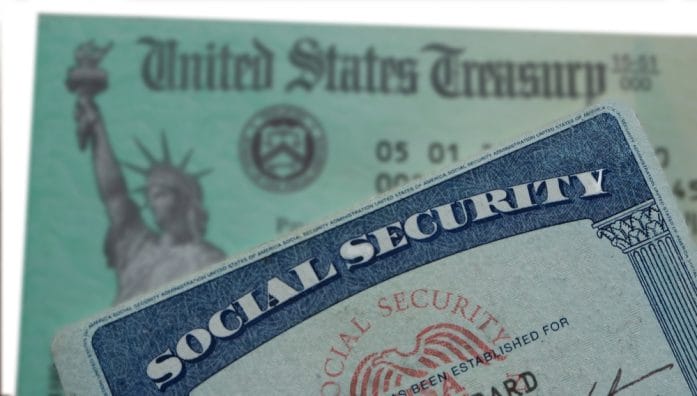
One of the biggest threats from rising utility costs is that they often increase faster than retirement income. Social Security and pensions may provide cost-of-living adjustments, but these rarely match the pace of energy inflation. For retirees on fixed budgets, this means a growing portion of income gets eaten up by electricity and heating. The gap widens each year, leaving less money for food, healthcare, or leisure. Without adjustments, these creeping costs can destabilize a retirement plan.

2. Extreme Weather Drives Higher Bills

Another overlooked factor behind rising utility costs is the effect of extreme weather. Longer, hotter summers and colder winters force retirees to run air conditioning and heating systems more often. These spikes create utility bills that strain monthly budgets, especially during back-to-back seasons of severe weather. Even retirees who conserve energy may find it impossible to avoid higher bills. Climate-related demand makes energy unpredictability a financial risk.

3. Fixed Incomes Magnify the Impact

When working, people can offset rising utility costs with overtime or a raise, but retirees don’t have that option. Fixed incomes make it difficult to absorb even small increases. A $50 monthly jump in electricity may not seem huge, but over a year that’s $600 taken from a tight budget. Rising utility costs are especially challenging for retirees who already juggle medical and housing bills. Without extra income streams, the impact hits harder.

4. Regional Utility Differences Add Pressure

Where you live plays a major role in how much rising utility costs affect you. Retirees in areas with extreme climates, aging infrastructure, or monopolized providers often face higher bills than those in milder regions. Relocating isn’t always an option, making these differences unavoidable. For those planning retirement, overlooking regional costs can lead to unpleasant surprises. Factoring utility expenses into location decisions is critical for long-term comfort.

5. Hidden Costs of Outdated Homes

Many retirees live in older homes that weren’t built with energy efficiency in mind. Poor insulation, outdated HVAC systems, and older appliances all drive up energy use. Rising utility costs hit harder when a home isn’t optimized for efficiency. Upgrading may require upfront investment, but without it, retirees end up paying more month after month. Over time, these hidden inefficiencies drain savings faster than expected.

6. Technology Demands Increase Utility Usage

Modern lifestyles rely heavily on technology, even in retirement. Smartphones, tablets, streaming services, and home internet all contribute to rising utility costs. Retirees who once used little electricity now find themselves powering multiple devices daily. Add in medical equipment like oxygen machines or mobility aids, and utility bills climb further. Technology improves quality of life, but it also increases monthly obligations.

7. Limited Ability to Negotiate or Switch Providers

Younger households often switch providers or negotiate better deals, but retirees may not have the same flexibility. In many areas, there’s only one utility provider, leaving no room for competition. This makes rising utility costs unavoidable, no matter how much you conserve. Without leverage, retirees are stuck absorbing price hikes. This lack of control can be a major source of financial stress.

8. Rising Utility Costs Compound Over Time

Perhaps the most unsettling issue is how small increases compound over years. A $20 monthly increase may not feel like much, but over 10 years it adds up to $2,400. Rising utility costs create a snowball effect that quietly eats into retirement savings. Without planning, these compounded expenses can force retirees to cut back on essentials. Long-term projections must account for this ongoing creep.

Planning Ahead Protects Retirement Security

Rising utility costs may seem like small annoyances, but over time they become significant threats to retirement stability. By planning ahead, making homes energy-efficient, and accounting for regional and inflationary factors, retirees can avoid being blindsided. Utility bills are just as important as healthcare or housing when calculating retirement budgets. Protecting your retirement means addressing these hidden risks before they become unmanageable. Awareness and preparation make the difference between comfort and financial stress in later years.

Have rising utility costs already started to impact your retirement budget? Share your experiences in the comments below.

What to Read Next…

Could A Divorce Completely Erase Retirement Savings

5 Surprising Risks of Keeping Large Savings at Home

6 Silent Money Leaks in the Average Household

9 Expenses That Quietly Rise After Retirement

Could Being House Poor Leave You Broke in Retirement

Catherine Reed
Catherine Reed

Catherine is a tech-savvy writer who has focused on the personal finance space for more than eight years. She has a Bachelor’s in Information Technology and enjoys showcasing how tech can simplify everyday personal finance tasks like budgeting, spending tracking, and planning for the future. Additionally, she’s explored the ins and outs of the world of side hustles and loves to share what she’s learned along the way. When she’s not working, you can find her relaxing at home in the Pacific Northwest with her two cats or enjoying a cup of coffee at her neighborhood cafe.

Filed Under: Retirement Tagged With: energy bills, financial risks, fixed income, retirement budgeting, retirement planning, rising utility costs

6 Outrageous Truths About Reverse Mortgages

September 25, 2025 by Catherine Reed Leave a Comment

6 Outrageous Truths About Reverse Mortgages

Image source: 123rf.com

For retirees strapped for cash, reverse mortgages are often marketed as a financial lifeline. The idea of tapping into your home’s equity without making monthly payments sounds like the perfect solution. But behind the glossy brochures and TV commercials lie some surprising realities most people don’t fully understand. These outrageous truths about reverse mortgages can affect not only your finances but also your family’s future. Before signing on the dotted line, here are six eye-opening facts you need to know.

1. Reverse Mortgages Are Loans, Not Free Money

One of the biggest misconceptions about reverse mortgages is that they provide “free” income. In reality, they are loans that must eventually be repaid. While you don’t make monthly payments, the balance grows over time as interest and fees pile on. This means your home’s equity decreases the longer the loan stays active. Far from being free money, a reverse mortgage is essentially borrowing against your future inheritance.

2. Fees and Costs Can Be Shockingly High

Another outrageous truth about reverse mortgages is how expensive they can be upfront. Closing costs, servicing fees, and mortgage insurance often total thousands of dollars. These costs are typically rolled into the loan, which reduces your available equity from the start. Compared to traditional mortgages or home equity loans, the expenses can be significantly higher. Many retirees don’t realize how much these fees eat into their home’s value.

3. Your Heirs May Get Less Than Expected

For families hoping to pass down a home as part of their legacy, reverse mortgages complicate the picture. Since the loan balance grows over time, there may be little or no equity left when the borrower passes away. Heirs must either repay the loan or sell the house to cover the debt. This often leads to disappointment when children realize the family home is no longer theirs to keep. One of the hardest truths about reverse mortgages is how they affect inheritance.

4. You Still Have to Pay Taxes and Insurance

Many retirees mistakenly believe that once they have a reverse mortgage, housing-related costs disappear. The outrageous truth is that you are still responsible for property taxes, homeowners’ insurance, and maintenance. Failing to keep up with these obligations can trigger foreclosure, even with a reverse mortgage in place. This shocks many borrowers who thought their housing costs were covered. A reverse mortgage doesn’t eliminate your responsibilities as a homeowner.

5. The Debt Grows Faster Than You Think

The way interest accrues on reverse mortgages is another unsettling reality. Since no payments are made, interest compounds month after month, causing the loan balance to balloon. Over time, the amount owed can far exceed the original loan amount. This rapid growth surprises many borrowers who only focus on the short-term benefits. The longer you stay in the home, the more equity you lose to the lender.

6. Not Everyone Qualifies Despite the Ads

Commercials often make reverse mortgages seem like they’re available to anyone over 62, but that’s not the full truth. Lenders require borrowers to live in the home as their primary residence and keep it in good condition. Financial assessments are also conducted to ensure you can afford taxes and insurance. If you fail to meet these requirements, you may not qualify or could risk losing the loan. This makes reverse mortgages less universal than advertised.

Looking Beyond the Sales Pitch

Reverse mortgages can provide financial relief for some retirees, but they come with outrageous truths that too many overlooks. From high fees to shrinking inheritances, the drawbacks are significant. The key is to weigh the short-term benefits against the long-term consequences before making a decision. Exploring alternatives like downsizing, refinancing, or traditional home equity loans may offer better solutions. Understanding the full picture ensures your retirement strategy is based on reality, not hype.

Have you or someone you know ever considered reverse mortgages as a retirement option? Share your thoughts and experiences in the comments below.

What to Read Next…

9 Expenses That Quietly Rise After Retirement

The Retirement Rule That Sounds Smart—But Could Leave You Broke at 75

8 Brutal Ways Inflation Punishes Retirees More Than Anyone Else

Could Being House Poor Leave You Broke in Retirement

Are Retirement Calculators Exaggerating Safe Withdrawal Rates?

Catherine Reed
Catherine Reed

Catherine is a tech-savvy writer who has focused on the personal finance space for more than eight years. She has a Bachelor’s in Information Technology and enjoys showcasing how tech can simplify everyday personal finance tasks like budgeting, spending tracking, and planning for the future. Additionally, she’s explored the ins and outs of the world of side hustles and loves to share what she’s learned along the way. When she’s not working, you can find her relaxing at home in the Pacific Northwest with her two cats or enjoying a cup of coffee at her neighborhood cafe.

Filed Under: Retirement Tagged With: family inheritance, financial risks, home equity, retirement loans, retirement planning, reverse mortgages

6 Financial Dangers of Ignoring Inflation

September 25, 2025 by Travis Campbell Leave a Comment

inflation

Image source: pexels.com

Inflation quietly eats away at your money’s value, but it’s easy to overlook. Many people focus on budgeting, saving, or investing, yet forget to factor in the impact of rising prices. When you ignore inflation, your financial plans may fall short, affecting your daily expenses and long-term goals. Inflation doesn’t just mean paying more at the grocery store—it can erode your savings, shrink your purchasing power, and mess with your retirement plans. Understanding the financial dangers of ignoring inflation is crucial if you want to protect your wealth and make smart decisions.

1. Shrinking Purchasing Power

The most obvious effect of ignoring inflation is a steady decline in the purchasing power of your money. Over time, even a low inflation rate means that your dollars don’t stretch as far as they used to. If you’re not adjusting your spending or income to keep pace, you’ll find that everyday goods and services become less affordable. This can make it harder to maintain your lifestyle, especially if your income stays the same while prices rise. That’s why keeping an eye on inflation is key to preserving your purchasing power and making your money work for you.

2. Savings Lose Value

Leaving money in a traditional savings account might feel safe, but it’s risky if you ignore inflation. Most savings accounts offer interest rates lower than the inflation rate, which means your savings actually lose value over time. For example, if inflation is 3% and your savings account pays 1%, your real purchasing power drops by 2% each year. Over a decade, that can add up to a significant loss. It’s essential to consider inflation when deciding where to invest your money and to seek options that at least keep pace with rising prices.

3. Retirement Plans Fall Short

Planning for retirement is already challenging, but ignoring inflation makes it even riskier. If you base your retirement savings on today’s costs, you’ll likely underestimate how much you’ll need in the future. Inflation can significantly increase the cost of housing, healthcare, and daily living expenses throughout your retirement. Without factoring in inflation, your nest egg may run out much sooner than expected. To avoid this, regularly review your retirement plan and adjust your savings goals to account for inflation’s impact.

4. Fixed Income Loses Ground

Many retirees rely on fixed income sources like pensions, annuities, or certain bonds. If these payments don’t increase with inflation, their real value drops every year. This can lead to a slow squeeze on your budget, forcing you to cut back on essentials or dip into savings. Even if you’re not retired, any fixed income stream—like a long-term lease or contract—faces the same risk. Consider investments or income sources that offer inflation protection, such as Treasury Inflation-Protected Securities (TIPS) or other assets that adjust with rising prices.

5. Debt Repayment May Get Easier—But Not Always

Inflation can have a strange effect on debt. In some cases, it helps borrowers because the real value of fixed-rate debt goes down as prices rise. However, this only works if your income keeps up with inflation. If your wages lag behind, you could struggle to make payments while your living expenses climb. Also, new loans may come with higher interest rates as lenders try to keep up with inflation, making future borrowing more expensive. It’s important to understand how inflation affects both sides of the debt equation when making financial decisions.

6. Investment Returns Can Disappoint

Failing to account for inflation when evaluating investment returns can be a costly mistake. A 5% return sounds good, but if inflation is 4%, your real return is only 1%. Over time, this erodes your wealth, especially if you’re relying on those returns to fund big goals like college, a home, or retirement. Some investments, such as stocks and real estate, tend to outpace inflation over the long term, while others, like cash or bonds, may lag behind. Be sure to compare your returns to inflation to see if your money is truly growing.

Staying Ahead of Inflation

The financial dangers of ignoring inflation are real and far-reaching. From shrinking purchasing power to underperforming investments, inflation can quietly undermine your financial security if you’re not paying attention. That’s why it’s important to review your budget, savings, and investment strategies regularly, making adjustments as needed to keep up with rising prices. Consider diversifying your investments, seeking out inflation-protected assets, and ensuring your income sources can grow over time.

If you want to learn more about how inflation affects personal finances, check out these resources from Investopedia’s inflation guide and the Consumer Financial Protection Bureau. Staying informed and proactive will help you protect your money from the silent threat of inflation.

Have you adjusted your financial plans to account for inflation, or is it something you’re still working on? Share your thoughts in the comments below!

What to Read Next…

  • 6 Ways Inflation Is Secretly Eating At Your Annuity Payouts
  • 8 Silent Indicators That A Recession Is Already Underway
  • Are These 6 Helpful Budget Tips Actually Ruining Your Finances?
  • 7 Tactics Grocery Stores Use To Keep You From Thinking About Price
  • 10 Ways You’re Wasting Money Just Trying To Keep Up Appearances
Travis Campbell
Travis Campbell

Travis Campbell is a digital marketer/developer with over 10 years of experience and a writer for over 6 years. He holds a degree in E-commerce and likes to share life advice he’s learned over the years. Travis loves spending time on the golf course or at the gym when he’s not working.

Filed Under: Finance Tagged With: budgeting, financial dangers, Inflation, Investment, Personal Finance, retirement planning, savings

8 Shocking Costs of Delaying Retirement

September 24, 2025 by Catherine Reed Leave a Comment

8 Shocking Costs of Delaying Retirement

Image source: 123rf.com

Many people believe that working a few extra years before retiring is the safest way to secure financial stability. While that may sound logical, the reality is more complicated. The hidden costs of delaying retirement can catch even the most prepared workers off guard, affecting health, family life, and long-term financial security. Retirement isn’t just about money—it’s about time, freedom, and balance. Let’s explore the surprising ways putting off retirement can cost more than you expect.

1. Increased Health Risks

One of the biggest costs of delaying retirement is the toll on your health. Long work hours, job stress, and limited rest can contribute to chronic conditions like high blood pressure, diabetes, and heart disease. As people age, the ability to recover from stress and fatigue decreases. Continuing to work instead of focusing on wellness may shorten the time you have to enjoy a healthy retirement. Poor health often leads to medical bills that outweigh any extra income earned.

2. Missed Opportunities for Travel and Leisure

Another hidden cost of delaying retirement is missing out on experiences you could enjoy while you’re still active. Many retirees dream of traveling, but those who wait too long often find physical limitations stand in the way. A trip you imagined in your 60s may be far less enjoyable in your late 70s. Delaying can rob you of the prime years to explore, pursue hobbies, or simply enjoy leisure time. These lost opportunities can’t be regained, no matter how much money you save.

3. Family Time You Can’t Get Back

The costs of delaying retirement aren’t always financial—they can also affect relationships. Time with grandchildren, adult children, or a spouse may be sacrificed when work responsibilities come first. Retirement provides the chance to bond, create memories, and be present for milestones. Waiting too long may mean missing events you can never recreate. While money matters, family time is priceless and irreplaceable.

4. Higher Tax Burdens

Working longer may push you into higher income tax brackets, which is another of the overlooked costs of delaying retirement. While you’re earning more, you’re also giving more back to the government. In addition, required minimum distributions (RMDs) from retirement accounts can overlap with continued work, raising your taxable income even further. Delaying retirement can mean paying more in taxes than necessary. Careful planning is needed to avoid overpaying and losing out on hard-earned wealth.

5. Strain on Mental Health

Workplace stress doesn’t only harm the body—it can weigh heavily on mental health too. Extended exposure to deadlines, corporate politics, or demanding schedules can lead to burnout and depression. One of the less obvious costs of delaying retirement is the emotional toll of continuing a career you may no longer enjoy. The longer you wait, the harder it can be to regain peace of mind and fulfillment. Mental health matters just as much as financial health when it comes to retirement planning.

6. Risk of Job Loss Before You’re Ready

Many people assume they’ll get to choose when to retire, but reality often has other plans. Job loss due to layoffs, downsizing, or age discrimination is one of the most unpredictable costs of delaying retirement. If forced to leave earlier than expected, you may end up with fewer resources than you planned. Re-entering the workforce later in life is extremely difficult, especially at comparable pay. Relying on “working longer” is a risky retirement strategy.

7. Declining Energy to Enjoy Retirement Later

Retirement is about more than money—it’s about having the energy to enjoy it. One of the hidden costs of delaying retirement is that by the time you finally stop working, you may be too tired to fully embrace it. Aging naturally reduces stamina, making it harder to enjoy active pursuits like hiking, traveling, or even volunteering. You may find that you worked longer only to enjoy less. Balancing financial security with personal vitality is critical.

8. Opportunity Costs of Not Using Retirement Savings

Finally, one of the most surprising costs of delaying retirement is not making use of the savings you’ve already built. Retirement accounts are designed to be enjoyed, yet many people hoard them out of fear of running out. The longer you wait, the less time you have to use those funds for meaningful experiences. In the end, you risk leaving behind wealth you never enjoyed. Spending strategically in retirement is just as important as saving beforehand.

Retirement Is About More Than Money

The costs of delaying retirement extend far beyond finances, touching health, family, and overall quality of life. While working longer can provide extra savings, it can also reduce the time you have to enjoy them. Retirement planning is about striking a balance between financial readiness and personal fulfillment. By recognizing these hidden costs, you can make decisions that maximize both your wealth and your well-being. After all, retirement should be about living, not just surviving.

Which of these costs of delaying retirement do you find most surprising? Share your thoughts and experiences in the comments below.

What to Read Next…

9 Expenses That Quietly Rise After Retirement

The Retirement Rule That Sounds Smart—But Could Leave You Broke at 75

Could Being House Poor Leave You Broke in Retirement

8 Brutal Ways Inflation Punishes Retirees More Than Anyone Else

5 Dangerous Myths About Saving for Retirement

Catherine Reed
Catherine Reed

Catherine is a tech-savvy writer who has focused on the personal finance space for more than eight years. She has a Bachelor’s in Information Technology and enjoys showcasing how tech can simplify everyday personal finance tasks like budgeting, spending tracking, and planning for the future. Additionally, she’s explored the ins and outs of the world of side hustles and loves to share what she’s learned along the way. When she’s not working, you can find her relaxing at home in the Pacific Northwest with her two cats or enjoying a cup of coffee at her neighborhood cafe.

Filed Under: Retirement Tagged With: costs of delaying retirement, health risks, Planning, Retirement Lifestyle, retirement planning, taxes

5 Surprising Costs Older Parents Face When Raising Kids Later in Life

September 23, 2025 by Travis Campbell Leave a Comment

children

Image source: pexels.com

More people are choosing to become parents in their 40s and even their 50s. While this decision often comes with greater financial stability and life experience, it also brings some unique financial challenges. Raising kids later in life can mean facing costs that younger parents might never consider. Understanding these surprising expenses can help older parents plan ahead, reduce stress, and protect their long-term financial health. Whether you’re already raising children or considering starting a family at an older age, knowing what to expect is key. Here are five surprising costs older parents face when raising kids later in life—and how to prepare for them.

1. Higher Health Care Expenses

One of the most significant challenges for older parents is increased health care costs. As we age, medical needs often become more complex and expensive. Raising kids later in life means you may be juggling your own health care expenses alongside those of your children. This can include higher insurance premiums, more frequent doctor visits, and a greater likelihood of needing medications or treatments.

For example, older mothers may be at higher risk for pregnancy complications, which can lead to costly medical bills. Fathers may face their own health issues while still having young children at home. These overlapping expenses can quickly add up, straining even well-planned budgets. It’s important to factor these potential health care costs into your financial planning if you’re raising kids later in life.

2. Extended Working Years or Delayed Retirement

Many people look forward to retiring in their early to mid-60s. However, raising kids later in life can push this goal further out of reach. With children still in school—or even college—older parents may find themselves needing to work longer than they originally planned. The costs of childcare, extracurricular activities, and tuition don’t disappear just because you’re approaching retirement age.

This can create a tough balancing act. You might need to choose between saving for retirement and covering your child’s needs. Some older parents even dip into retirement savings to pay for education or living expenses, which can have long-term consequences. If you’re planning to have kids later in life, it’s wise to revisit your retirement strategy and consider how these new responsibilities will impact your timeline and financial security.

3. College Tuition on a Fixed Income

Paying for college is a challenge for many families, but it can be especially daunting for older parents. If you’re raising kids later in life, your children may be heading off to college just as you’re transitioning to a fixed income. This timing can make it harder to cash flow tuition payments or qualify for parent loans.

Older parents may also have fewer working years left to save for college or recover from market downturns. If you plan to help your child pay for higher education, start saving as early as possible—even if it’s just small amounts at first. Consider exploring financial aid options, scholarships, and 529 college savings plans. Planning ahead is critical to avoid derailing your own retirement while supporting your child’s educational goals.

4. Sandwich Generation Pressures

Many older parents find themselves squeezed between caring for aging relatives and raising their own young children. This “sandwich generation” pressure can introduce unexpected costs, from helping with a parent’s medical bills to covering assisted living expenses. When you’re raising kids later in life, these dual caregiving duties can be financially and emotionally draining.

The demands of supporting two generations can lead to difficult choices about how to allocate your time and money. It’s important to open up conversations with your family about expectations and resources. Planning for these possibilities before they arise can make the challenges of raising kids later in life more manageable.

5. Estate Planning and Guardianship Concerns

Older parents must think carefully about estate planning, especially when their children are still minors. If something happens to you, who will care for your child? Ensuring your wishes are clear and legally binding often means working with professionals to create or update wills, trusts, and guardianship arrangements. These legal services come with their own costs, but they are essential for protecting your child’s future.

In addition, you may want to consider purchasing life insurance or setting up financial safeguards to provide for your children if you pass away prematurely. The need for thorough estate planning is a unique cost of raising kids later in life, but it’s one that brings peace of mind for you and your family.

Planning Ahead for Financial Peace of Mind

Raising kids later in life brings both joys and challenges. While you may have more life experience and resources than you did in your younger years, the financial demands can be greater and more complex. From higher health care expenses to delayed retirement and estate planning, it’s important to anticipate and plan for these unique costs.

Working with a trusted financial advisor can help you balance your priorities and avoid costly mistakes. You can find helpful resources and guidance through organizations like the National Association of Personal Financial Advisors. By staying proactive, you’ll be better prepared to manage the surprising costs older parents face when raising kids later in life.

Are you an older parent raising kids, or considering it? What unexpected financial challenges have you faced? Share your experiences below!

What to Read Next…

  • 10 Services Adult Children Regret Paying For Their Parents
  • 7 Times Generosity Has Legal Consequences For Seniors
  • Why Are So Many Seniors Being Sued Over Student Loans They Didn’t Take Out?
  • 7 Retirement Perks That Come With Shocking Hidden Costs
  • 10 Money Mistakes People Make After Losing A Spouse
Travis Campbell
Travis Campbell

Travis Campbell is a digital marketer/developer with over 10 years of experience and a writer for over 6 years. He holds a degree in E-commerce and likes to share life advice he’s learned over the years. Travis loves spending time on the golf course or at the gym when he’s not working.

Filed Under: parenting Tagged With: college costs, Estate planning, family finances, health care expenses, older parents, raising kids later in life, retirement planning

9 Expenses That Quietly Rise After Retirement

September 22, 2025 by Travis Campbell Leave a Comment

medication

Image source: pexels.com

Planning for retirement is about more than just saving enough. It also means preparing for how your spending might change. Many people expect their expenses to decrease once they stop working. While some costs do drop, others quietly creep up, often catching new retirees off guard. Managing your retirement budget means knowing which costs are likely to increase. Understanding these shifts helps you avoid surprises and stretch your savings further. In this article, we’ll highlight nine expenses that quietly rise after retirement so that you can plan with confidence.

1. Healthcare Costs

Healthcare is one of the most significant expenses that quietly rise after retirement. Even with Medicare, out-of-pocket costs for premiums, copays, prescriptions, dental, and vision can add up fast. As you age, you may need more frequent doctor visits, tests, and treatments. Many retirees are surprised by how much they spend on healthcare each year. Planning for these growing expenses helps you avoid dipping into your savings unexpectedly.

2. Prescription Medications

The cost of prescription drugs tends to rise as you get older. Chronic conditions, new diagnoses, and changes in insurance coverage can all push this expense higher. Even with Medicare Part D or other prescription plans, not every medication is covered. Some drugs require significant out-of-pocket payments or regular refills. Make sure to include rising medication costs in your retirement budget so you aren’t caught off guard.

3. Long-Term Care

Many retirees underestimate the likelihood of needing long-term care. Assisted living, in-home care, or nursing facilities can be costly. Medicare doesn’t typically cover these costs, and private insurance may only go so far. If you or your spouse eventually needs assistance with daily activities, the expense can quickly deplete your nest egg. Considering long-term care insurance or setting aside funds early is a smart way to prepare for this expense that quietly rises after retirement.

4. Home Maintenance and Repairs

With more time spent at home, you may notice things that need fixing or updating. Appliances wear out, roofs need replacing, and routine maintenance can’t be ignored. As homes age, repairs become more frequent and costly. Retirees often take on home improvement projects they put off while working. These expenses can quietly add up, especially if you want your home to remain comfortable and safe as you age.

5. Property Taxes and Insurance

Even if you’ve paid off your mortgage, property taxes, and homeowners’ insurance, you should still keep coming. In many areas, property taxes rise over time, and insurance premiums can increase with inflation or after claims. Retirees on fixed incomes may feel the pinch as these recurring costs quietly rise after retirement. It’s important to review your tax exemptions and shop around for insurance to minimize the impact.

6. Travel and Leisure

Retirement often brings more free time for travel, hobbies, and entertainment. While these activities are enjoyable, their costs can add up quickly. Visiting family, taking cruises, or signing up for classes may become regular parts of your routine. Many retirees find themselves spending more on travel and leisure than they expected, especially in the early years of retirement. Setting aside a dedicated budget for fun ensures you enjoy your retirement without financial stress.

7. Gifts and Charitable Giving

With more time to connect, retirees often increase spending on gifts for grandchildren, family, and friends. Charitable donations may also rise as you support causes close to your heart. Holiday and birthday gifts, special occasions, and contributions to local organizations can quietly push your expenses higher. Tracking these costs helps you stay generous without putting your finances at risk.

8. Utility Bills

Spending more time at home often means higher utility bills. Heating, cooling, electricity, and water usage can all increase after retirement. You might also invest in services like faster internet or streaming subscriptions to stay entertained. These recurring expenses can quietly rise, especially during extreme weather or if you live in a larger home. Energy-efficient upgrades and careful monitoring can help manage these costs.

9. Transportation

Even if you’re no longer commuting, transportation costs don’t disappear. Older vehicles may need more repairs, and you might use rideshares or public transportation more often. Some retirees choose to travel more frequently, which can add to their gas, maintenance, or rental car expenses. If you move to a new area, costs like registration or insurance could change. Keeping an eye on your transportation budget ensures these expenses don’t sneak up on you.

How to Stay Ahead of Rising Retirement Expenses

The key to managing expenses that quietly rise after retirement is awareness and planning. Regularly review your budget, and be honest about where your money goes. Consider working with a financial advisor who understands the unique needs of retirees. They can help you anticipate rising costs and adjust your strategy as needed.

What expenses have surprised you most since retiring? Share your experiences in the comments below!

What to Read Next…

  • Are These 7 Little Expenses Quietly Costing You Thousands a Year?
  • 7 Retirement Perks That Come With Shocking Hidden Costs
  • 6 Monthly Bills You Should Cancel Immediately Even If You Can Afford Them
  • 10 Services Adult Children Regret Paying for Their Parents
  • 7 Costs Retirees Refuse to Pay in 2025 and How You Can Follow Their Lead
Travis Campbell
Travis Campbell

Travis Campbell is a digital marketer/developer with over 10 years of experience and a writer for over 6 years. He holds a degree in E-commerce and likes to share life advice he’s learned over the years. Travis loves spending time on the golf course or at the gym when he’s not working.

Filed Under: Health & Wellness Tagged With: budgeting, healthcare costs, Long-term care, Personal Finance, property taxes, retirement expenses, retirement planning

7 Financial Dangers of Depending on One Income

September 22, 2025 by Catherine Reed Leave a Comment

7 Financial Dangers of Depending on One Income

Image source: 123rf.com

Relying on a single paycheck may feel stable, but it’s actually one of the riskiest financial positions a household can be in. Life is unpredictable, and when all your money comes from one source, even a small disruption can throw everything into chaos. Whether it’s job loss, illness, or unexpected expenses, depending on one income puts you at greater risk of falling into debt or losing financial progress. Diversifying income isn’t just about making more money—it’s about protecting yourself from setbacks. Here are seven financial dangers of depending on one income that everyone should consider.

1. Job Loss Creates Immediate Crisis

When you’re depending on one income, a layoff or termination can devastate your finances overnight. Without a second income stream to fall back on, bills, rent, and groceries still need to be paid, but no money is coming in. Even with unemployment benefits, the amount often isn’t enough to maintain your lifestyle. This forces families to dip into savings or rely on credit cards. A single job loss can set you back years if you haven’t prepared.

2. Limited Savings Potential

One of the hidden dangers of depending on one income is how it restricts your ability to save. With only one paycheck covering all expenses, there’s often little left over for retirement accounts, emergency funds, or investments. This slows long-term financial growth and leaves you vulnerable when emergencies arise. Even small savings goals, like a vacation fund, become harder to achieve. Having multiple income streams makes it easier to build wealth consistently.

3. Increased Debt Risk

Families that are depending on one income often turn to credit cards or loans to cover gaps. When emergencies hit or expenses rise unexpectedly, borrowing seems like the only option. Over time, this leads to mounting interest charges and a cycle of debt that’s hard to escape. Credit dependence also damages long-term financial stability by eating into future paychecks. A second income can act as a buffer against relying on borrowed money.

4. No Cushion for Medical or Family Emergencies

Illnesses, accidents, and family crises rarely come with financial warning. Depending on one income makes it harder to cover medical bills, caregiving needs, or sudden household repairs. These costs can quickly drain an emergency fund if it’s not adequately stocked. In worst-case scenarios, people are forced to choose between health and financial survival. Having multiple income sources provides a stronger safety net for the unexpected.

5. Retirement Planning Falls Behind

When all household expenses rely on a single paycheck, retirement contributions often take a back seat. Depending on one income limits how much you can put toward 401(k)s, IRAs, or other long-term investments. This can delay retirement or force you to work longer than expected. Missing out on years of compound growth drastically reduces your nest egg. Over time, this financial danger creates serious stress for your future self.

6. Missed Opportunities for Wealth Building

Another danger of depending on one income is missing opportunities to invest in growth. With no extra money coming in, households often avoid starting businesses, investing in stocks, or buying real estate. These opportunities are what build generational wealth, but they require capital that’s hard to free up with just one paycheck. Income diversification opens doors to financial opportunities instead of closing them. Building wealth isn’t just about working harder—it’s about giving yourself options.

7. Psychological and Emotional Stress

Depending on one income doesn’t just strain finances; it strains mental health as well. The pressure of knowing everything rides on a single paycheck can lead to anxiety and tension within a household. Every financial hiccup feels like a potential disaster, which wears on relationships and decision-making. Living in survival mode makes it harder to think long-term about goals. Reducing this stress is one of the greatest benefits of building multiple income streams.

Building Stability Beyond a Single Paycheck

Depending on one income is like balancing your entire financial life on a single leg—it works until something knocks you off balance. The dangers range from immediate crises like job loss to long-term challenges like falling behind on retirement. By diversifying your income through side hustles, investments, or spousal earnings, you can build resilience and reduce the risk of setbacks. True financial security comes from having multiple paths of support, not relying on just one paycheck.

Do you feel secure depending on one income, or are you working on diversifying? Share your experiences in the comments below.

What to Read Next…

Why Do People Get Trapped by “Buy Now Pay Later” Schemes

6 Silent Money Leaks in the Average Household

9 Lesser-Known Costs of Owning Investment Property

The Retirement Rule That Sounds Smart—But Could Leave You Broke at 75

What Happens When You Save Too Much in the Wrong Accounts

Catherine Reed
Catherine Reed

Catherine is a tech-savvy writer who has focused on the personal finance space for more than eight years. She has a Bachelor’s in Information Technology and enjoys showcasing how tech can simplify everyday personal finance tasks like budgeting, spending tracking, and planning for the future. Additionally, she’s explored the ins and outs of the world of side hustles and loves to share what she’s learned along the way. When she’s not working, you can find her relaxing at home in the Pacific Northwest with her two cats or enjoying a cup of coffee at her neighborhood cafe.

Filed Under: money management Tagged With: Debt, depending on one income, financial risks, Financial Security, job loss, retirement planning, Wealth Building

7 Financial Surprises of Caring for Elderly Parents

September 21, 2025 by Catherine Reed Leave a Comment

7 Financial Surprises of Caring for Elderly Parents

Image source: 123rf.com

Caring for elderly parents is often seen as an act of love and responsibility, but it can also come with unexpected financial challenges. Many families underestimate just how expensive long-term caregiving can be until they are already in the middle of it. From healthcare expenses to hidden lifestyle costs, the financial impact can strain even the most prepared households. Understanding these potential surprises ahead of time can help adult children plan smarter and avoid being blindsided. Let’s take a closer look at the real costs that come with stepping into this important role.

1. Rising Healthcare Expenses

One of the first surprises people face when caring for elderly parents is the sheer cost of healthcare. Even with Medicare or supplemental insurance, out-of-pocket expenses can pile up quickly. Prescription drugs, medical equipment, and frequent doctor visits add to the total. Unexpected hospital stays or specialized treatments can also throw off a family budget. Planning for these medical expenses early is critical to avoid financial hardship.

2. Home Modifications for Safety

Another hidden expense of caring for elderly parents is adapting the home to their changing needs. Installing ramps, grab bars, stair lifts, or walk-in showers can cost thousands of dollars. While these modifications improve safety and independence, they are rarely covered by insurance. Families often pay out of pocket, dipping into savings to make the home accessible. These upgrades, though expensive, are often necessary to prevent injuries.

3. Reduced Work Hours or Lost Income

Many adult children underestimate the effect caregiving has on their own careers. Taking time off, cutting back to part-time, or even leaving a job altogether can lead to significant income loss. Retirement savings and long-term career advancement may also suffer as a result. The financial sacrifices made while caring for elderly parents often extend far into the future. Balancing work responsibilities with caregiving duties becomes a constant challenge.

4. Unexpected Travel and Transportation Costs

If parents live far away, frequent travel can become a costly part of caregiving. Plane tickets, gas, and hotel stays quickly add up when emergencies arise. Even local caregiving involves extra transportation expenses for doctor visits, therapy sessions, and errands. These ongoing costs are often overlooked when families first step into caregiving roles. Over time, they can become a steady drain on financial resources.

5. Paying for In-Home Help or Assisted Care

Not all caregiving can be handled alone, and hiring professional help is another financial surprise. Home health aides, part-time caregivers, or assisted living facilities can be expensive, often costing thousands per month. Insurance may not cover these services unless specific conditions are met. Families may find themselves juggling personal caregiving with the added expense of outside help. This balance can be emotionally and financially draining.

6. Legal and Financial Planning Fees

Managing the finances of elderly parents often requires professional assistance. Setting up powers of attorney, updating wills, or arranging trusts comes with attorney and financial advisor fees. These costs can be surprising for families who never expected to navigate complex legal matters. Without proper planning, disputes and confusion may lead to even greater financial consequences. Investing in legal guidance upfront can save money and stress later.

7. Emotional Stress With Financial Consequences

The stress of caregiving itself can lead to indirect financial surprises. Caregivers often spend more on conveniences such as dining out, delivery services, or stress-relieving activities because of limited time and energy. Some may also neglect their own financial planning while focusing on their parents’ needs. This emotional toll can quietly affect a household’s long-term financial stability. Recognizing this pattern helps families plan for both emotional and financial resilience.

Preparing for the Hidden Costs of Care

Caring for elderly parents is both rewarding and challenging, and the financial surprises can be overwhelming without preparation. From healthcare costs to lost income, the realities go beyond what most families initially imagine. Having open conversations, exploring available benefits, and planning ahead can make the process more manageable. Families that anticipate these challenges can focus less on financial strain and more on providing compassionate care. With the right strategies, supporting parents in their later years can be done with both love and financial stability.

Have you experienced unexpected financial challenges while caring for elderly parents? Share your story and advice in the comments below.

What to Read Next…

  • The Silent Theft: How to Spot a Relative Stealing from Your Elderly Parents
  • 6 Times Helping Family Financially Ends in Regret
  • 10 Times Inflation Changed What Families Could Afford Overnight
  • 8 Financial Myths That People Still Pass Down to Kids
  • 10 Financial Shocks That Hit After a Major Illness
Catherine Reed
Catherine Reed

Catherine is a tech-savvy writer who has focused on the personal finance space for more than eight years. She has a Bachelor’s in Information Technology and enjoys showcasing how tech can simplify everyday personal finance tasks like budgeting, spending tracking, and planning for the future. Additionally, she’s explored the ins and outs of the world of side hustles and loves to share what she’s learned along the way. When she’s not working, you can find her relaxing at home in the Pacific Northwest with her two cats or enjoying a cup of coffee at her neighborhood cafe.

Filed Under: money management Tagged With: caregiving costs, caring for elderly parents, elder care, family finances, financial surprises, healthcare expenses, retirement planning

6 Hidden Costs That Come With Retirement Homes

September 20, 2025 by Catherine Reed Leave a Comment

6 Hidden Costs That Come With Retirement Homes

Image source: 123rf.com

Retirement homes often advertise themselves as the perfect solution for seniors seeking comfort, safety, and social connection. Families expect predictable monthly fees to cover most expenses, but the reality is often more complicated. Beyond the base cost, residents and their loved ones are surprised by charges that weren’t clear upfront. These extra expenses can significantly impact retirement savings and create financial stress. Knowing the hidden costs that come with retirement homes helps families prepare wisely and avoid unpleasant surprises.

1. Entrance Fees and Deposits

Many retirement communities require an upfront entrance fee or deposit before moving in. This can range from a few thousand to hundreds of thousands of dollars, depending on the facility. While some fees are refundable, many are not, leaving families with little recourse if circumstances change. People are often caught off guard because these costs are not included in the advertised monthly price. Entrance fees are one of the first hidden costs associated with retirement homes and can significantly impact budgets.

2. Healthcare and Assistance Add-Ons

Basic care may be included in the monthly fee, but additional healthcare services often come with extra charges. For example, assistance with medication management, memory care, or specialized therapies can increase costs dramatically. These add-ons are billed as needed, meaning expenses rise as residents’ health changes over time. Families may underestimate how quickly these fees accumulate. Healthcare upgrades are one of the most unpredictable hidden costs that come with retirement homes.

3. Activity and Amenity Charges

Retirement homes often promote a wide range of amenities, from fitness classes to social clubs. While some activities are free, others come with additional charges. Residents might pay extra for outings, workshops, or access to premium facilities like spas or golf courses. These optional but appealing extras can inflate monthly bills beyond expectations. Amenity-related expenses are subtle hidden costs that come with retirement homes, especially for active seniors.

4. Transportation Fees

Many retirement homes provide transportation for medical appointments, errands, or social events. However, the cost is not always included in the base fee. Some facilities charge per trip, while others add fees for destinations outside a set radius. Families may assume transportation is fully covered only to discover mounting charges on monthly statements. Transportation is another hidden cost associated with retirement homes that can surprise residents.

5. Guest and Visitor Expenses

Having friends and family visit is important for seniors’ well-being, but visits can sometimes come at a cost. Retirement homes may charge for guest meals, overnight stays, or use of recreational facilities. While these charges may seem small, they can add up if family visits are frequent. Families often don’t expect to budget for visiting costs in addition to regular fees. Guest-related charges are overlooked, hidden costs that come with retirement homes, but affect many households.

6. Maintenance and Customization Fees

While retirement homes often handle routine upkeep, residents may face fees for personal requests. Customizing living spaces, requesting nonstandard furniture, or handling wear and tear beyond normal use can trigger charges. Even simple requests like additional cleaning services may not be included in standard fees. Over time, these extra charges accumulate and surprise families who thought maintenance was fully covered. Maintenance-related expenses are another example of hidden costs that come with retirement homes.

Planning Ahead Reduces the Shock

The hidden costs that come with retirement homes can derail even the most careful financial plans. Families who only budget for the base monthly fee often find themselves stretched thin by deposits, add-ons, and unexpected charges. The key is to ask detailed questions before signing any contract and to build flexibility into retirement budgets. By preparing for extra expenses, families can enjoy peace of mind knowing they won’t be blindsided. Retirement homes can still provide comfort and community—just make sure the financial side is fully understood.

Have you or a loved one encountered hidden costs that come with retirement homes? Share your experience in the comments below.

What to Read Next…

  • The Retirement Rule That Sounds Smart—But Could Leave You Broke at 75
  • Could Being House Poor Leave You Broke in Retirement
  • What Happens When You Save Too Much in the Wrong Accounts
  • 8 Brutal Ways Inflation Punishes Retirees More Than Anyone Else
  • 5 Dangerous Myths About Saving for Retirement
Catherine Reed
Catherine Reed

Catherine is a tech-savvy writer who has focused on the personal finance space for more than eight years. She has a Bachelor’s in Information Technology and enjoys showcasing how tech can simplify everyday personal finance tasks like budgeting, spending tracking, and planning for the future. Additionally, she’s explored the ins and outs of the world of side hustles and loves to share what she’s learned along the way. When she’s not working, you can find her relaxing at home in the Pacific Northwest with her two cats or enjoying a cup of coffee at her neighborhood cafe.

Filed Under: Retirement Tagged With: assisted living costs, family finances, hidden costs that come with retirement homes, retirement budgeting, retirement planning, senior living expenses

  • « Previous Page
  • 1
  • …
  • 14
  • 15
  • 16
  • 17
  • 18
  • …
  • 42
  • Next Page »

FOLLOW US

Search this site:

Recent Posts

  • Can My Savings Account Affect My Financial Aid? by Tamila McDonald
  • 12 Ways Gen X’s Views Clash with Millennials… by Tamila McDonald
  • What Advantages and Disadvantages Are There To… by Jacob Sensiba
  • 10 Tactics for Building an Emergency Fund from Scratch by Vanessa Bermudez
  • Call 911: Go To the Emergency Room Immediately If… by Stephen Kanaval
  • 7 Weird Things You Can Sell Online by Tamila McDonald
  • 10 Scary Facts About DriveTime by Tamila McDonald

Copyright © 2026 · News Pro Theme on Genesis Framework