• Home
  • About Us
  • Toolkit
  • Getting Finances Done
    • Hiring Advisors
    • Debt Management
    • Spending Plan
  • Insurance
    • Life Insurance
    • Health Insurance
    • Disability Insurance
    • Homeowners/Renters Insurance
  • Contact Us
  • Risk Tolerance Quiz
  • Our Editorial Commitment

The Free Financial Advisor

You are here: Home / Archives for Real estate

8 Laws That Let the Government Take Your Property Without Trial

July 29, 2025 by Travis Campbell Leave a Comment

property
Image Source: pexels.com

Property rights are a big deal in the United States. Most people think their home, land, or business is safe unless they break the law. But that’s not always true. Some laws let the government take your property without a trial. Sometimes, you don’t even have to be charged with a crime. This can happen faster than you think, and it’s not just a problem for the rich. Anyone can be affected. Here’s what you need to know about these laws and how they might impact you.

1. Civil Asset Forfeiture

Civil asset forfeiture is one of the most controversial ways the government can take your property. Law enforcement can seize your cash, car, or even your house if they suspect it’s connected to a crime. You don’t have to be arrested or convicted. The property itself is treated as the “defendant.” Getting your stuff back is hard. You have to prove it wasn’t involved in a crime, which flips the usual rules. Many people lose their property because they can’t afford to fight in court. This law is utilized by police departments nationwide and has resulted in billions of dollars in seized assets.

2. Eminent Domain

Eminent domain lets the government take private property for public use. This usually means building roads, schools, or other public projects. The government must pay “just compensation,” but you don’t get a say in whether your property is taken. Sometimes, the definition of “public use” is stretched. In the 2005 Supreme Court case Kelo v. City of New London, the court allowed property to be taken for private development if it would benefit the community. This decision made it easier for cities to take homes and businesses for projects that might not seem public at all.

3. Tax Lien Seizures

If you fall behind on your property taxes, the government can take your home. This process doesn’t require a trial. Local governments can sell their tax debt to investors, who then have the right to collect the debt or take the property. In some states, you can lose your home over a small unpaid tax bill. The process moves quickly, and many people don’t realize what’s happening until it’s too late.

4. Zoning and Code Enforcement

Local governments use zoning laws and building codes to control how property is used. If your property doesn’t meet these rules, the city can fine you or even take your property. This can happen if you have too many people living in a house, run a business in a residential area, or let your property fall into disrepair. Sometimes, cities use these rules to push out low-income residents or small businesses. You might not get a trial before your property is seized, just a notice and a deadline to fix the problem.

5. Environmental Regulations

Environmental laws can also lead to property seizures. If your land is found to be contaminated or in violation of environmental rules, the government can take control. This is often done to clean up pollution or protect wildlife. You might not get a trial, just an order to leave or pay for cleanup. In some cases, the government can take your land and bill you for the costs. This can be devastating for farmers, ranchers, and small landowners.

6. Drug Nuisance Abatement

If the police believe your property is being used for drug activity, they can shut it down. This is called “nuisance abatement.” You don’t have to be involved in the crime. If someone else uses your property for drugs, you can still lose it. The process is fast, and you might not get a trial. Some cities use this law to target landlords or homeowners in high-crime areas. It’s meant to fight crime, but it can also punish innocent owners.

7. Unclaimed Property Laws

If you leave property unclaimed or abandoned, the government can take it. This includes bank accounts, safe deposit boxes, and even land. States have laws that let them seize unclaimed property after a certain period. You don’t get a trial, just a notice. If you don’t respond, your property is gone. It’s important to keep your contact information up to date and check for unclaimed property regularly.

8. Quarantine and Public Health Orders

During health emergencies, the government can take property to stop the spread of disease. This includes closing businesses, seizing medical supplies, or even taking over buildings for quarantine. You might not get a trial or much notice. These powers are broad and can be used quickly. While they’re meant to protect public health, they can have a big impact on property owners.

Protecting Your Property Rights in a Changing World

The government has many ways to take your property without a trial. Civil asset forfeiture, eminent domain, tax lien seizures, and other laws can affect anyone. The best way to protect yourself is to stay informed. Know your rights, pay your taxes on time, and keep your property in good shape. If you get a notice from the government, don’t ignore it. Talk to a lawyer or a local legal aid group. Property rights are important, but they’re not always as secure as you think.

Have you or someone you know ever faced a property seizure? Share your story or thoughts in the comments below.

Read More

What Happens to Your Social Security If the Government Shuts Down Again?

10 Places Where Middle-Class Americans Are Quietly Disappearing

Travis Campbell
Travis Campbell

Travis Campbell is a digital marketer/developer with over 10 years of experience and a writer for over 6 years. He holds a degree in E-commerce and likes to share life advice he’s learned over the years. Travis loves spending time on the golf course or at the gym when he’s not working.

Filed Under: Law Tagged With: civil asset forfeiture, eminent domain, government seizure, legal advice, Personal Finance, property rights, Real estate, tax lien

Can You Really Lose Your House Over One Missed HOA Payment?

July 29, 2025 by Travis Campbell Leave a Comment

HOA
Image Source: pexels.com

Homeowners’ associations (HOAs) can be a blessing or a headache, depending on who you ask. They keep neighborhoods tidy, enforce rules, and manage shared spaces. But what happens if you miss just one HOA payment? Could you actually lose your house over a single slip-up? This question matters to anyone living in an HOA community. The answer isn’t as simple as yes or no, and the risks are real. Here’s what you need to know about missing an HOA payment and how it could affect your home.

1. How HOAs Work and Why Payments Matter

HOAs collect fees to cover things like landscaping, pool maintenance, and security. These payments keep the community running. When you buy a home in an HOA, you agree to follow its rules and pay these fees. Missing a payment isn’t just a small mistake. It’s a breach of your contract with the HOA. Even if you think the fee is unfair, you’re still legally required to pay it. If you don’t, the HOA can take action to collect what you owe.

2. What Happens After a Missed HOA Payment

If you miss a payment, most HOAs will send a reminder or a late notice. Some give you a grace period, but not all do. Late fees can add up fast. If you ignore the notices, the HOA may send your account to collections. This can hurt your credit score. Some HOAs will also charge interest on the unpaid amount. The longer you wait, the more you’ll owe. It’s easy for a small debt to grow into a big problem.

3. Can the HOA Really Foreclose on Your Home?

Yes, in many states, an HOA can start foreclosure for unpaid fees—even if you only missed one payment. The rules vary by state and by HOA. Some require several missed payments before starting foreclosure. Others can begin the process after just one. Foreclosure means the HOA can take legal steps to sell your home to recover what you owe. This is rare, but it does happen. In some places, the HOA doesn’t need to go to court first. They can use a process called “nonjudicial foreclosure.” This makes it easier and faster for them to take your home.

4. Why One Missed Payment Can Snowball

You might think one missed payment isn’t a big deal. But late fees, interest, and legal costs can pile up. If you don’t pay quickly, the debt grows. Some HOAs add attorney fees and collection costs to your bill. Suddenly, a $100 missed payment can turn into $1,000 or more. If you can’t pay the full amount, the HOA may refuse partial payments. This makes it even harder to catch up. The longer you wait, the more you risk losing your home.

5. How to Protect Yourself from HOA Foreclosure

The best way to avoid trouble is to pay your HOA fees on time. Set up automatic payments if you can. If you’re struggling, contact the HOA right away. Some will work with you on a payment plan. Don’t ignore letters or calls from the HOA. If you get a notice about foreclosure, talk to a lawyer immediately. You may have options to stop the process, but you need to act fast.

6. What If You Disagree with the HOA?

If you think the fee is wrong or unfair, you still need to pay it first. You can dispute the charge later, but not paying puts your home at risk. Most HOAs have a process for disputes. Follow it and keep records of all your communications. If you win the dispute, you may get a refund. But if you refuse to pay, the HOA can still start foreclosure. It’s better to pay and fight the charge than to risk your house.

7. State Laws Make a Big Difference

Not all states treat HOA foreclosures the same way. Some require the HOA to go to court. Others let them foreclose without a judge. Some states protect homeowners by setting a minimum amount that must be owed before foreclosure can start. Others don’t. It’s important to know your state’s laws. If you’re not sure, talk to a local attorney or your state’s consumer protection office. Laws can change, so stay informed.

8. The Real Odds of Losing Your Home

Most people who miss one payment don’t lose their house. HOAs usually want the money, not your home. But if you ignore the problem, things can get out of hand. Some HOAs are quick to start foreclosure, while others give you more time. The risk is real, even if it’s not common. Don’t assume it can’t happen to you. Take every notice seriously and act fast if you fall behind.

9. What to Do If You’re Facing Foreclosure

If you get a foreclosure notice, don’t panic—but don’t wait. Contact the HOA and ask if you can pay what you owe. If they refuse, talk to a lawyer right away. You may be able to stop the foreclosure or work out a payment plan. Some states have programs to help homeowners in trouble. The sooner you act, the more options you have.

Your Home Is Worth Protecting

Missing one HOA payment can put your home at risk, even if it seems unlikely. The rules are strict, and the costs add up fast. Stay on top of your payments, and don’t ignore problems. If you’re struggling, reach out for help before things get worse. Your home is too important to lose over a missed fee.

Have you ever had trouble with your HOA? Share your story or advice in the comments below.

Read More

8 Common Home Security Features That Aren’t As Safe As You Think

10 Things People Don’t Realize Will Be Taxed After They Die

Travis Campbell
Travis Campbell

Travis Campbell is a digital marketer/developer with over 10 years of experience and a writer for over 6 years. He holds a degree in E-commerce and likes to share life advice he’s learned over the years. Travis loves spending time on the golf course or at the gym when he’s not working.

Filed Under: Legal Advice Tagged With: foreclosure, HOA, homeowners association, homeownership, legal advice, missed payment, Personal Finance, Real estate

9 Times It’s Smarter to Rent Than Buy—Even Long-Term

July 25, 2025 by Travis Campbell Leave a Comment

for rent
Image Source: pexels.com

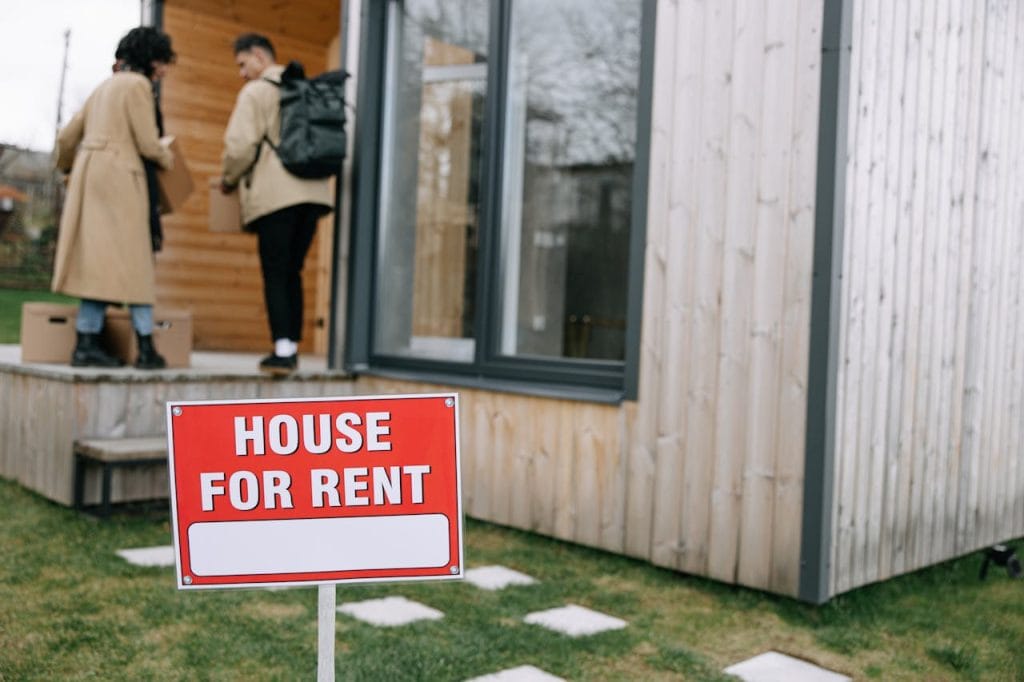
Owning things feels good. It’s a sign of stability. But sometimes, renting is the smarter move—even for the long haul. The idea that buying is always better doesn’t hold up in every situation. Life changes, markets shift, and sometimes flexibility wins. If you’re weighing your options, it’s worth knowing when renting makes more sense. Here’s when you should think twice before signing on the dotted line to buy.

1. Housing in Overheated Markets

Buying a home is a big step. But in cities where prices have soared, renting can save you money and stress. When home values are out of reach or rising faster than wages, renting keeps your costs predictable. You avoid property taxes, maintenance, and the risk of a market crash. In places like San Francisco or New York, it can take decades for a buyer to pay off. Renting lets you live where you want without tying up your savings.

2. Uncertain Job or Life Plans

If you’re not sure where you’ll be in a few years, renting is safer. Buying ties you down. Selling a home takes time and money. If you need to move for work, family, or just a change of scenery, renting gives you freedom. You can pack up and go with little hassle. This flexibility is valuable, especially if your career or personal life is in flux.

3. Expensive Maintenance and Upkeep

Owning means you’re on the hook for repairs. Roof leaks, broken appliances, and yard work all add up. Renters call the landlord when things break. Homeowners pay out of pocket. If you don’t want to deal with surprise expenses or spend weekends fixing things, renting is easier. It’s also easier to budget when you know your costs won’t spike because of a busted water heater.

4. Short-Term or Unpredictable Needs

Sometimes you only need something for a while. Maybe you’re in a city for a year-long project. Maybe you want to try out a neighborhood before settling down. Renting lets you test the waters. You can walk away when your lease is up. Buying for a short stay rarely makes sense. Transaction costs and market swings can wipe out any gains.

5. High-Depreciation Items

Some things lose value fast. Cars, electronics, and even some furniture drop in price the moment you buy them. Renting or leasing these items can be smarter. You get the use without the loss. For example, leasing a car means you don’t worry about resale value or big repairs as it ages. The same goes for tech—renting lets you upgrade without being stuck with outdated gear.

6. Vacation Homes and Timeshares

A second home sounds nice, but it comes with extra costs. Property taxes, insurance, and upkeep don’t stop when you’re not there. Renting a vacation place when you need it is often cheaper. You avoid the hassle of managing a property from afar. Plus, you can try new locations each year. Timeshares can be even worse fees add up, and selling is tough. Renting gives you more options and less stress.

7. Expensive Equipment or Tools

Need a chainsaw for a weekend project? Or a camera for a special event? Buying these things for one-time or rare use doesn’t make sense. Renting lets you get what you need, when you need it, without the storage or maintenance headaches. Many hardware stores and specialty shops offer rentals for everything from power tools to party supplies. This approach saves money and space.

8. Uncertain or Volatile Markets

Some markets are just too risky. Real estate, collectibles, and certain business assets can fluctuate significantly in value. If you’re not sure where prices are headed, renting protects you from big losses. You get the benefit of use without betting your savings on the market. This is especially true in times of economic uncertainty, when prices can drop fast and take years to recover.

9. When You Value Flexibility Over Ownership

Sometimes, it’s not about money. It’s about freedom. Renting means you can change your mind. You can move, upgrade, or downsize without selling or storing stuff. This is true for homes, cars, and even furniture. If you like to keep your options open, renting is the way to go. Long-term commitments or big investments do not tie you down.

Flexibility Is a Smart Investment

Renting isn’t just for people who can’t afford to buy. It’s a smart choice in many situations, especially when life is unpredictable or markets are unstable. The key is to weigh your needs, your plans, and your finances. Sometimes, the best investment is in your own flexibility. Think about what matters most to you—stability, freedom, or something in between. Renting can be the right answer, even for the long term.

What’s your experience? Have you found renting to be smarter than buying in your own life? Share your thoughts in the comments.

Read More

Why Renting Might Actually Make You Richer Than Buying in 2025

10 Gen X Parenting Styles That Millennials Are Rejecting

Travis Campbell
Travis Campbell

Travis Campbell is a digital marketer/developer with over 10 years of experience and a writer for over 6 years. He holds a degree in E-commerce and likes to share life advice he’s learned over the years. Travis loves spending time on the golf course or at the gym when he’s not working.

Filed Under: Real Estate Tagged With: buying, flexibility, housing, long-term renting, Personal Finance, Planning, Real estate, Renting

The Subtle Home Smells That Real Estate Agents Say Ruin Sales

July 24, 2025 by Travis Campbell Leave a Comment

real estate
Image Source: pexels.com

Selling a home is about more than fresh paint and curb appeal. Buyers notice everything, and that includes how a house smells. Even if you don’t notice certain odors anymore, others will. Smells can trigger memories, emotions, and even allergies. A bad scent can make a buyer walk out before they see the kitchen. If you want to sell your home fast and for a good price, you need to pay attention to the air inside. Here are the subtle home smells that real estate agents say ruin sales—and what you can do about them.

1. Pet Odors

Pets are part of the family, but their smells can be a dealbreaker. Cat litter boxes, dog beds, and even pet food bowls can leave a lingering scent. Some buyers are allergic or just sensitive to animal smells. Even if you clean often, fur and dander can get into carpets and furniture. Before a showing, vacuum thoroughly, wash pet bedding, and open windows. Use an air purifier if you have one. If possible, keep pets out of the house during showings. A fresh-smelling home helps buyers focus on the space, not your pets.

2. Cigarette Smoke

Cigarette smoke is one of the hardest smells to remove. It seeps into walls, carpets, and even the HVAC system. Many buyers will walk away if they smell smoke, even faintly. Some will worry about health risks or the cost of cleaning. If you smoke indoors, stop as soon as you decide to sell. Wash walls, clean carpets, and replace air filters. You may need to repaint or use an ozone machine. Don’t try to cover up smoke with air fresheners. Most people can tell, and it makes things worse.

3. Cooking Smells

Cooking is part of daily life, but some smells linger long after dinner. Fried foods, fish, garlic, and strong spices can stick around for days. Buyers want to imagine their own meals in the kitchen, not yours. Before a showing, avoid cooking anything with a strong odor. Clean the stove, microwave, and sink. Take out the trash and run the garbage disposal with a lemon. If you love to cook, try to air out the house and use a neutral air freshener. A clean, neutral kitchen smell is best for selling.

4. Musty Basements

Basements often have a musty smell from moisture or mold. This is a red flag for buyers. They may worry about water damage or expensive repairs. Even if your basement is dry, a damp smell can turn people away. Use a dehumidifier and check for leaks. Clean any mold or mildew right away. Store items in plastic bins instead of cardboard. If the smell lingers, try baking soda or charcoal to absorb odors. A fresh, dry basement makes your home feel well cared for.

5. Scented Candles and Air Fresheners

It’s tempting to use candles or plug-ins to make your home smell nice. But too much fragrance can be just as bad as a bad smell. Some buyers are sensitive to strong scents or worry you’re hiding something. Overpowering air fresheners can trigger headaches or allergies. Instead, aim for a clean, neutral scent. Open windows, clean surfaces, and use natural odor absorbers like baking soda. If you use a candle, pick a mild scent and don’t overdo it. Less is more when it comes to fragrance.

6. Dirty Laundry

Laundry baskets and hampers can create a subtle but unpleasant smell. Sweat, mildew, and dirty socks are not what buyers want to smell. Even if you keep things tidy, laundry rooms and closets can trap odors. Before a showing, wash all dirty clothes and towels. Empty hampers and wipe down laundry machines. Leave closet doors open to air them out. A fresh, clean laundry area shows buyers you care about the details.

7. Old Carpets and Rugs

Carpets and rugs can hold onto smells for years. Spills, pets, and daily life all leave their mark. Even if you vacuum often, deep odors can linger. Buyers may worry about the cost of replacing carpets. If your carpets smell musty or stale, get them professionally cleaned. If that doesn’t work, consider replacing them. Hard floors are easier to keep fresh and are popular with buyers. A clean floor makes the whole house feel newer.

8. Garbage and Recycling

Trash cans and recycling bins are easy to overlook. But even a small amount of garbage can create a strong smell. Buyers will notice if the kitchen or garage smells like old food or cans. Before a showing, empty all trash and recycling. Wipe down bins and use liners. Take out the trash even if it’s not full. A clean, odor-free kitchen and garage make a big difference.

9. Plumbing Problems

A sour or sewage smell from sinks, toilets, or drains is a major turnoff. Buyers may think there’s a serious plumbing issue. Even a slow drain can create a bad odor. Clean all drains with baking soda and vinegar. Run water in unused bathrooms to keep traps full. If you notice a persistent smell, call a plumber before listing your home. Fixing small issues now can save you from losing a sale later.

10. Stale Air

Sometimes, a house just smells “old” or stuffy. This can happen if windows stay closed or the HVAC system isn’t used much. Stale air makes a home feel neglected. Open windows whenever possible. Use fans to circulate air. Change HVAC filters and clean vents. A fresh breeze can make your home feel more inviting and alive.

First Impressions Start with the Nose

Smell is powerful. It shapes how buyers feel about your home before they see the bedrooms or the backyard. Even subtle odors can ruin a sale or lower your price. The good news is that most smells can be corrected with a little effort. Clean, air out, and pay attention to the details. Your home will feel more welcoming, and buyers will notice.

What home smells have you noticed when house hunting? Share your stories in the comments.

Read More

7 Real Estate Investment Tips That Could Save You Thousands

Why Digital Real Estate is the Goldmine No One Talks About

Travis Campbell
Travis Campbell

Travis Campbell is a digital marketer/developer with over 10 years of experience and a writer for over 6 years. He holds a degree in E-commerce and likes to share life advice he’s learned over the years. Travis loves spending time on the golf course or at the gym when he’s not working.

Filed Under: Real Estate Tagged With: Home Improvement, home odors, home selling, home staging, Real estate, real estate advice, selling tips

Why “Green” Homes Might Be More Expensive to Maintain

July 23, 2025 by Travis Campbell Leave a Comment

solar panels
Image Source: pexels.com

Building or buying a “green” home sounds like a smart move. You want to save energy, help the planet, and maybe even lower your bills. But there’s a side to green homes that doesn’t get much attention: the cost of keeping them running. Many people expect green homes to be cheaper to maintain, but that’s not always true. Sometimes, the price tag for repairs, replacements, and upkeep can surprise you. If you’re thinking about going green, it’s important to know what you’re getting into. Here’s why “green” homes might be more expensive to maintain than you think.

1. Specialized Materials Cost More

Green homes often use special materials. These might be recycled, non-toxic, or designed to save energy. While that’s good for the environment, it can be tough on your wallet. If you need to replace a part of your bamboo floor or a unique insulation panel, you might have trouble finding a match. Even if you do, it usually costs more than standard materials. And if you need a contractor who knows how to work with these products, expect to pay extra for their expertise. The supply chain for green building materials is still growing, so prices stay high.

2. High-Tech Systems Need Expert Care

Many green homes rely on advanced technology. Think solar panels, geothermal heating, or smart home systems that control everything from lights to water use. These systems can save energy, but they’re not always simple to fix. If something breaks, you might need a specialist. Regular HVAC technicians may not be familiar with repairing a geothermal pump or troubleshooting a solar inverter. And specialists charge more for their time. Plus, some parts may need to be ordered from far away, which adds to the cost and wait time.

3. Maintenance Schedules Are Stricter

Green homes often have strict maintenance needs. For example, high-efficiency air filters need to be changed more often. Solar panels need to be cleaned and checked for damage. Rainwater collection systems must be inspected to prevent leaks or contamination. If you skip these tasks, your systems might not work as well—or could even break down. That means you’ll spend more time and money on regular upkeep. And if you hire someone to do it, the bill adds up fast.

4. Replacement Parts Can Be Hard to Find

When something breaks in a green home, finding the right replacement part isn’t always easy. Many green products are newer to the market. Some brands go out of business or stop making certain items. If your eco-friendly water heater needs a new part, you might have too special-order it. That can mean higher prices and longer waits. In some cases, you might have to replace the whole system instead of just one part. This can turn a small repair into a big expense.

5. Warranties May Be Limited

Some green products come with limited warranties. If a part fails after a few years, you might be on the hook for the full cost of replacement. And because green technology is always changing, companies sometimes stop supporting older models. This leaves homeowners with expensive repairs and no help from the manufacturer. Before you buy, check the warranty details. Make sure you know what’s covered and for how long. Energy.gov offers tips on what to look for in green home warranties.

6. Skilled Labor Is in Short Supply

Not every contractor knows how to work with green building systems. If you need repairs, you might have to search for someone with the right skills. And when demand is high but supply is low, prices go up. Skilled green home contractors can charge a premium for their services. If you live in a smaller town, you might even have to pay for travel costs. This shortage of skilled labor makes maintaining a green home more expensive than a traditional one.

7. Upgrades and Retrofits Add Up

Green technology changes fast. What’s cutting-edge today might be outdated in a few years. If you want to keep your home as efficient as possible, you may need to upgrade systems or add new features. For example, you might want to swap out old solar panels for newer, more efficient ones. Or you might need to retrofit your home to meet new energy standards. These upgrades can be costly, and they’re not always optional if you want to keep your home’s green certification.

8. Insurance Can Be Higher

Some insurance companies charge more to cover green homes. This is because repairs can be more expensive, and replacement parts are harder to find. If your home uses rare materials or advanced systems, your insurer might see it as a higher risk. You may need to shop around for a policy that covers all your green features. And even then, you might pay more than you would for a standard home.

9. Not All Savings Are Guaranteed

Many people expect green homes to save them money. But energy savings can vary. If you live in a cloudy area, your solar panels might not produce enough power. If your high-efficiency systems break down, you could end up paying more for repairs than you save on bills. It’s important to do the math before you buy. Look at your local climate, the age of the systems, and the cost of maintenance. Sometimes, the savings just don’t add up.

Think Before You Go Green

Green homes offer real benefits, but they come with hidden costs. Specialized materials, high-tech systems, and strict maintenance can make them more expensive to maintain. Before you commit, weigh the long-term costs against the benefits. Ask questions, read the fine print, and plan for extra expenses. A green home can be a smart choice, but only if you know what to expect.

Have you owned a green home or considered buying one? What maintenance surprises did you face? Share your story in the comments.

Read More

Why So Many Boomer Homes Are Sitting Unsold in Today’s Market

7 Reasons Your Parents Want You To Put Their Homes and Cars In Your Name

Travis Campbell
Travis Campbell

Travis Campbell is a digital marketer/developer with over 10 years of experience and a writer for over 6 years. He holds a degree in E-commerce and likes to share life advice he’s learned over the years. Travis loves spending time on the golf course or at the gym when he’s not working.

Filed Under: Smart Spending Tagged With: Energy Efficiency, green homes, home maintenance, home repairs, homeownership, Real estate, sustainable living

How to Tell If Your Neighborhood Is Quietly Being Bought by Hedge Funds

July 22, 2025 by Travis Campbell Leave a Comment

neighborhood
Image Source: unsplash.com

It’s easy to miss big changes in your neighborhood until they’re right in front of you. One day, you notice more “For Rent” signs. Maybe a neighbor moves out, and a property management company moves in. If you’re wondering why things feel different, hedge funds might be buying up homes around you. This matters because when hedge funds buy large numbers of houses, it can change who lives in your area, how much you pay for rent, and even the sense of community. Understanding the signs can help you make better decisions about your home and your future. Here’s how to spot if your neighborhood is quietly being bought by hedge funds.

1. More Homes Are Owned by LLCs or Corporations

If you start seeing property records listing LLCs, trusts, or corporations as owners instead of individuals, that’s a red flag. Hedge funds often buy homes through these entities to keep their investments separate and less visible. You can check your county’s property records online. If you notice a pattern of similar-sounding LLCs or out-of-state corporations buying up homes, it’s a sign that institutional investors are active in your area. This shift can mean fewer owner-occupied homes and more rentals.

2. Sudden Increase in Rental Listings

A spike in rental listings, especially for single-family homes, is another clue. Hedge funds buy homes to rent them out, not to live in them. If you notice more “For Rent” signs or see a lot of new rental listings on sites like Zillow or Realtor.com, pay attention. These homes often have similar descriptions, pricing, and contact information, which can point to a single company managing multiple properties. This trend can push up rents and make it harder for people to buy homes in the neighborhood.

3. Homes Sell Fast—Sometimes Without Ever Hitting the Market

If houses in your neighborhood are selling quickly, sometimes before you even see a “For Sale” sign, hedge funds could be behind it. They often make cash offers and buy homes in bulk, sometimes directly from sellers or through real estate agents who specialize in off-market deals. This can make it tough for regular buyers to compete. If you hear about homes selling in days or see fewer open houses, it’s worth looking into who’s buying.

4. Property Management Companies Become More Visible

When hedge funds buy homes, they rarely manage them directly. Instead, they hire property management companies. If you see new signs for property managers or get mailers from companies offering to manage rentals, it could mean more homes are being bought by investors. These companies often handle everything from leasing to maintenance, and their presence can signal a shift from owner-occupied homes to rentals.

5. Neighbors Move Out, and You Don’t Meet the New Tenants

If you notice long-time neighbors moving out and new people moving in more often, but you never meet the new residents, it’s a sign of more rentals. Hedge fund-owned homes often have higher tenant turnover. Sometimes, the new tenants are less connected to the community because they’re renting from a large company instead of a local landlord. This can change the feel of your neighborhood and make it harder to build relationships.

6. Maintenance and Upkeep Patterns Change

Hedge funds usually want to keep costs low. You might see homes with minimal landscaping, basic repairs, or identical paint jobs. If several houses on your street suddenly look the same or have the same maintenance company trucks parked outside, it’s a clue. These companies often use the same contractors for multiple properties, leading to a uniform look and sometimes slower response to maintenance issues.

7. Local Home Prices and Rents Start Climbing

When hedge funds buy up homes, they can drive up both home prices and rents. They often outbid regular buyers, which pushes prices higher. At the same time, they set rents based on what the market will bear, not what’s affordable for local families. If you notice that prices and rents are rising faster than usual, it could be due to increased investor activity. This trend has been reported in many cities across the U.S.

8. You See News Reports About Investor Activity

Sometimes, the best way to know what’s happening is to check local news. If you see stories about hedge funds or large investors buying homes in your city or county, take note. These reports often include data and interviews with experts or local officials. They can help you understand the scale of the activity and what it might mean for your neighborhood.

9. Offers to Buy Your Home Increase

If you start getting more letters, calls, or emails from companies offering to buy your home for cash, it’s a sign that investors are interested in your area. Hedge funds use these tactics to find homes before they hit the market. These offers often come from companies you’ve never heard of, and they may be persistent. If you’re not looking to sell, you can ignore them, but it’s a clear sign that your neighborhood is on investors’ radar.

10. Local Schools and Services Feel the Impact

As more homes become rentals, you might notice changes in local schools and services. There could be more student turnover, which makes it harder for teachers and kids to build relationships. Local businesses might see different spending patterns. These changes can affect the sense of stability and community in your neighborhood.

What This Means for Your Neighborhood’s Future

If you spot several of these signs, your neighborhood may be quietly changing hands. Hedge fund activity can reshape communities, sometimes making it harder for families to buy homes or stay connected. Paying attention to these trends helps you make informed choices about where you live and what to expect in the years ahead.

Have you noticed any of these signs in your neighborhood? Share your experience or thoughts in the comments.

Read More

Why So Many Boomer Homes Are Sitting Unsold in Today’s Market

How Burglars Use Pizza Delivery Apps to Scope Out Homes

Travis Campbell
Travis Campbell

Travis Campbell is a digital marketer/developer with over 10 years of experience and a writer for over 6 years. He holds a degree in E-commerce and likes to share life advice he’s learned over the years. Travis loves spending time on the golf course or at the gym when he’s not working.

Filed Under: Business Tagged With: hedge funds, home prices, Housing Market, investors, neighborhood, property management, Real estate, Rentals

Why So Many Boomer Homes Are Sitting Unsold in Today’s Market

July 21, 2025 by Travis Campbell Leave a Comment

home for sale
Image Source: pexels.com

The real estate market is shifting, and it’s not just about high prices or low inventory. Many homes owned by baby boomers are sitting unsold, even as buyers keep searching for the right place. This trend matters for anyone thinking about buying, selling, or inheriting property. If you’re a boomer hoping to downsize, or a younger buyer looking for a deal, you might wonder why these homes aren’t moving. The reasons are more practical than you might think. Here’s what’s really going on with boomer homes in today’s market.

1. Outdated Features Turn Off Modern Buyers

Many boomer homes haven’t been updated in years. Buyers today want open floor plans, modern kitchens, and energy-efficient windows. When they walk into a house with shag carpet, old appliances, or closed-off rooms, they see a project, not a home. Renovations cost money and time. Most buyers want a move-in-ready home. If a home looks stuck in the past, it’s likely to sit on the market. Sellers who don’t update or at least freshen up their homes will struggle to attract offers.

2. Location Isn’t Always Ideal Anymore

Neighborhoods change. What was once a great spot for raising a family might not appeal to today’s buyers. Some boomer homes are in suburbs far from city centers, jobs, or trendy areas. Younger buyers often want walkability, short commutes, and access to restaurants or entertainment. If a home is in a location that feels isolated or inconvenient, it’s a tough sell. Even a beautiful house can sit unsold if the location doesn’t fit current lifestyles.

3. Price Expectations Are Out of Sync

Many boomers expect to get top dollar for their homes. They remember what their neighbors sold for last year or what their real estate agent promised. But the market has cooled in some areas. Mortgage rates are higher, and buyers are more cautious. If a home is priced too high, it won’t get offers. Sellers who refuse to adjust their price often end up waiting months with no bites. Pricing a home right is key, especially in a changing market.

4. Homes Are Too Big for Today’s Needs

Boomer homes are often large, with four or five bedrooms and big yards. Many buyers today don’t want that much space. They want something smaller, easier to maintain, and more energy efficient. Big homes mean higher utility bills, more cleaning, and more upkeep. For young families or retirees, that’s not appealing. If a home feels like too much work, buyers will keep looking for something that fits their lifestyle.

5. Maintenance Has Been Deferred

Some boomer homes have hidden problems. Maybe the roof is old, the HVAC system is outdated, or the foundation needs work. These issues add up. Buyers notice when a home hasn’t been well-maintained. They worry about surprise costs after moving in. Even small things, like peeling paint or worn carpets, can make a home feel neglected. Sellers who invest in basic repairs and maintenance have a better chance of selling quickly.

6. Competition From New Construction

New homes are popping up everywhere. Builders offer modern layouts, energy efficiency, and warranties. Buyers like the idea of being the first to live in a home. It’s hard for an older house to compete, especially if it needs updates. In many markets, new construction is drawing buyers away from existing homes. Sellers need to make their homes stand out or risk being overlooked.

7. Emotional Attachment Slows the Process

Selling a family home is emotional. Many boomers have lived in their homes for decades. They raised kids there, celebrated holidays, and built memories. Letting go is hard. Some sellers drag their feet, hoping for the “right” buyer or the “perfect” price. This can lead to homes sitting on the market for months. Being realistic and ready to move on helps speed up the process.

8. The Market Is More Complex Than Before

Today’s real estate market is complicated. There are more rules, more paperwork, and more competition. Buyers are cautious, and financing can be tricky. Boomers who haven’t sold a home in years may feel overwhelmed. They might not know how to market their home or negotiate with buyers. Working with a knowledgeable agent and staying flexible can make a big difference.

9. Downsizing Isn’t Always Easy

Many boomers want to downsize, but finding the right place isn’t simple. Smaller homes and condos are in high demand, and prices can be steep. Some sellers hold off listing their home until they find a new place, which slows everything down. Others worry about moving costs or leaving their community. These concerns can keep homes off the market or delay sales.

10. Inheritance and Estate Issues

Some boomer homes are tied up in inheritance or estate issues. When a homeowner passes away, it can take months or even years to settle the estate. Heirs may disagree about what to do with the property. Sometimes, no one wants to take on the responsibility of selling. These homes can sit vacant, waiting for legal matters to be resolved.

Moving Forward: What Sellers and Buyers Can Do

Boomer homes sitting unsold is a real issue, but it’s not unsolvable. Sellers can make small updates, price their homes realistically, and stay open to feedback. Buyers can look past cosmetic flaws and see the potential in older homes. Both sides benefit from working with experienced real estate professionals who understand today’s market. The key is to stay flexible and focus on what matters most—finding the right fit for your needs.

What challenges have you faced when buying or selling a boomer home? Share your story in the comments.

Read More

Why Some Boomers Are Selling Their Homes Without Telling Their Families

10 Things Boomers Still Pay For That No One Else Does

Travis Campbell
Travis Campbell

Travis Campbell is a digital marketer/developer with over 10 years of experience and a writer for over 6 years. He holds a degree in E-commerce and likes to share life advice he’s learned over the years. Travis loves spending time on the golf course or at the gym when he’s not working.

Filed Under: Real Estate Tagged With: boomer homes, downsizing, home buying, home selling, home updates, Housing Market, market trends, Real estate

Why Some Boomers Are Selling Their Homes Without Telling Their Families

July 19, 2025 by Travis Campbell Leave a Comment

home sell
Image Source: pexels.com

Many families are surprised to learn that their parents or older relatives have sold the family home without saying a word. It’s a trend that’s growing, and it’s leaving some adult children confused, hurt, or even angry. Why would boomers make such a big decision in secret? The answer isn’t simple, but it matters to anyone with aging parents or loved ones. Understanding the reasons behind these quiet sales can help families avoid misunderstandings and plan better for the future. If you’re a boomer or you have one in your life, this is something you need to know.

1. Protecting Their Independence

Many boomers value their independence. They’ve spent decades making their own choices, and they want to keep doing that. Selling their homes without telling family is one way to stay in control. Some worry that if they mention the idea, their kids will try to talk them out of it or pressure them to keep the house for sentimental reasons. Others fear being seen as unable to manage their own affairs. By handling the sale quietly, they avoid debates and keep the process on their terms. This desire for independence is a big reason why some boomers are selling their homes without involving family.

2. Avoiding Family Drama

Family discussions about money and property can get tense fast. Some Baby Boomers have witnessed friends or relatives engage in ugly fights over real estate. They want to avoid that at all costs. Selling their homes without telling anyone can seem like the easiest way to skip the drama. No arguments about who gets what, no guilt trips, and no one feeling left out. It’s a clean break. For some, it’s about keeping peace in the family, even if it means making a tough call alone. This approach isn’t always popular, but it’s one way to avoid conflict.

3. Downsizing Without Guilt

Boomers often feel pressure to keep the family home for the next generation. Maybe it’s the house where everyone grew up, or it holds special memories. But maintaining a big house can be expensive and exhausting. Some boomers want to downsize, but they don’t want to feel guilty about it. By selling their homes quietly, they avoid emotional conversations and the weight of family expectations. They can move to a place that fits their needs now, not the needs of their adult children. This helps them focus on their own well-being, which is important as they age.

4. Financial Pressures and Privacy

Money is a sensitive topic, especially for older adults. Some boomers are facing financial challenges—rising healthcare costs, limited retirement savings, or unexpected expenses. Selling their homes can free up cash or reduce monthly bills. But talking about money can feel embarrassing or stressful. Some don’t want their families to worry, judge, or try to intervene. They may also want to keep their financial decisions private. By selling their homes without telling anyone, they can handle their finances quietly and avoid uncomfortable questions.

5. Planning for the Next Chapter

For many boomers, selling their homes is about starting fresh. Maybe they want to travel, move closer to friends, or try a new lifestyle. Some are looking for a community with more support or activities. They see selling their homes as a step toward a new adventure. Telling family might bring resistance or second-guessing. By making the move quietly, they can focus on what they want next, not what others expect. This can be empowering, especially for those who have spent years putting others first.

6. Avoiding Burdening Their Children

Some boomers worry about leaving a big house or complicated estate for their kids to deal with later. They’ve seen how hard it can be to clean out a family home after someone passes away. By selling their homes now, they can simplify things for their children. No one has to sort through decades of belongings or argue over who gets what. It’s a practical move, even if it feels sudden. This approach can save time, money, and stress for everyone involved.

7. Fear of Losing Control

Some boomers worry that if they tell their families about selling their homes, they’ll lose control of the process. Maybe their kids will try to take over, or other relatives will get involved. This fear can be strong, especially if there’s a history of family members stepping in without being asked. By keeping the sale private, boomers can make decisions at their own pace. They can choose the timing, the price, and the next steps without outside pressure. This sense of control is important for many people as they age.

8. Changing Views on Homeownership

The notion that one must keep the family home forever is fading. More boomers see their homes as assets, not just sentimental places. They’re willing to sell if it means a better quality of life or more freedom. This shift in thinking makes it easier to let go, even if it surprises the family. Selling their homes is no longer seen as a failure or a loss—it’s a smart move for many. And as more people talk about it, the stigma is fading.

Moving Forward Together

Selling their homes without telling family isn’t about keeping secrets. It’s about making choices that feel right for this stage of life. Open conversations can help, but so can respect for each person’s wishes. If you’re worried about a loved one making big decisions alone, start talking early. Ask what matters most to them. Listen without judgment. And remember, selling a home is a big step, but it’s also a chance for a new beginning.

Have you or someone you know gone through this? How did it affect your family? Share your thoughts in the comments.

Read More

7 Reasons Your Parents Want You To Put Their Homes and Cars In Your Name

10 Little-Known Tricks That Help Investors Snag Homes Before You Even See Them

Travis Campbell
Travis Campbell

Travis Campbell is a digital marketer/developer with over 10 years of experience and a writer for over 6 years. He holds a degree in E-commerce and likes to share life advice he’s learned over the years. Travis loves spending time on the golf course or at the gym when he’s not working.

Filed Under: Finance Tagged With: aging parents, Boomers, downsizing, family communication, Planning, Real estate, Retirement, selling their homes

6 Home Design Choices That Instantly Lower Your Resale Value

July 17, 2025 by Travis Campbell Leave a Comment

home design
Image Source: pexels.com

When you own a home, every design choice feels personal. You want your space to reflect your style and needs. But if you plan to sell one day, some decisions can cost you. The wrong updates can turn buyers away or force you to accept a lower offer. Even small changes can have a big impact on your home’s resale value. Knowing what to avoid can save you money and stress later. Here are six home design choices that instantly lower your resale value.

1. Overly Personalized Paint Colors

Paint is one of the easiest ways to change a room. But bold or unusual colors can make it harder to sell your home. Bright reds, deep purples, or neon shades might fit your taste, but most buyers want something neutral. They want to picture their own furniture and style in the space. If your walls are too unique, buyers see extra work and cost. Neutral colors like white, beige, or light gray appeal to more people. They make rooms look bigger and brighter. If you want to boost your resale value, keep paint simple and classic.

2. Wall-to-Wall Carpeting

Carpet used to be a selling point. Now, most buyers prefer hard flooring. Wall-to-wall carpeting can make a home feel dated, especially if it’s old or stained. It also traps dust, pet hair, and odors, which can turn off buyers with allergies or pets. Hardwood, laminate, or tile floors are easier to clean and last longer. They also make rooms look more modern. If you have carpet, consider replacing it with hard flooring before you sell. It’s an investment that often pays off. The National Association of Realtors reports that hardwood floors are one of the top features buyers want.

3. Removing Closets or Storage Space

Storage is a big deal for buyers. If you remove a closet to make a room bigger or convert a bedroom into an office, you may compromise your resale value. Buyers want places to put their things. A home with fewer closets or less storage feels less practical. Even if you think the space looks better, most people would rather have a closet. If you need a home office, use furniture that doesn’t require removing built-in storage. Always think about how your changes affect the function of the space. Lack of storage is a common reason buyers walk away.

4. Converting a Bedroom Into Something Else

Turning a bedroom into a gym, media room, or walk-in closet might seem like a good idea. But it can lower your home’s value. The number of bedrooms is a key factor in pricing a home. If you take one away, your home appeals to fewer buyers. Families, in particular, want as many bedrooms as possible. Even if you convert the space back before selling, buyers may worry about the quality of the work. If you need a special room, use temporary solutions. Avoid permanent changes that reduce bedroom count. Homes with more bedrooms often sell for more.

5. High-Maintenance Landscaping

A beautiful yard can attract buyers, but high-maintenance landscaping can scare them off. Elaborate gardens, water features, or exotic plants need time and money to keep up. Most buyers want a yard that’s easy to care for. They don’t want to spend weekends weeding or fixing sprinklers. If your landscaping looks like a full-time job, buyers may see it as a burden. Simple lawns, native plants, and low-maintenance shrubs are better choices. They look good and don’t require much work. If you want to add value, keep your yard neat and easy to manage.

6. Outdated or Over-the-Top Fixtures

Trendy light fixtures, faucets, or hardware can date your home fast. What’s popular now might look odd in a few years. Over-the-top fixtures, like gold-plated faucets or ornate chandeliers, can also turn buyers away. Most people want fixtures that are simple and modern. If your home has outdated or flashy hardware, buyers see extra cost and hassle. Stick with classic styles in neutral finishes. They appeal to more people and won’t go out of style quickly. Updating fixtures is a small change that can make a big difference in resale value.

Smart Design Choices Pay Off

Every home design choice matters, especially if you plan to sell. The wrong updates can lower your resale value and make your home harder to sell. Focus on changes that appeal to the most buyers. Keep things simple, neutral, and practical. Avoid anything that adds work or takes away useful space. When in doubt, choose classic over trendy. Your future self—and your wallet—will thank you.

What home design choices have you seen hurt resale value? Share your thoughts in the comments.

Read More

Home Insurance Premiums Are About to Spike Again—Here’s Why

Signs Your Home Has Become a Financial Liability

Travis Campbell
Travis Campbell

Travis Campbell is a digital marketer/developer with over 10 years of experience and a writer for over 6 years. He holds a degree in E-commerce and likes to share life advice he’s learned over the years. Travis loves spending time on the golf course or at the gym when he’s not working.

Filed Under: Personal Finance Tagged With: home design, Home Improvement, home updates, home value, Real estate, resale value, selling your home

10 Retirement Plans That Look Secure—Until You Read the Fine Print

July 16, 2025 by Travis Campbell Leave a Comment

retirement
Image Source: pexels.com

Planning for retirement is a big deal. You want to feel safe, knowing your money will last. But not every retirement plan is as solid as it seems. Some look great on the surface, but the details can trip you up. If you don’t read the fine print, you could end up with less than you expected. Here’s what you need to know before you trust your future to any plan.

1. Employer-Sponsored 401(k) Plans

A 401(k) sounds like a safe bet. You put in money, your employer might match some, and it grows tax-deferred. But there’s a catch. Many plans have high fees that eat into your returns. Some employers also have long vesting periods, so if you leave your job early, you might lose part or all of the match. And if you borrow from your 401(k) and can’t pay it back, you’ll face taxes and penalties. Always check the plan’s fee structure and vesting schedule before you count on it for retirement.

2. Traditional Pensions

Pensions used to be the gold standard for retirement security. But today, many companies are freezing or underfunding their pension plans. If your employer runs into financial trouble, your pension could be reduced or even disappear. The Pension Benefit Guaranty Corporation (PBGC) insures some pensions, but not all, and there are limits to what it will pay if your plan fails. Don’t assume your pension is untouchable.

3. Social Security

Most people expect Social Security to be there when they retire. But the system faces funding challenges. The Social Security Administration projects that, without changes, it may only be able to pay about 77% of promised benefits by 2034 (SSA report). That’s a big cut. Relying on Social Security alone is risky. It’s smart to have other sources of income.

4. Annuities

Annuities promise guaranteed income for life. But the fine print can be tricky. Some annuities have high fees, surrender charges, or complex payout rules. Variable annuities, in particular, can lose value if the market drops. And if you need your money early, you could pay steep penalties. Before buying an annuity, ask about all fees, restrictions, and how your payments are calculated.

5. Target-Date Funds

Target-date funds are popular in retirement accounts. They automatically shift your investments to be more conservative as you age. But not all funds are created equal. Some have high fees or risky investments, even as you near retirement. The “target date” doesn’t guarantee your money will last as long as you need it. Always look at what’s inside the fund and how it’s managed.

6. Roth IRAs

Roth IRAs offer tax-free growth and withdrawals in retirement. But there are income limits for contributions. If you earn too much, you can’t contribute directly. Some people use a “backdoor” Roth, but that can trigger unexpected taxes if not done right. Also, if you withdraw earnings before age 59½ and before the account is five years old, you’ll pay taxes and penalties. Make sure you understand the rules before relying on a Roth IRA.

7. Real Estate Investments

Owning rental property can provide steady income in retirement. But real estate isn’t always a sure thing. Property values can drop, tenants can stop paying, and repairs can be expensive. If you need to sell quickly, you might not get a good price. And if you rely on one or two properties, a single problem can hurt your income. Real estate can be part of a retirement plan, but it shouldn’t be the whole plan.

8. Government Employee Plans

Federal, state, and local government workers often have special retirement plans. These can be generous, but they’re not always secure. Some state and local pensions are underfunded and may not pay full benefits in the future. Changes in laws or budgets can also reduce benefits. If you’re a government worker, keep an eye on your plan’s funding status and any proposed changes.

9. Health Savings Accounts (HSAs)

HSAs are a great way to save for medical expenses in retirement. The money grows tax-free and can be used for qualified health costs. But if you use the money for non-medical expenses before age 65, you’ll pay taxes and a penalty. After 65, you can use the money for anything, but non-medical withdrawals are taxed as income. Also, you need a high-deductible health plan to contribute to. Don’t count on an HSA for all your retirement needs.

10. Cash Value Life Insurance

Some people use whole or universal life insurance as a retirement plan. These policies build cash value you can borrow against. But the fees are high, and the returns are often lower than other investments. If you don’t keep up with premiums, the policy can lapse, and you could lose coverage and cash value. Life insurance can be useful, but it’s not a substitute for a solid retirement plan.

The Real Test: Reading the Fine Print

Retirement plans can look safe at first glance. But the details matter. Fees, penalties, funding issues, and changing laws can all affect your future income. The best way to protect yourself is to read every document, ask questions, and never assume a plan is foolproof. Your retirement security depends on understanding what you’re signing up for.

What surprises have you found in the fine print of your retirement plans? Share your story in the comments.

Read More

The True Cost of Owning a Pet in Retirement

Ready to Leave The Rat Race: The Pros and Cons of Early Retirement

Travis Campbell
Travis Campbell

Travis Campbell is a digital marketer/developer with over 10 years of experience and a writer for over 6 years. He holds a degree in E-commerce and likes to share life advice he’s learned over the years. Travis loves spending time on the golf course or at the gym when he’s not working.

Filed Under: Retirement Tagged With: 401(k), annuities, HSA, life insurance, pensions, Real estate, retirement planning, retirement plans, Roth IRA, Social Security

  • « Previous Page
  • 1
  • …
  • 8
  • 9
  • 10
  • 11
  • 12
  • …
  • 15
  • Next Page »

FOLLOW US

Search this site:

Recent Posts

  • Can My Savings Account Affect My Financial Aid? by Tamila McDonald
  • 12 Ways Gen X’s Views Clash with Millennials… by Tamila McDonald
  • What Advantages and Disadvantages Are There To… by Jacob Sensiba
  • 10 Tactics for Building an Emergency Fund from Scratch by Vanessa Bermudez
  • Call 911: Go To the Emergency Room Immediately If… by Stephen Kanaval
  • 7 Weird Things You Can Sell Online by Tamila McDonald
  • 10 Scary Facts About DriveTime by Tamila McDonald

Copyright © 2026 · News Pro Theme on Genesis Framework