• Home
  • About Us
  • Getting Finances Done
    • Hiring Advisors
    • Debt Management
    • Spending Plan
  • Insurance
    • Life Insurance
    • Health Insurance
    • Disability Insurance
    • Homeowners/Renters Insurance
  • Contact Us
  • Our Editorial Commitment

The Free Financial Advisor

You are here: Home / Archives for fraud prevention

The Danger of Using Debit Cards While Traveling Abroad

July 24, 2025 by Travis Campbell Leave a Comment

debit card
Image Source: pexels.com

Traveling abroad is exciting. You get to see new places, try new foods, and meet people from different cultures. But when it comes to money, things can get tricky. Many travelers reach for their debit cards out of habit. It feels easy and familiar. But using a debit card while traveling abroad can lead to problems you might not expect. If you want to keep your money safe and avoid headaches, it’s important to know the risks. Here’s why using a debit card overseas can be dangerous—and what you can do instead.

1. Fraud Risk Is Higher Abroad

Debit cards are convenient, but they’re also easy targets for fraud. When you use your debit card in another country, you’re often using unfamiliar ATMs or payment terminals. Some of these machines may have skimmers or hidden cameras. If someone steals your credit card information, they can quickly drain your bank account. Unlike credit cards, which usually have strong fraud protection, debit cards pull money straight from your account. That means if someone gets your details, your cash is gone until your bank investigates. And that can take days or even weeks.

2. Limited Fraud Protection and Slow Recovery

If your debit card is compromised, recovering your money can be a slow process. Banks often take time to investigate claims of fraud. While you wait, your money is tied up. This can be a big problem if you need cash for hotels, food, or emergencies. Credit cards, on the other hand, usually offer better protection and faster resolution. With a debit card, you’re left waiting and worrying. Some banks may not even cover all losses, especially if you don’t report the fraud quickly.

3. Foreign Transaction Fees Add Up

Every time you use your debit card abroad, you might pay extra fees. Banks often charge foreign transaction fees, which can be around 1% to 3% of every purchase. Some ATMs also add their own fees. These costs add up fast, especially if you use your card for small purchases. You might not notice at first, but when you check your bank statement, the total can be surprising. Some credit cards waive these fees, but most debit cards do not. That means you’re paying more for everything, just because you used your debit card.

4. Dynamic Currency Conversion Can Cost You

When you pay with your debit card in another country, you might be asked if you want to pay in your home currency or the local one. This is called dynamic currency conversion. It sounds helpful, but it’s usually a bad deal. The exchange rate is often worse than what your bank would give you. Plus, there may be extra fees hidden in the conversion. If you’re not careful, you could end up paying much more than you expected. Always choose to pay in the local currency, but even then, using a debit card can still cost you more.

5. Account Holds and Blocks

Some hotels, car rental companies, and even gas stations put a hold on your debit card when you check in or fill up. This hold can be much higher than the actual cost of your stay or purchase. The money is frozen in your account until the hold is released, which can take several days. If you’re traveling on a budget, this can leave you short on cash. With a credit card, these holds don’t affect your bank balance. But with a debit card, you could find yourself unable to access your own money when you need it most.

6. ATM Scams and Skimming Devices

ATMs in tourist areas are prime targets for scammers. Skimming devices can be attached to the card slot, capturing your card information and PIN. Some scammers even install tiny cameras to watch you enter your PIN. If your debit card is skimmed, thieves can empty your account quickly. It’s hard to spot these devices, especially in a hurry or in an unfamiliar place. Credit cards are safer because they don’t give direct access to your bank account.

7. Daily Withdrawal Limits Can Trap You

Most banks set daily withdrawal limits on debit cards. This is meant to protect you, but it can be a problem if you need a lot of cash in an emergency. If your card is lost or stolen, or if you need to pay for something big, you might not be able to get enough money out. In some countries, ATMs also have their own limits, which can be even lower. This can leave you stuck, especially if you’re far from home and need to pay for a hotel, medical care, or a flight.

8. Your Account Could Be Frozen

Banks monitor for unusual activity. If you use your debit card in a foreign country, your bank might see it as suspicious and freeze your account. This can happen even if you told your bank you’d be traveling. If your account is frozen, you can’t access your money until you contact your bank and prove your identity. This can be stressful and time-consuming, especially if you’re in a different time zone or don’t have easy access to a phone.

9. Limited Support in Emergencies

If you run into trouble abroad, getting help with a debit card issue can be tough. Many banks have limited customer service hours, and calling from another country can be expensive or difficult. If your card is lost or stolen, you might have to wait days for a replacement. In the meantime, you’re without access to your money. Credit cards often offer better support, including emergency card replacement and cash advances.

Protect Your Money: Smarter Ways to Pay Abroad

Using a debit card while traveling abroad is risky. The dangers include fraud, high fees, account holds, and limited support. Instead, consider using a credit card with strong fraud protection and no foreign transaction fees. Carry some local cash for small purchases or emergencies. If you must use a debit card, use it only at trusted ATMs inside banks, and monitor your account closely. Tell your bank about your travel plans, but don’t rely on that alone. Protecting your money means thinking ahead and choosing safer ways to pay.

Have you ever had trouble using a debit card while traveling? Share your story or tips in the comments below.

Read More

What Does The CV On The Back of Your Credit and Debit Card Mean

7 Important Things You Should Know About Debit Cards Before You Get One

Travis Campbell
Travis Campbell

Travis Campbell is a digital marketer/developer with over 10 years of experience and a writer for over 6 years. He holds a degree in E-commerce and likes to share life advice he’s learned over the years. Travis loves spending time on the golf course or at the gym when he’s not working.

Filed Under: Crime & Safety Tagged With: debit cards, fraud prevention, international travel, money tips, travel banking, travel finance, travel safety

The Fastest Growing Scam on Facebook Marketplace Right Now

July 20, 2025 by Travis Campbell Leave a Comment

facebook
Image Source: pexels.com

If you use Facebook Marketplace, you need to know about the fastest-growing scam happening right now. More people are getting tricked every day, and the losses are real. Scammers are getting smarter, and their tricks are harder to spot. You might think you’re too careful to fall for it, but these scams are designed to catch anyone off guard. Your money, your personal information, and even your safety could be at risk. Here’s what’s happening and how you can protect yourself.

1. The Fake Payment Confirmation

Scammers are now sending fake payment screenshots to sellers. You list an item, and someone messages you right away. They seem eager and say they’ve sent the money through PayPal, Zelle, or another payment app. Then, they send a screenshot that looks real. But the money never arrives in your account. The scammer pressures you to hand over the item, saying the payment is “processing” or “pending.” If you give them the item, you lose both your product and your money.

How to protect yourself:
Never hand over an item until you see the money in your account. Don’t trust screenshots. Always check your payment app or bank directly. If the buyer gets pushy, that’s a red flag. Real buyers understand waiting for payment to clear.

2. The Overpayment Trick

This scam targets both buyers and sellers. The scammer “accidentally” sends you more money than the agreed price. They ask you to refund the extra amount, usually through a different payment method. Later, you find out their original payment was fake or canceled. You’re left out of pocket for the “refund” you sent.

How to protect yourself:
Never send money back to someone you don’t know. If someone overpays, cancel the transaction and start over. Don’t accept overpayments, and don’t use different payment methods for refunds. Stick to the original plan.

3. The Shipping Label Switch

Scammers posing as buyers ask you to ship the item using a label they provide. The label looks official, but it’s set up so the package goes to a different address or can be intercepted. Sometimes, the label is fake, and you end up paying for shipping or losing your item.

How to protect yourself:
Always use your own shipping method and labels. Don’t let buyers control the shipping process. If someone insists on using their label, walk away from the deal. It’s not worth the risk.

4. The Rental Deposit Scam

This one targets people looking for rentals or vacation homes. Scammers post fake listings with attractive prices. When you show interest, they ask for a deposit to “hold” the place. Once you send the money, they disappear. The listing vanishes, and you’re left with nothing.

How to protect yourself:
Never send money for a rental you haven’t seen in person. Don’t trust listings with prices that seem too good to be true. Always meet the landlord or property manager and verify the property before paying anything.

5. The Verification Code Trap

Scammers pretend to be interested in your item but say they need to “verify” that you’re real. They ask for your phone number and send you a code. If you give them the code, they use it to access your accounts or set up new ones in your name. This can lead to identity theft or more scams using your information.

How to protect yourself:
Never share verification codes with anyone. No real buyer needs this information. If someone asks for a code, stop communicating. Protect your accounts by keeping your information private.

6. The Fake Facebook Support Message

After you post an item, you might get a message that looks like it’s from Facebook support. It says your account is at risk or your listing breaks the rules. The message includes a link to “fix” the problem. If you click, you’re taken to a fake site that steals your login details. Scammers then take over your account and use it to scam others.

How to protect yourself:
Facebook will never contact you through Marketplace messages about account issues. Don’t click on suspicious links. Always check the sender’s profile. If you’re unsure, go to Facebook’s official help center directly. Facebook’s security page explains how to spot fake messages.

7. The “Too Good to Be True” Deal

Scammers post high-demand items at low prices. Think new phones, game consoles, or designer bags. They ask for payment upfront, promising to ship the item. Once you pay, they vanish. The item never arrives, and you can’t get your money back.

How to protect yourself:
If a deal looks too good to be true, it probably is. Don’t pay for items before seeing them in person. Use cash or secure payment methods. Meet in a safe, public place. Trust your gut—if something feels off, walk away.

Stay Safe on Facebook Marketplace

Scams on Facebook Marketplace are getting more creative and harder to spot. The fastest-growing scam right now is the fake payment confirmation, but all these tricks are on the rise. Protect yourself by staying alert, double-checking payments, and never sharing personal information. If you’re ever unsure, pause and ask for advice. Your safety and money are worth more than any deal.

Have you seen or experienced a scam on Facebook Marketplace? Share your story in the comments to help others stay safe.

Read More

10 Things You Can Flip on Facebook Marketplace for Quick Cash

6 Scary Things Now Running Rampant on Facebook

Travis Campbell
Travis Campbell

Travis Campbell is a digital marketer/developer with over 10 years of experience and a writer for over 6 years. He holds a degree in E-commerce and likes to share life advice he’s learned over the years. Travis loves spending time on the golf course or at the gym when he’s not working.

Filed Under: safety Tagged With: buying and selling, Facebook Marketplace, fraud prevention, Online Safety, Personal Finance, scams, Social media

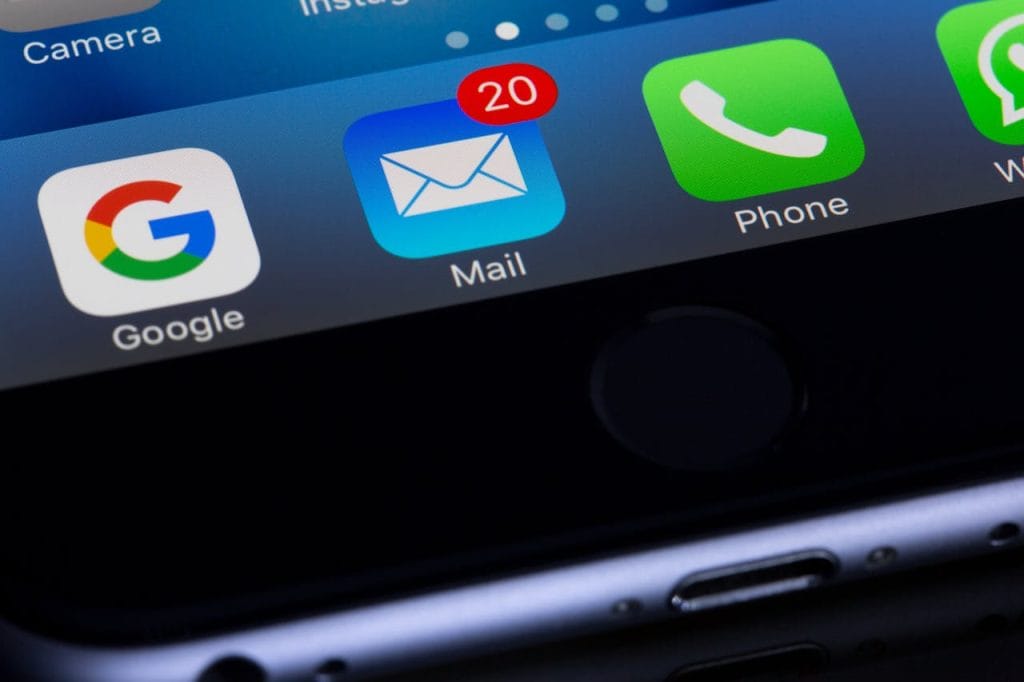
What Happens When Your Digital Wallet Gets Hacked—And You Don’t Even Know?

July 17, 2025 by Travis Campbell Leave a Comment

hacked
Image Source: pexels.com

Digital wallets are everywhere. You use them to pay for coffee, split dinner with friends, or buy something online. They’re fast, easy, and always in your pocket. But what happens when your digital wallet gets hacked—and you don’t even know it? This isn’t just a tech problem. It’s a real risk that can hit your money, your privacy, and your peace of mind. If you think it can’t happen to you, think again. Here’s what you need to know about digital wallet hacks, how they can sneak up on you, and what you can do to protect yourself.

1. Your Money Disappears—Slowly or All at Once

When a hacker gets into your digital wallet, your money is at risk. Sometimes, they drain your account in one big hit. Other times, they take small amounts over weeks or months. You might not notice right away, especially if you don’t check your balance often. Hackers know this. They count on you being busy or distracted. By the time you spot the missing money, it could be too late to get it back. Always check your wallet activity. Even small, strange charges matter.

2. You Miss the Warning Signs

Most people don’t realize their digital wallet has been hacked until a significant issue arises. Maybe a payment bounces. Maybe your bank calls. But there are warning signs. You might see login alerts from places you’ve never been. You could get emails about password changes you didn’t make. Or maybe you notice new devices linked to your account. These are red flags. Don’t ignore them. If something feels off, act fast. Change your passwords and contact your wallet provider.

3. Your Personal Data Gets Stolen

A digital wallet isn’t just about money. It holds your name, address, phone number, and sometimes even your ID. When hackers gain access, they also obtain this data. They can use it to open new accounts, apply for loans, or steal your identity. This can lead to bigger problems than just lost cash. Identity theft can take months or years to fix. It can hurt your credit and cost you time and money. Protect your data like you protect your money.

4. Your Linked Accounts Are at Risk

Most digital wallets are connected to your bank accounts, credit cards, or other apps. If a hacker gains access to your purse, they may also gain access to these accounts. They can move money, make purchases, or even lock you out. This is why it’s important to use strong, unique passwords for every account. Don’t use the same password everywhere. If one account gets hacked, you don’t want the rest to fall like dominoes.

5. You Could Face Legal and Financial Headaches

If your digital wallet is hacked and you don’t catch it quickly, you might have to fight to get your money back. Some wallet providers offer fraud protection, but not all do. And if you wait too long to report the problem, you could be on the hook for the losses. You may need to file police reports, contact your bank, and handle paperwork. It’s stressful and time-consuming. The sooner you act, the better your chances of recovering your money.

6. Your Credit Score Can Take a Hit

Hackers who steal your digital wallet data can use it to open credit cards or take out loans in your name. If they don’t pay, your credit score drops. You might not notice until you apply for a loan or check your credit report. Fixing this mess can take months. That’s why it’s smart to check your credit report regularly. You can get a free report every year from each of the three major credit bureaus.

7. You Might Not Be Covered by Insurance

Not all digital wallets offer the same level of protection. Some have strong fraud policies. Others don’t. If your wallet gets hacked and you lose money, you may not be able to recover it. Read the fine print on your wallet’s terms of service. Know what’s covered and what’s not. If you use your wallet for business, check if your business insurance covers digital theft. Don’t assume you’re protected.

8. Your Trust in Technology Takes a Hit

Getting hacked can shake your confidence in digital tools. You might feel angry, embarrassed, or even scared to use your wallet again. This is normal. But don’t let fear stop you from using technology. Instead, use it smarter. Turn on two-factor authentication. Use strong passwords. Update your apps. Stay alert. Technology is here to stay, but so are the risks.

9. You Can Take Steps to Protect Yourself

You can’t stop every hacker, but you can make it harder for them. Use a unique password for your digital wallet. Turn on two-factor authentication. Don’t share your login details. Update your wallet app and your phone’s software. Be cautious of phishing emails or fake texts. If something feels wrong, trust your gut and check your accounts.

Staying One Step Ahead of Digital Wallet Hacks

Digital wallets make life easier, but they come with risks. If your digital wallet gets hacked and you don’t know it, the damage can be serious. But you’re not powerless. Stay alert, check your accounts, and use every security tool available. The best defense is paying attention and acting fast when something seems off.

Have you ever had a problem with your digital wallet? What did you do? Share your story in the comments.

Read More

Why Digital Real Estate is the Goldmine No One Talks About

Traditional Banking vs. Digital Solutions: What is the Future of Overseas Payments?

Travis Campbell
Travis Campbell

Travis Campbell is a digital marketer/developer with over 10 years of experience and a writer for over 6 years. He holds a degree in E-commerce and likes to share life advice he’s learned over the years. Travis loves spending time on the golf course or at the gym when he’s not working.
Filed Under: Online Safety Tagged With: cybersecurity, digital wallet, fraud prevention, identity theft, mobile payments, online security, Personal Finance

7 Financial Red Flags That Scream “SCAM ALERT!”

June 21, 2025 by Travis Campbell Leave a Comment

scam
Image Source: pexels.com

When it comes to your hard-earned money, vigilance is your best defense. Financial scams are everywhere, and even the savviest investors can fall victim if they’re not careful. With scammers getting more sophisticated every year, it’s crucial to recognize the warning signs before you hand over your cash or personal information. Whether you’re considering a new investment, responding to an email, or just browsing online, knowing what to look for can save you from a world of regret. Here are seven financial red flags that scream “SCAM ALERT!”—and how you can protect yourself from falling into a trap.

1. Promises of Guaranteed High Returns

If someone promises you sky-high returns with zero risk, it’s time to walk away. No legitimate investment can guarantee huge profits without any chance of loss. Financial scams often lure victims by dangling the prospect of easy money, but the reality is that all investments carry some risk. If it sounds too good to be true, it probably is. Always research the investment and the person or company offering it. The U.S. Securities and Exchange Commission (SEC) warns that guaranteed returns are a classic sign of fraud.

2. Pressure to Act Immediately

Scammers thrive on urgency. If you’re told you must “act now” or risk missing out, take a step back. High-pressure tactics are designed to prevent you from thinking things through or doing your own research. Legitimate financial opportunities will give you time to consider your options and consult with trusted advisors. Don’t let anyone rush you into making a decision about your money. Remember, financial scams often rely on panic and haste to succeed.

3. Requests for Personal or Financial Information

Be wary of anyone who asks for sensitive information up front, especially if you didn’t initiate the contact. Scammers may pose as banks, government agencies, or investment firms to trick you into revealing your Social Security number, bank account details, or passwords. Never share personal or financial information unless you’re certain of the recipient’s identity and legitimacy. The Federal Trade Commission (FTC) provides guidance on how to spot and avoid phishing scams.

4. Unregistered or Unlicensed Sellers

Before investing, always check if the person or company is registered with the appropriate regulatory body. Financial scams often involve unregistered individuals or firms who operate outside the law. You can verify registration through the SEC’s Investment Adviser Public Disclosure website or your state’s securities regulator. If you can’t find any record of the seller, that’s a major red flag. Don’t be afraid to ask for credentials and do your homework.

5. Vague or Complicated Explanations

If you can’t understand how an investment works or the explanation is full of jargon and confusion, proceed with caution. Scammers often use complexity to hide the truth and discourage questions. A legitimate investment should be clear and straightforward. If you feel lost or pressured to “just trust them,” it’s time to walk away. Financial scams thrive in the shadows of confusion and ambiguity.

6. Unsolicited Offers

Receiving an unexpected call, email, or message about a “can’t-miss” financial opportunity is a classic setup for financial scams. Scammers often use cold calls, social media, or even text messages to reach potential victims. If you didn’t seek out the opportunity, be extra cautious. Verify the sender’s identity and never click on suspicious links or attachments. Unsolicited offers are rarely legitimate and often lead to trouble.

7. Stories of Secret or Insider Information

Be skeptical of anyone who claims to have exclusive access to secret deals or insider information. Financial scams often involve promises of special knowledge that will give you an edge over other investors. Not only is trading on insider information illegal, but it’s also a common tactic used to lure victims into fraudulent schemes. If someone claims they have a “sure thing” that nobody else knows about, it’s almost certainly a scam.

Stay Sharp: Protecting Yourself from Financial Scams

Spotting financial scams isn’t always easy, but staying alert to these red flags can make all the difference. Trust your instincts—if something feels off, it probably is. Take your time, do your research, and never let anyone pressure you into making financial decisions on the spot. Remember, your financial security is worth more than any promise of quick riches. By staying informed and cautious, you can keep your money safe and avoid becoming another victim of financial scams.

Have you ever encountered a financial scam or a suspicious offer? Share your story or tips in the comments below!

Read More

The Definition of Irony (or Why You Should Know What You’re Doing)

Stop Reading About Last Year’s Top Ten Mutual Funds

Travis Campbell
Travis Campbell

Travis Campbell is a digital marketer/developer with over 10 years of experience and a writer for over 6 years. He holds a degree in E-commerce and likes to share life advice he’s learned over the years. Travis loves spending time on the golf course or at the gym when he’s not working.

Filed Under: Finance Tagged With: financial safety, financial scams, fraud prevention, money tips, Personal Finance, red flags, scam alert

How to Spot a Phishing Email Before It Steals Your Bank Info

June 20, 2025 by Travis Campbell Leave a Comment

email
Image Source: pexels.com

You’re not alone if you’ve ever felt a jolt of panic after clicking a suspicious email. Phishing emails are more sophisticated than ever, designed to trick even the most careful among us. With online banking and digital payments now a part of daily life, protecting your bank info from cybercriminals is crucial. Falling for a phishing scam can mean losing your hard-earned money, compromising your identity, and facing a long road to recovery. The good news? You can outsmart these scams by learning to spot the warning signs before it’s too late. Here’s how to spot a phishing email before it steals your bank info—and keep your finances safe.

1. The Sender’s Email Address Looks Off

A suspicious sender address is one of the first clues that an email might be a phishing attempt. Cybercriminals often create email addresses that look almost identical to those of legitimate companies, but with subtle differences. For example, you might see “support@yourb4nk.com” instead of “support@yourbank.com.” Always double-check the sender’s address, especially if the message claims to be from your bank. If something seems off, don’t click any links or download attachments. Instead, contact your bank directly using a phone number from their official website.

2. Urgent or Threatening Language

Phishing emails often try to create a sense of urgency or fear. You might see subject lines like “Immediate Action Required: Account Suspended” or “Your Bank Account Will Be Closed.” These messages are designed to make you panic and act quickly without thinking. Legitimate banks rarely use threatening language or demand immediate action via email. If you receive a message that pressures you to act fast, pause and verify its authenticity. Take a deep breath and remember that urgency is a classic phishing tactic.

3. Unusual Requests for Personal Information

Your bank will never ask you to provide sensitive information via email, like your password, PIN, or full Social Security number. If an email asks for this kind of information, it’s almost certainly a phishing attempt. Some scammers may even ask you to “confirm” your account details by clicking a link. Never share personal or financial information through email. When in doubt, log in to your bank’s website directly (not through the email link) or call customer service to check if the request is legitimate.

4. Suspicious Links and Attachments

Phishing emails often contain links or attachments that can compromise your security. Hover your mouse over any link (without clicking) to see the actual URL. If the link address looks strange, doesn’t match the bank’s official website, or contains odd characters, it’s a red flag. Attachments can also be dangerous, as they may contain malware to steal your bank information. Don’t open it if you weren’t expecting an attachment or if the file type seems unusual.

5. Poor Grammar and Spelling Mistakes

While not all phishing emails are riddled with errors, many contain awkward phrasing, misspelled words, or odd formatting. Professional organizations, especially banks, take care to communicate clearly and correctly. Be cautious if you notice multiple grammar mistakes or sentences that don’t make sense. These errors often indicate that the email was created quickly or translated poorly by scammers. Trust your instincts—if the message doesn’t sound like your bank, it probably isn’t.

6. Generic Greetings Instead of Your Name

Legitimate banks usually address you by your full name, not with vague greetings like “Dear Customer” or “Valued Account Holder.” Phishing emails often use generic salutations because they’re sent to thousands of people at once. If an email from your bank doesn’t use your name, being skeptical is a good idea. Always look for personalized details that confirm the sender knows who you are. If the greeting feels impersonal, treat the email with caution.

7. Inconsistent Branding and Design

Banks invest heavily in their branding, so their emails typically have a consistent look and feel. Phishing emails may have low-quality logos, mismatched colors, or formatting that looks “off.” Compare the suspicious email to previous legitimate messages from your bank. If the design, logo, or layout seems inconsistent, it could be a phishing attempt. When in doubt, visit your bank’s official website or app to check for any important messages.

8. Requests to Bypass Security Protocols

Some phishing emails may ask you to disable security features, such as two-factor authentication, or to install unfamiliar software. These requests are major red flags. Your bank will never ask you to lower your security settings or install third-party apps to access your account. If you receive such a request, delete the email immediately and report it to your bank.

9. Unusual Timing or Context

Be cautious if you receive an email about a transaction you didn’t make or a security alert at an odd hour. Phishing emails often arrive at strange times or reference activities that don’t match your recent banking history. Always check your account directly (not through email) to verify any claims. If something doesn’t add up, it’s better to be safe and investigate further.

Stay One Step Ahead of Phishing Scams

Spotting a phishing email before it steals your bank info is all about staying alert and trusting your instincts. You can protect your bank info and avoid scams by paying attention to details like the sender’s address, the language used, and the requests made. Remember, your bank will never pressure you to act fast, ask for sensitive information via email, or send poorly written messages. When in doubt, always verify through official channels. Staying informed and cautious is your best defense against phishing attacks.

Have you ever received a suspicious email trying to steal your bank information? Share your story or tips in the comments below!

Read More

How to Date Your Bank

The Definition of Irony (or Why You Should Know What You’re Doing)

Travis Campbell
Travis Campbell

Travis Campbell is a digital marketer/developer with over 10 years of experience and a writer for over 6 years. He holds a degree in E-commerce and likes to share life advice he’s learned over the years. Travis loves spending time on the golf course or at the gym when he’s not working.

Filed Under: Online Safety Tagged With: bank info, cybersecurity, email scams, financial safety, fraud prevention, Online banking, phishing

Why You Should Never Link Your Bank Account to These 5 Services

May 24, 2025 by Travis Campbell Leave a Comment

bank account
Image Source: pexels.com

Have you ever been tempted to conveniently link your bank account to a new app or service? You’re not alone. In today’s digital world, every platform—from budgeting tools to shopping apps—seems to want direct access to your financial information. But before you click “connect,” it’s crucial to consider the risks. Bank account security is more important than ever, with cybercrime and data breaches on the rise. A single misstep could expose your hard-earned money to fraudsters or leave you scrambling to recover lost funds. Let’s dive into the five types of services you should never link your bank account to—and what you can do to keep your finances safe.

1. Unregulated Money Transfer Apps

It’s easy to see the appeal of money transfer apps. They promise quick, seamless payments to friends, family, or even strangers for online purchases. However, not all of these apps are created equal. Some operate without proper oversight or regulation, making them a risky choice for your bank account security. If the app isn’t backed by a reputable financial institution or doesn’t follow strict security protocols, your sensitive information could be at risk. Worse, if the app is hacked or goes out of business, you might have little recourse to recover your funds. Instead, stick to well-known, regulated platforms like PayPal or Zelle, and always read the fine print before linking your bank account.

2. Subscription Services With Poor Security

Subscription boxes and streaming services are everywhere, offering everything from meal kits to movies. While many are legitimate, some smaller or newer companies may not prioritize bank account security. If their systems are outdated or lack encryption, your account details could be vulnerable to hackers. Even worse, some services make it difficult to cancel, leading to unauthorized charges long after you’ve tried to unsubscribe. Before linking your bank account, research the company’s reputation and security measures. Look for reviews, check if they use secure payment gateways, and consider using a credit card instead, which often offers better fraud protection. The Federal Trade Commission offers tips on recognizing and reporting fraud.

3. Social Media Platforms

Social media is all about sharing, but your bank account information should never be part of the mix. Some platforms now offer shopping features or peer-to-peer payments, tempting users to link their bank accounts for convenience. However, social media companies are frequent targets for cyberattacks, and their primary focus isn’t bank account security. If your account is compromised, hackers could gain access to your financial data, leading to unauthorized withdrawals or identity theft. Instead, use dedicated payment apps with strong security features, and never share sensitive information through direct messages or posts.

4. Online Marketplaces With Lax Oversight

Online marketplaces make buying and selling everything from vintage clothes to electronics easy. But not all of them have robust security or buyer protection policies. Some lesser-known platforms may ask you to link your bank account directly for payments or payouts. This can be risky, especially if the site doesn’t use secure payment processors or has a history of data breaches. If your information is stolen, you could face unauthorized transactions or even have your account drained. To protect your bank account security, use established marketplaces like eBay or Amazon, and opt for payment methods that offer dispute resolution and fraud protection.

5. Free Budgeting or Financial Planning Apps

Budgeting apps can be a game-changer for managing your money, but not all are trustworthy. Many free apps make money by selling user data or displaying ads, which can compromise your privacy and bank account security. Some may not use proper encryption, exposing your account details to hackers. Before linking your bank account, research the app’s privacy policy and security practices. Look for apps that are transparent about how they use your data and are backed by reputable companies. When in doubt, consider using manual entry or connecting only through read-only access, which limits what the app can do with your information.

Protecting Your Bank Account in a Digital World

In our increasingly connected world, convenience often comes at the cost of security. But when it comes to your finances, it’s always better to be safe than sorry. Bank account security should be your top priority, no matter how tempting a new service or app may seem. Always research before linking your account, use credit cards or secure payment platforms when possible, and regularly monitor your statements for suspicious activity. Remember, you have the power to control who accesses your financial information. By staying vigilant and making informed choices, you can enjoy the benefits of digital banking without putting your hard-earned money at risk.

What about you? Have you ever regretted linking your bank account to a service? Share your story or tips in the comments below!

Read More

The Silent Theft: How to Spot a Relative Stealing from Your Elderly Parents

7 Signs Your Financial Advisor is Costing You More Than They’re Worth

Travis Campbell
Travis Campbell

Travis Campbell is a digital marketer/developer with over 10 years of experience and a writer for over 6 years. He holds a degree in E-commerce and likes to share life advice he’s learned over the years. Travis loves spending time on the golf course or at the gym when he’s not working.

Filed Under: Personal Finance Tagged With: bank account security, digital banking, Financial Tips, fintech, fraud prevention, Online Safety, Personal Finance

Why Your Bank Might Secretly Flag You as a “High Risk” Customer

May 12, 2025 by Travis Campbell Leave a Comment

bank of america
Image Source: pexels.com

Have you ever wondered what your bank thinks about you? Most of us assume that we’re in the clear as long as we pay our bills and keep our accounts in good standing. But behind the scenes, banks are constantly evaluating customers for risk, and sometimes, you might be flagged as a “high risk” customer without even realizing it. This label can affect everything from your ability to open new accounts to how much scrutiny your transactions receive. Understanding why banks do this and how you can avoid it is crucial for protecting your financial reputation and ensuring smooth banking experiences.

Banks use sophisticated algorithms and compliance rules to monitor customer behavior. While these measures are designed to prevent fraud and comply with regulations, they can sometimes catch everyday people off guard. If you’re flagged as high risk, you might face account freezes, extra paperwork, or even sudden account closures. So, what triggers this secretive process, and how can you stay off the radar? Let’s break down the most common reasons your bank might quietly put you on their “watch list”—and what you can do about it.

Here are the top reasons your bank might secretly flag you as a high-risk customer:

1. Unusual Transaction Patterns

Banks always look for activity that doesn’t fit your usual spending or deposit habits. If you suddenly start making large deposits, frequent international transfers, or multiple cash withdrawals, your bank’s monitoring systems may flag your account. These patterns can resemble money laundering or fraud, even if your intentions are innocent. For example, depositing several large checks quickly or wiring money to unfamiliar countries can raise red flags. To avoid this, try to keep your transactions consistent and notify your bank in advance if you expect any unusual activity.

2. Frequent Overdrafts or Returned Payments

Consistently overdrawing your account or having payments bounce can make you look financially unstable in the eyes of your bank. While an occasional mistake is understandable, repeated overdrafts suggest you struggle to manage your finances. This can lead to your account being flagged as high risk, which might result in higher fees or even account closure. Setting up alerts and keeping a buffer in your account can help you avoid these pitfalls.

3. Involvement in High-Risk Industries

If you own a business or work in an industry that banks consider high risk—such as cryptocurrency, gambling, or adult entertainment—your account may be flagged automatically. These industries are more closely scrutinized due to regulatory requirements and the potential for illegal activity. Even if your business is completely legitimate, you may face extra questions or documentation requests. It’s wise to be upfront with your bank about your business activities and keep thorough records to prove your compliance.

4. International Activity and Foreign Accounts

Regularly sending or receiving money from overseas, especially from countries with high financial crime rates, can put you on your bank’s radar. International transactions are a common method for money laundering, so banks are required to monitor them closely. If you have legitimate reasons for international activity—like supporting family abroad or working with foreign clients—make sure your bank knows the details. Providing documentation and maintaining transparency can help prevent misunderstandings.

5. Large Cash Deposits or Withdrawals

Cash is notoriously difficult to trace, which is why banks pay special attention to large cash transactions. Depositing or withdrawing more than $10,000 in cash will automatically trigger a report to federal authorities, but even smaller amounts can raise suspicion if they happen frequently. This is known as “structuring,” and it’s illegal to break up large transactions to avoid reporting requirements. If you need to handle large amounts of cash, always be transparent with your bank and keep records of where the money came from.

6. Mismatched Personal Information

Simple mistakes like having different addresses or names on your accounts can cause your bank’s systems to flag you. These inconsistencies might look like attempts at identity theft or fraud. Always keep your personal information up to date and consistent across all your accounts. If you move or change your name, notify your bank immediately to avoid unnecessary complications.

7. Negative News or Legal Issues

Banks routinely scan public records and news sources for information about their customers. Your risk profile may change overnight if your name appears in connection with lawsuits, bankruptcies, or criminal investigations. Even being mentioned in a news story about a high-risk industry can trigger extra scrutiny. While you can’t always control what’s written about you, being proactive and communicating with your bank if you anticipate negative publicity can help.

8. Multiple Accounts or Frequent Account Changes

Opening and closing multiple accounts quickly can make you look suspicious. This behavior is sometimes associated with “bank account hopping,” a tactic used by fraudsters. If you need to open new accounts, do so for clear, legitimate reasons and avoid unnecessary changes. Keeping your banking relationships stable helps build trust with your financial institution.

Protecting Your Financial Reputation: Stay Informed and Proactive

Being labeled as a high-risk customer isn’t just about what you do—it’s also about how your bank interprets your actions. The good news is that you can take steps to protect yourself. Stay informed about your bank’s policies, keep your information current, and communicate openly if you anticipate any unusual activity. If you’re ever unsure, don’t hesitate to ask your bank for guidance. Understanding the factors that trigger high-risk flags, you can maintain a healthy relationship with your bank and avoid unnecessary headaches.

Have you ever been flagged as a high-risk customer or faced unexpected banking issues? Share your story or tips in the comments below!

Read More

The Hidden Loophole That Lets Banks Take More of Your Money

These Financial Advisors Are Working to Keep You Broke: Here’s How They Hide It

Travis Campbell
Travis Campbell

Travis Campbell is a digital marketer/developer with over 10 years of experience and a writer for over 6 years. He holds a degree in E-commerce and likes to share life advice he’s learned over the years. Travis loves spending time on the golf course or at the gym when he’s not working.

Filed Under: Banking Tagged With: banking, compliance, financial reputation, fraud prevention, high risk customer, money management, Personal Finance

What Does The CV On The Back of Your Credit and Debit Card Mean

May 12, 2025 by Travis Campbell Leave a Comment

Close-up shot of a debit or credit plastic cards.
Image Source: 123rf.com

Have you ever wondered about that mysterious three-digit number on the back of your credit or debit card? You’re not alone! The CV, or Card Verification Value, is a small but mighty security feature that greatly protects your money. In a world where online shopping and digital payments are the norm, understanding what the CV means—and how it works—can help you keep your finances safe. Whether you’re a seasoned cardholder or just starting out, knowing the ins and outs of your card’s security features is essential. Let’s break down what the CV on your card really means, why it matters, and how you can use it to your advantage.

1. What Is the CV, and Where Can You Find It?

The CV, often called CVV (Card Verification Value), is a three-digit number printed on the back of most credit and debit cards, usually to the right of the signature strip. For American Express cards, it’s a four-digit number on the front. This code is not embossed like your card number; it’s printed, making it harder for thieves to copy if they only have access to a physical imprint. The CV is designed to add an extra layer of security, especially for transactions where the card isn’t physically present, like online or over-the-phone purchases. If you’re ever asked for your CV, the merchant wants to make sure you have the card in your possession.

2. Why Is the CV Important for Online and Phone Purchases?

When you shop online or make a purchase over the phone, you’re usually asked to provide your card number, expiration date, and the CVV. This is because the CV is a security check to confirm that you’re the legitimate cardholder. Without the CV, a thief with only your card number and expiration date can’t easily complete a transaction. According to the Federal Trade Commission, requiring the CV helps reduce fraud in “card-not-present” transactions, which are more vulnerable to theft than in-person purchases.

3. How Does the CV Protect You from Fraud?

Most merchants do not store the CV after completing a transaction, so even if a retailer’s database is hacked, your CV is less likely to be compromised. This is a key reason why the CV is so effective: it’s a one-time-use code for each transaction and not part of the card’s magnetic stripe or chip data. If someone steals your card number but doesn’t have the CV, they’ll have a much harder time making unauthorized purchases. This extra step can differentiate between a safe transaction and a costly headache.

4. What Should You Do If Someone Asks for Your CV in Person?

Be cautious if a cashier or anyone else asks for your CV during an in-person transaction. The CV is meant for “card-not-present” transactions only. Legitimate retailers should never ask for your CV when you’re physically swiping or inserting your card. If someone insists, it could be a red flag for potential fraud. Politely decline and consider reporting the incident to your card issuer. Protecting your CV is just as important as safeguarding your PIN or card number.

5. Can You Share Your CV Over the Phone or by Email?

While providing your CV for phone purchases is common, you should never share it via email or text message. Email and text are not secure channels, and your information could easily fall into the wrong hands. If a merchant asks for your CV over email, it’s best to call them directly and provide the information over the phone or use a secure online payment portal. Always double-check that you’re dealing with a reputable business before sharing sensitive card details.

6. What Happens If Your CV Is Stolen?

If you suspect your CV has been compromised, contact your card issuer immediately. Most banks and credit card companies offer zero-liability protection for fraudulent transactions, but you must act quickly. Monitor your account for unauthorized charges and consider requesting a new card. For more tips on what to do if your card information is stolen, visit the Consumer Financial Protection Bureau’s guide.

7. How Can You Keep Your CV Safe?

Keeping your CV safe is all about being mindful of where and how you use your card. Only enter your card details on secure, reputable websites (look for “https” in the URL), and avoid saving your card information on multiple sites. Don’t write your CV down or share it with anyone you don’t trust. If you use a digital wallet or payment app, ensure it’s protected with a strong password or biometric authentication. These simple habits can go a long way in keeping your finances secure.

8. Are There Alternatives to Using the CV?

Some banks and credit card companies now offer virtual card numbers for online shopping. These temporary numbers come with their own CV codes and can be used for a single transaction or for a limited time. Your real card details remain safe if the virtual card number is compromised. Ask your bank if they offer this feature—it’s a great way to add another layer of protection to your online purchases.

The CV: Your Tiny, Powerful Security Partner

The CV on the back of your credit or debit card may seem like a small detail, but it’s a powerful tool in the fight against fraud. By understanding what the CV is, how it works, and how to protect it, you’re taking an important step toward safer spending. Remember, your financial security is in your hands, so treat your CV with the same care as your card number and PIN. The next time you make an online purchase, you’ll know exactly why that little code matters so much.

Have you ever had to deal with credit card fraud or a suspicious request for your CV? Share your story or tips in the comments below!

Read More

7 Important Things You Should Know About Debit Cards Before You Get One

The Exciting Future of Credit Cards: What Are We in Store For?

Travis Campbell
Travis Campbell

Travis Campbell is a digital marketer/developer with over 10 years of experience and a writer for over 6 years. He holds a degree in E-commerce and likes to share life advice he’s learned over the years. Travis loves spending time on the golf course or at the gym when he’s not working.
Filed Under: credit cards Tagged With: card security, credit cards, CVV, debit cards, financial safety, fraud prevention, Online shopping, Personal Finance

5 Things You Should Do If You Get A Random Zelle Deposit

May 12, 2025 by Travis Campbell 1 Comment

online banking
Image Source: 123rf.com

Have you ever checked your bank account and noticed a mysterious Zelle deposit from someone you don’t know? It’s a situation that can leave you feeling both curious and concerned. With the rise of digital payment platforms like Zelle, these unexpected transactions are becoming more common, and they’re not always as innocent as they seem. Knowing how to handle a random Zelle deposit is crucial for protecting your finances, whether it’s a simple mistake or a potential scam. In this article, we’ll walk you through the five essential steps you should take if you ever find yourself in this situation. By the end, you’ll feel confident and prepared to handle any surprise Zelle activity that comes your way.

1. Don’t Spend the Money

The first and most important thing to remember if you receive a random Zelle deposit is not to spend the money. It might be tempting to treat yourself, but using funds that aren’t yours can lead to serious consequences. Banks can reverse transactions if they determine the deposit was made in error or as part of a scam. If you’ve already spent the money, you could owe your bank or even face legal trouble. Unauthorized or mistaken payments can be reversed, and recipients may be required to return the funds. So, please resist the urge to use the money and keep it untouched in your account until you know more.

2. Check for Accompanying Messages or Emails

After noticing the random Zelle deposit, check your email, text messages, and Zelle app notifications for any communication from the sender. Sometimes, the person who sent the money will reach out to explain the mistake and request a return. However, be cautious—scammers often use this tactic to trick you into sending money back, sometimes even more than you received. If you receive a message, verify the sender’s identity before taking action. Never click on suspicious links or provide personal information. If the message seems legitimate, you can contact your bank for guidance on how to proceed safely.

3. Contact Your Bank Immediately

If you receive a random Zelle deposit, your next step should be contacting your bank or credit union immediately. Explain the situation and provide any details you have about the transaction. Your bank can investigate the deposit, determine if it was a mistake, and advise you on the proper steps to take. They may also place a hold on the funds to prevent accidental use. Prompt communication with your bank protects you from potential scams and demonstrates your good faith in resolving the issue. Most banks have dedicated fraud departments handling Zelle-related concerns, so don’t hesitate to ask for help.

4. Don’t Return the Money Directly to the Sender

Don’t do it if someone contacts you claiming to be the sender and asks you to return the money via Zelle or another payment method. This is a common scam tactic. Scammers may send you a fraudulent deposit, then ask for the money back, only for the original transaction to be reversed later, leaving you out of pocket. Instead, always work through your bank to resolve the issue. Your bank can safely return the funds to the rightful owner if necessary. Returning money directly to a stranger increases your risk of falling victim to fraud. For more information on Zelle scams and how to avoid them, visit Zelle’s official security page.

5. Monitor Your Account for Suspicious Activity

After you’ve reported the random Zelle deposit and followed your bank’s instructions, keep a close eye on your account. Monitor your transactions for unauthorized activity, such as unexpected withdrawals or additional deposits. Scammers sometimes use small deposits to test if an account is active before attempting larger fraudulent transactions. Set up account alerts if your bank offers them, so you’ll immediately be notified of any unusual activity. If you notice anything suspicious, report it to your bank immediately. Staying vigilant is key to protecting your finances in the digital age.

Stay Safe and Informed with Zelle Deposits

Receiving a random Zelle deposit can be confusing, but taking the proper steps can protect you from scams and financial headaches. Remember, don’t spend the money, check for messages, contact your bank, avoid returning funds directly, and monitor your account closely. By following these tips, you’ll be prepared to handle any unexpected Zelle activity confidently. Digital payment platforms like Zelle are convenient but require a healthy dose of caution. Stay informed, trust your instincts, and always prioritize your financial security.

Have you ever received a random Zelle deposit? How did you handle it? Share your story or tips in the comments below!

Read More

How to Prevent Being a Victim of Fraud

What to Do About Debt Collectors

Travis Campbell
Travis Campbell

Travis Campbell is a digital marketer/developer with over 10 years of experience and a writer for over 6 years. He holds a degree in E-commerce and likes to share life advice he’s learned over the years. Travis loves spending time on the golf course or at the gym when he’s not working.

Filed Under: Banking Tagged With: banking, digital payments, fraud prevention, money management, Personal Finance, scams, Zelle

The Hidden Danger of Fake Parking Tickets: What They’re Really After

April 1, 2025 by Latrice Perez Leave a Comment

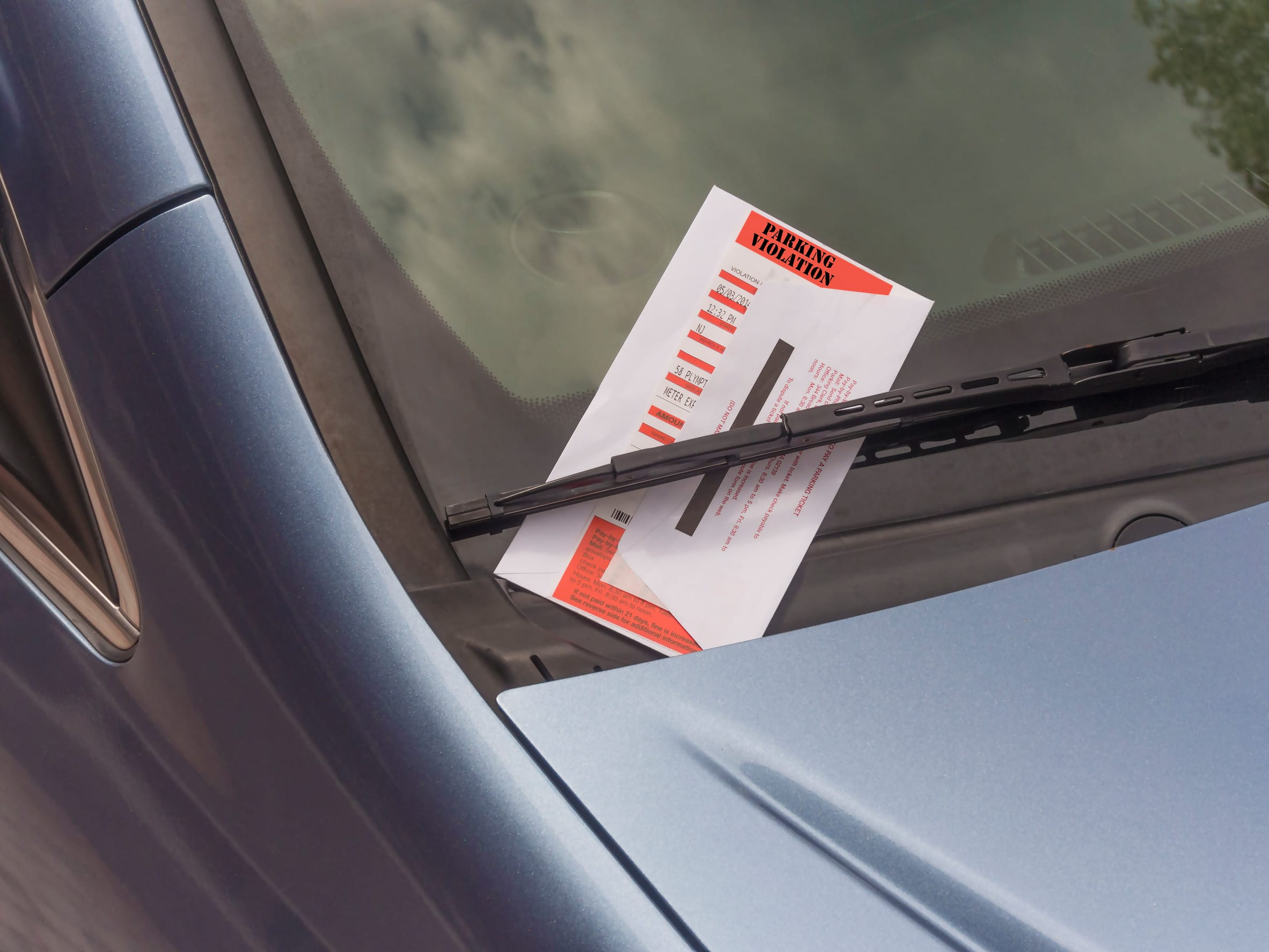
Fake Parking Ticket
Image Source: 123rf.com

Parking tickets are an unfortunate reality for drivers, but imagine receiving one that looks real, only to discover later that it was part of an elaborate scam. Fake parking tickets are becoming a tool for criminals to gather sensitive information, steal money, and even access your vehicle. In this article, we’ll explore how these scams work, what criminals are after, and how to protect yourself from falling victim.

1. The Anatomy of a Fake Parking Ticket

Fake parking tickets are designed to look as genuine as possible, often replicating the design and language of official citations issued by local authorities. They may feature realistic logos, seals, and even barcodes to deceive unsuspecting drivers. The level of detail makes it challenging to spot a fake at first glance, especially when you’re already frustrated about receiving a ticket.

2. How Criminals Use QR Codes and Payment Links

Many fake tickets include QR codes or links that direct victims to fraudulent payment websites. These sites may ask for personal details like your name, address, and credit card information, which criminals can then use for identity theft or financial fraud. In some cases, the payment process is used to install malware on your device, granting hackers access to sensitive data.

3. The Real Motive: Data and Money

The primary goal of fake parking ticket scams is to collect either money or personal information. Criminals rely on the fact that most people want to resolve parking fines quickly and avoid further penalties. By creating a sense of urgency, they increase the chances of victims falling for the scam without thoroughly inspecting the ticket or website.

4. Common Locations for Fake Tickets

These scams often target high-traffic areas where parking enforcement is common. Typical locations include:

  • Shopping malls: Where drivers may leave their cars for hours.
  • Downtown areas: Where parking violations are frequent.
  • Event venues: Where large numbers of vehicles are parked during concerts or sports events.
    Criminals take advantage of these locations to blend in and avoid suspicion while placing fake tickets on cars.

5. The Role of Technology in Fake Ticket Scams

Man working with laptop keyboard and digital.
Image Source: 123rf.com

Modern technology has made it easier for criminals to execute these scams. High-resolution printers, graphic design software, and easily accessible QR code generators allow scammers to create highly convincing tickets. Additionally, the rise of digital payments makes it simpler to trick victims into sharing financial information through fake websites.

6. Warning Signs to Look Out For

To avoid falling victim to this scam, watch out for the following red flags:

  • Poor Grammar and Spelling: Fake tickets may contain subtle errors that a legitimate citation wouldn’t have.
  • Unfamiliar Payment Platforms: Be cautious if the ticket directs you to a third-party payment site instead of an official government portal.
  • Unusual Placement: Tickets placed under windshield wipers or in odd spots may not align with your city’s parking enforcement practices.
  • Lack of Contact Information: Legitimate tickets usually include a phone number or office address for inquiries.

7. Steps to Protect Yourself

Here are some practical tips to safeguard against fake parking ticket scams:

  • Verify the Ticket: Cross-check the ticket details with your city’s parking enforcement office before paying.
  • Inspect QR Codes and Links: Use caution when scanning QR codes or clicking on links—ensure they lead to official websites.
  • Trust Your Instincts: If something feels off about the ticket, take time to investigate before acting.
  • Report Suspicions: Notify local authorities if you suspect you’ve received a fake parking ticket.

More Than Just An Annoyance

Fake parking tickets are more than just an annoyance—they’re a gateway for criminals to exploit your personal information and finances. By staying alert and taking a few extra steps to verify suspicious tickets, you can protect yourself from falling victim to this deceptive scheme. Remember, when in doubt, always check with your local parking enforcement office.

Have you or someone you know ever encountered a fake parking ticket? What strategies do you use to avoid falling victim to scams? Share your thoughts in the comments below.

Read More:

7 Uncharacteristic Behaviors of Adult Bullies

9 Sketchy Situations That Scream “Danger”—Trust Your Gut!

Latrice Perez

Latrice is a dedicated professional with a rich background in social work, complemented by an Associate Degree in the field. Her journey has been uniquely shaped by the rewarding experience of being a stay-at-home mom to her two children, aged 13 and 5. This role has not only been a testament to her commitment to family but has also provided her with invaluable life lessons and insights.

As a mother, Latrice has embraced the opportunity to educate her children on essential life skills, with a special focus on financial literacy, the nuances of life, and the importance of inner peace.

Filed Under: Crime & Safety Tagged With: fake tickets, fraud prevention, identity theft, parking lot security, parking ticket scams, QR code scams

  • « Previous Page
  • 1
  • …
  • 6
  • 7
  • 8
  • 9
  • Next Page »

Follow Us

Search this site:

Recent Posts

  • Can My Savings Account Affect My Financial Aid? by Tamila McDonald
  • 12 Ways Gen X’s Views Clash with Millennials… by Tamila McDonald
  • What Advantages and Disadvantages Are There To… by Jacob Sensiba
  • 10 Tactics for Building an Emergency Fund from Scratch by Vanessa Bermudez
  • Call 911: Go To the Emergency Room Immediately If… by Stephen Kanaval
  • 7 Weird Things You Can Sell Online by Tamila McDonald
  • 10 Scary Facts About DriveTime by Tamila McDonald

Copyright © 2026 · News Pro Theme on Genesis Framework