• Home
  • About Us
  • Toolkit
  • Getting Finances Done
    • Hiring Advisors
    • Debt Management
    • Spending Plan
  • Insurance
    • Life Insurance
    • Health Insurance
    • Disability Insurance
    • Homeowners/Renters Insurance
  • Contact Us
  • Privacy Policy
  • Risk Tolerance Quiz

The Free Financial Advisor

You are here: Home / Archives for diversification

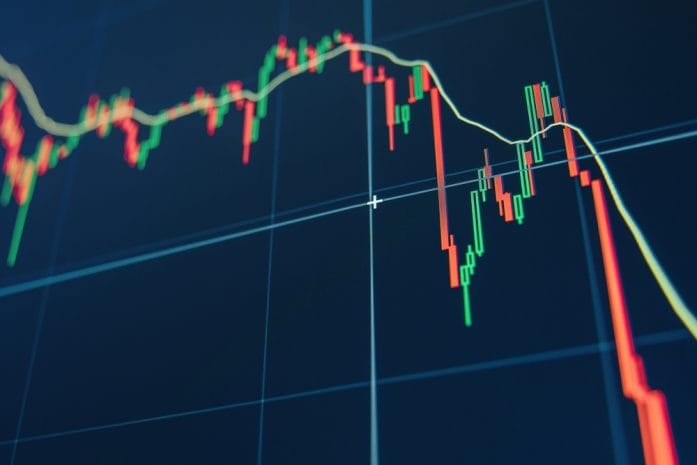
5 Valuable Lessons Learned From Market Crashes Historically

October 26, 2025 by Travis Campbell Leave a Comment

market crash

Image source: shutterstock.com

Market crashes have shaped the way investors approach their finances for generations. These dramatic downturns aren’t just blips in history—they offer valuable lessons for anyone looking to build long-term wealth. Understanding the patterns and impacts of market crashes can help you make more informed decisions, avoid costly mistakes, and stay calm when volatility strikes. Whether you’re a seasoned investor or just starting out, learning from past downturns can help you prepare for the future. This article explores five key lessons learned from market crashes historically, so you can turn uncertainty into opportunity and build stronger financial habits.

1. Diversification Is Your Safety Net

The old saying “Don’t put all your eggs in one basket” rings true, especially during market crashes. History shows that concentrated investments can wipe out years of gains in a matter of days. During the 2008 financial crisis, for example, investors heavily weighted in banking stocks suffered major losses, while those with a mix of stocks, bonds, and alternative assets fared better.

Diversification spreads risk across sectors, industries, and asset classes. When one area takes a hit, others may hold steady or even rise. This doesn’t guarantee profits, but it can soften the blow of market crashes historically. Even simple changes—like adding international stocks or real estate funds—can make a big difference in your portfolio’s resilience. Regularly reviewing and rebalancing your investments helps ensure you don’t drift back into risky territory.

2. Emotional Investing Can Be Costly

Panic and fear are common reactions when markets plummet. But letting emotions drive your decisions often leads to selling at the worst possible moment. After the dot-com bubble burst in 2000, many investors sold tech stocks near the bottom, locking in heavy losses. Those who stayed invested often saw their portfolios recover over time.

Learning to recognize emotional triggers is a key lesson from market crashes historically. Developing a clear investment plan and sticking to it—even when headlines are alarming—can help you avoid rash moves. Consider setting automatic investments or consulting with a trusted advisor to remove emotion from the equation. Over time, discipline pays off far more than gut reactions.

3. Cash Reserves Provide Flexibility

Market crashes highlight the importance of having cash on hand. When investments drop in value, access to liquid funds lets you cover expenses without selling assets at a loss. During the COVID-19 pandemic, people with emergency savings weathered the storm more easily than those who had to dip into their retirement accounts.

Experts often recommend keeping three to six months’ worth of living expenses in a high-yield savings account. This buffer gives you options when the unexpected happens—whether it’s a job loss, medical bill, or market downturn. Cash reserves also allow you to take advantage of opportunities, like buying quality stocks at lower prices.

4. Market Timing Is Nearly Impossible

Trying to predict exactly when to buy or sell investments is a risky game. Even professionals rarely get it right. Market crashes historically have caught many off guard, from Black Monday in 1987 to the sudden drop in March 2020. Missing just a few of the market’s best days can have a significant impact on your long-term returns.

Instead of attempting to time the market, focus on time in the market. Consistent investing—even during downturns—can help smooth out volatility and harness the power of compounding. If you’re worried about investing a lump sum all at once, consider dollar-cost averaging to spread out purchases over time.

5. Recovery Is the Norm, Not the Exception

It’s easy to lose perspective during a sharp selloff, but history shows that markets tend to recover. After every major crash —from the Great Depression to the 2008 crisis —markets eventually rebounded and reached new highs. Investors who stayed the course and continued to invest during downturns were often rewarded for their patience.

This isn’t to say that recovery is quick or painless. It can take months or even years for portfolios to bounce back. But remembering that recovery is the historical pattern—not the exception—can help you keep your long-term goals in focus. Resist the urge to make drastic changes based on short-term pain. Staying invested and following a disciplined plan are powerful ways to build wealth over time, even after market crashes historically.

Building Confidence Through Historical Perspective

Studying market crashes historically reveals patterns that can help you become a more resilient investor. While downturns are inevitable, the lessons they teach can guide you to smarter decisions and steadier growth. By diversifying your portfolio, managing emotions, keeping cash reserves, avoiding market timing, and trusting in recovery, you set yourself up for long-term success.

How have market crashes shaped your own investing approach? Share your thoughts and experiences in the comments below!

What to Read Next…

  • 8 Silent Indicators That a Recession Is Already Underway
  • 7 Areas of Your Portfolio Exposed to Sudden Market Shocks
  • How Financial Planners Are Recommending Riskier Portfolios in 2025
  • What Happens to Retirement Payouts When the Market Drops Mid Inheritance
  • 6 Margin Account Risks That Sneakily Empty Retirement Payouts
Travis Campbell
Travis Campbell

Travis Campbell is a digital marketer/developer with over 10 years of experience and a writer for over 6 years. He holds a degree in E-commerce and likes to share life advice he’s learned over the years. Travis loves spending time on the golf course or at the gym when he’s not working.

Filed Under: Investing Tagged With: diversification, emotional investing, investing, long-term investing, market crashes, Planning

6 Effective Principles for Investing During Extreme Political Uncertainty

October 12, 2025 by Travis Campbell Leave a Comment

government

Image source: pexels.com

Political events can shake markets and rattle even the most seasoned investors. From surprise election results to geopolitical conflicts, extreme political uncertainty creates waves of volatility. These moments test your investment strategy and emotional resolve. While fear and headlines can tempt you to make drastic moves, history shows that a steady approach often wins out. Understanding how to navigate investing during extreme political uncertainty is crucial for protecting and growing your wealth. Here are six practical principles to help you invest wisely when the political climate is anything but stable.

1. Maintain a Long-Term Perspective

One of the most effective principles for investing during extreme political uncertainty is keeping your eyes on the big picture. Political events can cause short-term swings, but markets tend to recover and grow over time. If you focus too much on daily headlines, it’s easy to lose sight of your long-term goals. Instead, remember why you started investing in the first place—whether it’s for retirement, a home, or your children’s education. Staying committed to your plan helps reduce the urge to react emotionally to political drama.

Ask yourself: Will this event matter to your investments in five or ten years? Often, the answer is no. Let your investment horizon guide your decisions, not today’s news cycle.

2. Diversify Across Asset Classes and Regions

Political uncertainty often affects countries and industries unevenly. By spreading your investments across stocks, bonds, real estate, and international markets, you lower the risk that one political event will derail your entire portfolio. Diversification acts as a shock absorber, helping you weather market turbulence.

For example, if political turmoil hits the U.S. stock market, holdings in international stocks or bonds may help cushion the impact. You can learn more about diversification strategies from Investopedia’s guide to diversification. Remember, true diversification means more than just owning a handful of different stocks—it’s about balancing risk across many types of investments.

3. Keep Emotions in Check

Extreme political uncertainty can trigger fear, anxiety, and the impulse to make rash decisions. Acting on emotion rarely serves investors well. When markets drop on political news, the urge to sell and “wait it out” is strong. But selling after a decline often means locking in losses and missing the recovery.

Instead, pause before making changes to your portfolio. Review your investment plan. If your portfolio is well-diversified and designed for your goals, staying the course is usually the best move. If you find yourself worrying constantly, consider talking to a financial advisor who can provide perspective and help you stick to your plan.

4. Focus on Quality Investments

During times of political turmoil, quality matters more than ever. Companies with strong balance sheets, reliable earnings, and resilient business models tend to weather uncertainty better. The same goes for government and investment-grade bonds versus riskier debt.

Review your portfolio for quality holdings. If you own individual stocks, look for businesses that can adapt to changing regulations or economic conditions. For funds, check that they aren’t overly concentrated in sectors or countries most exposed to political risk. This focus on quality helps your portfolio endure rough patches.

5. Stay Informed, But Filter the Noise

It’s good to stay updated on political events, but not all news is equally important for your investments. Sensational headlines can fuel anxiety without offering real insight. Instead, focus on reliable sources that provide context and analysis—what does this event actually mean for markets and your portfolio?

Set boundaries for how often you check the news. Consider weekly check-ins rather than daily doomscrolling. Tools like curated financial newsletters or updates from your brokerage can help you filter the noise. Remember, investing during extreme political uncertainty requires discipline, and tuning out the drama gives you a clearer perspective.

6. Revisit and Rebalance Your Portfolio Regularly

Political events can change your asset allocation without you even realizing it. For example, if stocks fall and bonds rise, your portfolio may shift away from your target mix. Regular rebalancing restores your original risk level and helps you take advantage of market movements.

Set a schedule—quarterly or annually—to review your portfolio. If your allocation has drifted, sell assets that are overweight and buy those that are underweight. Many online brokers offer automatic rebalancing tools. Rebalancing forces you to buy low and sell high, a habit that pays off over time, especially when investing during extreme political uncertainty.

Building Confidence in Uncertain Times

Investing during extreme political uncertainty isn’t easy, but it is manageable. By focusing on the long term, diversifying, staying calm, and keeping your portfolio in top shape, you can navigate the storm. These principles don’t just help you survive uncertain times—they can position you for long-term success.

What strategies have helped you stay on course during periods of political turmoil? Share your thoughts and experiences in the comments below.

What to Read Next…

  • How Financial Planners Are Recommending Riskier Portfolios in 2025
  • 7 Areas of Your Portfolio Exposed to Sudden Market Shocks
  • Why So Many Investors Are Losing Assets in Plain Sight
  • Identifying Underpriced Stocks Using the Graham Formula
  • 10 Ways Zero Fee Investing Platforms Make Money Off You
Travis Campbell
Travis Campbell

Travis Campbell is a digital marketer/developer with over 10 years of experience and a writer for over 6 years. He holds a degree in E-commerce and likes to share life advice he’s learned over the years. Travis loves spending time on the golf course or at the gym when he’s not working.

Filed Under: Investing Tagged With: diversification, investing, long-term investing, market volatility, political uncertainty, portfolio management

7 Things Your Financial Advisor Will NEVER Tell You About Your Portfolio

October 3, 2025 by Travis Campbell Leave a Comment

investment

Image source: pexels.com

When you trust a professional with your investments, you expect transparency and guidance tailored to your goals. But even the best financial advisors may not share every detail about your portfolio management. There are reasons for this—sometimes it’s about industry norms, sometimes it’s about incentives, and sometimes it’s just easier to gloss over the less attractive parts of the job. Understanding what your financial advisor isn’t saying is just as important as what they do tell you. If you want to make the most of your money and avoid surprises, knowing these hidden truths about your portfolio can put you ahead.

Let’s pull back the curtain on the world of portfolio management. Here are seven things your financial advisor will never tell you about your portfolio, but you absolutely should know.

1. Fees Can Eat Away More Than You Think

When it comes to your portfolio, fees can seem small—maybe just 1% or 2% per year. But over the decades, those seemingly minor charges add up. Your financial advisor may not highlight just how much compound interest works against you when it comes to fees. Every dollar spent on management fees, fund expenses, or trading costs is a dollar that doesn’t compound for your future.

Ask for a clear breakdown of every fee, including hidden ones like fund expense ratios or transaction fees. You might be surprised at how much you’re actually paying for portfolio management.

2. They May Not Be Legally Required to Put Your Interests First

Not all financial advisors are fiduciaries. Some only have to recommend products that are “suitable,” not necessarily the best for you. This means your portfolio could include investments that pay the advisor a higher commission, even if there are better options out there.

Always ask if your advisor is a fiduciary. If they aren’t, their advice about your portfolio might be influenced by their own incentives, not just your financial goals.

3. Diversification Isn’t Always as Broad as It Sounds

Your advisor might say your portfolio is diversified, but is it? Sometimes, portfolios are heavy in similar types of stocks or funds, or concentrated in certain sectors. True diversification means spreading your risk across different asset classes, sectors, and even geographic regions.

Take a closer look at the actual holdings in your portfolio. Ask for a detailed breakdown so you can see if you’re really protected against market swings or just getting the illusion of safety.

4. Past Performance Isn’t a Guarantee—But It’s Often Used to Sell You

It’s easy to be impressed by funds that have outperformed in recent years. Your financial advisor may highlight these winners, but they might not tell you that past performance doesn’t guarantee future results. In fact, funds that have done well often regress to the mean, especially after a hot streak.

Focus on your long-term goals and risk tolerance, not just last year’s returns. A balanced approach to portfolio management will serve you better than chasing what was hot last year.

5. Portfolio Turnover Can Hurt Your Returns

Some advisors actively trade within your portfolio, buying and selling to try to capture gains. But high turnover can lead to higher taxes and more fees, both of which eat into your returns. Your advisor might not highlight how often your portfolio is being reshuffled or the tax implications of all those trades.

Ask for your portfolio’s turnover rate and what that means for your after-tax returns. Sometimes, less trading leads to better long-term results.

6. There’s No Such Thing as a Perfect Asset Allocation

Portfolio management often revolves around finding the “right” mix of stocks, bonds, and other assets. But no one can predict the future. Your financial advisor may present an asset allocation as the optimal solution, but the truth is, markets change, and so do your needs.

Stay flexible. Review your asset allocation regularly and be willing to adjust as your life circumstances or the market evolves. Don’t let your advisor’s confidence in their model make you feel locked in.

7. Your Emotions Matter More Than Any Model

Financial advisors love to talk about risk tolerance, but they don’t always emphasize how your emotions can impact your portfolio. When markets fall, panic selling can ruin even the best investment plan. Your advisor might not prepare you for the emotional ups and downs that come with investing.

Discuss your comfort with risk and how you’ll respond to a downturn with your advisor. Building a portfolio, you can stick with is more important than chasing the highest returns.

Taking Control of Your Portfolio Management

Your portfolio is the foundation of your financial future. Understanding what your financial advisor isn’t saying helps you make smarter decisions and avoid costly surprises. Portfolio management isn’t just about picking investments—it’s about knowing the full picture, asking the right questions, and staying engaged. When you’re proactive and informed, you can partner with your advisor to achieve your goals, rather than just hoping for the best.

What’s the one thing you wish your financial advisor had told you about your portfolio? Share your experiences and questions in the comments below!

What to Read Next…

  • 7 Areas Of Your Portfolio Exposed To Sudden Market Shocks
  • 9 Things You Should Never Tell A Financial Planner
  • 8 Signs Your Financial Advisor Is Not Acting In Your Best Interest
  • 10 Financial Questions That Could Reveal You’re Being Advised Poorly
  • 7 Investment Loopholes That Can Be Closed Without Warning
Travis Campbell
Travis Campbell

Travis Campbell is a digital marketer/developer with over 10 years of experience and a writer for over 6 years. He holds a degree in E-commerce and likes to share life advice he’s learned over the years. Travis loves spending time on the golf course or at the gym when he’s not working.

Filed Under: Finance Tagged With: Asset Allocation, diversification, fiduciary, financial advisor, investing, investment fees, portfolio management

10 Investments That Are Rarely Talked About That Could Make You Rich

September 24, 2025 by Catherine Reed Leave a Comment

10 Investments That Are Rarely Talked About That Could Make You Rich

Image source: 123rf.com

When most people think about investing, they immediately picture the stock market, real estate, or retirement accounts. While these are solid strategies, they aren’t the only ways to build wealth. There are many lesser-known opportunities that, when approached wisely, can generate impressive returns. Exploring investments that are rarely talked about can uncover unique paths to financial growth. Here are 10 options worth considering if you’re ready to think outside the box.

1. Farmland

One of the oldest yet least discussed investments that are rarely talked about is farmland. Agricultural land continues to grow in value as food demand increases globally. Farmland provides long-term appreciation while generating rental income from farmers. It also offers a hedge against inflation since food prices typically rise with costs. For investors looking for stability and consistent returns, farmland is surprisingly powerful.

2. Peer-to-Peer Lending

Peer-to-peer lending platforms allow individuals to act as lenders, earning interest by funding personal or business loans. This is one of the investments that are rarely talked about but can deliver strong returns if managed carefully. Investors can choose risk levels, diversifying across multiple borrowers to minimize losses. The key is careful screening and spreading funds widely. While not without risk, it can outperform traditional savings accounts by a wide margin.

3. Tax Liens

Tax lien investing involves purchasing liens from local governments when property owners fail to pay taxes. This unique investment can yield high interest rates while being secured by real estate. If the owner repays the taxes, you earn interest; if not, you may acquire the property at a steep discount. It’s one of the investments that are rarely talked about because it requires research and patience. For savvy investors, it can be an overlooked wealth-building strategy.

4. Domain Names

Digital real estate in the form of domain names is another overlooked opportunity. Some domain names are sold for thousands—or even millions—of dollars. Investing in this space requires identifying short, memorable, and brand-friendly names. As businesses expand online, demand for premium domains continues to grow. It’s one of the investments that are rarely talked about but can yield massive profits with minimal upfront cost.

5. Collectibles and Memorabilia

From rare sneakers to vintage toys, collectibles are becoming valuable alternative investments. The market has exploded with interest in trading cards, comic books, and even video game memorabilia. These items often appreciate in value as demand increases, and supply dwindles. While risky, careful research into trends and rarity can pay off big. This is one of the investments that are rarely talked about because it blurs the line between hobby and financial strategy.

6. Renewable Energy Projects

As the world moves toward sustainability, renewable energy projects have become a hidden gem for investors. Investing in wind farms, solar fields, or green energy startups can bring both profit and social impact. These are investments that are rarely talked about in everyday conversations but are quietly gaining traction. Government incentives and rising demand make them even more attractive. With careful selection, they can deliver long-term returns while supporting global change.

7. Angel Investing in Startups

While venture capital gets attention, small-scale angel investing is less commonly discussed. This involves providing early funding to startups in exchange for equity. The risks are high, as many startups fail, but the potential rewards are enormous. Imagine backing the next major tech giant before it takes off. Angel investing is one of the investments that are rarely talked about but can make investors very wealthy.

8. Intellectual Property Rights

Purchasing rights to music, books, or patents can generate passive income streams. Every time a song is played, a book is sold, or an invention is used, royalties are paid. This area is one of the most fascinating investments that are rarely talked about because it combines creativity with finance. Investors can buy rights outright or through platforms that offer shares of royalties. It’s a way to build wealth while supporting innovation and art.

9. Timberland

Like farmland, timberland is a resource-based investment with strong growth potential. Trees not only appreciate in value as they grow but also provide periodic income when harvested. This makes timberland one of the sustainable investments that are rarely talked about. It offers diversification and a natural hedge against inflation. While it requires long-term patience, timberland is a proven wealth-builder.

10. Fractional Ownership in Luxury Assets

Fractional ownership allows investors to buy shares in assets like vacation homes, private jets, or fine art. Instead of needing millions to own these items outright, investors can pool resources. As these assets appreciate or generate rental income, investors share in the returns. This approach makes high-end markets more accessible. Among investments that are rarely talked about, this is one of the most exciting for those looking to diversify into luxury markets.

Finding Wealth in Unexpected Places

Traditional investing strategies remain important, but exploring investments that are rarely talked about can unlock hidden opportunities. These unconventional options provide ways to diversify, protect against inflation, and sometimes deliver outsized returns. The key is research, patience, and balancing risk with potential reward. Wealth doesn’t always come from the obvious choices—it often grows from the overlooked ones. By exploring beyond the mainstream, you may find your next big opportunity waiting where few others are looking.

Which of these investments that are rarely talked about caught your attention the most? Share your thoughts in the comments below.

What to Read Next…

7 Weird Investments People Regret Buying

Why Do Some People Lose Money by Keeping Too Much in Cash

9 Lesser-Known Costs of Owning Investment Property

5 Forgotten Assets That Turn Out to Be Worthless in Retirement

Why Do People Fall for Get-Rich-Quick Schemes Again and Again

Catherine Reed
Catherine Reed

Catherine is a tech-savvy writer who has focused on the personal finance space for more than eight years. She has a Bachelor’s in Information Technology and enjoys showcasing how tech can simplify everyday personal finance tasks like budgeting, spending tracking, and planning for the future. Additionally, she’s explored the ins and outs of the world of side hustles and loves to share what she’s learned along the way. When she’s not working, you can find her relaxing at home in the Pacific Northwest with her two cats or enjoying a cup of coffee at her neighborhood cafe.

Filed Under: Investing Tagged With: alternative investments, diversification, investments that are rarely talked about, Passive income, Planning, Wealth Building

Could Owning Too Many Properties Destroy Wealth

September 23, 2025 by Catherine Reed Leave a Comment

Could Owning Too Many Properties Destroy Wealth

Image source: 123rf.com

Real estate is often hailed as one of the best paths to financial freedom, but what happens when the strategy goes too far? While property ownership can generate income and long-term appreciation, there’s a hidden risk that rarely gets enough attention. Owning too many properties can actually destroy wealth if the costs, risks, and responsibilities outweigh the rewards. For investors who believe more is always better, this assumption can lead to financial strain rather than success. Here are several ways overextending in real estate can backfire.

1. Maintenance Costs Multiply Quickly

One of the first problems with owning too many properties is the sheer cost of upkeep. Every property needs regular maintenance, from plumbing repairs to roof replacements. With multiple homes or units, these costs don’t just add up—they multiply. Even small issues like leaky faucets or broken appliances can drain cash flow when spread across several properties. Without careful planning, maintenance becomes a constant money pit.

2. Vacancy Risks Can Hurt Cash Flow

Owning too many properties means relying heavily on steady tenants, but vacancies are inevitable. Even a single empty unit reduces your income, and with multiple properties, the risk of several vacancies at once grows. This puts pressure on your finances, especially if mortgages still need to be paid. Investors often underestimate how long it takes to find reliable renters. Too many vacancies at once can destroy wealth faster than expected.

3. Debt Levels Become Unsustainable

Many investors finance purchases through loans, but too much leverage can be dangerous. When you’re owning too many properties, carrying multiple mortgages increases exposure to market downturns. If interest rates rise or rental income dips, debt payments can quickly become overwhelming. High leverage magnifies both gains and losses, leaving little room for error. Wealth can vanish quickly when debt outweighs cash flow.

4. Market Shifts Hit Harder

Real estate markets are cyclical, and downturns can devastate portfolios overloaded with property. Owning too many properties in one area makes you vulnerable to local declines in value or rental demand. Investors with diversified assets can weather these storms, but property-heavy portfolios feel every hit. A neighborhood downturn can wipe out equity across multiple homes at once. What feels like growth can turn into a liability in shifting markets.

5. Hidden Costs Eat Away at Profits

Property taxes, insurance, and legal fees are often underestimated when people accumulate too many properties. Each property brings its own set of bills, and those small expenses chip away at profits. For investors, these hidden costs become even heavier when combined across several units. The result is reduced returns compared to what was originally expected. Without precise budgeting, wealth gets eroded slowly but steadily.

6. Property Management Becomes Overwhelming

Managing one or two rentals is doable, but owning too many properties becomes a full-time job. Screening tenants, handling repairs, and dealing with disputes all demand time and energy. While hiring a property manager helps, it adds another expense that cuts into profits. Many investors find themselves stuck between burnout and smaller returns. Wealth should provide freedom, but too many properties can feel like a trap.

7. Liquidity Problems Limit Flexibility

Real estate is not a liquid asset, meaning it can’t easily be sold for quick cash. When you’re owning too many properties, your money is tied up in bricks and mortar. This lack of liquidity becomes a serious issue if emergencies arise or investment opportunities appear elsewhere. Selling properties takes time and often comes with transaction costs. Without flexibility, investors risk missing better wealth-building options.

8. Diversification Gets Ignored

Perhaps the most overlooked danger is that investing too heavily in property often means neglecting other assets. Owning too many properties concentrates risk in one sector of the economy. Wealthy investors spread their money across stocks, bonds, and businesses, ensuring balance in good and bad times. Real estate is powerful, but it shouldn’t dominate your portfolio entirely. Without diversification, financial growth becomes fragile.

Wealth Isn’t Built by Quantity Alone

While real estate is a proven wealth builder, owning too many properties can turn an opportunity into a burden. Maintenance costs, vacancies, debt, and hidden expenses add stress that can destroy wealth rather than create it. The key is balance—owning enough property to generate returns without letting it consume your entire financial strategy. True wealth comes from smart decisions, not simply accumulating more.

Do you think owning too many properties is a smart strategy or a dangerous trap? Share your thoughts in the comments below.

What to Read Next…

9 Lesser-Known Costs of Owning Investment Property

How To Get Into Real Estate Investing As A Beginner

Could Being House Poor Leave You Broke in Retirement

10 Chaotic Results of Parents Dying Without a Plan

Could Ignoring HOA Rules Destroy the Value of Your Home

Catherine Reed
Catherine Reed

Catherine is a tech-savvy writer who has focused on the personal finance space for more than eight years. She has a Bachelor’s in Information Technology and enjoys showcasing how tech can simplify everyday personal finance tasks like budgeting, spending tracking, and planning for the future. Additionally, she’s explored the ins and outs of the world of side hustles and loves to share what she’s learned along the way. When she’s not working, you can find her relaxing at home in the Pacific Northwest with her two cats or enjoying a cup of coffee at her neighborhood cafe.

Filed Under: Real Estate Tagged With: diversification, financial risks, owning too many properties, property management, real estate investing, rental income, Wealth Building

Could Your Advisor’s Optimism Be the Biggest Risk to Your Portfolio

August 28, 2025 by Travis Campbell Leave a Comment

investment risk

Image source: pexels.com

When it comes to investing, we all want to believe that our financial advisor has our best interests in mind. Their confidence can be reassuring during market turbulence and help us stay the course. But what if your advisor’s optimism is actually putting your investments in danger? Excessive positivity can lead to overlooking risks, ignoring warning signs, or failing to prepare for downturns. Understanding how optimism bias can influence your portfolio is critical for protecting your financial future. This article explores why your advisor’s optimism might be the biggest risk to your portfolio and what you can do about it.

1. Optimism Bias Clouds Judgment

The primary SEO keyword for this article is “portfolio risk.” Optimism bias is a well-known behavioral finance concept. It causes people—including financial professionals—to overestimate the likelihood of positive outcomes and underestimate potential losses. If your advisor always expects the best-case scenario, they might recommend aggressive investments or downplay the need for diversification.

This can leave you exposed to portfolio risk that you may not even realize. For example, if your advisor insists the market will keep climbing, you might not have enough downside protection when things turn south. It’s important to recognize that even the best advisors can fall prey to optimism bias, especially during bull markets.

2. Overlooking the Importance of Diversification

Another way optimism can increase portfolio risk is by leading advisors to concentrate investments in a few sectors or asset classes. If your advisor is convinced that technology stocks will always outperform, they might steer your portfolio heavily in that direction. The problem? No sector is immune to downturns.

Diversification is one of the most effective ways to manage risk. It spreads your investments across different types of assets, reducing the impact if one area suffers. If optimism blinds your advisor to the need for a balanced portfolio, your investments could suffer significant losses when markets shift.

3. Ignoring Warning Signs and Red Flags

It’s easy to see the positive side when markets are going up. But ignoring warning signs—like rising interest rates, inflation, or geopolitical risks—can lead to trouble. Advisors who focus only on the upside may dismiss these red flags as temporary or unimportant.

This attitude increases your portfolio risk because it means you’re not prepared for potential downturns. A good advisor should help you anticipate challenges, not just hope for the best. If you notice your advisor brushing off legitimate concerns, it’s time to ask tougher questions about their investment approach.

4. Failing to Adjust Strategies for Changing Conditions

Markets change, and your investment strategy should adapt to them. Advisors who are overly optimistic may stick to the same plan, even when conditions suggest a shift is needed. For example, an advisor who believes a bull market will last forever may not recommend rebalancing your portfolio or taking profits from appreciated assets.

This rigidity can increase your portfolio risk, leaving you vulnerable if the market reverses. An adaptable advisor should be willing to review your strategy regularly and make adjustments based on new information. If your advisor always says “stay the course” without considering current conditions, your portfolio may be at risk.

5. Underestimating the Emotional Impact of Losses

Optimistic advisors may assume you can handle market swings without trouble. But research shows that losses hurt more than gains feel good. If your portfolio risk is higher than you realize, a downturn could cause you to panic and sell at the worst time.

A good advisor will help you understand your true risk tolerance and build a portfolio that matches it. If your advisor’s optimism leads them to dismiss your concerns or gloss over potential losses, you might be taking on more risk than you’re comfortable with. Honest conversations about risk and emotions are crucial for achieving long-term investment success.

What You Can Do to Protect Your Portfolio

So, how can you make sure your advisor’s optimism isn’t the biggest risk to your portfolio? Start by asking direct questions about portfolio risk and how they manage it. Don’t be afraid to challenge their assumptions or ask for backup when they make predictions. Request data and historical context for their recommendations.

It’s also a good idea to educate yourself. Remember, it’s your money on the line. Staying informed and engaged is the best way to ensure your advisor’s optimism doesn’t put your financial future at risk.

Have you ever felt your advisor was too optimistic about your investments? How do you balance hope with caution in your own portfolio? Share your thoughts in the comments below!

What to Read Next…

  • How Financial Planners Are Recommending Riskier Portfolios in 2025
  • 8 Signs Your Financial Advisor Is Not Acting in Your Best Interest
  • 10 Financial Questions That Could Reveal You’re Being Advised Poorly
  • 9 Things You Should Never Tell a Financial Planner
  • 7 Ill-Advised Advisor Tips That Trigger IRS Audits
Travis Campbell
Travis Campbell

Travis Campbell is a digital marketer/developer with over 10 years of experience and a writer for over 6 years. He holds a degree in E-commerce and likes to share life advice he’s learned over the years. Travis loves spending time on the golf course or at the gym when he’s not working.

Filed Under: Fashion advice Tagged With: behavioral finance, diversification, financial advisor, investing, portfolio risk, Risk management

8 Signs Your Portfolio Strategy May Be Outdated in This Economy

August 23, 2025 by Catherine Reed Leave a Comment

8 Signs Your Portfolio Strategy May Be Outdated in This Economy

Image source: 123rf.com

The economy changes faster than most investors realize, and what worked ten years ago may no longer serve you today. Market volatility, rising interest rates, and global uncertainty all mean your investments need to be more adaptable. Yet many people stick with the same portfolio strategy without asking whether it still fits their goals. Ignoring the warning signs can lead to missed opportunities or unnecessary risks. Here are eight signs your portfolio strategy may be outdated in this economy—and what to do about it.

1. You’re Still Relying Heavily on Bonds

In the past, bonds were seen as a safe haven for conservative investors. But with inflation and shifting interest rates, bond-heavy portfolios may no longer deliver the security or returns you expect. If your portfolio strategy still leans too heavily on bonds, you may be exposed to interest rate risk. While bonds still play a role, they shouldn’t dominate your allocation without considering today’s economic realities. Rebalancing into a more diversified mix can help protect your future income.

2. Your Portfolio Hasn’t Been Rebalanced in Years

A common issue for investors is neglecting to rebalance regularly. Over time, strong-performing assets grow to take up more space in your portfolio, which can throw off your intended risk level. If your portfolio strategy hasn’t been reviewed in several years, you may be taking on more risk than you realize. Rebalancing ensures you stick to your long-term goals instead of letting market swings decide for you. Ignoring this step is a clear sign your portfolio strategy is outdated.

3. You’re Overexposed to a Single Sector

Putting too much of your portfolio in one area—like tech, real estate, or energy—can backfire when that sector struggles. Diversification spreads out risk and helps smooth returns across different economic cycles. If your portfolio strategy relies too much on one “hot” sector, you’re more vulnerable to downturns. This is especially true in today’s unpredictable global economy. A modern strategy should balance growth opportunities with stability.

4. You Haven’t Accounted for Rising Inflation

Inflation has become a major concern for retirees and investors alike. If your portfolio strategy doesn’t include assets that outpace inflation, your money may lose value over time. Traditional savings accounts and low-yield investments won’t be enough in this environment. Assets like equities, real estate, or inflation-protected securities can help offset this risk. Adapting to inflation is one of the most important updates you can make to your strategy.

5. Your Retirement Timeline Has Changed, But Your Portfolio Hasn’t

Life changes—whether retiring earlier, working longer, or adjusting your lifestyle goals—require portfolio adjustments. If your portfolio strategy hasn’t shifted to reflect your new timeline, you may be mismatched in risk and income needs. For example, someone delaying retirement might benefit from staying more growth-focused, while someone retiring sooner may need safer income streams. Failing to align your portfolio with your life stage leaves you unprepared for the future. Retirement planning and portfolio adjustments should always go hand in hand.

6. You’re Ignoring International Exposure

Global markets play a huge role in today’s economy. If your portfolio strategy is focused only on domestic investments, you may be missing growth opportunities abroad. While international markets come with risks, they also add valuable diversification. Countries with faster growth or emerging industries can boost returns when U.S. markets stagnate. Updating your portfolio to include some international exposure keeps it better balanced in an interconnected world.

7. You Haven’t Considered Tax Efficiency

Taxes can eat into your returns just as much as poor investments. If your portfolio strategy doesn’t account for tax-advantaged accounts, capital gains management, or withdrawal sequencing, you may be losing money unnecessarily. A smart portfolio considers not just what you earn, but what you keep after taxes. This is especially important in retirement when income streams come from multiple sources. Updating your strategy for tax efficiency can significantly improve long-term outcomes.

8. You’re Still Following “Set It and Forget It” Advice

While long-term investing is important, blindly sticking to a plan without adjustments is risky in today’s economy. Markets evolve, interest rates shift, and personal goals change. If your portfolio strategy is still based on outdated advice from decades ago, it may not serve you well today. Staying engaged with your investments doesn’t mean constant trading—it means reviewing and adapting. A modern approach requires a balance between discipline and flexibility.

Keeping Your Portfolio Strategy Future-Ready

Your portfolio strategy should be a living plan, not a static one. The economy of today and tomorrow demands flexibility, diversification, and careful tax planning. By spotting the signs of an outdated strategy, you can take proactive steps to realign your investments with your goals. Staying informed and open to change helps protect your wealth and grow it, even in uncertain times. A future-ready strategy is the best safeguard against an unpredictable economy.

When was the last time you reviewed your portfolio strategy? Share your experiences and adjustments in the comments below.

Read More:

8 Hidden Investment Exit Fees Many Don’t Expect

8 Smart Investing Rules the Wealthy Actually Follow

Catherine Reed
Catherine Reed

Catherine is a tech-savvy writer who has focused on the personal finance space for more than eight years. She has a Bachelor’s in Information Technology and enjoys showcasing how tech can simplify everyday personal finance tasks like budgeting, spending tracking, and planning for the future. Additionally, she’s explored the ins and outs of the world of side hustles and loves to share what she’s learned along the way. When she’s not working, you can find her relaxing at home in the Pacific Northwest with her two cats or enjoying a cup of coffee at her neighborhood cafe.

Filed Under: Investing Tagged With: diversification, Inflation, investing, market volatility, Planning, portfolio strategy, retirement planning

6 Compounding Mistakes That Devastate Fixed-Income Portfolios

August 14, 2025 by Travis Campbell Leave a Comment

portfolio

Image source: pexels.com

Fixed-income portfolios are supposed to be the safe part of your investment plan. They’re where you go for stability, steady income, and a little peace of mind. But even the safest investments can go wrong if you make the wrong moves. Many people think bonds and other fixed-income assets are simple, but small mistakes can add up fast. If you’re not careful, you can end up with less income, more risk, and a lot of regret. Here are six common mistakes that can quietly destroy your fixed-income portfolio—and what you can do to avoid them.

1. Ignoring Interest Rate Risk

Interest rates change all the time. When rates go up, the value of your existing bonds usually goes down. Many investors forget this. They buy long-term bonds for higher yields, thinking they’re set for years. But if rates rise, those bonds lose value, and you’re stuck unless you want to sell at a loss. This is called interest rate risk, and it’s a big deal for fixed-income portfolios. If you need to sell before maturity, you could lose money. To manage this, keep an eye on the average maturity of your bonds. Mix in some shorter-term bonds to reduce your risk. You can also look at bond ladders, which help spread out your exposure to changing rates.

2. Chasing Yield Without Understanding the Risks

It’s tempting to go after the highest yield you can find. Who doesn’t want more income? But higher yields usually mean higher risk. Sometimes, that risk comes from lower credit quality. Other times, it’s because the bond is from a company or country with shaky finances. If you only look at yield, you might end up with bonds that default or lose value fast. This can wipe out years of income in a single bad year. Instead, focus on the overall quality of your portfolio. Make sure you understand what’s behind the yield. If it seems too good to be true, it probably is. Diversify your holdings and don’t let one high-yield bond dominate your portfolio.

3. Overlooking Inflation’s Impact

Inflation eats away at the value of your money. If your fixed-income investments pay 3% but inflation is 4%, you’re actually losing ground. Many investors forget to factor in inflation when building their portfolios. Over time, this can quietly erode your purchasing power. You might feel like you’re earning a steady income, but you can buy less with it each year. To protect yourself, consider adding some inflation-protected securities, like Treasury Inflation-Protected Securities (TIPS). These adjust with inflation and help keep your real returns positive.

4. Failing to Diversify Across Sectors and Issuers

Putting all your money in one type of bond or one issuer is risky. If that sector or company runs into trouble, your whole portfolio suffers. Some investors load up on municipal bonds for tax benefits or stick with corporate bonds for higher yields. But this lack of diversification can backfire. Different sectors react differently to economic changes. For example, government bonds might do well when the economy slows, while corporate bonds might struggle. Spread your investments across different types of bonds—government, municipal, corporate, and even international. This way, if one area takes a hit, the rest of your portfolio can help balance things out.

5. Not Reinvesting Interest Payments

Fixed-income investments pay regular interest. If you spend that money instead of reinvesting it, you miss out on compounding. Compounding is when your interest earns more interest over time. It’s a simple idea, but it makes a huge difference in your long-term returns. Many investors take the cash and use it for expenses, but if you don’t need the income right away, reinvest it. This can be as easy as setting up an automatic reinvestment plan with your broker. Over the years, the extra growth from compounding can be significant. Don’t let this easy win slip by.

6. Ignoring Credit Risk and Ratings Changes

Bonds are loans, and sometimes borrowers don’t pay them back. This is called credit risk. Many investors buy bonds based on their initial credit rating and never check again. But companies and governments can get into trouble, and ratings can change. If a bond gets downgraded, its price usually drops. If it defaults, you could lose your investment. Make it a habit to review the credit quality of your holdings at least once a year. If you see downgrades or signs of trouble, consider selling and moving to safer options. Don’t assume that a bond is safe just because it was when you bought it.

Protecting Your Fixed-Income Portfolio for the Long Haul

Fixed-income portfolios are supposed to bring stability, but they need attention and care. Small mistakes can add up and cause real damage over time. By watching out for interest rate risk, not chasing yield blindly, keeping inflation in mind, diversifying, reinvesting your interest, and monitoring credit risk, you can keep your portfolio healthy. The goal is a steady, reliable income—not surprises. Take the time to review your portfolio regularly and make changes when needed. Your future self will thank you.

Have you made any of these mistakes with your fixed-income portfolio? Share your story or tips in the comments below.

Read More

How Financial Planners Are Recommending Riskier Portfolios in 2025

What Happens If You Forget to Update a Power of Attorney Before Moving States

Travis Campbell
Travis Campbell

Travis Campbell is a digital marketer/developer with over 10 years of experience and a writer for over 6 years. He holds a degree in E-commerce and likes to share life advice he’s learned over the years. Travis loves spending time on the golf course or at the gym when he’s not working.

Filed Under: Investing Tagged With: bonds, diversification, fixed income, Inflation, interest rate risk, investing, Personal Finance, portfolio management

7 Areas of Your Portfolio Exposed to Sudden Market Shocks

August 12, 2025 by Travis Campbell Leave a Comment

stocks

Image source: pexels.com

When the market takes a sharp turn, your portfolio can feel the impact fast. Sudden market shocks don’t just hit the headlines—they hit your wallet. You might think you’re prepared, but even a well-diversified portfolio can have weak spots. These shocks can come from anywhere: economic news, political events, or even a single company’s bad day. If you want to protect your investments, you need to know where you’re most exposed. Here’s what you should watch for and how to handle it.

1. Stocks in a Single Sector

Putting too much money into one sector is risky. If you own a lot of tech stocks, for example, a tech downturn can drag your whole portfolio down. Sectors move in cycles. Sometimes energy is up, sometimes it’s down. The same goes for healthcare, finance, or consumer goods. When a sector faces trouble—like new regulations or a sudden drop in demand—stocks in that group can fall together. To lower your risk, spread your investments across different sectors. This way, if one area gets hit, the rest of your portfolio can help balance things out.

2. High-Yield Bonds

High-yield bonds, also called junk bonds, promise bigger returns. But they come with bigger risks. When the market is calm, these bonds can look attractive. But in a crisis, investors often rush to safer assets. This can cause high-yield bonds to lose value quickly. Companies that issue these bonds are usually less stable. If the economy slows down, they might default. If you hold high-yield bonds, keep an eye on their share of your portfolio. Don’t let them take up too much space, and be ready to adjust if the market gets shaky.

3. International Investments

Investing outside your home country can help you grow your money. But it also brings new risks. Currency swings, political changes, and different rules can all affect your returns. For example, a strong dollar can make your foreign stocks worth less when you convert them back. Political unrest or trade disputes can also cause sudden drops. If you invest internationally, pay attention to global news. Use funds or ETFs that spread your money across many countries, not just one or two. This can help soften the blow if one country faces trouble.

4. Illiquid Assets

Some investments are hard to sell in a hurry. Real estate, private equity, or collectibles can take weeks or months to turn into cash. If the market drops and you need money fast, you might have to sell at a loss—or not be able to sell at all. Illiquid assets can also be hard to value. Their prices might not reflect real market conditions until someone actually tries to sell. If you own illiquid assets, make sure you have enough cash or easy-to-sell investments to cover emergencies. Don’t tie up more money than you can afford to leave untouched for a long time.

5. Leveraged ETFs

Leveraged ETFs promise to double or triple the daily moves of an index. That sounds exciting when the market is rising. But when things go south, losses can pile up fast. These funds use complex financial tools to boost returns, but they also boost risk. Leveraged ETFs are designed for short-term trading, not long-term holding. If you keep them in your portfolio during a market shock, you could lose much more than you expect. If you use leveraged ETFs, understand how they work and limit how much you invest.

6. Concentrated Positions

Owning a lot of one stock—maybe from your employer or a favorite company—can be tempting. But it’s risky. If that company faces bad news, your portfolio can take a big hit. Even strong companies can stumble. Think about what happened to big names during the past market crashes. If you have a concentrated position, look for ways to reduce it over time. You can sell shares gradually or use options to protect against losses. Don’t let loyalty or habit put your financial future at risk.

7. Dividend Stocks

Dividend stocks are popular for steady income. But they’re not immune to shocks. In a downturn, companies may cut or suspend dividends to save cash. This can cause their stock prices to fall even more. Some sectors, like utilities or real estate, are known for dividends but can be hit hard if interest rates rise or the economy slows. If you rely on dividends, make sure you’re not too dependent on a few companies or sectors. Mix in other sources of income and keep an eye on payout ratios. If a company is paying out more than it earns, that dividend may not last.

Protecting Your Portfolio from the Unexpected

Market shocks are part of investing. You can’t avoid them, but you can prepare. Spread your money across different assets, sectors, and countries. Keep some cash on hand for emergencies. Review your portfolio often and make changes when needed. Don’t chase high returns without understanding the risks. And remember, even the safest investments can lose value. The key is to know where you’re exposed and take steps to limit the damage. That’s how you build a portfolio that can weather any storm.

What areas of your portfolio worry you most during market shocks? Share your thoughts in the comments.

Read More

How Financial Planners Are Recommending Riskier Portfolios in 2025

Is It Time to Sell All of The Stocks In My Portfolio?

Travis Campbell
Travis Campbell

Travis Campbell is a digital marketer/developer with over 10 years of experience and a writer for over 6 years. He holds a degree in E-commerce and likes to share life advice he’s learned over the years. Travis loves spending time on the golf course or at the gym when he’s not working.

Filed Under: Investing Tagged With: bonds, diversification, etfs, international investing, investing, market shocks, Planning, portfolio risk

How Financial Planners Are Recommending Riskier Portfolios in 2025

August 9, 2025 by Travis Campbell Leave a Comment

portfolio

Image source: unsplash.com

The world of investing is changing fast. In 2025, financial planners are telling more people to take on riskier portfolios. This shift isn’t just for thrill-seekers or the ultra-wealthy. Every day, investors are hearing new advice about how to grow their money. Why? The old rules aren’t working as well. Low interest rates, inflation, and a shaky global economy are forcing a rethink. If you want your money to work harder, you need to know what’s behind this trend and how it could affect your future.

1. Chasing Higher Returns in a Low-Yield World

Interest rates are still low. Savings accounts and bonds don’t pay much. If you want your money to grow, you have to look elsewhere. That’s why financial planners are recommending riskier portfolios. Stocks, real estate, and even alternative assets are getting more attention. The goal is simple: beat inflation and grow wealth. But with higher returns comes more risk. You might see bigger gains, but you could also face bigger losses. It’s a trade-off that more people are willing to make in 2025.

2. Longer Life Expectancy Means Longer Investment Horizons

People are living longer. Retirement can last 30 years or more. That means your money needs to last, too. Planners are telling clients to think long-term. A riskier portfolio can help your savings keep up with a longer life. If you play it too safe, you might run out of money. By taking on more risk early, you give your investments more time to recover from downturns. This approach isn’t just for young people. Even retirees are being told to keep some risk in their portfolios.

3. Inflation Is Eating Away at Safe Investments

Inflation is back in the headlines. Prices for everything from groceries to gas are rising. If your money sits in cash or low-yield bonds, it loses value over time. Financial planners are pushing clients to invest in assets that can outpace inflation. Stocks, real estate, and commodities are all on the table. These assets can be volatile, but they offer a better chance of keeping up with rising costs. The message is clear: playing it safe can actually be risky when inflation is high.

4. Technology Is Making Risk Management Easier

It’s easier than ever to manage risk. New tools and apps let you track your portfolio in real time. You can set alerts, automate trades, and rebalance with a few clicks. Financial planners use these tools to help clients take on more risk without losing sleep. If a stock drops, you can set a stop-loss order. If your portfolio drifts from your target, you can rebalance automatically. Technology doesn’t remove risk, but it makes it easier to handle. This gives planners more confidence to recommend riskier portfolios.

5. Younger Investors Are Comfortable With Volatility

A new generation of investors is changing the game. Millennials and Gen Z grew up with market swings and digital investing. They’re used to seeing their portfolios go up and down. For them, volatility isn’t scary—it’s normal. Financial planners are adjusting their advice to match this mindset. They’re recommending riskier portfolios because younger clients are willing to ride out the bumps. This shift is spreading to older investors, too. People see their kids taking risks and want to keep up.

6. Diversification Now Includes Alternative Assets

Diversification used to mean stocks and bonds. Now, it means much more. Financial planners are adding alternative assets to the mix. Think real estate, private equity, cryptocurrencies, and even collectibles. These assets can be risky, but they don’t always move with the stock market. By mixing in alternatives, planners hope to boost returns and reduce overall risk. This approach isn’t just for the rich. New platforms make it easy for anyone to invest in alternatives with small amounts of money.

7. Global Markets Offer New Opportunities—and Risks

The world is more connected than ever. Financial planners are looking beyond the U.S. for growth. Emerging markets, international stocks, and global funds are all part of riskier portfolios in 2025. These markets can offer big rewards, but they also come with unique risks. Currency swings, political changes, and economic shocks can hit hard. Planners help clients understand these risks and decide how much global exposure makes sense. The key is balance—don’t put all your eggs in one basket, but don’t ignore the rest of the world, either.

8. Personalized Risk Profiles Are the New Standard

One-size-fits-all advice is out. Financial planners now use detailed risk profiles for each client. They look at your age, goals, income, and comfort with risk. Then they build a portfolio that matches your needs. In 2025, this often means more risk than in the past. But it’s not reckless. Planners use data and technology to fine-tune their investments. If your situation changes, your portfolio can change, too. This personalized approach helps you take on the right amount of risk for your life.

Why Riskier Portfolios Are Here to Stay

The world isn’t getting any simpler. Markets move fast, and the old ways of investing don’t always work. Financial planners are recommending riskier portfolios in 2025 because they believe it’s the best way to grow wealth and keep up with change. This doesn’t mean you should throw caution to the wind. It means you need to understand your options, know your risk tolerance, and work with a planner who gets your goals. Risk is part of the journey, but with the right plan, it can work for you.

How do you feel about taking on more risk in your portfolio? Share your thoughts or experiences in the comments below.

Read More

What Happens to Retirement Payouts When the Market Drops Mid-Inheritance

The Rise of Corporate Bonds in India: A Shift from Traditional Bank Financing

Travis Campbell
Travis Campbell

Travis Campbell is a digital marketer/developer with over 10 years of experience and a writer for over 6 years. He holds a degree in E-commerce and likes to share life advice he’s learned over the years. Travis loves spending time on the golf course or at the gym when he’s not working.

Filed Under: Financial Advisor Tagged With: 2025, Alternative Assets, diversification, global markets, Inflation, investing, Planning, Retirement, riskier portfolios, technology

  • « Previous Page
  • 1
  • 2
  • 3
  • Next Page »

FOLLOW US

Search this site:

Recent Posts

  • Can My Savings Account Affect My Financial Aid? by Tamila McDonald
  • 12 Ways Gen X’s Views Clash with Millennials… by Tamila McDonald
  • What Advantages and Disadvantages Are There To… by Jacob Sensiba
  • 10 Tactics for Building an Emergency Fund from Scratch by Vanessa Bermudez
  • Call 911: Go To the Emergency Room Immediately If… by Stephen Kanaval
  • 7 Weird Things You Can Sell Online by Tamila McDonald
  • 10 Scary Facts About DriveTime by Tamila McDonald

Copyright © 2026 · News Pro Theme on Genesis Framework