• Home
  • About Us
  • Getting Finances Done
    • Hiring Advisors
    • Debt Management
    • Spending Plan
  • Insurance
    • Life Insurance
    • Health Insurance
    • Disability Insurance
    • Homeowners/Renters Insurance
  • Contact Us
  • Our Editorial Commitment

The Free Financial Advisor

You are here: Home / Archives for ATMs

Why Banks Are Quietly Reducing Cash Withdrawal Limits in California, New York, Texas, Florida, and Illinois

April 25, 2026 by Brandon Marcus Leave a Comment

Why Banks Are Quietly Reducing Cash Withdrawal Limits in California, New York, Texas, Florida, and Illinois
Image Source: Shutterstock.com

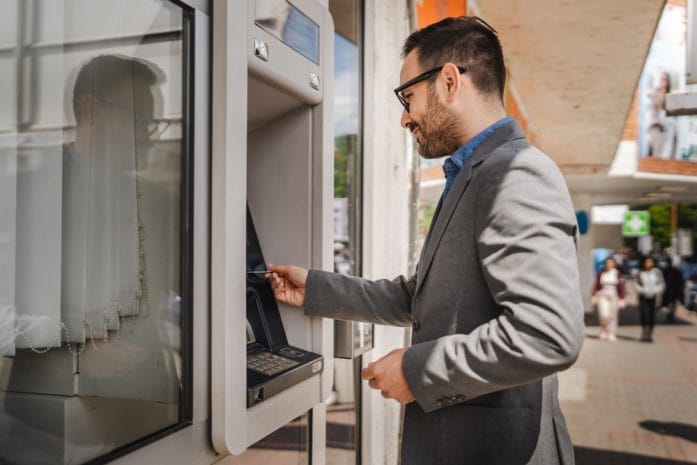
Cash still feels like control. It’s immediate, tangible, and doesn’t depend on a Wi-Fi signal or a battery percentage. Yet across major states like California, New York, Texas, Florida, and Illinois, banks have started dialing back how much cash customers can pull out at once. This shift hasn’t arrived with loud announcements or splashy headlines, but it’s happening steadily—and it’s catching people off guard at ATMs and teller windows alike. For everyday consumers, that quiet change can quickly turn into a frustrating moment when access to funds suddenly feels restricted.

This trend isn’t random, and it certainly isn’t temporary. Financial institutions are making calculated moves based on evolving risks, technology adoption, and changing customer behavior. While digital payments dominate more transactions than ever, cash still plays a crucial role in budgeting, emergencies, and small businesses.

The Real Reasons Banks Are Tightening Withdrawal Limits

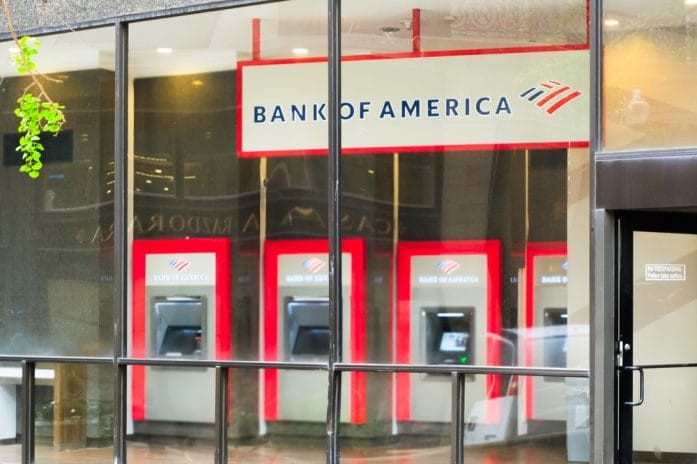
Banks don’t make changes like this on a whim, and several forces drive the decision to reduce cash withdrawal limits. Fraud prevention sits at the top of the list, as criminals increasingly target ATM withdrawals and debit card access. Lower limits help reduce potential losses if someone gains unauthorized access to an account, especially in cases involving stolen cards or hacked PINs. Financial institutions also face pressure from regulators to strengthen security measures, and limiting withdrawals offers a simple, effective layer of protection. This approach allows banks to act quickly without overhauling entire systems or disrupting digital services.

Operational efficiency plays a major role as well, and it often flies under the radar. Banks spend significant resources transporting, storing, and securing physical cash, and those costs add up fast. By reducing withdrawal limits, institutions can streamline cash flow and reduce the need for frequent ATM replenishment. That shift also aligns with a broader industry push toward digital transactions, which cost less to process and track. In short, limiting cash access helps banks cut expenses while nudging customers toward electronic payments.

How This Impacts Everyday Customers

For many people, these changes don’t seem like a big deal—until they need more cash than the new limit allows. Imagine planning a last-minute home repair, paying a contractor, or covering an emergency expense that requires cash. Suddenly, multiple trips to the ATM or a visit to the bank becomes necessary, adding inconvenience and delays. Small business owners, in particular, feel the strain because they often rely on cash for daily operations, tips, or vendor payments. These limits can disrupt routines and force adjustments that weren’t necessary before.

There’s also a psychological shift that comes with reduced access to cash. Consumers often view their bank balance as fully accessible, so restrictions can create a sense of losing control over their own money. That perception matters, especially during times of economic uncertainty when people want quick access to funds. While banks emphasize security and efficiency, customers may interpret the move as a lack of transparency. This disconnect highlights the growing tension between traditional banking expectations and modern financial systems.

The Push Toward a Cashless Economy

Banks aren’t just reacting to risks—they’re actively shaping the future of how money moves. Digital wallets, peer-to-peer payment apps, and contactless transactions have exploded in popularity, making cash less essential for daily life. By lowering withdrawal limits, banks subtly encourage customers to rely more on these digital tools. This shift benefits institutions because electronic transactions generate data, reduce overhead, and integrate seamlessly with modern financial platforms. Over time, that convenience can outweigh the perceived need for physical cash.

However, the move toward a cashless society doesn’t come without challenges. Not everyone has equal access to digital banking tools, especially older adults or underserved communities. Cash still serves as a critical resource for budgeting and avoiding debt, since it limits overspending in a way digital payments often don’t. Reducing access to cash can unintentionally create barriers for those who depend on it most. That’s why this trend sparks debate about fairness, accessibility, and the future of financial inclusion.
Why Banks Are Quietly Reducing Cash Withdrawal Limits in California, New York, Texas, Florida, and Illinois
Image Source: Shutterstock.com

Smart Strategies to Stay Ahead of These Changes

Adapting to lower withdrawal limits doesn’t require a complete financial overhaul, but it does call for a smarter approach. Planning ahead becomes essential, especially for larger expenses that require cash, so spreading withdrawals over several days can help avoid last-minute stress. Keeping a small emergency cash reserve at home can also provide a safety net when limits get in the way. Many consumers are also exploring hybrid strategies, using a mix of digital payments and cash to maintain flexibility. These adjustments may seem minor, but they can make a big difference when access becomes restricted.

Communication with your bank can also go a long way. Some institutions allow temporary limit increases for specific situations, especially if requested in advance. Understanding your bank’s policies, daily limits, and available options helps avoid surprises at the worst possible moment. It’s also wise to explore alternative payment methods that offer speed and security without relying on cash. Taking these proactive steps ensures that reduced limits feel manageable rather than restrictive.

What This Quiet Shift Means for Your Financial Future

The reduction in cash withdrawal limits signals more than just a policy tweak—it reflects a broader transformation in banking. Financial institutions are prioritizing security, efficiency, and digital innovation, even if it means reshaping how customers access their own money. While the changes may feel inconvenient at times, they also highlight the importance of adapting to a rapidly evolving financial landscape. Consumers who stay informed and flexible will navigate these shifts with far less friction. Those who rely solely on old habits may find themselves increasingly constrained.

At the same time, this trend raises important questions about control, access, and trust in the banking system. Cash has long represented independence, and any limitation on it naturally draws attention. As banks continue to refine their strategies, customers will need to balance convenience with preparedness. Staying ahead of these changes ensures financial stability, even as the rules quietly evolve. The key lies in awareness, planning, and a willingness to adjust.

Have you noticed lower withdrawal limits at your bank, and how has it affected your daily routine? Share your story in the comments section below.

You May Also Like…

Banks Are Reducing Credit Limits for Older Customers During Risk Reviews

Why Direct Deposit Fails: Banking Errors That Cost You Benefits

Biometric Banking and the Rise of Fraud Concerns in 2026

6 Data-Scraping Features in Online Banking

6 Government Benefit Checks That Could Be Delayed Under New Fraud Reviews

Brandon Marcus
Brandon Marcus

Brandon Marcus is a writer who has been sharing the written word since a very young age. His interests include sports, history, pop culture, and so much more. When he isn’t writing, he spends his time jogging, drinking coffee, or attempting to read a long book he may never complete.
Filed Under: Banking Tagged With: ATMs, banking trends, cash withdrawal limits, digital payments, money management, Personal Finance, Planning

7 “Boring” Businesses That Make People Quietly Rich

December 3, 2025 by Brandon Marcus Leave a Comment

There Are Many "Boring" Businesses That Make People Quietly Rich
Image Source: Shutterstock.com

There’s something undeniably funny about the fact that many of the world’s most financially comfortable people don’t come from flashy startups, rocket-launching tech giants, or billionaire-level inventions. Instead, they build wealth from businesses so unglamorous, so hilariously mundane, that most people never think twice about them. These people aren’t chasing trends or trying to reinvent the universe—they’re fixing everyday problems so reliably that customers practically line up with open wallets.

While everyone else dreams of becoming the next big influencer or app creator, these entrepreneurs are quietly cashing six- and seven-figure checks from industries you’d barely consider. Let’s shine a spotlight on the wonderfully “boring” businesses that are secretly minting millionaires.

1. Commercial Cleaning Services

Commercial cleaning doesn’t get applause, but it absolutely gets repeat customers. Offices, schools, medical facilities, and warehouses all need regular, reliable cleaning, and companies are willing to pay premium prices for consistency. Once a cleaning business lands a few steady contracts, the income becomes surprisingly predictable and scalable. Many entrepreneurs start with just a handful of clients and eventually hire teams, turning their operation into a cash-generating machine. While everyone else is chasing trendy startups, the humble commercial cleaning service keeps growing quietly in the background.

2. Portable Restroom Rentals

Portable restrooms may not be glamorous, but events, construction sites, and festivals can’t function without them. The beauty of this business lies in its low competition and shockingly high margins, especially once you build a fleet. After the initial investment, the income becomes a cycle of delivery, pickup, and cleaning—all of which clients happily pay for because the alternative is chaos. Entrepreneurs in this industry often find themselves fully booked year-round, especially in areas with heavy development or event activity. It’s the kind of “boring” business that turns practicality into pure profit.

3. Self-Storage Facilities

Self-storage is one of the most reliable wealth builders in the business world, quietly producing passive income for owners across the country. People have more stuff than ever, and they’re always looking for somewhere to put it—especially during moves, renovations, or life changes. The amazing part? Storage facilities don’t require tons of employees or complicated operations to run smoothly. Once the property is set up and rented out, the income becomes steady, predictable, and often grows with very little marketing. What looks like a big building full of boxes is actually a beautiful, humming engine of wealth.

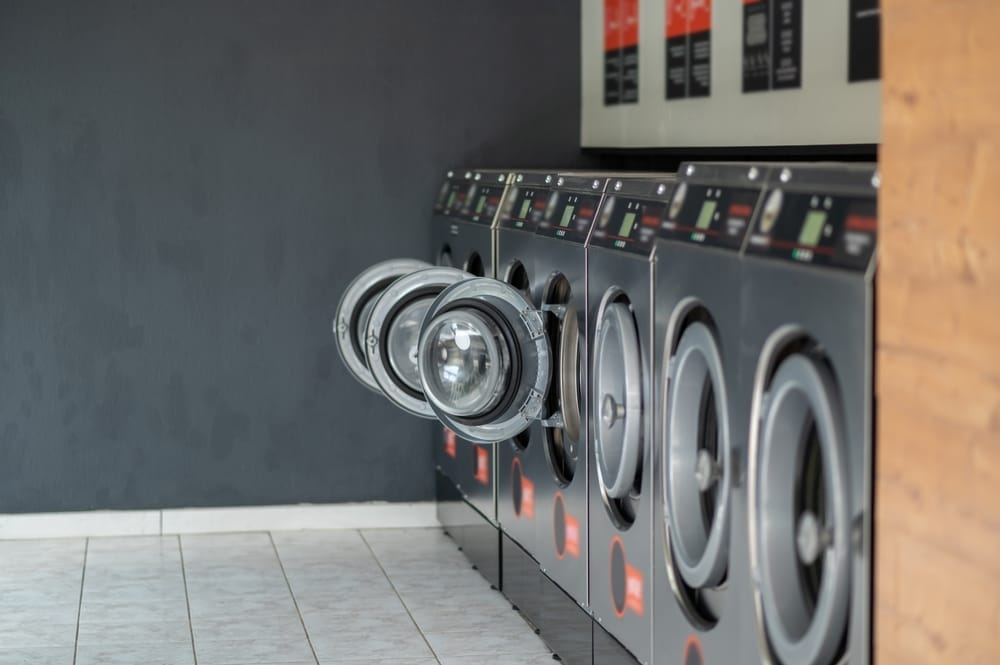
4. Laundromats

Laundromats don’t often get featured on magazine covers, but they’re one of the most dependable cash flow generators on earth. People always need clean clothes, and not everyone has reliable machines at home. A well-maintained laundromat with modern equipment can attract consistent foot traffic from nearby apartments, students, and busy families. While the business does require periodic maintenance, it also runs itself for large stretches of time, making it ideal for entrepreneurs who prefer lower-stress operations. What seems like a sleepy corner business can quietly produce life-changing income.

5. Vending Machine Routes

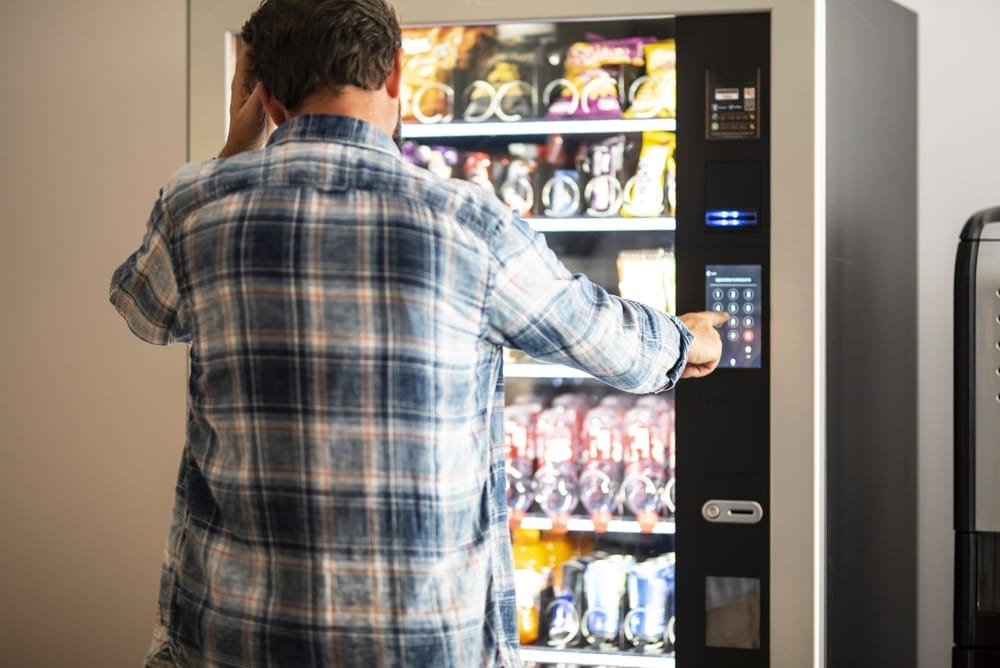
Vending machines are one of the most delightfully simple business models out there. Stock the machines, keep them maintained, collect the money—and repeat. Entrepreneurs who secure high-traffic locations like offices, gyms, hotels, and schools can enjoy steady, low-effort income from each unit. As routes grow, so does the earning potential, and many people scale from one machine to dozens without quitting their day job. It’s not glamorous, but vending machines have helped plenty of people quietly stack serious wealth.

There Are Many "Boring" Businesses That Make People Quietly Rich
Image Source: Shutterstock.com

6. ATM Ownership

ATM ownership is one of the sneakiest, underrated business models because it thrives on sheer convenience. Every time someone withdraws money, the owner earns a small fee, which adds up quickly in the right location. ATMs placed in bars, event centers, malls, or busy retail spots can generate steady passive income month after month. The business requires minimal upkeep beyond cash refills and occasional maintenance. What looks like a simple machine in a corner is often a silent money-maker for the person who placed it there.

7. Waste Removal And Junk Hauling

Junk hauling might not sound glamorous, but it’s one of the fastest-growing service businesses around. People are constantly moving, remodeling, or clearing out their homes—and they need someone with a truck and the muscle to take away the mess. What starts as a simple hauling service can expand into demolition jobs, commercial cleanouts, and partnerships with real estate agents and property managers. The upfront costs are low, the demand is high, and the work is straightforward enough for rapid scaling. It’s a classic example of solving an unglamorous problem and getting paid extremely well for it.

Wealth Hides In Unexpected Places

The world is full of “boring” businesses that offer stability, scalability, and serious income—often with far less risk than trendier ventures. These industries thrive because they provide essential services people rely on every single day, and that reliability translates to long-term wealth. While they may not look exciting from the outside, they’re powerful engines of financial freedom for the people who build them.

Have you ever tried one of these businesses or know someone who has? Share your thoughts, stories, or experiences in the comments below because we’d love to hear them.

You May Also Like…

10 Traits the Rich and Poor Surprisingly Share

5 Expert Warnings About “Get Rich Quick” Investment Schemes

14 Money Warnings Every Small-Business Owner Needs to Hear Right Now

9 Outrageous Lies Financial Advisors Tell To Get Your Business

7 Best Practices for Using Credit Cards Like the Rich Do

Brandon Marcus
Brandon Marcus

Brandon Marcus is a writer who has been sharing the written word since a very young age. His interests include sports, history, pop culture, and so much more. When he isn’t writing, he spends his time jogging, drinking coffee, or attempting to read a long book he may never complete.

Filed Under: Business Tagged With: ATMs, Business, business budgeting, business ideas, business lessons, business management, businesses, cleaning service, get rich, laundromats, quietly rich, restroom rentals, rich and famous, rich habits, rich people, rich people secrets, Rich people traits, storage facilities

Need Big Bills? These 4 Bank ATMs Dispense $100 Bills on Demand

March 17, 2025 by Latrice Perez Leave a Comment

100 dollar bills
Image Source: 123rf.com

Most ATMs are designed to dispense $20 bills by default, but sometimes you need higher denominations. Whether you’re making a large cash purchase, withdrawing money for travel, or simply don’t want to carry a thick stack of smaller bills, getting $100 bills straight from an ATM can be a major convenience.

Fortunately, some banks have ATMs that allow customers to choose their preferred bill denominations—including $100 bills. If you’re wondering where to find these machines, here are four banks that offer ATMs with the option to withdraw $100 bills.

1. Chase Bank

Chase has been upgrading its ATMs to provide more flexible cash withdrawal options. Many of its modern ATMs allow customers to select their preferred denominations, including $100 bills. When withdrawing money, users can customize their selection rather than receiving only $20 bills.

These ATMs are primarily found in Chase branches and high-traffic areas. To locate an ATM that dispenses $100 bills, customers can use Chase’s online ATM locator, which provides details on the features of each machine.

2. Bank of America

Bank of America has also introduced ATMs with customizable withdrawal options, giving customers the ability to choose their preferred bill denominations. Many of these machines dispense $100 bills, making it easier for customers who need larger amounts of cash without receiving stacks of smaller bills.

Bank of America’s website and mobile app allow users to find nearby ATMs that offer specific denominations. If you’re planning to withdraw larger bills, checking ahead can help ensure you find the right machine.

3. U.S. Bank

U.S. Bank is another financial institution that has upgraded its ATM network to offer more flexible withdrawal options. Many of its ATMs now allow customers to withdraw cash in multiple denominations, including $100 bills. This feature is particularly useful for those who prefer fewer, larger bills rather than numerous smaller ones.

To find a U.S. Bank ATM that dispenses $100 bills, customers can use the bank’s online ATM locator or inquire at their local branch about which machines have this capability.

4. PNC Bank

PNC Bank’s advanced ATMs, particularly those equipped with the PNC DepositEasySM feature, allow customers to select their preferred bill denominations during withdrawals. Many of these machines include the option to withdraw $100 bills, making them convenient for those needing larger denominations.

PNC Bank customers can check the bank’s website or mobile app to find an ATM that provides this option. Since not all ATMs offer every denomination, using the locator tool can save time and ensure you visit a machine with the features you need.

How to Find ATMs That Dispense $100 Bills

ATM Machine with hand using it
Image Source: 123rf.com

Not all ATMs within these banks’ networks will have the option to withdraw $100 bills, so it’s important to check before heading out. Here are a few ways to locate the right machine:

  • Use the Bank’s ATM Locator – Most major banks have online ATM locators that specify which machines offer customizable withdrawal options.
  • Look for Machines at Full-Service Branches – ATMs located inside or near full-service bank branches are more likely to have larger denominations available.
  • Check for Denomination Options on the Screen – Some ATMs display denomination options during the withdrawal process, allowing you to select $100 bills if they’re available.

Making Withdrawals More Convenient

With the increasing demand for customizable cash withdrawals, more banks are offering ATMs that provide $100 bills. If you prefer withdrawing larger denominations, checking your bank’s ATM locator or visiting a full-service branch can help you find a machine that meets your needs.

Have you ever needed a $100 bill from an ATM but couldn’t find one? Share your experience in the comments below.

Read More:

8 Things You Didn’t Know About Digital-Only Banks (And Why They’re the Future)

Check Your Credit Report NOW—5 Signs of Identity Theft

Latrice Perez

Latrice is a dedicated professional with a rich background in social work, complemented by an Associate Degree in the field. Her journey has been uniquely shaped by the rewarding experience of being a stay-at-home mom to her two children, aged 13 and 5. This role has not only been a testament to her commitment to family but has also provided her with invaluable life lessons and insights.

As a mother, Latrice has embraced the opportunity to educate her children on essential life skills, with a special focus on financial literacy, the nuances of life, and the importance of inner peace.

Filed Under: Banking Tagged With: $100 bills, ATM locator, ATMs, bank withdrawals, banking tips, cash machines, financial convenience, large denomination cash, money management, personal finance tips

Follow Us

Search this site:

Recent Posts

  • Can My Savings Account Affect My Financial Aid? by Tamila McDonald
  • 12 Ways Gen X’s Views Clash with Millennials… by Tamila McDonald
  • What Advantages and Disadvantages Are There To… by Jacob Sensiba
  • 10 Tactics for Building an Emergency Fund from Scratch by Vanessa Bermudez
  • Call 911: Go To the Emergency Room Immediately If… by Stephen Kanaval
  • 7 Weird Things You Can Sell Online by Tamila McDonald
  • 10 Scary Facts About DriveTime by Tamila McDonald

Copyright © 2026 · News Pro Theme on Genesis Framework