• Home
  • About Us
  • Toolkit
  • Getting Finances Done
    • Hiring Advisors
    • Debt Management
    • Spending Plan
  • Insurance
    • Life Insurance
    • Health Insurance
    • Disability Insurance
    • Homeowners/Renters Insurance
  • Contact Us
  • Privacy Policy
  • Risk Tolerance Quiz

The Free Financial Advisor

You are here: Home / Archives for Real Estate

7 Tips To Get The Best Rates On A Loan To Build Your Dream Home

January 31, 2025 by Latrice Perez Leave a Comment

Tablet and tools with home under construction concept

123rf

Building your dream home is exciting, but securing the best loan terms can feel overwhelming. Interest rates, lender requirements, and credit scores all play a role in how much you’ll pay over time. Getting the best rate on a loan to build a house requires preparation and strategy. The right approach can save you thousands of dollars and make your home-building journey smoother. These seven tips will help you secure a loan with the most favorable terms.

1. Strengthen Your Credit Score

Lenders use your credit score to determine your loan eligibility and interest rate. A higher score shows financial responsibility, making you a lower-risk borrower. Pay down credit card balances, avoid late payments, and dispute any errors on your credit report. Aim for a score of at least 700 to access better rates, though higher is always better. If your score is low, take time to improve it before applying for a loan.

2. Save for a Larger Down Payment

A substantial down payment reduces the lender’s risk, often leading to lower interest rates. Many lenders require at least 20% for a loan to build a house, but putting down more can give you stronger negotiating power. A higher down payment also means borrowing less, which lowers monthly payments. Start saving early and explore programs that offer down payment assistance if needed. Every extra dollar you put down upfront can save you in the long run.

3. Shop Around for Lenders

Different lenders offer different loan terms, so comparing multiple options is essential. Research traditional banks, credit unions, and online lenders to find the best deal. Look beyond just interest rates—consider loan terms, closing costs, and customer service. Some lenders specialize in construction loans and offer more flexibility for your needs. Don’t hesitate to negotiate rates or ask for better terms based on competing offers.

4. Get Pre-Approved Before You Start

word approoval on an abstract background. loan building a house

123rf

Pre-approval gives you a clear picture of your loan options and strengthens your position with lenders. It shows sellers and builders that you’re a serious buyer with secured financing. During this process, lenders assess your financial health, including income, debt, and credit score. Pre-approval also helps you identify any financial issues that need fixing before finalizing your loan. Having a pre-approval in hand can streamline the borrowing process and prevent last-minute surprises.

5. Choose a Fixed-Rate Over a Variable Loan

While variable-rate loans may start with lower interest, they can fluctuate unpredictably over time. A fixed-rate loan locks in your interest, ensuring consistent monthly payments. This stability is crucial for long-term financial planning and protecting against market changes. Compare loan options carefully and choose what aligns with your budget and risk tolerance. A predictable payment structure makes budgeting for your home build much easier.

6. Reduce Your Debt-to-Income Ratio

Lenders evaluate your debt-to-income (DTI) ratio to determine how much you can afford to borrow. A lower DTI signals financial stability and increases your chances of qualifying for a better loan rate. Pay off outstanding debts, avoid taking on new loans, and increase your income if possible. Most lenders prefer a DTI below 43%, but the lower, the better. Keeping your finances in check makes you a more attractive borrower.

7. Time Your Loan Application Wisely

Interest rates fluctuate based on market conditions, so timing matters. Monitor rate trends and apply when rates are lower to maximize savings. Economic factors, Federal Reserve policies, and lender competition all impact loan rates. Working with a knowledgeable mortgage broker can help you choose the right time to apply. Acting strategically can result in a significantly lower loan cost over the years.

If you found these tips helpful, share this article with others who are planning to build their dream home. A little preparation now can lead to significant savings in the future!

Read More: 

  • Forget Traditional Home Ownership: 12 Alternative Housing Options That Can Give You Real Financial Freedom
  • Are There Any Cheap Ways to Get Started In Buying Real Estate?


Latrice Perez

Latrice is a dedicated professional with a rich background in social work, complemented by an Associate Degree in the field. Her journey has been uniquely shaped by the rewarding experience of being a stay-at-home mom to her two children, aged 13 and 5. This role has not only been a testament to her commitment to family but has also provided her with invaluable life lessons and insights.

As a mother, Latrice has embraced the opportunity to educate her children on essential life skills, with a special focus on financial literacy, the nuances of life, and the importance of inner peace.


Filed Under: Real Estate Tagged With: building a house, construction mortgage, home construction loan, home financing, loan to build a house, low-interest loan, Mortgage Tips

Are There Any Cheap Ways to Get Started In Buying Real Estate?

October 29, 2024 by Vanessa Bermudez Leave a Comment

Are There Any Cheap Ways to Get Started In Buying Real Estate

123rf

Getting into real estate can seem out of reach for many, but affordable strategies can help you take that first step. Real estate investment offers long-term growth and financial security, and you don’t need a massive budget to begin. This guide explores some of the most accessible, budget-friendly ways to get started.

1. Look Into REITs (Real Estate Investment Trusts)

A Real Estate Investment Trust (REIT) allows you to invest in real estate without directly buying property. REITs are companies that own, manage, or finance real estate assets and allow investors to buy shares. You can get started with minimal capital, often for as little as $100, which makes REITs an ideal starting point for budget-conscious investors. REITs also provide portfolio diversity and often pay dividends, adding an extra income stream. Best of all, you can buy and sell shares easily, just like stocks.

2. Explore Crowdfunding Platforms

Real estate crowdfunding platforms allow multiple investors to pool funds to invest in real estate properties. These platforms often have low minimum investments, with some starting at $500 or less, making it an affordable entry point. Through crowdfunding, you can own a share in various types of properties, from commercial spaces to residential rentals. It’s also a hands-off approach since the platform manages the property. Crowdfunding allows you to spread your investment across different projects, reducing risk while keeping costs low.

3. Buy Property with a Partner

Buy Property with a Partner

123rf

If buying property alone is too expensive, consider co-investing with a partner or a small group. By pooling resources, you can afford a better property and reduce individual financial risk. Sharing costs makes it possible to cover down payments, maintenance, and other fees without stretching your budget. However, it’s crucial to have a clear agreement with your partner to avoid future disputes. Partnering allows you to split responsibilities and expenses, making real estate investment more manageable.

4. Consider House Hacking

House hacking is a popular strategy that involves buying a multi-unit property, living in one unit, and renting out the others. By collecting rental income from tenants, you can offset your mortgage and other housing expenses, making ownership more affordable. Some people even use house hacking to live rent-free or cover their property’s costs entirely. This approach provides valuable property management experience and builds equity in a property. House hacking is an effective way to enter real estate with minimal ongoing expenses.

5. Invest in Low-Cost Properties

Look for properties in affordable areas or emerging markets where prices are lower. Many investors find success by purchasing foreclosures, fixer-uppers, or small homes in less competitive locations. Low-cost properties require less initial capital, and if you’re willing to do minor repairs or updates, you can increase the property’s value over time. By starting with a cheaper property, you can gain investment experience without risking a large amount. As your budget grows, you can use equity from your low-cost properties to move into higher-value real estate.

6. Check Out FHA Loans

Check Out FHA Loans

123rf

An FHA loan, backed by the Federal Housing Administration, allows qualified buyers to secure a home with as little as 3.5% down. FHA loans are designed for low- to moderate-income individuals, making homeownership more accessible. You still need to meet credit and income requirements, but these loans make it easier to purchase your first property on a tight budget. FHA loans can also be used for multi-unit properties, allowing you to explore house hacking while reducing upfront costs. It’s a budget-friendly way to get started with real estate.

7. Look for Seller Financing Opportunities

Seller financing allows buyers to purchase real estate without a traditional mortgage by making payments directly to the property owner. In this arrangement, the seller acts as the lender, often resulting in more flexible terms and less stringent requirements. Seller financing can be ideal if you’re unable to secure a conventional loan due to credit or income limitations. It’s a creative, low-cost way to finance a property, especially if you negotiate affordable terms with the seller. This approach enables you to bypass banks and make real estate ownership more accessible.

8. Consider a Lease Option

A lease option allows you to rent a property with the possibility of buying it later. During the lease period, you make monthly payments and have the right to purchase the property at a pre-agreed price. This strategy is a great way to test homeownership, build credit, and save for a down payment while securing a future purchase. Lease options often require a small upfront fee, making it an affordable way to start in real estate. If you decide not to buy, you simply move on when the lease ends.

Get Started Today with Budget-Friendly Real Estate Strategies

There are many affordable ways to dive into real estate, even if you’re on a tight budget. Each of these strategies offers unique benefits that can help you start building wealth and experience. Start by assessing your goals, budget, and risk tolerance to find the approach that suits you best. Real estate investment doesn’t have to be intimidating; by taking small, thoughtful steps, you can grow your investments over time. Start exploring today, and take that first step toward building your real estate portfolio.

Vanessa Bermudez
Vanessa Bermudez
Vanessa Bermudez is a content writer with over eight years of experience crafting compelling content across a diverse range of niches. Throughout her career, she has tackled an array of subjects, from technology and finance to entertainment and lifestyle. In her spare time, she enjoys spending time with her husband and two kids. She’s also a proud fur mom to four gentle giant dogs.

Filed Under: Real Estate Tagged With: Affordable Real Estate Tips, Cheap Ways to Buy Real Estate, First-Time Investor Tips, Property Investing on a Budget, Real Estate Investment

Do You Want The House? 7 Surefire Ways To Buy Someone Out Of A House

August 30, 2024 by Latrice Perez Leave a Comment

how to buy someone out of a house

unsplash

When relationships change, or partnerships dissolve, you might find yourself in a situation where you need to buy someone out of a shared property. This process can be complex, but with the right strategy, you can navigate it smoothly. Understanding the steps involved in buying someone out of a house can save you time, money, and stress. Here are seven effective strategies to help you successfully buy someone out of a house.

Assessing the Value of the Property

The first step in buying someone out of a house is to determine the property’s current market value. This can be done by hiring a professional appraiser who will provide an accurate and unbiased valuation. Knowing the exact value is crucial as it forms the basis of any negotiation. Once you have this figure, you can approach the buyout process with confidence.

Reviewing the Mortgage Situation

If there’s an existing mortgage on the property, you’ll need to evaluate how it impacts the buyout. You may have to refinance the mortgage to remove the other person’s name from the loan. It’s essential to ensure that you can afford the new mortgage on your own. By addressing the mortgage early on, you can avoid potential financial complications later.

Negotiating the Buyout Terms

Negotiating the terms on how to buy someone out of a house is where things can get tricky. Both parties need to agree on a fair price based on the property’s value. It’s important to approach these discussions with a clear understanding of your financial situation. Consider seeking legal or financial advice to ensure the agreement is fair and in your best interest.

Exploring Financing Options

Securing the necessary funds to buy someone out of a house can be challenging. You may need to explore various financing options, such as personal loans, home equity loans, or refinancing the mortgage. It’s important to choose the option that offers the best terms and interest rates. Thoroughly research each option to determine which one aligns with your financial goals.

Drafting a Legal Agreement

Once the buyout terms are agreed upon, it’s crucial to draft a legally binding agreement. This document should outline all the terms of the buyout, including the payment amount, timeline, and any other relevant details. Having a clear legal agreement protects both parties and ensures that there are no misunderstandings later on. It’s advisable to have a lawyer review the agreement to ensure it is comprehensive.

Finalizing the Transaction

After the legal agreement is in place, the next step is to finalize the transaction. This involves transferring the agreed-upon funds and signing the necessary paperwork to remove the other party from the property title. Make sure all legal and financial documents are properly filed with the relevant authorities. This step is critical to ensure that you have full ownership of the property.

Moving Forward with Ownership

Once the buyout is complete, it’s time to move forward as the sole owner of the property. This might involve adjusting to new financial responsibilities and making decisions independently. It’s important to reassess your financial situation and make any necessary adjustments to your budget. Moving forward with a clear plan will help you manage your new responsibilities effectively.

Making the Best Decision

Buying someone out of a house is a significant decision that requires careful consideration. By following these seven steps, you can navigate the process with confidence and ensure a fair outcome for both parties. Remember, seeking professional advice at each stage can help you avoid common pitfalls. Taking the time to make informed decisions will set you up for success as the sole owner of the property.

Latrice Perez

Latrice is a dedicated professional with a rich background in social work, complemented by an Associate Degree in the field. Her journey has been uniquely shaped by the rewarding experience of being a stay-at-home mom to her two children, aged 13 and 5. This role has not only been a testament to her commitment to family but has also provided her with invaluable life lessons and insights.

As a mother, Latrice has embraced the opportunity to educate her children on essential life skills, with a special focus on financial literacy, the nuances of life, and the importance of inner peace.
Filed Under: Real Estate Tagged With: buying out a house, house buyout process, how to buy someone out of a house, legal agreement, mortgage refinancing, property buyout, property ownership

Expert Advice: 6 Ways to Secure a Second Home Without Stressing Your Finances

August 20, 2024 by Amanda Blankenship Leave a Comment

can i afford a second home - New Home, real estate and moving concept - Funny young couple showings keys from new house

Purchasing a second home is a dream for many, offering a retreat or a potential investment opportunity. However, the financial implications can be daunting. 

Below you’ll find expert advice on how to secure a second home without straining your finances, ensuring that this significant investment enhances your financial well-being rather than becoming a burden.

1. Evaluate Your Financial Health First

Before diving into the process of buying a second home, it’s crucial to assess your current financial situation. This involves reviewing your savings, debt levels, and existing financial commitments. 

Ask yourself, “Can I afford a second home?” and consider consulting a financial advisor to get an objective view. Ensuring that your primary residence is financially secure and that you have an emergency fund in place is essential. By thoroughly evaluating your financial health, you can make informed decisions and avoid overextending yourself.

2. Consider Rental Income Potential

One way to ease the financial burden of a second home is to generate rental income from the property. Whether it’s a vacation rental or a long-term lease, this income can offset mortgage payments and other costs. 

Research the rental market in the area where you plan to buy and consider how often you’ll use the property versus how often it will be rented out. Ensure that rental income will cover expenses, including maintenance, taxes, and insurance. This approach can make owning a second home more financially viable.

3. Shop Around for the Best Mortgage Rates

Securing a favorable mortgage rate is critical when purchasing a second home. Interest rates can vary significantly, so it’s important to shop around and compare offers from different lenders. Consider working with a mortgage broker who can help you find the best deal based on your financial profile. 

Remember, the interest rate you secure will impact your monthly payments and the overall cost of the home. By securing a competitive rate, you can reduce financial strain and make the second home more affordable.

selective focus of man giving house shaped key chain to happy couple in new home

Bill Gassett, a home sales expert and owner of Maximum Real Estate Exposure recommends speaking to multiple lenders.

“With something as vital as getting the best mortgage terms it pays to speak to multiple lenders or work with a mortgage broker with access to several lending options. The rate and terms you receive will impact what you pay over the life of the loan. Even a ¼ point difference can make a significant difference.

When working with clients, I explain to them how working with my mortgage broker vs. walking into a local bank for a home loan can make a tremendous difference. On occasion, the buyers have received a ¾ percent lower rate!”

4. Choose the Right Location Carefully

Location plays a vital role in the long-term value and affordability of a second home. When selecting a location, consider not only the property’s appeal but also the cost of living, taxes, and potential for appreciation. A property in a high-demand area may offer better rental income and long-term value but could come with higher upfront costs. 

On the other hand, a more affordable location might require fewer financial sacrifices but offer lower potential returns. Balancing these factors will help ensure that you make the right decision when asking yourself, “Can I afford a second home?”

5. Budget for Maintenance and Hidden Costs

Owning a second home involves more than just mortgage payments. Maintenance, repairs, utilities, property management fees, and taxes can add up quickly. It’s essential to create a comprehensive budget that includes all potential expenses associated with the property. 

This will help you avoid unpleasant surprises and ensure that you’re financially prepared for the ongoing costs of maintaining a second home. Planning for these expenses upfront can prevent financial stress and ensure that your second home remains a source of enjoyment, not anxiety.

6. Leverage Tax Benefits and Deductions

There are several tax benefits associated with owning a second home, which can ease the financial burden. For instance, mortgage interest and property taxes on a second home may be deductible, similar to those on your primary residence. If you rent out the property, you may also be able to deduct expenses related to rental income. 

However, tax laws can be complex, so it’s advisable to consult with a tax professional to fully understand the deductions and benefits available to you. Leveraging these tax advantages can make owning a second home more affordable. 

So, Can I Afford A Second Home?

Purchasing a second home is a significant financial commitment, but with careful planning and strategic decision-making, it can be a rewarding investment. By evaluating your financial health, considering rental income potential, securing favorable mortgage rates, choosing the right location, budgeting for all costs, and leveraging tax benefits, you can secure a second home without overwhelming your finances. 

Amanda Blankenship

Amanda Blankenship is the Chief Editor for District Media.  With a BA in journalism from Wingate University, she frequently writes for a handful of websites and loves to share her own personal finance story with others. When she isn’t typing away at her desk, she enjoys spending time with her daughter, son, husband, and dog. During her free time, you’re likely to find her with her nose in a book, hiking, or playing RPG video games.

Filed Under: Real Estate Tagged With: can i afford a second home, Real estate, real estate investing, Real Estate Investments

Forget Traditional Home Ownership: 12 Alternative Housing Options That Can Give You Real Financial Freedom

June 10, 2024 by Toi Williams Leave a Comment

alternative housing options

123RF

Traditional home ownership, while a common goal, is not the only path to financial stability and independence. In fact, the burden of a mortgage and the associated costs of maintaining a traditional home can sometimes hinder financial freedom. For those looking to break free from conventional living arrangements and explore more flexible and cost-effective options, alternative housing provides a viable solution. Here are 12 alternative housing options that can offer real financial freedom and flexibility, allowing you to live on your own terms and achieve your financial goals.

1. Tiny Homes

123RF

Tiny homes have gained popularity as a minimalist and cost-effective housing solution. These compact, portable houses typically range from 100 to 400 square feet, offering a simplified lifestyle with lower maintenance and utility costs. By downsizing your living space, you can significantly reduce your living expenses and free up more money for other financial goals. Living in a tiny home encourages a minimalist lifestyle, focusing on the essentials and reducing clutter. This can lead to a greater sense of freedom and financial security, as the lower costs associated with tiny home living allow for more savings and less financial stress.

2. Houseboats

123RF

For those who love the water, houseboats offer a unique and adventurous living experience. Houseboats provide the freedom to live on the water, with the ability to relocate to different marinas or bodies of water as desired. This mobile lifestyle can lead to lower living costs compared to traditional homes, with fewer property taxes and maintenance fees. Houseboat living can also offer a sense of community among fellow boaters and the opportunity to enjoy waterfront views and activities. These alternative housing options provide a flexible and financially freeing lifestyle for those who crave adventure and a connection to nature.

3. RV Living

123RF

Living in a recreational vehicle (RV) provides the ultimate in mobility and freedom. RVs come in various sizes and styles, from small campers to luxury motorhomes, allowing you to choose a setup that fits your lifestyle and budget. This nomadic lifestyle enables you to travel and explore new places while keeping your living expenses low. RVs offer the flexibility to park at campgrounds, RV parks, or even on private land, often at a fraction of the cost of traditional housing. This alternative living arrangement is perfect for those seeking financial freedom and the ability to experience new adventures without the constraints of a fixed address.

4. Cohousing Communities

123RF

Cohousing communities are intentional neighborhoods where residents share common spaces and facilities while maintaining their own private homes. These communities emphasize collaboration, sustainability, and a strong sense of community. By sharing resources such as laundry facilities, gardens, and common areas, residents can reduce their individual living costs and environmental footprint. Cohousing offers the benefits of communal living, including shared responsibilities and social support, while still allowing for personal privacy. These alternative housing options can provide financial freedom through shared expenses and a cooperative approach to living.

5. Container Homes

123RF

Container homes are innovative and eco-friendly housing options built from repurposed shipping containers. These durable and modular structures can be customized to create unique and affordable living spaces. Container homes offer a cost-effective alternative to traditional construction, with lower material and labor costs. Living in a container home allows for significant savings on construction and maintenance, freeing up more funds for other financial goals. These alternative housing options are ideal for those who value sustainability, creativity, and financial freedom.

6. Yurts

123RF

Yurts are circular, tent-like structures with a history rooted in traditional Mongolian nomadic living. Modern yurts are made from durable materials and can be equipped with all the amenities of a traditional home. They offer a unique and affordable housing option, with lower construction and maintenance costs compared to conventional homes. Yurts provide a close connection to nature and a minimalist lifestyle, promoting financial freedom through reduced living expenses and a simpler way of life. This alternative housing option is perfect for those seeking an eco-friendly and cost-effective living solution.

7. Shared Housing

123RF

Shared housing involves renting a room or space in a larger home with other individuals or families. This arrangement allows for shared living expenses, such as rent, utilities, and maintenance costs, significantly reducing individual financial burdens. Shared housing can provide a sense of community and support, while still maintaining personal privacy. These alternative housing options are ideal for those looking to cut costs and achieve financial freedom without compromising on living space or amenities. It offers the flexibility to choose living arrangements that fit your budget and lifestyle needs.

8. Off-Grid Living

123RF

Off-grid living involves disconnecting from traditional utilities and relying on renewable energy sources, such as solar or wind power, for electricity. This self-sufficient lifestyle can reduce or eliminate utility bills, offering significant financial savings. Off-grid living often includes sustainable practices like rainwater collection, composting, and growing your own food. Living off the grid promotes independence and a reduced environmental impact, aligning with a minimalist and financially freeing lifestyle. This alternative housing option is perfect for those seeking to live sustainably and reduce their reliance on external systems.

9. Cooperative Housing

123RF

Cooperative housing, or co-ops, involves a group of individuals owning and managing a residential building collectively. Residents typically purchase shares in the co-op, which grants them the right to occupy a unit and participate in decision-making processes. This communal ownership model can lower housing costs and provide a strong sense of community. Cooperative housing offers financial freedom through shared expenses and democratic management, reducing the individual financial burden and promoting collective responsibility. It is an ideal alternative for those who value community living and want to invest in affordable housing.

10. Tiny Home Villages

123RF

Tiny home villages are communities of small, affordable homes that offer a supportive and collaborative living environment. These villages often include shared amenities like communal gardens, workshops, and social spaces, reducing the need for individual ownership of these facilities. Tiny home villages promote a minimalist lifestyle and financial freedom through reduced living expenses and shared resources. These alternative housing options are perfect for those seeking a tight-knit community and the financial benefits of living in a small, low-maintenance home. Tiny home villages offer a balance of independence and community support, making them an attractive choice for many.

11. Micro-Apartments

123RF

Micro-apartments are compact living spaces that typically range from 200 to 400 square feet. These small units are designed to maximize functionality and efficiency, providing affordable housing options in urban areas. Micro-apartments often include access to shared amenities like gyms, laundry facilities, and communal areas, reducing the need for individual investments in these features. Living in a micro-apartment allows for significant savings on rent and utilities, promoting financial freedom through lower living expenses. This alternative housing option is ideal for those who value simplicity and want to live affordably in a vibrant city environment.

12. Floating Homes

123RF

Floating homes are unique residential structures built on water, offering a distinctive and often cost-effective alternative to traditional housing. These homes are typically anchored in marinas or protected waterways and provide all the comforts of a traditional home with the added benefit of waterfront living. Floating homes offer financial freedom by eliminating the costs associated with land ownership and potentially reducing property taxes. This alternative housing option is perfect for those who seek a tranquil and adventurous lifestyle, enjoying the benefits of living on the water without the constraints of conventional home ownership.

Embracing Financial Freedom Through Alternative Housing

123RF

Exploring alternative housing options can open up new possibilities for financial freedom and a more flexible lifestyle. Whether you choose a tiny home, a houseboat, or a cooperative living arrangement, these innovative solutions offer the potential to reduce living costs, simplify your life, and achieve greater financial independence. By breaking free from the traditional home ownership model and embracing alternative housing, you can create a living situation that aligns with your financial goals and personal values. Start your journey towards financial freedom today by considering these unique and cost-effective housing options.

Toi Williams
Toi Williams

Toi Williams began her writing career in 2003 as a copywriter and editor and has authored hundreds of articles on numerous topics for a wide variety of companies. During her professional experience in the fields of Finance, Real Estate, and Law, she has obtained a broad understanding of these industries and brings this knowledge to her work as a writer.

Filed Under: Real Estate Tagged With: alternative housing, housing, Housing Costs, Real estate

11 Home Improvement Trends You’ll Probably Regret

June 7, 2024 by Vanessa Bermudez Leave a Comment

renovating a home

123rf

In the fast-paced world of home decor, what’s hot today can quickly become not tomorrow. Jumping on the latest home improvement trend might seem like a great idea at the moment, but some choices can lead to buyer’s remorse down the line. Whether it’s impractical designs or overly bold style choices, let’s walk through 11 home improvement trends that might have you saying, “What was I thinking?” in a few years.

1. Ultra-Complicated Technology

Ultra-Complicated Technology

123rf

Smart homes are in, but overly complicated systems could be out. While integrating technology into your home is cutting-edge, too much tech can be overwhelming. Think twice before wiring every light and sound with a complex system that could be obsolete in a few years or difficult for the next homeowner to love. Plus, if the technology fails, you could be left with a headache-inducing repair job. Simplicity often ages more gracefully in the tech world.

2. Over-The-Top Wallpaper

Over-The-Top Wallpaper

123rf

Bold, busy wallpaper might capture your heart today, but it can quickly wear out its welcome. Patterns that are overly loud can make a room feel smaller and more cluttered. They can also be a nightmare to remove when you decide it’s time for a change. If you’re drawn to patterns, consider using them on accent pieces or a single focal wall instead. This way, you can enjoy the trend without committing to a labor-intensive redo later.

3. Excessive Open Shelving

Excessive Open Shelving

Canva

Open shelving has stormed the design scene, offering a chic, airy look. However, it demands constant organization and cleaning. If your daily life doesn’t allow time to keep everything meticulously arranged, this trend can turn your space into a cluttered mess. Plus, open shelves in kitchens collect dust and grease, making them harder to maintain. They’re beautiful when styled right but can be impractical for many.

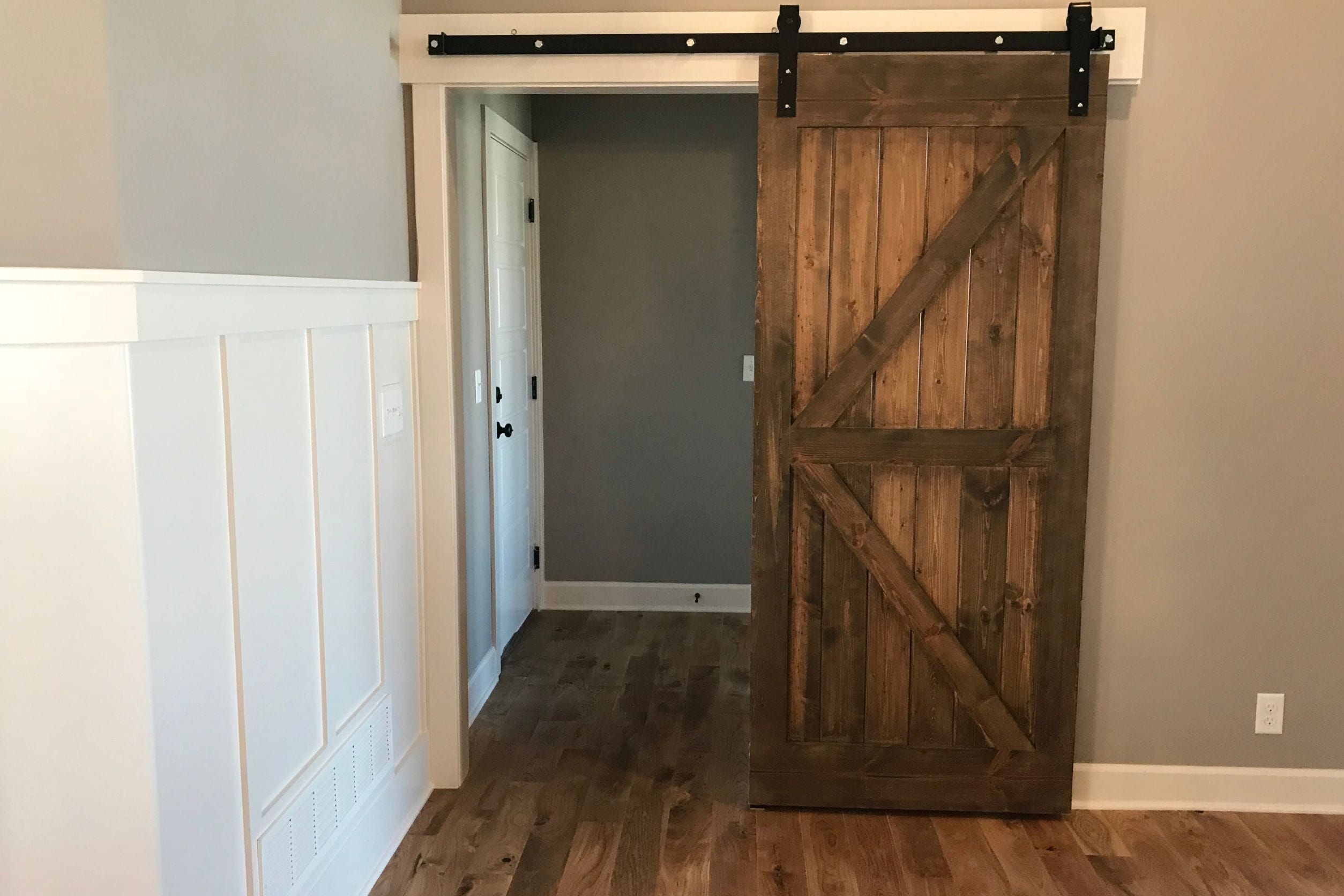
4. Barn Doors

Barn Doors

Canva

Barn doors can add a charming, rustic touch when used correctly, but they aren’t always practical. They don’t seal off rooms as well as traditional doors, meaning privacy and noise control can be compromised. They also require sufficient wall space on one side to slide, which limits their use in smaller rooms. While attractive, think about whether their functionality matches your living needs before installing. Otherwise, they might just be a passing fancy.

5. All-White Everything

All-White Everything

Canva

The all-white aesthetic is sleek and modern but can be incredibly hard to maintain. Every smudge, scratch, and speck of dirt is visible against a stark white backdrop. This trend also lacks warmth and can make a space feel cold and uninviting. If you love the clean look, try mixing in some warm tones or textures to balance out the sterility. It’s a trend that requires a lot of upkeep and is a perfect match for very tidy individuals.

6. Industrial Overload

Industrial Overload

Canva

While industrial design elements can bring an edgy, contemporary vibe, too much can feel cold and unwelcoming. Exposed pipes and ducts, concrete floors, and metal fixtures are great in moderation but can make a home feel more like a warehouse. To avoid this, mix industrial elements with softer textures and warmer colors to create a balanced, homey feel. This way, you get the cool factor without the starkness. Remember, a home should feel like a home, not a factory.

7. Tiny Home Offices

Tiny Home Offices

Canva

With more people working from home, tiny offices have become a trend. However, squeezing a workspace into a too-small area can hinder productivity and quickly feel cramped. If you’re dedicating space to a home office, make sure it’s adequate to comfortably accommodate your work needs. It’s better to convert a larger area than regret a small, insufficient space. Effective home offices need room to breathe!
8. Overly Themed Rooms

Overly Themed Rooms

Canva

Themed rooms can be fun but often don’t age well. Whether it’s a nautical bedroom or a cinema-style living room, these spaces can quickly become dated or kitschy. If you love a theme, incorporate elements subtly rather than letting them take over the room. This way, you can enjoy your interests without committing to a design that might feel out of place in the future. Themes are best when they’re a nod, not a shout.

9. Mirrored Furniture

Mirrored Furniture

Canva

Mirrored furniture can add a touch of glamour, but it also attracts fingerprints and dust like a magnet. This furniture requires constant cleaning to keep it looking good. It also runs the risk of looking dated very quickly as its popularity peaks and troughs dramatically. If you’re drawn to the reflective look, try incorporating mirrors in smaller decor items instead. This provides the sparkle without the high maintenance.

10. Single-Use Spaces

Single-Use Spaces

Canva

Creating rooms dedicated to a single purpose, like a home cinema or a gym, might seem appealing but often leads to underutilization. These spaces can also be a turn-off for future buyers who may not share your

interests. Instead, aim for multi-functional spaces that can adapt to various needs over time. This flexibility can make your home more appealing to a broader audience and more practical for your own use.


11. Minimalist Extremes

Minimalist Extremes

Canva

Minimalism is beautiful and calming, but an extreme minimalist look can make a home feel uninhabited and unwelcoming. It’s important to strike a balance between uncluttered spaces and a lived-in feel. Too little in a room can echo and feel stark, while the right amount of decor can make it warm and inviting. Consider the practicalities of minimalist living before stripping everything back. A home should be a place of comfort, not just a showcase.

Future-Proof Your Home Improvements

Future-Proof Your Home Improvements

123rf

While it’s fun to explore the latest trends, it’s wise to consider how they’ll fit into your life in the long run. The key to a regret-free home makeover is balance, mixing trendy with timeless, bold with understated. By choosing adaptable, practical improvements, you ensure that your home remains both modern and functional, no matter the passing fads. Remember, the best trend is the one that makes you happy and serves your lifestyle for years to come.

Vanessa Bermudez
Vanessa Bermudez
Vanessa Bermudez is a content writer with over eight years of experience crafting compelling content across a diverse range of niches. Throughout her career, she has tackled an array of subjects, from technology and finance to entertainment and lifestyle. In her spare time, she enjoys spending time with her husband and two kids. She’s also a proud fur mom to four gentle giant dogs.

Filed Under: Real Estate Tagged With: Decor Trends, Home Decor Mistakes, Home Improvement, interior design, Trendy Home Tips

12 Red Flags That Indicate a Bad Neighborhood

June 3, 2024 by Teri Monroe Leave a Comment

bad neighborhood

123rf

Living in a good neighborhood can significantly impact your quality of life, safety, and overall happiness. However, identifying whether a neighborhood is suitable can be challenging, especially if you’re new to the area. To help you make an informed decision, here are 12 red flags that may indicate a bad neighborhood.

1. High Crime Rates

high crime rate

123rf

One of the most obvious signs of a bad neighborhood is a high crime rate. Checking local crime statistics can provide a clear picture of the safety of the area. Frequent reports of burglaries, assaults, or vandalism should raise concerns. Utilizing apps and websites that track crime in real-time can also help you stay informed about the neighborhood’s safety trends.

2. Abandoned Buildings and Lots

abandoned buildings

123rf

Abandoned buildings and empty lots can be a significant red flag. These areas often become hotspots for illegal activities and can attract undesirable elements. They also reflect poorly on the neighborhood’s economic health, suggesting a lack of investment and development. When exploring a potential new home, take note of any such properties and consider their impact on the community.

3. Poorly Maintained Properties

poorly maintained properties bad neighborhood

123rf

Well-maintained properties are a sign of a community that cares about its environment. Conversely, numerous homes in disrepair can indicate a lack of pride and investment in the area. Peeling paint, broken windows, and overgrown yards are not just eyesores but can also signal deeper issues. Consistent neglect might suggest that the residents or landlords are not invested in the neighborhood’s well-being.

4. Lack of Amenities

lack of amenities bad neighborhood

123rf

A thriving neighborhood typically offers a variety of amenities such as parks, libraries, community centers, and shops. The absence of these facilities can significantly impact your quality of life. If the nearest grocery store or pharmacy is miles away, it can be a major inconvenience. Additionally, a lack of recreational spaces can be particularly concerning for families with children.

5. Frequent Police Presence

frequent police presence bad neighborhood

123rf

While a visible police presence can be reassuring, an overabundance can suggest ongoing issues within the neighborhood. Constant police activity might indicate high crime rates or other persistent problems. It’s important to gauge whether the police presence feels protective or indicative of underlying troubles. Observing the nature of interactions between residents and law enforcement can provide further insights.

6. Low Property Values

research properties values

123rf

Significantly lower property values compared to neighboring areas can be a warning sign. This could reflect high crime rates, poor school performance, or a general lack of community investment. It’s essential to research recent property sales and trends to understand the market. A consistently declining real estate market can indicate deep-rooted issues within the neighborhood.

7. Poor School Performance

school performance

123rf

Schools are often a reflection of the community. Poorly performing schools can signal broader social and economic challenges within the neighborhood. Low graduation rates and test scores may indicate a lack of resources and support for students. For families, the quality of local schools is a crucial factor to consider when choosing a neighborhood.

8. Limited Public Transportation

public transportation

123rf

Effective public transportation can enhance the livability of a neighborhood. Limited access to buses, trains, or other forms of public transit can make commuting difficult and inconvenient. This can also reflect on the area’s development and infrastructure planning. A lack of reliable public transportation options can isolate residents and reduce overall mobility.

9. Excessive Noise Pollution

noise pollution

123rf

High levels of noise pollution can drastically affect your comfort and health. Frequent noise from traffic, industrial activities, or late-night disturbances can be unbearable. Before moving in, visit the neighborhood at different times of the day and week to assess the noise levels. Persistent noise issues can indicate a lack of community regulation and respect.

10. Graffiti and Vandalism

graffiti

123rf

While some graffiti can be seen as artistic expression, widespread vandalism often indicates neglect and disorder. Consistent tagging and damage to public property can be a sign of gang activity or general lawlessness. It also suggests that community pride and efforts to maintain public spaces might be lacking. Observing the cleanliness and upkeep of communal areas can give you a good idea of the neighborhood’s overall condition.

11. Infrequent Trash Collection

infrequent trash collection

123rf

Overflowing trash bins and littered streets can be a major red flag. This issue can lead to health hazards, pest infestations, and a generally unpleasant living environment. Inconsistent or infrequent trash collection services reflect poorly on the local governance and community organization. Cleanliness and sanitation are fundamental to a neighborhood’s livability.

12. High Turnover Rates

turnover in bad neighborhood

123rf

A high turnover rate among residents can indicate dissatisfaction with the neighborhood. Constant movement in and out of the area suggests that people are not settling down and investing in the community. This can lead to a lack of stability and continuity, making it difficult to establish a sense of community. Investigate how long current residents have lived in the area to get a sense of its stability.

Trust Your Instincts and Do Your Research

neighborhood

123rf

While these red flags are important to consider, it’s essential to trust your instincts and conduct thorough research. Visit the neighborhood multiple times, speak with current residents, and use online resources to gather as much information as possible. Remember, a neighborhood can greatly impact your lifestyle, so making an informed decision is crucial. By staying vigilant and aware of these warning signs, you can find a place that feels safe and welcoming for you and your family.

Photograph of Teri Monroe
Teri Monroe
Teri Monroe started her career in communications working for local government and nonprofits. Today, she is a freelance finance and lifestyle writer and small business owner. Teri holds a B.A. From Elon University.  In her spare time, she loves golfing with her husband, taking her dog Milo on long walks, and playing pickleball with friends.

Filed Under: Real Estate Tagged With: bad neighborhood, Home, House, Real estate

Can I Get A HELOC With Bad Credit: 12 Reasons Why You Shouldn’t

May 29, 2024 by Toi Williams Leave a Comment

HELOC wIth bad credit

via 123RF

Home Equity Lines of Credit (HELOCs) can be a tempting option for homeowners looking to tap into their home’s equity. However, if you have bad credit, obtaining a HELOC may not be the wisest financial decision. While it’s possible to get approved, there are significant risks and drawbacks to consider. Here are 12 reasons why you shouldn’t get a HELOC with bad credit.

1. Higher Interest Rates

via 123RF

With bad credit, lenders view you as a higher-risk borrower. This means you’ll likely face much higher interest rates compared to someone with good credit. Higher interest rates can significantly increase the cost of borrowing, making the HELOC more expensive in the long run. The additional cost in interest can outweigh the benefits of accessing your home’s equity, especially if you’re already struggling financially. It’s essential to calculate the total cost of borrowing and consider whether it’s worth the financial burden.

2. Increased Monthly Payments

via 123RF

Higher interest rates also lead to higher monthly payments. If you’re already dealing with financial difficulties, adding a large monthly payment to your budget can exacerbate your financial stress. Missing payments on your HELOC can lead to serious consequences, including damage to your credit score and potential foreclosure. It’s crucial to ensure you can comfortably afford the payments before taking on additional debt.

3. Risk of Foreclosure

via 123RF

A HELOC is secured by your home, meaning if you fail to make payments, the lender can foreclose on your property. With bad credit, your financial situation is already precarious, and taking on a HELOC increases the risk of losing your home if you can’t keep up with payments. Foreclosure not only results in the loss of your home but also severely damages your credit score, making it even harder to secure credit in the future. The risk of foreclosure should be a significant deterrent when considering a HELOC with bad credit.

4. Variable Interest Rates

via 123RF

Most HELOCs have variable interest rates, which means the interest rate can fluctuate over time. With bad credit, you may already be dealing with high interest rates, and an increase can make your payments even more unaffordable. Variable rates add a layer of unpredictability to your financial planning. If rates rise significantly, you might find yourself unable to meet the payment obligations, leading to financial distress.

5. Additional Fees and Costs

via 123RF

Obtaining a HELOC comes with various fees and costs, such as application fees, appraisal fees, and closing costs. With bad credit, lenders may charge higher fees to offset the risk, adding to the overall expense of the loan. These upfront costs can be a financial strain, especially if you’re already in a precarious financial situation. It’s important to consider whether you can afford these additional expenses before pursuing a HELOC.

6. Impact on Credit Score

via 123RF

Applying for a HELOC with bad credit can further impact your credit score. The application process involves a hard inquiry, which can lower your score. Additionally, taking on more debt can increase your debt-to-income ratio, negatively affecting your credit profile. If you struggle to make payments, missed or late payments will further damage your credit score, making it even more challenging to secure favorable credit in the future.

7. Limited Borrowing Power

via 123RF

With bad credit, you may not be able to borrow as much as you need. Lenders are likely to offer a smaller credit line to minimize their risk, which might not meet your financial needs. A smaller HELOC might not be worth the costs and risks, especially if it doesn’t provide sufficient funds for your intended purpose. Exploring other borrowing options that might offer more favorable terms could be a better strategy.

8. Negative Equity Risk

via 123RF

If the value of your home decreases, you could end up owing more than your home is worth, leading to negative equity. This is particularly risky if you have bad credit, as it limits your ability to refinance or sell your home. Negative equity can trap you in an unfavorable financial situation, making it difficult to move or improve your financial standing. Avoiding additional debt that could exacerbate this risk is a prudent decision.

9. Strain on Finances

via 123RF

Taking on a HELOC with bad credit can put a significant strain on your finances. The added debt and higher payments can stretch your budget thin, leaving little room for savings or emergency expenses. This financial strain can lead to increased stress and impact your overall quality of life. It’s important to consider whether the benefits of the HELOC outweigh the potential negative impact on your financial well-being.

10. Potential for Over-Borrowing

via 123RF

Access to a HELOC can tempt you to borrow more than you need, especially if you’re using it for discretionary spending. Over-borrowing can lead to a cycle of debt that’s difficult to escape, particularly if you’re already struggling with bad credit. It’s essential to borrow only what you need and have a clear plan for repayment. Discipline and careful planning are crucial to avoid falling into a debt trap.

11. Alternatives May Be Better

via 123RF

There are often better alternatives to a HELOC for those with bad credit. Personal loans, debt consolidation loans, or working with a credit counselor to manage your debts might provide more favorable terms and reduce the risks associated with a HELOC. Exploring these alternatives can help you find a solution that improves your financial situation without putting your home at risk.

12. Long-Term Financial Impact

via 123RF

The long-term financial impact of a HELOC with bad credit can be severe. Higher interest rates, increased debt load, and potential foreclosure can create lasting financial difficulties. It’s crucial to consider the long-term consequences and whether a HELOC is the best solution for your financial needs. Taking a comprehensive view of your financial health and considering all options can help you make a more informed decision that supports your long-term financial stability.

Consider Your Options Carefully

via 123RF

While a HELOC can be a valuable financial tool, it’s not always the best choice for those with bad credit. The risks and potential negative impacts often outweigh the benefits, making it crucial to explore other options. By considering alternatives and focusing on improving your credit score, you can find more favorable borrowing solutions that support your financial health. Remember, making informed decisions today can lead to a more secure and prosperous future.

Toi Williams
Toi Williams

Toi Williams began her writing career in 2003 as a copywriter and editor and has authored hundreds of articles on numerous topics for a wide variety of companies. During her professional experience in the fields of Finance, Real Estate, and Law, she has obtained a broad understanding of these industries and brings this knowledge to her work as a writer.

Filed Under: Real Estate Tagged With: bad credit, credit, homeownership, Real estate

House Devalued: 15 Mistakes You’re Unknowingly Making That Are Destroying Your Home’s Value

May 28, 2024 by Stephen Kanaval Leave a Comment

House Devalued: 15 Mistakes You're Unknowingly Making That Are Destroying Your Home's Value

via 123rf.com

When it comes to maintaining the value of your home, even small oversights can lead to significant financial losses. Understanding the common mistakes homeowners make can help you avoid devaluing your property. Here are 15 mistakes that might be destroying your home’s value without you even realizing it.

1. Neglecting Regular Maintenance

Person using power drill

via 123rf.com

Regular maintenance is crucial for preserving your home’s value. Overlooking minor repairs can lead to more significant issues over time, resulting in costly fixes. Things like leaky faucets, cracked tiles, and peeling paint might seem trivial, but they can detract from your home’s appeal.

Potential buyers often see these as signs of neglect, making them question what other issues might be lurking. Keeping up with routine maintenance shows that your home is well cared for, which can enhance its value.

2. Ignoring Curb Appeal

House with curb appeal

via Unsplash.com

First impressions matter, especially when it comes to real estate. Ignoring your home’s curb appeal can significantly impact its value. Overgrown lawns, unkempt gardens, and outdated exterior features can turn off potential buyers before they even step inside.

Investing in landscaping, maintaining a neat yard, and ensuring the exterior paint is fresh can make a substantial difference. A welcoming exterior suggests a well-maintained interior, attracting more interest and potentially higher offers.

3. Using Poor Quality Materials

On weathered old wooden surface lie the old, oily wrenches. Near scattered old rusty nuts.

via 123rf.com

When making renovations or repairs, using cheap, low-quality materials can backfire. While it might save you money initially, poor-quality materials can wear out quickly and need replacing sooner. This not only costs more in the long run but can also devalue your home if buyers notice subpar workmanship. It is better to use durable, high-quality materials that enhance the look and longevity of your home. Quality craftsmanship reflects positively on the overall value of your property.

4. Overpersonalizing Your Space

Funky home decour

via 123rf.com

While it’s important for your home to reflect your style, over-personalizing can deter potential buyers. Highly customized decor, bold paint colors, and unique design choices might not appeal to everyone.

Prospective buyers need to envision themselves living in the space, which can be difficult if your style is too dominant. Neutral tones and versatile designs make it easier for buyers to imagine their own belongings in your home, increasing its marketability.

5. Skipping Professional Help

Professional handyman

via 123rf.com

DIY projects can be a great way to save money, but some tasks are best left to professionals. Skipping professional help for complex jobs like electrical work, plumbing, or major renovations can result in substandard outcomes and safety hazards.

Poorly executed projects can significantly reduce your home’s value and necessitate costly repairs. Hiring qualified professionals ensures that work is done correctly and up to code, which can safeguard and even enhance your property’s value.

6. Neglecting the Roof

Roof

via 123rf.com

Your roof is one of the most critical components of your home, protecting it from the elements. Neglecting roof maintenance can lead to leaks, water damage, and structural issues. Regular inspections and timely repairs can prevent minor problems from becoming major headaches.

A well-maintained roof not only extends the lifespan of your home but also enhances its value. Prospective buyers often scrutinize the condition of the roof, so keeping it in good shape is essential.

7. Forgetting About Energy Efficiency

HVAC Unit

via 123rf.com

In today’s market, energy efficiency is a significant selling point. Homes that lack energy-efficient features like proper insulation, double-pane windows, and modern HVAC systems can be less attractive to buyers. These features not only lower utility bills but also indicate a home that’s up-to-date and well-maintained. Investing in energy-efficient upgrades can improve your home’s value and appeal, making it a more attractive option for environmentally conscious buyers.

8. Overbuilding for the Neighborhood

Perfect view from the garden at home

via 123rf.com

Adding luxury features or significant expansions might seem like a good way to increase your home’s value, but it can backfire if it makes your home the most expensive in the neighborhood. Overbuilding can make it difficult to recoup your investment when it’s time to sell.

Buyers might not be willing to pay a premium for features that are out of place in the area. It’s important to consider the value of surrounding homes and ensure your upgrades align with neighborhood standards.

9. Neglecting the Basement and Attic

Empty attic

via 123rf.com

Basements and attics often get overlooked, but they can add significant value to your home. Unfinished or poorly maintained spaces can be a turnoff for potential buyers. Transforming these areas into usable living spaces like a home office, gym, or additional bedroom can greatly increase your home’s value.

Even simple improvements, like proper insulation and flooring, can make a difference. Well-maintained basements and attics add to the overall livable square footage, making your home more appealing.

10. Ignoring Plumbing Issues

Bad plumbing

via 123rf.com

Leaky pipes, outdated plumbing, and low water pressure are red flags for potential buyers. Ignoring plumbing issues can lead to water damage, mold growth, and other serious problems. Regular inspections and timely repairs are essential for maintaining your home’s value. Upgrading to modern fixtures and ensuring your plumbing system is in good condition can prevent costly damages and reassure buyers that the home is well-maintained.

11. Poor Lighting Choices

Poor lighting

via 123rf.com

Lighting plays a crucial role in how your home is perceived. Poor lighting can make spaces feel smaller, darker, and less inviting. Investing in good lighting, including natural light solutions like skylights and well-placed windows, can enhance the ambiance of your home. Bright, well-lit spaces are more appealing and can make your home look larger and more welcoming. Good lighting can significantly impact the perceived value of your property.

12. Ignoring Safety Features

Smoke detector

via 123rf.com

Safety features are a significant consideration for homebuyers. Neglecting essential safety upgrades, such as smoke detectors, carbon monoxide alarms, and secure locks, can detract from your home’s value.

Ensuring that your home is safe and up to code can increase its appeal to families and safety-conscious buyers. Regularly updating and maintaining these features shows that you prioritize safety, which can positively influence your home’s market value.

13. Outdated Kitchens and Bathrooms

Old kitchen

via 123rf.com

Kitchens and bathrooms are often considered the most important rooms in a home. Outdated or poorly maintained kitchens and bathrooms can significantly devalue your property. Modernizing these spaces with new fixtures, appliances, and updated decor can make a big difference. Even small changes like new cabinet hardware or a fresh coat of paint can enhance the look and feel. Updated kitchens and bathrooms are major selling points and can greatly increase your home’s value.

14. Neglecting Landscaping

overgrown lawn

via 123rf.com

Landscaping is an integral part of your home’s curb appeal. Neglecting your yard, garden, or outdoor spaces can make your home look uninviting. Simple landscaping improvements, such as mowing the lawn, trimming bushes, and planting flowers, can enhance your home’s exterior.

Well-maintained landscaping creates a positive first impression and can significantly boost your home’s value. Outdoor spaces are increasingly important to buyers, so investing in your yard pays off.

15. Ignoring Market Trends

Red windowsill

via 123rf.com

Real estate markets are constantly evolving, and ignoring current trends can put you at a disadvantage. Keeping up with what buyers are looking for and making appropriate updates can help maintain your home’s value.

Whether it’s smart home technology, open floor plans, or eco-friendly features, staying informed and adaptable is key. Understanding market trends (or hiring a realtor who can keep you updated on any trends) and incorporating them into your home can make it more attractive to potential buyers and preserve its value.

Maintaining Your Home’s Value

Maintaining Your Home's Value

via 123rf.com

Maintaining your home’s value requires attention to detail and a proactive approach. By avoiding these common mistakes, you can ensure your home remains a valuable asset. Regular maintenance, thoughtful upgrades, and staying attuned to market trends are essential steps. If you’re considering selling, making these changes can help attract buyers and secure a better price. For more tips on maintaining and enhancing your home’s value, visit our blog and subscribe to our newsletter.

Stephen Kanaval
Stephen Kanaval

Stephen began his career as a Research Assistant at a reputable middle-market private equity firm, where he honed his skills in market research, financial analysis, and identifying investment opportunities. He then transitioned to full-time financial writing focusing on small-cap biotech innovation and digital payment solutions. Today, Stephen is a value-based retail investor and novice baseball statistician.

Filed Under: Real Estate Tagged With: Home values, Housing Prices, Real estate

15 Warning Signs You Should Refinance Your Mortgage

May 27, 2024 by Vanessa Bermudez Leave a Comment

Is It Time to Refinance

123rf

Refinancing your mortgage can be a savvy financial move, but knowing when to pull the trigger is key. It’s not just about snagging a lower interest rate, it’s about improving your financial health in a meaningful way. From changing personal circumstances to shifts in the market, various signals suggest when it might be time to consider refinancing. This guide will walk you through 15 tell-tale signs that it’s time to give your mortgage a makeover.

1. Interest Rates Have Dropped

Interest Rates Have Dropped

Canva

If the interest rates have gone down since you secured your original mortgage, refinancing could be a smart choice. A lower interest rate can significantly reduce your monthly payment and the total interest you pay over the life of the loan. Even a slight rate drop can make a big difference in long-term savings. It’s like getting a pay raise without having to switch jobs or ask your boss. Financial experts often suggest that a 1% rate drop should trigger a mortgage review.

2. Your Credit Score Has Improved

Your Credit Score Has Improved

Canva

An improved credit score is like a financial level-up, it gives you access to better lending terms. If your credit score has gone up since you first took out your mortgage, refinancing could secure you a lower interest rate and better loan terms. Higher credit scores signal to lenders that you’re a low-risk borrower, which could translate into substantial savings. It’s like turning a good credit history into cash savings on your home loan. So, check your credit score and see if it’s time for a mortgage tune-up.

3. You Want a Shorter Loan Term

You Want a Shorter Loan Term

Canva

Switching from a 30-year to a 15-year mortgage can save you a heap of money in interest over the long haul. Yes, your monthly payments will be higher, but the faster payoff means you’ll own your home outright sooner. It’s perfect for those who are eyeing retirement and want to reduce their financial burdens by then. If you can manage the bigger monthly bites, the total savings can be jaw-dropping. This move isn’t for everyone, but if you can swing it, the financial benefits are substantial.

4. You Need to Tap Into Home Equity

You Need to Tap Into Home Equity

Canva

If your home has increased in value, you might want to tap into the equity with a cash-out refinance. This option allows you to refinance for more than you owe and pocket the difference. It’s a viable solution for funding major expenses like home renovations, college tuition, or consolidating high-interest debt. Keep in mind, though, that you’re borrowing more money, which means you’ll be paying it off longer. But if the numbers make sense, it could be a strategic financial move to free up cash when you need it most.

5. You’re Dealing with a Balloon Payment

You're Dealing with a Balloon Payment

Canva

If your current mortgage includes a balloon payment that’s due soon and you’re not ready to pay it off, refinancing can spread those costs over a new loan term. This eliminates the financial stress of coming up with a large sum all at once. Refinancing to a more traditional loan structure can provide peace of mind and budget stability. It’s a practical move for those who want to avoid the pressure of a looming large payment. For many, it’s a financial lifesaver, allowing more breathing room in their finances.

6. You Have an Adjustable-Rate Mortgage (ARM)

You Have an Adjustable-Rate Mortgage (ARM)

Canva

When you first took out your ARM, the lower initial rates were appealing. But if the adjustment period is ending and rates are on the rise, your monthly payments could start to climb, too. Refinancing to a fixed-rate mortgage locks in a rate for the remainder of your loan, providing predictable monthly expenses. It’s a great strategy for those who value budget stability over gambling with rate fluctuations. If the thought of rising payments makes you nervous, it’s time to consider switching to a fixed rate.

7. Your Financial Goals Have Shifted

Your Financial Goals Have Shifted

Canva

Maybe you initially got a mortgage with features that no longer fit your life. Perhaps you’re making more money and can afford higher payments to shorten your loan term, or maybe you want to lower your payments to save for other investments. If your financial landscape or goals have evolved, your mortgage should evolve, too. Refinancing can adjust your financial commitments to better align with your current and future ambitions. It’s all about making your mortgage work for you, not against you.

8. There’s a Break-even Point in Sight

Tax Considerations

Canva

Refinancing usually comes with upfront costs, but it’s worth it if you can reach a break-even point relatively quickly. This is the point at which the savings from your new mortgage offset the costs of refinancing. Calculate this timing carefully, if the numbers say you’ll save more over time than you’ll spend upfront, refinancing could be a financially sound decision. It’s like investing in your financial future: a bit of cost now for savings down the road. Make sure the math works in your favor before you proceed.

9. You Want More Predictable Costs

You Want More Predictable Costs

Canva

If you’re tired of the uncertainty that comes with variable costs, refinancing a fixed-rate mortgage can smooth out your financial planning. Knowing exactly what your mortgage payment will be each month makes budgeting easier and reduces financial stress. It’s ideal for those who prefer stability in their financial life, especially if you’re planning for long-term goals like retirement. A fixed mortgage rate is like locking in your monthly expenses, giving you control over your budget. If predictability is a priority, it’s a good time to refinance.

10. Market Conditions Favor Refinancing

Market Conditions Favor Refinancing

Canva

Sometimes, the financial market shifts in ways that make refinancing advantageous. Lower national mortgage rates, increased home values, or changes in financial regulations can all create perfect conditions for refinancing. Keeping an eye on market trends can help you decide when to make your move. It’s like catching a wave, timing is everything, and right now might be the perfect moment to catch that big financial swell. If the economic environment looks favorable, leveraging it could mean significant savings for you.

11. Major Life Changes

Major Life Changes

Canva

Significant life events like marriage, divorce, or retirement might necessitate changes in your mortgage setup. These changes can alter your financial picture dramatically, making your current mortgage less suitable. Refinancing can help you adjust your home financing to better suit your new circumstances. It’s about adapting your finances to life’s twists and turns, ensuring your mortgage doesn’t hold you back. If life has thrown you a curveball, consider whether your mortgage still fits your needs.

12. You’re Eyeing Debt Consolidation

You're Eyeing Debt Consolidation

Canva

If you’re juggling multiple high-interest debts, consolidating them into your mortgage through refinancing can simplify your finances and reduce your interest rates. This move can consolidate your debt payments into one lower-interest-rate bill, making your debts easier to manage. It’s not just about ease, though; it’s about cost-effectiveness. By folding high-interest debts into a mortgage, you could save on interest and clear your debts faster. If debt is dragging you down, refinancing might just be the lifeline you need.

13. Tax Considerations

Tax Considerations

Canva

Sometimes, refinancing can offer tax advantages that align better with your financial planning. For instance, if the tax laws have changed or if you’re looking for ways to maximize deductions, adjusting your mortgage through refinancing might make sense. It’s important to consult with a tax advisor to see how refinancing could affect your tax situation. This is about strategizing financially, not just for today but for your annual tax returns as well. If you think there’s a tax break to be had, it might be time to look into refinancing.

14. Interest-Only Period is Ending

Interest-Only Period is Ending

Canva

If you’re nearing the end of the interest-only period on your mortgage, your payments are about to jump as you start paying down the principal. Refinancing can help manage this increase more smoothly by restructuring your loan. This is particularly useful if you’re not prepared for the higher monthly outlay. It’s about preventing financial strain before it happens. If a steep increase in payments is on the horizon, refinancing could offer a more manageable pathway.

15. Financial Advisers Recommend It

Financial Advisers Recommend It

Canva

If your financial adviser suggests that refinancing could benefit your financial health, it’s worth taking a serious look. These professionals can provide a detailed analysis of your financial situation and the potential benefits of refinancing. Their expertise can guide you through the complexities of mortgage refinancing, ensuring that it fits your personal financial strategy. It’s like having a financial detective working out the best route for your economic journey. When in doubt, trust the experts and consider their advice seriously.

 Is It Time to Refinance?

mortgage

Canva

Deciding to refinance your mortgage is no small feat, but recognizing the signs can lead to substantial benefits. Whether it’s to lower payments, reduce the term, or tap into home equity, the right reasons for refinancing can bolster your financial stability and future. Each sign on this list is a potential green light to explore refinancing options, so consider your circumstances and consult with professionals. It’s all about making informed decisions that pave the way for a healthier financial life.

Read More

What Is A Guaranteed Mortgage Rate?

Mortgage life insurance for homeowners

Vanessa Bermudez
Vanessa Bermudez
Vanessa Bermudez is a content writer with over eight years of experience crafting compelling content across a diverse range of niches. Throughout her career, she has tackled an array of subjects, from technology and finance to entertainment and lifestyle. In her spare time, she enjoys spending time with her husband and two kids. She’s also a proud fur mom to four gentle giant dogs.

Filed Under: Real Estate Tagged With: Debt Management, Home Loans, interest rates, mortgage refinancing, Planning

  • « Previous Page
  • 1
  • …
  • 9
  • 10
  • 11
  • 12
  • 13
  • …
  • 16
  • Next Page »

FOLLOW US

Search this site:

Recent Posts

  • Can My Savings Account Affect My Financial Aid? by Tamila McDonald
  • 12 Ways Gen X’s Views Clash with Millennials… by Tamila McDonald
  • What Advantages and Disadvantages Are There To… by Jacob Sensiba
  • Call 911: Go To the Emergency Room Immediately If… by Stephen Kanaval
  • 10 Tactics for Building an Emergency Fund from Scratch by Vanessa Bermudez
  • 7 Weird Things You Can Sell Online by Tamila McDonald
  • 10 Scary Facts About DriveTime by Tamila McDonald

Copyright © 2026 · News Pro Theme on Genesis Framework