• Home
  • About Us
  • Toolkit
  • Getting Finances Done
    • Hiring Advisors
    • Debt Management
    • Spending Plan
  • Insurance
    • Life Insurance
    • Health Insurance
    • Disability Insurance
    • Homeowners/Renters Insurance
  • Contact Us
  • Privacy Policy
  • Risk Tolerance Quiz

The Free Financial Advisor

You are here: Home / Archives for interior design

Is Quality Furniture Officially a Scam? Why Filling a New Home in 2026 is Destroying Senior Nest Eggs

March 22, 2026 by Brandon Marcus Leave a Comment

Is Quality Furniture Officially a Scam? Why Filling a New Home in 2026 is Destroying Senior Nest Eggs

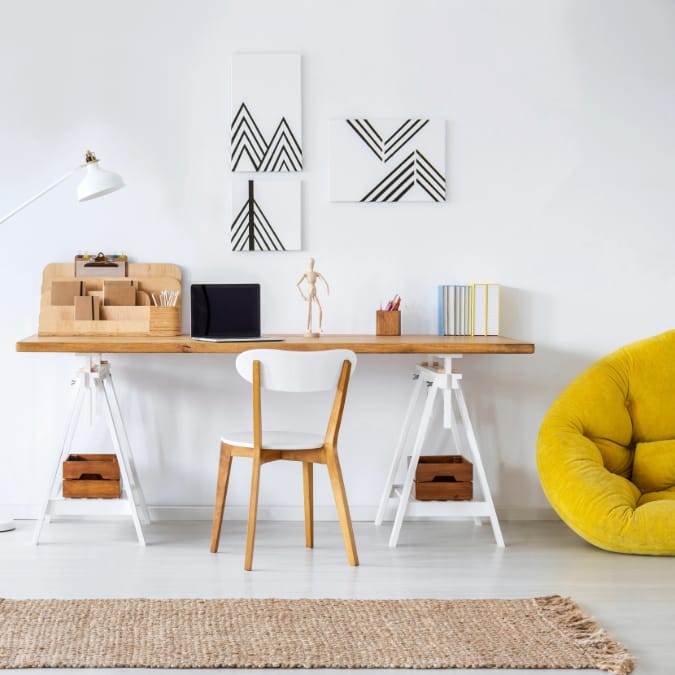
Image Source: Shutterstock.com

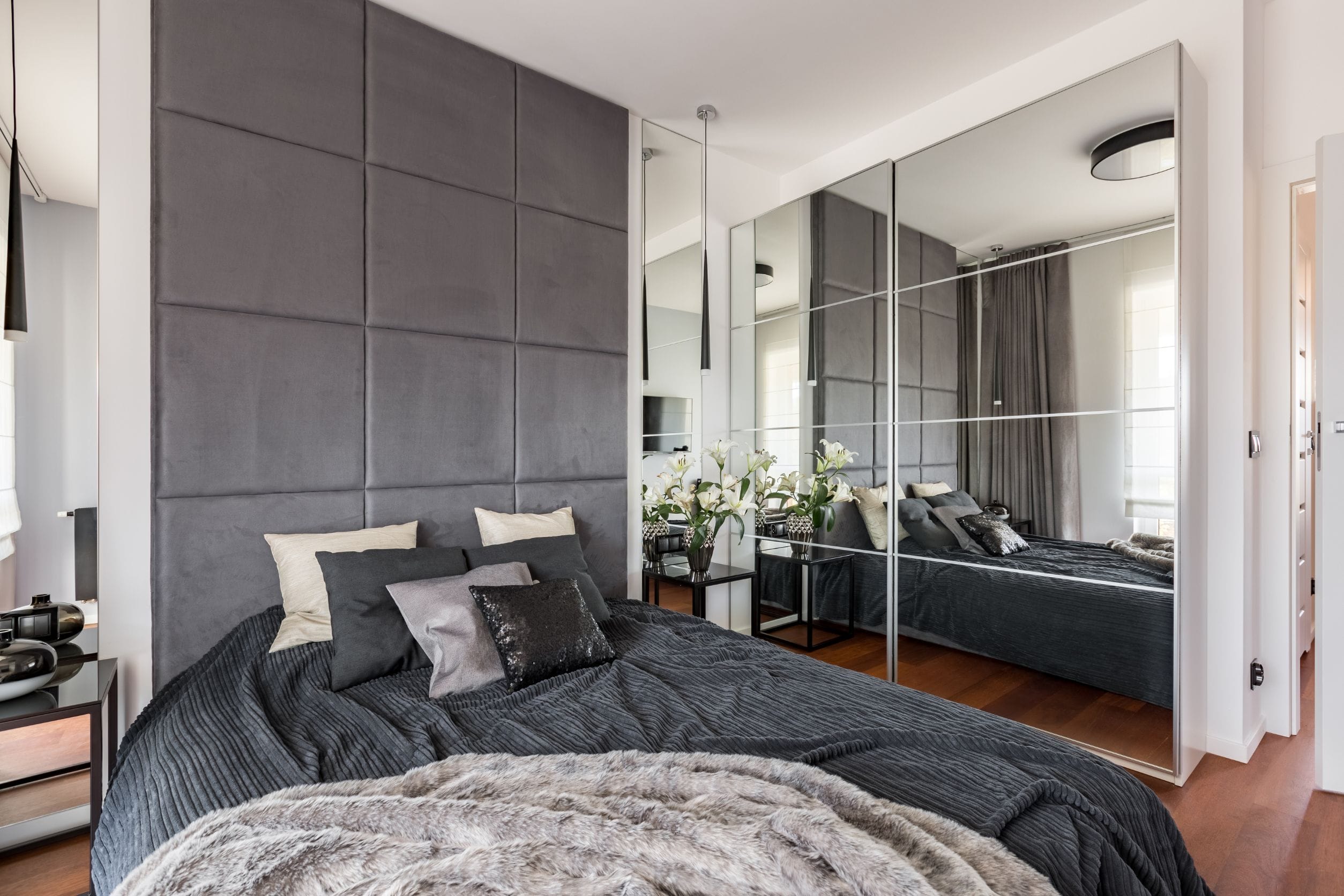
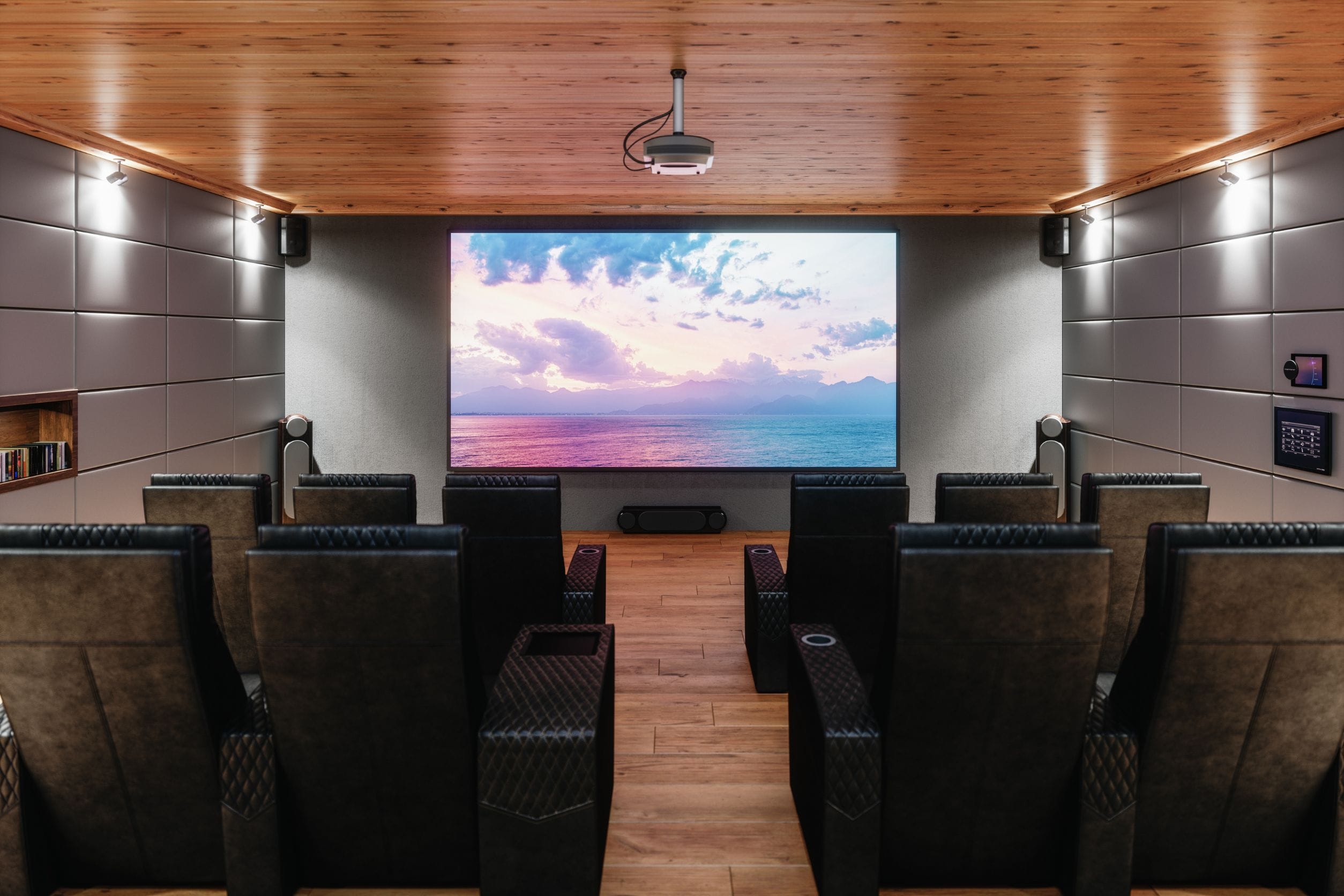
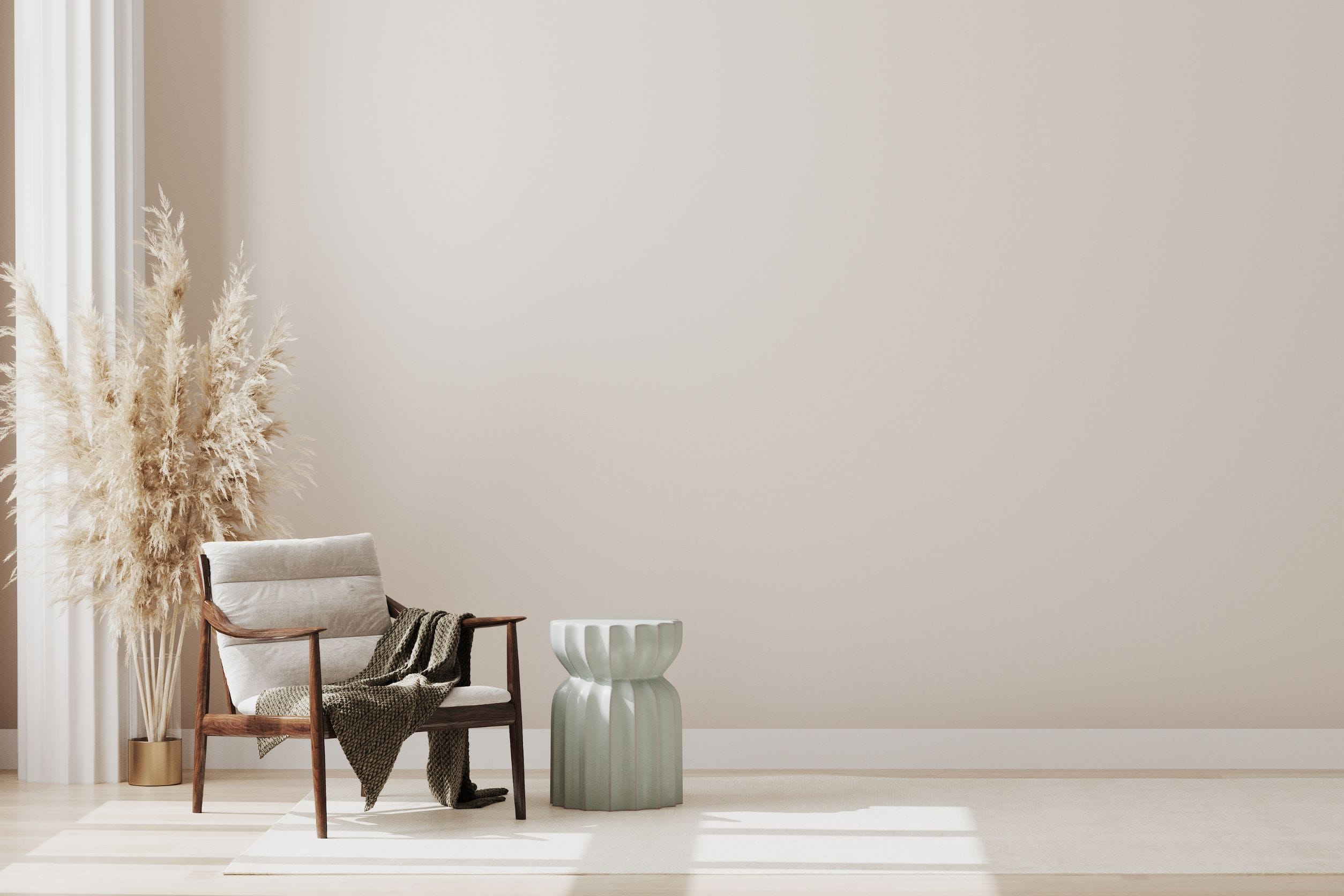
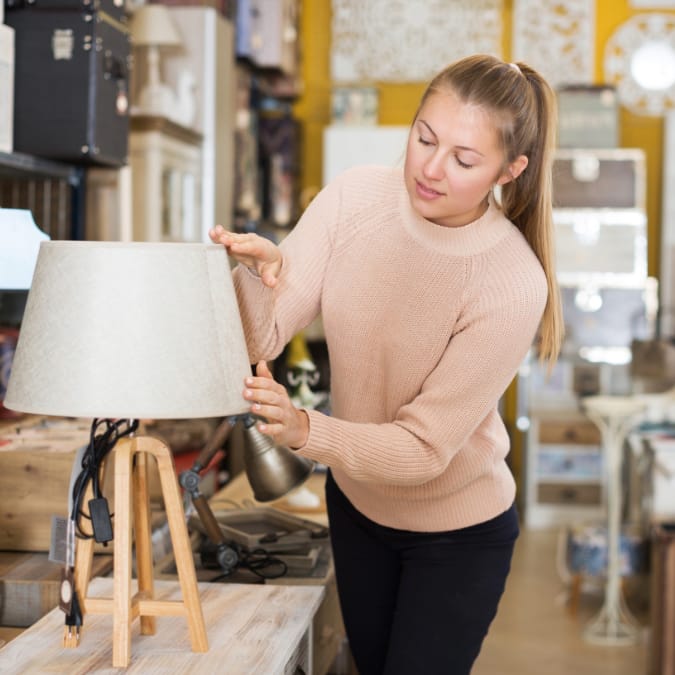
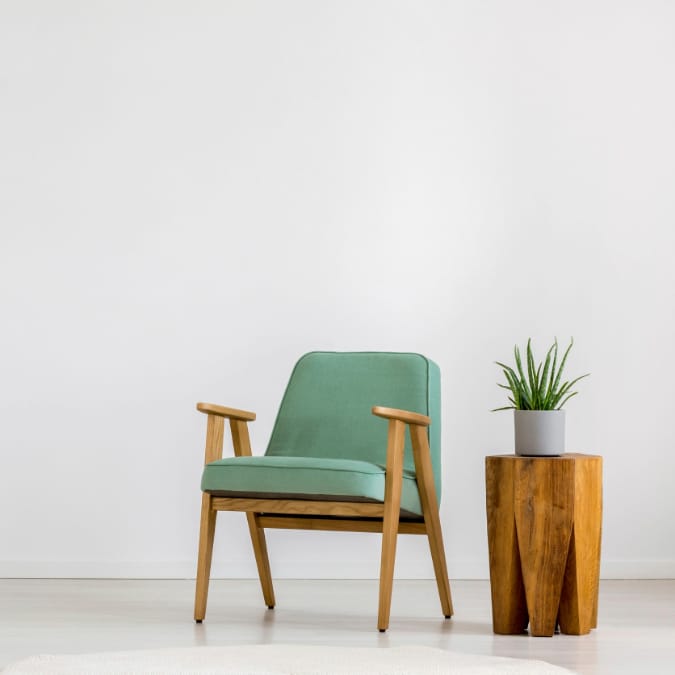
Every year, seniors step into the new-home market with dreams of creating a space that feels both elegant and cozy. The problem? The furniture industry has quietly morphed into a high-stakes game where price tags suggest durability, but reality tells a different story. In 2026, filling a house with “quality” furniture can feel like a rite of passage, but for many retirees, it’s turning into a financial trap that chips away at decades of careful saving. The chairs, tables, and beds that promise long-term value often depreciate faster than electronics, leaving seniors staring at a home full of items worth far less than the receipts they hold.

Supply chain pressures, flashy marketing, and the allure of “heirloom quality” pieces have created a perfect storm. Seniors often underestimate how quickly costs multiply when furnishing every room from scratch. Add delivery fees, assembly charges, and the hidden expense of replacements or repairs, and suddenly what should have been a joyful experience transforms into a stress-filled exercise in budget erosion.

The Illusion of Quality at Premium Prices

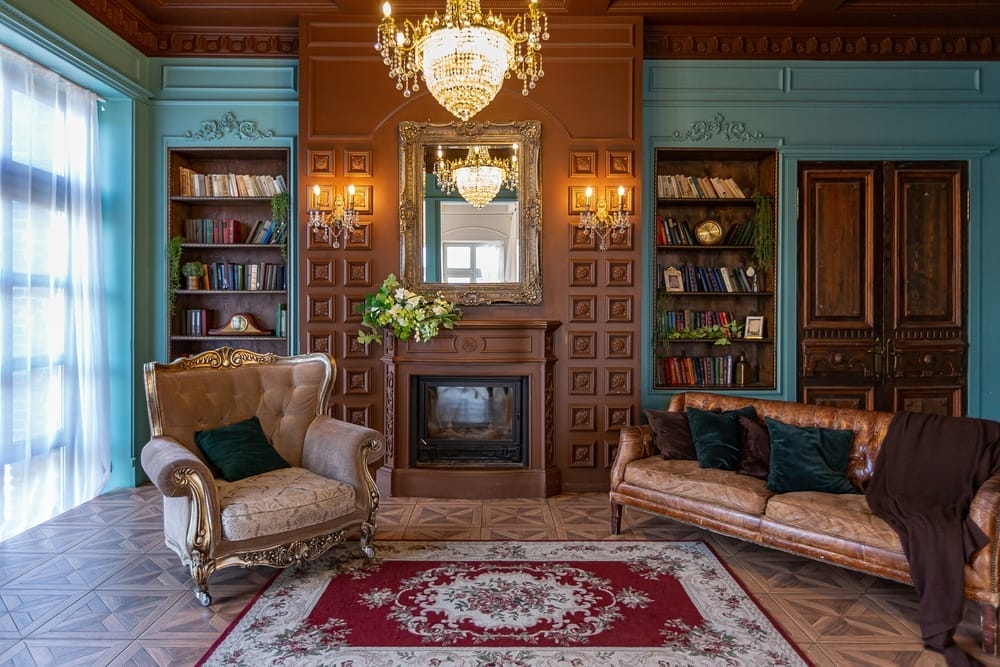
Many furniture stores rely on perception over reality, using design aesthetics and brand names to justify prices far higher than production costs. The tag “solid wood” often hides veneers and composite materials that wear out in a fraction of the time suggested. Paying thousands for a sofa or dining table may feel like a long-term investment, but in reality, the resale value rarely matches even a quarter of the original purchase. These pieces promise durability, but factors like humidity, sun exposure, and daily use accelerate wear and tear. Seniors expecting longevity often face disappointment and additional expense within a few years.

High prices also appeal to emotions. Shiny showrooms and influencer endorsements suggest sophistication and good taste, but savvy spending requires evaluating material quality, warranty length, and return policies. Comparing multiple stores and reading independent reviews can reveal whether a pricey item truly justifies its cost or if the premium is mostly marketing. By focusing on practical durability rather than perceived prestige, seniors can protect their finances while still creating a home that feels complete. The illusion of quality is powerful, but awareness of the facts is far more valuable.

How Marketing Tricks Inflate Budgets

Advertising budgets for furniture have exploded, often outpacing the actual manufacturing cost of the pieces being sold. Social media, glossy catalogs, and immersive in-store displays create the impression that more expensive means better. The reality is that high marketing costs are passed directly to consumers, meaning much of what seniors pay goes toward branding rather than material quality. Limited-time “luxury” promotions also pressure buyers into quick decisions without room to compare alternatives.

The effect is subtle but cumulative. Buying a $2,000 chair under the guise of “premium craftsmanship” may feel justified, but when similar chairs from less flashy brands perform just as well at half the cost, the financial inefficiency becomes clear. Taking a step back, examining product materials, and questioning why a certain item carries its price tag can save hundreds or even thousands of dollars. For seniors on fixed incomes, recognizing marketing strategies isn’t just a smart move—it’s a critical one to prevent budget erosion.

Delivery, Assembly, and Hidden Fees

Many seniors underestimate the hidden costs of bringing furniture home. Delivery charges, handling fees, and assembly services can add hundreds to an already expensive purchase. Fragile items often require special handling or extra insurance, further increasing the total spend. Additionally, buying from multiple vendors multiplies these costs, creating a financial ripple effect throughout the home. The excitement of filling a new space often blinds homeowners to these incremental expenses, which quietly accumulate over weeks and months.

Beyond direct costs, seniors also face the time and effort associated with managing deliveries and coordinating assembly. Hiring professionals to handle complex or bulky items can alleviate stress but further inflates the overall cost. A strategic approach includes bundling purchases to reduce repeated delivery charges, verifying assembly requirements upfront, and accounting for these hidden expenses in the initial budget. Awareness and planning help ensure the nest egg isn’t silently diminished by what appears to be a simple furniture purchase.
Is Quality Furniture Officially a Scam? Why Filling a New Home in 2026 is Destroying Senior Nest Eggs

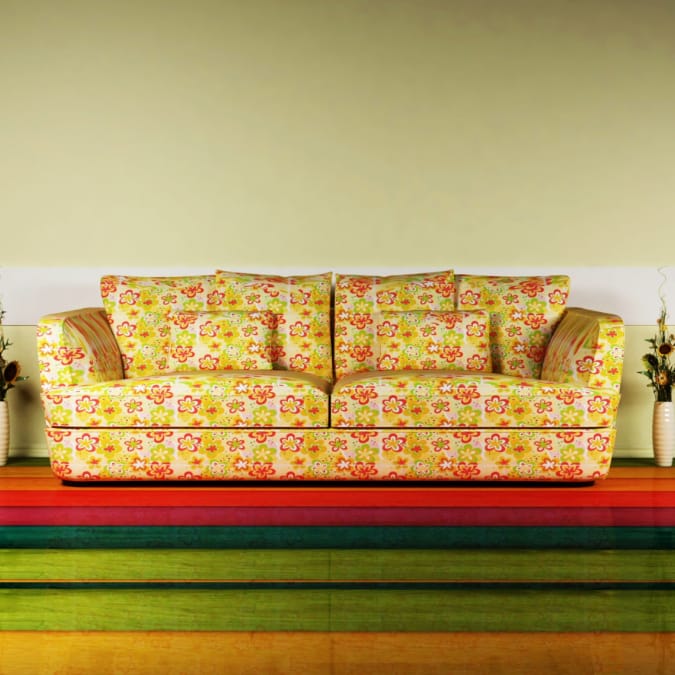
Image Source: Shutterstock.com

Resale Value Reality Check

Unlike cars, which famously lose value the moment they leave the lot, furniture often depreciates even faster when trends shift or materials fail. Sofas, dressers, and dining sets that once carried hefty price tags can quickly appear outdated or worn, limiting resale options. For seniors who might rely on selling items later to supplement income or move, the gap between cost and potential resale value can be alarming. Heirloom-quality expectations rarely match reality, leaving households with assets that provide aesthetic comfort but negligible financial return.

Evaluating durability, timelessness of design, and material resilience is key. Wood species, joinery quality, and fabric composition all affect lifespan and market value. Older adults should weigh whether the style and durability of a purchase justify the upfront price or if alternatives—slightly less trendy or less marketed—offer similar comfort and longevity at a lower cost. Strategic decision-making can preserve both the visual appeal of the home and the stability of retirement savings.

Shopping Smarter Without Compromising Style

Seniors can navigate current furniture trends without succumbing to overspending by adopting strategic buying habits. Start by prioritizing essential pieces for functionality before aesthetics. Research comparable products across multiple vendors, examine independent reviews, and consider pre-owned or gently used items that maintain quality without high price tags. DIY assembly or local delivery options often reduce extra charges and simplify logistics.

Another approach involves mixing high-end signature pieces with more affordable complementary items. A quality bed frame paired with cost-conscious nightstands and dressers creates balance without sacrificing style. Seasonal sales, manufacturer clearances, and warehouse outlets provide opportunities to acquire durable furniture at significant discounts. Mindful shopping keeps homes stylish while protecting the financial foundation built over a lifetime.

When the Nest Egg Should Come First

At the end of the day, no chair or dining table should threaten decades of savings. Seniors must establish clear budgets for furniture purchases before stepping into showrooms. Allocating specific funds for home decor, separating it from essential living expenses, and tracking every purchase ensures spending remains intentional. Financial discipline safeguards retirement comfort while allowing for the joy of designing a new space.

Regularly revisiting budget allocations and prioritizing long-term financial health over short-term aesthetics creates resilience against unexpected expenses. Incorporating professional financial advice or consulting consumer guides helps identify which purchases deliver real value and which inflate costs unnecessarily. This careful approach turns furnishing a home into a rewarding experience, not a drain on hard-earned retirement funds.

Living Well Without Breaking the Bank

Filling a home in 2026 doesn’t require surrendering financial stability. Seniors can enjoy comfort, style, and functionality by making informed decisions, scrutinizing marketing claims, and accounting for hidden costs. Blending practical investments with selective splurges ensures both a beautiful home and preserved nest eggs. Every choice should reflect long-term priorities rather than fleeting trends.

Could a reevaluation of spending habits on home furnishings protect retirement savings while still creating a stylish environment? Share thoughts, experiences, or creative strategies in the comments below.

You May Also Like…

Decorating on a Dime: Stylish Furniture Ideas for Tight Budgets

5 Signs You’re Ready to Buy a Home — And 3 Signs to Wait

IRS Changes for Seniors: What’s Actually New on the 1040‑SR for 2026

The Hidden Tax Rules Shrinking Social Security Checks — What Seniors Need to Know

A $400,000 Home in New Jersey Costs $6,876 More Per Year Than in South Carolina

Brandon Marcus
Brandon Marcus

Brandon Marcus is a writer who has been sharing the written word since a very young age. His interests include sports, history, pop culture, and so much more. When he isn’t writing, he spends his time jogging, drinking coffee, or attempting to read a long book he may never complete.
Filed Under: Lifestyle Tagged With: 2026 home trends, budgeting, furniture spending, home decorating, home trends, interior design, money management, nest egg, Personal Finance, retirement planning, senior finances, Spending Habits

7 Retro Design Trends That Deserve a Comeback

November 7, 2025 by Travis Campbell Leave a Comment

Interior of home

Image source: shutterstock.com

Design styles come and go, but certain styles continue to draw in repeat customers due to their lasting appeal. Designers from the past created distinctive and expressive designs that deviated from contemporary standardized templates and algorithmic filters during the previous design era. Homeowners, together with designers and small business owners, currently seek design ideas from past decades. A well-placed splash of vintage flair can make a space or product stand out in a world of sameness. Retro design trends offer more than nostalgia, as they help people unite past elements with modern ones to create unique designs that feel both new and familiar.

1. Mid-Century Modern Simplicity

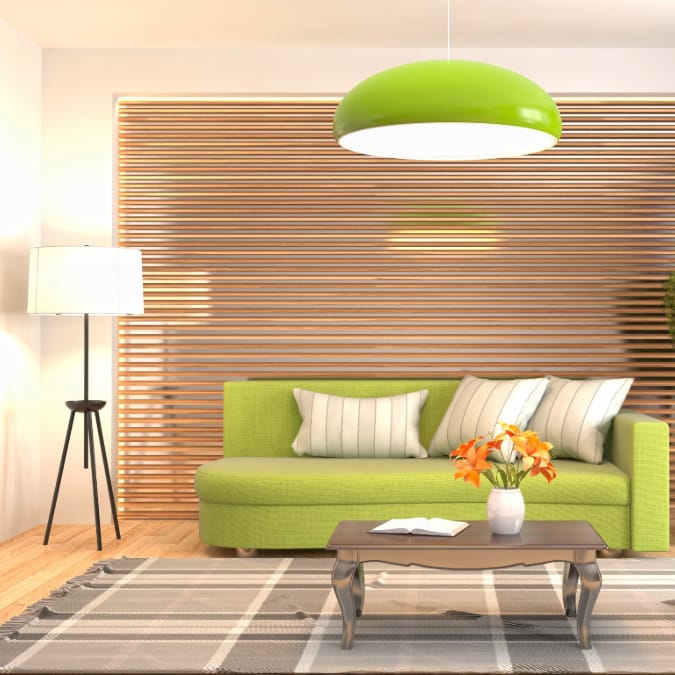
Clean lines, organic shapes, and warm wood tones define mid-century modern design. It first took hold in the 1950s and 1960s, but its influence never really disappeared. The focus on functional beauty and minimal clutter makes this trend perfect for contemporary living. Whether it’s a low-profile sofa, tapered legs on furniture, or a statement pendant lamp, the look feels both classic and current.

Homeowners love how this style pairs easily with modern materials like metal and glass. It’s a great reminder that simplicity can be stylish and that functional design never goes out of fashion.

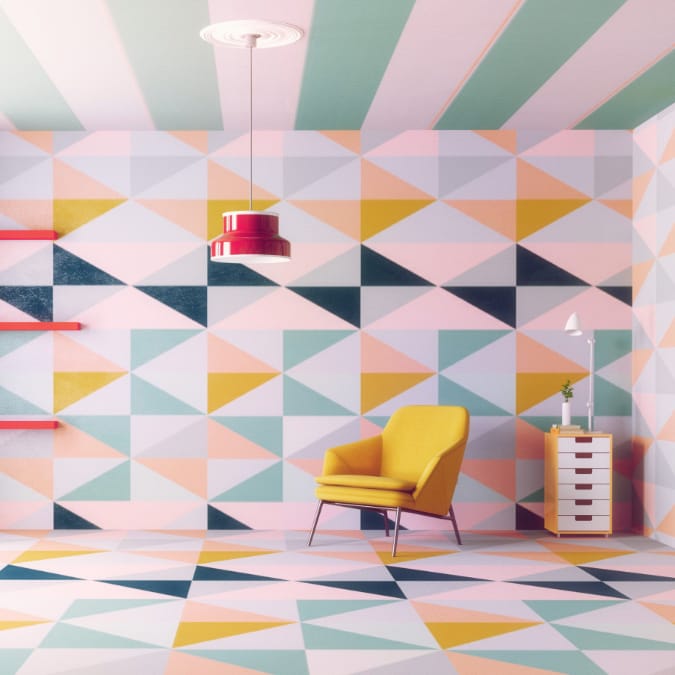
2. Bold Geometric Patterns

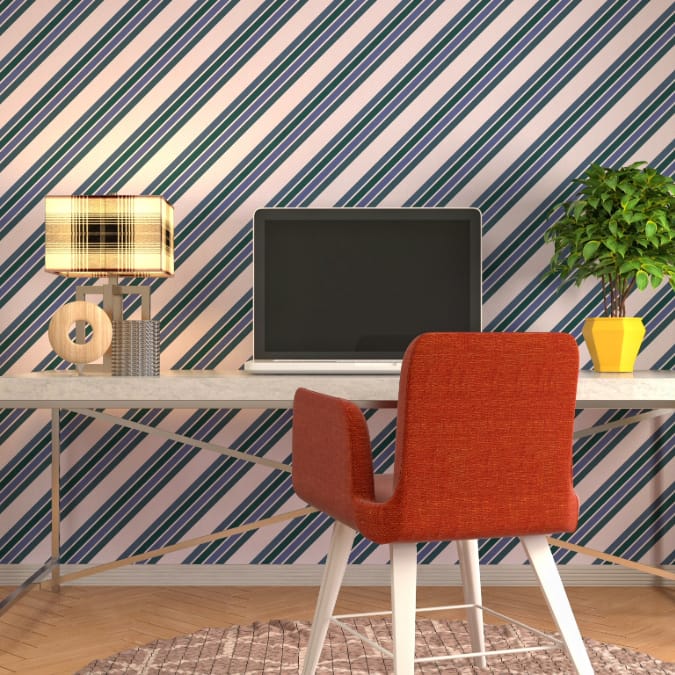
Geometric prints dominated the 1970s and 1980s, adding energy to walls, fabrics, and flooring. Today, these bold patterns are creeping back into interiors and branding projects. Designers use them sparingly to add visual rhythm without overwhelming the eye. A single accent wall or patterned rug can change the mood of a room instantly.

When used thoughtfully, geometric designs convey confidence and creativity. They’re ideal for anyone who wants to make a statement while staying true to the roots of retro design trends.

3. Earthy Color Palettes

Before minimalist whites and grays dominated, interiors were full of rich, earthy hues. Think olive green, burnt orange, mustard yellow, and deep brown. These tones create warmth and comfort, especially when combined with natural materials like wood and rattan. They make a home feel grounded and inviting.

Color experts note that these shades pair well with modern neutrals. A small dose—a terracotta vase, a rust-colored throw pillow, or a forest-green accent chair—can instantly bring a room to life.

4. Vintage Typography

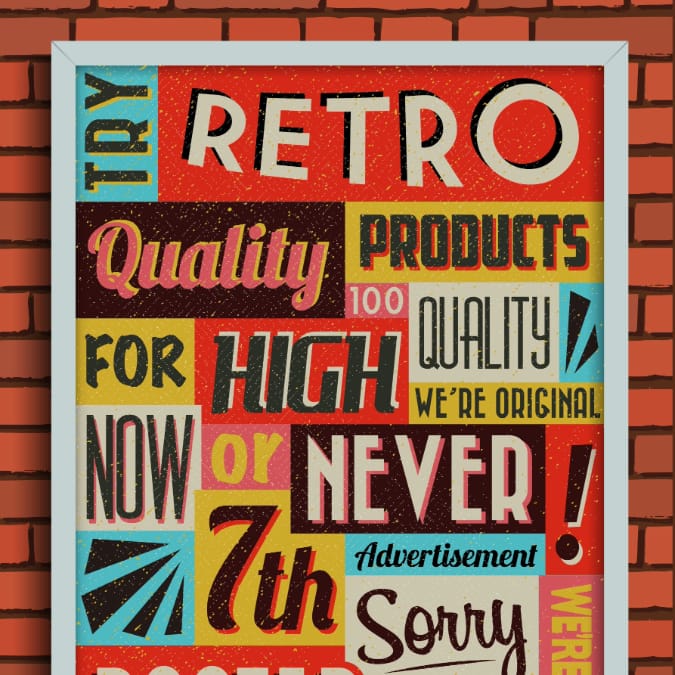
Typography tells a story, and retro fonts have a personality that sleek modern typefaces often lack. From groovy 1970s lettering to art deco curves, vintage typography brings character to branding, posters, and packaging. It’s particularly effective for businesses that want to communicate authenticity and heritage.

Many designers turn to online archives or platforms like Font Squirrel for free vintage-inspired typefaces. The right font can set the tone before a single word is read, making it a powerful asset in both digital and print design.

5. Textured Surfaces and Materials

Modern spaces can sometimes feel too smooth, too polished. Retro design embraced texture—macramé wall hangings, shag rugs, and rough ceramics all added tactile interest. Bringing back texture helps soften the sharp edges of modern interiors and invites touch and warmth.

Layering materials like velvet, linen, and wood can create depth without clutter. It’s a small but meaningful way to reintroduce the human touch that older design eras celebrated.

6. Neon and Chrome Accents

Few things scream “retro” like neon lights and chrome finishes. These elements once symbolized optimism and progress, especially in the 1980s. Today, they’re being reimagined in smaller doses—think neon signage in a home office or chrome bar stools in a kitchen. The result is fun and nostalgic without feeling dated.

Even tech companies and restaurants are using neon-inspired graphics to stand out online. A simple glow effect can transform a logo or website banner into something memorable. Sites like Canva make it easy to experiment with neon visuals for both digital and physical projects.

7. Retro Appliances and Fixtures

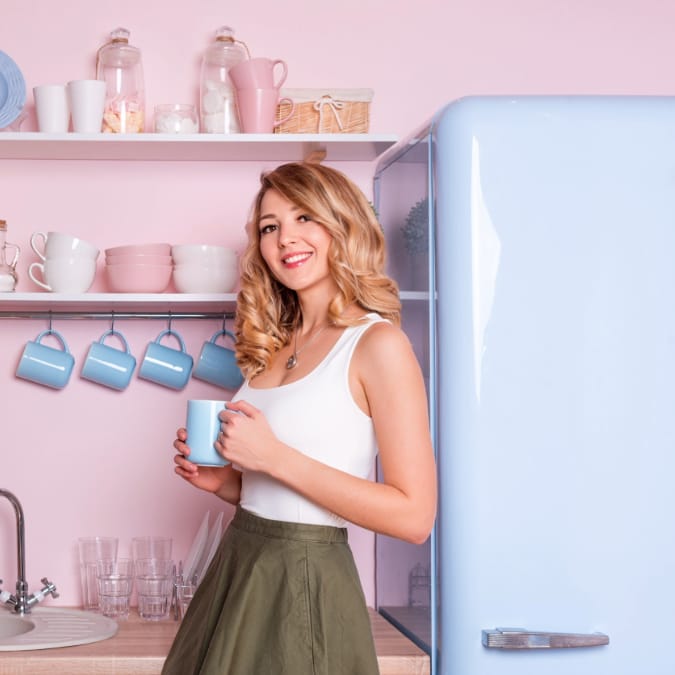
Appliances with rounded corners, bright colors, and chrome details bring instant character to kitchens and bathrooms. Brands have begun releasing new models inspired by the aesthetics of the 1950s and 1960s, but with modern efficiency. It’s a smart way to blend nostalgia with practicality.

Retro-inspired fridges, toasters, and even faucets can serve as focal points in a room, adding a touch of nostalgia. They remind us that design can be playful, even in the most functional spaces. As more homeowners seek individuality, these small touches can make a big impact.

Why Retro Still Resonates

People choose genuine products because society has reached a point where mass-produced standardized products have become overwhelming. Retro design trends foster deep connections because they incorporate human elements through their storytelling and textured, imperfect design elements. The method enables designers to develop new solutions that do not need a complete space or brand redesign. Sustainable design solutions are developed by combining modern design elements with classic design principles to create personalized spaces.

The financial element also contributes to this situation. Old furniture pieces and decorative items can be repurposed to achieve both monetary savings and environmental sustainability. The primary goal involves understanding historical ideas by using contemporary viewpoints. Which of these retro design trends would you bring back into your home or workspace?

What to Read Next…

  • The Subtle Home Smells That Real Estate Agents Say Ruin Sales
  • 7 Popular Cleaning Products That Can Destroy Your Plumbing
  • 9 Common Products That May Be Illegal To Resell Online
  • 8 Everyday Services That Are Slowly Becoming Subscription Only
  • 7 Tactics Grocery Stores Use To Keep You From Thinking About Price
Travis Campbell
Travis Campbell

Travis Campbell is a digital marketer/developer with over 10 years of experience and a writer for over 6 years. He holds a degree in E-commerce and likes to share life advice he’s learned over the years. Travis loves spending time on the golf course or at the gym when he’s not working.

Filed Under: Lifestyle Tagged With: design, home decor, interior design, retro, vintage style

Does It Ever Make Sense to Buy Cheap Furniture?

January 21, 2025 by Latrice Perez Leave a Comment

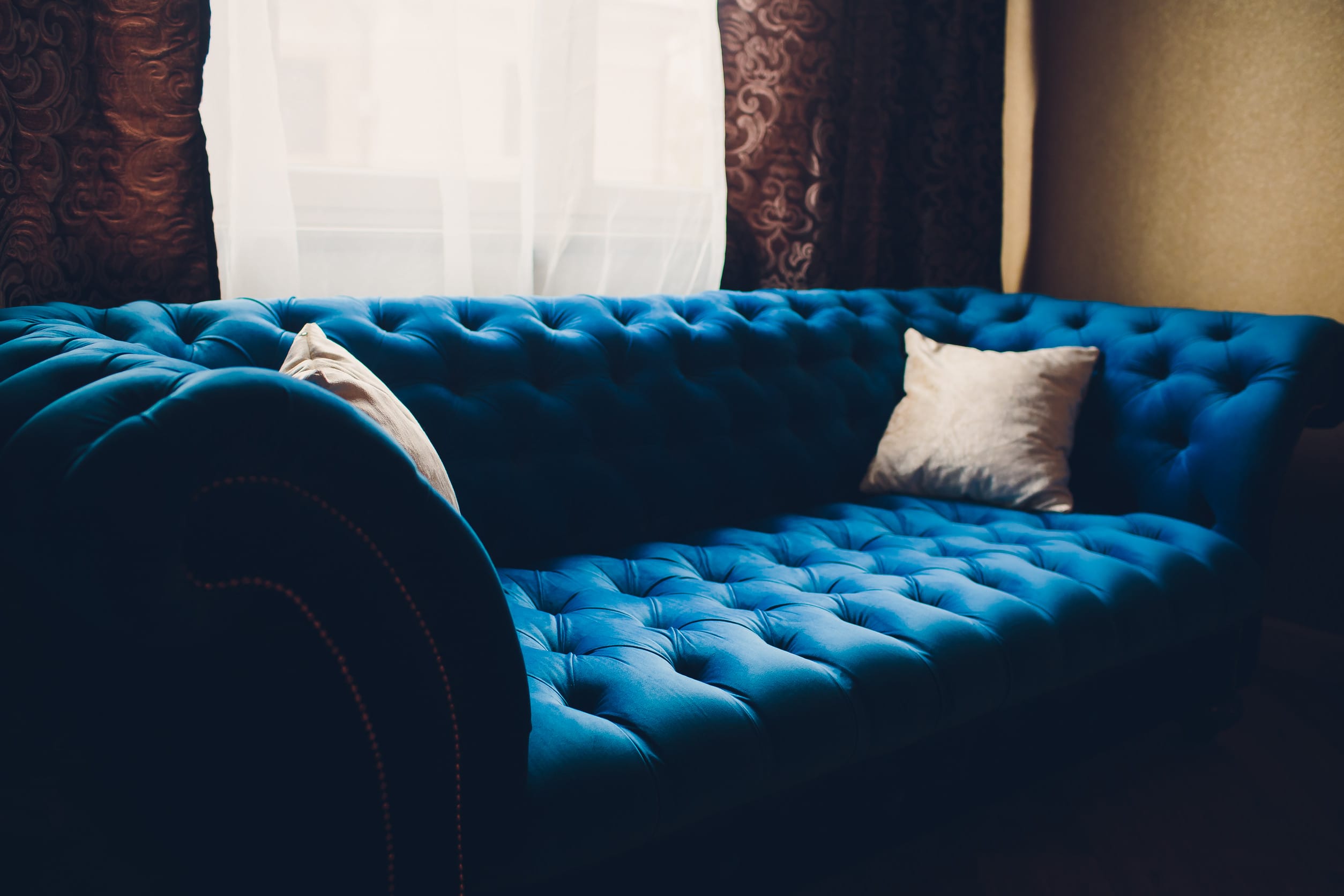
Pretty simple decor of living room with blue sofa and light

Image Source: 123rf.com

Furniture shopping can feel like a daunting task, especially when you’re working with a tight budget. The allure of inexpensive furniture is undeniable, but is it always the best choice? While high-end pieces may offer longevity, budget furniture can sometimes meet your needs without breaking the bank. The key is knowing when and why it makes sense to buy cheap furniture. Let’s explore the pros and cons to help you make informed decisions.

When Budget Furniture Makes Sense

Budget furniture is a practical option for temporary living situations. If you’re a college student, renting your first apartment, or frequently moving, inexpensive pieces can save you money in the short term. These items are also ideal for spaces like guest rooms or home offices that may not see heavy daily use. Budget-friendly furniture can help you furnish your space quickly without a significant upfront cost. For those experimenting with styles, cheap furniture allows you to explore different aesthetics without a major investment.

The Drawbacks of Cheap Furniture

While affordable furniture may seem like a bargain, it often comes with trade-offs in quality. Cheaper pieces are typically made from lower-grade materials, which may not hold up over time. They can be more prone to wear and tear, making them less suitable for high-traffic areas. In some cases, the cost of repairs or frequent replacements may outweigh the initial savings. Cheap furniture may also lack ergonomic support or functionality, leading to discomfort or inconvenience.

Tips for Choosing Budget-Friendly Furniture

top view of coffee cup, eyeglasses and notepads on wooden table

Image Source: 123rf.com

If you decide to buy budget furniture, prioritize durability and practicality. Look for items made from solid wood or metal rather than particleboard or plastic. Inspect the craftsmanship, paying attention to joints and finishes, to ensure the piece will last as long as you need it. Focus on multi-functional furniture, like storage beds or extendable tables, to maximize your investment. Finally, read reviews and shop from reputable stores to avoid poorly made products.

When to Invest in Quality Furniture

High-quality furniture is a better choice for pieces you’ll use daily, like sofas, mattresses, or dining tables. Investing in these items ensures comfort, durability, and long-term value. Well-made furniture can also enhance the aesthetic of your home and create a more polished look. Consider your lifestyle and future plans when deciding whether to spend more upfront. For long-term homes or spaces where functionality is crucial, it’s worth saving for quality.

Finding the Right Balance

Ultimately, whether or not to buy cheap furniture depends on your circumstances and priorities. By assessing your needs and considering the purpose of each piece, you can strike a balance between affordability and quality. Mixing budget items with a few investment pieces can create a stylish, functional home without overspending. The key is being mindful of your choices and ensuring each purchase serves its purpose effectively.

Finding Value in Your Furniture Choices

Cheap furniture can make sense in certain situations, especially when budget constraints or temporary living conditions come into play. However, it’s essential to weigh the trade-offs and choose wisely to avoid regret. Next time you’re furniture shopping, think about your needs, lifestyle, and long-term goals.

Do you prefer budget furniture or investing in high-quality pieces? Share your thoughts in the comments and pass this article along to someone furnishing their space!

Read More:

  • Simple Inexpensive Additions to Add to Your Home
  • 10 Cheap Home Decor items on amazon to Transform Your Space on a Budget
Latrice Perez

Latrice is a dedicated professional with a rich background in social work, complemented by an Associate Degree in the field. Her journey has been uniquely shaped by the rewarding experience of being a stay-at-home mom to her two children, aged 13 and 5. This role has not only been a testament to her commitment to family but has also provided her with invaluable life lessons and insights.

As a mother, Latrice has embraced the opportunity to educate her children on essential life skills, with a special focus on financial literacy, the nuances of life, and the importance of inner peace.

Filed Under: budget tips Tagged With: affordable furniture, budget furniture, cheap furniture pros and cons, furniture buying guide, furniture shopping, home decor tips, interior design, quality furniture

11 Home Improvement Trends You’ll Probably Regret

June 7, 2024 by Vanessa Bermudez Leave a Comment

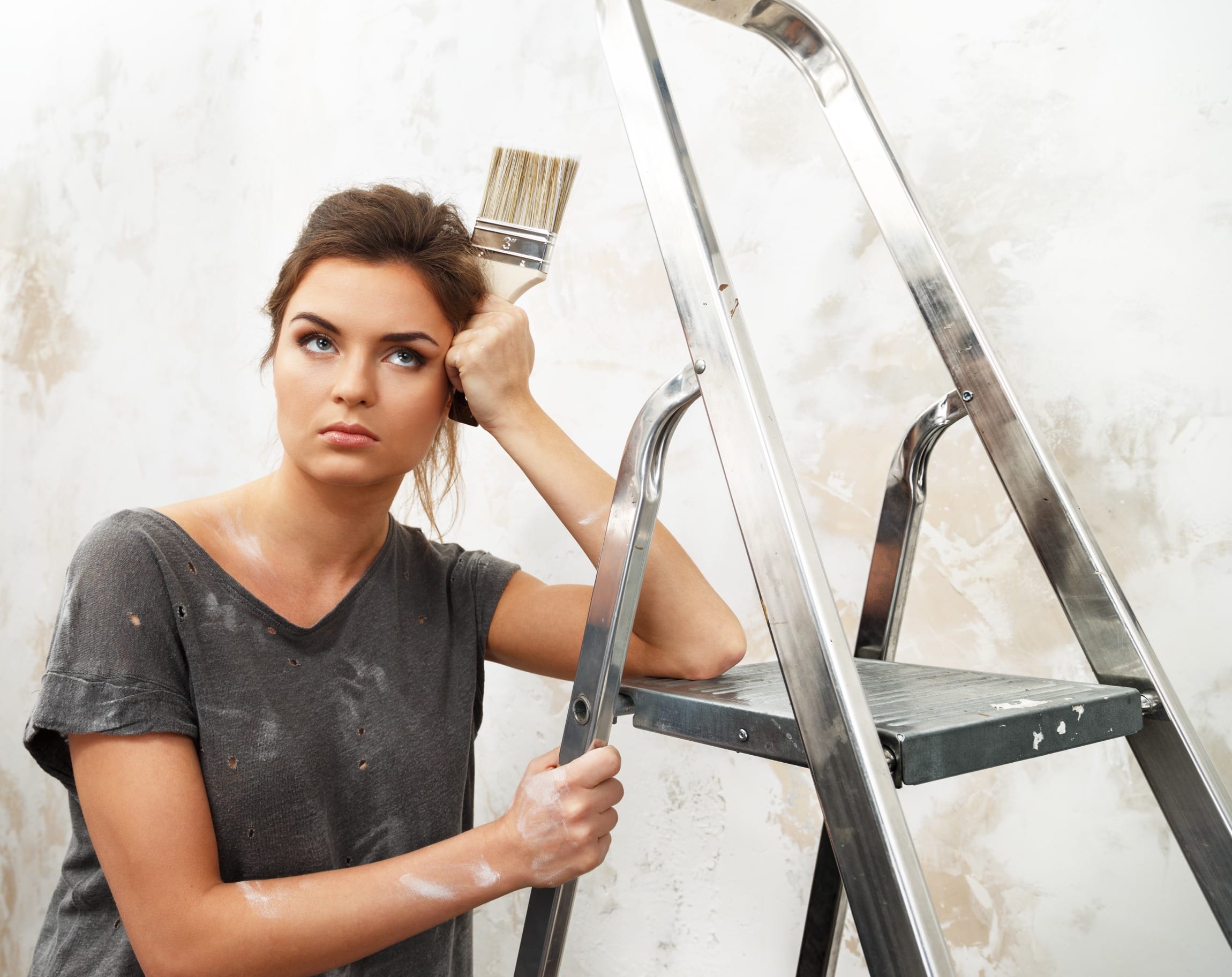
renovating a home

123rf

In the fast-paced world of home decor, what’s hot today can quickly become not tomorrow. Jumping on the latest home improvement trend might seem like a great idea at the moment, but some choices can lead to buyer’s remorse down the line. Whether it’s impractical designs or overly bold style choices, let’s walk through 11 home improvement trends that might have you saying, “What was I thinking?” in a few years.

1. Ultra-Complicated Technology

Ultra-Complicated Technology

123rf

Smart homes are in, but overly complicated systems could be out. While integrating technology into your home is cutting-edge, too much tech can be overwhelming. Think twice before wiring every light and sound with a complex system that could be obsolete in a few years or difficult for the next homeowner to love. Plus, if the technology fails, you could be left with a headache-inducing repair job. Simplicity often ages more gracefully in the tech world.

2. Over-The-Top Wallpaper

Over-The-Top Wallpaper

123rf

Bold, busy wallpaper might capture your heart today, but it can quickly wear out its welcome. Patterns that are overly loud can make a room feel smaller and more cluttered. They can also be a nightmare to remove when you decide it’s time for a change. If you’re drawn to patterns, consider using them on accent pieces or a single focal wall instead. This way, you can enjoy the trend without committing to a labor-intensive redo later.

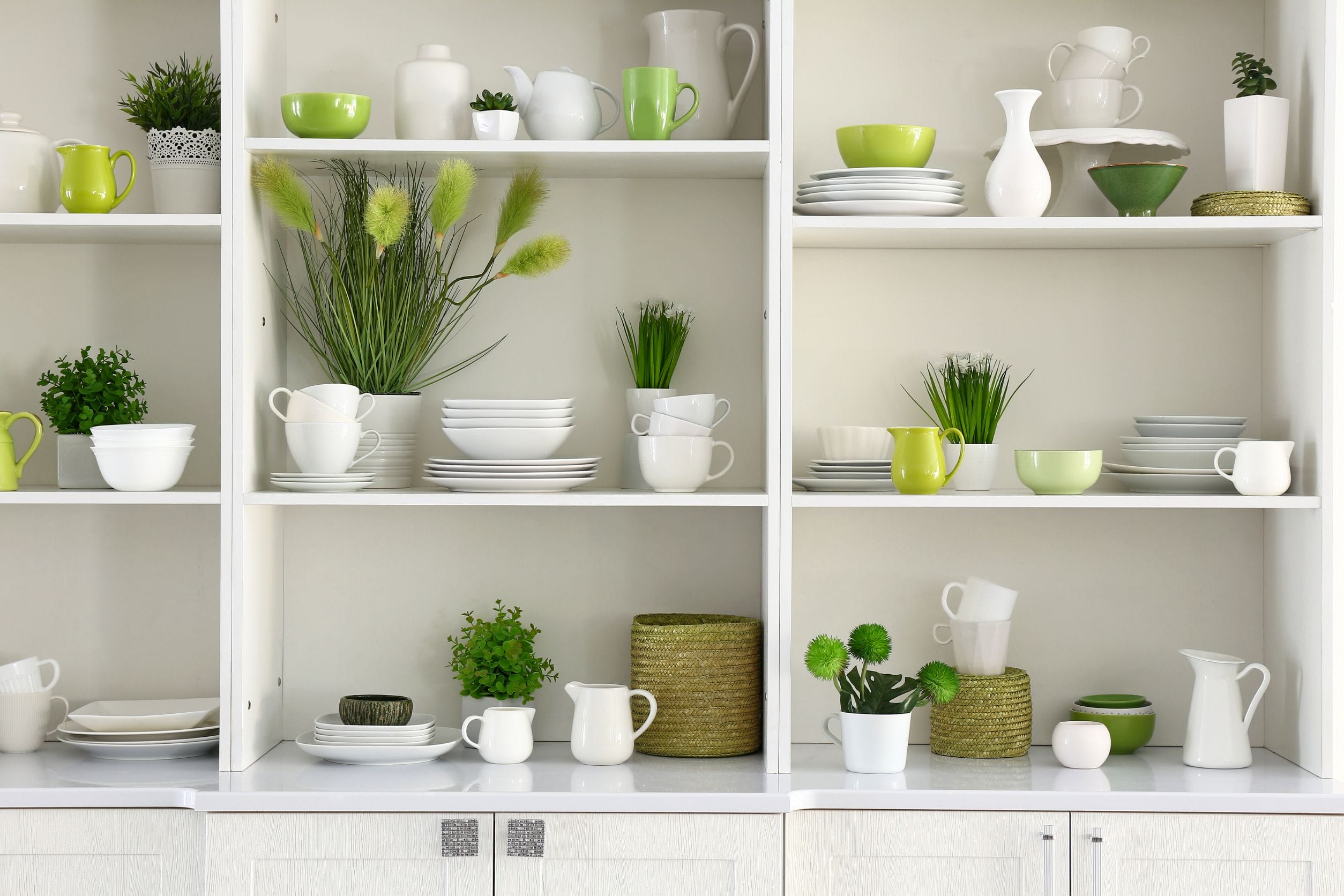
3. Excessive Open Shelving

Excessive Open Shelving

Canva

Open shelving has stormed the design scene, offering a chic, airy look. However, it demands constant organization and cleaning. If your daily life doesn’t allow time to keep everything meticulously arranged, this trend can turn your space into a cluttered mess. Plus, open shelves in kitchens collect dust and grease, making them harder to maintain. They’re beautiful when styled right but can be impractical for many.

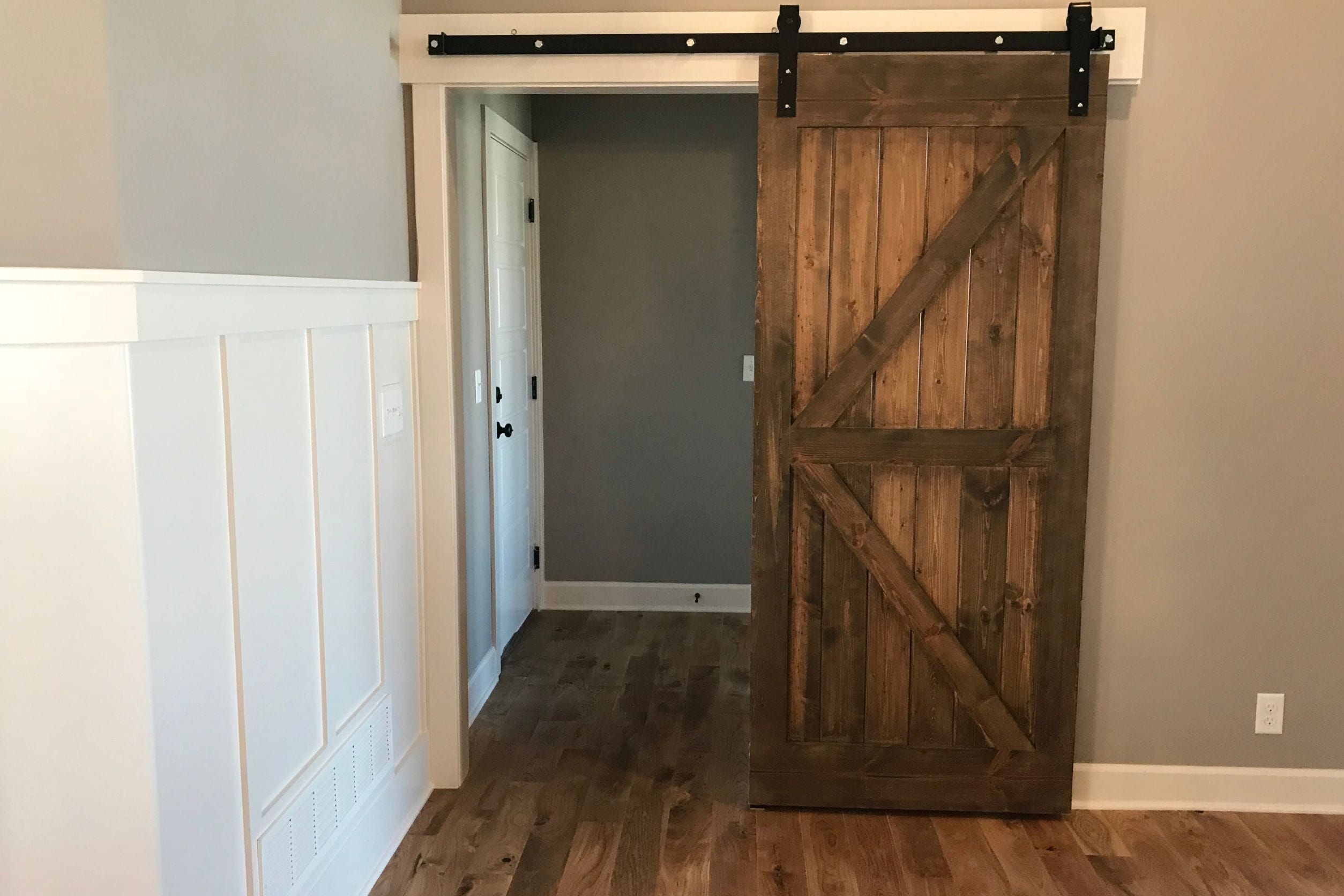
4. Barn Doors

Barn Doors

Canva

Barn doors can add a charming, rustic touch when used correctly, but they aren’t always practical. They don’t seal off rooms as well as traditional doors, meaning privacy and noise control can be compromised. They also require sufficient wall space on one side to slide, which limits their use in smaller rooms. While attractive, think about whether their functionality matches your living needs before installing. Otherwise, they might just be a passing fancy.

5. All-White Everything

All-White Everything

Canva

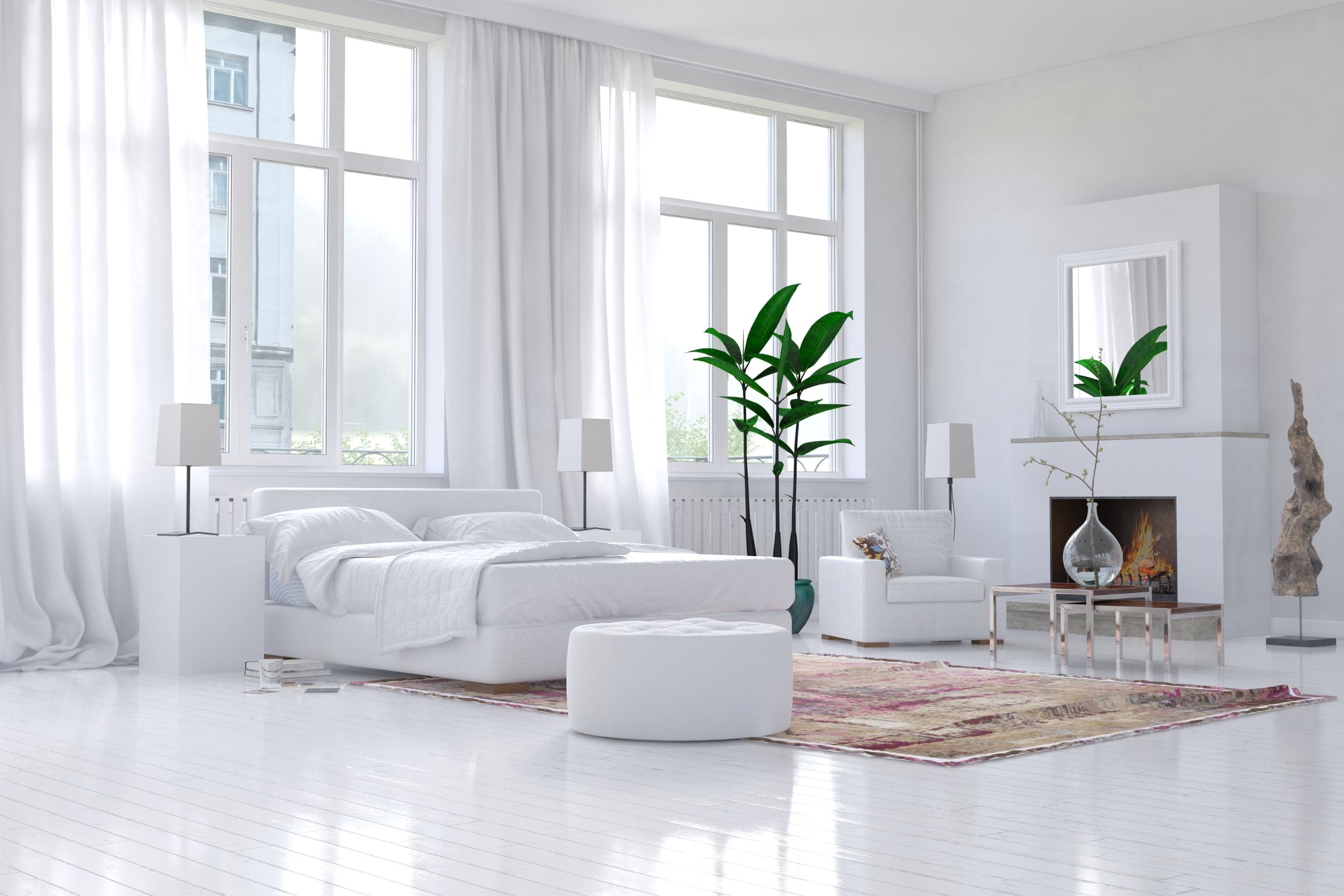
The all-white aesthetic is sleek and modern but can be incredibly hard to maintain. Every smudge, scratch, and speck of dirt is visible against a stark white backdrop. This trend also lacks warmth and can make a space feel cold and uninviting. If you love the clean look, try mixing in some warm tones or textures to balance out the sterility. It’s a trend that requires a lot of upkeep and is a perfect match for very tidy individuals.

6. Industrial Overload

Industrial Overload

Canva

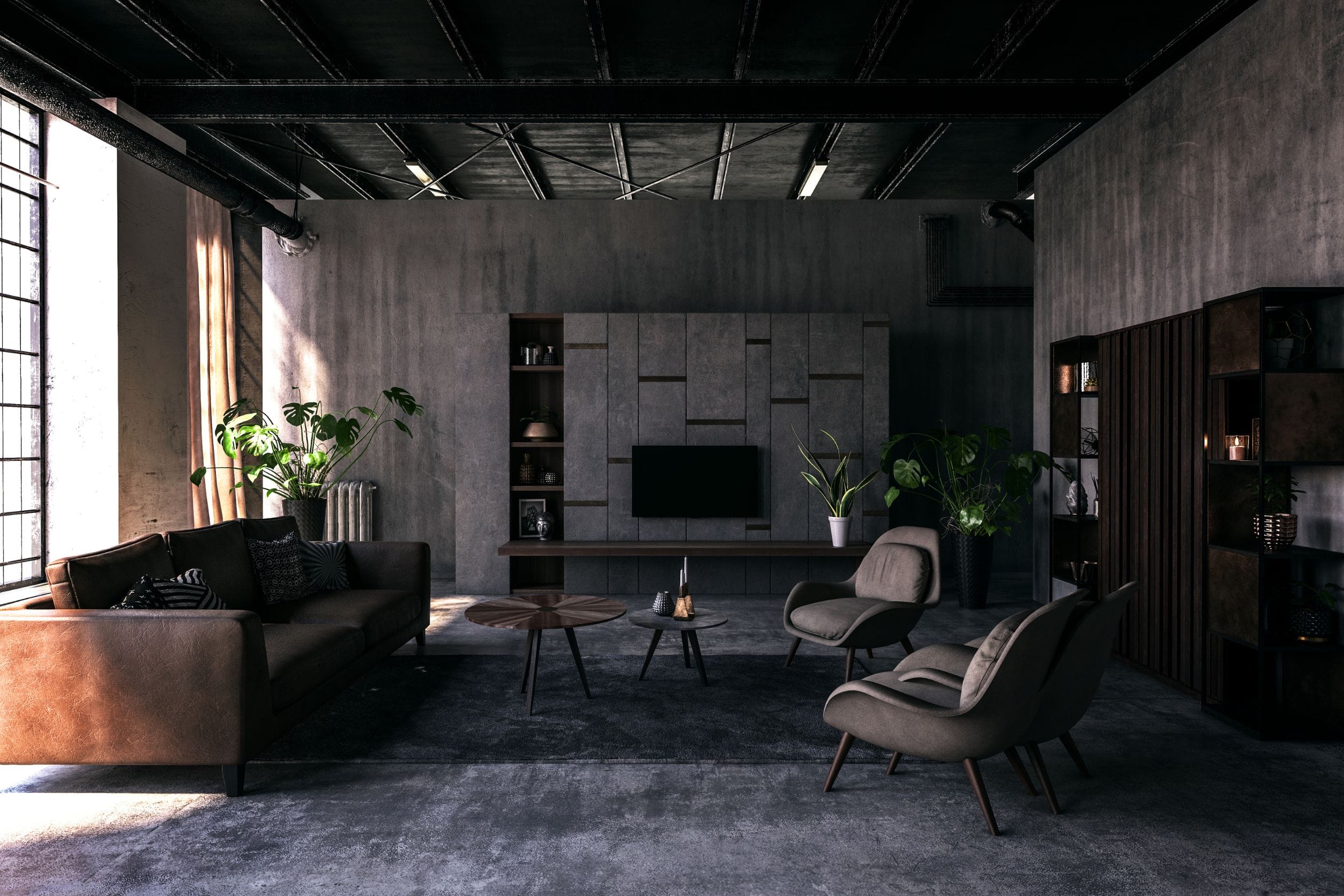
While industrial design elements can bring an edgy, contemporary vibe, too much can feel cold and unwelcoming. Exposed pipes and ducts, concrete floors, and metal fixtures are great in moderation but can make a home feel more like a warehouse. To avoid this, mix industrial elements with softer textures and warmer colors to create a balanced, homey feel. This way, you get the cool factor without the starkness. Remember, a home should feel like a home, not a factory.

7. Tiny Home Offices

Tiny Home Offices

Canva

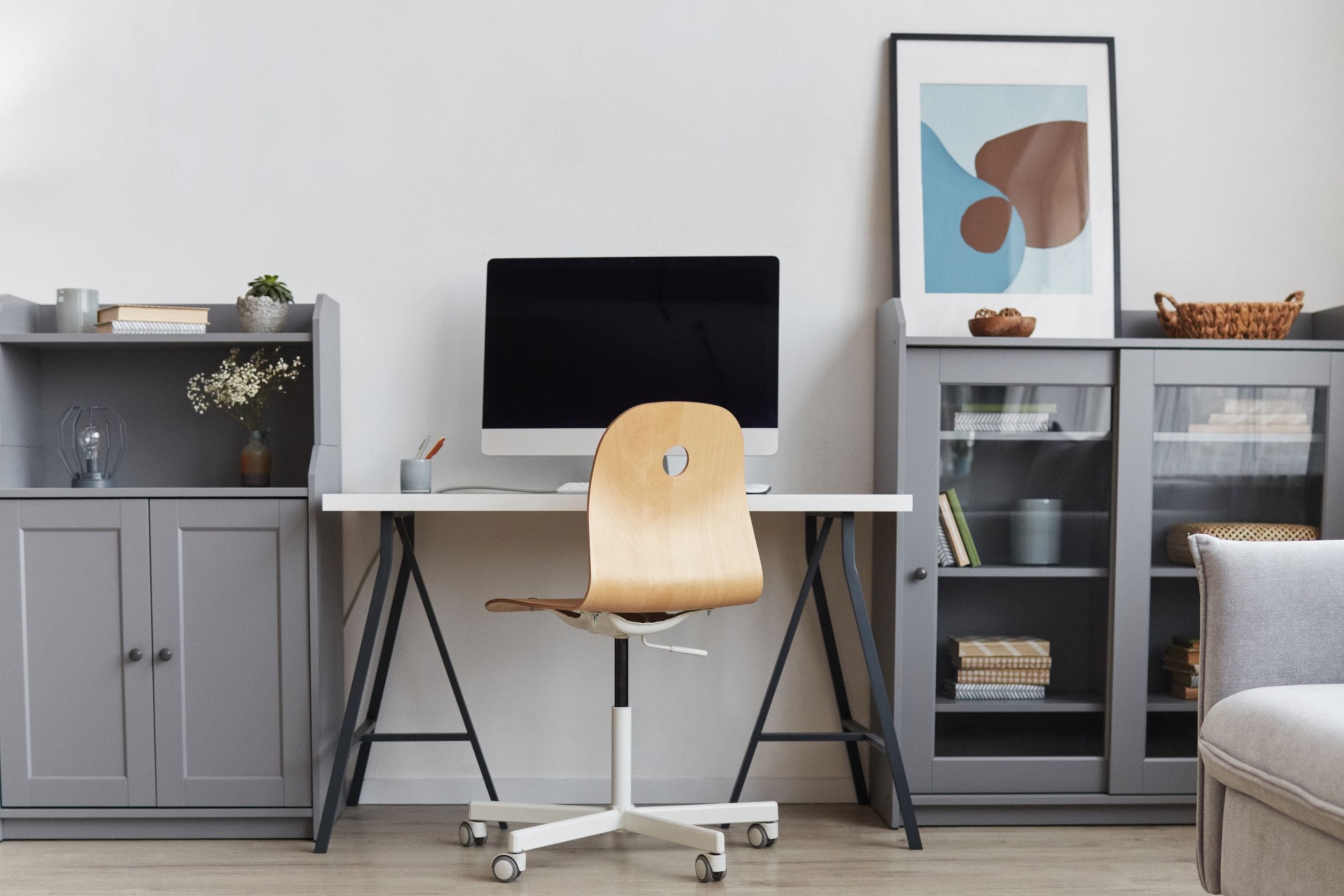
With more people working from home, tiny offices have become a trend. However, squeezing a workspace into a too-small area can hinder productivity and quickly feel cramped. If you’re dedicating space to a home office, make sure it’s adequate to comfortably accommodate your work needs. It’s better to convert a larger area than regret a small, insufficient space. Effective home offices need room to breathe!

8. Overly Themed Rooms

Overly Themed Rooms

Canva

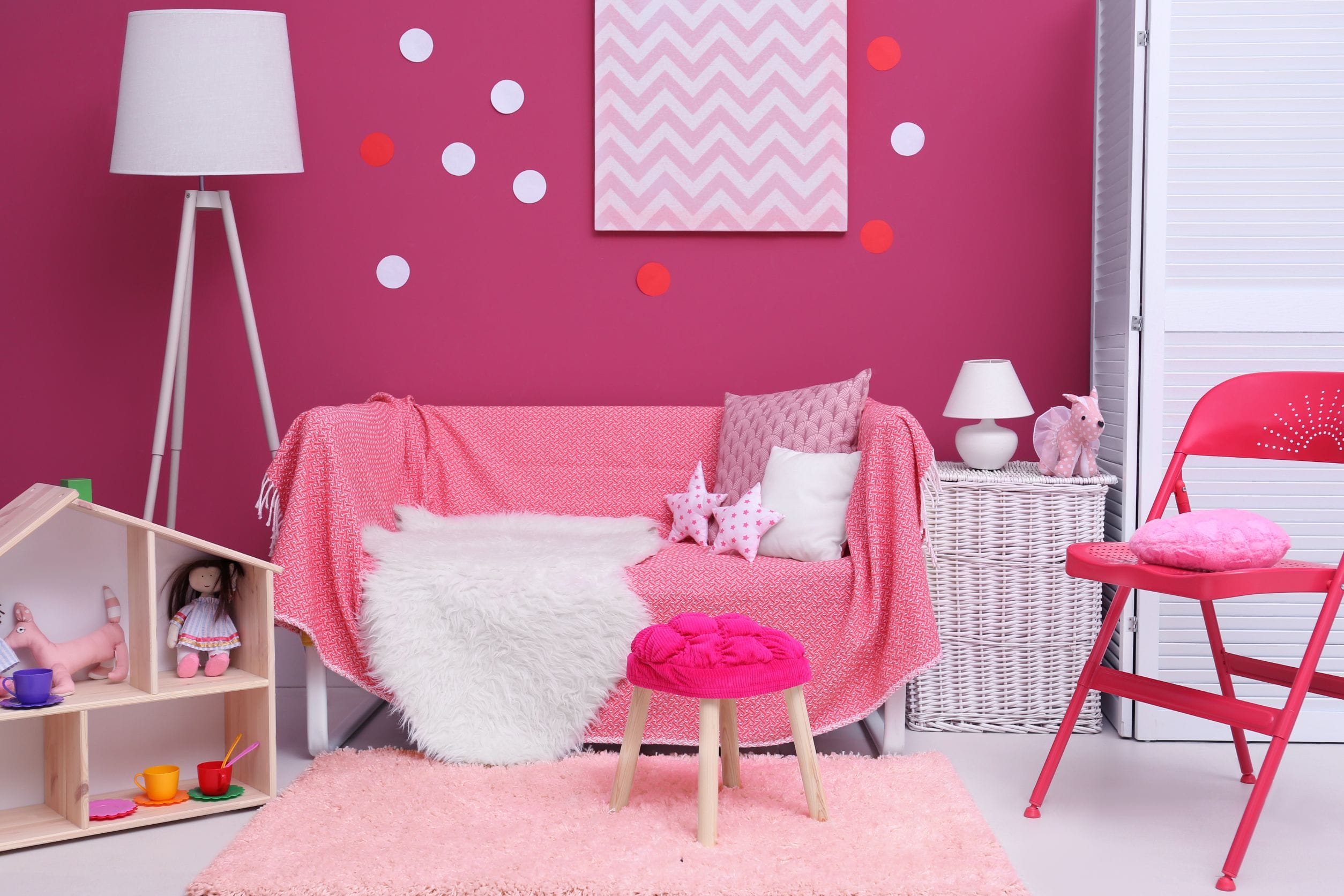
Themed rooms can be fun but often don’t age well. Whether it’s a nautical bedroom or a cinema-style living room, these spaces can quickly become dated or kitschy. If you love a theme, incorporate elements subtly rather than letting them take over the room. This way, you can enjoy your interests without committing to a design that might feel out of place in the future. Themes are best when they’re a nod, not a shout.

9. Mirrored Furniture

Mirrored Furniture

Canva

Mirrored furniture can add a touch of glamour, but it also attracts fingerprints and dust like a magnet. This furniture requires constant cleaning to keep it looking good. It also runs the risk of looking dated very quickly as its popularity peaks and troughs dramatically. If you’re drawn to the reflective look, try incorporating mirrors in smaller decor items instead. This provides the sparkle without the high maintenance.

10. Single-Use Spaces

Single-Use Spaces

Canva

Creating rooms dedicated to a single purpose, like a home cinema or a gym, might seem appealing but often leads to underutilization. These spaces can also be a turn-off for future buyers who may not share your

interests. Instead, aim for multi-functional spaces that can adapt to various needs over time. This flexibility can make your home more appealing to a broader audience and more practical for your own use.

11. Minimalist Extremes

Minimalist Extremes

Canva

Minimalism is beautiful and calming, but an extreme minimalist look can make a home feel uninhabited and unwelcoming. It’s important to strike a balance between uncluttered spaces and a lived-in feel. Too little in a room can echo and feel stark, while the right amount of decor can make it warm and inviting. Consider the practicalities of minimalist living before stripping everything back. A home should be a place of comfort, not just a showcase.

Future-Proof Your Home Improvements

Future-Proof Your Home Improvements

123rf

While it’s fun to explore the latest trends, it’s wise to consider how they’ll fit into your life in the long run. The key to a regret-free home makeover is balance, mixing trendy with timeless, bold with understated. By choosing adaptable, practical improvements, you ensure that your home remains both modern and functional, no matter the passing fads. Remember, the best trend is the one that makes you happy and serves your lifestyle for years to come.

Vanessa Bermudez
Vanessa Bermudez
Vanessa Bermudez is a content writer with over eight years of experience crafting compelling content across a diverse range of niches. Throughout her career, she has tackled an array of subjects, from technology and finance to entertainment and lifestyle. In her spare time, she enjoys spending time with her husband and two kids. She’s also a proud fur mom to four gentle giant dogs.

Filed Under: Real Estate Tagged With: Decor Trends, Home Decor Mistakes, Home Improvement, interior design, Trendy Home Tips

13 Beautiful Retro Design Trends You Need to Revisit

April 19, 2024 by Teri Monroe Leave a Comment

retro design trends

In the world of design, what’s old often becomes new again. Retro design trends from past decades have a unique charm that continues to captivate us today. Whether it’s the vibrant colors of the 1960s or the sleek lines of the 1980s, retro design elements add character and nostalgia to any space. Let’s take a journey back in time and explore 13 beautiful retro design trends that deserve a second look.

1. Mid-Century Modern Furniture

mid-century modern furniture

Mid-century modern furniture is a design style that originated in the mid-20th century, primarily in the United States, during the post-World War II era. It encompasses a range of furniture designs and architectural elements characterized by clean lines, organic forms, and a focus on functionality.

Mid-century modern furniture is celebrated for its timeless appeal, innovative materials, and enduring influence on contemporary design. Iconic pieces like the Eames Lounge Chair and the Noguchi Coffee Table remain timeless classics.

2. Bold Wallpaper

bold wallpaper

Wallpaper with bold patterns and vibrant colors was a staple of interior design in the 1970s. From geometric shapes to floral prints, retro wallpaper adds personality and visual interest to walls.

3. Avocado Green and Harvest Gold

avocado green

These colors were synonymous with kitchen appliances and décor in the 1970s. While they may seem dated to some, when used sparingly, they can add a nostalgic flair to modern spaces.

4. Terrazzo Flooring

terrazzo flooring

Originating in Italy during the 15th century, terrazzo experienced a resurgence in popularity in the mid-20th century. This composite material, made from chips of marble, quartz, granite, or glass, creates a beautiful and durable flooring option.

5. Scandinavian Minimalism

Scandinavian design

Scandinavian minimalism is a design philosophy that emerged in the mid-20th century in the Nordic countries of Denmark, Norway, Sweden, Finland, and Iceland. It is characterized by simplicity, functionality, and a focus on clean lines and natural materials. Scandinavian minimalism arose as a response to the ornate and cluttered aesthetics of earlier design movements.

6. Psychedelic Patterns

retro design patterns

The psychedelic art movement of the 1960s brought vibrant colors, swirling patterns, and optical illusions to the forefront of design. Incorporating psychedelic-inspired elements adds a playful and energetic vibe to interiors.

7. Wicker Furniture

wicker furniture

Wicker furniture has made a notable resurgence in recent years, emerging as a prominent design trend that combines vintage charm with contemporary style. Once relegated to outdoor patios and sunrooms, wicker furniture is now being embraced indoors, adding warmth, texture, and a touch of nostalgia to modern interiors.

8. Atomic Age Design

atomic space age design

Inspired by the Space Age and scientific advancements of the mid-20th century, Atomic Age design features futuristic shapes, sleek curves, and bold colors. Think of retro rocket-shaped lamps and starburst wall clocks.

9. Vintage Appliances

retro appliances

Retro-style appliances with nostalgic charm, such as refrigerators and stoves inspired by designs from the 1950s, bring a sense of nostalgia to modern kitchens.

10. Tropical Prints

tropical prints

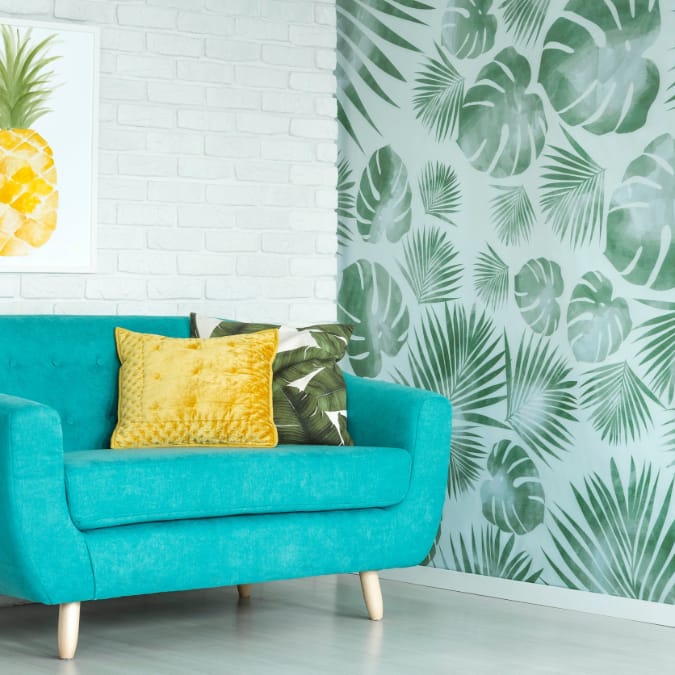
Tropical prints, popularized in the 1940s and 1950s, feature lush foliage, exotic animals, and vibrant colors. These tropical prints have become even more popular in today’s design as a nod to Palm Beach. Incorporating tropical patterns into décor adds a touch of escapism and whimsy.

11. Art Deco Glamour

art deco glam

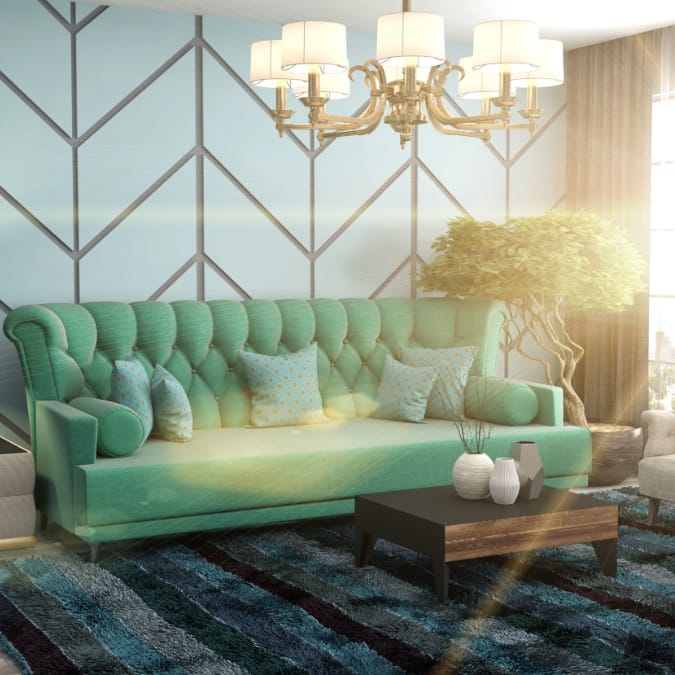
Art Deco design, prominent in the 1920s and 1930s, is characterized by geometric shapes, luxurious materials, and lavish ornamentation. Channel the glamour of the Jazz Age with Art Deco-inspired furniture and décor.

12. Retro Typography

retro typography

Vintage typography styles from past decades, such as retro script fonts and bold sans-serifs, evoke a sense of nostalgia and can be used to add personality to artwork.

13. Memphis Style Kitsch

Memphis style design

Memphis style, also known as the Memphis design movement, emerged in the early 1980s as a reaction against the minimalism and restraint of modernist design. It was named after the city of Memphis, Tennessee, but its origins lie in Milan, Italy, where a group of young designers and architects formed the Memphis Group in 1981.

Memphis style is characterized by its bold, eclectic, and unconventional aesthetic. It incorporates vibrant colors, geometric shapes, and whimsical patterns in a playful and often kitschy manner.

Incorporating Retro Design

incorporating retro design

Incorporating retro design trends into your home or creative projects allows you to pay homage to the past while adding character and personality to your space. Whether you’re drawn to the sleek lines of mid-century modern furniture or the whimsical charm of psychedelic patterns, there’s a retro design trend to suit every taste and style. So why not take a trip down memory lane and revisit these beautiful retro design trends?

Read More

10 Smart Reasons Most Baby Boomers Are Aging in Place

The Great Unretirement: Why Retired Baby Boomers Are Returning to Work

Photograph of Teri Monroe
Teri Monroe
Teri Monroe started her career in communications working for local government and nonprofits. Today, she is a freelance finance and lifestyle writer and small business owner. Teri holds a B.A. From Elon University.  In her spare time, she loves golfing with her husband, taking her dog Milo on long walks, and playing pickleball with friends.

Filed Under: Personal Finance Tagged With: interior design, nostalgia, retro design

FOLLOW US

Search this site:

Recent Posts

  • Can My Savings Account Affect My Financial Aid? by Tamila McDonald
  • 12 Ways Gen X’s Views Clash with Millennials… by Tamila McDonald
  • What Advantages and Disadvantages Are There To… by Jacob Sensiba
  • 10 Tactics for Building an Emergency Fund from Scratch by Vanessa Bermudez
  • Call 911: Go To the Emergency Room Immediately If… by Stephen Kanaval
  • 7 Weird Things You Can Sell Online by Tamila McDonald
  • 10 Scary Facts About DriveTime by Tamila McDonald

Copyright © 2026 · News Pro Theme on Genesis Framework