• Home
  • About Us
  • Getting Finances Done
    • Hiring Advisors
    • Debt Management
    • Spending Plan
  • Insurance
    • Life Insurance
    • Health Insurance
    • Disability Insurance
    • Homeowners/Renters Insurance
  • Contact Us
  • Our Editorial Commitment

The Free Financial Advisor

You are here: Home / Archives for Pets

12 Money-Saving Hacks for Pet Owners

June 17, 2025 by Travis Campbell Leave a Comment

dog pet
Image Source: pexels.com

If you’re a pet owner, you know that the love and companionship your furry (or scaly, or feathery) friend brings is priceless. But let’s be honest—caring for pets can put a real dent in your wallet. The costs add up fast, from food and vet bills to toys and grooming. That’s why finding smart, practical ways to save money as a pet owner isn’t just helpful—it’s essential. Whether you’re a new pet parent or a seasoned pro, these money-saving hacks for pet owners will help you keep your budget in check without sacrificing your pet’s happiness or health. Ready to make your dollars stretch further? Let’s dive in.

1. Buy Pet Food in Bulk

One of the easiest money-saving hacks for pet owners is buying pet food in bulk. Larger bags or cases often cost less per serving than smaller packages. Look for deals at warehouse clubs or online retailers, and always check expiration dates to ensure freshness. Storing dry food in airtight containers keeps it fresh longer and prevents waste. Over time, this simple switch can save you a significant amount on your pet’s most essential need.

2. Make Your Own Pet Treats

Store-bought treats can be expensive and sometimes filled with questionable ingredients. Making your own pet treats at home is cost-effective and lets you control what goes into your pet’s snacks. There are countless easy recipes online for both dogs and cats, using simple ingredients like peanut butter, pumpkin, or chicken. Homemade treats can be healthier and much cheaper than their store-bought counterparts.

3. Schedule Regular Preventive Vet Visits

It might seem counterintuitive, but spending a little on regular checkups can save you a lot in the long run. Preventive care helps catch health issues early, often before they become expensive emergencies. Vaccinations, dental cleanings, and annual exams are all part of keeping your pet healthy and avoiding costly treatments down the road. The American Veterinary Medical Association recommends regular preventive care for all pets.

4. Shop Around for Medications

Pet medications, including flea, tick, and heartworm preventives, can be pricey. Don’t just accept the first price you see. Compare costs at your vet’s office, local pharmacies, and reputable online retailers. Sometimes, your vet can write a prescription that you can fill elsewhere for less. Always ensure you’re buying from a trusted source to keep your pet safe.

5. Groom Your Pet at Home

Professional grooming adds up quickly, especially for breeds that need frequent trims. Learning basic grooming skills—like brushing, bathing, and nail trimming—can save you hundreds each year. There are plenty of tutorials online to help you get started. Invest in a good set of grooming tools, and your pet will look great without the salon price tag.

6. DIY Pet Toys and Enrichment

Pets need stimulation, but you don’t have to spend a fortune on toys. Many household items can be repurposed into fun, safe toys. For example, cardboard boxes, old t-shirts, or tennis balls can become hours of entertainment. Rotating toys and introducing new DIY options keep your pet engaged and prevent boredom, all while saving money.

7. Use Pet Insurance Wisely

Pet insurance can be a lifesaver when unexpected health issues arise, but not all plans are created equal. Shop around, read the fine print, and choose a plan that fits your pet’s needs and your budget. Some plans cover only accidents, while others include wellness visits. Weigh the monthly premium against potential savings on big vet bills.

8. Take Advantage of Loyalty Programs

Many pet stores and online retailers offer loyalty programs that reward you for repeat purchases. These programs can provide discounts, free products, or points toward future purchases. Signing up is usually free and can lead to significant savings over time, especially on items you buy regularly, like food and litter.

9. Spay or Neuter Your Pet

Spaying or neutering your pet isn’t just responsible—it can also save you money. Unplanned litters mean more mouths to feed and additional vet bills. Plus, spayed or neutered pets are less likely to develop certain health problems, which can mean fewer costly medical issues in the future.

10. Share Pet-Sitting with Friends

Boarding your pet or hiring a sitter can be expensive. Instead, consider swapping pet-sitting duties with friends or neighbors. This arrangement saves money and gives you peace of mind knowing your pet is in good hands. It’s also a great way to build community with fellow pet owners.

11. Keep Up with Preventive Dental Care

Dental problems are common in pets and can lead to expensive treatments if ignored. Brushing your pet’s teeth regularly and providing dental chews or toys can help prevent issues. Regular dental care at home is a simple, effective way to avoid big vet bills later.

12. Adopt, Don’t Shop

Adopting a pet from a shelter is often much less expensive than buying from a breeder or pet store. Adoption fees usually include vaccinations, microchipping, and spay/neuter surgery, which can save you hundreds right from the start. Plus, you’re giving a loving animal a second chance at a happy life.

Smart Pet Ownership Means Smart Spending

Being a pet owner is a joyful, rewarding experience, but it doesn’t have to break the bank. By using these money-saving hacks for pet owners, you can provide the best care for your furry friend while keeping your finances healthy. Small changes in your routine can add up to big savings over time, letting you focus on what matters most: enjoying life with your pet.

What’s your favorite money-saving hack for pet owners? Share your tips and stories in the comments below!

Read More

Vacation Without Breaking the Bank

5 Biggest Refinance Concerns

Travis Campbell
Travis Campbell

Travis Campbell is a digital marketer/developer with over 10 years of experience and a writer for over 6 years. He holds a degree in E-commerce and likes to share life advice he’s learned over the years. Travis loves spending time on the golf course or at the gym when he’s not working.

Filed Under: Pets Tagged With: budgeting, DIY pet care, frugal living, Money Saving tips, Pet Care, pet hacks, pet insurance, pet owners

10 Things That Happen When You Get a Dog for Emotional Support

May 26, 2025 by Travis Campbell Leave a Comment

emotional support dog
Image Source: pexels.com

Bringing a dog into your life for emotional support is a decision that can transform your daily routine, your mental health, and even your finances. If you’ve ever wondered what really changes when you welcome an emotional support dog into your home, you’re not alone. Many people are turning to these loyal companions to help manage stress, anxiety, and depression, and the benefits are often more profound than expected. But it’s not all puppy cuddles and wagging tails—there are real responsibilities and lifestyle shifts to consider. Whether you’re thinking about getting a dog for emotional support or just curious about the experience, this guide will walk you through the ten most significant changes you can expect. Let’s dive in and see how a furry friend can make a difference in your life.

1. Your Mood Gets a Daily Boost

One of the most immediate things you’ll notice when you get a dog for emotional support is the positive impact on your mood. Dogs have an uncanny ability to sense when you’re feeling down and offer comfort just by being present. Studies have shown that interacting with dogs can increase oxytocin levels, the “feel-good” hormone, and decrease cortisol, the stress hormone. This daily dose of happiness can help you manage anxiety and depression more effectively.

2. You’ll Develop a Consistent Routine

Dogs thrive on routine, and as their caregiver, you’ll quickly adopt a more structured daily schedule. From morning walks to regular feeding times, your emotional support dog will help anchor your day. This consistency can be beneficial if you struggle with motivation or time management, as it encourages you to get up, get moving, and stick to a plan. Over time, this structure can spill over into other areas of your life, making you more organized and productive.

3. Social Connections Become Easier

Having a dog for emotional support can be a fantastic icebreaker. Whether you’re at the park, walking around your neighborhood, or visiting a pet-friendly café, dogs naturally attract attention and spark conversations. This can be a game-changer if you struggle with social anxiety or feel isolated. You’ll likely find yourself chatting with fellow dog owners, making new friends, and feeling more connected to your community. The American Kennel Club, dog owners are likelier to meet new people and form lasting relationships.

4. You’ll Get More Exercise

Even if you’re not a fitness enthusiast, having a dog for emotional support means you’ll be moving more. Daily walks, playtime, and outdoor adventures become part of your routine. This increased physical activity isn’t just good for your dog—it’s also great for your health. Regular exercise can help reduce symptoms of depression and anxiety, improve sleep, and boost your overall well-being. Plus, it’s a lot more fun when you have a four-legged companion by your side.

5. Your Financial Planning Will Shift

Getting a dog for emotional support comes with financial responsibilities. The costs can add up quickly from food and grooming to vet visits and emergency care. Budgeting for these expenses and considering pet insurance to help manage unexpected costs is important. Planning ahead will ensure that you can provide the best care for your dog without putting a strain on your finances.

6. You’ll Learn Patience and Empathy

Caring for a dog for emotional support teaches you patience and empathy in ways you might not expect. Training, housebreaking, and understanding your dog’s unique needs require time and compassion. As you navigate challenges together, you’ll develop a deeper sense of empathy—not just for your pet, but for yourself and others. This emotional growth can have a positive ripple effect in your relationships and daily interactions.

7. Your Home Environment Will Change

Your living space will inevitably adapt when you get a dog for emotional support. You must dog-proof your home, set up a cozy sleeping area, and organize pet supplies. While this might seem like extra work, creating a welcoming environment for your dog can make your home feel warmer and more inviting. Plus, the presence of a dog often brings a sense of comfort and security that’s hard to replicate.

8. You’ll Become More Mindful

Dogs live in the moment; having one for emotional support can help you do the same. Whether you’re playing fetch or simply relaxing together, your dog encourages you to focus on the present. This mindfulness can reduce rumination and help you manage stress more effectively. Over time, you may adopt a more positive outlook and appreciate the little things in life.

9. You’ll Gain a Sense of Purpose

Caring for a dog for emotional support gives you a reason to get out of bed each day. Knowing that your dog depends on you for love, care, and companionship can provide a powerful sense of purpose. This responsibility can be significant if you’re struggling with feelings of emptiness or lack of direction. Your dog’s unconditional love and loyalty remind you that you matter.

10. You’ll Experience Unconditional Love

Perhaps the most rewarding part of getting a dog for emotional support is the unconditional love you receive. No matter what kind of day you’ve had, your dog is always happy to see you. This unwavering support can be a lifeline during tough times, offering comfort and reassurance when needed. The bond you form with your emotional support dog is truly special and can impact your mental health.

Embracing the Journey with Your Emotional Support Dog

Getting a dog for emotional support is more than just adding a pet to your household—it’s a journey that brings joy, structure, and healing. While there are challenges and responsibilities, the rewards are immeasurable. If you’re ready to welcome a loyal companion into your life, you’ll find that the benefits extend far beyond what you might expect.

Have you experienced life with an emotional support dog? Share your story or tips in the comments below!

Read More

10 Pets That You’ll Learn Are Exceptionally Loyal

The 10 Best Dog-Friendly Hotel Chains in the U.S.

Travis Campbell
Travis Campbell

Travis Campbell is a digital marketer/developer with over 10 years of experience and a writer for over 6 years. He holds a degree in E-commerce and likes to share life advice he’s learned over the years. Travis loves spending time on the golf course or at the gym when he’s not working.

Filed Under: Pets Tagged With: dogs, emotional support dog, Lifestyle, mental health, pet ownership, Planning, self-care, wellness

Your Dog Needs Better Food: 10 Food Brands That Are Great At Any Price Point

May 4, 2025 by Travis Campbell Leave a Comment

dog
Image Source: pexels.com

Dogs aren’t just pets; they’re family members deserving of proper nutrition that supports their health and longevity. Many commercial dog foods contain fillers, artificial preservatives, and low-quality ingredients that can lead to health issues over time. Upgrading your dog’s diet doesn’t necessarily mean breaking the bank—quality options exist across various price points. Whether working with a tight budget or willing to splurge, these ten dog food brands offer excellent nutrition that can help your furry friend thrive.

1. Purina ONE

Purina ONE stands out as an affordable yet nutritious option for dog owners. Their SmartBlend formulas feature real meat as the first ingredient and contain no fillers that dilute nutritional value. The brand offers specific formulations for different life stages and health needs, including weight management and sensitive stomachs. At approximately $1.50-$2.00 per pound, Purina ONE delivers quality nutrition without the premium price tag of boutique brands.

2. Taste of the Wild

This grain-free option sources proteins from unique sources like bison, venison, and salmon. Taste of the Wild incorporates fruits and vegetables for natural antioxidants while avoiding artificial preservatives. Their formulas include probiotics for digestive health and omega fatty acids for skin and coat health. Priced at $2.00-$2.50 per pound, it offers high-quality nutrition at a mid-range price point that many dog owners find reasonable for the quality provided.

3. Wellness CORE

Wellness CORE focuses on protein-rich, grain-free recipes that mirror what dogs naturally eat. Their formulas contain premium proteins, essential vitamins, probiotics, and omega fatty acids. According to a study by the Journal of Animal Science, high-protein diets can help maintain lean muscle mass in dogs. While more expensive at $3.00-$3.50 per pound, the quality ingredients justify the price for many pet parents concerned about optimal canine nutrition.

4. Blue Buffalo Life Protection

Blue Buffalo’s signature LifeSource Bits contain a precise blend of antioxidants, vitamins, and minerals selected by veterinarians and animal nutritionists. Their recipes feature real meat, whole grains, garden vegetables, and fruit. The brand avoids chicken by-product meals, corn, wheat, soy, artificial flavors, and preservatives. At $2.00-$2.50 per pound, Blue Buffalo offers premium nutrition at a moderate price point.

5. Diamond Naturals

Diamond Naturals provides exceptional value without compromising quality. Their formulas contain superfoods and probiotics to support digestive and immune health. Real meat is the primary protein source, complemented by fruits and vegetables for a balanced nutritional profile. At just $1.00-$1.50 per pound, Diamond Naturals is one of the best budget-friendly options for quality dog food on the market today.

6. Merrick

Merrick uses deboned meat as the first ingredient in all recipes, with options ranging from grain-free to recipes with ancient grains. Their manufacturing facilities maintain rigorous safety standards, and recipes avoid artificial preservatives, colors, and flavors. The brand offers specialized formulas for different health needs and life stages. At $2.50-$3.00 per pound, Merrick represents the mid-to-high range of the market but delivers corresponding quality.

7. Kirkland Signature (Costco)

This Costco store brand offers remarkable value without sacrificing quality. Formulated with real meat as the first ingredient and containing no artificial preservatives, Kirkland Signature dog food provides balanced nutrition at warehouse prices. According to Dog Food Advisor, their formulas often match the nutritional profiles of premium brands. At approximately $1.00 per pound, it’s an exceptional budget option for members with warehouse access.

8. Orijen

Orijen creates biologically appropriate diets with up to 85% quality animal ingredients for those willing to invest in top-tier nutrition. Their recipes mirror the natural diet dogs would consume in the wild, featuring fresh regional ingredients and a variety of protein sources. While premium-priced at $3.50-$4.50 per pound, Orijen represents the gold standard in commercial dog food quality for those with flexible budgets.

9. Nutro

Nutro’s “Feed Clean” philosophy means recipes made with non-GMO ingredients and no artificial preservatives, flavors, or colors. Their limited-ingredient options work well for dogs with food sensitivities. The brand sources high-quality proteins and incorporates essential nutrients for complete nutrition. Priced at $2.00-$2.50 per pound, Nutro offers clean nutrition at a reasonable mid-range price point.

10. Iams

Iams provides scientifically formulated nutrition at an accessible price point. Their recipes feature real protein as the first ingredient and contain prebiotics for digestive health. The brand offers tailored formulas for different life stages, sizes, and specific health concerns. At $1.00-$1.50 per pound, Iams delivers reliable quality nutrition that won’t strain your budget.

Investing in Your Dog’s Health Pays Dividends

Choosing better dog food isn’t just about preventing health problems—it’s about investing in your companion’s vitality, longevity, and quality of life. Premium nutrition often translates to fewer vet visits, better weight management, improved coat condition, and more energy. The good news is that quality dog food exists at every price point, making better nutrition accessible regardless of budget constraints. By selecting one of these ten brands, you’re taking a significant step toward supporting your dog’s health without necessarily increasing your financial burden.

Research from the Cummings Veterinary Medical Center at Tufts University suggests proper nutrition can add years to your dog’s life and significantly reduce the risk of chronic diseases. When you consider the potential savings in veterinary costs and the priceless benefit of more healthy years with your companion, better dog food becomes one of the wisest investments you can make.

Have you noticed your dog’s health improvements after switching to a higher-quality food brand? What changes in energy, coat condition, or overall wellness did you observe?

Read More

12 Everyday Foods You Should Never Share With Your Dog

7 Dog Breeds That Cost Over 1K

Travis Campbell
Travis Campbell

Travis Campbell is a digital marketer/developer with over 10 years of experience and a writer for over 6 years. He holds a degree in E-commerce and likes to share life advice he’s learned over the years. Travis loves spending time on the golf course or at the gym when he’s not working.

Filed Under: Pets Tagged With: affordable dog food, canine health, dog food brands, dog nutrition, healthy pet diet, premium dog food, quality pet nutrition

5 Reasons People Are Starting Trust Funds for Their Pets

April 28, 2025 by Travis Campbell Leave a Comment

dog with sunglasses
Image Source: pexels.com

In an era where pets are increasingly considered family members, ensuring their care extends beyond our lifetime has become a priority for many pet owners. Pet trust funds, once viewed as eccentric luxuries for the wealthy, are now mainstream financial planning tools. The growing trend reflects our evolving relationship with companion animals and recognition of our responsibility to provide for their entire lives. Whether you have a pampered poodle or a cherished cat, understanding how pet trusts work could be essential for your peace of mind and your pet’s future security.

1. Ensuring Continuous Care When You’re No Longer There

The primary motivation behind pet trust funds is straightforward: guaranteeing your beloved animal companion receives proper care after you’re gone. Unlike human beneficiaries, pets cannot inherit money directly or manage their own affairs. A pet trust creates a legal framework where designated funds are specifically allocated for your pet’s needs and administered by a trustee you select.

This arrangement provides detailed instructions for your pet’s care, including veterinary preferences, dietary requirements, exercise routines, and even behavioral quirks that caregivers should know. The trust can specify who will physically care for your pet and how the trustee will distribute funds to support this care.

According to the American Pet Products Association, Americans spend over $100 billion annually on their pets, demonstrating the significant financial commitment pet ownership entails. A trust ensures this level of care continues uninterrupted, regardless of what happens to you.

2. Protecting Pets from Uncertain Futures

Without specific legal provisions, pets face uncertain futures when their owners die or become incapacitated. Family members might be unwilling or unable to take on pet care responsibilities, leading to pets being surrendered to shelters or worse.

A pet trust eliminates this uncertainty by legally designating both caregivers and financial resources. The trust can name multiple potential caregivers in succession, ensuring alternatives if your first choice becomes unavailable. It can also include provisions for regular check-ins by the trustee to verify your pet is receiving proper care.

The structure provides accountability that informal arrangements lack. While a verbal agreement with family members might seem sufficient, without legal backing and financial support, these promises can fall through when circumstances change.

3. Accommodating Special Needs and Expensive Care

Modern veterinary medicine offers treatments comparable to human healthcare, including cancer therapies, organ transplants, and long-term medication regimens. These advanced treatments come with substantial costs that can strain finances.

For pets with chronic conditions or special needs, a trust fund ensures resources are available for specialized care throughout their lives. The trust can earmark funds specifically for medical expenses, ensuring decisions about treatment are based on what’s best for the pet rather than financial constraints.

Complex veterinary procedures can cost thousands of dollars, with some treatments exceeding $10,000. A properly funded pet trust removes the burden of these financial decisions from caregivers, ensuring your pet receives the level of care you would have provided.

4. Providing Legal Recognition of Pets’ Importance

Creating a pet trust fund makes a powerful statement about your pet’s significance in your life. It acknowledges their status as more than property and recognizes their emotional value and right to continued care.

This legal recognition helps ensure your wishes regarding your pet are taken seriously by family members, courts, and other interested parties. Without such formal arrangements, pets may be treated as mere possessions to be distributed along with furniture and household items.

The trust can include specific provisions about your pet’s lifestyle, from maintaining their routine to ensuring they stay in familiar surroundings. These details reflect your intimate knowledge of what makes your pet happy and comfortable, preserving their quality of life.

5. Offering Flexibility for Changing Circumstances

Pet trust funds provide adaptability that other arrangements lack. They can be structured to address various scenarios, including your temporary incapacity, multiple pets with different needs, or pets with unusually long lifespans.

The trust can include provisions for how remaining funds should be distributed after your pet passes away, often directing them to animal welfare organizations. This ensures your commitment to animal wellbeing extends beyond your own pet.

Trusts can also be modified during your lifetime as circumstances change—perhaps you adopt additional pets or your financial situation evolves. This flexibility makes them superior to simple will provisions, which take effect only after death and cannot adapt to changing needs.

Securing Peace of Mind for the Pet-Human Bond

Perhaps the most valuable aspect of pet trust funds is the peace of mind they provide. Knowing you’ve made comprehensive arrangements for your pet’s future allows you to enjoy your relationship without worrying about what might happen if you’re suddenly unable to provide care.

This security benefits not just pets but their human companions as well. During illness or aging, pet owners can focus on their own needs without the additional stress of concern for their animals’ welfare. The trust becomes an expression of the deep bond between pets and their people—a recognition that responsibility to those we love extends beyond our own lifetimes.

For many, pets provide emotional support, companionship, and unconditional love that enriches life immeasurably. A pet trust fund acknowledges this contribution and ensures it’s reciprocated with lifelong care and protection.

Have you considered creating a trust fund for your pet, or do you have other arrangements in place to ensure their care if something happens to you? Share your thoughts or experiences in the comments below.

Read More

Who Will Take Care of the Kids When You’re Gone?

5 Reasons You Need to Solve Your Credit Issues Now

Travis Campbell
Travis Campbell

Travis Campbell is a digital marketer/developer with over 10 years of experience and a writer for over 6 years. He holds a degree in E-commerce and likes to share life advice he’s learned over the years. Travis loves spending time on the golf course or at the gym when he’s not working.

Filed Under: Pets Tagged With: financial planning for pets, Pet Care, pet estate planning, pet inheritance, pet trust funds

9 Pets That Only Poor People Own

April 20, 2025 by Travis Campbell Leave a Comment

girl with dog
Image Source: unsplash.com

Are your pet choices revealing more about your financial situation than you realize? While pet ownership spans all economic classes, certain animals have become associated with budget-conscious households. Understanding these patterns isn’t about judgment but recognizing how economic factors influence our companionship choices. Whether you’re managing finances carefully or simply curious about cost-effective pet options, this exploration of economical pet ownership offers valuable insights into affordable companionship alternatives that don’t sacrifice the joy animals bring to our lives.

1. Mixed-Breed “Mutt” Dogs

Mixed-breed dogs often come with significantly lower price tags than purebreds, making them accessible to budget-conscious pet lovers. These canines typically cost $0-$100 from shelters, compared to purebreds that can run $500-$3,000 or more. Beyond initial savings, mutts generally enjoy better health due to genetic diversity, resulting in fewer vet bills over time.

According to the ASPCA, mixed-breed dogs typically incur lower lifetime healthcare costs than purebred alternatives. Their hybrid vigor often translates to fewer genetic health issues and greater resilience to common canine ailments.

2. Domestic Shorthair Cats

These everyday cats represent the most economical feline option, often available for free from neighborhood litters or with minimal adoption fees from shelters. Unlike designer breeds like Bengals or Ragdolls, which command $1,000-$3,000, domestic shorthairs combine affordability with self-sufficiency.

Their low-maintenance grooming needs eliminate expensive professional grooming services, and their adaptable nature means they require fewer specialty products. Many domestic shorthairs live healthy lives with minimal veterinary intervention beyond routine care.

3. Hamsters and Gerbils

Small rodents offer companionship with minimal financial commitment. The initial setup (cage, wheel, food dish) typically costs $50-$100, while the animals themselves range from $5-$20. Their short lifespans of 2-3 years mean a limited overall commitment compared to decades with larger pets.

These pocket-sized companions consume minimal food, require inexpensive bedding, and rarely need veterinary care. Their contained living space also means they do not have the property damage concerns that come with larger animals.

4. Goldfish and Bettas

Entry-level fish represent perhaps the most economical pet option available. A basic betta setup can cost under $30, while goldfish in simple bowls start around $20. Their food costs pennies daily, and they require no training, walking, or extensive interaction.

Research from PetMD shows that properly maintained goldfish can live 10-15 years, offering remarkable longevity for minimal investment. Their silent nature also makes them ideal for apartment dwellers with noise restrictions.

5. Rescued Birds

While exotic birds command premium prices, rescued parakeets, canaries, and finches often become available for rehoming at minimal cost. These birds typically require cages costing $30-$100, with food expenses averaging just $10 monthly.

Their social nature provides interactive companionship without the space requirements of larger pets. Many budget-conscious bird owners create DIY toys from household items, further reducing ownership costs.

6. Hermit Crabs

These fascinating crustaceans offer exotic pet appeal at bargain prices. Initial setups cost $20-$50, while the crabs themselves sell for $3-$10 each. Their omnivorous diet accommodates table scraps, reducing ongoing expenses.

Hermit crabs require minimal space, produce no noise, and generate negligible waste. Their nocturnal activity pattern means they entertain themselves while owners sleep, requiring little daytime attention.

7. Guinea Pigs

These social rodents provide dog-like companionship at a fraction of canine costs. Initial cage setups range from $50 to $150, while the animals themselves cost $10 to $40. Their vegetarian diet can incorporate kitchen scraps like carrot tops and lettuce ends.

Guinea pigs rarely require professional veterinary care beyond emergencies, and their contained living environment prevents household damage. Their vocal nature and responsive personalities offer interactive pet experiences without premium prices.

8. Feeder Mice as Pets

Originally bred as reptile food, feeder mice cost $1-$3 each compared to fancy mouse varieties at $10-$20. These intelligent creatures require minimal housing ($20-$40 for complete setup) and consume inexpensive seed mixes.

Their short lifespans of 1-2 years limit long-term commitment, while their small size means minimal space requirements. Many owners report that these mice become surprisingly affectionate with regular handling.

9. Local Pond Turtles

In regions where it is legal, captured local turtles provide exotic pet experiences without exotic prices. Basic aquatic setups cost $50-$100, while the turtles themselves are free if legally collected from local environments.

These hardy reptiles adapt to various conditions and consume inexpensive commercial pellets supplemented with occasional insects or vegetables. Their long lifespans offer decades of companionship for minimal investment.

Finding Joy in Affordable Companionship

Pet ownership doesn’t require a financial sacrifice to deliver emotional rewards. These economical options demonstrate that meaningful animal connections remain accessible across income levels. By focusing on adoption, rescue, and naturally low-maintenance species, anyone can experience animal companionship’s proven mental health benefits.

The most valuable aspect of pet ownership—the emotional bond—costs nothing yet remains identical whether your companion costs $5 or $5,000. The unconditional affection of a rescued mutt or the peaceful presence of a betta fish delivers authentic companionship without premium pricing.

Have you found unexpected joy with an affordable pet option? Share your experience with budget-friendly animal companions in the comments below!

Read More

10 Pets That You’ll Learn Are Exceptionally Loyal

12 Pets That You’ll Discover Are Oddly Intelligent

Travis Campbell
Travis Campbell

Travis Campbell is a digital marketer/developer with over 10 years of experience and a writer for over 6 years. He holds a degree in E-commerce and likes to share life advice he’s learned over the years. Travis loves spending time on the golf course or at the gym when he’s not working.

Filed Under: Pets Tagged With: affordable pets, budget pets, economical pet ownership, frugal pet care, low-cost animals, pet finances

10 Simple Things That Will Make Your Dog’s Tail Wag with Joy

April 19, 2025 by Travis Campbell Leave a Comment

dog with ball
Image Source: pixabay.com

Every dog owner knows that magical moment when their furry friend’s tail starts wagging with pure happiness. As devoted pet parents, we constantly seek ways to bring joy to our canine companions. Beyond basic care, simple yet powerful actions can significantly enhance your dog’s happiness and strengthen your bond. Understanding these joy triggers isn’t just about spoiling your pet—it’s about creating a fulfilling life for a family member who offers unconditional love.

1. Daily Adventure Walks

Dogs thrive on exploration. Transform routine potty breaks into adventure walks by varying your routes and allowing your dog to sniff freely. According to a study by the University of Helsinki, dogs who regularly experience new environments show fewer anxiety behaviors and increased happiness markers.

Let your dog set the pace occasionally, following their nose rather than rushing them along. These sensory-rich experiences provide mental stimulation that’s as important as physical exercise. Even just 10 minutes of dedicated sniffing time can significantly improve your dog’s day.

2. Food Puzzle Toys

Engage your dog’s natural foraging instincts with food puzzle toys. These interactive feeders transform mealtime from a 30-second gulp fest into an engaging activity that stimulates problem-solving skills.

Start with simpler puzzles and gradually increase the difficulty as your dog masters each level. This mental workout prevents boredom, reduces destructive behaviors, and gives your dog the satisfaction of “working” for its food—something deeply satisfying to its ancestral instincts.

3. Personalized Training Sessions

Short, positive training sessions create tremendous joy for dogs. Focus on teaching new tricks or reinforcing commands using reward-based methods. The mental stimulation combined with your undivided attention and treats creates a happiness trifecta.

Keep sessions under 10 minutes to maintain enthusiasm, and always end on a successful note. Remember that training isn’t just about obedience—quality time builds communication and trust between you and your dog.

4. Dedicated Cuddle Time

Physical touch releases oxytocin—the “love hormone”—in both humans and dogs. Schedule dedicated cuddle sessions where you’re fully present (no phone scrolling). Learn your dog’s preferred petting spots, such as chest scratches, ear rubs, or gentle back massages.

Some dogs prefer sitting beside you rather than being hugged, so respect their personal space preferences. The key is making this time entirely about connection, which deepens your bond and provides emotional security.

5. Canine Playdates

Dogs are social creatures who benefit tremendously from positive interactions with other dogs. Regular playdates with compatible canine friends provide exercise, socialization, and pure joy.

Observe your dog’s play style and match them with compatible playmates. Some prefer chase games, while others enjoy wrestling or parallel play. These interactions fulfill social needs that humans simply cannot, allowing your dog to communicate in their native “language.”

6. Rotating Toy Collection

Implement a rotation system to prevent toy boredom. Store most toys away and cycle through different ones into play every few days. This simple strategy makes old toys feel new again, instantly rekindling your dog’s interest.

Include various toy types—plush squeakers, balls, tug toys, and chewables—to engage different play drives. This approach saves money and extends the excitement value of your existing toy collection.

7. Scent Games

Dogs’ sense of smell is their primary way of experiencing the world. Hide treats or toys around your home and encourage your dog to find them. Start easy and gradually increase difficulty as your dog’s skills improve.

These games tap into natural hunting instincts while providing mental stimulation. Your dog will be satisfied by the combination of using its nose, solving puzzles, and earning rewards.

8. Massage and Gentle Grooming

Many dogs melt with joy during gentle massage sessions. Learn basic canine massage techniques focusing on shoulders, neck, and hips—areas that commonly hold tension.

Pair this with gentle grooming using appropriate tools for your dog’s coat type. Beyond the physical benefits, this ritual builds trust and helps you spot potential health issues early. The key is keeping these sessions relaxed and positive.

9. Car Rides to Fun Destinations

For dogs who enjoy car travel, surprise trips to dog-friendly destinations create immense excitement. Whether it’s a pet store where they can select a new toy, a dog-friendly café, or a new hiking trail, the adventure itself becomes a highlight.

Secure your dog properly during travel and gradually build positive associations if your dog is hesitant about car rides. The anticipation and novelty of these outings create lasting happiness.

10. Create a Cozy Den Space

Dogs need personal sanctuaries where they can retreat and relax. Create a dedicated, comfortable space with their bed, favorite blanket, and a few cherished toys.

Position this den in a quiet area with moderate family activity nearby. This balance gives your dog the security of having their own territory while still feeling connected to the family. Respect this space as your dog’s personal retreat.

The Joy Multiplier Effect: Consistency Creates Canine Bliss

The true secret to a consistently wagging tail isn’t grand gestures but rather the reliable presence of these joy-inducing activities in your dog’s daily life. By incorporating several of these simple practices into your routine, you create a happiness foundation that supports your dog’s emotional well-being. Remember that dogs live in the present moment—each day offers new opportunities to create joy through these thoughtful actions.

Have you discovered any unique activities that make your dog especially happy? Share your special joy triggers in the comments below!

Read More

10 Pets That You’ll Learn Are Exceptionally Loyal

12 Everyday Foods You Should Never Share with Your Dog

Travis Campbell
Travis Campbell

Travis Campbell is a digital marketer/developer with over 10 years of experience and a writer for over 6 years. He holds a degree in E-commerce and likes to share life advice he’s learned over the years. Travis loves spending time on the golf course or at the gym when he’s not working.

Filed Under: Pets Tagged With: canine enrichment, dog happiness, dog joy, dog mental stimulation, pet bonding, Pet Care

Healing After Pet Loss: How to Mourn with Grace and Dignity

April 13, 2025 by Travis Campbell Leave a Comment

pug dog
Image Source: unsplash.com

Losing a beloved pet can create a void that feels impossible to fill. The bond we share with our animal companions is profound and unique, making their loss particularly devastating. This article offers compassionate guidance for navigating the grief journey after a pet loss, providing practical strategies to honor your pet’s memory while caring for your emotional well-being. Whether you’ve recently lost a furry family member or are supporting someone through this difficult time, these approaches can help transform overwhelming grief into a healing process that honors your special relationship.

1. Acknowledge the Legitimacy of Your Grief

Pet loss grief is real and significant, deserving the same respect as any other form of bereavement. Many people experience what psychologists call “disenfranchised grief” when mourning a pet, feeling their pain isn’t validated by society at large. Research shows that the bond between humans and their pets can be as meaningful as human relationships, triggering genuine grief responses, including depression, anxiety, and even trauma symptoms. When interacting with pets, the chemicals released in our brains create powerful emotional connections that, when severed, cause legitimate neurological and emotional responses. Understanding that your grief is both normal and appropriate is the first crucial step toward healing after pet loss.

2. Create Meaningful Rituals to Honor Your Pet’s Memory

Rituals provide structure and meaning during the chaotic emotional landscape of grief. Consider holding a memorial service where family members can share favorite memories and celebrate your pet’s unique personality and the joy they brought to your lives. Creating a physical memorial—whether a garden stone, custom artwork, or a photo album—provides a tangible connection to your pet’s memory that can be revisited during difficult moments. Some find comfort in writing a letter to their pet, expressing unspoken feelings and gratitude for the companionship shared over the years. Planting a tree or donating to an animal charity in your pet’s name transforms grief into a positive action that honors their legacy. These rituals acknowledge the significance of your loss while creating pathways toward healing and remembrance.

3. Practice Self-Compassion Throughout the Grieving Process

Grief follows no predetermined timeline, and healing occurs gradually through unpredictable waves of emotion. Give yourself permission to experience all feelings that arise—from profound sadness to anger to guilt—without judgment or attempts to suppress them. Research indicates that self-compassion during grief significantly improves psychological outcomes and resilience. Physical self-care becomes particularly important during grief, as emotional distress can manifest in physical symptoms like fatigue, appetite changes, and sleep disturbances. Consider temporarily adjusting your responsibilities when possible, allowing yourself the necessary space to process your emotions without additional pressure. Remember that seeking support is a sign of strength, not weakness, whether from understanding friends, family members, or professional counselors specializing in pet loss.

4. Connect with Others Who Understand Pet Loss

Sharing your grief with those who recognize the depth of pet loss can provide invaluable comfort and validation. Pet loss support groups, both in-person and online, offer safe spaces to express feelings among others experiencing similar grief journeys. The Association for Pet Loss and Bereavement provides resources specifically designed for those mourning animal companions, including hotlines and virtual support meetings. Social media communities dedicated to pet bereavement can provide 24/7 understanding when grief strikes unexpectedly during difficult moments. Veterinary clinics increasingly offer bereavement resources, recognizing the profound impact of pet loss on their clients’ emotional well-being. These connections remind us that while grief feels isolating, we’re not alone in our experience of loving and losing an animal companion.

5. Navigate Difficult Decisions About Future Pet Companionship

The question of when—or whether—to welcome another pet into your life after loss is deeply personal with no universal timeline. Some find healing through the love of a new animal companion relatively quickly, while others need extended time to process their grief before considering this step. Adopting another pet doesn’t diminish your love for the one you lost; rather, it honors their memory by sharing the love they taught you with another deserving animal. Consider volunteering at animal shelters as a transitional step, providing companionship to animals in need while processing your own grief. Remember that each pet relationship is unique—a new pet never replaces the one you lost but instead creates a different bond that can bring new joy alongside cherished memories.

6. Finding Meaning Through the Healing Journey

Grief eventually transforms from overwhelming pain into a gentler form of remembrance that incorporates your pet’s memory into your ongoing life story. Many find that the intense love shared with a pet expands their capacity for compassion toward all beings, creating meaningful personal growth through the grief experience. The lessons our pets teach us—unconditional love, living in the present moment, finding joy in simple pleasures—remain as their lasting legacy long after they’ve gone. Research suggests that finding meaning after loss significantly improves long-term adjustment and resilience. While painful, your journey through pet loss grief can ultimately deepen your appreciation for the profound bond between humans and animals, enriching your understanding of love.

Honoring the Rainbow Bridge Connection

The grief journey after pet loss isn’t about “getting over” your beloved companion but rather about integrating their memory into your continuing life. The love you shared remains a permanent part of your heart, accessible through memories that gradually bring more smiles than tears as healing progresses. Many find comfort in the Rainbow Bridge concept—the idea that our pets wait for us in a peaceful place until we’re reunited—whether taken literally or as a beautiful metaphor for the enduring connection of love. Your pet’s physical presence may be gone, but their impact on your life continues through the ways they changed you, the lessons they taught, and the love they inspired. By mourning with both grace and authenticity, you honor not only your pet but also the remarkable human-animal bond that enriches our lives in immeasurable ways.

Have you found a special way to honor your pet’s memory that has helped you in your healing journey? Please share your experience in the comments below—your story might comfort someone else navigating this difficult path.

Read More

10 Pets That You’ll Learn Are Exceptionally Loyal

Here Are the 10 Best Pet Companions for Baby Boomers

Travis Campbell
Travis Campbell

Travis Campbell is a digital marketer/developer with over 10 years of experience and a writer for over 6 years. He holds a degree in E-commerce and likes to share life advice he’s learned over the years. Travis loves spending time on the golf course or at the gym when he’s not working.
Filed Under: Pets Tagged With: coping with pet death, healing after pet loss, pet bereavement, pet grief support, pet loss grief, pet memorial ideas

Budgeting for Your Pup: 5 Breeds with Higher-Than-Average Expenses

April 12, 2025 by Travis Campbell Leave a Comment

french bulldog
Image Source: pixabay.com

Bringing a furry friend into your life brings immeasurable joy, but some dog breeds can significantly impact your wallet beyond the initial adoption fees. While all dogs require a financial commitment for food, routine veterinary care, and basic supplies, certain breeds come with substantially higher lifetime costs due to their specific health needs, grooming requirements, or size-related expenses. Understanding these potential costs before bringing home your new companion can help you prepare financially and avoid unexpected budget strain. This guide explores five popular dog breeds known for their higher-than-average maintenance costs, helping prospective pet parents make informed decisions about which four-legged friend best fits both their lifestyle and financial situation. Whether you’re considering one of these breeds or simply want to understand the financial implications of pet ownership, this breakdown will help you plan for the true cost of canine companionship.

1. English Bulldog

English Bulldogs charm owners with their wrinkled faces and gentle temperaments, but their distinctive physical traits come with significant health-related expenses. These dogs commonly suffer from brachycephalic airway syndrome due to their flat faces, often requiring costly surgical intervention averaging $2,500-$3,500 to help them breathe properly. Their skin folds need regular cleaning and monitoring to prevent infections, adding both time and specialized products to your care routine. English Bulldogs are also prone to hip dysplasia, heart conditions, and eye problems, with studies showing over 70% develop at least one major health issue during their lifetime. Owners typically spend between $5,000-$10,000 on medical care throughout their bulldog’s life, significantly higher than the average dog. Additionally, many bulldogs require specialized diets to manage allergies and weight, further increasing the annual maintenance costs beyond standard breeds.

2. Bernese Mountain Dog

Bernese Mountain Dogs captivate with their striking tri-colored coats and gentle giant personalities, but their size and health predispositions create substantial financial commitments. These large dogs consume approximately 4-6 cups of high-quality food daily, translating to monthly food costs of $100-$150—nearly double that of medium-sized breeds. Their thick double coats require professional grooming every 6-8 weeks, costing $75-$100 per session, plus regular at-home maintenance with specialized brushes and tools. Bernese Mountain Dogs have one of the shortest lifespans among purebred dogs, averaging just 7-8 years, largely due to their high cancer rates, with over 50% developing malignancies. Owners frequently face difficult end-of-life care decisions and treatments that can cost thousands, making pet insurance particularly important for this breed. Their large size also means bigger beds, sturdier toys, larger crates, and more substantial medication doses—all commanding premium prices compared to supplies for smaller dogs.

3. Samoyed

Samoyeds dazzle with their fluffy white coats and perpetual “smiles,” but maintaining their show-stopping appearance and health requires significant financial investment. Their dense double coat demands professional grooming every 4-6 weeks at approximately $85-$125 per session, with additional daily home brushing to prevent painful matting and skin issues. These active, intelligent dogs need substantial mental and physical stimulation, often necessitating investment in training classes, puzzle toys, and durable play equipment to prevent destructive behaviors. Samoyeds are prone to several hereditary conditions, including progressive retinal atrophy, diabetes, and hip dysplasia, with veterinary specialists often required for proper diagnosis and treatment. Their thick coats make them particularly susceptible to overheating, potentially requiring home climate control adjustments or cooling equipment during warmer months. Additionally, their high energy and exercise needs often translate to costs for secure fencing, professional dog walkers, or doggy daycare when owners work long hours.

4. Chow Chow

Chow Chows impress with their lion-like appearance and independent nature, but their distinctive traits contribute to above-average ownership expenses throughout their lives. Their dense double coats require professional grooming every 6-8 weeks at $70-$120 per session, with additional specialized tools needed for home maintenance between appointments. These dogs are known for their strong-willed temperaments, often necessitating professional training sessions costing $50-$150 per hour to ensure they become well-adjusted companions. Chow Chows face numerous health challenges, including hip and elbow dysplasia, thyroid issues, and entropion (inward-rolling eyelids), with corrective surgery for the latter costing $1,500-$2,000 per eye. Their predisposition to skin allergies frequently requires specialized diets, medicated shampoos, and dermatology consultations that significantly increase annual care costs. Additionally, many insurance companies charge higher premiums for Chow Chows due to their health predispositions and reputation for territorial behavior, adding another layer to their lifetime expense profile.

5. Great Dane

Great Danes command attention with their impressive stature, but their giant size directly correlates with equally giant expenses across all aspects of care. These gentle giants consume 6-10 cups of high-quality food daily, costing $100-$200 monthly—more than triple the feeding expense of medium-sized breeds. Their massive frames make them susceptible to bloat (gastric dilatation-volvulus), a life-threatening emergency requiring immediate surgery costing $2,500-$5,000, with many veterinarians recommending preventative gastropexy surgery for an additional $1,500. Great Danes have relatively short lifespans of 7-10 years and commonly develop heart conditions, joint problems, and bone cancer, often requiring specialized veterinary care. Their size necessitates extra-large beds ($100-$300), heavy-duty toys, specialized harnesses, and larger vehicles for transportation—all representing significant investments. Additionally, boarding and daycare facilities typically charge 50-100% more for giant breeds, making vacation planning an additional financial consideration for Great Dane owners.

Preparing Your Pet Budget: Beyond the Purchase Price

Understanding the true cost of dog ownership extends far beyond the initial purchase or adoption fee, especially for these higher-maintenance breeds. Creating a comprehensive pet budget should include monthly allocations for premium food, preventative medications, routine veterinary care, and breed-specific needs like professional grooming or training. Consider pet insurance carefully, as breeds with known health issues often benefit from coverage despite higher premiums, potentially saving thousands during medical emergencies. Research breed-specific rescue organizations that may offer lower adoption fees while providing valuable insight into the particular needs of these special breeds. Remember that while these five breeds typically cost more than average, the expenses can vary significantly based on individual dogs, local cost of living, and your personal care choices. Most importantly, these breeds’ joy and companionship often outweigh the financial demands for dedicated owners who enter pet parenthood with eyes—and wallets—wide open.

Have you owned one of these higher-maintenance breeds, or are you considering adding one to your family? Share your experience with budgeting for your special pup in the comments below!

Read More

The 5 Most Expensive Pets to Own and Why They Cause Instant Regret

Why Is It Important to Budget for Auto Maintenance?

Travis Campbell
Travis Campbell

Travis Campbell is a digital marketer/developer with over 10 years of experience and a writer for over 6 years. He holds a degree in E-commerce and likes to share life advice he’s learned over the years. Travis loves spending time on the golf course or at the gym when he’s not working.

Filed Under: Pets Tagged With: Bernese Mountain Dog health, Chow Chow care, dog ownership costs, English Bulldog expenses, expensive dog breeds, Great Dane costs, pet budgeting, pet financial planning, Samoyed grooming

7 Dog Breeds That Cost Over $1k

March 26, 2025 by Latrice Perez Leave a Comment

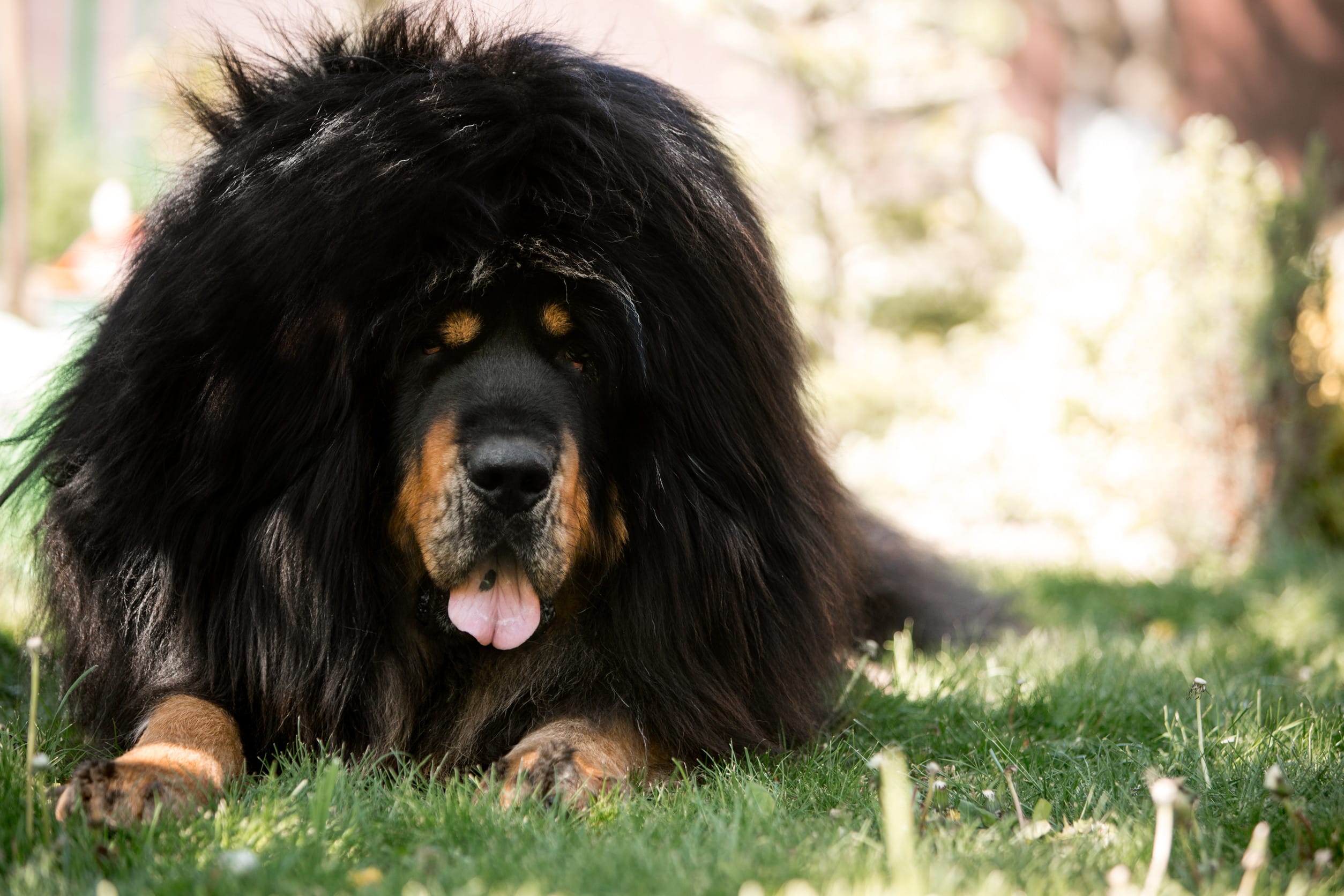
amaizing Tibetan mastiff dog lay in the sunny green park in grass
Image Source: 123rf.com

Adopting a dog is exciting, but it can also be shockingly expensive—especially if you’ve got your heart set on a high-end breed. Some dogs cost more than a used car, and that’s just the beginning. Between initial purchase prices and ongoing care, certain breeds quickly turn into luxury expenses. Whether it’s for pedigree, rarity, or show-quality lineage, some breeds demand serious cash up front. Here are seven dog breeds that’ll set you back more than $1,000—and why they come with such a hefty price tag.

1. Tibetan Mastiff

This majestic breed is known for its lion-like appearance and massive size. Originally bred to guard livestock in the Himalayas, Tibetan Mastiffs are highly protective and independent. Prices for these dogs often start around $2,000, but purebred pups from champion lines have sold for over $10,000. Their rarity and mythical reputation drive up demand—and cost. With thick coats, specialized training needs, and big appetites, the costs don’t stop at the purchase price.

2. French Bulldog

French Bulldogs have exploded in popularity thanks to their compact size, playful personalities, and celebrity appeal. But their cute faces come with a hefty price tag, usually between $2,000 and $5,000. Because of their narrow hips and breathing issues, breeding them requires expensive artificial insemination and C-sections. That makes these pups pricey before they even take their first steps. And their medical needs often mean high vet bills throughout their lives.

3. Samoyed

With their dazzling white coats and permanent smile, Samoyeds are one of the most eye-catching breeds around. But that beauty comes at a price—usually upwards of $1,500 and sometimes over $3,000. Originally bred in Siberia to herd reindeer, they’re strong, smart, and affectionate. Their thick double coats require constant grooming, and they’re known for being high-energy. If you’re not ready to commit both time and money, this breed can quickly become overwhelming.

4. Chow Chow

Chow Chows stand out for their deep-set eyes, lion-like manes, and aloof demeanor. Prices often range from $1,200 to $2,000 depending on pedigree and coat color. They’re fiercely loyal but not the most social, so they need confident, experienced owners. Their thick fur needs daily brushing, and their health can be a concern—especially their hips and eyes. If you want a dog that doubles as a regal status symbol, the Chow Chow is it.

5. Akita

Akitas are large, powerful dogs originally from Japan, admired for their loyalty and stoic personalities. Buying one from a reputable breeder often starts at $1,200 but can go much higher. They’re clean dogs with cat-like habits, but they also require firm training and strong socialization. Their independent nature makes them a challenge for new dog owners. The cost reflects their dignified appearance, strong bloodlines, and serious responsibilities.

6. Pharaoh Hound

Pharaoh hound dog
Image Source: 123rf.com

Sleek and athletic, Pharaoh Hounds are one of the oldest known dog breeds. Prices typically range from $1,500 to $2,500 due to their rarity and history. With their elegant posture and striking amber eyes, they look like living artwork. But they also need room to run and lots of mental stimulation. For those who can afford them, Pharaoh Hounds offer both beauty and brains.

7. Lowchen

Nicknamed “The Little Lion Dog,” Lowchens are playful, rare, and absurdly expensive. You’ll likely spend between $4,000 and $8,000 for one of these tiny companions. They were once popular with European nobility and are still considered a luxury pet. Their long, flowing coats require meticulous grooming to maintain their lion cut. They’re not just a dog—they’re a statement piece.

Is a Pricey Pup Worth It?

Spending over $1,000 on a dog isn’t just about owning a pet—it’s often about prestige, pedigree, or very specific qualities. But with high price tags come high responsibilities. These breeds require specialized care, frequent vet visits, and often, a more intense lifestyle commitment. Before you invest, ask yourself if you’re ready for everything that comes with these elite canines. Because while the dog may be designer, the love still needs to be real.

Would you spend over $1,000 on a dog—or do you think it’s just not worth it? Share your thoughts in the comments!

Read More:

12 Pets That You’ll Discover Are Oddly Intelligent

10 Cheap but High-Quality Dog Food Brands Your Pup Will Love

Latrice Perez

Latrice is a dedicated professional with a rich background in social work, complemented by an Associate Degree in the field. Her journey has been uniquely shaped by the rewarding experience of being a stay-at-home mom to her two children, aged 13 and 5. This role has not only been a testament to her commitment to family but has also provided her with invaluable life lessons and insights.

As a mother, Latrice has embraced the opportunity to educate her children on essential life skills, with a special focus on financial literacy, the nuances of life, and the importance of inner peace.

Filed Under: Pets Tagged With: dog breeds, dog ownership, expensive dogs, French Bulldog, luxury pets, Pet Care, pet costs, rare dog breeds, Tibetan Mastiff

  • « Previous Page
  • 1
  • 2

Follow Us

Search this site:

Recent Posts

  • Can My Savings Account Affect My Financial Aid? by Tamila McDonald
  • 12 Ways Gen X’s Views Clash with Millennials… by Tamila McDonald
  • What Advantages and Disadvantages Are There To… by Jacob Sensiba
  • 10 Tactics for Building an Emergency Fund from Scratch by Vanessa Bermudez
  • Call 911: Go To the Emergency Room Immediately If… by Stephen Kanaval
  • 7 Weird Things You Can Sell Online by Tamila McDonald
  • 10 Scary Facts About DriveTime by Tamila McDonald

Copyright © 2026 · News Pro Theme on Genesis Framework