• Home
  • About Us
  • Getting Finances Done
    • Hiring Advisors
    • Debt Management
    • Spending Plan
  • Insurance
    • Life Insurance
    • Health Insurance
    • Disability Insurance
    • Homeowners/Renters Insurance
  • Contact Us
  • Our Editorial Commitment

The Free Financial Advisor

You are here: Home / Archives for Personal Finance

5 Financial Considerations to Think About Before Marriage

September 11, 2023 by Erin H. Leave a Comment

Getting married is a major rite of passage for most people. One of the major things that couples have to discuss before and during their marriage is their finances. Here are some financial considerations to consider before marriage.

1. Debt

Couples should have an honest discussion about any existing debt. If you attended college, you may have some student loans like most American students do. Be honest about how much you may owe for student loans, car loans, and credit cards. When you unify as a couple, not only will your income be bound together, but your debt can affect you as well.

2. Taxes

As a married couple, your tax situation will now change. When you go from filing as a single person to a married person, there are some benefits and exemptions you’ll get. You also must think about your overall estate planning and how that can affect your future taxes. Any estates over $10,860,000 for married couples and $5,430,000 for single individuals, any amount in excess will be subject to estate taxes.

3. Wedding Costs

Let’s not forget about the big day itself, the wedding day. While you want your wedding day to be special, remember that you’ll still need money long after the wedding is over. According to IBIS World, the majority of American couples spend as much as 30% of their savings on their wedding day. As you plan your wedding, see if there are certain things that you can save on. Think about the time of year you’ll be getting married. For example, summer is the most expensive time to get married, since that’s when most other couples are also taking that step. Also, consider how many bridesmaids and groomsmen you’ll have. When it comes to your guest list, you don’t have to invite every single person you know. Try to keep the number down within an affordable amount that you can comfortably feed and seat without breaking the bank.

4. Accommodations

Maybe you and your spouse are already living together before the wedding or still planning to buy your first home together. According to the National Association of Realtors, almost 50% of recent buyers started the home purchasing process by looking online at properties for sale, while 18% of buyers first contacted a real estate agent. Think about the type of home you want to live in, the location, and chances of future upgrades. After all, there’s a difference between living in a big city like New York versus a more rural area. Plus, the amount of money you’ll spend upfront and later save can change based on whether you decide to rent an apartment or pay for a single-family home. If you don’t want to manage a single-family home, you may prefer to have a condo, especially if you decide to remain child-free.

5. Family Planning

Do you and your spouse plan to have children? Children make up a huge chunk of any married couple’s finances. From the time they’re babies until out of the house for college, you must pay for their healthcare, food, clothing, and educational costs. Do you plan on only having one child or a sibling for them or a big family? Sit down and discuss these things, as the amount of children you have, when you have them, and how far apart you have them can play a big role in your overall expenses.

You and your future spouse should enjoy planning your wedding and looking forward to a future together. However, make sure you’re honest about things such as your financial state. Managing and discussing your current expenses, your mentality regarding money, and future planning can play a big role in reducing stress and disappointment in your marriage. Sit down and talk about your finances before you walk down the aisle.

Filed Under: Personal Finance

Should I Leave An Inheritance To My Children?

September 11, 2023 by Tamila McDonald Leave a Comment

Pros and Cons of an Inheritance

Many parents like the idea of leaving their children an inheritance, but they may wonder whether doing so is a good idea. Here’s a look at whether leaving an inheritance is required, the pros and cons of an inheritance, as well as whether leaving an inheritance to children is potentially a good move.

Do You Have to Leave an Inheritance to Your Children?

Legally, parents aren’t required to leave their children an inheritance. For parents with only adult children, the focus should undeniably be on living comfortably, not leaving money behind for their kids. That way, parents get to enjoy their lives and ensure their needs are met.

For parents with minor children, many would like to make sure that their kids’ needs are covered at least until they reach adulthood (or potentially longer if a child has a disability). That ensures any remaining parent isn’t overburdened by being the sole income source for the family and can decrease the odds that the children will need to adopt a lower standard of living as they grow up.

However, an inheritance of any type is entirely optional. If you consider it a priority, then you can certainly set up your financial life to make one happen. However, if doing so would cause you undue financial hardship, or you don’t think doing it is necessary – regardless of whether it’s potentially affordable – not giving them an inheritance is something you can do.

Pros and Cons of an Inheritance

Pro: Financially Provide for Your Children

Generally, the biggest reason to provide an inheritance to your children is to give them some financial security. This could be particularly important for families with young kids, school-age children, or even college-age young adults who aren’t yet old enough to handle all of the monetary side of life alone. Similarly, if a child has a disability that highly limits their ability to earn an income, an inheritance could provide financial security.

Con: Stymying Financial Independence

In some cases, a sizeable inheritance may stymy some children as they journey toward handling their own financial lives. For example, it could cause a failure to launch, leading a kid to move toward adulthood without any plan for managing their long-term monetary needs. Depending on how long the inheritance lasts, the child could then find themselves ill-equipped to take care of themselves once the money runs out.

Whether this is an issue that may or may not be a concern depends on the children’s ages, their general demeanor, the size of the inheritance, and other factors. However, it’s worth factoring in when deciding whether leaving an inheritance is wise.

Pro: Demonstrating Your Love

Many people consider the ability to leave an inheritance as a demonstration of their love and caring for their children. In this situation, the benefit is primarily emotional for the parent leaving the inheritance. Essentially, it makes them feel like they’re able to care for their children after they pass away, and that can provide some peace of mind.

Children may also deem an inheritance as a demonstration of their parent’s love for them. It’s seen as a sign that a parent cared enough to not just take care of them as they grew up but also provide support after the parent’s passing.

Con: Supporting Undesirable Behavior

Most inheritances are received as windfalls, and for children with certain undesirable habits, that could be problematic. For example, a child with a gambling, drug, shopping, or other kind of addiction that leads to potentially high amounts of spending may use the inheritance to support their habit.

At times, children may simply handle the inheritance irresponsibly, even if they don’t have an addiction. This isn’t unlikely in essentially all cases, but the chance is particularly high if a kid isn’t overly financially literate or otherwise doesn’t have a tendency toward responsible financial decisions. In those situations, the kid may overestimate how far the inheritance would go, causing them to spend it much more rapidly than a parent may expect.

Pro: Assisting with Challenging Goals

There are situations where an inheritance isn’t necessary to ensure the financial security of one’s children, but it could serve as a path toward achieving a more challenging goal. For example, it could allow a child to earn a new degree or more professional credentials that would otherwise be out of reach. Similarly, it could make homeownership or starting a business a possibility.

Con: Limiting Your Spending

In order to leave an inheritance, a parent has to spend less than they’ve managed to save. As a result, it could mean living on a restrictive budget when it isn’t technically necessary, as the parent technically has the funds available to live more comfortably.

Essentially, it can mean a parent is sacrificing their quality of life in hopes of providing their children with something better. While some parents may be okay with that choice, others may find it oppressive or that the decision causes them to have to struggle. In the latter cases, that could cause a parent to resent their children for a decision the parent made, which is never ideal.

Should You Leave an Inheritance to Your Children?

Ultimately, whether you leave your children an inheritance is a personal decision. As mentioned above, an inheritance does help your kids handle their financial burdens, which can be beneficial. Plus, many consider an inheritance a sign of your love for your children, and it’s a demonstration that your finances were in order enough to leave something behind for your family.

However, there are times when leaving an inheritance could be problematic. As a result, choosing not to provide one is an option. Just make sure that, no matter which approach you use, you have a formal estate plan outlining your wishes clearly. That way, your assets go where you want.

Do you think that leaving an inheritance to your children is a good idea? Can you think of any other pros and cons of an inheritance parents may want to consider? Share your thoughts in the comments below.

Read More:

  • Strategies for Creating Family Wealth
  • Here’s Some Investment Advice After an Inheritance
  • Your Guide to the NJ Inheritance Tax
Tamila McDonald
Tamila McDonald

Tamila McDonald is a U.S. Army veteran with 20 years of service, including five years as a military financial advisor. After retiring from the Army, she spent eight years as an AFCPE-certified personal financial advisor for wounded warriors and their families. Now she writes about personal finance and benefits programs for numerous financial websites.

Filed Under: Personal Finance Tagged With: Con: Limiting Your Spending, Con: Stymying Financial Independence, Con: Supporting Undesirable Behavior, Pro: Assisting with Challenging Goals, Pro: Demonstrating Your Love, Pro: Financially Provide for Your Children, Pros and Cons of an Inheritance, Should I Leave An Inheritance To My Children?

Financial Planning Basics: The Financial Pyramid

September 9, 2023 by Jacob Sensiba 1 Comment

The first time I heard about the financial pyramid, I was instantly intrigued. I had never thought about it in this concept before, but I unintentionally had been practicing this in my own life.

In finances you have to build the base before you can reach the top or it will all fall apart, hence the allegory of a pyramid.

financial-pyramid

The Base

The base of your financial pyramid should be a solid financial plan. This includes your written budget, short-term and long term goals, and how you will make your income as well as an investment plan to be implemented in the future.

You should have a positive cash flow, meaning, no longer using debt to fund your lifestyle.

RELATED: The Importance of a Personal Investing Statement

Once you have implemented the base, you can move onto the first building block: protection.

Protection

You must protect yourself from the unimaginable, so I recommend everyone have a will and power of attorney, insurances such as life, health, auto, homeowner’s/renter’s, and disability, and a basic emergency fund of at least $1,000-$2,500.

I was thankful to have my mini-emergency fund when I had some car issues because I was able to pay cash to repair them instead of having to go into debt. The overall pyramid looks something like this:
the-financial-planning-pyramid

The second building block is low-risk wealth accumulation. This would include saving for a home, retirement, and children’s college education, in addition to reducing consumer debt.

Debt Reduction

Financial guru Dave Ramsey teaches that you should get completely rid of any debt before beginning savings, although, in my opinion, you should still invest in retirement while reducing debt only if your employer offers a match.

I, myself, am in the debt reduction stage but still contribute to my retirement account since my employer offers up to a 4% match into my 401(k).

Additionally in this step, you should create your emergency savings fund. Many people believe an emergency fund of 3-6 months’ worth of expenses is adequate.

Investing

The third building block is high-risk wealth accumulation.  This includes investing. Expanding on the second block, in this stage, you will max out your retirement accounts and then build a non-registered investment portfolio.

Once you have built your net worth to an amount sufficient to fund your lifestyle and retirement, you can move to the next stage of investing– speculation (also known as speculative investing.) In this stage, you invest money into investments such as start-up companies.

This is very risky, so you don’t want any debt by this stage. Also, you should only invest a small portion of your total investments into speculation. Also in this stage, you’ll want to begin tax planning, especially as your retirement investments increase.

Estate and Charity

The final building block is wealth distribution. You’ll gift and spend the money you have earned. As well as plan your estate for future generations or charity upon your death. Since your net worth increased quite a bit since you first started the financial planning pyramid, you should update your will and/or trust.

Finally, once you’ve got these basics nailed down, it’s time to hire some help. One approach a lot of millennials use is robo-advisors. A robo-advisor is a machine that uses various theories about portfolio allocation to make investing decisions. If you’re interested in a critical review of this, consider checking out Roboadvisorpros.com, they have a good article on the topic.

For help getting your financial pyramid in order, check out these great articles.

Yes, Financial Planning Matters – Here is Why
Best Free Financial Advice
Become a Financial Expert Step-by-Step

Jacob Sensiba
Jacob Sensiba

Jacob Sensible is a financial advisor with decades of experience in the financial planning industry.  His journey into finance began out of necessity, stepping up to support his grandfather during a health crisis. This period not only grounded him in the essentials of stock analysis, investment strategies, and the critical roles of insurance and trusts in asset preservation but also instilled a comprehensive understanding of financial markets and wealth management.  Jacob can be reached at: jake.sensiba@mygfpartner.com.

mygfpartner.com/jacob-sensiba-wisconsin-financial-advisor/

Filed Under: charitable giving, Debt Management, Estate Planning, Investing, investment types, money management, Personal Finance

How Inflation is Changing Our Lives and Not for the Better

August 28, 2023 by Tamila McDonald Leave a Comment

factors-causing-inflation

Back in 2021, inflation hit its highest point in 40 years, with prices rising by about 7 percent in December when compared to the previous year. Experts project that inflation will ease in 2023, but that doesn’t mean the impact won’t remain well beyond when the rates recede. Instead, they’ll affect the lives of many, mainly for the worst. If you’re wondering how inflation is changing lives, and not for the better, here’s what you need to know.

How Inflation is Changing Lives

Inflation typically pushes prices up, including on everyday goods and household staples. While some inflation over time usually isn’t avoidable, extreme increases create substantial financial hardships for many people, particularly lower-income households. Inflation to this degree dramatically reduces buying power and, if you’re already struggling with a tight budget, it may seem like your ability to make ends meets evaporates overnight.

Even middle-income households can feel the pinch. Often, rapid inflation isn’t coupled with corresponding wage growth. As purchasing power falls, households that were once reasonably comfortable can end up on the brink.

Retirees Are Burdened As Well

Retirees are similarly burdened. Since many older Americans live on fixed incomes, falling buying power can be catastrophic, especially if it happens quickly.

In all of those cases, quality of life diminishes. Households have to make tough choices. For example, they may have to decide between buying gas to get to work or getting a critical prescription medication. They might end up debating between buying food and covering an electric bill.

While those examples may seem extreme, they can reflect reality for a surprising number of Americans. Additionally, even if inflation rates fall, prices will remain high if inflation is part of the equation at all. While there may be some balancing, some product may keep their bigger price tags for a while, particularly if companies are trying to recoup lost profits that they experienced due to inflation.

Other Sectors That Are Impacted

There are other sectors that also see the impact of inflation. With rapidly rising home prices, first-time buyers may have a difficult time competing in the market. They may be forced to delay homeownership or might take on loans that stretch their budget too thin.

If borrowers have variable rates on loans or credit cards, the interest they pay may be heading upward. When inflation is running rampant, variable rates usually increase, resulting in larger financing charges.

Ultimately, inflation has a significant impact on most people. And, in most cases, it isn’t for the better.

Should You Worry About Inflation?

Generally speaking, worrying about inflation isn’t going to reap any dividends. However, being aware of its presence and potential impact is wise. By knowing when inflation is having an effect, you can make decisions before your budget is stretched too thin. Thus, giving you the ability to better weather the storm. Additionally, you can look for income-boosting opportunities. This could include a side gig or part-time job, allowing you to increase your earnings to compensate for lower buying power.

Ultimately, inflation won’t remain this high forever. As supply chain issues resolve, wages shift, and other changes occur, the situation usually calms notably, even if it doesn’t go away completely. Ideally, you simply want to adapt as much as possible, ensuring you can preserve your buying power until inflation becomes less of an issue.

Have you or your household been personally impacted by inflation? How did it affect your budget and financial wellbeing? Have you found a way to limit its effect on your finances that you’d like to share? Share your thoughts in the comments below.

Read More:

  • Managing High Inflation in Retirement
  • The Factors Causing Inflation
  • Does the Economic Inflation Favor the Borrowers or Lenders?
  • How Much Was The Cost of Living in 1972?
Tamila McDonald
Tamila McDonald

Tamila McDonald is a U.S. Army veteran with 20 years of service, including five years as a military financial advisor. After retiring from the Army, she spent eight years as an AFCPE-certified personal financial advisor for wounded warriors and their families. Now she writes about personal finance and benefits programs for numerous financial websites.

Filed Under: money management, Personal Finance Tagged With: Inflation, inflation is changing our lives

Don’t Let This Happen To You: 4 Hotel Booking Site Scams

August 21, 2023 by Tamila McDonald Leave a Comment

hotel booking site scam

When you’re preparing for an upcoming vacation or planning your business travel, booking accommodations is typically part of the equation. For many people, that means heading online to make reservations. But if you’re not cautious, you could find yourself a victim of a hotel booking site scam that costs you money, steals your identity, and leaves you with nowhere to stay when you arrive at your destination. If you want to make sure your accommodations are legit and keep your financial life secure, here are four hotel booking site scams you should know about (and how to avoid them).

1. Fake Booking Websites

One of the most widely used hotel booking site scams involves malicious actors creating fake hotel reservation websites. In some cases, they’re designed to resemble a specific hotel chain’s site. In others, the scam websites look like popular aggregators, either with their own branding or copying a legitimate site’s branding.

How difficult these fake booking websites are to spot varies. However, there are typically some clues. First, if the connection isn’t secure – such as by not having https in the URL – you shouldn’t move forward. Additionally, look for spelling errors, grammar issues, and typos, as those are more common in scam sites. Blurry logos can also indicate that a website isn’t legit, as well as a URL that’s close to – but not an exact match for – a widely-known brand’s site.

Also, when you’re searching for websites that can book you a hotel room, don’t assume that the first listing in the results is safe. Scammers may pay to get ads for their fake hotel booking sites placed near the top of the results, so a high position isn’t a guarantee of safety.

It’s also wise to take a look at the required payment types. Some websites may only use unconventional options – such as cryptocurrency or wire transfers – instead of typical credit card payments. While they may try to justify the payment options stating that they help the site offer good deals, these types of payment are difficult – if not impossible – to recover, which is why scammers prefer them over many conventional methods.

2. Fake Hotel or Room Listings

Some legitimate booking sites that allow people to list their properties to secure traveler bookings can contain fake hotel or room listings. For example, websites like Airbnb and Vrbo are potential targets for scammers. Malicious actors may create fake listings that seem legitimate, offering up solid descriptions and high-quality images, but the properties don’t exist. While sites like Airbnb and Vrbo do work diligently to remove fake listings, they may not catch them all before an unsuspecting person books the room.

One step you can take to reduce the odds of booking a fake listing is to use the internet and Google the property’s address. Many scammers use bogus addresses in the listings, such as an address that isn’t actually in use or one associated with another property. If you research the address and get street-view images other than what you’re expecting based on the listing, it’s better to book something else.

You can also do a reverse image search on any photos within the listing. That lets you see if the pictures are published elsewhere and associated with another property or if they were potentially acquired from a stock image website.

3. Bait and Switch

When a hotel booking site leads you to believe you’re reserving a specific type of accommodation only to stick you into a different kind of room that’s of lesser quality upon arrival, you could be a victim of a bait-and-switch. Essentially, an appealing option was advertised – the bait – and that information led to your decision to make a reservation. However, once you get to the hotel, you’re given a subpar alternative – the switch.

Technically, the issue only qualifies as a bait-and-switch legally if there was no original intention to give you the nicer advertised room. However, even if the issue isn’t due to intentional deception, it leads to challenges. The problem is that when you’re dealing with hotel bookings, you may not have many options for immediate recourse.

Canceling your reservation – even if it leads to a full refund – potentially isn’t plausible if similar accommodations aren’t available elsewhere. A price reduction to offset the change may ensure you have a place to stay, but it might not be the type of experience you expected, which can diminish your overall travel experience.

Avoiding actual bait-and-switch scams is possible with a bit of research. Sticking with reputable hotels with high ratings and no negative reviews that mention subpar accommodations upon arrival can help.

Issues with room changes due to overbooking are harder to avoid. Overbooking isn’t uncommon, as hotels usually book enough stays to offset last-minute cancelations or no-shows. It can also happen by mistake, such as a booking website not receiving refreshed data fast enough to prevent another reservation from going through even though the hotel is full. In some cases, reviews may indicate whether overbooking issues are common at a particular hotel, but that’s not a guaranteed way to avoid this situation, as it can happen only on rare occasions or due to an unexpected booking error.

4. Hidden Fees

Hidden fees can make a good deal on a hotel feel like a scam. Some hotel sites will advertise incredibly low room rates but not as clearly disclose the additional fees guests have to pay as part of the reservation.

Resort fees tacked on to a room’s price are a prime example, though you may encounter other hidden fees, too. If they aren’t disclosed at the time of booking, the practice is broadly considered deceptive and dishonest, even if it stays on the right side of the law.

Generally, the only way to ensure you don’t accidentally commit to a higher price than the advertised one for the room is to read the fine print. Additionally, you can contact the hotel directly and ask about any fees that aren’t part of the advertised room rate. By doing so, you can at least find out whether there are extra costs you may face, giving you the power to decide whether you want to continue with the booking or not.

Do you know of any other hotel booking site scams people should be aware of before planning their travel? Have you ever been a victim of a hotel booking site scam and want to tell others about your experience? Share your thoughts in the comments below.

Read More:

  • Four Tips for Avoiding Cryptocurrency Scams
  • What Are the Risks of Using Public Wi-fi for Online Banking?
  • Is It Safe to Throw Away Bank Statements?
Tamila McDonald
Tamila McDonald

Tamila McDonald is a U.S. Army veteran with 20 years of service, including five years as a military financial advisor. After retiring from the Army, she spent eight years as an AFCPE-certified personal financial advisor for wounded warriors and their families. Now she writes about personal finance and benefits programs for numerous financial websites.

Filed Under: Personal Finance Tagged With: Bait and Switch, Don't Let This Happen To You: 4 Hotel Booking Site Scams, Fake Booking Websites, Fake Hotel or Room Listings, Hidden Fees

7 Weird Things You Can Sell Online

August 19, 2023 by Tamila McDonald 2 Comments

selling weird stuff online

Most people know that the internet can be a wild and crazy place. Since it’s so accessible and diverse, it also creates opportunities for sellers who want to make a profit off of something unconventional, unexpected, or outright bizarre. Selling weird stuff online is often big business. Here’s a look at seven weird things you can sell online and why people are buying.

1. Foot Pictures

Many people are generally aware that foot pictures are sold online, and some may even joke about using them as a way to earn extra cash. In reality, this marketplace is vast, and some people can make a surprisingly solid living by selling pictures of their feet online.

Primarily, these sales go to members of the foot fetish community. Within the body part fetish community, foot fetishists are the most common outside of the more sexual body parts.

The foot fetish community also has varying interests when it comes to what they like to see in foot photographs. Some may prefer more elegant options, while others actually enjoy foot pictures where the feet are noticeably dirty. A portion prefers well-manicured feet with smooth soles and painted toenails. Others favor a more everyday, natural look.

While the bulk of the community seems to prefer images of women’s feet, there are also foot fetishists interested in pictures of men’s feet. As a result, anyone with good-looking feet could potentially make money online by selling pictures.

2. Breastmilk

Some people may be surprised to learn that selling breastmilk isn’t technically illegal. However, it’s an unregulated marketplace, and it isn’t a product that people can sell just anywhere. As a result, sellers have to turn to marketplaces that allow those kinds of sales.

There are two primary reasons why people are willing to buy breastmilk. First, parents with a newborn who are either unable to provide breastmilk themselves or have low supplies may decide to purchase breastmilk for their infant. The main driver is that research shows that breastfeeding newborns provides benefits that aren’t necessarily achieved with formula or similar alternatives. As a result, they decide to buy breastmilk to ensure their infant gets what’s recommended.

Second, breastmilk does have a fetish community associated with it. Precisely what a fetishist may do with the breastmilk can vary. Consumption by an adult may come with this territory, though that isn’t universally the case.

3. Long Hair

For anyone with long hair who’s considering making a change and cutting it short, you may be able to turn your long locks into cash. Several marketplaces will purchase hair to make wigs. Others buyers might use the hair to create something else, such as art, dolls, and more.

Generally, this isn’t something a seller can do often, as the time required to grow their hair long enough to make it sellable is significant. Additionally, there may be rules about the condition of the hair. For example, sites generally offer more for “virgin” hair – which usually means hair that’s never been dyed or subjected to chemical processes like chemical hair straightening or bleaching – as it’s typically more resilient.

Usually, these online marketplaces work one of two ways. Some sites essentially serve as the buyer, allowing sellers to describe their hair and receive a quick quote. Others let people place ads to sell their hair, giving you the ability to potentially set your own price or receive a better offer than the alternative provides.

4. Used, Unwashed Socks and Undergarments

While the idea of selling used, unwashed socks and undergarments seems odd to most, there’s actually a reasonably thriving market. Mainly, members of specific fetish communities are interested in these items, and the price they’re willing to pay often goes far beyond the cost of the attire and shipping.

The market also isn’t inherently limited to used socks and undergarments. Some fetishists may be interested in well-worn shoes. Others may enjoy unwashed workout shirts, shorts, or pants.

The exact condition a buyer wants in a used, unwashed clothing item can vary. As a result, some people selling in this marketplace focus more on creating custom orders. That allows them to wear the item until it meets the buyer’s exact preferences before shipping it to them. How these arrangements work may also vary, as some custom sellers will require an initial deposit – essentially covering the cost of the item and some compensation for their time – and take the rest of the payment once the item is ready to ship.

5. Company Online

Often referred to as sugar babies, some younger adults make money online by sharing some of their time with someone in a social context. Usually, the payer – known as the sugar daddy or sugar mommy – is wealthy and has the desire to spoil someone they find worthy and attractive. As a result, the compensation may take the form of cash, gifts, and more.

While many sugar-style relationships do have in-person components, with the sugar daddy or sugar mommy taking the sugar baby out on dates, on vacations, and to similar destinations, that isn’t always part of the arrangement. Often, the sugar baby has a significant amount of say when it comes to setting boundaries, and some prefer to keep the relationships physically distanced.

6. Toilet Paper Rolls, Paper Towel Rolls, Wine Corks, and More

Toilet paper rolls, paper towel rolls, wine corks, and similar items sell online because they’re popular for a variety of crafts. As a result, essentially anyone can gather theirs up and create a listing on online marketplaces like eBay to try and find a buyer.

Since these items are generally low-cost, they don’t sell for any incredibly high amount, even in large quantities. However, since these are items you’d typically throw away if you have the space to store them and the time to manage a listing, it could let you make money instead of sending these off for recycling or to a landfill.

Generally, you’ll be more successful if you can create a reasonably sized lot. For example, selling 50 toilet paper rolls may be easier than selling ten.

7. Oversized Pine Cones

Another item that’s popular with crafters is pine cones. Demand is particularly high when the winter holidays are coming up, as pine cones are widely used for wreaths and similar seasonable décor.

Generally, you’ll have more success if the pine cone is in excellent condition and fresh. Plus, they need to be larger than you typically find – typically coffee cup-sized or bigger – and pretty uniform in appearance.

When it comes to selling them, you have two choices. For large – but not massive – pine cones, you may have more success if you can sell multiple pine cones in a bundle. If the pine cone is gigantic, coming in closer to the size of a wine bottle, then you may be able to sell it as a single.

Do you know of any other weird things you can sell online for some fast cash? Have you tried selling weird stuff online and want to tell others about your experience? Share your thoughts in the comments below.

Read More:

  • Is It Time to Sell All of the Stocks in My Portfolio?
  • Selling Your Vehicle via a Private Sale-Follow These Steps
  • Is Selling Your Home the Best Choice?
  • Get The Best Trading Laptop
Tamila McDonald
Tamila McDonald

Tamila McDonald is a U.S. Army veteran with 20 years of service, including five years as a military financial advisor. After retiring from the Army, she spent eight years as an AFCPE-certified personal financial advisor for wounded warriors and their families. Now she writes about personal finance and benefits programs for numerous financial websites.

Filed Under: Personal Finance Tagged With: sell online, selling weird stuff online

4 Ways to Preventing Dental Costs From Bankrupting You

July 27, 2023 by Erin H. Leave a Comment

A smile is a natural accessory that everyone deserves to don. However, a study by the New York Post reveals that about 57% of Americans feel insecure about their teeth and need to cover their mouths whenever they laugh. Dental care can help restore the confidence to smile. However, high dental costs make these services a privilege to few people.

Fortunately, we have uncovered ways to help you get dental care without breaking the bank. Here are some ways to prevent dental costs from bankrupting you.

1. Only Work With Dentists in Your Healthcare Network

Dental networks are crucial to practitioners and care seekers. While the networks help professionals strengthen their knowledge base and acquire invaluable skills, they also help patients get services at more affordable rates.

Typically, in-network dentists are contracted with a specific insurance company. Therefore, finding a dentist within your network means you will get services at negotiated rates. Fortunately, more dentists prefer to work within networks. Zippia says about 82% of practicing dentists prefer working with private companies. Therefore, your employer probably has the dental bit covered. Additionally, you are more likely to get more coverage, thus more access to more complex services like restorative treatments.

2. Follow Your Dentist’s Instructions

Simple instructions like brushing your teeth daily or maintaining a healthy diet greatly reduce dental care costs. Practicing prevention also helps you prevent potential dental illnesses by fighting bacteria, thus, fewer visits to the dentist.

Sticking to the dentist’s instructions after complex procedures like surgery to prevent complications is even more vital. Always remember to ask questions for further clarification, especially if you are trying to create a healthy oral care routine. For example, if you just got aligners, you must do more to keep bacteria at bay. According to Forbes, you should clean your aligners thoroughly seven days a week. Otherwise, you may harbor bacteria leading to other conditions like teeth discoloration and plaque buildup.

3. Join a Dentist’s Membership Plan

A dental plan is a financial agreement between a patient and dental facility which requires the former to pay the agreed monthly or annual subscription for access to dental care. This service is significantly helpful to anyone who wants to promote preventive dentistry.

Otherwise referred to as a dental savings plan, these programs may be better alternatives to dental insurance, which often include confusing deductibles, reimbursements, and a lot of paperwork. It is also a reasonable option for families that do not have access to employer-sponsored dental coverage, as independent insurance plans usually have various treatment limitations, longer waiting periods, and annual maximums.

According to Pressroom, about 50 to 75% of people need orthodontic treatment. Dentist membership plans offer a better way to access private dental treatment, which means cost-effective services from your preferred dentist. The plans also allow dentists to operate at higher standards; thus, patients can access advanced technology.

4. Visit a Dental School

Dental schools offer dental services to patients at low prices. Most schools have dental clinics to allow their students to practice, usually under three levels of service, including the student, faculty, and graduate levels. The Student Clinic level is the lowest, with longer appointments and fewer visits, and you would only have to pay about a third of the usual private practice fees. On the other hand, faculty and graduate clinics take you less of your time at close to standard rates.

The facilities offer a win-win situation for their students and patients, where the student learns through practice while the patients save money through affordable services. However, the environment may require patience, as students work slowly but carefully under supervision. Regardless, you are guaranteed comprehensive care.

These tips should help you get dental care while saving money. You can also seek financial assistance from charities focusing on specific groups like the youth, seniors, veterans or children. These options usually have longer waiting periods with some restrictions but help significantly by clearing the larger chunk of your bill. Check out our website for more money-saving and financial literacy guides.

Filed Under: Personal Finance

The Impact of Changes in Jumbo Loan Limits on the Real Estate Market

July 24, 2023 by Tamila McDonald Leave a Comment

jumbo loan limit

This year, the Federal Housing Finance Agency (FHFA) made changes to the limit for conventional home loans. The conforming loan limit went up, with the maximum amount shifting to $726,200 for most locations in the US, and some high-cost markets have maximums that are set much higher. As a result, this essentially altered the lower level of the jumbo loan limits and may cause some lenders to make their upper jumbo loan limits higher. Along with changing the mortgage landscape, this has an impact on the real estate market. Here’s how.

How Jumbo Loan Limits Changed

Jumbo loans changed primarily since the upper limit for conforming loans increased. As a result, aspiring homebuyers can qualify for conventional loans on houses with higher values than was possible previously.

The upper limit for conforming loans primarily went up due to changes in home values across the majority of markets in the United States. Since homes are worth more than when the previous upper conforming loan limit was set, an adjustment was made to bring it in line with typical home pricing.

That’s also why conforming loan limits are higher than $726,200 in select cities or housing markets. Cities like San Francisco and New York City come with high-cost real estate markets. But since the value of properties in those areas largely remains high, conforming loans for buying in that area have a higher limit than what you’d find in lower-cost towns or markets.

The upper limit for a jumbo loan isn’t technically set in stone, and that hasn’t changed. Instead, the maximum amount a person can get with a jumbo loan is largely determined by the lender. Some lenders may set their maximums at $2 million, for example, even though that’s not required by any government agency. Others may allow borrowers to access jumbo loans in amounts of $4 million, $5 million, or even $10+ million.

Along with lenders setting upper jumbo loan limits, they also control the eligibility requirements for the loans. For example, while it’s possible to get a conforming loan with a credit score of around 620 to 640, most jumbo loans need a credit score of 700 or higher.

Additionally, debt-to-income ratio requirements may be stricter for jumbo loans. The minimum down payment needed is also usually higher than what you find with conforming loans, with a 10 to 25 percent down payment being relatively common in the jumbo loan market.

The Impact of Jumbo Loan Limits on the Real Estate Market

Generally, shifting the upper limit for conforming loans, which altered the lower limit for jumbo loans, does have a potential impact on the real estate market. Often, qualifying for conforming loans is simpler than for jumbo loans. By allowing aspiring homebuyers to get larger conforming loans, it may let some home purchasers access properties that would otherwise be hard for them to reach, which could lead to more real estate sales.

However, other factors are influencing the real estate market currently. One of the most significant is rising interest rates. When the Federal Reserve increases rates, interest rates associated with mortgages of all types typically rise. That has a significant impact on affordability. As a result, interest in buying a home has declined. Additionally, some borrowers have to explore properties that cost less than what they’d look for if interest rates were higher.

Still, the long-term impact of higher maximums for conforming loans could bolster interest in houses that were previously just above the jumbo loan limits on the lower end. As a result, even with higher interest rates, it may positively impact that part of the market, leading to more buyers and sellers within that segment.

Do you think changes to the jumbo loan limit will impact the real estate market in other ways? Do you view jumbo loans differently because of the adjustments to the limits? Share your thoughts in the comments below.

Read More:

  • Is Paying Points a Good Way to Reduce Your Mortgage Rate?
  • 5 Things to Do Before Applying for a Mortgage
  • Save Money on Your Mortgage by Negotiating These Fees
  • 7 REASONS YOU SHOULDN’T BUY YOUR KID A CAR
Tamila McDonald
Tamila McDonald

Tamila McDonald is a U.S. Army veteran with 20 years of service, including five years as a military financial advisor. After retiring from the Army, she spent eight years as an AFCPE-certified personal financial advisor for wounded warriors and their families. Now she writes about personal finance and benefits programs for numerous financial websites.

Filed Under: Personal Finance Tagged With: How Jumbo Loan Limits Changed, The Impact of Changes in Jumbo Loan Limits on the Real Estate Market, The Impact of Jumbo Loan Limits on the Real Estate Market

Why Office Spaces For Lease Are Now Becoming Residential Leases in New York

July 17, 2023 by Tamila McDonald Leave a Comment

office spaces for lease

Overall, converting a building to make it serve a new purpose isn’t anything new. However, it’s happening far more often in New York. The types of conversions is mainly one kind: taking office buildings and making them condos or apartments. That repurposing is largely being bolstered by two core factors. Here’s a look at why office spaces for lease are now becoming residential properties in New York.

Why Office Spaces for Lease Are Now Becoming Residential Leases in New York

New York City’s Chronic Housing Shortage

One of the primary reasons that office spaces are being repurposed as residential leases in New York is that New York City and surrounding suburbs have long struggled with a housing shortage. Along with low vacancy rates, new builds in the area aren’t as common as they are in some other major cities. Essentially, the rental market can’t keep pace with demand.

Low housing availability has led to skyrocketing rental prices, as interest in finding suitable rentals has remained high even though it’s a challenging city in which to find a decent property. That can make taking office buildings and making them residential properties – such as apartments or condos – incredibly attractive to developers. After updating the building, the odds of finding renters is generally high. Couple that with rental price points that are largely above what you’d see in other metro areas, and the odds of turning a profit are reasonably strong.

These conversions are also beneficial to aspiring renters. It increases the availability of residential properties and could slow rental price increases if inventory levels get high enough. While rentals in New York City and its suburbs will likely remain expensive when compared to many other cities in the nation, any slowdown is likely welcome by those who want to live in the area.

Unused Office Buildings in New York City

While residential rental vacancies are low in New York City and surrounding areas, office spaces for lease are seeing incredibly high vacancy rates. Partially, this is due to the aftermath of the pandemic, which led to a surge in work-from-home arrangements. Many professionals never returned to the office full-time, even as COVID restrictions eased.

Plus, for smaller businesses that didn’t own their office space, office leases in New York were expensive. With the rise in remote work, many companies discovered that they could forgo the lease expense entirely by allowing ongoing telecommuting, as that arrangement costs far less than maintaining a location for on-site work.

For businesses that couldn’t forgo an office lease entirely, many have chosen to downgrade, shifting to smaller facilities. Again, this is largely bolstered by the ease of remote work, making a smaller office space appropriate for how the organization currently operates.

For office building owners, the rising vacancy rates are costly. They still have to pay costs related to maintaining and owning the building, such as maintenance and property taxes, even if the offices aren’t bringing in the same level of income. As a result, taking an unused office space and making it residential is a way to avoid continuing losses, making such conversions attractive.

Turning office building into residential spaces

Ultimately, turning office spaces for lease into residential leases allows a property owner to capitalize on the demand for residential rentals while avoiding the decline of office leases. As a result, interest in conversions may continue to grow and remain high until both markets are functionally right-sized based on demand.

Do you think that turning office spaces for lease into residences is smart, considering the current economic climate? Would you consider moving into a former office space that’s been turned into a residential lease? Why or why not? Share your thoughts in the comments below.

Read More:

  • Property Manager or DIY: When to Pay for Rental Issues
  • 5 Ways to Save Up to Buy a House
  • Are Housing Prices Finally Dropping?
  • How To Find An Income Restricted Apartment
Tamila McDonald
Tamila McDonald

Tamila McDonald is a U.S. Army veteran with 20 years of service, including five years as a military financial advisor. After retiring from the Army, she spent eight years as an AFCPE-certified personal financial advisor for wounded warriors and their families. Now she writes about personal finance and benefits programs for numerous financial websites.

Filed Under: Personal Finance Tagged With: New York City’s Chronic Housing Shortage, Unused Office Buildings in New York City, Why Office Spaces For Lease Are Now Becoming Residential Leases in New York

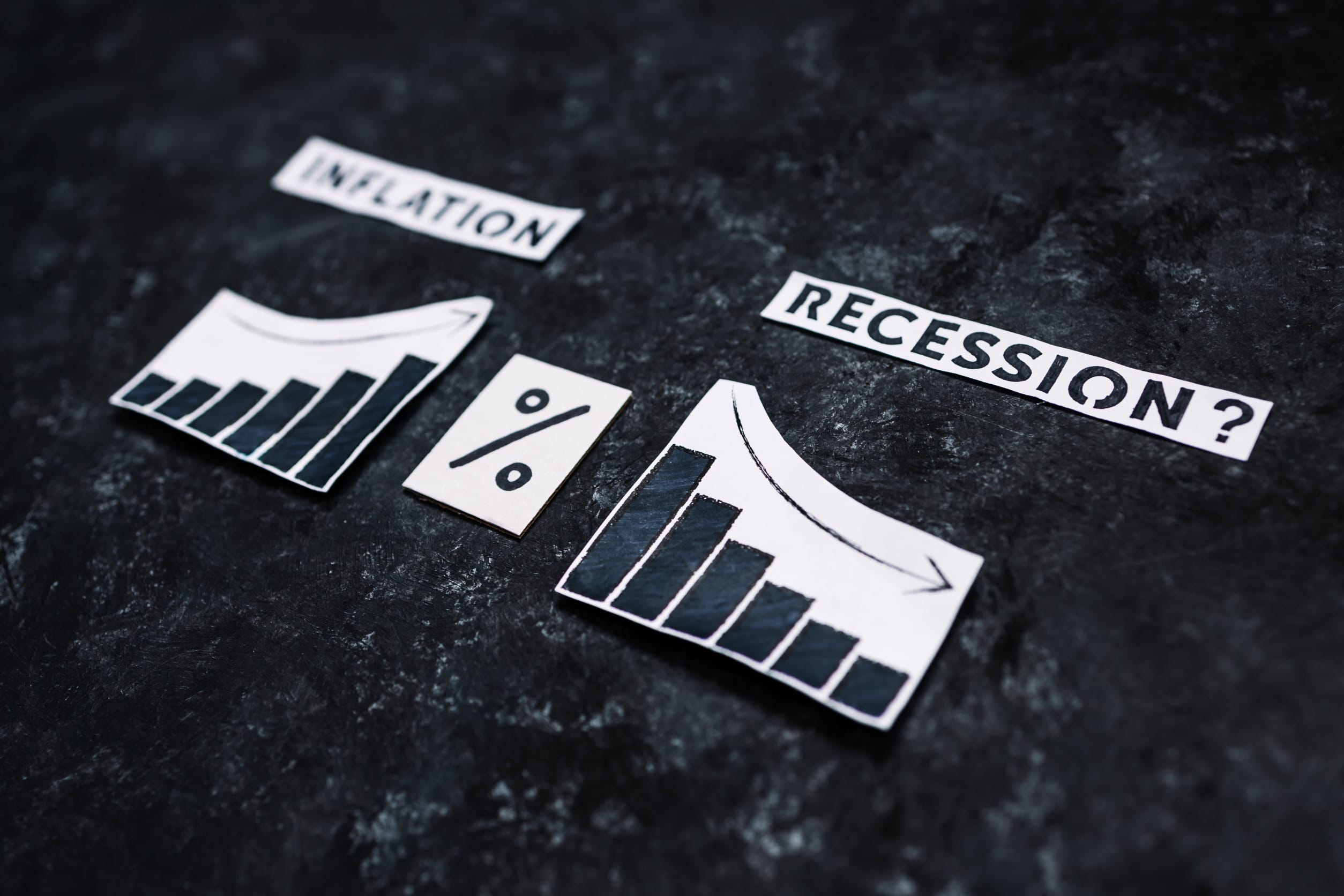
What Is The Difference Between Inflation and a Recession?

July 3, 2023 by Tamila McDonald Leave a Comment

inflation vs recession

Currently, there’s a lot of economic uncertainty. Inflation has been an continuing issue, and talks of a potential recession are ongoing, including among experts. However, many people wonder what the difference is between inflation vs. a recession. Here’s a look at what each term means, as well as how the two economic concepts stand apart.

What Is Inflation?

Inflation is an economic condition marked by broad price increases. In most cases, it’s reflected as a percentage, showing how much the price of goods or services went up over a particular timeframe, such as year-over-year.

Some amount of inflation isn’t necessarily troublesome. Low but steady price increases can be the mark of a strong economy. However, if the inflation rate gets particularly high, the sudden rise in costs becomes challenging for consumers to shoulder. As a result, most have to adjust their spending habits to account for the higher prices, and that can slow down economic growth.

Inflation is triggered in many ways. First, cost-push inflation occurs when the price of raw materials or labor rises. If that happens, companies usually increase the prices of their goods and services to offset their rising expenses.

Second, there’s demand-pull inflation. That happens when demand for a product or service outpaces the supply, causing the price for the product or service in question to rise.

What Is a Recession?

Recessions are economic downturns. While there are some nuances to the definition, an economy isn’t generally considered to be in a recession until the gross domestic product (GDP) declines for two consecutive quarters or a period of six months straight.

When recessions occur, consumer spending typically decreases. Business costs can rise, and lending often tightens. Additionally, unemployment rates usually increase as companies start scaling back their workforces as a cost-saving measure or to align their operations with reduced demand. Stock markets also often decline, and that can lead to less investing and spending, slowing the economy further.

Inflation vs. Recession: What’s the Difference?

There are several key differences between inflation vs. a recession. First, inflation describes an increase in the prices of goods and services, while a recession is an economic condition where economic activity and the GDP decline. While recessions are measured using the GDP, inflation typically relies on consumer price index (CPI) and wholesale price index (WPI) data, as those both measure the cost of goods and services, specifically.

However, both create economic stress for consumers and businesses alike. Additionally, they can commonly co-exist. High inflation – and the moves required to overcome it – can trigger a recession, as higher prices alter consumer behavior and can slow the economy.

For example, when inflation is problematic, the Federal Reserve typically increases interest rates to slow inflation down. When that occurs, the cost of borrowing increases, and that creates economic strain that may slow the economy, potentially leading to a recession.

Ultimately, both high inflation and recessions are challenging economic conditions, and governments often try to avoid both. However, economies experience fluctuations at times, and recoveries usually follow periods of difficulty. Still, it’s wise to prepare for the impacts of both and adjust your behaviors as needed, ensuring you don’t experience any undue hardship when high inflation or recessions occur.

Are you surprised by the differences between inflation vs. a recession? Are you concerned about ongoing inflation or the chances of a recession on the horizon? How are you planning to manage inflation or a possible recession to keep your household financially stable? Share your thoughts in the comments below.

Read More:

  • Eight Ways to Counter Inflation
  • Take These 5 Steps to Recession Proof Your Savings
  • Managing High Inflation in Retirement
Tamila McDonald
Tamila McDonald

Tamila McDonald is a U.S. Army veteran with 20 years of service, including five years as a military financial advisor. After retiring from the Army, she spent eight years as an AFCPE-certified personal financial advisor for wounded warriors and their families. Now she writes about personal finance and benefits programs for numerous financial websites.

Filed Under: Personal Finance Tagged With: Inflation vs. Recession: What’s the Difference?, What Is a Recession?, What Is Inflation?, What Is The Difference Between Inflation and a Recession?

  • « Previous Page
  • 1
  • …
  • 70
  • 71
  • 72
  • 73
  • 74
  • …
  • 95
  • Next Page »

Follow Us

Search this site:

Recent Posts

  • Can My Savings Account Affect My Financial Aid? by Tamila McDonald
  • 12 Ways Gen X’s Views Clash with Millennials… by Tamila McDonald
  • What Advantages and Disadvantages Are There To… by Jacob Sensiba
  • Call 911: Go To the Emergency Room Immediately If… by Stephen Kanaval
  • 7 Weird Things You Can Sell Online by Tamila McDonald
  • 10 Scary Facts About DriveTime by Tamila McDonald
  • How to Avoid NJ Exit Tax by Jacob Sensiba

Copyright © 2026 · News Pro Theme on Genesis Framework