• Home
  • About Us
  • Toolkit
  • Getting Finances Done
    • Hiring Advisors
    • Debt Management
    • Spending Plan
  • Insurance
    • Life Insurance
    • Health Insurance
    • Disability Insurance
    • Homeowners/Renters Insurance
  • Contact Us
  • Privacy Policy
  • Risk Tolerance Quiz

The Free Financial Advisor

You are here: Home / Archives for Health & Wellness

7 Bizarre Facts About the Human Body That Doctors Can’t Explain

November 22, 2025 by Travis Campbell Leave a Comment

human body

Image source: shutterstock.com

The human body contains numerous enigmatic elements that scientists have not been able to explain through simple explanations. The most confusing patterns exist in plain sight, although scientists have not established their origins. The strange medical discoveries reveal the limitations of our current understanding while demonstrating that large parts of human anatomy remain unknown to science. The bizarre characteristics of these phenomena interest us because they display familiar yet unsettling characteristics. Scientists use their current understanding to explain the unexplained events that they study.

1. The Sudden “Exploding Head” Sensation

People describe it as a boom in the skull just as they begin to fall asleep. No pain. No injury. Just a burst of sound that seems to be generated from inside the brain. This odd event strikes without warning, and no one has clear answers about why it happens. Some theories point toward brief electrical misfires, but nothing definitive explains why the brain chooses sound over silence. It stands as one of the strangest of all bizarre facts because even advanced imaging tells us little about its origins.

2. Why Goosebumps Still Happen

Goosebumps show up in cold weather or during intense emotion, though they serve almost no purpose in modern life. Hair rising on the skin once helped our early ancestors appear larger or retain heat. Today it feels more like a reflex haunted by history. Doctors can describe the muscles that contract, but they cannot explain why the response still triggers in moments that have nothing to do with survival. Goosebumps remain a lingering reminder that the body carries ancient software with unpredictable glitches.

3. The Mystery of Phantom Smells

Some people suddenly smell smoke or chemicals when nothing exists around them. These phantom odors appear without pattern and vanish just as quickly. No confirmed cause explains why healthy individuals experience this flicker of sensory misinformation. The brain misfires, but the mechanism stays hidden. The experience can be jarring, especially when the scent suggests danger that isn’t there. It adds another entry to the list of bizarre facts that distort perception without leaving physical evidence.

4. Why We Jerk Awake Before Sleeping

The body sometimes kicks hard just as we fall asleep. The jolt can feel like stumbling off a curb or stepping into an unseen hole. Muscles fire as the brain enters rest mode, yet no one agrees on the reason behind this momentary chaos. Some suspect a primitive reflex meant to test alertness. Others think the body misreads the shift into sleep as a fall. The truth remains out of reach, and the abrupt shock shows how the transition between wake and sleep can slip into confusion.

5. The Strange Case of Long-Term Hiccups

A hiccup usually fades after minutes. But in rare cases, people experience them for days, months, and sometimes longer. No consistent explanation ties these episodes together. The diaphragm spasms, the vocal cords snap shut, and the cycle repeats with no clear trigger. These prolonged storms of sound highlight how a small reflex can spiral far beyond expectations. They also reveal limits in our understanding of nerve pathways that should be straightforward but aren’t.

6. The Brain’s Sudden Sparks of Déjà Vu

Déjà vu hits in a flash. A moment unfolds, and the brain insists it happened before. The sensation is sharp, convincing, and gone in seconds. It does not track with memory or logic. Instead, it behaves like a glitch, a signal rerouted through an unknown circuit. Even with modern brain mapping, déjà vu slips through every explanation offered so far. This makes it one of the clearest examples of how bizarre facts can expose gaps in neurological science.

7. The Enigma of Random Muscle Twitching

Eyelids flutter. Calves twitch. Fingers jump. These quick, involuntary movements strike without warning and often without cause. Most are harmless, but the randomness unsettles anyone who pays attention. The body moves on its own, outside conscious control, as if testing boundaries. Doctors can describe how neurons fire, but not why the sparks trigger at arbitrary moments. The unpredictability turns a simple twitch into a reminder that the body runs on systems we rarely understand.

What These Oddities Tell Us

The human body contains hidden complexities that become apparent through these unusual physical phenomena. The systems operate logically until they reach a point where all understanding becomes impossible. The systems that enable our daily activities function through invisible operational mechanisms that humans cannot see. The public maintains interest in these events because they create situations that force individuals to choose between depending on others and dealing with unpredictable outcomes. The human body remains a mysterious entity that we should learn to appreciate.

Which unexplained body quirk have you experienced?

What to Read Next…

  • 10 Everyday Habits That Could Be Harming Your Brain Over Time
  • 8 Things You’re Doing That Make Criminals Think You’re an Easy Target
  • 7 Ways Your Neighbor Could Be Spying on You Without Breaking the Law
  • How Your Wi-Fi Router Placement Might Be Sharing Personal Info
  • What Your Google Search History Could Say in a Probate Case
Travis Campbell
Travis Campbell

Travis Campbell is a digital marketer/developer with over 10 years of experience and a writer for over 6 years. He holds a degree in E-commerce and likes to share life advice he’s learned over the years. Travis loves spending time on the golf course or at the gym when he’s not working.

Filed Under: Health & Wellness Tagged With: health, human body, medical mysteries, oddities, science

7 Health Myths You’ve Been Believing Since Childhood — Busted by Science

November 21, 2025 by Travis Campbell Leave a Comment

cracking knuckles

Image source: shutterstock.com

The lessons we learn in childhood will continue to affect us throughout our lives, even when those lessons turn out to be wrong. People from our past, including parents, teachers, and friends, have passed down outdated beliefs that we still hold. Our adult body perception and care practices develop from these unimportant childhood beliefs. Health myths develop from unproven ideas that people continue to believe. People need to identify and fix these myths because accurate knowledge enables them to make better decisions for their health.

1. Cracking Your Knuckles Causes Arthritis

This claim spread through households with the force of a warning siren. The pop sounds, someone frowns, and the myth leaps into the air again. Yet knuckle cracking doesn’t damage joints. The noise comes from pressure changes in the fluid inside them. It can annoy anyone nearby, but that’s social friction, not medical fallout.

Arthritis develops through wear, age, genetics, or immune issues, not from hand habits. The health myths around joint popping persist because the sound feels violent, even when the tissue isn’t. The real risk lies in using the motion to cope with stress until it becomes reflexive, but that’s behavior, not pathology.

2. Sitting Too Close to the TV Ruins Your Eyes

Parents have issued this warning for generations. Maybe they feared a glowing screen would scorch retinas or scramble vision. It doesn’t. Sitting close can create temporary eye strain, but the eyes bounce back. Kids often sit close because they’re trying to see small details, not because they’re damaging anything.

The myth grew from older displays that flickered and produced harsher light. Modern screens don’t pose the same issues. Still, breaks matter. Staring at anything—books, screens, tiny toys—can tire the eyes. That’s normal. Blinking, shifting focus, and standing up every so often keep vision comfortable.

3. You Lose Most Heat Through Your Head

This one took root in cold climates and spread everywhere. The idea sounds plausible: the head houses the brain, so maybe it leaks warmth like an open vent. But heat leaves any exposed skin. If you go outside hatless but bundled up everywhere else, your head becomes the main route for heat loss. That’s context, not a biological rule.

Cover the head if it’s cold, but understand why it helps. Large surface areas lose heat faster. A bare arm or uncovered legs can shed warmth just as quickly. The health myths surrounding temperature control often bend observations into absolutes. The truth here depends on what the rest of the body is doing.

4. Swimming After Eating Gives You Cramps

Almost everyone has heard this at a pool. Eat, wait an hour, then swim. If not, you’d sink from stomach cramps—or so the myth goes. The body doesn’t divert blood so dramatically that limbs stop working. Digestion and movement can coexist just fine.

A heavy meal might make someone sluggish in the water, but that’s a comfort issue. Not a safety hazard. Mild cramps happen for many reasons: dehydration, sudden effort, or cold water. Food timing rarely ranks high on that list. The rule survived because adults needed a way to keep kids from cannonballing immediately after lunch.

5. If You Go Out with Wet Hair, You’ll Catch a Cold

Colds come from viruses, not damp scalps. Being cold can make the body uncomfortable and stress the immune system a bit, but it doesn’t summon infection out of thin air. Wet hair outdoors isn’t ideal in winter, but it won’t spark illness by itself.

The confusion builds from timing. People feel chilled, then get sick days later, so they link the two events. That’s not how viruses work. They spread through contact with others or contaminated surfaces. Comfort aside, wet hair won’t rewrite the rules of transmission. Yet this remains one of the most persistent health myths because it sounds tidy and preventative.

6. Carrots Dramatically Improve Your Vision

Carrots support eye health thanks to vitamin A, but they won’t grant sharper vision or superhuman night sight. The claim grew from wartime propaganda meant to hide advances in technology. The message stuck long after the context faded.

Diet affects the eyes, but no single food transforms them. Balanced nutrients help maintain normal function. That’s important, though far less dramatic than the childhood claims. Vision changes stem from genetics, age, and structural shifts inside the eye—forces carrots can’t override. Still, they remain a staple of health myths because the idea feels wholesome and easy.

7. Sugar Makes Kids Hyper

This myth survived countless birthday parties. The chaos, the excitement, the frosting—everything blurs together. Sugar often takes the blame. Yet sugar doesn’t create hyperactivity. Kids act wild at events with noise, people, and stimulation everywhere.

Blood sugar can rise and fall, but that doesn’t mean sudden hyperactivity. The environment drives the energy spikes adults observe. That doesn’t make unlimited sugar a good idea, but it does separate physiology from perception. The health myths around sugar persist because they offer a simple explanation for complex behavior.

Why These Myths Linger

Myths survive because they are simple and easily shared stories. The family stories keep passing between relatives until they become vital historical memories that persist despite scientific evidence showing they are false. Children found structure in health myths from their childhood because these myths explained the unknown world to them. The myths remain hidden until someone chooses to confront them.

The process of debunking myths preserves traditional practices while enabling people to make decisions based on knowledge rather than anxiety. Which childhood myth had the most significant impact on your thinking?

What to Read Next…

  • 8 Rules Around Health Savings Accounts That Still Confuse Seniors
  • 10 Everyday Habits That Could Be Harming Your Brain Over Time
  • 8 Everyday Services That Are Slowly Becoming Subscription Only
  • 8 Everyday Scams Seniors Are Falling For Right Now
  • 8 Email Habits That Make You a Target for Identity Theft After 40
Travis Campbell
Travis Campbell

Travis Campbell is a digital marketer/developer with over 10 years of experience and a writer for over 6 years. He holds a degree in E-commerce and likes to share life advice he’s learned over the years. Travis loves spending time on the golf course or at the gym when he’s not working.

Filed Under: Health & Wellness Tagged With: childhood beliefs, fact-checking, health myths, science, wellness

9 Reasons Baby Boomers Are Outpacing Every Generation in Health

November 18, 2025 by Travis Campbell Leave a Comment

baby boomers

Image source: shutterstock.com

The health status of Baby Boomers represents an unexpected trend in the extensive history of aging in America. People used to see this generation as stubborn, but they have proven everyone wrong by choosing activities that help them stay physically strong. Their choices regarding life have reshaped society’s view of aging across the entire population. People in this age group tend to prioritize staying active for longer periods rather than seeking a younger appearance. The trend holds great importance because it demonstrates how decisions made today will create effects that will impact society well into the future.

1. Early Access to Preventive Care

Baby Boomers grew up as healthcare shifted toward more frequent screenings and regular check-ups. They were the first generation nudged toward cholesterol tests, cancer screenings, and annual physicals as a standard part of their routine. That head start created lifelong habits. Baby Boomer health outcomes benefit from the simple advantage of catching problems early, long before they turn into emergencies.

2. A Strong Culture of Fitness

Gyms, jogging trails, and aerobics classes took off during their young adulthood. Many Boomers never let go of those patterns. They may not always be pushing for personal records, but they walk, swim, cycle, and stretch with grit that adds up over decades. Even those who slowed down still maintain consistent movement, which keeps joints loose and energy levels steady.

3. Better Nutrition Awareness

This generation has witnessed dramatic shifts in how food is discussed—fat-free fads, whole foods movements, and debates over grains and sugar. While trends came and went, many Boomers settled on balanced eating that works for their bodies. Some switched to Mediterranean-style meals, others simply cut back on processed foods. Step by step, they built eating habits that support Baby Boomer health well past midlife.

4. An Evolving Relationship With Work

Not all Boomers had easy careers, but many learned how to pace themselves in demanding jobs. As workplaces eventually adopted wellness programs, flexible schedules, or ergonomic setups, they were often the first long-term beneficiaries. Some delayed retirement not out of necessity but because work gave them a sense of purpose. Continuing to use their minds and skills keeps them mentally sharper than stereotypes suggest.

5. Access to Expanding Medical Technology

From heart procedures to joint replacements, medical innovations grew rapidly throughout their adulthood. Boomers were the first generation to benefit from many modern interventions that once sounded futuristic. These treatments often restored mobility and reduced chronic pain, giving them more productive years. One example is the growth in minimally invasive surgical options, which has made recovery easier and safer.

6. Strong Social Networks

They built long-lasting community ties—family, neighborhood groups, volunteer circles, faith communities, and informal networks. Staying socially connected protects the brain and lowers stress. Many Boomers maintained friendships across decades, even when life got messy. Social bonds may not look flashy, but they quietly reinforce Baby Boomer health in ways science keeps confirming.

7. A Different Relationship With Medication

Boomers came of age as new treatments for blood pressure, cholesterol, mood, and pain became mainstream. They’re often comfortable with medication as part of a long-term management plan rather than a last resort. While over-prescription is a concern in some areas, many Boomers saw real benefits from well-managed care. As drug options improved, so did their ability to stay active.

8. More Openness to Mental Health Care

Conversations about mental health shifted significantly during their adulthood. Boomers didn’t always have safe spaces early on, but many adapted as therapy and counseling became more widely accepted. Some turned to mindfulness or peer groups. Others used therapy to work through stress from caregiving, divorce, or financial strain. Being willing to address emotional health directly also strengthens physical well-being.

9. A Willingness to Keep Learning

Many Baby Boomers engage in a variety of activities, such as reading extensively, taking classes, attending lectures, and exploring new hobbies. They utilize digital tools more than many people realize, often to monitor their health or track daily progress toward their goals. Continuous learning helps keep their brains active and fosters a sense of momentum. This curiosity consistently appears in research related to the health and cognitive resilience of Baby Boomers.

The Larger Story Behind Their Approach

The health status of Baby Boomers exists as a real phenomenon. The combination of their long-term decisions, together with fortunate circumstances and major societal transformations, resulted in their current aging process. The different time periods they lived through brought them warning labels, fitness trends, and medical breakthroughs, which determine their current aging experience.

The main lesson shows that following daily routines at the same time every day leads to improved health results. The Baby Boomers exhibited consistent behavior throughout their lives, from birth to death, which makes their aging process an interesting subject for research.

Your current habits match or differ from the aging patterns of Baby Boomers. The combination of decades-long decisions, fortunate events, and major social changes has shaped the health status of Baby Boomers. The warning labels, fitness trends, and medical breakthroughs during their lifetime have established their current aging methods.

The main lesson shows that following daily routines at the same time every day leads to better health results. The Baby Boomers have shown consistent behavior throughout their entire lives, which makes their aging process interesting to study.

Do your current habits match or differ from the aging patterns of Baby Boomers? Do they align or clash?

What to Read Next…

  • Why Women Over 40 Are Twice As Likely To Outlive Their Retirement Plans
  • 7 Retirement Perks That Come With Shocking Hidden Costs
  • Why Are So Many Boomers Dying Millionaires And Leaving No Will
  • 10 Everyday Habits That Could Be Harming Your Brain Over Time
  • 6 Money Habits That Backfire After You Turn 60
Travis Campbell
Travis Campbell

Travis Campbell is a digital marketer/developer with over 10 years of experience and a writer for over 6 years. He holds a degree in E-commerce and likes to share life advice he’s learned over the years. Travis loves spending time on the golf course or at the gym when he’s not working.

Filed Under: Health & Wellness Tagged With: aging, baby boomers, Fitness, health, Retirement, wellness

6 Fitness Fads That Completely Lost Credibility

November 14, 2025 by Travis Campbell Leave a Comment

fitness

Image source: shutterstock.com

New health trends occasionally emerge to dominate fitness centers, social media platforms, and domestic spaces. The fitness industry has experienced numerous questionable trends, which include vibrating belts and miracle shakes. The first excitement about these ideas fades away when scientific data and real-world practice show them to be incorrect. The truth is, many of these so-called revolutions ultimately turn out to be nothing more than marketing masquerading as motivation. People who want to create lasting fitness plans need to recognize ineffective fads because this helps them save time and money and prevents disappointment.

1. Shake Weight

When the Shake Weight hit infomercial screens, it seemed like a quick route to toned arms. The promise was simple: just shake this dumbbell for six minutes a day and watch your muscles transform. In reality, the device offered little more than awkward movement and viral laughs. Exercise experts noted that the motion did not effectively engage muscles or mimic real strength training. This fad lost credibility once users realized that traditional resistance exercises gave far better results without the gimmick.

2. Waist Trainers

Waist trainers gained massive popularity through celebrity endorsements and social media posts showing “instant hourglass” results. The idea was that wearing a tight corset-like band would shrink the waistline and improve posture. But what actually happened was discomfort, restricted breathing, and even bruising for some users. The body doesn’t permanently reshape from external pressure—it just compresses temporarily. Over time, people recognized that this fitness fad lost credibility because it relied on illusion rather than physiology. Real core strength comes from consistent exercise, not squeezing the midsection.

3. Vibrating Platforms

Vibrating exercise platforms are claimed to burn fat, build muscle, and improve circulation simultaneously. The marketing suggested you could stand on a shaking base and achieve the same benefits as a full workout. While vibration can help with balance and recovery in small doses, it’s not a shortcut to fitness. Once studies showed minimal calorie burn and limited muscle activation, the hype faded. Many gyms quietly removed these machines, leaving behind a reminder that flashy tech doesn’t always equal progress. As far as fitness fads lost credibility, this one shook itself out fast.

4. Juice Cleanses

Juice cleanses promised detoxification, quick weight loss, and glowing skin. For a few days, participants would drink nothing but fruit and vegetable juices. It sounded clean and simple, but the reality was nutrient imbalance and blood sugar spikes. The body already has built-in detox systems—the liver and kidneys do that job perfectly well. While short cleanses might offer a mental reset, they don’t create lasting health benefits. As people learned that most of the weight lost was water, not fat, this trend quickly joined the list of fitness fads that lost credibility.

5. ThighMaster

The ThighMaster became an icon of 1990s fitness culture. It promised to sculpt thighs through repetitive squeezing motions while watching TV. The concept was catchy and easy to market, but it was not particularly effective for achieving balanced strength or fat loss. Spot reduction—the idea that you can burn fat in one specific area—has long been debunked. The ThighMaster primarily targeted the inner thigh muscles but largely ignored the rest of the body. Eventually, people realized that compound movements, such as squats and lunges, did far more for overall tone and strength. Another once-famous gadget that couldn’t stand the test of time.

6. Detox Teas

Detox teas took social media by storm, pairing influencer posts with promises of rapid slimming. The supposed secret was a blend of herbs that would flush toxins and flatten stomachs. In truth, most of these teas acted as laxatives, causing dehydration and temporary water loss. The results looked dramatic for a day or two, but quickly reversed. Nutritionists warned that overuse could lead to electrolyte imbalances and digestive issues. Once users connected the dots between bathroom trips and “weight loss,” this fitness fad lost credibility almost overnight. Sustainable weight management relies on the quality and consistency of one’s diet, not the use of tea bags.

Why We Keep Falling for Them

The disappearance of previous trends makes way for fresh patterns to emerge. People find fast results highly appealing when their lives become busy and their health targets seem unreachable. Fitness fads lost credibility because they exploited human impatience and hope, which led people to dismiss practical reasoning. The marketing industry operates in an ongoing cycle because it actively drives change instead of standing still.

Real fitness doesn’t come from shortcuts. Your success depends on creating regular habits and understanding your body’s needs for rest and sleep. Every week brings new products that claim to revolutionize everything, but history shows us many trends have failed to deliver on their promises. Did you attempt any of these fads? What knowledge did you gain from this experience?

What to Read Next…

  • 9 Fast Food Items That Nutritionists Secretly Say Are Worse Than Cigarettes
  • 7 Tactics Grocery Stores Use to Keep You From Thinking About Price
  • 8 Everyday Services That Are Slowly Becoming Subscription Only
  • 6 Online Freebies That End in Identity Theft
  • Are Budgeting Apps Designed to Push You Into Debt
Travis Campbell
Travis Campbell

Travis Campbell is a digital marketer/developer with over 10 years of experience and a writer for over 6 years. He holds a degree in E-commerce and likes to share life advice he’s learned over the years. Travis loves spending time on the golf course or at the gym when he’s not working.

Filed Under: Health & Wellness Tagged With: exercise trends, fitness fads, health myths, nutrition, wellness

7 Tricks to Staying Young Without Setting Foot in a Gym

November 8, 2025 by Travis Campbell Leave a Comment

workout

Image source: shutterstock.com

People commonly associate staying young with performing intense treadmill workouts and weightlifting exercises that cause their arms to become exhausted. Youthfulness extends beyond physical strength and cardiovascular exercise, as it depends on how you live your life and your mental approach to social connections and life experiences. The good news? You can achieve energy, flexibility, and a lively state of being without needing to join a gym. These useful methods for staying active and engaged will help you maintain physical and mental acuity during your senior years. Seven basic methods exist to maintain youthfulness without visiting a gym.

1. Move Naturally Throughout the Day

The easiest way to stay young without a gym is simply to keep moving. Walk while you talk on the phone. Take the stairs instead of the elevator. Do a few squats while brushing your teeth. Movement doesn’t have to be structured to count. The more often you use your body for everyday tasks, the more flexible and strong you remain. This gentle, consistent activity supports circulation and keeps your joints happy.

In places known for longevity, like Okinawa and Sardinia, people rarely “work out.” Instead, they move constantly—gardening, walking, cooking, and cleaning. That kind of natural motion is sustainable and effective for staying young without a gym.

2. Eat Foods That Love You Back

You’ve heard it before: what you eat shapes how you feel. A colorful plate filled with fruits, vegetables, and healthy fats can do more for your energy and skin than any fancy moisturizer. Focus on whole, unprocessed foods—think olive oil, leafy greens, berries, and fish. These are loaded with antioxidants that fight inflammation and keep your cells functioning like they did years ago.

3. Prioritize Restorative Sleep

Sleep isn’t a luxury; it’s a biological reset button. When you shortchange your rest, your body produces more stress hormones and fewer repair proteins. That imbalance makes you feel older than you are. Good sleep hygiene means going to bed and waking up at the same time every day, keeping your room dark, and avoiding screens before bed.

If you struggle to wind down, try breathing exercises or a warm shower before sleep. Quality rest is one of the simplest, most powerful ways to stay young without a gym routine.

4. Stay Curious and Keep Learning

Your brain needs workouts too—but not the kind that require sneakers. Learning a new skill or hobby challenges your mind, builds confidence, and can even create new neural connections. Whether it’s learning a language, trying woodworking, or playing an instrument, curiosity keeps your mind flexible and your mood upbeat.

Studies show that lifelong learners often report higher satisfaction and lower stress. That sense of purpose is a key ingredient in staying young without a gym, because it keeps your mental energy thriving.

5. Build Strong Social Connections

Loneliness can age you faster than sugar. Human connection reduces stress, boosts your immune system, and gives you something to look forward to. Make time to call a friend, join a local club, or volunteer. Even short conversations can lift your spirits and remind you that you’re not alone in life’s challenges.

Social activity also helps you stay physically active without realizing it—walking to meet a friend, helping a neighbor, or dancing at a celebration. Every interaction is another small step toward staying young without a gym.

6. Protect Your Skin and Smile Often

Sun damage is one of the quickest routes to looking older. A daily sunscreen habit helps prevent wrinkles and protects against severe conditions, such as skin cancer. Combine that with staying hydrated and eating water-rich foods like cucumbers and melons, and your skin will thank you.

Don’t underestimate your smile, either. Smiling triggers the release of endorphins and can help lower stress. It’s a natural facelift that doesn’t cost a dime. Both habits—sun protection and smiling—support staying young without a gym by nurturing your outer and inner health.

7. Manage Stress with Intention

Modern life comes with endless demands, and unmanaged stress can accelerate the aging process. You can’t remove stress completely, but you can control how you respond to it. Meditation, journaling, or even taking a few deep breaths during a tense moment can change your body’s chemistry. Lower cortisol means better sleep, more stable moods, and a stronger immune system.

Learning to calm your mind is one of the smartest strategies for staying young without a gym.

Living Young Starts With Small Choices

You can achieve a vibrant state on your own through your own work, without needing any equipment or a personal trainer. The path to staying young outside of a gym requires making regular, intentional decisions, which include engaging in physical movement, consuming wholesome nutrition, getting proper sleep, nurturing meaningful relationships, and engaging in continuous learning. Every tiny action you take leads to substantial changes in your emotional state and physical aging process.

What methods do you use to stay youthful without needing to work out at a gym? Share your thoughts below!

What to Read Next…

  • 10 Everyday Habits That Could Be Harming Your Brain Over Time
  • 9 Fast Food Items That Nutritionists Secretly Say Are Worse Than Cigarettes
  • 7 Tactics Grocery Stores Use to Keep You From Thinking About Price
  • 8 Everyday Services That Are Slowly Becoming Subscription Only
  • 6 Household Services You Can Eliminate Without Losing Quality of Life
Travis Campbell
Travis Campbell

Travis Campbell is a digital marketer/developer with over 10 years of experience and a writer for over 6 years. He holds a degree in E-commerce and likes to share life advice he’s learned over the years. Travis loves spending time on the golf course or at the gym when he’s not working.

Filed Under: Health & Wellness Tagged With: Fitness, healthy aging, Lifestyle, mental health, nutrition, wellness

7 “Healthy” Foods That Are a Total Rip-Off

October 29, 2025 by Travis Campbell Leave a Comment

protein bars

Image source: shutterstock.com

Eating healthy is important, but many foods marketed as “healthy” are more about profits than nutrition. The majority of products in grocery stores display “healthy” labels, but they fail to deliver any real health benefits or monetary worth. These foods, which people consider healthy, actually contain high amounts of sugar, sodium, and useless calories. Companies use attractive packaging and popular marketing terms to make products appear more appealing than their actual worth, leading to prices that exceed their value. The ability to identify which nutritious foods offer no value enables you to select better options while controlling your food expenses. Seven of the most harmful products will be analyzed to help you protect your money and maintain your health.

1. Bottled Green Juices

Bottled green juices are everywhere, promising a quick way to get your daily veggies. But if you look past the green color and “superfood” claims, most are a total rip-off. Many are packed with apple or pear juice to make them taste better, which adds a lot of sugar and calories. The actual vegetable content is often minimal. Plus, these juices can cost $5 or more per bottle, far more than a homemade salad or smoothie.

Instead of buying bottled green juices, make your own at home or eat whole fruits and vegetables. You’ll get more fiber, less sugar, and a lot more value for your money. Don’t fall for the healthy foods that are a total rip-off just because they look green and trendy.

2. Veggie Chips

Veggie chips sound like a smart alternative to regular potato chips, but most are just as unhealthy—and far more expensive. Many brands use vegetable powders or extracts, not real slices of vegetables. The main ingredients are often potato starch or corn flour, fried and salted just like traditional chips. You might get a trace of spinach or beet powder, but it’s nowhere near eating real veggies.

The price tag is usually double that of regular chips, but you’re not getting more nutrition. If you want a crunchy snack, try roasting your own vegetables at home. Avoid these healthy foods that are a total rip-off and opt for snacks with real benefits.

3. Protein Bars

Protein bars are marketed as the perfect on-the-go snack for active people. But take a closer look at the label: many are filled with sugar, artificial flavors, and cheap protein sources. Some bars have calorie counts as high as candy bars, with little fiber or real food ingredients. The price per bar can be $2 or more, which adds up fast if you eat them regularly.

If you really need extra protein, Greek yogurt, nuts, or hard-boiled eggs are better choices. Protein bars often promise more than they deliver, making them one of the healthy foods that are a total rip-off.

4. Flavored Instant Oatmeal Packets

Oatmeal is healthy, but those flavored instant packets? Not so much. They’re loaded with added sugar, artificial flavors, and sometimes even extra salt. The serving sizes are small, so you may end up eating two packets to feel full. Plus, you pay a big markup for convenience.

Buy plain rolled oats in bulk and add your own fruit, nuts, or a drizzle of honey. It’s cheaper, healthier, and you control the ingredients. Skip the instant packets and save your money for real healthy foods, not these total rip-offs.

5. Gluten-Free Snack Foods

Unless you have celiac disease or a diagnosed gluten intolerance, gluten-free processed snacks are usually a waste of money. Many gluten-free crackers, cookies, and chips are just as high in sugar and fat as their regular counterparts. They often use refined starches like rice flour or potato flour, which offer little nutrition.

The “gluten-free” label doesn’t make a food healthy. In fact, these snacks can cost two to three times more than regular options. Focus on naturally gluten-free whole foods like fruits, vegetables, and rice instead of these healthy foods that are a total rip-off.

6. Pre-Cut Fruit and Veggie Packs

Pre-cut fruit and veggie packs seem convenient, but you’re paying a steep premium for a small amount of food. A single serving can cost as much as a whole bag of uncut produce. Plus, pre-cut items spoil faster and can lose nutrients after being exposed to air and light.

With a bit of planning, you can wash and chop your own produce in minutes. You’ll save money and get fresher, more nutritious food. Don’t let convenience turn healthy foods into a total rip-off at the checkout counter.

7. Coconut Water

Coconut water is often marketed as a natural sports drink, but the benefits are overhyped. While it does contain some electrolytes, the levels aren’t high enough to make a real difference unless you’re running marathons. Many brands add sugar or flavorings, which can increase calorie counts.

The price can be $3 or more per bottle, making it one of the most expensive ways to hydrate. For most people, plain water is just as effective—and free. Don’t let the “healthy” image fool you into buying healthy foods that are a total rip-off.

How to Outsmart Overpriced “Healthy” Foods

The best way to avoid healthy foods that are a total rip-off is to focus on whole, minimally processed options. People should check food labels to obtain product information while keeping track of their expenses for single serving portions. The attempt by a food product to appear healthy should alert you that it probably doesn’t offer good value for your money. Shopping the perimeter of the grocery store, where fresh produce and proteins live, can help you avoid many overpriced items.

With a little knowledge, you can skip the healthy foods that are a total rip-off and get real value for your money.

Which “healthy” food do you think is the biggest rip-off? Share your thoughts in the comments below!

What to Read Next…

  • 7 Tactics Grocery Stores Use to Keep You from Thinking About Price
  • 9 Fast Food Items That Nutritionists Secretly Say Are Worse Than Cigarettes
  • 10 Smart Purchases That Are Slowly Making You Broke
  • Are These 8 Money Saving Tricks Actually Keeping You Broke
  • 10 Products That Are Being Pulled From Shelves Without Public Notice
Travis Campbell
Travis Campbell

Travis Campbell is a digital marketer/developer with over 10 years of experience and a writer for over 6 years. He holds a degree in E-commerce and likes to share life advice he’s learned over the years. Travis loves spending time on the golf course or at the gym when he’s not working.

Filed Under: Health & Wellness Tagged With: food rip-offs, grocery shopping, healthy eating, nutrition, saving money

8 Health-Care Policy Changes That Will Hit Your Wallet After 50

October 22, 2025 by Travis Campbell Leave a Comment

health insurance

Image source: pexels.com

Turning 50 is a milestone, but it also marks a turning point in how health-care policy changes can affect your wallet. As you get older, your health needs may increase, and so does your exposure to shifting rules and costs. The landscape of health insurance, Medicare, prescription drug pricing, and even preventive care is always evolving. If you’re not paying attention, you could end up paying more—or missing out on benefits that could save you money. Understanding the latest healthcare policy changes is critical for anyone over 50 who wants to keep their financial future secure.

1. Medicare Eligibility Age Adjustments

One of the most talked-about health-care policy changes is the proposed adjustment to the Medicare eligibility age. Some lawmakers have suggested raising the age from 65 to 67 or beyond. If this happens, people in their early 60s may need to rely on private insurance or marketplace plans for longer. That usually means higher premiums, larger out-of-pocket maximums, and potentially less comprehensive coverage. For anyone budgeting for retirement, these changes could shift your entire health-care cost strategy.

2. Expanded Preventive Care Coverage

Good news: Recent health-care policy changes have expanded the list of preventive services that insurance must cover without charging you a copay. This includes more cancer screenings and vaccinations—especially for adults over 50. By taking advantage of these benefits, you could catch health problems early and avoid expensive treatments down the line. However, what’s covered can vary by plan, so it pays to review your benefits annually.

3. Prescription Drug Price Reforms

Prescription drug prices are a hot topic, especially for those managing chronic conditions. New health-care policy changes aim to cap out-of-pocket costs under Medicare Part D, and some reforms target price negotiation for high-cost medications. These updates can mean lower monthly costs for your medications, but they also come with new rules and enrollment periods. Staying informed about these changes is key to avoiding surprises at the pharmacy counter.

4. Changes to Medicare Advantage Plans

Medicare Advantage plans are popular for their extra benefits, but policy shifts could affect what’s included—and how much you pay. Some changes expand coverage for things like vision, dental, and hearing, but others tighten provider networks or raise premiums. If you’re considering a Medicare Advantage plan, compare your options every year. Your preferred doctors or prescription drugs might not be covered the same way as before.

5. Mental Health and Substance Use Coverage Expansion

Mental health is finally getting the attention it deserves in health-care policy changes. New rules require broader coverage for mental health and substance use services, especially for older adults. This means more counseling sessions, telehealth options, and support for addiction treatments. While this can increase the value of your plan, it could also raise premiums slightly. Balancing the benefits with the costs is essential when choosing your coverage.

6. Long-Term Care Insurance Incentives

Long-term care is a growing concern after 50, and recent policy changes encourage more people to buy insurance for it. Some states now offer tax credits or deductions for purchasing long-term care insurance. Others are experimenting with public long-term care programs funded through payroll taxes. These shifts could lower your out-of-pocket expenses if you need extended care, but they also require planning ahead. Don’t wait until health issues arise to explore your options.

7. Telehealth Policy Updates

The pandemic made telehealth a standard option, and many recent healthcare policy changes are making it a permanent part of coverage. Expanded telehealth means you can visit doctors from home, often at a lower cost. However, not every service is covered, and some insurers are rolling back pandemic-era waivers. If you rely on telehealth for convenience or mobility reasons, double-check which services remain covered under your plan.

8. Higher Out-of-Pocket Limits on Marketplace Plans

If you’re not yet eligible for Medicare and depend on ACA marketplace plans, be aware that some policy changes are increasing the annual out-of-pocket maximums. This means you could pay more before your insurance starts covering 100% of costs. For older adults who need more frequent care, these limits can have a big impact. Reviewing your plan each year and shopping around is more important than ever.

How to Stay Ahead of Health-Care Policy Changes

Health-care policy changes are happening all the time, and the effects on your wallet after 50 can be significant. The best way to protect yourself is to stay informed and proactive. Review your plan options every year, ask questions about new benefits, and adjust your retirement planning as needed. Understanding what’s changing can help you avoid unexpected bills and get the most value from your coverage.

What policy changes are you most concerned about as you approach or move past age 50? Share your thoughts in the comments below!

What to Read Next…

  • Why Are So Many Seniors Being Sued Over Student Loans They Didn’t Take Out?
  • Why Your Long Term Care Policy Might Be Useless After Age 75
  • 7 Retirement Perks That Come With Shocking Hidden Costs
  • Can An Unpaid Medical Bill Really Lead To Property Seizure?
  • 7 Financial Assumptions That Collapse After One Health Emergency
Travis Campbell
Travis Campbell

Travis Campbell is a digital marketer/developer with over 10 years of experience and a writer for over 6 years. He holds a degree in E-commerce and likes to share life advice he’s learned over the years. Travis loves spending time on the golf course or at the gym when he’s not working.

Filed Under: Health & Wellness Tagged With: health care, Insurance, Medicare, policy changes, prescription drugs, retirement planning, telehealth

9 Reasons You Can’t Qualify For Medicaid

October 20, 2025 by Travis Campbell Leave a Comment

Medicare

Image source: shutterstock.com

Medicaid is a lifeline for millions of Americans who need help paying for health care. But qualifying for Medicaid isn’t always simple. Many people find themselves denied coverage, often for reasons they didn’t expect. Understanding why you can’t qualify for Medicaid can help you avoid common pitfalls and prepare better for your financial future. The rules are complex, but knowing the basics can save you a lot of headaches—and possibly money. Let’s break down the most common reasons people find themselves shut out of Medicaid eligibility.

1. Income Is Too High

One of the main reasons you can’t qualify for Medicaid is that your income exceeds the program’s limits. Medicaid is designed for people with low or very limited income. Each state sets its own income thresholds, and these can vary depending on your household size and specific Medicaid program. Even a small increase in earnings can push you over the line. If you’re close to the limit, be careful about reporting all sources of income, including part-time work, Social Security, or rental income.

2. Too Many Assets

Medicaid doesn’t just look at your income—it also checks your assets. This includes savings accounts, retirement funds, real estate, and other valuable items. If your assets are above the state’s allowable threshold, you’ll be denied. Some assets, like your primary home or a single car, may be exempt. But extra property, large savings, or investment accounts can quickly disqualify you. Asset rules can be especially strict for long-term care Medicaid, so it’s important to know what counts against you.

3. Incomplete or Incorrect Paperwork

Filling out Medicaid applications can feel overwhelming. Missing documentation, errors in your forms, or failing to provide necessary proof of income or identity can all lead to a denial. Even something as simple as a wrong Social Security number or outdated address can cause problems. Double-check all paperwork before submitting and keep copies of everything for your records.

4. Not Meeting Citizenship or Immigration Requirements

Medicaid is available only to U.S. citizens and certain qualified immigrants. If you don’t meet the citizenship or immigration status requirements, you can’t qualify for Medicaid. Some states provide emergency Medicaid for people regardless of status, but regular benefits are off-limits if your documentation isn’t in order. Green card holders may need to wait five years before qualifying in many states, and undocumented immigrants are generally not eligible.

5. Failure to Meet State Residency Rules

Medicaid is a state-run program, so you must be a resident of the state where you apply. If you recently moved, your application might be denied until you establish residency. States have different rules for what counts as “residency”—some require proof like a lease, utility bill, or state ID. If you split your time between two states, you can only enroll in Medicaid in one at a time.

6. Not Meeting Medical Need Criteria

For some Medicaid programs, especially those covering long-term care or disability, you need to meet specific medical need requirements. This can include proving you’re disabled, elderly, pregnant, or in need of nursing home care. If your health status doesn’t fit the criteria, you can’t qualify for Medicaid under those categories. Medical need is usually determined by a doctor’s assessment and supporting documentation.

7. Transfer of Assets Violations

Trying to give away or transfer assets to family or friends before applying for Medicaid can get you into trouble. Medicaid has a “look-back” period (often five years) where they review your financial transactions. If they find you transferred assets for less than fair market value to qualify, you could face a penalty period and lose eligibility. The rules are strict, so it’s wise to consult with a professional before making any big moves.

8. Previous Medicaid Fraud or Violations

If you’ve been found guilty of Medicaid fraud or serious violations in the past, you may be barred from enrolling again. Fraud includes lying about income, assets, or household members to get benefits. Penalties can range from temporary suspension to permanent exclusion from the program. Always be honest and accurate on your application to avoid these risks.

9. Lack of Reapplication or Renewal

Medicaid isn’t a one-and-done deal. Most states require you to renew your coverage every year or whenever your circumstances change. If you miss the renewal deadline or fail to respond to requests for updated information, you’ll lose coverage. Mark your calendar for important deadlines and respond promptly to any communication from your state Medicaid office.

Taking Control of Your Medicaid Eligibility

Understanding why you can’t qualify for Medicaid puts you in a stronger position to address the issues that stand in your way. Whether it’s income, assets, paperwork mistakes, or residency and citizenship hurdles, there are steps you can take to improve your chances.

Have you experienced challenges with Medicaid eligibility? Share your story or questions in the comments below!

What to Read Next…

  • 7 Financial Steps That Can Disqualify You From Medicaid
  • 6 Retirement Plan Provisions That Disqualify You From Aid
  • Can An Unpaid Medical Bill Really Lead To Property Seizure?
  • Why Some Seniors Are Being Dropped From Their Medicare Plans Silently
  • Why Are So Many Seniors Being Sued Over Student Loans They Didn’t Take Out?
Travis Campbell
Travis Campbell

Travis Campbell is a digital marketer/developer with over 10 years of experience and a writer for over 6 years. He holds a degree in E-commerce and likes to share life advice he’s learned over the years. Travis loves spending time on the golf course or at the gym when he’s not working.

Filed Under: Health & Wellness Tagged With: government programs, healthcare, Insurance, Medicaid eligibility, Personal Finance

Could A Single Emergency Room Visit Bankrupt You

September 29, 2025 by Catherine Reed Leave a Comment

Could A Single Emergency Room Visit Bankrupt You

Image source: 123rf.com

No one plans for a sudden accident or unexpected illness, but millions of Americans discover just how expensive emergency care can be. Even with insurance, bills pile up quickly and catch families off guard. The shocking reality is that a single emergency room visit bankrupt you if you’re not financially prepared. Between hidden fees, unpredictable charges, and coverage loopholes, the financial fallout can be devastating. Here are some of the biggest reasons why one trip to the ER can threaten your financial stability.

1. The High Cost of ER Services

Emergency rooms are some of the most expensive places to receive medical care. A simple visit for stitches or a sprain can run into thousands of dollars before you even see the final bill. Charges often include facility fees, doctor’s fees, lab work, and imaging. When all of these add up, families may struggle to pay even for minor incidents. It’s one of the main reasons a single emergency room visit bankrupt you despite having what feels like routine care.

2. Surprise Out-of-Network Charges

Even if the hospital is in your insurance network, not every provider inside the ER is. Doctors, specialists, or anesthesiologists may bill separately at out-of-network rates. These surprise bills catch many patients by shock after an already stressful experience. The costs are often thousands more than expected and may not be negotiable. Out-of-network providers are a huge factor in why a single emergency room visit bankrupt you without warning.

3. Insurance Deductibles and Copays

Insurance plans often advertise coverage, but deductibles can be painfully high. If you haven’t met your deductible, you may be responsible for paying most of the bill out of pocket. Even after that, copays for ER visits are far higher than for a regular doctor’s office. Families with limited savings can find themselves maxing out credit cards to cover these expenses. This is another way a single emergency room visit bankrupt you, even when insured.

4. Additional Testing and Imaging

ER doctors are trained to rule out serious conditions, which means ordering extra tests. CT scans, MRIs, and blood panels are common, even for relatively minor symptoms. While these tests are medically justified, their costs skyrocket quickly. Patients rarely know the price upfront, leaving them with sticker shock later. Unnecessary or excessive testing contributes heavily to how a single emergency room visit bankrupt you unexpectedly.

5. Prescription Costs After Discharge

Leaving the ER doesn’t mean the expenses stop. Patients are often prescribed medications that may not be fully covered by insurance. Painkillers, antibiotics, or specialized drugs can cost hundreds of dollars out of pocket. Some patients may need ongoing treatment that stretches the financial impact even further. Post-discharge prescriptions are yet another way a single emergency room visit bankrupt you in the days that follow.

6. Lost Wages from Time Off Work

Medical emergencies don’t just cost money at the hospital—they can cost you income too. If you’re forced to miss work for recovery or follow-up care, the financial hit grows larger. For those without paid sick leave, the loss of income compounds the burden. Even a short absence can cause missed rent or bill payments. Lost wages make it easier for a single emergency room visit bankrupt you in more ways than one.

7. Interest and Collections on Unpaid Bills

Not everyone can pay ER bills immediately, and hospitals often turn debts over to collections. Once this happens, interest and late fees inflate the balance significantly. Medical debt collectors may call relentlessly, adding stress to an already difficult situation. Even if you try to negotiate, the damage to your credit score can be lasting. This cycle of debt is one of the most painful ways a single emergency room visit bankrupt you over time.

8. Long-Term Financial Ripple Effects

The financial effects of a medical emergency often extend far beyond the initial bill. Families may delay saving for retirement, paying off debt, or funding education just to manage hospital costs. Some are forced to take out high-interest loans, further trapping them in a cycle of debt. Even those who recover medically may never fully recover financially. The long-term burden is why a single emergency room visit bankrupt you more easily than most expect.

Protecting Yourself Against Medical Debt

The hard truth is that one emergency can put even financially responsible families at risk. Preparing with emergency savings, understanding insurance coverage, and negotiating bills can make a difference. Exploring options like health savings accounts or supplemental insurance can also provide a cushion. While no one can predict when they’ll need urgent care, being proactive helps reduce the chance that a single emergency room visit bankrupt you. Planning ahead ensures that an accident doesn’t derail your financial future.

Have you or someone you know faced financial struggles from a single ER trip? Share your experiences and thoughts in the comments below.

What to Read Next…

6 Popular Fitness Influencers Caught Promoting Dangerous Routines

7 Outrageous Truths About Medical Debt

9 Expenses That Quietly Rise After Retirement

6 End-of-Life Decisions That Families Always Regret Later

5 Surprising Costs Older Parents Face When Raising Kids Later in Life

Catherine Reed
Catherine Reed

Catherine is a tech-savvy writer who has focused on the personal finance space for more than eight years. She has a Bachelor’s in Information Technology and enjoys showcasing how tech can simplify everyday personal finance tasks like budgeting, spending tracking, and planning for the future. Additionally, she’s explored the ins and outs of the world of side hustles and loves to share what she’s learned along the way. When she’s not working, you can find her relaxing at home in the Pacific Northwest with her two cats or enjoying a cup of coffee at her neighborhood cafe.

Filed Under: Health & Wellness Tagged With: emergency room visit bankrupt you, ER bills, family finances, financial risks, healthcare costs, hidden medical expenses, medical debt

8 Shocking Costs of Ignoring Small Medical Bills

September 26, 2025 by Travis Campbell Leave a Comment

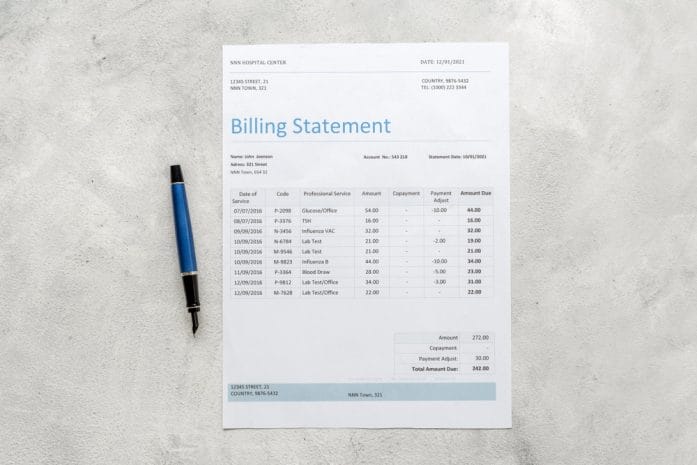
medical bills

Image source: pexels.com

Many people brush off small medical bills, assuming a $50 or $100 charge isn’t worth worrying about. But ignoring these expenses can quickly spiral into much larger problems. The healthcare system in the U.S. is complex, and even minor unpaid balances can trigger a cascade of financial headaches. While it’s tempting to put off payment or assume a bill will just “go away,” that’s rarely how things work out. In fact, the costs of ignoring small medical bills often go far beyond the original amount owed. Understanding these consequences can help you avoid unnecessary stress and protect your financial health.

1. Damage to Your Credit Score

One of the most significant consequences of ignoring small medical bills is the impact on your credit score. Even a minor unpaid balance can end up on your credit report if it goes to collections. Medical providers may wait a few months before sending unpaid bills to a collection agency, but once they do, the impact can be long-lasting. A single collections account can lower your credit score by dozens of points, making it harder to qualify for loans, credit cards, or even rental housing. Repairing your credit after a medical collections event can take years, and the negative mark may remain on your report for up to seven years.

2. Accumulating Late Fees and Interest

Small medical bills don’t just sit quietly when ignored. Many providers add late fees or interest to unpaid balances. These extra charges can quickly add up, sometimes doubling or tripling the original amount owed. What started as a manageable expense can balloon into a significant debt. The longer you wait, the more you’ll end up paying in the end—simply because you didn’t address the bill promptly.

3. Collection Agency Harassment

When you ignore small medical bills, there’s a strong chance they’ll be handed over to collection agencies. These agencies are persistent, often calling, emailing, or sending letters to demand payment. Repeated contacts can be stressful and disruptive, especially if they reach you at work or contact your family members. The stress of dealing with aggressive collectors is a high price to pay for avoiding a minor bill. In some cases, collectors may even threaten legal action if the debt remains unpaid.

4. Loss of Access to Healthcare Providers

If you ignore medical bills from your doctor, clinic, or hospital, you might find yourself unable to schedule future appointments. Many providers have policies that restrict access to patients with unpaid balances. This means you could be denied care or forced to pay the entire debt before receiving additional treatment. Ignoring small medical bills can ultimately put your health at risk if you’re unable to see your preferred healthcare professionals when you need them.

5. Legal Action and Court Judgments

It might sound extreme, but unpaid small medical bills can sometimes lead to lawsuits. If a provider or collection agency decides to pursue legal action, you could face court fees and, if you lose, a judgment against you. Court judgments can lead to wage garnishment or bank account levies, making the original bill seem trivial by comparison. Legal trouble is a major cost of ignoring small medical bills that few people anticipate.

6. Difficulty Obtaining Loans or Credit

Having unpaid medical bills on your credit report can significantly increase the difficulty of obtaining approval for loans, credit cards, or even a mortgage. Lenders see unpaid medical debt as a red flag, even if the original amount was small. You may be offered higher interest rates or denied credit altogether. The cost of higher borrowing rates over time can be substantial, far outweighing the original bill.

7. Increased Insurance Premiums

Some insurance companies check your credit report when setting premiums for auto, home, or even life insurance. If small medical bills have damaged your credit, you could face higher monthly premiums. Over time, these increased costs add up. Ignoring small medical bills can have a ripple effect, making everything from car insurance to renters’ insurance more expensive.

8. Emotional Stress and Anxiety

Financial stress is one of the most common sources of anxiety for Americans. Ignoring small medical bills doesn’t make them disappear—instead, it often leads to ongoing worry about debt collectors, legal action, or damaged credit. This emotional toll can affect your sleep, relationships, and even your physical health. Paying attention to small medical bills helps maintain peace of mind and prevents stress from escalating into more significant problems.

How to Handle Small Medical Bills Proactively

Small medical bills may seem insignificant at first, but as you’ve seen, the costs of ignoring small medical bills can be surprisingly high. The best approach is to address these bills as soon as you receive them. Review each bill carefully to ensure it’s accurate, and don’t hesitate to ask your provider or insurer for clarification if something looks off. If you can’t pay the full amount right away, ask about payment plans or financial assistance options. Many providers are willing to work with you—especially when you communicate early and honestly.

Staying on top of your medical expenses not only protects your credit and finances but also gives you peace of mind. Have you ever had a small medical bill turn into a big problem? Share your experiences in the comments below!

What to Read Next…

  • Can An Unpaid Medical Bill Really Lead To Property Seizure?
  • 5 Emergency Repairs That Could Force You Into Debt Overnight
  • 5 Things That Instantly Decrease Your Credit Score By 50 Points
  • 7 Financial Assumptions That Collapse After One Health Emergency
  • 10 Money Mistakes People Make After Losing A Spouse
Travis Campbell
Travis Campbell

Travis Campbell is a digital marketer/developer with over 10 years of experience and a writer for over 6 years. He holds a degree in E-commerce and likes to share life advice he’s learned over the years. Travis loves spending time on the golf course or at the gym when he’s not working.

Filed Under: Health & Wellness Tagged With: credit score, debt collection, Financial Health, insurance premiums, medical bills

  • « Previous Page
  • 1
  • 2
  • 3
  • 4
  • 5
  • …
  • 8
  • Next Page »

FOLLOW US

Search this site:

Recent Posts

  • Can My Savings Account Affect My Financial Aid? by Tamila McDonald
  • 12 Ways Gen X’s Views Clash with Millennials… by Tamila McDonald
  • What Advantages and Disadvantages Are There To… by Jacob Sensiba
  • 10 Tactics for Building an Emergency Fund from Scratch by Vanessa Bermudez
  • Call 911: Go To the Emergency Room Immediately If… by Stephen Kanaval
  • 7 Weird Things You Can Sell Online by Tamila McDonald
  • 10 Scary Facts About DriveTime by Tamila McDonald

Copyright © 2026 · News Pro Theme on Genesis Framework