• Home
  • About Us
  • Toolkit
  • Getting Finances Done
    • Hiring Advisors
    • Debt Management
    • Spending Plan
  • Insurance
    • Life Insurance
    • Health Insurance
    • Disability Insurance
    • Homeowners/Renters Insurance
  • Contact Us
  • Privacy Policy
  • Risk Tolerance Quiz

The Free Financial Advisor

You are here: Home / Archives for healthy aging

7 Tricks to Staying Young Without Setting Foot in a Gym

November 8, 2025 by Travis Campbell Leave a Comment

workout

Image source: shutterstock.com

People commonly associate staying young with performing intense treadmill workouts and weightlifting exercises that cause their arms to become exhausted. Youthfulness extends beyond physical strength and cardiovascular exercise, as it depends on how you live your life and your mental approach to social connections and life experiences. The good news? You can achieve energy, flexibility, and a lively state of being without needing to join a gym. These useful methods for staying active and engaged will help you maintain physical and mental acuity during your senior years. Seven basic methods exist to maintain youthfulness without visiting a gym.

1. Move Naturally Throughout the Day

The easiest way to stay young without a gym is simply to keep moving. Walk while you talk on the phone. Take the stairs instead of the elevator. Do a few squats while brushing your teeth. Movement doesn’t have to be structured to count. The more often you use your body for everyday tasks, the more flexible and strong you remain. This gentle, consistent activity supports circulation and keeps your joints happy.

In places known for longevity, like Okinawa and Sardinia, people rarely “work out.” Instead, they move constantly—gardening, walking, cooking, and cleaning. That kind of natural motion is sustainable and effective for staying young without a gym.

2. Eat Foods That Love You Back

You’ve heard it before: what you eat shapes how you feel. A colorful plate filled with fruits, vegetables, and healthy fats can do more for your energy and skin than any fancy moisturizer. Focus on whole, unprocessed foods—think olive oil, leafy greens, berries, and fish. These are loaded with antioxidants that fight inflammation and keep your cells functioning like they did years ago.

3. Prioritize Restorative Sleep

Sleep isn’t a luxury; it’s a biological reset button. When you shortchange your rest, your body produces more stress hormones and fewer repair proteins. That imbalance makes you feel older than you are. Good sleep hygiene means going to bed and waking up at the same time every day, keeping your room dark, and avoiding screens before bed.

If you struggle to wind down, try breathing exercises or a warm shower before sleep. Quality rest is one of the simplest, most powerful ways to stay young without a gym routine.

4. Stay Curious and Keep Learning

Your brain needs workouts too—but not the kind that require sneakers. Learning a new skill or hobby challenges your mind, builds confidence, and can even create new neural connections. Whether it’s learning a language, trying woodworking, or playing an instrument, curiosity keeps your mind flexible and your mood upbeat.

Studies show that lifelong learners often report higher satisfaction and lower stress. That sense of purpose is a key ingredient in staying young without a gym, because it keeps your mental energy thriving.

5. Build Strong Social Connections

Loneliness can age you faster than sugar. Human connection reduces stress, boosts your immune system, and gives you something to look forward to. Make time to call a friend, join a local club, or volunteer. Even short conversations can lift your spirits and remind you that you’re not alone in life’s challenges.

Social activity also helps you stay physically active without realizing it—walking to meet a friend, helping a neighbor, or dancing at a celebration. Every interaction is another small step toward staying young without a gym.

6. Protect Your Skin and Smile Often

Sun damage is one of the quickest routes to looking older. A daily sunscreen habit helps prevent wrinkles and protects against severe conditions, such as skin cancer. Combine that with staying hydrated and eating water-rich foods like cucumbers and melons, and your skin will thank you.

Don’t underestimate your smile, either. Smiling triggers the release of endorphins and can help lower stress. It’s a natural facelift that doesn’t cost a dime. Both habits—sun protection and smiling—support staying young without a gym by nurturing your outer and inner health.

7. Manage Stress with Intention

Modern life comes with endless demands, and unmanaged stress can accelerate the aging process. You can’t remove stress completely, but you can control how you respond to it. Meditation, journaling, or even taking a few deep breaths during a tense moment can change your body’s chemistry. Lower cortisol means better sleep, more stable moods, and a stronger immune system.

Learning to calm your mind is one of the smartest strategies for staying young without a gym.

Living Young Starts With Small Choices

You can achieve a vibrant state on your own through your own work, without needing any equipment or a personal trainer. The path to staying young outside of a gym requires making regular, intentional decisions, which include engaging in physical movement, consuming wholesome nutrition, getting proper sleep, nurturing meaningful relationships, and engaging in continuous learning. Every tiny action you take leads to substantial changes in your emotional state and physical aging process.

What methods do you use to stay youthful without needing to work out at a gym? Share your thoughts below!

What to Read Next…

  • 10 Everyday Habits That Could Be Harming Your Brain Over Time
  • 9 Fast Food Items That Nutritionists Secretly Say Are Worse Than Cigarettes
  • 7 Tactics Grocery Stores Use to Keep You From Thinking About Price
  • 8 Everyday Services That Are Slowly Becoming Subscription Only
  • 6 Household Services You Can Eliminate Without Losing Quality of Life
Travis Campbell
Travis Campbell

Travis Campbell is a digital marketer/developer with over 10 years of experience and a writer for over 6 years. He holds a degree in E-commerce and likes to share life advice he’s learned over the years. Travis loves spending time on the golf course or at the gym when he’s not working.

Filed Under: Health & Wellness Tagged With: Fitness, healthy aging, Lifestyle, mental health, nutrition, wellness

Why Widowhood Doesn’t End Romance: Women Find New Paths to Companionship in Their 60s

August 20, 2025 by Catherine Reed Leave a Comment

Why Widowhood Doesn’t End Romance: Women Find New Paths to Companionship in Their 60s

Image source: 123rf.com

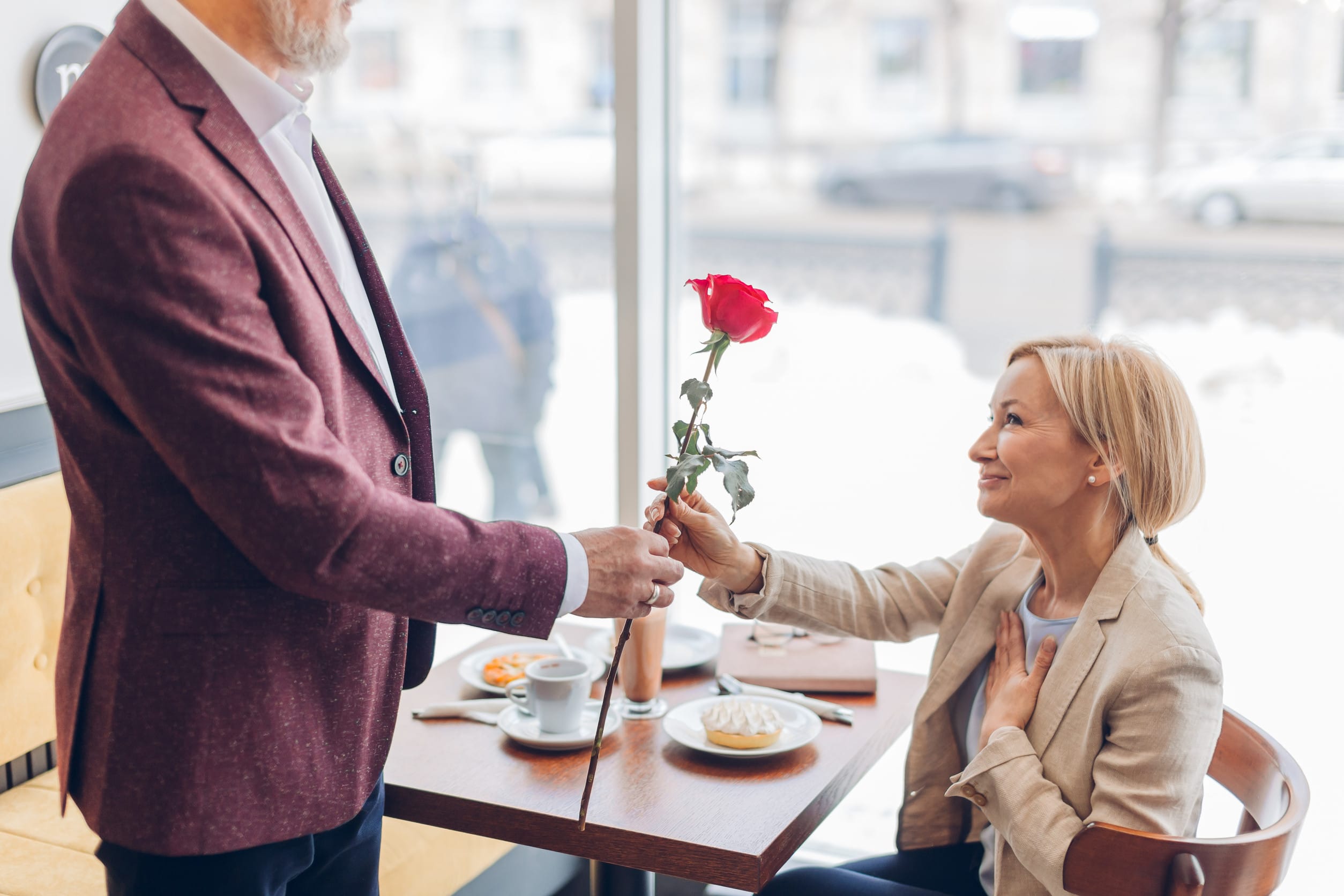
Losing a spouse is one of life’s most difficult experiences, but it doesn’t mean love and connection must come to an end. More women in their 60s are embracing new opportunities for companionship, showing that healing and happiness can coexist with loss. The truth behind why widowhood doesn’t end romance lies in the resilience of women who choose to keep their hearts open. Instead of retreating from relationships, many are finding new joy, whether through friendship, dating, or deeper partnerships. This shift is proving that life after loss can still hold hope, laughter, and love.

1. Redefining What Romance Means

One of the first steps in understanding why widowhood doesn’t end romance is recognizing that romance can look different after loss. For many women, it’s not about recreating the past but about building meaningful connections that fit their present stage of life. Companionship might mean emotional closeness, shared activities, or simply having someone to talk to. These evolving definitions allow women to approach love in a way that feels comfortable and fulfilling. Romance doesn’t fade; it simply transforms with time and perspective.

2. Embracing Healing Before New Beginnings

Before seeking new relationships, many widows spend time healing and rediscovering themselves. This process often involves grief counseling, self-reflection, or leaning on family support. Understanding why widowhood doesn’t end romance includes acknowledging that healing is an important foundation for future love. When women give themselves permission to grieve fully, they are better prepared to welcome companionship again. New beginnings are often strongest when built on a foundation of emotional resilience.

3. The Role of Friendships in Rebuilding Life

For many women, friendship becomes the bridge to rediscovering joy. Strong social connections provide laughter, encouragement, and a sense of belonging during a difficult time. These friendships often evolve into the confidence to explore dating or new companionship. Part of why widowhood doesn’t end romance is because relationships of all kinds remind women that they are not alone. Emotional support from peers lays the groundwork for embracing love in different forms.

4. Exploring Modern Dating Opportunities

Dating in the 60s looks very different than it did decades ago. With the rise of online dating and social platforms, women have more opportunities than ever to meet new people. For those wondering why widowhood doesn’t end romance, the ability to explore dating apps and senior-focused communities is part of the answer. Women are using these tools to connect with like-minded partners who share their values. Technology has made companionship more accessible at any stage of life.

5. Choosing Companionship Over Traditional Marriage

Some women may not want to remarry, and that’s okay. Many find happiness in companionship without the legal or financial ties of marriage. Understanding why widowhood doesn’t end romance also means recognizing that partnerships can take many forms. Whether it’s living together, traveling together, or simply sharing experiences, companionship offers flexibility. Love after 60 doesn’t need to follow traditional rules to be fulfilling.

6. Balancing Independence With Connection

After years of marriage, many widows value their independence and may be hesitant to give it up. This doesn’t mean they aren’t open to romance—it simply means they want relationships that respect their autonomy. The key to why widowhood doesn’t end romance is finding balance between personal freedom and companionship. Healthy relationships at this stage often thrive because both partners appreciate independence. This balance creates stronger, more respectful connections.

7. Overcoming Stigma Around Dating Later in Life

Some women worry about what others will think if they begin dating after losing a spouse. Society has historically placed unfair expectations on widows, but those views are shifting. Acknowledging why widowhood doesn’t end romance involves breaking through these outdated stigmas. Today, more people understand that finding love again is not disrespectful but a testament to resilience. Embracing romance later in life is becoming widely accepted and celebrated.

8. The Positive Impact on Health and Well-Being

Companionship doesn’t just bring emotional fulfillment; it also improves physical health. Studies show that seniors in positive relationships experience reduced stress, better heart health, and even longer lifespans. This reality reinforces why widowhood doesn’t end romance—because love and connection are essential to overall well-being. New relationships bring joy, energy, and motivation to stay active and engaged. Romance becomes not just a luxury but a vital part of healthy aging.

Love After Loss Is Still Love Worth Having

The stories of women finding joy in companionship after 60 prove that love has no expiration date. The reason why widowhood doesn’t end romance is because human beings are wired for connection, growth, and hope. While the journey looks different for every widow, the possibility of new beginnings remains open. By embracing independence, healing, and evolving definitions of love, women are showing that the heart has endless capacity for renewal. Romance after loss is not about replacing—it’s about rediscovering.

Do you believe widowhood opens the door for new kinds of romance and companionship? Share your perspective in the comments below!

Read More:

6 Statements Widows Hear That Can Void Joint Checking Accounts

10 Questions Widows Wish Advisors Had Told Them Before It Was Too Late

Catherine Reed
Catherine Reed

Catherine is a tech-savvy writer who has focused on the personal finance space for more than eight years. She has a Bachelor’s in Information Technology and enjoys showcasing how tech can simplify everyday personal finance tasks like budgeting, spending tracking, and planning for the future. Additionally, she’s explored the ins and outs of the world of side hustles and loves to share what she’s learned along the way. When she’s not working, you can find her relaxing at home in the Pacific Northwest with her two cats or enjoying a cup of coffee at her neighborhood cafe.

Filed Under: relationships Tagged With: companionship after loss, dating after 60, healthy aging, resilience, senior romance, widowhood, women and relationships

Why Are More Seniors Going Back to Work—But Not for the Money?

July 18, 2025 by Travis Campbell Leave a Comment

seniors working

Image Source: pexels.com

Retirement used to mean a permanent break from work. Now, more seniors are heading back to the workplace. But here’s the twist: it’s not always about the money. Many older adults are choosing to work again for reasons that have nothing to do with their bank accounts. This shift matters for anyone thinking about their own retirement or watching loved ones navigate this stage of life. Understanding why seniors are returning to work can help you plan better, support family, or even rethink your own future. Here’s what’s really driving this trend.

1. Staying Social and Connected

Work isn’t just about a paycheck. For many seniors, it’s a way to stay connected. After years of daily interaction, retirement can feel isolating. Going back to work brings back that sense of community. It’s a chance to meet new people, share stories, and feel part of something bigger. Social connections are linked to better health and longer lives. When you see seniors working at the library, the local store, or volunteering, it’s often because they want to stay engaged with others. Loneliness can be tough, and work helps fill that gap.

2. Keeping the Mind Sharp

Mental health matters at every age. Many seniors return to work because it keeps their minds active. Learning new skills, solving problems, and facing daily challenges help keep the brain healthy. Some jobs offer training or require learning new technology, which can be both fun and rewarding. Studies show that staying mentally active can lower the risk of memory loss and even delay the onset of dementia. For many, work is a way to keep thinking, learning, and growing.

3. Finding Purpose and Meaning

Retirement can leave a void. After decades of working, some people miss having a reason to get up in the morning. Work gives structure and purpose. It’s not just about tasks or deadlines—it’s about feeling useful. Many seniors say they want to make a difference, even in small ways. Whether it’s helping customers, mentoring younger workers, or supporting a cause, work can bring a sense of meaning that’s hard to find elsewhere. This sense of purpose is a big reason why seniors are going back to work, even when they don’t need the money.

4. Staying Physically Active

Sitting at home can lead to a slower, less active lifestyle. Many seniors return to work to keep moving. Jobs that involve walking, standing, or even light lifting can help maintain strength and balance. Physical activity is linked to better health, fewer falls, and more energy. Even part-time work or volunteering can make a difference. For some, the routine of getting up, getting dressed, and heading out is enough to keep them feeling young and strong.

5. Exploring New Interests

Retirement is a chance to try something new. Some seniors go back to work in fields they’ve always wanted to explore. Maybe it’s working at a museum, teaching a class, or starting a small business. These new roles can be exciting and fulfilling. It’s a way to turn hobbies into jobs or learn about something completely different. This kind of work isn’t about climbing the ladder—it’s about enjoying the experience and growing as a person.

6. Giving Back to the Community

Many seniors want to give back. Volunteering or working for nonprofits is a popular choice. These roles offer a chance to help others, share wisdom, and support causes that matter. Giving back can boost happiness and self-worth. It’s not about earning a paycheck—it’s about making a positive impact. Seniors often bring valuable experience and patience to these roles, making them a real asset to their communities.

7. Adapting to Longer, Healthier Lives

People are living longer and staying healthier. Retirement at 65 might mean 20 or even 30 more years of life. That’s a long time to fill. Many seniors find that working, even part-time, helps them stay active and engaged. It’s not about financial need—it’s about making the most of these extra years. With better health and more opportunities, seniors can choose work that fits their lifestyle and interests.

8. Building New Routines

Retirement can disrupt daily routines. Some people miss the structure that work provides. Going back to work helps rebuild a daily schedule. It gives shape to the week and creates a sense of normalcy. This routine can be comforting and help with time management. For many, it’s not about filling time—it’s about making time meaningful.

9. Supporting Family in New Ways

Some seniors return to work to help their families, but not always with money. They might work to set an example for grandchildren or to stay busy while caring for a spouse. Others find that working gives them stories and experiences to share with loved ones. It’s a way to stay involved and connected with family life, even as roles change.

10. Enjoying Flexible Work Options

Work has changed. Many jobs now offer flexible hours, remote work, or part-time roles. This flexibility makes it easier for seniors to find work that fits their needs. They can choose jobs that match their energy levels and interests. Flexible work lets seniors stay active without the stress of a full-time job. It’s about balance, not burnout.

Rethinking Retirement: It’s Not Just About the Money

Seniors are going back to work for reasons that go far beyond a paycheck. They want connection, purpose, and a chance to keep growing. Work offers all of this and more. As people live longer and healthier lives, the idea of retirement is changing. It’s becoming less about stopping and more about choosing how to spend your time. If you’re thinking about your own retirement, consider what matters most to you. Work might be part of the answer.

Have you or someone you know returned to work after retirement? What was the biggest reason? Share your story in the comments.

Read More

Why Are AI Chatbots Quietly Being Banned in Some Retirement Facilities?

Ways Retirement Funds Are Quietly Being Eaten by Fees

Travis Campbell
Travis Campbell

Travis Campbell is a digital marketer/developer with over 10 years of experience and a writer for over 6 years. He holds a degree in E-commerce and likes to share life advice he’s learned over the years. Travis loves spending time on the golf course or at the gym when he’s not working.

Filed Under: Retirement Tagged With: community, flexible jobs, healthy aging, mental health, older adults, purpose, Retirement, senior work

5 Exercises Linked to Increased Joint Damage After 40

May 18, 2025 by Travis Campbell Leave a Comment

lifting weights

Image Source: pexels.com

Staying active is one of the best things you can do for your health, especially as you get older. But not all exercises are created equal—some can actually do more harm than good, particularly when it comes to your joints. If you’re over 40, you might have noticed that your knees, hips, or shoulders don’t bounce back like they used to. That’s because, as we age, our joints naturally lose some of their cushioning and flexibility, making them more vulnerable to wear and tear. Understanding which exercises are most likely to cause joint damage after 40 can help you make smarter choices, stay pain-free, and keep moving for years to come. Let’s dive into the five exercises most commonly linked to increased joint damage after 40, and what you can do instead to protect your body.

1. High-Impact Running

Running is a fantastic cardiovascular workout, but pounding the pavement day after day can take a serious toll on your joints, mainly your knees, hips, and ankles. After 40, the cartilage that cushions your joints starts to thin, making you more susceptible to injuries like runner’s knee, stress fractures, and osteoarthritis. According to the Arthritis Foundation, high-impact activities like running can accelerate joint degeneration in people at risk or with a history of joint pain. If you love running, consider mixing in lower-impact alternatives like swimming, cycling, or using an elliptical machine. These options provide a great workout without the repetitive jarring that can damage your joints over time.

2. Deep Squats with Heavy Weights

Squats are a staple in many fitness routines, but deep squats with heavy weights can be particularly risky for people over 40. As we age, our tendons and ligaments become less elastic, and the risk of cartilage damage increases. Deep squats put a lot of pressure on the knees and hips, leading to meniscus tears or exacerbating existing joint issues. Improper squat form or excessive weight can significantly increase the risk of joint injuries. Instead, try performing squats with lighter weights and avoid dropping below parallel. Focus on proper form and controlled movements to strengthen your muscles without overloading your joints.

3. Plyometric Exercises (Jump Training)

Plyometric exercises, like box jumps, burpees, and jump squats, are popular for building explosive power and burning calories. However, these high-impact moves can be tough on aging joints. The repeated jumping and landing can cause microtrauma to the cartilage and increase the risk of ligament injuries, especially if your joints are already feeling stiff or achy. After 40, your body’s ability to recover from these micro-injuries slows down, making it easier for small problems to become chronic pain. If you enjoy plyometrics, limit the frequency and intensity, and always warm up thoroughly. Alternatively, try low-impact cardio or resistance band exercises that are gentler on your joints but still effective for building strength and endurance.

4. Long-Distance Stair Climbing

Stair climbing is often recommended for cardiovascular fitness and leg strength, but doing it excessively—especially on machines or stadium stairs—can be problematic for older adults. The repetitive motion and constant pressure on the knees can accelerate cartilage breakdown, leading to conditions like patellofemoral pain syndrome. According to a study published in the Journal of Orthopaedic & Sports Physical Therapy, repetitive stair climbing is associated with increased knee pain and joint degeneration in older adults. If you love the challenge of stairs, keep your sessions short and focus on proper technique. Consider alternating with flat-surface walking or incline treadmill walking to reduce joint stress.

5. Full-Contact Sports

Sports like basketball, soccer, and tennis are fun and social, but they often involve sudden stops, pivots, and collisions that can wreak havoc on your joints after 40. These activities increase the risk of acute injuries like ligament tears and chronic issues like osteoarthritis. The Centers for Disease Control and Prevention (CDC) notes that joint injuries from sports are a leading cause of long-term joint problems in adults. If you’re passionate about these sports, consider playing in less competitive leagues, using proper protective gear, and cross-training with lower-impact activities to give your joints a break.

Protecting Your Joints for the Long Haul

The good news is that you don’t have to give up exercise altogether to protect your joints after 40. The key is to be mindful of the activities you choose and listen to your body. Focus on low-impact exercises with lighter weights like swimming, cycling, yoga, and strength training. These activities can help you stay fit, maintain muscle mass, and support joint health without risking increased joint damage. Remember, it’s not about avoiding movement but moving smarter. By adjusting your routine, you can keep your joints healthy and enjoy an active lifestyle well into your later years.

What changes have you made to your workout routine after 40? Share your experiences and tips in the comments below!

Read More

12 Private Clubs Only the Wealthy Can Afford

Fitness Fads: 12 Reasons Everyone is Talking About Mewing

Travis Campbell
Travis Campbell

Travis Campbell is a digital marketer/developer with over 10 years of experience and a writer for over 6 years. He holds a degree in E-commerce and likes to share life advice he’s learned over the years. Travis loves spending time on the golf course or at the gym when he’s not working.

Filed Under: Health & Wellness Tagged With: arthritis, exercise after 40, Fitness, healthy aging, injury prevention, joint health, low-impact exercise, workout tips

FOLLOW US

Search this site:

Recent Posts

  • Can My Savings Account Affect My Financial Aid? by Tamila McDonald
  • 12 Ways Gen X’s Views Clash with Millennials… by Tamila McDonald
  • What Advantages and Disadvantages Are There To… by Jacob Sensiba
  • 10 Tactics for Building an Emergency Fund from Scratch by Vanessa Bermudez
  • Call 911: Go To the Emergency Room Immediately If… by Stephen Kanaval
  • 7 Weird Things You Can Sell Online by Tamila McDonald
  • 10 Scary Facts About DriveTime by Tamila McDonald

Copyright © 2026 · News Pro Theme on Genesis Framework