• Home
  • About Us
  • Toolkit
  • Getting Finances Done
    • Hiring Advisors
    • Debt Management
    • Spending Plan
  • Insurance
    • Life Insurance
    • Health Insurance
    • Disability Insurance
    • Homeowners/Renters Insurance
  • Contact Us
  • Privacy Policy
  • Risk Tolerance Quiz

The Free Financial Advisor

You are here: Home / Archives for science

7 Bizarre Facts About the Human Body That Doctors Can’t Explain

November 22, 2025 by Travis Campbell Leave a Comment

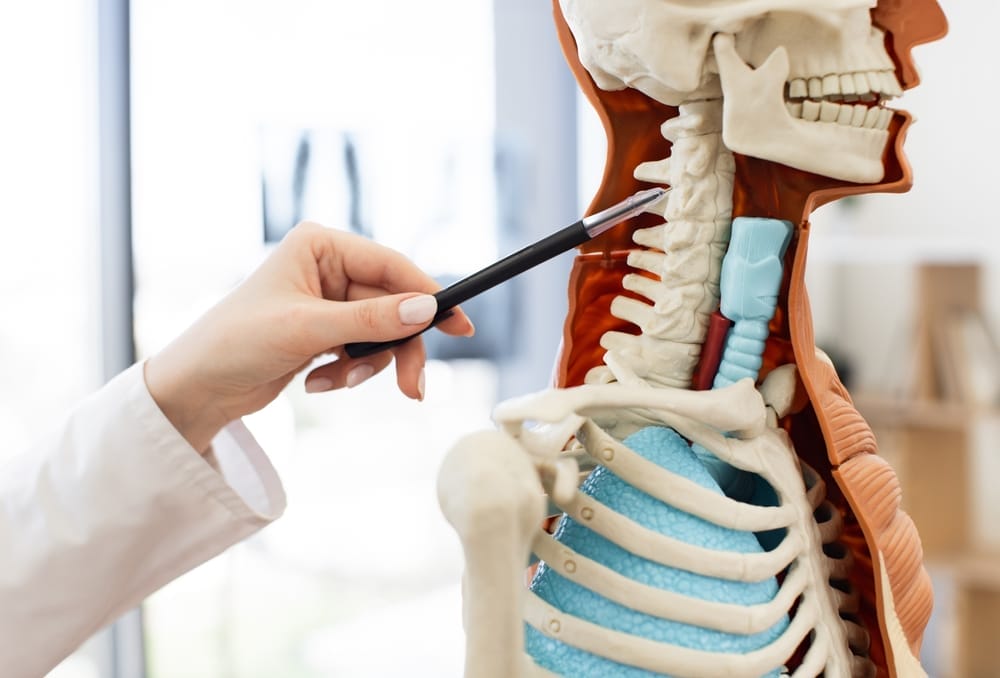
human body

Image source: shutterstock.com

The human body contains numerous enigmatic elements that scientists have not been able to explain through simple explanations. The most confusing patterns exist in plain sight, although scientists have not established their origins. The strange medical discoveries reveal the limitations of our current understanding while demonstrating that large parts of human anatomy remain unknown to science. The bizarre characteristics of these phenomena interest us because they display familiar yet unsettling characteristics. Scientists use their current understanding to explain the unexplained events that they study.

1. The Sudden “Exploding Head” Sensation

People describe it as a boom in the skull just as they begin to fall asleep. No pain. No injury. Just a burst of sound that seems to be generated from inside the brain. This odd event strikes without warning, and no one has clear answers about why it happens. Some theories point toward brief electrical misfires, but nothing definitive explains why the brain chooses sound over silence. It stands as one of the strangest of all bizarre facts because even advanced imaging tells us little about its origins.

2. Why Goosebumps Still Happen

Goosebumps show up in cold weather or during intense emotion, though they serve almost no purpose in modern life. Hair rising on the skin once helped our early ancestors appear larger or retain heat. Today it feels more like a reflex haunted by history. Doctors can describe the muscles that contract, but they cannot explain why the response still triggers in moments that have nothing to do with survival. Goosebumps remain a lingering reminder that the body carries ancient software with unpredictable glitches.

3. The Mystery of Phantom Smells

Some people suddenly smell smoke or chemicals when nothing exists around them. These phantom odors appear without pattern and vanish just as quickly. No confirmed cause explains why healthy individuals experience this flicker of sensory misinformation. The brain misfires, but the mechanism stays hidden. The experience can be jarring, especially when the scent suggests danger that isn’t there. It adds another entry to the list of bizarre facts that distort perception without leaving physical evidence.

4. Why We Jerk Awake Before Sleeping

The body sometimes kicks hard just as we fall asleep. The jolt can feel like stumbling off a curb or stepping into an unseen hole. Muscles fire as the brain enters rest mode, yet no one agrees on the reason behind this momentary chaos. Some suspect a primitive reflex meant to test alertness. Others think the body misreads the shift into sleep as a fall. The truth remains out of reach, and the abrupt shock shows how the transition between wake and sleep can slip into confusion.

5. The Strange Case of Long-Term Hiccups

A hiccup usually fades after minutes. But in rare cases, people experience them for days, months, and sometimes longer. No consistent explanation ties these episodes together. The diaphragm spasms, the vocal cords snap shut, and the cycle repeats with no clear trigger. These prolonged storms of sound highlight how a small reflex can spiral far beyond expectations. They also reveal limits in our understanding of nerve pathways that should be straightforward but aren’t.

6. The Brain’s Sudden Sparks of Déjà Vu

Déjà vu hits in a flash. A moment unfolds, and the brain insists it happened before. The sensation is sharp, convincing, and gone in seconds. It does not track with memory or logic. Instead, it behaves like a glitch, a signal rerouted through an unknown circuit. Even with modern brain mapping, déjà vu slips through every explanation offered so far. This makes it one of the clearest examples of how bizarre facts can expose gaps in neurological science.

7. The Enigma of Random Muscle Twitching

Eyelids flutter. Calves twitch. Fingers jump. These quick, involuntary movements strike without warning and often without cause. Most are harmless, but the randomness unsettles anyone who pays attention. The body moves on its own, outside conscious control, as if testing boundaries. Doctors can describe how neurons fire, but not why the sparks trigger at arbitrary moments. The unpredictability turns a simple twitch into a reminder that the body runs on systems we rarely understand.

What These Oddities Tell Us

The human body contains hidden complexities that become apparent through these unusual physical phenomena. The systems operate logically until they reach a point where all understanding becomes impossible. The systems that enable our daily activities function through invisible operational mechanisms that humans cannot see. The public maintains interest in these events because they create situations that force individuals to choose between depending on others and dealing with unpredictable outcomes. The human body remains a mysterious entity that we should learn to appreciate.

Which unexplained body quirk have you experienced?

What to Read Next…

  • 10 Everyday Habits That Could Be Harming Your Brain Over Time
  • 8 Things You’re Doing That Make Criminals Think You’re an Easy Target
  • 7 Ways Your Neighbor Could Be Spying on You Without Breaking the Law
  • How Your Wi-Fi Router Placement Might Be Sharing Personal Info
  • What Your Google Search History Could Say in a Probate Case
Travis Campbell
Travis Campbell

Travis Campbell is a digital marketer/developer with over 10 years of experience and a writer for over 6 years. He holds a degree in E-commerce and likes to share life advice he’s learned over the years. Travis loves spending time on the golf course or at the gym when he’s not working.

Filed Under: Health & Wellness Tagged With: health, human body, medical mysteries, oddities, science

7 Health Myths You’ve Been Believing Since Childhood — Busted by Science

November 21, 2025 by Travis Campbell Leave a Comment

cracking knuckles

Image source: shutterstock.com

The lessons we learn in childhood will continue to affect us throughout our lives, even when those lessons turn out to be wrong. People from our past, including parents, teachers, and friends, have passed down outdated beliefs that we still hold. Our adult body perception and care practices develop from these unimportant childhood beliefs. Health myths develop from unproven ideas that people continue to believe. People need to identify and fix these myths because accurate knowledge enables them to make better decisions for their health.

1. Cracking Your Knuckles Causes Arthritis

This claim spread through households with the force of a warning siren. The pop sounds, someone frowns, and the myth leaps into the air again. Yet knuckle cracking doesn’t damage joints. The noise comes from pressure changes in the fluid inside them. It can annoy anyone nearby, but that’s social friction, not medical fallout.

Arthritis develops through wear, age, genetics, or immune issues, not from hand habits. The health myths around joint popping persist because the sound feels violent, even when the tissue isn’t. The real risk lies in using the motion to cope with stress until it becomes reflexive, but that’s behavior, not pathology.

2. Sitting Too Close to the TV Ruins Your Eyes

Parents have issued this warning for generations. Maybe they feared a glowing screen would scorch retinas or scramble vision. It doesn’t. Sitting close can create temporary eye strain, but the eyes bounce back. Kids often sit close because they’re trying to see small details, not because they’re damaging anything.

The myth grew from older displays that flickered and produced harsher light. Modern screens don’t pose the same issues. Still, breaks matter. Staring at anything—books, screens, tiny toys—can tire the eyes. That’s normal. Blinking, shifting focus, and standing up every so often keep vision comfortable.

3. You Lose Most Heat Through Your Head

This one took root in cold climates and spread everywhere. The idea sounds plausible: the head houses the brain, so maybe it leaks warmth like an open vent. But heat leaves any exposed skin. If you go outside hatless but bundled up everywhere else, your head becomes the main route for heat loss. That’s context, not a biological rule.

Cover the head if it’s cold, but understand why it helps. Large surface areas lose heat faster. A bare arm or uncovered legs can shed warmth just as quickly. The health myths surrounding temperature control often bend observations into absolutes. The truth here depends on what the rest of the body is doing.

4. Swimming After Eating Gives You Cramps

Almost everyone has heard this at a pool. Eat, wait an hour, then swim. If not, you’d sink from stomach cramps—or so the myth goes. The body doesn’t divert blood so dramatically that limbs stop working. Digestion and movement can coexist just fine.

A heavy meal might make someone sluggish in the water, but that’s a comfort issue. Not a safety hazard. Mild cramps happen for many reasons: dehydration, sudden effort, or cold water. Food timing rarely ranks high on that list. The rule survived because adults needed a way to keep kids from cannonballing immediately after lunch.

5. If You Go Out with Wet Hair, You’ll Catch a Cold

Colds come from viruses, not damp scalps. Being cold can make the body uncomfortable and stress the immune system a bit, but it doesn’t summon infection out of thin air. Wet hair outdoors isn’t ideal in winter, but it won’t spark illness by itself.

The confusion builds from timing. People feel chilled, then get sick days later, so they link the two events. That’s not how viruses work. They spread through contact with others or contaminated surfaces. Comfort aside, wet hair won’t rewrite the rules of transmission. Yet this remains one of the most persistent health myths because it sounds tidy and preventative.

6. Carrots Dramatically Improve Your Vision

Carrots support eye health thanks to vitamin A, but they won’t grant sharper vision or superhuman night sight. The claim grew from wartime propaganda meant to hide advances in technology. The message stuck long after the context faded.

Diet affects the eyes, but no single food transforms them. Balanced nutrients help maintain normal function. That’s important, though far less dramatic than the childhood claims. Vision changes stem from genetics, age, and structural shifts inside the eye—forces carrots can’t override. Still, they remain a staple of health myths because the idea feels wholesome and easy.

7. Sugar Makes Kids Hyper

This myth survived countless birthday parties. The chaos, the excitement, the frosting—everything blurs together. Sugar often takes the blame. Yet sugar doesn’t create hyperactivity. Kids act wild at events with noise, people, and stimulation everywhere.

Blood sugar can rise and fall, but that doesn’t mean sudden hyperactivity. The environment drives the energy spikes adults observe. That doesn’t make unlimited sugar a good idea, but it does separate physiology from perception. The health myths around sugar persist because they offer a simple explanation for complex behavior.

Why These Myths Linger

Myths survive because they are simple and easily shared stories. The family stories keep passing between relatives until they become vital historical memories that persist despite scientific evidence showing they are false. Children found structure in health myths from their childhood because these myths explained the unknown world to them. The myths remain hidden until someone chooses to confront them.

The process of debunking myths preserves traditional practices while enabling people to make decisions based on knowledge rather than anxiety. Which childhood myth had the most significant impact on your thinking?

What to Read Next…

  • 8 Rules Around Health Savings Accounts That Still Confuse Seniors
  • 10 Everyday Habits That Could Be Harming Your Brain Over Time
  • 8 Everyday Services That Are Slowly Becoming Subscription Only
  • 8 Everyday Scams Seniors Are Falling For Right Now
  • 8 Email Habits That Make You a Target for Identity Theft After 40
Travis Campbell
Travis Campbell

Travis Campbell is a digital marketer/developer with over 10 years of experience and a writer for over 6 years. He holds a degree in E-commerce and likes to share life advice he’s learned over the years. Travis loves spending time on the golf course or at the gym when he’s not working.

Filed Under: Health & Wellness Tagged With: childhood beliefs, fact-checking, health myths, science, wellness

7 Myths About Memory You Should Forget Immediately

November 15, 2025 by Travis Campbell Leave a Comment

brain memory

Image source: shutterstock.com

Memory is often regarded as a mysterious storage space, according to popular opinion, which supposedly contains all our life experiences. People hold multiple incorrect beliefs about how memory functions. Our studying methods, work performance, and self-assessment during memory lapses are affected by these incorrect beliefs about memory. Knowledge about memory myths provides accurate information, which helps us better understand learning processes, mental performance, and the aging process. The brain will receive improved care through the rejection of these incorrect beliefs, resulting in more brain-friendly actions.

1. Memory Works Like a Video Recorder

This is one of the most common memory myths. People imagine that the brain records every detail of life like a camera, ready to replay in perfect clarity. In reality, memory is reconstructive. Each time you recall something, your brain rebuilds the story from fragments—images, sounds, emotions—and fills in the blanks. That means every memory is slightly different from the last version you recalled.

That’s why eyewitness testimony can be unreliable and why two people can remember the same event differently. Memory isn’t about perfect playback. It’s about meaning and context. The brain retains what feels important and allows the rest to fade into the background.

2. You Only Use 10% of Your Brain

If this myth were true, humans would be in serious trouble. Brain scans show that even simple tasks—like tying your shoes or reading this sentence—light up multiple areas across the brain. Every region has a purpose, and most are active throughout the day. The idea that 90% of the brain sits idle has no scientific basis.

The appeal of this myth is easy to see. It suggests you have untapped potential waiting to be unlocked. But instead of chasing a false promise, it’s better to understand how your mind actually works. Real mental improvement comes from practice, sleep, and healthy habits, not hidden brain reserves.

3. Memory Declines Sharply With Age

Another stubborn piece of misinformation is that getting older automatically means losing your memory. While some cognitive slowing is normal, it’s not the same as inevitable decline. Many older adults maintain strong recall and reasoning skills well into their later years. The difference often lies in lifestyle—staying mentally and socially active, getting enough rest, and managing stress.

Research from the National Institutes of Health indicates that acquiring new skills, such as playing an instrument or utilizing new technology, can help maintain brain flexibility. Memory is more resilient than people think, especially when it’s exercised regularly.

4. Memory Training Makes You a Genius

Apps and games promising to “boost your brain” are everywhere. They might make you faster at their specific puzzles, but that improvement rarely carries over into other areas of life. Memory training can sharpen attention and recall in a limited context, but it won’t transform you into a genius.

The real value in these exercises is consistency. They remind you to focus, practice, and stay mentally engaged. But no app can rewrite the fundamental limits of human memory. What matters more is how you utilize the information you already have—connecting ideas, applying them, and fostering curiosity.

5. Emotional Memories Are Always Accurate

Strong emotions can make moments feel unforgettable, but that doesn’t guarantee accuracy. Emotional intensity can enhance certain details while distorting others. A breakup, a car accident, or a big win at work might all feel crystal clear, yet the mind can still reshape those events over time.

Memory is tied to emotion, but it’s also tied to interpretation. Each time you recall an emotional experience, you may emphasize different aspects depending on your current mood or perspective. That’s why revisiting old memories sometimes feels like meeting a slightly different version of yourself.

6. Photographic Memory Exists

The phrase “photographic memory” suggests some people can store and replay images with perfect accuracy. There’s no solid evidence that anyone can do this consistently. Some individuals, called eidetic imagers, can recall vivid pictures for a short time, but even they lose the details quickly.

What often gets mistaken for photographic memory is deep familiarity or expert-level knowledge. A chess master can remember hundreds of board positions because they understand the patterns, not because their brain took a perfect snapshot. True long-term recall comes from meaning, not magic.

7. Forgetting Means Something Is Wrong

Forgetting tends to scare people, but it’s actually a healthy function of the brain. Your mind filters out unnecessary information, allowing you to focus on what matters. If you remembered every detail of every day, you’d drown in noise. Forgetting helps you prioritize learning and decision-making.

Memory myths often make people anxious about normal lapses, such as losing keys or forgetting a name. But these small gaps are part of how the brain manages information. Forgetting isn’t failure; it’s maintenance. It clears space for new experiences and keeps mental clutter under control.

What Understanding Memory Really Means

The brain operates in a specific way after people eliminate their false beliefs about memory. The brain serves as a dynamic system that adapts to your needs, rather than functioning as a perfect storage system. The process of memory formation depends on your ability to focus, your sleep patterns, your emotional state, and the frequency with which you repeat information. The recognition of memory imperfections leads to better functionality of this system.

The discovery of memory facts helps you create achievable targets that you can use to benefit yourself and people in your life. People can learn to control their minds effectively, which results in excellent mental flexibility. Research into memory formation and decay through psychological studies suggests that people need to begin by dispelling all their false beliefs about memory. What was one memory myth that you used to accept as true?

What to Read Next…

  • 10 Everyday Habits That Could Be Harming Your Brain Over Time
  • 8 Email Habits That Make You a Target for Identity Theft After 40
  • How Low Financial Knowledge Can Make Seniors 2.5x More Scam Prone
  • 8 Things You’re Doing That Make Criminals Think You’re an Easy Target
  • 7 Ways Your Neighbor Could Be Spying on You Without Breaking the Law
Travis Campbell
Travis Campbell

Travis Campbell is a digital marketer/developer with over 10 years of experience and a writer for over 6 years. He holds a degree in E-commerce and likes to share life advice he’s learned over the years. Travis loves spending time on the golf course or at the gym when he’s not working.

Filed Under: Mental Health Tagged With: aging, brain, learning, memory, psychology, science

FOLLOW US

Search this site:

Recent Posts

  • Can My Savings Account Affect My Financial Aid? by Tamila McDonald
  • 12 Ways Gen X’s Views Clash with Millennials… by Tamila McDonald
  • What Advantages and Disadvantages Are There To… by Jacob Sensiba
  • Call 911: Go To the Emergency Room Immediately If… by Stephen Kanaval
  • 10 Tactics for Building an Emergency Fund from Scratch by Vanessa Bermudez
  • 7 Weird Things You Can Sell Online by Tamila McDonald
  • 10 Scary Facts About DriveTime by Tamila McDonald

Copyright © 2026 · News Pro Theme on Genesis Framework