• Home
  • About Us
  • Toolkit
  • Getting Finances Done
    • Hiring Advisors
    • Debt Management
    • Spending Plan
  • Insurance
    • Life Insurance
    • Health Insurance
    • Disability Insurance
    • Homeowners/Renters Insurance
  • Contact Us
  • Privacy Policy
  • Risk Tolerance Quiz

The Free Financial Advisor

You are here: Home / Archives for health myths

7 Health Myths You’ve Been Believing Since Childhood — Busted by Science

November 21, 2025 by Travis Campbell Leave a Comment

cracking knuckles

Image source: shutterstock.com

The lessons we learn in childhood will continue to affect us throughout our lives, even when those lessons turn out to be wrong. People from our past, including parents, teachers, and friends, have passed down outdated beliefs that we still hold. Our adult body perception and care practices develop from these unimportant childhood beliefs. Health myths develop from unproven ideas that people continue to believe. People need to identify and fix these myths because accurate knowledge enables them to make better decisions for their health.

1. Cracking Your Knuckles Causes Arthritis

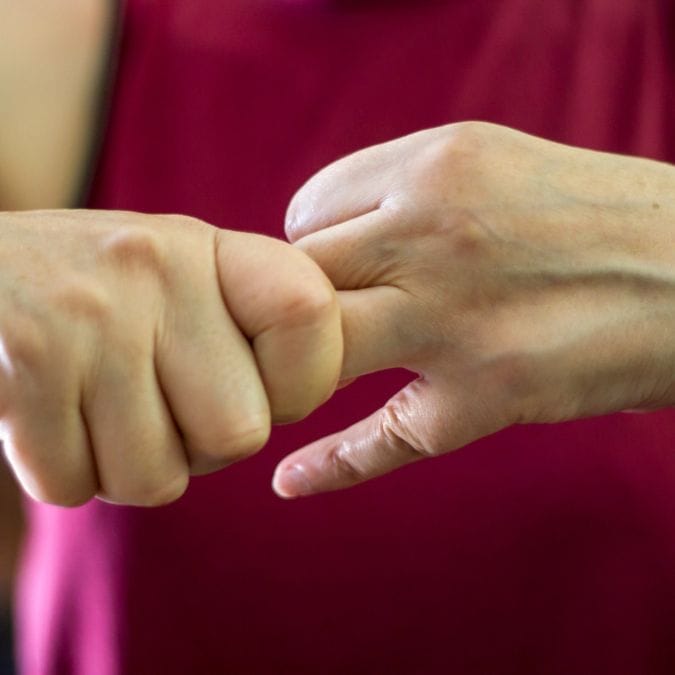
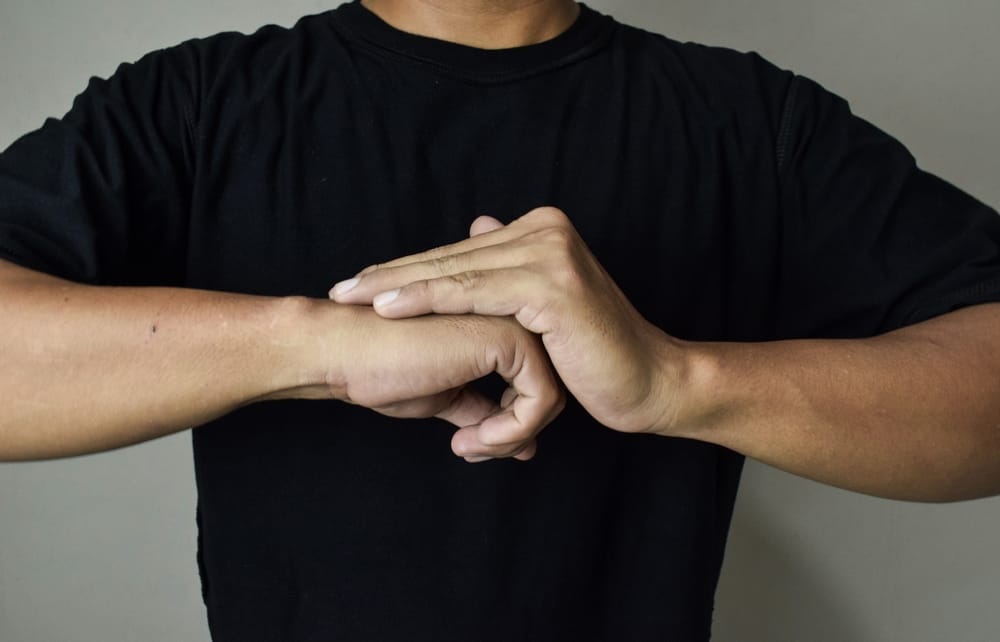
This claim spread through households with the force of a warning siren. The pop sounds, someone frowns, and the myth leaps into the air again. Yet knuckle cracking doesn’t damage joints. The noise comes from pressure changes in the fluid inside them. It can annoy anyone nearby, but that’s social friction, not medical fallout.

Arthritis develops through wear, age, genetics, or immune issues, not from hand habits. The health myths around joint popping persist because the sound feels violent, even when the tissue isn’t. The real risk lies in using the motion to cope with stress until it becomes reflexive, but that’s behavior, not pathology.

2. Sitting Too Close to the TV Ruins Your Eyes

Parents have issued this warning for generations. Maybe they feared a glowing screen would scorch retinas or scramble vision. It doesn’t. Sitting close can create temporary eye strain, but the eyes bounce back. Kids often sit close because they’re trying to see small details, not because they’re damaging anything.

The myth grew from older displays that flickered and produced harsher light. Modern screens don’t pose the same issues. Still, breaks matter. Staring at anything—books, screens, tiny toys—can tire the eyes. That’s normal. Blinking, shifting focus, and standing up every so often keep vision comfortable.

3. You Lose Most Heat Through Your Head

This one took root in cold climates and spread everywhere. The idea sounds plausible: the head houses the brain, so maybe it leaks warmth like an open vent. But heat leaves any exposed skin. If you go outside hatless but bundled up everywhere else, your head becomes the main route for heat loss. That’s context, not a biological rule.

Cover the head if it’s cold, but understand why it helps. Large surface areas lose heat faster. A bare arm or uncovered legs can shed warmth just as quickly. The health myths surrounding temperature control often bend observations into absolutes. The truth here depends on what the rest of the body is doing.

4. Swimming After Eating Gives You Cramps

Almost everyone has heard this at a pool. Eat, wait an hour, then swim. If not, you’d sink from stomach cramps—or so the myth goes. The body doesn’t divert blood so dramatically that limbs stop working. Digestion and movement can coexist just fine.

A heavy meal might make someone sluggish in the water, but that’s a comfort issue. Not a safety hazard. Mild cramps happen for many reasons: dehydration, sudden effort, or cold water. Food timing rarely ranks high on that list. The rule survived because adults needed a way to keep kids from cannonballing immediately after lunch.

5. If You Go Out with Wet Hair, You’ll Catch a Cold

Colds come from viruses, not damp scalps. Being cold can make the body uncomfortable and stress the immune system a bit, but it doesn’t summon infection out of thin air. Wet hair outdoors isn’t ideal in winter, but it won’t spark illness by itself.

The confusion builds from timing. People feel chilled, then get sick days later, so they link the two events. That’s not how viruses work. They spread through contact with others or contaminated surfaces. Comfort aside, wet hair won’t rewrite the rules of transmission. Yet this remains one of the most persistent health myths because it sounds tidy and preventative.

6. Carrots Dramatically Improve Your Vision

Carrots support eye health thanks to vitamin A, but they won’t grant sharper vision or superhuman night sight. The claim grew from wartime propaganda meant to hide advances in technology. The message stuck long after the context faded.

Diet affects the eyes, but no single food transforms them. Balanced nutrients help maintain normal function. That’s important, though far less dramatic than the childhood claims. Vision changes stem from genetics, age, and structural shifts inside the eye—forces carrots can’t override. Still, they remain a staple of health myths because the idea feels wholesome and easy.

7. Sugar Makes Kids Hyper

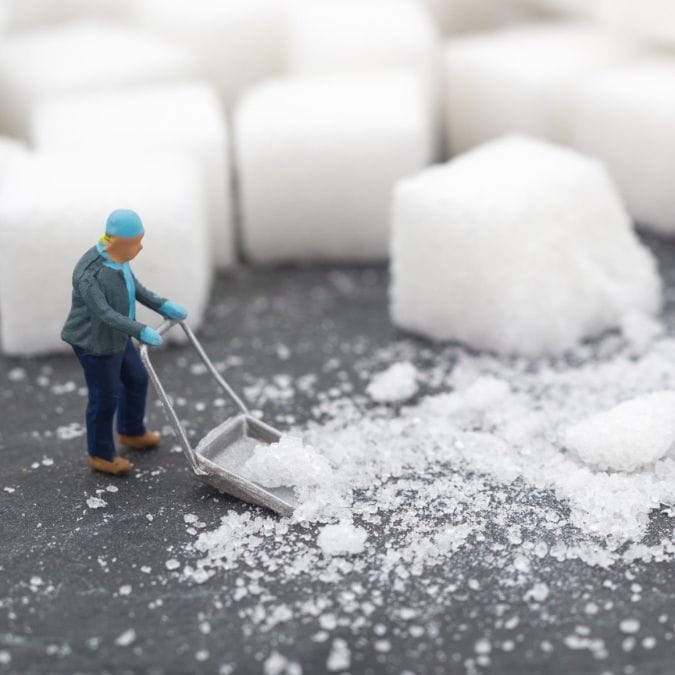
This myth survived countless birthday parties. The chaos, the excitement, the frosting—everything blurs together. Sugar often takes the blame. Yet sugar doesn’t create hyperactivity. Kids act wild at events with noise, people, and stimulation everywhere.

Blood sugar can rise and fall, but that doesn’t mean sudden hyperactivity. The environment drives the energy spikes adults observe. That doesn’t make unlimited sugar a good idea, but it does separate physiology from perception. The health myths around sugar persist because they offer a simple explanation for complex behavior.

Why These Myths Linger

Myths survive because they are simple and easily shared stories. The family stories keep passing between relatives until they become vital historical memories that persist despite scientific evidence showing they are false. Children found structure in health myths from their childhood because these myths explained the unknown world to them. The myths remain hidden until someone chooses to confront them.

The process of debunking myths preserves traditional practices while enabling people to make decisions based on knowledge rather than anxiety. Which childhood myth had the most significant impact on your thinking?

What to Read Next…

  • 8 Rules Around Health Savings Accounts That Still Confuse Seniors
  • 10 Everyday Habits That Could Be Harming Your Brain Over Time
  • 8 Everyday Services That Are Slowly Becoming Subscription Only
  • 8 Everyday Scams Seniors Are Falling For Right Now
  • 8 Email Habits That Make You a Target for Identity Theft After 40
Travis Campbell
Travis Campbell

Travis Campbell is a digital marketer/developer with over 10 years of experience and a writer for over 6 years. He holds a degree in E-commerce and likes to share life advice he’s learned over the years. Travis loves spending time on the golf course or at the gym when he’s not working.

Filed Under: Health & Wellness Tagged With: childhood beliefs, fact-checking, health myths, science, wellness

6 Fitness Fads That Completely Lost Credibility

November 14, 2025 by Travis Campbell Leave a Comment

fitness

Image source: shutterstock.com

New health trends occasionally emerge to dominate fitness centers, social media platforms, and domestic spaces. The fitness industry has experienced numerous questionable trends, which include vibrating belts and miracle shakes. The first excitement about these ideas fades away when scientific data and real-world practice show them to be incorrect. The truth is, many of these so-called revolutions ultimately turn out to be nothing more than marketing masquerading as motivation. People who want to create lasting fitness plans need to recognize ineffective fads because this helps them save time and money and prevents disappointment.

1. Shake Weight

When the Shake Weight hit infomercial screens, it seemed like a quick route to toned arms. The promise was simple: just shake this dumbbell for six minutes a day and watch your muscles transform. In reality, the device offered little more than awkward movement and viral laughs. Exercise experts noted that the motion did not effectively engage muscles or mimic real strength training. This fad lost credibility once users realized that traditional resistance exercises gave far better results without the gimmick.

2. Waist Trainers

Waist trainers gained massive popularity through celebrity endorsements and social media posts showing “instant hourglass” results. The idea was that wearing a tight corset-like band would shrink the waistline and improve posture. But what actually happened was discomfort, restricted breathing, and even bruising for some users. The body doesn’t permanently reshape from external pressure—it just compresses temporarily. Over time, people recognized that this fitness fad lost credibility because it relied on illusion rather than physiology. Real core strength comes from consistent exercise, not squeezing the midsection.

3. Vibrating Platforms

Vibrating exercise platforms are claimed to burn fat, build muscle, and improve circulation simultaneously. The marketing suggested you could stand on a shaking base and achieve the same benefits as a full workout. While vibration can help with balance and recovery in small doses, it’s not a shortcut to fitness. Once studies showed minimal calorie burn and limited muscle activation, the hype faded. Many gyms quietly removed these machines, leaving behind a reminder that flashy tech doesn’t always equal progress. As far as fitness fads lost credibility, this one shook itself out fast.

4. Juice Cleanses

Juice cleanses promised detoxification, quick weight loss, and glowing skin. For a few days, participants would drink nothing but fruit and vegetable juices. It sounded clean and simple, but the reality was nutrient imbalance and blood sugar spikes. The body already has built-in detox systems—the liver and kidneys do that job perfectly well. While short cleanses might offer a mental reset, they don’t create lasting health benefits. As people learned that most of the weight lost was water, not fat, this trend quickly joined the list of fitness fads that lost credibility.

5. ThighMaster

The ThighMaster became an icon of 1990s fitness culture. It promised to sculpt thighs through repetitive squeezing motions while watching TV. The concept was catchy and easy to market, but it was not particularly effective for achieving balanced strength or fat loss. Spot reduction—the idea that you can burn fat in one specific area—has long been debunked. The ThighMaster primarily targeted the inner thigh muscles but largely ignored the rest of the body. Eventually, people realized that compound movements, such as squats and lunges, did far more for overall tone and strength. Another once-famous gadget that couldn’t stand the test of time.

6. Detox Teas

Detox teas took social media by storm, pairing influencer posts with promises of rapid slimming. The supposed secret was a blend of herbs that would flush toxins and flatten stomachs. In truth, most of these teas acted as laxatives, causing dehydration and temporary water loss. The results looked dramatic for a day or two, but quickly reversed. Nutritionists warned that overuse could lead to electrolyte imbalances and digestive issues. Once users connected the dots between bathroom trips and “weight loss,” this fitness fad lost credibility almost overnight. Sustainable weight management relies on the quality and consistency of one’s diet, not the use of tea bags.

Why We Keep Falling for Them

The disappearance of previous trends makes way for fresh patterns to emerge. People find fast results highly appealing when their lives become busy and their health targets seem unreachable. Fitness fads lost credibility because they exploited human impatience and hope, which led people to dismiss practical reasoning. The marketing industry operates in an ongoing cycle because it actively drives change instead of standing still.

Real fitness doesn’t come from shortcuts. Your success depends on creating regular habits and understanding your body’s needs for rest and sleep. Every week brings new products that claim to revolutionize everything, but history shows us many trends have failed to deliver on their promises. Did you attempt any of these fads? What knowledge did you gain from this experience?

What to Read Next…

  • 9 Fast Food Items That Nutritionists Secretly Say Are Worse Than Cigarettes
  • 7 Tactics Grocery Stores Use to Keep You From Thinking About Price
  • 8 Everyday Services That Are Slowly Becoming Subscription Only
  • 6 Online Freebies That End in Identity Theft
  • Are Budgeting Apps Designed to Push You Into Debt
Travis Campbell
Travis Campbell

Travis Campbell is a digital marketer/developer with over 10 years of experience and a writer for over 6 years. He holds a degree in E-commerce and likes to share life advice he’s learned over the years. Travis loves spending time on the golf course or at the gym when he’s not working.

Filed Under: Health & Wellness Tagged With: exercise trends, fitness fads, health myths, nutrition, wellness

13 Falsehoods About Memory That You Should Forget

June 10, 2024 by Teri Monroe Leave a Comment

memory

123rf

Memory is a fundamental aspect of human experience, shaping our identities and influencing our daily lives. However, despite its importance, memory is often misunderstood and surrounded by falsehoods. From the belief that memory works like a video camera to the notion that we only use a small fraction of our brains, these misconceptions can skew our understanding and expectations of how memory functions. By addressing and debunking these common falsehoods, we can develop a more accurate and practical perspective on memory, leading to better cognitive health and overall well-being. In this article, we will explore 13 widespread myths about memory and provide evidence-based insights to help you separate fact from fiction.

1. Memory is Like a Video Camera

video camera

123rf

One of the most pervasive myths about memory is that it functions like a video camera, recording every detail of an event accurately and precisely. In reality, memory is reconstructive, meaning that our brains piece together bits of information to create a coherent narrative. This process can be influenced by numerous factors, including our current emotions, beliefs, and experiences. As a result, memories can be distorted or even completely false.

2. You Only Use 10% of Your Brain

brain

123rf

The notion that we only use 10% of our brain is a widely circulated falsehood. Neuroscience has shown that we use virtually every part of our brain, and most of it is active almost all the time. Memory functions involve complex interactions across various brain regions. This myth undermines the understanding of how dynamic and interconnected our brain activities truly are.

3. Photographic Memory Exists

photographs

123rf

Many people believe in the concept of photographic memory, where an individual can recall images, sounds, and objects with extreme precision. However, scientific evidence for true photographic memory is lacking. What some people experience are exceptional memory skills, often honed through practice and specific mnemonic techniques. These skills are impressive but not the same as having an infallible photographic recall.

4. Memory Decline is Inevitable with Age

senior memory decline

123rf

While it is true that some cognitive decline can occur with aging, it is not an inevitable fate for everyone. Many older adults maintain sharp memories and cognitive functions well into their later years. Lifestyle factors such as regular physical activity, mental stimulation, and social engagement play crucial roles in preserving memory. Age-related memory decline can often be mitigated by staying mentally and physically active.

5. Suppressed Memories are Always Accurate

suppressed memories

123rf

The idea that suppressed or repressed memories, especially those related to traumatic events, are always accurate is controversial and problematic. Research has shown that memories, particularly those of traumatic events, can be highly susceptible to suggestion and alteration. Therapies that attempt to recover these memories can sometimes create false memories. It is essential to approach the topic of recovered memories with caution and scientific rigor.

6. Amnesia Means Forgetting Everything

amnesia

123rf

Amnesia is often dramatized in movies and TV shows as a complete loss of identity and past experiences. In reality, amnesia can take many forms, and it rarely involves a total loss of memory. Most cases involve the inability to form new memories (anterograde amnesia) or difficulty recalling past events (retrograde amnesia). The extent and nature of memory loss in amnesia vary widely depending on the cause and severity.

7. Memory Pills and Supplements are Miracle Cures

supplements

123rf

The market is flooded with pills and supplements claiming to boost memory and cognitive function. However, there is limited scientific evidence supporting the effectiveness of most of these products. Some supplements may offer minor benefits, but they are not miracle cures. This is just one of many memory falsehoods! A balanced diet, regular exercise, and mental engagement are far more effective strategies for maintaining and improving memory.

8. The Internet is Destroying Our Memory

the internet

123rf

There is a growing concern that the Internet and digital devices are harming our memory by making information readily accessible. While it is true that we may rely more on digital tools for storing and retrieving information, this does not necessarily mean our memory is deteriorating. Instead, our brains are adapting to a new way of managing information. The key is to find a balance between using digital tools and exercising our natural memory abilities.

9. All Memories are Created Equal

remembering

123rf

Not all memories are stored with the same level of detail and accuracy. Our brains prioritize certain types of information, such as emotionally charged or significant events, over mundane details. This selective memory process helps us navigate the world more efficiently by focusing on what is most relevant. Understanding this can help us better appreciate the complexities of how we remember and forget.

10. Alcohol Permanently Destroys Memory Cells

alcohol memory falsehoods

123rf

While excessive alcohol consumption can lead to memory impairments and conditions like Wernicke-Korsakoff syndrome, moderate alcohol intake does not necessarily destroy memory cells. The impact of alcohol on memory is more nuanced and depends on factors like the amount consumed, frequency, and individual susceptibility. Moderation is key, and understanding the potential risks can help mitigate long-term memory issues related to alcohol use.

11. You Can Train Your Brain to Have Perfect Memory

crossword puzzle

123rf

While brain training programs and memory techniques can certainly improve your memory skills, the idea of achieving a perfect memory is unrealistic and one of many memory falsehoods. Human memory is inherently fallible and subject to various influences. Training can enhance specific memory tasks, but it does not make memory infallible. Accepting the imperfections of memory while striving for improvement is a more balanced approach.

12. Napping Harms Your Memory

naps memory falsehoods

123rf

Contrary to the belief that napping can disrupt memory and cognitive function, research shows that short naps can actually benefit memory consolidation. A brief nap can help reinforce information learned earlier and improve recall. The key is to keep naps short, around 20-30 minutes, to avoid grogginess and ensure they are refreshing. Incorporating napping strategically can be a valuable tool for memory enhancement.

13. Stress Always Harms Memory

stress memory falsehoods

123rf

It is widely believed that stress is universally detrimental to memory, but the relationship is more complex. Acute stress can enhance memory formation, especially for emotionally charged events. However, chronic stress has a detrimental effect on memory and cognitive function. Managing stress effectively is crucial for maintaining a healthy balance and supporting optimal memory function.

Debunking Memory Falsehoods

memories

123rf

The myths and misconceptions about memory are pervasive, but a nuanced understanding can help us better appreciate its complexities. Memory is not a static, flawless recording device; it is a dynamic, reconstructive process influenced by numerous factors. By dispelling these falsehoods, we can adopt more effective strategies for improving and maintaining our memory. Staying informed and approaching memory with a balanced perspective can enhance our cognitive health and overall well-being.

Photograph of Teri Monroe
Teri Monroe
Teri Monroe started her career in communications working for local government and nonprofits. Today, she is a freelance finance and lifestyle writer and small business owner. Teri holds a B.A. From Elon University.  In her spare time, she loves golfing with her husband, taking her dog Milo on long walks, and playing pickleball with friends.

Filed Under: Lifestyle Tagged With: health, health myths, Lifestyle, well-being

From Cold Cures to Detox Diets: 15 Health Myths Unmasked

May 3, 2024 by Vanessa Bermudez Leave a Comment

health

123rf

In an era dominated by information overload and a plethora of self-proclaimed health gurus, distinguishing fact from fiction in the world of wellness can be daunting. 

From old wives’ tales about curing a common cold to modern marketing ploys like detox diets, it’s easy to get caught up in health myths that promise quick fixes and dramatic results. This article will explore and debunk some of the most common misconceptions to ensure you make well-informed health decisions.

1. Cold Weather Causes Colds

man with colds

123rf

One of the most persistent health myths is that exposure to cold weather can make you sick. In reality, colds are caused by viruses, not temperature. 

While it’s true that colds are more common in winter, this is likely due to people spending more time indoors near each other, thus facilitating virus transmission. 

Dressing warmly and avoiding the cold does not directly prevent colds; it’s more about practicing good hygiene and maintaining a healthy immune system.

2. Starve a Fever, Feed a Cold

woman with fever

123rf

This saying suggests that eating less during a fever and more when you have a cold can help you recover. However, both parts of this advice are misleading. 

When you’re ill, good nutrition always matters. Your body needs more energy and nutrients to fight the infection, whether it’s a cold or a fever.

Proper hydration and a balanced diet can support recovery from any illness.

3. Detox Diets Cleanse Your Body

detox diet

123rf

Detox diets are often touted as a way to remove toxins from the body and promote weight loss. However, the liver and kidneys are naturally efficient at filtering out most toxins. 

Most detox diets are not only unnecessary but can be potentially dangerous by depriving the body of essential nutrients. A balanced diet high in fiber, fruits, and vegetables supports the body’s detox pathways more effectively than any quick-fix detox diet.

4. Carrots Improve Your Vision

woman with poor eyesight

123rf

Carrots are rich in beta-carotene, which the body converts into vitamin A, a nutrient essential for good vision. However, the belief that eating carrots can improve your eyesight is a myth. 

While vitamin A deficiency can lead to vision problems, consuming excess carrots will not enhance vision beyond normal levels. Good eye health is better supported by a diet that includes a variety of nutrients, such as omega-3 fatty acids, antioxidants, and minerals.

5. You Should Drink Eight Glasses of Water a Day

drinking water

123rf

While hydration is essential, the often-cited rule of drinking eight glasses of water per day is not based on scientific evidence. Individual water needs vary based on factors like age, activity level, climate, and dietary intake. 

It’s better to listen to your body and drink when you’re thirsty. Remember that other beverages and high-water-content foods also contribute to your daily water intake.

6. Reading in Dim Light Ruins Your Eyesight

reading in dim light

123rf

Reading in low light won’t permanently damage your eyesight. It can cause temporary eye strain or fatigue, but these are not lasting conditions. 

To avoid discomfort, it’s best to use adequate lighting when reading or doing detailed work. This myth persists likely because people may experience more eye strain as they age, regardless of lighting conditions.

7. Cracking Your Knuckles Causes Arthritis

cracking knuckles

123rf

The sound of cracking knuckles comes from bubbles bursting in the synovial fluid, which helps lubricate joints. While it can be annoying to others, there is no scientific evidence linking this habit to the development of arthritis. 

However, habitual knuckle-cracking may lead to hand swelling and reduced grip strength over time, so while it’s not as harmful as once thought, it’s not entirely benign.

8. Eating Sugar Causes Diabetes

sugar

123rf

Eating sugar by itself does not cause diabetes. Type 2 diabetes develops from a combination of genetic and lifestyle factors, including poor diet, excessive calorie intake, and lack of exercise. 

While sugary foods can contribute to weight gain, which is a risk factor for diabetes, they are not a direct cause. Maintaining a balanced diet and a healthy weight are key preventive measures.

9. You Can Lose Weight in Specific Areas

weight loss

123rf

The idea that you can target fat loss in specific body areas through diet or exercise is a myth. When you lose weight, you lose it throughout your body, depending on your genetic predisposition. 

Focus on a whole-body approach—like cardio, strength training, and a healthy diet—to achieve a toned appearance and reduce overall body fat.

10. Skipping Meals Helps You Lose Weight

woman holding food

123rf

Skipping meals is not an effective strategy for weight loss. It can actually backfire by causing you to eat more at other meals due to increased hunger. 

Regular meals help maintain blood sugar levels, reduce cravings, and improve metabolism. A better approach to weight loss includes eating balanced meals and controlling portion sizes.

11. Eggs Are Bad for Your Heart

sweaty woman

123rf

The myth that eggs are bad for your heart because they contain cholesterol has been debunked. Recent studies show that moderate egg consumption (up to one a day) does not increase the risk of heart disease in healthy individuals. 

Eggs are a nutritious source of protein and other important nutrients that can play a part in a balanced diet.

12. If You’re Not Sweating, You’re Not Working Out Hard Enough

sweaty woman

123rf

Sweat is not a reliable indicator of physical exertion. Sweating is the body’s mechanism to cool down, not necessarily an indicator of calorie burn or workout intensity. 

Some people sweat more than others due to genetic factors or environmental conditions, not because they’re working out harder. Judge the effectiveness of your workout on your heart rate and muscle fatigue, not just the amount of sweat produced.

13. More Protein is Always Better

food rich in protein

123rf

The body needs protein, but more is not always better. Excessive protein intake can lead to digestive, kidney, and vascular problems. 

The key is balance. Ensure you consume the right amount of protein for your body type, activity level, and health goals.

14. Microwaving Food Destroys Nutrients

microwave oven

123rf

Microwaving food is actually one of the best methods to preserve nutrients during cooking, contrary to the myth that it destroys them. The shorter cooking times and reduced use of water in microwaving help retain vitamins and minerals that might be lost in other cooking methods like boiling.

15. Natural or Herbal Products Are Always Safe

herbal products

123rf

Just because a product is labeled natural or herbal does not automatically make it safe for everyone. These products are not always thoroughly tested for efficacy and safety before marketing. 

Some can interact negatively with prescription medications or may not be suitable for everyone, especially pregnant women and those with certain health conditions. 

Always consult with a healthcare professional before starting any new treatment or supplement, especially if it is labeled as natural.

Health is Wealth

woman enjoys sunset

123rf

By challenging these myths with scientific insight and encouraging a more nuanced understanding of health, we empower individuals to make better, more informed decisions about their wellness. Remember, a critical mind is just as important as a healthy body in navigating the complex landscape of modern health advice.

Read More

Stay Young Forever? 14 Non-Exercise Tips That Actually Work

9 Reasons Baby Boomers Are Healthier Than Other Generations

Vanessa Bermudez
Vanessa Bermudez
Vanessa Bermudez is a content writer with over eight years of experience crafting compelling content across a diverse range of niches. Throughout her career, she has tackled an array of subjects, from technology and finance to entertainment and lifestyle. In her spare time, she enjoys spending time with her husband and two kids. She’s also a proud fur mom to four gentle giant dogs.

Filed Under: Myths Tagged With: health, health myths, myths

FOLLOW US

Search this site:

Recent Posts

  • Can My Savings Account Affect My Financial Aid? by Tamila McDonald
  • 12 Ways Gen X’s Views Clash with Millennials… by Tamila McDonald
  • What Advantages and Disadvantages Are There To… by Jacob Sensiba
  • 10 Tactics for Building an Emergency Fund from Scratch by Vanessa Bermudez
  • Call 911: Go To the Emergency Room Immediately If… by Stephen Kanaval
  • 7 Weird Things You Can Sell Online by Tamila McDonald
  • 10 Scary Facts About DriveTime by Tamila McDonald

Copyright © 2026 · News Pro Theme on Genesis Framework