• Home
  • About Us
  • Toolkit
  • Getting Finances Done
    • Hiring Advisors
    • Debt Management
    • Spending Plan
  • Insurance
    • Life Insurance
    • Health Insurance
    • Disability Insurance
    • Homeowners/Renters Insurance
  • Contact Us
  • Privacy Policy
  • Risk Tolerance Quiz

The Free Financial Advisor

You are here: Home / Archives for real estate trends

13% of California Realtors Report Sales Falling Through Due to Insurance Issues

February 5, 2026 by Brandon Marcus Leave a Comment

13% of California Realtors Report Sales Falling Through Due to Insurance Issues

Image source: shutterstock.com

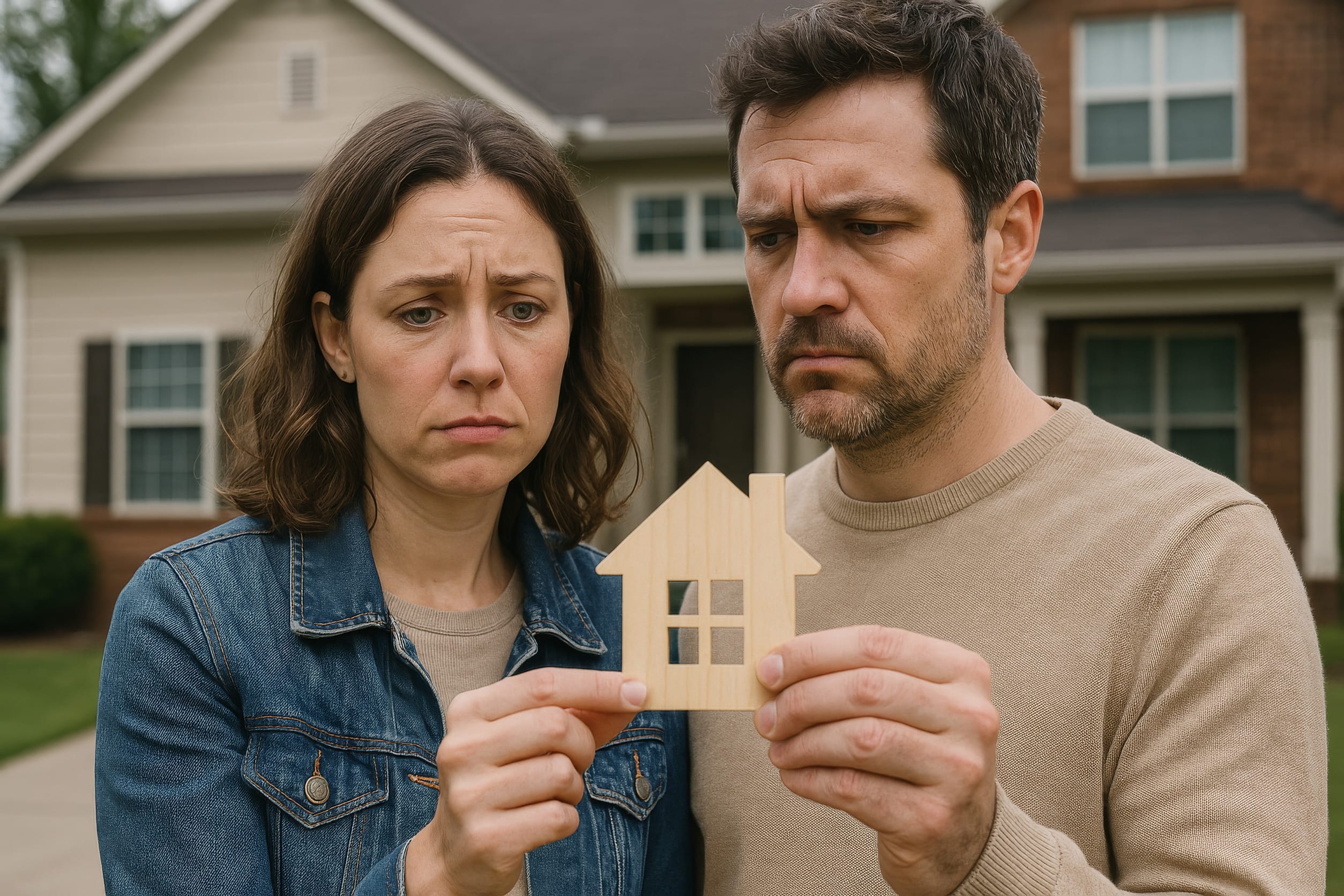
Buying a home is supposed to be exciting—stressful, yes, but exciting. You find “the one,” you make an offer, you imagine where the couch will go, and you start mentally arguing with yourself about paint colors.

But in California, a growing number of buyers never make it to the moving‑in stage. Deals are falling apart not because of bad inspections, cold feet, or financing disasters, but because buyers simply can’t get homeowners insurance. And according to recent data from the California Association of Realtors, 13% of realtors in the state say a home sale fell out of escrow this year due to insurance problems. That’s nearly double last year’s number—and a sign of a crisis that’s reshaping the state’s housing market in real time.

When Insurance Becomes the Dealbreaker No One Saw Coming

For decades, homeowners’ insurance was the quiet, predictable part of buying a home. You called a company, answered a few questions, and got a policy without much drama. But in today’s California, insurance has become one of the biggest wild cards in the entire transaction. With major insurers scaling back coverage, pausing new policies, or raising rates dramatically, buyers are discovering that securing insurance can be harder than securing the mortgage itself.

Realtors report that even well‑qualified buyers are being blindsided when insurers decline coverage due to wildfire risk, location, or property age. When that happens, the deal often collapses—not because the buyer doesn’t want the home, but because they literally can’t insure it. And without insurance, lenders won’t fund the loan. It’s a domino effect that’s catching many buyers off guard.

Why Insurers Are Pulling Back—and How It’s Hitting Buyers

California’s insurance challenges didn’t appear overnight. Years of severe wildfire seasons, rising climate‑related risks, and increasing rebuilding costs have pushed several major insurers to pause or limit new policies. Companies have all scaled back new homeowner coverage in the state in recent years.

Insurers say the math simply doesn’t work anymore: the cost of covering high‑risk areas has outpaced what they can sustainably charge. For buyers, this means fewer options, higher premiums, and more hoops to jump through. Even homes outside high‑risk zones are feeling the ripple effects as insurers tighten underwriting standards across the board. The result is a market where insurance availability—not just price—is becoming a deciding factor in whether a sale moves forward.

13% of California Realtors Report Sales Falling Through Due to Insurance Issues

Image source: shutterstock.com

Escrow Chaos: How Deals Collapse at the Last Minute

One of the most stressful parts of this trend is how late in the process the problem often appears. Buyers may enter escrow feeling confident, only to discover during the insurance‑shopping phase that no company will write a policy for the home. Realtors say this is happening more frequently.

Sometimes buyers can secure coverage through the California FAIR Plan, the state’s insurer of last resort, but even that option comes with limitations and higher costs. When buyers can’t find affordable coverage—or any coverage—the deal stalls. Sellers are left scrambling, buyers are heartbroken, and realtors are stuck navigating a problem that didn’t exist at this scale just a few years ago.

The FAIR Plan: Lifeline or Last Resort?

The California FAIR Plan has become a critical fallback for buyers who can’t secure traditional insurance. According to recent surveys, roughly one in five realtors say their clients ended up using the FAIR Plan to close a deal. While it provides essential fire coverage, it doesn’t offer the full protection of a standard homeowners policy.

Buyers often need to purchase additional “wraparound” coverage to fill the gaps, which can significantly increase costs. For some, the FAIR Plan is a temporary solution until the insurance market stabilizes. For others, it’s the only option available. Either way, relying on the FAIR Plan adds complexity, cost, and uncertainty to the homebuying process—three things no buyer wants more of.

How Realtors Are Adapting to the New Insurance Reality

Realtors aren’t just watching this crisis unfold—they’re actively adjusting how they guide clients. Many now encourage buyers to start the insurance process early, sometimes even before making an offer. Others are working closely with insurance agents to identify which properties are insurable and which may pose challenges.

Some realtors are advising sellers to obtain an insurance quote upfront to reassure potential buyers. And in high‑risk areas, realtors are spending more time educating clients about wildfire mitigation, defensible space, and home‑hardening strategies that may improve insurability. The role of a realtor is expanding, not by choice, but by necessity.

What Buyers Can Do to Protect Themselves

If you’re thinking about buying a home in California, there are smart steps you can take to avoid insurance‑related surprises. Start by checking insurance availability early—don’t wait until you’re deep into escrow. Ask your realtor whether the property is in a high‑risk zone and whether other buyers have had trouble securing coverage in the area. Contact multiple insurers, not just one, because underwriting varies widely.

If the FAIR Plan is your only option, make sure you understand what it covers and what it doesn’t. And most importantly, build insurance costs into your budget. Premiums can be significantly higher than they were just a few years ago, and being prepared can prevent sticker shock later.

A Housing Market Shaped by Risk—and Resilience

California’s insurance crisis isn’t just a temporary inconvenience—it’s reshaping the housing market in ways that will likely continue for years. With 13% of realtors reporting canceled sales due to insurance issues, the problem is too big to ignore. Yet Californians are nothing if not resilient. Buyers, sellers, insurers, and policymakers are all adapting, innovating, and searching for solutions. Whether it’s new regulations, improved wildfire mitigation, or shifts in how insurers assess risk, the landscape is evolving.

What’s your take? Should insurance availability play a bigger role in how buyers choose homes, or is this just a temporary market shake‑up? Share your thoughts in the comments.

You May Also Like…

California’s Insurance Cancellation Crisis: 3.18% of Homeowners Lost Coverage in 2024

California FAIR Plan Exposure Doubles to $650 Billion — 35.8% Rate Hike Requested

Buddhism in California: 10 Interesting Facts About The City of Ten Thousand Buddhas

The Credit Score That Adds $2,000/Year to Florida Homeowner’s Insurance Premiums

The Florida Insurance Trap: Why “Safe” Neighborhoods Are Facing a $500 Monthly Payment Hike This Week


Brandon Marcus
Brandon Marcus

Brandon Marcus is a writer who has been sharing the written word since a very young age. His interests include sports, history, pop culture, and so much more. When he isn’t writing, he spends his time jogging, drinking coffee, or attempting to read a long book he may never complete.

Filed Under: Insurance Tagged With: California, California real estate, escrow issues, Home insurance, homebuyers, housing challenges, Housing Market, insurance crisis, property insurance, real estate agents, real estate trends, wildfire risk

6 Reasons 2025 Is Not Your Year to Buy A House

September 19, 2025 by Catherine Reed Leave a Comment

6 Reasons 2025 Is Not Your Year to Buy A House

Image source: 123rf.com

Buying a home is often seen as the ultimate financial milestone, but timing plays a huge role in whether it’s a smart investment or a costly mistake. Many families are eager to step into the housing market, yet the conditions in 2025 make it a risky year to take the plunge. From interest rates to hidden costs, the landscape is filled with challenges that could turn your dream purchase into a financial headache. Recognizing why 2025 is not your year to buy a house could save you years of regret and thousands of dollars.

1. Interest Rates Remain Unfavorable

Mortgage interest rates continue to hover higher than many buyers expected, driving up monthly payments significantly. Even a small percentage increase can translate to hundreds of extra dollars each month. For families already struggling with rising costs, that added burden makes homeownership less affordable. Financial experts predict that rate drops will be gradual rather than dramatic. This is one clear reason why 2025 is not your year to buy a house if you’re hoping for cheap borrowing costs.

2. Housing Prices Are Still Inflated

Despite talks of cooling, housing prices remain stubbornly high in many markets. Limited inventory keeps competition strong, which means bidding wars still occur in desirable areas. Buyers who rush in may end up paying far more than a property is worth. Waiting allows time for potential corrections in inflated prices. Families should recognize that 2025 is not your year to buy a house if you want fair value for your money.

3. Economic Uncertainty Clouds the Market

The economy continues to send mixed signals, with inflation and job stability still unpredictable. Homeownership requires long-term confidence in your income and expenses, something many households simply don’t have right now. Jumping into a 30-year mortgage without stability could be disastrous. Even if the market looks tempting, uncertainty makes it risky to commit. For this reason, 2025 is not your year to buy a house if financial security isn’t guaranteed.

4. Maintenance Costs Are Rising

Owning a home comes with expenses far beyond the mortgage, and those costs are climbing. From higher utility bills to pricier materials for repairs, maintaining a house now eats up more of a household budget than ever before. Buyers often underestimate these additional costs when calculating affordability. Renting, for the moment, may be cheaper and less stressful. That reality makes 2025 not your year to buy a house if you aren’t prepared for ongoing expenses.

5. Better Investment Opportunities Exist Elsewhere

The money you would put into a down payment might work harder for you in other investments right now. With housing prices still high and returns uncertain, the stock market or retirement accounts may offer better growth potential. Locking funds into an overpriced property can limit flexibility and financial progress. Diversifying before committing to homeownership could make more sense. This is yet another reason 2025 is not your year to buy a house if you’re focused on long-term wealth.

6. Flexibility Matters More Than Ever

Committing to a home means tying yourself to one location, which may not align with modern realities. Job changes, economic shifts, and family needs often require mobility. Renting offers the flexibility to adapt without the burden of selling during uncertain times. A mortgage can lock you into a situation that quickly becomes financially and emotionally draining. That’s why 2025 is not your year to buy a house if adaptability is important to your lifestyle.

Sometimes Waiting Saves You Thousands

Patience can be the smartest financial move when conditions are stacked against you. By holding off, you give yourself time to build savings, wait for interest rates to adjust, and avoid paying peak prices. More importantly, waiting keeps you from rushing into a purchase that doesn’t fit your long-term goals. Homeownership will still be an option in the future, and entering the market at the right time makes all the difference. The smartest buyers know that sometimes the best investment is knowing when not to buy.

Do you agree that 2025 is not your year to buy a house, or are you planning to take the leap anyway? Share your perspective in the comments below.

What to Read Next…

How Much Home Can You Really Afford? Hint: Don’t Believe The Mortgage Company

10 Financial Traps People Walk Into After Buying a New House

Could Ignoring HOA Rules Destroy the Value of Your Home

6 Lesser-Known Risks of Owning Vacation Property

8 Financial Myths That People Still Pass Down to Kids

Catherine Reed
Catherine Reed

Catherine is a tech-savvy writer who has focused on the personal finance space for more than eight years. She has a Bachelor’s in Information Technology and enjoys showcasing how tech can simplify everyday personal finance tasks like budgeting, spending tracking, and planning for the future. Additionally, she’s explored the ins and outs of the world of side hustles and loves to share what she’s learned along the way. When she’s not working, you can find her relaxing at home in the Pacific Northwest with her two cats or enjoying a cup of coffee at her neighborhood cafe.

Filed Under: Real Estate Tagged With: 2025 is not your year to buy a house, financial advice, home buying tips, Housing Market, mortgage rates, real estate trends

The Real Reason Landlords Are Suddenly Canceling Month-to-Month Leases

July 20, 2025 by Travis Campbell Leave a Comment

house for rent

Image Source: pexels.com

Month-to-month leases used to be a win-win. Renters liked the flexibility. Landlords liked the steady income without long-term commitment. But lately, more renters are getting that dreaded notice: your lease is canceled. It’s not just happening in one city or state. It’s everywhere. If you’re renting, this shift matters. It could mean you have to move with little warning, or pay more to stay. Here’s why landlords are suddenly canceling month-to-month leases—and what you can do about it.

1. Rising Property Values Push Landlords to Sell

Home prices have jumped in many areas. Landlords see a chance to cash out. If a property’s value has gone up 20% in two years, selling now can mean a big profit. Month-to-month leases make it easy for landlords to clear out tenants fast. They don’t have to wait for a year-long lease to end. This is happening in both hot markets and places where prices are just starting to rise. If your landlord cancels your lease, they might be getting ready to sell.

2. New Laws Make Renting Riskier for Landlords

Some cities and states have passed new rules to protect renters. These laws can make it harder for landlords to raise rent or evict tenants. For example, some places now require “just cause” for eviction, even for month-to-month renters. Others limit how much rent can go up each year. Landlords who don’t want to deal with these rules may cancel leases before new laws take effect. They want to avoid getting stuck with a tenant they can’t easily remove or charge more. If you live in a place with new tenant protections, your landlord might be acting now to avoid future headaches.

3. Short-Term Rentals Are More Profitable

Platforms like Airbnb and Vrbo have changed the game. In many cities, landlords can make more money renting to tourists by the night or week. A unit that rents for $1,500 a month might bring in $3,000 as a short-term rental. Month-to-month leases are easy to end, so landlords can switch to short-term rentals fast. This trend is especially strong in vacation spots and big cities. If your landlord cancels your lease, they might be planning to list the unit on a short-term rental site.

4. Higher Interest Rates Change the Math

Interest rates have gone up. That means higher mortgage payments for landlords with adjustable-rate loans. Some landlords can’t cover the new costs with the current rent. They may cancel month-to-month leases to raise the rent for new tenants or to sell the property. If your landlord’s costs have gone up, they might be looking for ways to make the numbers work. Month-to-month leases give them the flexibility to act fast.

5. Insurance and Maintenance Costs Are Climbing

It’s not just mortgages. Insurance premiums and repair costs are up, too. Landlords are paying more for everything from roof repairs to property taxes. Some decide it’s not worth the hassle. Others want to raise rent to cover costs, but local laws or market limits make that tough. Canceling month-to-month leases lets landlords reset the rent or rethink their investment. If your building needs major repairs, your landlord might want everyone out before work starts.

6. Landlords Want More Predictable Tenants

Month-to-month leases are flexible, but they’re also risky for landlords. Tenants can leave with little notice. That means empty units and lost income. Some landlords are moving back to year-long leases. They want stability. If you get a notice canceling your month-to-month lease, your landlord might offer you a longer lease at a higher rate. It’s a way to lock in income and reduce turnover.

7. Market Uncertainty Makes Landlords Nervous

The economy feels shaky. Some landlords worry about falling home prices, job losses, or new regulations. They want to control their risk. Canceling month-to-month leases gives them options. They can sell, renovate, or just wait and see. If your landlord seems jumpy, it might be about more than just your lease. They’re watching the market and making moves to protect themselves.

8. Renters Are More Informed and Assertive

Renters today know their rights. They ask for repairs, challenge rent hikes, and push back on unfair treatment. Some landlords don’t want the hassle. Month-to-month leases are easy to end, so they use that power. If you’re a tenant who stands up for yourself, your landlord might see you as “high maintenance.” It’s not fair, but it happens.

9. Pandemic-Era Eviction Bans Changed the Landscape

During the pandemic, eviction bans made it hard for landlords to remove tenants, even for nonpayment. Some landlords are still feeling the effects. They want more control now. Canceling month-to-month leases is one way to avoid getting stuck again. If you’re renting month-to-month, your landlord might be thinking about what happened in 2020 and 2021.

10. Some Landlords Are Just Restructuring

Not every lease cancellation is about money or laws. Some landlords are changing how they manage their properties. They might want to renovate, combine units, or move in themselves. Month-to-month leases make these changes easier. If your landlord cancels your lease, ask why. Sometimes, it’s just a business decision.

What Renters Can Do Next

Month-to-month leases are less secure than they used to be. If you’re renting this way, have a backup plan. Save for moving costs. Know your rights in your city or state. Talk to your landlord about a longer lease if you want more stability. And if you get a cancellation notice, act fast. Look for new places, ask for more time, and get everything in writing. The rental market is changing, but you can still protect yourself.

Have you had your month-to-month lease canceled? How did you handle it? Share your story in the comments.

Read More

5 Things that Can Happen If You Buy A Home WIth A Solar Lease

Lease vs. Own: A Company’s Guide To Having Its Own Building

Travis Campbell
Travis Campbell

Travis Campbell is a digital marketer/developer with over 10 years of experience and a writer for over 6 years. He holds a degree in E-commerce and likes to share life advice he’s learned over the years. Travis loves spending time on the golf course or at the gym when he’s not working.

Filed Under: Real Estate Tagged With: housing, landlord tips, month-to-month lease, real estate trends, rental market, renting advice, tenant rights

Neighborhoods With the Fastest Decline in Home Equity

July 8, 2025 by Travis Campbell Leave a Comment

neighborhood

Image Source: pexels.com

Homeownership is often seen as a cornerstone of financial security, but what happens when your home’s value starts to slip? The decline in home equity can catch even the most prepared homeowners off guard, impacting everything from your net worth to your ability to refinance or sell. With shifting market conditions, some neighborhoods are experiencing a much faster drop in home equity than others. Understanding where these declines are occurring—and why—can help you make more informed decisions about buying, selling, or holding onto your property. Whether you’re a current homeowner, a prospective buyer, or just keeping an eye on your local market, knowing which areas are most at risk is crucial for protecting your financial future.

Let’s break down the neighborhoods with the fastest decline in home equity and what you can do if you find yourself in one of these areas.

1. Urban Centers Facing Population Decline

Major cities that once attracted waves of new residents are now seeing people move out in search of affordability and space. As remote work becomes more common, urban neighborhoods in cities like San Francisco and New York have seen a noticeable decline in home equity. Fewer buyers and increased inventory mean home values can drop quickly. If you own property in one of these urban centers, consider how local job trends and migration patterns might affect your home’s value. Staying informed about city planning and economic development can help you anticipate further changes.

2. Suburbs With Overbuilt Housing

During the housing boom, many suburban neighborhoods saw rapid construction to meet demand. Now, some of these areas are experiencing a decline in home equity as supply outpaces demand. Overbuilt suburbs, especially those on the outskirts of major cities, can see home values drop when there are too many similar properties on the market. If you live in a newer development, keep an eye on the number of homes for sale nearby. To protect your investment, focus on maintaining your property and consider upgrades that make your home stand out from others in the neighborhood.

3. Regions Hit Hard by Natural Disasters

Neighborhoods that have recently faced hurricanes, wildfires, or floods often see a sharp decline in home equity. Insurance costs rise, and buyers become wary of future risks, leading to lower demand and falling prices. For example, parts of Florida and California have experienced significant declines in home values following repeated natural disasters. If you’re in a high-risk area, investing in mitigation measures—like flood-proofing or fire-resistant landscaping—can help preserve your home’s value.

4. Rust Belt Cities with Declining Industries

Cities in the Rust Belt, such as Detroit and Cleveland, have long struggled with job losses and population decline. Neighborhoods in these areas often experience a steady decline in home equity as local economies contract. If you own property in a city with shrinking industries, diversifying your investments and staying involved in community revitalization efforts can help offset potential losses. Watch for signs of new economic development, as these can signal a turnaround in home values.

5. Vacation Destinations Losing Popularity

Some neighborhoods in traditional vacation hotspots are seeing a decline in home equity as travel trends shift. Areas that once thrived on seasonal tourism—like certain beach towns or ski resorts—may struggle when visitor numbers drop. This can lead to an increase in homes on the market and falling prices. If you own a property in a vacation area, consider how changes in travel habits or local attractions might affect demand. Renting out your home during peak seasons or marketing it to remote workers can help maintain its value.

6. Older Neighborhoods with Aging Infrastructure

Neighborhoods with outdated infrastructure—such as old water lines, roads, or schools—can see a faster decline in home equity. Buyers are often wary of the potential costs and inconveniences associated with repairs and upgrades. If you live in an older area, staying proactive about maintenance and advocating for community improvements can help protect your investment. Joining local homeowner associations or attending city council meetings can give you a voice in neighborhood upgrades.

7. Areas With High Foreclosure Rates

High foreclosure rates can drag down home values in any neighborhood. When multiple homes are repossessed and sold at a discount, it sets a lower benchmark for the entire area, accelerating the decline in home equity. If you notice an uptick in foreclosures in your area, it’s essential to monitor your home’s value and consider refinancing or selling before prices drop further. Staying connected with local real estate professionals can provide early warnings about market shifts.

Protecting Your Home Equity in a Changing Market

The decline in home equity isn’t just a headline—it’s a real challenge that can affect your financial stability and future plans. By staying informed about local trends, maintaining your property, and being proactive about upgrades, you can help shield your investment from market downturns. Remember, real estate markets are cyclical, and neighborhoods can rebound with the right mix of community action and economic development. Keep an eye on the factors that influence your area, and don’t hesitate to seek professional advice if you’re concerned about your home’s value.

Have you noticed changes in home equity in your neighborhood? Share your experiences or tips in the comments below!

Read More

5 Biggest Refinance Concerns

Federal Reserve Report: Hang On For Rough Ride…

Travis Campbell
Travis Campbell

Travis Campbell is a digital marketer/developer with over 10 years of experience and a writer for over 6 years. He holds a degree in E-commerce and likes to share life advice he’s learned over the years. Travis loves spending time on the golf course or at the gym when he’s not working.

Filed Under: Real Estate Tagged With: home equity, homeownership, Housing Market, neighborhoods, Personal Finance, property value, Real estate, real estate trends

8 Overcrowded Cities That Are Too Expensive For Most Middle Class Americans

April 27, 2025 by Travis Campbell Leave a Comment

new york city

Image Source: pexels.com

The American dream of homeownership is becoming increasingly elusive in many major metropolitan areas. As housing costs soar and wages struggle to keep pace, middle-class families find themselves priced out of cities they once called home. The financial strain isn’t just about housing—it extends to everyday expenses, commuting costs, and quality of life. Understanding which urban centers have become financially prohibitive can help families decide where to build their futures. Let’s explore eight cities where the cost of living has outpaced middle-class means.

1. San Francisco, California

San Francisco tops virtually every list of unaffordable American cities. With median home prices hovering around $1.3 million and average rent for a one-bedroom apartment exceeding $3,000, the city has become a Code Playground for tech elites while pushing out middle-class residents. The city’s cost of living is approximately 80% higher than the national average.

Teachers, firefighters, and other essential workers often commute two or more hours daily from outlying areas. Despite high salaries compared to national averages, a family earning $100,000 annually, well above the national median, would still qualify as “low income” by the Department of Housing and Urban Development’s standards for the San Francisco area.

2. New York City, New York

The Big Apple’s housing crisis continues to intensify, with Manhattan’s average apartment selling for over $1.9 million. Even in outer boroughs, prices remain prohibitive for middle-class families. According to recent data from StreetEasy, a family needs to earn approximately $165,000 annually to afford a typical two-bedroom apartment in Brooklyn.

The city’s aging infrastructure, high taxes, and expensive childcare (averaging $2,500 monthly per child) create additional financial pressure. Many middle-class professionals—including healthcare workers, educators, and civil servants—are relocating to more affordable regions despite the city’s cultural and professional opportunities.

3. Los Angeles, California

Los Angeles combines high housing costs with notorious traffic congestion, creating both financial and quality-of-life challenges. The median home price exceeds $950,000, while average rent for a modest two-bedroom apartment approaches $2,800 monthly.

Transportation costs compound the affordability crisis. The city’s sprawling layout and limited public transit options force many residents to own vehicles and endure lengthy commutes. According to MIT’s Living Wage Calculator, a family of four needs approximately $122,000 annually to maintain a modest but adequate standard of living in Los Angeles County, well beyond what many middle-class families earn.

4. Boston, Massachusetts

Boston’s historic charm and educational institutions come with a steep price tag. The city’s housing market has seen dramatic appreciation, with median home prices reaching approximately $800,000. Rental costs have similarly escalated, with average two-bedroom apartments commanding $3,000+ monthly.

The city’s harsh winters add to living expenses through high heating costs. Additionally, Massachusetts has relatively high state income taxes. Despite strong salaries in sectors like healthcare, education, and technology, middle-class families increasingly find themselves priced out of desirable neighborhoods and forced into lengthy commutes from more affordable suburbs.

5. Seattle, Washington

Once considered a more affordable alternative to California cities, Seattle has experienced dramatic cost increases driven by its booming tech sector. Median home prices have surpassed $850,000, while average rents for family-sized apartments exceed $2,500 monthly.

The city’s topography—surrounded by water and mountains—limits expansion and drives up land values. While Washington State has no income tax, its sales and property taxes rank among the nation’s highest. Middle-class families increasingly relocate to distant suburbs or neighboring cities like Tacoma, trading affordability for lengthy commutes.

6. Washington, D.C.

The nation’s capital combines high housing costs with expensive childcare and transportation. Median home prices approach $700,000, while family-sized rentals average $2,800 monthly. The metropolitan area’s extensive but aging public transportation system requires significant maintenance, resulting in high fares.

Government employees—once the backbone of D.C.’s middle class—increasingly struggle to afford living within a reasonable commuting distance of their workplaces. Many families relocate to Virginia or Maryland suburbs, though even these areas have experienced significant price appreciation in recent years.

7. Honolulu, Hawaii

Paradise comes at a premium in Honolulu, where geographic isolation drives up costs for virtually everything. Median home prices exceed $850,000, while the “paradise tax” affects everything from groceries (often 50% higher than mainland prices) to utilities (Hawaii has America’s highest electricity rates).

Middle-class families face unique challenges in Honolulu, including limited career options outside the tourism and government sectors. The “island fever” phenomenon—feeling trapped by geographic limitations—compounds financial stress for many residents who cannot afford regular trips to the mainland to visit family or experience different environments.

8. San Diego, California

San Diego’s perfect weather and coastal location have created a housing market that is increasingly inaccessible to middle-class families. Median home prices exceed $825,000, while average rents for family-sized apartments approach $2,700 monthly.

The city’s economy, heavily dependent on tourism, military, and healthcare, offers limited high-paying opportunities compared to tech-dominated markets. Many middle-class families find themselves house-poor or forced into lengthy commutes from inland communities where temperatures regularly exceed 100 degrees during summer months—a stark contrast to the moderate coastal climate that makes San Diego desirable.

The Hidden Costs of Urban Exodus

As middle-class families flee these expensive cities, they face unexpected challenges. Longer commutes reduce family time and increase transportation costs. Suburban and rural areas often have fewer amenities and cultural opportunities. Remote work options have provided flexibility for some, but many essential workers—healthcare providers, educators, service industry employees—don’t have this luxury.

The exodus also transforms the cities, creating economically homogeneous enclaves lacking the diversity and vibrancy that once defined American urban life. Without middle-class residents, cities lose essential workers, community leaders, and the economic diversity that creates resilient local economies.

Have you experienced being priced out of a city you once called home? What strategies have you used to maintain financial stability in an increasingly expensive urban environment?

Read More

10 Signs You’re Heading Towards a Financial Disaster

How Much Should You Be Paying for Rent?

Travis Campbell
Travis Campbell

Travis Campbell is a digital marketer/developer with over 10 years of experience and a writer for over 6 years. He holds a degree in E-commerce and likes to share life advice he’s learned over the years. Travis loves spending time on the golf course or at the gym when he’s not working.

Filed Under: Travel Tagged With: Cost of living, expensive cities, housing affordability, housing crisis, middle class, Planning, real estate trends, urban exodus

The Fastest-Growing NC Cities You’ve Probably Never Heard Of

April 1, 2025 by Latrice Perez Leave a Comment

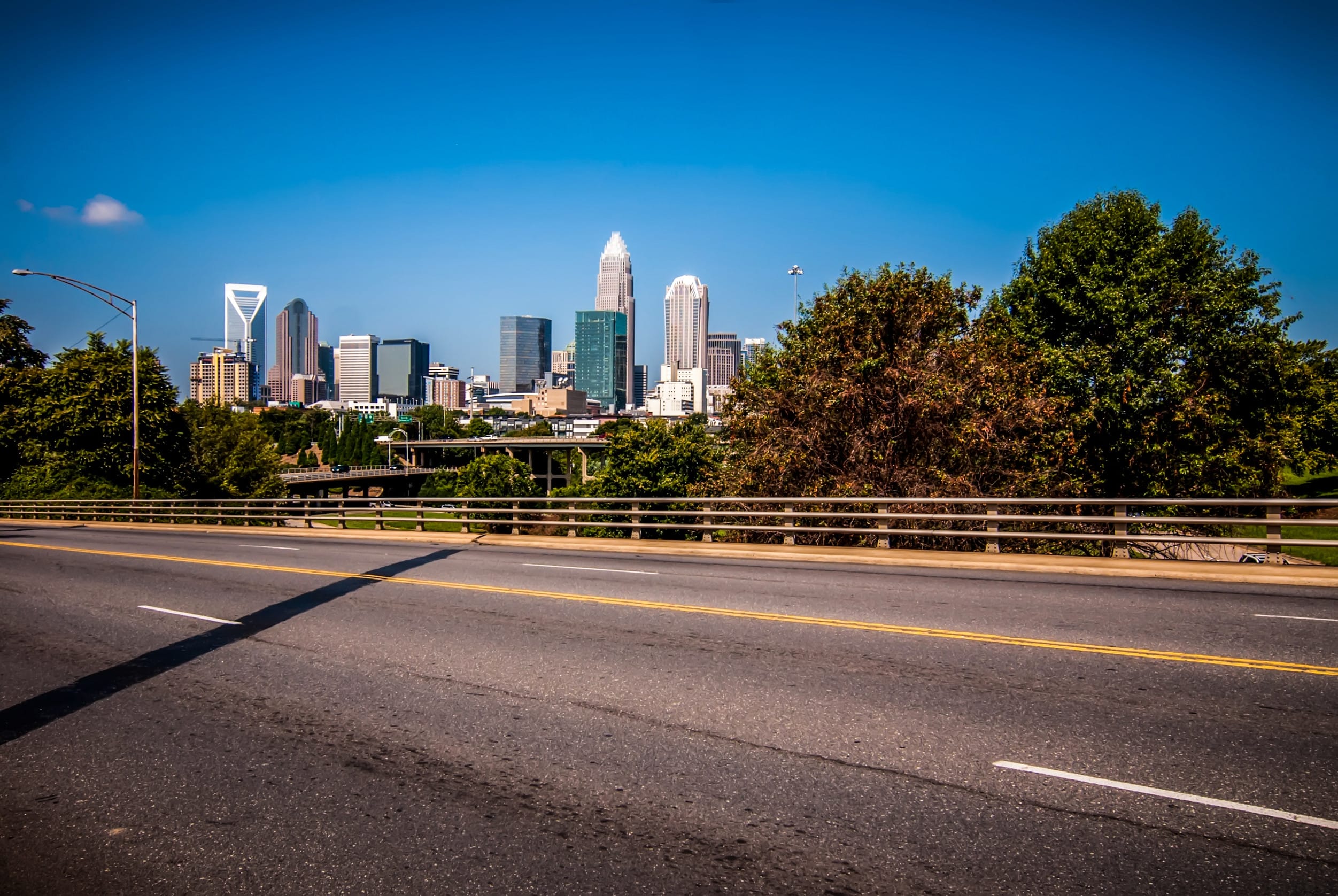
Skyline of Uptown Charlotte, North Carolina.

Image Source: 123rf.com

While major cities like Charlotte and Raleigh dominate discussions about North Carolina’s growth, several lesser-known cities are experiencing remarkable expansion. This article highlights ten emerging hotspots that are transforming the state’s demographic landscape. These cities offer unique opportunities for economic development, quality living, and community engagement. Understanding these trends can reveal hidden gems that might be the perfect place to call home.

Rolesville

Rolesville, located in northeastern Wake County, has been among North Carolina’s top three fastest-growing communities since 2005. Its population increased by 150% between 2010 and 2020, reaching approximately 9,700 residents in 2022. The town’s proximity to Raleigh offers residents a suburban lifestyle with easy access to urban amenities. Rolesville’s family-friendly environment and ongoing new housing developments continue to drive its growth.

Zebulon

Situated in eastern Wake County, Zebulon recorded a 13% population growth in the 2020 census and is now estimated to have reached 10,000 residents by August 2023. Factors such as affordable living and business incentives are spurring its expansion. The town is committed to development and enhancing community infrastructure, making it an attractive option for newcomers. Zebulon exemplifies the promising potential of smaller North Carolina towns.

Leland

In Brunswick County, Leland has experienced dramatic growth, with its population rising from 13,527 in 2010 to 23,504 in 2020. Its appeal lies in its proximity to Wilmington and a blend of suburban and coastal living. The town has invested heavily in parks, recreational facilities, and infrastructure improvements. Leland’s rapid expansion highlights its emerging status as a top choice for new residents.

Clayton

Clayton, located in Johnston County, benefits from its proximity to Raleigh and Research Triangle Park. The town offers a balanced mix of residential communities and business opportunities, attracting families and professionals. Investments in education and healthcare have bolstered its growth, making it an increasingly attractive suburb. Clayton’s steady progress mirrors the overall upward trend in North Carolina’s real estate market.

Fuquay-Varina

Neon sign on store at night

Image Source: 123rf.com

Fuquay-Varina, in Wake County, has seen significant growth with its unique blend of historic charm and modern amenities. Its expanding downtown area features diverse shops, restaurants, and breweries that attract new residents. The town’s rapid development is fueled by its proximity to Raleigh and strong community initiatives. Fuquay-Varina offers an inviting mix of small-town appeal and urban convenience.

Holly Springs

Holly Springs has transformed from a small rural community into a thriving suburban town. Its strategic location near Research Triangle Park, along with top-rated schools, has attracted a diverse population. Investments in parks and cultural events have strengthened community ties, enhancing its livability. Holly Springs represents the successful integration of growth with quality of life.

Waxhaw

Waxhaw, located in Union County, is known for its picturesque downtown and historic charm. The town has seen rapid growth while maintaining its unique identity and community spirit. Its close proximity to Charlotte allows residents to enjoy the benefits of both small-town life and big-city amenities. Waxhaw’s balance of tradition and modernity makes it a rising star among North Carolina’s emerging cities.

Kannapolis

Kannapolis in Cabarrus County has undergone significant revitalization, spurred by the North Carolina Research Campus and other local initiatives. The city now offers improved housing, educational opportunities, and cultural events. This transformation has attracted professionals and families seeking both opportunity and a vibrant community. Kannapolis is a prime example of how focused development can fuel rapid growth.

Concord

Adjacent to Kannapolis, Concord continues to experience steady population growth driven by economic diversity and cultural attractions. The city benefits from landmarks like the Charlotte Motor Speedway and modern shopping centers. Its historic downtown coexists with contemporary amenities, offering residents a unique living experience. Concord’s blend of old and new contributes to its dynamic appeal.

Fastest Growing Cities Go Beyond The Well-Known

North Carolina’s fastest-growing cities go beyond the well-known hubs of Charlotte and Raleigh, offering exciting opportunities in smaller communities. These emerging cities, from Rolesville to Concord, provide affordable living, strong community ties, and robust economic growth. Their rapid expansion is reshaping the state’s demographic landscape and revealing hidden gems for potential residents.

Did you know anything about these cities before now? Would you look into moving to one of them? Let us know in the comments.

Read More:

Why South Carolina is Beating Florida in Retirement Relocation

The Real Cost of Living in South Carolina—And What’s Changing in 2025

Latrice Perez

Latrice is a dedicated professional with a rich background in social work, complemented by an Associate Degree in the field. Her journey has been uniquely shaped by the rewarding experience of being a stay-at-home mom to her two children, aged 13 and 5. This role has not only been a testament to her commitment to family but has also provided her with invaluable life lessons and insights.

As a mother, Latrice has embraced the opportunity to educate her children on essential life skills, with a special focus on financial literacy, the nuances of life, and the importance of inner peace.

Filed Under: Real Estate Tagged With: Concord, emerging cities, growing cities, Kannapolis, North Carolina growth, population growth, real estate trends, relocation

  • « Previous Page
  • 1
  • 2
  • 3

FOLLOW US

Search this site:

Recent Posts

  • Can My Savings Account Affect My Financial Aid? by Tamila McDonald
  • 12 Ways Gen X’s Views Clash with Millennials… by Tamila McDonald
  • What Advantages and Disadvantages Are There To… by Jacob Sensiba
  • 10 Tactics for Building an Emergency Fund from Scratch by Vanessa Bermudez
  • Call 911: Go To the Emergency Room Immediately If… by Stephen Kanaval
  • 7 Weird Things You Can Sell Online by Tamila McDonald
  • 10 Scary Facts About DriveTime by Tamila McDonald

Copyright © 2026 · News Pro Theme on Genesis Framework