
• Home
  • About Us
  • Getting Finances Done
    • Hiring Advisors
    • Debt Management
    • Spending Plan
  • Insurance
    • Life Insurance
    • Health Insurance
    • Disability Insurance
    • Homeowners/Renters Insurance
  • Contact Us
  • Our Editorial Commitment

The Free Financial Advisor

You are here: Home / Archives for insurance premiums

7 Financial Choices That Seem Safe Until They Aren’t

January 24, 2026 by Brandon Marcus Leave a Comment

7 Financial Choices That Seem Safe Until They Aren’t
Image source: shutterstock.com

Money mistakes aren’t always the dramatic kind that make headlines. Sometimes, they lurk in plain sight, dressed in the reassuring clothes of “safe decisions.” You think you’re doing everything right—saving diligently, investing carefully, avoiding debt—but a few seemingly innocent choices can actually sabotage your finances without you noticing.

Imagine getting a little shock years down the line because a decision you trusted turns out to have hidden pitfalls. That’s the territory we’re entering today. Let’s pull back the curtain on seven financial moves that might feel harmless or even smart, but are actually ticking time bombs for your wallet.

1. Keeping Cash Under Your Mattress Or In A Checking Account

It sounds crazy, but some people genuinely feel safer holding on to physical cash or keeping all their money in a standard checking account. The problem is, inflation is quietly eroding the purchasing power of that cash every single year. What looked like $10,000 last year might not buy nearly as much today, and that gap widens over time.

Checking accounts also usually pay near-zero interest, meaning your money isn’t working for you at all. There’s no compounding growth, no opportunity to harness investments, and your funds are essentially stagnating. Sure, it’s “safe” from the stock market’s ups and downs, but that safety is deceptive because it doesn’t protect against the invisible thief of inflation. Meanwhile, investing even a portion wisely could have you building real long-term wealth instead of just watching numbers sit still.

2. Relying Only On Employer Retirement Plans

Many people lean heavily on their 401(k) or pension plan and assume that’s enough. Employer plans are great, but they aren’t one-size-fits-all, and they often lack the flexibility needed for changing circumstances. Contribution limits, investment options, and fees can all quietly chip away at your growth potential. Some employees even overestimate how much they’ll need at retirement because they assume their employer will fully cover future inflation or healthcare costs.

If you ignore outside opportunities like IRAs, Roth accounts, or other investment vehicles, you could be leaving significant money on the table. Diversifying your retirement strategy can provide a much safer cushion against market fluctuations and unexpected life events. In short, assuming your employer’s plan is a silver bullet is a surprisingly risky choice.

3. Paying Only The Minimum On Credit Cards

The minimum payment trick seems like a stress-free solution. You only pay what’s required, your account stays current, and you avoid late fees. Sounds safe, right? The reality is far less comforting. High-interest rates compound quickly, and what seems like a manageable balance can balloon into a long-term debt trap. Years can pass, and you might still owe more than you initially borrowed, even while faithfully making those minimum payments.

This slow-motion financial drain is one of the sneakiest forms of “safe” behavior because it looks responsible on the surface. Paying a bit more than the minimum each month can save you tens of thousands in interest over time, creating freedom and peace of mind.

7 Financial Choices That Seem Safe Until They Aren’t
Image source: shutterstock.com

4. Buying “Too Safe” Investments

Certificates of deposit, government bonds, and ultra-conservative mutual funds are often praised as safe bets. While low-risk assets protect your principal, they can also fail to keep up with inflation. Your money might technically be safe, but if it doesn’t grow, your future purchasing power shrinks. Investors sometimes focus so much on avoiding risk that they miss opportunities for modest growth that outpaces inflation.

This is especially important for younger investors who have decades to recover from market dips. The key is balance: a mix of secure and growth-oriented investments can provide both safety and real progress toward financial goals.

5. Co-Signing Loans For Friends Or Family

Helping someone out financially feels noble, but co-signing a loan is one of those decisions that can backfire spectacularly. If the primary borrower misses a payment or defaults, you are legally responsible for the debt. This can impact your credit score, limit your ability to get loans, and even lead to collections actions against you. It’s tempting to trust loved ones, but emotions don’t cancel out financial responsibility.

Understanding the potential consequences fully before putting your signature on the dotted line is critical. Sometimes saying no is actually the safest and kindest choice—for both parties.

6. Ignoring Insurance Or Having The Wrong Coverage

Insurance is boring until you need it. Many people skip coverage thinking it’s an unnecessary expense, or they pick the cheapest plan and assume it’s adequate. The truth is, underinsurance or no insurance can devastate your finances in an instant. Medical emergencies, natural disasters, or liability claims can wipe out savings faster than you can react.

Comprehensive coverage might cost a little more upfront but can save you from catastrophic losses down the line. Regularly reviewing and updating your policies ensures your safety net is both current and sufficient.

7. Overestimating Passive Income Streams

The promise of passive income is seductive—earn money while you sleep, they say—but it’s rarely as simple as it sounds. Rental properties, online businesses, or dividend stocks all require ongoing attention and carry risks that aren’t immediately obvious. Market shifts, tenant vacancies, or regulatory changes can quickly erode the expected income.

People often treat passive income as guaranteed when in reality it’s more like semi-passive; it demands effort, monitoring, and sometimes unexpected financial input. Overreliance on assumed income streams can leave you exposed when reality doesn’t match expectations.

What Decisions Will You Make?

Financial decisions that seem safe can sometimes be the riskiest ones of all. Awareness, research, and a willingness to adapt are your best tools for avoiding long-term pitfalls.

What financial choices have you made that turned out differently than you expected? Or have you spotted “safe” moves that really weren’t?

You May Also Like…

10 Personal Finance Lessons People Learn the Hard Way

What Are The Worst Choices You Can Make As A New Investor?

8 Poor Choices People Make When They Make Too Much Money

How a Solid Estate Plan Can Protect Your Finances

Tired Of Being Single? Avoid These 5 Career Choices


Brandon Marcus
Brandon Marcus

Brandon Marcus is a writer who has been sharing the written word since a very young age. His interests include sports, history, pop culture, and so much more. When he isn’t writing, he spends his time jogging, drinking coffee, or attempting to read a long book he may never complete.


Filed Under: Finance Tagged With: cash, finance, financial choices, financial decisions, Insurance, insurance premiums, investing, investments, Money, money issues, overspending, Passive income, passive income stream, Retirement, retirement accounts, retirement planning, safe financial choices, safe investments, safe spending, spending

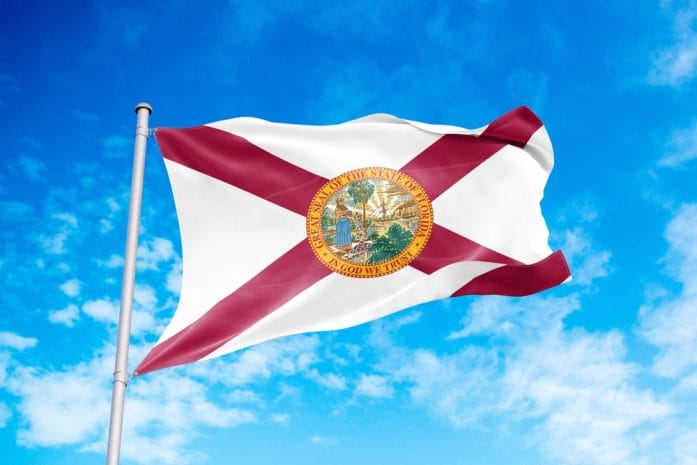
The Florida Premium Spike: Why Your ‘Affordable’ Health Plan Just Quadrupled in Cost Overnight

January 16, 2026 by Brandon Marcus Leave a Comment

The Florida Premium Spike: Why Your 'Affordable' Health Plan Just Quadrupled in Cost Overnight
Image source: shutterstock.com

The bill arrived like a thunderclap on a sunny afternoon. One day, your Florida health plan felt manageable, even responsible. The next, the premium looked like it belonged to a luxury sports car lease instead of a routine monthly expense. Phones lit up, inboxes flooded, and dinner conversations turned into financial post-mortems.

This wasn’t a slow creep or an annual nudge upward; it felt instant, dramatic, and deeply personal. Welcome to Florida’s premium spike, where “affordable” suddenly became a loaded word.

How Florida Became Ground Zero For Premium Shock

Florida has long been a unique beast in the health insurance world, and not always in a good way. The state relies heavily on the Affordable Care Act marketplace, yet it also has one of the highest percentages of residents paying full price for coverage. Insurers in Florida face a population that skews older, has higher rates of chronic illness, and uses more health services than many other states.

That combination alone pushes premiums upward before any policy changes even enter the conversation. When insurers recalculate risk each year, Florida often lands on the expensive end of the spectrum. The result is a market where even small shifts can produce jaw-dropping numbers.

The Subsidy Cliff That Turns A Hill Into A Canyon

For many Floridians, the real shock comes from losing financial help rather than from insurers raising base prices alone. Premium tax credits are income-based, and even modest income changes can sharply reduce or eliminate them. A raise, a side gig that did well, or a spouse returning to work can quietly push a household over a subsidy threshold.

When that happens, the government contribution shrinks or disappears, revealing the plan’s full, unsubsidized cost. What felt like a four-figure annual plan can instantly become a five-figure one. To the consumer, it looks like the plan quadrupled overnight, even though the underlying price was always there, hiding behind subsidies.

Insurer Repricing And Plan Restructuring Shake The Table

Insurance companies don’t just tweak prices; they also redesign plans from the ground up. Networks change, deductibles move, and cost-sharing formulas get reshuffled. In Florida, several insurers have responded to rising medical costs by repricing aggressively or exiting certain counties altogether. Less competition almost always means higher premiums for the plans that remain.

Even staying with the “same” insurer doesn’t guarantee stability, because that plan may no longer exist in its previous form. When consumers are auto-enrolled into a similar but more expensive option, the increase can feel sudden and unfair, even though it followed industry rules.

Age, Location, And Health Costs Quietly Pile On

Health insurance pricing is deeply personal, even if it doesn’t feel that way. Age plays a major role, and premiums are legally allowed to increase significantly as policyholders get older. Florida’s county-by-county pricing adds another twist, since local hospital costs and provider pricing vary widely. A move across county lines can change a premium more than switching cars or cell phone plans ever could.

Add in Florida’s high use of emergency care and specialty services, and insurers factor those costs into future rates. None of this happens in isolation, and together it can turn a routine renewal into a financial shockwave.

The Florida Premium Spike: Why Your 'Affordable' Health Plan Just Quadrupled in Cost Overnight
Image source: shutterstock.com

Why This Feels So Sudden Even When It Is Not

Part of the outrage comes from timing and communication. Renewal notices often arrive close to the enrollment deadline, leaving little time to digest or compare options. Insurance language is dense, and many people understandably tune it out until the dollar amount forces attention. When multiple factors hit at once, such as subsidy changes, age increases, and plan restructuring, the math compounds quickly. The consumer experience feels like a trapdoor opening rather than a staircase you saw coming. That emotional whiplash is real, and it explains why so many Floridians feel blindsided rather than merely annoyed.

What Happens Next Is A Conversation About Florida’s Health

The Florida premium spike isn’t just about numbers on a statement; it’s about trust, transparency, and how people plan their lives around healthcare costs. Understanding the mechanics doesn’t erase the frustration, but it does restore a bit of control. Every renewal season tells a slightly different story, shaped by policy decisions, insurer behavior, and personal circumstances.

If this spike caught you off guard, you’re far from alone. The comments section below is open for your experiences, questions, and reflections on how this sudden change has affected your household.

You May Also Like…

The Florida Insurance Trap: Why “Safe” Neighborhoods Are Facing a $500 Monthly Payment Hike This Week

Why South Carolina is Beating Florida in Retirement Relocation

Legacy Insider: 4 Estate Secrets Wealthy Families Use

Retiring Early? Here Are Your Best Health Insurance Options Explained

8 Critical Questions You Must Ask Before Buying Long-Term Care Insurance

Brandon Marcus
Brandon Marcus

Brandon Marcus is a writer who has been sharing the written word since a very young age. His interests include sports, history, pop culture, and so much more. When he isn’t writing, he spends his time jogging, drinking coffee, or attempting to read a long book he may never complete.
Filed Under: Lifestyle Tagged With: America, best type of insurance, Florida, health, health and safety, health and wellness, health costs, health insurance, health insurance premium, healthcare, Insurance, insurance premiums, Life, Lifestyle, United States

8 Shocking Costs of Ignoring Small Medical Bills

September 26, 2025 by Travis Campbell Leave a Comment

medical bills
Image source: pexels.com

Many people brush off small medical bills, assuming a $50 or $100 charge isn’t worth worrying about. But ignoring these expenses can quickly spiral into much larger problems. The healthcare system in the U.S. is complex, and even minor unpaid balances can trigger a cascade of financial headaches. While it’s tempting to put off payment or assume a bill will just “go away,” that’s rarely how things work out. In fact, the costs of ignoring small medical bills often go far beyond the original amount owed. Understanding these consequences can help you avoid unnecessary stress and protect your financial health.

1. Damage to Your Credit Score

One of the most significant consequences of ignoring small medical bills is the impact on your credit score. Even a minor unpaid balance can end up on your credit report if it goes to collections. Medical providers may wait a few months before sending unpaid bills to a collection agency, but once they do, the impact can be long-lasting. A single collections account can lower your credit score by dozens of points, making it harder to qualify for loans, credit cards, or even rental housing. Repairing your credit after a medical collections event can take years, and the negative mark may remain on your report for up to seven years.

2. Accumulating Late Fees and Interest

Small medical bills don’t just sit quietly when ignored. Many providers add late fees or interest to unpaid balances. These extra charges can quickly add up, sometimes doubling or tripling the original amount owed. What started as a manageable expense can balloon into a significant debt. The longer you wait, the more you’ll end up paying in the end—simply because you didn’t address the bill promptly.

3. Collection Agency Harassment

When you ignore small medical bills, there’s a strong chance they’ll be handed over to collection agencies. These agencies are persistent, often calling, emailing, or sending letters to demand payment. Repeated contacts can be stressful and disruptive, especially if they reach you at work or contact your family members. The stress of dealing with aggressive collectors is a high price to pay for avoiding a minor bill. In some cases, collectors may even threaten legal action if the debt remains unpaid.

4. Loss of Access to Healthcare Providers

If you ignore medical bills from your doctor, clinic, or hospital, you might find yourself unable to schedule future appointments. Many providers have policies that restrict access to patients with unpaid balances. This means you could be denied care or forced to pay the entire debt before receiving additional treatment. Ignoring small medical bills can ultimately put your health at risk if you’re unable to see your preferred healthcare professionals when you need them.

5. Legal Action and Court Judgments

It might sound extreme, but unpaid small medical bills can sometimes lead to lawsuits. If a provider or collection agency decides to pursue legal action, you could face court fees and, if you lose, a judgment against you. Court judgments can lead to wage garnishment or bank account levies, making the original bill seem trivial by comparison. Legal trouble is a major cost of ignoring small medical bills that few people anticipate.

6. Difficulty Obtaining Loans or Credit

Having unpaid medical bills on your credit report can significantly increase the difficulty of obtaining approval for loans, credit cards, or even a mortgage. Lenders see unpaid medical debt as a red flag, even if the original amount was small. You may be offered higher interest rates or denied credit altogether. The cost of higher borrowing rates over time can be substantial, far outweighing the original bill.

7. Increased Insurance Premiums

Some insurance companies check your credit report when setting premiums for auto, home, or even life insurance. If small medical bills have damaged your credit, you could face higher monthly premiums. Over time, these increased costs add up. Ignoring small medical bills can have a ripple effect, making everything from car insurance to renters’ insurance more expensive.

8. Emotional Stress and Anxiety

Financial stress is one of the most common sources of anxiety for Americans. Ignoring small medical bills doesn’t make them disappear—instead, it often leads to ongoing worry about debt collectors, legal action, or damaged credit. This emotional toll can affect your sleep, relationships, and even your physical health. Paying attention to small medical bills helps maintain peace of mind and prevents stress from escalating into more significant problems.

How to Handle Small Medical Bills Proactively

Small medical bills may seem insignificant at first, but as you’ve seen, the costs of ignoring small medical bills can be surprisingly high. The best approach is to address these bills as soon as you receive them. Review each bill carefully to ensure it’s accurate, and don’t hesitate to ask your provider or insurer for clarification if something looks off. If you can’t pay the full amount right away, ask about payment plans or financial assistance options. Many providers are willing to work with you—especially when you communicate early and honestly.

Staying on top of your medical expenses not only protects your credit and finances but also gives you peace of mind. Have you ever had a small medical bill turn into a big problem? Share your experiences in the comments below!

What to Read Next…

  • Can An Unpaid Medical Bill Really Lead To Property Seizure?
  • 5 Emergency Repairs That Could Force You Into Debt Overnight
  • 5 Things That Instantly Decrease Your Credit Score By 50 Points
  • 7 Financial Assumptions That Collapse After One Health Emergency
  • 10 Money Mistakes People Make After Losing A Spouse
Travis Campbell
Travis Campbell

Travis Campbell is a digital marketer/developer with over 10 years of experience and a writer for over 6 years. He holds a degree in E-commerce and likes to share life advice he’s learned over the years. Travis loves spending time on the golf course or at the gym when he’s not working.

Filed Under: Health & Wellness Tagged With: credit score, debt collection, Financial Health, insurance premiums, medical bills

8 Expenses That Quietly Rise Every Time Interest Rates Drop

September 14, 2025 by Travis Campbell Leave a Comment

interest
Image source: pexels.com

When interest rates fall, many people cheer because borrowing becomes cheaper. Mortgages, car loans, and credit cards might get more affordable for a while. But there’s a flip side that doesn’t get as much attention. Several everyday expenses quietly creep up when rates are low. These price hikes can sneak up on your budget, especially if you’re not watching closely. Understanding which expenses increase as interest rates drop can help you plan better and avoid surprises. Let’s look at eight costs that often rise in this environment—and why you need to pay attention to them.

1. Home Prices

One of the most noticeable expenses that rise when interest rates drop is home prices. With lower mortgage rates, more people can afford to buy homes or qualify for bigger loans. This increased demand pushes home prices higher. Sellers know buyers have more purchasing power, so they often raise asking prices. If you’re considering buying, be aware that a low-rate environment could mean paying more for the same property. Home prices are a classic example of how falling interest rates can indirectly increase your long-term costs.

2. Rent

As home prices climb, rent often follows. People who can’t afford to buy in a hot market turn to renting instead. This increased demand for rentals gives landlords room to raise rents. Even if you aren’t in the market to buy, you might feel the pinch in your monthly rent check. Landlords also face higher property taxes and maintenance costs as property values increase, which they may pass on to tenants. If you’re renting, keep an eye on the local housing market when interest rates drop, as it can signal rent hikes ahead.

3. Insurance Premiums

Insurance companies invest the premiums you pay to earn returns. When interest rates are low, their investment income falls. To make up for the shortfall, insurers often raise premiums on products like auto, home, and life insurance. This means you might see your annual bill go up even if you haven’t made any claims. The impact is especially noticeable for long-term policies, where the insurer’s ability to earn interest is a key part of their pricing. Always review your insurance policies and shop around if you notice a steady increase in premiums during a low-rate period.

4. College Tuition

Colleges and universities also feel the effects of lower interest rates. Many schools rely on income from endowments, which are invested in bonds and other interest-sensitive assets. When rates fall, investment returns shrink, causing schools to look elsewhere for revenue. Often, this leads to tuition and fee increases. Students and parents can end up paying more, even as student loan rates drop. Rising college tuition is a hidden expense that can quietly grow when the cost of borrowing falls.

5. Health Care Costs

Health care is another area where expenses can rise as interest rates drop. Hospitals and health systems often borrow money to fund new buildings or equipment. Lower rates make borrowing cheaper, which can lead to more construction and upgrades. While that sounds positive, these improvements frequently result in higher bills for patients as providers look to recoup their investments. Additionally, insurance companies facing lower investment returns may pass on costs to consumers through higher premiums or out-of-pocket expenses. Health care costs are a prime example of expenses that quietly rise every time interest rates drop.

6. Utility Bills

Utility companies also borrow large sums for infrastructure projects. When rates are low, they may accelerate upgrades or expansions. While the initial investment is cheaper, the costs are often recouped through higher rates for consumers. In some cases, utilities may seek regulatory approval to raise prices, citing increased capital expenditures. Over time, this can lead to a noticeable rise in your monthly utility bills. Even if you don’t see an immediate jump, be prepared for gradual increases when interest rates remain low for an extended period.

7. Consumer Goods

Low interest rates can boost consumer spending. When people have access to cheaper credit, they tend to buy more. Retailers, seeing the uptick in demand, may raise prices on everything from electronics to clothing. Manufacturers may also face higher input costs as demand for raw materials rises. The end result? Everyday items at the store can quietly become more expensive. If you’re budgeting, watch for subtle price increases in the goods you buy most often during periods of low interest rates.

8. Investment Fees

Investment firms and mutual funds often rely on interest income as part of their business model. When interest rates drop, they may raise management fees or create new charges to offset lost income. This is especially true for funds that promise steady returns, such as money market or bond funds. Over time, these increased fees can quietly erode your investment returns. It’s important to review your investment accounts and compare fees regularly, especially during low-rate environments. Sites like Morningstar can help you compare fund expenses and find better options for your portfolio.

Planning Ahead When Interest Rates Drop

It’s easy to focus on the immediate benefits of falling interest rates—lower loan payments and easier access to credit. But as you’ve seen, several expenses quietly rise every time interest rates drop. From home prices and rent to health care costs and insurance premiums, these creeping costs can add up quickly. Being aware of these trends helps you make smarter financial decisions when rates are low.

Adjust your budget as needed, and don’t be afraid to negotiate or shop around for better deals. With a little planning, you can balance the benefits of lower rates with the hidden costs that often come with them.

Which rising expense has surprised you the most when interest rates dropped? Share your story in the comments below!

What to Read Next…

  • Are These 7 Little Expenses Quietly Costing You Thousands A Year?
  • 6 Monthly Bills You Should Cancel Immediately Even If You Can Afford Them
  • 7 Hidden Fees That Aren’t Labeled As Fees At All
  • 8 Everyday Services That Are Slowly Becoming Subscription Only
  • 5 Invisible Service Charges Eating Into Your Bank Balance
Travis Campbell
Travis Campbell

Travis Campbell is a digital marketer/developer with over 10 years of experience and a writer for over 6 years. He holds a degree in E-commerce and likes to share life advice he’s learned over the years. Travis loves spending time on the golf course or at the gym when he’s not working.

Filed Under: Finance Tagged With: budgeting, hidden costs, home prices, insurance premiums, interest rates, Personal Finance, rising expenses

Could Buying Too Much Insurance Be as Costly as Having None

September 1, 2025 by Travis Campbell Leave a Comment

insurance
Image source: pexels.com

Insurance is meant to offer peace of mind and protect your finances from unexpected setbacks. Most people focus on the risks of being underinsured—what happens if disaster strikes and your coverage falls short? But there’s another side to the story that often gets overlooked. Could buying too much insurance be as costly as having none at all? While it’s tempting to cover every possible scenario, overinsuring can quietly drain your wallet and complicate your financial picture. Understanding the risks and consequences of excessive insurance is crucial for anyone who wants to make smart decisions about their money. Let’s explore how too much coverage can actually work against you.

1. The Cost of Overlapping Policies

When you’re worried about protecting yourself, it’s easy to double up on coverage. For example, you might have both a comprehensive health insurance plan and multiple supplemental policies that cover the same events. Or, you could hold several types of life insurance for the same beneficiaries. These overlapping policies often mean you’re paying more than necessary for the same protection. The money spent on redundant coverage could be put to better use elsewhere—like saving for retirement or building an emergency fund.

The primary keyword here, “too much insurance,” is central to this pitfall. Too much insurance doesn’t just mean extra paperwork; it means real dollars lost every month. Take a close look at your policies and ask yourself if you’re paying twice for the same peace of mind.

2. Opportunity Cost of Excess Premiums

Every dollar spent on insurance premiums is a dollar you can’t use for other goals. If you’re consistently paying high premiums because you’re overinsured, you’re missing out on opportunities to invest or save. Over time, those missed opportunities can add up to significant lost wealth. For instance, if you’re spending $200 extra each month on unnecessary coverage, that’s $2,400 a year that could have grown in a retirement account or paid down debt.

Opportunity cost is rarely discussed when people talk about insurance, but it’s a real consequence of having too much insurance. It’s important to balance your need for protection with your long-term financial goals.

3. Unnecessary Complexity and Confusion

Managing multiple insurance policies can get complicated fast. The more policies you have, the harder it becomes to keep track of coverage limits, exclusions, and renewal dates. When you have too much insurance, you might not even know what each policy covers. This confusion can lead to missed claims, lapsed policies, or paying for coverage you no longer need.

Complexity also increases the risk of administrative errors. If you need to file a claim, you may struggle to figure out which policy applies, slowing down the process and adding stress during an already difficult time.

4. Psychological Trap: Feeling “Safer” Than You Are

Buying too much insurance can create a false sense of security. You might feel invincible, thinking every possible risk is covered. But not all policies are created equal, and some may have exclusions or limitations that leave you exposed. In some cases, the psychological comfort of over insuring can cause people to take unnecessary risks or neglect other forms of financial planning.

It’s important to remember that insurance is just one part of a healthy financial plan. Relying too heavily on insurance can distract from building savings or investing for the future.

5. The Risk of Paying for Coverage You Can’t Use

Some insurance policies have strict payout limits or conditions in place. For example, if you buy multiple health or disability policies, insurers may coordinate benefits to ensure you don’t receive more than your actual expenses or lost income. In practice, this means you could be paying premiums for coverage you’ll never be able to access. This is a classic sign of having too much insurance.

Before adding another policy, consider whether you’re likely to benefit from it. If not, those premiums might be better spent elsewhere.

6. Impact on Your Budget and Cash Flow

Monthly insurance premiums can add up quickly, especially if you have several policies. Too much insurance can quietly squeeze your budget, leaving less room for essentials or discretionary spending. Over time, this can lead to financial stress or force you to cut back in other areas.

Staying mindful of your cash flow is key. If your insurance bills are starting to feel overwhelming, it might be time to reassess your coverage and make sure you’re not paying for more than you need.

How to Find the Right Balance

Finding the sweet spot between too little and too much insurance is a personal process. Start by reviewing your existing policies and identifying any overlaps or gaps. Consider your unique risks, financial goals, and family situation. Don’t be afraid to ask questions or seek advice from a trusted, fee-only financial planner.

Remember, the goal is to protect yourself from major financial setbacks without overpaying. Too much insurance can quietly erode your wealth just as surely as having none at all. Take the time to ensure your coverage is the right fit for your life and budget.

Have you ever realized you were overinsured, or do you worry about not having enough coverage? Share your thoughts and experiences in the comments below!

What to Read Next…

  • 8 Insurance Riders That Sound Helpful But Add No Value
  • 7 Insurance Policies That Stop Making Sense After Age 65
  • What Insurance Fine Print Could Void Your Entire Claim
  • The Insurance You Bought For Legacy Planning Might Expire Before You Do
  • The Fine Print That Made Life Insurance Payouts Smaller Than Expected
Travis Campbell
Travis Campbell

Travis Campbell is a digital marketer/developer with over 10 years of experience and a writer for over 6 years. He holds a degree in E-commerce and likes to share life advice he’s learned over the years. Travis loves spending time on the golf course or at the gym when he’s not working.

Filed Under: Insurance Tagged With: budgeting, Insurance, insurance premiums, overinsurance, Personal Finance, Planning, Risk management

Home Insurance Premiums Are About to Spike Again—Here’s Why

July 16, 2025 by Travis Campbell Leave a Comment

home insurance
Image Source: pexels.com

Home insurance premiums are rising again, and it’s not just a small bump. Many homeowners are opening renewal letters and seeing numbers that make them pause. If you own a home, this matters. Higher premiums mean less room in your budget for other things. And if you’re shopping for a new policy, you might be shocked by the quotes. Understanding why home insurance premiums are going up can help you plan, avoid surprises, and maybe even save some money. Here’s what’s driving the spike and what you can do about it.

1. Extreme Weather Is Getting Worse

Storms, wildfires, floods, and hurricanes are happening more often. And they’re causing more damage. Insurance companies pay out billions after these disasters. To cover those costs, they raise home insurance premiums for everyone, not just people in high-risk areas. Even if you live far from the coast or in a place that rarely floods, you’re still affected. The risk is spread out. This means your premium goes up, even if you’ve never filed a claim. The trend isn’t slowing down. Scientists say severe weather will keep getting worse, which means insurance costs will keep rising.

2. Home Repair Costs Are Climbing

It costs more to fix a house now than it did a few years ago. Lumber, roofing, drywall, and even labor are all more expensive. When a storm or fire damages a home, insurance companies have to pay more to repair it. They pass those costs on to you through higher home insurance premiums. Even small claims cost more than they used to. If your policy hasn’t been updated in a while, you might be underinsured. That means you could pay out of pocket if something big happens. Review your coverage and make sure it matches today’s repair costs.

3. Reinsurance Rates Are Up

Insurance companies buy their own insurance, called reinsurance, to protect themselves from big losses. Reinsurance rates have gone up a lot in the past year. When reinsurers charge more, regular insurance companies have to raise their own prices. This is a behind-the-scenes cost, but it affects your home insurance premium directly. You can’t control reinsurance rates, but you can shop around for the best deal. Some companies are better at managing these costs than others.

4. More Lawsuits and Bigger Settlements

Lawsuits over property damage and liability claims are more common. And the payouts are bigger. When someone slips on your icy sidewalk or a tree falls on a neighbor’s car, the costs can be huge. Insurance companies have to cover these risks. As legal costs go up, so do home insurance premiums. Some states see more lawsuits than others, but the trend is nationwide. You can lower your risk by keeping your property safe and well-maintained. Trim trees, fix broken steps, and clear ice in winter.

5. Insurers Are Pulling Out of Risky Areas

Some insurance companies are leaving states or regions that have too many claims. This is happening in places with lots of wildfires, hurricanes, or floods. When companies leave, there’s less competition. Fewer choices mean higher home insurance premiums for everyone who stays. If your insurer pulls out, you might have to buy coverage from a state-run plan, which can be expensive and offer less protection. If you live in a risky area, start looking for alternatives now. Don’t wait until your policy is canceled.

6. Inflation Is Hitting Insurance Hard

Inflation affects everything, including home insurance premiums. When the cost of living goes up, so does the cost to rebuild or repair a home. Insurance companies adjust their rates to keep up. This isn’t just about materials and labor. Administrative costs, technology, and even customer service are more expensive. Inflation is a big reason why your premium might jump, even if nothing else has changed. Review your policy every year and ask your agent if you qualify for any discounts.

7. More People Are Filing Claims

There’s been an increase in the number of claims filed, even for small issues. Some people file claims for things they used to pay for themselves, like minor water damage or theft. When more people file claims, insurance companies pay out more money. To make up for it, they raise home insurance premiums for everyone. Think carefully before filing a small claim. Sometimes it’s better to pay out of pocket and keep your claims history clean.

8. New Technology Is Changing Risk

Smart home devices, like water leak detectors and security cameras, can lower risk. But not everyone uses them. Insurance companies are still figuring out how to price policies for homes with and without these devices. If you don’t have smart tech, you might pay more. On the other hand, some companies offer discounts if you install certain devices. Ask your insurer if you can save by adding smart home features. It could help offset rising home insurance premiums.

What You Can Do to Protect Your Budget

Home insurance premiums are going up, but you’re not powerless. Shop around every year. Compare quotes from at least three companies. Ask about discounts for bundling, security systems, or loyalty. Raise your deductible if you can afford it. Keep your home in good shape to avoid claims. And review your coverage to make sure you’re not paying for things you don’t need.

Have you seen your home insurance premium go up this year? What steps are you taking to manage the cost? Share your experience in the comments.

Read More

5 Expensive Emergencies That Happen Right After You Cancel Insurance

10 Types of Insurance You Didn’t Know You Needed

Travis Campbell
Travis Campbell

Travis Campbell is a digital marketer/developer with over 10 years of experience and a writer for over 6 years. He holds a degree in E-commerce and likes to share life advice he’s learned over the years. Travis loves spending time on the golf course or at the gym when he’s not working.

Filed Under: Insurance Tagged With: budgeting, Home insurance, homeowners, Inflation, insurance premiums, insurance tips, Personal Finance, property insurance

  • « Previous Page
  • 1
  • 2

Follow Us

Search this site:

Recent Posts

  • Can My Savings Account Affect My Financial Aid? by Tamila McDonald
  • 12 Ways Gen X’s Views Clash with Millennials… by Tamila McDonald
  • What Advantages and Disadvantages Are There To… by Jacob Sensiba
  • 10 Tactics for Building an Emergency Fund from Scratch by Vanessa Bermudez
  • Call 911: Go To the Emergency Room Immediately If… by Stephen Kanaval
  • 7 Weird Things You Can Sell Online by Tamila McDonald
  • 10 Scary Facts About DriveTime by Tamila McDonald

Copyright © 2026 · News Pro Theme on Genesis Framework