• Home
  • About Us
  • Toolkit
  • Getting Finances Done
    • Hiring Advisors
    • Debt Management
    • Spending Plan
  • Insurance
    • Life Insurance
    • Health Insurance
    • Disability Insurance
    • Homeowners/Renters Insurance
  • Contact Us
  • Privacy Policy
  • Risk Tolerance Quiz

The Free Financial Advisor

You are here: Home / Archives for home safety

What’s Really Happening When You Hear Three Taps on Your Window at Night

June 13, 2025 by Travis Campbell Leave a Comment

window tapping

Image Source: pexels.com

Have you ever been jolted awake by three taps on your window at night? It’s a sound that can send your imagination racing, especially when the world outside is dark and quiet. Those mysterious taps can be unsettling, whether you live in a bustling city or a quiet suburb. Are they a sign of something supernatural, a simple coincidence, or a warning you shouldn’t ignore? Understanding what’s really happening when you hear three taps on your window at night can help you sleep easier and make smarter decisions about your safety and peace of mind. Let’s break down the most common explanations and what you should do if you find yourself in this situation.

1. Nature’s Nighttime Visitors

Birds, bats, and even insects are often the culprits behind those three taps on your window at night. Many birds are active at dawn and dusk, and some, like owls, are nocturnal. Bats may swoop close to windows for insects attracted by indoor lights. Even large moths or beetles can make surprisingly loud noises when they hit glass. Check for signs of wildlife outside your window if you hear three taps. Look for feathers, droppings, or smudges on the glass. Keeping outdoor lights off or using curtains can reduce the chances of attracting these nighttime visitors.

2. Weather and Temperature Changes

Temperature fluctuations can cause your home’s materials to expand and contract, leading to unexpected noises. Glass, wood, and metal all respond to changes in temperature, especially during the night when things cool down rapidly. These shifts can create tapping or popping sounds that seem to come from your window. If you notice the tapping happens during certain weather conditions or seasons, it’s likely just your house adjusting to the environment. Regular maintenance and weatherproofing can help minimize these noises and keep your home comfortable.

3. Branches and Debris

Overhanging tree branches, loose shutters, or even windblown debris can easily cause three taps on your window at night. Windy conditions can make branches scrape or tap against the glass in a rhythmic pattern. Take a look outside during the day to see if any branches are close to your windows. Trimming trees and securing loose objects around your home can prevent these disturbances and protect your windows from damage during storms.

4. Plumbing and Heating Systems

Sometimes, the source of the tapping isn’t outside at all. Pipes, radiators, and heating systems can make tapping or knocking sounds as water moves through them or as they heat up and cool down. These sounds can echo through walls and make it seem like they’re coming from your window. If you hear three taps on your window at night and can’t find an external cause, consider whether your plumbing or heating system is running. Regular inspections and maintenance can help identify and fix noisy pipes, making your nights quieter.

5. Security Concerns and Safety Precautions

While most causes of three taps on your window at night are harmless, it’s important not to ignore the possibility of a security issue. Someone could be testing to see if anyone is home or trying to get your attention. Always prioritize your safety. Make sure your windows and doors are locked, and consider installing motion-activated lights or security cameras. If you feel threatened or notice other suspicious activity, don’t hesitate to contact local authorities.

6. The Power of Suggestion and Sleep

Our minds are especially active at night, and it’s easy to misinterpret ordinary sounds when we’re half asleep. The power of suggestion—like hearing stories about mysterious taps—can make us more likely to notice and worry about these noises. Sleep cycles also play a role; we’re more sensitive to sounds during lighter stages of sleep. If you find yourself anxious about three taps on your window at night, try relaxation techniques or white noise machines to help you rest.

7. When to Take Action

If the tapping is persistent, increasing, or accompanied by other unusual signs, like footprints, damage, or repeated disturbances. Document what you hear and see, and consider talking to neighbors to see if they’ve experienced anything similar. Sometimes, a pattern can emerge that points to a specific cause or concern. Please don’t ignore your instincts; it’s better to investigate and be safe than to dismiss something that could be important.

Finding Peace of Mind When You Hear Three Taps on Your Window at Night

Hearing three taps on your window at night can be startling, but the explanation is usually harmless and straightforward. You can respond calmly and confidently by understanding the possible causes—whether it’s wildlife, weather, household systems, or even your own mind. Taking practical steps like securing your home, maintaining your property, and managing nighttime anxiety will help you rest easier. Remember, knowledge is your best defense against fear and uncertainty.

Have you ever experienced three taps on your window at night? What did you do, and what did you discover? Share your story in the comments below!

Read More

It’s a Bad Day When a Munchkin Dies

Ripped From the Headlines: Bad Holiday Economic Mood

Travis Campbell
Travis Campbell

Travis Campbell is a digital marketer/developer with over 10 years of experience and a writer for over 6 years. He holds a degree in E-commerce and likes to share life advice he’s learned over the years. Travis loves spending time on the golf course or at the gym when he’s not working.

Filed Under: safety Tagged With: home safety, home security, nighttime noises, peace of mind, sleep tips, window tapping

12 Things No One Should Be Doing If They Live Alone

May 31, 2025 by Travis Campbell Leave a Comment

living alone

Image Source: pexels.com

Living alone offers freedom and independence but comes with unique responsibilities and risks. Many people underestimate the challenges of solo living until they face an emergency or a costly mistake. From safety oversights to financial missteps, the consequences can be more severe when no one is around to help. Understanding what not to do is just as important as knowing what to do. By avoiding these common pitfalls, you can protect your well-being, finances, and peace of mind.

If you live alone, these 12 things should be off your list—each one can impact your safety, security, and financial health.

1. Ignoring Home Security

Home security is a top concern for anyone who lives alone. Nearly 1.7 million burglaries occur annually in the U.S., and single-occupant homes are often targeted because they’re perceived as easier marks. Failing to lock doors and windows, neglecting to install deadbolts, or skipping a security system can leave you vulnerable. Invest in smart locks, motion-sensor lights, and a basic alarm system. Even a simple doorbell camera can deter intruders and give you peace of mind.

2. Skipping Emergency Contacts

Not having a list of emergency contacts easily accessible is a major oversight. In a crisis, you may not have time to search for numbers. Keep a printed list of key contacts—family, friends, neighbors, and local emergency services—on your fridge or by your phone. This small step can make a huge difference if you’re injured or need urgent help.

3. Overlooking Fire Safety

Fire safety is critical, especially when you’re the only one home. Residential fires cause over 2,500 deaths each year in the U.S. alone. Test smoke detectors monthly, keep a fire extinguisher in the kitchen, and never leave candles or cooking unattended. Create a simple escape plan and practice it, even if it feels unnecessary. These precautions can save your life.

4. Neglecting Health Check-Ins

Living alone can make it easy to ignore minor health issues until they become serious. Studies show that people who live alone are more likely to delay seeking medical care, which can lead to worse outcomes. Schedule regular check-ups, and consider using health apps or wearable devices to monitor your well-being. Let a trusted friend or family member know if you’re feeling unwell so that someone can check in on you.

5. Letting Mail and Packages Pile Up

Uncollected mail or packages signal to others that you’re not home, increasing your theft risk. Porch piracy is on the rise, with over 49 million Americans reporting stolen packages in 2022. Arrange for a neighbor to collect your mail when you’re away, or use a secure delivery locker. This simple habit protects your belongings and your privacy.

6. Ignoring Budgeting and Bill Tracking

Financial management is crucial when you live alone, as no one else can catch missed payments or overspending. Nearly 40% of Americans have paid a bill late due to forgetfulness. Use budgeting apps or set calendar reminders for rent, utilities, and subscriptions. Staying on top of your finances helps avoid late fees, service interruptions, and damage to credit score.

7. Leaving Social Media Clues

Posting real-time updates about your whereabouts can put your safety at risk. Criminals often use social media to identify when homes are empty. Avoid sharing vacation plans or check-ins until after you return. Adjust your privacy settings and be mindful of what you post, especially if your profiles are public.

8. Failing to Maintain Appliances

A broken heater or leaky faucet can quickly become a bigger problem when you’re the only one around to notice. Regularly inspect appliances and address small issues before they escalate. Water damage from leaks costs U.S. homeowners billions each year. Schedule routine maintenance and keep a list of reliable repair professionals handy.

9. Not Having a Backup Key Plan

Locking yourself out is more than inconvenient when you live alone—it can be expensive and dangerous. Avoid hiding keys in obvious places like under the mat. Instead, give a spare to a trusted neighbor or friend. Consider a lockbox with a code for emergencies.

10. Skipping Insurance Reviews

Many solo dwellers assume their landlord’s insurance covers their belongings, but renters’ insurance is essential. The average renter owns $30,000 in personal property, yet only 57% have insurance. Review your policy annually to ensure it covers theft, fire, and liability. This small investment can save you from major financial loss.

11. Ignoring Mental Health

Social isolation is a real risk for people who live alone. Loneliness has been linked to higher rates of depression, anxiety, and even heart disease. Try to stay connected with friends, join local groups, or volunteer. If you’re struggling, don’t hesitate to seek professional help—mental health is just as important as physical health.

12. Forgetting to Plan for the Unexpected

Emergencies can happen at any time. Having a plan is crucial whether it’s a power outage, medical emergency, or natural disaster. Keep a basic emergency kit with water, food, flashlights, and first aid supplies. Know your building’s evacuation routes and have a backup plan for communication if your phone dies.

Building a Safer, Smarter Solo Life

Living alone doesn’t have to mean living at risk. By avoiding these 12 common mistakes, you can create a safer, more secure, and financially stable environment for yourself. Prioritize home security, stay on top of your finances, and maintain strong social connections. Small changes—like updating your emergency contacts or reviewing your insurance—can greatly impact your peace of mind.

What’s one habit you’ve changed since living alone that’s made a real difference? Share your experience in the comments below.

Read More

Budgeting Smart and Fun Ways to Manage Your Finances Solo

Don’t Turn Your Back: 12 Things You Should Never Leave Unattended in Public

Travis Campbell
Travis Campbell

Travis Campbell is a digital marketer/developer with over 10 years of experience and a writer for over 6 years. He holds a degree in E-commerce and likes to share life advice he’s learned over the years. Travis loves spending time on the golf course or at the gym when he’s not working.

Filed Under: Lifestyle Tagged With: emergency preparedness, home safety, living alone, mental health, Personal Finance, renter's insurance, solo living

5 Safety Measures You’re Probably Ignoring That Could Save Your Life

March 25, 2025 by Latrice Perez Leave a Comment

Sign with phrase SAFETY FIRST on sandy beach, space for text

Image Source: 123rf.com

Every day, we move through our routines without giving much thought to the simple safety measures that can have a profound impact on our well-being. Many of us take for granted the small precautions that, if ignored, could lead to dangerous situations.

Whether it’s a habit we’ve developed or a safety tool we overlook, these measures often go unnoticed until it’s too late. Understanding and implementing these strategies can significantly reduce risks and help protect us from unexpected harm. Here, we explore five critical safety measures that you might be ignoring but that could ultimately save your life.

Being Aware Of Your Surroundings

In our busy lives, it’s easy to get lost in thought or distracted by technology, leaving us unaware of our surroundings. This lack of attention can make you vulnerable to accidents or even criminal activities. By making a conscious effort to be aware of the people, environment, and potential hazards around you, you can react more effectively in emergencies. Whether walking in a parking lot or navigating a crowded street, being observant is your first line of defense. Cultivating this habit requires mindfulness and consistent practice in daily routines.

Regularly Updating Emergency Contact Information

Many of us assume our emergency contact details are set and forget them, but outdated information can be dangerous in a crisis. In emergencies, every second counts, and incorrect or outdated contacts can delay crucial assistance. Ensuring that your phone, workplace, and medical records have up-to-date emergency contacts is a simple yet vital task. This small step can make all the difference in ensuring help arrives promptly when needed. Taking a few minutes each month to verify and update your emergency contacts can safeguard you in critical moments.

Utilizing Vehicle Safety Tools

Modern vehicles are equipped with advanced safety features, yet many drivers remain unaware of the additional tools available for emergencies. Items such as seatbelt cutters, glass breakers, and portable GPS trackers can be lifesavers if you find yourself in a dangerous situation. Keeping these tools in an accessible location in your car can provide an extra layer of security. Familiarizing yourself with how and when to use these devices ensures that you’re prepared for unforeseen circumstances. Investing in your vehicle’s safety isn’t just about technology—it’s about proactive preparedness.

Regular Fire and Carbon Monoxide Safety Checks

Fire against smoke detector

Image Source: 123rf.com

Smoke detectors, carbon monoxide alarms, and fire extinguishers are critical components of home safety, yet they often go unchecked. Failing to test these devices regularly can result in malfunction when you need them most. Incorporating routine checks into your monthly schedule can ensure these devices are fully operational. Regular maintenance, such as battery replacements and system tests, can prevent catastrophic failures during emergencies. Protecting your home and loved ones starts with these simple, preventative measures.

Taking Personal Health Precautions Seriously

Often, we neglect our own health in the rush of daily responsibilities, ignoring regular check-ups or important screenings. Overlooking these crucial health measures can lead to undiagnosed conditions that might have been treated early. Scheduling routine appointments and listening to your body’s warning signs are fundamental steps in safeguarding your long-term health. Proactive health management includes maintaining a balanced diet, exercising regularly, and managing stress effectively. Taking personal health precautions seriously is an investment in your future well-being.

Overlooked Safety Measures Can Impact Your Life

Small, often overlooked safety measures can have a profound impact on your quality of life and even save your life. By integrating situational awareness, updating emergency contacts, utilizing vehicle safety tools, maintaining home safety devices, and prioritizing your health, you build a comprehensive safety net for yourself. These proactive steps are crucial in preventing accidents and minimizing risks in everyday life. Your safety is not something to take lightly—invest in these habits and protect yourself today.

What safety measures have you found most effective in your daily routine? Share your experiences and tips in the comments below!

Read More:

Road Trip Safety: No One Should Travel Without These 12 Essentials In Their Car

The Scary Reason You Should Never Ignore a Stranger Asking for Directions

Latrice Perez

Latrice is a dedicated professional with a rich background in social work, complemented by an Associate Degree in the field. Her journey has been uniquely shaped by the rewarding experience of being a stay-at-home mom to her two children, aged 13 and 5. This role has not only been a testament to her commitment to family but has also provided her with invaluable life lessons and insights.

As a mother, Latrice has embraced the opportunity to educate her children on essential life skills, with a special focus on financial literacy, the nuances of life, and the importance of inner peace.

Filed Under: safety Tagged With: emergency preparedness, health precautions, home safety, Lifestyle, personal safety, preventive measures, situational awareness, vehicle safety

Your Home Isn’t as Safe as You Think—5 Security Flaws Burglars Love

February 26, 2025 by Latrice Perez Leave a Comment

Burglars

Image Source: 123rf.com

Many homeowners assume their homes are secure, but professional burglars know how to exploit weaknesses that most people overlook. A locked door and security cameras might not be enough if your home has vulnerabilities that criminals can easily take advantage of. Understanding these security flaws can help you protect your home and prevent break-ins. Here are five security weaknesses that burglars love and how to fix them.

Unsecured Entry Points Make Break-Ins Easy

Most people think burglars break in through a shattered window or by picking a lock, but many simply walk through an unlocked door or crawl through an unsecured window. Sliding doors are a major weak point because they can often be lifted off their tracks. Weak door frames and low-quality locks can also make forced entry easier. To secure your entry points, upgrade to high-quality deadbolts, install window locks, and reinforce sliding doors with security bars or pin locks. Motion-sensor lights near all entry points can also help deter burglars.

Poor Outdoor Lighting Gives Criminals Cover

Burglars look for homes with dark, unlit areas where they can hide while attempting a break-in. If your driveway, backyard, or entryways are poorly lit, your home becomes an easier target. Security experts recommend installing motion-activated lights around your property, especially near entrances and windows. Bright lighting removes the cover burglars need to work unnoticed and often makes them move on to an easier target.

Visible Valuables Invite Theft

Jewelry

Image Source: 123rf.com

If your expensive electronics, jewelry, or car keys are visible from outside, your home is more likely to be targeted. Burglars often scout neighborhoods for houses that display valuable items in plain sight. Keeping curtains closed and using frosted or tinted windows can help prevent prying eyes from assessing your belongings. Storing valuables in a safe and keeping car keys out of sight reduces the risk of a break-in.

Weak Garage Security Provides Easy Access

Garages are a favorite entry point for burglars because many homeowners forget to secure them. A garage door that can be easily forced open or an interior door leading from the garage to the house that is left unlocked makes breaking in simple. Criminals can also use universal garage door openers or manipulate older garage doors with coat hangers. Upgrading to a modern, rolling-code garage door opener, adding a deadbolt to the interior door, and installing a garage door sensor can improve security.

Lack of a Security System Leaves Your Home Vulnerable

Homes without a visible security system are prime targets for burglars. Even a simple security sign or fake camera can deter some criminals, but a professionally monitored alarm system offers the best protection. Smart security systems allow homeowners to monitor their homes remotely and receive alerts for suspicious activity. If an alarm is triggered, it can notify law enforcement immediately, increasing the chances of catching a burglar in the act.

Making Your Home Less Appealing to Burglars

The key to home security is making your home less attractive to criminals. Securing entry points, improving outdoor lighting, hiding valuables, reinforcing your garage, and installing a security system all reduce the risk of a break-in. Most burglars look for easy targets, so taking these precautions makes your home far less likely to be chosen.

Does your home have any of these security flaws? What have you done to remedy these issues? Let us know in the comments below.

Read More:

10 Places that Burglars Are Hoping You’ll Hide Your Cash and Jewelry-So Don’t!

How Much Should You Spend on Home Security?

Latrice Perez

Latrice is a dedicated professional with a rich background in social work, complemented by an Associate Degree in the field. Her journey has been uniquely shaped by the rewarding experience of being a stay-at-home mom to her two children, aged 13 and 5. This role has not only been a testament to her commitment to family but has also provided her with invaluable life lessons and insights.

As a mother, Latrice has embraced the opportunity to educate her children on essential life skills, with a special focus on financial literacy, the nuances of life, and the importance of inner peace.

Filed Under: Personal Finance Tagged With: break-in prevention, burglary prevention, home safety, home security, protecting your home, security tips, smart home security

6 Dangerous Home Appliances That You’re Using Every Day

February 10, 2025 by Latrice Perez Leave a Comment

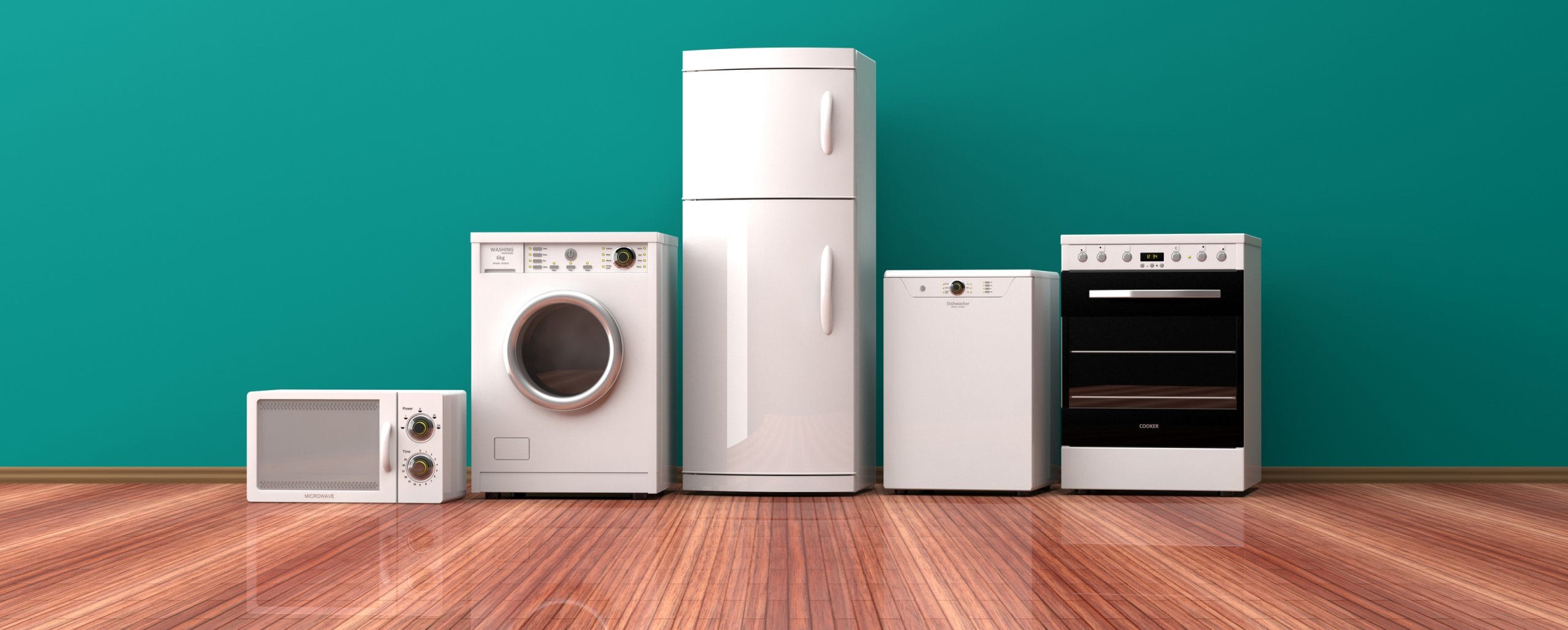
Household Appliances

Image Source: 123rf.com

We rely on a variety of home appliances every day to make our lives easier and more comfortable. From our morning coffee maker to the trusty washing machine, these devices have become indispensable parts of our daily routines. But did you know that some of these appliances, if not properly maintained or used correctly, can be downright dangerous? In fact, certain appliances could pose serious risks to your safety. Let’s take a look at six commonly used home appliances that might be more dangerous than you think.

1. Space Heaters

Space heaters are popular for providing quick warmth during the colder months, but they can also be a serious fire hazard if not used correctly. According to the U.S. Consumer Product Safety Commission, space heaters are responsible for nearly one-third of home heating fires and 80% of associated deaths. Many space heaters are equipped with safety features like automatic shut-off switches if they overheat, but older models or those without these features can easily catch fire if left unattended.

To reduce the risk, always place space heaters on flat, stable surfaces and keep them away from flammable materials like curtains, paper, or bedding. Never leave them running while you’re sleeping or when you leave the room, and make sure the heater is unplugged when it’s not in use.

2. Washing Machines

Washing machines are a staple in many households, but they can present some serious safety risks if not maintained properly. One of the biggest dangers is the risk of flooding, especially if the machine’s hoses become damaged or worn out. If the hose bursts or disconnects, it can lead to water damage throughout your home.

Modern washing machines are equipped with complex electronic systems, and malfunctioning can lead to electrical fires. To minimize the risk, regularly inspect the hoses for cracks or leaks and replace them if necessary. Also, ensure that your machine is properly grounded and that all wiring is intact.

3. Microwave Ovens

While microwave ovens are incredibly convenient for quickly heating food, they can also be dangerous if used improperly. One of the most common hazards is the risk of burns from overheated liquids or food. Microwave-safe containers are essential to prevent overheating, and failure to use these can result in hot liquid splashing when you open the door.

Another risk is the potential for fire. Microwaves can cause food to overheat and ignite, especially if you cook or reheat items like popcorn or leftovers for too long. Always use microwave-safe containers, avoid superheating liquids, and never leave the microwave unattended while it’s in use.

4. Tumble Dryers

Tumble dryers are a convenience that many of us rely on to quickly dry clothes, especially during cold or rainy weather. However, these appliances can be a fire hazard if not properly maintained. Lint buildup in the dryer’s lint trap or exhaust vent is a major cause of dryer fires. According to the National Fire Protection Association, clothes dryers are responsible for around 15,000 house fires annually, many of which are caused by neglecting routine cleaning and maintenance.

To avoid dryer-related accidents, clean the lint trap after each load, and regularly inspect the exhaust vent for blockages. It’s also important to never leave the dryer running when you’re not home or when you’re sleeping.

5. Refrigerators

Lady looking in refrigerator

Image Source: 123rf.com

While refrigerators are crucial for keeping our food fresh, they can also be hazardous if not cleaned and maintained properly. One of the biggest risks is electrical malfunctions that could lead to fires or electrocution. Faulty wiring or a damaged plug can cause an electrical short, and if a refrigerator is improperly grounded, it can create a shock hazard.

Also, refrigerators with broken seals or clogged condenser coils can overheat and waste energy, potentially leading to fire risks. Regularly check your refrigerator for damaged wiring, and keep the coils clean and free of dust. Also, make sure your fridge is properly grounded and use it as intended.

6. Gas Stoves

Gas stoves are a common appliance in many homes, and while they are efficient for cooking, they come with certain risks that you should be aware of. One of the biggest dangers is the potential for gas leaks, which could lead to explosions or carbon monoxide poisoning. Leaks can occur if the gas line is damaged, if the burner is not properly turned off, or if the stove is malfunctioning.

To keep your gas stove safe, ensure that all burners are turned off when not in use, and regularly check for any gas odors or leaks. If you smell gas, leave the area immediately and contact a professional to inspect and repair the stove. Install a carbon monoxide detector in your kitchen to alert you to any dangerous buildup of gas in the air.

Safety First

While these appliances are a vital part of everyday life, it’s crucial to understand the risks associated with them and take necessary precautions. Regular maintenance, proper usage, and awareness can significantly reduce the dangers posed by these commonly used items. Safety should always come first—whether it’s unplugging a space heater before leaving the room or regularly cleaning the lint trap in your dryer. By following these tips and staying vigilant, you can ensure that your home remains a safe environment for you and your loved ones.

Have you ever had any issues with your home appliances? Has anyone in the home ever been hurting while using an appliance? If so, tell us more in the comments below.

Read More:

10 Money Leaks in Your Home You Can Fix Today

15 Kitchen Gadgets That Are More Trouble Than They’re Worth


Latrice Perez

Latrice is a dedicated professional with a rich background in social work, complemented by an Associate Degree in the field. Her journey has been uniquely shaped by the rewarding experience of being a stay-at-home mom to her two children, aged 13 and 5. This role has not only been a testament to her commitment to family but has also provided her with invaluable life lessons and insights.

As a mother, Latrice has embraced the opportunity to educate her children on essential life skills, with a special focus on financial literacy, the nuances of life, and the importance of inner peace.

Filed Under: safety Tagged With: appliance safety tips, dangerous appliances, electrical safety, fire hazards, fire prevention, home accidents, home maintenance, home safety, household risks, personal safety

  • « Previous Page
  • 1
  • 2

FOLLOW US

Search this site:

Recent Posts

  • Can My Savings Account Affect My Financial Aid? by Tamila McDonald
  • 12 Ways Gen X’s Views Clash with Millennials… by Tamila McDonald
  • What Advantages and Disadvantages Are There To… by Jacob Sensiba
  • 10 Tactics for Building an Emergency Fund from Scratch by Vanessa Bermudez
  • Call 911: Go To the Emergency Room Immediately If… by Stephen Kanaval
  • 7 Weird Things You Can Sell Online by Tamila McDonald
  • 10 Scary Facts About DriveTime by Tamila McDonald

Copyright © 2026 · News Pro Theme on Genesis Framework