• Home
  • About Us
  • Toolkit
  • Getting Finances Done
    • Hiring Advisors
    • Debt Management
    • Spending Plan
  • Insurance
    • Life Insurance
    • Health Insurance
    • Disability Insurance
    • Homeowners/Renters Insurance
  • Contact Us
  • Risk Tolerance Quiz
  • Our Editorial Commitment

The Free Financial Advisor

You are here: Home / Archives for fire prevention

Household Decor That Can Increase Fire Damage

July 6, 2025 by Travis Campbell Leave a Comment

decor
Image Source: pexels.com

Fire damage is one of the most devastating risks homeowners face, and it often starts with the most unexpected sources. While we all want our homes to look beautiful and feel cozy, some popular decor choices can actually make a house more vulnerable to fire. Understanding which household items increase fire damage risk is crucial for protecting your family, your property, and your peace of mind. By making a few smart changes, you can enjoy a stylish home without sacrificing safety. Let’s look at the decor items that could be putting your home at greater risk for fire damage—and what you can do about it.

1. Candles and Open Flames

Candles are a classic way to add ambiance and warmth to any room, but they’re also a leading cause of residential fire damage. Even a small, unattended candle can ignite curtains, furniture, or paper in seconds. Scented candles, decorative oil lamps, and even incense sticks all pose similar risks. If you love the glow of candlelight, consider switching to flameless LED candles. Always keep open flames away from flammable materials and never leave them unattended while burning.

2. Overloaded Electrical Outlets and Extension Cords

Decorative lighting, from string lights to floor lamps, can transform a space, but plugging too many devices into one outlet is a recipe for fire damage. Overloaded outlets and tangled extension cords can overheat, spark, and ignite nearby materials. This is especially risky in older homes with outdated wiring. Use surge protectors, avoid daisy-chaining extension cords, and unplug decor items when not in use. Regularly check cords for fraying or damage, and replace them as needed.

3. Flammable Fabrics and Textiles

Plush throw blankets, decorative pillows, and drapes add comfort and style, but many are made from highly flammable synthetic materials. In the event of a fire, these items can accelerate the spread of flames and increase fire damage throughout your home. Choose textiles labeled as flame-retardant whenever possible, and keep fabrics away from heat sources like space heaters, radiators, and fireplaces. Launder and maintain them according to the manufacturer’s instructions to preserve their fire-resistant qualities.

4. Artificial Plants and Dried Floral Arrangements

While real plants can help purify the air, artificial plants and dried flowers are often made from plastic or preserved materials that burn quickly and produce toxic smoke. These decorative items are frequently placed on mantels, shelves, or near windows—areas where they can easily catch fire from a stray spark or candle. If you love the look of greenery, opt for live plants or ensure artificial arrangements are kept far from any potential ignition sources.

5. Wall Hangings and Tapestries

Tapestries, fabric wall art, and even large framed prints can contribute to fire damage if they’re hung near heat sources. These items can ignite quickly and help flames travel up walls and across ceilings, making a fire harder to contain. When decorating, keep wall hangings at least three feet away from fireplaces, stoves, and space heaters. Consider using fire-resistant mounting materials and avoid placing decor directly above electrical outlets or switches.

6. Cluttered Shelves and Decorative Displays

A shelf filled with books, knick-knacks, and collectibles may look charming, but clutter can fuel a fire and block escape routes. Paper, cardboard, and other combustible materials stacked together can create a path for flames to spread, increasing fire damage and making it harder for firefighters to control the blaze. Keep shelves organized and avoid overcrowding. Store important documents in fireproof containers and regularly declutter to reduce risk.

7. Area Rugs and Carpets

Area rugs and carpets, especially those made from synthetic fibers, can ignite easily and contribute to fire damage by allowing flames to move quickly across a room. Rugs placed near fireplaces, heaters, or in high-traffic areas are particularly vulnerable. Choose rugs with a fire-resistant label and always use a fire screen with fireplaces. Vacuum regularly to prevent dust and debris buildup, which can also be flammable.

8. Decorative Mirrors and Glass Objects

Mirrors and glass decor can unintentionally focus sunlight onto flammable surfaces, especially when placed near windows. This “magnifying glass” effect has been known to start fires in rare cases, leading to unexpected fire damage. Be mindful of where you place reflective objects, and check throughout the day to see how sunlight moves through your home. If you notice a concentrated beam of light, reposition the item to a safer spot.

9. Vintage or Antique Electrical Decor

Old lamps, light fixtures, and other vintage electrical items may add character to your home, but they often lack modern safety features. Frayed wires, outdated plugs, and faulty switches can all spark fires and increase fire damage risk. If you love antique decor, have it inspected and rewired by a professional before use. Never use electrical items that show signs of wear or damage.

10. Holiday Decorations

Seasonal decor like Christmas trees, string lights, and festive garlands is a major source of fire damage during the holidays. Dry trees, overloaded outlets, and flammable ornaments can all contribute to a dangerous situation. Water live trees daily, use LED lights, and turn off all decorations before leaving the house or going to bed.

Creating a Safer, Stylish Home

Decorating your home should be fun and expressive, but it’s important to consider how your choices might increase fire damage risk. By being mindful of flammable materials, electrical safety, and placement of decor, you can enjoy a beautiful space that’s also safe for your family. Small changes—like choosing flame-retardant fabrics or updating old wiring—can make a big difference in preventing fire damage and protecting what matters most.

What household decor choices have you reconsidered for fire safety? Share your thoughts and experiences in the comments below!

Read More

Ripped From The Headlines: Bad Holiday Economic Mood

Vacation Without Breaking The Bank

Travis Campbell
Travis Campbell

Travis Campbell is a digital marketer/developer with over 10 years of experience and a writer for over 6 years. He holds a degree in E-commerce and likes to share life advice he’s learned over the years. Travis loves spending time on the golf course or at the gym when he’s not working.

Filed Under: safety Tagged With: fire damage, fire prevention, fire safety, home decor, home safety, household hazards, risk reduction

6 Dangerous Home Appliances That You’re Using Every Day

February 10, 2025 by Latrice Perez Leave a Comment

Household Appliances
Image Source: 123rf.com

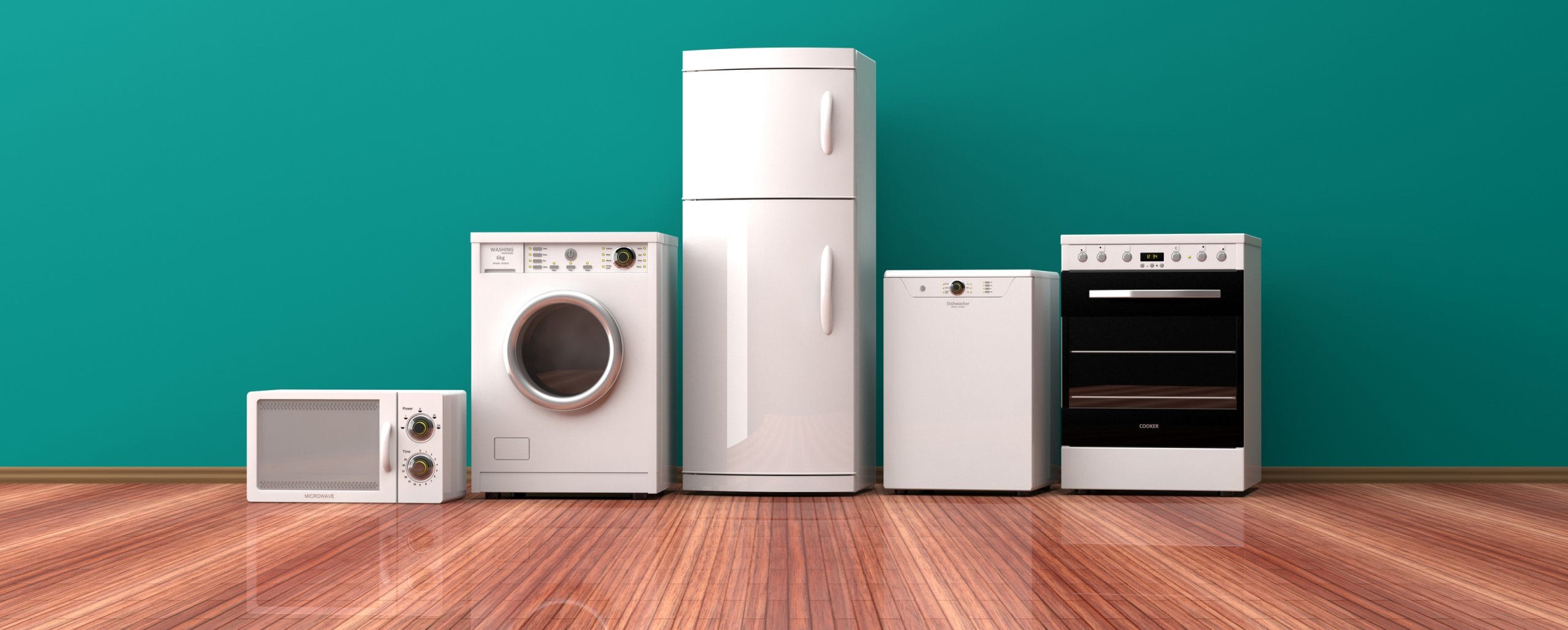
We rely on a variety of home appliances every day to make our lives easier and more comfortable. From our morning coffee maker to the trusty washing machine, these devices have become indispensable parts of our daily routines. But did you know that some of these appliances, if not properly maintained or used correctly, can be downright dangerous? In fact, certain appliances could pose serious risks to your safety. Let’s take a look at six commonly used home appliances that might be more dangerous than you think.

1. Space Heaters

Space heaters are popular for providing quick warmth during the colder months, but they can also be a serious fire hazard if not used correctly. According to the U.S. Consumer Product Safety Commission, space heaters are responsible for nearly one-third of home heating fires and 80% of associated deaths. Many space heaters are equipped with safety features like automatic shut-off switches if they overheat, but older models or those without these features can easily catch fire if left unattended.

To reduce the risk, always place space heaters on flat, stable surfaces and keep them away from flammable materials like curtains, paper, or bedding. Never leave them running while you’re sleeping or when you leave the room, and make sure the heater is unplugged when it’s not in use.

2. Washing Machines

Washing machines are a staple in many households, but they can present some serious safety risks if not maintained properly. One of the biggest dangers is the risk of flooding, especially if the machine’s hoses become damaged or worn out. If the hose bursts or disconnects, it can lead to water damage throughout your home.

Modern washing machines are equipped with complex electronic systems, and malfunctioning can lead to electrical fires. To minimize the risk, regularly inspect the hoses for cracks or leaks and replace them if necessary. Also, ensure that your machine is properly grounded and that all wiring is intact.

3. Microwave Ovens

While microwave ovens are incredibly convenient for quickly heating food, they can also be dangerous if used improperly. One of the most common hazards is the risk of burns from overheated liquids or food. Microwave-safe containers are essential to prevent overheating, and failure to use these can result in hot liquid splashing when you open the door.

Another risk is the potential for fire. Microwaves can cause food to overheat and ignite, especially if you cook or reheat items like popcorn or leftovers for too long. Always use microwave-safe containers, avoid superheating liquids, and never leave the microwave unattended while it’s in use.

4. Tumble Dryers

Tumble dryers are a convenience that many of us rely on to quickly dry clothes, especially during cold or rainy weather. However, these appliances can be a fire hazard if not properly maintained. Lint buildup in the dryer’s lint trap or exhaust vent is a major cause of dryer fires. According to the National Fire Protection Association, clothes dryers are responsible for around 15,000 house fires annually, many of which are caused by neglecting routine cleaning and maintenance.

To avoid dryer-related accidents, clean the lint trap after each load, and regularly inspect the exhaust vent for blockages. It’s also important to never leave the dryer running when you’re not home or when you’re sleeping.

5. Refrigerators

Lady looking in refrigerator
Image Source: 123rf.com

While refrigerators are crucial for keeping our food fresh, they can also be hazardous if not cleaned and maintained properly. One of the biggest risks is electrical malfunctions that could lead to fires or electrocution. Faulty wiring or a damaged plug can cause an electrical short, and if a refrigerator is improperly grounded, it can create a shock hazard.

Also, refrigerators with broken seals or clogged condenser coils can overheat and waste energy, potentially leading to fire risks. Regularly check your refrigerator for damaged wiring, and keep the coils clean and free of dust. Also, make sure your fridge is properly grounded and use it as intended.

6. Gas Stoves

Gas stoves are a common appliance in many homes, and while they are efficient for cooking, they come with certain risks that you should be aware of. One of the biggest dangers is the potential for gas leaks, which could lead to explosions or carbon monoxide poisoning. Leaks can occur if the gas line is damaged, if the burner is not properly turned off, or if the stove is malfunctioning.

To keep your gas stove safe, ensure that all burners are turned off when not in use, and regularly check for any gas odors or leaks. If you smell gas, leave the area immediately and contact a professional to inspect and repair the stove. Install a carbon monoxide detector in your kitchen to alert you to any dangerous buildup of gas in the air.

Safety First

While these appliances are a vital part of everyday life, it’s crucial to understand the risks associated with them and take necessary precautions. Regular maintenance, proper usage, and awareness can significantly reduce the dangers posed by these commonly used items. Safety should always come first—whether it’s unplugging a space heater before leaving the room or regularly cleaning the lint trap in your dryer. By following these tips and staying vigilant, you can ensure that your home remains a safe environment for you and your loved ones.

Have you ever had any issues with your home appliances? Has anyone in the home ever been hurting while using an appliance? If so, tell us more in the comments below.

Read More:

10 Money Leaks in Your Home You Can Fix Today

15 Kitchen Gadgets That Are More Trouble Than They’re Worth


Latrice Perez

Latrice is a dedicated professional with a rich background in social work, complemented by an Associate Degree in the field. Her journey has been uniquely shaped by the rewarding experience of being a stay-at-home mom to her two children, aged 13 and 5. This role has not only been a testament to her commitment to family but has also provided her with invaluable life lessons and insights.

As a mother, Latrice has embraced the opportunity to educate her children on essential life skills, with a special focus on financial literacy, the nuances of life, and the importance of inner peace.

Filed Under: safety Tagged With: appliance safety tips, dangerous appliances, electrical safety, fire hazards, fire prevention, home accidents, home maintenance, home safety, household risks, personal safety

FOLLOW US

Search this site:

Recent Posts

  • Can My Savings Account Affect My Financial Aid? by Tamila McDonald
  • 12 Ways Gen X’s Views Clash with Millennials… by Tamila McDonald
  • What Advantages and Disadvantages Are There To… by Jacob Sensiba
  • 10 Tactics for Building an Emergency Fund from Scratch by Vanessa Bermudez
  • Call 911: Go To the Emergency Room Immediately If… by Stephen Kanaval
  • 7 Weird Things You Can Sell Online by Tamila McDonald
  • 10 Scary Facts About DriveTime by Tamila McDonald

Copyright © 2026 · News Pro Theme on Genesis Framework