• Home
  • About Us
  • Toolkit
  • Getting Finances Done
    • Hiring Advisors
    • Debt Management
    • Spending Plan
  • Insurance
    • Life Insurance
    • Health Insurance
    • Disability Insurance
    • Homeowners/Renters Insurance
  • Contact Us
  • Privacy Policy
  • Risk Tolerance Quiz

The Free Financial Advisor

You are here: Home / Archives for emergency funds

6 Times Credit Cards Can Save You From An Embarrassing Situation

May 22, 2025 by Travis Campbell Leave a Comment

credit card

Image Source: pexels.com

We’ve all been there: standing at the checkout, out with friends, or facing an unexpected bill, and suddenly realizing you don’t have enough cash or your debit card isn’t working. It’s a sinking feeling that can quickly turn a good day into an awkward one. That’s where credit cards come in, not just as a tool for building credit or earning rewards, but as a real-life safety net. Credit cards can save you from embarrassment in ways you might not expect, offering peace of mind and practical solutions when you need them most.

Whether you’re traveling, dining out, or dealing with emergencies, having a credit card in your wallet can be the difference between a smooth recovery and a cringeworthy moment. This article will explore six common scenarios where credit cards can save the day and your dignity. If you’ve ever wondered whether carrying a credit card is worth it, these situations might just convince you.

Let’s dive into the six times credit cards can save you from an embarrassing situation, and how you can use them wisely to avoid financial faux pas.

1. When Your Debit Card Gets Declined at the Register

Picture this: you’re in line at the grocery store, your cart is full, and the cashier announces your total. You swipe your debit card, but it’s declined. Maybe it’s a technical glitch, a daily limit, or you simply miscalculated your balance. The people behind you are waiting, and you feel the pressure mounting. This is one of the most common—and embarrassing—financial situations.

Having a credit card as a backup can save you from this awkward moment. Simply pull out your credit card, complete the transaction, and move on with your day. Not only does this spare you the embarrassment, but it also gives you time to sort out the issue with your bank later. According to a 2023 survey by Bankrate, nearly 44% of Americans have had a card declined at some point, so you’re not alone. Credit cards offer a reliable safety net when technology or timing isn’t on your side.

2. Splitting the Bill at a Restaurant

Dining out with friends or colleagues is supposed to be fun, but splitting the bill can quickly become complicated. Maybe the restaurant won’t split checks, or someone forgot their wallet. If you’re caught without enough cash or your debit card isn’t accepted, things can get awkward fast.

Credit cards can save the day here. Many cards are widely accepted, and some even offer features like instant payment splitting or rewards for dining. You can pay the full bill with your credit card and have your friends reimburse you via apps like Venmo or Zelle. This keeps the meal enjoyable and helps you rack up points or cash back on your credit card. Plus, you avoid the embarrassment of holding up the group or making things uncomfortable.

3. Booking Last-Minute Travel or Accommodations

Travel plans don’t always go smoothly. Flights get canceled, hotels overbook, or you might need to extend your stay unexpectedly. In these moments, having a credit card can be a lifesaver. Many hotels and airlines require a credit card to secure a reservation, especially at the last minute.

Imagine being stranded at the airport or arriving at a hotel only to find out they don’t accept cash or debit cards for incidentals. With a credit card, you can quickly book a room, rent a car, or buy a new ticket without hassle. Some credit cards even offer travel insurance or perks like free checked bags, making your experience smoother and less stressful. According to NerdWallet, using credit cards for travel can also provide added protections and rewards.

4. Covering Emergency Expenses

Life is full of surprises—some of them expensive. Emergencies rarely wait for payday, whether it’s a car breakdown, a medical bill, or a home repair. Not having enough funds to cover an urgent expense can be both stressful and embarrassing, especially if you need to ask friends or family for help.

Credit cards can bridge the gap, allowing you to pay for emergencies immediately and avoid awkward conversations. While it’s important not to rely on credit cards for every expense, using them strategically in emergencies can buy you time to figure out a repayment plan. Just remember to pay off the balance as soon as possible to avoid high interest charges.

5. Shopping Online When Debit Isn’t Accepted

Online shopping is convenient, but not all websites accept debit cards or alternative payment methods. Imagine finding the perfect gift or snagging a limited-time deal, only to realize you can’t complete the purchase because your payment method isn’t accepted.

Credit cards are almost universally accepted online and often come with added protections against fraud or unauthorized charges. This means you can shop with confidence, avoid missing out on deals, and protect yourself from potential embarrassment if your payment is declined. Plus, many credit cards offer purchase protection or extended warranties, giving you extra peace of mind.

6. Reserving a Table or Event Ticket

Special occasions—like birthdays, anniversaries, or concerts—often require reservations or advance ticket purchases. Many venues and ticketing platforms require a credit card to hold your spot or complete the transaction. If you don’t have one, you might miss out or have to scramble for alternatives.

Having a credit card ensures you can secure reservations or tickets quickly and easily, avoiding the embarrassment of missing out or having to ask someone else to book for you. It also shows you’re prepared and responsible, which can be especially important in professional or social settings.

Credit Cards: Your Secret Weapon for Everyday Confidence

Credit cards aren’t just about borrowing money—they’re a practical tool that can save you from embarrassment and help you confidently navigate life’s little surprises. Credit cards offer flexibility and peace of mind when you need it most, from covering emergencies to making social situations smoother. Use them wisely: pay your balance in full whenever possible, keep track of your spending, and choose a card that fits your lifestyle. With the right approach, credit cards can be your secret weapon for avoiding awkward moments and staying in control of your finances.

Have you ever been saved by your credit card in an unexpected situation? Share your story or tips in the comments below!

Read More

Index Funds Could Save Your Portfolio

How to Take Control of Your Finances and Get Out of Debt

Travis Campbell
Travis Campbell

Travis Campbell is a digital marketer/developer with over 10 years of experience and a writer for over 6 years. He holds a degree in E-commerce and likes to share life advice he’s learned over the years. Travis loves spending time on the golf course or at the gym when he’s not working.

Filed Under: credit cards Tagged With: credit card benefits, credit cards, emergency funds, Financial Tips, money management, Personal Finance, Planning

Should You Cash Out Your 401(k) If You Need Help Now?

May 12, 2025 by Travis Campbell Leave a Comment

401k retirement chart graph going up with gold and money

Image Source: 123rf.com

Life has a way of throwing curveballs when we least expect them. Maybe you’ve lost your job, faced a medical emergency, or simply struggled to make ends meet. Your 401(k) might look like a tempting lifeline in these moments. After all, it’s your money, right? But before you hit that “cash out” button, it’s crucial to understand what’s really at stake. Deciding whether to cash out your 401(k) if you need help now is a big financial decision that can have lasting consequences for your future.

If you’re feeling the pressure and wondering if tapping into your retirement savings is right, you’re not alone. Many Americans have faced this dilemma, especially during tough economic times. Let’s break down the pros, cons, and alternatives so you can make the best choice for your situation.

1. Understanding the True Cost of Cashing Out Your 401(k)

It’s easy to see your 401(k) balance and consider it a safety net, but cashing out comes with significant costs. If you withdraw funds before age 59½, you’ll likely face a 10% early withdrawal penalty, plus income taxes on the amount you take out. For example, if you withdraw $10,000, you could lose $1,000 to penalties and even more to taxes, depending on your tax bracket. According to the IRS, these penalties encourage long-term retirement savings, not short-term spending.

But the true cost isn’t just about penalties and taxes. You’re also sacrificing the potential growth money could have earned over time. Compound interest is a powerful force, and taking money out now can mean having much less in retirement.

2. Weighing Immediate Needs Against Long-Term Security

When you’re in a financial crunch, focusing on the present is natural. However, your 401(k) is meant to provide security in your later years. Cashing out now could mean working longer or having less to live on when you retire. According to a study by Vanguard, even a small withdrawal can significantly reduce your retirement nest egg over time.

Ask yourself: Is this a temporary setback or a long-term financial crisis? If it’s temporary, consider other options first. If it’s truly an emergency, weigh the pros and cons carefully.

3. Exploring Alternatives Before Cashing Out

Before you cash out your 401(k), look at other ways to get the help you need. Can you cut expenses, negotiate bills, or find temporary work? Many creditors are willing to work with you if you explain your situation. You might also consider a 401(k) loan, which allows you to borrow from your account and pay yourself back with interest. While not risk-free, a loan doesn’t trigger taxes or penalties if repaid on time.

Other options include tapping into emergency savings, seeking community assistance, or even using a low-interest credit card for short-term needs. Each alternative has its own risks, but they may be less damaging than cashing out your retirement savings.

4. The Impact on Your Future Retirement

It’s easy to underestimate how much a 401(k) withdrawal can impact your future. Every dollar you take out now is a dollar that won’t be growing for your retirement. Over the decades, that can add up to tens of thousands of dollars lost. For example, withdrawing $10,000 at age 35 could mean missing out on more than $40,000 by age 65, assuming a 7% annual return.

This is why financial advisors often call cashing out a “last resort.” Your future self will thank you for protecting your retirement savings, even if it means making tough choices today.

5. Special Circumstances: Hardship Withdrawals and CARES Act Provisions

There are situations where you may qualify for a hardship withdrawal, such as medical expenses, disability, or preventing foreclosure. These withdrawals may waive the 10% penalty, but you’ll still owe income taxes. During the COVID-19 pandemic, the CARES Act allowed penalty-free withdrawals for specific individuals, but those provisions have expired. Always check the latest rules and consult with a financial advisor or plan administrator before moving.

6. Getting Professional Advice

If you’re unsure what to do, don’t go it alone. A certified financial planner can help you weigh your options and find the best path forward. Many advisors offer free consultations, especially if you’re facing a financial emergency. They can help you understand the long-term impact of cashing out your 401(k) and explore alternatives you might not have considered.

Protecting Your Future While Navigating Today’s Challenges

Cashing out your 401(k) if you need help now might seem the easiest solution, but it’s rarely the best. The penalties, taxes, and lost growth can set you back for years to come. Instead, explore every alternative, seek professional advice, and remember that your retirement savings are there to protect your future self. Making a thoughtful decision today can help you weather the storm without sacrificing tomorrow’s security.

Have you ever faced a tough decision about your 401(k)? What did you do? Share your story or advice in the comments below!

Read More

Taxes and Penalties for 401(k) Withdrawals

Should I Tap My Retirement Funds for Medical Expenses?

Travis Campbell
Travis Campbell

Travis Campbell is a digital marketer/developer with over 10 years of experience and a writer for over 6 years. He holds a degree in E-commerce and likes to share life advice he’s learned over the years. Travis loves spending time on the golf course or at the gym when he’s not working.

Filed Under: Personal Finance Tagged With: 401(k), early withdrawal, emergency funds, Personal Finance, Planning, Retirement, saving for retirement

8 Reasons To Never Hide Money Around Your Home

April 11, 2025 by Travis Campbell Leave a Comment

money on the table

Image Source: unsplash.com

Many people consider stashing cash around their homes as a safety net against financial emergencies or banking system failures. While the idea might seem prudent at first glance, hiding money at home carries significant risks that often outweigh the perceived benefits. Before you start tucking bills under your mattress or inside that hollowed-out book, consider these compelling reasons why financial experts advise against this practice.

1. Vulnerability to Theft Makes Your Hard-Earned Money an Easy Target

Home burglaries remain surprisingly common across America, with over 1 million occurring annually. Professional thieves know all the common hiding spots you might think are clever—from freezers to toilet tanks to fake food containers. Even if you believe your hiding place is unique, experienced burglars are trained to search thoroughly, often finding cash stashes within minutes of entering a home. The emotional trauma of a break-in is devastating enough without adding financial loss to the equation. Most importantly, unlike bank deposits, cash stolen from your home typically has no recovery mechanism or insurance protection.

2. Natural Disasters Can Destroy Cash Without Warning

Fire, floods, tornadoes, and hurricanes don’t discriminate when destroying property—including your hidden money. According to FEMA, natural disasters affect millions of American homes each year, causing billions in property damage. Paper money burns easily in house fires, with temperatures reaching over 1,100 degrees Fahrenheit within minutes. Water damage from floods or burst pipes can render cash unrecognizable or completely destroyed. Even if partially damaged, the process for redeeming mutilated currency through the Bureau of Engraving and Printing is lengthy and doesn’t guarantee full reimbursement. The psychological impact of losing both your home and financial safety net simultaneously can be devastating to recovery efforts.

3. Inflation Steadily Erodes Your Money’s Purchasing Power

When cash sits idle at home, inflation silently diminishes its value year after year. The historical average inflation rate of approximately 3% means money hidden for ten years loses nearly a third of its purchasing power. Unlike bank accounts or investments that can generate interest or returns to offset inflation, cash hidden at home only depreciates. According to economic research, even modest inflation rates compound dramatically over time, turning today’s emergency fund into tomorrow’s insufficient savings. Financial advisors consistently recommend keeping money in vehicles that, at minimum, match inflation rates to preserve wealth. Hidden cash represents a guaranteed negative return on your hard-earned money.

4. You Miss Valuable Interest and Investment Opportunities

Every dollar hidden at home is a dollar not working for your financial future. Even modest interest-bearing accounts can generate compound returns over time, while investment vehicles offer the potential for significant growth. According to financial experts, just $1,000 invested with a 7% average annual return grows to over $7,600 in 30 years without adding another penny. The opportunity cost of keeping substantial cash at home extends beyond immediate interest, impacting long-term financial security and retirement planning. Financial literacy research shows that understanding compound interest is one of the most important factors in building wealth over time. Hidden cash represents not just current lost interest but potentially thousands in foregone future earnings.

cash and coins

Image Source: unsplash.com

5. Home Insurance Policies Rarely Cover Large Cash Amounts

Most homeowners are shocked to discover their insurance policies typically limit cash coverage to between $200-$2,000, regardless of how much was actually lost. Standard homeowners insurance policies contain specific sub-limits for currency that fall far below what many people hide at home. Documentation requirements for cash claims are particularly stringent, often requiring proof of withdrawal and existence that most people simply don’t maintain. Insurance adjusters are trained to be skeptical of large undocumented cash claims following home disasters. Without photographic evidence and detailed records, recovering even the limited amount covered becomes extremely difficult after a loss.

6. Family Members May Not Know About Hidden Money

The tragic reality is that money hidden too well might never be found if something happens to you. Countless stories exist of family members discovering cash in walls, furniture, or books years after a loved one’s passing—sometimes accidentally during renovations or when selling property. Without proper documentation or communication, your emergency fund could become permanently lost rather than benefiting your heirs. Estate planning experts consistently warn against undocumented cash holdings as they complicate probate and may violate tax reporting requirements. The emotional impact of discovering a loved one kept secrets, even well-intentioned ones, can create family tension during already difficult times.

7. Hidden Cash Creates Unnecessary Stress and Anxiety

Managing secret cash stashes creates an ongoing psychological burden—constantly wondering if your money remains safe, remembering multiple hiding locations, and worrying about discovery. Research in behavioral economics shows that financial anxiety negatively impacts overall well-being and decision-making abilities. The cognitive load of maintaining and monitoring hidden money creates stress that formal banking eliminates through security systems and deposit insurance. People with hidden cash report checking their hiding spots frequently, sometimes developing obsessive behaviors around their secret funds. The peace of mind that comes with proper financial planning often outweighs any perceived benefits of having immediate cash access.

8. Legal Currency Reporting Requirements May Be Overlooked

Large cash transactions and holdings can trigger legal reporting requirements that many people aren’t aware of when hiding money. The IRS requires reporting of cash transactions over $10,000, and structuring smaller transactions to avoid this limit is illegal. According to IRS guidelines, unexplained large cash deposits can trigger audits or investigations when eventually deposited into financial institutions. Law enforcement increasingly views large undocumented cash holdings with suspicion during investigations, potentially creating legal complications even for legitimate money. Financial transparency laws continue to tighten globally, making cash-based financial strategies increasingly problematic from a compliance perspective. The legal consequences of improper cash handling can far outweigh any temporary convenience of home storage.

Secure Alternatives That Protect Your Financial Future

Instead of risking your financial security with cash hidden around your home, consider FDIC-insured bank accounts, credit unions, or even secure safe deposit boxes for important documents and small valuables. Modern banking offers numerous options for emergency fund access while protecting against theft, disaster, and inflation. Digital banking now provides instant access to funds through multiple channels while maintaining security protections that no home hiding spot can match. Financial advisors recommend diversifying emergency funds across multiple secure vehicles rather than consolidating in cash. Remember that financial security comes not from physical proximity to your money but from wise management and protection strategies.

Have you ever hidden money at home and experienced any of these risks firsthand? Share your experiences in the comments below!

Read More

10 Places That Burglars Are Hoping You’ll Hide Your Cash and Jewelry (So Don’t)

Your Home Isn’t as Safe as You Think: 5 Security Flaws Burglars Love

Travis Campbell
Travis Campbell

Travis Campbell is a digital marketer/developer with over 10 years of experience and a writer for over 6 years. He holds a degree in E-commerce and likes to share life advice he’s learned over the years. Travis loves spending time on the golf course or at the gym when he’s not working.

Filed Under: money management Tagged With: cash storage, emergency funds, Financial Security, home security, money management, Personal Finance, Planning

8 Personal Finance Debates That Are Dividing the Internet

March 27, 2025 by Latrice Perez Leave a Comment

white paper with text The Big Debate on a black background with stationery

Image Source: 123rf.com

The realm of personal finance is no longer just about numbers—it’s become a battleground for opinions on budgeting, saving, and investing. Online communities are split over which strategies truly work, sparking heated debates that capture the attention of millions. These discussions range from traditional budgeting methods to modern digital investment trends. Many individuals feel strongly about their approach to money management, often leading to passionate, polarizing conversations. In this article, we explore eight of the most contentious personal finance debates that are dividing the internet today.

1. Budgeting: Traditional Spreadsheets vs. App-Based Solutions

Many finance enthusiasts argue over the best method for tracking expenses. Traditionalists swear by hand-crafted spreadsheets that offer complete control and customization. On the other hand, supporters of modern apps appreciate the automation and real-time updates they provide. This debate highlights the tension between simplicity and technological convenience. Ultimately, the best choice depends on your individual habits and preferences.

2. Saving Strategies: The 50/30/20 Rule or Customized Plans?

There is ongoing disagreement about whether standard saving rules like 50/30/20 fit every lifestyle. Some experts insist that these rules provide a solid framework for financial health. Others argue that rigid formulas fail to account for individual goals and unexpected expenses. Customized plans that adjust to personal circumstances are often seen as more flexible. The debate centers on whether one-size-fits-all solutions can truly address everyone’s financial needs.

3. Investing: Passive Index Funds vs. Active Trading

The investment community is divided between advocates of passive index funds and proponents of active trading strategies. Passive investors argue that low-cost index funds yield steady, long-term growth without the need for constant monitoring. In contrast, active traders believe that diligent market analysis can outperform average returns. Both sides present compelling data and personal success stories to support their approach. This divide forces new investors to choose between simplicity and the potential for higher rewards.

4. Credit: Debt or Living Debt-Free?

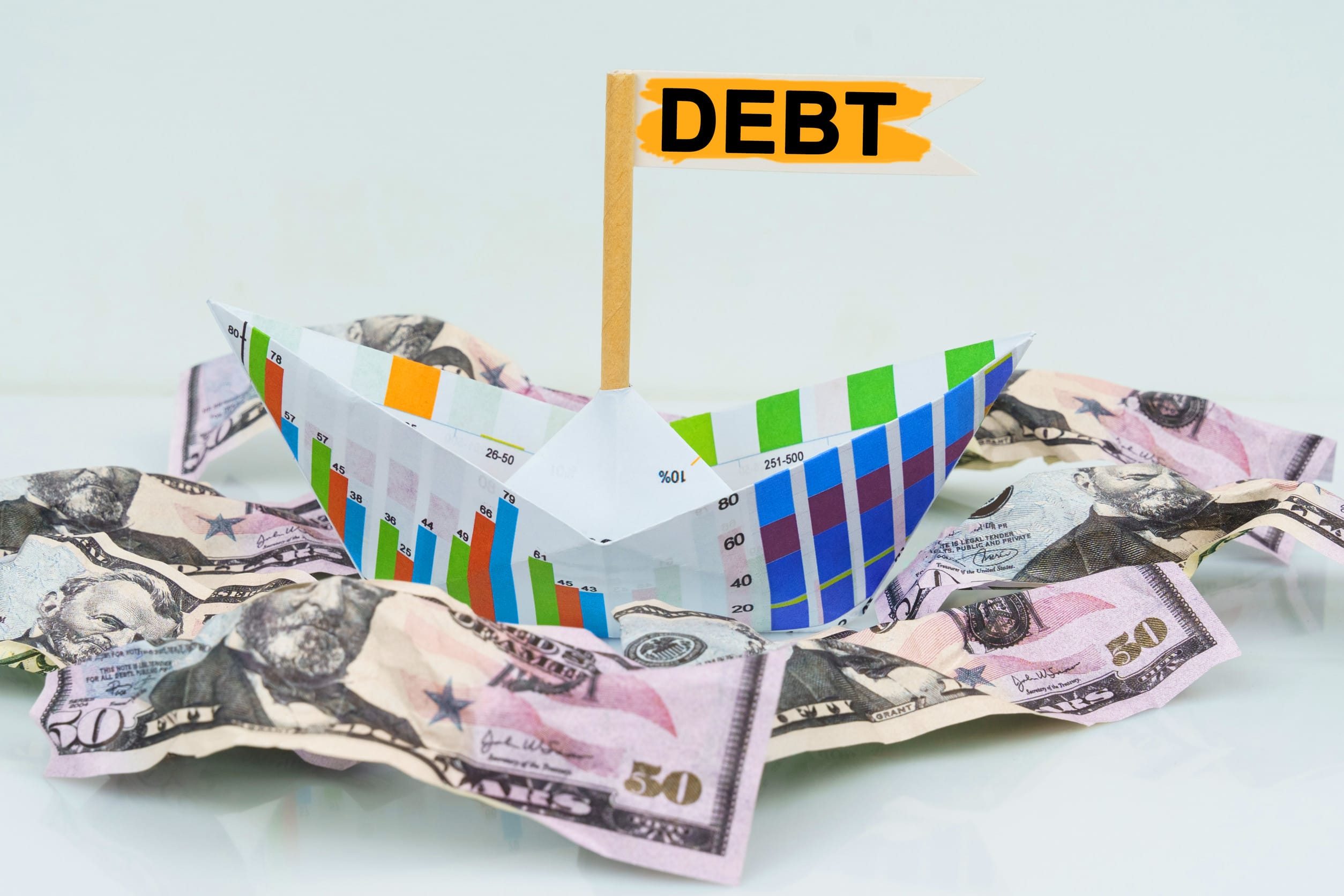
Business and finance concept. A paper boat from a business graph floats on a sea of money. The text is written on the flag - DEBT

Image Source: 123rf.com

Credit management is another hotly debated topic in personal finance. Some believe that strategic debt, when managed well, can boost your credit score and open financial doors. Others argue that any form of debt is a burden that prevents true financial freedom. The conversation often revolves around balancing short-term needs with long-term financial goals. Regardless of your stance, understanding the risks and benefits of debt is crucial for making informed decisions.

5. Emergency Funds: How Much Is Enough?

Experts often clash over the ideal size of an emergency fund. Conventional wisdom suggests that three to six months’ worth of living expenses is sufficient for most households. However, some argue that unpredictable economic conditions warrant a larger cushion. The debate intensifies as personal circumstances and job security vary widely among individuals. Ultimately, the “right” amount is a deeply personal decision influenced by risk tolerance and lifestyle factors.

6. Real Estate: Renting vs. Buying

The age-old debate of renting versus buying a home continues to divide opinions online. Proponents of buying argue that homeownership builds equity and represents a long-term investment. Renters, however, stress the flexibility and lower upfront costs that renting provides. This debate often touches on broader economic trends and personal financial priorities. The decision ultimately hinges on market conditions, lifestyle choices, and long-term goals.

7. Cryptocurrency: The Future of Money or a Risky Fad?

Cryptocurrency remains one of the most polarizing topics in personal finance. Some enthusiasts view it as the future of decentralized finance, capable of revolutionizing traditional banking. Critics, however, warn of its volatility and the lack of regulatory oversight, deeming it a speculative gamble. The passionate discourse reflects the rapid pace of technological change and the uncertainty of its long-term impact. Whether you embrace crypto or remain skeptical, the debate continues to evolve with the market.

8. Financial Independence: Early Retirement vs. Long-Term Work

The FIRE (Financial Independence, Retire Early) movement has ignited fierce discussions about the value of early retirement. Advocates argue that strategic saving and investing can allow one to leave the workforce decades earlier than traditional retirement ages. Detractors caution that early retirement may lead to boredom, financial insecurity, or missed opportunities for personal growth. Both camps offer valid points about the trade-offs between work, passion, and financial freedom. In the end, the decision is a personal one that must align with your values and life goals.

Personal Finance Battlefield

Personal finance is a deeply personal subject, and the debates surrounding it reflect diverse lifestyles and priorities. While the opinions may be divided, the most important takeaway is to educate yourself and choose strategies that align with your values. Open-mindedness and a willingness to adapt can help you navigate even the most contentious financial discussions. Remember, there is no one-size-fits-all solution—only the one that works best for you.

Which personal finance debate resonates with you the most? Share your thoughts and experiences in the comments below!

Read More:

10 Things You Should Never Ignore in Your Personal Finances

The Dark Side of Working in Finance—Burnout, Bonuses, and Big Risks

Latrice Perez

Latrice is a dedicated professional with a rich background in social work, complemented by an Associate Degree in the field. Her journey has been uniquely shaped by the rewarding experience of being a stay-at-home mom to her two children, aged 13 and 5. This role has not only been a testament to her commitment to family but has also provided her with invaluable life lessons and insights.

As a mother, Latrice has embraced the opportunity to educate her children on essential life skills, with a special focus on financial literacy, the nuances of life, and the importance of inner peace.

Filed Under: Personal Finance Tagged With: budgeting, credit management, cryptocurrency, emergency funds, financial independence, investing, Personal Finance, Real estate, saving strategies

  • « Previous Page
  • 1
  • 2
  • 3

FOLLOW US

Search this site:

Recent Posts

  • Can My Savings Account Affect My Financial Aid? by Tamila McDonald
  • 12 Ways Gen X’s Views Clash with Millennials… by Tamila McDonald
  • What Advantages and Disadvantages Are There To… by Jacob Sensiba
  • 10 Tactics for Building an Emergency Fund from Scratch by Vanessa Bermudez
  • Call 911: Go To the Emergency Room Immediately If… by Stephen Kanaval
  • 7 Weird Things You Can Sell Online by Tamila McDonald
  • 10 Scary Facts About DriveTime by Tamila McDonald

Copyright © 2026 · News Pro Theme on Genesis Framework