• Home
  • About Us
  • Toolkit
  • Getting Finances Done
    • Hiring Advisors
    • Debt Management
    • Spending Plan
  • Insurance
    • Life Insurance
    • Health Insurance
    • Disability Insurance
    • Homeowners/Renters Insurance
  • Contact Us
  • Risk Tolerance Quiz
  • Our Editorial Commitment

The Free Financial Advisor

You are here: Home / Archives for credit score

5 Things That Instantly Decrease Your Credit Score by 50 Points

July 25, 2025 by Travis Campbell Leave a Comment

credit score
Image Source: pexels.com

Your credit score is more than just a number. It’s a key that opens or closes doors to loans, apartments, and even some jobs. A sudden drop of 50 points can mean higher interest rates or a denied application. Many people don’t realize how quickly their credit score can fall. One mistake, and you’re left wondering what happened. If you want to keep your credit score healthy, you need to know what can hurt it fast. Here are five things that can instantly decrease your credit score by 50 points.

1. Missing a Payment

Missing a payment is one of the fastest ways to see your credit score drop. Even if you’re just a few days late, your lender might report it to the credit bureaus. Once a payment is 30 days late, it shows up on your credit report. This can cause your credit score to fall by 50 points or more, especially if you had a good score before. Payment history makes up the biggest part of your credit score. One late payment can stay on your report for up to seven years. If you know you’re going to be late, call your lender. Sometimes they can help you avoid a negative mark. Set up reminders or automatic payments to make sure you never miss a due date.

2. Maxing Out Your Credit Cards

Using all or most of your available credit is another quick way to hurt your credit score. This is called your credit utilization ratio. If you have a $5,000 limit and you charge $4,900, your ratio is very high. Lenders see this as risky behavior. Even if you pay your bill in full each month, a high balance at the time your statement closes can lower your score. Try to keep your credit utilization below 30%. If you can, aim for under 10%. Paying down your balances before the statement date can help. If you need more room, ask for a credit limit increase, but don’t use it as an excuse to spend more. High credit utilization can drop your credit score by 50 points or more in a single month.

3. Applying for Too Many New Accounts

Every time you apply for a new credit card or loan, the lender checks your credit. This is called a hard inquiry. One or two hard inquiries won’t hurt much, but several in a short time can signal to lenders that you’re desperate for credit. This can cause your credit score to fall quickly. Each hard inquiry can lower your score by a few points, but if you apply for several cards or loans at once, the impact adds up. Space out your applications. Only apply for credit when you really need it. If you’re shopping for a mortgage or auto loan, try to do all your applications within a short window—usually 14 to 45 days—so they count as one inquiry.

4. Closing Old Credit Accounts

It might seem smart to close a credit card you don’t use, but this can backfire. Closing an account lowers your total available credit, which can raise your credit utilization ratio. It also shortens your average account age, which is another factor in your credit score. Both of these changes can cause your credit score to drop by 50 points or more, especially if the account was one of your oldest. If you want to simplify your finances, consider keeping old accounts open with a zero balance. Use them for a small purchase every few months to keep them active. Only close accounts if there’s a good reason, like high fees or fraud.

5. Having a Debt Sent to Collections

If you ignore a bill long enough, it can be sent to a collection agency. This is one of the most damaging things that can happen to your credit score. A collection account tells lenders you didn’t pay what you owed. Your credit score can drop by 50 points or even more, and the collection stays on your report for up to seven years. This can make it hard to get approved for new credit, rent an apartment, or even get certain jobs. If you get a notice about a past-due bill, act fast. Contact the creditor and try to work out a payment plan before it goes to collections. If a debt does go to collections, paying it off won’t remove it from your report, but it can look better to future lenders.

Protecting Your Credit Score: Small Steps, Big Impact

A 50-point drop in your credit score can happen fast, but it’s not always easy to fix. The best way to protect your credit score is to stay alert. Pay your bills on time, keep your balances low, and only apply for credit when you need it. Don’t close old accounts without thinking it through. And if you’re struggling with debt, reach out for help before things get worse. Your credit score is a tool, not a trophy. Use it wisely, and it will open doors for you.

Have you ever seen your credit score drop suddenly? What caused it, and how did you handle it? Share your story in the comments.

Read More

What Happens to Your Credit Score If Your Cell Provider Changes Ownership

Your Home Address May Be the Reason You’re Being Denied Credit

Travis Campbell
Travis Campbell

Travis Campbell is a digital marketer/developer with over 10 years of experience and a writer for over 6 years. He holds a degree in E-commerce and likes to share life advice he’s learned over the years. Travis loves spending time on the golf course or at the gym when he’s not working.

Filed Under: credit score Tagged With: credit cards, credit report, credit score, Debt, Financial Health, loans, Personal Finance

What Happens to Your Credit Score If Your Cell Provider Changes Ownership

July 23, 2025 by Travis Campbell Leave a Comment

credit
Image Source: pexels.com

When your cell phone provider changes ownership, it can feel like a small detail in your busy life. But this shift can have real effects on your credit score, even if you never miss a payment. Many people don’t realize that a simple change in company ownership can trigger new credit checks, account updates, or even billing changes. These things can show up on your credit report and impact your financial standing. If you care about your credit score—and most people should—knowing what to expect is important. Here’s what you need to know if your cell provider changes hands.

1. Your Account May Be Transferred to a New Company

When a cell provider is bought out or merges with another company, your account usually moves to the new owner. This process is often automatic. You might get a notice in the mail or by email, but you don’t have to do anything. Still, this transfer can show up on your credit report as a new account or a change in your existing account. If the new company reports your account differently, it could affect your credit score. For example, if your old account is closed and a new one is opened, your average account age drops. This can lower your credit score, even if you’ve always paid on time.

2. A Hard Credit Inquiry Could Appear

Sometimes, the new provider will run a credit check before taking over your account. This is more likely if you’re switching to a postpaid plan or if the new company has different credit requirements. A hard inquiry can lower your credit score by a few points, especially if you’ve had several recent inquiries. While one inquiry isn’t a big deal, multiple checks in a short time can add up. If you see a new inquiry on your credit report after a provider change, it’s likely from the new company checking your credit.

3. Your Payment History Carries Over—But Not Always Perfectly

Your payment history is a big part of your credit score. In most cases, your payment record with your old provider will transfer to the new company. But sometimes, errors happen. If the new provider doesn’t get your full payment history, your account might look newer than it is. Or a missed payment could show up by mistake. These errors can hurt your credit score. It’s a good idea to check your credit report after the transfer to make sure your payment history is correct. If you spot a problem, contact the new provider right away to fix it.

4. Account Closure Can Affect Your Credit Utilization

If your old account is closed and a new one is opened, your credit utilization ratio might change. This ratio compares your total credit balances to your total credit limits. While cell phone accounts don’t usually count toward your credit utilization, some providers report your account as a line of credit. If your old account is closed, your available credit drops, which can raise your utilization ratio and lower your credit score. This is rare, but it’s something to watch for if your provider reports your account as revolving credit.

5. New Terms and Conditions May Impact Your Credit

A new provider might change your contract terms. For example, they could require a deposit, change your billing cycle, or update their reporting practices. If you miss a payment because of a new due date or billing method, it could show up as a late payment on your credit report. Late payments can have a big impact on your credit score. Always read any notices from your provider and update your payment methods if needed. Staying on top of these changes helps protect your credit score.

6. Errors Are More Common During Transitions

When companies merge or change ownership, mistakes can happen. Your account could be reported as closed, delinquent, or even sent to collections by accident. These errors can seriously damage your credit score. Check your credit report a few months after the transition. If you see something wrong, dispute it with the credit bureaus and contact your provider.

7. You Have Rights as a Consumer

You have the right to know what’s happening with your account. If your provider changes ownership, they must notify you. You also have the right to dispute any errors on your credit report. If you’re worried about a hard inquiry or a new account showing up, ask your provider for details. You can also freeze your credit if you’re concerned about unauthorized checks. Knowing your rights helps you protect your credit score during a transition to a new provider.

8. Proactive Steps Can Protect Your Credit Score

Don’t wait for problems to show up. Check your credit report regularly, especially after a provider change. Set up payment reminders so you don’t miss a bill. If you see a new inquiry or account, make sure it matches your records. If something looks wrong, act fast to fix it. Taking these steps can help you keep your credit score healthy, even when your cell provider changes hands.

Staying Ahead of Credit Surprises

A cell provider changing ownership might seem like a small event, but it can have ripple effects on your credit score. By staying alert, checking your credit report, and understanding your rights, you can avoid surprises and keep your financial health on track.

Have you ever had your credit score affected by a cell provider change? Share your story or tips in the comments below.

Read More

The 6 Real Reasons You’re Being Offered a Store Credit Instead of a Refund

Seniors Are Being Denied Credit Over This One Forgotten Factor

Travis Campbell
Travis Campbell

Travis Campbell is a digital marketer/developer with over 10 years of experience and a writer for over 6 years. He holds a degree in E-commerce and likes to share life advice he’s learned over the years. Travis loves spending time on the golf course or at the gym when he’s not working.

Filed Under: credit score Tagged With: account management, cell phone provider, credit inquiry, credit report, credit score, Financial Health, Personal Finance, telecom

Your Home Address May Be the Reason You’re Being Denied Credit

July 22, 2025 by Travis Campbell Leave a Comment

adress
Image Source: unsplash.com

Have you ever applied for a credit card or loan and been turned down, even though your credit score looks fine? It’s frustrating. You check your report, pay your bills, and still get denied. What’s going on? Sometimes, the problem isn’t your income or your payment history. It’s your home address. Yes, where you live can affect your chances of getting approved for credit. This isn’t something most people think about, but it can make a real difference. Here’s why your address matters and what you can do about it.

1. Lenders Use Address Data to Spot Risk

Lenders look at more than just your credit score. They use your address to check for patterns that might signal risk. If you live in a building or neighborhood with a history of missed payments or fraud, you might get flagged. This doesn’t mean you’ve done anything wrong. It just means the lender’s system sees your address as a possible red flag. Some lenders use automated systems that scan for addresses linked to past problems. If your address pops up, your application might get denied before a human even looks at it.

2. High-Risk Areas Can Hurt Your Application

Some neighborhoods have higher rates of credit defaults or fraud. Lenders know this. They use data to map out these areas. If your home is in a zip code with lots of unpaid debts or scams, you might get lumped in with everyone else. This isn’t fair, but it happens. Lenders want to protect themselves from losses, so they sometimes avoid lending to people in certain places. Even if you have a perfect payment record, your address can work against you.

3. Shared Addresses Can Cause Confusion

If you live in an apartment building, dorm, or shared house, your address might be linked to other people’s credit histories. Sometimes, credit bureaus mix up files. If someone at your address has bad credit, it could get tangled with yours. This is called a “mixed file.” It’s rare, but it happens. If you notice accounts on your credit report that aren’t yours, this could be the reason. Always check your credit report for errors, especially if you share an address with others.

4. Frequent Moves Raise Red Flags

Moving a lot can make lenders nervous. If you change addresses every year, they might wonder why. Are you unstable? Are you trying to hide something? Lenders like to see stability. Staying at one address for a few years looks better than moving every few months. If you have to move often for work or other reasons, be ready to explain this on your application. It helps to show that your moves are for good reasons, not because you’re running from bills.

5. Address Mismatches Can Trigger Denials

When you apply for credit, the information you give must match what’s on file with the credit bureaus. If your address doesn’t match, your application might get denied. This can happen if you recently moved and didn’t update your records. It can also happen if you use a mailing address that’s different from your home address. Always make sure your address is up to date with your bank, employer, and the credit bureaus. Even a small mistake, like a missing apartment number, can cause problems.

6. Fraud Alerts and Identity Theft

If your address has been used in a fraud case, lenders might be extra cautious. Sometimes, scammers use real addresses to open fake accounts. If this happens to your address, you could get caught in the crossfire. Lenders might deny your application to avoid risk. If you think your address has been used in a scam, contact the credit bureaus right away. You can place a fraud alert on your file to protect yourself.

7. Mail Delivery Issues Can Affect Your Credit

If your mail doesn’t get delivered, you might miss important bills or notices. This can lead to late payments, which hurt your credit. Some addresses, like new developments or rural areas, have mail delivery problems. If you don’t get your mail, contact your local post office. Make sure your address is correct with all your creditors. Consider using electronic statements to avoid missing bills.

8. How to Protect Yourself from Address-Related Credit Problems

You can’t always control where you live, but you can take steps to protect your credit. Check your credit report at least once a year. Look for errors, especially with your address. If you find a mistake, dispute it right away. Keep your address up to date with all your financial accounts. If you move, update your information as soon as possible. If you live in a high-risk area, consider adding a short explanation to your credit file. Some credit bureaus let you add a statement to explain special situations.

Your Address Isn’t Everything—But It Matters

Your home address can affect your credit, but it’s not the only thing lenders look at. Your payment history, income, and debt levels matter more. Still, don’t ignore the role your address plays. If you get denied credit and can’t figure out why, check your address details. Sometimes, fixing a small error or explaining your situation can make a big difference. Stay alert, keep your records clean, and don’t let your address hold you back.

Have you ever had trouble getting credit because of your address? Share your story or tips in the comments below.

Read More

What Happens When Google Maps Sends Emergency Services to the Wrong Address

The Fastest Growing Scam on Facebook Marketplace Right Now

Travis Campbell
Travis Campbell

Travis Campbell is a digital marketer/developer with over 10 years of experience and a writer for over 6 years. He holds a degree in E-commerce and likes to share life advice he’s learned over the years. Travis loves spending time on the golf course or at the gym when he’s not working.

Filed Under: credit score Tagged With: credit, credit denial, credit report, credit score, Financial Tips, home address, Personal Finance

Seniors Are Being Denied Credit Over This One Forgotten Factor

July 21, 2025 by Travis Campbell Leave a Comment

credit card
Image Source: pexels.com

Getting denied for credit can feel like a slap in the face, especially when you’ve spent years building a solid financial reputation. Many seniors are running into this problem, and it’s not always because of debt or missed payments. There’s a hidden reason that’s catching people off guard. It’s not about how much you owe or your income. It’s something that can sneak up on anyone, especially after retirement. If you’re a senior or know someone who is, this issue could be the reason behind a sudden credit denial. Here’s what you need to know and how to protect yourself.

1. The Forgotten Factor: Inactive Credit Accounts

Most people think that paying off debt and closing old accounts is a good thing. But for seniors, closing credit cards or letting them sit unused can actually hurt your credit score. Lenders want to see active, healthy credit use. When you stop using your credit cards, the accounts can become inactive. Some banks even close them without warning if there’s no activity for a while. This reduces your available credit and can lower your credit score. If you apply for a loan or a new card, you might get denied—not because you’re risky, but because your credit history looks thin or inactive.

2. Why Inactivity Hurts Your Credit Score

Credit scores are built on several factors, and one of the biggest is your credit utilization ratio. This is the amount of credit you’re using compared to your total available credit. If you close old accounts or they get closed due to inactivity, your available credit drops. Even if you have no debt, your utilization ratio can spike, making you look like a risk to lenders. Another problem is that older accounts help your credit history look longer and more stable. When those accounts disappear, your average account age drops, and so does your score.

3. The Impact of Retirement on Credit Activity

Retirement changes your daily routine and your spending habits. You might not need to use credit cards as much. Maybe you pay cash for most things or just don’t shop as often. But if you stop using your credit cards, the accounts can go dormant. Some seniors even close accounts to “simplify” their finances. While this feels responsible, it can backfire. Lenders see less activity and may think you’re not managing credit anymore. This can lead to denials when you actually need credit, like for a car loan or a medical emergency.

4. How to Keep Your Credit Active Without Debt

You don’t have to rack up debt to keep your credit active. Small, regular purchases are enough. Use your credit card for a monthly bill, like your phone or streaming service, and pay it off right away. This keeps the account active and shows lenders you’re still managing credit. Set up automatic payments so you never miss a due date. Even a $10 purchase every month can make a difference. The key is to show ongoing, responsible use. This simple habit can help you avoid the “inactive account” trap that catches so many seniors.

5. The Role of Credit Monitoring

Many seniors don’t check their credit reports often. It’s easy to assume everything is fine if you’re not borrowing money. But inactive accounts, errors, or even fraud can slip by unnoticed. Regularly monitoring your credit report helps you spot problems early. You can get a free credit report every year from each of the three major bureaus at AnnualCreditReport.com. Look for closed accounts, unfamiliar activity, or sudden drops in your score. If you see something off, contact the credit bureau right away. Staying on top of your credit report is one of the best ways to protect your financial health.

6. What to Do If You’re Denied Credit

If you get denied for credit, don’t panic. First, ask the lender for the reason. They’re required to tell you. Check your credit report for any closed or inactive accounts. If you find accounts that were closed without your knowledge, contact the bank to see if they can be reopened. If not, focus on keeping your remaining accounts active. Consider applying for a secured credit card if you need to rebuild your credit history. And remember, every denial can temporarily lower your score, so avoid applying for multiple accounts at once.

7. The Importance of Credit for Seniors

You might think you don’t need credit in retirement, but life is unpredictable. Medical expenses, home repairs, or helping family can all require access to credit. Even if you don’t plan to borrow, a healthy credit score can help you get better insurance rates or qualify for a rental. Keeping your credit active and healthy gives you more options and peace of mind. It’s not just about borrowing money—it’s about keeping doors open for whatever life brings.

Staying Credit-Ready in Retirement

The main takeaway is simple: don’t let your credit go dormant. Inactive credit accounts are the forgotten factor that’s causing many seniors to be denied credit. By keeping your accounts active, monitoring your credit, and understanding how the system works, you can avoid surprises and stay financially secure. Credit isn’t just for the young or those in debt. It’s a tool that everyone, especially seniors, should keep in good shape.

Have you or someone you know been denied credit because of inactive accounts? Share your story or tips in the comments below.

Read More

Your Streaming Subscriptions May Soon Be Used to Determine Credit Risk

How Easy Is It To Get A Loan From a Credit Union v/s A Bank

Travis Campbell
Travis Campbell

Travis Campbell is a digital marketer/developer with over 10 years of experience and a writer for over 6 years. He holds a degree in E-commerce and likes to share life advice he’s learned over the years. Travis loves spending time on the golf course or at the gym when he’s not working.

Filed Under: Finance Tagged With: credit cards, credit denial, credit score, Financial Health, Personal Finance, Retirement, seniors

Your Streaming Subscriptions May Soon Be Used to Determine Credit Risk

July 15, 2025 by Travis Campbell Leave a Comment

streaming
Image Source: pexels.com

Streaming subscriptions are everywhere. You probably have at least one, maybe more. Netflix, Spotify, Disney+, and others have become part of daily life. But what if these subscriptions could affect your financial future? Lenders and credit agencies are starting to look at your streaming habits. This isn’t science fiction. It’s happening now, and it could change how your credit risk is measured. Here’s why you should care about this new trend.

1. Streaming Subscriptions Are Data Goldmines

Streaming services collect a lot of data. They know when you pay, how often you upgrade, and if you cancel. Lenders see this as valuable information. If you pay for several subscriptions on time, it shows you can manage regular payments. On the other hand, missed payments or frequent cancellations might raise red flags. This data gives lenders a new way to judge your reliability, beyond just your credit card or loan history.

2. Credit Risk Models Are Evolving

Traditional credit scores look at your debts, payment history, and how much credit you use. But these models are changing. Companies are adding new data points, like your streaming subscriptions, to get a fuller picture. This shift is part of a bigger move toward “alternative data” in credit scoring. The goal is to make credit decisions more accurate and fairer. But it also means your everyday choices, like which streaming services you use, could soon matter more than you think.

3. On-Time Payments Can Help You

If you consistently pay your streaming bills on time, this could work in your favor. Lenders may see you as more responsible. This is especially helpful if you have a thin credit file or are new to credit. Regular, on-time payments—even for small things like Netflix or Spotify—can show you’re reliable. Some new credit products already use this kind of data to help people build credit. So, keeping up with your subscriptions might actually boost your credit risk profile.

4. Missed Payments Could Hurt You

It’s easy to forget a $10 payment for a streaming service. But if lenders start tracking this, missed payments could count against you. Even small, regular bills matter. If you often miss payments or let subscriptions lapse, it could signal financial trouble. This might make it harder to get approved for loans or credit cards. It’s a good idea to set up automatic payments or reminders to avoid missing these small but important bills.

5. Subscription Choices May Reveal Spending Habits

The types of streaming services you use can say a lot about your lifestyle. Lenders might look at whether you pay for premium services or stick to basic plans. They could also see if you subscribe to many services at once. This information helps them guess how you manage your money. For example, someone with lots of high-end subscriptions might be seen as a bigger risk than someone with just one or two. It’s not just about paying on time—it’s about what your choices say about your spending habits.

6. Privacy Concerns Are Growing

Not everyone is happy about lenders using streaming data. There are real privacy concerns. You might not want your Netflix or Spotify habits shared with banks. Some people worry that this data could be used unfairly or without their knowledge. Laws about data privacy are still catching up. It’s important to read the fine print and know what you’re agreeing to when you sign up for new services.

7. This Could Help People with No Credit History

Millions of people have little or no credit history. This makes it hard to get loans or credit cards. Using streaming subscription data could help. If you pay your bills on time, even for small services, it shows you can handle regular payments. This gives lenders more information to work with. It could open doors for people who have been left out of the traditional credit system. But it also means you need to be careful with every bill, no matter how small.

8. You Can Take Steps to Protect Yourself

You can’t control how lenders use data, but you can control your habits. Pay all your bills on time, including streaming subscriptions. Review your bank statements to make sure you’re not missing any payments. If you cancel a service, make sure the final bill is paid. Stay informed about how your data is used. Ask questions if you’re unsure. The more you know, the better you can protect your credit risk profile.

9. The Future of Credit Risk Is Changing Fast

Credit risk isn’t just about loans and credit cards anymore. It’s about your whole financial life, including streaming subscriptions. Lenders want as much information as possible to make decisions. This trend is likely to grow. More companies will use alternative data to judge credit risk. That means your everyday choices matter more than ever. Stay alert and make smart decisions with all your bills.

Your Streaming Habits Could Shape Your Financial Future

Streaming subscriptions are no longer just about entertainment. They’re becoming part of your financial story. Lenders are watching, and your habits could help or hurt you. Pay attention to every bill, no matter how small. The way you manage your streaming subscriptions could shape your credit risk and your financial future.

Have you noticed lenders asking about your streaming subscriptions? How do you feel about this trend? Share your thoughts in the comments.

Read More

The Most Important Financial Terms for Young People

How You Can Get Financial Freedom at a Young Age

Travis Campbell
Travis Campbell

Travis Campbell is a digital marketer/developer with over 10 years of experience and a writer for over 6 years. He holds a degree in E-commerce and likes to share life advice he’s learned over the years. Travis loves spending time on the golf course or at the gym when he’s not working.

Filed Under: credit score Tagged With: alternative data, credit risk, credit score, financial habits, Personal Finance, privacy, streaming subscriptions

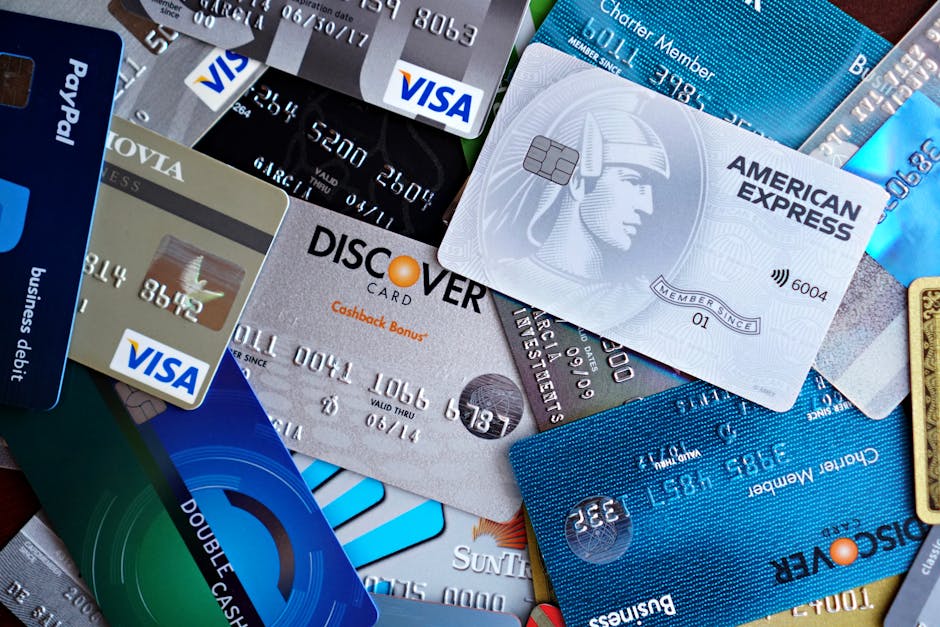
Why Avoiding Credit Cards Isn’t Always a Smart Move

July 12, 2025 by Travis Campbell Leave a Comment

credit card
Image Source: pexels.com

Credit cards get a bad rap. You hear stories about debt, high interest, and people losing control. It’s easy to think the best move is to avoid credit cards altogether. But that’s not always the smartest choice. Credit cards, when used wisely, can offer real benefits. They can help you build credit, protect your money, and even save you money. If you’re on the fence about using credit cards, here’s what you need to know.

1. Building Credit History

Your credit history matters more than you might think. Lenders, landlords, and even some employers look at your credit score. If you avoid credit cards, you miss a simple way to build a positive credit history. Using a credit card and paying it off each month shows you can handle debt responsibly. This can help you qualify for better loan rates, rental agreements, and even some jobs. Without a credit card, you might have a thin credit file, which can make life harder when you need to borrow money or sign a lease.

2. Earning Rewards and Cash Back

Credit cards can put money back in your pocket. Many cards offer rewards like cash back, travel points, or discounts on purchases. If you pay your balance in full each month, these rewards are basically free money. For example, a card that gives 2% cash back on groceries can add up over time. You’re spending the money anyway, so why not get something in return? Just make sure you don’t spend more than you can afford, or the interest will wipe out any rewards.

3. Protection Against Fraud

Debit cards and cash don’t offer the same protection as credit cards. If someone steals your credit card number, you’re usually not responsible for unauthorized charges. Federal law limits your liability to $50, and most card issuers offer zero-liability policies. With a debit card, your bank account could be drained before you even notice. Getting your money back can take time and cause stress. Credit cards act as a buffer between your money and the outside world, making them a safer choice for online shopping and travel.

4. Emergency Flexibility

Life happens. Your car breaks down, your pet gets sick, or you need to fly home for a family emergency. Credit cards give you a financial cushion when you need it most. You don’t have to scramble for a loan or borrow from friends. While it’s best to have an emergency fund, not everyone does. A credit card can buy you time to figure things out. Just remember, this is a backup plan, not a long-term solution.

5. Easier Travel and Reservations

Try booking a hotel or renting a car without a credit card. It’s possible, but it’s a hassle. Many companies require a credit card for reservations. They may put a hold on your card for incidentals, which is easier to manage with credit than with a debit card. Some travel cards also offer perks like rental car insurance, trip cancellation coverage, or airport lounge access. These benefits can make travel smoother and less stressful.

6. Tracking Spending and Budgeting

Credit cards make it easy to track your spending. Most issuers offer detailed statements and online tools. You can see where your money goes each month and spot trends. This can help you stick to a budget and avoid overspending. Some cards even categorize your purchases automatically. If you pay with cash or debit, you might lose track of small expenses. Credit cards give you a clear record, which is useful for budgeting and tax time.

7. Building Responsible Habits

Using a credit card doesn’t mean you have to go into debt. In fact, it can help you build good financial habits. Paying your balance in full each month teaches discipline. Setting up automatic payments can help you avoid late fees. Over time, you’ll learn to manage your money better. Avoiding credit cards altogether means missing out on this learning experience. Responsible use is key.

8. Access to Special Offers and Discounts

Some credit cards offer exclusive deals. You might get early access to concert tickets, discounts at certain stores, or extended warranties on purchases. These perks can save you money or give you access to experiences you wouldn’t have otherwise. If you avoid credit cards, you miss out on these extras. Just be sure to read the fine print and avoid spending just to get a deal.

9. Credit Cards Can Help in a Crisis

If you lose your job or face a sudden drop in income, a credit card can help you cover essentials until you get back on your feet. It’s not ideal to carry a balance, but sometimes it’s the best option in a tough situation. Having a credit card as a backup can provide peace of mind. It’s better to have the option and not need it than to need it and not have it.

Rethinking the “No Credit Card” Rule

Avoiding credit cards might seem safe, but it can limit your financial options. Credit cards, when used wisely, offer real advantages. They help you build credit, protect your money, and give you flexibility. The key is to use them responsibly. Pay your balance in full, track your spending, and don’t buy more than you can afford. Credit cards are tools. Used right, they can make your financial life easier, not harder.

Have you ever avoided credit cards? How has it worked out for you? Share your thoughts in the comments.

Read More

The Definition of Irony (or Why You Should Know What You’re Doing)

Stop Reading About Last Year’s Top Ten Mutual Funds

Travis Campbell
Travis Campbell

Travis Campbell is a digital marketer/developer with over 10 years of experience and a writer for over 6 years. He holds a degree in E-commerce and likes to share life advice he’s learned over the years. Travis loves spending time on the golf course or at the gym when he’s not working.

Filed Under: credit cards Tagged With: budgeting, credit cards, credit score, money management, Personal Finance, Planning

8 “Free” Financial Tools That Sell Your Data to the Highest Bidder

June 10, 2025 by Travis Campbell Leave a Comment

data
Image Source: pexels.com

If you’ve ever signed up for a “free” financial tool, you’re not alone. From budgeting apps to credit score trackers, these platforms promise to help you manage your money without charging a dime. But there’s a hidden cost: your personal data. Many of these free financial tools make their money by collecting, analyzing, and selling your information to advertisers, lenders, and even data brokers. This practice can put your privacy at risk and influence the offers you see—or don’t see—when it comes to loans, credit cards, and more. Understanding how these tools operate is crucial for anyone who values both their financial health and their personal privacy. Let’s break down eight popular “free” financial tools that may be selling your data to the highest bidder, and what you can do to protect yourself.

1. Budgeting Apps

Budgeting apps are a staple for anyone looking to get their finances in order. They connect to your bank accounts, track your spending, and help you set savings goals. However, many of these apps generate revenue by selling anonymized (and sometimes not-so-anonymized) user data to third parties. This data can include your spending habits, income, and even the stores you frequent. Before you sign up, read the privacy policy carefully and look for any mention of data sharing or selling. If you’re uncomfortable, consider using a spreadsheet or a paid app with a clear no-data-sale policy.

2. Free Credit Score Services

Free credit score services are everywhere, promising instant access to your credit score and report. While these tools are convenient, they often make money by selling your data to lenders and marketers. Your credit profile is valuable, and companies use it to target you with specific loan or credit card offers. Some services even share your information with partners who may contact you directly.

3. Investment Tracking Platforms

Investment tracking platforms let you monitor your portfolio, analyze performance, and get personalized advice—all for free. But there’s a catch: these platforms often collect detailed information about your holdings, transactions, and financial goals. This data is then packaged and sold to financial institutions, hedge funds, or advertisers looking to target high-net-worth individuals. If you use these tools, limit the amount of personal information you provide and opt out of data sharing when possible.

4. Tax Preparation Software

Many tax preparation tools offer a free version to attract users, but they may also collect and sell your financial data. This can include your income, deductions, and even your Social Security number. Some companies use this information to market loans, credit cards, or other financial products to you. Always review the privacy policy and consider whether the convenience of a free tool is worth the potential loss of privacy. For more on how tax software handles your data, check out this Consumer Reports investigation.

5. Personal Finance Aggregators

Personal finance aggregators combine all your accounts—banking, credit cards, investments—into one dashboard. While this is convenient, you’re also handing over a treasure trove of financial data. These platforms often sell aggregated user data to advertisers and financial service providers. If you use an aggregator, choose one with strong encryption and transparent data practices, and regularly review your account permissions.

6. Free Tax Refund Calculators

Tax refund calculators are a popular way to estimate your refund before filing. However, many of these tools collect your income, filing status, and other sensitive details, which can then be sold to marketers or used to target you with financial products. If you want to keep your data private, use calculators provided by reputable organizations or stick to offline methods.

7. Loan Comparison Sites

Loan comparison sites help you find the best personal, mortgage, or auto loan rates. To provide personalized offers, they often ask for detailed financial information. What many users don’t realize is that these sites may sell your data to lenders, brokers, or even data brokers who resell it further. This can lead to unwanted calls, emails, and targeted ads. Always check the site’s privacy policy and consider using anonymous browsing or burner email addresses.

8. Free Financial Planning Tools

Free financial planning tools offer calculators, retirement projections, and personalized advice. In exchange, they collect data about your income, assets, debts, and goals. This information is valuable to advertisers and financial service providers, who may use it to target you with specific products. If you value your privacy, look for tools that clearly state they do not sell user data, or consider working with a fee-only financial planner.

Protecting Your Financial Privacy in a Data-Driven World

The convenience of free financial tools is undeniable, but the hidden cost—your personal data—can have long-term consequences. Before signing up for any “free” financial tool, take the time to read the privacy policy, understand how your data will be used, and explore alternatives that prioritize your privacy. Remember, when a product is free, you are often the product. By staying informed and vigilant, you can enjoy the benefits of technology without sacrificing your financial privacy.

Have you ever been surprised by how much a “free” financial tool knew about you? Share your experiences or tips in the comments below!

Read More

How Surveillance Technology is Changing the Face of Finance

Understanding Alternative Investments

Travis Campbell
Travis Campbell

Travis Campbell is a digital marketer/developer with over 10 years of experience and a writer for over 6 years. He holds a degree in E-commerce and likes to share life advice he’s learned over the years. Travis loves spending time on the golf course or at the gym when he’s not working.

Filed Under: Personal Finance Tagged With: budgeting apps, credit score, data security, financial privacy, free financial tools, investment tracking, Personal Finance, tax software

How The New Affirm Policy Change May Affect Your Credit

June 5, 2025 by Travis Campbell Leave a Comment

online shop
Image Source: pexels.com

If you’ve ever shopped online and seen the option to “buy now, pay later” with Affirm, you’re not alone. These flexible payment plans have exploded in popularity, making it easier than ever to split up big purchases. But recently, Affirm announced a major policy change that could have a real impact on your credit score and financial future. Whether you’re a seasoned Affirm user or just considering your first purchase, understanding how this new policy works is crucial. After all, your credit score isn’t just a number—it can affect everything from loan approvals to apartment rentals. Let’s break down what’s changing, why it matters, and how you can protect your credit in this new landscape.

1. Affirm’s New Policy: What’s Actually Changing?

Affirm’s new policy centers around how it reports your payment activity to the major credit bureaus. Previously, not all Affirm loans were reported, especially the shorter-term, interest-free ones. Now, Affirm will report more of its loans, including some of those smaller, short-term plans, to credit bureaus like Experian and TransUnion. This means your payment behavior with Affirm will show up on your credit report more often than before. For many, this is a big shift, as it brings “buy now, pay later” (BNPL) activity into the same spotlight as credit cards and traditional loans.

2. Your Credit Score Could Rise—Or Fall

With Affirm’s new policy, your credit score could see more movement. If you make all your payments on time, this new reporting could actually help your credit score by adding positive payment history. On the flip side, missed or late payments will now be visible to lenders and could drag your score down. This is especially important if you’re planning to apply for a mortgage, car loan, or even a new credit card in the near future. Lenders look closely at your payment history, and even one late payment can make a difference. So, if you’re using Affirm, it’s more important than ever to stay on top of your payment schedule.

3. More Transparency for Lenders—and for You

One upside to Affirm’s new policy is increased transparency. Lenders will have a clearer picture of your financial habits, which can work in your favor if you’re responsible with your payments. This transparency also helps you keep track of your own credit health. By seeing your Affirm activity on your credit report, you can better understand how your spending and repayment habits affect your overall credit profile.

4. Short-Term Loans Are No Longer “Invisible”

In the past, many people used short-term, interest-free Affirm loans, thinking they wouldn’t impact their credit at all. With the new policy, these loans may now be reported, making them visible to anyone who checks your credit. This means that even small purchases split into payments could influence your credit score. If you’re juggling multiple BNPL plans, it’s easy to lose track, so be sure to monitor your accounts closely. Treat every Affirm loan—no matter how small—as if it were a traditional loan, because now, it essentially is.

5. Practical Steps to Protect Your Credit

With these changes, it’s smart to take a few proactive steps. First, set up automatic payments or reminders so you never miss a due date. Next, keep your total number of active BNPL loans manageable; having too many open at once can make you look risky to lenders. Finally, regularly review your credit report to catch any errors or surprises. If you spot a late payment that you believe is incorrect, dispute it right away. Staying organized and vigilant is the best way to make sure Affirms new policy works for you, not against you.

6. The Bigger Picture: How BNPL Is Shaping Credit

Affirms policy change is part of a larger trend: buy now, pay later services are becoming a bigger part of the credit landscape. As more companies follow suit, your BNPL activity will play a larger role in your overall financial profile. This shift means that responsible use of these services can help you build credit, but careless use can hurt you just as quickly. The key is to treat every BNPL plan with the same seriousness as a credit card or loan. The days of “invisible” installment plans are over, and your credit score will reflect your choices.

Navigating the New Affirm Policy: Your Credit, Your Rules

The new Affirm policy change may feel like a curveball, but it’s also an opportunity. By understanding how Affirm now affects your credit, you can make smarter decisions and use these services to your advantage. Remember, your credit score is a tool—one that can open doors or create obstacles, depending on how you manage it. Stay informed, stay organized, and let Affirms new policy work for you, not against you.

How do you feel about Affirms new policy? Have you noticed any changes in your credit score since the update? Share your thoughts in the comments below!

Read More

How The New Affirm Policy Change May Affect Your Credit

5 Biggest Refinance Concerns

Travis Campbell
Travis Campbell

Travis Campbell is a digital marketer/developer with over 10 years of experience and a writer for over 6 years. He holds a degree in E-commerce and likes to share life advice he’s learned over the years. Travis loves spending time on the golf course or at the gym when he’s not working.

Filed Under: Smart Shopping Tagged With: Affirm, BNPL, buy now pay later, credit report, credit score, Financial Tips, Personal Finance

Debt Ghosting: The Disturbing New Trend You Need to Watch Out For

May 27, 2025 by Travis Campbell Leave a Comment

broke debt
Image Source: pexels.com

If you’ve ever felt overwhelmed by bills or dodged a call from a creditor, you’re not alone. But a new phenomenon is taking avoidance to the next level: debt ghosting. This trend is quietly reshaping how people deal with financial obligations, and it’s leaving a trail of consequences that can haunt your credit and future opportunities. As more Americans struggle with rising living costs and mounting debt, understanding debt ghosting is crucial for anyone hoping to protect their financial health.

Debt ghosting isn’t just about ignoring a few calls—it’s a pattern of completely cutting off communication with creditors, lenders, and even financial institutions. The fallout can be severe, affecting everything from your credit score to your ability to rent an apartment or secure a job. With nearly 61% of Americans living paycheck to paycheck and consumer debt at an all-time high, the temptation to ghost debt collectors is stronger than ever. But before you consider disappearing from your debts, knowing what’s really at stake is important.

1. What Is Debt Ghosting and Why Is It Spreading?

Debt ghosting refers to the act of intentionally ignoring all attempts by creditors or debt collectors to contact you, whether by phone, email, or mail. Unlike simply missing a payment, debt ghosting involves a deliberate effort to disappear from the radar—no callbacks, no responses, and sometimes even changing phone numbers or addresses.

This trend is gaining traction as financial stress rises. In 2024, U.S. household debt reached a record $17.5 trillion, with credit card balances alone topping $1.13 trillion. Many people feel overwhelmed and powerless, especially as interest rates climb and inflation squeezes budgets. For some, ghosting feels like the only way to escape relentless collection efforts and mounting anxiety.

However, debt ghosting rarely makes the problem go away. Instead, it often leads to more aggressive collection tactics, legal action, and long-term damage to one’s financial reputation.

2. The Real-World Impact: How Debt Ghosting Can Haunt You

The consequences of debt ghosting are far-reaching and often more severe than people expect. When you stop communicating with creditors, your debt doesn’t disappear—it grows. Late fees, penalty interest rates, and collection costs can quickly balloon what you owe.

A sharp drop in your credit score is one of the most immediate effects. Payment history makes up 35% of your FICO score, and missed payments can lower your score by as much as 100 points or more. This can make it harder to qualify for loans, rent an apartment, or even get a job, as many employers now check credit reports during hiring.

Real-life stories highlight the risks. Take the case of a young professional who ghosted on $8,000 in credit card debt after losing her job. Within months, her credit score plummeted, her account was sent to collections, and she faced a lawsuit for the unpaid balance. The stress and financial fallout lasted for years, far outweighing the temporary relief of ignoring the problem.

3. Why Are More People Choosing to Ghost Their Debts?

Several factors are fueling the rise of debt ghosting. First, the stigma around debt remains strong, making people reluctant to ask for help or negotiate with creditors. Social media and online forums sometimes encourage ghosting as a way to “take control” or avoid harassment, but this advice rarely addresses the long-term consequences.

Economic pressures are also a major driver. With inflation pushing up the cost of essentials and wages struggling to keep pace, many households are forced to prioritize immediate needs over debt repayment. In 2023, nearly 40% of Americans reported skipping payments on at least one bill to cover necessities like food or rent. For those feeling trapped, ghosting can seem like the only option left.

However, this approach often backfires. Creditors have more tools than ever to track down debtors, including skip tracing and legal action. Ignoring the problem can escalate the situation, leading to wage garnishment, asset seizure, or court judgments.

4. Practical Steps to Avoid the Debt Ghosting Trap

If you’re struggling with debt, there are better options than ghosting. The first step is to face the situation head-on. Contact your creditors as soon as you know you’ll have trouble making payments. If you communicate early, many lenders offer hardship programs, payment plans, or temporary relief.

Consider working with a nonprofit credit counseling agency. These agencies can help you create a budget, negotiate with creditors, and explore debt management plans. These services are often free or low-cost and can provide a lifeline when you feel overwhelmed.

It’s also important to know your rights. The Fair Debt Collection Practices Act protects you from harassment and abusive tactics. If you feel threatened or mistreated, you can file a complaint with the Consumer Financial Protection Bureau.

Finally, take steps to rebuild your financial foundation. Track your spending, build an emergency fund, and seek support from trusted friends or professionals. Remember, debt ghosting may offer short-term relief, but it almost always leads to bigger problems down the road.

5. Breaking the Cycle: How to Protect Your Financial Future

Debt ghosting is a growing trend, but it’s not a solution. The real cost is long-term financial instability, damaged credit, and lost opportunities. By staying proactive, communicating with creditors, and seeking help when needed, you can avoid the pitfalls of debt ghosting and build a stronger financial future.

If you’re feeling overwhelmed, remember you’re not alone. Millions of Americans are facing similar challenges, and there are resources available to help. Don’t let fear or shame drive you into silence—take action, ask for support, and make informed decisions that protect your future.

Have you ever felt tempted to ghost your debts? What steps have you taken to manage financial stress? Share your experiences and advice in the comments below.

Read More

Debt Consolidation Loan: How Do They Work and Its Benefits

6 Ways to Manage Student Loan Debt

Travis Campbell
Travis Campbell

Travis Campbell is a digital marketer/developer with over 10 years of experience and a writer for over 6 years. He holds a degree in E-commerce and likes to share life advice he’s learned over the years. Travis loves spending time on the golf course or at the gym when he’s not working.

Filed Under: Debt Management Tagged With: budgeting, consumer debt, credit score, debt ghosting, Debt Management, Financial Health, Personal Finance

6 Scary Things Lenders Can Do If You Miss One Payment

May 26, 2025 by Travis Campbell Leave a Comment

loan agreement
Image Source: pexels.com

Missing a payment might seem like a small slip, but it can set off a chain reaction that’s both stressful and expensive. Life happens—maybe you forgot, or maybe money was tight this month. But lenders don’t always see it that way. Even a single missed payment can trigger consequences that go far beyond a late fee. If you’ve ever wondered what really happens when you miss a payment, you’re not alone. Understanding the risks can help you avoid costly mistakes and keep your financial life on track. Let’s break down the six scariest things lenders can do if you miss just one payment—and what you can do to protect yourself.

1. Report Your Missed Payment to Credit Bureaus

One of the first and most damaging things lenders can do after a missed payment is report it to the credit bureaus. If your payment is more than 30 days late, most lenders will notify the major credit bureaus—Experian, Equifax, and TransUnion. This negative mark can drop your credit score by as much as 100 points, especially if you had a good score to begin with. A lower credit score can make it harder to get approved for loans, credit cards, or even a rental apartment in the future. According to Experian, payment history is the single biggest factor in your credit score, making up 35% of the total. So, even one missed payment can have a long-lasting impact.

2. Charge Late Fees and Penalties

Lenders don’t just stop at reporting your missed payment—they’ll also hit you with late fees. These fees can range from $25 to $40 or more, depending on the type of account and your lender’s policies. If you continue to miss payments, the fees can stack up quickly, making it even harder to catch up. Some lenders may also increase your interest rate after a missed payment, especially on credit cards. This means you’ll pay more in interest over time, making your debt even more expensive. To avoid this, always check your lender’s late fee policy and set up payment reminders or automatic payments if possible.

3. Increase Your Interest Rate

Missing a payment can trigger a penalty APR, especially with credit cards. This higher interest rate kicks in after a missed payment and can last for months—or even indefinitely. According to the Consumer Financial Protection Bureau, penalty APRs can be as high as 29.99%. That means more of your payment goes toward interest instead of the principal, making it harder to pay off your balance. Even if you make future payments on time, some lenders require several consecutive on-time payments before they’ll lower your rate again. If you’re worried about missed payments, contact your lender as soon as possible to see if they can work with you before your rate goes up.

4. Reduce Your Credit Limit

Another scary move lenders can make after a missed payment is reducing your credit limit. This is especially common with credit cards. If your lender sees you as a higher risk, they might lower your available credit, which can hurt your credit utilization ratio—the amount of credit you’re using compared to your total limit. A higher utilization ratio can further lower your credit score, creating a vicious cycle. For example, if your limit drops from $5,000 to $2,500 and you have a $2,000 balance, your utilization jumps from 40% to 80%. Keeping your utilization below 30% is ideal for maintaining a healthy credit score.

5. Send Your Account to Collections

If your missed payment turns into several missed payments, your lender may eventually send your account to a collection agency. This usually happens after 90 to 180 days of nonpayment, but some lenders act sooner. Once your debt is in collections, you’ll start getting calls and letters from debt collectors, which can be stressful and embarrassing. Having an account in collections is a major red flag on your credit report and can stay there for up to seven years. In extreme cases, it can also lead to legal action, wage garnishment, or even a court judgment. If you’re struggling to make payments, reach out to your lender before your account is sent to collections—they may be willing to work out a payment plan.

6. Repossess or Foreclose on Your Property

For secured loans like auto loans or mortgages, missing a payment can put your property at risk. Lenders have the legal right to repossess your car or foreclose on your home if you fall behind on payments. While most lenders won’t take action after just one missed payment, repeated missed payments can quickly escalate to repossession or foreclosure proceedings. Losing your car or home is a worst-case scenario, but it’s a real risk if you don’t address missed payments promptly. If you’re in danger of missing a payment on a secured loan, contact your lender immediately to discuss hardship options or forbearance programs.

Protect Yourself from the Domino Effect of Missed Payments

Missing a payment can feel like a small mistake, but as you can see, it can set off a domino effect of scary consequences. The risks are real, from credit score damage and late fees to collections and even losing your property. The good news? Most lenders are willing to work with you if you reach out early. Set up payment reminders, automate your bills, and don’t be afraid to ask for help if you’re struggling. Staying proactive is the best way to keep your finances and peace of mind intact.

Have you ever experienced any of these consequences after a missed payment? Share your story or tips in the comments below!

Read More

How to Take Control of Your Finances and Get Out of Debt

6 Ways to Manage Student Loan Debt

Travis Campbell
Travis Campbell

Travis Campbell is a digital marketer/developer with over 10 years of experience and a writer for over 6 years. He holds a degree in E-commerce and likes to share life advice he’s learned over the years. Travis loves spending time on the golf course or at the gym when he’s not working.

Filed Under: Banking & Finance Tagged With: credit score, Debt, financial advice, late payments, lenders, missed payments, Personal Finance

  • « Previous Page
  • 1
  • …
  • 8
  • 9
  • 10
  • 11
  • 12
  • Next Page »

FOLLOW US

Search this site:

Recent Posts

  • Can My Savings Account Affect My Financial Aid? by Tamila McDonald
  • 12 Ways Gen X’s Views Clash with Millennials… by Tamila McDonald
  • What Advantages and Disadvantages Are There To… by Jacob Sensiba
  • 10 Tactics for Building an Emergency Fund from Scratch by Vanessa Bermudez
  • Call 911: Go To the Emergency Room Immediately If… by Stephen Kanaval
  • 7 Weird Things You Can Sell Online by Tamila McDonald
  • 10 Scary Facts About DriveTime by Tamila McDonald

Copyright © 2026 · News Pro Theme on Genesis Framework