• Home
  • About Us
  • Getting Finances Done
    • Hiring Advisors
    • Debt Management
    • Spending Plan
  • Insurance
    • Life Insurance
    • Health Insurance
    • Disability Insurance
    • Homeowners/Renters Insurance
  • Contact Us
  • Our Editorial Commitment

The Free Financial Advisor

You are here: Home / Archives for late payments

5 Sneaky Ways Creditors Profit From Late Payments

September 19, 2025 by Travis Campbell Leave a Comment

debt
Image source: pexels.com

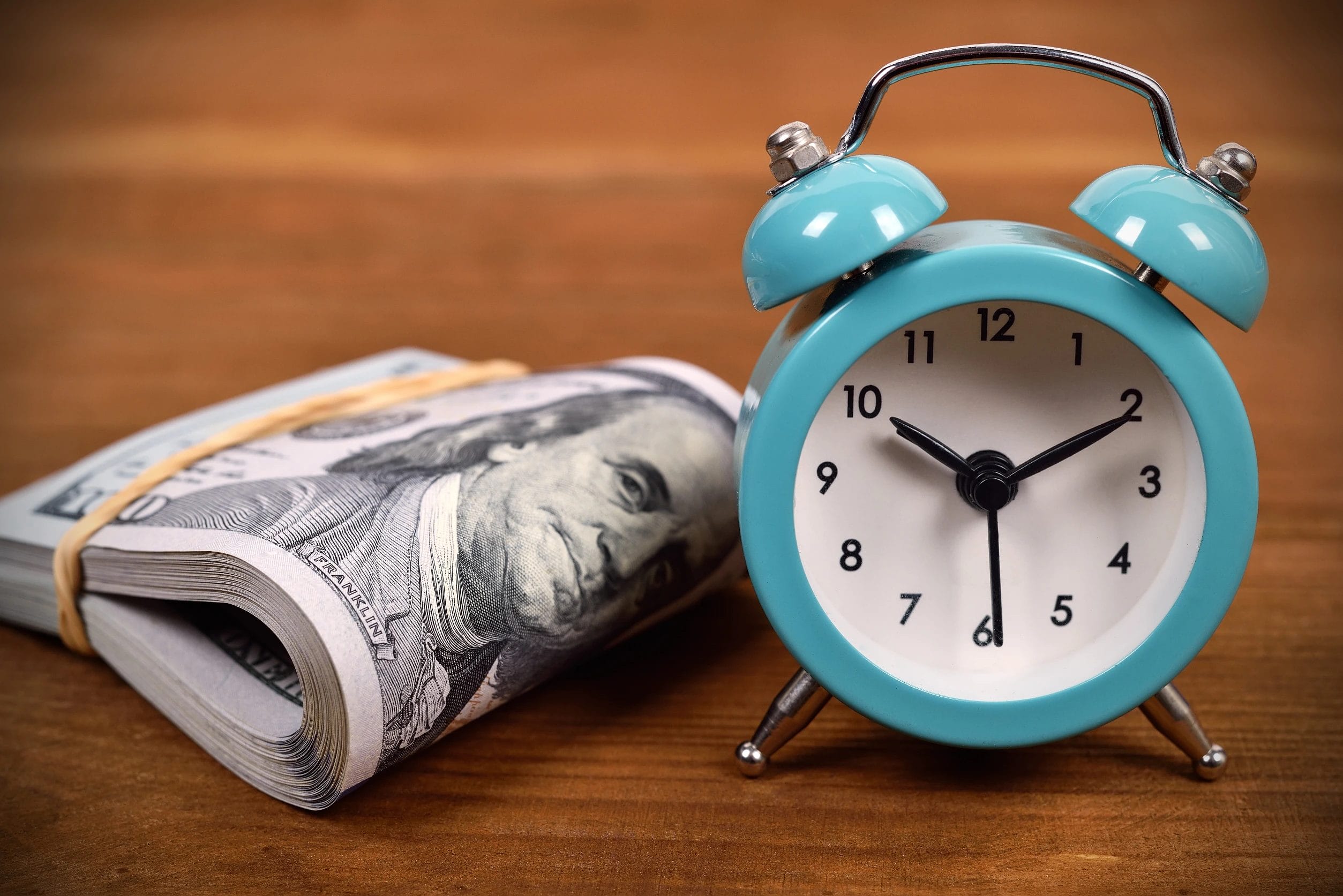
Credit card companies and other lenders make a lot of money from late payments. If you’ve ever missed a due date, you know how quickly fees and interest can add up. But what you might not realize is just how many sneaky ways creditors profit from late payments. These tactics can quietly drain your wallet, making it harder to get out of debt. Knowing how creditors benefit from late payments can help you avoid costly traps and keep more of your hard-earned money. Let’s break down the most common profit strategies so you can stay ahead.

1. Charging Late Fees

The most obvious way creditors profit from late payments is by charging late fees. These fees can be as high as $40 or more for each missed payment. For many people, a single late payment isn’t a big deal, but if you’re juggling multiple accounts, fees can pile up fast. Creditors count on a certain percentage of customers missing payments, making late fees a steady source of income.

Some lenders even structure their payment systems to make it easy for you to slip up. Payment due dates might fall on weekends or holidays, when it’s harder to get a payment processed on time. While regulations limit how much can be charged, late fees still represent a significant profit center for many companies. The more often you pay late, the more they collect.

2. Raising Your Interest Rate

Another sneaky way creditors profit from late payments is by increasing your interest rate. Many credit card agreements include a penalty APR, which is a much higher interest rate triggered by a late payment. Suddenly, your purchases start accruing interest at 25% or even 30%, making your balance grow faster than before.

This penalty rate can last for months or even longer, resulting in higher monthly interest payments. Even a single late payment can give your creditor an excuse to raise your interest rate—not just on new purchases, but also on your existing balance. Over time, this can cost you hundreds or thousands of dollars, all because of a single slip-up.

3. Reducing Your Credit Limit

Creditors may also quietly reduce your credit limit after a late payment. This move might seem harmless, but it can have costly side effects. When your credit limit drops, your credit utilization ratio goes up, which can lower your credit score. A lower credit score means higher interest rates and less favorable terms on future loans.

Worse, if you’re close to your new limit, you may accidentally go over and trigger even more fees. Creditors profit from these cascading effects, as customers with lower scores and limits are more likely to generate income through additional fees and higher interest rates. It’s a subtle but powerful way creditors benefit from late payments.

4. Reporting to Credit Bureaus

Most creditors report late payments to the major credit bureaus once an account is 30 days past due. This negative mark can stay on your credit report for up to seven years. While this doesn’t directly put money in your creditor’s pocket, it does help them profit in the long run.

How? With a lower credit score, you’re more likely to be offered new credit at higher interest rates and with more fees attached. Other lenders see you as a risk, so the cost of borrowing goes up. Your current creditor can also justify charging you more for any future products or services. In the end, poor credit caused by late payments means more profit for creditors across the board.

5. Encouraging Minimum Payments

When you pay late, creditors may encourage you to pay just the minimum due to avoid further late fees. While this seems helpful, it’s another sneaky way they profit. Paying only the minimum means most of your payment goes to interest, not the principal. Your balance barely goes down, and you stay in debt longer.

This strategy is especially profitable for creditors because it keeps you in a cycle of payments and interest for years. The longer you take to pay off your debt, the more money they make from you. It’s a subtle nudge that can have a big impact on your finances over time.

Protecting Yourself from Late Payment Traps

As you can see, creditors have several sneaky ways to profit from late payments. From late fees to penalty interest rates and even credit score damage, these tactics can quietly cost you a lot of money. The best defense is to stay organized and make payments on time whenever possible. Set up reminders, automate payments, or use budgeting tools to avoid falling behind. If you do miss a payment, act quickly—sometimes a creditor will waive the fee if you call and ask, especially if it’s your first time.

Understanding how creditors profit from late payments puts you back in control. By being proactive, you can keep more of your money and avoid the traps lenders set.

Have you ever been caught off guard by a late payment fee or penalty interest rate? How did you handle it? Share your experience in the comments below!

What to Read Next…

  • 7 Financial Loopholes That Lenders Exploit Behind The Scenes
  • 5 Things That Instantly Decrease Your Credit Score By 50 Points
  • The Benefits Of Taking Personal Loans And Their Impact On Credit Scores
  • Why Credit Limits Are Being Lowered Without Consent
  • 7 Credit Card Features Disappearing Without Any Notice
Travis Campbell
Travis Campbell

Travis Campbell is a digital marketer/developer with over 10 years of experience and a writer for over 6 years. He holds a degree in E-commerce and likes to share life advice he’s learned over the years. Travis loves spending time on the golf course or at the gym when he’s not working.

Filed Under: credit cards Tagged With: credit card fees, credit score, creditors, Debt Management, interest rates, late payments, Personal Finance

6 Scary Things Lenders Can Do If You Miss One Payment

May 26, 2025 by Travis Campbell Leave a Comment

loan agreement
Image Source: pexels.com

Missing a payment might seem like a small slip, but it can set off a chain reaction that’s both stressful and expensive. Life happens—maybe you forgot, or maybe money was tight this month. But lenders don’t always see it that way. Even a single missed payment can trigger consequences that go far beyond a late fee. If you’ve ever wondered what really happens when you miss a payment, you’re not alone. Understanding the risks can help you avoid costly mistakes and keep your financial life on track. Let’s break down the six scariest things lenders can do if you miss just one payment—and what you can do to protect yourself.

1. Report Your Missed Payment to Credit Bureaus

One of the first and most damaging things lenders can do after a missed payment is report it to the credit bureaus. If your payment is more than 30 days late, most lenders will notify the major credit bureaus—Experian, Equifax, and TransUnion. This negative mark can drop your credit score by as much as 100 points, especially if you had a good score to begin with. A lower credit score can make it harder to get approved for loans, credit cards, or even a rental apartment in the future. According to Experian, payment history is the single biggest factor in your credit score, making up 35% of the total. So, even one missed payment can have a long-lasting impact.

2. Charge Late Fees and Penalties

Lenders don’t just stop at reporting your missed payment—they’ll also hit you with late fees. These fees can range from $25 to $40 or more, depending on the type of account and your lender’s policies. If you continue to miss payments, the fees can stack up quickly, making it even harder to catch up. Some lenders may also increase your interest rate after a missed payment, especially on credit cards. This means you’ll pay more in interest over time, making your debt even more expensive. To avoid this, always check your lender’s late fee policy and set up payment reminders or automatic payments if possible.

3. Increase Your Interest Rate

Missing a payment can trigger a penalty APR, especially with credit cards. This higher interest rate kicks in after a missed payment and can last for months—or even indefinitely. According to the Consumer Financial Protection Bureau, penalty APRs can be as high as 29.99%. That means more of your payment goes toward interest instead of the principal, making it harder to pay off your balance. Even if you make future payments on time, some lenders require several consecutive on-time payments before they’ll lower your rate again. If you’re worried about missed payments, contact your lender as soon as possible to see if they can work with you before your rate goes up.

4. Reduce Your Credit Limit

Another scary move lenders can make after a missed payment is reducing your credit limit. This is especially common with credit cards. If your lender sees you as a higher risk, they might lower your available credit, which can hurt your credit utilization ratio—the amount of credit you’re using compared to your total limit. A higher utilization ratio can further lower your credit score, creating a vicious cycle. For example, if your limit drops from $5,000 to $2,500 and you have a $2,000 balance, your utilization jumps from 40% to 80%. Keeping your utilization below 30% is ideal for maintaining a healthy credit score.

5. Send Your Account to Collections

If your missed payment turns into several missed payments, your lender may eventually send your account to a collection agency. This usually happens after 90 to 180 days of nonpayment, but some lenders act sooner. Once your debt is in collections, you’ll start getting calls and letters from debt collectors, which can be stressful and embarrassing. Having an account in collections is a major red flag on your credit report and can stay there for up to seven years. In extreme cases, it can also lead to legal action, wage garnishment, or even a court judgment. If you’re struggling to make payments, reach out to your lender before your account is sent to collections—they may be willing to work out a payment plan.

6. Repossess or Foreclose on Your Property

For secured loans like auto loans or mortgages, missing a payment can put your property at risk. Lenders have the legal right to repossess your car or foreclose on your home if you fall behind on payments. While most lenders won’t take action after just one missed payment, repeated missed payments can quickly escalate to repossession or foreclosure proceedings. Losing your car or home is a worst-case scenario, but it’s a real risk if you don’t address missed payments promptly. If you’re in danger of missing a payment on a secured loan, contact your lender immediately to discuss hardship options or forbearance programs.

Protect Yourself from the Domino Effect of Missed Payments

Missing a payment can feel like a small mistake, but as you can see, it can set off a domino effect of scary consequences. The risks are real, from credit score damage and late fees to collections and even losing your property. The good news? Most lenders are willing to work with you if you reach out early. Set up payment reminders, automate your bills, and don’t be afraid to ask for help if you’re struggling. Staying proactive is the best way to keep your finances and peace of mind intact.

Have you ever experienced any of these consequences after a missed payment? Share your story or tips in the comments below!

Read More

How to Take Control of Your Finances and Get Out of Debt

6 Ways to Manage Student Loan Debt

Travis Campbell
Travis Campbell

Travis Campbell is a digital marketer/developer with over 10 years of experience and a writer for over 6 years. He holds a degree in E-commerce and likes to share life advice he’s learned over the years. Travis loves spending time on the golf course or at the gym when he’s not working.
Filed Under: Banking & Finance Tagged With: credit score, Debt, financial advice, late payments, lenders, missed payments, Personal Finance

10 Signs You’re Heading Towards a Financial Disaster

February 19, 2024 by Tamila McDonald Leave a Comment

financial disaster

In today’s fast-paced economic climate, managing personal finances has become more challenging than ever. With fluctuating markets, increasing living costs, and the allure of easy credit, it’s easy to slip into financial pitfalls. Take a look at these ten critical signs indicating that you might be on the verge of a money disaster. Understanding these signs is vital to taking proactive steps toward financial stability.

1. Consistent Overdrafts in Your Bank Account

Overdraft

Continual reliance on overdrafts is a glaring red flag in financial management. Overdrafts might seem like a convenient short-term solution, but they often come with high fees and interest rates. Regularly finding yourself in the red implies that you’re spending more than you earn, a dangerous precedent leading to a debt spiral. Start by re-evaluating your budget and cutting unnecessary expenses to mitigate this risk.

2. Reliance on Credit Cards for Daily Expenses

credit cards

Using credit cards for everyday expenses can be a slippery slope towards debt accumulation. It’s especially concerning if you’re not paying off the balance each month. High-interest rates on unpaid balances can quickly escalate, trapping you in a cycle of debt. To avoid this, use debit cards or cash for daily transactions and reserve credit cards for emergencies or planned expenses.

3. No Emergency Savings Fund

Emergency Fund

The absence of an emergency fund exposes you to financial peril. Unforeseen expenses like medical emergencies or car repairs can compel you to resort to high-interest loans or credit cards. Financial advisors often recommend having at least three to six months’ worth of living expenses saved. Start small if necessary, but make it a habit to regularly contribute to this fund.

4. Minimum Payments on High Debt Levels

Minimum Payment

Paying only the minimum on your debts, especially high-interest ones, is a warning sign. This approach prolongs your debt period and increases the total interest paid. Focus on creating a strategy to pay more than the minimum, starting with the highest interest debts. This approach can save you money in the long run and expedite your journey to being debt-free.

5. Lack of a Monthly Budget or Financial Plan

monthly budget

Not having a monthly budget is like navigating without a map and it’s a quick way to be met with a money disaster. Without a clear understanding of your income and expenditures, it’s easy to overspend and save less. Crafting a budget helps you prioritize your spending, save consistently, and make informed financial decisions. It’s a fundamental tool in maintaining financial health.

6. Regular Late Payments on Bills

late payments

Late payments on bills are not just about paying extra fees; they also negatively impact your credit score. A low credit score can lead to higher interest rates on loans and credit cards, making it more expensive to borrow money. To avoid this, set reminders for due dates or consider setting up automatic payments for your recurring bills.

7. Investment in High-Risk Ventures Without Proper Research

high risk ventures

Investing in high-risk ventures without due diligence can lead to significant financial losses. While high returns can be tempting, they come with increased risks. Diversify your investment portfolio and conduct thorough research before committing your money. Remember, if an investment sounds too good to be true, it probably is.

8. Ignoring Financial Statements and Bills

Ignoring Bills

Not reviewing your financial statements and bills can lead to missed errors or unrecognized fraudulent charges. Regularly monitoring these documents helps you stay on top of your finances and identify any discrepancies quickly. It also keeps you informed about your spending patterns, aiding in better financial planning.

9. Continuous Borrowing from Retirement Funds

borrowing from retirement

Dipping into retirement savings can have long-term repercussions on your financial future and potentially lead to a money disaster. These funds are meant for your post-retirement life and withdrawing them early can result in penalties and lost interest. It’s crucial to view retirement funds as untouchable until retirement and find other ways to manage current financial obligations.

10. Lifestyle Inflation Outpacing Income Growth

Lifestyle inflation

Increasing your standard of living as soon as your income rises is a common trap. This lifestyle inflation can prevent you from saving and investing for the future. It’s important to balance enjoying your present while also securing your financial future. Practicing mindful spending and continuously saving a portion of your income can help maintain this balance.

Avoiding a Money Disaster Requires Financial Stability

financial stability

Recognizing these ten signs is crucial in averting a potential money disaster. Financial stability requires discipline, planning, and awareness. If you find yourself identifying with any of these signs, it’s time to take action. Review your financial habits, seek professional advice if needed, and start making changes today. Remember, the path to financial health is a journey, and it’s never too late to start.

Start by assessing your financial health today. Create a budget, plan your expenses, and set realistic financial goals. Your future self will thank you!

Tamila McDonald
Tamila McDonald

Tamila McDonald is a U.S. Army veteran with 20 years of service, including five years as a military financial advisor. After retiring from the Army, she spent eight years as an AFCPE-certified personal financial advisor for wounded warriors and their families. Now she writes about personal finance and benefits programs for numerous financial websites.

Filed Under: Personal Finance Tagged With: borrowing from retirement funds, investint in high risk ventures, late payments, making the minimum payment, no emergency fund

Follow Us

Search this site:

Recent Posts

  • Can My Savings Account Affect My Financial Aid? by Tamila McDonald
  • 12 Ways Gen X’s Views Clash with Millennials… by Tamila McDonald
  • What Advantages and Disadvantages Are There To… by Jacob Sensiba
  • 10 Tactics for Building an Emergency Fund from Scratch by Vanessa Bermudez
  • Call 911: Go To the Emergency Room Immediately If… by Stephen Kanaval
  • 7 Weird Things You Can Sell Online by Tamila McDonald
  • 10 Scary Facts About DriveTime by Tamila McDonald

Copyright © 2026 · News Pro Theme on Genesis Framework