• Home
  • About Us
  • Toolkit
  • Getting Finances Done
    • Hiring Advisors
    • Debt Management
    • Spending Plan
  • Insurance
    • Life Insurance
    • Health Insurance
    • Disability Insurance
    • Homeowners/Renters Insurance
  • Contact Us
  • Privacy Policy
  • Risk Tolerance Quiz

The Free Financial Advisor

You are here: Home / Archives for money management

How You Spend and Give Your Money for Balanced Financial Plan

July 16, 2024 by Vanessa Bermudez Leave a Comment

How You Spend and Give Your Money Creating a Balanced Financial Plan

Canva

How you spend and give your money is crucial in creating a balanced financial plan. Achieving financial stability and meeting your goals requires strategic planning and mindful decisions. Here are ten key aspects to help you craft a balanced financial plan that aligns with your values and aspirations.

1. Setting Clear Financial Goals

Start by defining your financial goals, both short-term and long-term. These could include saving for a home, retirement, or an emergency fund. Clear goals provide direction and motivation for your financial decisions. Break down larger goals into smaller, manageable steps. Regularly reviewing and adjusting your goals ensures you stay on track.

2. Budgeting for Essentials

Budgeting is crucial for managing how you spend and give your money. List all your essential expenses, such as housing, utilities, groceries, and transportation. Allocate a portion of your income to cover these necessities first. Use budgeting tools or apps to track your spending and stay within your limits. Prioritizing essentials helps prevent overspending and financial stress.

3. Allocating for Savings

Incorporating savings into your financial plan is essential for future security. Aim to save at least 20% of your income each month. Automate your savings to ensure consistency and reduce the temptation to spend. Consider various savings goals, such as an emergency fund, retirement, and major purchases. Regular savings build a financial cushion for unexpected expenses and long-term goals.

4. Strategic Debt Management

Strategic Debt Management

Canva

Effective debt management is a key component of a balanced financial plan. List all your debts, including credit cards, loans, and mortgages. Prioritize paying off high-interest debt first to reduce overall costs. Consider debt consolidation options to simplify payments and lower interest rates. Developing a repayment strategy helps you become debt-free faster.

5. Smart Investment Choices

Investing wisely can significantly boost your financial growth. Research different investment options, such as stocks, bonds, and real estate. Diversify your portfolio to spread risk and increase potential returns. Consult a financial advisor to create an investment strategy that aligns with your goals and risk tolerance. Regularly review your investments to ensure they perform well.

6. Charitable Giving

Incorporating charitable giving into your financial plan reflects your values and supports causes you care about. Decide how much of your income you can allocate to donations. Research organizations to ensure your contributions make a meaningful impact. Consider setting up automatic donations to maintain consistency. Charitable giving can provide personal satisfaction and community benefits.

7. Managing Lifestyle Expenses

Balancing lifestyle expenses is crucial for maintaining financial health. Identify non-essential spending, such as dining out, entertainment, and hobbies. Set a reasonable budget for these discretionary expenses. Look for ways to enjoy activities affordably without compromising your financial goals. Mindful spending helps you enjoy life while staying financially responsible.

8. Planning for Taxes

Planning for Taxes

Canva

Tax planning is an important aspect of managing how you spend and give your money. Understand your tax obligations and explore ways to minimize your tax burden legally. Utilize tax-advantaged accounts like IRAs and 401(k)s for retirement savings. Keep thorough records of your income, expenses, and deductions. Consulting with a tax professional can optimize your tax strategy.

9. Reviewing and Adjusting Your Plan

Regularly reviewing and adjusting your financial plan ensures it stays relevant to your changing needs. Set aside time each month to evaluate your budget, savings, and investments. Make adjustments based on life changes, such as a new job, marriage, or having children. Flexibility in your financial plan allows you to adapt and stay on course. Continuous improvement is key to financial success.

10. Seeking Professional Guidance

Professional financial guidance can enhance your financial planning efforts. Financial advisors, accountants, and planners can provide expert advice tailored to your situation. They can help you navigate complex financial decisions, from investing to estate planning. Regular consultations ensure your financial plan remains effective and aligned with your goals. Professional support can be invaluable for achieving long-term financial stability.

Achieving Financial Balance

Creating a balanced financial plan requires careful consideration of how you spend and give your money. By setting clear goals, budgeting wisely, saving consistently, and seeking professional advice, you can achieve financial stability and meet your aspirations. Regularly reviewing and adjusting your plan ensures it remains effective and aligned with your evolving needs. Embrace these strategies to build a secure and fulfilling financial future.

Vanessa Bermudez
Vanessa Bermudez
Vanessa Bermudez is a content writer with over eight years of experience crafting compelling content across a diverse range of niches. Throughout her career, she has tackled an array of subjects, from technology and finance to entertainment and lifestyle. In her spare time, she enjoys spending time with her husband and two kids. She’s also a proud fur mom to four gentle giant dogs.

Filed Under: money management Tagged With: Budgeting Tips, charitable giving, Debt Management, Planning, Smart Investments

10 Money Leaks in Your Home You Can Fix Today

June 10, 2024 by Vanessa Bermudez Leave a Comment

money and house

123rf

So, you’ve been checking your monthly expenses and can’t shake the feeling that your money is somehow slipping through the cracks? Well, you might not be wrong. Your home could be full of little money leaks that are silently padding your bills. The good news? Many of these can be plugged with simple fixes that don’t require a call to a professional. Let’s dive into 10 common household money leaks and how you can fix them today for a tighter, more budget-friendly home.

1. Leaky Faucets

Leaky Faucets

Canva

That drip-drip-drip isn’t just a nuisance; it’s a drain on your wallet. A single leaky faucet can waste gallons of water a day, adding unnecessary costs to your water bill. The fix is usually as simple as replacing a worn washer or tightening a few screws. You can find tutorials online that will guide you step-by-step, or you can pick up a DIY repair kit from your local hardware store. Patching up these leaks is a quick win in the battle against wasteful spending.

2. Old Weather Stripping

Old Weather Stripping

Canva

Weather stripping around doors and windows keeps the outside air where it belongs, outside. If it’s worn out, though, it’s likely letting air sneak in, making your heating and cooling system work harder and costing you more. Check for drafts by holding a candle near window frames and doors on a windy day; if the flame flickers, you’ve got a leak. Replacing weather stripping is cheap and easy, and it can make a big difference in your energy bills.

3. Inefficient Light Bulbs

Inefficient Light Bulbs

Canva

Still, lighting up your home like it’s the early 2000s? It’s time to switch to LED bulbs. LEDs use a fraction of the electricity of traditional incandescent bulbs and last way longer. Although they’re a bit pricier upfront, the savings on your energy bills will more than makeup for the initial cost. Plus, they come in various hues to enhance the ambiance of your home. Efficiency can indeed be beautiful!

4. Uninsulated Pipes

Uninsulated Pipes

Canva

Heating water can be a major power hog, especially if your pipes aren’t insulated. This causes your water heater to work overtime to keep hot water hot while it travels through your home. Foam pipe insulation is cheap, easy to install, and can save you a bundle by reducing heat loss. Just wrap it around your pipes, and you’ll keep the heat where it needs to be. Say goodbye to lukewarm showers and high energy bills!

5. Unused Chargers and Appliances

Unused Chargers and Appliances

Canva

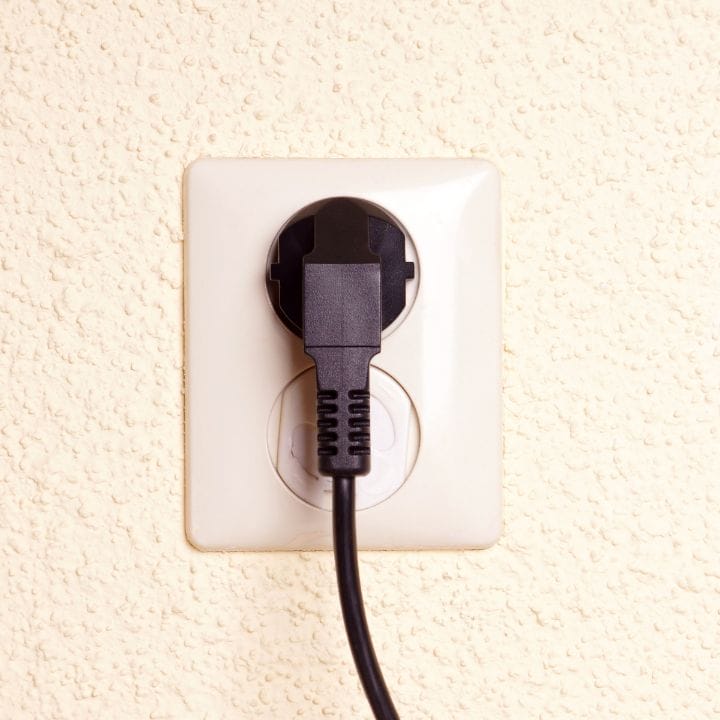
Did you know that chargers plugged in without being attached to their devices still draw power? This “phantom load” can be a sneaky addition to your electric bill. The same goes for appliances that are turned off but plugged in. Unplug these energy vampires when they’re not in use, or invest in a smart power strip that cuts power when devices are fully charged or not in use. A small change with potentially big savings!

6. Dusty Fridge Coils

Dusty Fridge Coils

Canva

When was the last time you cleaned the coils on your refrigerator? Dirty coils make your fridge work harder to keep cool, using more energy and hiking up your power bill. Pull your fridge away from the wall, unplug it, and use a coil brush or vacuum attachment to remove the dust. This should be done at least once a year to keep your fridge running efficiently. An easy, often overlooked maintenance task that can prolong the life of your appliance and improve its efficiency.

7. Running Toilets

Running Toilets

Canva

A running toilet can waste up to 200 gallons of water a day, talk about flushing money down the drain! Often, the issue is with a faulty flapper or float. Toilet repair kits are available at any hardware store and are simple enough to install yourself. Fixing this can be one of the most cost-effective repairs you can make in your home. Plus, it’s satisfying to finally silence that constant running noise.

8. Poor Attic Insulation

Poor Attic Insulation

Canva

Poor insulation in your attic isn’t just a problem in winter; it affects your home’s efficiency year-round. If your home feels drafty in winter or too hot in summer, it’s likely time to reassess your attic’s insulation. Adding insulation can be a weekend project that pays off substantially in energy savings. Check out local rebates or tax credits for insulation upgrades; it might cost less than you think. This is a long-term investment that keeps on giving.

9. Overwatering Your Lawn

Overwatering Your Lawn

Canva

Keeping your lawn lush and green shouldn’t mean wasting water. Overwatering not only harms your grass but also inflates your water bill. Invest in a timer for your sprinkler system to water during the coolest parts of the day and only when necessary. Adjusting your watering schedule based on the season can also reduce excess water use. Plus, healthier grass means a more beautiful yard!

10. Ignored Air Filters

Ignored Air Filters

Canva

If your heating or cooling system feels sluggish, the culprit could be a dirty air filter. Filters that are clogged with dust and debris restrict airflow and make your system work harder, which costs you more. Check your filters monthly and replace them at least every three months. Keeping your air clean not only improves your home’s air quality but also its energy efficiency.

Sealing the Deal on Savings

house repair savings

123rf

Addressing these 10 money leaks in your home isn’t just about cutting costs; it’s about optimizing your living space for efficiency and comfort. With a few tweaks and some DIY spirit, you can transform your home into a more energy-efficient, cost-effective place. Start plugging those leaks today and watch your utility bills shrink, and your savings grow. Remember, a penny saved is a penny earned, especially when it comes from simple fixes around your home!

Vanessa Bermudez
Vanessa Bermudez
Vanessa Bermudez is a content writer with over eight years of experience crafting compelling content across a diverse range of niches. Throughout her career, she has tackled an array of subjects, from technology and finance to entertainment and lifestyle. In her spare time, she enjoys spending time with her husband and two kids. She’s also a proud fur mom to four gentle giant dogs.

Filed Under: money management Tagged With: Cost Cutting Tips, DIY Home Repairs, Energy Efficiency, Home Savings, sustainable living

Forgot To Pay Your Mortgage: 10 Ways To Catch Up Without Taking on More Debt

June 7, 2024 by Stephen Kanaval Leave a Comment

Mortgage

unsplash

Missing a mortgage payment can feel overwhelming and stressful, but it doesn’t spell disaster. It’s a situation many homeowners face at some point, and the good news is that there are effective strategies to help you recover. Rather than panicking, it’s crucial to take a proactive approach to address the issue. By understanding your options and taking decisive action, you can navigate this challenge and secure your financial future. Let’s explore the steps you can take to get back on track and ensure your home remains a place of comfort and security.

1. Contact Your Lender Immediately

Lender phone

unsplash

The first step you should take after missing a mortgage payment is to contact your lender. Many people avoid this, fearing negative consequences, but it’s essential to address the situation promptly. Lenders often have programs in place to help borrowers who are experiencing temporary financial difficulties. By communicating openly, you may be able to negotiate a payment plan or a temporary reduction in payments. This proactive approach can prevent the situation from worsening. Lenders appreciate honesty and are more likely to work with you if you reach out early.

2. Review Your Budget

Budget

123rf

A thorough review of your budget can reveal areas where you can cut expenses and redirect funds toward your mortgage. Start by tracking your spending over a month to identify non-essential expenses. Categories like dining out, entertainment, and subscriptions are often prime candidates for reductions. Reallocating these funds towards your missed mortgage payment can help you catch up quickly. This process not only aids in addressing the immediate issue but also fosters better financial habits. A leaner budget can provide the extra cash needed to stay current on your mortgage.

3. Use Emergency Savings

Emergency funds

123rf

If you have an emergency savings fund, now is the time to utilize it. These funds are specifically set aside for unexpected financial challenges, and a missed mortgage payment certainly qualifies. Using savings to cover your mortgage can prevent the need to take on additional debt. It’s essential to prioritize rebuilding your emergency fund once you’ve caught up on payments. This strategy ensures that you remain financially resilient in the face of future challenges. Using savings responsibly can stabilize your financial situation without accruing more debt.

4. Generate Extra Income

Cash

123rf

Finding ways to generate additional income can help you catch up on missed mortgage payments without incurring debt. Consider taking on a part-time job, freelancing, or selling unused items online. Platforms like eBay, Etsy, and freelance websites offer opportunities to earn extra cash. This additional income can be directed towards your mortgage, helping you close the gap quickly. While this approach requires effort, it provides a sustainable way to manage your finances. Generating extra income can ease financial stress and improve your overall situation.

5. Seek Financial Help

Financial help

123rf

Financial counselors can provide expert advice tailored to your specific situation. They can help you develop a plan to manage your mortgage payments and overall finances effectively. Non-profit organizations often offer free or low-cost counseling services. A financial counselor can also negotiate with your lender on your behalf, potentially securing more favorable terms. This professional guidance can be invaluable in navigating complex financial challenges. Seeking advice from a financial counselor ensures you have a clear, informed strategy to catch up on your mortgage.

6. Rent Out a Room

Rental room

unsplash

If you have extra space in your home, renting out a room can provide a steady stream of income. This income can be used to cover your mortgage payments and help you catch up without taking on more debt. Websites like Airbnb and Craigslist make it easy to find potential renters. Before proceeding, ensure you comply with local regulations and your lender’s policies. Renting out a room can be a practical solution that leverages your existing resources. This approach offers financial relief while making use of available space.

7. Cut Down on Utility Costs

Gas meter

unsplash

Reducing utility costs can free up funds to apply toward your mortgage. Simple changes, such as adjusting your thermostat, using energy-efficient appliances, and unplugging electronics when not in use, can lower your bills. Implementing these energy-saving measures can result in significant savings over time. These savings can then be directed towards your mortgage payments. Reducing utility costs is a sustainable way to improve your financial situation. This strategy not only helps with immediate needs but also promotes long-term financial health.

8. Refinance Your Mortgage

Refi

unsplash

Refinancing your mortgage might seem counterintuitive when trying to avoid debt, but it can be a strategic move. By refinancing to a lower interest rate or extending the loan term, you can reduce your monthly payments. This reduction can make it easier to catch up on missed payments. However, it’s important to weigh the costs of refinancing against the benefits. Consulting with a financial advisor can help determine if this is the right option for you. Refinancing can provide the breathing room needed to manage your mortgage effectively.

9. Seek Assistance Programs

Late night research

unsplash

There are various assistance programs available to homeowners facing financial difficulties. Government programs, non-profits, and community organizations offer support to help you stay in your home. These programs may provide direct financial assistance, counseling, or other resources. Researching and applying for these programs can offer relief without adding to your debt. Assistance programs are designed to help you navigate challenging times. Utilizing available resources ensures you receive the support needed to maintain your financial stability.

10. Negotiate a Loan Modification

Mortgage

unsplash

A loan modification involves changing the terms of your mortgage to make it more affordable. This can include extending the loan term, reducing the interest rate, or deferring missed payments. Contact your lender to discuss the possibility of a loan modification. This process can provide significant relief by making your monthly payments more manageable. Successfully negotiating a loan modification requires clear communication and documentation of your financial situation. This approach can provide a long-term solution to your mortgage challenges.

Take Action Now

Homes

unsplash

Catching up on missed mortgage payments without taking on more debt is achievable with proactive steps and strategic planning. By exploring these options, you can regain control of your finances and protect your home. Share this article to help others facing similar challenges and encourage them to take action. Together, we can make informed decisions and navigate financial challenges with confidence.

Stephen Kanaval
Stephen Kanaval

Stephen began his career as a Research Assistant at a reputable middle-market private equity firm, where he honed his skills in market research, financial analysis, and identifying investment opportunities. He then transitioned to full-time financial writing focusing on small-cap biotech innovation and digital payment solutions. Today, Stephen is a value-based retail investor and novice baseball statistician.

Filed Under: money management Tagged With: home loan, Late payment, Mortgage payment

10 Tactics for Building an Emergency Fund from Scratch

May 24, 2024 by Vanessa Bermudez Leave a Comment

emergency fund

123rf

In the unpredictable whirlwind of life, an emergency fund isn’t just a financial buffer, it’s peace of mind. Whether it’s a sudden job loss, an unexpected car repair, or a medical emergency, having a stash of cash set aside can transform a potential crisis into a manageable situation. Starting an emergency fund can seem daunting, especially if you’re beginning from scratch, but it’s entirely achievable with the right strategies. Here are ten practical tactics to help you build a robust emergency fund, ensuring you’re prepared for whatever life throws your way.

1. Set a Clear Goal

Set a Clear Goal

123rf

Starting with a clear goal is crucial in building your emergency fund. Experts recommend saving enough to cover three to six months of living expenses. Calculate your monthly expenses, and set a target that makes you feel secure. Having a specific number in mind will help you stay focused and motivated. Remember, this isn’t about reaching your goal overnight but making steady progress.

2. Start Small

Start Small

123rf

The journey of a thousand miles begins with a single step and so does your emergency fund. If the thought of saving several months’ worth of expenses seems overwhelming, start small. Aim to save $100, then $500, and gradually increase your target as you get more comfortable. This method makes the task less intimidating and helps build the saving habit. Every little bit adds up, so even small contributions are a victory.

3. Automate Your Savings

Automate Your Savings

123rf

Automation is the secret weapon of effective saving. Set up a direct deposit from your paycheck into a dedicated emergency fund account. This way, you save without having to think about it, and it eliminates the temptation to spend the money elsewhere. Automating ensures consistent growth of your fund, and over time, these automatic transfers add up significantly. Think of it as putting your savings on autopilot.

4. Cut Unnecessary Expenses

Cut Unnecessary Expenses

123rf

Take a hard look at your spending and identify areas where you can cut back. Maybe it’s dining out less, canceling unused subscriptions, or opting for more affordable entertainment options. Redirect the money you save into your emergency fund. This doesn’t mean living a joyless life; rather, it’s about prioritizing your financial security. Small spending cuts can lead to substantial savings over time.

5. Use Windfalls Wisely

Use Windfalls Wisely

123rf

Occasionally, you might receive unexpected windfalls, such as tax refunds, bonuses, or gifts. While it’s tempting to spend this “found money,” allocating at least a portion of it to your emergency fund can boost your savings dramatically. Consider diverting 50% of any windfalls directly to your emergency savings. This tactic provides a healthy balance between enjoying your current lifestyle and building financial security.

6. Increase Your Income

Increase Your Income

123rf

If cutting expenses isn’t enough, look for ways to increase your income. This could be by asking for a raise, taking on a part-time job, or starting a side hustle. Extra income can be directed straight into your emergency fund. More money coming in means more opportunities to save without compromising your current standard of living. Think creatively and leverage your skills to boost your earning potential.

7. Sell Unused Items

Sell Unused Items

123rf

Most households have items that are rarely used, think old electronics, books, or clothes. Selling these items can provide a quick cash influx to bolster your emergency fund. Platforms like eBay, Craigslist, or Facebook Marketplace make it easy to sell goods you no longer need. Not only does this declutter your space, but it also turns your unused belongings into valuable savings.

8. Review and Adjust Regularly

Review and Adjust Regularly

123rf

Building an emergency fund is not a set-it-and-forget-it deal. Regularly review your progress and adjust your saving strategies as needed. If you receive a raise or decrease in expenses, consider increasing your monthly savings rate. This keeps your savings goal in line with your financial situation. Staying proactive with your finances can help you reach your target faster.

9. Reward Yourself

Reward Yourself

123rf

Setting milestones and rewarding yourself for reaching them can make the saving process more enjoyable. For example, once you save your first $1,000, treat yourself to a small reward. This keeps motivation high and makes the process of building an emergency fund less of a chore. Choose rewards that don’t undermine your savings goal, a nice meal out, for instance, rather than a lavish vacation.

10. Educate Yourself on Financial Management

Educate Yourself on Financial Management

123rf

Knowledge is power, especially when it comes to finances. Educating yourself about budgeting, investing, and saving can sharpen your skills in managing money. Resources are plentiful, from books and online courses to blogs and podcasts. The more you know, the better equipped you’ll be to make smart financial decisions and grow your emergency fund efficiently.

Building a Financial Safety Net

Building a Financial Safety Net

123rf

Creating an emergency fund from scratch is an empowering step toward financial independence. These ten tactics not only help you accumulate savings but also encourage a more mindful approach to your overall financial health. As you watch your emergency fund grow, you’ll gain not just financial security but also confidence in your ability to handle life’s uncertainties.

Read More

4 Reasons Why Having an Emergency Fund is Essential for a Busy Mom

The Importance of Building an Emergency Fund: Strategies for Quick Growth

Vanessa Bermudez
Vanessa Bermudez
Vanessa Bermudez is a content writer with over eight years of experience crafting compelling content across a diverse range of niches. Throughout her career, she has tackled an array of subjects, from technology and finance to entertainment and lifestyle. In her spare time, she enjoys spending time with her husband and two kids. She’s also a proud fur mom to four gentle giant dogs.

Filed Under: money management Tagged With: budgeting strategies, emergency fund, money management, Planning, saving tips

12 Things Baby Boomers Can Teach Us About Frugality

May 21, 2024 by Vanessa Bermudez Leave a Comment

frugal baby boomer

123rf

Have you ever wondered how your grandparents managed to stretch every dollar, repair anything broken, and still save enough for a rainy day? Growing up in the wake of World War II and during the transformative 60s, Boomers learned how to make the most of what they had. Today, as we navigate through our own financial challenges, there’s a lot we can learn from their thriftiness. From the joys of a well-tended vegetable garden to the art of a perfectly timed thrift store find, let’s explore 12 standout lessons on frugality that Boomers can pass down to younger generations. 

1. Value Quality Over Quantity

high-quality shoes

123rf

Baby Boomers often emphasize the importance of buying quality items that last rather than cheap products that need frequent replacing. This approach not only saves money in the long run but also reduces waste. Investing in a well-made pair of shoes, for instance, might cost more upfront but can avoid the need for frequent replacements.

2. Embrace Home Cooking

elderly couple cooking at home

123rf

Eating out was a rarity rather than a routine for many Baby Boomers. They know that cooking at home saves a substantial amount of money compared to dining at restaurants. Home-cooked meals are not only cheaper but healthier, allowing for better control over ingredients and portion sizes, which is also a savvy way to stretch your food budget further.

3. Avoid Debt Whenever Possible

boomer avoiding debt

123rf

Baby Boomers generally view debt with skepticism. Except for significant investments like a home, they prefer to live within their means. This aversion to debt discourages frivolous spending on credit and encourages saving up for big purchases. Living debt-free means less stress and more financial freedom.

4. Make Do and Mend

an old man repairing a broken chair

123rf

The ‘make do and mend’ mindset of Baby Boomers is a stark contrast to today’s disposable culture. Repairing clothing, fixing appliances, and upcycling furniture not only saves money but also teaches valuable skills. This attitude helps cultivate a resourceful mindset and an appreciation for what one already possesses.

5. Use It Up, Wear It Out

squeezing toothpaste

123rf

Baby Boomers are masters of using items until they truly can’t be used anymore. From squeezing the last bit of toothpaste out of the tube to repurposing leftovers into new meals, they waste very little. This practice is not only frugal but also environmentally sustainable.

6. Grow Your Own Food

an old man planting vegetables

123rf

Many Boomers have a knack for gardening, a skill that provides fresh produce right from the backyard. Growing your own fruits and vegetables can significantly reduce the grocery bill. It’s also a rewarding hobby that ensures you know exactly where your food comes from.

7. Shop Secondhand

an elderly couple thrift shopping

123rf

Baby Boomers aren’t strangers to thrift stores and garage sales, where one can find everything from clothing to furniture at a fraction of the retail price. Shopping secondhand is not only economical but can also be a fun treasure hunt, making it an enjoyable way to save.

8. Plan for the Long Term

retirement plan

123rf

Long-term planning is a cornerstone of the Boomer approach to finances. Whether it’s retirement planning, investing in real estate, or buying life insurance, Boomers think ahead. Early and strategic planning can pave the way for financial stability and comfort later in life.

9. Appreciate Free Entertainment

free entertainment

123rf

Baby Boomers often enjoy simple pleasures and free local entertainment, such as community concerts, library events, or parks. They know that fun doesn’t have to come with a hefty price tag. In today’s world, where entertainment expenses can quickly add up, there’s wisdom in rediscovering these cost-free joys.

10. Be Energy Conscious

saving energy

123rf

Energy efficiency is another area where Boomers excel. From turning off lights when leaving a room to investing in energy-efficient appliances, they know that being mindful of energy use reduces utility bills.

11. Collect and Use Coupons Wisely

coupons

123rf

While this list focuses on saving without coupons, it’s worth noting that Boomers are adept at using coupons strategically for additional savings. They collect coupons for only those items they were already planning to buy, avoiding the trap of buying unnecessary items just because they’re on sale.

12. Pass Down and Share

passing down old clothes

123rf

Baby Boomers often pass down clothing, toys, books, and tools to the next generation or share them within their community. This practice not only saves money but strengthens community ties and supports a cycle of giving and receiving.

The Art of Frugality

baby boomer money tips

123rf

By adopting some of these tried-and-true frugality lessons from the Baby Boomer generation, people of all ages can learn to manage their finances more effectively, reduce waste, and lead a more prosperous life without spending more. In embracing these habits, we can all find ways to be financially savvy and environmentally conscious, ensuring a legacy of sustainability and thrift.

Read More

12 Crucial Money Lessons Baby Boomers Passed Down to Their Millennial Kids

9 Reasons Baby Boomers Are Healthier Than Other Generations

Vanessa Bermudez
Vanessa Bermudez
Vanessa Bermudez is a content writer with over eight years of experience crafting compelling content across a diverse range of niches. Throughout her career, she has tackled an array of subjects, from technology and finance to entertainment and lifestyle. In her spare time, she enjoys spending time with her husband and two kids. She’s also a proud fur mom to four gentle giant dogs.

Filed Under: money management Tagged With: baby boomers, budgeting, frugality, Personal Finance, saving money

Common 401k Mistakes You Don’t Want to Make

May 20, 2024 by Erin H. Leave a Comment

When it comes to planning for retirement, many folks rely on their 401k as a primary source of savings. However, there are common mistakes that people make when managing their 401k accounts that can have long-term financial implications. Here, we’ll explore some of the most common mistakes that people make with their 401k accounts and what you can do to avoid them.

Not Contributing Enough Money

One of the biggest mistakes individuals make with their 401k accounts is not contributing enough money. This could be due to a lack of understanding of contribution limits, fear of reducing take-home pay, or simply ignoring employer match opportunities. By not contributing enough money to their 401k accounts, individuals are missing out on the opportunity to grow their retirement savings over time. Some people may think that their company simply doesn’t offer a 401k plan, which may be the case for small businesses who struggle financially. About 34% of small businesses applied for a business loan in 2021, and 74% don’t offer retirement plans at all. However, this doesn’t mean all small businesses don’t have a retirement plan.

Understanding the contribution limits set by the IRS is essential to maximizing the benefits of a 401k account. By contributing the maximum amount allowed each year, individuals can take advantage of tax-deferred growth and potentially save more money for retirement. Additionally, some individuals may be hesitant to increase their contributions due to a fear of reducing their take-home pay. However, it is important to consider the long-term benefits of contributing more money to a 401k, as the potential growth of the account can outweigh the immediate reduction in pay.

Furthermore, many employers offer matching contributions to their employees’ 401k accounts, which can significantly boost retirement savings. Ignoring these employer match opportunities can be a costly mistake, as individuals are essentially leaving free money on the table. By contributing enough money to receive the full employer match, individuals can maximize their retirement savings and ensure a more financially secure future.

Ignoring Fees and Expenses

Many individuals make the mistake of ignoring fees and expenses associated with their 401k accounts, which can eat into their retirement savings over time. Not reading fee disclosures, overlooking expense ratios, and neglecting revenue-sharing costs are all common errors that can impact the overall performance of a 401k account.

Fee disclosures provide important information about the costs associated with investing in a 401k account, including management fees, administrative fees, and other expenses. By not reading these disclosures, individuals may be unaware of how much they are paying in fees and how it can affect their retirement savings. If you’re concerned that you may be the victim of 401k mismanagement, don’t hesitate to reach out to an attorney to review your potential case. There are more than 1.35 million lawyers operating in the United States, and 401k mismanagement isn’t something a legal team should take lightly.

Taking Out Loans or Early Withdrawals

One of the riskiest mistakes individuals can make with their 401k accounts is taking out loans or early withdrawals. Doing so can have a negative impact on long-term savings, result in tax consequences, and carry a risk of default that can jeopardize financial stability.

When individuals take out loans against their 401k accounts, they are essentially borrowing money from their future selves. This can reduce the amount of money available for retirement savings and hinder the growth of the account over time. Additionally, early withdrawals from a 401k before the age of 59 may result in penalties and taxes that reduce the amount of money individuals receive. Not only do these taxes eat into retirement savings, but they also deter individuals from saving for the long term by depleting their accounts prematurely. Keep in mind as well that retirement funds, including IRAs and 401k plans, are divisible assets in a divorce, and taking out early withdrawals to avoid division could carry legal penalties.

Avoiding common mistakes with 401k accounts is crucial for maximizing retirement savings and ensuring financial security in the future. By contributing enough money, investing wisely, monitoring fees and expenses, avoiding loans and early withdrawals, and updating beneficiary information, individuals can safeguard their money and set themselves up for a comfortable retirement. Taking proactive steps to avoid these pitfalls can help individuals make the most of their 401k accounts and achieve their long-term financial goals.

Filed Under: money management

Which Departments Should Get a Large Allocation of Your Monthly Business Costs?

May 6, 2024 by Erin H. Leave a Comment

Budgeting for your business requires strategic spending and planning. One of the things that many business owners struggle with is where to allocate limited funding. Spending on the right departments is a necessity for any business. Here is where to allocate funding and why.

1. Marketing Is a Must

Marketing is one of the areas where spending typically comes with a nice return. Investing in marketing for your business is a must. Here is a small example of how spending on marketing pays you back. According to WebFX, spending $1 on average pay-per-click advertising will earn you $2 back. That’s a 100% profit!

Marketing is an umbrella term for various activities. For example, brand reputation management and development fall under the marketing header. These are critical services for any business.

If funding is limited, and you must cut spending, dipping into your marketing budget to make the cuts is not the best solution. Allowing a substantial budget for marketing will help you grow your business. It will also ensure a steady stream of new customers. Put money into marketing.


2. Investing in Human Capital

Your employees are the foundation of your business success. It may be tempting to cut spending in HR, but that is not the place to make cuts. Investing in human resources and developing your employees is essential to the success of any business. Investing in training and more can be a game changer for your business.

Allocating funds to the human resources department is essential. The human resources department is in the upper echelons of most businesses. They provide critical functions and need money to do them.

Human resource development costs are well worth the effort. Treating your employees well by providing training programs, incentive programs, and other investments will help to improve employee retention. It can also improve productivity and preserve your brand.

3. Insurance and Operating Costs

Much business spending occurs because it is the “cost of doing business.” There are ways to invest in these costs and reduce spending. However, you never want to skimp when it comes to business insurance and compensation insurance. Insurance is essential to financially protecting your business.

According to the Department of Labor, workplace injuries fell to 3.3 per 100 from 4.5 per 100 in 2019. However, even with the reduction in workplace injuries, the estimate is that millions of people are injured yearly on the job. This can amount to thousands of dollars in personal losses for your business if you don’t have coverage.

Cutting back on operating costs can be realized in other ways. For example, going completely digital instead of hard copies can save your business thousands of dollars annually in operating expenses. According to First Research, paper is one of the biggest manufacturing costs, using about 25% of revenue. If paper is necessary in your business, like it is in so many, be sure to work with reputable and trustworthy suppliers so your money is being well-spent. Depending on your business, operating costs may be raised as well.

4. Research, Development, and Technology

You should invest some money in the last two departments are product R&D and technology. The research and development department is essential to developing new products and services, and the technology department ensures that your business stays on the cutting edge of technology that can help your business. Both departments focus on growing your business and taking it to the next level.

It’s important that your business’s IT department is functional and that there are plans if a problem arises. Investing in these two departments will ensure your business can continue evolving and running smoothly. Spending on R&D and technology comes with some unique returns.

Planning, budgeting, and spending are all part of doing business. Ensuring that you are investing in the right departments will result in success. Learn more about how to spend your business.

Filed Under: budget tips, money management

12 Times When It’s Better To Use Credit Instead of Debit

May 2, 2024 by Vanessa Bermudez Leave a Comment

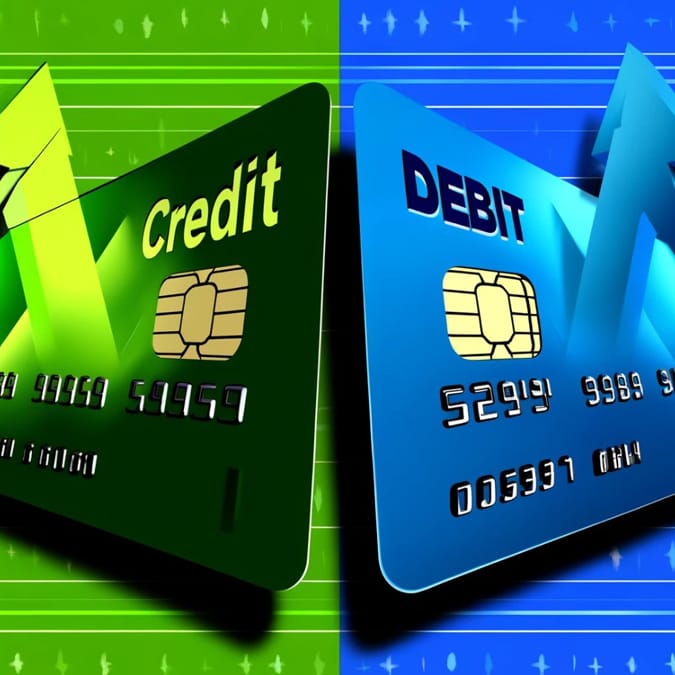
credit vs debit

DALL-E

In today’s fast-paced financial landscape, navigating the choice between credit and debit cards can be more than just a transactional decision—it can be a strategic one. 

Each swipe, chip insertion, or online checkout carries potential impacts on your financial health, security, and even your lifestyle perks. While debit cards draw directly from your bank account, offering a straightforward reflection of your spending, credit cards open the door to a myriad of benefits often overlooked in daily finance management. 

Here are 12 scenarios where opting for credit over debit might be your best move.

1. Building Your Credit Score

credit score

123rf

Using a credit card responsibly is one of the most effective ways to build your credit score. Unlike debit cards, credit cards can help you establish a credit history, demonstrating to lenders that you can manage debt effectively. Regular purchases with prompt payments can significantly enhance your creditworthiness.

2. Shopping Online

credit card for online shopping

123rf

Credit cards offer superior fraud protection compared to debit cards, which is especially important when shopping online. Usually, online merchants have credit card processing systems in place which protects credit card transactions even in industries such as firearms. If fraudulent charges appear, credit cards provide more robust dispute rights that can keep your actual funds safely in your bank account, not tied up during a fraud investigation.

3. Large Purchases

credit card purchase warranty

123rf

Credit cards often come with benefits such as extended warranties, purchase protection, and return guarantees. When buying high-value items like electronics or appliances, using a credit card can provide additional assurances that aren’t typically available with debit cards.

4. Traveling Abroad

credit card for travelling

123rf

For international travelers, credit cards are indispensable. They not only reduce the need to carry large amounts of cash but also offer better exchange rates and travel-specific perks such as luggage insurance, trip cancellation insurance, and emergency assistance, which debit cards seldom provide.

5. Renting Cars or Booking Hotels

credit card and house keys

123rf

Many car rental companies and hotels prefer credit cards over debit cards for holds and deposits. Using a credit card can avoid the immediate financial pinch of a hefty deposit, as these funds won’t be directly withdrawn from your checking account.

6. Dining Out

dine in using credit card

123rf

When you dine out, using a credit card can be a smarter choice due to the potential for fraud. Restaurants are one of the places where your card is taken out of sight to process payment, and you would want fraud protection that doesn’t immediately impact your bank account balance.

7. Monthly Subscriptions

credit card for monthly subscriptions

123rf

Credit cards offer a way to track spending easily and efficiently for recurring payments like subscriptions or membership fees. Also, should you decide to cancel, credit cards provide a more straightforward dispute process if the merchant continues charging you.

8. During a Financial Pinch

wallet with credit cards

123rf

If you’re facing a temporary financial shortfall, using a credit card can provide a short-term solution without the risk of overdrawing your bank account. This should be managed carefully, however, to avoid high-interest debt.

9. Maximizing Rewards and Cashback

credit card rewards

123rf

Many credit cards offer rewards, points, or cashback on purchases, which debit cards do not. If you pay off your balance each month, using a credit card for everyday purchases can actually earn you money or other benefits.

10. When You Need a Cash Advance

credit card and cash

123rf

Although cash advances on credit cards come with fees and higher interest rates, they can still be a better alternative during emergencies compared to the potential overdraft fees on a debit card.

11. Paying Taxes

tax form

123rf

Some might choose to pay taxes with a credit card to earn rewards or to manage cash flow better. The fees associated with credit card payments can often be offset by the benefits of rewards earned or the convenience of delayed payment.

12. Investing in Security

security lock on credit card

123rf

Given the superior fraud protection features of credit cards, using them can be a form of investing in your financial security. The layers of security provided can shield you from the direct financial repercussions of fraud.

Credit vs. Debit: Which is the Wise Choice?

credit cards

123rf

By understanding and leveraging the strategic benefits of credit cards in these scenarios, you can not only manage your finances more effectively but also take advantage of numerous protections and rewards not offered by debit cards. 

Knowing when to use credit instead of debit can significantly enhance your financial strategy, whether for security, convenience, or financial optimization.

Read More

Freedom Debt Relief- How to Negotiate Debt with Your Credit Card Company

Debit or Credit: What Works For You?

Vanessa Bermudez
Vanessa Bermudez
Vanessa Bermudez is a content writer with over eight years of experience crafting compelling content across a diverse range of niches. Throughout her career, she has tackled an array of subjects, from technology and finance to entertainment and lifestyle. In her spare time, she enjoys spending time with her husband and two kids. She’s also a proud fur mom to four gentle giant dogs.

Filed Under: money management Tagged With: credit, credit card, debit, Debit card, Debt

The Financial Black Sheep: 15 Traits That Set You Apart From The Rest Of Your Family

May 2, 2024 by Vanessa Bermudez Leave a Comment

financial black sheep

DALL-E

Every family often has a dynamic where financial habits and attitudes toward money are passed down from generation to generation. However, some individuals break away from these patterns, standing out as the “financial black sheep” of the family. 

These individuals exhibit distinct traits that set them apart from their relatives in the realm of personal finance. Here are 15 traits that can mark you as the financial black sheep of your family:

1. Embracing Financial Independence

financial freedom

123rf

While your family may rely on traditional sources of income or support systems, you’ve taken the path of financial independence. You prioritize building wealth and do not rely on others for financial stability.

2. Risk-Taking Mindset

a risk-taker

123rf

Unlike risk-averse family members, you embrace calculated risks in your financial ventures. Whether investing in stocks or starting a business, you understand that taking risks can lead to substantial rewards.

3. Entrepreneurial Spirit

entrepreneurial spirit

123rf

While some in your family may favor conventional career paths, you possess an entrepreneurial spirit. You’re not afraid to pursue unconventional opportunities and create your own path to success.

4. Wise Investor

savvy investor

123rf

You’ve cultivated a deep understanding of investing and actively manage your investment portfolio. While others may shy away from the complexities of the stock market, you see it as an opportunity for wealth growth.

5. Financial Literacy Advocate

financial literacy

123rf

You recognize the importance of financial education and advocate for it within your family. You strive to empower others with the knowledge and skills to make sound financial decisions.

6. Frugal by Choice

frugal

123rf

While your family may indulge in lavish spending, you value frugality and mindful spending. You understand the value of money and prioritize saving and investing for the future.

7. Debt-Free Lifestyle

debt-free lifestyle

123rf

Debt may be typical among your family members, but you’ve made a conscious effort to live a debt-free lifestyle. You prioritize paying off what you owe and avoid unnecessary borrowing.

8. Long-Term Financial Planning

financial planning

123rf

While some may live for the moment, you take a proactive approach to long-term financial planning. You set clear financial goals and work diligently towards achieving them, whether it’s saving for retirement or purchasing a home.

9. Diversified Income Streams

diverse income streams

123rf

Instead of relying solely on a single source of income, you’ve diversified your income streams. Regardless of whether it’s through side hustles, investments, or passive money streams, you understand the importance of multiple revenue sources.

10. Generous Philanthropist

handing out money

123rf

Some may hoard their wealth, but you believe in giving back to your community and making a positive impact. You actively donate to charitable causes and use your financial resources to help those in need.

11. Tech-Savvy Financial Management

tech savvy

123rf

You leverage technology to manage your finances efficiently. Whether using budgeting apps, robo-advisors, or online banking platforms, you embrace innovative tools to streamline your financial management process.

12. Continuous Learning

handing out money

123rf

You recognize that the world of finance is constantly evolving, so make an effort to stay informed about the latest trends and developments. You actively seek out opportunities for learning and self-improvement in the world of personal finance.

13. Focus on Financial Wellness

a woman holding a piggy back and calculator

123rf

Beyond just wealth accumulation, you prioritize overall financial wellness. You understand the importance of balancing financial stability with mental and physical well-being, striving for a holistic approach to prosperity.

14. Resilience in Financial Setbacks

resilient businesswoman

123rf

Despite facing financial setbacks or challenges, you remain resilient and adaptable. You view obstacles as opportunities for growth and learn valuable lessons from adversity.

15. Visionary Financial Goals

money and target

123rf

You have ambitious financial goals that extend beyond mere monetary wealth. Whether achieving financial freedom, leaving a legacy for future generations, or significantly impacting the world, you have a clear vision for your financial future.

Is Being a Financial Black Sheep Good or Bad?

black sheep and money

DALL-E

Being the financial black sheep of your family isn’t about rebelling against established norms. Instead, it’s embracing a mindset of empowerment, education, and innovation in personal finance. By embodying these traits, you pave the way for your own financial success and inspire others to follow suit.

Read More

How To Get Your Freelancing Finances In Order

Decoding the Differences: Understanding Financial Freedom vs Financial Independence

Vanessa Bermudez
Vanessa Bermudez
Vanessa Bermudez is a content writer with over eight years of experience crafting compelling content across a diverse range of niches. Throughout her career, she has tackled an array of subjects, from technology and finance to entertainment and lifestyle. In her spare time, she enjoys spending time with her husband and two kids. She’s also a proud fur mom to four gentle giant dogs.

Filed Under: money management, Personal Finance, saving money Tagged With: finance, financial advice, financial black sheep

12 Crucial Money Lessons Baby Boomers Passed Down to Their Millennial Kids

April 26, 2024 by Teri Monroe Leave a Comment


money lessons

Today, millennials are more financially literate than previous generations. In fact, a recent survey by Investopedia found that 63% of millennials feel very confident in their overall financial knowledge. This largely in part is due to boomer parents talking about finances with their millennial children from a young age. Baby boomers have experienced significant economic shifts throughout their lives, from post-war prosperity to economic recessions and technological advancements. As they pass down their wealth of knowledge and experience to their millennial children, they impart valuable money lessons that shape their financial attitudes and behaviors. Here are 12 crucial money lessons baby boomers have passed down to their millennial kids.

1. Save for the Future

money lessons save for the future

As the saying goes, “a penny saved is a penny earned.” Baby boomers emphasize the importance of saving for the future, whether it’s for retirement, emergencies, or long-term goals. They instill in their children the habit of setting aside a portion of income for savings and investing in assets that provide financial security over time. While millennials often feel behind in their ability to save, this money lesson has taught them the importance of saving.

2. Live Within Your Means

live within means

Perhaps learned from their parents, baby boomers stress the importance of living within one’s means and avoiding excessive debt. They teach their millennial children to budget effectively, prioritize needs over wants, and resist the temptation of overspending.

3. Work Ethic Matters

working hard

One of the defining characteristics of boomers is that they value hard work and perseverance. In turn, they have taught their children the importance of diligence, dedication, and resilience in achieving financial success. They instill a strong work ethic that drives millennials to pursue their goals with determination and commitment.

4. Invest Wisely

investing

Baby boomers understand the power of investing for wealth accumulation and financial growth. They educate their millennial children about different investment strategies, risk management, and the importance of diversification to build a robust investment portfolio.

5. Plan for Retirement Early

retirement

With the rising costs of assisted living and medical expenses, many boomers have struggled to save enough for retirement. Because of this, they encourage their millennial children to start saving for retirement as soon as possible, take advantage of employer-sponsored retirement plans, and maximize contributions to tax-advantaged accounts.

6. Value Education

education

Unsurprisingly, boomers have a higher level of education than any other generation. Boomers recognize the transformative power of education in shaping future opportunities and financial success. They prioritize investing in their children’s education and encourage them to pursue lifelong learning and skill development.

7. Be Financially Independent

financial literacy

Baby boomers value financial independence and self-reliance, teaching their millennial children to take control of their finances and make informed decisions about money management. They emphasize the importance of financial autonomy and avoiding reliance on others for financial support.

8. Prepare for Economic Uncertainty

money lessons

More than most generations, baby boomers have experienced economic recessions and market fluctuations throughout their lives, teaching their millennial children to prepare for economic uncertainty. They stress the importance of building an emergency fund, having insurance coverage, and maintaining financial resilience in the face of unexpected challenges.

9. Prioritize Health and Well-being

health

Unlike their parents, baby boomers understand the connection between health and financial stability, emphasizing the importance of prioritizing physical and mental well-being. They encourage their millennial children to invest in their health, practice self-care, and seek balance in life to achieve long-term financial success.

10. Give Back to Society

charity

Boomers believe in the importance of giving back to society and making a positive impact on the community. In fact, 72% of boomers give loyalty to around five charities. They instill the value of philanthropy, volunteerism, and social responsibility in their millennial children, encouraging them to contribute to causes they care about and make a difference in the world.

11. Learn From Financial Mistakes

financial mistakes

Every generation makes financial mistakes. Baby boomers acknowledge that financial mistakes are inevitable, but emphasize the importance of learning from them. They encourage their millennial children to take responsibility for their financial decisions, learn from past errors, and make smarter choices moving forward.

12. Family Comes First

family

Above all, baby boomers prioritize family and relationships over material wealth. They teach their millennial children the importance of nurturing meaningful connections, supporting loved ones in times of need, and fostering a sense of belonging and unity within the family.

Financial Lessons for a Lifetime

personal finances

Baby boomers play a significant role in shaping the financial attitudes and behaviors of their millennial children by passing down valuable money lessons learned throughout their lives. From saving for the future and living within one’s means to investing wisely and prioritizing family, these crucial money lessons form the foundation for building a secure and prosperous financial future across generations.

Read More

9 Retro Video Games That Are Still Popular Today

10 Genius Wealth Transfer Hacks That’ll Make Your Heirs Thank You Forever

Photograph of Teri Monroe
Teri Monroe
Teri Monroe started her career in communications working for local government and nonprofits. Today, she is a freelance finance and lifestyle writer and small business owner. Teri holds a B.A. From Elon University.  In her spare time, she loves golfing with her husband, taking her dog Milo on long walks, and playing pickleball with friends.

Filed Under: money management, Personal Finance Tagged With: Boomers, millenials, money lessons

  • « Previous Page
  • 1
  • …
  • 4
  • 5
  • 6
  • 7
  • 8
  • …
  • 22
  • Next Page »

FOLLOW US

Search this site:

Recent Posts

  • Can My Savings Account Affect My Financial Aid? by Tamila McDonald
  • 12 Ways Gen X’s Views Clash with Millennials… by Tamila McDonald
  • What Advantages and Disadvantages Are There To… by Jacob Sensiba
  • Call 911: Go To the Emergency Room Immediately If… by Stephen Kanaval
  • 10 Tactics for Building an Emergency Fund from Scratch by Vanessa Bermudez
  • 7 Weird Things You Can Sell Online by Tamila McDonald
  • 10 Scary Facts About DriveTime by Tamila McDonald

Copyright © 2026 · News Pro Theme on Genesis Framework