• Home
  • About Us
  • Toolkit
  • Getting Finances Done
    • Hiring Advisors
    • Debt Management
    • Spending Plan
  • Insurance
    • Life Insurance
    • Health Insurance
    • Disability Insurance
    • Homeowners/Renters Insurance
  • Contact Us
  • Privacy Policy
  • Risk Tolerance Quiz

The Free Financial Advisor

You are here: Home / Archives for millenials

12 Skills Millennials Have That Boomers Want

June 5, 2024 by Stephen Kanaval Leave a Comment

remote working

unsplash

In today’s rapidly evolving job market, the generational divide between Millennials and Baby Boomers is more apparent than ever. However, this gap isn’t just a source of conflict, it’s an opportunity for mutual growth.

Millennials, born between 1981 and 1996, have cultivated a unique set of skills that are increasingly coveted by their Boomer counterparts. This article explores these 13 essential skills, offering insights into how this intergenerational exchange can foster a more dynamic and innovative workplace.

1. Digital Fluency

tech

unsplash

Millennials are digital natives, having grown up in an era dominated by technology. They navigate social media platforms, cloud-based tools, and mobile apps with ease. This digital fluency is a game-changer in today’s tech-driven business landscape, where online presence and digital marketing are crucial.

Boomers, who may struggle with the more fast-paced technology, are eager to learn from their younger colleagues, recognizing that digital literacy is no longer optional but a necessity for staying competitive.

2. Adaptability To Change

team

unsplash

Change is the only constant in today’s fast-paced world, and Millennials excel at adapting. Having experienced significant technological and social shifts, they’re comfortable with change and view it as an opportunity rather than a threat.

This resilience is particularly valuable during industry disruptions or company restructurings. Boomers, who may be accustomed to more stable work environments, should be keen to adopt this flexible mindset to navigate uncertainties more effectively.

3. Entrepreneurial Spirit

entrepreneur

unsplash

Many Millennials have an innate entrepreneurial spirit, driven by a desire for autonomy and impact. They’re not afraid to take risks, start side hustles, or launch their own ventures. This proactive approach to career development is inspiring Boomers, who might have followed more traditional career paths. The younger generation’s entrepreneurial skills, like spotting market gaps, leveraging networks, and pitching ideas, are highly sought after by Boomers looking to innovate within their organizations or transition into entrepreneurship themselves.

4. Emotional Intelligence

eq

123rf

Emotional intelligence, or EQ, is a hallmark of the Millennial generation. They value empathy, self-awareness, and interpersonal skills, recognizing that these traits foster better teamwork and leadership. In an era where collaborative work is prevalent, EQ is as critical as IQ. Boomers, who may have grown up in more hierarchical work cultures, are eager to learn these soft skills from Millennials to build stronger relationships with colleagues and clients alike.

5. Cultural Competency

diverse

unsplash

As the most diverse generation in history, Millennials naturally excel at cultural competency. They’re adept at working in multicultural teams, understanding global perspectives, and adapting communication styles accordingly. In our globalized economy, this skill is invaluable.

The older generation may have less exposure to diverse environments and is growing keener on how to learn from Millennials how to navigate cultural nuances, fostering more inclusive workplaces and expanding into international markets.

6. Continuous Learning

learning

123rf

Millennials have embraced the concept of lifelong learning, constantly upskilling through online courses, workshops, and industry events. They see learning not as a finite phase but as an ongoing journey. This mindset keeps them updated with the latest trends and technologies. Boomers are adopting similar habits. They’re turning to Millennials for guidance on effective learning strategies and resources, ensuring they remain relevant in their fields.

7. Work-Life Integration

Work life

unsplash

Unlike the strict work-life balance pursued by previous generations, Millennials strive for work-life integration. They blend personal and professional domains seamlessly, using technology to work flexibly. This approach doesn’t mean working more; it means working smarter. Boomers, who often struggle with long hours and burnout, are fascinated by this model. They’re learning from Millennials how to leverage tools and boundaries to achieve a more harmonious, productive lifestyle.

8. Social Media Marketing

socials

unsplash

Social media isn’t just for personal use, it’s a powerful business tool. Millennials, having grown up with these platforms, are experts at social media marketing. They understand how to craft compelling content, engage audiences, and analyze metrics. In a digital age where brand image is shaped online, this skill is gold. Boomers, realizing the untapped potential of social media, are seeking Millennial mentors (or hiring freelance Millennials) to boost their online presence and customer engagement.

9. Sustainability Focus

eco

pixabay

Millennials are at the forefront of the sustainability movement, deeply committed to environmental and social responsibility. They push for eco-friendly practices, ethical sourcing, and corporate social responsibility. This isn’t just idealism; it’s good business, as consumers increasingly favor sustainable brands. Coming from a much different era, Baby Boomers are now modeling investment and business models with sustainability as an important factor, recognizing it as a key to long-term success.

10. Design Thinking

design thinking

123rf

Design thinking, a problem-solving approach that emphasizes empathy and experimentation, is second nature to many Millennials. They use this methodology to innovate products, improve user experiences, and streamline processes. In industries where user-centric design is critical, this skill is highly prized. The Baby Boomer generation is now waking up to the merit of design thinking from Millennials to drive innovation and stay ahead of customer needs.

11. Personal Branding

branding

123rf

In the gig economy, personal branding is essential, and Millennials are masters at it. They use blogs, podcasts, and social media to showcase their expertise, build networks, and attract opportunities. This self-promotion isn’t vanity; it’s strategic career management. Boomers often let their resumes speak for themselves. However, there has been a shift. Many Boomers are now seeking Millennial advice on crafting compelling personal brands. They’re learning to leverage digital platforms to highlight their vast experience and open new career doors.

12. Data-Driven Decision Making

data driven

unsplash

Millennials are comfortable in the data-driven era. They know how to collect, analyze, and visualize data to inform decisions. Whether it’s using analytics tools or conducting A/B tests, they rely on hard evidence rather than gut feelings.

In a business world where data is king, this analytical prowess is invaluable. Previously relying more on experience, Boomers are now interested in data-driven approaches to make more objective, impactful decisions.

A Two-Way Street of Learning

Boomer

123rf

The skills that Millennials bring to the table, from digital fluency to remote collaboration, aren’t just nice-to-haves; they’re must-haves in today’s business world. Boomers, with their wealth of experience and industry knowledge, are increasingly recognizing the value of these skills. But this isn’t a one-way street. As Millennials share their expertise, they also stand to gain immensely from the seasoned insights, strategic thinking, and leadership wisdom that Boomers offer.

This intergenerational skill exchange represents a unique opportunity. It’s not about one generation replacing another; it’s about complementing each other’s strengths. By fostering this two-way learning, companies can create more innovative, adaptable, and harmonious workplaces.

Are you a Boomer looking to upskill or a Millennial eager to share your knowledge? Consider initiating a reverse mentorship program in your organization. Not only will it bridge the generational gap, but it will also drive your company’s success in an ever-changing business landscape. The future of work is collaborative, and it starts with learning from each other.

Stephen Kanaval
Stephen Kanaval

Stephen began his career as a Research Assistant at a reputable middle-market private equity firm, where he honed his skills in market research, financial analysis, and identifying investment opportunities. He then transitioned to full-time financial writing focusing on small-cap biotech innovation and digital payment solutions. Today, Stephen is a value-based retail investor and novice baseball statistician.


Filed Under: Career Tagged With: Boomers, Generation, millenials, Technology Skills

Here’s The 10 Real Reasons Why Millennials Are Saving So Little

May 24, 2024 by Teri Monroe Leave a Comment

millennials can't save

123rf

Millennials, often dubbed the “generation of avocado toast” and “living for the moment,” are frequently criticized for their supposed lack of financial responsibility. But is this reputation entirely warranted? Here, we delve into the real reasons why many millennials find it challenging to save money despite their best intentions. From economic factors to shifting societal norms, we uncover the underlying causes behind their saving struggles and offer actionable solutions for a brighter financial future.

1. Stagnant Wages in a Rising Cost Environment

stagnant wages millennials not saving

123rf

Stagnant wages refer to a situation where the average income earned by workers remains relatively unchanged over a period of time, despite inflation and economic growth. For millennials, this phenomenon especially resonates, with many entering the workforce during or in the aftermath of the Great Recession. Factors contributing to stagnant wages include globalization, automation, and the decline of unions, which have weakened workers’ bargaining power.


As a result, millennials struggle to keep up with the rising cost of living, making it challenging to allocate funds towards saving for the future. Stagnant wages also perpetuate income inequality, as those at the lower end of the wage scale face the greatest financial strain, further hindering their ability to achieve financial stability and build wealth over time. Addressing stagnant wages requires systemic changes such as increasing the minimum wage, investing in education and skills training, and promoting policies that foster inclusive economic growth.

2. Rising Housing Costs and the Rent Trap

rent trap millennials not saving

123rf

The rising cost of housing creates a daunting barrier for millennials looking to achieve homeownership. Skyrocketing real estate prices, particularly in urban areas, push the dream of owning a home out of reach for many. As a result, millennials are increasingly trapped in the rental market, where steep rents consume a significant portion of their income. This “rent trap” not only hampers their ability to save for a down payment but also perpetuates a cycle of housing instability and financial insecurity. Ultimately, addressing the housing affordability crisis requires innovative solutions such as increasing the affordable housing supply, implementing rent control measures, and providing financial assistance programs for first-time homebuyers.

3. Mounting Student Loan Debt

student debt

123rf

Mounting student loan debt is a significant financial burden for millennials. With the rising cost of higher education outpacing wage growth, many millennials owe tens of thousands of dollars in loans. These hefty monthly payments eat into their disposable income, making it difficult to save for emergencies, invest in their future, or achieve other financial goals. As a result, student loan debt often delays milestones like buying a home, starting a family, or saving for retirement, hindering millennials’ long-term financial stability.

4. Gig Economy and Unstable Income

gig economy

123rf

The gig economy fundamentally transformed the nature of work for millennials. Rather than traditional full-time employment, many choose short-term, freelance, or contract work arrangements offered by platforms like Uber, Airbnb, and TaskRabbit. While the gig economy provides flexibility and autonomy, it also comes with instability and unpredictable income streams. This lack of stability makes it challenging for millennials to budget effectively, plan for the future, or save for long-term goals like retirement.

5. Healthcare Costs and Financial Stress

healthcare costs

123rf

Millennials face mounting healthcare costs, whether through premiums, deductibles, or unexpected medical expenses. The fear of inadequate insurance coverage or looming medical bills adds a layer of financial stress. This stress makes it difficult to prioritize saving for the future over immediate healthcare needs. Many millennials are even avoiding visiting the doctor since they can’t afford their deductibles. This often leads to more serious medical conditions, since preventative care is being ignored.

6. Temptation of Instant Gratification

instant gratification

123rf

Living in an age of instant gratification, millennials are bombarded with temptations to spend rather than save. From flashy tech gadgets to trendy experiences, the allure of instant satisfaction often trumps the discipline of saving for long-term goals, perpetuating a cycle of consumption over savings. Especially with the rise of flexible buy now, pay later apps such as Afterpay and Klarna, many millennials spend beyond their means. Ultimately, this can lead to financial trouble, as well as the inability to save.

7. Lack of Financial Literacy and Guidance

financial literacy

123rf

Many millennials lack foundational financial literacy skills and guidance on how to manage their money effectively. Without proper education on budgeting, investing, and debt management, they struggle to make informed financial decisions and prioritize saving amidst competing demands. Millennials sometimes blame their parents for not teaching them more about money. As a result, many millennials feel that they are playing catch up regarding making prudent financial decisions.

8. FOMO Culture and Social Pressures

FOMO

123rf

FOMO, or the fear of missing out, has become a pervasive aspect of millennial culture, fueled by social media and the constant stream of curated lifestyles on display. For example, the pressure to participate in trendy experiences, travel to exotic destinations and own the latest gadgets can lead to impulsive spending and a disregard for long-term financial goals. This culture of FOMO fosters a sense of inadequacy and comparison, driving millennials to prioritize immediate gratification over responsible saving and financial planning. Overcoming FOMO requires mindfulness and self-awareness.

9. Rise of Inflation

inflation

123rf

The rise of inflation presents a significant challenge for millennials’ ability to save. For example, as prices for goods and services increase, the purchasing power of their income diminishes, making it harder to stretch their dollars and allocate funds towards savings. Also, inflation erodes the value of savings over time, reducing the real returns on investments and making long-term financial goals more elusive. In sum, millennials must navigate this economic landscape by seeking ways to mitigate the impact of inflation through strategic financial planning, investment diversification, and seeking higher-yield savings options.

10. Economic Uncertainty and Future Anxiety

economic uncertainty

123rf

Economic uncertainty looms large for millennials, who have witnessed significant upheavals like the Great Recession and now face the uncertainties of a rapidly changing job market. Altogether, this volatility breeds anxiety about the future. Faced with the prospect of job insecurity, stagnant wages, and the looming specter of automation, many millennials feel uncertain about their ability to build a stable financial foundation.

As a result, this anxiety leads to a sense of paralysis, where saving for the future feels futile amidst the backdrop of economic uncertainty. To address this challenge, millennials must focus on building resilience. For example, this can be achieved through building emergency funds, skill development, and seeking out stable employment opportunities in promising industries.

Barriers to Saving for the Future

saving

123rf

While millennials are often perceived as lacking financial prudence, the reality is far more complex. Ultimately, economic factors, societal pressures, and personal circumstances converge to create formidable barriers to saving for millennials. By understanding the real reasons behind their saving struggles and addressing them with empathy and practical solutions, we can empower millennials to take control of their financial futures and build a more secure tomorrow.

Read More

10 Things You Should Never Say to a New Parent

Common 401k Mistakes You Don’t Want to Make

Photograph of Teri Monroe
Teri Monroe
Teri Monroe started her career in communications working for local government and nonprofits. Today, she is a freelance finance and lifestyle writer and small business owner. Teri holds a B.A. From Elon University.  In her spare time, she loves golfing with her husband, taking her dog Milo on long walks, and playing pickleball with friends.

Filed Under: Personal Finance Tagged With: Inflation, millenials, savings, student loan debt

10 Gadgets From the 2000s That Gen Alpha Will Think Are From the Stone Age

May 3, 2024 by Vanessa Bermudez Leave a Comment

gen alpha and gadgets from the year 2000

DALL-E

Step into the time machine of technology, and let’s zoom back to the 2000s—a decade where flip phones ruled, MP3 players were the ultimate in portable music, and everyone was untangling their Ethernet cables.

Now, as the new generation grows up in a world dominated by smart devices, cloud-based everything, and AI at their fingertips, the devices that once defined the cutting edge may seem as archaic to them as tools from the Stone Age.

Here’s a fun look at 10 gadgets from the 2000s that will have Gen Alpha scratching their heads, wondering how we ever managed with such primitive tech. Get ready for a fun and eye-opening journey through the not-so-distant past, highlighting how rapidly technology evolves and shapes our lives.

1. Flip Phones

flip phones

123rf

Once the epitome of cool, flip phones are now a curious artifact to the generation that sees smartphones as extensions of their hands. 

These compact devices required manual flipping open to answer calls and lacked the touchscreens, apps, and high-speed internet that are standard today. 

Gen Alpha might chuckle at the tiny screens, limited functionality, and painstaking text messaging via T9 word prediction.

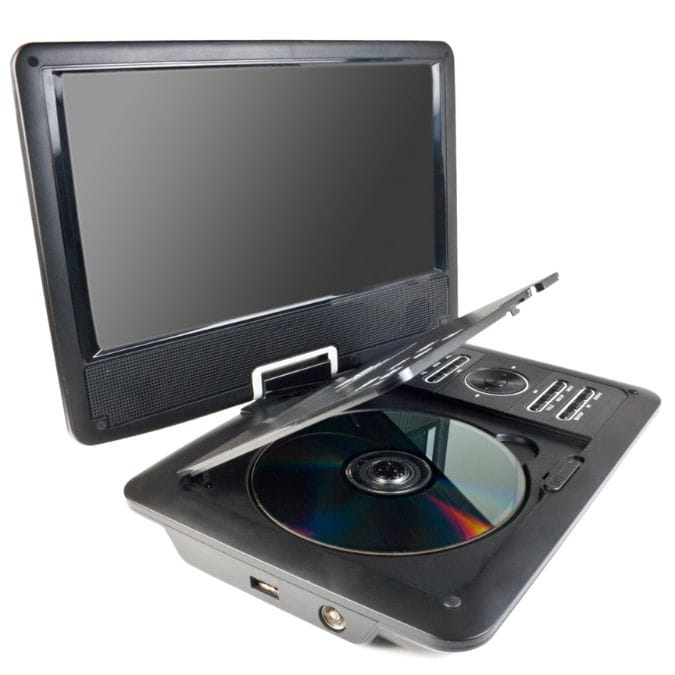
2. Portable DVD Players

portable dvd player

123rf

Long before Netflix and other streaming services became the norm for in-transit entertainment, portable DVD players were the go-to for watching movies. 

These bulky gadgets came with their own set of frustrations, from scratched discs that would skip to batteries that barely lasted through a movie. 

Kids today might find the idea of carrying around a physical library of discs as quaint as carrying stone tablets.

3. MP3 Players

mp3 player

123rf

Before music was streamed from the cloud, it was stored on MP3 players. Unlike today’s virtually unlimited music libraries accessible from any device, these players could only hold a limited number of songs depending on their memory capacity. 

Generation Alpha might find the concept of downloading and syncing music files as archaic as using a phonograph.

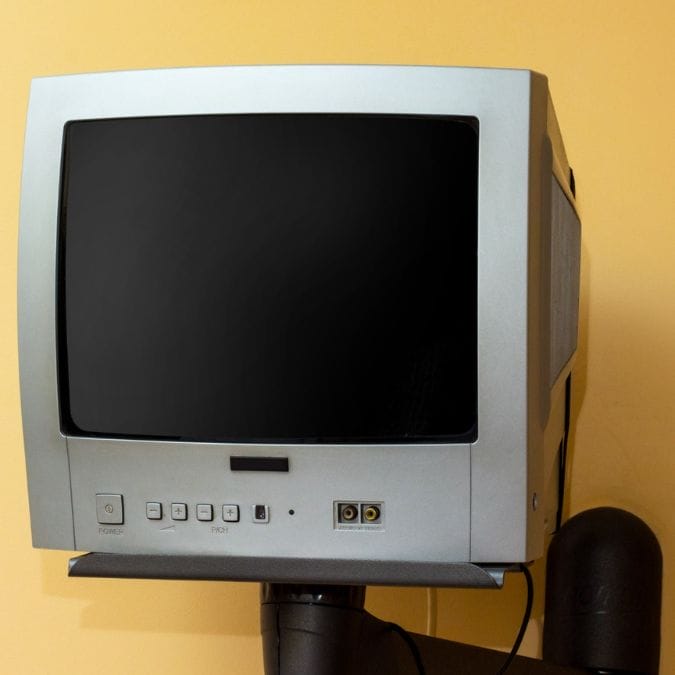
4. CRT Televisions

crt tv

123rf

The bulky, box-shaped CRT TVs were once a living room staple. Their heavy, unwieldy frames and deep backs were a far cry from today’s sleek, wall-mounted flat screens. 

Gen Alpha kids familiar with 4K and smart TV technologies might view these as dinosaur-age tech, especially considering the space they took up and the lower quality of the image displayed.

5. Disposable Cameras

disposable camera

123rf

In an age where photos are instantly reviewed and shared, the concept of a disposable camera, with its limited number of shots and no delete option, is nearly incomprehensible. 

These cameras required an actual film to be developed, a process taking days. Gen Alpha’s penchant for swift digital feedback makes the disposable camera an amusing historical footnote.

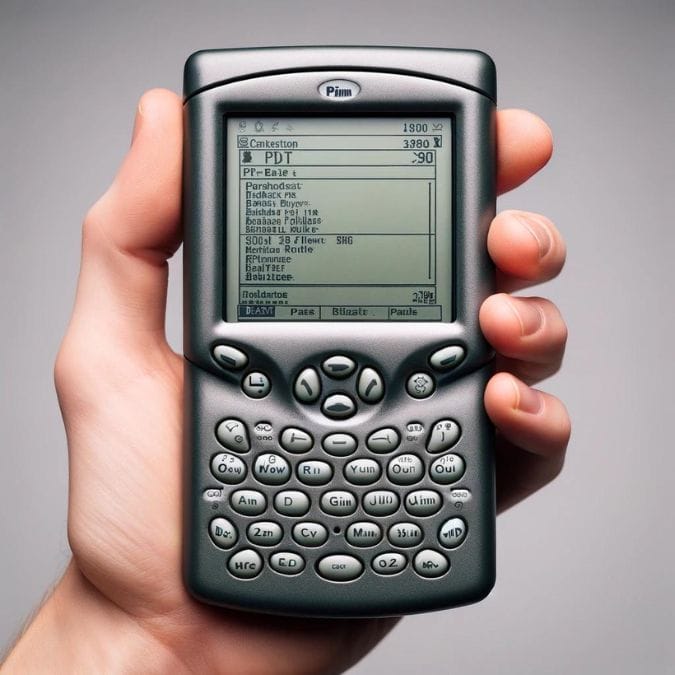
6. PDA Devices

pda

DALL-E

Personal Digital Assistants (PDAs) were once cutting-edge for offering mobile computing capabilities, such as managing contacts, appointments, and notes. 

However, compared to the multifunctionality of modern smartphones, PDAs, with their styluses and clunky interfaces, would seem needlessly complicated and single-purpose to today’s tech-savvy youth.

7. VHS Tapes and VCRs

vhs tapes and vcr

123rf


Video Home System (VHS) tapes and their players, VCRs, are likely to elicit bewilderment from children who stream everything these days. 

The idea of rewinding and fast-forwarding through tapes, dealing with tape jams, and the lower resolution might be as perplexing to them as the concept of dial-up internet.

8. Wired Internet

ethernet cable

123rf

Today’s generation enjoys wireless connectivity almost universally, from homes to cafes to parks. The concept of a wired internet connection, with Ethernet cables stretching across rooms, would be an odd limitation. After all, Gen Alpha likely equates internet access with air—ever-present and invisible.

9. Early GPS Units

gps unit

123rf

While navigation is second nature today, often integrated into every smartphone or vehicle, early GPS units were standalone devices that required manual updates. Sometimes, they even led drivers astray with outdated maps. 

The inefficiency and bulk of these units might appear to Gen Alpha as navigating by the stars once did to early explorers.

10. Fax Machines

fax machine

123rf

In an era of email, instant messaging, and cloud-based file sharing, the fax machine—a device that transmits scans of paper documents via telephone lines—sounds like a communication tool from the ancient world. 

The slow transmission speeds, noisy operation, and physical paper trail are curiosities in today’s digital-first environment.

Oldies but Goodies

old school gadgets

123rf

These gadgets from the 2000s, revolutionary in their time, now serve as a testament to the rapid evolution of technology. They remind us that today’s cutting-edge devices might one day be the artifacts future generations marvel at or giggle over as relics from a simpler, slower-tech era.

Read More

14 Millennial Phrases That Are Becoming More Annoying Than Trendy

How Surveillance Technology Is Changing The Face Of Finance

Vanessa Bermudez
Vanessa Bermudez
Vanessa Bermudez is a content writer with over eight years of experience crafting compelling content across a diverse range of niches. Throughout her career, she has tackled an array of subjects, from technology and finance to entertainment and lifestyle. In her spare time, she enjoys spending time with her husband and two kids. She’s also a proud fur mom to four gentle giant dogs.

Filed Under: Technology Tagged With: gadgets, gen alpha, millenials, technology

12 Crucial Money Lessons Baby Boomers Passed Down to Their Millennial Kids

April 26, 2024 by Teri Monroe Leave a Comment


money lessons

Today, millennials are more financially literate than previous generations. In fact, a recent survey by Investopedia found that 63% of millennials feel very confident in their overall financial knowledge. This largely in part is due to boomer parents talking about finances with their millennial children from a young age. Baby boomers have experienced significant economic shifts throughout their lives, from post-war prosperity to economic recessions and technological advancements. As they pass down their wealth of knowledge and experience to their millennial children, they impart valuable money lessons that shape their financial attitudes and behaviors. Here are 12 crucial money lessons baby boomers have passed down to their millennial kids.

1. Save for the Future

money lessons save for the future

As the saying goes, “a penny saved is a penny earned.” Baby boomers emphasize the importance of saving for the future, whether it’s for retirement, emergencies, or long-term goals. They instill in their children the habit of setting aside a portion of income for savings and investing in assets that provide financial security over time. While millennials often feel behind in their ability to save, this money lesson has taught them the importance of saving.

2. Live Within Your Means

live within means

Perhaps learned from their parents, baby boomers stress the importance of living within one’s means and avoiding excessive debt. They teach their millennial children to budget effectively, prioritize needs over wants, and resist the temptation of overspending.

3. Work Ethic Matters

working hard

One of the defining characteristics of boomers is that they value hard work and perseverance. In turn, they have taught their children the importance of diligence, dedication, and resilience in achieving financial success. They instill a strong work ethic that drives millennials to pursue their goals with determination and commitment.

4. Invest Wisely

investing

Baby boomers understand the power of investing for wealth accumulation and financial growth. They educate their millennial children about different investment strategies, risk management, and the importance of diversification to build a robust investment portfolio.

5. Plan for Retirement Early

retirement

With the rising costs of assisted living and medical expenses, many boomers have struggled to save enough for retirement. Because of this, they encourage their millennial children to start saving for retirement as soon as possible, take advantage of employer-sponsored retirement plans, and maximize contributions to tax-advantaged accounts.

6. Value Education

education

Unsurprisingly, boomers have a higher level of education than any other generation. Boomers recognize the transformative power of education in shaping future opportunities and financial success. They prioritize investing in their children’s education and encourage them to pursue lifelong learning and skill development.

7. Be Financially Independent

financial literacy

Baby boomers value financial independence and self-reliance, teaching their millennial children to take control of their finances and make informed decisions about money management. They emphasize the importance of financial autonomy and avoiding reliance on others for financial support.

8. Prepare for Economic Uncertainty

money lessons

More than most generations, baby boomers have experienced economic recessions and market fluctuations throughout their lives, teaching their millennial children to prepare for economic uncertainty. They stress the importance of building an emergency fund, having insurance coverage, and maintaining financial resilience in the face of unexpected challenges.

9. Prioritize Health and Well-being

health

Unlike their parents, baby boomers understand the connection between health and financial stability, emphasizing the importance of prioritizing physical and mental well-being. They encourage their millennial children to invest in their health, practice self-care, and seek balance in life to achieve long-term financial success.

10. Give Back to Society

charity

Boomers believe in the importance of giving back to society and making a positive impact on the community. In fact, 72% of boomers give loyalty to around five charities. They instill the value of philanthropy, volunteerism, and social responsibility in their millennial children, encouraging them to contribute to causes they care about and make a difference in the world.

11. Learn From Financial Mistakes

financial mistakes

Every generation makes financial mistakes. Baby boomers acknowledge that financial mistakes are inevitable, but emphasize the importance of learning from them. They encourage their millennial children to take responsibility for their financial decisions, learn from past errors, and make smarter choices moving forward.

12. Family Comes First

family

Above all, baby boomers prioritize family and relationships over material wealth. They teach their millennial children the importance of nurturing meaningful connections, supporting loved ones in times of need, and fostering a sense of belonging and unity within the family.

Financial Lessons for a Lifetime

personal finances

Baby boomers play a significant role in shaping the financial attitudes and behaviors of their millennial children by passing down valuable money lessons learned throughout their lives. From saving for the future and living within one’s means to investing wisely and prioritizing family, these crucial money lessons form the foundation for building a secure and prosperous financial future across generations.

Read More

9 Retro Video Games That Are Still Popular Today

10 Genius Wealth Transfer Hacks That’ll Make Your Heirs Thank You Forever

Photograph of Teri Monroe
Teri Monroe
Teri Monroe started her career in communications working for local government and nonprofits. Today, she is a freelance finance and lifestyle writer and small business owner. Teri holds a B.A. From Elon University.  In her spare time, she loves golfing with her husband, taking her dog Milo on long walks, and playing pickleball with friends.

Filed Under: money management, Personal Finance Tagged With: Boomers, millenials, money lessons

14 Millennial Phrases That Are Becoming More Annoying Than Trendy

March 18, 2024 by Tamila McDonald Leave a Comment

Millenials Intro

123rf

In the ever-evolving landscape of language, certain phrases catch on like wildfire, only to become overused to the point of irritation. Millennials, a generation known for their unique linguistic contributions, have popularized numerous phrases. However, some of these expressions are starting to grate on people’s ears more than they charm. Check out these 14 such Millennial phrases that are losing their trendiness and edging more into the realm of annoyance.

1. “I Can’t Even”

inability to deal with a situation

123rf

This phrase, meant to convey an overwhelming inability to deal with a situation, has been used to the point of exhaustion. Initially a humorous way to express disbelief or frustration, it now often comes across as a generic, uninspired reaction to even the most mundane situations.

2. “This Is Everything”

something was incredibly important

Originally used to express that something was incredibly important or epitomized a particular moment, “This is everything” has become a hyperbolic cliché. It’s now so overused that it often diminishes the actual significance of what’s being discussed.

3. “Adulting”

Adulting

123rf

“Adulting” started as a playful way for Millennials to describe performing adult responsibilities. However, its overuse has made it seem as though everyday tasks are extraordinary feats, which can trivialize the actual challenges of adulthood.

4. “Sorry Not Sorry”

sorry not sorry

123rf

Intended to be a cheeky way of acknowledging a lack of regret, “Sorry not sorry” is now perceived as dismissive and insincere. It often comes across as trying too hard to project confidence while actually being rude.

5. “It’s Lit”

exciting or excellent situation

123rf

Used to describe an exciting or excellent situation, “It’s lit” has burned out from overuse. While it once conveyed enthusiasm, it’s now seen as a lazy way to express that something is good without providing any real descriptive value.

6. “Slay”

Slay

123rf

Originally a term of empowerment and success, “slay” has become so commonplace that it’s losing its impactful connotation. What once was a powerful way to celebrate achievements now often feels like an over-the-top description of everyday successes.

7. “Feels”

Feels

“Feels,” short for feelings, started as a way to express strong emotional reactions, especially in online discussions. Now, it’s seen as a melodramatic and vague term, often used to oversimplify complex emotions.

8. “Yas”

Yas

123rf

This enthusiastic form of “yes” initially gained popularity as a playful, empowering exclamation. However, its overuse, especially in contexts that don’t warrant such high levels of excitement, has rendered it more grating than inspiring.

9. “Lituation”

an event that is particularly exciting or lively

123rf

A blend of “lit” and “situation,” “Lituation” was meant to describe an event that is particularly exciting or lively. However, its overuse has stripped away much of its original appeal, turning it into a tired cliché.

10. “Squad Goals”

squad goals

123rf

Used to refer to an aspirational group dynamic, “squad goals” has become more about projecting an idealized image than celebrating genuine friendships. The phrase is now often seen as promoting superficial benchmarks for relationships.

11. “Throw Shade”

throw shade

123rf

Once a clever way to describe discreetly criticizing or expressing contempt, “throw shade” is now overused to the point of losing its subtlety. It’s often employed in situations that don’t actually involve nuanced or clever criticism.

12. “Spill the Tea”

spill the tea

123rf

Originally a catchy phrase for gossiping or sharing juicy information, “Spill the Tea” has become so commonplace that it often detracts from the intrigue or excitement of the information being shared.

13. “Basic”

Basic

123rf

“Basic” started as a playful jab at those with mainstream tastes but has turned into an overused, judgmental label. The term has lost its humorous edge and now often comes off as unnecessarily mean-spirited.

14. “Bae”

Bae

123rf

Once a term of endearment, “bae” has been used so frequently for partners, friends, foods, and even objects that it has become more of a generic placeholder than a special descriptor.

Moving Beyond Clichéd Expressions

conversations

123rf

As language continues to evolve, so too should our use of it. While these phrases once added color and distinctiveness to our conversations, their overuse has led to a loss of originality and impact. It’s important to be mindful of how we use language to express ourselves and connect with others.

By choosing our words thoughtfully and creatively, we can maintain the vibrancy and relevance of our communication. What new expressions will define the next generation’s linguistic landscape? Only time, and our collective creativity, will tell. In the meantime, let’s strive for authenticity and innovation in the way we speak and write.

Tamila McDonald
Tamila McDonald

Tamila McDonald is a U.S. Army veteran with 20 years of service, including five years as a military financial advisor. After retiring from the Army, she spent eight years as an AFCPE-certified personal financial advisor for wounded warriors and their families. Now she writes about personal finance and benefits programs for numerous financial websites.

Filed Under: People Tagged With: bae, basic, language, millenials, throw shade, yas

FOLLOW US

Search this site:

Recent Posts

  • Can My Savings Account Affect My Financial Aid? by Tamila McDonald
  • 12 Ways Gen X’s Views Clash with Millennials… by Tamila McDonald
  • What Advantages and Disadvantages Are There To… by Jacob Sensiba
  • Call 911: Go To the Emergency Room Immediately If… by Stephen Kanaval
  • 10 Tactics for Building an Emergency Fund from Scratch by Vanessa Bermudez
  • 7 Weird Things You Can Sell Online by Tamila McDonald
  • 10 Scary Facts About DriveTime by Tamila McDonald

Copyright © 2026 · News Pro Theme on Genesis Framework