• Home
  • About Us
  • Toolkit
  • Getting Finances Done
    • Hiring Advisors
    • Debt Management
    • Spending Plan
  • Insurance
    • Life Insurance
    • Health Insurance
    • Disability Insurance
    • Homeowners/Renters Insurance
  • Contact Us
  • Risk Tolerance Quiz
  • Our Editorial Commitment

The Free Financial Advisor

You are here: Home / Archives for Home Improvement

9 Hidden Costs of Homeowner Associations

September 20, 2025 by Travis Campbell Leave a Comment

HOA
Image source: pexels.com

Many people are drawn to neighborhoods with homeowner associations (HOAs) for the promise of well-kept lawns, amenities, and a sense of community. But before you sign on the dotted line, it’s important to look beyond the surface. The hidden costs of homeowner associations can catch even savvy buyers off guard. These extra expenses often go unmentioned during the buying process, but can impact your budget and lifestyle over time. Understanding what you’re really paying for can help you make a more informed decision about HOA living.

1. Special Assessments

HOA fees usually cover basic maintenance and amenities, but big projects—like roof replacements or pool repairs—might require extra funding. When this happens, the HOA can charge a special assessment. These surprise bills can run from a few hundred to several thousand dollars per homeowner. If the association hasn’t saved enough in its reserve fund, you’ll be expected to help fill the gap. Special assessments are one of the most common hidden costs of homeowner associations, and they can arrive with little warning.

2. Escalating Monthly Dues

That manageable monthly HOA fee you saw in the listing? It’s rarely set in stone. HOAs regularly review their budgets and can increase dues as costs rise. Sometimes, dues go up because of inflation or higher insurance premiums. Other times, new amenities or services are added. Over the years, what started as an affordable payment can become a budget strain. If you’re planning to stay long-term, factor in these likely increases as part of the hidden costs of homeowner associations.

3. Fines and Penalties

HOAs enforce rules to maintain neighborhood standards, but breaking those rules can be costly. Common violations include parking in the wrong spot, leaving trash cans out, or painting your home an unapproved color. Even minor offenses can result in fines. Some associations are strict and issue penalties quickly, while others may be more lenient. Either way, repeated violations can add up, turning a small misstep into a major expense.

4. Maintenance Beyond the Basics

HOA fees typically cover common areas, but not always every aspect of your property. For example, you might be responsible for your roof, windows, or landscaping beyond the front yard. If your HOA has strict standards, you may need to hire approved vendors or use specific materials, which can be pricier than standard options. Read your HOA documents carefully to see exactly what’s included—and what isn’t—so you’re not surprised by these hidden costs.

5. Insurance Gaps

Many homeowners assume HOA insurance protects their entire property, but that’s rarely the case. The association’s policy usually covers shared spaces or the building’s exterior, not your personal belongings or interior finishes. You may need to purchase supplemental insurance for full protection. This extra policy is an additional cost that’s easy to overlook.

6. Restrictions That Lead to More Expenses

HOAs often have strict rules about home improvements, landscaping, and even holiday decorations. If you want to make changes, you might need to submit plans and pay approval fees. Sometimes, only certain contractors or materials are allowed, which can be more expensive than what you’d choose on your own. These restrictions can limit your options and drive up costs if you want to personalize your home.

7. Legal Fees Passed to Homeowners

If your HOA gets involved in a lawsuit or legal dispute, the costs can trickle down to members. Associations sometimes pass legal fees to homeowners through higher dues or special assessments. Even if you weren’t involved in the dispute, you could still end up paying for it. Reviewing the HOA’s history can give you clues about potential future legal costs.

8. Amenity Upgrades or Repairs

Neighborhood pools, clubhouses, and fitness centers are great perks, but they come with their own set of expenses. When these amenities need upgrades or repairs, the costs are shared by all homeowners. Sometimes, the board decides to add new features, like a playground or dog park, with little input from residents. Increased dues or special assessments often cover the price tag for these projects—another example of the hidden costs of homeowner associations.

9. Reduced Flexibility and Resale Complications

HOAs can restrict your ability to rent out your home or make changes that appeal to future buyers. Some associations have rules limiting rentals, which can affect your ability to generate income. Others have lengthy approval processes for buyers, which can slow down or complicate sales. These restrictions can reduce your home’s marketability, potentially lowering resale value or increasing the time it takes to sell. Before buying, research the HOA’s policies so you’re not surprised by these hidden costs.

Weighing the True Cost of HOA Living

While the benefits of HOA communities are easy to see, the hidden costs of homeowner associations are less obvious but just as significant. From special assessments to restrictions that add expenses, these factors can affect your budget and lifestyle in ways you might not expect. Before buying into an HOA, review the association’s financials, rules, and history. Ask current residents about their experiences and consider the long-term impact on your finances.

Have you faced any unexpected HOA costs? Share your experiences or questions in the comments below!

What to Read Next…

  • How Homeowners Associations Are Targeting Retirees With Fines
  • Can You Really Lose Your House Over One Missed Hoa Payment
  • 7 Hidden Fees That Aren’t Labeled As Fees At All
  • 10 Items That Could Void Your Homeowners Insurance Instantly
  • 7 Homeowner Insurance Exclusions That Void Entire Policies
Travis Campbell
Travis Campbell

Travis Campbell is a digital marketer/developer with over 10 years of experience and a writer for over 6 years. He holds a degree in E-commerce and likes to share life advice he’s learned over the years. Travis loves spending time on the golf course or at the gym when he’s not working.

Filed Under: Home Improvement Tagged With: hidden costs, HOA fees, HOA rules, homeowner associations, Insurance, Real estate, special assessments

9 Financial Surprises That Hit Homeowners After a Renovation

September 15, 2025 by Catherine Reed Leave a Comment

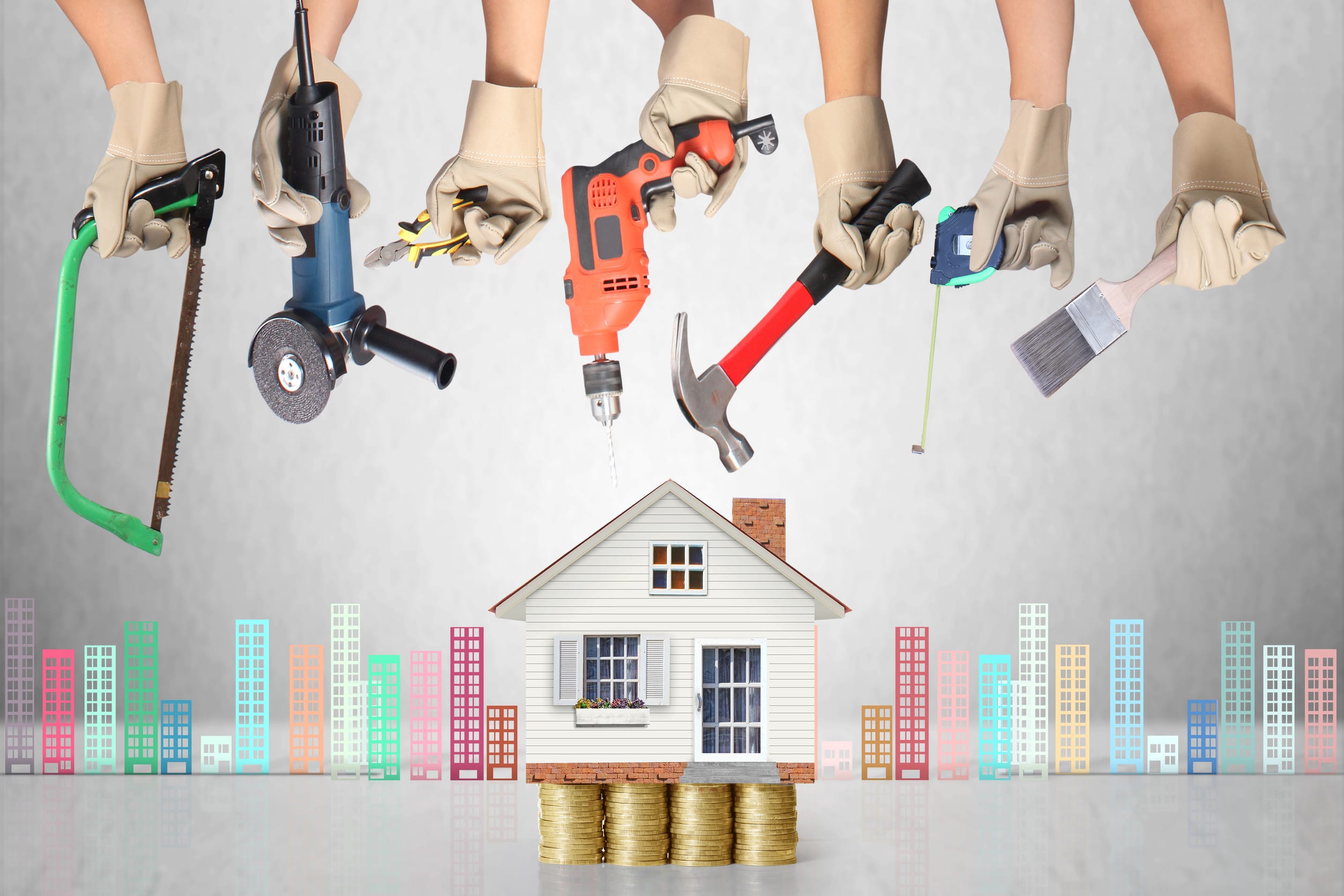
9 Financial Surprises That Hit Homeowners After a Renovation
Image source: 123rf.com

A home renovation can feel exciting at first—new spaces, modern upgrades, and a refreshed living environment. But what many homeowners don’t anticipate are the hidden costs that often pile up along the way and after the project ends. These financial surprises can derail even the most carefully planned budget, leaving families scrambling to cover extra expenses. From unexpected repairs to long-term maintenance, the true cost of renovation usually extends far beyond what’s on the contractor’s estimate. Here are nine financial surprises that commonly hit homeowners after a renovation.

1. Discovering Hidden Structural Issues

One of the biggest financial surprises during a renovation is uncovering problems behind walls or beneath floors. Contractors may find outdated wiring, water damage, or foundation issues once the work begins. These fixes are rarely optional, meaning you must pay for them to move forward. What started as a cosmetic update can quickly turn into a major repair job. Preparing for hidden costs with a buffer in your budget helps reduce the shock.

2. Permit and Inspection Fees

Many homeowners underestimate the cost of obtaining the proper permits for their project. Renovations often require approval from local authorities, and each permit carries a fee. Inspections may also be necessary at different stages of the work, adding to the total expense. If the project isn’t up to code, you may face additional costs to bring everything into compliance. These financial surprises can eat away at funds meant for finishes and design upgrades.

3. Rising Material Prices

Material costs can fluctuate dramatically, especially if your renovation takes months to complete. Lumber, steel, and even paint can rise in price due to supply chain issues or seasonal demand. Homeowners often find that the original estimate no longer matches the final bill for supplies. Contractors may pass these increases directly onto you, forcing tough budget decisions. Staying flexible and researching price trends can help limit the impact of this surprise.

4. Upgrading Outdated Plumbing or Electrical Systems

Many older homes require system upgrades when renovations are underway. Adding modern appliances or new lighting often means updating electrical wiring to handle the load. Similarly, new bathrooms or kitchens may demand plumbing improvements that weren’t part of the initial plan. These upgrades are essential for safety and function but come with a hefty price tag. For many, this becomes one of the most frustrating financial surprises because it offers little visible payoff.

5. Temporary Living Arrangements

Renovations can make parts of your home unlivable, forcing families to seek temporary housing. Renting an apartment, booking hotel rooms, or eating out more frequently can add hundreds or thousands to your costs. Even if you stay in the home, you may need to rent storage for furniture or equipment. These overlooked expenses creep up quickly during long projects. Factoring in alternative living arrangements before work begins can help keep your budget intact.

6. Landscaping Repairs After Construction

Heavy equipment, material storage, and constant foot traffic often damage lawns, gardens, and driveways. Many homeowners finish their renovations only to realize their outdoor spaces need costly repairs. Re-seeding grass, replanting shrubs, or fixing cracked concrete adds unplanned expenses. Contractors rarely include this in their estimates, leaving you to cover the cleanup. These financial surprises remind homeowners to budget for exterior work alongside the main project.

7. Higher Utility Bills During Construction

Construction crews use power tools, lights, and sometimes heating or cooling systems extensively during the project. This can cause utility bills to spike during renovation months. Once the project is done, new appliances or larger spaces may also lead to ongoing higher bills. Homeowners are often caught off guard by the long-term increase in monthly costs. This makes it important to factor in not just one-time expenses but future financial commitments as well.

8. Furniture and Décor Costs

A freshly renovated space often makes existing furniture and décor look out of place. Many homeowners end up buying new furniture, window treatments, or décor items to match the updated look. These purchases can rival the renovation costs themselves if not managed carefully. It’s easy to get swept up in the excitement and overspend on style upgrades. Planning ahead for furniture and decoration helps avoid these unexpected financial surprises.

9. Long-Term Maintenance Costs

Renovations don’t end when the dust settles. New features like high-end appliances, custom flooring, or luxury fixtures often require specialized maintenance. Repairing or replacing upgraded materials later can be far more expensive than maintaining standard options. Many homeowners underestimate how these long-term costs add up. Thinking about future upkeep before selecting finishes can save money in the years ahead.

Planning for the Unexpected Pays Off

Homeowners often learn the hard way that renovations rarely stick to the original budget. Financial surprises, from hidden damage to higher utility bills, can quickly turn a dream project into a financial headache. By anticipating these costs and setting aside extra funds, you can protect your wallet and enjoy the benefits of your upgraded space. Planning for the unexpected is the key to turning renovations into rewarding investments rather than costly regrets.

Have you ever experienced financial surprises during or after a renovation? Share your story in the comments below.

What to Read Next…

Could Ignoring HOA Rules Destroy the Value of Your Home

How Much Home Can You Really Afford? Hint: Don’t Believe The Mortgage Company

10 Financial Traps People Walk Into After Buying a New House

Could Rising Property Taxes Quietly Push People Out of Their Homes

7 Things That End Up Costing More in Poor Neighborhoods

Catherine Reed
Catherine Reed

Catherine is a tech-savvy writer who has focused on the personal finance space for more than eight years. She has a Bachelor’s in Information Technology and enjoys showcasing how tech can simplify everyday personal finance tasks like budgeting, spending tracking, and planning for the future. Additionally, she’s explored the ins and outs of the world of side hustles and loves to share what she’s learned along the way. When she’s not working, you can find her relaxing at home in the Pacific Northwest with her two cats or enjoying a cup of coffee at her neighborhood cafe.

Filed Under: Home Improvement Tagged With: Budgeting Tips, financial surprises, hidden expenses, home renovation costs, homeowner advice, renovation planning, unexpected costs

5 Unspoken Costs That Could Make DIY Advice Backfire

August 24, 2025 by Catherine Reed Leave a Comment

5 Unspoken Costs That Could Make DIY Advice Backfire
Image source: 123rf.com

There’s no shortage of tips online promising to help you save money, raise kids more easily, or manage life’s challenges with quick hacks. While it’s tempting to follow this DIY advice without question, the hidden costs aren’t always obvious at first glance. What looks like a clever shortcut can sometimes create bigger problems down the road. Parents especially need to be cautious, since decisions about health, money, or childcare have lasting consequences. By recognizing these unspoken costs, you can make smarter choices and avoid having DIY advice backfire.

1. Time You Can’t Get Back

DIY advice often claims to save money, but it doesn’t mention how much time you’ll spend trying to follow it. Many people underestimate how long it takes to research, gather supplies, and troubleshoot mistakes along the way. Time that could be spent with your family, resting, or focusing on other responsibilities is quickly eaten up. When that effort doesn’t produce the promised results, frustration sets in. Sometimes paying for expertise is actually the more efficient and valuable option.

2. The Hidden Price of Mistakes

Mistakes are one of the most overlooked costs of following DIY advice. Whether it’s a home project gone wrong or a financial strategy misapplied, fixing errors often costs more than doing it correctly the first time. People may think they’re saving money upfront, but a small error can snowball into larger expenses. For example, a DIY tax strategy could result in penalties, or a misapplied medical tip might require professional correction. Expertise exists for a reason, and bypassing it can lead to costly outcomes.

3. Stress on Family Relationships

Trying to follow complicated DIY advice can add unnecessary stress to family life. When projects don’t go as planned, tempers flare, and children may pick up on the tension. Instead of creating bonding moments, a failed attempt can create conflict or disappointment. Parents juggling too many DIY projects may also struggle to stay present with their kids. Protecting family peace is worth considering before diving into advice that might sound good online but creates chaos in real life.

4. Risk to Safety and Health

One of the biggest dangers of DIY advice is when it crosses into health or safety areas. Parents might be tempted to try home remedies for illnesses or makeshift baby gear tips to save money. However, these approaches can carry risks that far outweigh the savings. Unsafe cribs, car seat hacks, or unverified medical remedies can put children in harm’s way. Safety should always come before savings, which means carefully vetting advice before trying it.

5. False Confidence That Leads to Bigger Problems

DIY advice can give a false sense of expertise that encourages people to take on tasks beyond their ability. A little success may tempt people to tackle bigger, riskier projects without fully understanding the consequences. This overconfidence can lead to long-term financial mistakes, unsafe environments, or emotional strain. While resourcefulness is a great skill, it’s important to know where professional guidance is essential. Recognizing your limits prevents small experiments from spiraling into serious issues.

Knowing When DIY Isn’t Worth It

DIY advice can be empowering when used wisely, but it comes with unspoken costs that aren’t always highlighted in flashy blog posts or videos. Everyone needs to weigh whether the time, stress, or risk involved is really worth the potential savings. Sometimes the smartest financial choice is hiring an expert or sticking to tried-and-true methods. When families approach DIY advice with awareness and caution, they can avoid backfires and focus on what truly matters. Protecting your time, health, and peace of mind is always worth the investment.

Have you ever tried DIY advice that ended up costing more than it saved? What lessons did you learn from the experience? Share your thoughts in the comments!

Read More:

6 Professionals You Can Call If You Need Mortgage Advice

Are Some “No-Fee” Advisors Profit-Driven in Hidden Ways?

Catherine Reed
Catherine Reed

Catherine is a tech-savvy writer who has focused on the personal finance space for more than eight years. She has a Bachelor’s in Information Technology and enjoys showcasing how tech can simplify everyday personal finance tasks like budgeting, spending tracking, and planning for the future. Additionally, she’s explored the ins and outs of the world of side hustles and loves to share what she’s learned along the way. When she’s not working, you can find her relaxing at home in the Pacific Northwest with her two cats or enjoying a cup of coffee at her neighborhood cafe.

Filed Under: Home Improvement Tagged With: DIY advice, DIY mistakes, expert guidance, family finances, hidden costs, Home Improvement

8 Property Title Mistakes That Lead to Horrifying Repair Bills

August 15, 2025 by Travis Campbell Leave a Comment

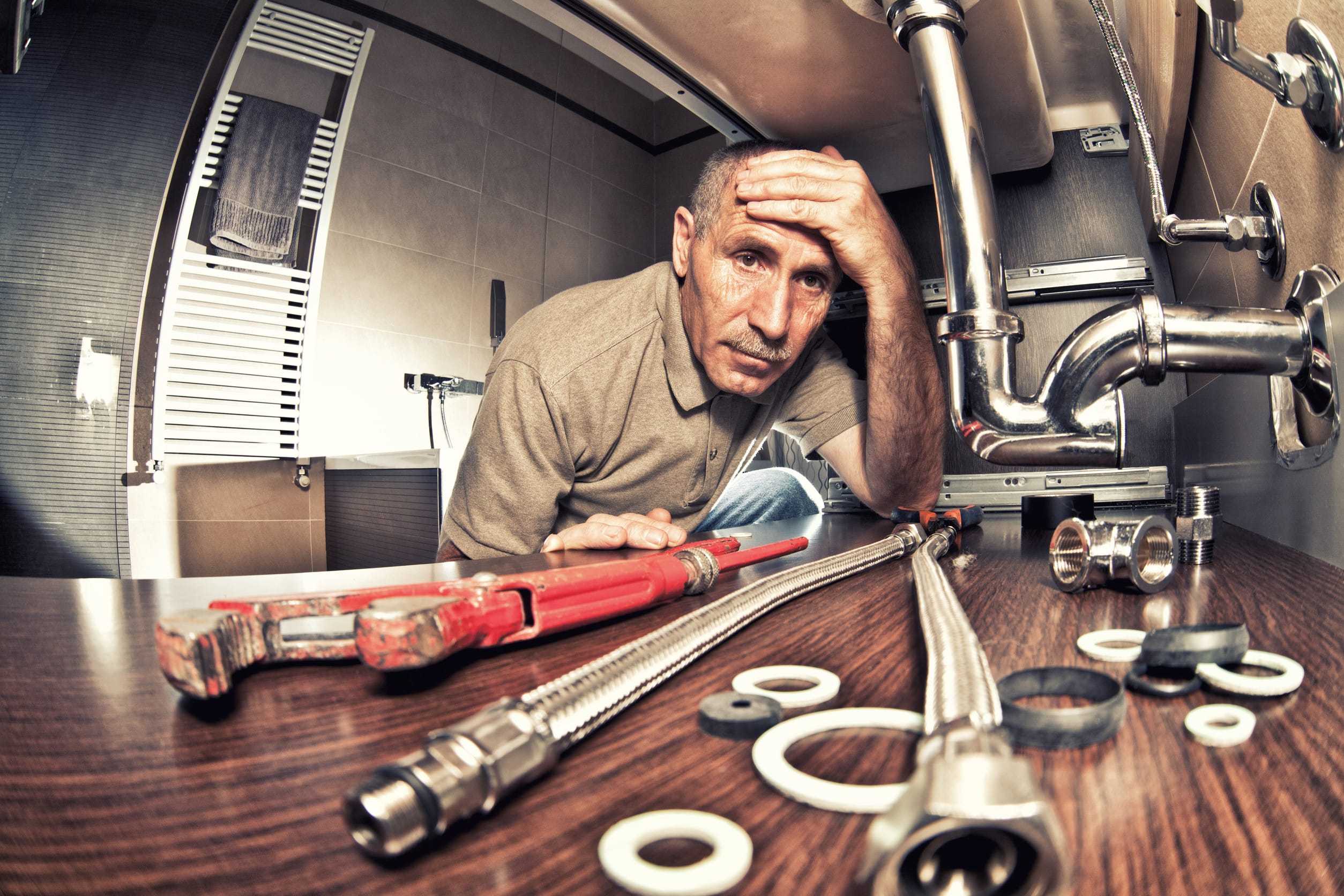
home repair
Image source: pexels.com

Buying a home is a big deal. You save, you search, you sign a mountain of paperwork. But there’s one thing many people overlook: the property title. It’s easy to assume the title is just a formality, but mistakes here can cost you thousands. Some errors can even leave you with repair bills you never saw coming. If you want to avoid nasty surprises, you need to know what can go wrong with your property title. Here are eight common property title mistakes that can lead to repair bills you never planned for.

1. Ignoring Unreleased Liens

A lien is a legal claim against your property, often from unpaid bills or taxes. If the previous owner didn’t pay off a contractor or a tax bill, that lien can stick to your title. You might not even know it’s there until you try to sell or refinance. But here’s the kicker: some liens are tied to repairs or improvements. If the work wasn’t finished or was done poorly, you could be on the hook for fixing it. Always check for unreleased liens before closing. A title search can help, but don’t assume it’s perfect. Ask questions and get proof that all liens are cleared.

2. Overlooking Easements

An easement gives someone else the right to use part of your property. Utility companies, neighbors, or even the city might have access. If you don’t know about an easement, you could end up with a repair bill when someone digs up your yard to fix a pipe or install cables. Sometimes, easements aren’t obvious. They might be buried in old documents or not recorded at all. Always ask for a full easement report before you buy. If you skip this step, you could be paying to repair damage you didn’t cause.

3. Failing to Spot Boundary Disputes

Property lines aren’t always where you think they are. Fences, driveways, or even parts of a house can cross into a neighbor’s land. If you buy a home with a boundary dispute, you might have to move a fence, tear down a shed, or fix landscaping. These repairs can get expensive fast. A survey can help, but make sure it’s recent and accurate. Don’t rely on old maps or verbal agreements. If there’s any doubt, get a professional survey before you close.

4. Missing Unpermitted Work

Sometimes, owners make changes to a home without getting the right permits. Maybe they finish a basement, add a deck, or build a garage. If the work wasn’t permitted, it might not meet safety codes. When the city finds out, you could be forced to tear it down or pay for repairs to bring it up to code. This isn’t just a hassle—it can cost thousands. Always ask for permits and inspection records for any major work. If the seller can’t provide them, be cautious.

5. Not Checking for Unrecorded Deeds

A deed is the document that proves you own your home. But sometimes, deeds aren’t recorded properly. Maybe someone forgot to file it, or there was a paperwork error. If your deed isn’t recorded, someone else could claim ownership, or you could face legal trouble down the road. Worse, you might have to pay to fix problems caused by previous owners. Always make sure your deed is recorded with the county as soon as you close.

6. Overlooking Old Covenants and Restrictions

Some properties come with old rules, called covenants or restrictions. These might limit what you can build, how you can use your land, or even what color you can paint your house. If you break a rule, you could be forced to undo changes or pay for repairs. These rules can be decades old and easy to miss. Always ask for a copy of all covenants and restrictions before you buy. If you don’t, you could end up with a repair bill for something you didn’t even know was a problem.

7. Ignoring Flood Zone or Environmental Hazards

Titles sometimes miss important details about flood zones or environmental risks. If your property is in a flood zone and you don’t know it, you might skip flood insurance. Then, when a storm hits, you’re stuck with the repair bill. The same goes for properties near old industrial sites or with underground tanks. Cleanup and repairs can be huge. Always check flood maps and environmental records. FEMA’s flood map service is a good place to start.

8. Not Getting Title Insurance

Title insurance protects you from many of these mistakes. If someone claims they own your property, or if a hidden lien pops up, title insurance can cover your legal costs and repairs. But some buyers skip it to save money. That’s risky. Without title insurance, you’re on your own if something goes wrong. The cost is small compared to what you could lose. Always get title insurance, and read the policy to know what’s covered.

Protect Your Home—and Your Wallet

Property title mistakes can turn your dream home into a money pit. The good news is, you can avoid most of these problems with a little homework. Check for liens, easements, and boundary issues. Ask for permits and records. Make sure your deed is recorded. And don’t skip title insurance. Taking a few extra steps now can save you from costly repair bills later.

Have you ever faced a surprise repair bill because of a title mistake? Share your story or tips in the comments.

Read More

How Heirs Can Lose Property When Titles Aren’t Reviewed Carefully

Can an Unpaid Medical Bill Really Lead to Property Seizure?

Travis Campbell
Travis Campbell

Travis Campbell is a digital marketer/developer with over 10 years of experience and a writer for over 6 years. He holds a degree in E-commerce and likes to share life advice he’s learned over the years. Travis loves spending time on the golf course or at the gym when he’s not working.

Filed Under: Home Improvement Tagged With: easements, home buying, homeownership, property liens, property title, Real estate, repair bills, title insurance

Tiny Kitchen Items That Add Hundreds to Your Electric Bill

July 11, 2025 by Travis Campbell Leave a Comment

kitchen
Image Source: pexels.com

Small kitchen gadgets make life easier. But some of these tiny helpers can quietly drive up your electric bill. You might not notice the impact at first. Over time, though, the costs add up. Many people focus on big appliances like fridges or ovens. But it’s the little things—used every day—that can really hurt your wallet. Here’s why you should pay attention to the small stuff in your kitchen.

1. Toaster Ovens

Toaster ovens seem harmless. They’re small, quick, and easy to use. But they use a lot of electricity for their size. Running a toaster oven for 15 minutes a day can add up to over 100 kilowatt-hours a year. That’s about $15 to $20, depending on your rates. If you use it more often, the cost climbs. Many people leave them plugged in all the time, which means they draw “phantom” power even when off. Unplugging when not in use helps. If you’re reheating leftovers, try the microwave instead. It’s usually more efficient for small portions.

2. Coffee Makers

Coffee makers are a morning staple. But they use more power than you think. Single-serve machines, in particular, heat water quickly and keep it hot. That means they’re always drawing power, even when you’re not brewing. Traditional drip machines with hot plates also use energy to keep coffee warm. If you leave the machine on for hours, you’re wasting electricity. Consider brewing only what you need. Turn off the hot plate or warming feature. If you want to save even more, use a French press or pour-over method. These don’t use any electricity at all.

3. Electric Kettles

Electric kettles are fast and convenient. But they can be energy hogs, especially if you boil more water than you need. Heating water takes a lot of power. If you fill the kettle to the top every time, you’re wasting energy. Only boil what you plan to use. Some kettles have a “keep warm” feature. This keeps water hot for hours, using even more electricity. Turn off this feature and unplug the kettle when you’re done. Over a year, these small changes can save you real money.

4. Plug-In Slow Cookers

Slow cookers are known for saving time and effort. But they use steady power for hours at a time. A typical slow cooker uses about 200 watts per hour. If you run it for eight hours, that’s 1.6 kilowatt-hours per meal. Do that a few times a week, and the cost adds up. Some people leave slow cookers plugged in all the time, which can draw standby power. Unplug when not in use. If you’re cooking small meals, consider using a pressure cooker or stovetop instead. These can be more efficient for quick cooking.

5. Countertop Ice Makers

Countertop ice makers are a luxury for some, a necessity for others. But they use a surprising amount of electricity. These machines run almost constantly to keep ice frozen and ready. Over a year, a countertop ice maker can use up to 350 kilowatt-hours. That’s about $50 or more, depending on your rates. If you don’t need ice all the time, turn the machine off when not in use. Use ice trays in your freezer for occasional needs.

6. Mini Fridges

Mini fridges are common in dorms, offices, and even kitchens. They seem efficient because they’re small. But many models are less efficient than full-size fridges. Older or cheaper mini fridges can use as much energy as a regular refrigerator. If you have more than one fridge running, your electric bill will reflect it. Consider whether you really need a mini fridge. If you do, look for an Energy Star model. Clean the coils and keep them full for best efficiency.

7. Electric Griddles

Electric griddles are great for pancakes and grilled cheese. But they use a lot of power, up to 1,500 watts when running. If you use one several times a week, the cost adds up. Many people leave them plugged in, which can draw standby power. Unplug after use. For small meals, use a stovetop pan instead. It’s often more efficient, especially if you have a gas stove.

8. Standby Chargers and Power Strips

Many kitchen gadgets use chargers or plug into power strips. Even when not in use, these can draw “phantom” or standby power. This is called “vampire energy.” Over a year, it can add up to $100 or more to your bill, depending on how many devices you have plugged in. Use smart power strips that cut off power when devices aren’t in use. Unplug chargers when you’re done.

9. Blenders and Food Processors

Blenders and food processors don’t run for long, but they use a lot of power when they do. High-powered models can draw up to 1,200 watts. If you use them daily, the energy use adds up. Clean and maintain your appliances so they run efficiently. Only blend what you need. If you’re making a smoothie, try using a smaller, personal blender.

10. Rice Cookers

Rice cookers are handy, but many have a “keep warm” feature that runs for hours. This uses more electricity than you might expect. If you leave rice warming all day, you’re paying for it. Turn off the cooker when your rice is done. Unplug it to avoid standby power use. For small portions, consider cooking rice on the stove.

Small Changes, Big Savings

Tiny kitchen items can have a big impact on your electric bill. It’s easy to overlook them, but the costs add up over time. Unplug devices when not in use. Use only what you need. Look for energy-efficient models when buying new gadgets. These small steps can save you hundreds each year. Paying attention to the little things in your kitchen can make a real difference in your budget.

What small kitchen gadgets have surprised you with their energy use? Share your stories or tips in the comments.

Read More

Stop Reading About Last Year’s Top Ten Mutual Funds

5 Biggest Refinance Concerns

Travis Campbell
Travis Campbell

Travis Campbell is a digital marketer/developer with over 10 years of experience and a writer for over 6 years. He holds a degree in E-commerce and likes to share life advice he’s learned over the years. Travis loves spending time on the golf course or at the gym when he’s not working.
Filed Under: Home Improvement Tagged With: electric bill, energy savings, home efficiency, household costs, kitchen appliances, kitchen tips, money-saving

DIY Fixes That Could Be Violating Local Building Codes

July 9, 2025 by Travis Campbell Leave a Comment

DIY
Image Source: pexels.com

Tackling home repairs yourself can be empowering and cost-effective, but not every project is as simple as it seems. Many homeowners dive into DIY fixes without realizing that some repairs could actually violate local building codes. These codes exist to keep you, your family, and your neighbors safe, and ignoring them can lead to fines, failed inspections, or even insurance headaches. Whether you’re planning to sell your home or just want peace of mind, understanding the risks of DIY work is crucial. Before you pick up that hammer or paintbrush, let’s explore some common fixes that might land you in hot water with your local building department.

1. Electrical Work Without a Permit

It’s tempting to swap out a light fixture or add an outlet on your own, but electrical work is one of the most heavily regulated areas in local building codes. Even seemingly minor changes can create fire hazards or shock risks if not done correctly. Many municipalities require permits for any electrical modifications, and unpermitted work can void your homeowner’s insurance. If you’re not a licensed electrician, it’s best to check with your local building office before making any changes.

2. Removing or Modifying Load-Bearing Walls

Open concept living spaces are all the rage, but knocking down a wall isn’t as simple as swinging a sledgehammer. Load-bearing walls support the structure of your home, and removing or altering them without proper planning can compromise the entire building. Local building codes require permits and inspections for this type of work to ensure your home remains safe and stable. If you’re unsure whether a wall is load bearing, consult a structural engineer or your local building department before making any changes.

3. Plumbing Changes and Bathroom Remodels

Replacing a faucet or showerhead is usually safe, but rerouting pipes or installing new plumbing fixtures often requires a permit. Local building codes are strict about plumbing to prevent leaks, water damage, and contamination. DIY plumbing mistakes can lead to costly repairs and even health hazards if wastewater mixes with clean water. Always check your city’s requirements before starting a bathroom or kitchen remodel.

4. Installing New Windows or Doors

Upgrading your windows or doors can improve energy efficiency and curb appeal, but improper installation can violate local building codes. Codes often specify the type of glass, egress requirements for bedrooms, and even the placement of locks and latches. Failing to follow these rules can affect your home’s safety in emergencies and may cause problems during a home sale. Always research your area’s requirements or hire a professional for major window and door projects.

5. Building Decks or Outdoor Structures

A new deck or shed can transform your backyard, but these projects almost always require permits and must meet local building codes. Codes cover everything from the depth of footings to railing heights and stair construction. Failing to obtain permits or disregarding code requirements can result in fines or the forced removal of the structure. Before you begin building, contact your local building office to determine the requirements for your project.

6. Finishing Basements Without Egress

Converting your basement into a living space is a popular DIY project, but local building codes require proper egress—meaning a safe way to exit in the event of a fire. This usually means installing windows or doors that meet specific size and accessibility standards. Without proper egress, your finished basement may not be considered a legal living space, which can affect your home’s value and safety. Always include egress in your basement plans and get the necessary permits.

7. Adding or Modifying HVAC Systems

Installing a new furnace, air conditioner, or even a vent might seem straightforward, but HVAC work is closely regulated by local building codes. Improper installation can lead to carbon monoxide leaks, poor air quality, or fire hazards. Permits and inspections ensure that your system is safe and efficient. If you’re not a licensed HVAC technician, it’s wise to leave these projects to the pros or at least consult your local building department before starting.

8. Roofing Repairs and Replacements

Replacing a few shingles might not raise eyebrows, but full roof replacements or structural repairs often require permits. Local building codes dictate materials, installation methods, and even ventilation requirements. Unpermitted roofing work can lead to insurance issues and problems when selling your home. Always check with your city or county before starting major roofing projects.

Why Following Local Building Codes Protects Your Investment

DIY projects can be rewarding, but cutting corners or skipping permits can have serious consequences. Local building codes aren’t just bureaucratic red tape—they’re designed to protect your safety, your investment, and your community. Violating these codes can lead to fines, insurance problems, and even legal action. Before starting any major home improvement, take the time to research your local building codes, pull the necessary permits, and consider consulting a professional. It’s a small step that can save you big headaches down the road.

Have you ever run into trouble with a DIY project and local building codes? Share your story or tips in the comments below!

Read More

The Definition of Irony, or Why You Should Know What You’re Doing

Is Disability Insurance Optional? I Think Not – Our Boner of the Week

Travis Campbell
Travis Campbell

Travis Campbell is a digital marketer/developer with over 10 years of experience and a writer for over 6 years. He holds a degree in E-commerce and likes to share life advice he’s learned over the years. Travis loves spending time on the golf course or at the gym when he’s not working.

Filed Under: Home Improvement Tagged With: building codes, DIY, Home Improvement, home safety, homeowner tips, legal issues, property value, renovations

Home Repairs That Turn Into Financial Sinkholes

July 7, 2025 by Travis Campbell Leave a Comment

home repairs
Image Source: pexels.com

Homeownership is often painted as a cornerstone of financial stability, but the reality can be far more complicated. While owning a home builds equity and offers a sense of security, it also comes with a long list of responsibilities, especially when it comes to maintenance. Some home repairs are straightforward and manageable, but others can quickly spiral out of control, draining your savings and turning your dream home into a financial sinkhole. Understanding which repairs are most likely to become money pits can help you plan ahead, avoid costly mistakes, and protect your financial well-being. If you want to keep your budget intact and your stress levels low, it’s crucial to know which home repairs to approach with extra caution.

Below, we’ll break down the most common home repairs that often turn into financial sinkholes, why they’re so risky, and what you can do to avoid falling into these traps.

1. Foundation Problems

Foundation repairs are notorious for becoming financial sinkholes. What starts as a small crack or a minor settlement can quickly escalate into a major structural issue. Repairing a foundation often requires specialized labor, heavy equipment, and sometimes even temporary relocation. Costs can range from a few thousand dollars to well over $20,000, depending on the severity. Worse, foundation issues can affect the entire structure of your home, leading to additional repairs in walls, floors, and plumbing. Before buying a home, always invest in a thorough inspection. If you notice any signs of foundation trouble, address them immediately to prevent further damage.

2. Roof Replacement

A leaky or aging roof is another classic financial sinkhole. While patching a few shingles might seem simple, underlying issues like water damage, mold, or structural rot can turn a basic repair into a full-blown replacement. Roof replacements can cost anywhere from $5,000 to $15,000 or more, depending on the size and materials. Delaying roof repairs only increases the risk of interior damage, which can add thousands to your bill. Regular inspections and prompt attention to minor leaks can help you avoid a costly surprise down the road.

3. Plumbing Leaks and Sewer Line Issues

Plumbing problems are often hidden until they become emergencies. A small leak under the sink might be easy to fix, but issues with main water lines or sewer pipes can be devastating. Sewer line repairs often require digging up your yard, replacing pipes, and restoring landscaping, which can cost $3,000 to $10,000 or more. Water damage from leaks can also lead to mold remediation and structural repairs. To avoid these financial sinkholes, schedule regular plumbing inspections and address slow drains, foul odors, or unexplained water bills right away.

4. Electrical System Overhauls

Older homes often come with outdated electrical systems that do not meet modern safety standards. Upgrading wiring, panels, and outlets can be a massive undertaking, especially if your home still has knob-and-tube or aluminum wiring. Electrical overhauls can cost several thousand dollars, and failing to address these issues can put your home at risk for fires. Always hire a licensed electrician for inspections and repairs, and don’t ignore flickering lights, tripped breakers, or outlets that don’t work.

5. HVAC System Failures

Heating, ventilation, and air conditioning (HVAC) systems are essential for comfort, but they’re also expensive to repair or replace. A new furnace or air conditioner can cost between $3,000 and $7,000, and ductwork issues can add even more. Neglecting regular maintenance, such as changing filters and cleaning ducts, can shorten the lifespan of your system and lead to unexpected breakdowns. Investing in annual HVAC checkups can help you identify problems early and avoid costly repairs.

6. Mold Remediation

Mold is more than just an eyesore—it’s a health hazard and a financial nightmare. Mold remediation can cost anywhere from $500 for a small area to over $6,000 for widespread contamination. The real danger lies in hidden mold behind walls or under floors, which can require extensive demolition and reconstruction. Insurance may not always cover mold damage, especially if it’s due to neglect. If you suspect mold, act quickly and consult a certified remediation specialist.

7. Termite Damage

Termites are silent destroyers that can eat away at your home’s structure for years before you notice. By the time you see visible damage, repairs can be extensive and expensive, often running into the thousands. Regular termite inspections and preventive treatments are essential, especially in high-risk areas. Ignoring termite problems can turn a minor issue into a financial sinkhole that affects your home’s value and safety.

8. Window and Door Replacements

Replacing windows and doors might seem like a cosmetic upgrade, but it can quickly become a financial sinkhole if you’re not careful. Poor installation, hidden rot, or structural issues can drive up costs. Energy-efficient windows are a smart investment, but the upfront expense can be significant, especially for custom sizes or historic homes. Always get multiple quotes and check references before hiring a contractor.

Protecting Your Home—and Your Wallet

The best way to avoid home repairs that turn into financial sinkholes is to stay proactive. Regular maintenance, timely inspections, and a healthy emergency fund can help you manage unexpected expenses. Don’t ignore small problems—they rarely get better on their own. By staying vigilant and informed, you can protect both your home and your financial future.

What home repair has surprised you with unexpected costs? Share your story or advice in the comments below!

Read More

Why Junior’s Education Might Be Less Expensive Than Expected

The Definition of Irony (or Why You Should Know What You’re Doing)

Travis Campbell
Travis Campbell

Travis Campbell is a digital marketer/developer with over 10 years of experience and a writer for over 6 years. He holds a degree in E-commerce and likes to share life advice he’s learned over the years. Travis loves spending time on the golf course or at the gym when he’s not working.

Filed Under: Home Improvement Tagged With: budgeting, costly repairs, financial sinkholes, Home Improvement, home maintenance, home repairs, homeownership

8 Household Items That Are Financial Time Bombs

June 13, 2025 by Travis Campbell Leave a Comment

Toilet
Image Source: 123rf.com

Every home is filled with items that make life easier, more comfortable, or just a little more fun. But lurking among your everyday possessions are financial time bombs—items that seem harmless but can lead to unexpected expenses, costly repairs, or even safety hazards. Ignoring these ticking threats can blow a hole in your budget and derail your financial goals. Understanding which household items pose the biggest risks is the first step to protecting your wallet and your peace of mind. Let’s break down the eight most common financial time bombs hiding in plain sight and what you can do to defuse them before they explode.

1. Old Water Heaters

Water heaters are easy to forget—until they fail. An aging water heater can leak or burst, causing water damage that may cost thousands to repair. Most water heaters last 8-12 years, but many homeowners push them well past their prime. Regularly check the manufacturer’s date and look for signs of rust, leaks, or strange noises. Replacing an old unit before it fails is far cheaper than dealing with a flooded basement or ruined flooring.

2. Outdated Electrical Wiring

If your home is more than 30 years old, outdated wiring could be a hidden financial time bomb. Old or faulty wiring increases the risk of electrical fires, which can devastate your home and finances. Even if disaster doesn’t strike, you may face higher insurance premiums or costly upgrades when selling your home. Have a licensed electrician inspect your wiring, especially if you notice flickering lights, warm outlets, or frequent breaker trips. Upgrading your electrical system is an investment in safety and long-term savings.

3. Leaky Toilets

A toilet that runs constantly or leaks at the base might seem like a minor annoyance, but it can waste hundreds of gallons of water each month. Over time, this silent leak can add up to a hefty water bill and even cause water damage to your floors and subflooring. Fixing a leaky toilet is usually inexpensive and can immediately save you money. Don’t ignore small plumbing issues—they’re classic financial time bombs that can quickly spiral into bigger problems.

4. HVAC Systems on Their Last Legs

Heating and cooling systems are among the most expensive appliances in your home. An old or poorly maintained HVAC system can break down unexpectedly, leaving you with a massive repair or replacement bill. Worse, inefficient systems drive up your energy costs every month. Schedule annual maintenance, change filters regularly, and start budgeting for replacement if your system is over 15 years old. Proactive care can help you avoid the financial shock of a mid-winter or mid-summer breakdown.

5. Unused Gym Equipment

That treadmill or elliptical collecting dust in the corner isn’t just taking up space—it’s a financial time bomb. Exercise equipment is expensive, and if it’s not being used, it represents wasted money and lost opportunity. Consider selling unused items online or donating them to reclaim both your space and some of your investment. Before buying new equipment, ask yourself if you’ll truly use it or if a gym membership or outdoor activities might be a better fit for your lifestyle and budget.

6. Expired Fire Extinguishers

Fire extinguishers are essential for home safety, but many people forget to check their expiration dates. An expired or nonfunctional extinguisher is a financial time bomb because it won’t protect you in an emergency, potentially leading to catastrophic fire damage. Inspect your extinguishers twice a year and replace them as needed. This small step can save you from massive losses and keep your home insurance premiums in check.

7. Old Appliances

That vintage fridge or hand-me-down washer might have character, but old appliances are notorious financial time bombs. They use more energy, break down more often, and can even pose safety risks. Upgrading to energy-efficient models can lower your utility bills and reduce the risk of costly repairs.

8. Forgotten Subscriptions and Memberships

It’s easy to sign up for streaming services, magazines, or monthly boxes and then forget about them. These recurring charges quietly drain your bank account, turning into financial time bombs that erode your budget over time. Review your bank statements every few months and cancel anything you’re not actively using. Setting reminders or using subscription management apps can help you stay on top of these sneaky expenses.

Protect Your Wallet from Hidden Household Hazards

Financial time bombs don’t have to catch you off guard. By staying vigilant and proactive, you can spot these hidden threats before they explode into major expenses. Regular maintenance, timely upgrades, and a little organization go a long way toward keeping your household budget intact. Remember, the true cost of ownership isn’t just the purchase price—it’s the ongoing care and attention that keeps your home running smoothly and your finances secure.

Have you ever been surprised by a hidden household expense? Share your story or tips in the comments below!

Read More

Vacation Without Breaking the Bank

5 Biggest Refinance Concerns

Travis Campbell
Travis Campbell

Travis Campbell is a digital marketer/developer with over 10 years of experience and a writer for over 6 years. He holds a degree in E-commerce and likes to share life advice he’s learned over the years. Travis loves spending time on the golf course or at the gym when he’s not working.

Filed Under: Home Improvement Tagged With: budgeting, Financial Tips, home maintenance, household finances, money management, Personal Finance

Replace These 7 Items Only After You’ve Had Them At Least 10 Years

May 24, 2025 by Travis Campbell Leave a Comment

replacing cookware
Image Source: pexels.com

We live in a world where “new” is often equated with “better.” Advertisers and retailers constantly nudge us to upgrade, replace, and refresh our belongings, even when the old ones are still working just fine. But what if holding onto certain items for a full decade—or longer—could actually be the smarter financial move? If you’re looking to save money, reduce waste, and make more intentional choices, knowing what to replace after 10 years (and not a moment sooner) is a game-changer. Let’s dive into seven everyday items you should keep for at least a decade before even thinking about an upgrade.

1. Solid Wood Furniture

Solid wood furniture is built to last. Unlike particleboard or MDF pieces, a well-made wooden table, dresser, or bed frame can easily withstand decades of use. In fact, many families pass these pieces down through generations. Instead of replacing your furniture every few years, consider refinishing or repainting it to give it a fresh look. Not only does this save you money, but it also keeps quality items out of landfills. According to the Environmental Protection Agency, over 12 million tons of furniture are thrown away each year in the U.S. alone. So, when it comes to furniture, the rule is simple: replace after 10 years, or even longer if it’s still sturdy and functional.

2. High-Quality Cookware

If you’ve invested in stainless steel or cast iron cookware, you’re in luck—these kitchen staples are designed to last a lifetime. With proper care, such as regular seasoning for cast iron and gentle cleaning for stainless steel, your pots and pans can easily surpass the 10-year mark. Replacing cookware too soon is unnecessary and can be a waste of money. Instead, focus on maintaining what you have. If a handle comes loose or a pan gets scratched, see if it can be repaired before tossing it. Remember, the best cookware is often the one you’ve had for years and know how to use perfectly.

3. Major Home Appliances

While upgrading to the latest fridge or washing machine is tempting, most major home appliances are built to last at least 10 years. According to Consumer Reports, the average lifespan of a refrigerator is about 13 years, while washing machines and dryers typically last around 10 years. Unless your appliance is beyond repair or is costing you a fortune in energy bills, there’s no need to replace it before the decade mark. Regular maintenance, like cleaning filters and coils, can extend their life even further.

4. Quality Mattresses

Mattresses are a big investment, and the good news is that a high-quality mattress can last 10 years or more. While some manufacturers recommend replacing mattresses every 7-8 years, this is often a marketing tactic. If your mattress is still comfortable and supportive, there’s no rush to swap it out. Rotating your mattress every few months and using a mattress protector can help it last even longer. Only consider replacing after 10 years if you notice sagging, lumps, or discomfort that affects your sleep.

5. Leather Shoes and Boots

Good leather shoes or boots can be your best friend for a decade or more. Quality footwear can outlast most trends with regular cleaning, conditioning, and the occasional trip to the cobbler for new soles or heels. Fast fashion encourages us to buy new shoes every season, but classic leather styles are timeless and durable. Instead of replacing them every year, invest in care and repair. You’ll save money and always have a comfortable, broken-in pair ready to go.

6. Tools and Hardware

Well-made tools are built to last, whether it’s a hammer, screwdriver, or power drill. Unless they’re lost or broken beyond repair, there’s no reason to replace your tools before 10 years. In fact, many people inherit tools from parents or grandparents that are still in perfect working order. Keep your tools clean, store them properly, and they’ll serve you faithfully for decades. When you do need to replace something, opt for quality over quantity to ensure longevity.

7. Bicycles

A well-maintained bicycle can easily last more than 10 years. Regular tune-ups, cleaning, and replacing worn-out parts like tires or chains can keep your bike rolling smoothly for years. There’s no need to buy a new bike just because a newer model is out. In fact, many vintage bikes are prized for their durability and craftsmanship. Unless your needs change drastically or the frame is damaged beyond repair, stick with your trusty ride and replace after 10 years—or even longer.

The Power of Patience: Why Waiting Pays Off

Choosing to replace after 10 years isn’t just about saving money—it’s about making thoughtful, sustainable choices that benefit your wallet and the planet. By resisting the urge to upgrade prematurely, you reduce waste, support quality craftsmanship, and get the most value from your purchases. Next time you’re tempted by a shiny new version of something you already own, remember: patience pays off in more ways than one.

What’s the oldest item you still use every day? Share your stories and tips in the comments below!

Read More

11 Outdated Skills That Were Once Cutting Edge

12 Things Most People Only Do If They’re Serious About Retirement

Travis Campbell
Travis Campbell

Travis Campbell is a digital marketer/developer with over 10 years of experience and a writer for over 6 years. He holds a degree in E-commerce and likes to share life advice he’s learned over the years. Travis loves spending time on the golf course or at the gym when he’s not working.

Filed Under: Home Improvement Tagged With: budgeting, frugal living, home maintenance, Money Saving tips, Personal Finance, Planning, sustainable living

The $100,000 Home Buying Mistake No One Warned You About

May 22, 2025 by Travis Campbell Leave a Comment

home buying
Image Source: pexels.com

Buying a home is one of the most exciting—and nerve-wracking—financial decisions you’ll ever make. For many, it’s the ultimate symbol of stability and success. But what if I told you there’s a $100,000 home buying mistake that almost no one talks about? This isn’t about picking the wrong neighborhood or getting a bad mortgage rate. It’s a hidden pitfall that can quietly drain your wealth and leave you with serious regrets. Understanding this mistake could save you a small fortune, whether you’re a first-time buyer or a seasoned homeowner. Let’s break down what you need to know so you don’t fall into this costly trap.

1. Overlooking the True Cost of Homeownership

Most buyers focus on the sticker price of a home and their monthly mortgage payment. But the real cost of homeownership goes far beyond that. Property taxes, homeowners’ insurance, maintenance, repairs, and HOA fees can add up to thousands of dollars each year. Zillow says the average homeowner spends over $9,000 annually on these “hidden” costs. Over a decade, that’s nearly $100,000—money that could have been invested elsewhere. If you don’t budget for these expenses, you might find yourself house-poor, struggling to keep up with bills, and unable to enjoy the home you worked so hard to buy.

2. Underestimating Maintenance and Repairs

It’s easy to fall in love with a home’s curb appeal or updated kitchen, but every house requires ongoing maintenance, no matter how new. Roofs need replacing, HVAC systems break down, and appliances wear out. The U.S. News & World Report recommends setting aside at least 1% of your home’s value each year for maintenance and repairs. For a $400,000 home, that’s $4,000 annually. Skip this step, and you could be hit with a $10,000 roof replacement or a $7,000 HVAC repair at the worst possible time. These costs sneak up on homeowners who don’t plan ahead, making their dream home a financial headache.

3. Ignoring the Impact of Property Taxes

Property taxes are one of the most overlooked aspects of homeownership, yet they can dramatically affect your long-term finances. These taxes vary widely by location and can increase over time, sometimes outpacing your income growth. In some states, property taxes can add thousands to your annual expenses. If you don’t factor this into your budget, you might find yourself struggling to keep up as rates rise. Before buying, research local tax rates and ask your real estate agent for historical data. This simple step can help you avoid a nasty surprise and keep your home buying mistake from ballooning into a six-figure loss.

4. Failing to Account for Opportunity Cost

Here’s where the $100,000 home buying mistake really comes into play: opportunity cost. When you tie up a large chunk of your savings in a down payment and ongoing home expenses, that money isn’t working for you elsewhere. If you had invested $100,000 in the stock market instead of putting it all into your home, you could have seen significant returns over time. According to NerdWallet, the average annual return for the S&P 500 is about 10% before inflation. Over 10 years, that $100,000 could grow to more than $259,000. You might be missing out on wealth-building opportunities that could change your financial future by not considering opportunity cost.

5. Letting Emotions Drive Your Purchase

Buying a home is an emotional experience, but letting your heart overrule your head can lead to costly mistakes. Maybe you stretch your budget for a house with a dreamy backyard or ignore red flags because you’re afraid of missing out. Emotional decisions often lead to overpaying, skipping inspections, or settling for a home that doesn’t truly fit your needs. Step back, set clear financial boundaries, and remember that the right home should fit your life and your budget, not just your Pinterest board. Avoiding this emotional trap can help you sidestep the $100,000 home buying mistake and make a decision you’ll be happy with for years to come.

6. Overextending on Your Mortgage

Buying as much house as your lender will allow is tempting, but just because you qualify for a big mortgage doesn’t mean you should take it. Overextending yourself can leave you vulnerable to financial shocks like job loss, medical emergencies, or unexpected repairs. Lenders don’t always consider your full financial picture, including future goals like retirement or college savings. Stick to a mortgage payment that’s comfortable and leaves room for other priorities. This discipline can help you avoid becoming house-poor and keep you from making a $100,000 home buying mistake that could haunt you for years.

7. Skipping a Thorough Home Inspection

A home inspection might seem like a formality, but skipping it is a gamble that can cost you big. Inspectors can uncover hidden issues like foundation problems, mold, or outdated electrical systems—repairs that can run into the tens of thousands. Don’t waive your inspection contingency even if you’re buying in a hot market. Spending a few hundred dollars upfront can save you from a six-figure mistake down the road. Protect yourself by hiring a reputable inspector and reviewing their findings carefully before closing the deal.

Protect Your Wealth: Make Smart Home Buying Choices

The $100,000 home buying mistake isn’t just one misstep—it’s a series of overlooked costs, emotional decisions, and missed opportunities that add up over time. By understanding the true cost of homeownership, planning for maintenance, researching property taxes, considering opportunity cost, and making rational decisions, you can confidently protect your wealth and enjoy your new home. Remember, buying a home is a major milestone, but it shouldn’t come at the expense of your financial future.

Have you ever faced an unexpected homeownership cost or made a home buying mistake? Share your story in the comments below!

Read More

The $100K Mistake Newlyweds Make Without Realizing It

10 Bad Ideas for Preventing Unnecessary Spending in Your Family

Travis Campbell
Travis Campbell

Travis Campbell is a digital marketer/developer with over 10 years of experience and a writer for over 6 years. He holds a degree in E-commerce and likes to share life advice he’s learned over the years. Travis loves spending time on the golf course or at the gym when he’s not working.

Filed Under: Home Improvement Tagged With: home buying, homeownership, mortgage, Personal Finance, Planning, property taxes, Real estate

  • « Previous Page
  • 1
  • 2
  • 3
  • Next Page »

FOLLOW US

Search this site:

Recent Posts

  • Can My Savings Account Affect My Financial Aid? by Tamila McDonald
  • 12 Ways Gen X’s Views Clash with Millennials… by Tamila McDonald
  • What Advantages and Disadvantages Are There To… by Jacob Sensiba
  • 10 Tactics for Building an Emergency Fund from Scratch by Vanessa Bermudez
  • Call 911: Go To the Emergency Room Immediately If… by Stephen Kanaval
  • 7 Weird Things You Can Sell Online by Tamila McDonald
  • 10 Scary Facts About DriveTime by Tamila McDonald

Copyright © 2026 · News Pro Theme on Genesis Framework