• Home
  • About Us
  • Toolkit
  • Getting Finances Done
    • Hiring Advisors
    • Debt Management
    • Spending Plan
  • Insurance
    • Life Insurance
    • Health Insurance
    • Disability Insurance
    • Homeowners/Renters Insurance
  • Contact Us
  • Privacy Policy
  • Risk Tolerance Quiz

The Free Financial Advisor

You are here: Home / Archives for credit cards

Why Do So Many People Misunderstand How Credit Scores Really Work

September 1, 2025 by Travis Campbell Leave a Comment

credit

Image source: pexels.com

Credit scores influence so many aspects of our financial lives, from getting a loan to renting an apartment. Yet, most people don’t actually understand how credit scores really work. Misconceptions can lead to costly mistakes, like missing out on better interest rates or unknowingly damaging your credit profile. With so much at stake, it’s important to clarify the facts. Understanding your credit score isn’t just about numbers—it’s about taking control of your financial future. Let’s break down why confusion is so common and what you need to know to avoid it.

1. Credit Scores Are Not Just About Paying Bills on Time

One of the biggest misunderstandings about credit scores is the belief that paying your bills on time is all that matters. While payment history is important, it’s only one part of the equation. Your credit score also factors in how much debt you have, the types of credit you use, the length of your credit history, and recent credit inquiries. Even if you never miss a payment, maxing out your credit cards or opening several new accounts at once can still hurt your score.

People often overlook these other factors, focusing only on payment due dates. This narrow view leads to frustration when their credit score doesn’t rise as expected. A more complete understanding helps you make smarter choices about how you use credit, not just when you pay your bills.

2. Confusion Between Different Credit Scoring Models

There isn’t just one credit score. Lenders use different scoring models, such as FICO and Vantage Score, each with its own unique formula. Your score can vary depending on which model is used and even which credit bureau is reporting your information. This leads to confusion when people check their score through a free service and are surprised to see a different number when they apply for a loan.

It’s easy to assume there’s a single, definitive score, but the reality is more complicated. Understanding that multiple credit scores exist can help you interpret your number more accurately and avoid surprises when seeking credit.

3. The Impact of Credit Utilization Is Often Overlooked

Credit utilization—the amount of credit you’re using compared to your total credit limit—is a critical component of how credit scores really work. Many people don’t realize that carrying high balances, even if you pay them off each month, can lower your score. Lenders like to see that you’re not maxing out your available credit.

Keeping your credit utilization below 30% is usually recommended, but lower is better. If you’re consistently using most of your credit, your score may suffer, regardless of your payment history. This subtlety is often missed, leading people to unknowingly hurt their own credit standing.

4. Closing Old Accounts Can Backfire

It seems logical to close old or unused credit accounts to simplify your finances, but this can actually harm your credit score. The age of your credit accounts is another key factor in most scoring models. When you close an old account, you reduce the average age of your credit history, which can lower your score.

Additionally, closing accounts can increase your credit utilization ratio if you carry balances on other cards. This double impact is rarely explained in basic credit advice, leaving many people confused about why their score drops after taking what seemed like a responsible action.

5. Myths About Checking Your Own Credit

There’s a persistent myth that checking your own credit score will hurt it. In reality, checking your own score is considered a “soft inquiry” and doesn’t affect your credit at all. Only “hard inquiries,” like those made by lenders when you apply for new credit, can have a small, temporary impact.

Because of this misunderstanding, some people avoid monitoring their credit, missing out on opportunities to catch errors or signs of identity theft early. Regularly reviewing your credit report is a smart way to stay informed and protect your financial health.

6. Lack of Education and Misinformation

Many people never learn how credit scores really work. Financial education isn’t a standard part of most school curricula, so individuals rely on word-of-mouth, social media, or outdated advice. This can lead to the spread of myths and half-truths, making it even harder to separate fact from fiction.

Some people also believe that credit scores are only for “big” financial decisions, like buying a house, when in reality, they impact everything from insurance rates to job applications. Without accurate information, it’s easy to make mistakes that linger for years.

7. The Influence of Credit Repair Companies

Credit repair companies sometimes promise quick fixes or “secret” strategies for improving credit scores. While some offer legitimate services, others exaggerate their abilities or spread misinformation. This can lead people to misunderstand how credit scores really work, focusing on gimmicks instead of proven habits.

It’s important to recognize that there are no shortcuts. Consistent, responsible credit use is the only reliable way to improve your score.

What You Can Do to Understand Credit Scores Better

Getting a clear picture of how credit scores really work is possible. Start by learning the main factors that influence your score: payment history, credit utilization, length of credit history, new credit, and credit mix. Check your credit report regularly, and don’t be afraid to ask questions or seek out reputable resources.

By understanding the real drivers behind your credit score, you can make choices that genuinely improve your financial standing. Have you ever been surprised by your credit score or found out something new about how it works? Share your experience in the comments!

What to Read Next…

  • 5 Things That Instantly Decrease Your Credit Score By 50 Points
  • The Benefits Of Taking Personal Loans And Their Impact On Credit Scores
  • Why Credit Limits Are Being Lowered Without Consent
  • Why Some Credit Reports Are Withholding Important Data
  • Are Your Social Media Posts Creating A Credit Risk?
Travis Campbell
Travis Campbell

Travis Campbell is a digital marketer/developer with over 10 years of experience and a writer for over 6 years. He holds a degree in E-commerce and likes to share life advice he’s learned over the years. Travis loves spending time on the golf course or at the gym when he’s not working.

Filed Under: credit cards Tagged With: credit myths, credit repair, credit reports, credit scores, credit utilization, financial education, Personal Finance

Why Do So Many People Believe Credit Cards Are Safer Than They Really Are

August 30, 2025 by Travis Campbell Leave a Comment

credit card

Image source: pexels.com

Credit cards are everywhere. You probably have at least one in your wallet right now. Most people see them as a safe way to pay, shop online, and manage money. But is that reputation really deserved? The idea that credit cards are safer than they truly are can lead to risky habits, overspending, or even ignoring warning signs of fraud. Knowing the real risks and limits of credit card safety can help you make smarter decisions with your money. Let’s break down why so many people believe credit cards are safer than they really are, and what you can do to protect yourself.

1. Strong Marketing by Credit Card Companies

Credit card companies know how to sell peace of mind. They highlight features like “zero liability,” fraud protection, and secure transactions in their ads. These promises are repeated so often that people start to believe using a credit card is nearly risk-free. The truth is, while these features exist, they are not absolute. There are exceptions and fine print that many cardholders never read.

For example, “zero liability” usually applies only if you report a problem within a certain timeframe. If you miss that window, you could be responsible for unauthorized charges. Marketing language can make credit card safety sound absolute, but the reality is more complicated.

2. Overconfidence in Fraud Protection

The primary SEO keyword for this article is “credit card safety.” Many people think credit card safety is guaranteed because of fraud monitoring systems. Banks often advertise their ability to detect suspicious transactions and block fraud automatically. While these systems work well in many cases, they are not perfect.

Fraudsters are clever and constantly adapting. Sometimes, fraudulent transactions slip through the cracks. Other times, legitimate purchases are flagged, causing frustration. If you assume your bank will catch every scam, you might let your guard down. Good credit card safety starts with your own vigilance—checking statements, setting up alerts, and reporting anything unusual quickly.

3. Misunderstanding Liability Limits

Many cardholders don’t fully understand how liability for unauthorized charges works. Credit card safety does include legal protections, but there are limits. Under U.S. law, your maximum liability for unauthorized use is $50 if you report the loss promptly. But if you delay, your liability could increase. Online and international transactions may have different rules, and laws vary outside the U.S.

Some people believe these protections are automatic, but they often depend on you taking action. Waiting too long to report a lost card or suspicious charge can leave you on the hook for more than you expect. Always review your cardholder agreement and know your responsibilities.

4. Belief That Digital Payments Are Always Secure

Many consumers assume that paying with a credit card online is always safe. Encryption, tokenization, and secure payment gateways do add layers of protection. But cybercriminals still find ways to steal credit card numbers through phishing, malware, and data breaches.

Credit card safety online requires more than just using your card on a major retailer’s website. You need to watch for fake sites, avoid public Wi-Fi for purchases, and use strong, unique passwords. Relying on technology alone can give a false sense of security.

5. Confusing Purchase Protection With Total Coverage

Some cards offer purchase protection or extended warranties, which sound like blanket coverage for anything that might go wrong. This can lead people to think credit card safety means total protection from loss, theft, or damage. But these benefits come with limits, exclusions, and claim requirements.

For instance, purchase protection may not cover certain items, may have dollar limits, or may require you to file a claim within a short period. Not knowing the details can leave you disappointed if something goes wrong. Always check what your card actually covers and what’s excluded.

6. Underestimating the Impact of Data Breaches

It’s easy to think that if your credit card information is stolen in a breach, your bank will simply issue a new card and you’ll move on. But data breaches can have lasting effects. Stolen credit card numbers can be sold on the dark web and used months or years later. You might face repeated headaches with fraudulent charges or even identity theft.

Credit card safety isn’t just about what happens today. It’s about staying alert and monitoring your accounts for the long haul, especially after a major breach. Freezing your credit and using credit monitoring tools can help, but vigilance is still required.

7. Trust in Mobile Wallets and Contactless Payments

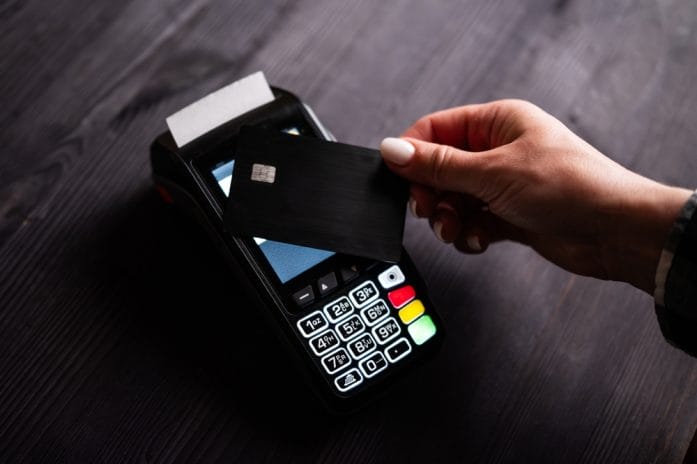
Mobile wallets and contactless payments are becoming more popular. They offer convenience and some extra security features, like tokenization. But they aren’t foolproof. If your phone is lost or hacked, your credit card safety could be compromised. Some mobile wallets also store sensitive information that could be accessed if your device isn’t secured.

Always use strong passwords, enable biometric authentication, and keep your devices updated. Don’t assume that every new payment technology is automatically safer than the last.

How to Take Real Control of Your Credit Card Safety

It’s clear that credit card safety is not as automatic or absolute as many people believe. The best way to protect yourself is to stay informed and take proactive steps. Read your card’s terms, monitor your accounts, and act quickly if something seems wrong. Don’t let marketing or technology lull you into a false sense of security.

Understand the true risks, and use your credit cards wisely. What steps do you take to keep your credit card use safe? Share your tips and questions in the comments below!

What to Read Next…

  • 7 Credit Card Features Disappearing Without Any Notice
  • 6 Credit Card Perks That Come With Under The Radar Stringent Conditions
  • Why Are More Seniors Ditching Their Credit Cards Completely
  • What Are Banks Really Doing With Your Personal Spending Data
  • 7 Financial Loopholes That Lenders Exploit Behind The Scenes
Travis Campbell
Travis Campbell

Travis Campbell is a digital marketer/developer with over 10 years of experience and a writer for over 6 years. He holds a degree in E-commerce and likes to share life advice he’s learned over the years. Travis loves spending time on the golf course or at the gym when he’s not working.

Filed Under: credit cards Tagged With: Consumer Protection, credit card safety, credit cards, data breaches, fraud prevention, Personal Finance

6 Credit Card Perks That Come With Under-the-Radar Stringent Conditions

August 11, 2025 by Travis Campbell Leave a Comment

credit card

Image source: pexels.com

Credit cards promise a lot. You see ads for free flights, cash back, and fancy airport lounges. It sounds easy. But many credit card perks come with strict rules that most people overlook until it’s too late. These hidden conditions can make it hard actually to use the benefits you thought you were getting. If you want to get the most out of your credit card perks, you need to know what you’re up against. Here are six credit card perks that look good on paper but come with under-the-radar, stringent conditions.

1. Travel Insurance That Only Works If You Book Everything With the Card

Travel insurance is one of the most talked-about credit card perks. It can cover trip cancellations, lost luggage, or even medical emergencies. But there’s a catch. Most credit card travel insurance only applies if you pay for the entire trip with that card. If you use points, miles, or even split the cost with another card, you might not be covered. Some cards require you to book both your flight and hotel with the same card. Others only cover certain types of travel, like flights, but not trains or buses. Before you count on this perk, read the fine print. If you don’t follow the exact rules, you could end up paying out of pocket for emergencies you thought were covered.

2. Airport Lounge Access With Limited Visits and Blackout Dates

Airport lounge access is a popular credit card perk. It promises a quiet place to relax, free snacks, and sometimes even showers. But not all lounge access is the same. Some cards only give you a set number of free visits per year. Others limit which lounges you can use, or only let you in if you’re flying with a certain airline. Blackout dates are common, especially during busy travel seasons. And some lounges are so crowded that you might get turned away. If you travel often, you could run out of free visits fast. Always check the details before you count on this perk for every trip.

3. Extended Warranty Protection With Strict Documentation Rules

Extended warranty protection is one of those credit card perks that sounds simple. Buy something with your card, and you get extra warranty coverage. But using this benefit can be a hassle. You usually need to keep the original receipt, the warranty paperwork, and proof that you used your card for the purchase. If you lose any of these, your claim could be denied. Some cards only cover certain types of products or have a maximum claim amount. Others require you to file a claim within a short window after the product breaks. If you don’t have all the paperwork ready, you might not get any help at all.

4. Price Protection With Tight Time Limits and Exclusions

Price protection is a rare but valuable credit card perk. If you buy something and the price drops soon after, your card might refund the difference. But there are a lot of rules. Most cards only cover price drops within a short window, like 30 or 60 days. Some exclude online purchases or sale items. Others require you to find the lower price in a printed ad, not just online. There are also limits on how much you can claim per year. And many cards have dropped this perk altogether. If you want to use price protection, you need to act fast and keep good records.

5. Rental Car Insurance That Excludes Certain Countries and Car Types

Rental car insurance is one of the most useful credit card perks, but it’s not as simple as it sounds. Many cards only cover certain types of cars. Luxury cars, trucks, and motorcycles are often excluded. Some cards don’t cover rentals in certain countries, like Ireland, Israel, or Jamaica. You usually have to decline the rental company’s insurance and pay for the entire rental with your card. If you don’t follow these steps, you could be on the hook for damages. Always check which countries and car types are covered before you rent. Otherwise, you might find out too late that you’re not protected.

6. Statement Credits with Minimum Spend and Enrollment Requirements

Statement credits are a common credit card perk. You might get money back for travel, dining, or shopping at certain stores. But these credits often come with strings attached. Some require you to enroll in advance. Others only apply if you spend a certain amount in one transaction or within a set time frame. If you forget to enroll or don’t meet the minimum spend, you won’t get the credit. Some credits are only good for specific brands or services. And if you return a purchase, the credit might be reversed. Always read the rules and set reminders so you don’t miss out.

Why Reading the Fine Print on Credit Card Perks Pays Off

Credit card perks can save you money and make life easier, but only if you know the rules. Many of the best-sounding benefits have strict conditions that can catch you off guard. If you want to get the most out of your credit card perks, take the time to read the fine print. Keep records, set reminders, and ask questions if you’re not sure how a perk works. The more you know, the less likely you are to be disappointed when you try to use a benefit. And that’s how you make your credit card work for you, not the other way around.

Have you ever tried to use a credit card perk and run into unexpected rules? Share your story in the comments below.

Read More

6 Free Credit Monitoring Tools That Expose You to Identity Theft

What Happens to Your Credit Score If Your Cell Provider Changes Ownership

Travis Campbell
Travis Campbell

Travis Campbell is a digital marketer/developer with over 10 years of experience and a writer for over 6 years. He holds a degree in E-commerce and likes to share life advice he’s learned over the years. Travis loves spending time on the golf course or at the gym when he’s not working.

Filed Under: credit cards Tagged With: consumer tips, credit card benefits, credit card perks, credit cards, fine print, Personal Finance, rewards, travel

Why Credit Limits Are Being Lowered Without Consent

August 5, 2025 by Travis Campbell Leave a Comment

credit

Image source: unsplash.com

Credit cards are a big part of daily life. They help you buy what you need, build your credit score, and sometimes even get rewards. But lately, more people are seeing their credit limits drop—sometimes without warning. This can be confusing and stressful. You might wonder why it’s happening and what you can do about it. Understanding why credit limits are being lowered without consent matters because it can affect your finances, your credit score, and your peace of mind.

1. Economic Uncertainty Makes Lenders Nervous

When the economy looks shaky, banks and credit card companies get cautious. They worry that more people might lose their jobs or struggle to pay bills. To protect themselves, they lower credit limits—even for customers who pay on time. This helps them reduce risk if lots of people start missing payments. You might have a perfect payment history, but if the economy is uncertain, your lender could still cut your limit. It’s not personal. It’s about the bank trying to avoid big losses if things get worse.

2. Changes in Your Spending Patterns

Credit card companies watch how you use your card. If you suddenly stop using your card or use it much less, they might see you as a risk. Maybe you paid off a big balance and stopped charging new purchases. Or maybe you switched to using another card. Lenders sometimes lower limits on cards that aren’t used much. They want to avoid having too much unused credit out there. If you want to keep your limit, try to use your card for small purchases and pay it off each month.

3. Drop in Your Credit Score

Your credit score can change for many reasons. Maybe you missed a payment on another account, or your debt went up. Even a small drop in your score can make lenders nervous. They might lower your credit limit to protect themselves. This can feel unfair, especially if you’ve never missed a payment on that card. But lenders use automated systems that react to changes in your credit report. If your score drops, your limit might too. You can check your credit score for free at AnnualCreditReport.com.

4. High Balances on Other Accounts

If you start carrying higher balances on other credit cards or loans, your lender might notice. They see this as a sign you could be struggling with debt. Even if you pay your bills on time, a high balance elsewhere can make you look risky. Lenders want to limit their exposure if you start having trouble. So, they might lower your credit limit to reduce their risk. Keeping your balances low across all accounts can help you avoid this.

5. Inactivity on Your Account

If you haven’t used your credit card in a long time, your lender might lower your limit or even close the account. They don’t want to keep credit open that isn’t being used. It costs them money and increases their risk. Even if you like having the card for emergencies, not using it can lead to a lower limit. Try to use each card at least once every few months, even for a small purchase, to keep it active.

6. Lender Policy Changes

Sometimes, credit card companies change their rules. They might decide to lower limits for certain types of accounts or customers. This can happen if they’re merging with another company, updating their risk models, or responding to new regulations. You might get caught up in a policy change even if nothing about your account has changed. It’s frustrating, but it’s not something you can control. If you’re affected, call your lender and ask if they can review your account.

7. Signs of Financial Stress

Lenders look for warning signs that you might be in trouble. This could be late payments, using a high percentage of your available credit, or applying for lots of new credit cards. If they see these signs, they might lower your limit to protect themselves. Even if you’re managing fine, these behaviors can make you look risky. Try to pay on time, keep your balances low, and avoid applying for too much new credit at once.

8. Industry-Wide Trends

Sometimes, it’s not about you at all. If there’s a trend of rising defaults or economic trouble, lenders might lower limits across the board. This happened during the 2008 financial crisis and again during the COVID-19 pandemic. Lenders want to protect themselves from big losses, so they act quickly.

9. Protecting Themselves from Fraud

If your lender sees unusual activity on your account, they might lower your limit as a precaution. This could be a sudden large purchase, a transaction in another country, or anything that looks out of the ordinary. Lowering your limit can help prevent big losses if your card is stolen or compromised. If this happens, call your lender to clear up any confusion and ask if your limit can be restored.

What You Can Do If Your Credit Limit Is Lowered

If your credit limit is lowered without your consent, don’t panic. Start by calling your lender and asking why it happened. Sometimes, they can review your account and raise your limit again. Check your credit report for errors or signs of fraud. Keep your balances low and use your cards regularly. If you need a higher limit, you can ask for a review or apply for a new card. Remember, your credit limit is not set in stone. It can change, but you have options.

Have you had your credit limit lowered without warning? How did you handle it? Share your story in the comments.

Read More

Why Are More Seniors Ditching Their Credit Cards Completely?

The 6 Real Reasons You’re Being Offered a Store Credit Instead of a Refund

Travis Campbell
Travis Campbell

Travis Campbell is a digital marketer/developer with over 10 years of experience and a writer for over 6 years. He holds a degree in E-commerce and likes to share life advice he’s learned over the years. Travis loves spending time on the golf course or at the gym when he’s not working.

Filed Under: credit cards Tagged With: credit cards, credit limits, credit management, credit score, Financial Tips, Personal Finance

Why Are More Seniors Ditching Their Credit Cards Completely?

July 28, 2025 by Travis Campbell Leave a Comment

credit card

Image Source: pexels.com

Credit cards used to be a sign of financial freedom. For many seniors, they were a tool for emergencies, travel, or just making life easier. But now, more older adults are cutting up their cards and walking away from credit altogether. This shift isn’t just about avoiding debt. It’s about control, peace of mind, and a new way of thinking about money in retirement. If you’re wondering why this trend is growing, or if you should consider it yourself, here’s what’s really going on.

1. Debt Feels Heavier in Retirement

Carrying debt is stressful at any age, but it can feel even heavier when you’re retired. Many seniors live on a fixed income. That means every dollar counts. Credit card balances, with their high interest rates, can quickly eat into savings. When you’re not working, it’s harder to pay off what you owe. Some people find themselves using one card to pay off another, which only makes things worse. By ditching credit cards, seniors avoid the risk of falling into a debt trap that’s hard to escape.

2. Fraud and Scams Are a Real Threat

Scammers often target older adults. Credit card fraud is common, and it can be tough to spot until it’s too late. Seniors may not check their accounts as often, or they might miss warning signs. Recovering from fraud can be a long, stressful process. Some people lose money they never get back. By not using credit cards, seniors lower their risk of becoming a victim. Debit cards and cash are easier to track, and there’s less exposure if something goes wrong.

3. Simpler Finances Mean Less Stress

Managing multiple credit cards, tracking due dates, and remembering passwords can be overwhelming. As people age, they often want to simplify their lives. Fewer accounts mean fewer things to worry about. Without credit cards, there are no surprise bills or late fees to worry about. Seniors can focus on what they have, not what they owe. This simplicity brings peace of mind. It also makes it easier for family members or caregivers to help if needed.

4. Interest Rates Keep Climbing

Credit card interest rates have gone up in recent years. Even a small balance can lead to big interest charges. For seniors on a budget, these extra costs can be a real burden. Paying with cash or a debit card means you only spend what you have. There’s no risk of interest piling up. This approach helps seniors stick to their budgets and avoid financial surprises.

5. Rewards Aren’t Always Worth It

Credit card companies love to talk about points, miles, and cash back. But for many seniors, these rewards don’t add up to much. You often have to spend a lot to earn anything meaningful. Some rewards expire or come with restrictions. And if you carry a balance, the interest you pay can wipe out any benefits. Seniors are realizing that the promise of rewards isn’t a good reason to keep using credit cards. They’d rather have the certainty of knowing exactly where their money is going.

6. Budgeting Gets Easier Without Credit

It’s easy to lose track of spending when you use credit cards. Small purchases add up fast. Without a clear limit, it’s tempting to spend more than you planned. Seniors who ditch credit cards find it easier to stick to a budget. They see their bank balance in real time and know exactly what they can afford. This control helps prevent overspending and keeps finances on track.

7. Less Temptation to Overspend

Credit cards make it easy to buy things you don’t really need. The money doesn’t leave your account right away, so it doesn’t feel real. For seniors, this can be a problem, especially if they’re used to shopping as a way to pass the time or feel better. By switching to cash or debit, there’s a natural limit. When the money’s gone, it’s gone. This helps seniors make more thoughtful choices and avoid impulse buys.

8. Protecting Assets for the Future

Many seniors want to leave something behind for their families. Credit card debt can eat into savings and reduce what’s left for loved ones. By avoiding credit cards, seniors protect their assets. They can focus on building a legacy, not paying off bills. This mindset shift is a big reason why more older adults are saying goodbye to credit cards for good.

9. New Payment Options Are Safer and Easier

Technology has changed how we pay for things. Mobile wallets, contactless payments, and secure debit cards offer convenience without the risks of credit. Seniors are getting more comfortable with these tools. They like the security features and the ability to track spending instantly. These new options make it easier to live without credit cards.

10. Peace of Mind Matters Most

At the end of the day, peace of mind is priceless. Seniors who ditch their credit cards often say they feel more in control. There’s less worry about debt, fraud, or missed payments. Life feels simpler. And that’s worth more than any reward points or perks.

Rethinking Credit in Retirement

More seniors are ditching their credit cards because they want control, safety, and simplicity. Credit cards once promised freedom, but now, many see them as a source of stress. By choosing other ways to pay, seniors are protecting their finances and their peace of mind.

Have you or someone you know stopped using credit cards? What was your experience? Share your thoughts in the comments.

Read More

7 Times Generosity Has Legal Consequences for Seniors

How Corporate Downsizing Is Now Hitting Seniors in Assisted Living

Travis Campbell
Travis Campbell

Travis Campbell is a digital marketer/developer with over 10 years of experience and a writer for over 6 years. He holds a degree in E-commerce and likes to share life advice he’s learned over the years. Travis loves spending time on the golf course or at the gym when he’s not working.

Filed Under: credit cards Tagged With: budgeting, credit cards, Debt, Financial Security, Personal Finance, Retirement, seniors

7 Credit Card Features Disappearing Without Any Notice

July 27, 2025 by Travis Campbell Leave a Comment

credit card

Image Source: pexels.com

Credit cards have changed a lot in the past few years. Some features you might have counted on are quietly vanishing. You may not even notice until you try to use them and find out they’re gone. This matters because these features can save you money, protect your purchases, or make travel easier. If you rely on your credit card for more than just spending, it’s smart to know what’s changing. Here’s what you need to watch for so you’re not caught off guard.

1. Price Protection

Price protection used to be a favorite perk. If you bought something and the price dropped soon after, your credit card would refund the difference. This feature helped people shop with confidence, knowing they’d get the best deal. But now, many major issuers have dropped price protection. The reason? It cost them too much. Retailers change prices fast, and people have gotten good at finding lower prices. If you still have this feature, check your card’s terms. It may be gone soon, or the rules may have changed. Don’t assume you’re covered.

2. Extended Warranty Coverage

Extended warranty coverage was once standard on many credit cards. Buy a product with your card, and you’d get an extra year or two of warranty on top of the manufacturer’s. This was great for electronics and appliances. But now, more cards are dropping this benefit. Some cards still offer it, but the coverage is shrinking. You might only get a few extra months, or it may only apply to certain items. Always read the fine print before you buy. If you count on this feature, you may need to look for a card that still offers it or buy a separate warranty.

3. Return Protection

Return protection helped when stores wouldn’t take back an item. If you bought something and the store refused your return, your credit card would refund you. This was a safety net for shoppers. But it’s disappearing fast. Fewer cards offer return protection now, and those that do have stricter limits. You might only get a refund up to a certain amount, or only for a short window after purchase. If you shop at places with strict return policies, this change can hit you hard. Always check your card’s benefits before you buy.

4. Travel Accident Insurance

Travel accident insurance was once a common feature. If you booked travel with your card and something went wrong, you’d get coverage for accidents or injuries. This gave peace of mind, especially for frequent travelers. But many issuers are cutting back or removing this benefit. Some cards still offer it, but the coverage is less generous. You may need to buy separate travel insurance now. If you travel often, don’t assume your card has you covered. Check your benefits before your next trip.

5. Rental Car Insurance

Rental car insurance is another feature that’s fading. Many cards used to offer primary or secondary coverage if you rented a car with your card. This saved you from buying expensive insurance at the rental counter. But now, some cards have dropped this perk, or they’ve made the rules stricter. You might only be covered in certain countries, or only for certain types of cars. If you rent cars often, check your card’s terms. You may need to buy extra coverage or use a different card.

6. No Foreign Transaction Fees

No foreign transaction fees made travel cheaper. You could use your card abroad without paying extra. But some cards are bringing these fees back, or they’re limiting the feature to premium cards. If you travel or shop online from foreign stores, this matters. Those fees can add up fast—usually around 3% per transaction. Always check your card’s fee schedule before you travel or buy from overseas. If your card adds these fees, consider switching to one that doesn’t.

7. Concierge Services

Concierge services used to be a luxury perk. You could call your card’s concierge for help booking travel, finding event tickets, or making dinner reservations. But now, many issuers are scaling back or removing this feature. Some cards still offer it, but the service isn’t as robust. You might get slower response times or fewer services. If you relied on your card’s concierge, you may need to look elsewhere for help. Always check what’s included before you count on this perk.

Why These Changes Matter for Your Wallet

Credit card features are changing fast, and not always for the better. Companies are cutting costs, and that means fewer perks for you. If you don’t pay attention, you could lose out on benefits you’ve come to expect. This can cost you money, time, and peace of mind. The best way to protect yourself is to read your card’s terms regularly. Don’t assume you still have the same features you signed up for. If a feature is important to you, look for a card that still offers it. And always have a backup plan in case your favorite perk disappears.

Have you noticed any credit card features disappearing from your account? Share your experience or tips in the comments below.

Read More

5 Things That Instantly Decrease Your Credit Score by 50 Points

Your Home Address May Be the Reason You’re Being Denied Credit

Travis Campbell
Travis Campbell

Travis Campbell is a digital marketer/developer with over 10 years of experience and a writer for over 6 years. He holds a degree in E-commerce and likes to share life advice he’s learned over the years. Travis loves spending time on the golf course or at the gym when he’s not working.

Filed Under: credit cards Tagged With: consumer tips, credit card perks, credit cards, disappearing benefits, Personal Finance, Planning, Shopping, travel

Why Avoiding Credit Cards Isn’t Always a Smart Move

July 12, 2025 by Travis Campbell Leave a Comment

credit card

Image Source: pexels.com

Credit cards get a bad rap. You hear stories about debt, high interest, and people losing control. It’s easy to think the best move is to avoid credit cards altogether. But that’s not always the smartest choice. Credit cards, when used wisely, can offer real benefits. They can help you build credit, protect your money, and even save you money. If you’re on the fence about using credit cards, here’s what you need to know.

1. Building Credit History

Your credit history matters more than you might think. Lenders, landlords, and even some employers look at your credit score. If you avoid credit cards, you miss a simple way to build a positive credit history. Using a credit card and paying it off each month shows you can handle debt responsibly. This can help you qualify for better loan rates, rental agreements, and even some jobs. Without a credit card, you might have a thin credit file, which can make life harder when you need to borrow money or sign a lease.

2. Earning Rewards and Cash Back

Credit cards can put money back in your pocket. Many cards offer rewards like cash back, travel points, or discounts on purchases. If you pay your balance in full each month, these rewards are basically free money. For example, a card that gives 2% cash back on groceries can add up over time. You’re spending the money anyway, so why not get something in return? Just make sure you don’t spend more than you can afford, or the interest will wipe out any rewards.

3. Protection Against Fraud

Debit cards and cash don’t offer the same protection as credit cards. If someone steals your credit card number, you’re usually not responsible for unauthorized charges. Federal law limits your liability to $50, and most card issuers offer zero-liability policies. With a debit card, your bank account could be drained before you even notice. Getting your money back can take time and cause stress. Credit cards act as a buffer between your money and the outside world, making them a safer choice for online shopping and travel.

4. Emergency Flexibility

Life happens. Your car breaks down, your pet gets sick, or you need to fly home for a family emergency. Credit cards give you a financial cushion when you need it most. You don’t have to scramble for a loan or borrow from friends. While it’s best to have an emergency fund, not everyone does. A credit card can buy you time to figure things out. Just remember, this is a backup plan, not a long-term solution.

5. Easier Travel and Reservations

Try booking a hotel or renting a car without a credit card. It’s possible, but it’s a hassle. Many companies require a credit card for reservations. They may put a hold on your card for incidentals, which is easier to manage with credit than with a debit card. Some travel cards also offer perks like rental car insurance, trip cancellation coverage, or airport lounge access. These benefits can make travel smoother and less stressful.

6. Tracking Spending and Budgeting

Credit cards make it easy to track your spending. Most issuers offer detailed statements and online tools. You can see where your money goes each month and spot trends. This can help you stick to a budget and avoid overspending. Some cards even categorize your purchases automatically. If you pay with cash or debit, you might lose track of small expenses. Credit cards give you a clear record, which is useful for budgeting and tax time.

7. Building Responsible Habits

Using a credit card doesn’t mean you have to go into debt. In fact, it can help you build good financial habits. Paying your balance in full each month teaches discipline. Setting up automatic payments can help you avoid late fees. Over time, you’ll learn to manage your money better. Avoiding credit cards altogether means missing out on this learning experience. Responsible use is key.

8. Access to Special Offers and Discounts

Some credit cards offer exclusive deals. You might get early access to concert tickets, discounts at certain stores, or extended warranties on purchases. These perks can save you money or give you access to experiences you wouldn’t have otherwise. If you avoid credit cards, you miss out on these extras. Just be sure to read the fine print and avoid spending just to get a deal.

9. Credit Cards Can Help in a Crisis

If you lose your job or face a sudden drop in income, a credit card can help you cover essentials until you get back on your feet. It’s not ideal to carry a balance, but sometimes it’s the best option in a tough situation. Having a credit card as a backup can provide peace of mind. It’s better to have the option and not need it than to need it and not have it.

Rethinking the “No Credit Card” Rule

Avoiding credit cards might seem safe, but it can limit your financial options. Credit cards, when used wisely, offer real advantages. They help you build credit, protect your money, and give you flexibility. The key is to use them responsibly. Pay your balance in full, track your spending, and don’t buy more than you can afford. Credit cards are tools. Used right, they can make your financial life easier, not harder.

Have you ever avoided credit cards? How has it worked out for you? Share your thoughts in the comments.

Read More

The Definition of Irony (or Why You Should Know What You’re Doing)

Stop Reading About Last Year’s Top Ten Mutual Funds

Travis Campbell
Travis Campbell

Travis Campbell is a digital marketer/developer with over 10 years of experience and a writer for over 6 years. He holds a degree in E-commerce and likes to share life advice he’s learned over the years. Travis loves spending time on the golf course or at the gym when he’s not working.

Filed Under: credit cards Tagged With: budgeting, credit cards, credit score, money management, Personal Finance, Planning

6 Times Credit Cards Can Save You From An Embarrassing Situation

May 22, 2025 by Travis Campbell Leave a Comment

credit card

Image Source: pexels.com

We’ve all been there: standing at the checkout, out with friends, or facing an unexpected bill, and suddenly realizing you don’t have enough cash or your debit card isn’t working. It’s a sinking feeling that can quickly turn a good day into an awkward one. That’s where credit cards come in, not just as a tool for building credit or earning rewards, but as a real-life safety net. Credit cards can save you from embarrassment in ways you might not expect, offering peace of mind and practical solutions when you need them most.

Whether you’re traveling, dining out, or dealing with emergencies, having a credit card in your wallet can be the difference between a smooth recovery and a cringeworthy moment. This article will explore six common scenarios where credit cards can save the day and your dignity. If you’ve ever wondered whether carrying a credit card is worth it, these situations might just convince you.

Let’s dive into the six times credit cards can save you from an embarrassing situation, and how you can use them wisely to avoid financial faux pas.

1. When Your Debit Card Gets Declined at the Register

Picture this: you’re in line at the grocery store, your cart is full, and the cashier announces your total. You swipe your debit card, but it’s declined. Maybe it’s a technical glitch, a daily limit, or you simply miscalculated your balance. The people behind you are waiting, and you feel the pressure mounting. This is one of the most common—and embarrassing—financial situations.

Having a credit card as a backup can save you from this awkward moment. Simply pull out your credit card, complete the transaction, and move on with your day. Not only does this spare you the embarrassment, but it also gives you time to sort out the issue with your bank later. According to a 2023 survey by Bankrate, nearly 44% of Americans have had a card declined at some point, so you’re not alone. Credit cards offer a reliable safety net when technology or timing isn’t on your side.

2. Splitting the Bill at a Restaurant

Dining out with friends or colleagues is supposed to be fun, but splitting the bill can quickly become complicated. Maybe the restaurant won’t split checks, or someone forgot their wallet. If you’re caught without enough cash or your debit card isn’t accepted, things can get awkward fast.

Credit cards can save the day here. Many cards are widely accepted, and some even offer features like instant payment splitting or rewards for dining. You can pay the full bill with your credit card and have your friends reimburse you via apps like Venmo or Zelle. This keeps the meal enjoyable and helps you rack up points or cash back on your credit card. Plus, you avoid the embarrassment of holding up the group or making things uncomfortable.

3. Booking Last-Minute Travel or Accommodations

Travel plans don’t always go smoothly. Flights get canceled, hotels overbook, or you might need to extend your stay unexpectedly. In these moments, having a credit card can be a lifesaver. Many hotels and airlines require a credit card to secure a reservation, especially at the last minute.

Imagine being stranded at the airport or arriving at a hotel only to find out they don’t accept cash or debit cards for incidentals. With a credit card, you can quickly book a room, rent a car, or buy a new ticket without hassle. Some credit cards even offer travel insurance or perks like free checked bags, making your experience smoother and less stressful. According to NerdWallet, using credit cards for travel can also provide added protections and rewards.

4. Covering Emergency Expenses

Life is full of surprises—some of them expensive. Emergencies rarely wait for payday, whether it’s a car breakdown, a medical bill, or a home repair. Not having enough funds to cover an urgent expense can be both stressful and embarrassing, especially if you need to ask friends or family for help.

Credit cards can bridge the gap, allowing you to pay for emergencies immediately and avoid awkward conversations. While it’s important not to rely on credit cards for every expense, using them strategically in emergencies can buy you time to figure out a repayment plan. Just remember to pay off the balance as soon as possible to avoid high interest charges.

5. Shopping Online When Debit Isn’t Accepted

Online shopping is convenient, but not all websites accept debit cards or alternative payment methods. Imagine finding the perfect gift or snagging a limited-time deal, only to realize you can’t complete the purchase because your payment method isn’t accepted.

Credit cards are almost universally accepted online and often come with added protections against fraud or unauthorized charges. This means you can shop with confidence, avoid missing out on deals, and protect yourself from potential embarrassment if your payment is declined. Plus, many credit cards offer purchase protection or extended warranties, giving you extra peace of mind.

6. Reserving a Table or Event Ticket

Special occasions—like birthdays, anniversaries, or concerts—often require reservations or advance ticket purchases. Many venues and ticketing platforms require a credit card to hold your spot or complete the transaction. If you don’t have one, you might miss out or have to scramble for alternatives.

Having a credit card ensures you can secure reservations or tickets quickly and easily, avoiding the embarrassment of missing out or having to ask someone else to book for you. It also shows you’re prepared and responsible, which can be especially important in professional or social settings.

Credit Cards: Your Secret Weapon for Everyday Confidence

Credit cards aren’t just about borrowing money—they’re a practical tool that can save you from embarrassment and help you confidently navigate life’s little surprises. Credit cards offer flexibility and peace of mind when you need it most, from covering emergencies to making social situations smoother. Use them wisely: pay your balance in full whenever possible, keep track of your spending, and choose a card that fits your lifestyle. With the right approach, credit cards can be your secret weapon for avoiding awkward moments and staying in control of your finances.

Have you ever been saved by your credit card in an unexpected situation? Share your story or tips in the comments below!

Read More

Index Funds Could Save Your Portfolio

How to Take Control of Your Finances and Get Out of Debt

Travis Campbell
Travis Campbell

Travis Campbell is a digital marketer/developer with over 10 years of experience and a writer for over 6 years. He holds a degree in E-commerce and likes to share life advice he’s learned over the years. Travis loves spending time on the golf course or at the gym when he’s not working.

Filed Under: credit cards Tagged With: credit card benefits, credit cards, emergency funds, Financial Tips, money management, Personal Finance, Planning

This Is the One Credit Card Feature You Should Never Use

May 18, 2025 by Travis Campbell Leave a Comment

credit card transaction

Image Source: pexels.com

Credit cards are a staple in most people’s wallets, offering convenience, rewards, and even a sense of financial security. But as handy as they are, not every feature is designed with your best interests in mind. In fact, there’s one credit card feature that can quietly drain your bank account, trap you in debt, and sabotage your financial goals. If you’re not careful, using this feature could cost you hundreds—if not thousands—of dollars over time. So, what is this notorious feature, and why should you steer clear? Let’s break it down so you can make smarter choices with your credit card.

If you’ve ever found yourself in a financial pinch, you might have been tempted to use this feature. After all, it’s marketed as a quick fix for emergencies or cash flow problems. But before you reach for your card, it’s crucial to understand the risks and long-term consequences. Here’s everything you need to know about the one credit card feature you should never use—and what to do instead.

1. Cash Advances: The Hidden Trap in Your Wallet

Let’s get straight to the point: the one credit card feature you should never use is the cash advance. On the surface, cash advances seem like a lifesaver. Need cash fast? Just swipe your card at an ATM or bank, and you’re good to go. But here’s the catch—cash advances come with sky-high fees and interest rates that start accruing immediately. Unlike regular purchases, there’s no grace period, so you’re charged interest from the moment you take out the money.

According to the Consumer Financial Protection Bureau, cash advances often carry an interest rate that’s several percentage points higher than your standard purchase APR. Plus, you’ll likely pay a cash advance fee, typically 3% to 5% of the amount withdrawn. That means if you take out $500, you could pay $25 in fees immediately before interest even kicks in.

2. Why Cash Advances Are So Expensive

You might wonder why cash advances are so much more expensive than regular credit card purchases. The answer lies in how credit card companies structure these transactions. Lenders consider cash advances riskier, so they offset that risk by charging higher rates and fees. But for you, the consumer, this means paying a premium for quick cash.

Interest on cash advances can easily exceed 25% APR, and as mentioned earlier, it starts accruing immediately. There’s no “free ride” period like you get with regular purchases. On top of that, most credit cards don’t allow you to use payments toward your cash advance balance until you’ve paid off your purchase balance, making it even harder to get out of debt.

3. The Debt Spiral: How Cash Advances Trap You

It’s easy to see how cash advances can lead to a debt spiral. Let’s say you’re short on rent and take out a $500 cash advance. With a 25% APR and a 5% fee, you’re already starting $25 in the hole, and interest is piling up daily. If you can’t pay it off quickly, that $500 can balloon into $600 or more in just a few months.

Worse, relying on cash advances can become a habit, especially if you’re using them to cover basic expenses. This cycle can quickly erode your financial stability and damage your credit score. According to Experian, frequent cash advances are a red flag to lenders and can make it harder to qualify for loans or better credit cards in the future.

4. Better Alternatives to Cash Advances

If you’re facing a financial emergency, knowing there are better options than a cash advance is important. Consider reaching out to your bank or credit union for a small personal loan, which usually comes with lower interest rates and more manageable repayment terms. You might also explore a 0% APR balance transfer offer, giving you time to pay off debt without raising interest.

Other alternatives include borrowing from friends or family, negotiating payment plans with creditors, or even using a reputable payday advance app (with caution). The key is to avoid the instant gratification of a cash advance and look for solutions that won’t cost you a fortune in the long run.

5. How to Avoid the Temptation

Credit card companies make it easy to access cash advances, but you can take steps to avoid falling into the trap. First, know your card’s terms—read the fine print so you’re aware of the fees and interest rates. Next, remove your PIN from your wallet or phone so you’re not tempted to use it at an ATM. Finally, build an emergency fund, even if it’s just a few hundred dollars, so you have a buffer when unexpected expenses pop up.

If you’re struggling with debt, consider reaching out to a nonprofit credit counseling agency for help. They can work with you to create a budget, negotiate with creditors, and develop a plan to get back on track.

Protect Your Wallet: Make Smart Credit Card Choices

At the end of the day, your credit card should be a tool that helps you, not a trap that holds you back. By steering clear of cash advances—the one credit card feature you should never use—you’ll save money, avoid unnecessary debt, and keep your financial goals within reach. Remember, there are always better options out there, and a little planning can go a long way toward protecting your wallet.

What about you? Have you ever used a cash advance, or do you have tips for avoiding this costly feature? Share your experiences in the comments below!

Read More

Think You’re Safe? 8 Risks of Being Added as an Authorized User on a Credit Card Without Your Knowledge

7 Common Mistakes People Make Regarding Debt Management

Travis Campbell
Travis Campbell

Travis Campbell is a digital marketer/developer with over 10 years of experience and a writer for over 6 years. He holds a degree in E-commerce and likes to share life advice he’s learned over the years. Travis loves spending time on the golf course or at the gym when he’s not working.

Filed Under: credit cards Tagged With: cash advance, credit card advice, credit cards, Debt, emergency fund, Financial Tips, Personal Finance

What Does The CV On The Back of Your Credit and Debit Card Mean

May 12, 2025 by Travis Campbell Leave a Comment

Close-up shot of a debit or credit plastic cards.

Image Source: 123rf.com

Have you ever wondered about that mysterious three-digit number on the back of your credit or debit card? You’re not alone! The CV, or Card Verification Value, is a small but mighty security feature that greatly protects your money. In a world where online shopping and digital payments are the norm, understanding what the CV means—and how it works—can help you keep your finances safe. Whether you’re a seasoned cardholder or just starting out, knowing the ins and outs of your card’s security features is essential. Let’s break down what the CV on your card really means, why it matters, and how you can use it to your advantage.

1. What Is the CV, and Where Can You Find It?

The CV, often called CVV (Card Verification Value), is a three-digit number printed on the back of most credit and debit cards, usually to the right of the signature strip. For American Express cards, it’s a four-digit number on the front. This code is not embossed like your card number; it’s printed, making it harder for thieves to copy if they only have access to a physical imprint. The CV is designed to add an extra layer of security, especially for transactions where the card isn’t physically present, like online or over-the-phone purchases. If you’re ever asked for your CV, the merchant wants to make sure you have the card in your possession.

2. Why Is the CV Important for Online and Phone Purchases?

When you shop online or make a purchase over the phone, you’re usually asked to provide your card number, expiration date, and the CVV. This is because the CV is a security check to confirm that you’re the legitimate cardholder. Without the CV, a thief with only your card number and expiration date can’t easily complete a transaction. According to the Federal Trade Commission, requiring the CV helps reduce fraud in “card-not-present” transactions, which are more vulnerable to theft than in-person purchases.

3. How Does the CV Protect You from Fraud?

Most merchants do not store the CV after completing a transaction, so even if a retailer’s database is hacked, your CV is less likely to be compromised. This is a key reason why the CV is so effective: it’s a one-time-use code for each transaction and not part of the card’s magnetic stripe or chip data. If someone steals your card number but doesn’t have the CV, they’ll have a much harder time making unauthorized purchases. This extra step can differentiate between a safe transaction and a costly headache.

4. What Should You Do If Someone Asks for Your CV in Person?

Be cautious if a cashier or anyone else asks for your CV during an in-person transaction. The CV is meant for “card-not-present” transactions only. Legitimate retailers should never ask for your CV when you’re physically swiping or inserting your card. If someone insists, it could be a red flag for potential fraud. Politely decline and consider reporting the incident to your card issuer. Protecting your CV is just as important as safeguarding your PIN or card number.

5. Can You Share Your CV Over the Phone or by Email?

While providing your CV for phone purchases is common, you should never share it via email or text message. Email and text are not secure channels, and your information could easily fall into the wrong hands. If a merchant asks for your CV over email, it’s best to call them directly and provide the information over the phone or use a secure online payment portal. Always double-check that you’re dealing with a reputable business before sharing sensitive card details.

6. What Happens If Your CV Is Stolen?

If you suspect your CV has been compromised, contact your card issuer immediately. Most banks and credit card companies offer zero-liability protection for fraudulent transactions, but you must act quickly. Monitor your account for unauthorized charges and consider requesting a new card. For more tips on what to do if your card information is stolen, visit the Consumer Financial Protection Bureau’s guide.

7. How Can You Keep Your CV Safe?

Keeping your CV safe is all about being mindful of where and how you use your card. Only enter your card details on secure, reputable websites (look for “https” in the URL), and avoid saving your card information on multiple sites. Don’t write your CV down or share it with anyone you don’t trust. If you use a digital wallet or payment app, ensure it’s protected with a strong password or biometric authentication. These simple habits can go a long way in keeping your finances secure.

8. Are There Alternatives to Using the CV?

Some banks and credit card companies now offer virtual card numbers for online shopping. These temporary numbers come with their own CV codes and can be used for a single transaction or for a limited time. Your real card details remain safe if the virtual card number is compromised. Ask your bank if they offer this feature—it’s a great way to add another layer of protection to your online purchases.

The CV: Your Tiny, Powerful Security Partner

The CV on the back of your credit or debit card may seem like a small detail, but it’s a powerful tool in the fight against fraud. By understanding what the CV is, how it works, and how to protect it, you’re taking an important step toward safer spending. Remember, your financial security is in your hands, so treat your CV with the same care as your card number and PIN. The next time you make an online purchase, you’ll know exactly why that little code matters so much.

Have you ever had to deal with credit card fraud or a suspicious request for your CV? Share your story or tips in the comments below!

Read More

7 Important Things You Should Know About Debit Cards Before You Get One

The Exciting Future of Credit Cards: What Are We in Store For?

Travis Campbell
Travis Campbell

Travis Campbell is a digital marketer/developer with over 10 years of experience and a writer for over 6 years. He holds a degree in E-commerce and likes to share life advice he’s learned over the years. Travis loves spending time on the golf course or at the gym when he’s not working.

Filed Under: credit cards Tagged With: card security, credit cards, CVV, debit cards, financial safety, fraud prevention, Online shopping, Personal Finance

  • « Previous Page
  • 1
  • …
  • 3
  • 4
  • 5
  • 6
  • 7
  • Next Page »

FOLLOW US

Search this site:

Recent Posts

  • Can My Savings Account Affect My Financial Aid? by Tamila McDonald
  • 12 Ways Gen X’s Views Clash with Millennials… by Tamila McDonald
  • What Advantages and Disadvantages Are There To… by Jacob Sensiba
  • Call 911: Go To the Emergency Room Immediately If… by Stephen Kanaval
  • 10 Tactics for Building an Emergency Fund from Scratch by Vanessa Bermudez
  • 7 Weird Things You Can Sell Online by Tamila McDonald
  • 10 Scary Facts About DriveTime by Tamila McDonald

Copyright © 2026 · News Pro Theme on Genesis Framework