
• Home
  • About Us
  • Getting Finances Done
    • Hiring Advisors
    • Debt Management
    • Spending Plan
  • Insurance
    • Life Insurance
    • Health Insurance
    • Disability Insurance
    • Homeowners/Renters Insurance
  • Contact Us
  • Our Editorial Commitment

The Free Financial Advisor

You are here: Home / Archives for Banking

7 Bank Options That Seem Risk-Free—But Are Not

August 16, 2025 by Travis Campbell Leave a Comment

bank
Image source: pexels.com

When it comes to managing your money, the phrase “risk-free” is comforting. Many bank options are marketed as safe havens for your savings. But not all are as secure as they seem. The truth is, some “risk-free” banking products carry hidden dangers that could catch you off guard. Understanding these potential pitfalls is essential to making informed financial decisions. Let’s look at seven bank options that seem risk-free—but are not.

1. Savings Accounts Above FDIC Limits

Savings accounts are often seen as the gold standard for safe banking. They’re simple, liquid, and insured by the Federal Deposit Insurance Corporation (FDIC) up to $250,000 per depositor, per bank. But if your balance exceeds that limit, anything above $250,000 is at risk if the bank fails. It’s easy to overlook this, especially when consolidating funds after a big event—like selling a house or receiving an inheritance. Be mindful of the FDIC coverage cap to keep your money truly safe. This is a classic case where a bank option may seem risk-free, but is not.

2. Certificates of Deposit (CDs) with Early Withdrawal Penalties

Certificates of Deposit promise guaranteed returns and FDIC insurance, making them seem like a no-brainer. However, CDs can lock up your money for months or years. If you need to access your cash early, you’ll face stiff penalties that can wipe out your interest—and sometimes even cut into your principal. Life is unpredictable, and emergencies happen. Before committing, make sure you’re comfortable with the term and aware of the real costs of early withdrawal.

3. Money Market Accounts with Hidden Fees

Money market accounts are often touted as a risk-free way to earn a bit more interest than a standard savings account. However, they can come with hidden fees—like minimum balance requirements or transaction limits. Dip below the minimum, and you might get hit with monthly charges that eat into your returns. And if you make too many withdrawals, you could face additional penalties. Always read the fine print before parking your cash in a money market account. This kind of bank option seems risk-free, but it is not always so.

4. Bank-Issued Prepaid Debit Cards

Prepaid debit cards issued by banks are marketed as a safe alternative to cash or credit cards. While they help with budgeting and limit overspending, they’re not always covered by FDIC insurance unless registered. If the issuing bank fails and your card wasn’t registered, your balance could disappear. Additionally, these cards often come with activation, maintenance, and ATM withdrawal fees. What looks like a safe bet may quietly drain your funds over time.

5. High-Yield Online Savings Accounts from Unfamiliar Banks

Online banks frequently offer higher interest rates than traditional brick-and-mortar banks. The lure of “high-yield” is strong, but not all online banks are created equal. Some are not FDIC-insured, or they partner with third parties that complicate the insurance process. If the bank is new or unfamiliar, it may also be more vulnerable to business failure. Before jumping in, verify FDIC coverage and research the bank’s reputation. Remember, a bank option that seems risk-free—but is not—can put your savings at unnecessary risk.

6. Joint Accounts with Unintended Consequences

Joint accounts are a popular way to manage shared finances, whether with a spouse, child, or business partner. They seem risk-free because both parties have equal access. But if a co-owner faces legal trouble, creditors can come after the funds—even if you contributed most of the money. Plus, joint accounts count toward each individual’s FDIC insurance limit, which could leave a portion of your balance uninsured. Always weigh the risks before opening a joint account.

7. Bank “Sweep” Programs

Some banks offer “sweep” programs that automatically move excess funds into higher-yield accounts or investment products. These can seem like a smart way to maximize returns while staying risk-free. However, some sweep accounts move your money into products that aren’t FDIC-insured, such as money market mutual funds. If those investments lose value or the financial institution fails, you could lose money. Read the terms carefully and understand exactly where your cash is being swept.

How to Protect Your Money from Hidden Risks

It’s easy to assume that every bank option is risk-free, especially when products are promoted as safe and insured. But as we’ve seen, even familiar options can have hidden traps. The key is to read the fine print, understand FDIC limits, and ask questions before depositing large sums. When considering an unfamiliar product or institution, check resources like the FDIC’s deposit insurance guide or use their BankFind tool to confirm coverage.

Ultimately, the best way to keep your savings secure is to stay informed. Not every bank option that seems risk-free is truly without risk. Take the time to review your accounts and ensure your money is protected from unexpected threats.

Have you ever run into a banking product that seemed safe but turned out to have hidden risks? Share your experience in the comments below!

Read More

7 Bank Terms That Let Institutions Freeze Funds Without Warning

Could a Bank Freeze Your Account Without Telling You?

Travis Campbell
Travis Campbell

Travis Campbell is a digital marketer/developer with over 10 years of experience and a writer for over 6 years. He holds a degree in E-commerce and likes to share life advice he’s learned over the years. Travis loves spending time on the golf course or at the gym when he’s not working.

Filed Under: Banking Tagged With: banking, certificates of deposit, FDIC insurance, financial safety, money market, online banks, savings accounts

8 Queries a Bank Won’t Tell You They Watch For

August 15, 2025 by Travis Campbell Leave a Comment

money
Image source: pexels.com

When you open a bank account, you expect your money to be safe and your information private. But banks do more than just hold your cash. They keep a close eye on your activity, often in ways you don’t see. This isn’t just about fraud. It’s about risk, compliance, and protecting their bottom line. If you’ve ever wondered why your account gets flagged or why certain transactions take longer, it’s because banks are always watching for specific patterns. Understanding what banks look for can help you avoid problems and keep your finances running smoothly. Here are eight queries a bank won’t tell you they watch for—but you should know about.

1. Unusual Deposit Patterns

Banks use advanced software to track how often and how much you deposit. If you suddenly start making large deposits or your deposit frequency changes, your account might get flagged. This isn’t just about catching criminals. It’s about making sure you’re not involved in money laundering or other illegal activities. Even if you’re just selling a car or getting a bonus, a big deposit can trigger a review. If you know you’ll be making a large deposit, it’s smart to let your bank know ahead of time. This can help avoid unnecessary holds or questions.

2. Frequent Cash Withdrawals

Cash is hard to trace, so banks pay close attention when you take out a lot of it. If you start making frequent or large cash withdrawals, your bank may see this as a red flag. They might wonder if you’re trying to avoid taxes or if you’re involved in something illegal. Even if you just prefer using cash, too many withdrawals can make your account look suspicious. If you need to withdraw a large amount of cash, try to keep a record of why you did it. This can help if your bank ever asks for an explanation.

3. International Transactions

Sending or receiving money from other countries is a big deal for banks. They have to follow strict rules to prevent money laundering and terrorism financing. If you start making international transfers, especially to countries with a high risk of fraud, your bank will notice. Sometimes, your transaction might get delayed or even blocked. If you plan to send money abroad, check your bank’s policies first. You might need to provide extra information or fill out special forms.

4. Multiple Account Transfers

Moving money between your own accounts isn’t usually a problem. But if you start transferring money between many accounts, especially in different names, banks get suspicious. This is a common trick for hiding money or committing fraud. Even if you’re just helping family or managing joint accounts, too many transfers can trigger a review. Try to keep your transfers simple and avoid moving money back and forth without a clear reason. If you need to manage multiple accounts, keep good records and be ready to explain your activity.

5. Sudden Changes in Spending

Banks know your spending habits. If you suddenly start spending much more—or much less—than usual, it can set off alarms. Maybe you got a new job or lost one. Maybe you’re traveling or making a big purchase. Whatever the reason, a sudden change in your spending can make your bank wonder if your account has been compromised. If you know your spending will change, consider letting your bank know. This can help prevent your card from being frozen or your account from being flagged.

6. Repeated Overdrafts

Overdrafting your account once in a while happens. But if you do it often, banks take notice. Frequent overdrafts can make you look like a risky customer. Some banks might even close your account if it happens too much. Overdrafts can also hurt your credit and make it harder to open new accounts in the future. If you struggle with overdrafts, set up alerts or link your account to a savings account for backup.

7. Large Incoming Wires

Getting a big wire transfer can be exciting, but it also gets your bank’s attention. Banks are required to report large incoming wires, especially if they come from unknown sources. This is part of their effort to stop fraud and money laundering. If you’re expecting a large wire, make sure you know where it’s coming from and have documentation ready. This can help speed up the process and avoid delays.

8. Suspicious Check Activity

Checks might seem old-fashioned, but banks still watch them closely. If you start depositing a lot of checks, especially from different people or places, your bank may get suspicious. Bounced checks, altered checks, or checks from unknown sources are all red flags. If you use checks often, keep track of who they’re from and why. If a check bounces, contact the issuer right away to clear things up.

Staying Ahead of Bank Account Monitoring

Bank account monitoring is a fact of modern banking. Banks aren’t just protecting themselves—they’re also protecting you from fraud and financial loss. But their systems aren’t perfect. Sometimes, normal activity can look suspicious. The best way to avoid problems is to know what banks watch for and keep good records. If your bank ever contacts you about your account, respond quickly and honestly. It’s better to clear things up right away than to let a small issue become a big problem.

Have you ever had your account flagged for something you thought was normal? Share your story or tips in the comments below.

Read More

9 Silent Bank Policy Changes That Eat Into Your Savings

7 Bank Terms That Let Institutions Freeze Funds Without Warning

Travis Campbell
Travis Campbell

Travis Campbell is a digital marketer/developer with over 10 years of experience and a writer for over 6 years. He holds a degree in E-commerce and likes to share life advice he’s learned over the years. Travis loves spending time on the golf course or at the gym when he’s not working.

Filed Under: Banking Tagged With: account monitoring, banking, Financial Security, Financial Tips, fraud prevention, money management, Personal Finance

What Happens When Joint Account Owners Fall Into Scams Together?

August 14, 2025 by Travis Campbell Leave a Comment

bank
Image source: pexels.com

When you open a joint bank account, you’re trusting someone else with your money. That trust can make life easier. Bills get paid. Savings grow together. But what happens when both account owners fall for a scam? Joint account scams are more common than you might think, and the fallout can be messy. If you share an account with someone, you need to know what’s at risk and how to protect yourself. Here’s what really happens when joint account owners fall into scams together—and what you can do about it.

1. Both Owners Are Responsible for Losses

When joint account scams occur, the bank holds both owners equally responsible. It doesn’t matter who clicked the link or gave out the password. If money leaves the account, both names on the account are on the hook. This can feel unfair, especially if only one person made the mistake. But banks treat joint accounts as shared property. If a scammer drains your savings, you both lose. This is why it’s so important to talk openly about online safety and set ground rules for how you use the account.

2. Recovery Can Be Complicated

Getting your money back after a joint account scam isn’t simple. Banks have strict rules about fraud. If you both authorized a payment—even by accident—the bank may not reimburse you. Some banks will help if you report the scam quickly and can prove you were tricked. But if both owners fall for the same scam, it’s harder to argue that you were victims. You may need to file a police report or work with your bank’s fraud department. The process can take weeks or even months.

3. Trust Issues Can Damage Relationships

Money problems are stressful. Joint account scams can make things worse. If both owners fall for a scam, blame can start flying. One person might feel more responsible, or both might feel guilty. This can lead to arguments, mistrust, and even the end of friendships or marriages. It’s important to talk honestly about what happened. Focus on fixing the problem, not pointing fingers. If you can, work together to set up new safety habits. This helps rebuild trust and keeps your money safer in the future.

4. Scammers Target Joint Accounts for a Reason

Scammers know that joint accounts often hold more money. They also know that two people might not always communicate about every transaction. This makes joint account scams attractive. A scammer might send fake emails or texts to both owners, hoping that at least one will respond. Or they might use information from one owner to trick the other. The more people involved, the more chances a scammer has to get in. That’s why it’s smart to set up alerts for every transaction and check your account often.

5. Legal Action Is Rare, but Possible

Most joint account scams don’t end up in court. But if a lot of money is lost, or if one owner accuses the other of being involved, things can get legal fast. Sometimes, one owner might sue the other for negligence. Other times, both might need to testify if the scammer is caught. Legal battles are expensive and stressful. It’s better to prevent problems by setting clear rules for how you use the account. If you’re worried about legal risks, talk to a lawyer who understands joint account scams and financial fraud.

6. Your Credit and Financial Future Can Take a Hit

If a scam drains your joint account, you might miss bill payments or bounce checks. This can hurt your credit score. If you share other accounts or loans, both owners could face late fees or higher interest rates. Some scams even involve identity theft, which can ruin your credit for years. To protect yourself, freeze your credit if you think your information was stolen. Always monitor your credit reports for suspicious activity.

7. Prevention Is Your Best Defense

The best way to handle joint account scams is to avoid them in the first place. Use strong, unique passwords and change them often. Set up two-factor authentication if your bank offers it. Never share account details over email or text. Talk with your co-owner about suspicious messages or calls. Agree to check with each other before making big transfers. And always keep your contact information up to date with your bank. These simple steps can stop most scams before they start.

8. What to Do If You’re Caught in a Joint Account Scam

If you realize you’ve fallen for a joint account scam, act fast. Call your bank right away and freeze the account if possible. Change your passwords and review recent transactions. File a report with your local police and the FTC. Let your co-owner know what happened so you can work together. The sooner you act, the better your chances of recovering lost money and stopping further damage.

Shared Accounts, Shared Risks: Stay Alert Together

Joint account scams don’t just hurt your wallet—they can strain relationships and damage your financial future. When you share an account, you share the risks. Stay alert, talk openly, and set clear rules for how you use your joint account. Protecting your money is a team effort, and it starts with trust and good habits.

Have you or someone you know experienced a joint account scam? Share your story or tips in the comments below.

Read More

7 IRS-Style Threat Scams Still Confusing Homeowners This Year

Amazon Drivers Are Warning Shoppers About These 5 Dangerous Package Scams

Travis Campbell
Travis Campbell

Travis Campbell is a digital marketer/developer with over 10 years of experience and a writer for over 6 years. He holds a degree in E-commerce and likes to share life advice he’s learned over the years. Travis loves spending time on the golf course or at the gym when he’s not working.
Filed Under: Banking Tagged With: banking scams, financial safety, fraud prevention, joint accounts, Personal Finance, scam recovery, shared accounts

9 Silent Bank Policy Changes That Eat Into Your Savings

August 14, 2025 by Travis Campbell Leave a Comment

money
Image source: pexels.com

Bank policy changes can sneak up on you. You might not notice them at first, but over time, they can eat into your savings. Banks often update their terms quietly, and unless you read every notice or email, you could miss important details. These changes can mean new fees, lower interest rates, or stricter rules. If you’re not paying attention, your hard-earned money could slowly disappear. Understanding these silent bank policy changes is key to protecting your savings and making smart choices with your money.

1. Lowering Savings Account Interest Rates

Banks can change the interest rates on your savings account at any time. They might send a notice, but it’s easy to miss. A small drop in your rate may not seem like much, but over a year, it adds up. If you keep a large balance, you lose even more. Always check your statements for changes in your interest rate. If your bank keeps lowering rates, look for better options. Online banks and credit unions often offer higher rates.

2. Increasing Minimum Balance Requirements

Some banks raise the minimum balance you need to avoid fees. If you don’t keep enough money in your account, you get charged a monthly fee. These fees can be $10 or more. Banks may not highlight this change, so you might not notice until you see a fee on your statement. Review your account terms every few months. If your bank raises the minimum, consider switching to an account with no minimum balance.

3. Adding or Raising Monthly Maintenance Fees

Monthly maintenance fees can appear out of nowhere. Banks sometimes add new fees or increase existing ones. You might have opened your account when there were no fees, but that can change. These fees can eat into your savings fast, especially if you have more than one account. Check your statements for new charges. If you see a new fee, call your bank and ask if there’s a way to avoid it. Sometimes, setting up direct deposit or using your debit card a certain number of times can help.

4. Reducing Overdraft Protection

Overdraft protection used to be a safety net. Now, some banks are making it harder to use or are charging more for it. They might limit the number of times you can use overdraft protection or raise the fee for each use. If you rely on this feature, you could end up paying more than you expect. Read your bank’s overdraft policy and look for changes. If the fees are too high, consider linking your savings account for backup or using a bank with lower overdraft fees.

5. Shortening Grace Periods for Fees

Banks sometimes shorten the grace period before they charge you a fee. For example, if you go below the minimum balance, you might have a few days to fix it. Now, some banks charge the fee right away. This change can catch you off guard. Always know your account balance and set up alerts if your bank offers them. Quick action can help you avoid unnecessary fees.

6. Limiting Free ATM Withdrawals

Many banks used to offer unlimited free ATM withdrawals. Now, some limit the number of free transactions each month. After you hit the limit, you pay a fee for each withdrawal. These fees can add up, especially if you use ATMs often. Check your account terms to see if there’s a limit. If you need more withdrawals, look for a bank that offers more free transactions or reimburses ATM fees.

7. Changing Deposit Hold Policies

Deposit hold policies determine the waiting period before you can access your money. Banks can change these policies without much notice. They might hold your check deposits longer, especially if the amount is large. This can be a problem if you need the money right away. Always ask how long your deposit will be held, especially if you’re expecting a large check. If your bank’s hold times are too long, consider other options.

8. Adding Inactivity or Dormancy Fees

If you don’t use your account for a while, some banks charge inactivity or dormancy fees. These fees can drain your savings if you forget about an old account. Banks may not remind you before charging the fee. To avoid this, use your account at least once every few months. Even a small deposit or withdrawal can keep your account active. If you have unused accounts, consider closing them or consolidating your funds.

9. Tightening Rules for Account Bonuses

Banks often offer bonuses for opening new accounts. But they can change the rules for earning or keeping these bonuses. You might need to meet higher deposit requirements or keep your account open longer. If you don’t follow the new rules, you could lose your bonus. Always read the fine print before signing up for a bonus. If the requirements change, decide if it’s still worth it.

Protecting Your Savings from Silent Bank Policy Changes

Bank policy changes can be hard to spot, but they have a real impact on your savings. The best way to protect yourself is to stay informed. Read every notice from your bank, even if it looks boring. Check your statements for new fees or changes in interest rates. Compare your bank’s policies with others at least once a year. If you find better terms elsewhere, don’t be afraid to switch. Your savings deserve the best protection you can give.

Have you noticed any silent bank policy changes that affected your savings? Share your story or tips in the comments below.

Read More

7 Bank Practices That Drop Accounts When You Mention “Estate”

What Are the Hidden Dangers of Digital-Only Banking?

Travis Campbell
Travis Campbell

Travis Campbell is a digital marketer/developer with over 10 years of experience and a writer for over 6 years. He holds a degree in E-commerce and likes to share life advice he’s learned over the years. Travis loves spending time on the golf course or at the gym when he’s not working.

Filed Under: Banking Tagged With: bank fees, bank policy changes, banking tips, financial literacy, hidden charges, money management, Personal Finance, savings

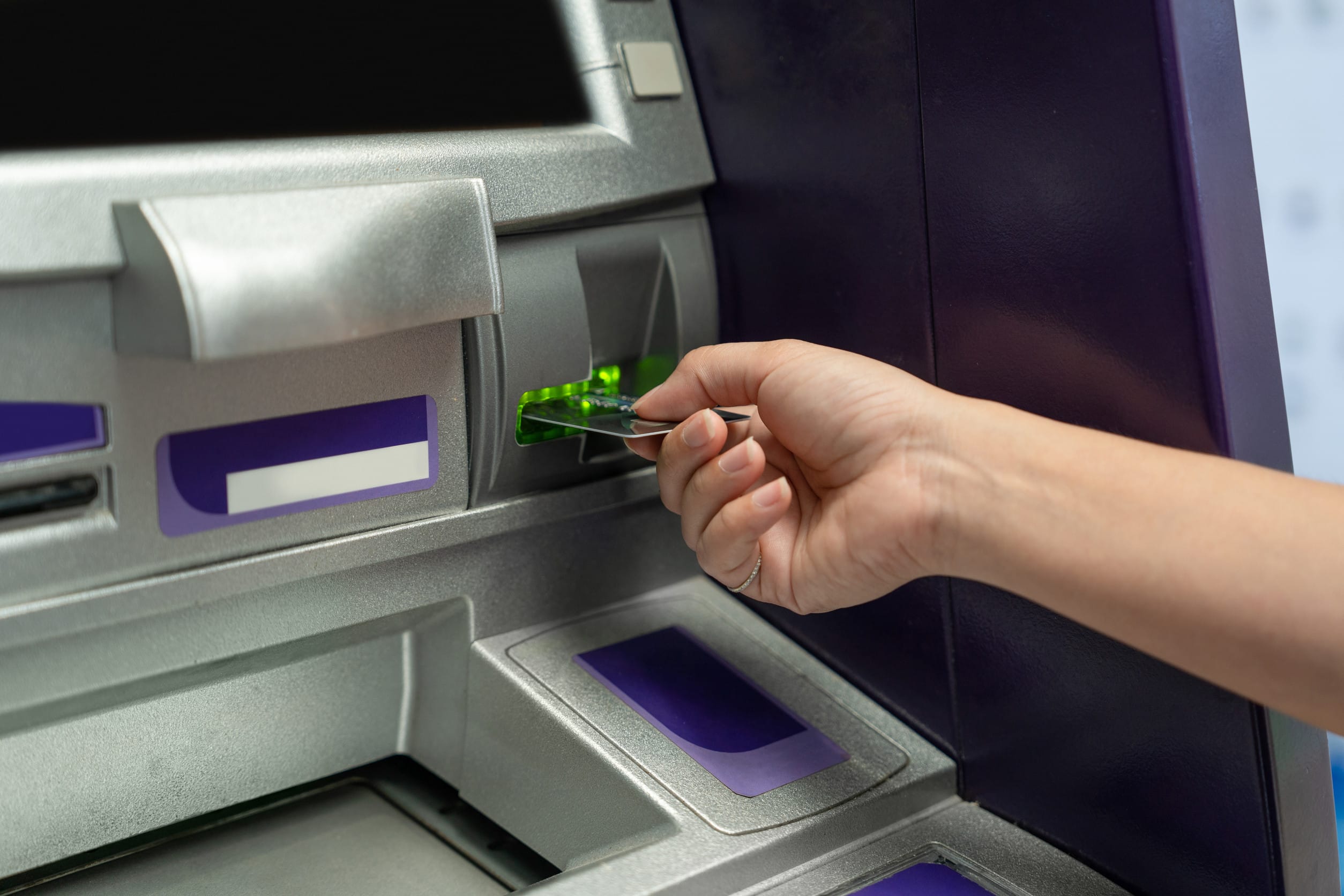
7 ATM Withdrawal Behaviors That Raise Government Surveillance Flags

August 13, 2025 by Catherine Reed Leave a Comment

7 ATM Withdrawal Behaviors That Raise Government Surveillance Flags
Image source: 123rf.com

While most people use ATMs without giving it a second thought, certain withdrawal patterns can draw unwanted attention from regulators and law enforcement agencies. Banks are required to monitor transactions for signs of suspicious activity, and in some cases, these patterns get flagged for further review by government agencies. Even if your money is completely legitimate, unusual habits at the ATM can lead to delays, account freezes, or questions you’d rather avoid. Understanding the ATM withdrawal behaviors that raise government surveillance flags can help you keep your banking routine low-risk and hassle-free. Here are seven behaviors worth knowing about.

1. Large Cash Withdrawals Over Reporting Thresholds

Withdrawing cash above certain limits — typically $10,000 in a single day — automatically triggers a Currency Transaction Report (CTR) to the government. Even if you are withdrawing for a perfectly legal reason, the transaction is flagged for recordkeeping under anti-money laundering laws. Banks are required to report these large withdrawals, and frequent high-value cash movements may invite further scrutiny. The government sees large sums of cash as a potential sign of illicit activity, such as tax evasion or money laundering. If you truly need to withdraw this much, be prepared for questions or documentation requests.

2. Multiple Withdrawals Just Under the Limit

Some people try to avoid triggering a report by making several withdrawals just under the $10,000 threshold. This tactic, known as “structuring,” is itself illegal and often more suspicious than a single large withdrawal. Regulators view this pattern as an intentional attempt to avoid reporting requirements. Even if the intention is innocent, such as withdrawing in stages for budgeting, banks may still flag the account. This is one of the most common ATM withdrawal behaviors that raise government surveillance flags.

3. Frequent Withdrawals in Unusual Locations

Withdrawing cash in multiple states, cities, or foreign countries in a short period can trigger monitoring alerts. These patterns suggest potential fraud or money movement designed to avoid detection. Banks may freeze your card until they verify your travel plans or intentions. If the withdrawals occur in areas known for high crime or financial fraud, the risk of scrutiny is even greater. Letting your bank know before traveling can help avoid unnecessary flags.

4. Consistent Withdrawals at Odd Hours

Late-night or very early morning withdrawals, especially if they happen regularly, can look suspicious to automated monitoring systems. While many people have legitimate reasons for nighttime transactions, unusual timing paired with high frequency can raise questions. The concern is that such behavior might be tied to illicit activities that operate during those hours. Even modest cash amounts withdrawn in the middle of the night can be flagged if they create a recognizable pattern. Being mindful of timing can reduce unwanted attention.

5. Using Multiple ATMs for Back-to-Back Withdrawals

Some account holders hop between different ATMs to take out cash in quick succession, either to avoid machine limits or to withdraw large sums without going into a branch. This can be interpreted as an attempt to conceal the total amount withdrawn. Banks are trained to spot this “ATM hopping” and may flag it as suspicious, even if you’re simply trying to access your own money. In certain cases, the bank might impose temporary withdrawal restrictions. Planning a single withdrawal through the bank can avoid this problem.

6. Repeated Maximum Daily Limit Withdrawals

Consistently taking out the maximum allowed amount each day — even if it’s below reporting thresholds — can catch the attention of monitoring systems. This is especially true if the withdrawals are in cash and not followed by a corresponding purchase or deposit pattern. Regulators may suspect the cash is being stockpiled or used in untraceable transactions. Over time, this can trigger further investigation or inquiries from your financial institution. Adjusting your withdrawal habits can help reduce the risk.

7. Frequent International ATM Transactions Without Travel History

Regularly withdrawing cash from ATMs in foreign countries while your main residence is in the U.S. can be a red flag. This behavior might be associated with offshore accounts, unreported income, or cross-border money movement. If you’re not physically traveling but using international ATMs through proxies or services, banks may consider this suspicious. Currency conversion patterns can also draw attention if the amounts are large or occur in high-risk regions. Among ATM withdrawal behaviors that raise government surveillance flags, this one often leads to deeper reviews by both banks and government agencies.

Staying Below the Radar with Smart Banking Habits

You don’t have to be doing anything illegal to trigger financial monitoring — sometimes, all it takes is a pattern that looks unusual to a computer algorithm. The best way to avoid ATM withdrawal behaviors that raise government surveillance flags is to keep transactions consistent, transparent, and in line with your known spending habits. If you anticipate a transaction that might raise questions, informing your bank ahead of time can prevent unnecessary freezes or reports. Your money should work for you without creating avoidable headaches.

Have you ever had a bank flag or question one of your withdrawals? Share your story in the comments — your experience could help others avoid the same situation.

Read More:

7 ATM Removal Features That Could Reduce Your Financial Privacy

Everyday Mistakes That Make You Vulnerable to Criminals

Catherine Reed
Catherine Reed

Catherine is a tech-savvy writer who has focused on the personal finance space for more than eight years. She has a Bachelor’s in Information Technology and enjoys showcasing how tech can simplify everyday personal finance tasks like budgeting, spending tracking, and planning for the future. Additionally, she’s explored the ins and outs of the world of side hustles and loves to share what she’s learned along the way. When she’s not working, you can find her relaxing at home in the Pacific Northwest with her two cats or enjoying a cup of coffee at her neighborhood cafe.

Filed Under: Banking Tagged With: ATM safety, banking tips, financial monitoring, government surveillance, personal finance habits, suspicious transactions

7 Bank Terms That Let Institutions Freeze Funds Without Warning

August 13, 2025 by Travis Campbell Leave a Comment

freeze funds
Image source: pexels.com

Money in the bank feels safe. You work hard, save, and expect your cash to be there when you need it. But banks have rules that can put your funds on hold—sometimes without telling you first. These rules aren’t always clear, and the fine print can be easy to miss. If you don’t know what to watch for, you could wake up one day and find your account frozen. That can mean missed bills, bounced checks, and a lot of stress. Here’s what you need to know about the bank terms that let institutions freeze your funds without warning.

1. Account Garnishment

Account garnishment happens when a court orders your bank to freeze money in your account. This usually comes from unpaid debts, like credit cards, medical bills, or taxes. The bank doesn’t have to warn you before freezing your funds. Once they get the order, they must act fast. You might not know until you try to use your card and it’s declined. If this happens, contact your bank and the creditor right away. You may be able to challenge the garnishment or claim exemptions, but you need to act quickly.

2. Suspicious Activity Reports (SARs)

Banks are required by law to watch for suspicious activity. If they see something odd—like large cash deposits, frequent transfers, or transactions that don’t match your usual pattern—they can file a Suspicious Activity Report (SAR). This can trigger a freeze on your account while they investigate. The bank doesn’t have to tell you they filed a SAR or that your account is under review. If your funds are frozen for this reason, it’s usually because the bank is following anti-money laundering laws. If you think your account was frozen by mistake, ask your bank for details, but know they might not share much.

3. Overdraft and Negative Balance Terms

If your account goes negative, banks can freeze your funds to cover the shortfall. Some banks have terms that let them hold incoming deposits to pay off what you owe. This can happen even if you have direct deposit set up. You might expect your paycheck to clear, but the bank could use it to cover overdrafts or fees first. Always read your account agreement to see how your bank handles negative balances. If you’re struggling with overdrafts, consider switching to an account with no overdraft fees or set up alerts to avoid going negative.

4. Legal Holds and Subpoenas

Banks must comply with legal requests, like subpoenas or court orders. If law enforcement is investigating you, your bank can freeze your funds without warning. This isn’t just for criminal cases—civil lawsuits can trigger holds too. The bank doesn’t have to notify you before freezing your account. If you find your funds frozen due to a legal hold, contact the bank and seek legal advice. You may need to go to court to get access to your money.

5. Account Verification and Fraud Prevention

Banks use account verification to protect against fraud. If they suspect someone is trying to access your account without permission, they can freeze your funds while they investigate. This can happen if you log in from a new device, change your contact info, or if there’s a data breach. The freeze is meant to keep your money safe, but it can be frustrating if you need access right away. If your account is frozen for verification, contact your bank and be ready to provide ID or answer security questions.

6. Breach of Account Terms

Every bank account comes with a set of rules. If you break those rules—like using your account for business when it’s personal, or violating transaction limits—the bank can freeze your funds. Sometimes, the rules are buried in the fine print. You might not realize you’ve done anything wrong until your account is locked. Always read your account agreement and ask questions if you’re unsure. If your account is frozen for a breach, ask the bank what happened and how to fix it.

7. Unpaid Bank Fees

Unpaid fees can add up fast. If you owe the bank money for things like monthly maintenance, overdrafts, or returned checks, they can freeze your account to collect. Some banks will freeze your funds after just one missed fee. Others wait until the amount is higher. Either way, you might not get a warning. Set up alerts for low balances and review your statements often. If you see fees you don’t understand, call your bank and ask for an explanation.

Protecting Your Money: What You Can Do

Bank freezes can happen to anyone. The best way to protect yourself is to know your account terms and keep an eye on your balance. Set up alerts for large transactions, low balances, or changes to your account. If you get a notice from your bank—no matter how small—read it carefully. If your account is frozen, act fast. Call your bank, ask for details, and get help if you need it. Sometimes, you can resolve the issue quickly. Other times, you may need legal advice. The key is to stay informed and proactive.

Have you ever had your bank account frozen without warning? Share your story or tips in the comments below.

Read More

7 Legal Loopholes That Let Authorities Freeze Assets Without Warning

What Happens When a Financial Account Freezes Right After a Loved One Passes

Travis Campbell
Travis Campbell

Travis Campbell is a digital marketer/developer with over 10 years of experience and a writer for over 6 years. He holds a degree in E-commerce and likes to share life advice he’s learned over the years. Travis loves spending time on the golf course or at the gym when he’s not working.

Filed Under: Banking Tagged With: account security, bank account freeze, banking terms, fraud prevention, legal holds, overdraft, Personal Finance

5 Invisible Service Charges Eating Into Your Bank Balance

August 12, 2025 by Travis Campbell Leave a Comment

bank balance
Image source: pexels.com

Keeping track of your money is hard enough without sneaky fees making it even harder. You check your bank balance, and it’s lower than you expected. Where did the money go? Sometimes, it’s not the big purchases that drain your account. It’s the invisible service charges that chip away at your savings, little by little. These fees often hide in the fine print, and most people don’t even realize they’re paying them. If you want to keep more of your money, you need to know what these charges are and how to stop them. Here are five invisible service charges that could be eating into your bank balance right now.

1. Monthly Maintenance Fees

Monthly maintenance fees are one of the most common invisible service charges. Banks often charge these fees just for keeping your account open. You might not notice them at first because they’re small—maybe $5 or $10 a month. But over a year, that adds up to $60 or $120, and that’s money you could use elsewhere. Some banks will waive these fees if you keep a minimum balance or set up direct deposit. But if you don’t meet those requirements, the fee hits your account every month. The worst part? Many people don’t even realize they’re paying it until they look closely at their statements. If you want to avoid this invisible service charge, look for banks that offer free checking or savings accounts. Or, ask your current bank what you need to do to get the fee waived. Don’t let a simple oversight cost you money every month.

2. Out-of-Network ATM Fees

Using an ATM that doesn’t belong to your bank can cost you more than you think. Out-of-network ATM fees are a classic invisible service charge. When you use another bank’s ATM, you might get hit with two fees: one from your bank and one from the ATM owner. These fees can range from $2 to $5 each time. If you use out-of-network ATMs a few times a month, you could lose $100 or more a year. That’s money you’re paying just to access your own cash. Some banks refund these fees, but many don’t. To avoid this invisible service charge, plan ahead. Use your bank’s ATM locator app or website to find free ATMs near you. Or, get cash back at the grocery store when you make a purchase. Small changes in your habits can save you a lot over time.

3. Overdraft Protection Fees

Overdraft protection sounds helpful, but it can be another invisible service charge draining your bank balance. When you spend more than you have in your account, overdraft protection covers the difference—usually by moving money from another account or giving you a short-term loan. But this service isn’t free. Banks often charge $10 to $35 each time it kicks in. Some people think overdraft protection means they won’t pay any fees, but that’s not true. The fee might be less than a regular overdraft charge, but it still adds up. If you use overdraft protection a few times a year, you could lose hundreds of dollars. The best way to avoid this invisible service charge is to keep a close eye on your balance. Set up alerts for low balances or use budgeting apps to track your spending. If you don’t need overdraft protection, consider opting out. That way, your card will be declined if you don’t have enough money, and you won’t get hit with a fee.

4. Paper Statement Fees

Getting a paper statement in the mail might seem harmless, but it can cost you. Many banks now charge a fee for mailing paper statements—sometimes $2 or $3 per month. This is another invisible service charge that’s easy to miss. You might not even realize you’re paying it unless you read your statement carefully. Over a year, this fee can add up to $24 or $36. That’s money you could save just by switching to electronic statements. Most banks offer free online statements, and you can access them anytime. If you still want a paper copy, you can usually print one at home. To avoid this invisible service charge, log in to your online banking and switch to e-statements. It’s a quick change that saves you money and helps the environment.

5. Foreign Transaction Fees

Traveling or shopping online from international retailers can trigger foreign transaction fees. These invisible service charges usually show up as a percentage of your purchase—often 1% to 3%. If you travel abroad or buy from overseas websites, these fees can add up fast. You might not notice them right away because they’re small, but over time, they can take a big bite out of your bank balance. Some banks and credit cards don’t charge foreign transaction fees, but many still do. Before you travel or shop online, check your bank’s policy. If you see these fees on your statement, consider switching to a card that doesn’t charge them. You can also use digital wallets or payment services that offer better exchange rates and lower fees. Being aware of this invisible service charge can help you keep more of your money when you spend internationally.

Protect Your Bank Balance by Staying Alert

Invisible service charges can quietly drain your bank balance if you’re not paying attention. The good news is, you can fight back. Review your statements every month. Ask your bank about any fees you don’t understand. Switch to accounts with fewer fees, and use technology to help you track your spending. Small steps can make a big difference. The more you know about invisible service charges, the easier it is to keep your money where it belongs—in your account.

Have you noticed any invisible service charges on your bank statements? Share your experiences or tips in the comments below.

Read More

Top Ways to Save Your Finances

How to Ensure Your Budget is Working for You

Travis Campbell
Travis Campbell

Travis Campbell is a digital marketer/developer with over 10 years of experience and a writer for over 6 years. He holds a degree in E-commerce and likes to share life advice he’s learned over the years. Travis loves spending time on the golf course or at the gym when he’s not working.

Filed Under: Banking Tagged With: bank fees, banking tips, financial literacy, hidden charges, invisible service charges, Personal Finance, saving money

7 ATM Removal Features That Could Reduce Your Financial Privacy

August 11, 2025 by Travis Campbell Leave a Comment

ATM
Image source: pexels.com

When you use an ATM, you expect a quick, private transaction. But as banks and ATM operators update their machines, some features that once protected your financial privacy are disappearing. These changes might seem small, but they can add up to a big loss of control over your personal information. If you care about keeping your financial life private, it’s important to know what’s changing and how it could affect you. Here’s what you need to watch for the next time you use an ATM.

1. Disappearing Paper Receipts

Many ATMs now offer digital receipts or no receipt at all. This might sound convenient, but it can actually reduce your financial privacy. Paper receipts let you track your withdrawals without leaving a digital trail. When you only get digital receipts, your transaction details are stored by the bank or ATM operator. This data can be accessed, shared, or even hacked. If you want to keep your withdrawals private, always choose a paper receipt when possible. If your ATM doesn’t offer one, consider how your information is being stored and who might see it.

2. Removal of Privacy Shields

Older ATMs often had physical shields around the keypad to block prying eyes. Many new machines have removed these shields for a sleeker look. Without them, it’s easier for someone nearby to see your PIN or watch your transaction. This puts your account at risk and makes your financial activity less private. If you use an ATM without a privacy shield, cover the keypad with your hand when entering your PIN. Stand close to the machine and be aware of anyone standing too close.

3. Fewer Cash Withdrawal Options

Some ATMs now limit the denominations or amounts you can withdraw. This might seem like a minor inconvenience, but it can force you to take out more cash than you need or make multiple transactions. Each transaction creates a record, making it easier for banks or third parties to track your spending habits. If you value privacy, look for ATMs that still let you choose your withdrawal amount and denominations. This gives you more control over your cash and your transaction history.

4. Increased Use of Cameras

ATMs have always had security cameras, but newer machines often have more cameras and better resolution. Some even use facial recognition or record audio. While these features are meant to prevent fraud, they also collect a lot of personal data. Your face, your voice, and your actions at the ATM can all be recorded and stored. This information could be shared with law enforcement or other organizations, sometimes without your knowledge. If you’re concerned about privacy, use ATMs in locations with minimal surveillance or ask your bank about their camera policies.

5. Elimination of Anonymous Withdrawals

In the past, some ATMs allowed you to withdraw cash without entering your account number, using prepaid cards or vouchers. Many banks have removed this feature, requiring full account authentication for every transaction. This means every withdrawal is tied directly to your identity. It’s harder to keep your spending private, and your bank has a complete record of your cash use. If you want more privacy, consider using cash-back options at stores or prepaid cards that don’t require registration.

6. Removal of Transaction Anonymity

Some ATMs used to allow you to make certain transactions, like checking your balance, without logging in fully. Now, most machines require full authentication for every action. This means every time you check your balance or view recent transactions, it’s logged and linked to your account. Over time, this creates a detailed profile of your banking habits. If you want to keep your financial activity private, limit unnecessary ATM transactions and use secure, private methods to check your balance.

7. Fewer Standalone ATMs

Standalone ATMs, not connected to a specific bank, used to offer more privacy. They often required less personal information and didn’t always link transactions to your main bank account. Many of these machines are being removed or replaced by bank-branded ATMs. This shift means your transactions are more likely to be tracked, analyzed, and stored by your bank. If you value privacy, seek out independent ATMs or use cash for purchases when possible.

Protecting Your Financial Privacy in a Changing World

ATM removal features are changing the way we manage our money. Each new feature might seem harmless, but together they can make it much harder to keep your financial life private. The best way to protect yourself is to stay informed and make conscious choices about how you use ATMs. Choose machines that offer paper receipts, privacy shields, and flexible withdrawal options. Be aware of cameras and avoid unnecessary transactions. And remember, you have the right to ask your bank about their privacy policies and how they handle your data.

How have ATM changes affected your sense of financial privacy? Share your thoughts or experiences in the comments below.

Read More

7 Crypto ATM Tactics That Leave Seniors Vulnerable

What to Do When You Need Medical Treatment but Can’t Afford It

Travis Campbell
Travis Campbell

Travis Campbell is a digital marketer/developer with over 10 years of experience and a writer for over 6 years. He holds a degree in E-commerce and likes to share life advice he’s learned over the years. Travis loves spending time on the golf course or at the gym when he’s not working.

Filed Under: Banking Tagged With: ATM features, ATM privacy, banking security, cash withdrawals, financial privacy, Personal Finance, privacy tips

What Happens When Your Loved Ones Open an Account in Your Name?

August 10, 2025 by Travis Campbell Leave a Comment

bank account
Image source: pexels.com

Opening a bank account is a big deal. It’s your money, your name, and your credit on the line. But what if someone you trust—maybe a family member or close friend—opens an account in your name without telling you? This happens more often than you might think. Sometimes it’s a mistake. Other times, it’s fraud. Either way, it can cause real problems. If you’re wondering what happens when your loved ones open an account in your name, here’s what you need to know.

1. Your Credit Score Can Take a Hit

When someone opens an account in your name, it usually means a credit check. That check shows up on your credit report. If the account isn’t managed well—late payments, overdrafts, or unpaid fees—your credit score can drop. Even if you had nothing to do with it, the damage is real. A lower credit score can make it harder to get loans, rent an apartment, or even land some jobs. You might not notice the problem until you apply for credit and get denied. That’s why it’s important to check your credit report regularly.

2. You Could Be on the Hook for Debt

If your name is on the account, you’re legally responsible for what happens with it. That means if your loved one racks up debt or fees, the bank will come after you. You might get calls from debt collectors. You could even get sued. It doesn’t matter if you never saw a dime of the money. The law sees your name and holds you accountable. This can lead to stress, lost money, and a lot of time spent trying to fix the mess. If you find out about an account you didn’t open, act fast. Contact the bank and explain the situation. You may need to file a police report or get legal help.

3. Your Relationship Could Suffer

Money and trust go hand in hand. When someone opens an account in your name without asking, it’s a breach of trust. Even if they meant well, it can feel like a betrayal. You might feel angry, hurt, or confused. Conversations about money are hard, but this one is necessary. Talk to your loved one about what happened. Set clear boundaries. If you need help, consider talking to a counselor or mediator. Protecting your finances is important, but so is protecting your peace of mind.

4. You Might Face Tax Problems

If the account earns interest or is used for business, you could get a tax bill. The IRS sees your name and expects you to report the income. If your loved one doesn’t tell you about the account, you might miss important tax forms. That can lead to penalties or an audit. Fixing tax problems takes time and money. If you get a tax form for an account you don’t recognize, don’t ignore it. Contact the IRS and explain the situation. You can find more information about identity theft and taxes at the IRS website.

5. You Could Be a Victim of Identity Theft

Opening an account in someone else’s name is a form of identity theft. Even if it’s a family member, it’s still illegal. Identity theft can lead to more than just money problems. It can affect your credit, your reputation, and your sense of security. If you suspect identity theft, place a fraud alert on your credit report. Consider freezing your credit to stop new accounts from being opened. Report the theft to the Federal Trade Commission (FTC) and your local police. The sooner you act, the better your chances of limiting the damage.

6. Fixing the Problem Takes Time and Effort

Clearing your name isn’t easy. You’ll need to contact banks, credit bureaus, and sometimes law enforcement. You might have to fill out forms, provide proof, and follow up for months. It’s a hassle, but it’s necessary. Keep records of every call, letter, and email. Stay organized. If you need help, reach out to a consumer protection agency or a lawyer. Don’t give up. It’s your name and your future at stake.

7. Prevention Is Your Best Defense

The best way to avoid this problem is to protect your personal information. Don’t share your Social Security number, bank details, or passwords—even with people you trust. Shred sensitive documents. Use strong passwords and change them often. Monitor your accounts and credit report for any signs of trouble. If someone asks to open an account in your name, say no. If you want to help a loved one, consider safer options, such as co-signing or joint accounts, but be aware of the associated risks.

8. Legal Action May Be Necessary

If your loved one refuses to close the account or pay the debt, you might need to take legal action. This isn’t easy, especially when family is involved. But sometimes it’s the only way to protect yourself. Talk to a lawyer about your options. You may need to file a police report or take the case to court. The law is on your side, but you have to act.

Protecting Your Name Is Protecting Your Future

When your loved ones open an account in your name, it’s more than just a paperwork issue. It can affect your credit, your finances, your taxes, and your relationships. The best thing you can do is stay alert, protect your information, and act quickly if something goes wrong. Your name is your most valuable asset. Guard it carefully.

Have you ever dealt with a situation like this? Share your story or advice in the comments below.

Read More

12 Ways to Protect Your Legacy From Taxes

Are There Taxes That Have to Be Paid On Yearly Bonuses?

Travis Campbell
Travis Campbell

Travis Campbell is a digital marketer/developer with over 10 years of experience and a writer for over 6 years. He holds a degree in E-commerce and likes to share life advice he’s learned over the years. Travis loves spending time on the golf course or at the gym when he’s not working.

Filed Under: Banking Tagged With: credit score, family finances, financial safety, fraud prevention, identity theft, legal advice, Personal Finance

6 Statements Widows Hear That Can Void Joint Checking Accounts

August 9, 2025 by Catherine Reed Leave a Comment

6 Statements Widows Hear That Can Void Joint Checking Accounts
Image source: 123rf.com

Losing a spouse is emotionally devastating—but the legal and financial surprises that follow can make it even harder. Many widows assume a joint checking account gives them automatic access to funds, but certain comments or assumptions made by others (or even themselves) can disrupt that expectation. Banks, probate courts, and even extended family members can question the validity of shared ownership based on hearsay or misinterpretation. Suddenly, the account gets frozen, disputed, or pulled into estate proceedings. To protect financial stability, it’s important to understand the statements widows hear that can void joint checking accounts—and how to avoid letting those words undo your access.

1. “That Account Was Only in His Name, Right?”

This question, often asked by a family member or even a bank employee, can trigger doubt about the account’s ownership. If you say yes—even casually—it could signal that the account wasn’t truly joint, even if your name appears on the paperwork. Inheritance disputes can escalate quickly when language seems to contradict documents. When someone asks this, clarify your role as a co-owner and reaffirm your rights to the funds. Avoid off-the-cuff answers that might be misinterpreted during the legal process.

2. “She Never Really Used That Account Anyway”

It may seem like a harmless comment, but this statement can cast doubt on whether the surviving spouse had equal ownership. Courts may consider usage history when determining true intent of account holders. If a widow didn’t regularly contribute to or withdraw from the account, someone could argue that she was added for convenience—not as a legal co-owner. That can pull the funds into probate or make them subject to creditor claims. It’s crucial to document regular use of joint accounts to show true joint intent.

3. “He Handled All the Finances”

Many couples have traditional roles in managing household finances, but stating this after a spouse’s death can unintentionally undermine your legal standing. Saying that your spouse handled everything may suggest you had no knowledge or control of the joint checking account. This can lead to banks or estate representatives freezing access until ownership is clarified. Instead of emphasizing financial dependency, stress your shared decision-making or awareness of the account’s purpose. You don’t have to have written the checks to be a legitimate co-owner.

4. “We Only Added Her Name Because of His Health”

This is one of the most dangerous statements widows hear that can void joint checking accounts. If you were added to the account during your spouse’s illness, others might suggest it was solely for caretaking or convenience purposes. That opens the door for the account to be viewed as part of the deceased’s estate—not as your shared property. Courts often scrutinize last-minute account changes, especially when health is declining. Always clarify that the intention was joint ownership with survivorship rights, not just temporary access.

5. “It Was Really His Money, Though”

Even if one spouse earned most of the income, calling the money “his” can undo the equal ownership that joint accounts are supposed to represent. Statements like this—even if meant respectfully—can suggest the funds should be distributed through the estate. That can attract attention from creditors, estranged relatives, or legal challenges. Ownership of funds in a joint account depends more on intent and structure than who made the deposits. Be mindful of how you frame financial contributions when discussing the account after a spouse’s passing.

6. “I Think It’s Better to Wait for the Executor”

While this may seem like a cautious approach, it can accidentally signal that you believe the account should go through probate. In reality, joint checking accounts with survivorship rights should transfer immediately to the surviving spouse. If a bank hears you say you’re deferring to the executor, they may freeze the account pending estate settlement. Don’t surrender your rights by hesitating to assert ownership. If you’re unsure about your authority, consult a financial advisor or estate attorney before making statements that could complicate your access.

Know What to Say (and What Not to Say) After a Loss

Grief makes everything harder, especially when you’re forced to talk about money during such a vulnerable time. But what you say—especially to banks, family, or lawyers—can have long-lasting effects on whether you maintain access to your joint checking account. Widows often hear and repeat well-meaning but problematic statements that can invalidate their ownership. By being clear, consistent, and confident in your status as a co-owner, you can reduce the risk of having your account frozen or pulled into probate. Understanding the statements widows hear that can void joint checking accounts is one more way to protect your financial future.

Have you or someone you know experienced account complications after a spouse passed away? What advice would you share with others? Join the conversation in the comments below.

Read More:

What Insurance Fine Print Could Void Your Entire Claim?

How One Missed Tax Deadline Cost a Widow Her Retirement Home

Catherine Reed
Catherine Reed

Catherine is a tech-savvy writer who has focused on the personal finance space for more than eight years. She has a Bachelor’s in Information Technology and enjoys showcasing how tech can simplify everyday personal finance tasks like budgeting, spending tracking, and planning for the future. Additionally, she’s explored the ins and outs of the world of side hustles and loves to share what she’s learned along the way. When she’s not working, you can find her relaxing at home in the Pacific Northwest with her two cats or enjoying a cup of coffee at her neighborhood cafe.

Filed Under: Banking Tagged With: banking, Estate planning, family law, financial advice, grief and money, Inheritance, joint checking accounts, probate issues, surviving spouse rights, widows and finances

  • « Previous Page
  • 1
  • …
  • 8
  • 9
  • 10
  • 11
  • 12
  • …
  • 14
  • Next Page »

Follow Us

Search this site:

Recent Posts

  • Can My Savings Account Affect My Financial Aid? by Tamila McDonald
  • 12 Ways Gen X’s Views Clash with Millennials… by Tamila McDonald
  • What Advantages and Disadvantages Are There To… by Jacob Sensiba
  • 10 Tactics for Building an Emergency Fund from Scratch by Vanessa Bermudez
  • Call 911: Go To the Emergency Room Immediately If… by Stephen Kanaval
  • 7 Weird Things You Can Sell Online by Tamila McDonald
  • 10 Scary Facts About DriveTime by Tamila McDonald

Copyright © 2026 · News Pro Theme on Genesis Framework